
Dispatch — Long Read
World Cinema Classics: 15 Masterpieces Beyond the English Language
Step outside the Hollywood bubble with this essential collection of international films, ranging from heart-wrenching war dramas and surreal character studies to vibrant tales of love and resilience from across the globe.
The Cinéprism
09 / 01 / 2026 · 12 min read

15. 🎬 Persona (1966)

Synopsis: Elisabet Vogler, a renowned stage actress, suddenly stops speaking during a performance of Electra and retreats into total silence, though she is deemed physically and mentally healthy. She is sent to a secluded seaside cottage to recover under the care of a young, candid nurse named Alma. As the two women spend their days in isolation, Alma fills the silence with her own confessions and secrets, slowly leading to a psychological melding where their identities begin to blur, merge, and violently clash, leaving the viewer to question who is the patient and who is the caretaker.

Ingmar Bergman crafted a film that is widely considered the Mount Everest of cinematic modernism, a work that deconstructs the very medium of film itself. Sven Nykvist’s high-contrast black-and-white cinematography creates a dreamlike, stark atmosphere where faces become landscapes, most notably in the famous shot where the two women's faces are superimposed to create a single, fractured visage. It is a deeply challenging exploration of the human psyche, vampirism, and the masks we wear to confront the world, refusing to offer a single definitive interpretation of its surreal imagery.
14. 🎬 Come and See (1985)
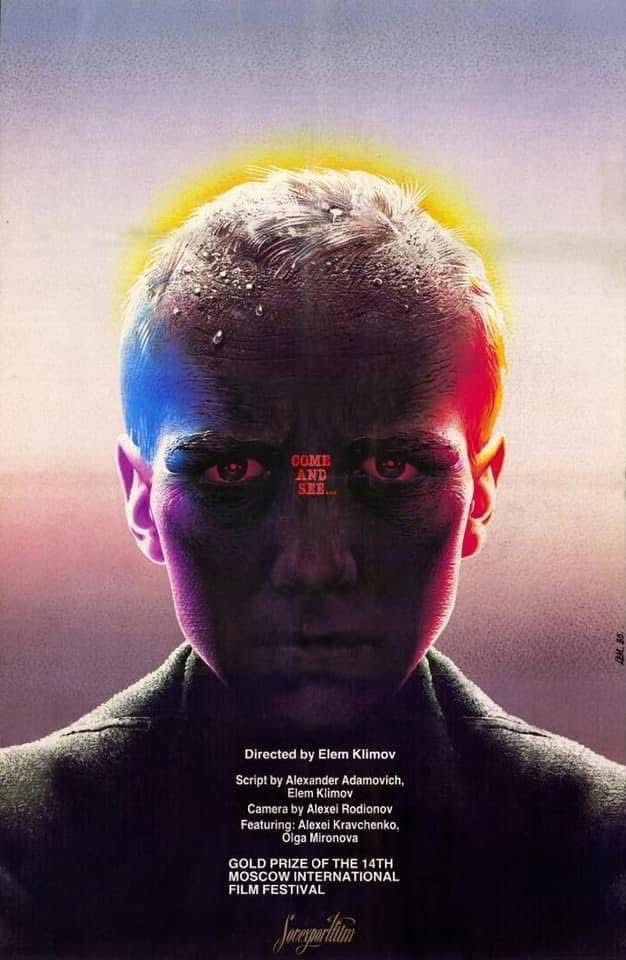
Synopsis: In 1943, a young Byelorussian boy named Flyora digs up an old rifle in the sand, eager to join the Soviet partisans fighting the Nazi occupation. His romanticized visions of war are violently shattered as he is separated from his unit and forced to wander the apocalyptic landscape of the Eastern Front. Flyora bears witness to a series of escalating atrocities, including the systematic burning of a village and its inhabitants by the SS, an ordeal that visibly ages him from a fresh-faced child into a wrinkled, hollow-eyed ghost of a man in the span of a few days.

Elem Klimov’s anti-war masterpiece is often cited as the most terrifying film ever made, not because of jump scares, but because of its unblinking, hallucinatory realism. The film utilizes the "Kubrick Stare" to unsettling effect, with characters frequently breaking the fourth wall to look directly into the camera, implicating the audience in the madness unfolding on screen. It is a sensory assault that uses disorienting sound design and gruesome imagery to strip away any notion of heroism, leaving only the sheer, screaming insanity of genocide.
13. 🎬 Cinema Paradiso (1988)
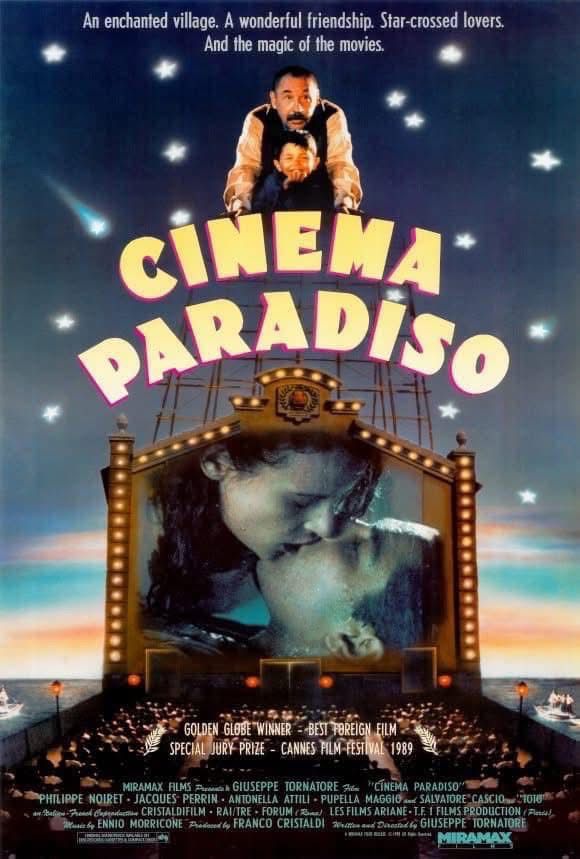
Synopsis: A famous film director, Salvatore Di Vita, receives news that takes him back to his childhood in a small, war-torn Sicilian village, where he was known as Toto. The narrative unfolds as a memory, chronicling the young boy's deep friendship with Alfredo, the gruff but loving projectionist at the local Cinema Paradiso. As Alfredo teaches Toto how to project films and eventually how to live, the theater serves as the communal heart of the town, witnessing romance, tragedy, and the changing tides of history, until a fire and a broken heart force Toto to leave his home behind forever.

This film is a sentimental love letter to the magic of the movie theater, capturing the specific nostalgia of a time when the cinema was the town's church, school, and window to the world. Ennio Morricone’s score is legendary for its emotional resonance, perfectly accompanying the lush, golden-hued cinematography that romanticizes the past. The famous final montage of the "censored kisses" is one of the most cathartic moments in film history, symbolizing the restoration of all the passion and love that life tries to cut out of us.
12. 🎬 Tokyo Story (1953)
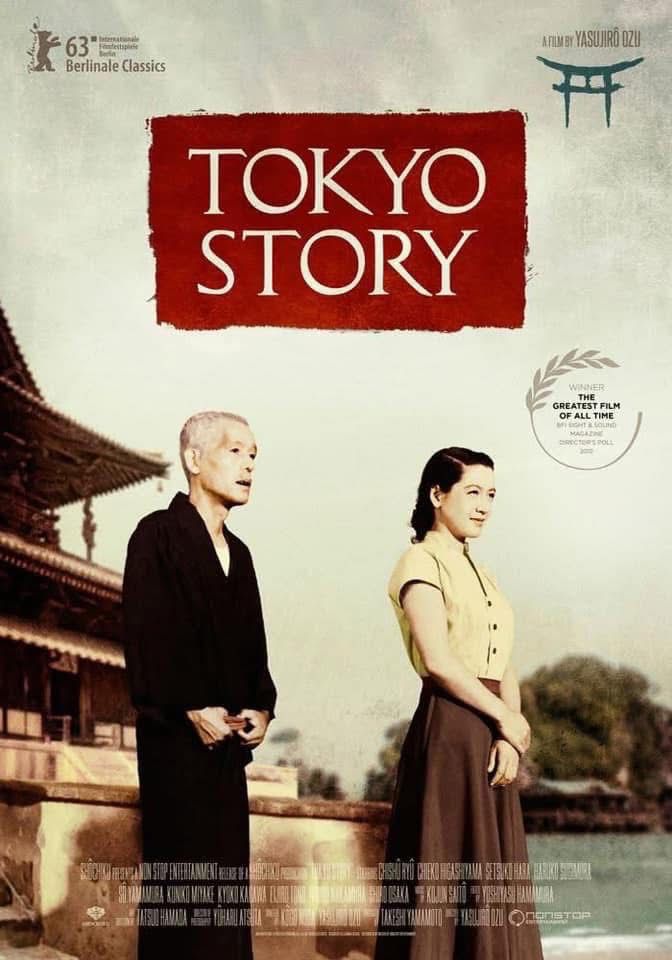
Synopsis: An elderly couple, Shukichi and Tomi, travel from their small seaside village to bustling post-war Tokyo to visit their adult children. However, they find that their children - a doctor and a beauty salon owner - are too busy with their own lives to spend time with them, treating their parents as a burden to be shuffled around. The only person who shows them genuine kindness and attention is Noriko, the widow of their son who was killed in the war, highlighting the tragic irony that blood ties do not guarantee affection.
Yasujirō Ozu’s masterpiece is a quiet, devastating meditation on the inevitable disintegration of the family unit and the passage of time. Filmed almost entirely from a low "tatami mat" camera angle, the film invites the viewer to sit with the characters, creating an intimacy that makes the emotional neglect feel deeply personal. It avoids melodrama for a tone of resigned acceptance, beautifully encapsulated in the Japanese concept of "mono no aware," or the pathos of things, suggesting that life is disappointing, but we must endure it with grace.
11. 🎬 Close-Up (1990)

Synopsis Based on a bizarre true event, the film tells the story of Hossain Sabzian, a cinephile who impersonates the famous Iranian director Mohsen Makhmalbaf. He convinces a wealthy family that they will star in his next film, infiltrating their home and their lives until he is arrested for fraud. The film blends documentary footage of Sabzian's actual trial with reenactments featuring the real people involved - including Sabzian, the family, and even Makhmalbaf himself - blurring the lines between reality and performance.
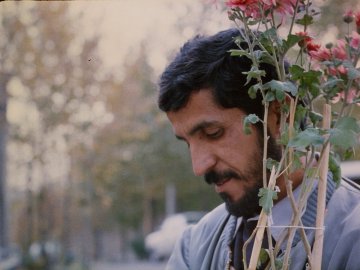
Abbas Kiarostami created a unique genre-defying work that questions the power of cinema and the nature of identity. By having the real subjects play themselves, the film becomes a complex hall of mirrors that asks why a man would choose to be someone else, ultimately revealing Sabzian not as a criminal, but as a tragic figure desperate for respect and artistic connection. It is a profound humanist statement that champions the dignity of the ordinary individual and the redemptive power of forgiveness.
10. 🎬 Chungking Express (1994)

Synopsis: Two melancholy Hong Kong police officers, both nursing broken hearts, cross paths with mysterious women in the neon-lit chaos of the city. The first cop, He Qiwu, obsesses over expired pineapple cans and falls for a woman in a blonde wig who happens to be a drug smuggler. The second cop, known only as Cop 663, fails to notice that a quirky snack bar worker named Faye is secretly breaking into his apartment to clean and redecorate it, transforming his life without him realizing it.

Wong Kar-wai defines the aesthetic of 90s cool with this visually dazzling exploration of urban loneliness and missed connections. The film is famous for its "step-printing" visual style, which creates a blur of motion that mimics the passage of time in a busy city, and for its repetitive, infectious soundtrack featuring "California Dreamin'." It captures the feeling of being alone in a crowd, finding romance not in grand gestures, but in the small, eccentric ways people try to connect with one another.
9. 🎬 Incendies (2010)
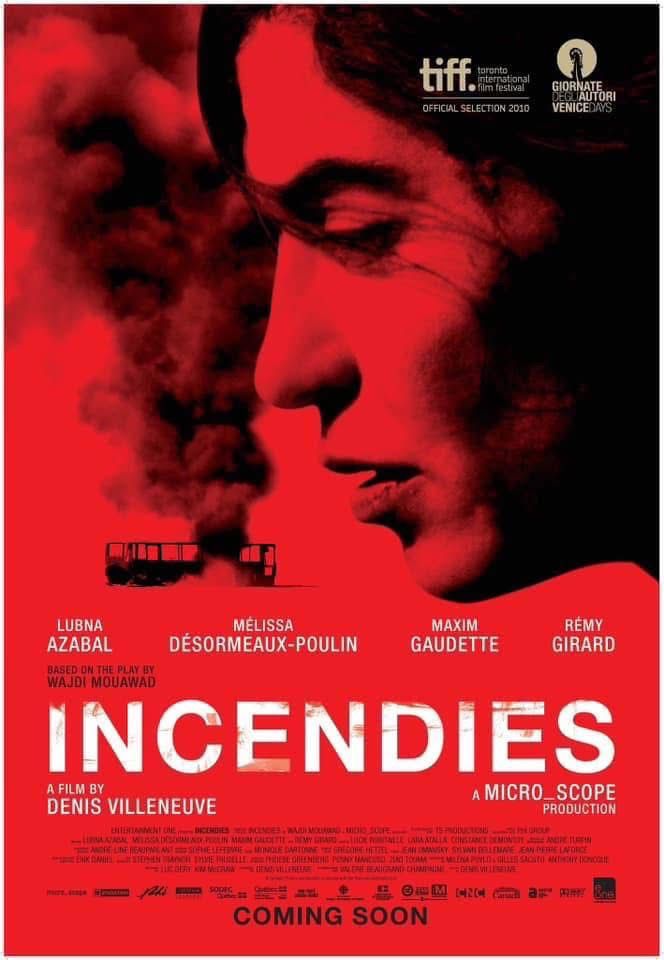
Synopsis: After the death of their mother Nawal, twins Jeanne and Simon are handed two sealed letters by a notary: one for the father they thought was dead, and one for a brother they never knew existed. To fulfill their mother's final wish, they travel to the Middle East to retrace her steps, uncovering a harrowing history of civil war, prison torture, and impossible sacrifices. The journey unravels a mathematical equation of tragedy that reveals their lineage is rooted in a horrifying paradox.

Denis Villeneuve adapts Wajdi Mouawad’s play into a modern Greek tragedy that hits the viewer with the force of a physical blow. The film is structurally complex, weaving together two timelines to show how the violence of the past bleeds into the present, yet it remains visually grounded and stark. It explores the cycle of hatred in war-torn regions, delivering a plot twist that is profoundly disturbing yet essential to the film’s message about the power of love to break the chain of anger.
8. 🎬 Parasite (2019)

Synopsis: The Kim family, living in a squalid semi-basement apartment and struggling to make ends meet, slowly infiltrates the wealthy Park family's household by posing as unrelated, highly qualified tutors and servants. Just as they settle into their parasitic existence of leeching off the Parks' wealth, a discovery in the mansion’s hidden bunker triggers a chaotic chain of events that exposes the violent, unbridgeable chasm between the haves and the have-nots.

Bong Joon-ho made history as the first non-English language film to win the Best Picture Oscar, thanks to his masterful blending of dark comedy, thriller, and social satire. The film is a marvel of production design, using the verticality of the architecture - the Parks' hilltop mansion versus the Kims' subterranean hovel - to visualize class warfare. It is a furious, entertaining critique of late-stage capitalism that suggests the system destroys everyone involved, stripping the poor of their dignity and the rich of their humanity.
7. 🎬 Indochine (1992)
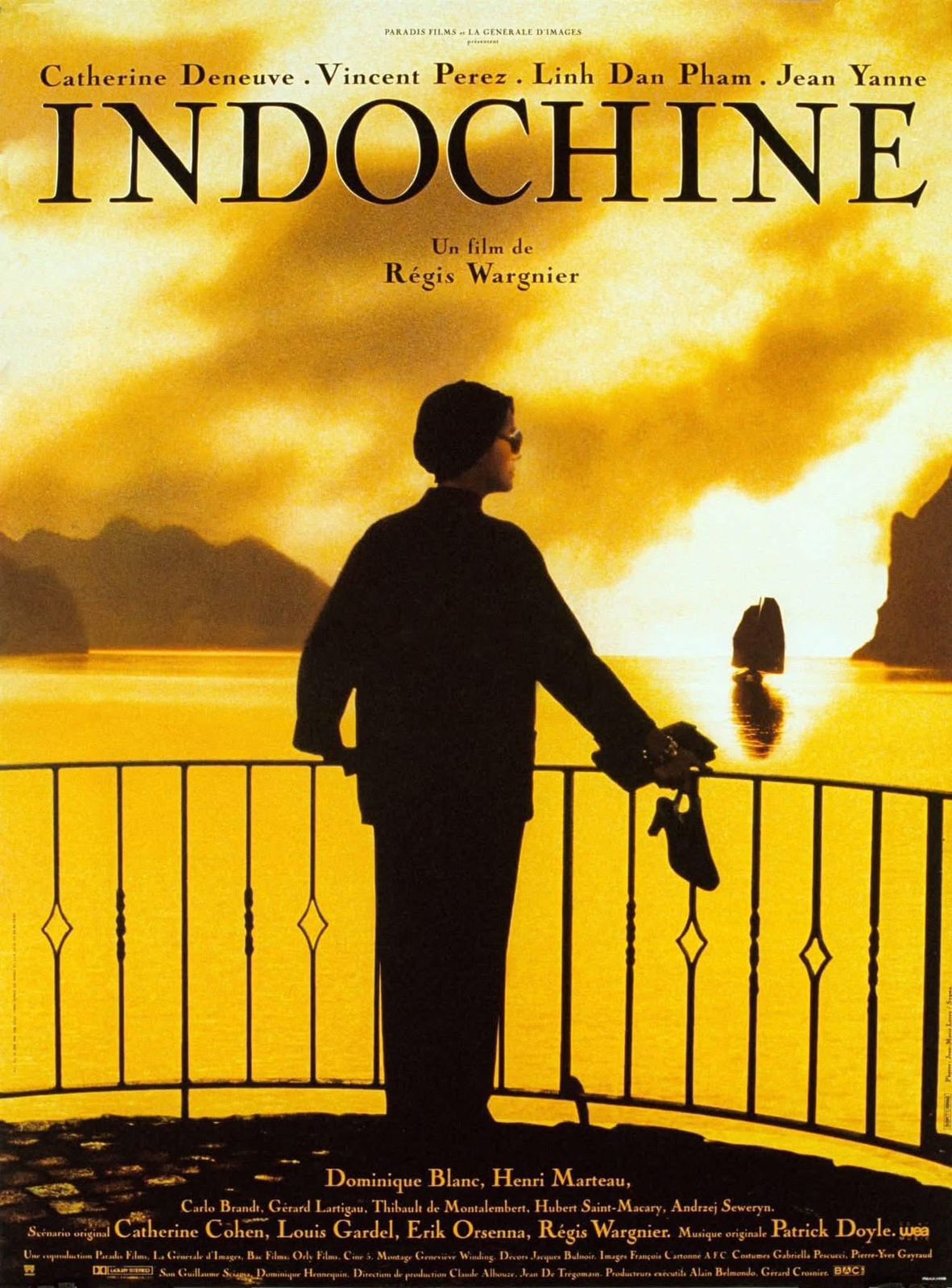
Synopsis: Set against the backdrop of French colonial rule in Vietnam, Éliane Devries is a wealthy, commanding plantation owner who raises an adopted Vietnamese princess, Camille, as her own daughter. Their bond is tested when both women fall in love with the same French naval officer, Jean-Baptiste. As the nationalist movement rises and the country heads toward independence, Camille is radicalized by the injustices she witnesses, transforming from a privileged girl into a legendary revolutionary leader known as the "Red Princess."

This sweeping historical epic won the Academy Award for Best Foreign Language Film, anchored by a regal performance from Catherine Deneuve. It captures the twilight of the colonial era with lush cinematography and grand romantic storytelling, while also acknowledging the brutal exploitation that fueled the empire. The film effectively parallels the mother-daughter relationship with the relationship between France and Vietnam, showing how possessive love inevitably leads to rebellion and separation.
6. 🎬 Amélie (2001)
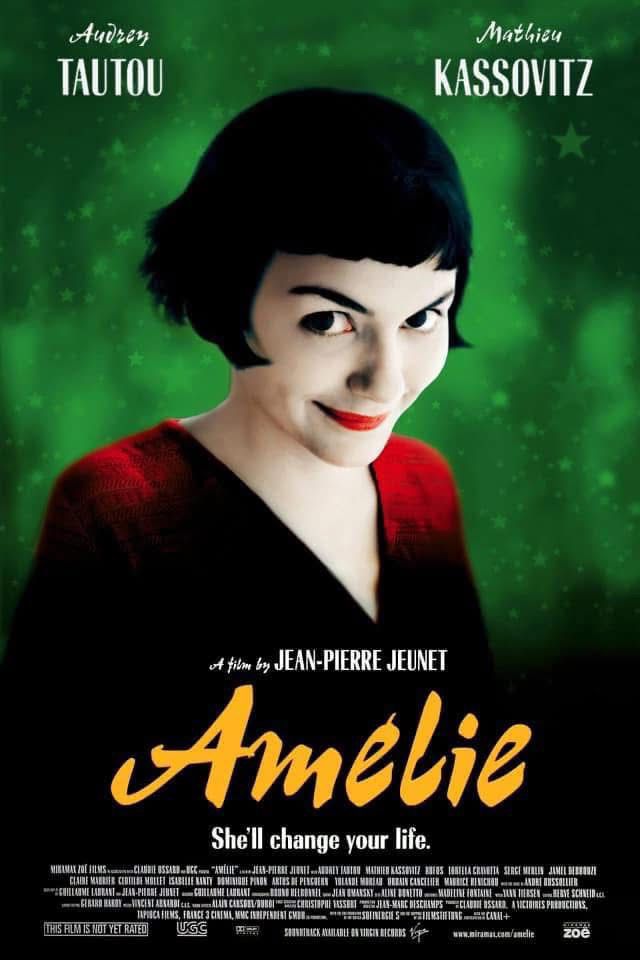
Synopsis: Amélie Poulain is a painfully shy waitress in Montmartre who retreats into a whimsical world of her own imagination to cope with her loneliness. After finding a tin box of childhood memorabilia in her apartment and returning it to its owner, she decides to dedicate her life to orchestrating small, anonymous acts of kindness for the people around her. While she succeeds in fixing the lives of her neighbors and father, she is forced to confront her own fear of intimacy when she falls for a quirky stranger who collects discarded photo booth pictures.

Jean-Pierre Jeunet created a visual confection that looks like a moving painting, utilizing a saturated green, red, and yellow color palette to portray a storybook version of Paris. The film is a celebration of introversion, showing how a quiet person can have a loud impact on the world through observation and empathy. It is driven by Audrey Tautou’s charming, mischievous performance and Yann Tiersen’s iconic accordion score, creating a feel-good masterpiece that champions the beauty of small, everyday pleasures.
5. 🎬 No Man's Land (2001)
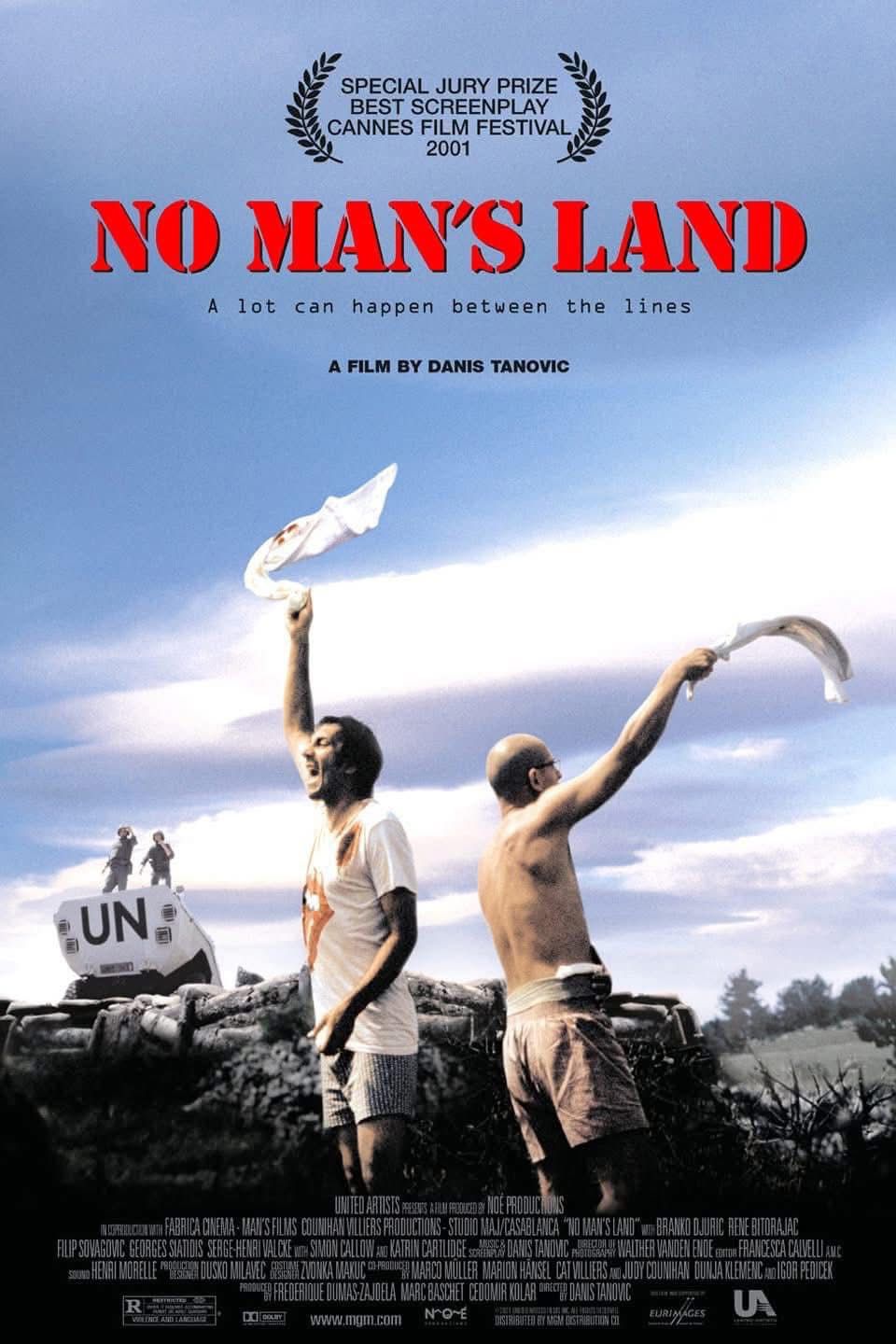
Synopsis: During the Bosnian War, two soldiers - one Bosniak and one Serb - find themselves trapped together in a trench in "no man's land" between enemy lines. Their standoff is complicated by a third soldier who is lying on a bounding mine that will detonate if he moves. As the two enemies argue and trade insults, the situation escalates into a media circus involving the United Nations protection force, who arrive to "help" but find themselves paralyzed by bureaucracy and incompetence.
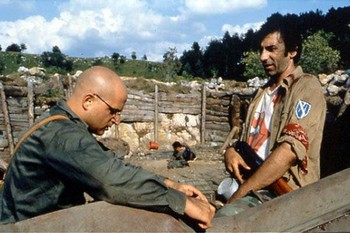
This dark satire won the Best Foreign Language Film Oscar for its scathing indictment of the absurdity of war and the impotence of international intervention. It functions as a minimalist chamber drama set in the open air, using humor to highlight the tragedy of neighbors killing neighbors over differences they can barely articulate. The ending is one of the most bleak and haunting in cinema history, serving as a powerful metaphor for a conflict that the world decided to simply walk away from.
4. 🎬 Seven Samurai (1954)
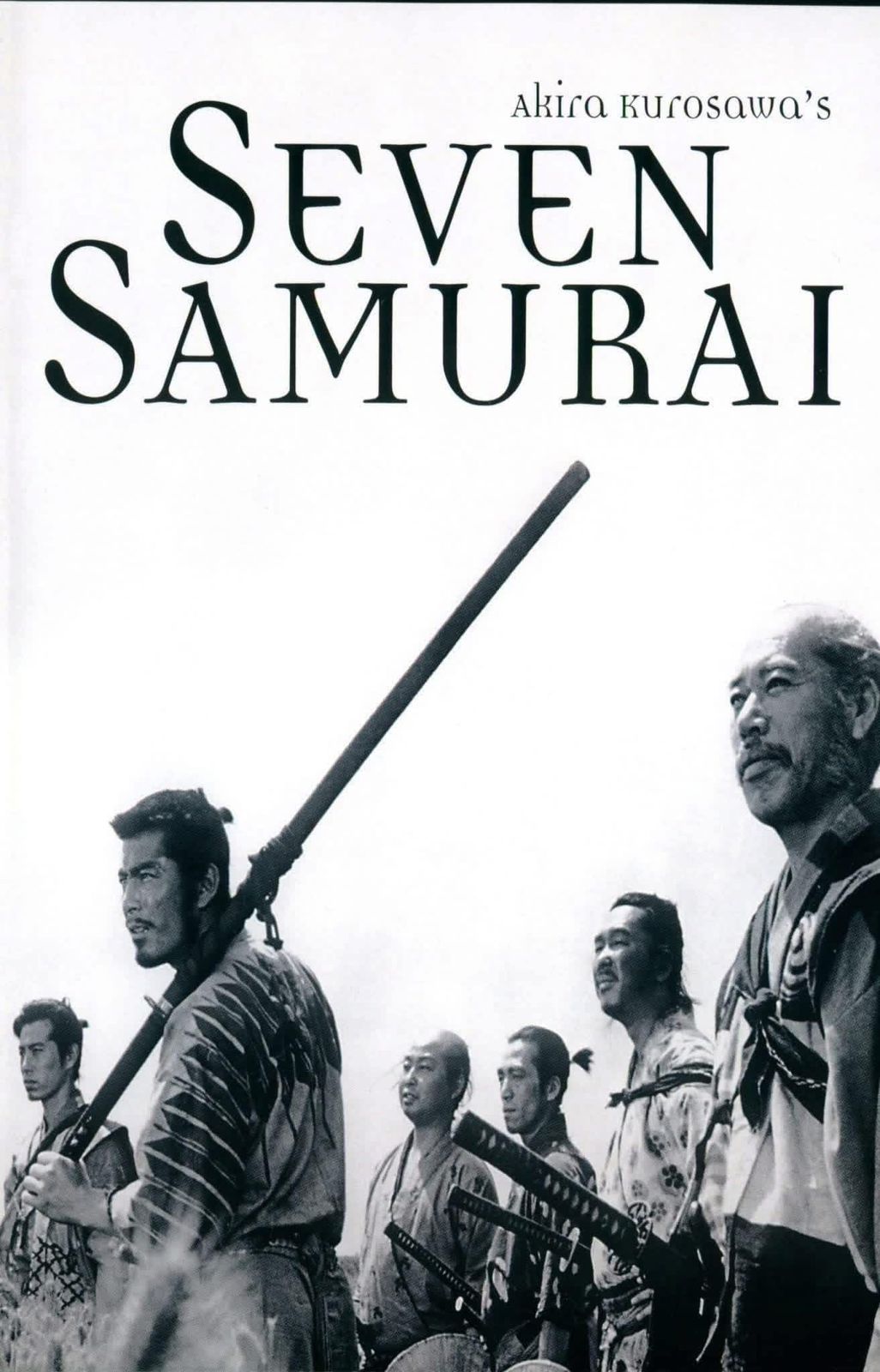
Synopsis A poor farming village in 16th-century Japan, tired of being raided by bandits every harvest season, decides to hire samurai for protection. Since they have no money, they can only offer rice, eventually recruiting a ragtag group of seven ronin, including a stoic leader and a wild, faux-samurai jester. The film chronicles the meticulous process of fortifying the village, training the farmers, and the final, rain-soaked battle where the samurai and villagers fight side-by-side to defend their land.
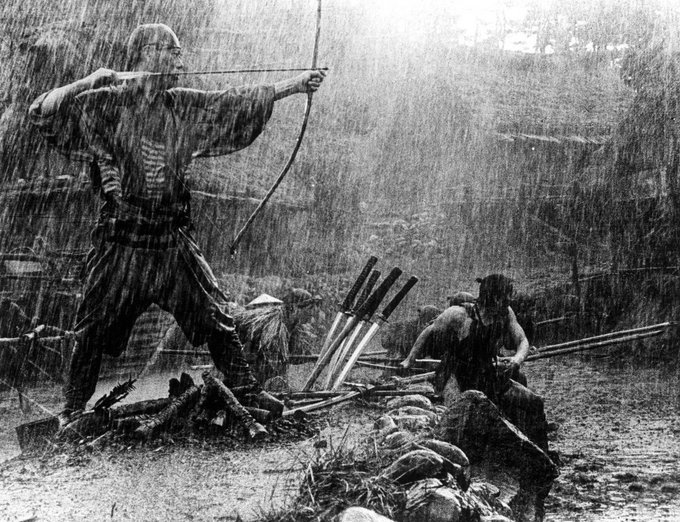
Akira Kurosawa invented the template for the modern action movie with this epic, introducing the "team on a mission" trope that would inspire The Magnificent Seven and countless others. The film is a masterclass in visual storytelling, using telephoto lenses and multi-camera setups to create chaotic, immersive battle scenes that were revolutionary for the time. It is deeper than a simple action film, exploring the rigid class structure of Japan and the tragic nature of the samurai, who are heroes in war but outcasts in peace.
3. 🎬 Life is Beautiful (1997)
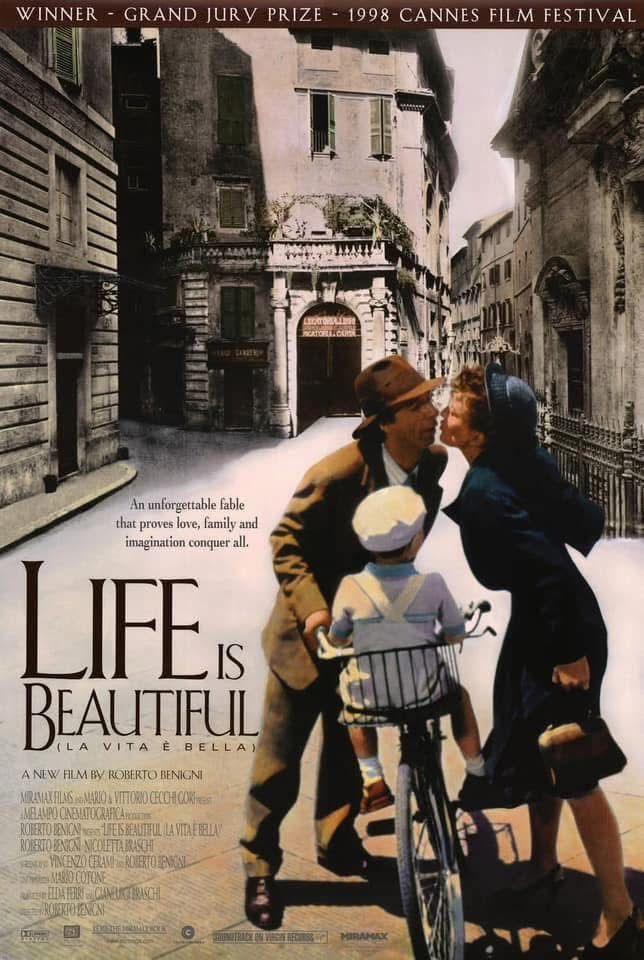
Synopsis: Guido Orefice, a Jewish-Italian waiter with a boundless imagination and sense of humor, wins the heart of a schoolteacher named Dora. Years later, when Guido and their young son Giosuè are deported to a Nazi concentration camp, Guido uses his wit to shield his son from the horror of their reality. He convinces the boy that the camp is actually an elaborate game where they must earn points by following rules and remaining hidden, with the grand prize being a real tank.

Roberto Benigni directed and starred in this controversial but beloved fable that dares to find comedy in the Holocaust. The film is split into two distinct halves: a lighthearted romantic comedy and a desperate survival drama, with Guido’s humor serving as a shield against the darkness. It explores the lengths a parent will go to preserve their child's innocence, arguing that even in the face of absolute evil, the human spirit can maintain its freedom through imagination and love.
2. 🎬 City of God (2002)
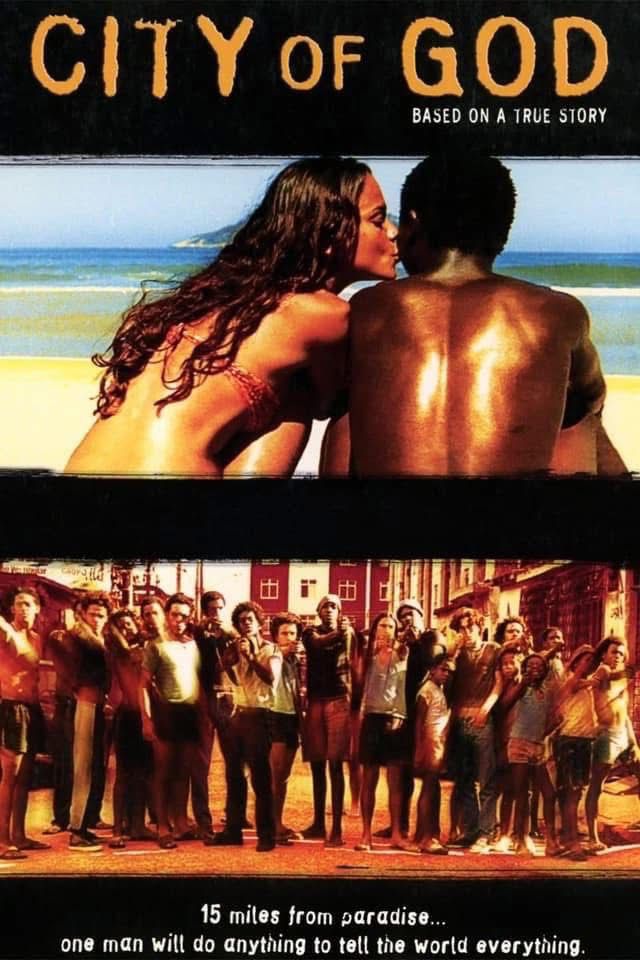
Synopsis Set in the poverty-stricken favelas of Rio de Janeiro, the film spans three decades to tell the story of two boys growing up on divergent paths. Rocket is a budding photographer who observes the violence from the sidelines, trying to escape the cycle of crime. Li'l Zé is a sociopathic gangster who ruthlessly eliminates his rivals to become the drug kingpin of the city. Their stories intertwine as the favela descends into a brutal war between rival gangs, all captured through Rocket's camera lens.

This film hits the viewer with the kinetic energy of a bullet, utilizing frenetic editing, handheld cameras, and a pulsing soundtrack to capture the chaos of the streets. It features a cast largely made up of non-actors from the actual favelas, lending a terrifying authenticity to the performances. It is a stylish, Scorsese-esque crime epic that exposes the systemic neglect and police corruption that turned the City of God into a war zone, showing how violence becomes the only available currency for the youth trapped there.
1. 🎬 Pather Panchali (1955)
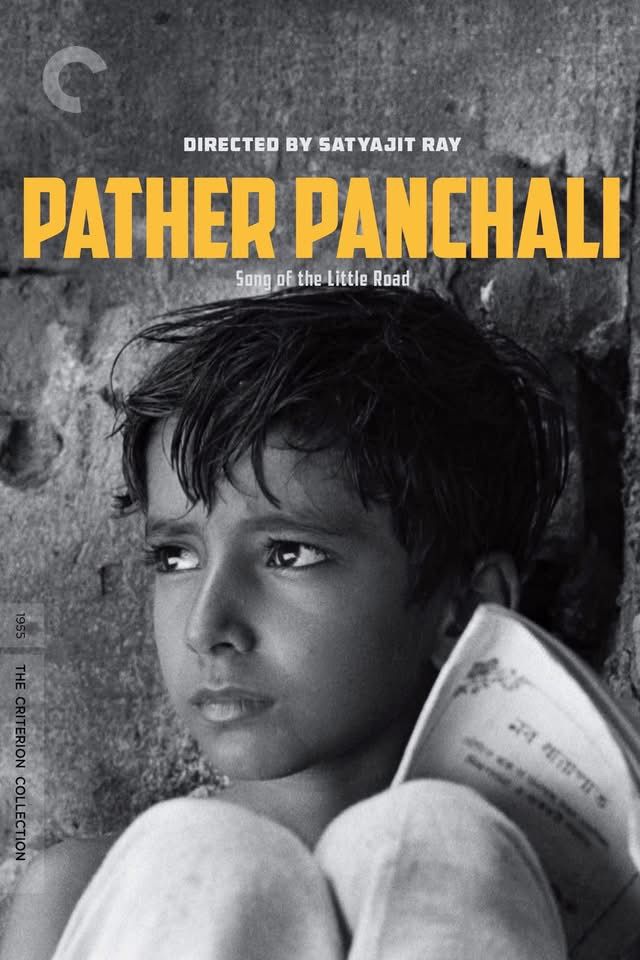
Synopsis In a remote village in Bengal, a young boy named Apu grows up in a poor Brahmin family, observing the world with wide-eyed wonder. The film chronicles the daily struggles and small joys of his life: his father's dreams of being a writer, his mother's constant battle against poverty, and his relationship with his free-spirited sister Durga and their elderly, mischievous aunt. Tragedy strikes when the monsoon rains bring illness, forcing the family to leave their ancestral home in search of a new life.
Satyajit Ray’s debut feature is a landmark of world cinema that brought Indian realism to the global stage. deeply influenced by Italian Neorealism, the film finds profound beauty in the mundane, using lyrical imagery - like the famous scene of the children chasing a train through a field of kaash flowers - to depict the collision of rural tradition and modernity. It is a deeply humanist film that transcends its setting to tell a universal story about childhood, loss, and the resilience required to keep living when everything falls apart.
— The Cinéprism
Keep reading
31 / 08 / 2026 · 383 reads
10 Best Endings in Film
A curated list of 10 unforgettable movie endings that leave a lasting impact long after the credits roll.
12 / 11 / 2025 · 5099 reads
Top 11 Greatest TV Shows:
These eleven extraordinary series redefine what television can be, merging unforgettable characters with stories that linger long after the screen goes dark.