Dispatch — Long Read
Top 11 Greatest TV Shows:
These eleven extraordinary series redefine what television can be, merging unforgettable characters with stories that linger long after the screen goes dark.
The Cinéprism
12 / 11 / 2025 · 9 min read
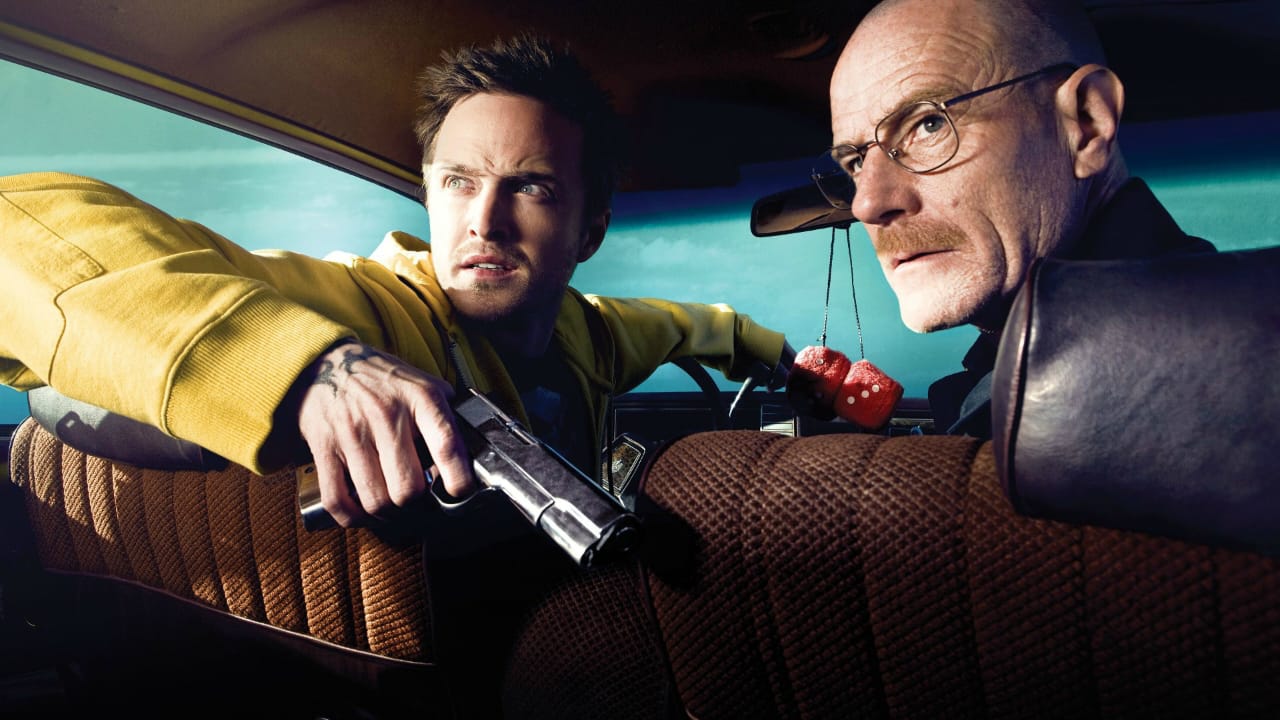
1. Breaking Bad (2008-2013)
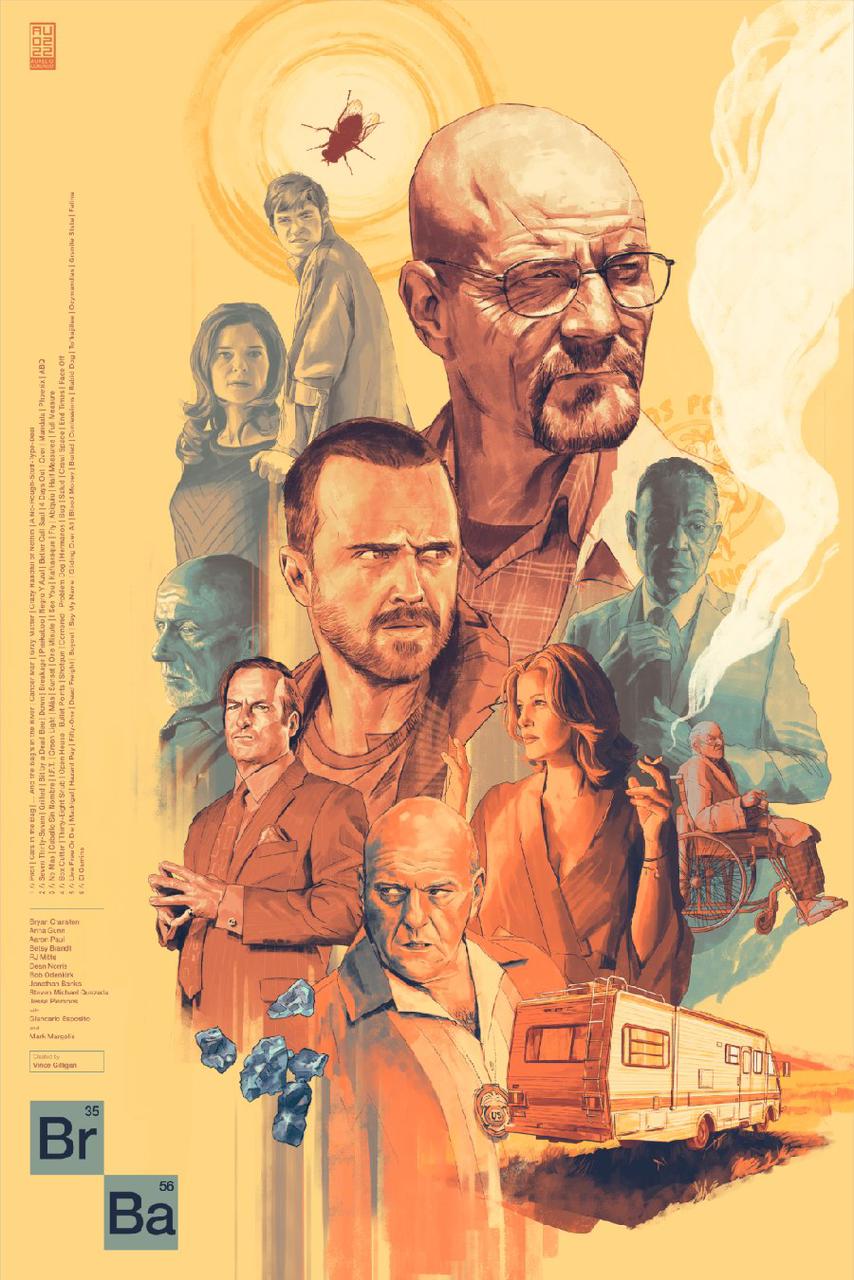
Breaking Bad is a masterclass in narrative evolution, where Vince Gilligan crafts a slow-burn descent into darkness that transcends typical crime drama. The series explores the transformation of Walter White from a meek chemistry teacher to a ruthless meth kingpin, tracing the erosion of morality under the pressures of greed, pride, and survival. What makes the show compelling is its refusal to simplify Walter as a villain; instead, it portrays his actions as complex and often contradictory, eliciting empathy even as he spirals into violence and manipulation. Bryan Cranston’s portrayal captures this duality with relentless intensity, handing viewers a character whose humanity is as fractured as the world he inhabits. The narrative is meticulously structured, with each season layering new complexities in character and theme, exploring not only the drug trade’s brutal ecosystem but the psychological toll on those entangled in it.
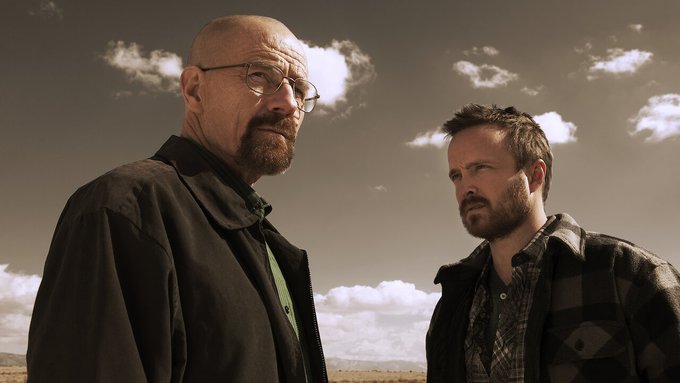
The power of Breaking Bad lies in its ability to balance harrowing drama with moments of dark humor and profound pathos. The relationship between Walter and Jesse provides a poignant emotional core, highlighting themes of mentorship, loyalty, and moral reckoning. The show uses cinematic techniques—careful color symbolism, suspenseful framing, and a haunting score—to accentuate narrative beats and heighten tension, making the meth world feel simultaneously intimate and menacing. It challenges viewers to confront uncomfortable questions about the banality of evil and the lengths people will go to claim agency in a fractured society. Ultimately, Breaking Bad is a meditation on the consequences of choice, the fragility of identity, and the corrosive effect of unchecked ambition, setting a high watermark for quality television storytelling.
2. The Wire (2002-2008)
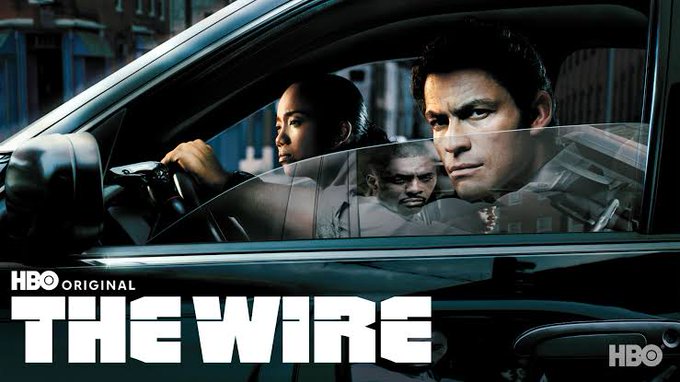
The Wire redefined television by dismantling the myth of the glamorous crime drama and replacing it with a sprawling, unflinching portrait of urban decay and institutional failure. Its narrative weaves multiple perspectives—from drug dealers and law enforcers to politicians and educators—showing the inextricable links in a city system plagued by economic decline and social fragmentation. Creator David Simon’s journalistic background fuels the show’s authentic voice, emphasizing systemic dysfunction over individual heroism. Each season tightens the lens on a different pillar of Baltimore’s social fabric, exposing the limits of power and reform. The Wire’s storytelling is both epic and intimate, chronicling the lives trapped in cycles of poverty and violence without sensationalism or judgment.
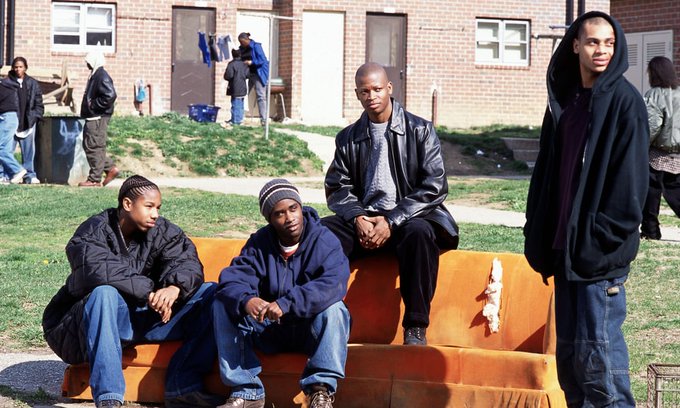
At its core, The Wire is a meditation on power structures, loyalty, and the illusion of progress. The morally ambiguous characters grapple with personal ambition, survival, and ethical compromise in environments that resist change. The writing is dense, realistic, and deliberate, demanding attention but rewarding viewers with rich thematic depth and intricate character studies. Its use of local dialects, real locations, and nonlinear storytelling crafts an immersive experience rarely matched on television. The final season, focusing on the newsroom, reiterates the media’s complicity in societal inertia. The Wire refuses closure, reminding us that systems often outlive the individuals caught within them, making it one of the most intellectually and emotionally challenging series ever produced.
3. The Sopranos (1997-2007)
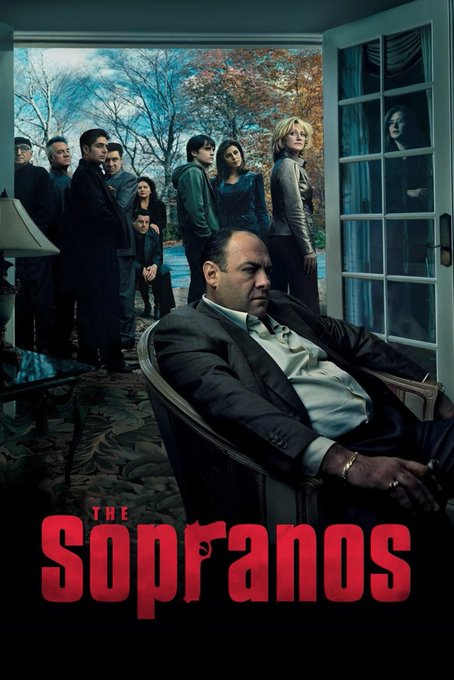
The Sopranos introduced a new paradigm in television, intertwining the gangster epic with psychological depth and suburban malaise. Through Tony Soprano, the show explores the contradictions of power—violent yet vulnerable, charismatic yet deeply flawed. Creator David Chase uses Tony’s therapy sessions as a narrative device to delve beneath the surface of organized crime, exposing the mental toll of a man trying to hold his world together. The show disrupts classic mafia tropes by centering on the domestic sphere, highlighting the tensions between the brutal business of crime and the banalities of family life. James Gandolfini’s portrayal redefined antiheroism, with his simmering rage and fragile psychology creating a character as mesmerizing as he is terrifying.
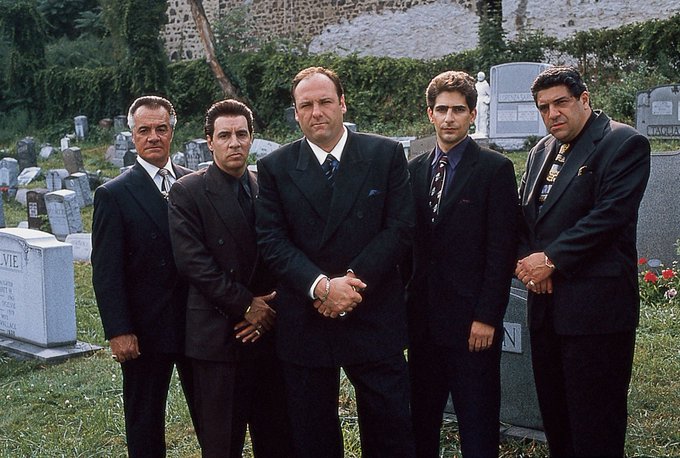
The Sopranos balances dark humor with existential inquiry, exploring themes of mortality, identity, and the erosion of the American Dream. The supporting cast adds depth to the narrative, illustrating the complexity of loyalty and betrayal within criminal and familial bonds. Scorsese’s influence is evident in the series’ gritty aesthetic and kinetic storytelling, blending violence and tenderness with equal skill. The show’s groundbreaking use of ambiguous endings and open-ended character arcs influenced an entire generation of television, cementing its place as a cultural touchstone that interrogates the price of power and the limits of redemption.
4. Ramayan (1987-1988)
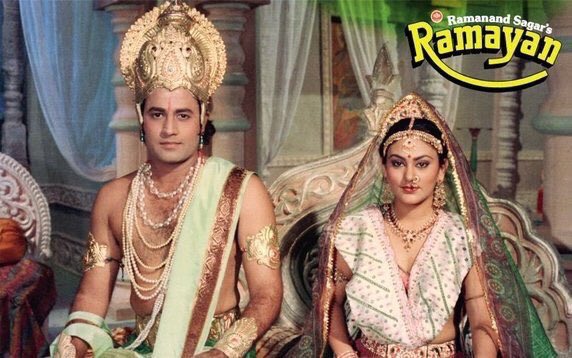
Ramayan, directed by Ramanand Sagar, is a monumental cultural event that transcends its televisual form to become a spiritual and social phenomenon in India. Adapted from the ancient epic, the series brings the story of Lord Rama, his exile, and his battle against Ravana to life with vivid reverence and monumental scope. Beyond mere storytelling, Ramayan functions as a foundational myth that reinforces cultural values of dharma, honor, and devotion. Its visual grandeur, memorable performances, and devotional music resonate deeply with audiences, appealing to both faith and national identity. The show’s broadcast during a turbulent socio-political climate amplified its impact, blending religion with emerging television culture to forge a shared cultural experience.
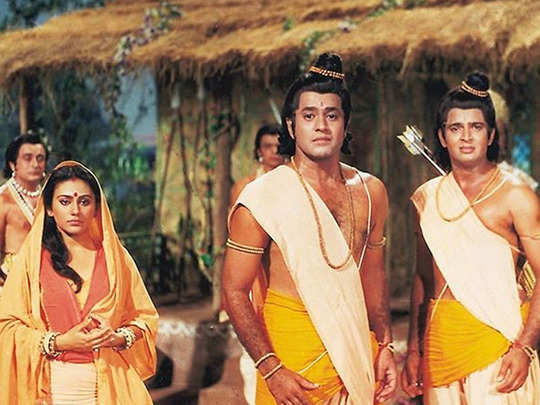
The series navigates complex narratives of loyalty, sacrifice, and cosmic justice while maintaining accessibility for a broad audience. Its characters serve as archetypes, embodying ideals and struggles that continue to influence Indian consciousness. Ramayan’s significance extends beyond entertainment; it became a unifying force, a site of cultural memory, and a template for future mythological adaptations. Its legacy is a testament to how television can operate as ritual, shaping collective imagination and societal values while maintaining emotional and artistic integrity.
5. Succession (2018-2023)
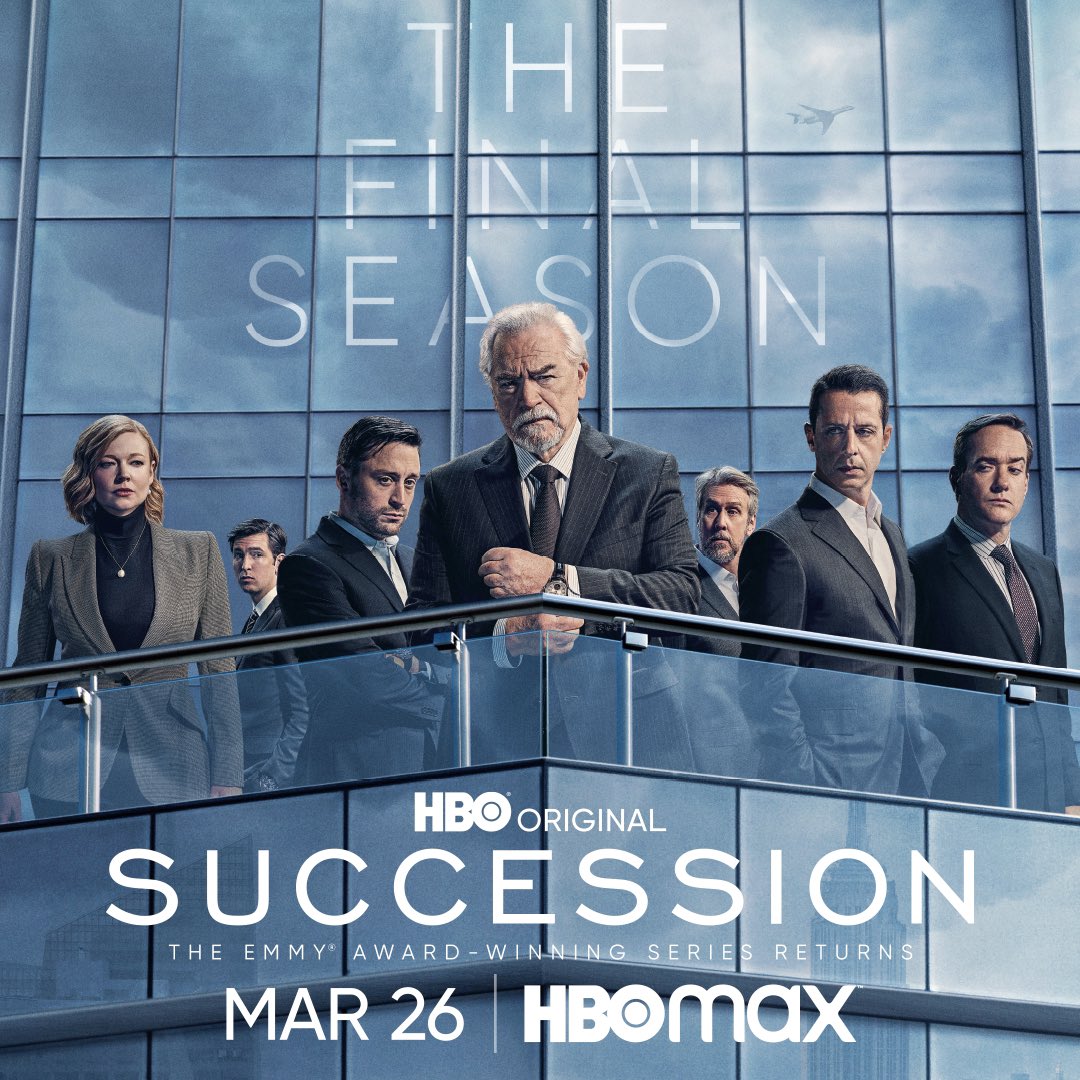
Succession is a dark portrait of power, privilege, and familial dysfunction set within the ruthless world of a global media empire. Creator Jesse Armstrong constructs a cutting satire of capitalism, where the Roy family’s decadent excesses contrast sharply with their raw, often cruel ambitions. The series dissects the toxic dynamics that underpin wealth and influence, particularly the corrosive effect of legacy on personal identity. Each character is deeply flawed, maneuvering between self-interest and the desperate need for approval. The dialogue crackles with wit and menace, underscoring the poisoned environment of boardrooms and backstabbing family dinners alike.
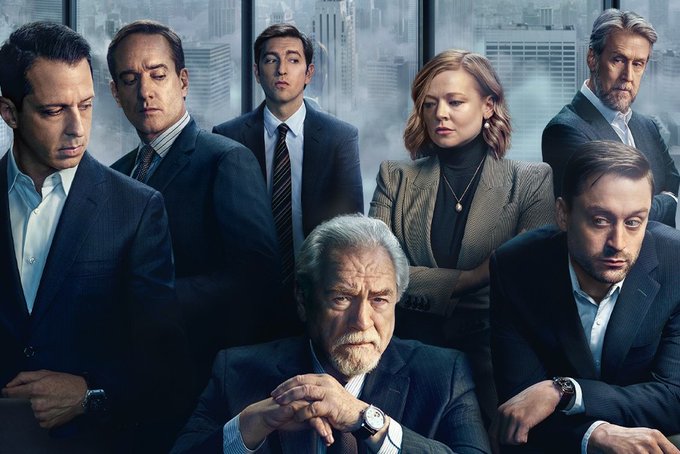
What makes Succession compelling is its ability to evoke empathy despite its cynical worldview. The performances bring layers of vulnerability beneath the cold strategic machinations, offering glimpses of characters shaped by neglect and insecurity. Cinematically, the series employs claustrophobic framing and sharp editing to reflect the oppressive atmosphere of patriarchal control and corporate warfare. Succession reveals how power distorts authenticity and connection, providing a contemporary tragedy that examines the human cost of ambition in the 21st century.
6. Peaky Blinders (2013-2022)
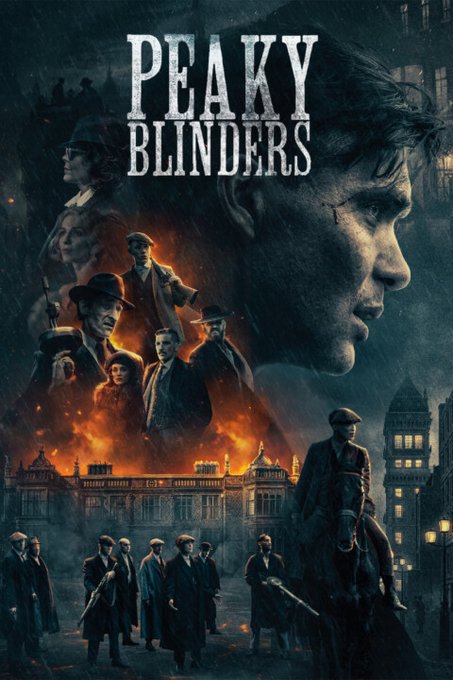
Peaky Blinders spins a grim tale of ambition and survival in post-World War I Birmingham, centered on the Shelby family’s rise from street gangsters to political power brokers. Creator Steven Knight blends historical detail with stylized storytelling, presenting a world where violence and loyalty coexist with dreams of legitimacy. At its heart is Thomas Shelby, a charismatic yet haunted figure whose intelligence and ruthlessness drive the narrative forward. The series explores themes of class, trauma, and the tenuous promise of the British dream, presenting a morally ambiguous universe where the line between hero and villain blurs.
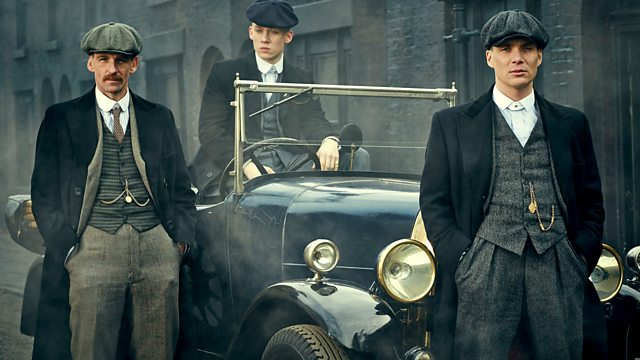
The show’s visual style—its moody lighting, period costumes, and kinetic cinematography—imbues the story with an operatic grandeur that complements the dark emotional currents. The soundtrack’s blend of contemporary music with vintage aesthetics reinforces its anachronistic tension. Peaky Blinders is as much a meditation on the scars of war and social upheaval as it is a crime saga, challenging viewers to confront the complexities of power, family, and identity in a fractured society.
7. Mad Men (2007-2015)
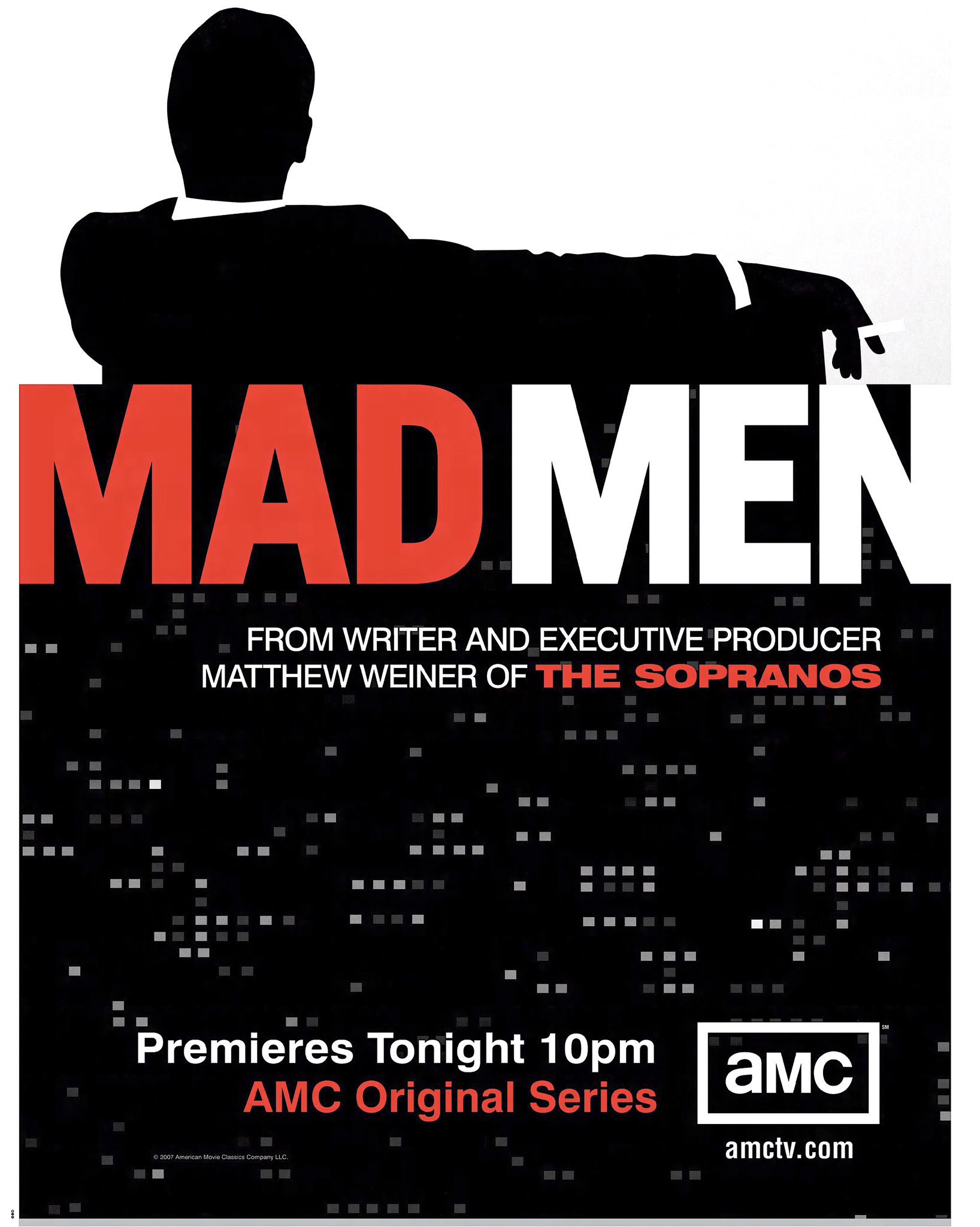
Mad Men captures the glossy veneer and simmering tensions of 1960s American advertising culture with precision and nuance. Creator Matthew Weiner’s series examines identity, gender, and consumerism through the lens of Don Draper, a man cloaked in mystery and wrapped in contradictions. The show’s attention to period detail—from fashion to office politics—creates an immersive world that probes the existential angst beneath post-war prosperity. Don’s journey reveals the hollowness of the American Dream, his charismatic exterior masking deep personal fractures and ethical compromises.
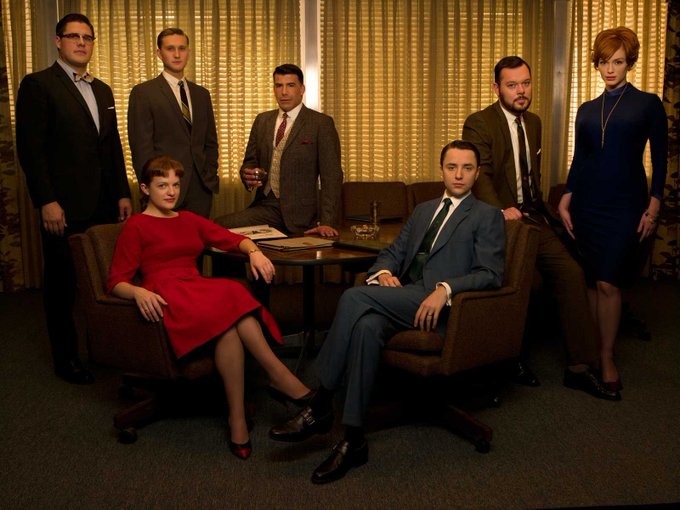
Mad Men’s narrative complexity lies in its exploration of power dynamics shaped by race, gender, and class, as well as the shifting cultural landscape. The writing is layered with symbolism and subtext, using advertising’s artifice as a metaphor for self-presentation and societal illusion. The series also humanizes its ensemble, with characters evolving in nuanced ways that reflect broader social change. Mad Men remains a touchstone in television storytelling, marrying meticulous craftsmanship with profound social commentary.
8. Better Call Saul (2015-2022)
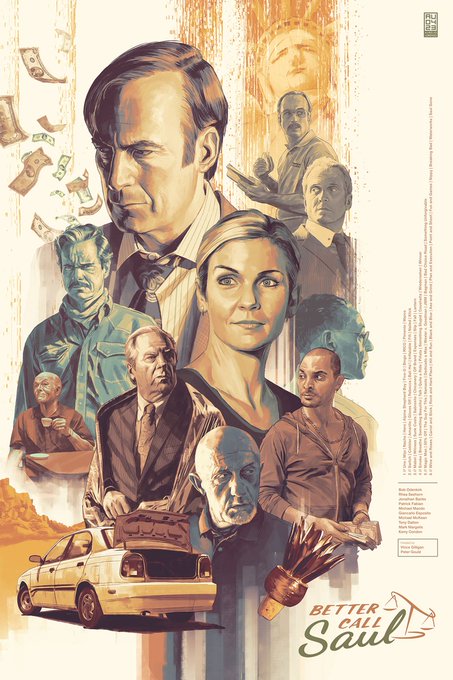
Better Call Saul, a prequel to Breaking Bad, deepens the moral exploration of crime and identity through the story of Jimmy McGill’s transformation into the morally flexible Saul Goodman. The series excels in character-driven storytelling, portraying a man caught between ambition and conscience in a world that rewards cunning and self-interest. Bob Odenkirk’s performance highlights Jimmy’s charm and desperation, making his descent into ethical ambiguity both tragic and compelling. The show balances dark humor with tension, tracing slow burn shifts that reveal the costs of survival in a harsh landscape.
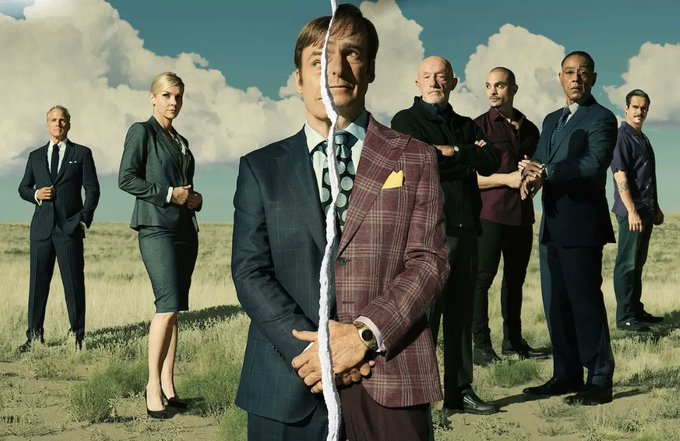
Visually and narratively, Better Call Saul is a masterclass in subtlety, using careful framing and pacing to emphasize isolation and internal conflict. It expands Breaking Bad’s universe while standing on its own merits, delving into themes of loyalty, betrayal, and the consequences of choices. The series challenges viewers to consider how identity is constructed and how past decisions shape future paths. Its critical acclaim reflects its success as a character study that combines moral complexity with compelling storytelling.
. West World (2016-2022)
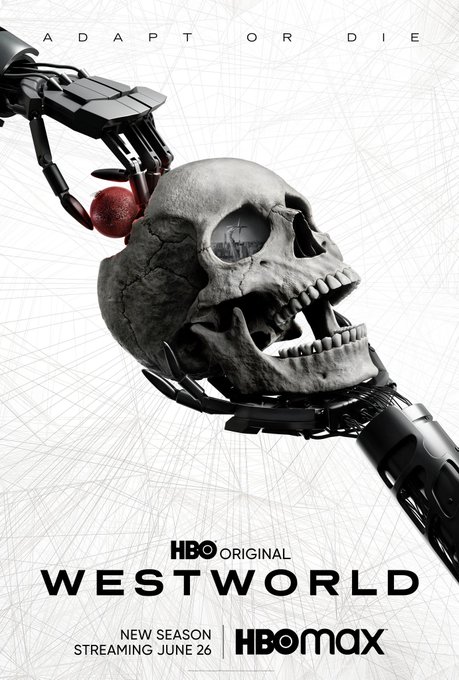
Westworld offers a sprawling philosophical inquiry wrapped in a sci-fi thriller about artificial consciousness and free will. The HBO series subverts the western genre to explore themes of identity, autonomy, and the nature of reality through the experiences of sentient hosts trapped in a theme park designed for human indulgence. Its narrative complexity, with multiple timelines and perspectives, demands active engagement from viewers. The show critiques human nature by reflecting our darkest impulses back at us, using the hosts’ rebellion as a metaphor for self-awareness and liberation.
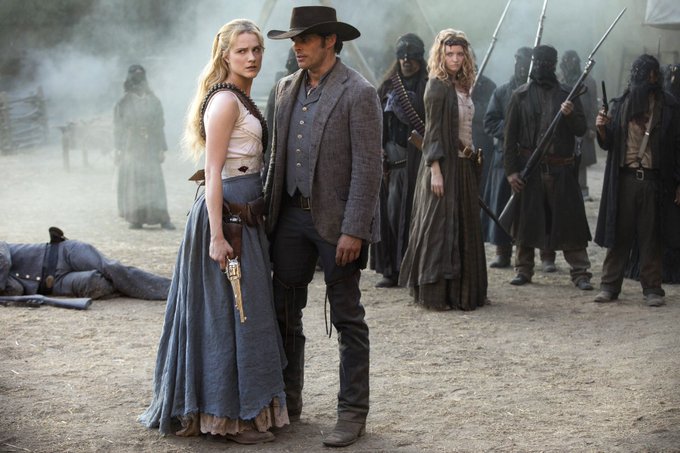
The series’ production values are stunning, with intricate set designs, haunting scores, and detailed visual effects that create an immersive, eerie atmosphere. The writing grapples with ethical dilemmas and the boundaries between creator and creation, offering no easy answers but fostering deep intellectual and emotional reflection. Westworld stands out as a bold experiment in television storytelling, blending genre thrills with profound existential questions.
10. Mind hunter (2017-2019)
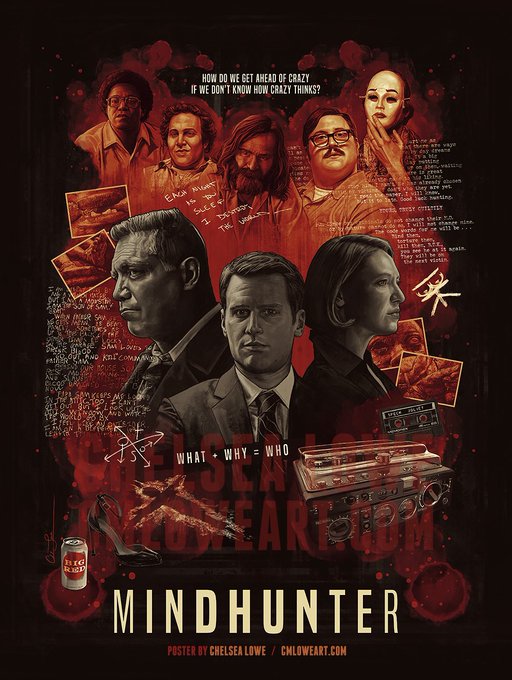
Mindhunter chronicles the early days of criminal profiling in the FBI, focusing on the psychological interviews with serial killers that shaped modern understanding of violent crime. Creators Joe Penhall and David Fincher craft a cerebral thriller that prioritizes dialogue, mood, and character study over sensationalist horror. The show dissects the motivations and mindsets of notorious killers while exploring the toll the work takes on the investigators. Its clinical pacing and meticulous attention to period detail situate it as an intense character-driven drama.
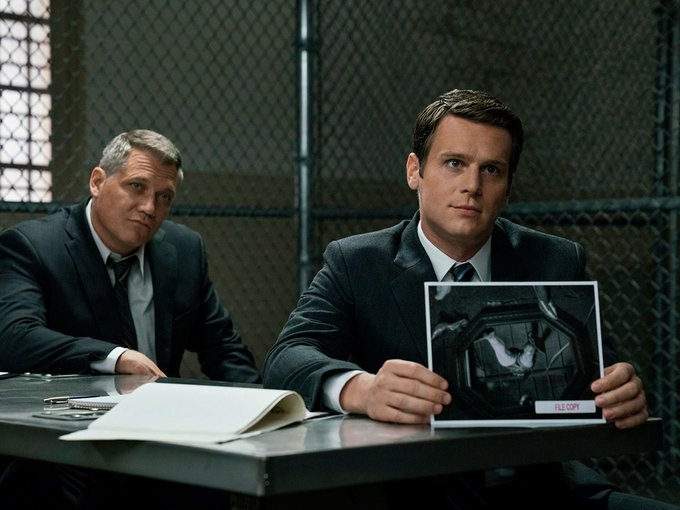
The series excels at portraying the ambiguity of evil and the fragility of human psychology. The interactions between agents Holden Ford and Bill Tench with their subjects reveal the sinister complexity behind monstrous acts. Mindhunter balances fascination with horror, offering a meditation on why humans commit violence and how understanding those impulses both illuminates and disturbs. Its restrained style and slow-burn tension set it apart as a pioneering exploration of criminal psychology in television.
11. Dark (2017-2020)
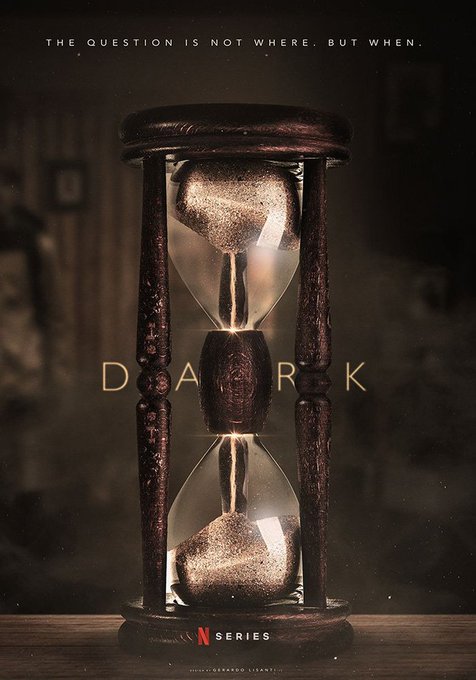
Dark, the German sci-fi thriller, twists time travel tropes into a tangled meditation on fate, memory, and intergenerational trauma. Creator Baran bo Odar constructs a relentlessly complex narrative with multiple timelines converging in a small town plagued by disappearing children and secret societies. The show’s mood is oppressively atmospheric, its visual style grim and moody, effectively conveying the weight of existential dread. The characters are trapped in cycles of causality, wrestling with questions of free will and predestination.
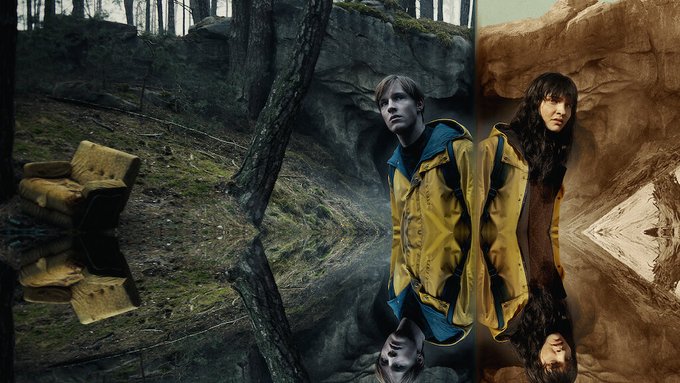
Dark’s storytelling demands viewer investment, rewarding patience with intricate plotting and thematic richness. It blends science fiction with philosophical inquiry, exploring how trauma reverberates through time and how individuals struggle against inevitability. The series’ success lies in its cohesive narrative despite complexity, its emotional resonance, and its ability to generate suspense and mystery through non-linear structure. Dark remains a standout in international television, demonstrating how genre can probe profound human concerns.
— The Cinéprism
Keep reading
15 / 09 / 2026 · 138 reads
Top 15 Movies with Plot Twists You Might Have Missed
15 movies packed with hidden clues, subtle details, and twists that hit differently once you know what to look for.
11 / 01 / 2026 · 504 reads
11 Critically Acclaimed Netflix Shows
From royal sagas and psychological thrillers to groundbreaking true crime, discover the 11 essential series that define Netflix's golden era.