
Dispatch — Long Read
Top 15 Disturbing Netflix documentaries.
Top 15 Disturbing Netflix Documentaries that you wouldn’t believe actually happened!
The Cinéprism
18 / 12 / 2025 · 39 min read
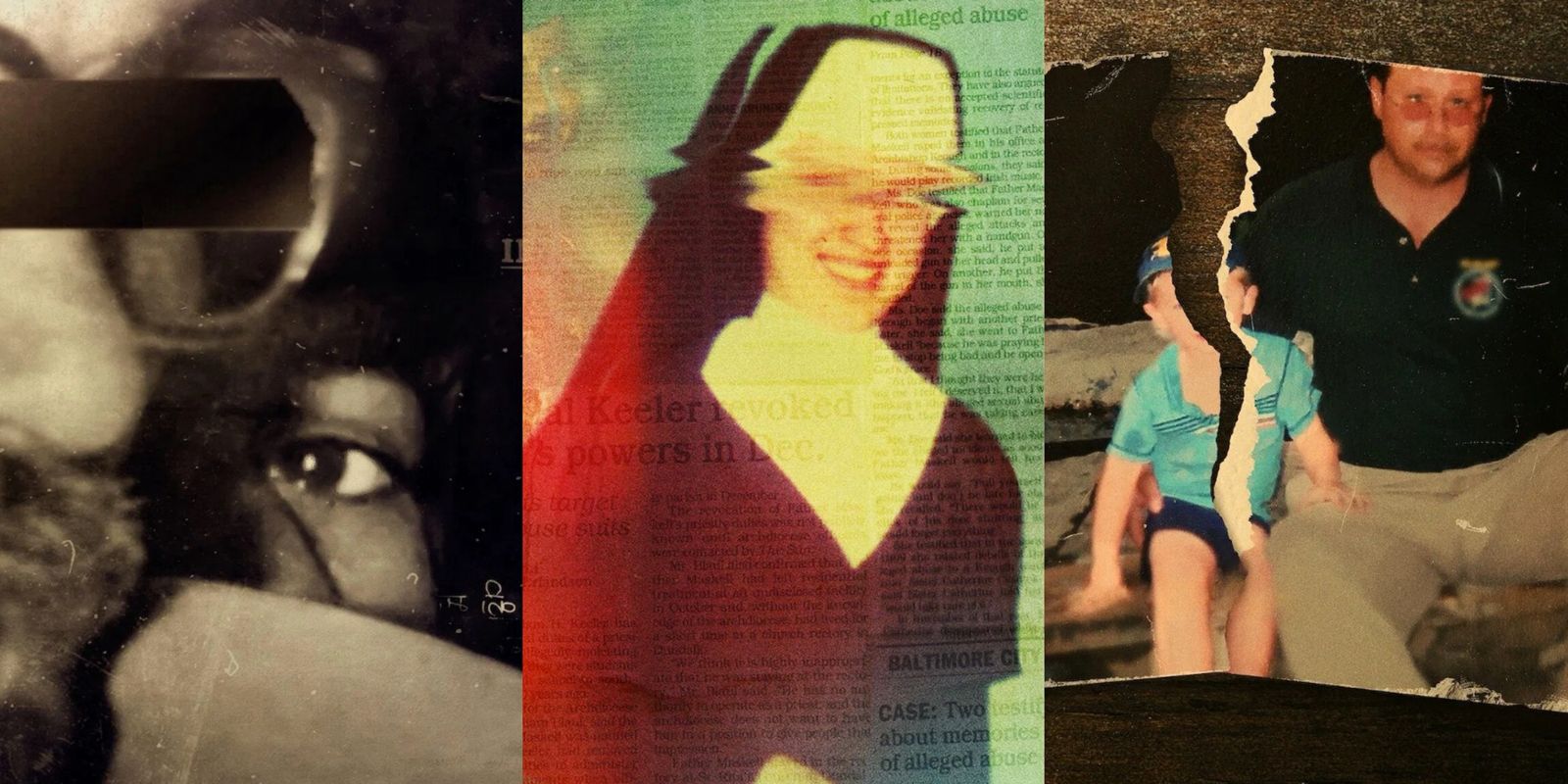
1. 🎬 I Just Killed My Dad (2022)
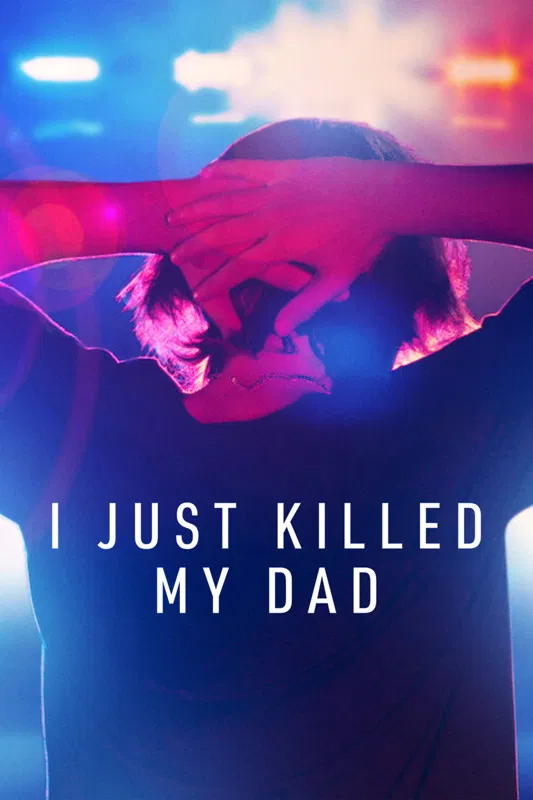
A documentary examining Anthony Templet's murder of his father Burt, the case initially appearing straightforward before revelations about decades of abuse and isolation transform understanding of what drove a teenager to kill his only parent. Skye Borgman creates three-part series that operates as investigation into how abuse operates through total control, showing how Burt isolated Anthony from birth, fabricating stories about his mother's death and preventing him from forming any relationships outside their home, creating dependency that made escape seem impossible until violence became only option. The documentary's strength lies in its patient accumulation of evidence showing the extent of Burt's abuse, interviews with Anthony's newly discovered family members revealing how Burt kidnapped him as toddler and spent seventeen years preventing anyone from finding them, his control so complete that Anthony had no birth certificate, no school records, no proof he existed beyond Burt's constructed reality. What makes I Just Killed My Dad compelling is its examination of how legal system struggles with cases where murder seems both obviously criminal and clearly justified, where Anthony's shooting of his father during argument appears premeditated but his entire life history suggests acting in self-defense against abuser who'd threatened his life repeatedly, creating moral complexity that challenges easy categorization of victim and perpetrator.
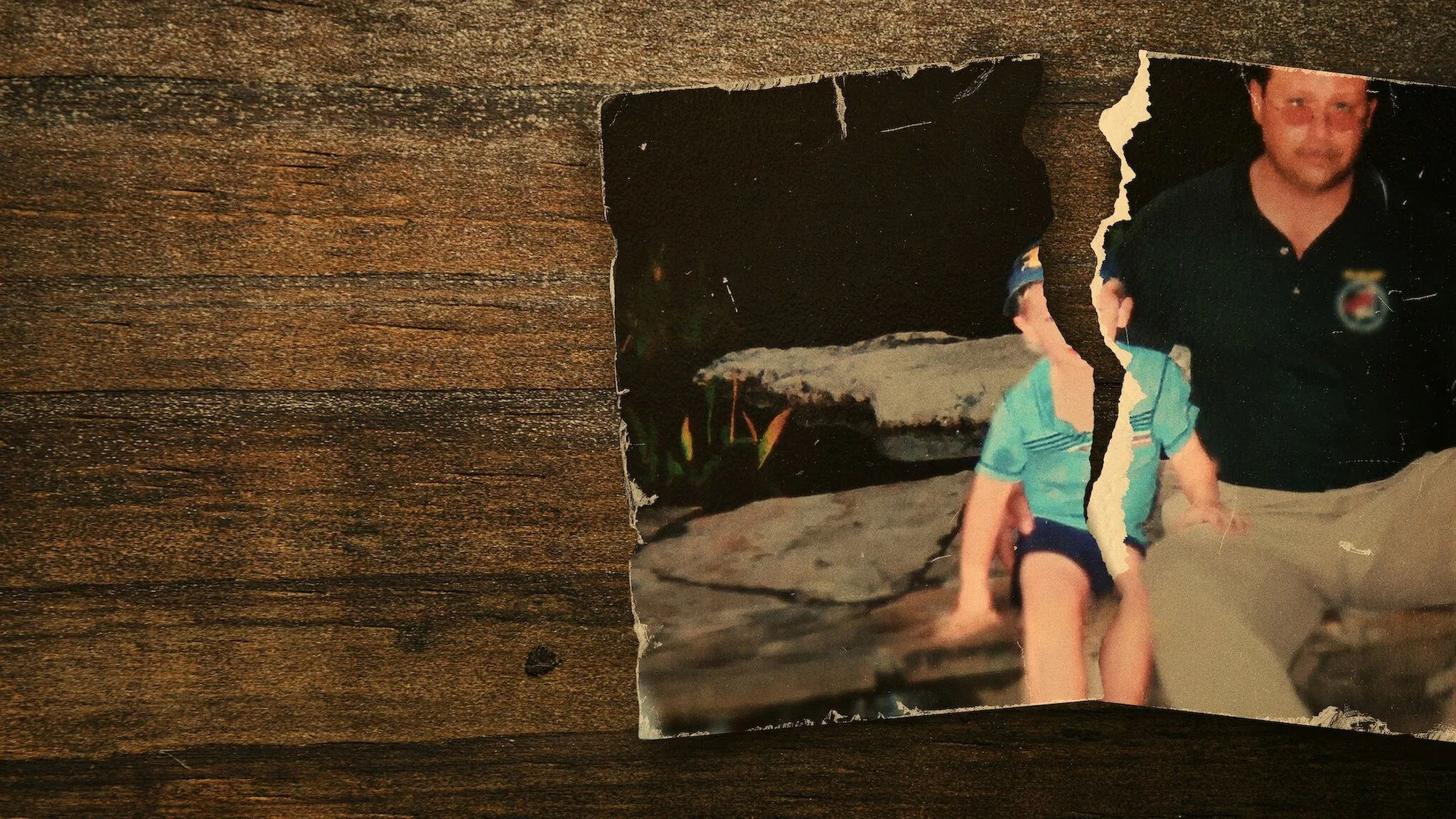
The film's treatment of Anthony's aunt Susan and his rediscovered extended family shows how Burt's ability to manipulate systems allowed him to hide in plain sight, moving frequently and providing just enough false documentation to avoid scrutiny, demonstrating how abusers exploit bureaucratic gaps to maintain control over victims. Borgman includes extensive footage of Anthony himself, his testimony revealing someone trying to process having killed the only person he knew while simultaneously learning his entire childhood was constructed through lies and violence, his confusion about whether to grieve or feel relief creating portrait of trauma's complexity. The documentary examines how Anthony's defense required proving years of abuse that left no witnesses because Burt ensured no one else was ever present, how isolation as abuse tactic makes legal defense difficult because there's no corroborating evidence beyond victim's testimony that defense must establish as credible. The series' structure moves between the immediate aftermath of the shooting, the investigation that uncovered Burt's history, and the trial where Anthony's fate was determined, creating suspense despite the outcome being known, making viewers invested in whether justice system can distinguish between murder and survival. What distinguishes this from typical true crime is Borgman's focus on aftermath and recovery rather than just the crime, showing how Anthony navigates building identity and relationships when everything he knew about himself was lie, how family members grapple with guilt about not finding him sooner, creating examination of how abuse's effects persist long after abuser is gone. It succeeds because Borgman refuses simple narrative about justified killing, instead showing how years of abuse don't erase the fact that Anthony killed someone, that self-defense claims are complicated when there was no immediate threat during the shooting, forcing recognition that justice requires accounting for context while also maintaining standards about when violence is legally justified, proving that most disturbing true crime stories are those where every possible verdict feels simultaneously right and wrong.
2. 🎬 House of Secrets: The Burari Deaths (2021)
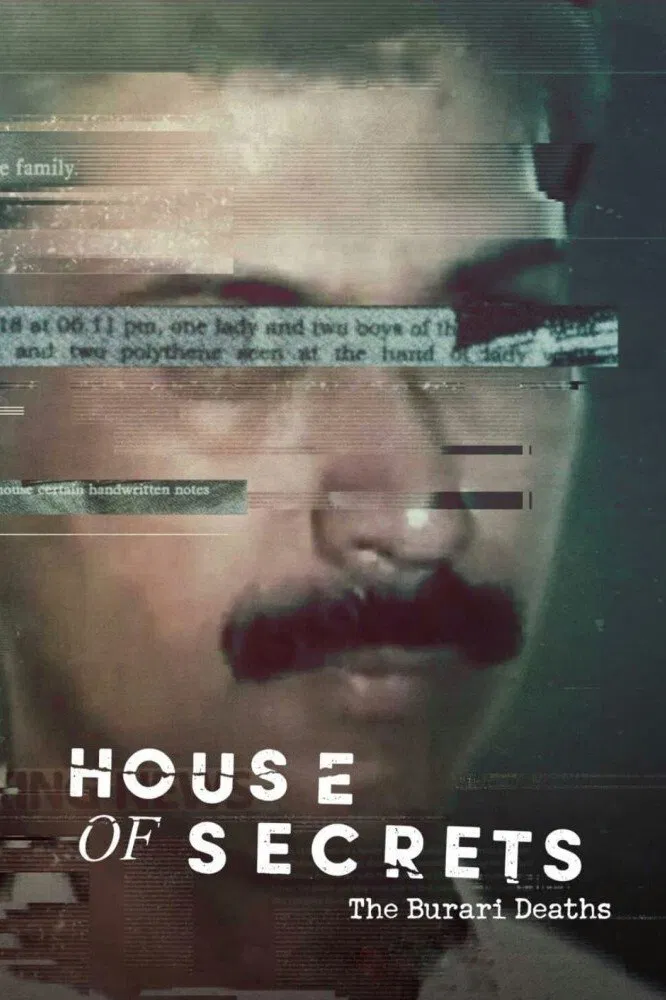
A documentary investigating the mass hanging of eleven members of the Chawla family in their Delhi home, the case initially suspected as mass suicide before diaries revealed years of planning for a ritual that family believed would grant them salvation. Leena Yadav and Anubhav Chopra create three-part series examining how shared delusion can consume entire families, showing how the family's youngest son Lalit began experiencing visions he claimed were communications from his deceased father, his instructions gradually taking control of family dynamics until all eleven members participated in ritual hanging that killed them. What makes House of Secrets devastating is its examination of how the family appeared completely normal to neighbors and relatives, their religious practices and joint-family living arrangement typical of many Indian households, making their mass death incomprehensible to everyone who knew them, challenging assumptions about being able to detect when someone is dangerous or delusional. The documentary's strength lies in its reconstruction of how the delusion developed over years, the diaries recovered from the house revealing detailed plans and beliefs about achieving spiritual liberation, showing how Lalit's instructions became increasingly elaborate and how family members rationalized participating in practices that seem obviously dangerous from outside but made sense within their shared belief system.
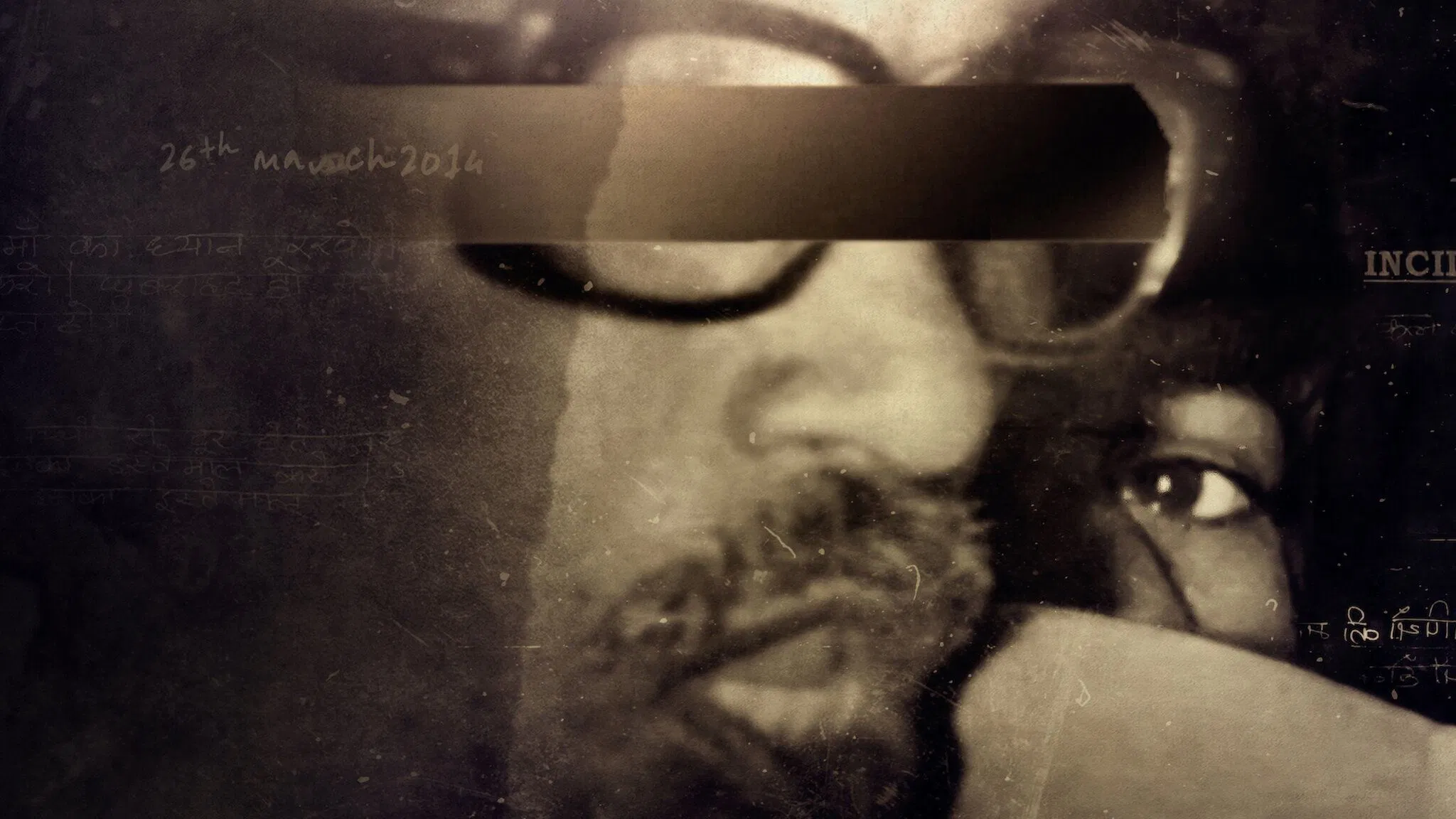
The film examines how Indian joint families operate through hierarchical structures where elders' authority goes largely unquestioned, showing how this cultural context created conditions where Lalit's claim to be channeling his father gave him power to direct family members who wouldn't normally accept guidance from someone his age, making visible how traditional family structures can be exploited by those experiencing mental health crises. Yadav and Chopra interview neighbors, investigating officers, and psychologists who provide different frameworks for understanding what happened, their competing interpretations showing how mass deaths defy simple explanation, whether this was religious extremism, shared psychotic disorder, or something else entirely. The documentary treats the Chawla family with respect rather than sensationalism, showing their financial struggles and close bonds alongside the growing delusion, making clear these were real people whose deaths represent tragedy rather than mere curiosity. What distinguishes House of Secrets is its examination of how mental illness in India is stigmatized and undertreated, how the family likely never sought psychiatric help because doing so would bring shame, how cultural attitudes about mental health create conditions where delusions can develop unchecked until they result in catastrophe. The series' treatment of the surviving extended family members shows their guilt and confusion, their attempts to understand why their relatives didn't reach out for help revealing how the Chawlas' isolation was both physical and psychological, their belief system creating barrier that prevented communication with anyone outside their shared delusion. It succeeds because Yadav and Chopra refuse to pathologize Indian religious practices while also examining how genuine faith can be distorted by mental illness, showing how the family's deaths result from intersection of cultural factors, psychological conditions, and family dynamics that created perfect storm where mass participation in fatal ritual seemed rational to everyone involved, proving that most terrifying cases are often those where victims participated willingly in their own deaths because they couldn't distinguish between religious devotion and dangerous delusion.
3. 🎬 The Innocent Man (2018)
A documentary examining two murder cases in Ada, Oklahoma during the 1980s, focusing on Ron Williamson and Dennis Fritz who were wrongfully convicted and spent decades in prison before DNA evidence exonerated them, revealing systemic failures in police investigation and prosecution. Clay Tweel adapts John Grisham's non-fiction book into six-part series that operates as indictment of how criminal justice system prioritizes convictions over truth, showing how tunnel vision and misconduct by police and prosecutors destroyed innocent lives while actual killers remained free. The documentary's power comes from showing how Williamson, a former minor league baseball player whose mental illness made him vulnerable target, and Fritz, his friend whose association made him suspect, were convicted based on jailhouse informant testimony and forensic "evidence" that has since been discredited, their cases representing broader pattern of wrongful convictions built on unreliable methods. What makes The Innocent Man essential is its examination of how Ada's criminal justice system repeatedly failed, showing how the same prosecutor and investigators who convicted Williamson and Fritz had also secured convictions in another murder case that was similarly built on questionable evidence, suggesting that these weren't isolated mistakes but systemic problems in how the jurisdiction operated.
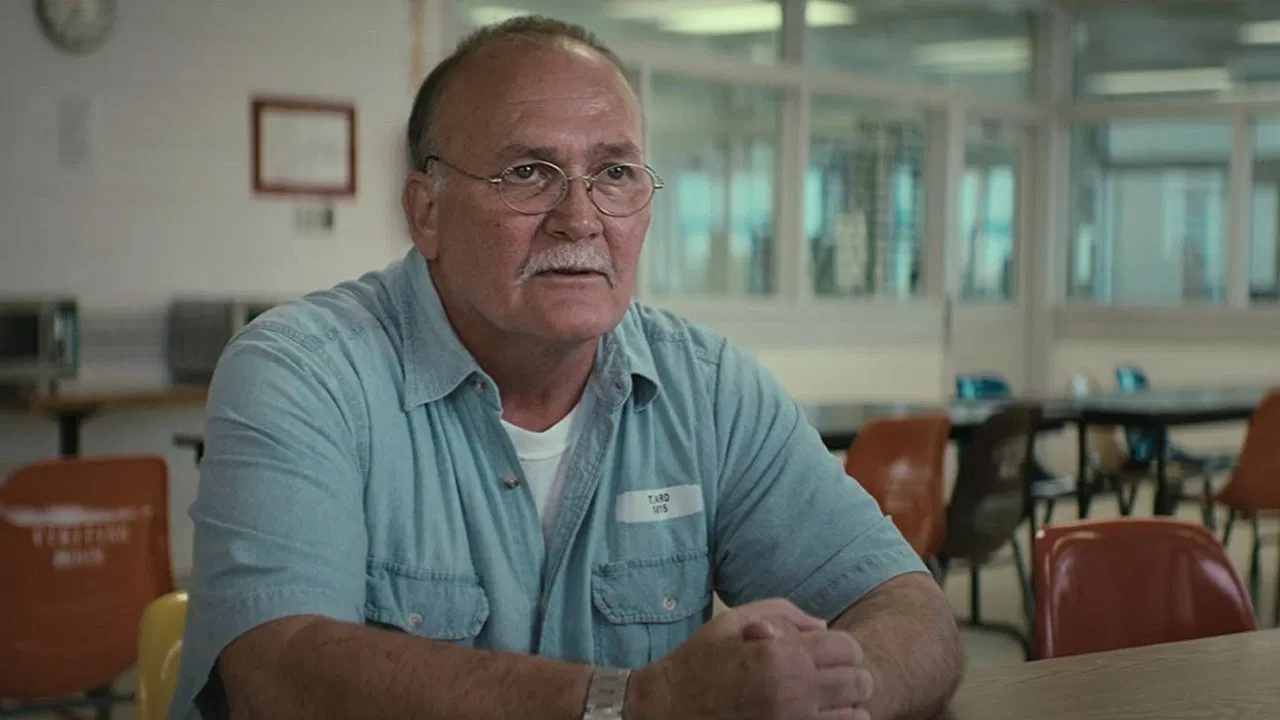
Tweel structures the series to build outrage through accumulated detail, showing how every institution that should have protected innocent defendants instead worked to ensure convictions, from police who fed information to witnesses to create consistent testimony, to prosecutors who withheld exculpatory evidence, to judges who allowed unreliable forensic testimony, creating portrait of justice system operating in bad faith. The documentary includes extensive interviews with Williamson's family, particularly his sister Annette who spent decades fighting for his release, her testimony revealing the emotional and financial toll that wrongful convictions impose on families who must navigate byzantine appeals processes while watching loved ones deteriorate in prison for crimes they didn't commit. The series examines how Williamson's mental illness worsened during his incarceration, how he spent time on death row coming within days of execution before his case was overturned, showing how capital punishment creates irreversible stakes when applied to flawed convictions based on unreliable evidence. What distinguishes The Innocent Man is its attention to the victims' families as well, showing how they were told repeatedly that justice had been served only to learn decades later that wrong people were convicted, their need for closure exploited by system more interested in closed cases than actual accountability. The documentary's treatment of the actual perpetrators, revealed through DNA evidence years after Williamson and Fritz's convictions, shows how the rush to convict innocent men meant guilty parties remained free to commit additional crimes, making clear that wrongful convictions don't just harm the innocent but allow dangerous people to continue causing harm. It succeeds because Tweel makes systemic critique personal, showing how prosecutorial misconduct and investigative failures manifest as destroyed lives, how the people who secured these wrongful convictions faced no consequences while Williamson died shortly after his release and Fritz lost decades to imprisonment, proving that criminal justice reform requires not just exonerating the innocent but holding accountable those whose misconduct makes wrongful convictions possible.
4. 🎬 Take Care of Maya (2023)
A documentary about the Kowalski family's nightmare when their daughter Maya's treatment for complex regional pain syndrome led hospital staff to accuse them of medical child abuse, resulting in Maya being removed from her parents' custody and her mother's eventual suicide. Henry Roosevelt creates devastating examination of how medical establishment's protocols meant to protect children can destroy families when applied without nuance, showing how the Kowalskis' advocacy for Maya's aggressive treatment was interpreted as Munchausen syndrome by proxy despite medical evidence supporting their approach. What makes Take Care of Maya unbearable is its documentation of how quickly institutional power can separate families based on suspicion rather than evidence, how hospital social workers and doctors concluded the parents were abusing Maya despite multiple specialists having prescribed the treatments the hospital deemed suspicious, creating Kafka-esque situation where seeking medical care for sick child became evidence of abuse. The documentary's strength lies in its extensive documentation of the case, including recordings and medical records that show the Kowalskis followed legitimate medical protocols recommended by specialists, their only "crime" being persistent advocacy that hospital staff interpreted as inappropriate parental involvement rather than desperate attempt to help suffering child.
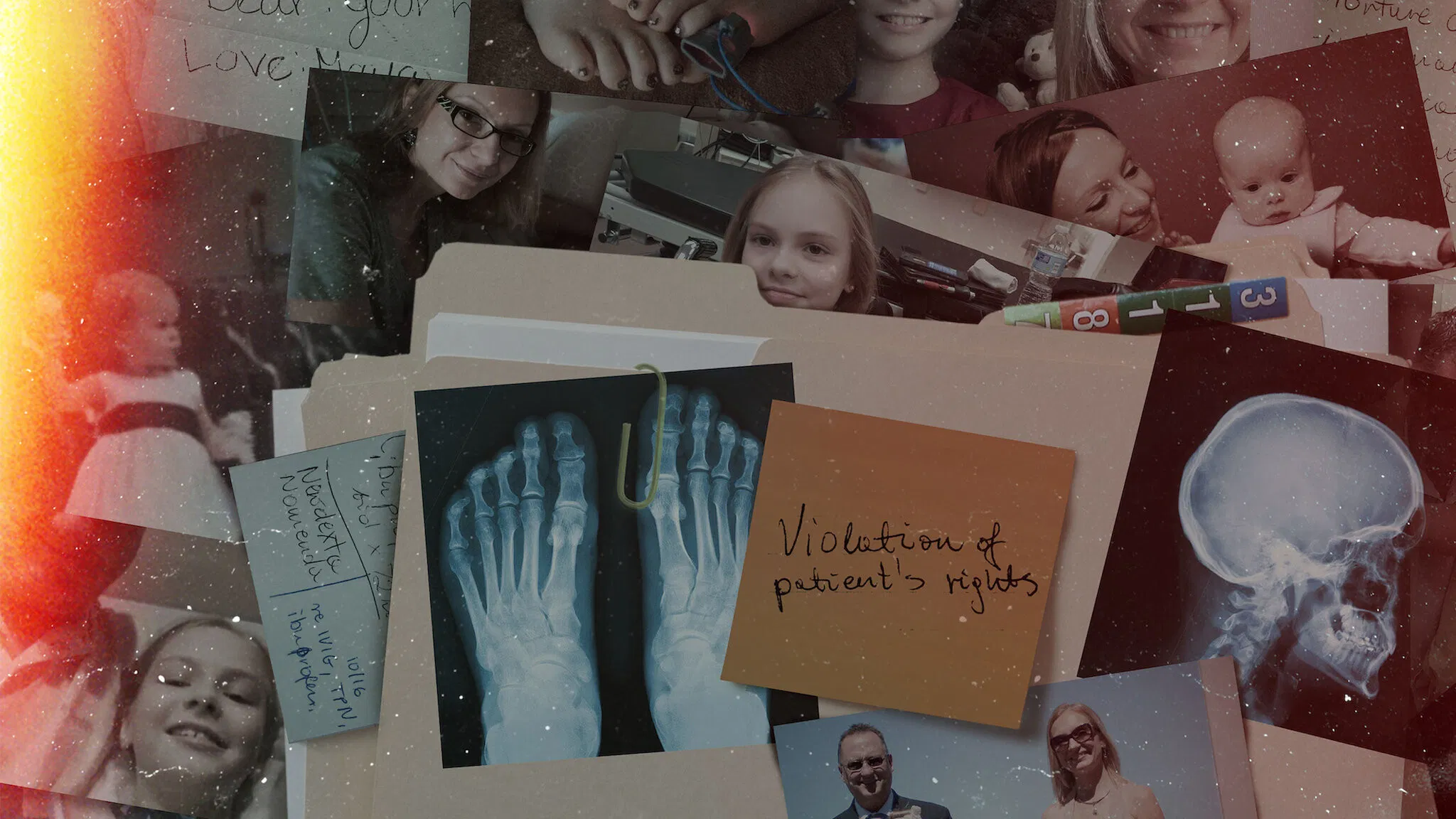
Roosevelt examines how complex regional pain syndrome is poorly understood condition that requires aggressive treatment many medical professionals are uncomfortable with, showing how Maya's need for ketamine infusions and other intensive interventions made her case seem suspicious to doctors unfamiliar with the condition, their ignorance about legitimate treatment protocols leading them to conclude parents must be causing harm. The film's most devastating section covers Beata Kowalski's deterioration after being separated from Maya and facing criminal investigation, her suicide representing ultimate consequence of system that accused her of harming the child she was desperately trying to help, her death leaving Maya without the mother who'd fought for her care and the family with trauma that no amount of reunification could heal. What distinguishes Take Care of Maya is its examination of how child protection systems, designed with good intentions, can become weapons when applied rigidly without accounting for medical complexity or parental rights, how the burden of proof shifts to families who must prove they're not abusive rather than state having to prove they are. The documentary includes testimony from medical experts who explain complex regional pain syndrome and validate the treatments Maya received, their expertise contrasted with hospital staff's suspicions to show how institutional protocols can override specialized knowledge when those protocols are applied inflexibly. The film's treatment of the lawsuit the Kowalski family filed against the hospital provides some measure of accountability, though Roosevelt makes clear that no legal victory can restore what was lost, that Beata's death and Maya's trauma represent irreversible harm caused by system meant to protect children but which destroyed this family instead. It succeeds because Roosevelt examines how well-intentioned systems can become oppressive when they lack mechanisms for admitting error or accounting for unusual cases, how medical professionals' limited knowledge about rare conditions can lead to catastrophic misinterpretation of parents' behavior, proving that child protection requires balancing genuine abuse prevention with recognition that some legitimate medical care looks suspicious to those unfamiliar with it, and that destroying families based on misunderstanding causes more harm than any protection justifies.
5. 🎬 The Keepers (2017)
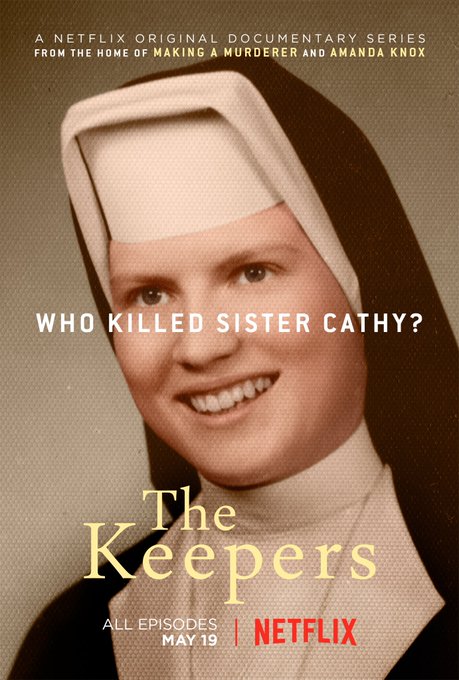
A documentary investigating the unsolved murder of Sister Cathy Cesnik, a Baltimore nun whose 1969 death may have been connected to her knowledge of sexual abuse at the Catholic school where she taught, the case examined through former students' efforts to find answers decades later. Ryan White creates seven-part series that operates as murder mystery and exposé of institutional cover-up, showing how Cesnik's death coincided with her discovery that chaplain Father Maskell was sexually abusing students, her intention to report him potentially providing motive for murder that was never properly investigated. What makes The Keepers essential is its examination of how Catholic Church protected predatory priests even when that protection might have involved complicity in murder, showing how Maskell continued his abuse for decades after Cesnik's death despite multiple complaints, suggesting that institutional preservation mattered more to Church hierarchy than either solving a murder or protecting children from ongoing abuse. The documentary's power comes from the testimony of Jean Wehner and other survivors who describe years of sexual abuse by Maskell, their accounts revealing systematic exploitation enabled by religious authority and parents' trust in Catholic institutions, showing how Maskell used confession and spiritual guidance as mechanisms for grooming and silencing victims.
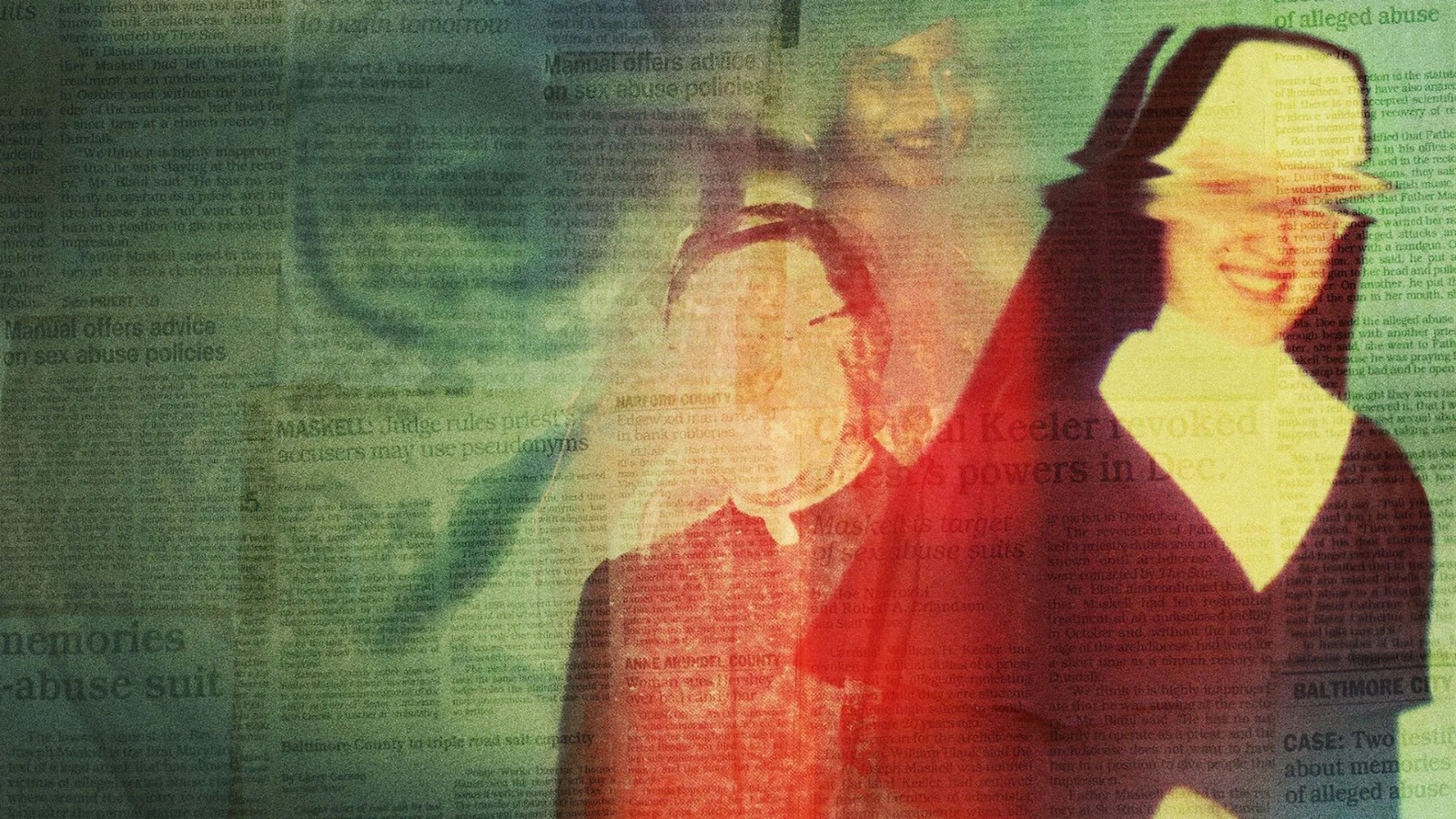
White structures the series around amateur investigators Gemma Hoskins and Abbie Schaub, former students who've spent years trying to solve Cesnik's murder, their dedication revealing how unsolved cases haunt not just families but entire communities, particularly when victims were beloved figures whose deaths suggest darker institutional secrets. The documentary examines how Baltimore police investigation was compromised from the start, with allegations that police officers were among those who frequented parties where abuse occurred, creating conflicts of interest that prevented thorough investigation into whether Maskell or his associates killed Cesnik to prevent her reporting. What distinguishes The Keepers is its attention to how trauma affects memory and testimony, showing how survivors' accounts of abuse were dismissed for decades because they couldn't remember every detail perfectly, how recovered memories are treated with skepticism even when multiple independent witnesses describe similar abuse, making visible how institutional power uses evidentiary standards to discredit victims whose trauma makes perfect recall impossible. The series' examination of how Church handled abuse allegations shows pattern of transferring accused priests rather than investigating or removing them, how victims who reported were told to pray and remain silent while abusers continued accessing children, demonstrating that Maskell's protection wasn't anomaly but standard operating procedure for institution more concerned with avoiding scandal than preventing harm. The documentary includes contemporary investigation into whether Cesnik's murder can still be solved, showing how time has made evidence collection difficult while also revealing new witnesses coming forward as statute of limitations on abuse have been eliminated, their testimony potentially providing context for understanding who might have wanted Cesnik dead. It succeeds because White treats both the murder investigation and abuse allegations with equal seriousness, showing how they're interconnected parts of same story about institutional corruption and cover-up, that solving Cesnik's murder requires confronting the abuse she died trying to expose, proving that some cold cases remain unsolved not due to lack of evidence but because solving them would require powerful institutions admitting their complicity in both the crimes and their concealment.
6. 🎬 Curry & Cyanide: The Jolly Joseph Case (2023)
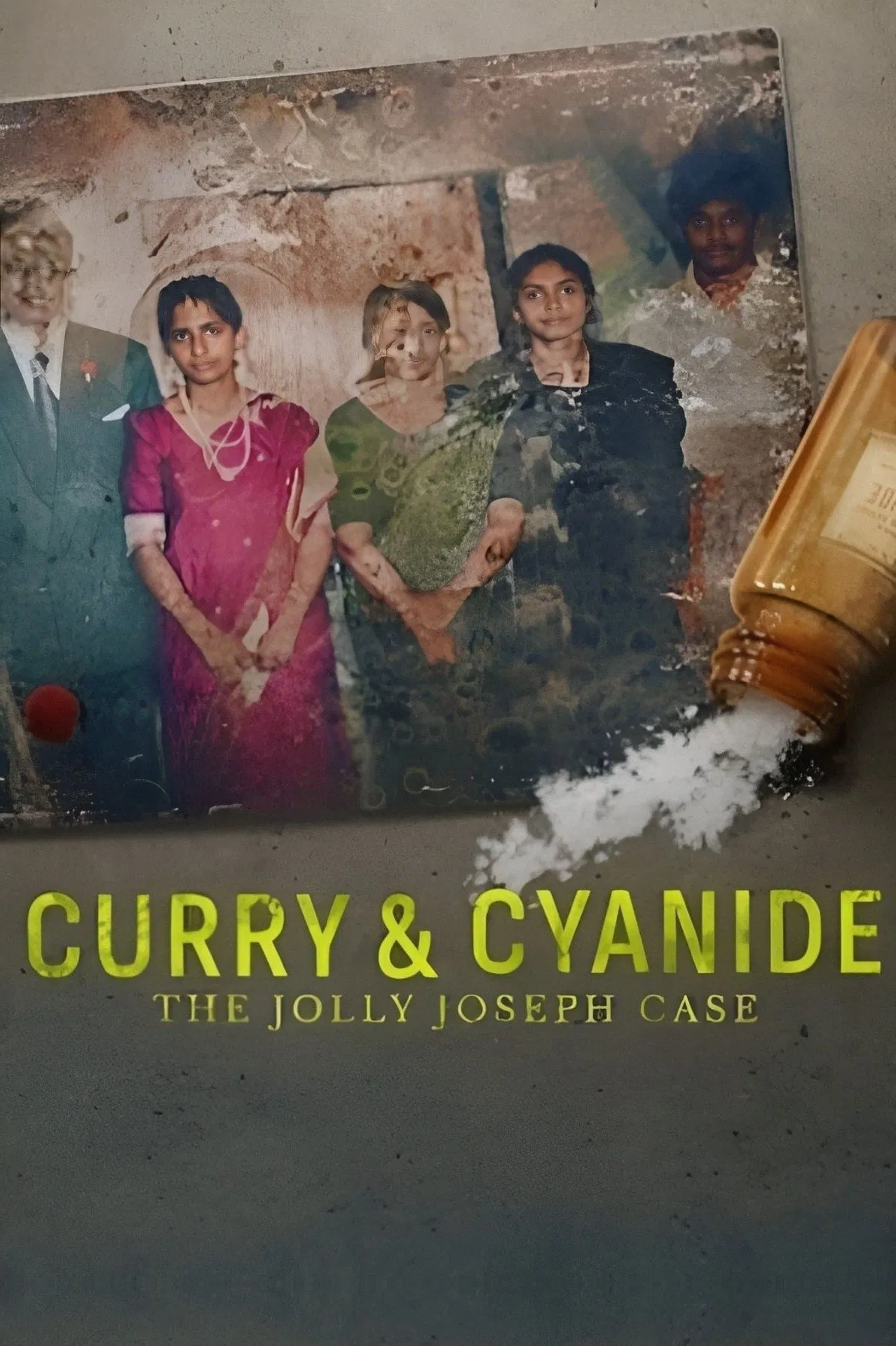
A documentary examining Indian woman Jolly Joseph who murdered six family members over fourteen years using cyanide-laced food, her crimes going undetected because she manipulated systems and relationships to prevent anyone from connecting deaths that appeared to be natural causes or suicides. Christo Tomy creates three-part series about how Joseph systematically eliminated her husband, his parents, her husband's cousin, his wife, and her own in-laws, each death providing her financial benefit or removing obstacles to the life she wanted to construct, showing how serial killers can operate within families for extended periods when their methods avoid suspicion. What makes Curry & Cyanide fascinating and disturbing is its examination of how Joseph managed these murders in Kerala's close-knit community where families live in proximity and everyone knows everyone's business, her ability to deflect suspicion through strategic grief performances and forgery of documents that explained away inconsistencies, demonstrating how trust within families creates vulnerability that predators exploit. The documentary's strength lies in its interviews with surviving family members who describe their confusion about why so many deaths occurred and their eventual realization that Jolly was common factor in all of them, their delayed recognition showing how difficult it is to conceive that someone you live with is methodically killing your relatives.
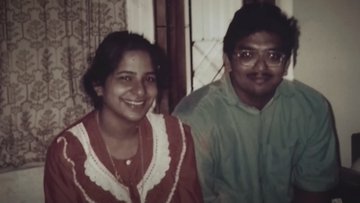
Tomy examines how Joseph's murders were enabled by gaps in Indian death investigation protocols, showing how most deaths attributed to natural causes or suicide receive minimal investigation, how easy it was for her to obtain cyanide through connections at university where she falsely claimed to be employed, creating portrait of serial killing made possible by institutional failures and social assumptions about women as nurturers rather than killers. The film's treatment of Joseph's motivations shows someone driven by combination of financial need and desire for status, her forgery of documents claiming to have master's degree and professional position revealing someone whose murders were part of larger pattern of constructing false identity, suggesting that killing was just most extreme manifestation of her willingness to eliminate anything contradicting the life she wanted to portray. What distinguishes Curry & Cyanide is its examination of how long Joseph maintained her deception even after suspicion arose, showing how she continued lying even when confronted, how her constructed persona of devoted daughter-in-law and grieving widow was so convincing that even people who doubted her found themselves questioning their own suspicions rather than her innocence. The documentary includes extensive coverage of the investigation once police finally began examining the deaths as potential murders, showing how bodies were exhumed and forensic evidence recovered despite years having passed, demonstrating that even old cases can be solved when investigators finally consider connections that were overlooked initially. The series' examination of Joseph's confession and trial reveals someone who showed minimal remorse even when confronted with evidence, her primary concern apparently being maintaining her constructed image rather than accepting responsibility for destroying multiple families, suggesting that her murders were expressions of narcissism that valued her desires above others' lives. It succeeds because Tomy examines how gendered assumptions about women's dangerousness allowed Joseph to kill repeatedly, how her performance of traditional feminine roles made her beyond suspicion in community where women as serial killers seemed impossible, proving that most dangerous predators are often those who most successfully embody trusted roles, and that trust within families creates conditions where murders can occur repeatedly before anyone questions whether natural explanations are actually covering systematic elimination.
7. 🎬 The Texas Killing Fields (2022)
A documentary investigating murders of women along fifty-mile stretch of Interstate 45 between Houston and Galveston, the area known as Texas Killing Fields where bodies have been discovered since 1970s, many cases remaining unsolved decades later. Jessica Dimmock creates four-part series examining how geographic location and law enforcement failures created conditions where serial killers could operate with minimal fear of capture, showing how the fields' isolation and jurisdictional complications meant bodies were often found long after murders, evidence degraded and investigations hampered by agencies with different priorities and limited resources. What makes The Texas Killing Fields essential is its examination of how most victims were young women from working-class backgrounds, many involved in sex work or struggling with addiction, their marginalization making them vulnerable to predators and making their disappearances less likely to receive serious investigation, creating pattern where certain victims matter less to systems supposedly protecting everyone equally. The documentary's strength lies in its focus on specific cases within the broader pattern, showing how individual women with lives and families became statistics in ongoing investigation, how their murders remain unsolved while families continue seeking answers that law enforcement seems incapable of providing.
Dimmock interviews family members who describe their loved ones and their frustration with investigations that seemed to stall immediately, their testimony revealing how working-class families lack resources and connections to pressure police into maintaining focus on cases that slip down priority lists when new crimes demand attention. The series examines how multiple serial killers have likely used the Killing Fields, showing how some cases have been solved while others remain open, the pattern suggesting that the location's reputation might attract predators who know bodies dumped there will be attributed to existing unsolved cases rather than sparking fresh investigations. What distinguishes this documentary is its examination of how environmental factors and policing priorities create hunting grounds for serial killers, showing how the fields' proximity to Houston's poor neighborhoods and Galveston's more affluent areas means victims are taken from places where their disappearances go unnoticed and dumped in locations where discovery is delayed, maximizing killers' operational time while minimizing risk. The film's treatment of investigators, both retired and current, shows dedicated professionals hampered by lack of resources and political will to solve cases that receive minimal media attention because victims don't fit profiles that generate public pressure, demonstrating how economic inequality shapes not just who becomes victim but who gets justice when crimes occur. The documentary includes examination of how DNA technology and renewed attention to cold cases has led to some solved murders, showing how advances in forensic science and changes in investigative culture can provide answers decades after crimes, offering hope that remaining cases might eventually be resolved even as it acknowledges how many families have died without learning what happened to their daughters. It succeeds because Dimmock makes visible how violence against marginalized women is enabled by geographic and social factors that create spaces where predators can operate, how jurisdictional boundaries and limited resources mean some locations become de facto zones where murder is easier to commit and harder to solve, proving that serial killers aren't supernatural threats but opportunists who exploit systemic vulnerabilities that society has created through neglect of both places and people deemed unworthy of protection.
8. 🎬 Till Murder Do Us Part: Soering vs. Haysom (2023)
A documentary examining the 1985 murders of Nancy and Derek Haysom in Virginia, focusing on whether their daughter Elizabeth and her boyfriend Jens Söring both participated in the murders or if she manipulated him into killing her parents alone, the case complicated by decades of conflicting testimony and Söring's eventual pardon. Marcus Schwenzel and Karin Steinberger create four-part series that operates as investigation into manipulation and obsession, showing how the couple's relationship involved such extreme codependency and role-playing that determining what actually happened becomes exercise in sorting through layers of performed identity and strategic lies. What makes Till Murder Do Us Part compelling is its examination of how both Elizabeth and Jens have spent decades constructing narratives about their relationship and the murders, their accounts contradicting in ways that suggest at least one is lying but leaving uncertain which version approaches truth, creating portrait of case where everyone involved has reasons to distort what happened. The documentary's strength lies in its access to both subjects, showing Elizabeth's continued insistence that Jens killed her parents alone while she was away creating alibi, while Jens claims they planned the murders together but that his diplomatic immunity meant he was supposed to take blame, their competing narratives revealing relationship built on performance and manipulation from the beginning.
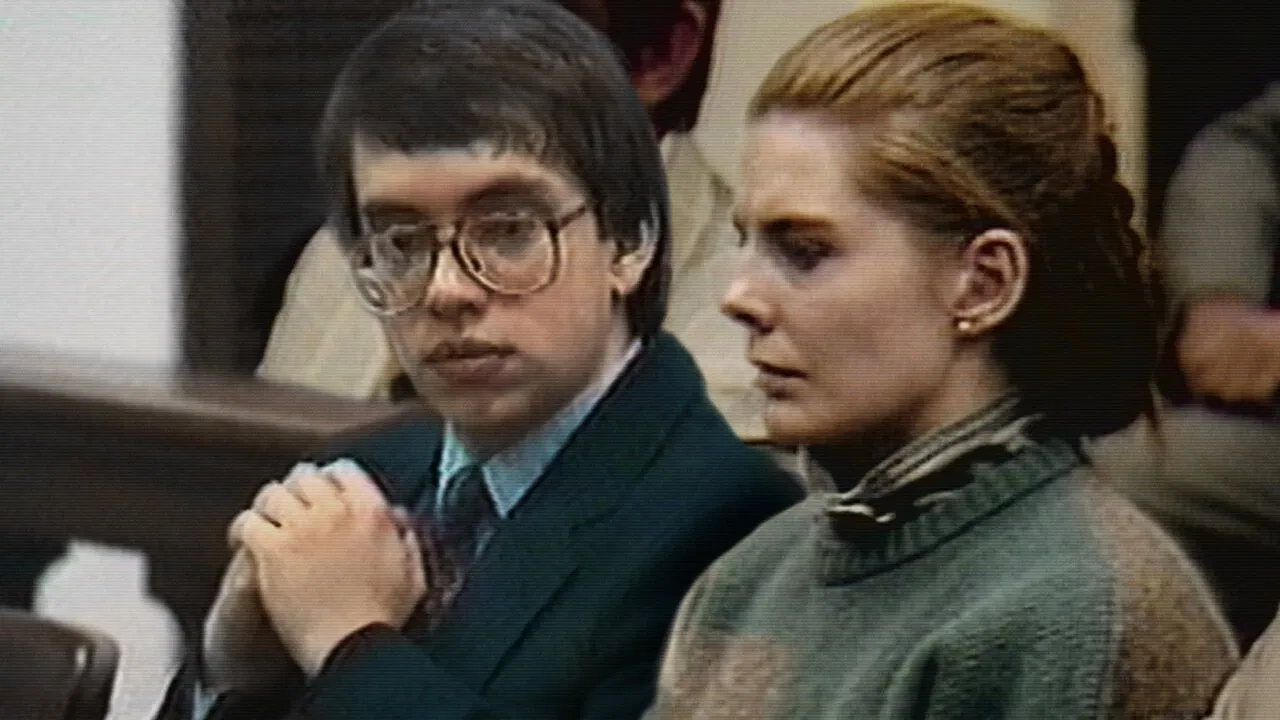
The series examines how the couple met at university and quickly developed intense relationship characterized by elaborate fantasies about being different people, showing how they wrote letters in character and created alternative identities that may have been games or may have been rehearsals for the crimes they were planning, making visible how performance became inseparable from reality in their interactions. What distinguishes this documentary is its examination of how Söring's German citizenship and initial diplomatic immunity created international complications that affected his prosecution and eventual pardon, showing how both governments' interests in the case shaped outcomes in ways that had little to do with actual guilt or innocence. The film's treatment of the victims shows parents whose wealth and controlling behavior created friction with Elizabeth but who didn't deserve to be murdered, their brutal stabbing deaths revealing level of rage that complicates both Elizabeth's claim of non-involvement and Jens's claim that he acted to free her from abusive parents. The documentary includes interviews with investigators and prosecutors who explain the evidence against both suspects, showing how forensic analysis and witness testimony supported both participants being present despite Elizabeth's alibi, making clear that official conclusion was that couple committed murders together regardless of whose hand held the knife. The series' examination of Söring's decades in Virginia prisons and his eventual pardon shows how he became cause célèbre in Germany, his supporters arguing he was naive student manipulated by sociopathic girlfriend, while prosecutors maintain evidence clearly shows his participation regardless of Elizabeth's influence. It succeeds because Schwenzel and Steinberger refuse to definitively resolve the question of relative culpability, instead showing how toxic relationships create situations where distinguishing between manipulation and joint purpose becomes impossible, that both Elizabeth and Jens are unreliable narrators of their own story, proving that some cases resist satisfying resolution because everyone involved has spent decades constructing self-serving narratives that obscure what actually happened in ways that protect them from full accountability.
9. 🎬 I Am a Stalker (2022)
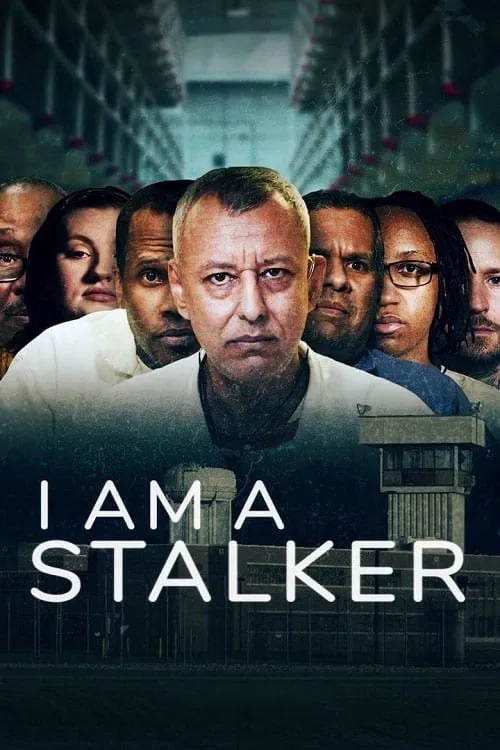
A documentary series featuring interviews with convicted stalkers incarcerated for crimes ranging from harassment to murder, each episode examining specific case while exploring psychological motivations and systemic failures that allowed stalking to escalate to violence. The series creates disturbing portrait of how stalking operates through obsession that stalkers themselves often characterize as love, showing how their inability to accept rejection translates into sustained campaigns of terror that destroy victims' sense of safety, their testimony revealing cognitive distortions that allow them to view themselves as victims rather than perpetrators. What makes I Am a Stalker essential is its decision to center stalkers' perspectives, allowing them to describe their actions and motivations in their own words, creating uncomfortable viewing as they rationalize behavior they know resulted in imprisonment but which they frame as understandable given circumstances, showing how perpetrators construct narratives that minimize their agency and blame victims for not responding appropriately to their "love." The documentary's strength lies in how it contrasts stalkers' accounts with testimony from victims and law enforcement, showing how stalkers' self-perception differs radically from how their behavior was experienced by those they terrorized, making visible the gap between how abusers understand their actions and the harm they actually caused.
Each episode examines different stalking scenario, from ex-partners who couldn't accept breakups to acquaintances whose attraction was never reciprocated, showing how stalking crosses demographic and situational boundaries but follows similar patterns of escalating contact, threats when contact is refused, and eventual violence when all other attempts at control fail. What distinguishes I Am a Stalker is its examination of how legal systems often fail to intervene effectively until violence occurs, showing how restraining orders are difficult to enforce and how stalking laws have historically treated the behavior as nuisance rather than precursor to serious violence, creating conditions where victims know they're in danger but police can't or won't act until after harm occurs. The series' treatment of cases that ended in murder shows how stalking is often predictable pathway to homicide when stalkers' sense of entitlement to their victims combines with their increasing rage at rejection, making clear that intimate partner violence and stranger stalking exist on continuum where the underlying psychology of ownership and control manifests similarly regardless of whether previous relationship existed. The documentary includes interviews with stalking experts and advocates who explain how the behavior operates through control and intimidation, how stalkers use technology to track victims and circumvent protective measures, how their persistence and escalation create conditions where victims must completely upend their lives to attempt safety that's never guaranteed. It succeeds because the series examines how stalkers manipulate systems and exploit societal assumptions about romance and persistence, how behaviors that seem benign in isolation accumulate into patterns of terror, that stalkers' ability to present themselves as wronged rather than dangerous means they often receive sympathy rather than accountability until their behavior results in serious harm, proving that preventing stalking violence requires taking seriously behaviors that individual incidents might seem minor but collectively represent sustained campaigns of psychological warfare that frequently precede physical attack.
10. 🎬 Making a Murderer (2015)
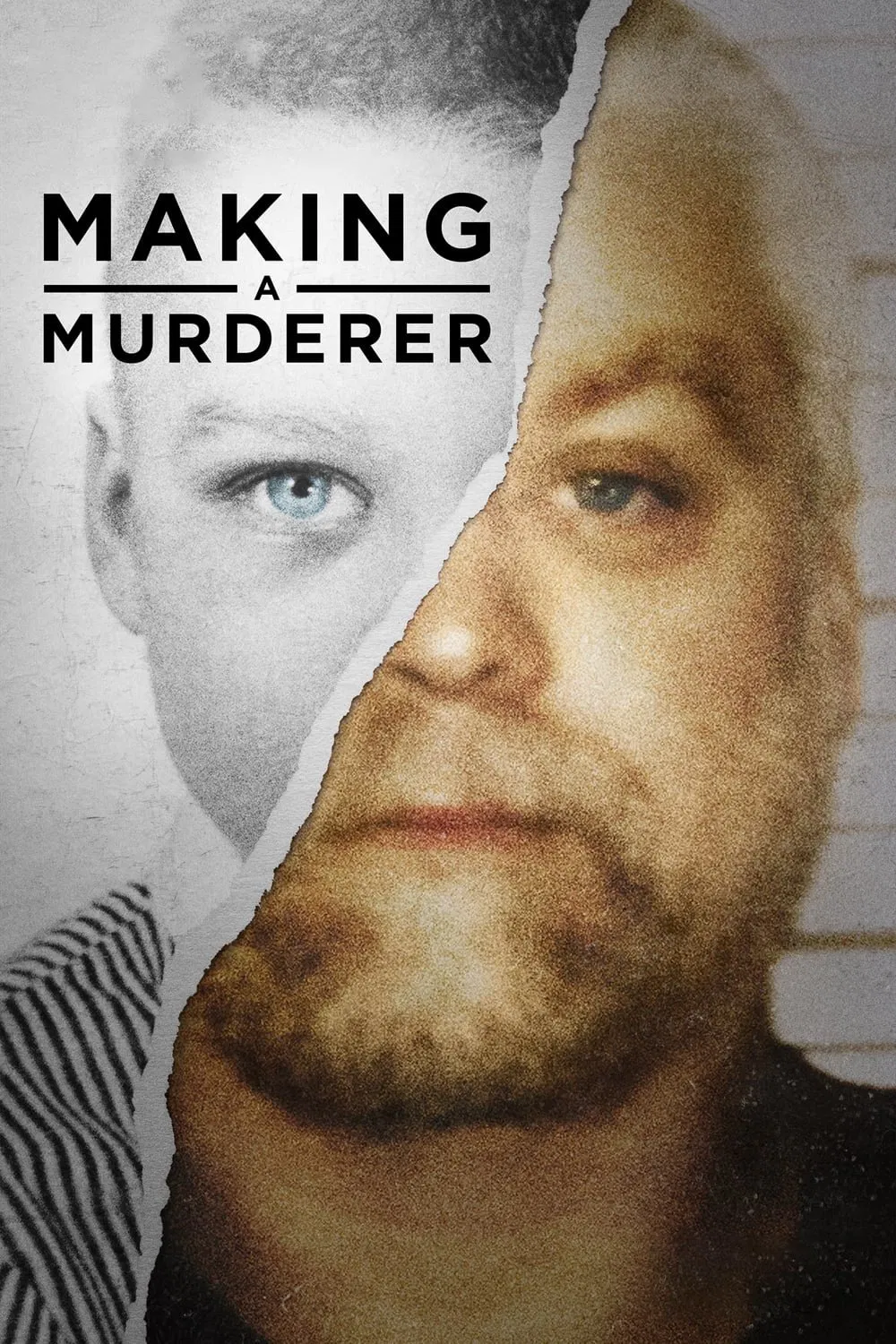
A documentary series following Steven Avery, a Wisconsin man exonerated through DNA evidence after eighteen years of wrongful imprisonment for sexual assault, only to be convicted of murder two years later, his case raising questions about whether he was framed by law enforcement seeking revenge for his civil lawsuit. Laura Ricciardi and Moira Demos create ten-part series filmed over ten years that examines how Avery's conviction in Teresa Halbach's murder involved questionable evidence collection and coerced confession from his intellectually disabled nephew Brendan Dassey, their cases becoming flashpoint in debates about criminal justice reform and prosecutorial misconduct. What makes Making a Murderer explosive is its suggestion that Manitowoc County law enforcement, facing depositions in Avery's wrongful conviction lawsuit, had motive and opportunity to plant evidence in the murder case, showing how key pieces of evidence were found under circumstances that defense argues were suspicious, creating reasonable doubt about whether Avery actually killed Halbach or was convenient suspect for crime that allowed sheriff's department to eliminate threat of civil liability. The documentary's strength lies in its extensive access to defense team and case materials, showing Dean Strang and Jerry Buting's investigation revealing how blood evidence and car key appeared in locations that had been searched multiple times previously, how Manitowoc deputies were involved in evidence collection despite being ordered to avoid the case due to conflict of interest.
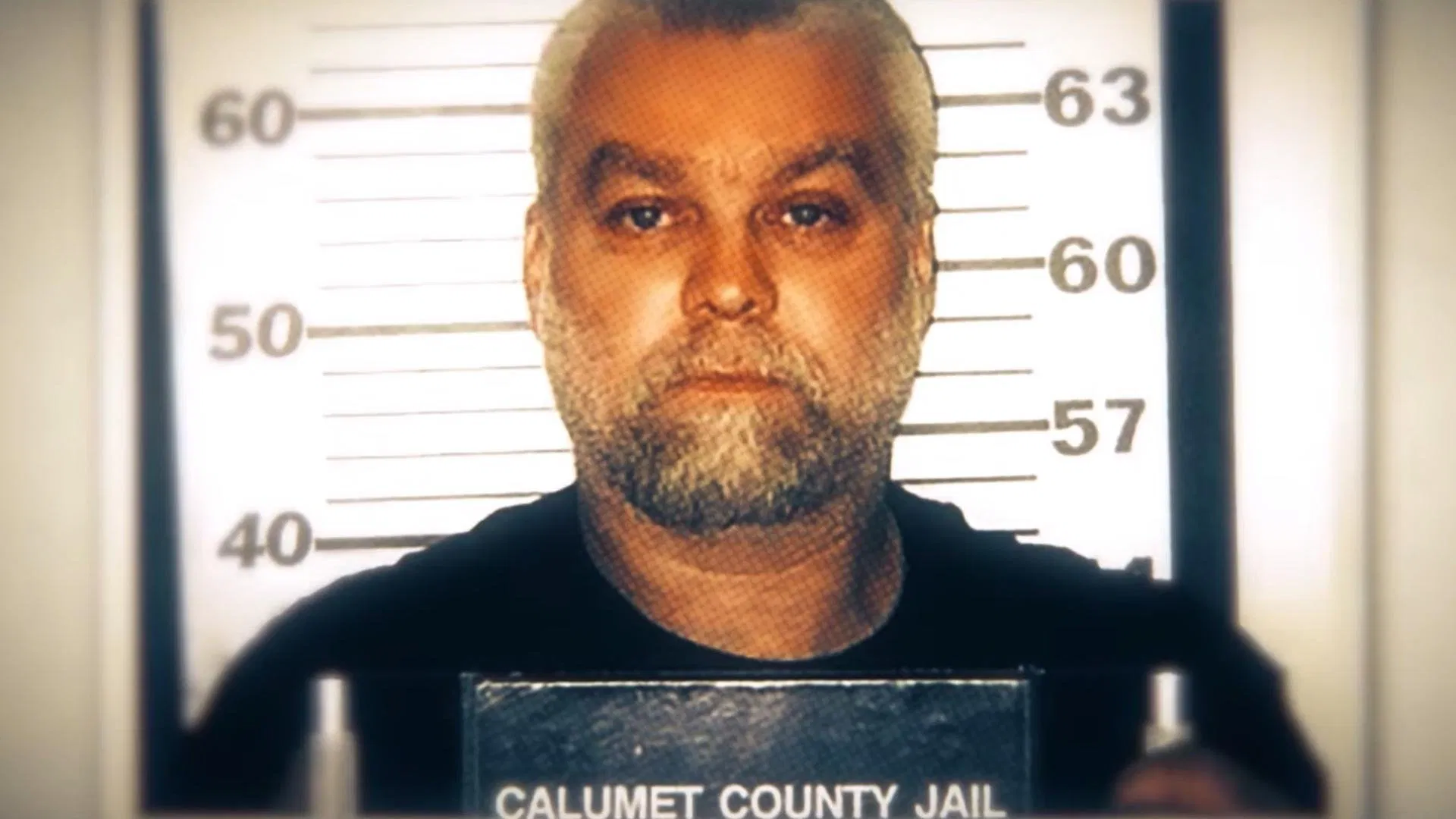
Ricciardi and Demos structure the series to build outrage through accumulated irregularities, showing how Brendan Dassey's confession was obtained through interrogation techniques that his lawyers argued were coercive and led to false admission, how his descriptions of the crime contained details fed to him by investigators rather than knowledge only the perpetrator would possess, making his conviction appear to be miscarriage of justice regardless of Avery's guilt. The series examines how media coverage portrayed Avery as guilty before trial, how press conferences by prosecutors Ken Kratz contained information later ruled inadmissible, creating pretrial publicity that made fair jury selection difficult, demonstrating how prosecution's media strategy poisoned jury pool while defense had no comparable resources to counter narrative. What distinguishes Making a Murderer is its examination of how Avery's previous wrongful conviction should have made investigators more careful but instead seemed to make them more determined to secure his conviction, how the lawsuit he filed represented existential threat to department's credibility and individual officers' careers, creating motive for framing that prosecution dismissed as conspiracy theory despite circumstantial evidence supporting defense's alternative narrative. The documentary's treatment of Teresa Halbach shows respectful acknowledgment that real woman was murdered while also examining whether the right person was convicted, showing how her family's need for closure was exploited by prosecution that claimed certainty about Avery's guilt despite evidentiary problems that should have raised doubts. The series sparked massive public response, with viewers petitioning for Avery's release and Dassey's conviction being overturned by federal court before being reinstated on appeal, showing how documentary's framing influenced public perception while also drawing criticism for allegedly presenting one-sided narrative that omitted prosecution's evidence. It succeeds because Ricciardi and Demos raise genuine questions about how this case was investigated and prosecuted, showing that even if you believe Avery is guilty, the methods used to convict him and Dassey violated standards that should protect all defendants, proving that wrongful convictions don't always involve completely innocent people but can also involve guilty people whose rights were violated in ways that make their convictions unreliable, that justice requires proper procedures not just correct outcomes.
11. 🎬 Indian Predator: Murder in a Courtroom (2022)
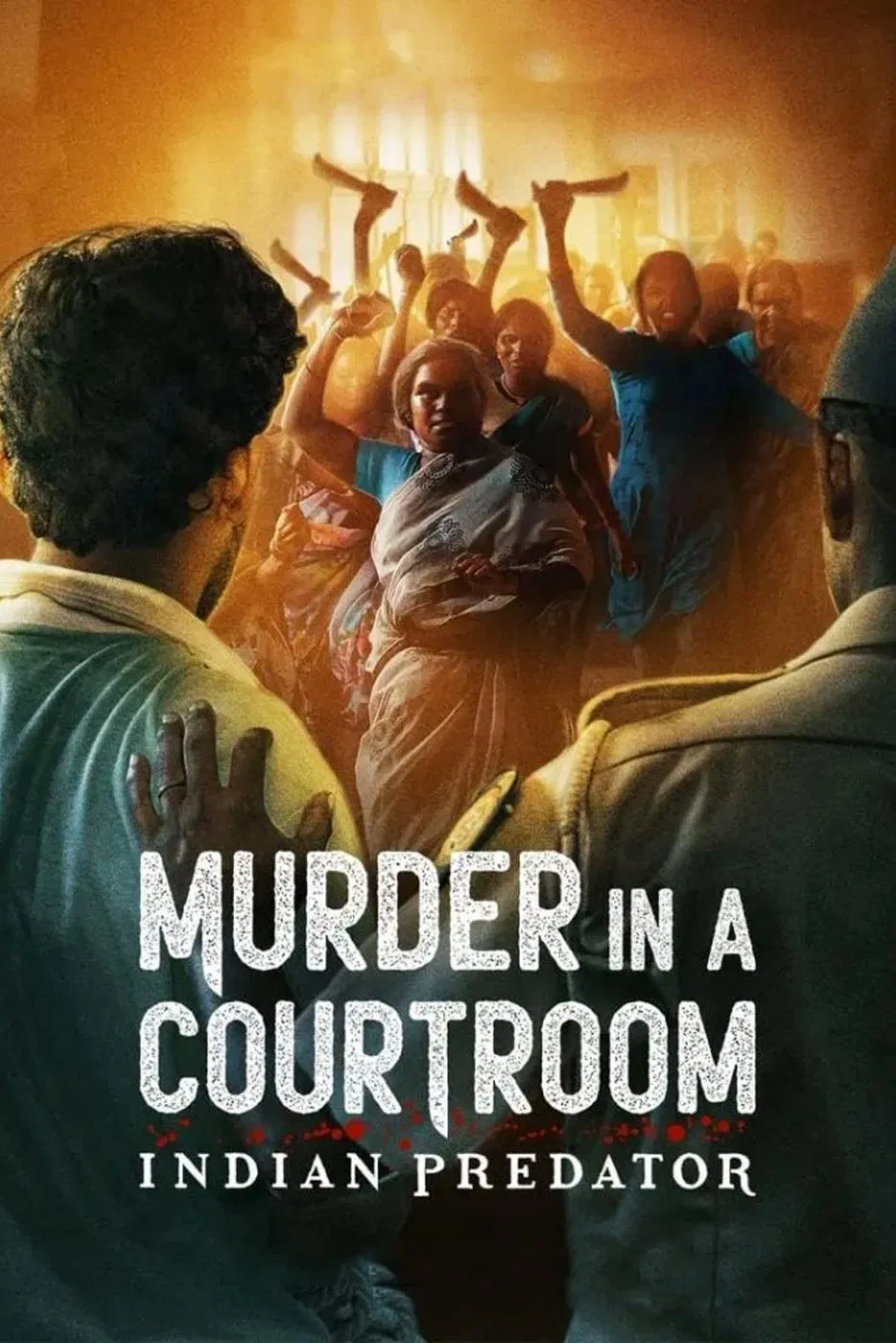
A documentary examining the case of Akku Yadav, an Indian gangster and serial rapist who terrorized Kasturba Nagar slum in Nagpur before being lynched by mob of women in courthouse while awaiting trial, his murder raising questions about vigilante justice when legal systems fail to protect marginalized communities. Ayesha Sood creates three-part series that operates as examination of how systemic failures create conditions where victims feel they have no recourse except violence, showing how Yadav operated for over a decade despite numerous complaints, his protection by police allowing him to continue raping women and girls who knew reporting him meant nothing would happen while retaliation from Yadav and his gang was guaranteed. What makes Murder in a Courtroom essential is its examination of how caste and class determined whose safety mattered, showing how Yadav targeted Dalit women knowing that police wouldn't investigate crimes against them seriously, how his ability to pay bribes meant complaints disappeared while women who reported him faced further violence, creating situation where legal system became enabler rather than protector. The documentary's power comes from interviews with survivors who describe years of abuse and their frustration with police who dismissed their complaints or actively worked to protect Yadav, their testimony revealing how corruption made law enforcement complicit in the violence, how women's attempts to use legal channels only resulted in more trauma when system failed them repeatedly.
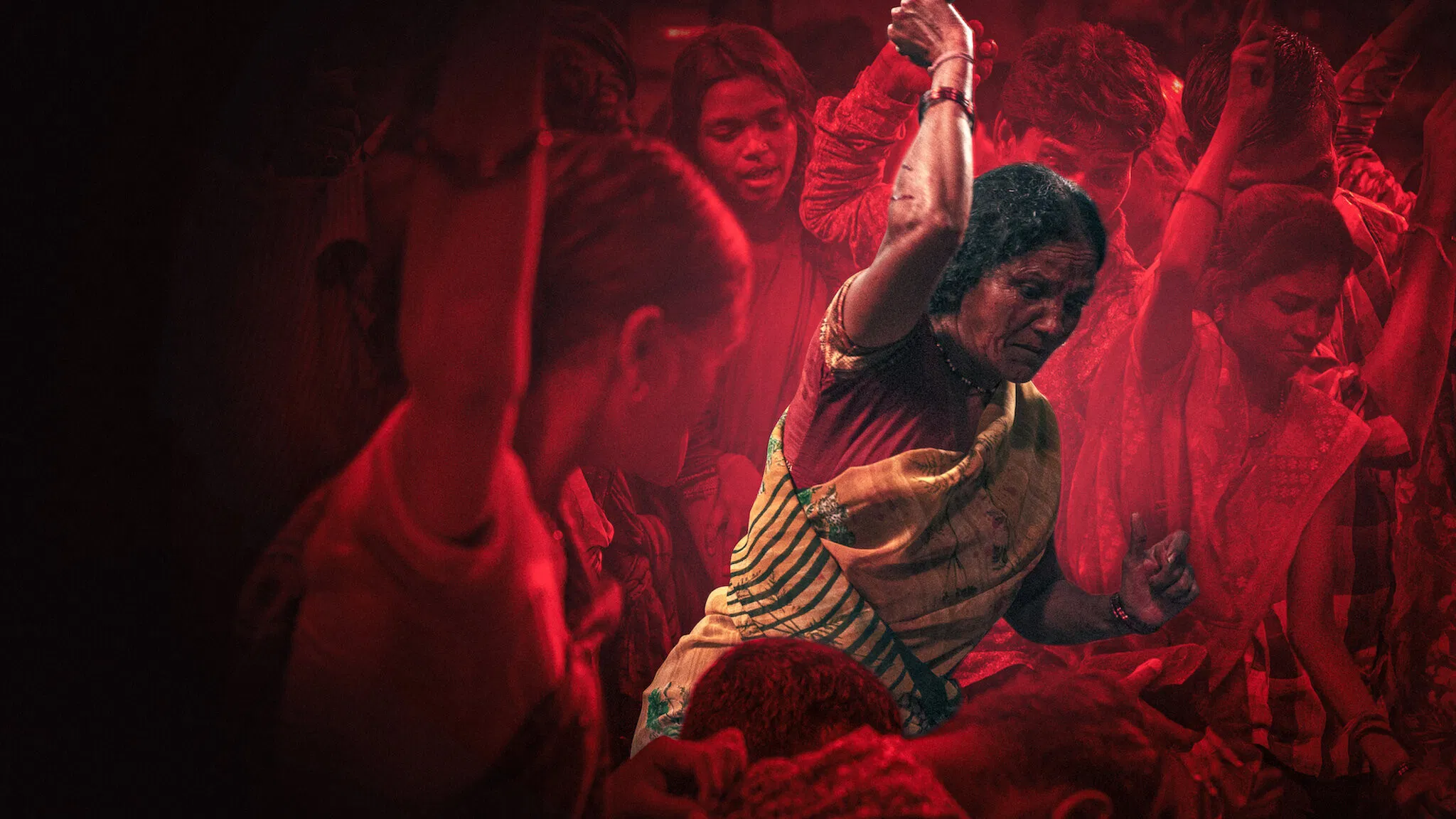
Sood examines how the courthouse lynching occurred in full view of police and court officials, showing how approximately 200 women attacked Yadav with knives and chili powder while he was being transferred between cells, his murder taking fifteen minutes during which security forces made no attempt to intervene, suggesting at minimum passive acceptance if not active complicity in allowing vigilante justice to proceed. The documentary includes interviews with activists and lawyers who argue that while the lynching represents failure of law, it was inevitable result of law's prior failures to protect women from Yadav, showing how victims exhausted every legal option before resorting to violence that they knew would result in their own prosecution but which seemed like only way to ensure safety. What distinguishes Murder in a Courtroom is its refusal to simply condemn or celebrate the vigilante violence, instead examining how legal system's corruption created conditions where murder seemed rational to women who'd been systematically failed by institutions that should have protected them, showing how the choice became accepting continued victimization or taking matters into their own hands with full knowledge of legal consequences. The series' treatment of aftermath shows how initial arrests of women were eventually dismissed, how public opinion overwhelmingly supported the lynching despite it being clearly illegal, demonstrating how Yadav's death was seen as justice by community that had watched legal system protect him for over a decade. The film examines broader patterns of police corruption and caste-based violence in India, showing how Yadav's case represents systemic problems rather than isolated incident, how marginalized communities receive inadequate protection while those with money and connections can literally get away with murder, rape, and extortion because police serve the powerful rather than protecting the vulnerable. It succeeds because Sood forces confrontation with uncomfortable questions about vigilante justice and whether it can ever be justified, showing how the answer depends on whether you believe legal systems can be reformed or if their corruption is so complete that extra-legal violence becomes necessary for marginalized people to protect themselves, proving that most complex cases are those where victims become perpetrators not through moral failing but through systemic abandonment that makes violence seem like only remaining option for survival.
12. 🎬 The Indrani Mukerjea Story: Buried Truth (2024)
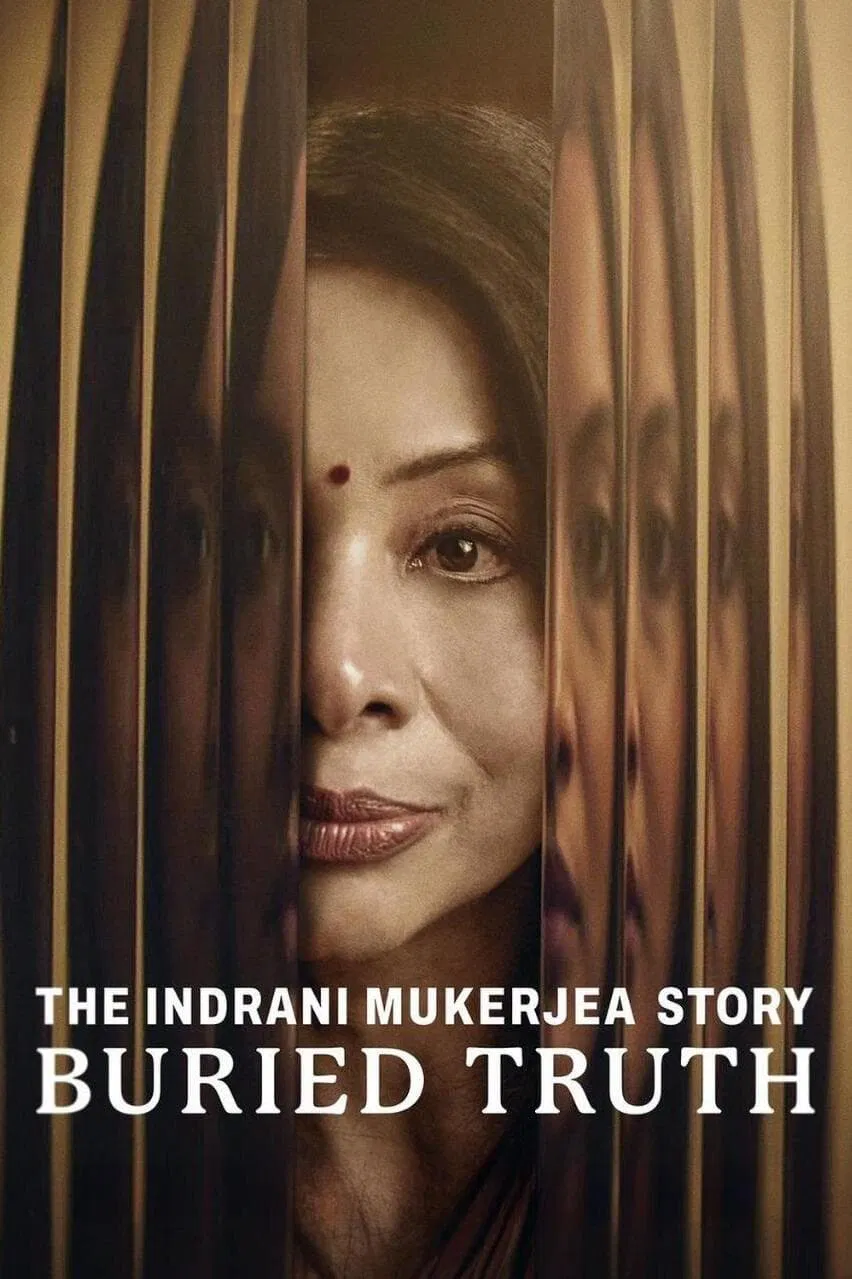
A documentary examining Indian media executive Indrani Mukerjea's alleged murder of her daughter Sheena Bora in 2012, the case not discovered until 2015 when driver involved in disposing of the body was arrested on unrelated charges and confessed, revealing family dysfunction and secrets about Indrani's past. Shaana Levy and Uraaz Bahl create four-part series that examines how Indrani presented Sheena as her sister rather than daughter, how her marriage to media mogul Peter Mukerjea represented social climbing that required erasing aspects of her past including children from previous relationships, showing how the need to maintain carefully constructed identity allegedly motivated matricide. What makes The Indrani Mukerjea Story compelling is its examination of how the case captivated Indian media, the combination of wealth, infidelity, and family secrets creating tabloid sensation that dominated coverage for months, showing how Indrani's position in media industry meant her downfall was covered obsessively by colleagues and competitors. The documentary's strength lies in its access to Indrani herself through interviews conducted while she was incarcerated, her continued denial of guilt and alternative theories about what happened to Sheena creating portrait of someone either wrongfully accused or incapable of accepting responsibility even when confronted with evidence.

Levy and Bahl examine how the case involves competing narratives about what happened in April 2012 when Sheena disappeared, prosecution alleging that Indrani, her second husband, and driver strangled Sheena over her relationship with Peter Mukerjea's son from previous marriage, the relationship crossing social boundaries that Indrani found unacceptable, while defense argues that Sheena may still be alive and that the case is built on unreliable testimony from driver who made deal with prosecution. The series includes interviews with Peter Mukerjea who was also charged before being released, his testimony about not knowing Sheena was Indrani's daughter rather than sister revealing how elaborate the deception was and raising questions about how observant he actually was of his wife's family relationships. What distinguishes this documentary is its examination of how Indrani's past contained other mysteries that emerged during investigation, including conflicting accounts of her early life and relationships, suggestions of previous husband's suspicious death, creating portrait of someone whose entire identity seems constructed through strategic omissions and lies, making it plausible that murdering inconvenient daughter was consistent with pattern of eliminating anything threatening the life she'd built. The film's treatment of the investigation shows how case was solved through chance rather than police work, how Sheena's murder might never have been discovered if driver hadn't been arrested years later on separate charges and decided to confess, suggesting that many similar crimes go undetected when conspirators maintain their silence. The documentary examines how the case reflects broader issues in Indian society about women's social mobility and the pressures to appear respectable, how Indrani's ambition required denying aspects of her past including her children, how patriarchal structures make women's worth dependent on marriage and status in ways that can motivate extreme actions to maintain appearances. It succeeds because Levy and Bahl examine how the case remains legally unresolved with Indrani maintaining innocence despite conviction, how questions remain about exactly what happened to Sheena and whether all involved parties have been held accountable, proving that some cases generate massive media attention precisely because they remain ambiguous, allowing public to project their own assumptions about class, gender, and family dynamics onto facts that support multiple interpretations.
13. 🎬 Lover, Stalker, Killer (2024)
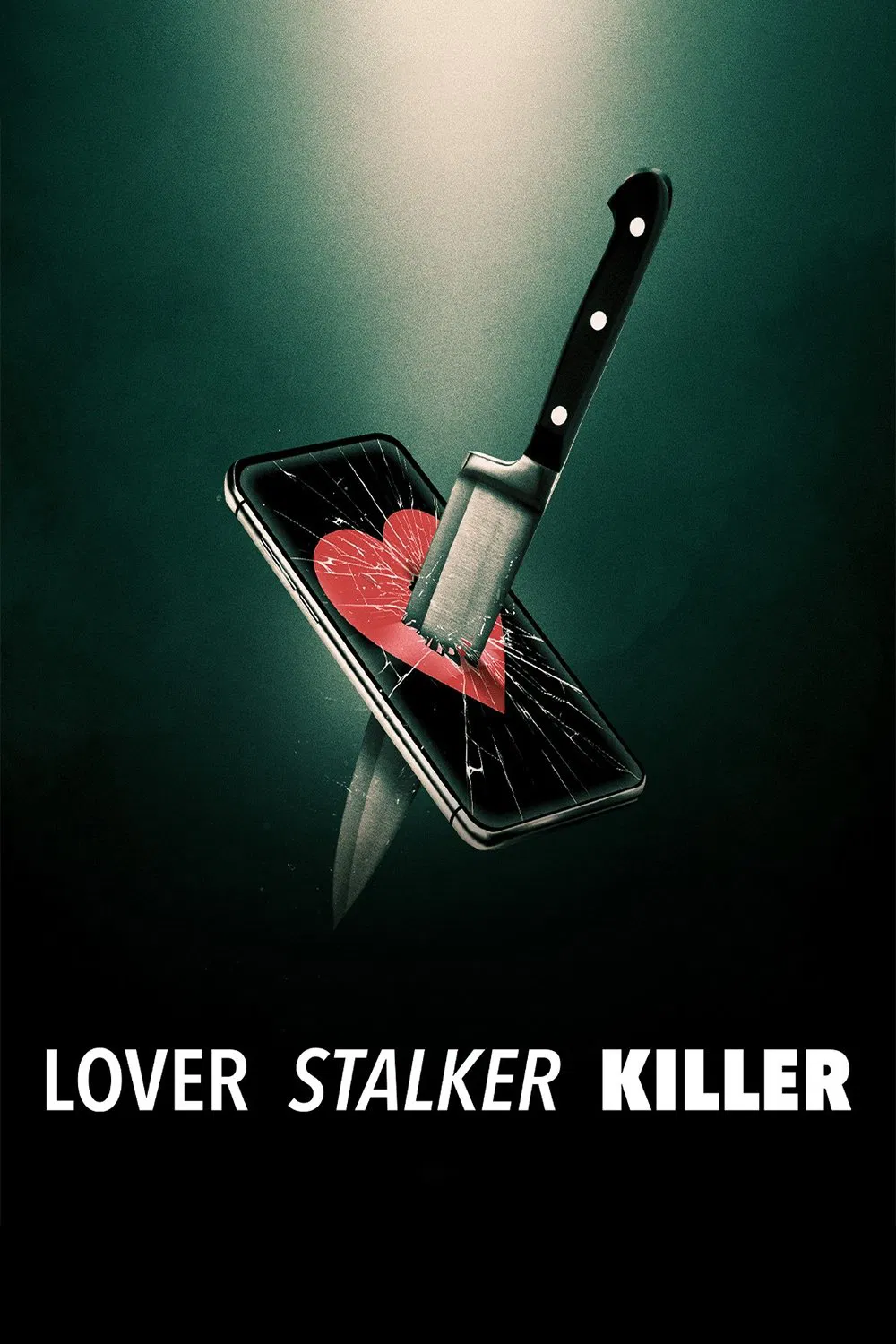
A documentary examining the case of Cari Farver who disappeared in 2012, her ex-boyfriend Dave Kroupa continuing to receive thousands of threatening texts from her for years before investigation revealed she'd been murdered and her identity stolen by Shanna "Liz" Golyar, a woman Dave briefly dated who was using Cari's accounts to terrorize him while pretending to be his stalking victim. Sam Hobkinson creates film that operates as digital age thriller, showing how technology meant to connect people can be weaponized by someone determined to eliminate romantic rival while maintaining elaborate deception that convinced everyone including law enforcement that Cari was alive and dangerous. What makes Lover, Stalker, Killer essential is its examination of how long the deception continued, showing how Golyar sent over 60,000 messages impersonating both Cari and various other personas she created, how she physically vandalized her own property and Dave's while claiming Cari was responsible, creating elaborate performance that made her seem like victim of stalking rather than its perpetrator and murderer. The documentary's strength lies in how it shows the investigation's difficulty in proving Cari was dead when her digital presence suggested she was alive, how police initially treated the case as stalking by Cari rather than considering that someone else might be controlling her accounts, demonstrating how digital impersonation can delay justice when authorities assume that whoever controls an account is the account's legitimate owner.
Hobkinson examines how Golyar's obsession with Dave drove her to murder Cari shortly after they began dating, her inability to accept Dave's lack of interest in serious relationship with her manifesting as need to eliminate anyone else he dated while making herself seem sympathetic by claiming to be terrorized by Cari, showing how the stalking was cover for murder and manipulation aimed at making Dave dependent on her for protection from threat she'd created. The film includes interviews with Dave and his family who describe years of harassment and fear, their testimony revealing how the constant messages and vandalism destroyed his sense of safety while Golyar positioned herself as supportive presence helping him cope, her dual role as both source of terror and apparent comfort creating psychological manipulation that kept him from suspecting her involvement. What distinguishes Lover, Stalker, Killer is its examination of how case was solved through digital forensics, showing how investigators eventually analyzed metadata and location data that proved Golyar was sending messages supposedly from Cari, how they found evidence of Cari's murder on Golyar's computer despite her attempts to delete it, demonstrating how technology that enables crimes also creates evidence that can eventually expose perpetrators even when they think they've covered their tracks perfectly. The documentary's treatment of Golyar's trial shows how prosecutors built case using digital evidence and circumstantial proof that Cari was dead despite her body never being found, how jury convicted based on preponderance of evidence showing Golyar's guilt even without physical remains, establishing precedent that murder convictions can be secured through digital breadcrumbs when traditional evidence isn't available. The film examines how Golyar's sentence of life imprisonment represents justice for Cari's family but also shows how cases like this are becoming more common as relationships increasingly mediate through technology that can be exploited by those willing to commit fraud and murder, that digital identity theft can continue long after physical person is dead, creating situations where victims are unknowingly alive in digital realm while deceased in physical one. It succeeds because Hobkinson shows how contemporary stalking differs fundamentally from previous eras, how technology allows sustained campaigns of harassment and impersonation that would have been impossible before, that solving these crimes requires law enforcement to understand digital forensics and recognize when online presence doesn't necessarily prove someone is alive, proving that modern murder investigations must account for how killers use victims' digital identities to conceal crimes and manipulate others into believing their targets are still alive when they've been dead for years.
14. 🎬 Indian Predator: The Butcher of Delhi (2022)
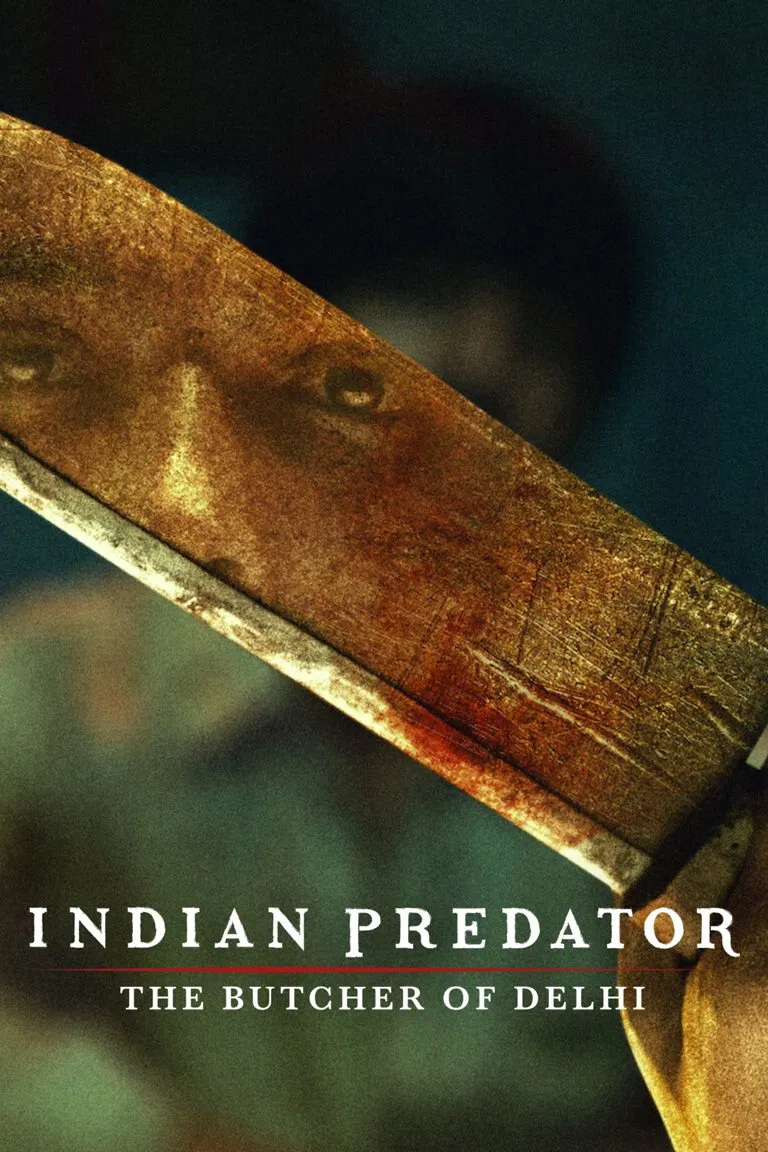
A documentary examining the case of Chandrakant Jha, a serial killer who murdered at least three people in Delhi between 1998 and 2007, dismembering their bodies and leaving remains in public places with notes challenging police to catch him. Ayesha Sood creates three-part series examining how Jha's crimes went unsolved for nearly a decade despite his taunting messages, showing how police failures and jurisdictional issues allowed him to continue killing while openly mocking investigators' inability to identify him. What makes The Butcher of Delhi disturbing is its examination of how Jha selected victims who were economically vulnerable migrants to Delhi, men whose disappearances went largely unnoticed because they lacked family connections in the city and whose deaths were initially attributed to accidents or criminal violence unrelated to serial killing, showing how certain lives matter less to investigative priorities. The documentary's strength lies in its interviews with investigators who explain how the case was complicated by bodies being found across different police jurisdictions, how initial investigations treated each murder as isolated incident rather than recognizing pattern suggesting single perpetrator, creating conditions where Jha operated for years before anyone realized a serial killer was active.
Sood examines Jha's psychology through interviews with forensic experts who analyzed his crimes, showing how the dismemberment and public display of remains represented need for recognition and control, how his notes to police indicated someone who viewed himself as superior to authorities and enjoyed demonstrating that superiority through continued successful murders, creating profile of narcissistic killer whose primary satisfaction came from proving he was smarter than those hunting him. The series includes examination of how Jha was finally caught through traditional police work rather than forensic breakthroughs, showing how investigators eventually connected multiple cases and traced evidence that led to his identification and arrest, demonstrating that solving serial murder cases still requires methodical investigation even in era of advanced forensic technology. What distinguishes The Butcher of Delhi is its examination of how Jha's trial revealed someone who showed no remorse for his crimes and continued to taunt authorities even after conviction, his statements in court revealing someone who viewed his victims as objects and his murders as achievements worth celebrating, creating portrait of psychopathy that's genuinely chilling in its complete lack of empathy or guilt. The documentary's treatment of victims shows them as real people with lives and families rather than just body count, interviewing relatives who describe their loved ones and their frustration with investigations that seemed to treat the murders as minor crimes because victims were poor migrants whose deaths didn't generate public pressure for resolution. The film examines broader patterns of how serial killers in India often target marginalized populations knowing that their crimes will receive less attention, how poverty and migration create vulnerabilities that predators exploit while law enforcement focuses resources on crimes affecting more affluent communities, showing how economic inequality shapes not just who becomes victim but also who gets justice. It succeeds because Sood examines how Jha's crimes were enabled by systemic failures that allowed vulnerable people to disappear without triggering serious investigation, how his ability to kill repeatedly represented not just individual evil but collective indifference to victims whose social position made them seem disposable, proving that serial killers don't just exploit individual vulnerabilities but also societal inequalities that determine whose safety matters and whose deaths are considered acceptable losses in cities too busy to notice when poor migrants disappear.
15. 🎬 The Outreau Case: A French Nightmare (2024)
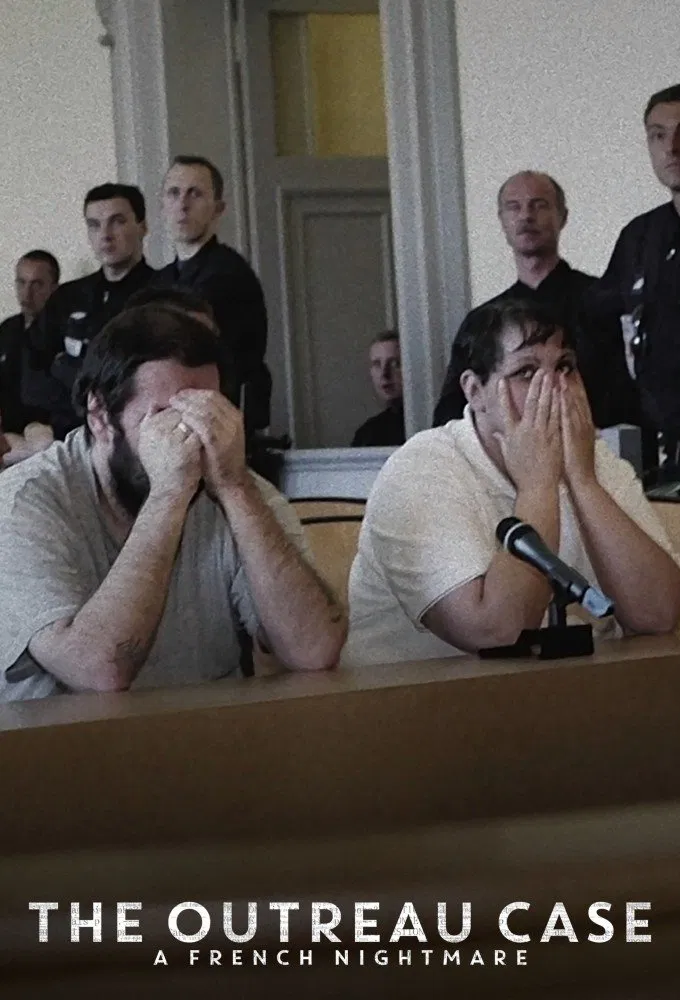
A documentary examining the Outreau trial, a French case where multiple people were accused of participating in pedophile ring, many being convicted before appeals process revealed that much of the evidence was fabricated by primary accuser whose testimony was unreliable, leading to one of France's most significant judicial scandals. Serge Garde and Thomas Marlier create four-part series examining how initial accusations in 2001 led to mass arrests and convictions before the case unraveled, showing how presumption of guilt and moral panic about child abuse created conditions where normal evidentiary standards were abandoned in favor of believing accusers regardless of contradictions in their stories. What makes The Outreau Case essential is its examination of how criminal justice system can generate wrongful convictions through combination of overzealous prosecution, media sensationalism, and judicial failures to properly evaluate evidence, showing how people spent years in prison for crimes that investigation eventually revealed never occurred, their lives destroyed by accusations that were treated as proven facts before any rigorous examination of their veracity. The documentary's strength lies in its interviews with wrongfully convicted defendants who describe their experience of being arrested, tried, and imprisoned for crimes they didn't commit, their testimony revealing how impossible it is to prove negative when accusation alone creates presumption of guilt that shifts burden of proof to defendants who must somehow demonstrate their innocence rather than prosecution having to prove their guilt beyond reasonable doubt.
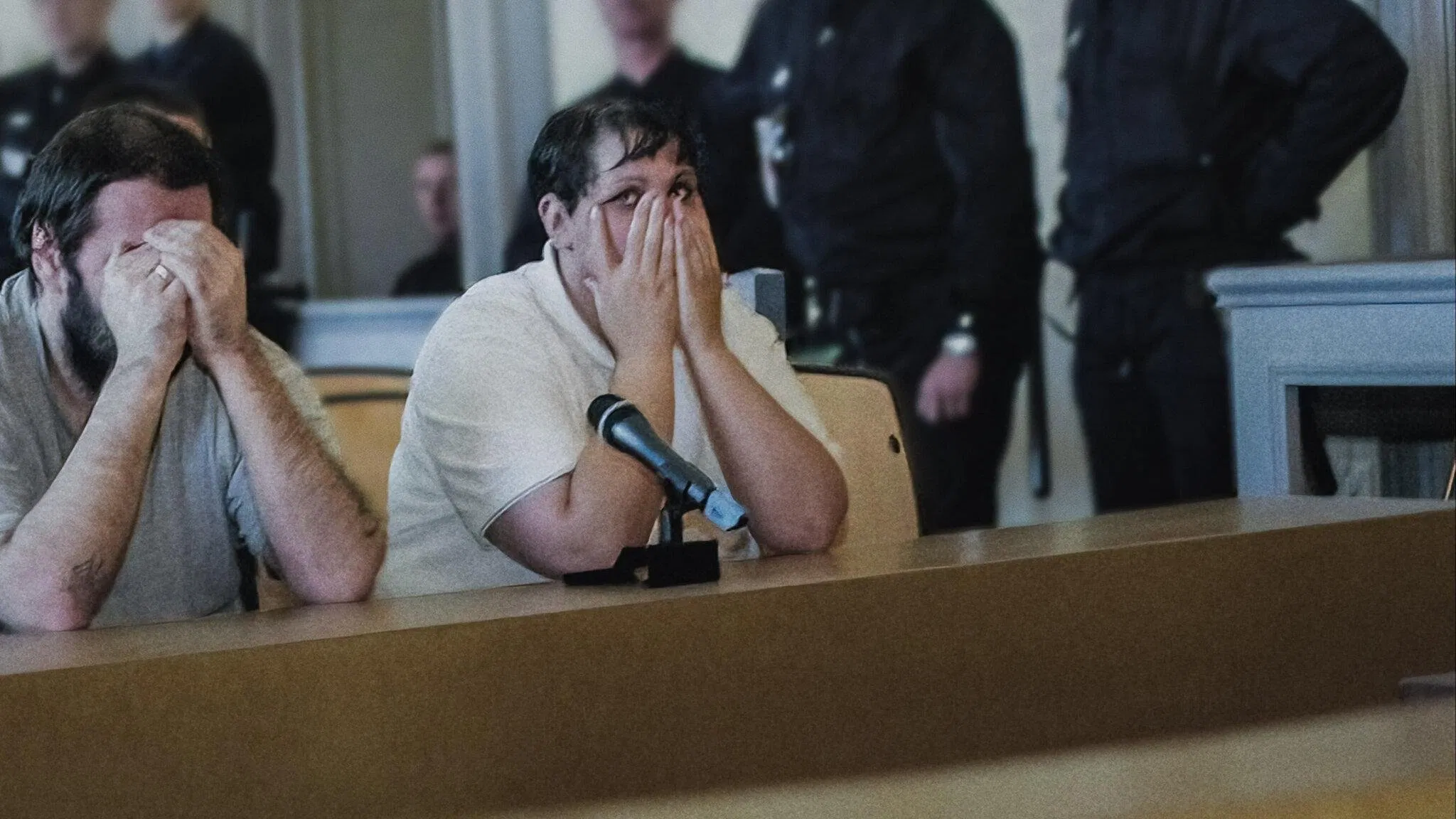
Garde and Marlier examine how the primary accuser Myriam Badaoui's testimony formed basis for prosecution's case despite her changing stories and history of making false allegations, showing how investigators' belief that children don't lie about abuse meant they accepted her accounts without sufficient verification, creating situation where inconsistencies that should have raised doubts were instead interpreted as evidence of sophisticated pedophile network that required complex explanation to account for logical problems in the allegations. The series includes coverage of how media coverage created public hysteria about the case, how details of alleged abuse were reported as facts before being tested in court, creating environment where defendants were convicted in public opinion before trials began, demonstrating how sensational crime coverage can prejudice potential jurors and make fair trials impossible. What distinguishes The Outreau Case is its examination of how appeals process eventually revealed that much of what defendants were convicted for never happened, how Badaoui's testimony was found to be largely fabricated, how multiple defendants were acquitted after spending years in prison, creating one of France's most significant miscarriages of justice that led to reforms in how child abuse cases are investigated and prosecuted. The documentary's treatment of how the wrongful convictions occurred shows systemic failures at every level, from investigators who didn't properly verify accusations to prosecutors who presented circumstantial evidence as proof to judges who didn't adequately question reliability of primary witness, creating perfect storm of incompetence and overzealousness that destroyed innocent lives. The film examines how wrongfully convicted defendants were eventually compensated but how no amount of money restores years lost to imprisonment or repairs damage to reputations and relationships, showing how one person's false accusations combined with institutional failures can create tragedies affecting dozens of families and undermining public trust in justice system. It succeeds because Garde and Marlier examine how moral panics about child abuse can lead to miscarriages of justice when normal safeguards are abandoned in favor of believing all accusers without verification, showing that protecting actual victims requires maintaining evidentiary standards rather than assuming guilt based on accusations alone, proving that rush to punish child abusers can paradoxically harm actual abuse victims by creating cases like Outreau where wrongful convictions discredit legitimate accusations and make public skeptical of all abuse claims when they learn how many were fabricated, demonstrating that justice requires both believing victims and verifying their claims before destroying accused people's lives.
— The Cinéprism
Keep reading
31 / 08 / 2026 · 383 reads
10 Best Endings in Film
A curated list of 10 unforgettable movie endings that leave a lasting impact long after the credits roll.
12 / 11 / 2025 · 5099 reads
Top 11 Greatest TV Shows:
These eleven extraordinary series redefine what television can be, merging unforgettable characters with stories that linger long after the screen goes dark.