Dispatch — Long Read
50 Greatest Thrillers of All Time - Part I
A definitive list of the greatest thriller films - iconic, intense, and endlessly gripping classics that defined suspense across generations.
The Cinéprism
19 / 12 / 2025 · 41 min read
50. 🎬 Knives Out (2019) | Dir. Rian Johnson
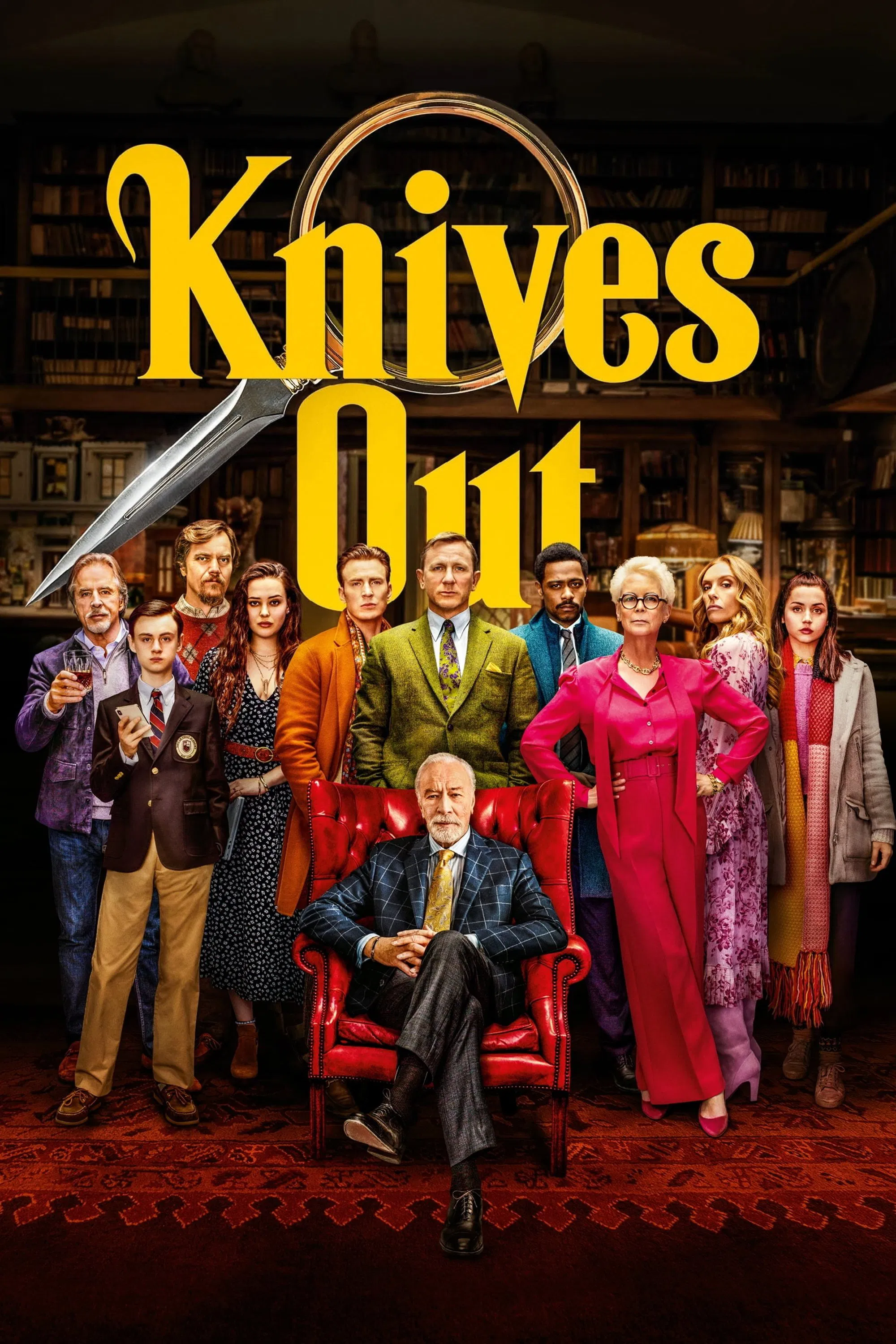
A modern whodunit following detective Benoit Blanc investigating the death of mystery novelist Harlan Thrombey, his family members all having motives and secrets that make determining murder from suicide increasingly complicated. Rian Johnson revitalizes the murder mystery genre by using its conventions to examine class warfare and immigration, showing how wealthy family's entitlement and desperation make them all plausible suspects while immigrant nurse Marta becomes both primary suspect and moral center. Daniel Craig plays Blanc with theatrical Southern accent that makes him seem ridiculous until his deductions prove devastatingly accurate, while Ana de Armas's Marta has medical condition that makes her vomit when lying, creating unique investigative tool that Johnson exploits cleverly. What makes Knives Out exceptional is its structure revealing the killer early while maintaining suspense about how Blanc will prove it, showing that mystery genre doesn't require withholding truth from audience, just making the path to justice compelling.
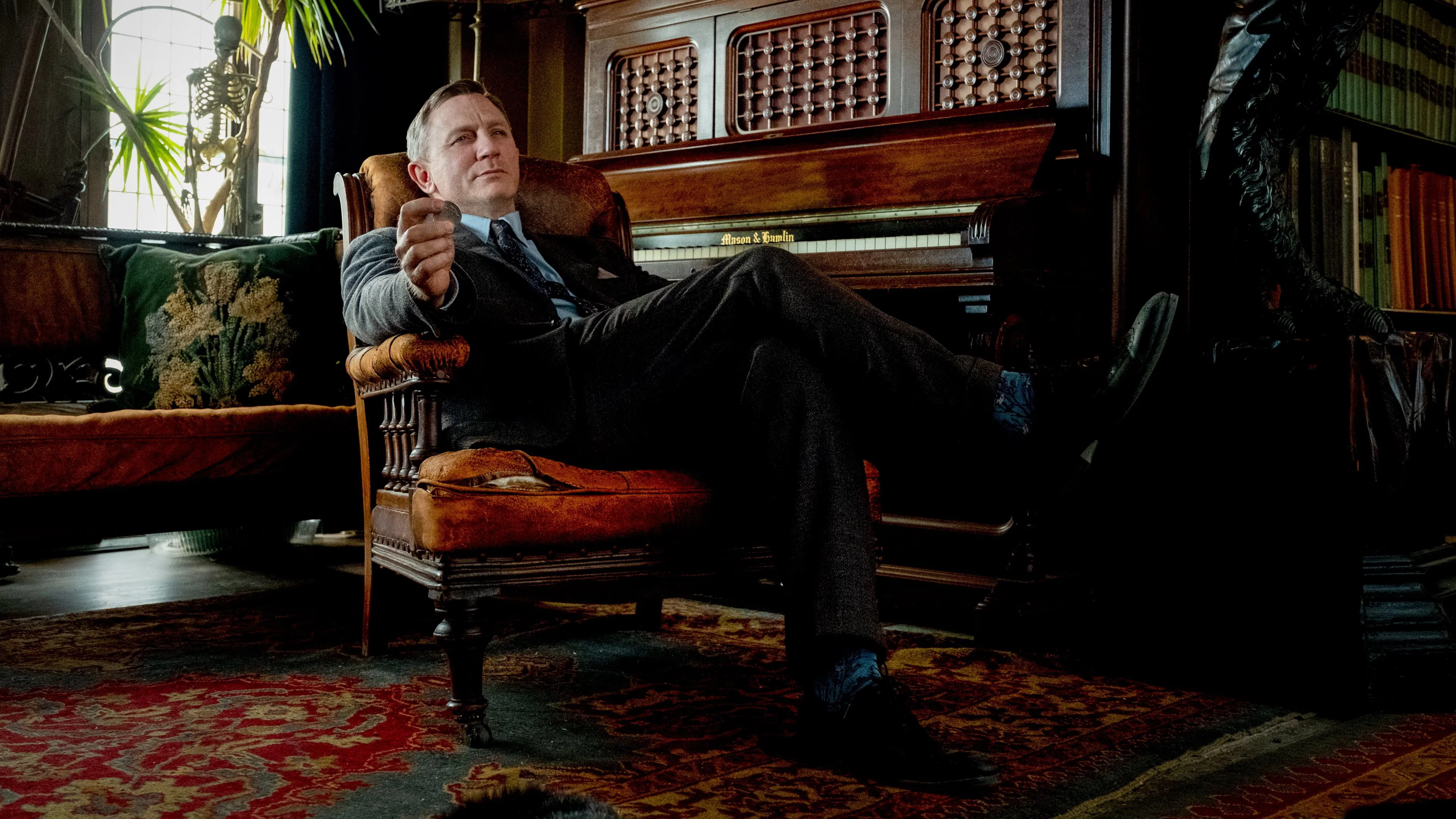
The ensemble cast creates believable wealthy family where everyone performs liberal values while acting with pure self-interest, their treatment of Marta revealing how quickly progressive rhetoric disappears when inheritance is threatened. Johnson shoots with playful style that honors classic mysteries while subverting their conventions, using Harlan's mansion as character with hidden passages and strategic sightlines. It succeeds because Johnson uses genre entertainment to make serious points about wealth and entitlement, showing how rich people's crimes are enabled by assumptions that they deserve their money while immigrant workers face immediate suspicion, proving that best thrillers use their plots to examine power dynamics that shape who gets believed and who gets blamed.
49. 🎬 Andhadhun (2018) | Dir. Sriram Raghavan
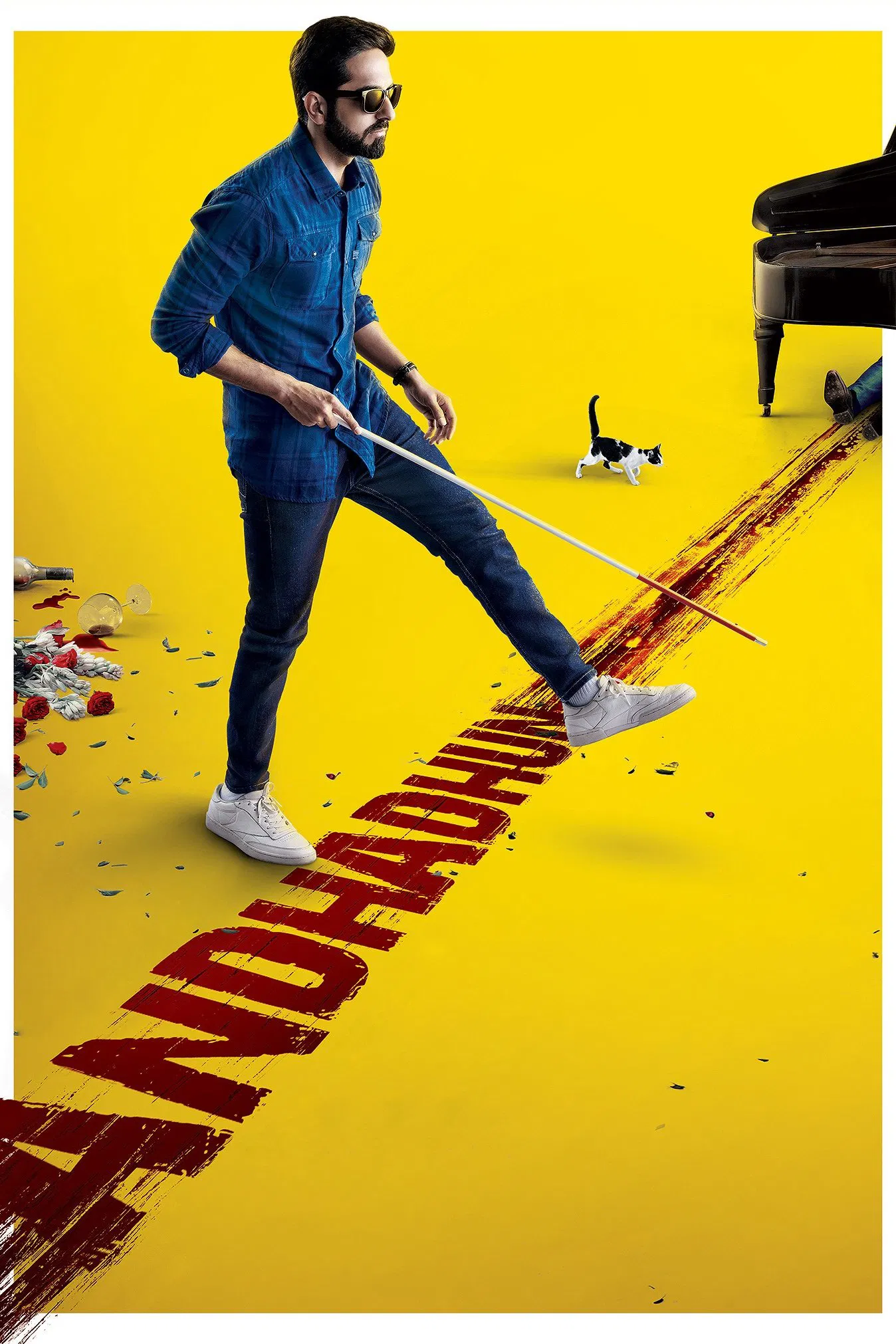
An Indian thriller following Akash, a pianist pretending to be blind who witnesses a murder but cannot report it without revealing his deception, his predicament escalating as murderers realize he may have seen them. Sriram Raghavan creates blackly comic thriller that examines how lies compound into catastrophic situations, showing how Akash's performance of blindness meant to make him interesting to women and sympathetic to audiences traps him when he needs police protection from killers who assume his disability makes him safe witness. Ayushmann Khurrana plays Akash with perfect calibration between con artist and victim, his character's cleverness in maintaining the blind act becoming liability when circumstances require him to act on what he's seen without revealing he can see. Tabu's Simi is the murderer, a former actress married to wealthy man she kills for his money, her discovery that Akash witnessed the crime making her both predator and someone Akash must continue deceiving to survive.
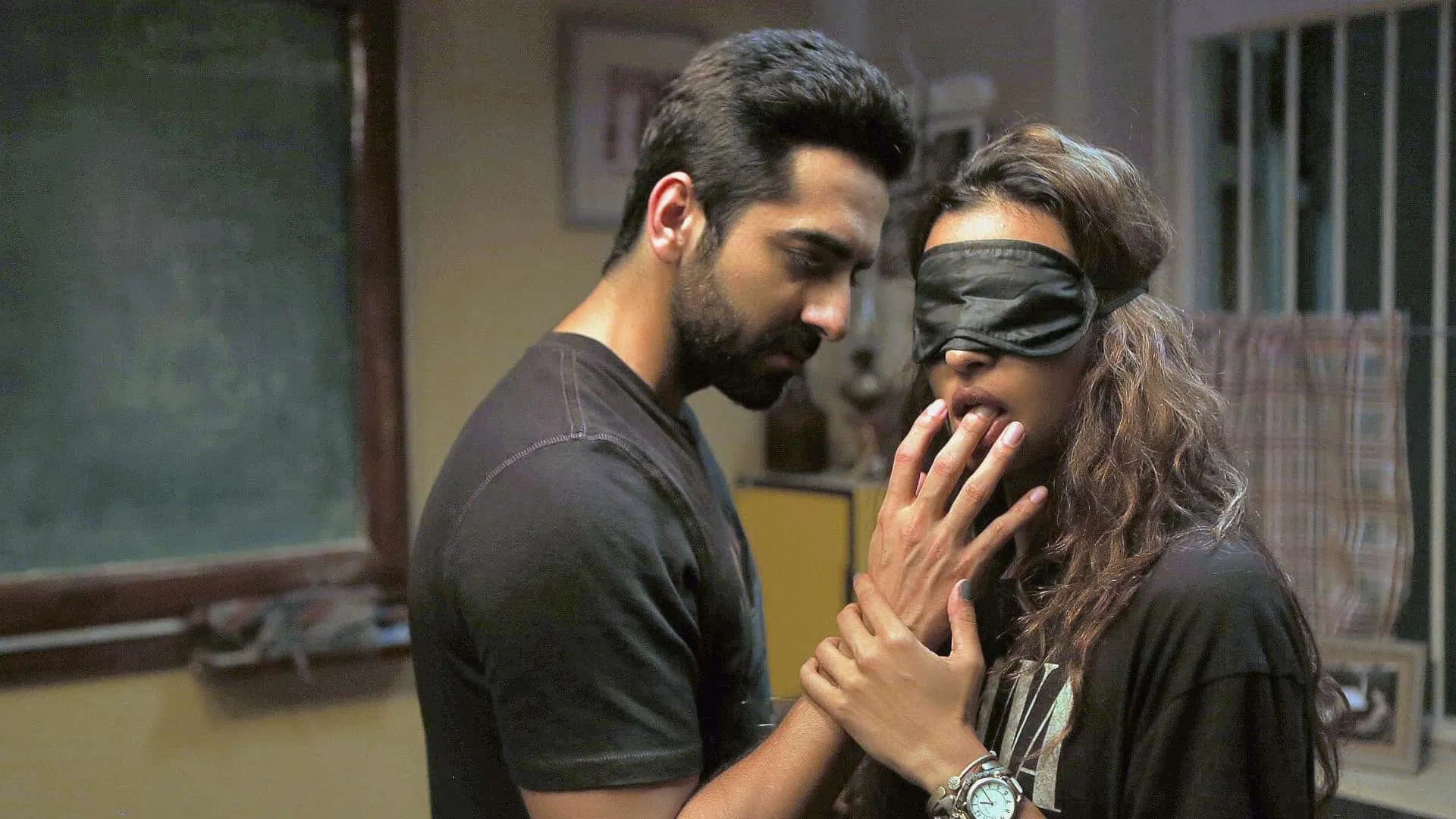
What makes Andhadhun brilliant is its accumulation of coincidences and complications, each solution creating new problems as Akash's lies require additional lies while multiple parties with different agendas converge on him. Raghavan shoots with darkly comic tone that makes the violence both shocking and absurd, showing how Akash's increasingly desperate attempts to survive without revealing his deception create situations that would be funny if they weren't potentially fatal. The film's examination of disability as performance raises questions about when Akash is actually blind, the ambiguous ending suggesting he may have lost his sight for real or may still be performing, leaving viewers uncertain what actually happened. It succeeds because Raghavan maintains perfect balance between thriller and comedy, showing how Akash's situation is simultaneously terrifying and ridiculous, that sometimes the most suspenseful films are those where protagonist's own deceptions prevent them from seeking help they desperately need.
48. 🎬 Headhunters (2011) | Dir. Morten Tyldum
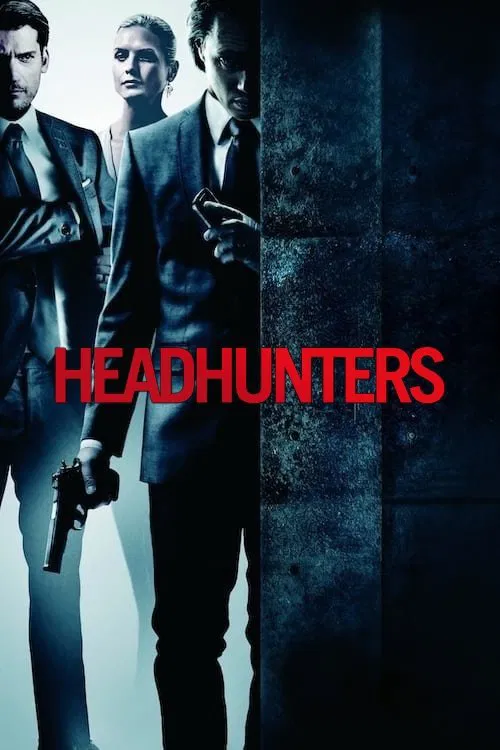
A Norwegian thriller following Roger, a corporate headhunter who finances his lifestyle by stealing art from clients' homes, his carefully managed double life collapsing when he targets Clas, a man who turns out to be more dangerous than he appears. Morten Tyldum creates slick thriller that examines how desperation to maintain appearances drives people to increasingly risky behavior, showing how Roger's theft operation works smoothly until he steals from someone capable of retaliation that threatens not just his freedom but his life. Aksel Hennie plays Roger with insecure vanity that makes his crimes understandable if not sympathetic, his need to appear wealthy for his beautiful wife driving him to steal rather than admit he can't afford the life she expects. Nikolaj Coster-Waldau's Clas is former special forces soldier whose artwork Roger targets, his discovery of the theft triggering pursuit that reveals skills making him perfect predator hunting someone whose entire life is performance.
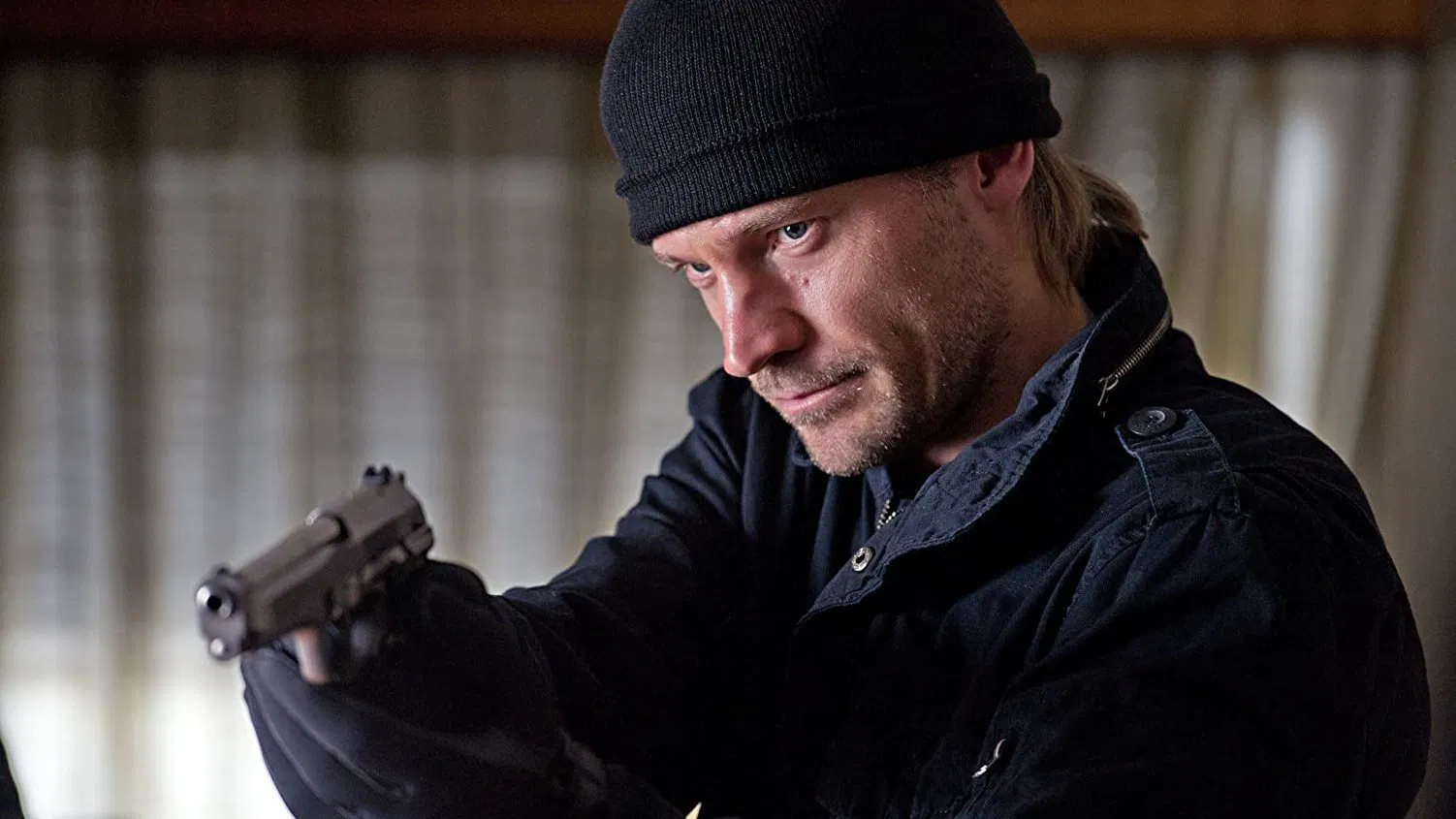
What makes Headhunters compelling is its examination of masculine insecurity and how fear of inadequacy motivates extreme behavior, showing how Roger's crimes stem from belief that his wife will leave him if he can't provide luxury lifestyle, his self-worth entirely dependent on external validation he can't actually afford. Tyldum shoots the cat-and-mouse chase with increasing intensity, Roger's attempts to escape Clas forcing him into progressively more degrading and desperate situations that strip away his sophisticated facade. The film's Scandinavian setting provides beautiful landscapes that contrast with ugly violence, showing how Roger's perfect surface life conceals desperation and criminality that explodes when exposed. It succeeds because Tyldum examines how masculinity built on performance rather than substance becomes prison, that Roger's crimes aren't about greed but about terror of being revealed as fraud, proving that best thrillers use suspense to examine psychological vulnerabilities that make characters' situations feel inevitable rather than contrived.
47. 🎬 The Invisible Guest (2016) | Dir. Oriol Paulo
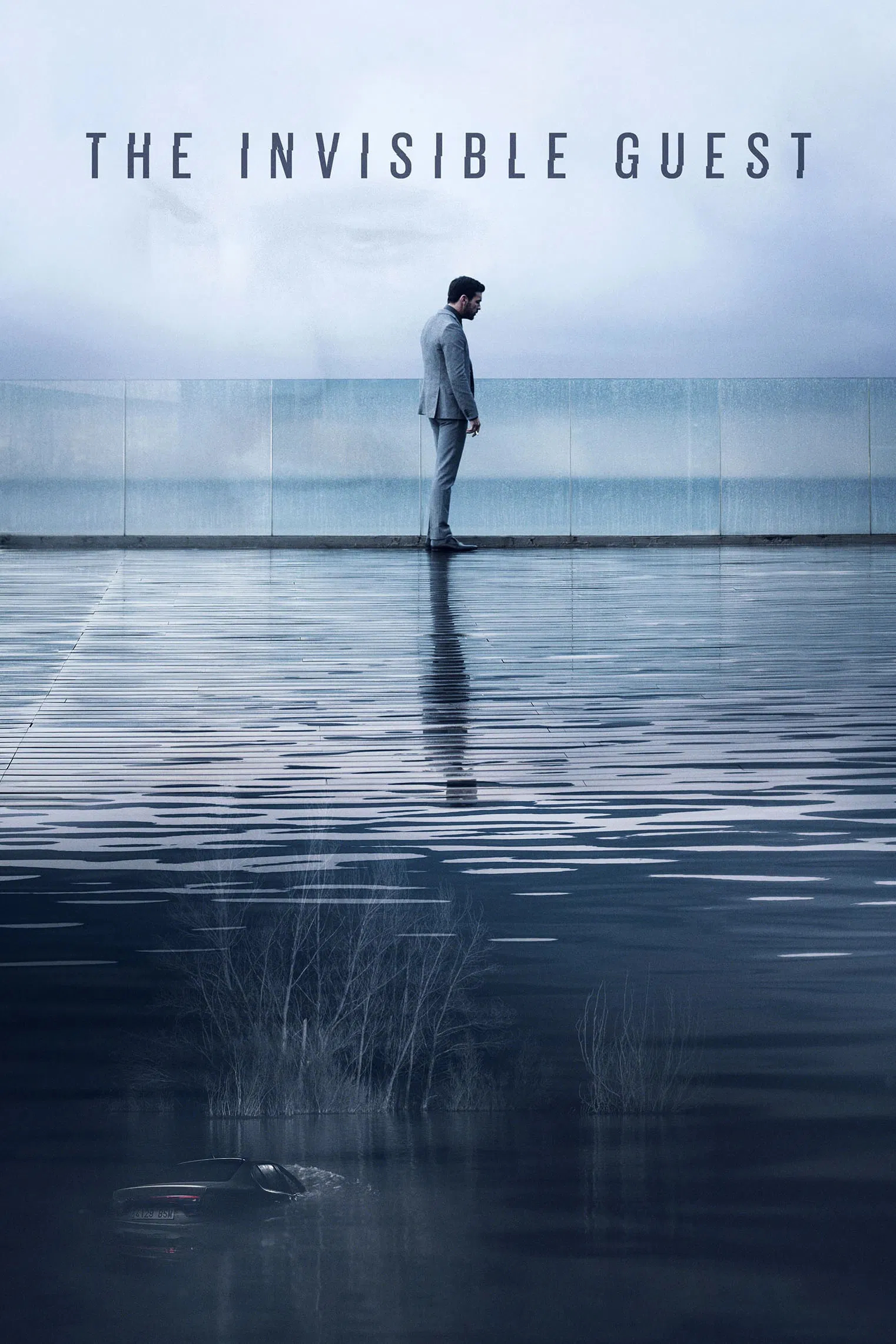
A Spanish thriller following successful businessman Adrián accused of murdering his mistress in locked hotel room, his defense lawyer Virginia helping him prepare testimony while suggesting his version of events contains inconsistencies that could destroy his case. Oriol Paulo creates puzzle box narrative where each explanation of what happened gets systematically dismantled before new version emerges, showing how truth becomes increasingly elusive as more context is revealed, making viewers question everything including whose perspective we're experiencing. Mario Casas plays Adrián as man whose success depends on controlling narratives, his attempts to construct story that exonerates him revealing someone whose primary concern is self-preservation rather than truth or justice. Ana Wagener's Virginia is defense lawyer who seems to be helping him prepare for interrogation but whose questions increasingly suggest she knows more than she's revealing, her role in the investigation becoming more complicated as the film progresses.
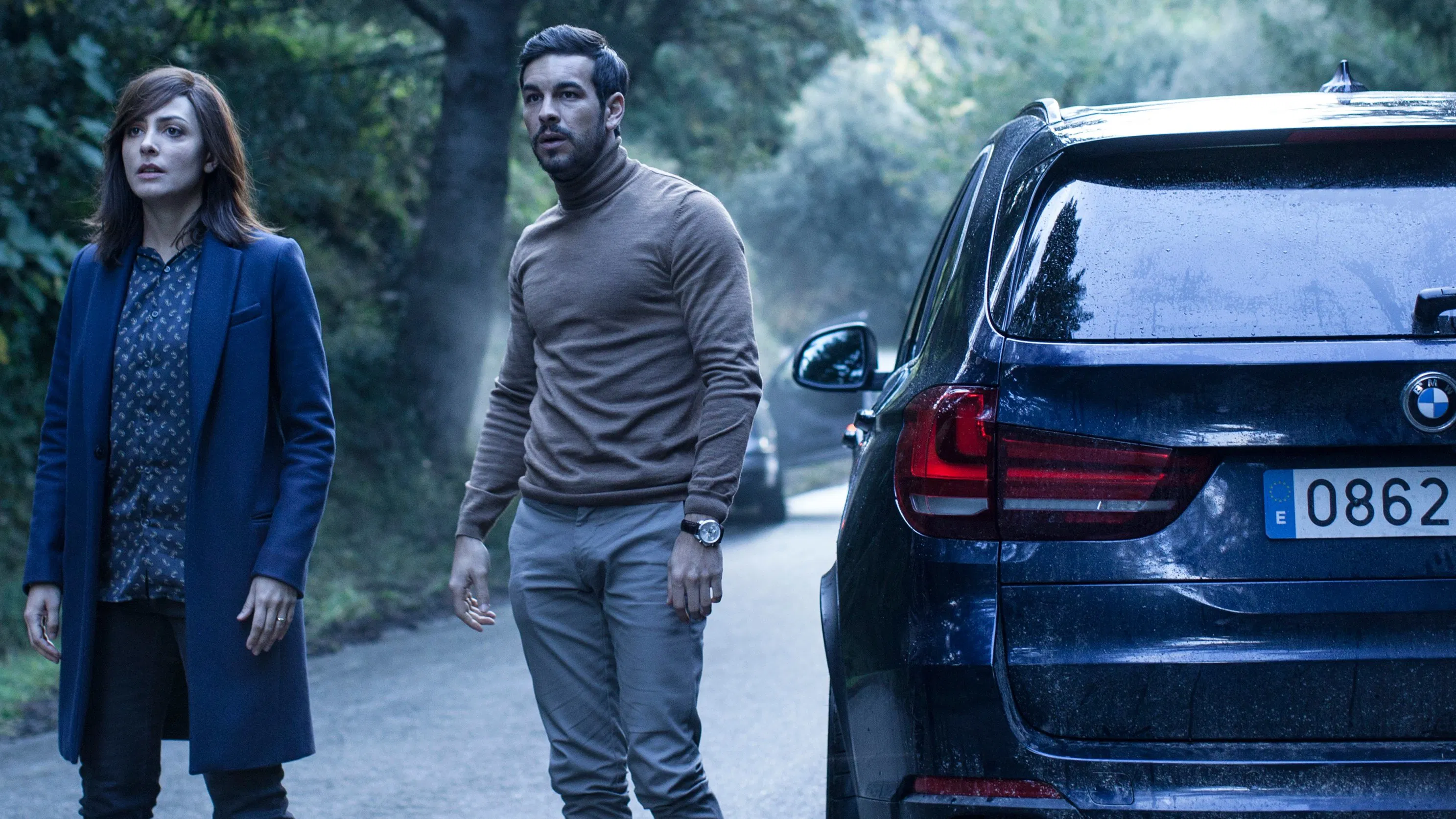
What makes The Invisible Guest exceptional is its structure using the locked room mystery format to create multiple possible explanations, each seeming plausible until new information forces reassessment, building to reveal that restructures everything we've seen and understood about the case. Paulo shoots with clean precision that makes the flashbacks and present-day interrogation visually distinct while maintaining coherent narrative thread, using the limited locations to create claustrophobic intensity as Adrián's options narrow. The film's examination of how accidents become cover-ups and cover-ups become murders shows how initial moral compromises lead to increasingly terrible choices, that Adrián's willingness to lie about his affair created conditions making murder seem like logical next step to protect himself. It succeeds because Paulo constructs mystery that rewards attention while also working as character study about how people rationalize their crimes, showing that the real mystery isn't just what happened but how someone capable of such careful planning could make the mistakes that expose him, proving that best twist endings recontextualize everything rather than just surprising viewers.
46. 🎬 The Hunt (2012) | Dir. Thomas Vinterberg

A Danish thriller following Lucas, a kindergarten teacher falsely accused of child molestation by his best friend's daughter, his small town turning against him immediately despite lack of evidence, the accusation destroying his life even after being proven baseless. Thomas Vinterberg creates devastating examination of how societies respond to allegations of child abuse by abandoning due process and presuming guilt, showing how Lucas's decades of community integration evaporate instantly when a child's confused statement gets interpreted as confession of terrible crime he never committed. Mads Mikkelsen plays Lucas with dignified restraint that makes the injustice more powerful, his character's gentleness and love for children making the accusations particularly cruel while also showing how traits that make him good teacher become evidence of guilt once suspicion is planted, his every interaction with children retroactively reinterpreted through lens of assumed predation. What makes The Hunt essential is its examination of how moral panic operates through social contagion, showing how the initial accusation leads other children to fabricate similar stories, how parents' leading questions and therapists' assumptions create false memories that seem real to everyone involved, demonstrating how well-intentioned child protection protocols can generate mass hysteria when applied without skepticism.

Vinterberg shoots the small Danish town with documentary-like intimacy that makes the ostracism visceral, showing how Lucas is attacked in grocery stores, expelled from his daughter's school, beaten in public while bystanders watch, his former friends and neighbors treating him as monster based solely on child's misunderstanding that adults amplified into criminal conspiracy. The film's treatment of Klara, the girl whose lie started everything, shows her as confused child whose initial statement wasn't malicious but whose inability to recant once adults have invested so much in believing her creates tragedy where everyone is victim of collective delusion, proving that witch hunts don't require actual witches, just communities willing to believe they exist. The ending, where Lucas seems to have been rehabilitated years later but remains target of violence from those who never stopped believing the accusations, shows how some stains never wash away, that false accusations create permanent damage because people would rather continue believing comforting lie about having protected children than confront uncomfortable truth that they destroyed innocent man based on nothing. It succeeds because Vinterberg examines how child protection becomes child weaponization when hysteria replaces investigation, showing that believing all children means abandoning critical thinking that distinguishes between genuine abuse and confusion that adults transform into conspiracy, proving that most terrifying thrillers are those based on how easily communities can turn against their own when given permission to express violence as righteous protection of innocence.
45. 🎬 Tell No One (2006) | Dir. Guillaume Canet
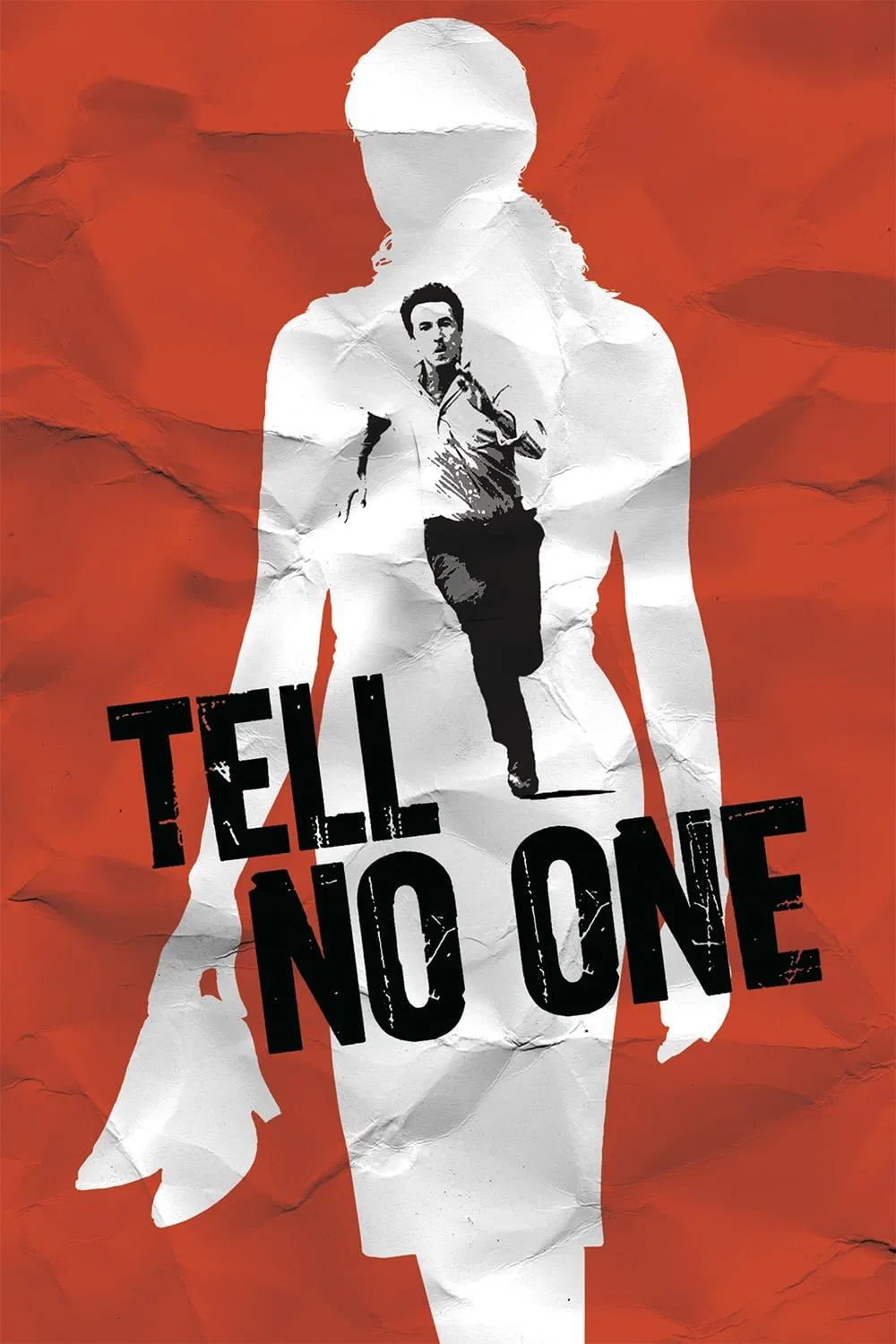
A French thriller following pediatrician Alexandre whose wife was murdered eight years earlier, his grief-stricken existence disrupted when he receives email suggesting she might still be alive, his investigation making him target of both police who suspect him of the original murder and mysterious forces trying to kill him. Guillaume Canet adapts Harlan Coben's novel with mounting paranoia and conspiracy that examines how past trauma can be weaponized against you when powerful people want you silenced. François Cluzet plays Alexandre with desperate determination of someone whose entire understanding of his life gets upended by possibility his wife survived, his need for answers driving him even as evidence suggests he's delusional and dangerous. What makes Tell No One compelling is its examination of how grief makes you vulnerable to both false hope and manipulation, showing how Alexandre's certainty that his wife is alive could be either accurate intuition or psychological break, the film maintaining ambiguity about his sanity until late revelations.

Canet structures the thriller around Alexandre being pursued by police and unknown assassins simultaneously, his attempts to uncover truth requiring him to evade capture while investigating conspiracy that involves powerful people who can manipulate evidence and media to destroy him. The film's famous chase sequence through Paris streets and across traffic shows Alexandre's determination and physical capability, creating setpiece that's both thrilling and demonstrating he's more resourceful than anyone expected from mild-mannered doctor. It succeeds because Canet balances multiple genre elements, the mystery about whether his wife is alive, the conspiracy about who killed her and why, and the paranoid thriller of Alexandre being hunted, proving that French thrillers can match American productions while maintaining distinct identity through character focus and European sensibility about pacing and revelation.
44. 🎬 I Saw the Devil (2010) | Dir. Kim Jee-woon
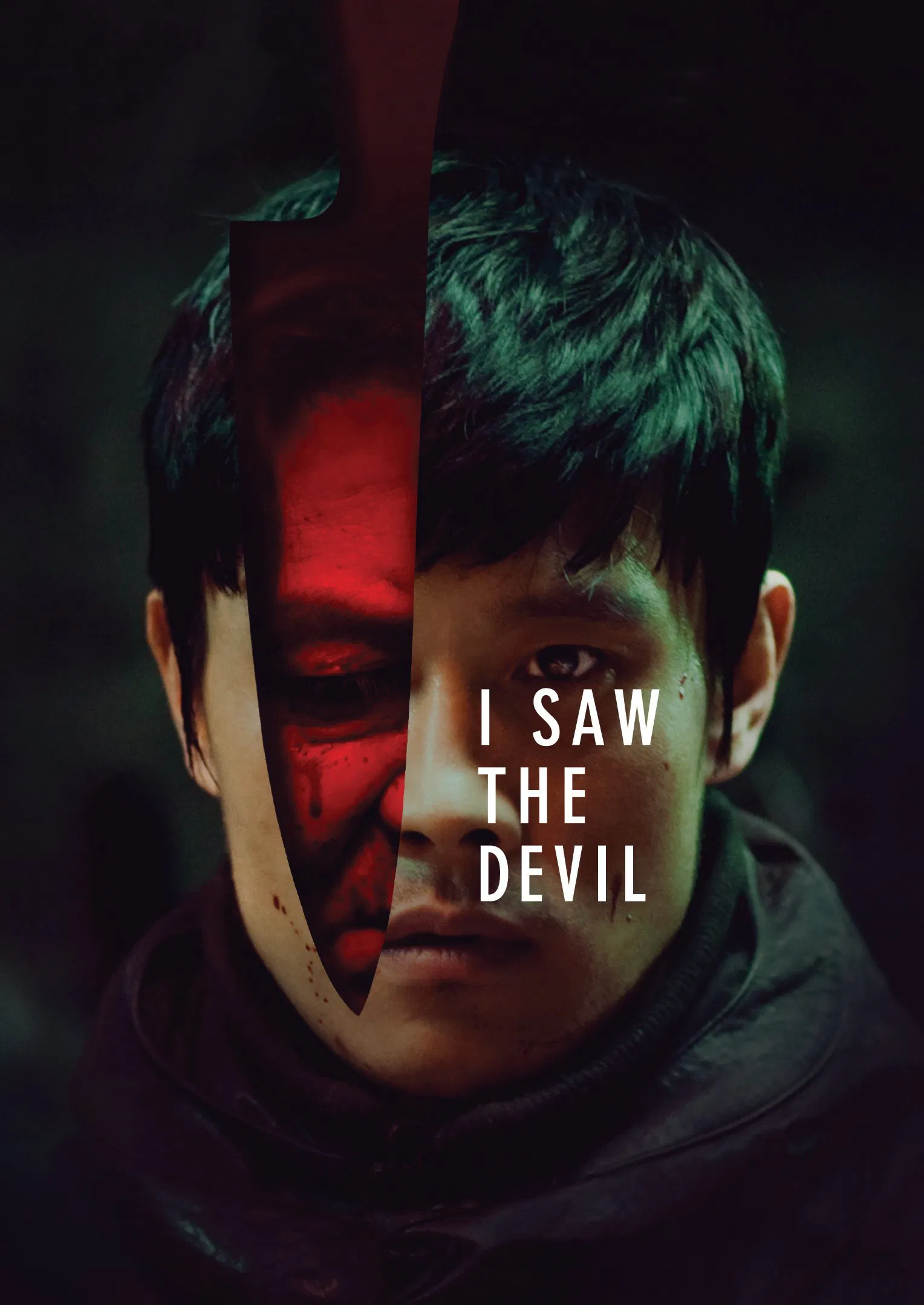
A revenge thriller following secret agent Kim Soo-hyun who captures the serial killer who murdered his fiancée, repeatedly torturing and releasing him to inflict maximum suffering before recapturing him, their cat-and-mouse game examining how revenge transforms the avenger into mirror of the person they're punishing. Kim Jee-woon creates film that operates as extreme examination of how the desire to make someone suffer means descending to their level of brutality, showing how Soo-hyun's quest for vengeance destroys his own humanity while failing to provide the satisfaction he seeks. Lee Byung-hun plays Soo-hyun with cold determination that gradually reveals itself as psychological breakdown, his training as intelligence operative giving him skills to track and torture Kyung-chul but also making him capable of sustained cruelty that accomplishes nothing except his own degradation. Choi Min-sik's Kyung-chul is monster who delights in his crimes, his lack of remorse or fear making Soo-hyun's torture ineffective as deterrent while providing him with opponent who understands the game they're playing, creating perverse intimacy between hunter and prey

What makes I Saw the Devil genuinely disturbing is its examination of how the repeated releases allow Kyung-chul to commit more murders, making Soo-hyun complicit in subsequent deaths because his need for revenge outweighs concern for potential victims, showing how revenge operates through selfishness disguised as justice. Kim shoots the violence with unflinching clarity that makes it horrifying rather than entertaining, each torture session and murder filmed with clinical precision that prevents any cathartic pleasure, forcing viewers to witness consequences of violence rather than just spectacle. The ending provides no satisfaction or closure, only recognition that Soo-hyun has destroyed himself in pursuit of vengeance that solved nothing, his hollow victory proving that becoming monster to fight monsters leaves you incapable of returning to normal life. It succeeds because Kim refuses to make the violence cathartic or the revenge satisfying, proving that most disturbing thrillers are those that examine costs rather than celebrating victories.
43. 🎬 The Chaser (2008) | Dir. Na Hong-jin
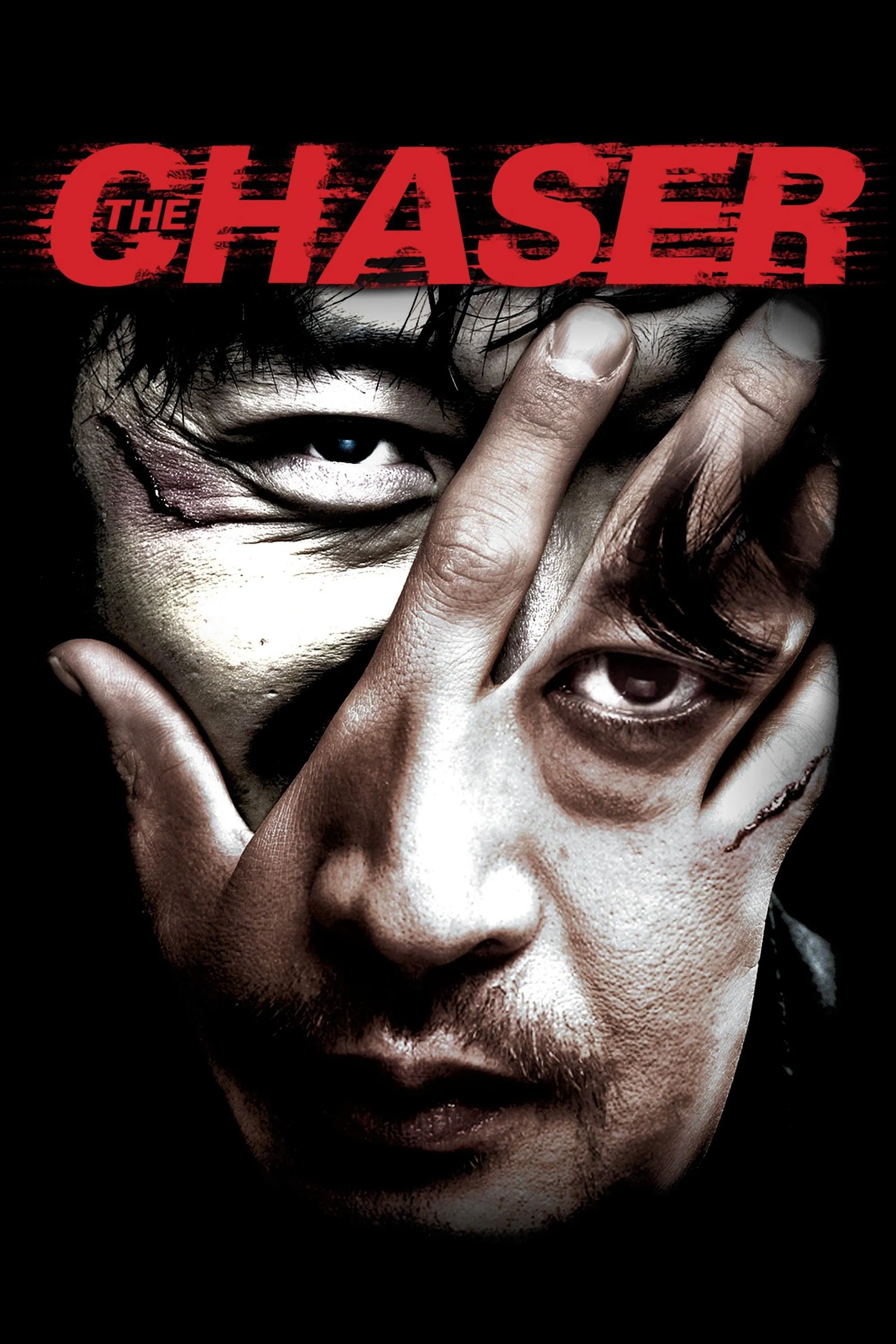
A thriller following ex-detective turned pimp Jung-ho who realizes his missing prostitutes have been murdered by serial killer, racing against time to find his latest victim before she's killed while navigating police incompetence and bureaucratic indifference that allows killers to operate freely. Na Hong-jin creates relentlessly grim procedural examining how institutional dysfunction creates conditions where serial killers can continue murdering because systems meant to stop them are broken, showing how Jung-ho's status as pimp makes police dismiss his claims while bureaucracy prevents action even when killer is in custody. Kim Yoon-seok plays Jung-ho with pragmatic concern that's economic rather than humanitarian but whose desperation to save his employees reveals genuine human connection beneath his criminality, his knowledge of the streets making him more effective investigator than police who don't know or care about marginalized people being killed.
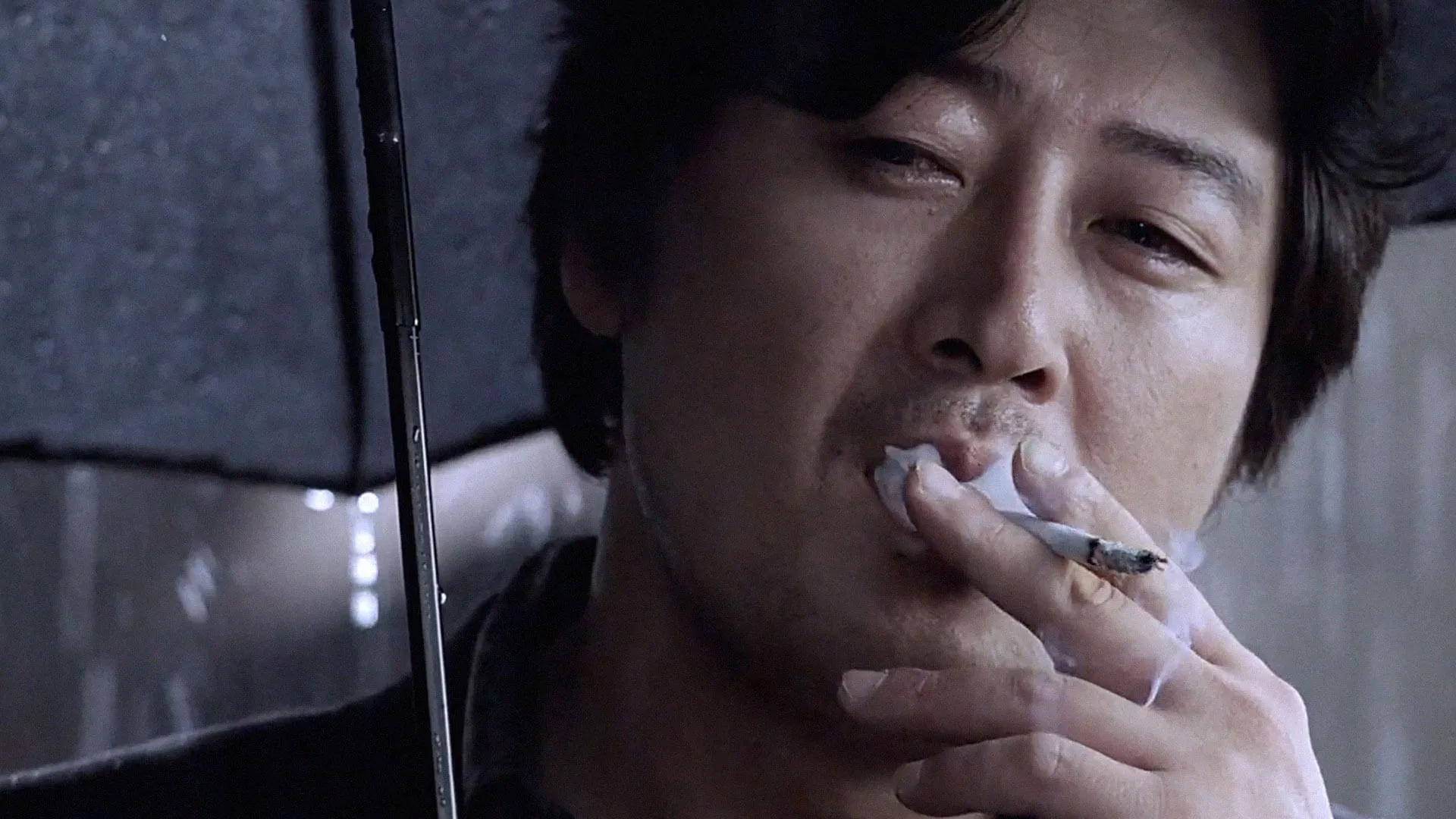
Ha Jung-woo's Yeong-min is the killer, caught early but released due to lack of evidence, his continued freedom creating agonizing tension as Jung-ho tries to find the victim while knowing exactly who killed her but unable to make police believe him. What makes The Chaser devastating is its examination of how every institution fails, police releasing Yeong-min multiple times despite Jung-ho's warnings, prosecutors requiring evidence that's impossible to obtain quickly, bureaucrats prioritizing procedure over human life, creating conditions where victim dies despite everyone knowing who killed her and where she is. Na shoots with deliberately ugly aesthetic that matches the moral squalor, showing Seoul's underbelly where prostitutes and pimps and killers operate in spaces invisible to respectable society, making visible how marginalization enables violence. It succeeds because Na shows how thriller conventions collide with institutional reality, proving that catching the killer means nothing when bureaucracy prevents doing anything with that information.
42. 🎬 Infernal Affairs (2002) | Dir. Andrew Lau & Alan Mak
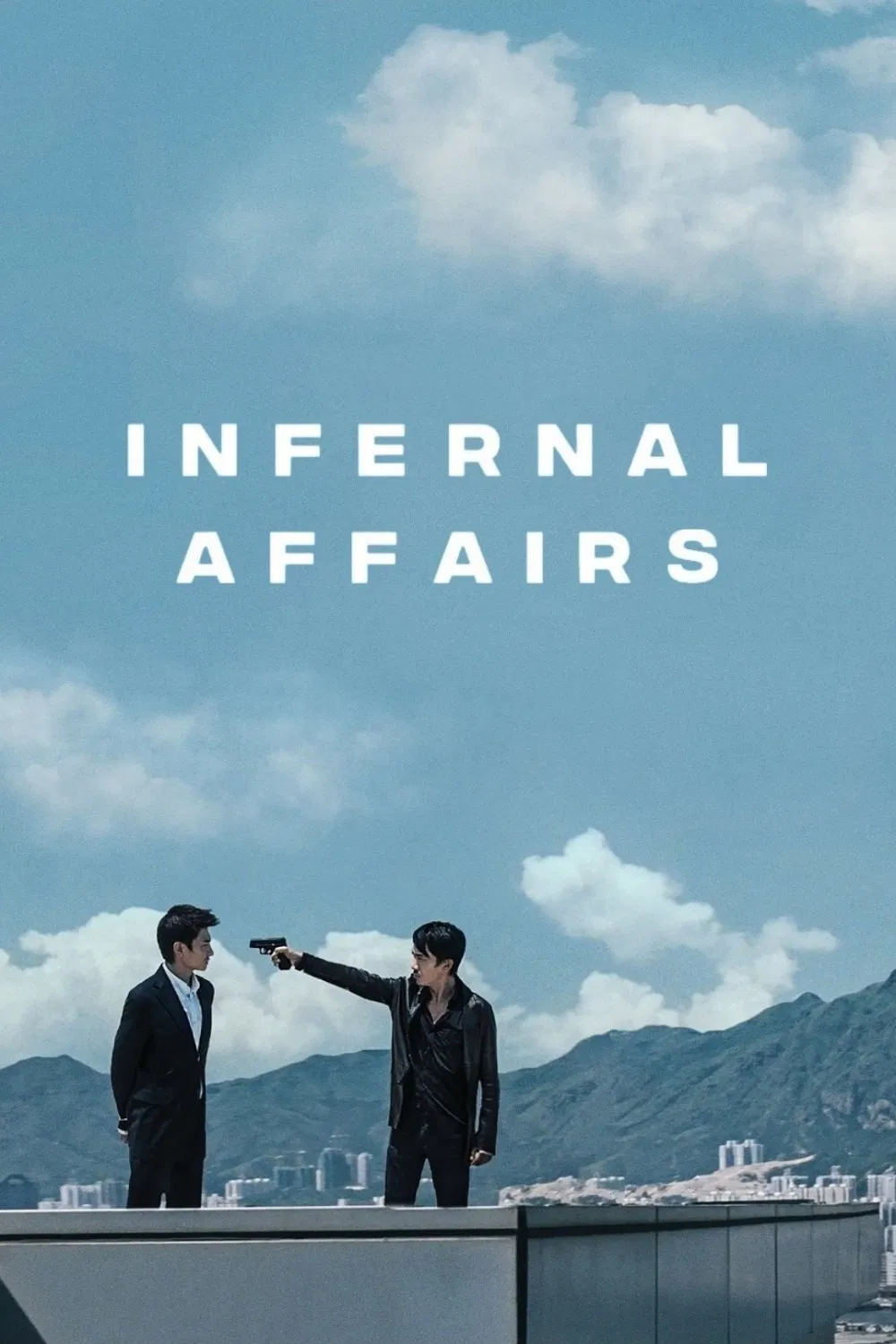
A Hong Kong thriller following two moles, Yan embedded in triad gang and Ming planted in police force, both racing to expose each other before their covers are blown, their parallel lives examining how sustained deception erases the boundary between who you're pretending to be and who you actually are. Andrew Lau and Alan Mak create procedural that's as much about identity and performance as it is about crime, showing how living double lives for years makes maintaining authentic self impossible when everything you do is performance for different audiences. Tony Leung's Yan is cop deep undercover who's forgotten how to be anything except criminal, his decade in the triads making him more comfortable with gangsters than with police handlers who occasionally contact him, his desperation to end the operation revealing someone whose identity has been consumed by his cover. Andy Lau's Ming is triad mole who's risen through police ranks and now lives respectable life he initially joined to undermine, his success making him question whether he wants to return to criminal world even if the triads demand it, showing how performing legitimacy can become more real than original allegiance.
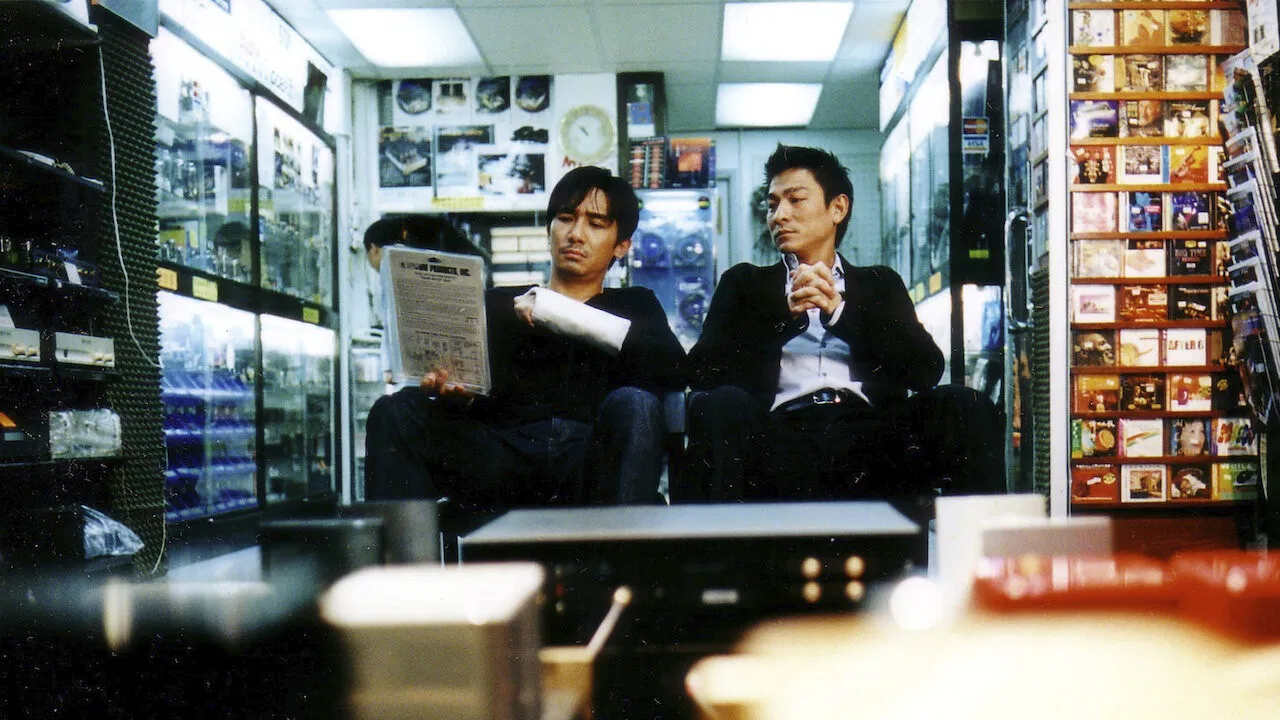
What makes Infernal Affairs superior to its American remake is its psychological depth, treating both characters' identity crises as genuine rather than just plot mechanics, showing how sustained deception damages psyche in ways that can't be easily reversed even when the reasons for deception end. The film's examination of loyalty asks whether Ming's years of faithful police service make him more cop than criminal despite his original allegiance, and whether Yan's decade undercover makes him irredeemable gangster despite his badge, creating moral ambiguity about who deserves redemption. It succeeds because Lau and Mak understand that identity is performance, that given enough time pretending to be someone you become them, proving that the tragedy isn't getting caught but realizing you've lost whoever you were before the deception began.
41. 🎬 Cure (1997) | Dir. Kiyoshi Kurosawa

A Japanese psychological thriller following detective Takabe investigating series of murders where different people kill their loved ones using similar methods, his discovery of amnesiac man who may be hypnotizing people into committing murders revealing disturbing questions about suggestibility and identity. Kiyoshi Kurosawa creates atmospheric horror that examines how fragile our sense of self is, showing how the killer Mamiya doesn't physically harm anyone but asks questions that unlock violent impulses people didn't know they possessed, making them killers while remaining technically innocent of direct murder. Koji Yakusho plays Takabe as detective whose investigation of the murders coincides with his own psychological deterioration, his wife's mental illness and the case's stress making him vulnerable to exactly the kind of manipulation Mamiya uses on others, creating parallel between hunter and prey. What makes Cure essential is its examination of how social identity is constructed through roles and relationships, showing how Mamiya's method involves stripping away these external definitions until people are left with raw impulses they normally suppress, his questions simple but devastating in how they reveal the violence lurking beneath civilization's thin veneer. Kurosawa shoots with minimalist aesthetic that makes everyday locations threatening, long takes and minimal camera movement creating persistent unease where horror emerges from ordinary spaces and conversations, showing how psychological manipulation operates through seemingly innocent interactions. The film's ambiguous ending suggests Takabe may have become what he was hunting, that investigating Mamiya's methods exposed him to same psychological dissolution he was trying to prevent in others, creating portrait of how confronting evil requires risking contamination. It succeeds because Kurosawa examines fundamental questions about identity and agency, showing that we're all performing selves that might dissolve under right circumstances, proving that most terrifying horror is recognition that the boundary between sanity and madness is more permeable than we'd like to believe.
40. 🎬 The Girl with the Dragon Tattoo (2011) | Dir. David Fincher

A thriller following journalist Mikael Blomkvist hired to investigate decades-old disappearance while hacker Lisbeth Salander assists him, their investigation uncovering family secrets and serial crimes that powerful people want to remain buried. David Fincher adapts Stieg Larsson's novel with his characteristic precision and darkness, creating procedural that examines how violence against women is enabled by wealth and social position, showing how the Vanger family's crimes went unpunished because their economic power made them untouchable. Daniel Craig plays Mikael as competent investigator whose own professional crisis makes him vulnerable and determined, his partnership with Lisbeth developing into genuine collaboration between equals rather than typical mentor-protégé dynamic. Rooney Mara's Lisbeth is film's revelation, playing damaged survivor of institutional abuse whose hacking skills and willingness to use violence make her more capable than any official investigator, her refusal to perform conventional femininity or apologize for her methods creating character who's both victim and avenger.
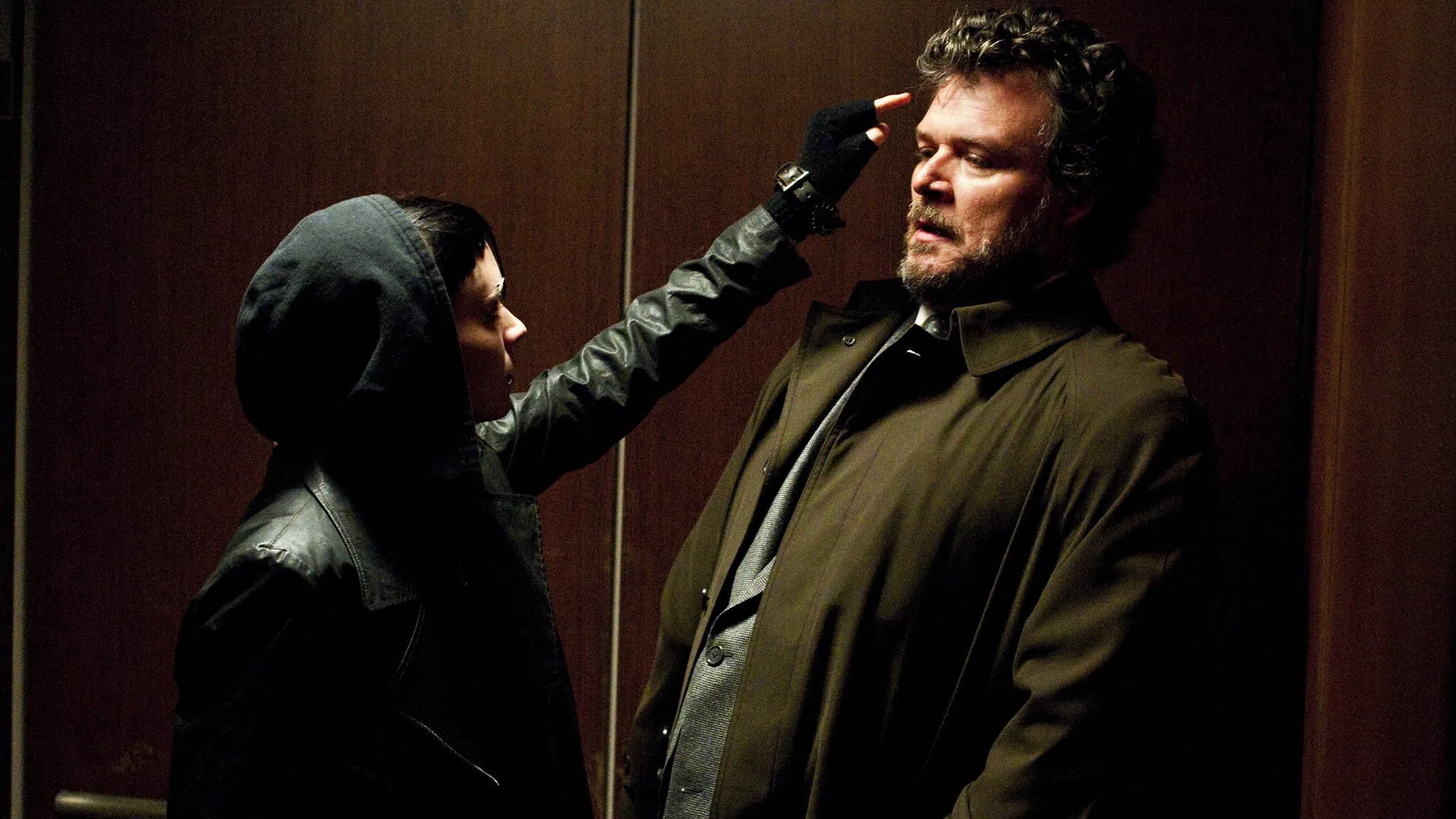
What makes The Girl with the Dragon Tattoo exceptional is Fincher's commitment to showing misogyny's systemic nature, how Lisbeth's abuse by her guardian represents institutional failing, how the Vanger murders represent wealthy men's impunity, creating portrait of how violence against women operates at every social level. The film's visual language emphasizes cold Swedish landscapes and modernist architecture, creating aesthetic that's beautiful and hostile, showing environments where people have learned not to see or acknowledge horrors happening around them. The investigation's revelation of serial murder spanning decades shows how the disappeared women were dismissed because of their marginalization, their deaths investigation-worthy only when wealthy family's missing member provides excuse to examine patterns that should have been obvious earlier. It succeeds because Fincher uses mystery structure to examine how societies enable and excuse violence against women, proving that best thrillers make their entertainment inseparable from their politics, that solving the mystery means confronting uncomfortable truths about who gets protected and who gets blamed when violence occurs.
39. 🎬 Let the Right One In (2008) | Dir. Tomas Alfredson
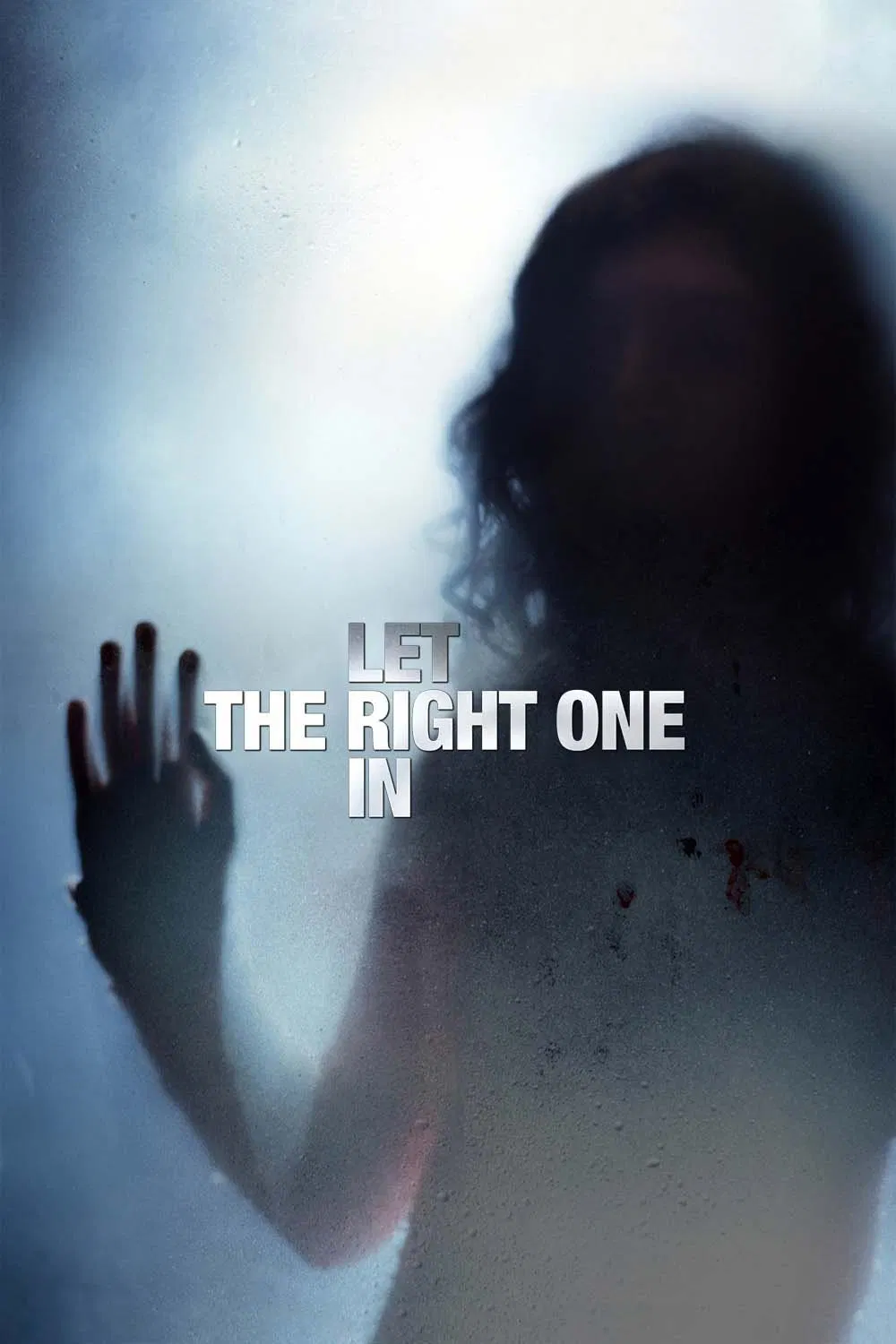
A Swedish vampire film following twelve-year-old Oskar who's bullied at school, his friendship with mysterious new neighbor Eli providing him companionship and protection even as he gradually learns she's vampire who kills to survive. Tomas Alfredson creates atmospheric horror that examines childhood loneliness and first love through vampire mythology, showing how Oskar's isolation makes Eli's appearance seem like salvation despite obvious danger, his need for connection overriding his growing recognition of what she is. Kåre Hedebrant plays Oskar with vulnerability that makes his eventual violence both shocking and understandable, his transformation from passive victim to someone capable of letting others drown representing corruption or empowerment depending on interpretation. Lina Leandersson's Eli is vampire who appears childlike but has lived far longer, her relationship with Oskar both genuine affection and grooming for eventual replacement of her current familiar, creating ambiguity about whether their connection represents romance or exploitation.

What makes Let the Right One In exceptional is its examination of how vampirism serves as metaphor for codependency and how damaged people use each other, showing how Eli needs Oskar for survival while Oskar needs her for protection and validation, their relationship mutually beneficial but also potentially destructive. Alfredson shoots the snowy Swedish suburbs with beauty that contrasts with violence, the pristine landscapes hiding poverty and brutality, creating aesthetic that makes horror emerge from familiar spaces. The film's treatment of the vampire mythology strips away romanticism, showing Eli's feeding as grotesque necessity rather than seductive act, her kills messy and her existence lonely, making clear that vampirism is curse rather than gift. It succeeds because Alfredson uses vampire story to examine how lonely children form attachments with whoever provides comfort regardless of how dangerous those relationships might be, proving that horror works best when it examines real emotional needs and psychological vulnerabilities rather than just providing scares.
38. 🎬 The Lives of Others (2006) | Dir. Florian Henckel von Donnersmarck
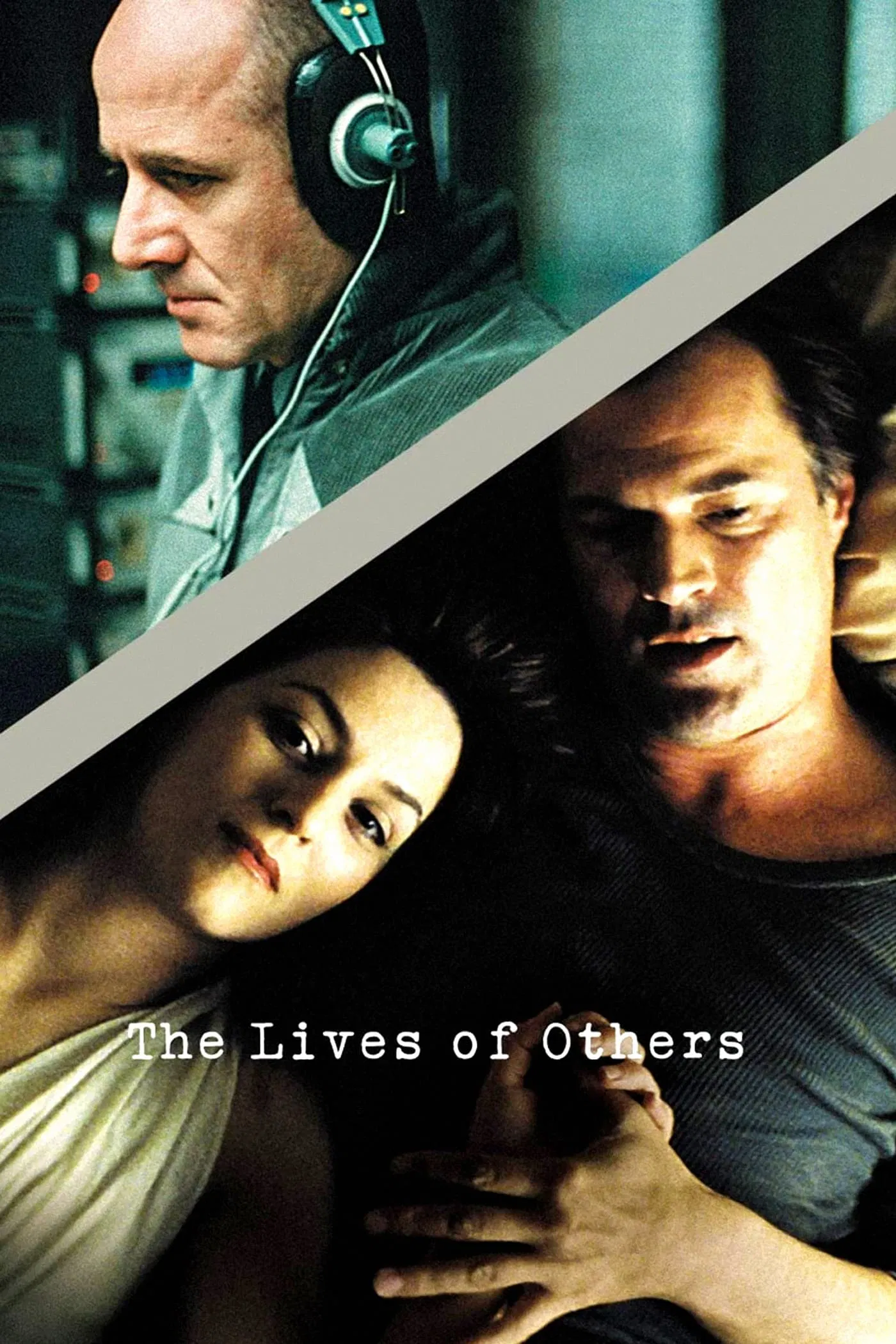
A German thriller set in 1980s East Berlin, following Stasi agent Wiesler assigned to surveil playwright Dreyman and his actress girlfriend, his monitoring of their lives gradually transforming his understanding of the regime he serves and his role in enforcing its oppression. Florian Henckel von Donnersmarck creates film that examines how surveillance operates through making everyone complicit, showing how East German state depended on citizens spying on each other, creating atmosphere where trust was impossible and privacy didn't exist, making everyday life into performance for state observers. Ulrich Mühe plays Wiesler as true believer whose faith in socialism and state security gets undermined by watching Dreyman's genuine humanity and artistic integrity, his transformation from loyal agent to protector requiring him to risk everything he's built to save people he's supposed to be helping destroy. Sebastian Koch's Dreyman is playwright who's avoided political trouble through careful neutrality, his awakening to regime's brutality following his friend's suicide showing how even protected artists aren't safe when they cross political lines, his decision to publish article exposing corruption making him target.
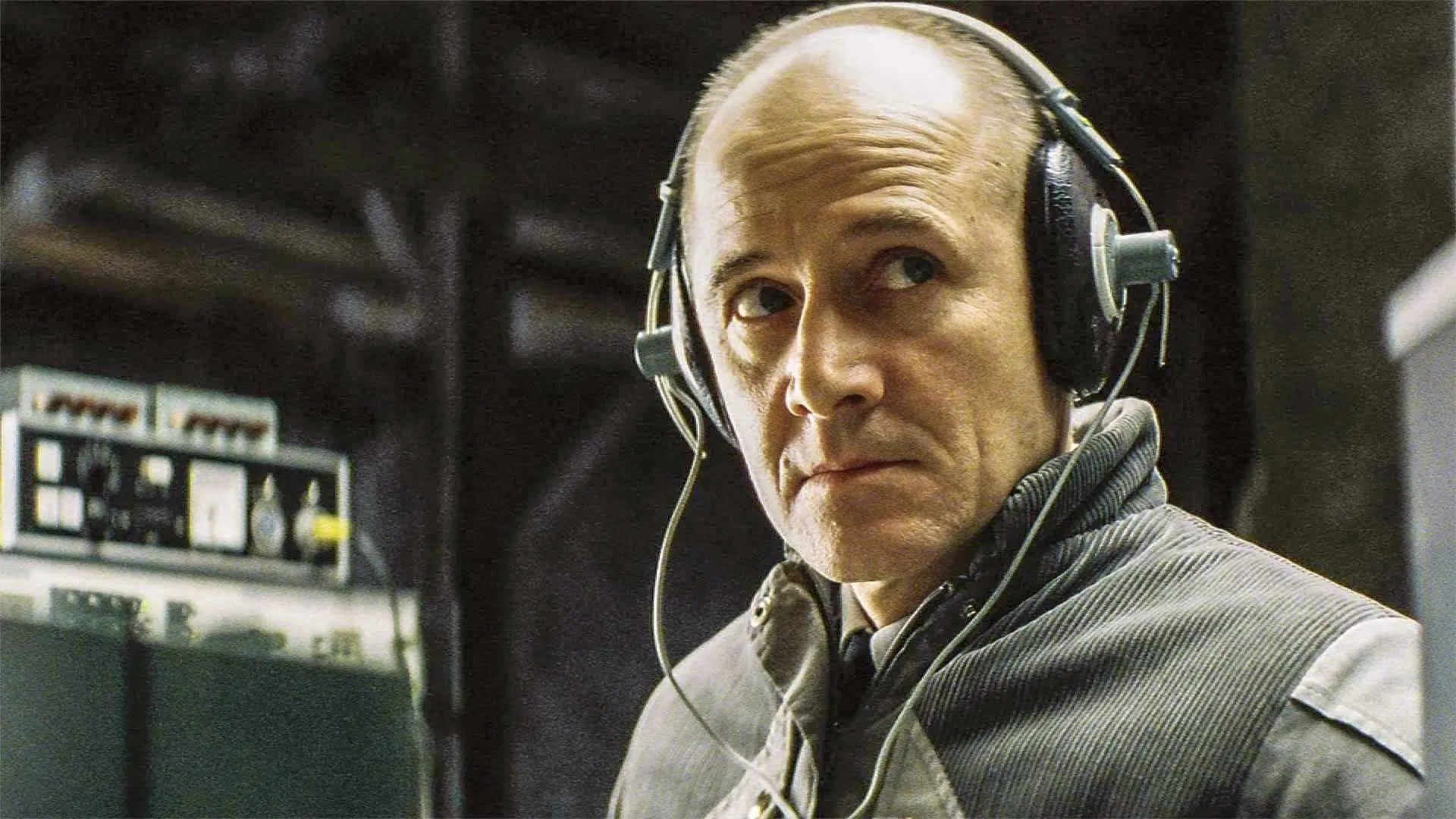
What makes The Lives of Others essential is its examination of how totalitarian states operate through surveillance that makes everyone potential informant and suspect simultaneously, showing how the Stasi's power came from omnipresent observation that made resistance seem impossible because you never knew who was watching or reporting. Von Donnersmarck shoots the surveillance with clinical precision, Wiesler's headphones and recording equipment becoming tools of both oppression and eventually subversion, his access to Dreyman's private life giving him power to destroy or protect depending on his choices. The film's examination of how art threatens authoritarian regimes shows why the Stasi targeted artists, their ability to imagine alternative realities making them dangerous to systems requiring citizens to accept that no alternatives exist. It succeeds because von Donnersmarck examines how totalitarianism corrupts everyone it touches while also showing that individual conscience can persist even in most oppressive circumstances, proving that surveillance states fail not just because they're immoral but because they require people to abandon humanity, and some people eventually refuse.
37. 🎬 The Secret in Their Eyes (2009) | Dir. Juan José Campanella
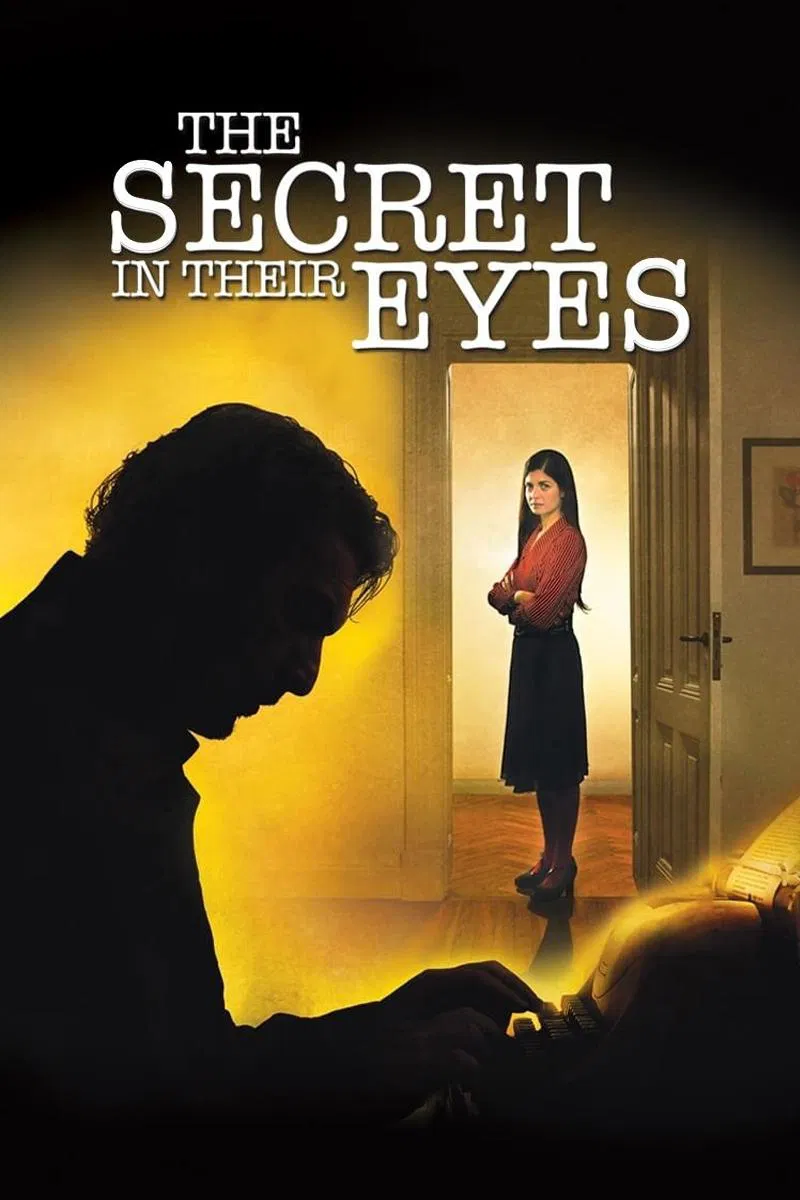
An Argentine crime drama following retired legal counselor Benjamín who decides to write novel about decades-old rape and murder case that has haunted him, the process forcing him to confront his unresolved feelings for his former supervisor Irene and the case's devastating conclusion about justice and revenge. Juan José Campanella creates film that operates as murder mystery, romance, and examination of how Argentina's political violence corrupted justice system, showing how personal and national histories remain unfinished business refusing to stay buried. Ricardo Darín plays Benjamín with melancholic obsession, his return to the case after twenty-five years representing both professional dedication and personal avoidance, his inability to solve this crime or confess his love to Irene creating parallel narratives about things left undone. What makes The Secret in Their Eyes essential is its examination of how Argentina's Dirty War era corruption allowed violent criminals to escape justice if they were useful to the regime, showing how the murdered woman's husband's obsessive pursuit of the killer parallels Benjamín's obsession with both the case and Irene.
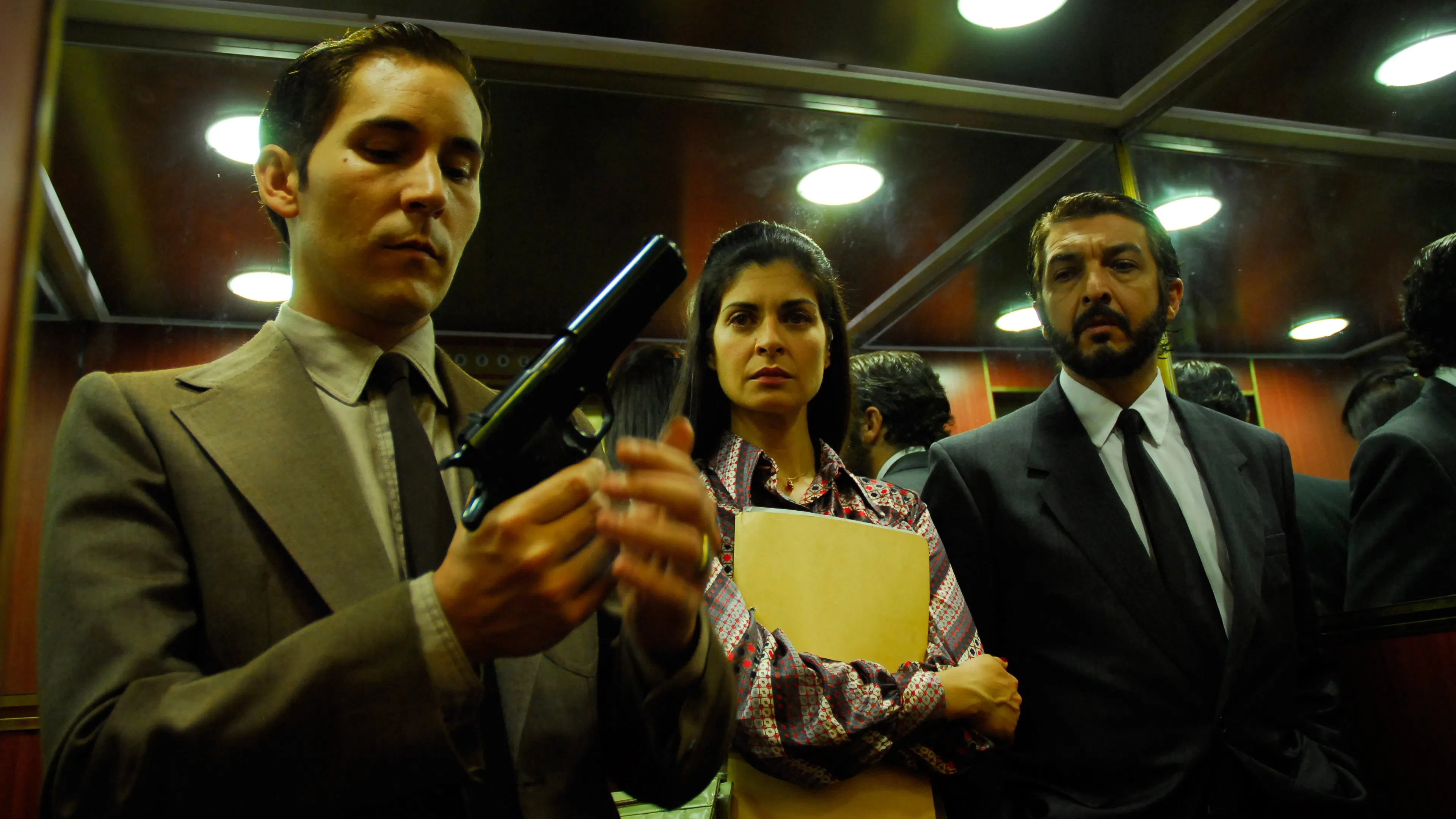
Campanella's celebrated football stadium sequence, a five-minute unbroken take following detectives through crowds searching for suspect, makes visceral the chaos and determination of detective work in era before digital surveillance, technical achievement serving story rather than existing as mere spectacle. The film's climax reveals that justice has been achieved but at cost of Morales's entire life, that the killer has been imprisoned for decades in private jail because official channels failed, creating complex moral questions about whether this vigilante solution constitutes justice or just different form of crime. It succeeds because Campanella uses crime drama to examine how Argentina processed its authoritarian past, showing how individual relationships reflect larger political failures, proving that genre filmmaking can contain serious examinations of national guilt while remaining emotionally engaging.
36. 🎬 Prisoners (2013) | Dir. Denis Villeneuve
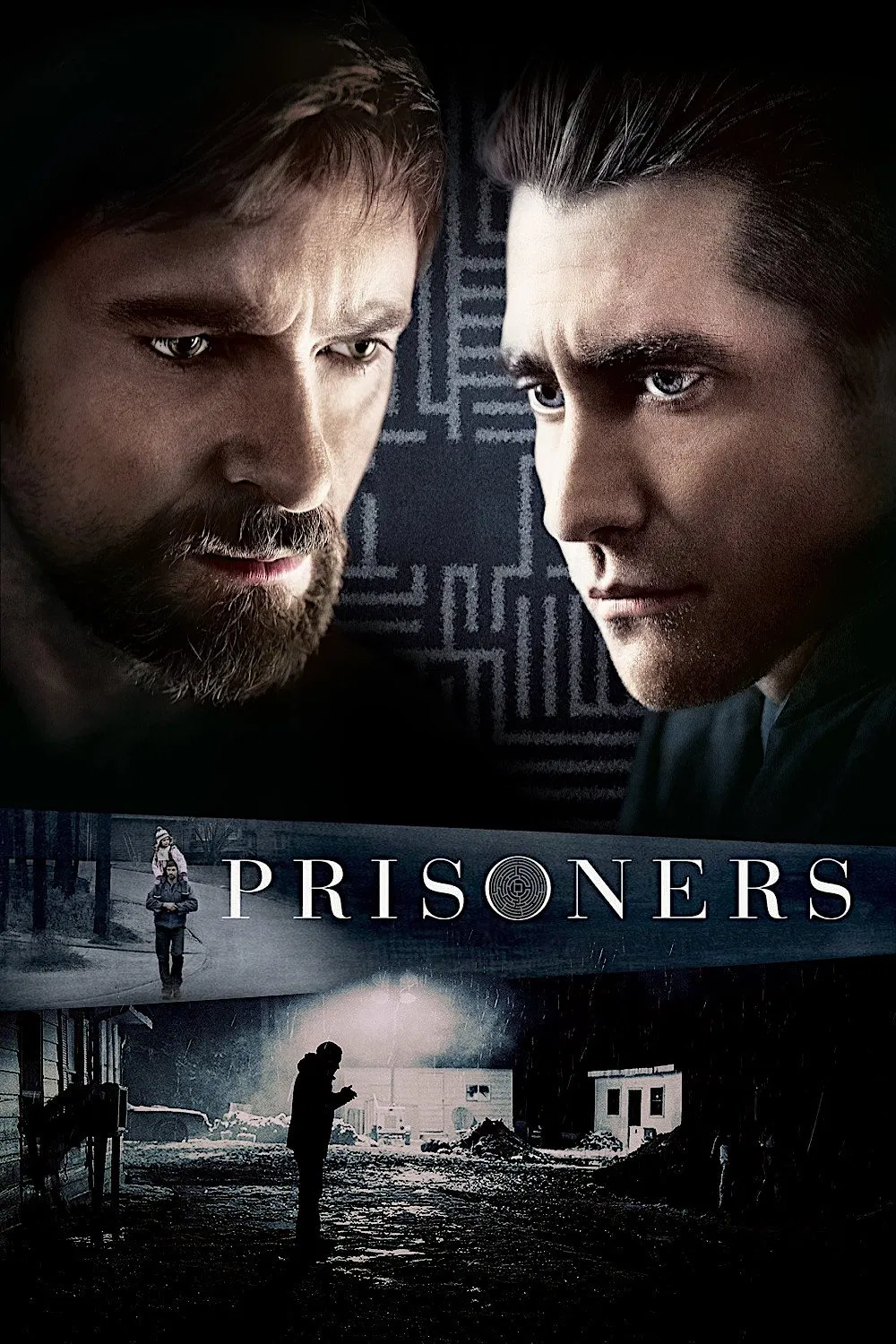
A thriller about working-class father Keller whose daughter and her friend are kidnapped, his decision to torture the prime suspect when police release him creating moral crisis about how far parents should go to protect children and whether certainty about someone's guilt justifies violence when legal system fails. Denis Villeneuve creates film examining vigilante justice and whether good people can commit atrocities when motivated by love and fear, showing how Keller's torture of Alex is both understandable given circumstances and absolutely wrong, creating moral complexity that refuses easy judgment. Hugh Jackman plays Keller with ferocious desperation, his blue-collar masculinity making him believe that action, any action, is better than waiting for police to work, his torture revealing someone whose moral certainty masks terror about helplessness he can't admit. Jake Gyllenhaal's Detective Loki is investigation's methodical center, his professional competence contrasted with Keller's emotional chaos, showing how actual police work requires patience that parents of kidnapped children don't possess while also revealing his own desperation to solve case before it's too late.
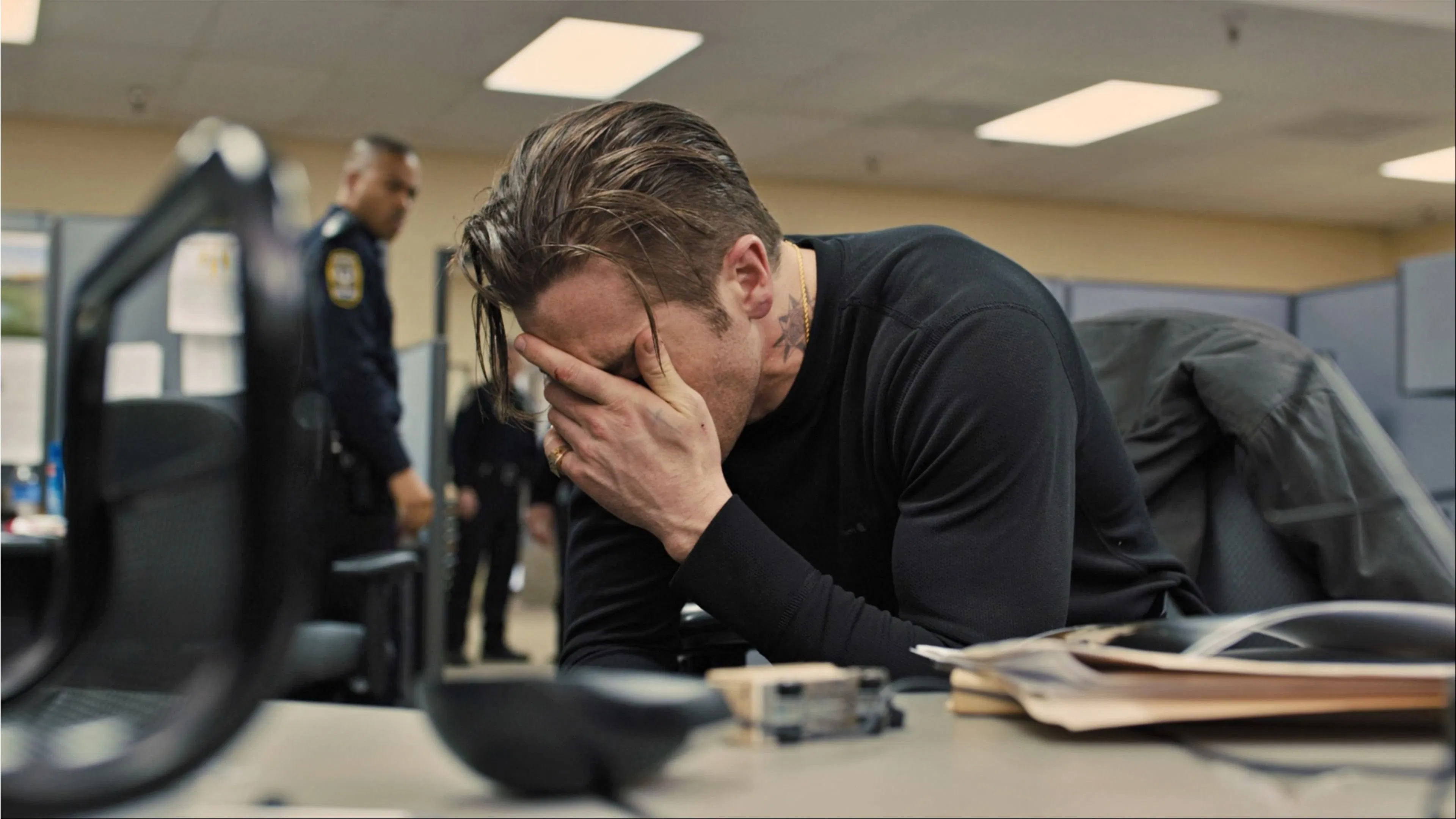
What makes Prisoners devastating is its examination of how torture produces confessions rather than truth, how Keller's actions might have prevented finding the girls if Alex actually knew where they were, showing how vigilante justice operates through certainty that's often misplaced and methods that destroy the person using them as much as their target. Roger Deakins's cinematography emphasizes darkness and rain, creating atmosphere of persistent gloom that mirrors the moral murkiness, making the Pennsylvania setting feel oppressive and claustrophobic as options narrow and violence escalates. The ending reveals the actual kidnapper and Keller's fate, providing solution to mystery while leaving moral questions unresolved about whether his actions were justified by circumstances or if desperation doesn't excuse torture regardless of motivation. It succeeds because Villeneuve treats the premise seriously enough to examine its implications, proving that best thrillers force confrontation with impossible choices where every option involves betraying something you value.
35. 🎬 Gone Girl (2014) | Dir. David Fincher
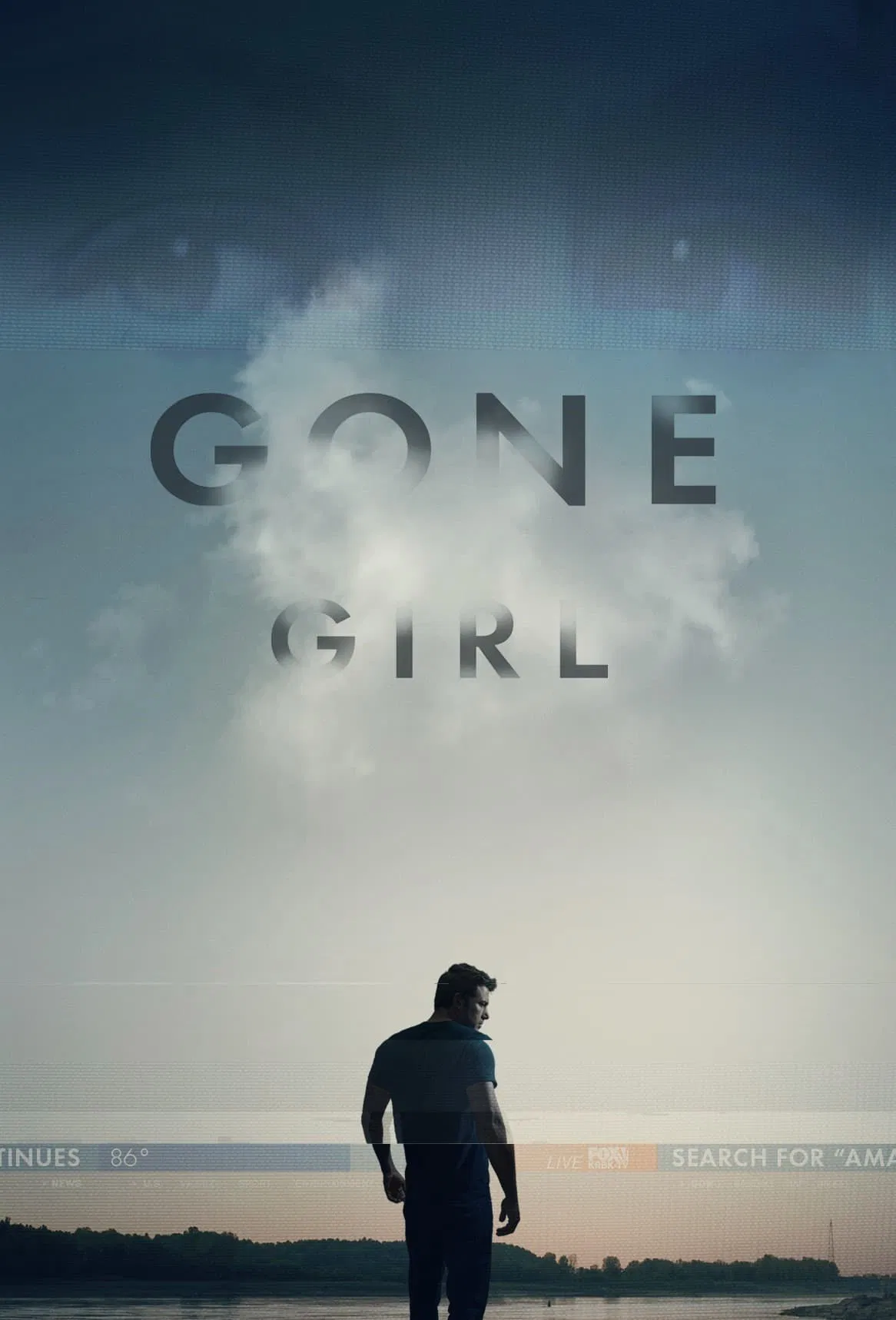
A thriller about Nick whose wife Amy disappears on their fifth anniversary, his behavior during investigation making him prime suspect before revelations about their marriage and Amy's plan transform understanding of everything we've witnessed. David Fincher and Gillian Flynn create film examining how people perform for different audiences, showing how Nick and Amy's public marriage conceals private warfare, their competing narratives about their relationship revealing how stories we tell about ourselves differ radically from how others experience us. Ben Affleck plays Nick with calculated affability that makes him simultaneously sympathetic and suspicious, his every action during investigation interpretable as either innocent man struggling with tragedy or guilty husband performing grief while hiding his crime. Rosamund Pike's Amy is film's revelation, her transformation from perfect missing wife to calculating psychopath who faked her own death to frame Nick revealing someone whose entire life has been performance designed to elicit desired responses, her "Cool Girl" monologue becoming definitive statement about how women perform for male approval.
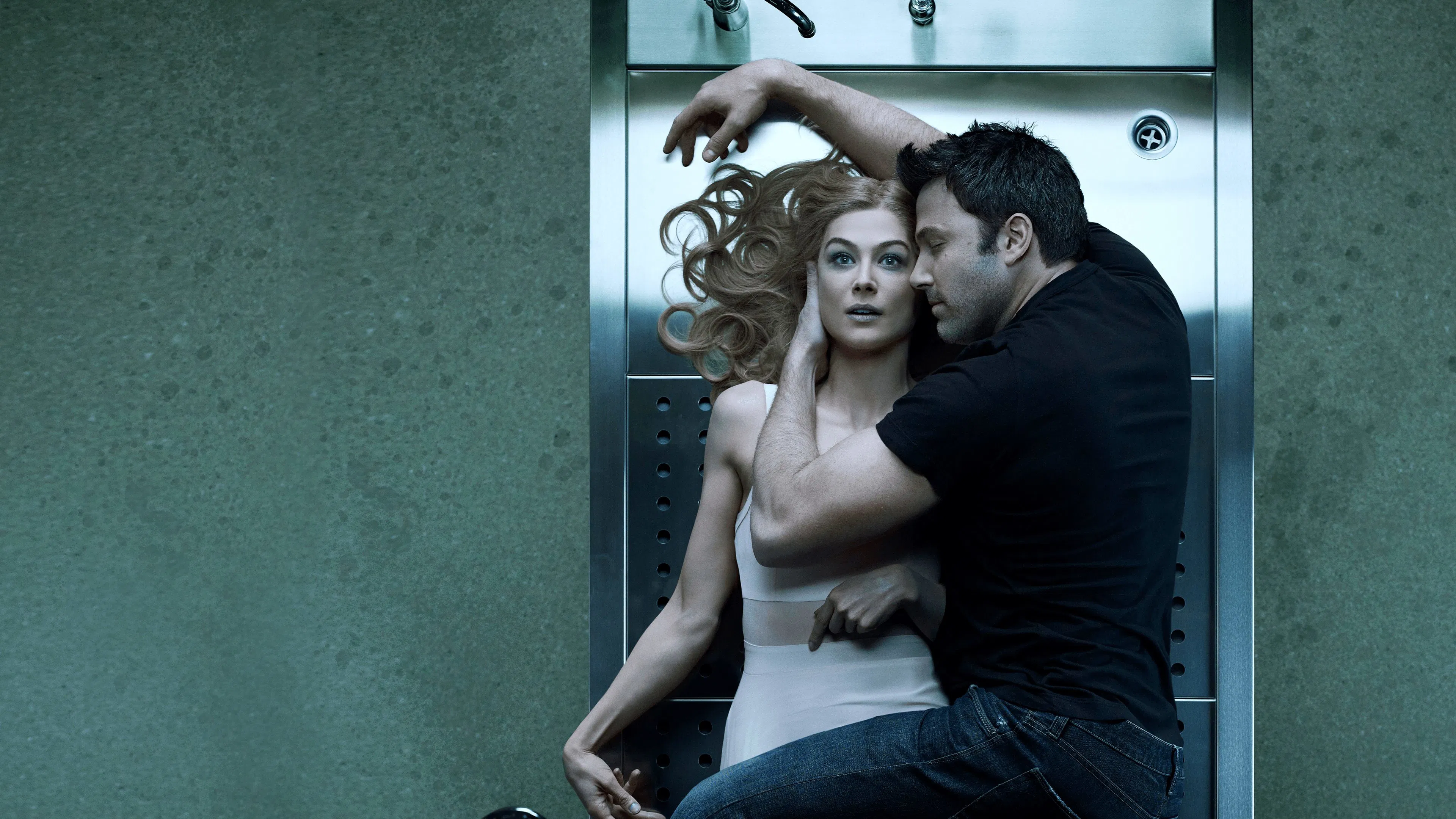
What makes Gone Girl essential is its examination of how marriage becomes battlefield where each partner tries to control narrative, showing how Amy's plan to frame Nick represents extreme version of everyday manipulation that relationships involve, her elaborate scheme revealing someone whose need for control manifests as willingness to destroy anyone who disappoints her constructed fantasy. Fincher shoots with his characteristic precision, using media coverage and police investigation to show how public perception shapes private reality, how Nancy Grace-style commentators create narratives that determine guilt before evidence is examined. The film's second half reveal transforms thriller into examination of how abusive relationships function through mutual damage, showing how Nick and Amy deserve each other because both are willing to perform whatever identity serves their needs, their eventual reconciliation representing not love but mutually assured destruction. It succeeds because Fincher and Flynn examine how unreliable narration operates in life not just fiction, proving that everyone curates their own story to present themselves favorably, and that sometimes the most dangerous people are those who understand this manipulation well enough to weaponize it.
34. 🎬 Nightcrawler (2014) | Dir. Dan Gilroy
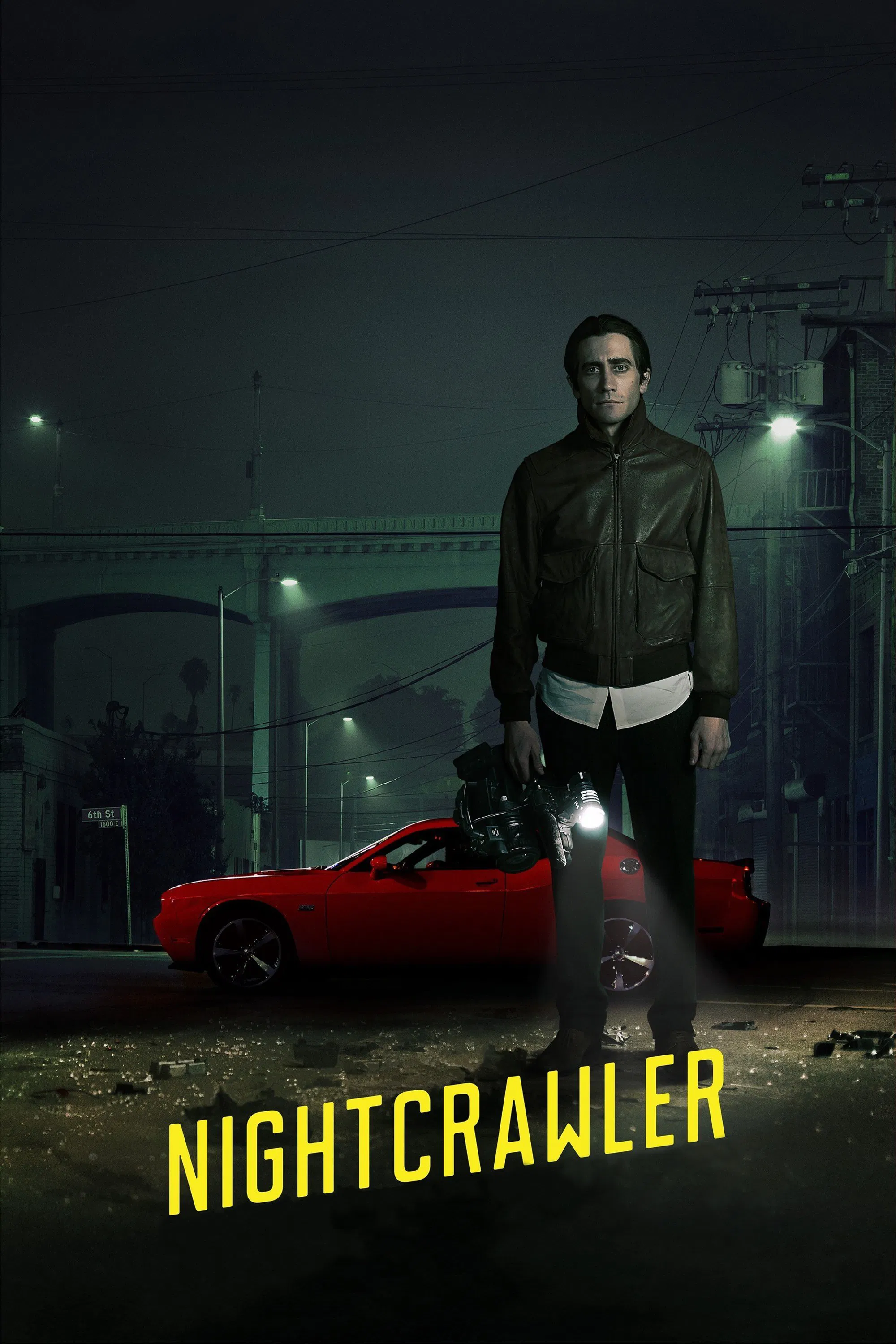
A thriller following Louis Bloom, an unemployed man who discovers freelance crime journalism, his success filming accidents and crimes revealing dark side of news industry that profits from violence and suffering while claiming to serve public interest. Dan Gilroy creates character study about sociopath whose lack of empathy makes him perfect for industry that requires treating tragedy as content, showing how Louis's rise represents capitalism rewarding exactly the behavior society claims to condemn. Jake Gyllenhaal plays Louis with gaunt intensity that makes him both fascinating and reptilian, his character's self-improvement rhetoric and entrepreneurial language masking complete absence of conscience, his monologues about success revealing someone who's internalized motivational platitudes without developing actual humanity. Rene Russo's Nina is news director whose desperation to improve ratings makes her willing to use Louis's increasingly unethical footage, her complicity showing how systems create demand for behavior they publicly decry, how media's claims about informing public serve as cover for exploiting suffering.
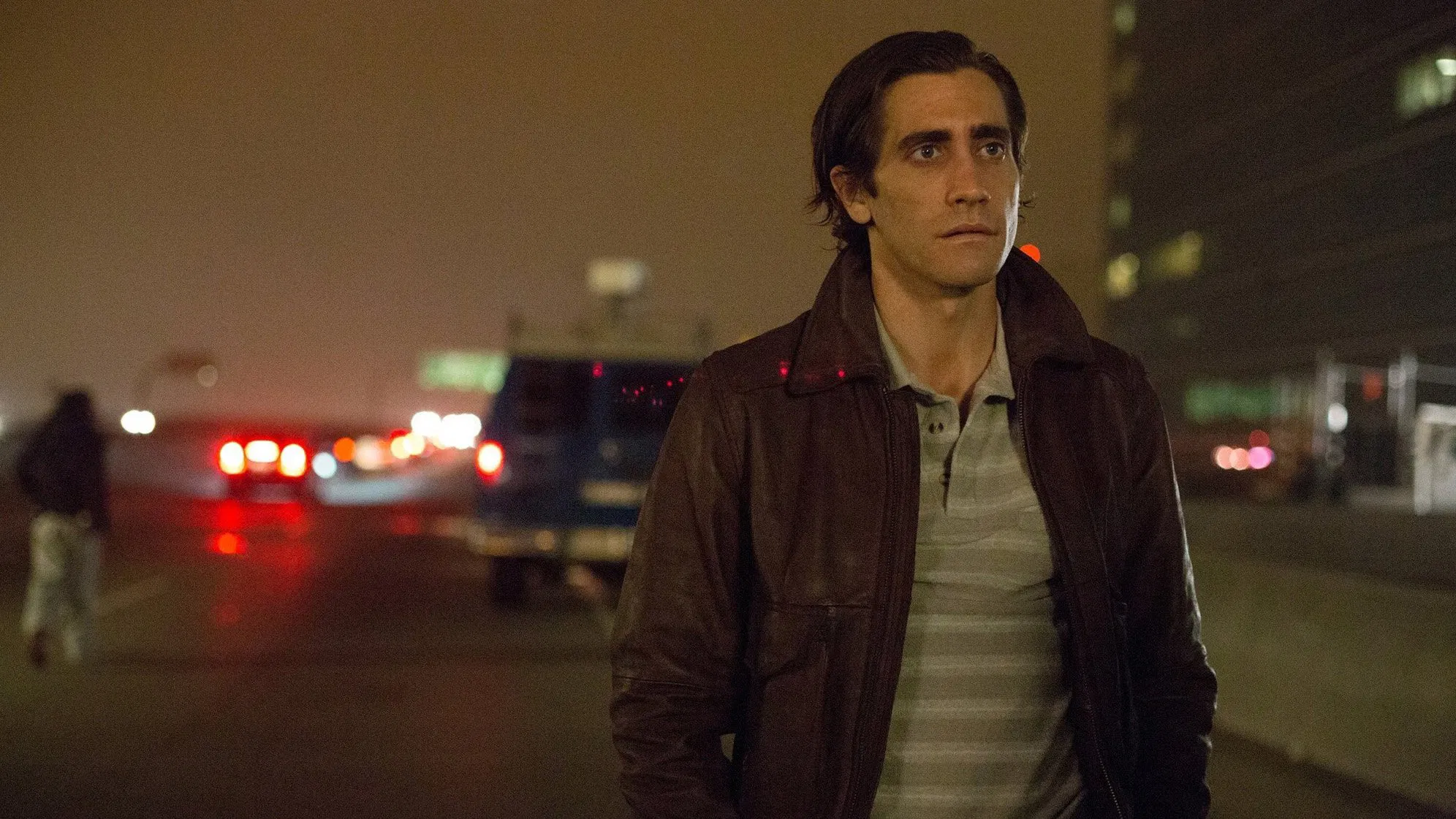
What makes Nightcrawler essential is its examination of how television news operates through if it bleeds it leads mentality, showing how Louis succeeds by providing footage that confirms viewers' fears about urban crime while carefully framing incidents to maximize fear and remove context, his understanding that news is entertainment rather than information making him valuable despite his methods being obviously unethical. Gilroy shoots Los Angeles at night as predatory landscape, Louis's red Dodge Challenger prowling streets for disasters to film, creating visual language where the city itself becomes hunting ground and citizens are potential content rather than people. The film's examination of how Louis manipulates crime scenes and withholds information from police shows how far he'll go for exclusive footage, his actions possibly preventing crimes being solved because serving his business interests requires maximizing story rather than pursuing justice. It succeeds because Gilroy examines how capitalism creates people like Louis, showing that he's not aberration but logical endpoint of system that rewards sociopathy as entrepreneurial spirit, proving that most disturbing thrillers are those showing how our actual economic systems produce monsters we then act surprised by when they do what they were incentivized to do.
33. 🎬 Sicario (2015) | Dir. Denis Villeneuve
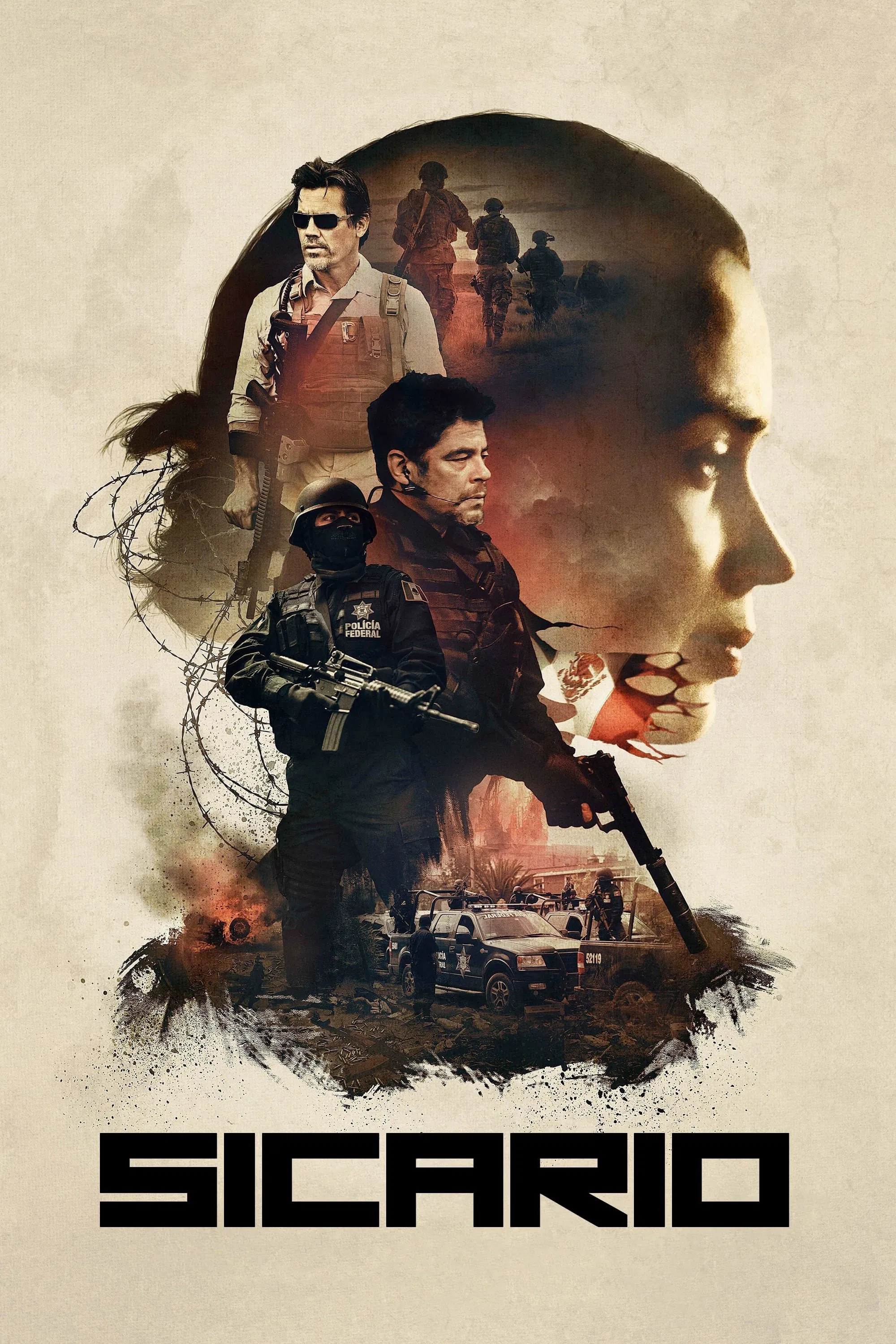
A thriller following FBI agent Kate who volunteers for task force fighting cartels on Mexican border, her idealistic belief in law enforcement procedure getting destroyed as she discovers the team operates through extralegal violence that makes them indistinguishable from criminals they're supposedly fighting. Denis Villeneuve creates film examining how drug war operates through methods that betray the values it claims to protect, showing how Kate's proper training and ethical standards are portrayed as naive obstacles by colleagues who've decided that fighting monsters requires becoming monsters. Emily Blunt plays Kate with growing horror as she recognizes that the task force isn't interested in building prosecution cases but in executing cartel members without trial, her moral crisis representing audience surrogate forced to confront how institutions justify violence through claims of necessity. Benicio del Toro's Alejandro is assassin working with the team, his motivation for hunting specific cartel boss revealed as personal vendetta disguised as counterterrorism, his willingness to kill entire families showing how revenge and policy become indistinguishable when dressed in official sanction.

What makes Sicario exceptional is its examination of how border zone has become lawless space where sovereignty is performed through violence rather than legal authority, showing how American and Mexican governments collaborate in extrajudicial killings while maintaining fiction of law enforcement, their actions creating more violence while claiming to prevent it. Roger Deakins's cinematography captures the border landscape's harsh beauty and the violence's brutal efficiency, the famous tunnel sequence and suburban shootout demonstrating technical mastery while showing combat as chaotic and terrifying rather than heroic. The film's ending, where Alejandro forces Kate to sign paperwork legitimizing the operation while threatening her life, shows how individuals are made complicit in systemic corruption through coercion disguised as choice, her powerlessness representing broader citizen complicity in state violence we'd prefer not to acknowledge. It succeeds because Villeneuve refuses to provide easy answers about drug war, showing how efforts to combat cartels using their own methods means abandoning rule of law for rule of force, proving that most politically urgent thrillers are those that examine how institutions betray their stated values while citizens are told this betrayal is necessary for their protection.
32. 🎬 Zodiac (2007) | Dir. David Fincher
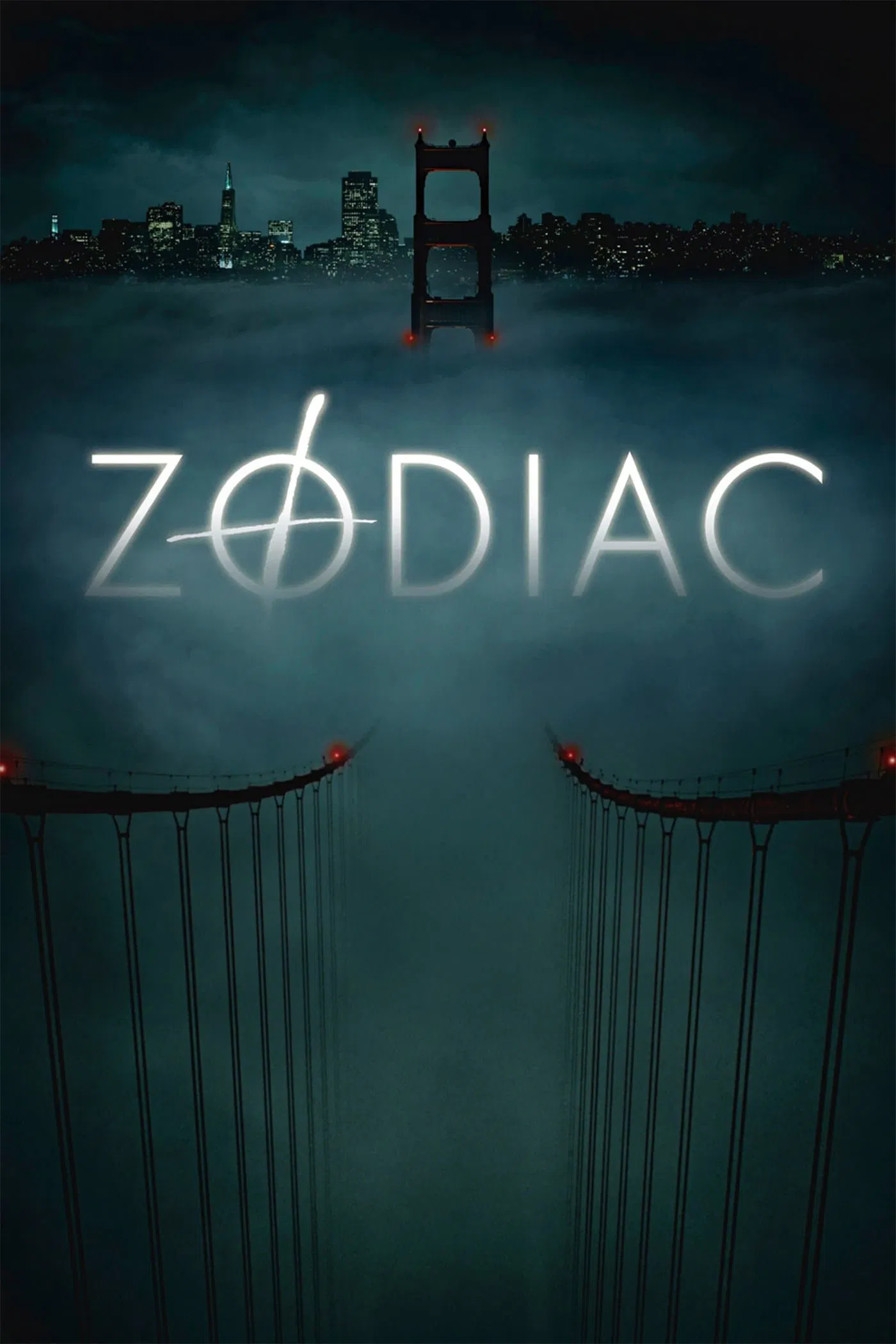
A procedural about the Zodiac killer investigation that's really about obsession and how unsolved cases consume the people pursuing them, following cartoonist Robert Graysmith, journalist Paul Avery, and detective Dave Toschi across decades as they chase killer who may never be caught. David Fincher creates anti-thriller that refuses conventional satisfactions of the genre, showing investigation as accumulation of dead ends and false leads, creating portrait of how pursuing truth can destroy you even when you never find it, that sometimes the most terrifying thing about criminal cases is their refusal to provide resolution. Jake Gyllenhaal plays Graysmith with increasing monomania, his amateur investigation of Zodiac ciphers gradually consuming his marriage and career, his certainty about the killer's identity based on circumstantial evidence that will never be sufficient for conviction, showing how obsession requires sacrificing everything for answers that might be wrong. What makes Zodiac essential is Fincher's commitment to procedure over spectacle, showing the investigation's tedious reality rather than dramatizing it, making clear how much police work is dead ends and paperwork, how rarely crimes are solved through dramatic breakthroughs versus methodical accumulation of details that might or might not lead anywhere.
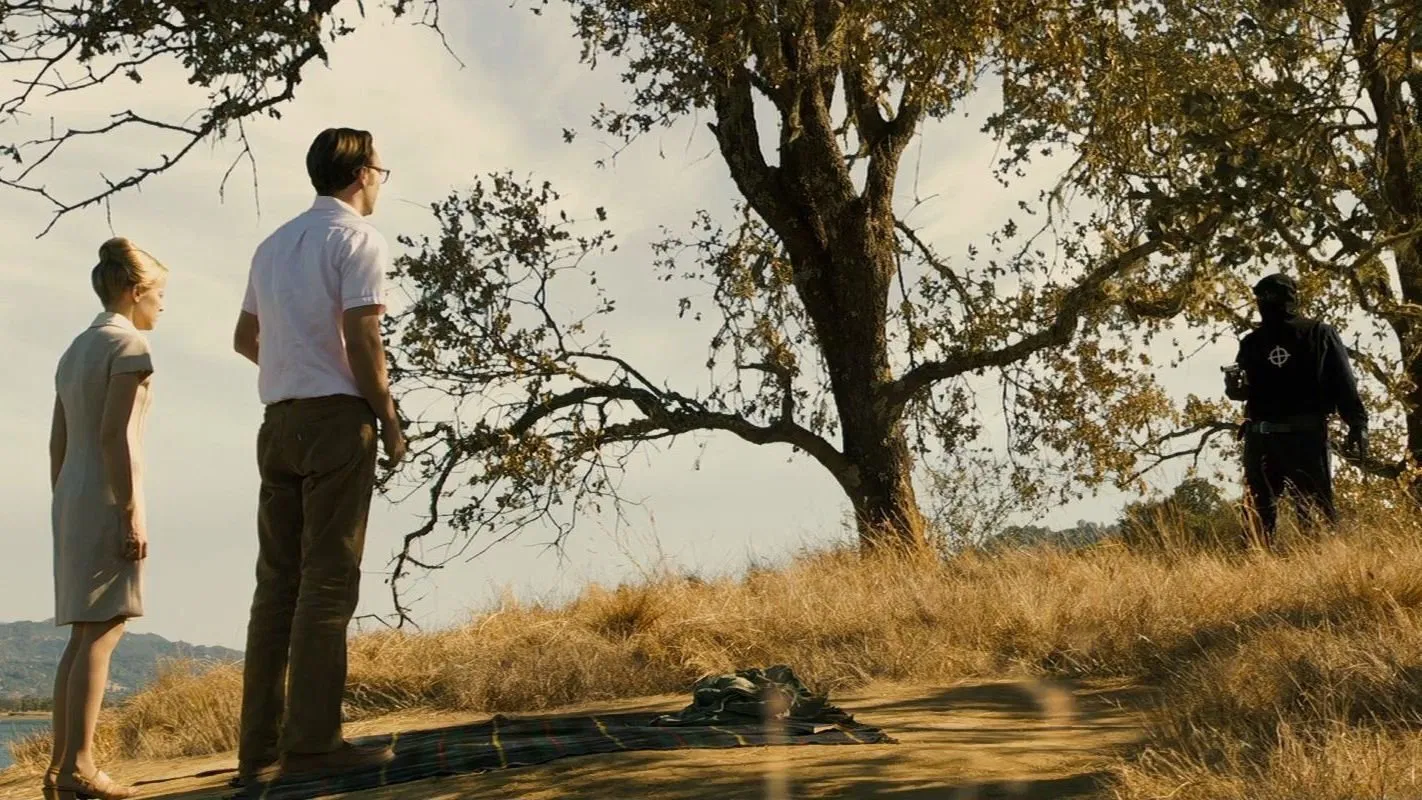
The film's treatment of the killer shows him primarily through his communications and crimes, refusing to make him fascinating villain or provide psychological explanation for his murders, suggesting that sometimes evil is banal rather than extraordinary, that the randomness of his victim selection and the arbitrariness of when he stopped killing are more terrifying than any comprehensible motive. Harris Savides's cinematography uses digital photography to create period-specific look that feels both contemporary and nostalgic, capturing 1970s San Francisco and Bay Area with meticulous attention to detail that makes the investigation feel documented rather than dramatized. It succeeds because Fincher understands that most terrifying thing about Zodiac case isn't the killer but the randomness of his victims and impossibility of stopping someone who kills without pattern or motive, proving that best procedurals often deny the satisfaction typical genre narratives provide, forcing viewers to sit with same frustration that real investigators experienced.
31. 🎬 Heat (1995) | Dir. Michael Mann
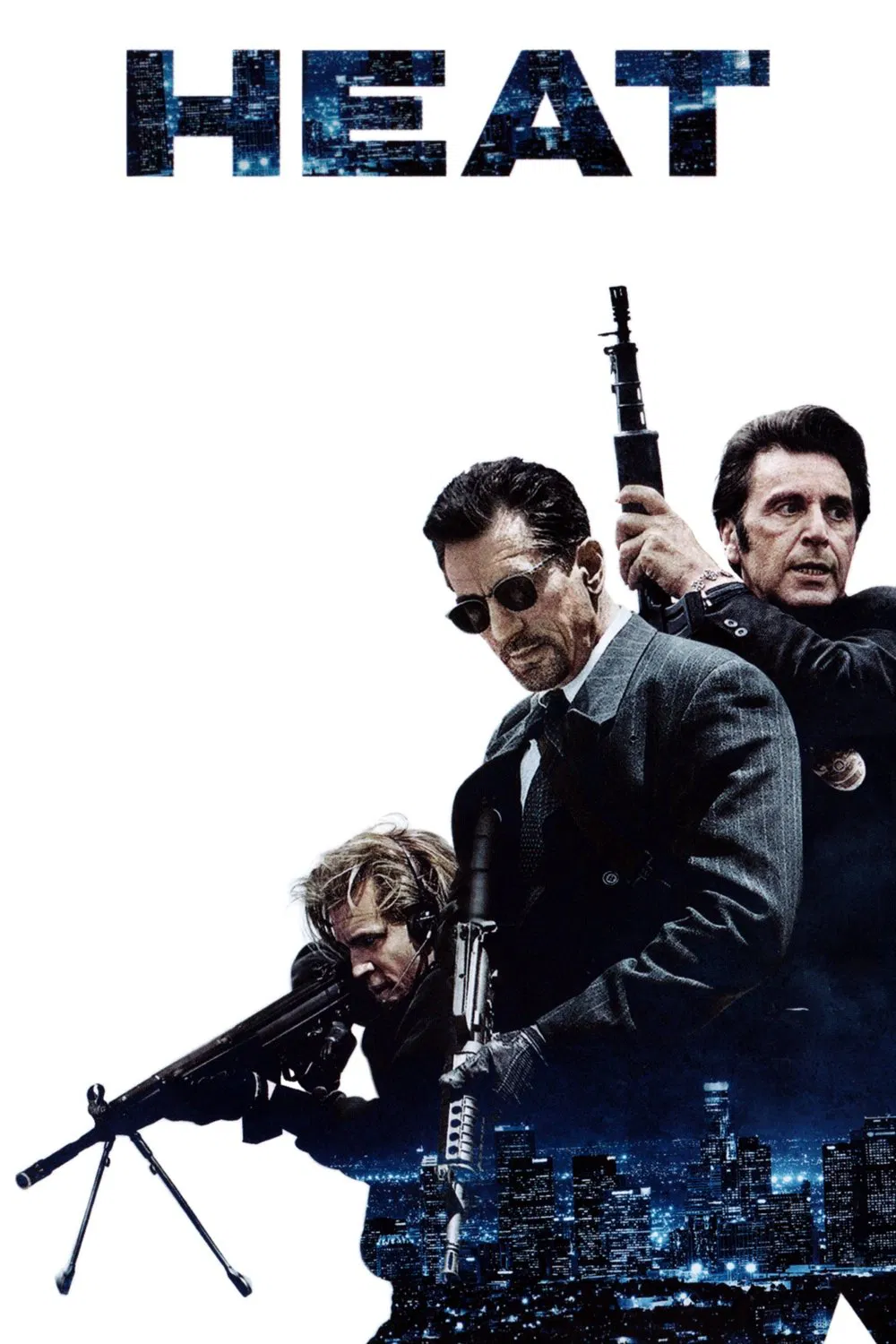
A crime thriller following master thief Neil McCauley and LAPD detective Vincent Hanna, their cat-and-mouse game examining how professional dedication creates parallel lives where hunter and prey understand each other better than anyone else in their lives. Michael Mann creates operatic examination of masculinity and obsession, showing how Neil and Vincent are defined entirely by their work, their personal relationships subordinate to professional commitments that make conventional domesticity impossible for men who live for the score or the case. Robert De Niro plays Neil with cool professionalism that's really emotional withdrawal, his philosophy about being ready to walk away from anything in thirty seconds including his crew and girlfriend revealed as both survival strategy and inability to form genuine attachments because his criminal life requires him to treat everyone as potentially expendable. Al Pacino's Vincent is cop whose dedication to catching criminals has destroyed his marriages and makes him incapable of being present for people who need him, his intensity making him effective investigator but terrible partner and father, showing how law enforcement can be addiction as consuming as crime.

What makes Heat essential is Mann's examination of how work becomes identity for certain men, showing how Neil and Vincent's famous diner conversation reveals mutual respect between adversaries who recognize themselves in each other, their acknowledgment that when the time comes they'll kill each other without hesitation demonstrating how professional code supersedes personal connection. Mann shoots Los Angeles with painterly beauty, the city's architecture and nighttime geography becoming characters, the famous downtown shootout creating warfare in public streets that shows how criminal enterprise and police response are both forms of organized violence, distinguished only by which has official sanction. The film's structure builds to inevitable confrontation where Neil must choose between escape and revenge, his decision to kill the man who betrayed his crew representing exactly the emotional attachment his philosophy warned against, his inability to walk away proving that even the most disciplined criminals are vulnerable to human connection that destroys them. It succeeds because Mann treats crime and law enforcement with equal seriousness, showing how both require similar dedication and create similar damage to those who pursue them, proving that best crime films examine how work shapes identity and whether anything exists beyond professional role or if some men have become nothing except what they do.
30. 🎬 The Departed (2006) | Dir. Martin Scorsese
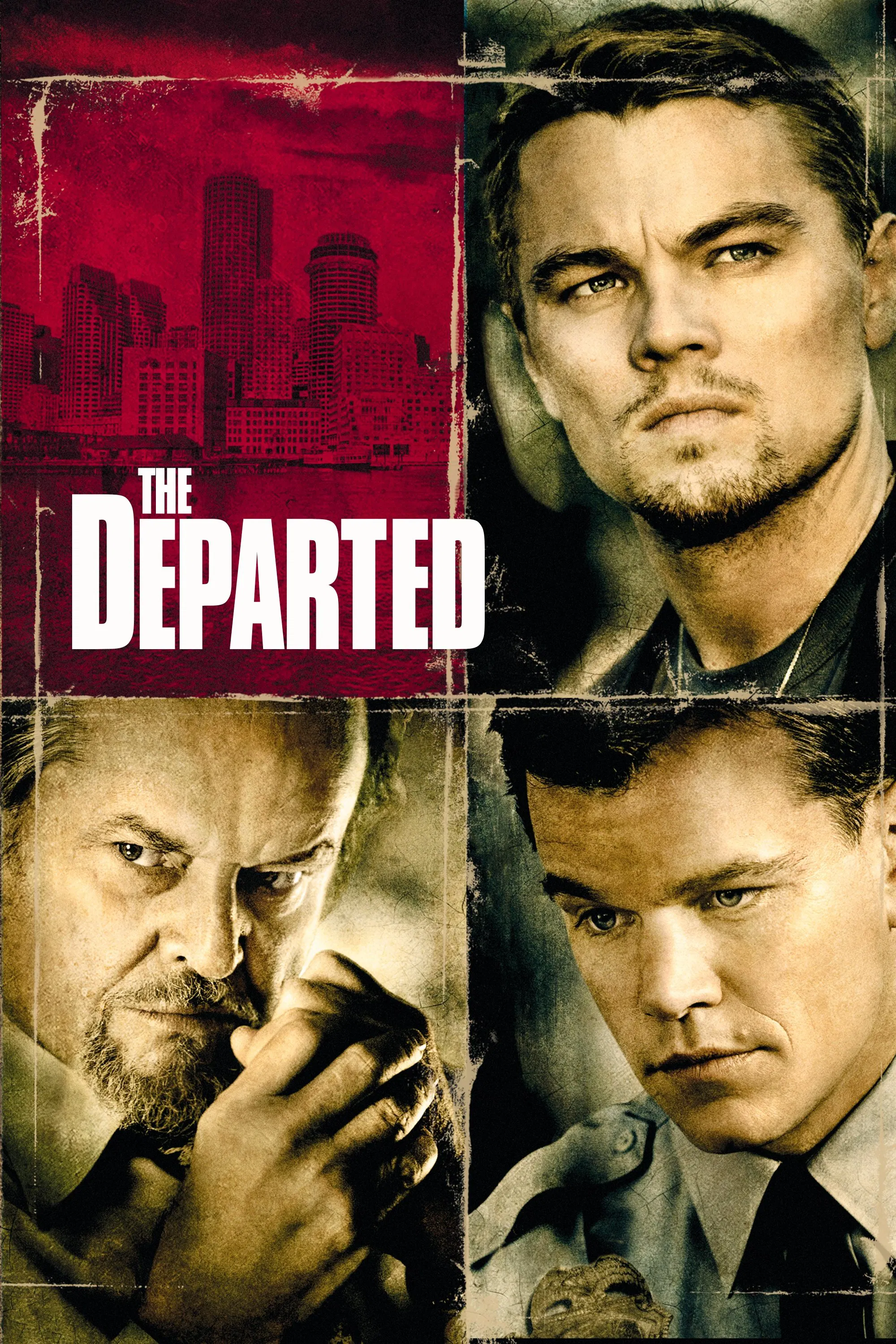
A film following two moles, Billy embedded in Frank Costello's Irish mob and Colin planted in Massachusetts State Police, both trying to expose the other before their covers are blown, their parallel lives examining how sustained deception erases who you actually were beneath the performance. Martin Scorsese creates his most commercially accessible work while maintaining examination of identity as performance and cost of living double lives, showing how pretending to be someone else eventually makes determining your authentic self impossible because years of lying have destroyed whatever person you started as. Leonardo DiCaprio plays Billy with frayed-nerve intensity, a cop so deep undercover he's forgotten how to separate performance from reality, his psychological deterioration making visible what sustained deception does to psyche, while Matt Damon's Colin is all smooth surface, a man who's been lying so long he might not have anything underneath the constructed persona. Jack Nicholson's Costello is pure theatrical menace, a gangster who sees everyone as either entertainment or threat, his unpredictability making every scene he's in feel dangerous, his FBI informant status revealed as just another layer of performance in world where everyone is betraying everyone else for different masters.
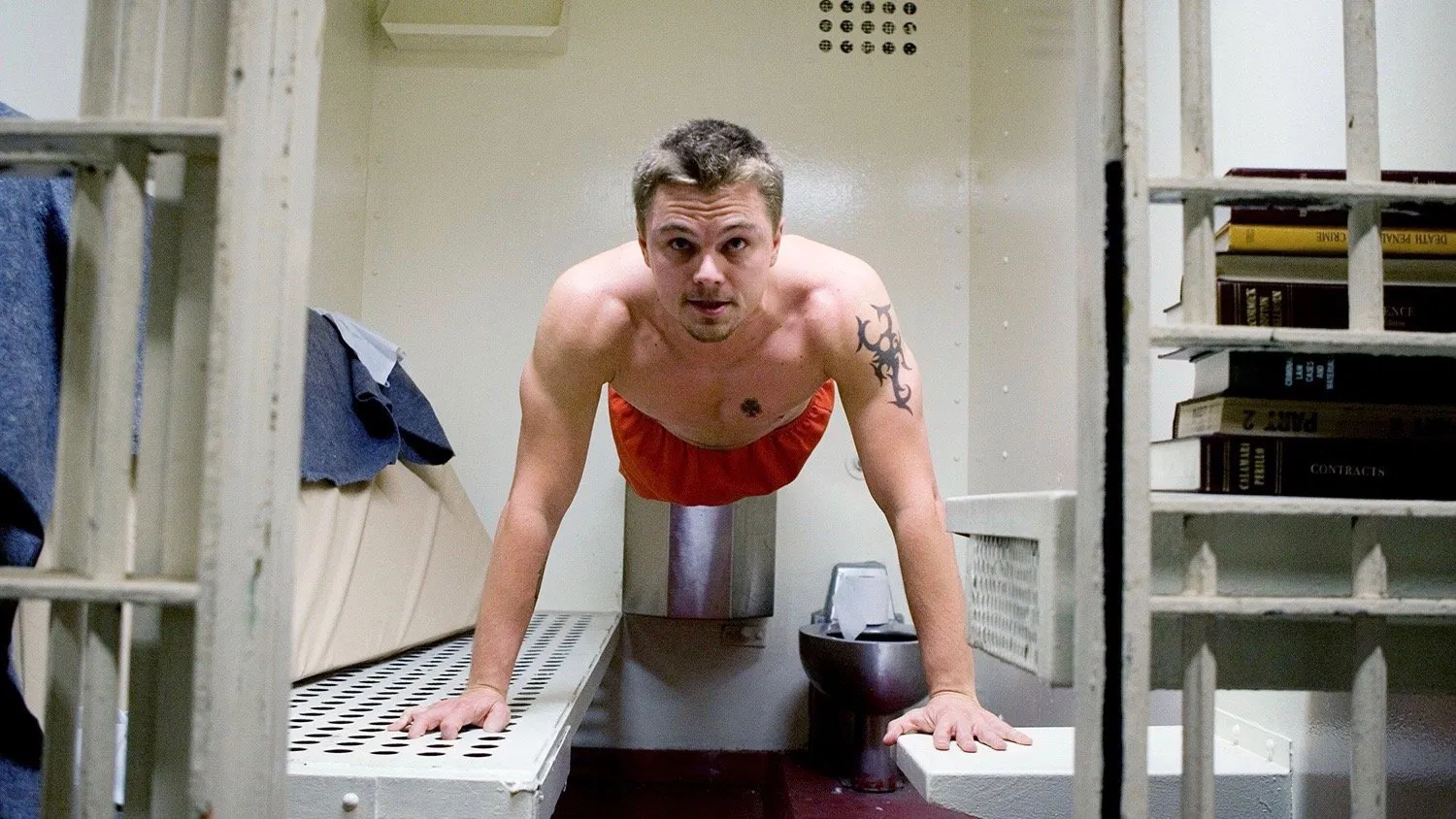
What elevates The Departed beyond its Hong Kong source material is Scorsese's understanding that crime films are really about masculinity and its performances, about men proving themselves through violence and deception until they can't remember what they were trying to prove, that the competition between cops and criminals is really competition between different versions of masculinity that turn out to be functionally identical. The film's shocking ending, where nearly everyone dies in quick succession, refuses the catharsis typical genre narratives provide, suggesting instead that this cycle of violence and deception simply continues with new players, that individual deaths don't matter when the systems creating them remain unchanged. It succeeds because Scorsese examines how the real tragedy isn't death but living so long as someone else that you've lost any coherent sense of self, proving that in the war between cops and criminals, the soldiers on both sides become indistinguishable, and that loyalty in this world is just another con waiting to be exposed when convenience or survival requires it.
29. 🎬 Memories of Murder (2003) | Dir. Bong Joon-ho
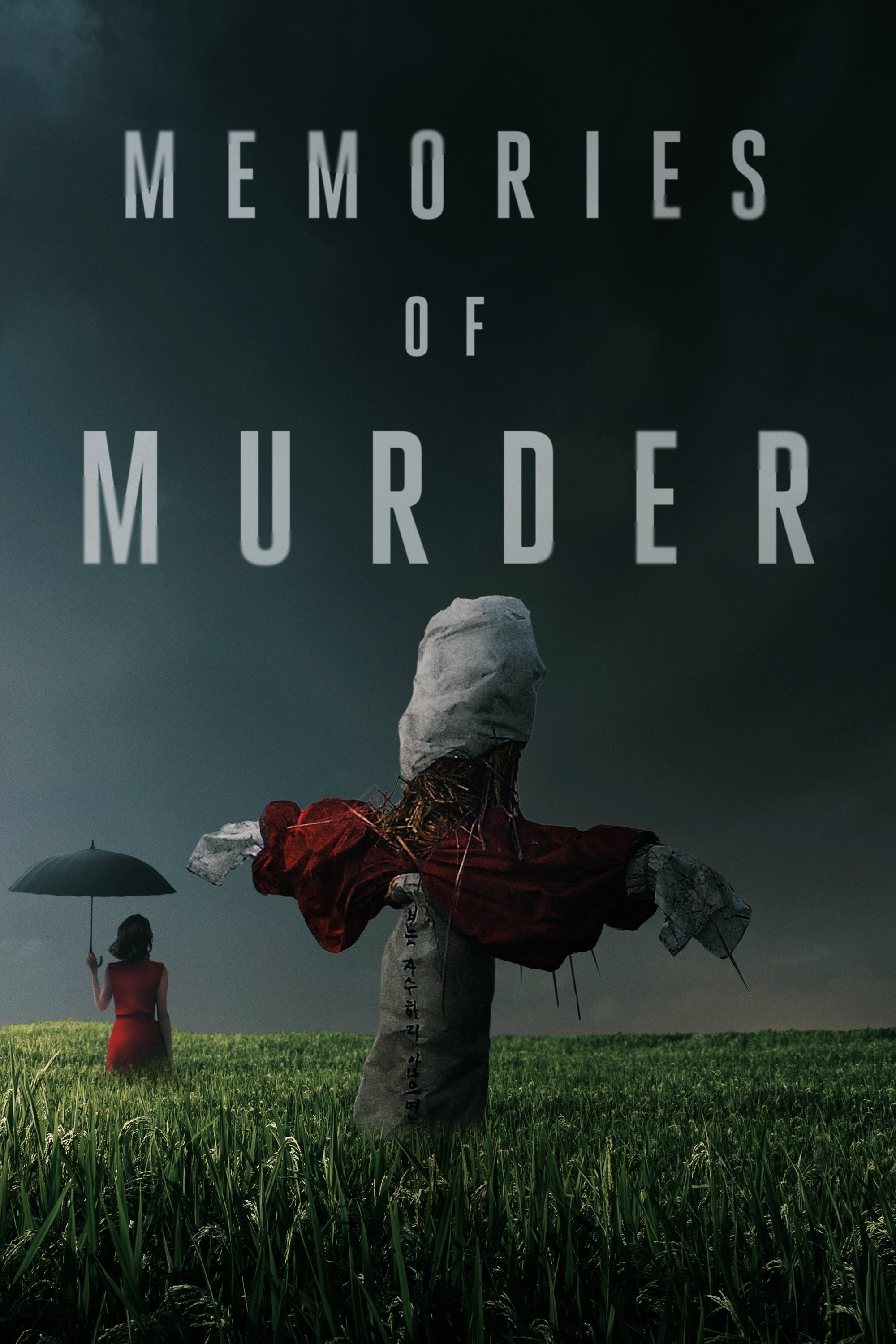
A Korean crime film based on real unsolved serial killings, following detectives in 1980s provincial town as they investigate series of rape-murders while lacking training, resources, or experience for such investigation, their incompetence and the regime's authoritarianism making solving crimes impossible. Bong Joon-ho creates procedural that's really about institutional failure and how dictatorships create conditions where protecting citizens becomes secondary to maintaining power, showing how Detective Park's torture-based investigation contaminates evidence and creates false confessions that prevent finding actual killer. Song Kang-ho plays Park as local cop whose investigative methods consist primarily of torture and forced confessions, his incompetence protected by system that values obedience over competence, while Kim Sang-kyung's Detective Seo is Seoul cop whose more sophisticated methods clash with local approach, their partnership representing modernizing South Korea's tension between old and new, corruption and professionalism.
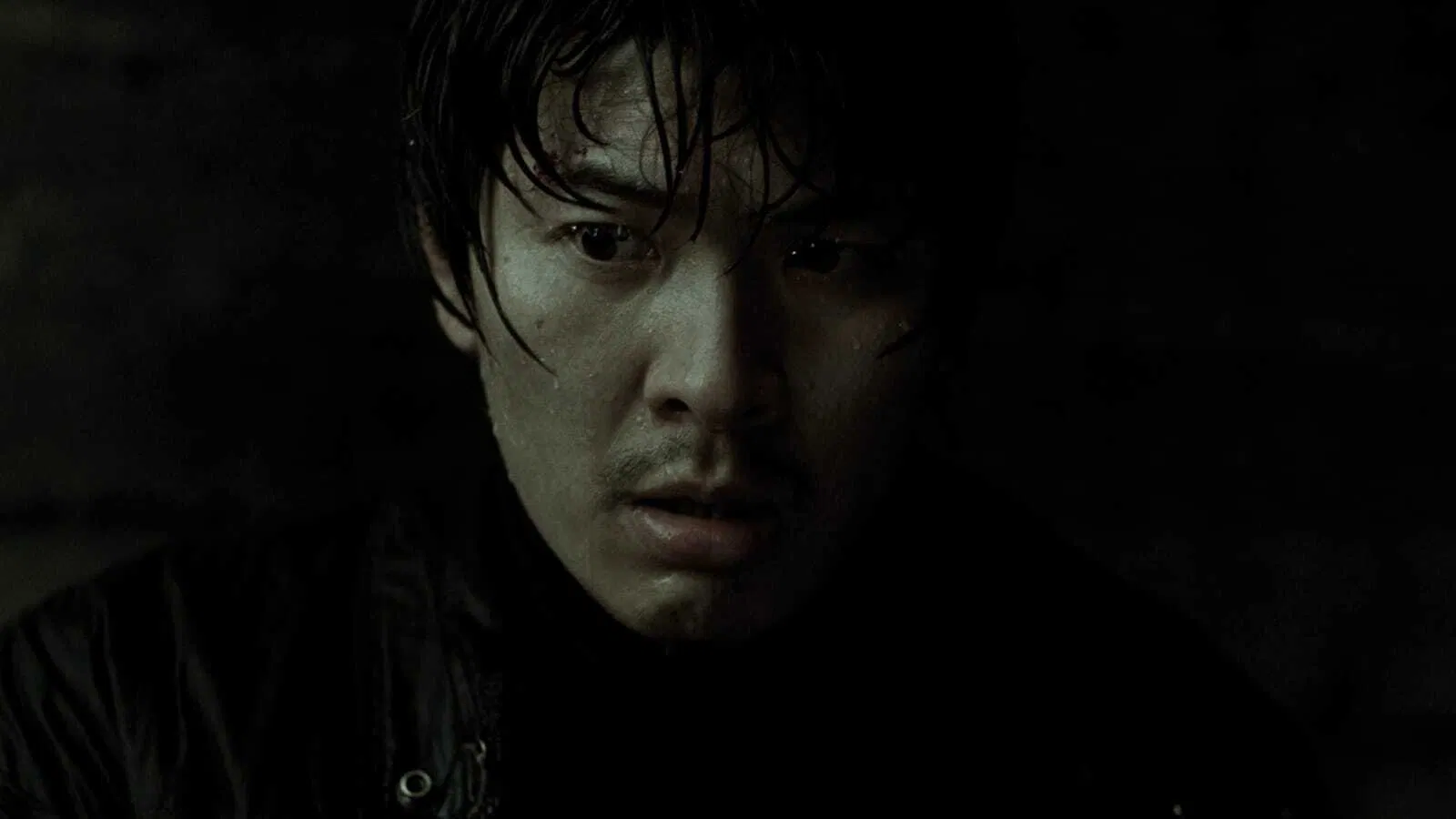
What makes Memories of Murder essential is its examination of how dictatorships make solving crimes impossible, showing how Park's torture-based investigation and lack of proper forensic technique mean the killer is never caught despite multiple suspects being detained, interrogated, and released when evidence doesn't support charges manufactured through coercion. Bong shoots the rural settings with attention to how modernization is transforming Korea, factories and highways appearing alongside rice fields, suggesting that economic development happens faster than institutional capacity to manage its consequences, that becoming wealthy doesn't automatically create competent institutions. The film's ending, where Park returns to the field where first body was found and learns a little girl saw someone there recently, looking directly into camera as though addressing the actual killer, creates chilling recognition that he's still out there, that this case remains unsolved in reality as well as film, proving that some crimes never get solved not due to lack of effort but because systems investigating them are fundamentally broken. It succeeds because Bong uses true crime to examine political transition, showing how South Korea's democratization required rebuilding institutions from scratch because authoritarian systems created competent at oppression but incompetent at everything else.
28. 🎬 Oldboy (2003) | Dir. Park Chan-wook
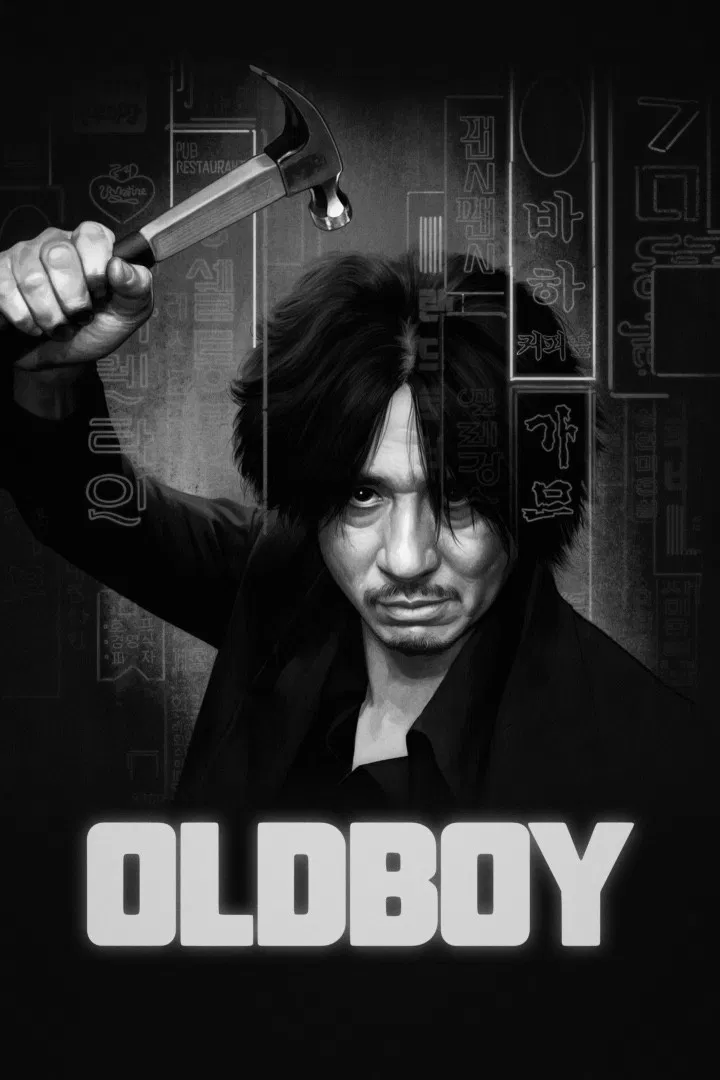
A Korean revenge thriller following Oh Dae-su who's imprisoned in private cell for fifteen years without explanation, released and given five days to discover who imprisoned him and why before the truth is revealed, his investigation leading to devastating discoveries about his past and the elaborate revenge being enacted against him. Park Chan-wook creates operatic tragedy disguised as action thriller, using extreme violence and plot twists to examine how revenge destroys everyone it touches, showing how the past cannot be escaped or undone regardless of how much violence you commit trying to change what's already happened. Choi Min-sik plays Dae-su with feral intensity, his transformation from ordinary drunk into hardened fighter shown through training montages in his cell, his release making him weapon pointed at mystery he must solve to regain his humanity, his desperation driving him toward answers he'd be better off never discovering. What makes Oldboy essential is its examination of how revenge is trap set by the person seeking it as much as by their enemy, showing how Dae-su's quest for answers leads him exactly where his captor wants him to go, his agency revealed as illusion created by someone who's been controlling his life for decades, making his freedom just more elaborate form of imprisonment.
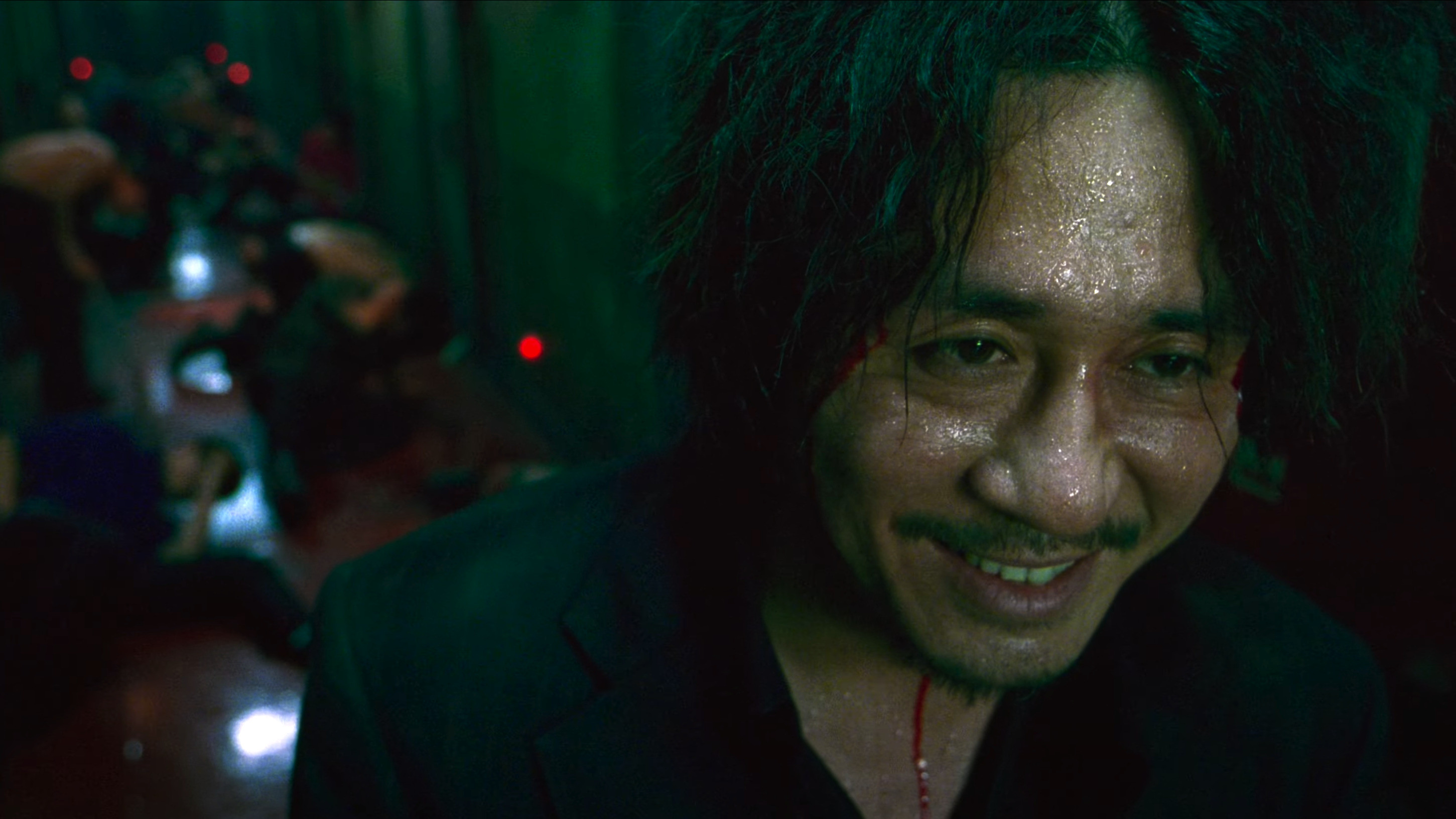
The film's famous corridor fight scene, shot in single take as Dae-su fights through dozens of attackers with only a hammer, creates brutal ballet that makes violence exhausting rather than exhilarating, showing combat as desperate survival rather than heroic triumph, each blow taking toll on Dae-su's body that accumulates across the sequence. Park shoots with operatic grandeur, the stylized violence and heightened emotions creating aesthetic that acknowledges the story's debt to Greek tragedy, where characters are doomed by past actions they can't undo, where knowledge itself becomes punishment worse than death. The film's devastating reveal about why Dae-su was imprisoned and his relationship with the young woman helping him creates twist that transforms everything that came before, showing how elaborate the revenge plot was and how thoroughly Dae-su's life has been manipulated, proving that some knowledge is so unbearable that ignorance might be preferable even when maintaining that ignorance requires erasing your own memory. It succeeds because Park uses extreme premise to examine how revenge provides no satisfaction, how destroying your enemy means destroying yourself, and whether some truths are better left undiscovered when learning them makes living impossible.
27. 🎬 Parasite (2019) | Dir. Bong Joon-ho
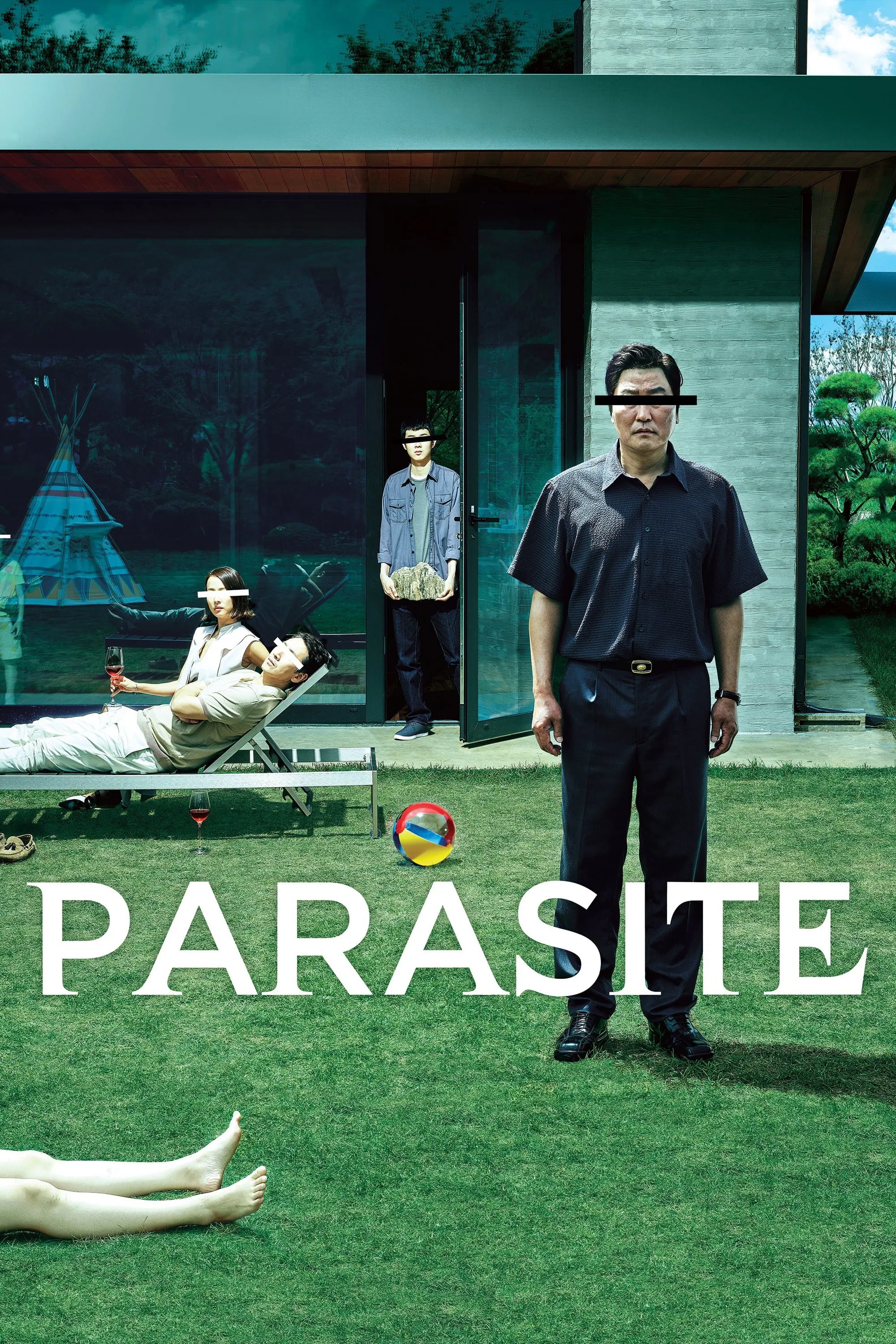
A Korean black comedy thriller following the Kim family who infiltrate the wealthy Park household by posing as unrelated skilled workers, their con succeeding until another family's claim to the house creates violent class warfare where the poor destroy each other while the rich remain oblivious. Bong Joon-ho creates genre-defying film that operates as comedy, thriller, and class allegory simultaneously, using the vertical geography of the two families' homes to visualize inequality, the Parks' modernist house on hill contrasted with the Kims' semi-basement flooding with sewage, making literal how wealth is elevated while poverty is literally underground. Song Kang-ho leads the Kim family as father Ki-taek whose scheming and eventual violence show how the poor are forced to perform servility for the rich while harboring justified resentment they can never express without catastrophic consequences. What makes Parasite essential is Bong's examination of how class hierarchy operates through spatial segregation and performance, showing how the Kims must adopt elaborate disguises to access wealth while the Parks remain oblivious to the deception because they can't imagine the poor as fully human or capable of sophisticated planning that would threaten their comfort.

The film's structure shifts dramatically from comedy to horror after the discovery of the bunker dweller, showing how the real conflict isn't between rich and poor but between different tiers of poverty competing for scraps, how capitalism makes the oppressed fight each other rather than challenge actual wealth, creating system where those slightly above bottom will destroy those below them rather than risk their own precarious position. The climactic violence at the birthday party shows class resentment erupting after Ki-taek has performed subservience beyond his capacity to maintain, his murder of Park representing accumulated rage at casual cruelty that Park never recognized as cruelty because to him the poor simply don't register as people whose feelings matter. It succeeds because Bong uses genre entertainment to make serious statements about inequality, showing how capitalism requires underclass while pretending they don't exist, how the rich benefit from poverty while remaining deliberately ignorant of how that poverty is maintained through their own consumption and exploitation, proving that most politically urgent films are those that examine structural violence through entertaining narratives that make the critique impossible to ignore.
26. 🎬 Michael Clayton (2007) | Dir. Tony Gilroy
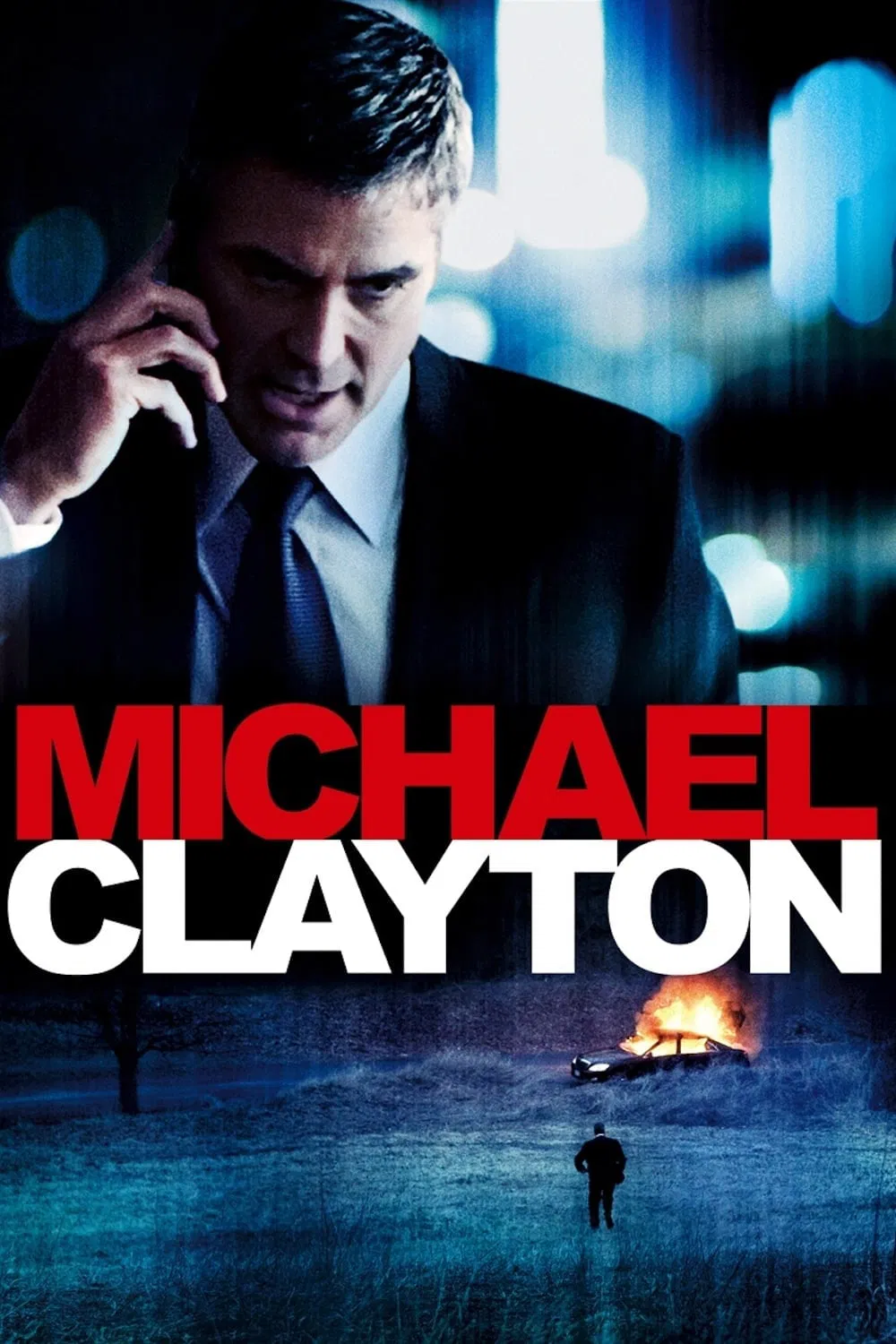
A legal thriller following Clayton, a fixer at major law firm who handles situations requiring moral flexibility, his role as cleaner getting complicated when colleague Arthur has breakdown during class-action lawsuit against chemical company, Arthur's rambling suggesting he's discovered something that makes their defense morally indefensible. Tony Gilroy creates film examining how corporate law operates through ethical compromises that accumulate until you've become person you never intended to be, showing how Clayton's years of fixing problems for wealthy clients has left him professionally successful but spiritually bankrupt, his gambling addiction and failed business ventures revealing someone who doesn't believe in the work he's so good at performing. George Clooney plays Clayton with weary competence that masks desperation, his character's skill at managing crises for others contrasting with his inability to manage his own life, his recognition that Arthur might be right about their client's crimes forcing him to choose between loyalty to firm that employs him and acknowledgment that he's been enabling mass murder through incompetence disguised as zealous representation. Tom Wilkinson's Arthur is lawyer whose mental breakdown is really moral awakening, his recognition that the company they're defending knowingly poisoned people making him unable to continue performing role of advocate, his rambling manifesto about complicity revealing someone who's finally seeing clearly after years of willful blindness.
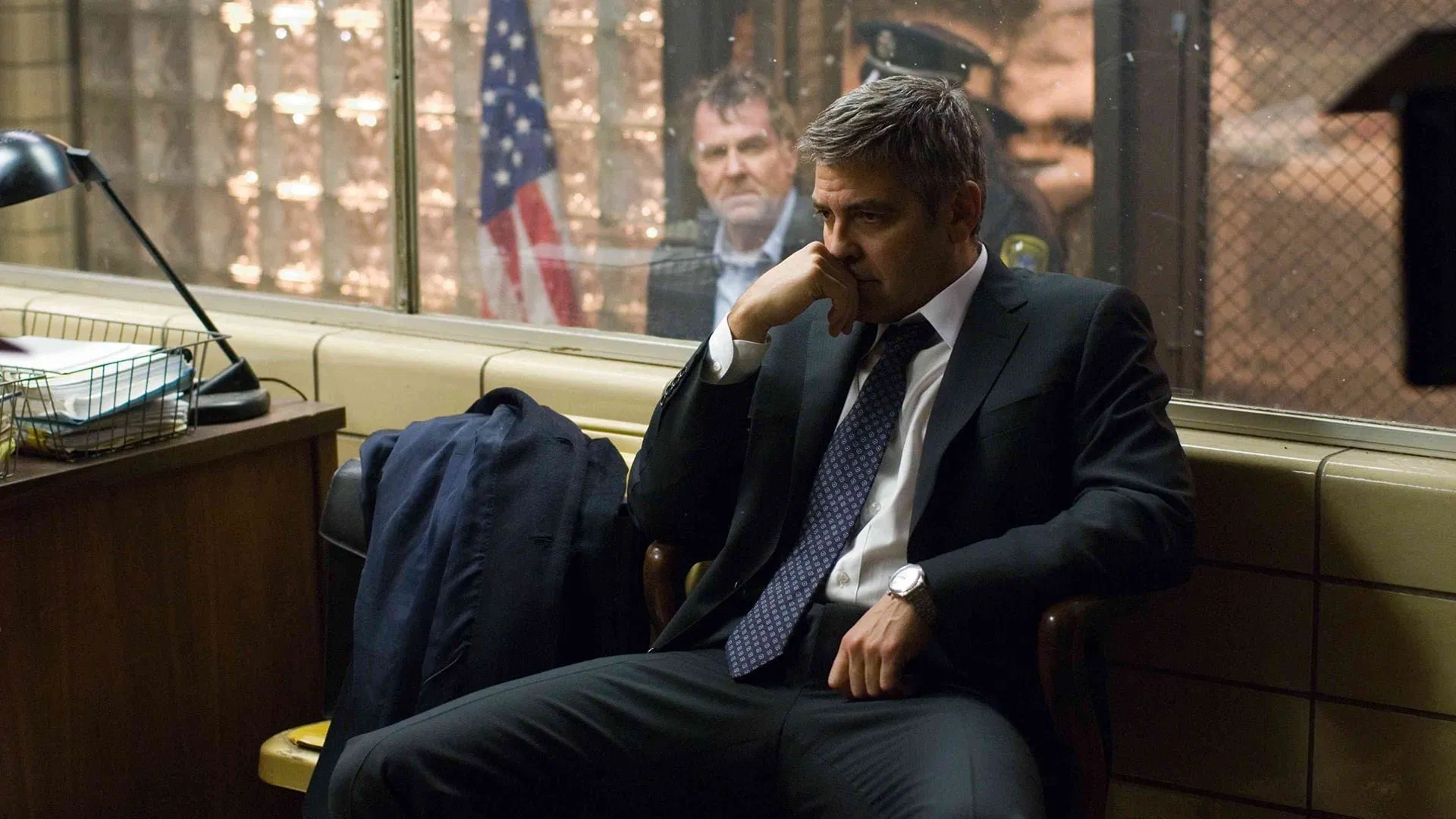
What makes Michael Clayton essential is its examination of how law firms operate as enablers of corporate crime, showing how billable hours and partnership tracks incentivize lawyers to stop thinking about justice and focus on defending clients regardless of their guilt, how professional identity becomes divorced from moral considerations until you're advocating for positions you'd find reprehensible if you thought about them as anything except professional obligations. The film's visual language uses cold corporate environments and anonymous hotels to show how Clayton exists in spaces without personality, his life as rootless as his moral compass, Robert Elswit's cinematography making New York's corporate world feel both glamorous and soulless. The ending, where Clayton chooses to expose the company's crimes rather than continue enabling them, represents professional suicide motivated by recognition that some lines can't be uncrossed, that his complicity in their cover-up makes him accomplice to murder, proving that maintaining your soul sometimes requires sacrificing your career. It succeeds because Gilroy examines how ordinary people become complicit in institutional evil through incremental compromises that seem minor individually but accumulate into participation in atrocities, proving that most important thrillers are those that examine how systems corrupt good people through making corruption seem like professional necessity rather than moral failing.
25. 🎬 The Game (1997) | Dir. David Fincher
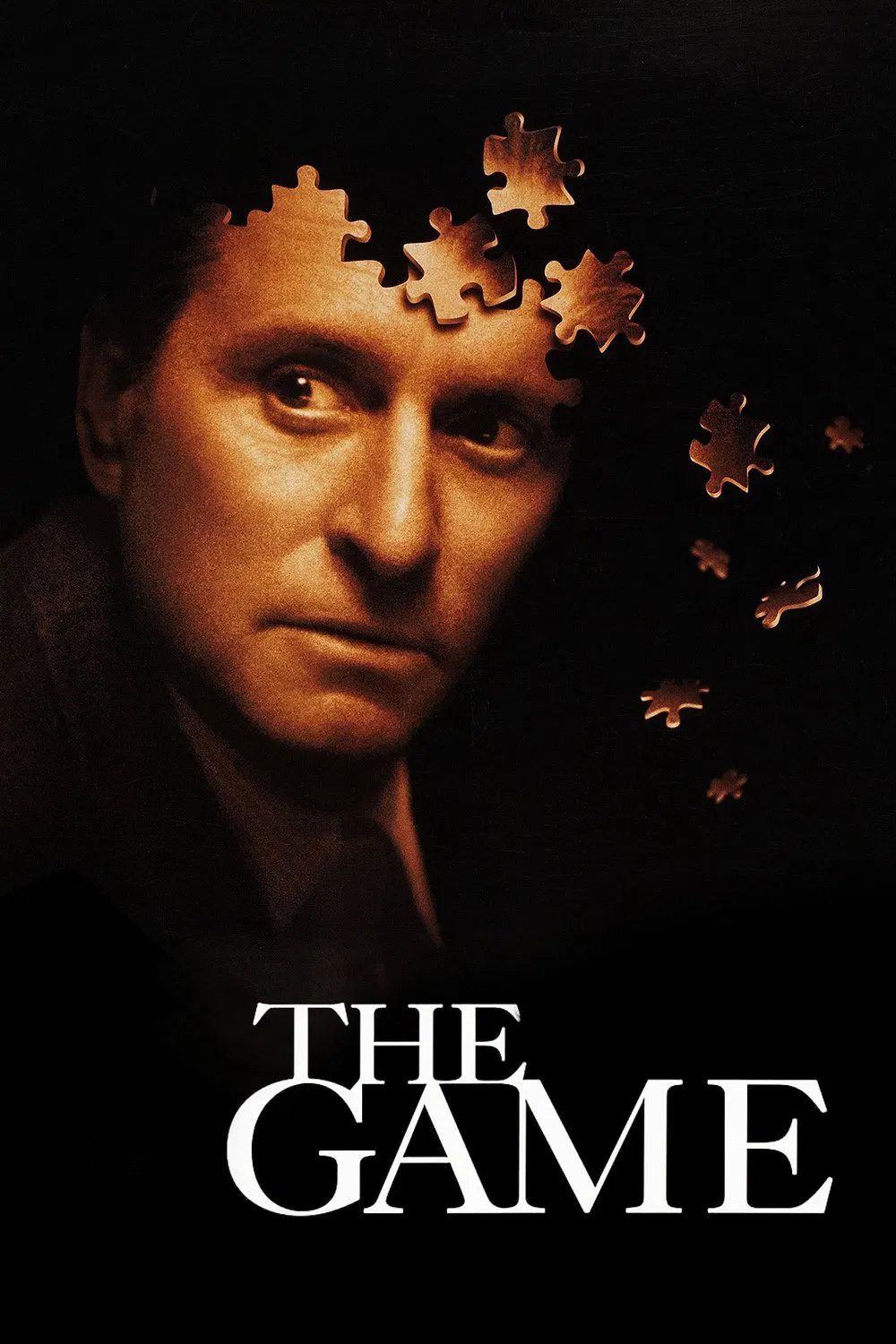
A thriller following wealthy banker Nicholas who receives mysterious gift from his brother, enrollment in game that promises to change his life, the experience blurring boundaries between entertainment and reality as increasingly dangerous scenarios make him question what's real and whether he's being destroyed or enlightened. David Fincher creates paranoid puzzle box examining how privilege creates targets for resentment and how control becomes impossible when you don't know the rules or even whether there are rules, showing how Nicholas's wealth and power make him simultaneously invulnerable in normal circumstances and completely vulnerable once someone creates circumstances he can't control through money or influence. Michael Douglas plays Nicholas as emotionally closed financier whose success has isolated him from genuine human connection, his resemblance to his father who committed suicide on his forty-eighth birthday suggesting he's heading toward same fate, the game potentially either pushing him toward that end or forcing confrontation with demons he's been avoiding. What makes The Game compelling is its examination of how paranoia and reality become indistinguishable when powerful organizations with unlimited resources decide to target you, showing how Nicholas's attempts to determine what's real and who to trust fail because the game anticipates his moves and uses his assumptions against him, his wealth and intelligence becoming liabilities when opponent can afford to be more elaborate and patient than he can comprehend.
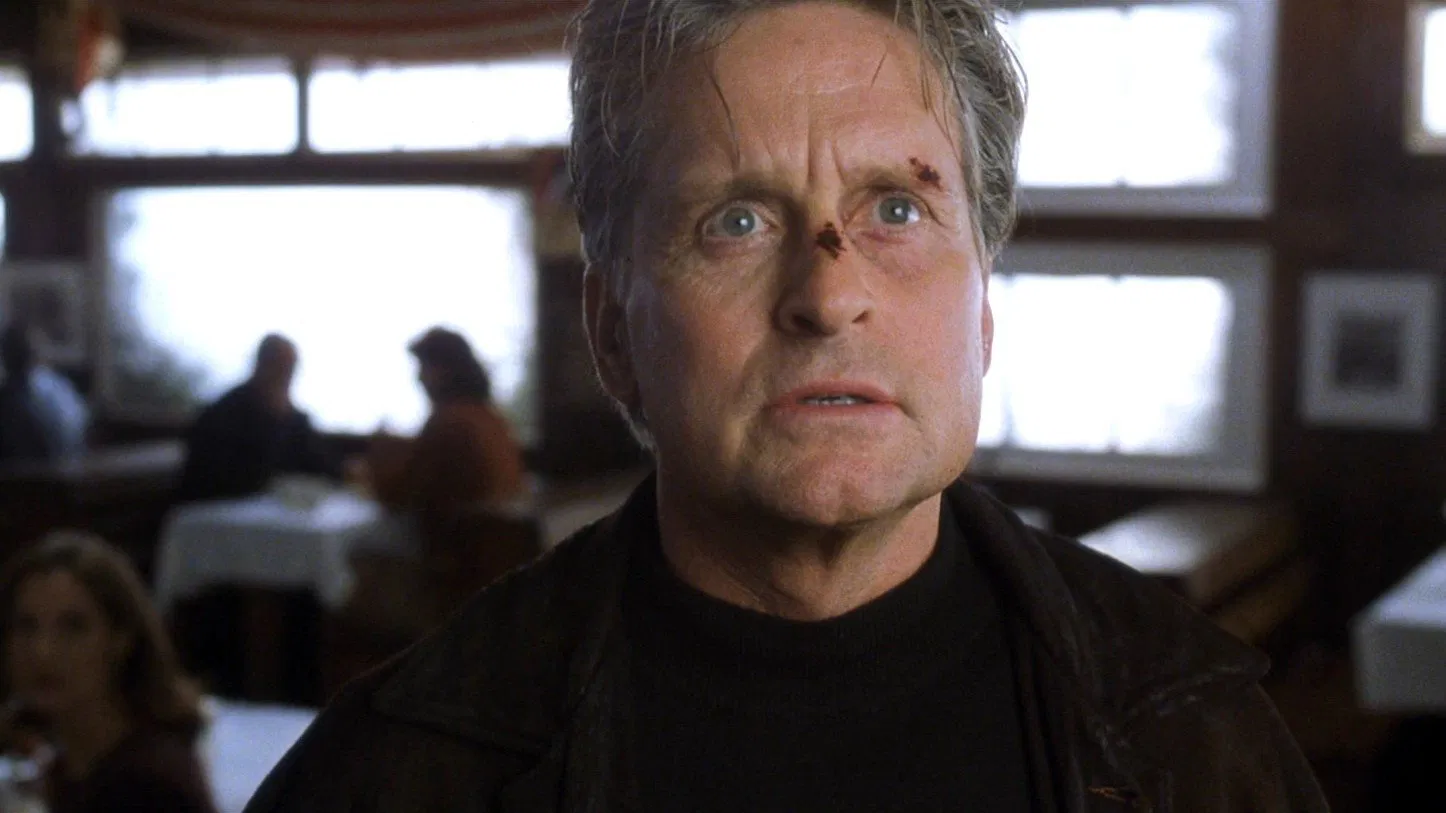
Fincher shoots with characteristic precision, using San Francisco locations and production design to make Nicholas's gilded cage both beautiful and oppressive, his mansion and office representing success that's really prison, his life controlled by routine until the game forces chaos he can't manage. The film's structure builds to revelation that everything was orchestrated intervention by his brother to prevent Nicholas from committing suicide like their father, though the ending remains ambiguous about whether this explanation is truth or just another layer of the game, whether Nicholas has been helped or destroyed by the experience, showing how some transformations are impossible to evaluate from inside them. It succeeds because Fincher examines how privilege creates its own vulnerabilities, showing that having everything makes you target for those with nothing to lose, that control is illusion that persists only until someone with sufficient resources decides to demonstrate your powerlessness, proving that most unsettling thrillers are those where you can't distinguish between reality and performance, where paranoia might be appropriate response when everything suggests conspiracy designed specifically to make you question your sanity.
— The Cinéprism
Keep reading
31 / 08 / 2026 · 383 reads
10 Best Endings in Film
A curated list of 10 unforgettable movie endings that leave a lasting impact long after the credits roll.
12 / 11 / 2025 · 5099 reads
Top 11 Greatest TV Shows:
These eleven extraordinary series redefine what television can be, merging unforgettable characters with stories that linger long after the screen goes dark.