Dispatch — Long Read
15 Best Horror Movies of the 21st Century
A definitive list of the most terrifying horror films released since 2000 - spanning psychological dread, supernatural chills, and genre-defining reinventions.
The Cinéprism
21 / 12 / 2025 · 17 min read
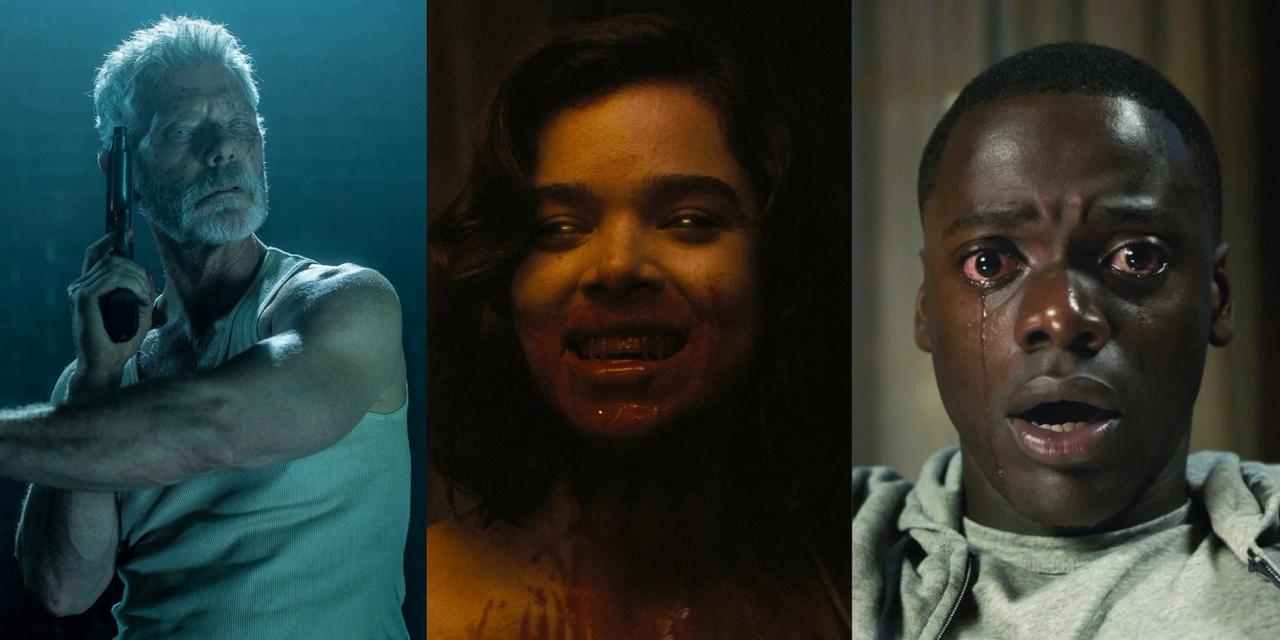
1. 🎬 Get Out (2017)
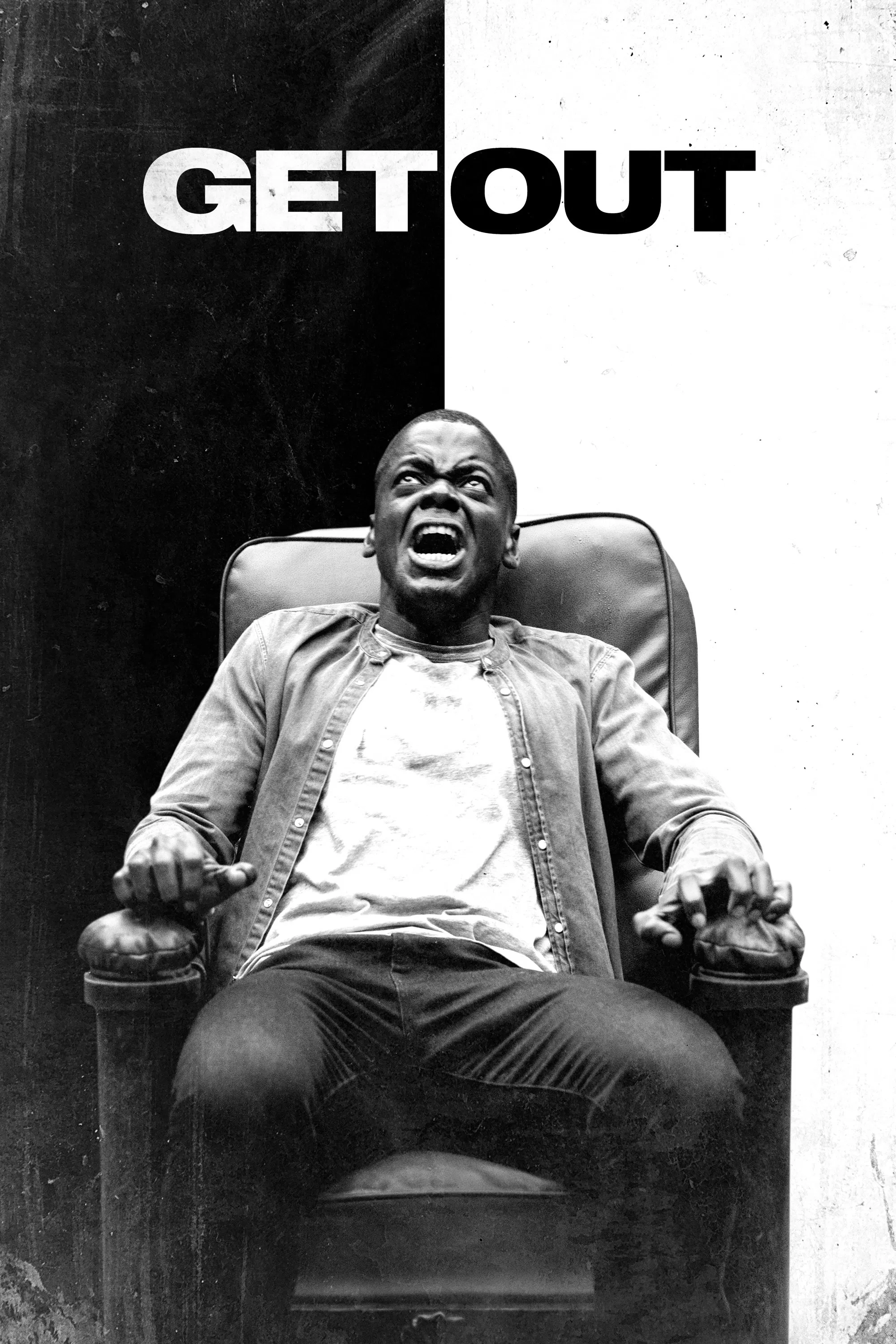
A young Black man visits his white girlfriend's family estate and uncovers a disturbing conspiracy that turns social microaggressions into a fight for survival. It uses the horror genre to critique modern racism, delivering a chilling, satirical, and terrifying look at the commodification of Black identity.
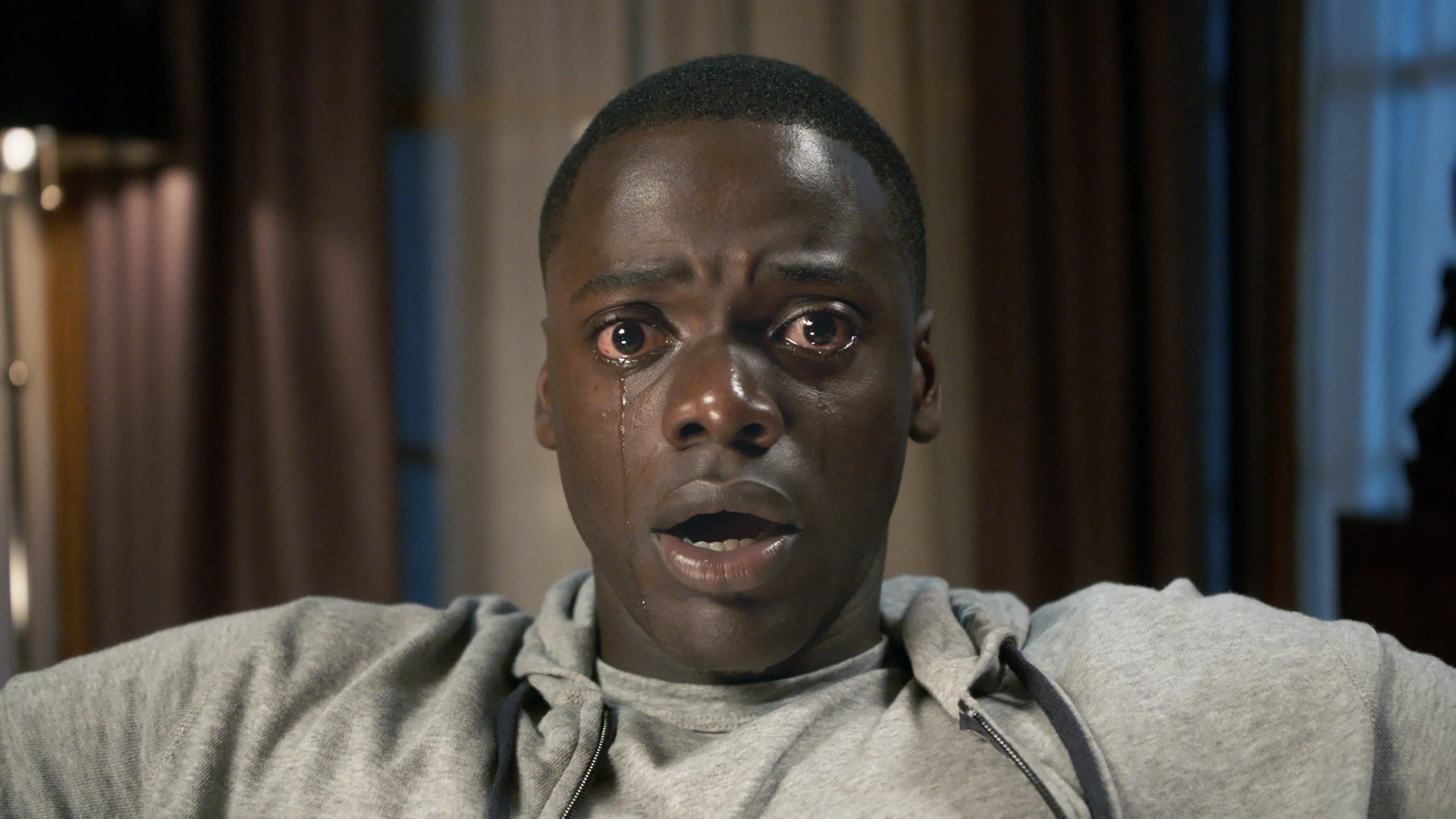
A psychological horror masterpiece that redefines the genre by using the "body snatchers" trope to deconstruct liberal racism, following Chris Washington, a young Black photographer, as he visits his white girlfriend's family estate, only to discover a terrifying conspiracy behind their welcoming smiles. Jordan Peele utilizes the paranoia of the "other" to create a suffocating atmosphere where microaggressions escalate into life-threatening danger, utilizing the "Sunken Place" as a potent visual metaphor for the silencing and commodification of Black bodies. Daniel Kaluuya’s performance is a masterclass in repressed terror, his eyes conveying the realization that he is trapped in a nightmare disguised as a garden party. What makes Get Out essential is its subversion of horror expectations, as the danger comes not from ghosts or slashers but from the seemingly benevolent desire of white people to "be" Black, twisting admiration into a grotesque form of theft. The film’s climax is a cathartic explosion of violence that spares no one, flipping the script on the "final girl" trope to offer a moment of triumph that feels earned and necessary. It succeeds because Peele transforms the social anxiety of being the only Black person in a white space into visceral horror, proving that the scariest monsters are often the ones who claim to be your allies.
2. 🎬 A Quiet Place (2018)
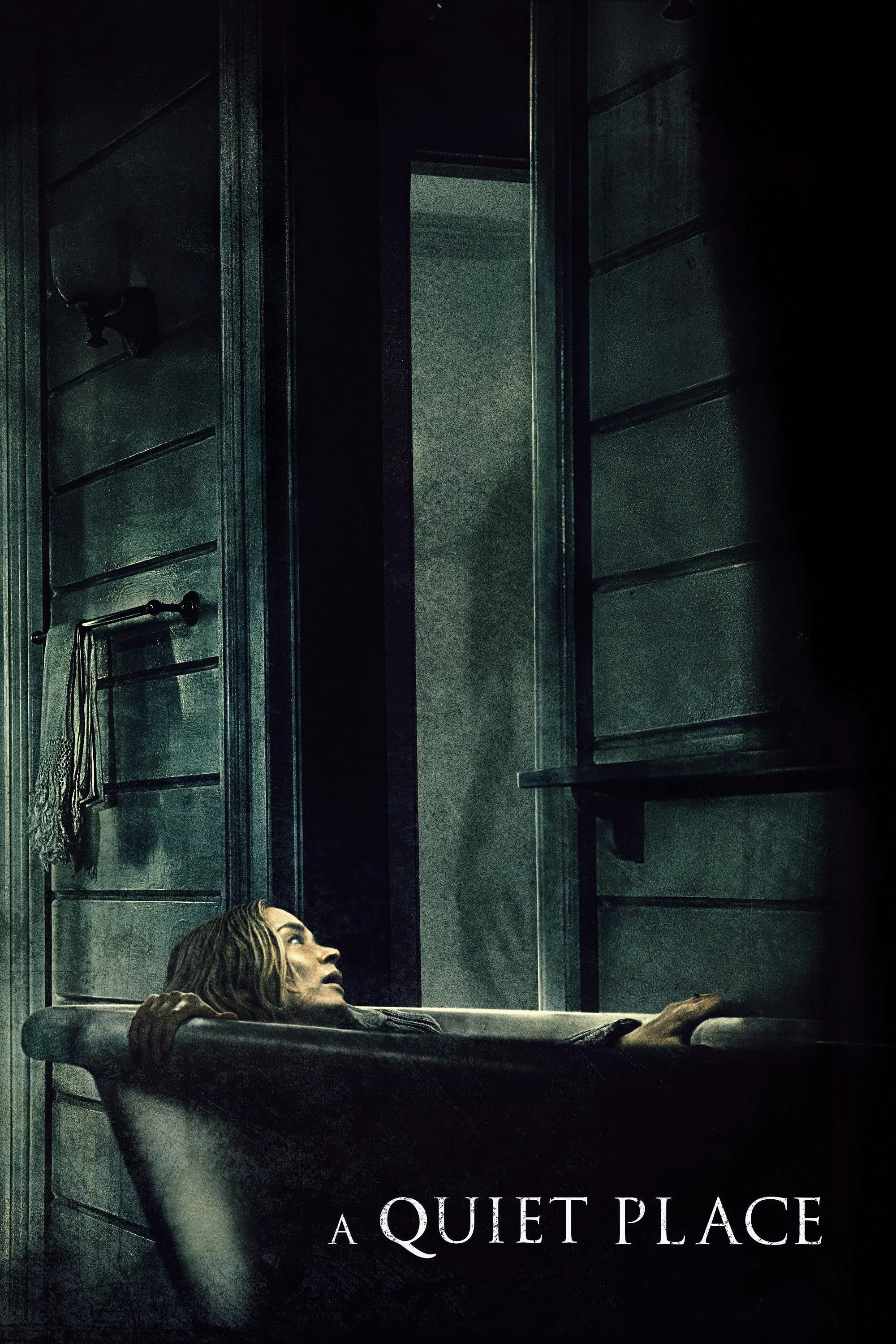
A family must live in absolute silence to hide from creatures that hunt by sound, turning their farmhouse into a fortress of hushed whispers and sand paths. It is a masterclass in tension and sound design, exploring the lengths parents will go to protect their children in a world where a single noise means death.
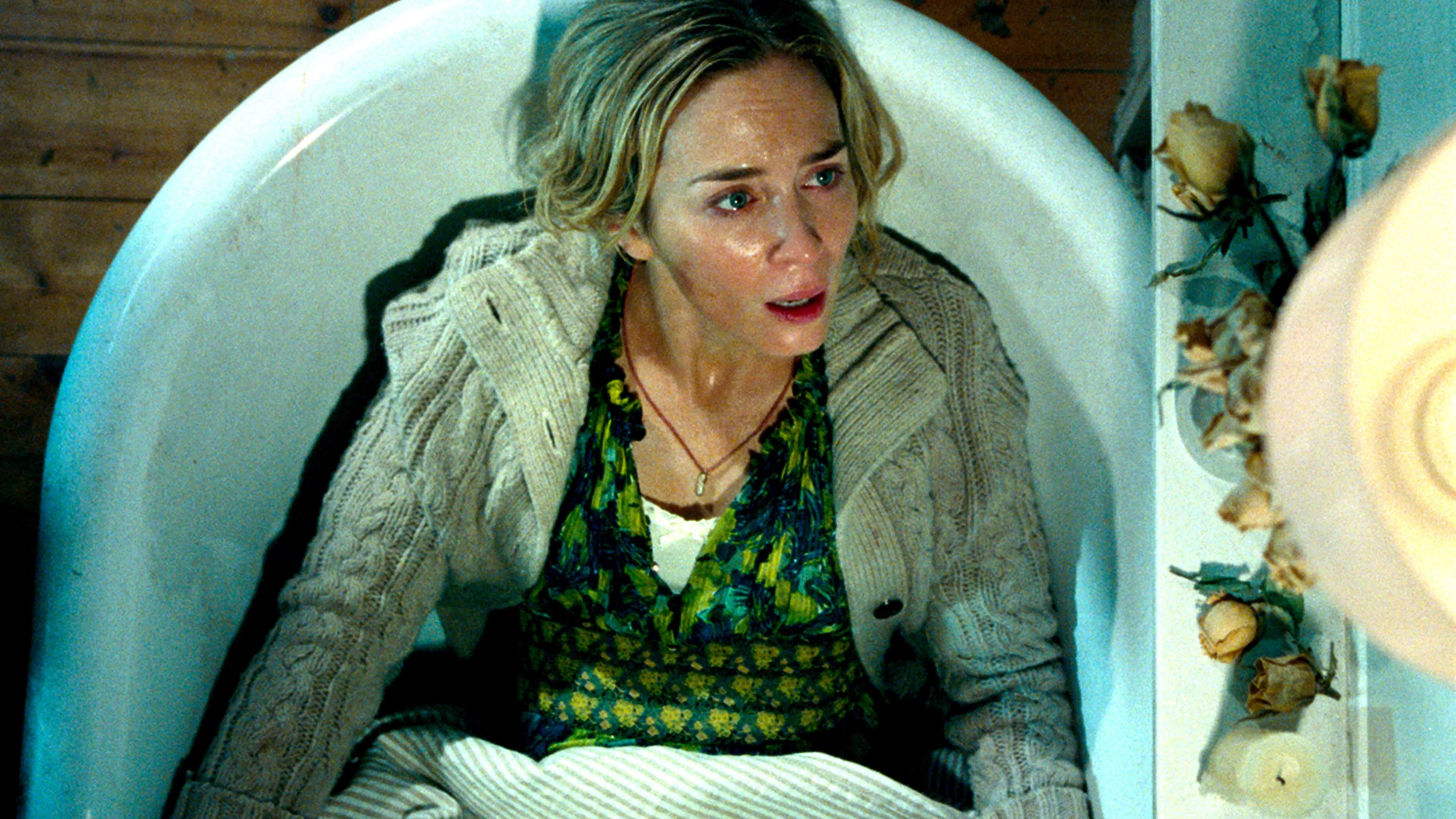
A high-concept creature feature set in a post-apocalyptic world overrun by blind aliens with hypersensitive hearing, forcing the Abbott family to live in near-total silence to survive, transforming every sound into a potential death sentence. John Krasinski directs with a focus on visual storytelling, stripping away dialogue to rely on the actors' expressions and a meticulously crafted sound design that turns the rustle of leaves or a creaking floorboard into heart-stopping jump scares. Emily Blunt and Krasinski anchor the film with performances of desperate parental love, showing how the instinct to protect one's children overrides fear, particularly in the famous bathtub sequence which remains one of the most harrowing moments in modern horror. What makes A Quiet Place unique is its manipulation of the audience, as the near-silent soundtrack forces viewers to hold their breath, creating a communal experience of tension that is rare in cinema. The film explores the guilt of survival and the burden of grief as the family navigates not just the monsters outside but the unspoken trauma of a lost child. It succeeds because it takes a B-movie premise and elevates it with emotional stakes, proving that horror is most effective when you care deeply about the people who are trying not to scream.
3. 🎬 The Babadook (2014)
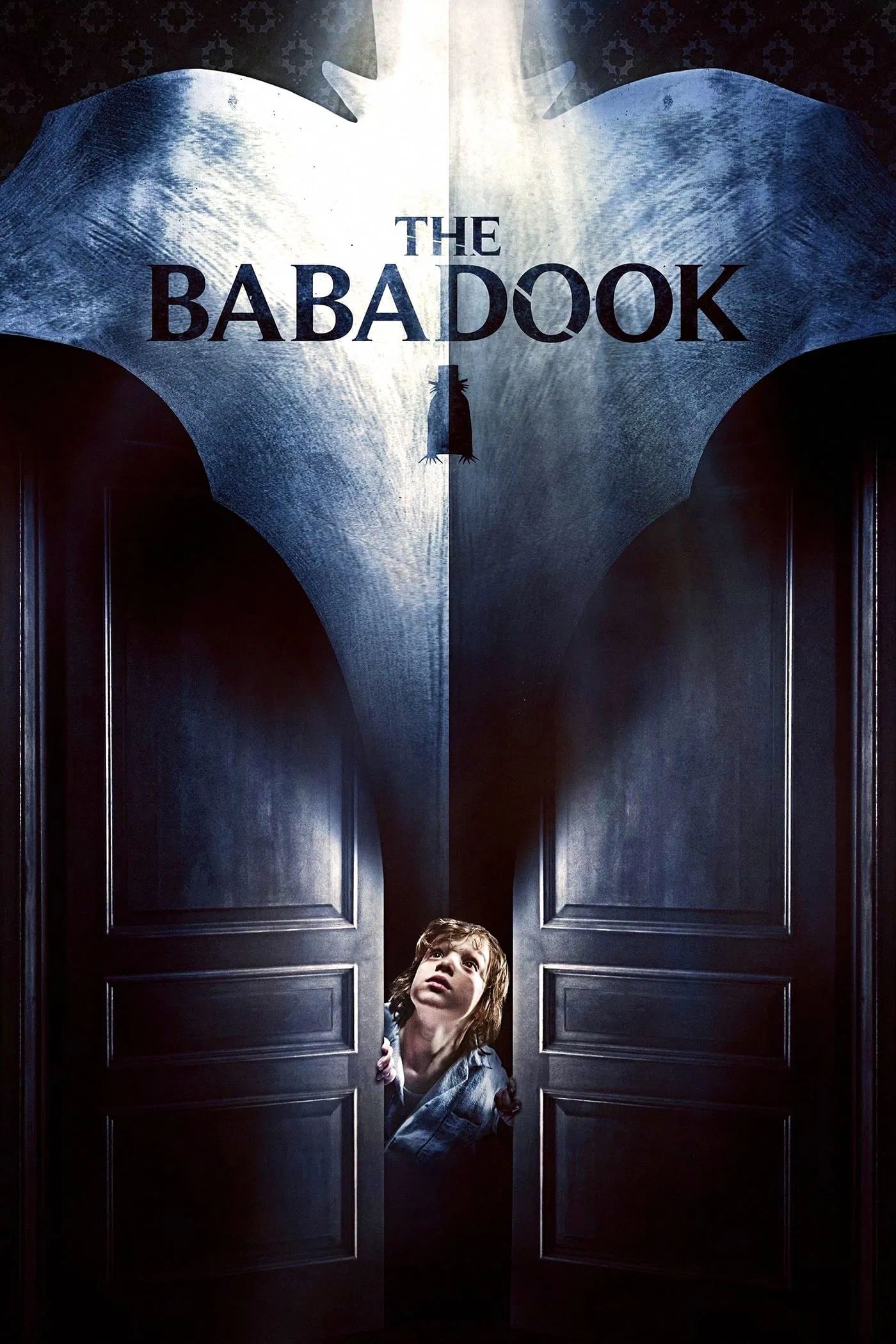
A widow and her son are tormented by a storybook monster that embodies their unresolved grief and the mother's deepening depression. It is a chilling examination of the dark side of motherhood and trauma, suggesting that personal demons can never be fully banished, only tamed.
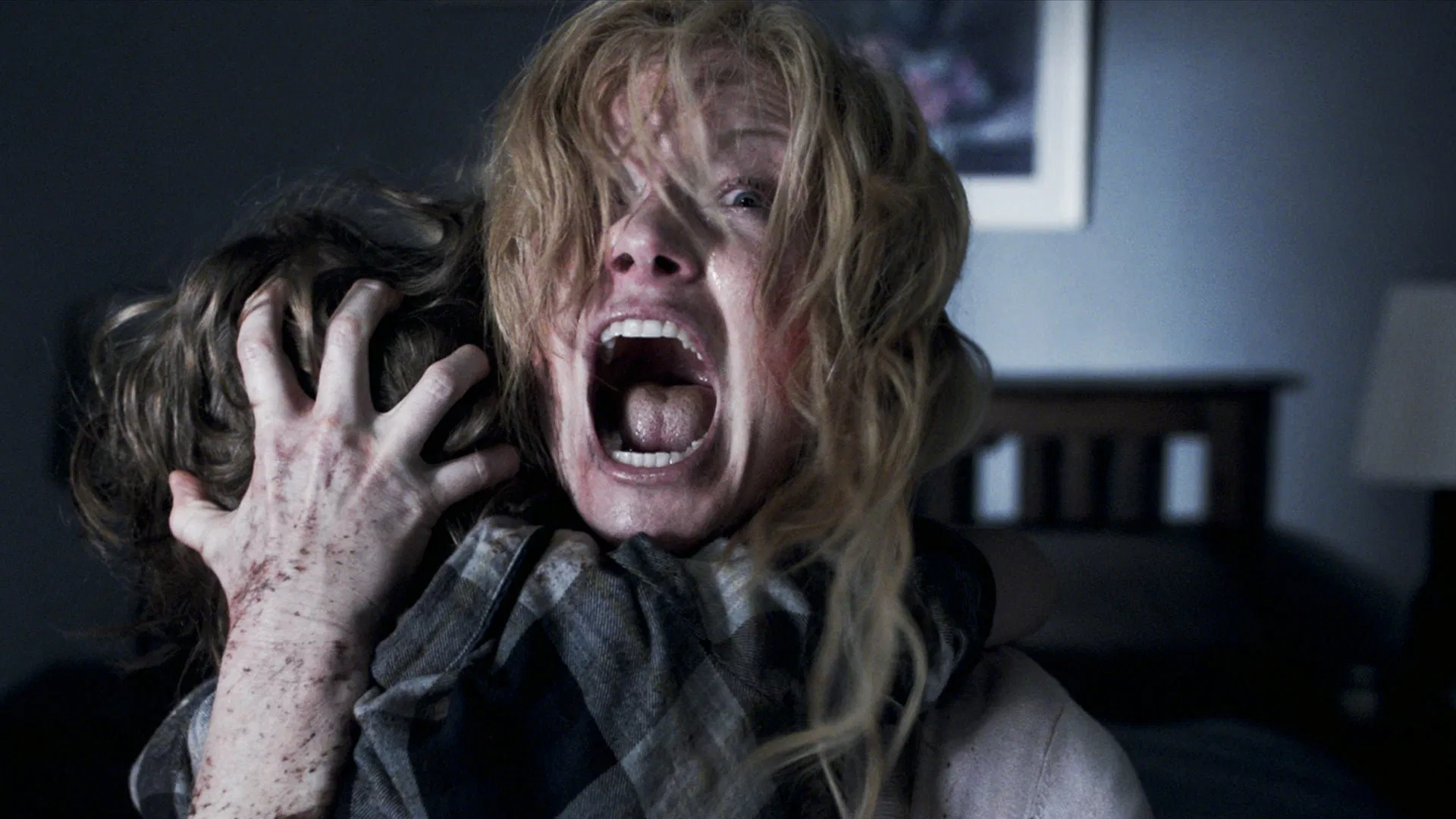
A psychological horror film that manifests grief as a literal monster, following a widowed mother, Amelia, and her troubled son, Samuel, who are haunted by a sinister presence from a mysterious pop-up book. Jennifer Kent creates a claustrophobic domestic nightmare, using the grey, drab interiors of their home to reflect Amelia’s depression, while the Babadook itself serves as the physical embodiment of the trauma she refuses to acknowledge. Essie Davis delivers a tour-de-force performance, oscillating between a protective mother and a woman on the verge of filicide, her exhaustion and resentment making her as frightening as the monster. What makes The Babadook essential is its refusal to exorcise the demon in a traditional sense, as the ending, where the monster is kept in the basement and fed, suggests that grief cannot be destroyed but only managed and lived with. The film uses German Expressionist visuals and practical effects to create a storybook aesthetic that feels wrong, enhancing the uncanny nature of the intrusion. It succeeds because it understands that the true horror isn't the creature in the closet but the fear that you might not love your child enough to save them, or worse, that you might be the one to hurt them.
4. 🎬 Sinners (2025)
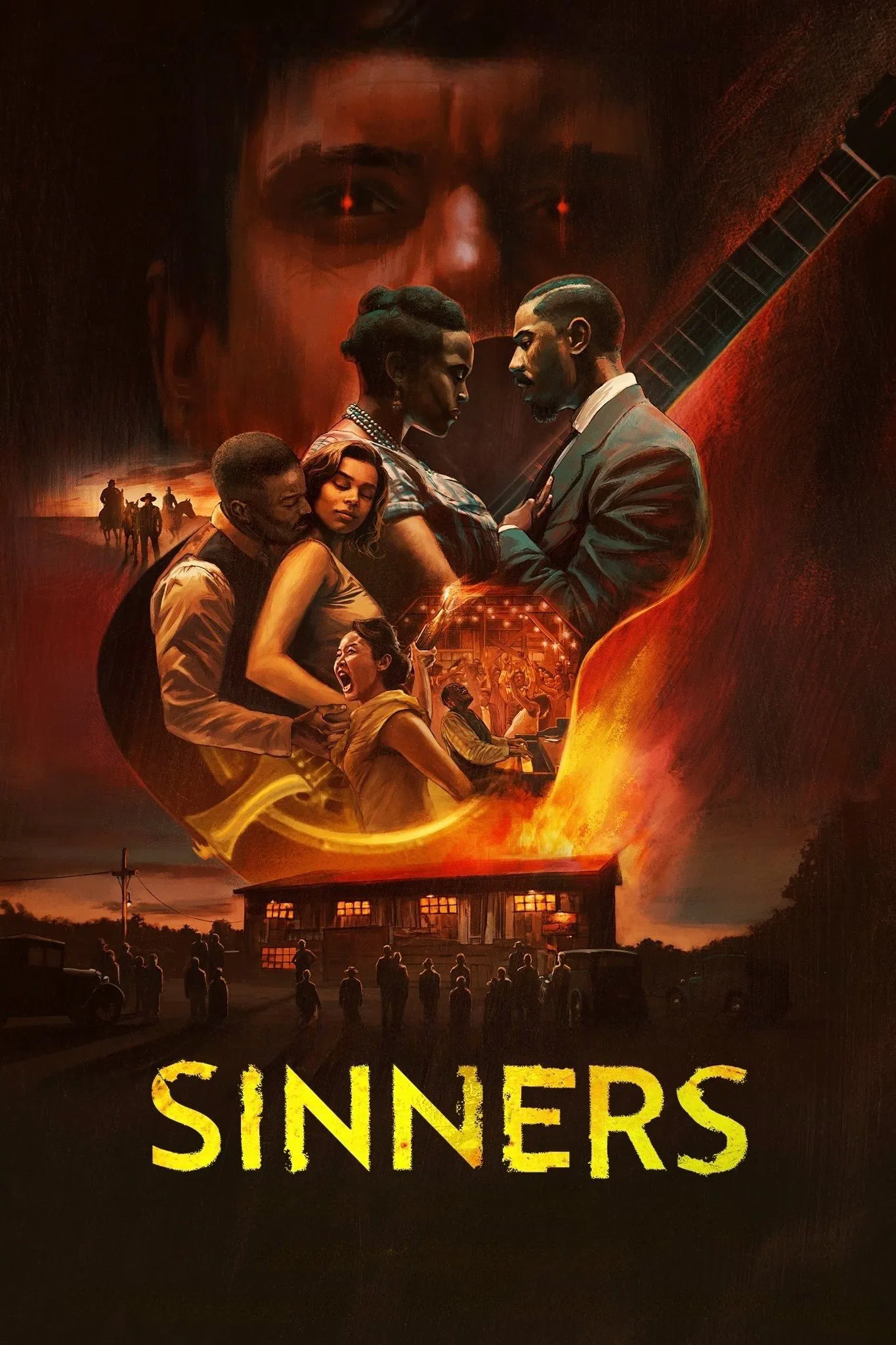
Twin brothers return to their segregated Southern hometown to combat a vampiric evil that thrives on the racial violence of the era. It reimagines vampire lore through the lens of Black history and folklore, creating a humid, atmospheric nightmare where the monsters are both supernatural and all too human.
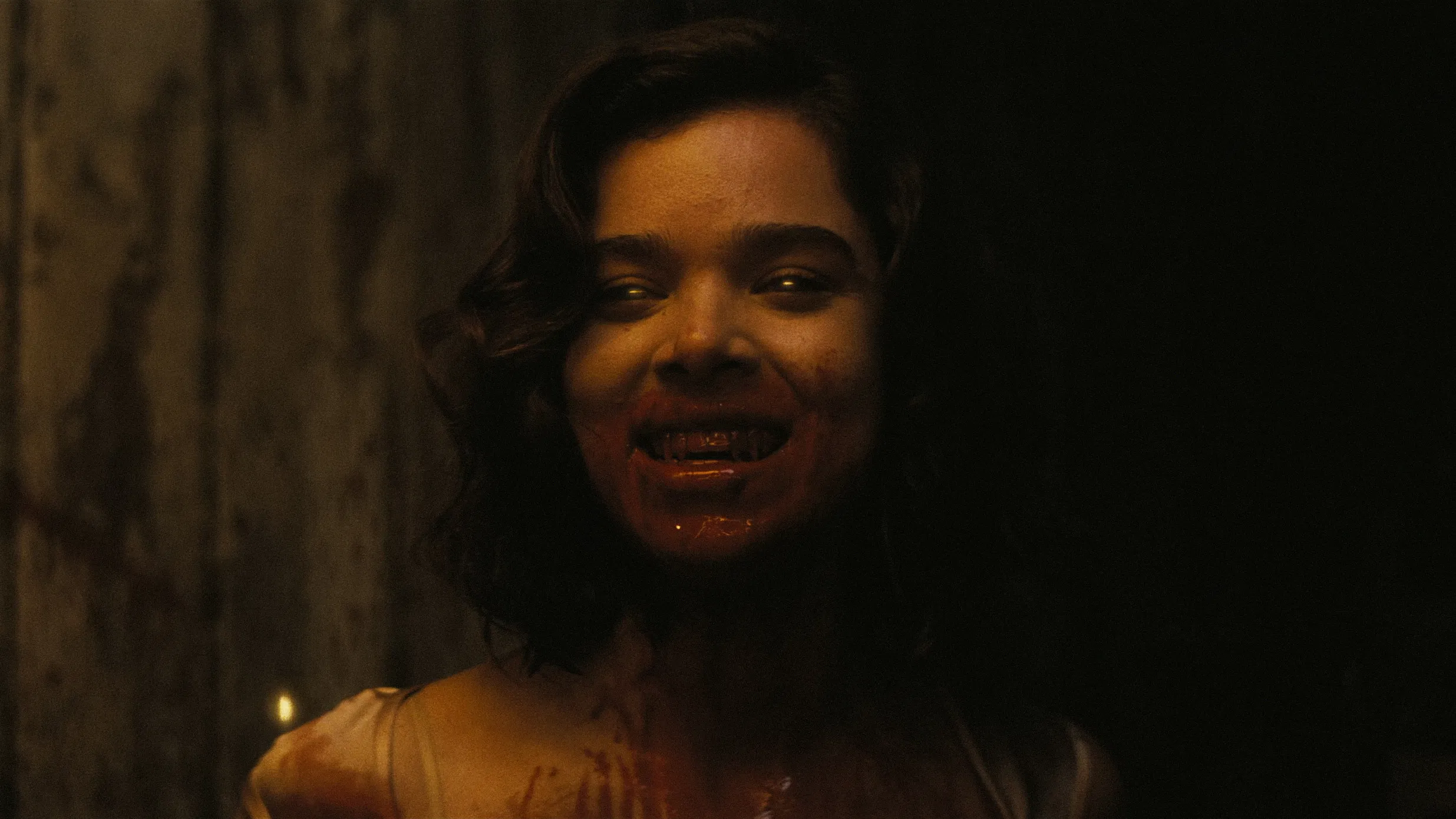
A gothic supernatural thriller set in the Jim Crow-era South, starring Michael B. Jordan in a dual role as twin brothers who return to their hometown only to find it plagued by an ancient, blood-drinking evil that feeds on the racial violence of the times. Ryan Coogler reinvents the vampire mythos, moving away from European aristocracy to root the lore in African-American folklore and the brutal reality of segregation, where the "sundown town" concept takes on a literal, supernatural meaning. Jordan’s performance distinguishes the twins through subtle physicality, one a hardened soldier and the other a man of faith, creating a dynamic where their conflicting approaches to survival drive the narrative tension. What makes Sinners a standout entry in 2025 is its atmosphere, as the humidity, the Spanish moss, and the shadows of the bayou are captured with a suffocating richness by Autumn Durald Arkapaw, making the setting a character itself. The film uses the vampire as a metaphor for the way hate consumes a community from the inside out, turning neighbors into predators. It succeeds because Coogler balances blockbuster spectacle with intimate, character-driven horror, delivering a creature feature that is as politically resonant as it is terrifying.
5. 🎬 Hereditary (2018)
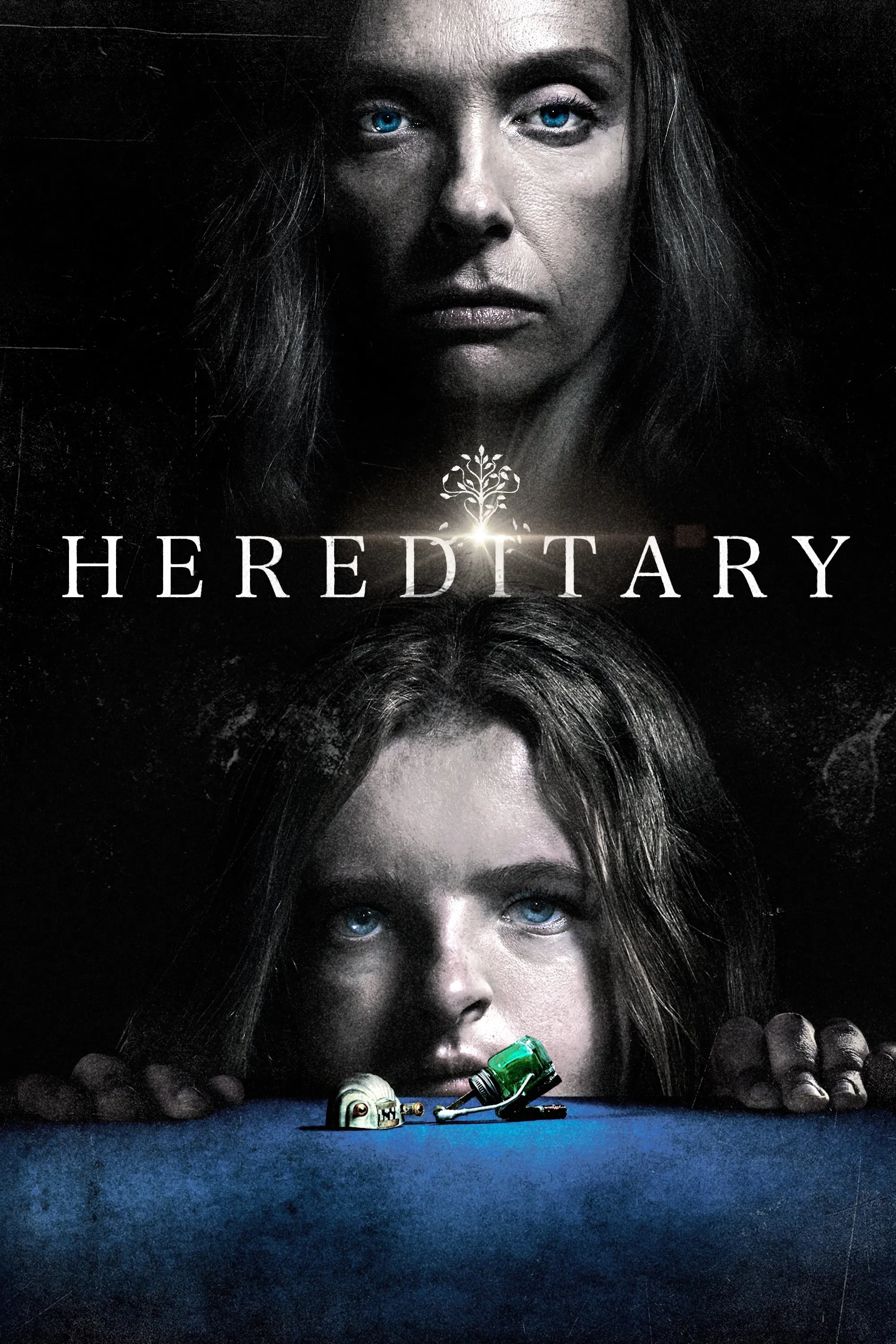
A grieving family is haunted by disturbing occurrences and dark secrets after the death of their matriarch, leading to a shocking descent into madness and occult ritual. It is a grueling, expertly crafted examination of generational trauma, anchored by a legendary performance from Toni Collette.
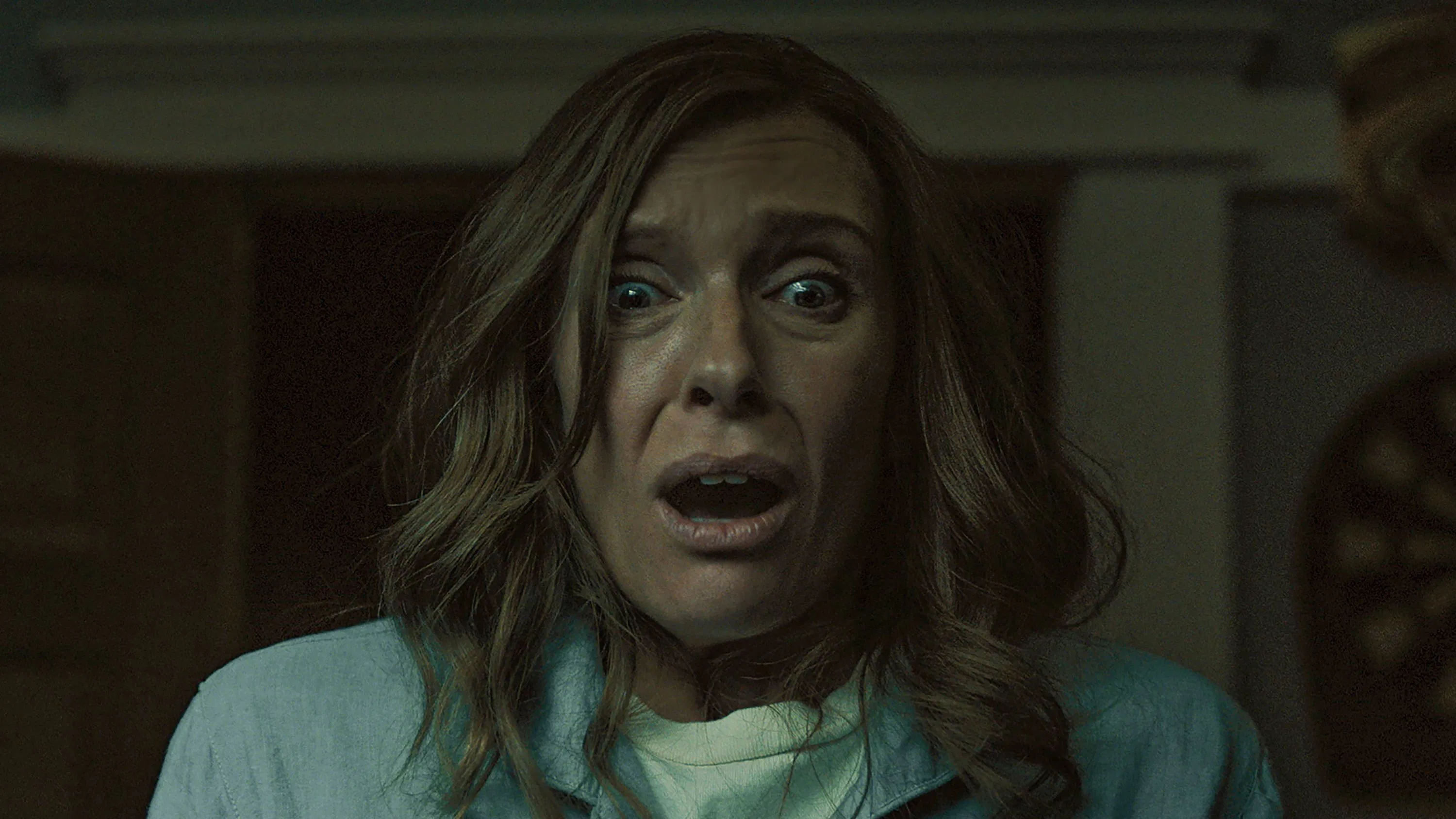
A devastating tragedy disguised as a horror movie, following the Graham family as they unravel secrets about their ancestry after the death of their secretive grandmother, spiraling into a nightmare of cultism and demonic possession. Ari Aster directs with a cruel, clinical precision, refusing to cut away from moments of shock, most notably the car accident involving the daughter, Charlie, forcing the audience to sit in the gruesome reality of the family's destruction. Toni Collette gives one of the greatest horror performances of all time as Annie, her grief manifesting in screams that curdle the blood, creating a portrait of a woman losing her mind to forces she inherited but cannot control. What makes Hereditary essential is its meticulous foreshadowing, as every miniature house Annie builds and every symbol hidden in the wallpaper points toward a grim, inevitable fate, creating a sense of doom that is suffocating. The film blends the psychological horror of mental illness with the supernatural terror of the occult, blurring the lines until the chaotic, floating finale. It succeeds because it taps into the primal fear that we are not in control of our own lives but are merely puppets acting out a script written by the sins of our parents.
6. 🎬 Weapons (2025)
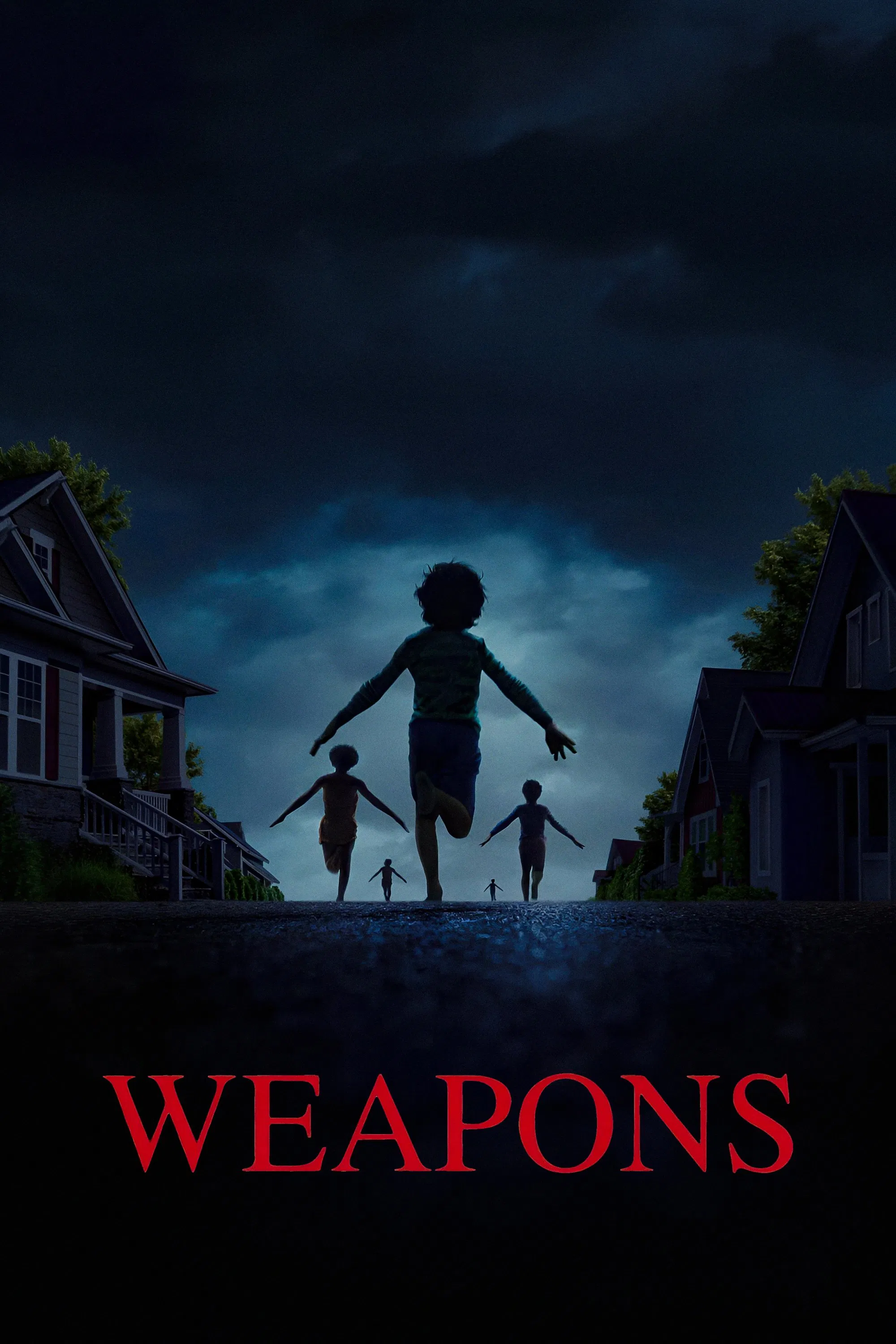
A sprawling horror saga connecting missing teens, police corruption, and cosmic dread in a small town where an unseen force manipulates reality. It defies genre boundaries, using shifting perspectives and unpredictable narrative turns to create a terrifying portrait of a community tearing itself apart.
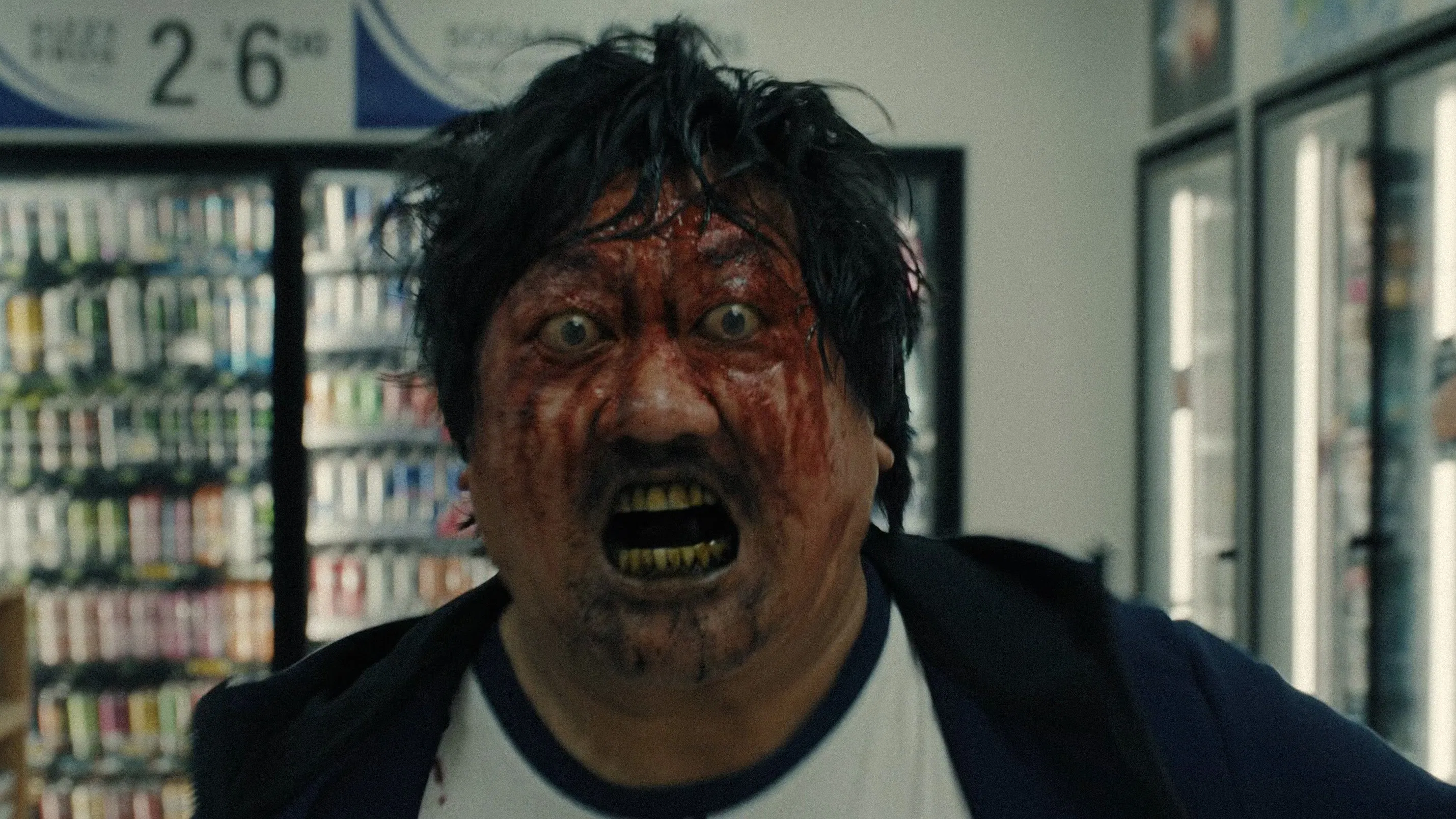
An expansive, multi-narrative horror epic that weaves together the stories of missing high schoolers, a corrupt police force, and a small town harboring a cosmic secret, all connected by a mysterious, unseen force that weaponizes reality itself. Zach Cregger, following the success of Barbarian, creates a sprawling mosaic of terror that feels like a modern American Magnolia but drenched in dread, shifting tones from slasher tension to psychological thriller and sci-fi horror seamlessly. The film is built on misdirection, so just as the audience settles into one character's story, the narrative brutally pivots, reinforcing the idea that no one is safe and the evil is omnipresent. Josh Brolin anchors the ensemble as a detective whose investigation leads him to the edge of sanity, his grizzled pragmatism crumbling against the logic-defying nature of the threat. What makes Weapons define the horror landscape of 2025 is its ambition, as it refuses to be contained by a single sub-genre, using the concept of "weapons" to explore how trauma, secrets, and even belief can be used to destroy people. It succeeds because Cregger masters the art of the unexpected, keeping the audience in a state of constant disorientation until the final, earth-shattering revelation connects the disparate threads.
7. 🎬 Under the Skin (2013)
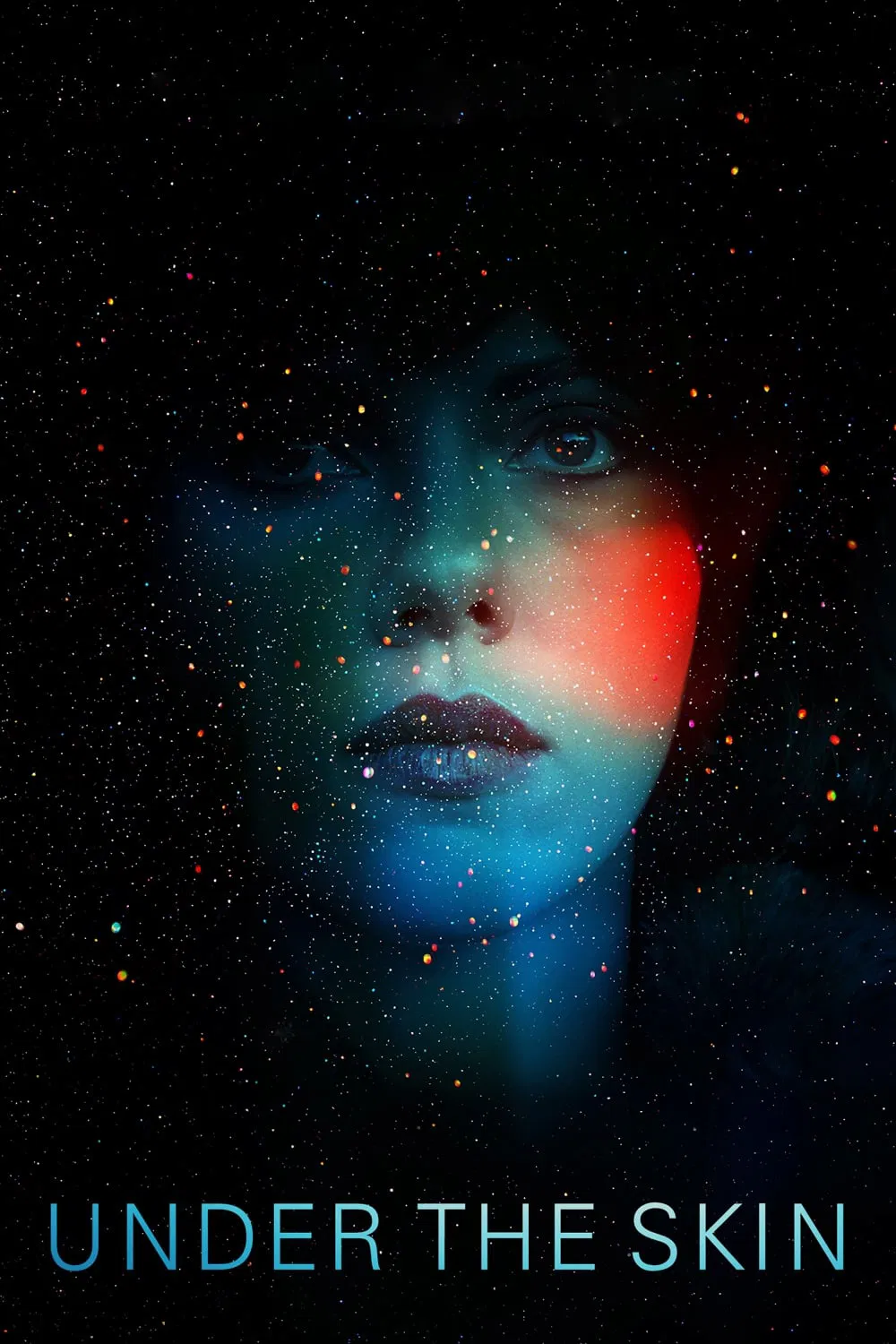
An alien in human form stalks the streets of Scotland, luring men into a void of liquid blackness while slowly developing a fatal curiosity about her prey. It is a visually arresting, avant-garde masterpiece that explores humanity from a cold, predatory perspective, aided by a haunting experimental score.
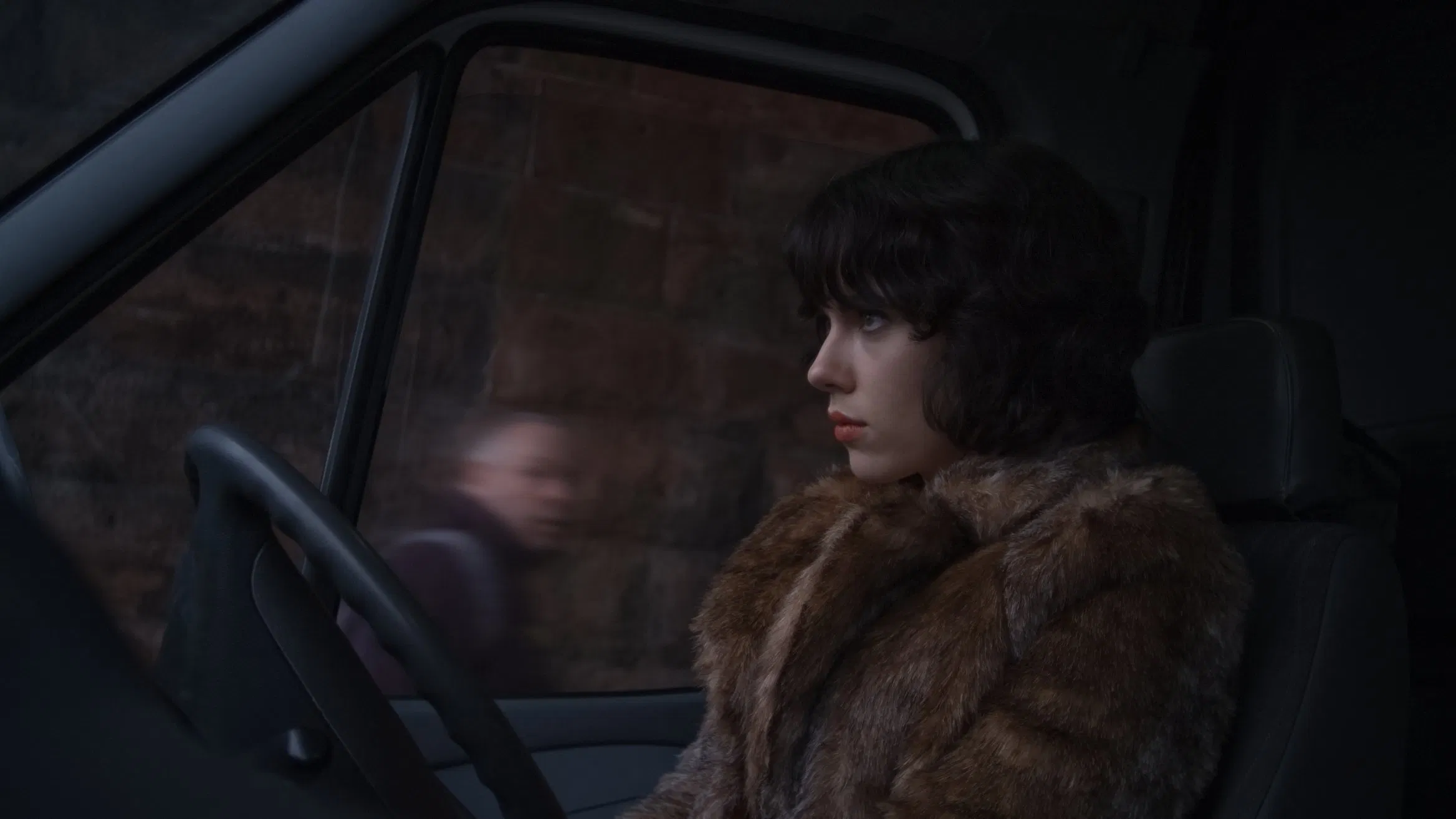
A sci-fi horror film that observes humanity through the alien eyes of an extraterrestrial predator, played by Scarlett Johansson, who harvests men in Scotland, the narrative stripping away exposition to create a pure, sensory experience. Jonathan Glazer uses hidden cameras and non-actors for the street scenes, creating a jarring contrast between the mundane reality of Glasgow and the stylized, black-void surrealism of the alien's lair, where victims sink into a liquid abyss. Johansson’s performance is chillingly detached, a blank slate that gradually develops a flicker of empathy which ultimately leads to her undoing in a world that is cruel to anything different. What makes Under the Skin essential is its inversion of the "female gaze" where the alien hunts men using her sexuality as bait, but the horror comes from her absolute lack of interest in them as anything other than meat. Mica Levi’s discordant, screeching score acts as the alien’s internal monologue, creating a sense of dread that is physical rather than intellectual. It succeeds because it refuses to explain its lore, forcing the viewer to feel the alienation of the protagonist, proving that true horror lies in the realization of how fragile and biological human beings actually are.
8. 🎬 The Invisible Man (2020)
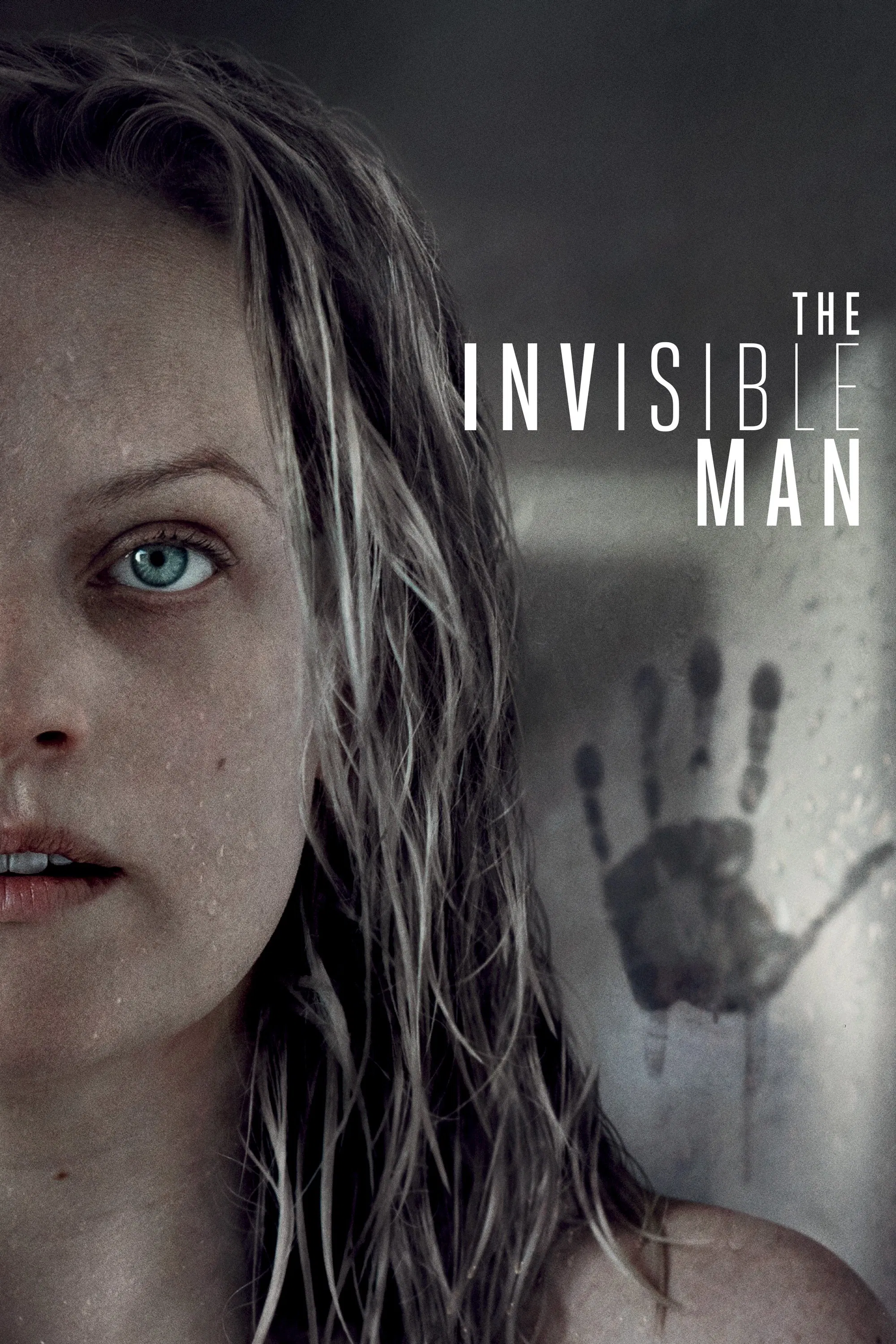
A woman believes she is being stalked by her abusive, tech-mogul ex-boyfriend who has found a way to become invisible after faking his suicide. It transforms a classic monster movie into a tense psychological thriller about gaslighting, paranoia, and the lingering trauma of domestic violence.
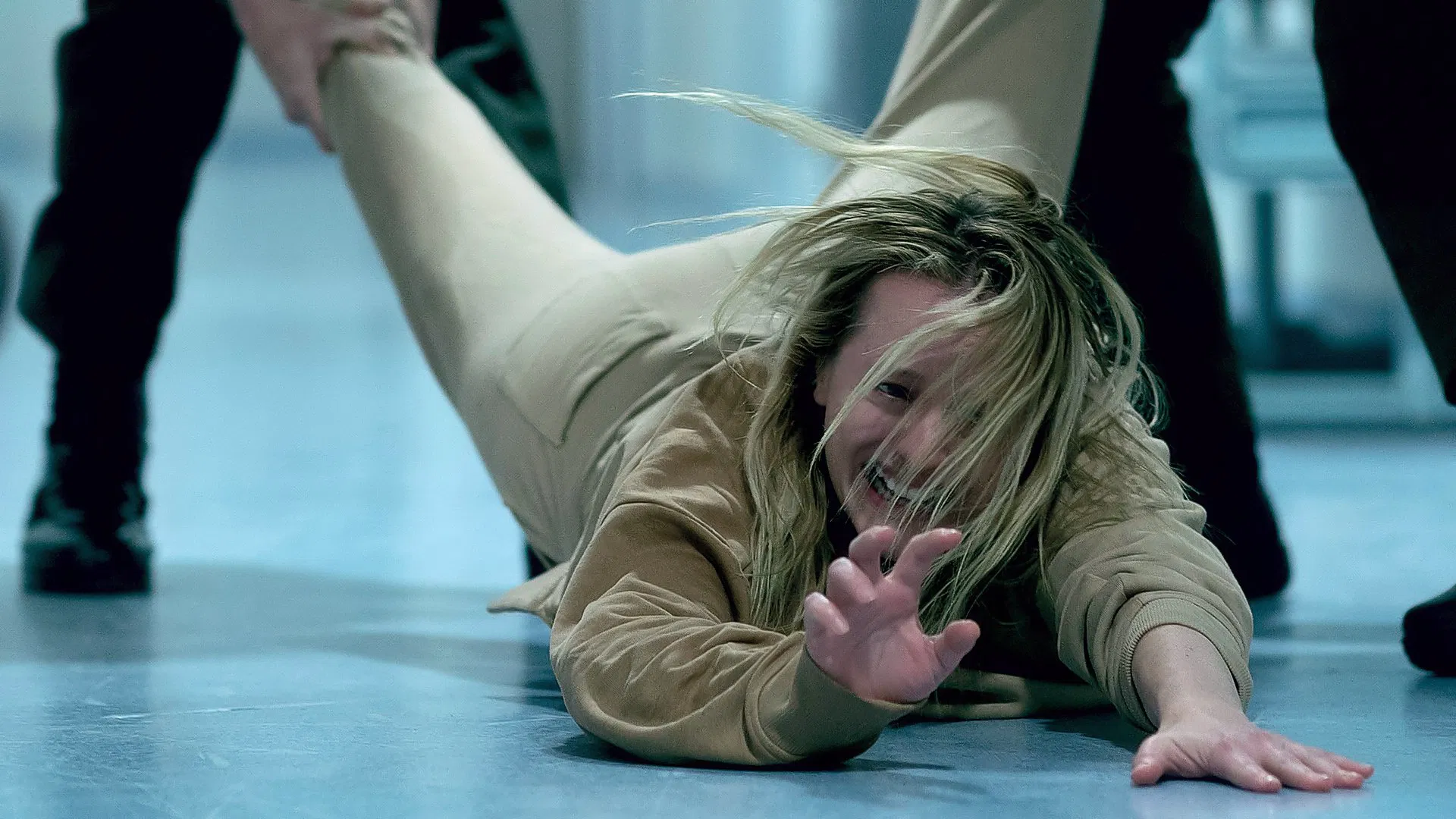
A modern update of the classic Universal monster, re-imagining the story not as a sci-fi adventure but as a terrifying metaphor for gaslighting and domestic abuse, following Cecilia Kass as she is hunted by her abusive ex-boyfriend who has faked his death and used optics technology to become invisible. Leigh Whannell utilizes empty space as a weapon, frequently panning the camera to corners of the room where nothing is there, or so it seems, forcing the audience to scan the frame for threats just as the paranoid protagonist does. Elisabeth Moss delivers a frantic, physical performance, capturing the isolation of a victim whom no one believes, her descent into apparent madness serving the villain's ultimate goal of control. What makes The Invisible Man effective is its grounding in reality, as the "monster" is not a supernatural beast but a wealthy narcissist with tech, making the threat feel plausibly modern. The restaurant scene, a moment of sudden, shocking violence in a public place, shatters the safety of the "witness" rule in horror movies. It succeeds because it validates the victim's experience, turning the invisible trauma of abuse into a visible, lethal antagonist that must be confronted with lethal force.
9. 🎬 Midsommar (2019)

A grieving American woman joins her boyfriend on a trip to a remote Swedish village festival that turns into a violent, sun-drenched pagan nightmare. It is a visually stunning folk horror film that explores the terror of codependency and the seductive, destructive power of cults.
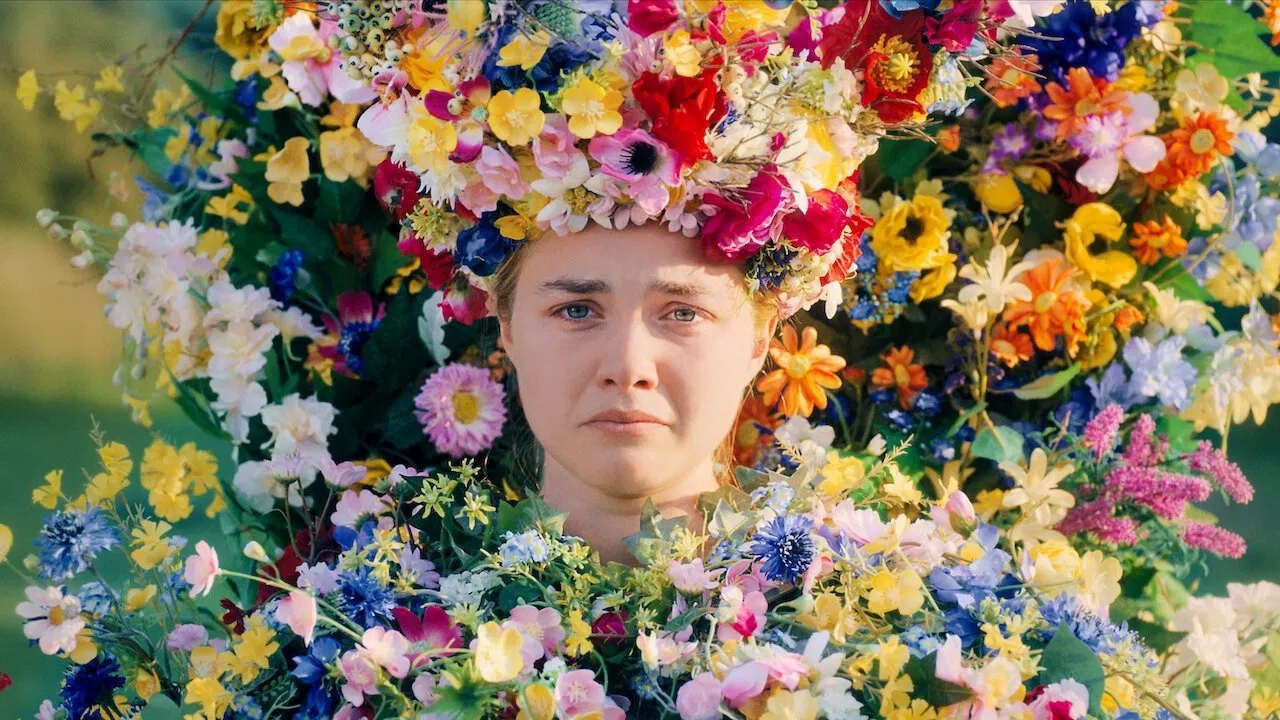
A folk horror breakup movie set in the perpetual daylight of a Swedish summer, following Dani and her distant boyfriend Christian as they visit a remote commune for a midsummer festival that descends into pagan ritual and blood sacrifice. Ari Aster inverts the standard horror trope of "darkness equals danger" by staging the most grotesque violence in bright, blinding sunshine, creating a surreal atmosphere where there are no shadows to hide in. Florence Pugh’s performance as Dani is the emotional anchor, her journey from crushing grief to manic acceptance mirroring the audience's seduction by the cult's empathy. What makes Midsommar disturbing is not just the gore but the way the Hårga cult weaponizes community, as they cry when you cry and scream when you feel pain, offering a twisted form of belonging that Dani desperately needs. The floral aesthetics and hallucinogenic cinematography create a fairy-tale quality that makes the brutality feel almost beautiful. It succeeds because it treats the indoctrination process as a twisted therapy session, proving that sometimes the scariest thing isn't being killed but being welcomed into a family that requires you to burn your past to the ground.
10. 🎬 The Others (2001)
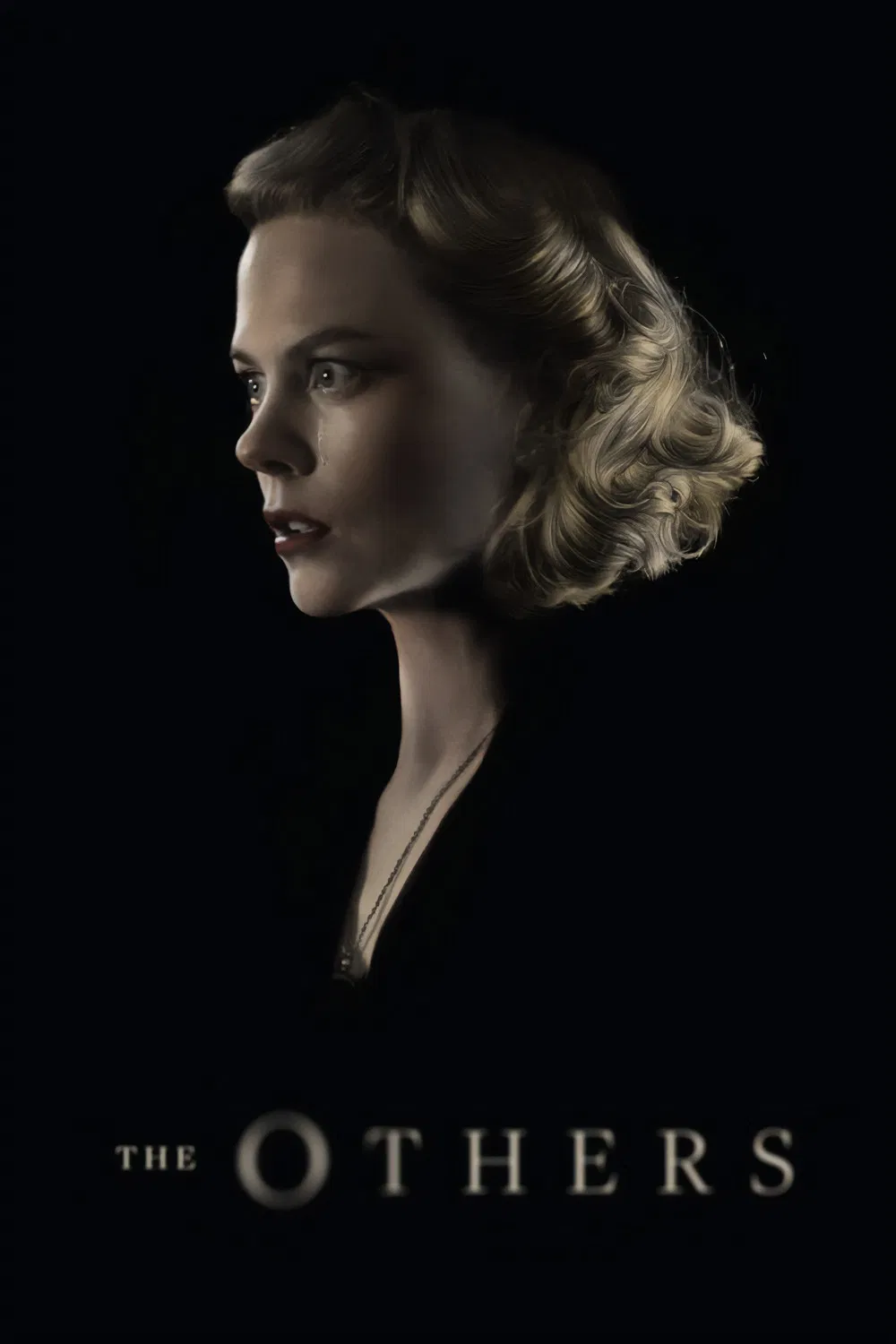
A mother protects her light-sensitive children in a darkened mansion, becoming convinced that the house is haunted by malevolent spirits. It is a masterful, atmospheric ghost story with a legendary twist ending that challenges the viewer's perception of life, death, and who the real "others" are.
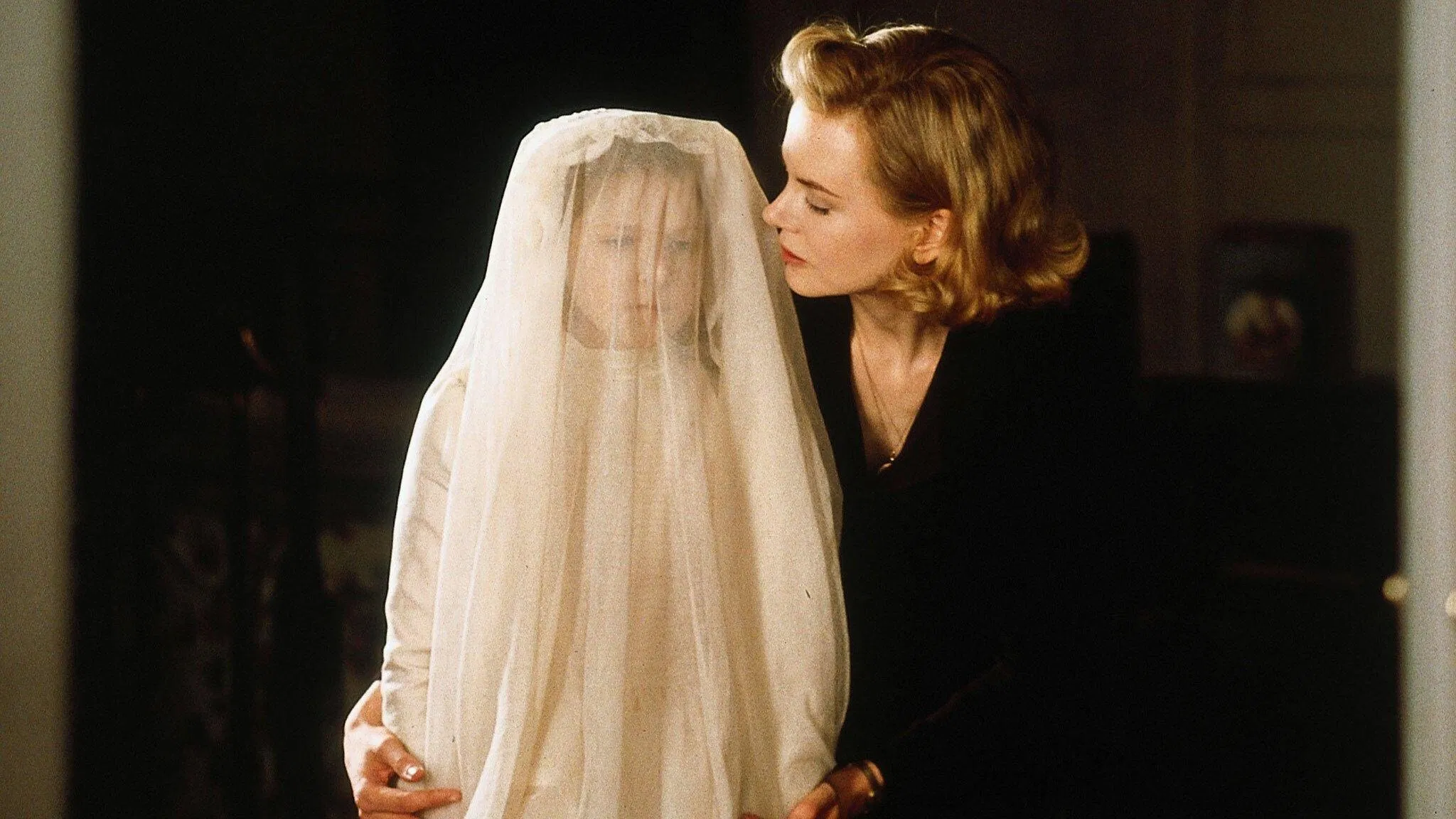
A gothic ghost story set in a fog-bound Jersey mansion towards the end of World War II, following a devoutly religious mother protecting her photosensitive children from "intruders" she believes are haunting their home. Alejandro Amenábar crafts a film of shadows and whispers, relying on atmosphere rather than jump scares, using the mechanic of the children's light allergy to keep the house in perpetual, suffocating darkness. Nicole Kidman plays Grace with a brittle, frantic intensity, her rigid adherence to rules and religion crumbling as she realizes that her faith cannot explain the phenomena occurring around her. What makes The Others a classic is its masterful control of perspective, as it aligns the viewer so completely with Grace's fear that the famous twist ending recontextualizes the entire film, turning a standard haunted house tale into a tragedy about denial and perspective. The scene involving the daughter playing with puppets under a white sheet is a masterclass in building tension through simple imagery. It succeeds because it returns to the elegance of old-school horror, proving that a creaking door and a sheer curtain can be more terrifying than any CGI monster if the emotional stakes are real.
11. 🎬 The Witch (2015)
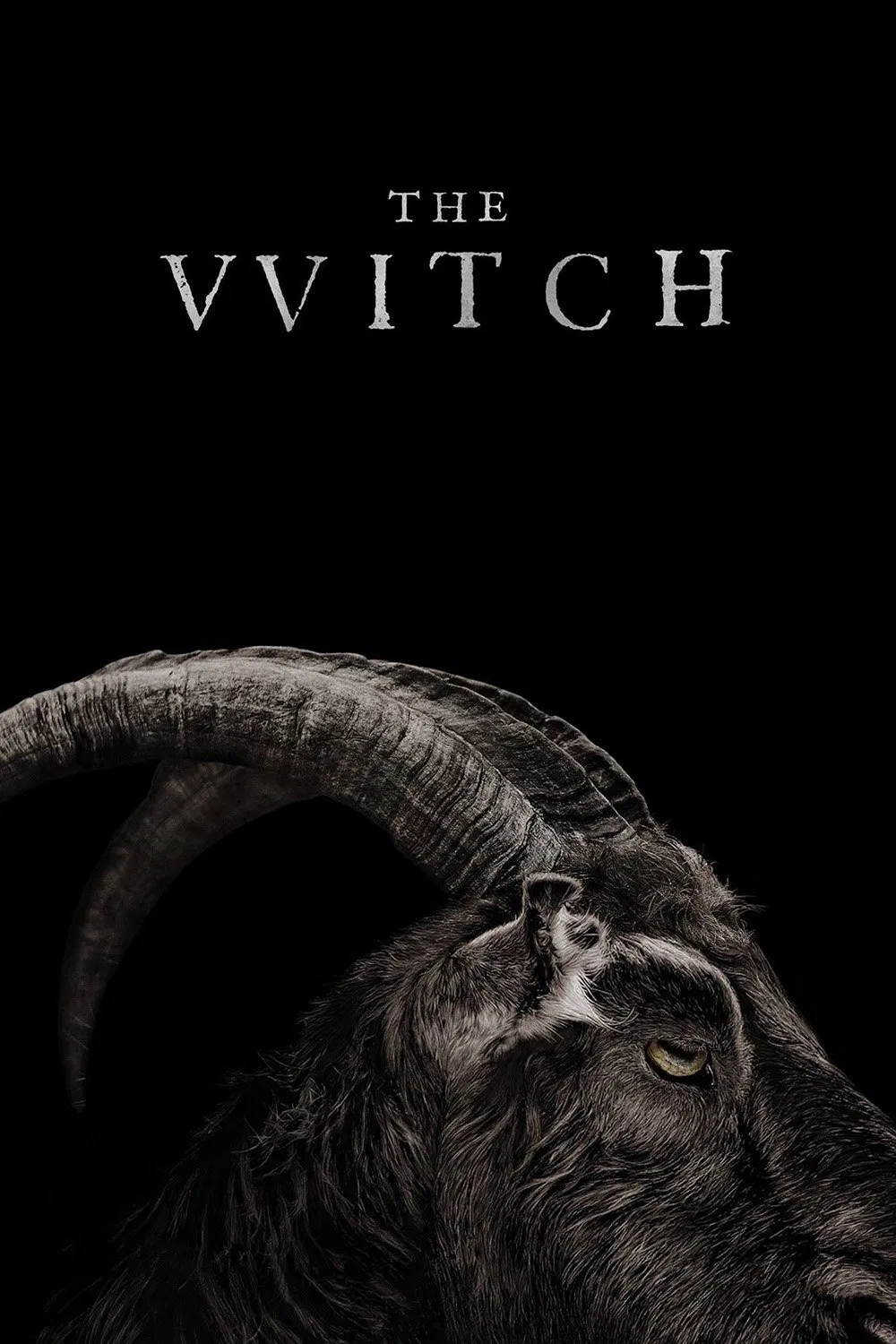
A banished Puritan family in 1630s New England is torn apart by witchcraft, black magic, and their own religious paranoia after their baby vanishes. It is a historically immersive folk horror film that explores the disintegration of a family and the terrifying allure of sin.
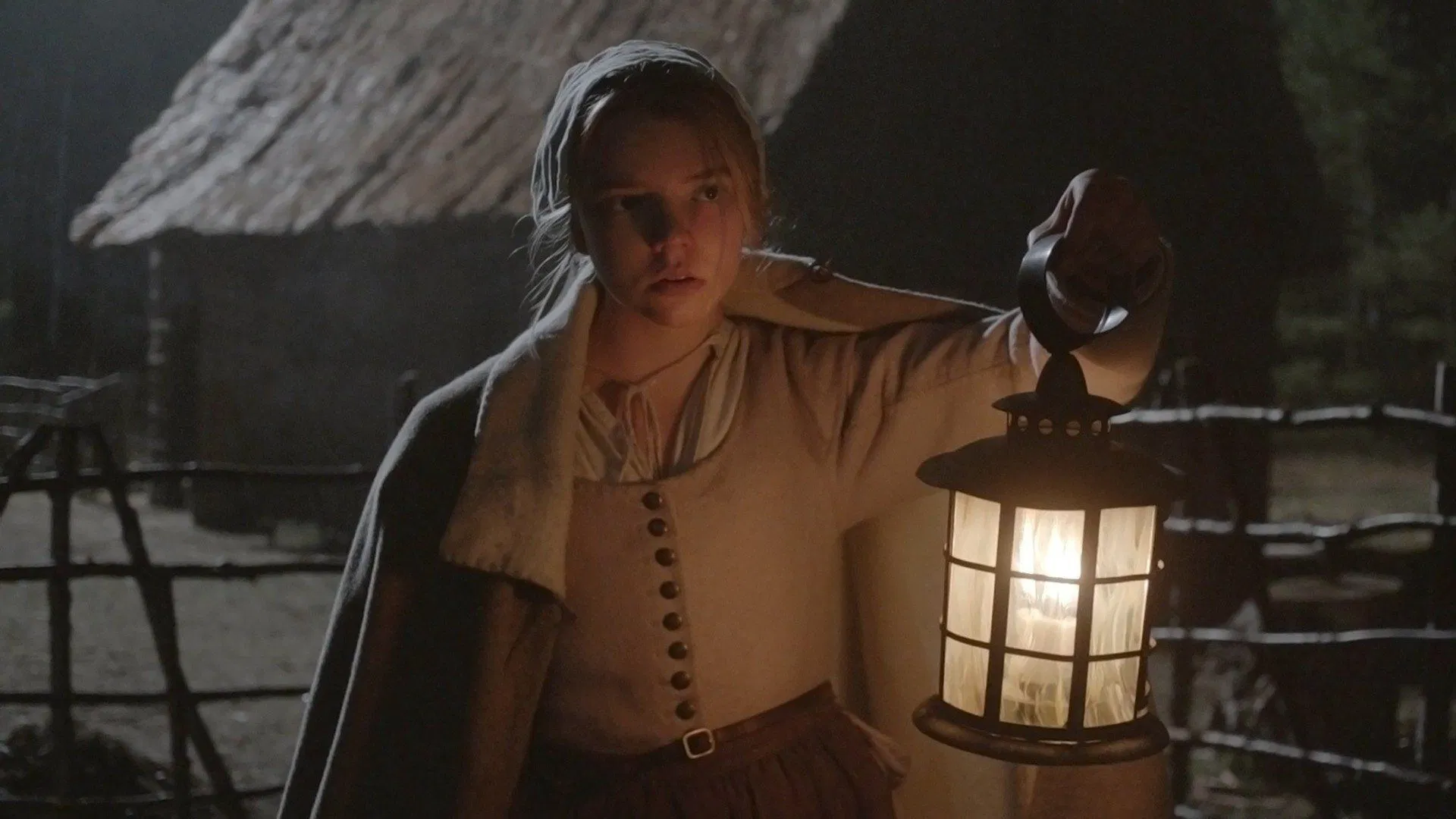
A New England folktale set in the 1630s, following a Puritan family banished to the edge of an ominous wood, where their infant son's disappearance unravels their sanity and exposes them to the forces of witchcraft. Robert Eggers commits to absolute historical authenticity, using period-accurate dialect and natural lighting to create a world that feels harsh, dirty, and vulnerable to the supernatural. Anya Taylor-Joy stars as Thomasin, the eldest daughter who becomes the scapegoat for the family's misfortunes, her coming-of-age story twisted into a dark liberation by the devil himself. What makes The Witch terrifying is its treatment of the supernatural as a mundane reality of the time, for to these characters, God and the Devil are as real as the crops failing, making their religious paranoia the true engine of their destruction. The presence of Black Phillip, the family goat, builds a subtle, menacing tension that culminates in one of the most iconic endings in modern horror. It succeeds because it explores how religious repression and patriarchal control create the very "witches" they fear, proving that freedom sometimes looks like dancing with the devil.
12. 🎬 It Follows (2014)
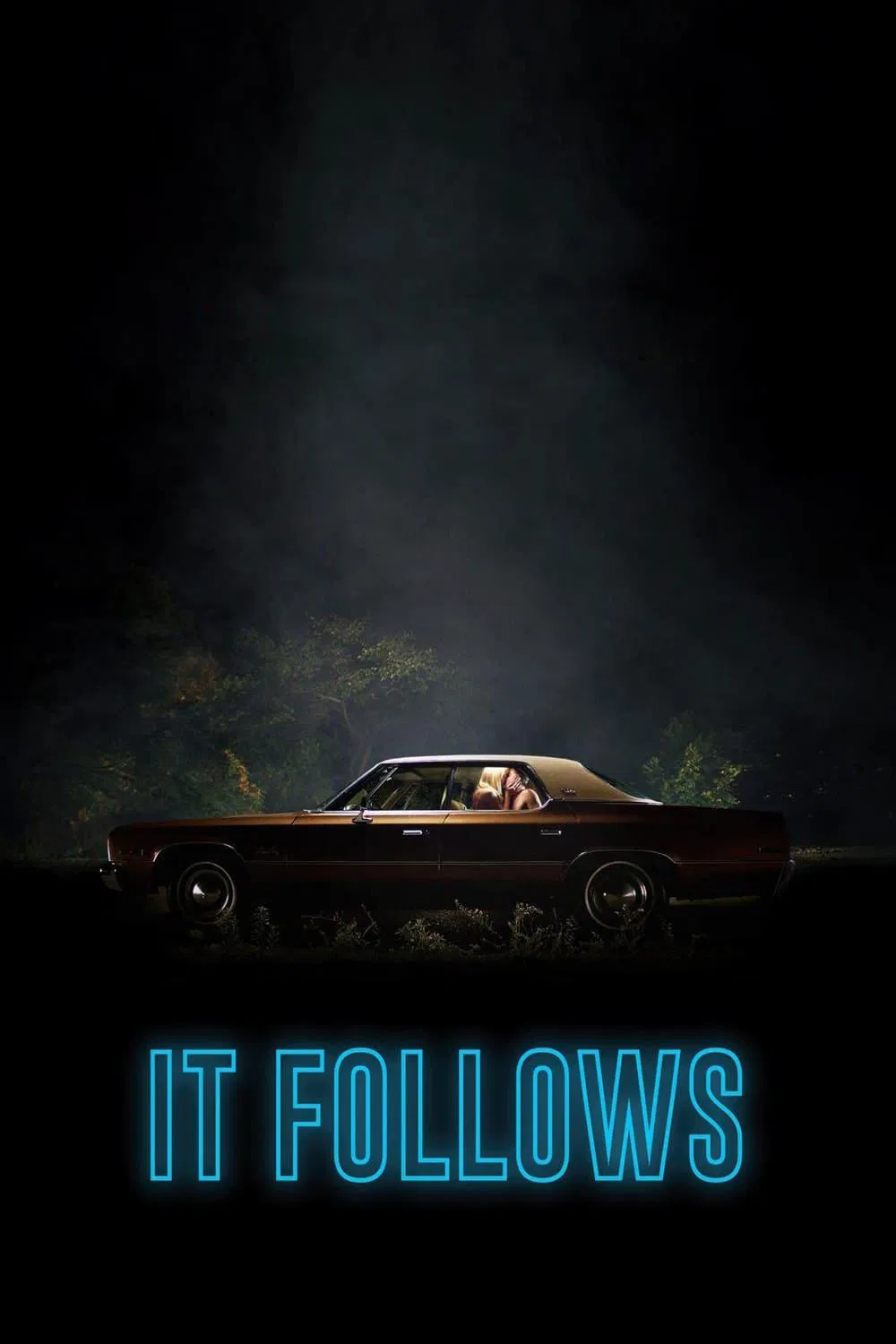
A teenager is hunted by a shape-shifting supernatural force that slowly walks towards her after she receives a sexually transmitted curse. It is a stylish, synth-heavy horror film that turns the act of walking into a source of dread, serving as a metaphor for the inescapable nature of death and trauma.
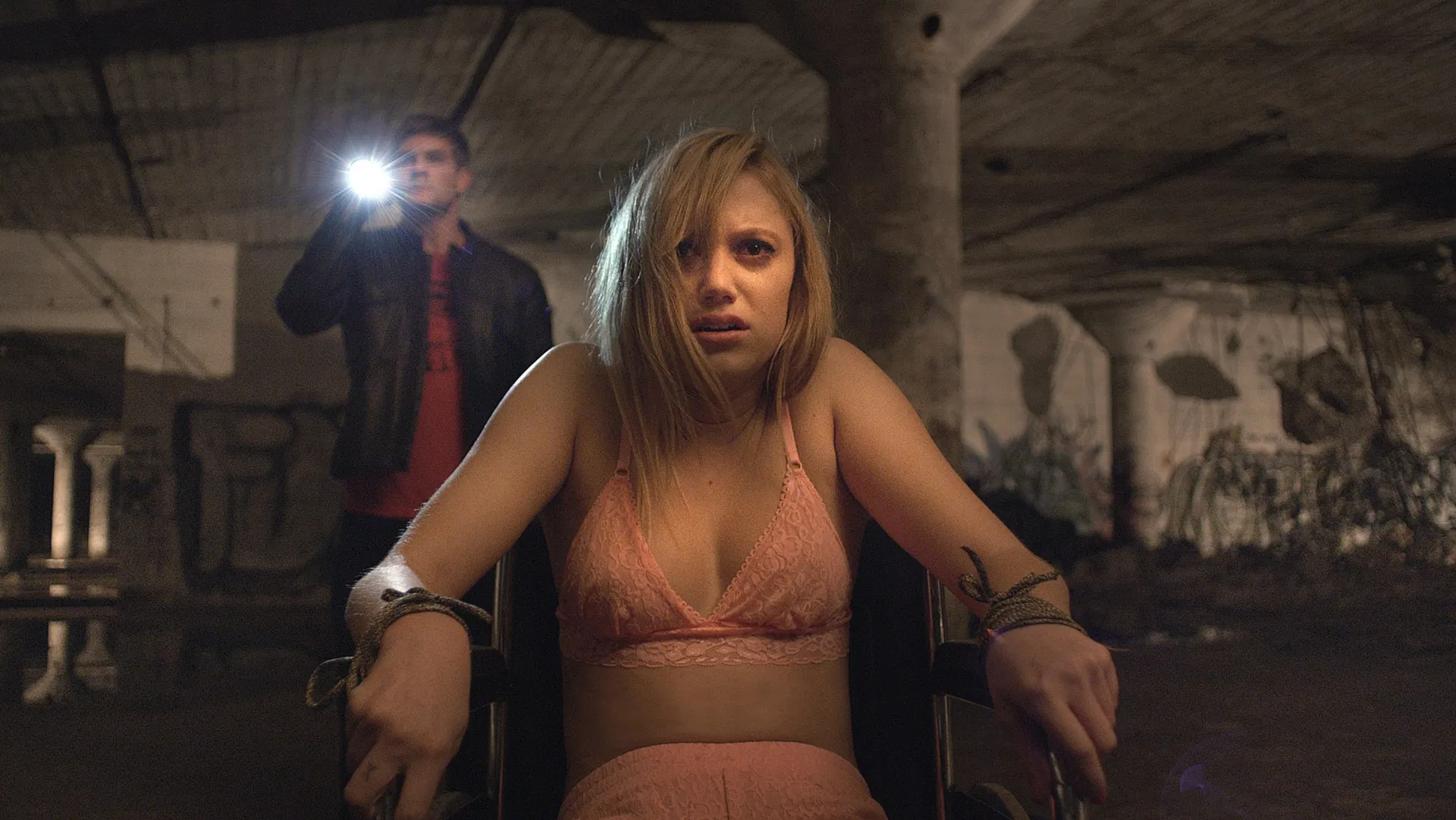
A supernatural thriller with a dream-like logic, centering on Jay, a teenager who contracts a fatal curse after a sexual encounter where a shape-shifting entity will walk slowly but relentlessly toward her until it catches and kills her, unless she passes it on to someone else. David Robert Mitchell taps into the anxiety of youth and intimacy, using the entity as a metaphor for the inevitability of death and the lingering consequences of sexual awakening. Maika Monroe plays Jay with a numb, shell-shocked quality, her life reduced to a constant state of looking over her shoulder. What makes It Follows iconic is its visual style, as the camera performs slow, 360-degree pans that force the audience to scan the background for anyone walking towards the center of the frame, turning every extra into a potential threat. The synthesizer score by Disasterpeace is abrasive and nostalgic, enhancing the timeless, suburban limbo setting. It succeeds because of the simplicity of its monster, for it doesn't run and it doesn't scream, it just walks, creating a sense of dread that is exhausting and inescapable, proving that the most effective horror often comes from the slow, steady approach of our own mortality.
13. 🎬 The Conjuring (2013)
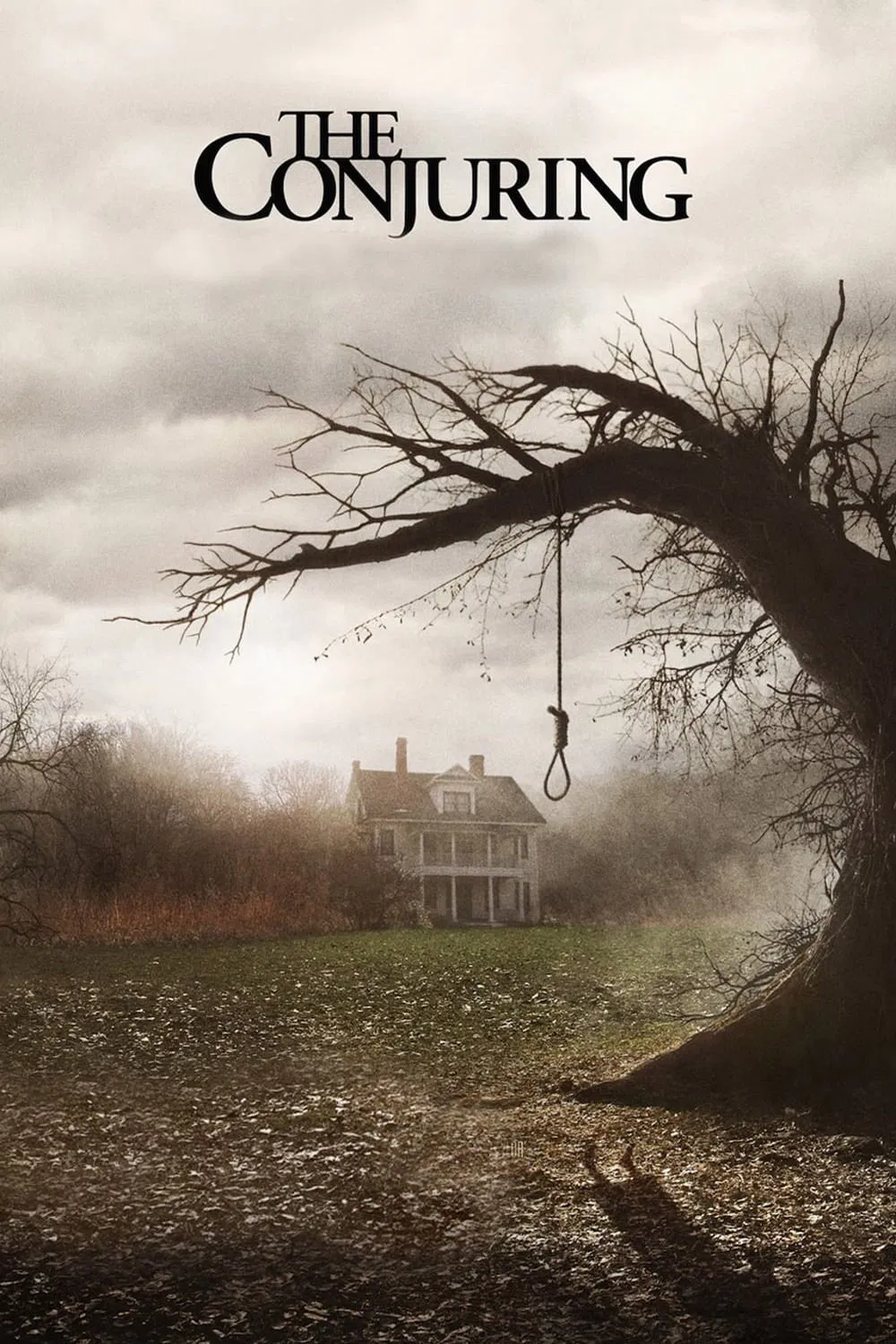
Paranormal investigators Ed and Lorraine Warren try to save a family terrorized by a dark presence in their farmhouse. It is a polished, classic haunted house film that relies on atmosphere, practical scares, and strong character dynamics to revitalize the genre.
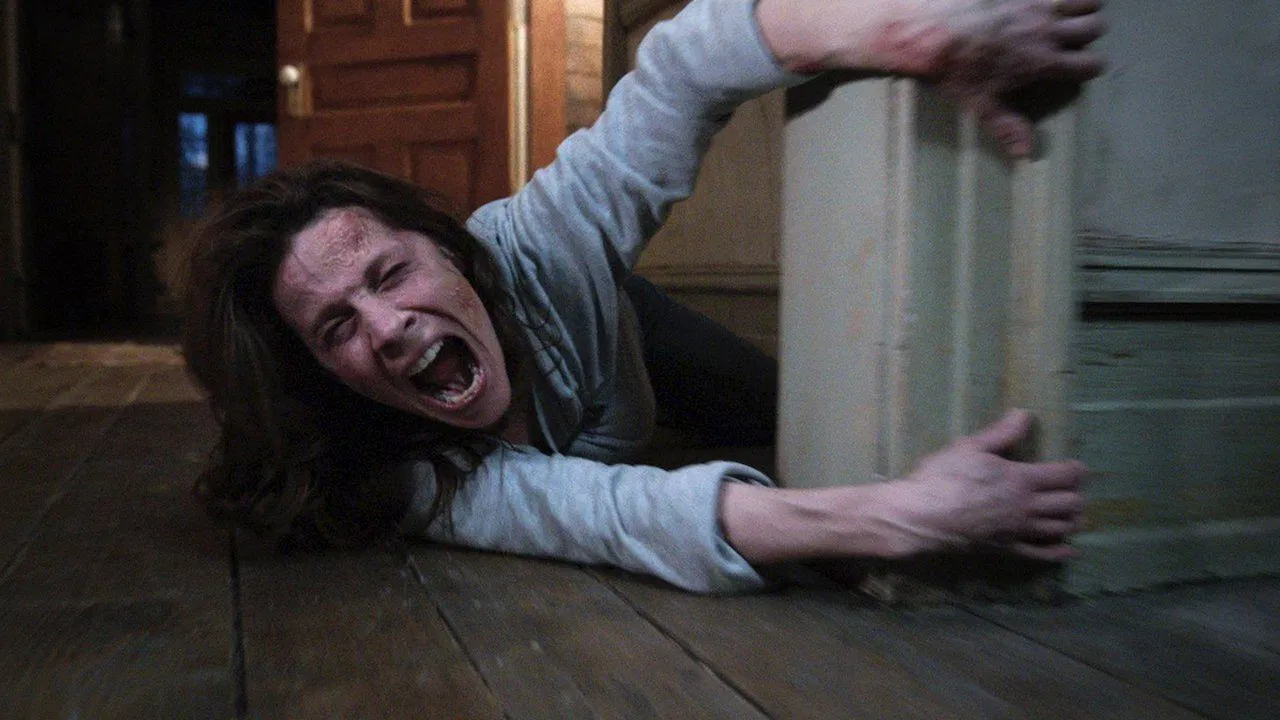
A supernatural horror film based on the case files of paranormal investigators Ed and Lorraine Warren, recounting their attempt to help the Perron family, whose Rhode Island farmhouse is plagued by a malevolent entity. James Wan revitalized the mainstream haunted house genre by focusing on old-fashioned craftsmanship, using practical effects, long takes, and expertly timed jump scares rather than gore. Vera Farmiga and Patrick Wilson bring a grounded warmth to the Warrens, their competent partnership providing a safety anchor for the audience amidst the chaos, while Lili Taylor’s portrayal of the possessed mother anchors the horror in human tragedy. What makes The Conjuring essential is its "hide and clap" sequence, a masterclass in using silence and darkness to build anticipation, and its ability to make seasoned horror tropes feel dangerous again. The film treats the demonic threat with a seriousness that recalls 1970s cinema, avoiding cynicism to deliver pure, unadulterated frights. It succeeds because it focuses on the family unit, making the terror personal, for we care about the Warrens and the Perrons, proving that a horror movie works best when you are rooting for the characters to survive, not just waiting for them to die.
14. 🎬 Don't Breathe (2016)
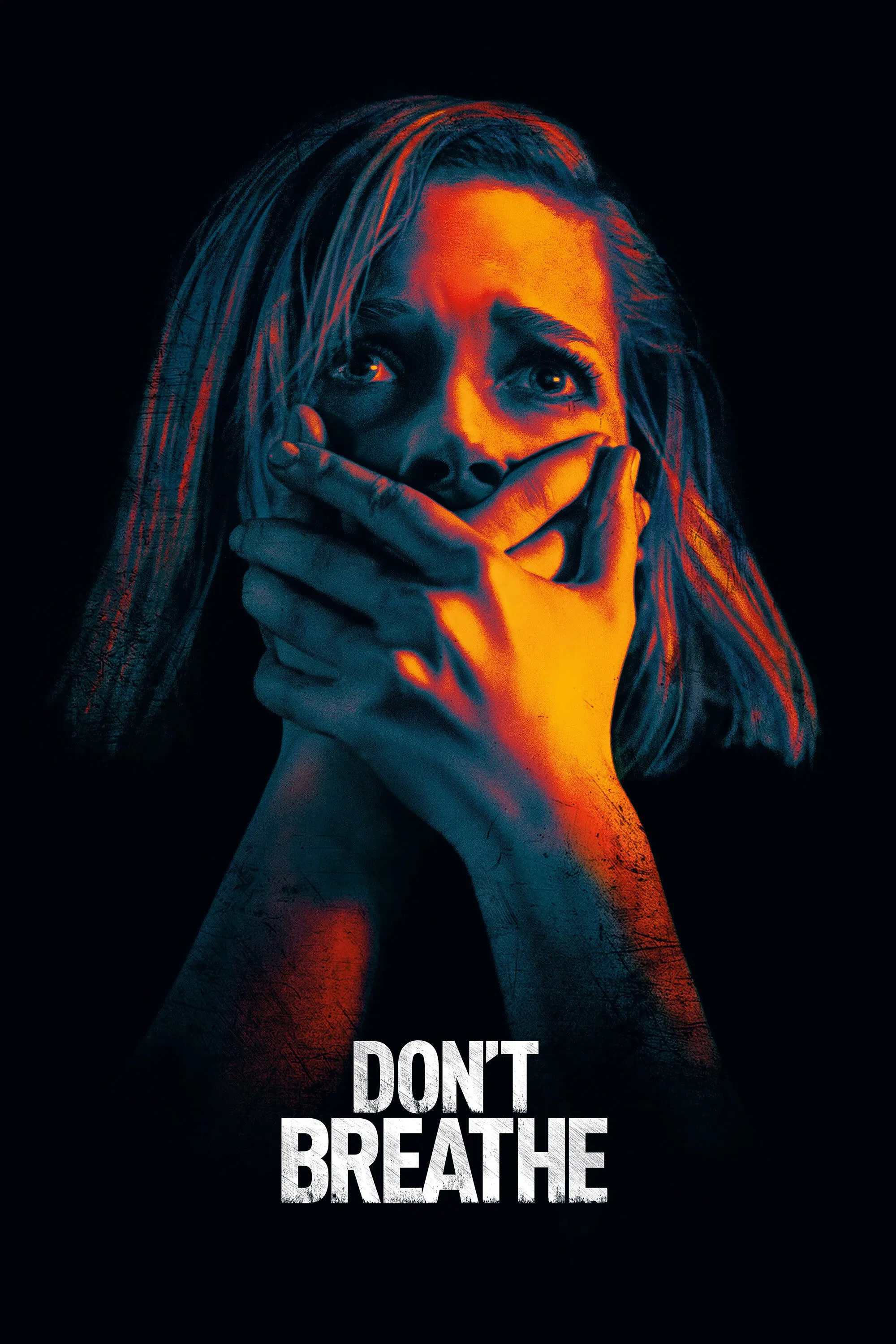
Three thieves break into the home of a wealthy blind man, thinking it will be an easy score, but find themselves trapped in a deadly game of cat and mouse. It is a tense, claustrophobic thriller that utilizes silence and darkness to create unbearable suspense.
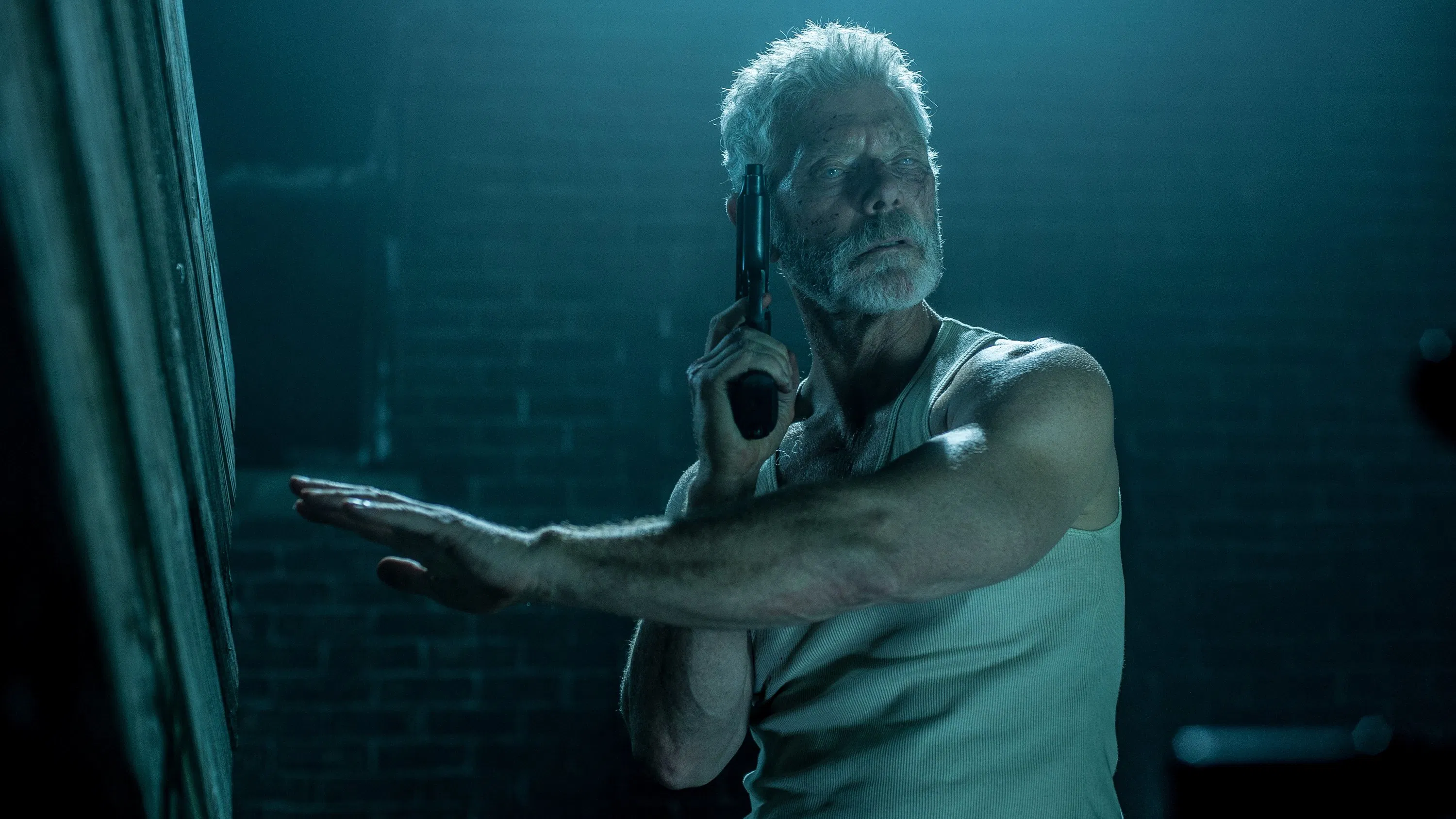
A home invasion thriller that flips the script, following three delinquents who break into the house of a blind Gulf War veteran to steal his settlement money, only to realize that their "helpless" victim is a terrifyingly capable killer. Fede Álvarez creates a masterpiece of sensory deprivation and claustrophobia, using the silence of the house against the intruders, where every creaky floorboard or gasp for air can be fatal. Stephen Lang plays the Blind Man with a primal, animalistic intensity, his heightened senses turning the dark basement into his domain where the sighted are at a disadvantage. What makes Don't Breathe grueling is its moral ambiguity, as the protagonists are criminals, but the revelations about what the Blind Man is hiding in his basement shift the sympathy in disturbing ways, creating a "no-win" scenario for the audience. The "darkness" sequence, filmed in greyscale to simulate total lack of light, effectively puts the viewer in the shoes of the terrified intruders. It succeeds because it strips the horror movie down to its bare essentials of survival, breath, and silence, proving that a human monster is often more terrifying than a supernatural one because his motives are grounded in a twisted, tangible reality.
15. 🎬 Let the Right One In (2008)
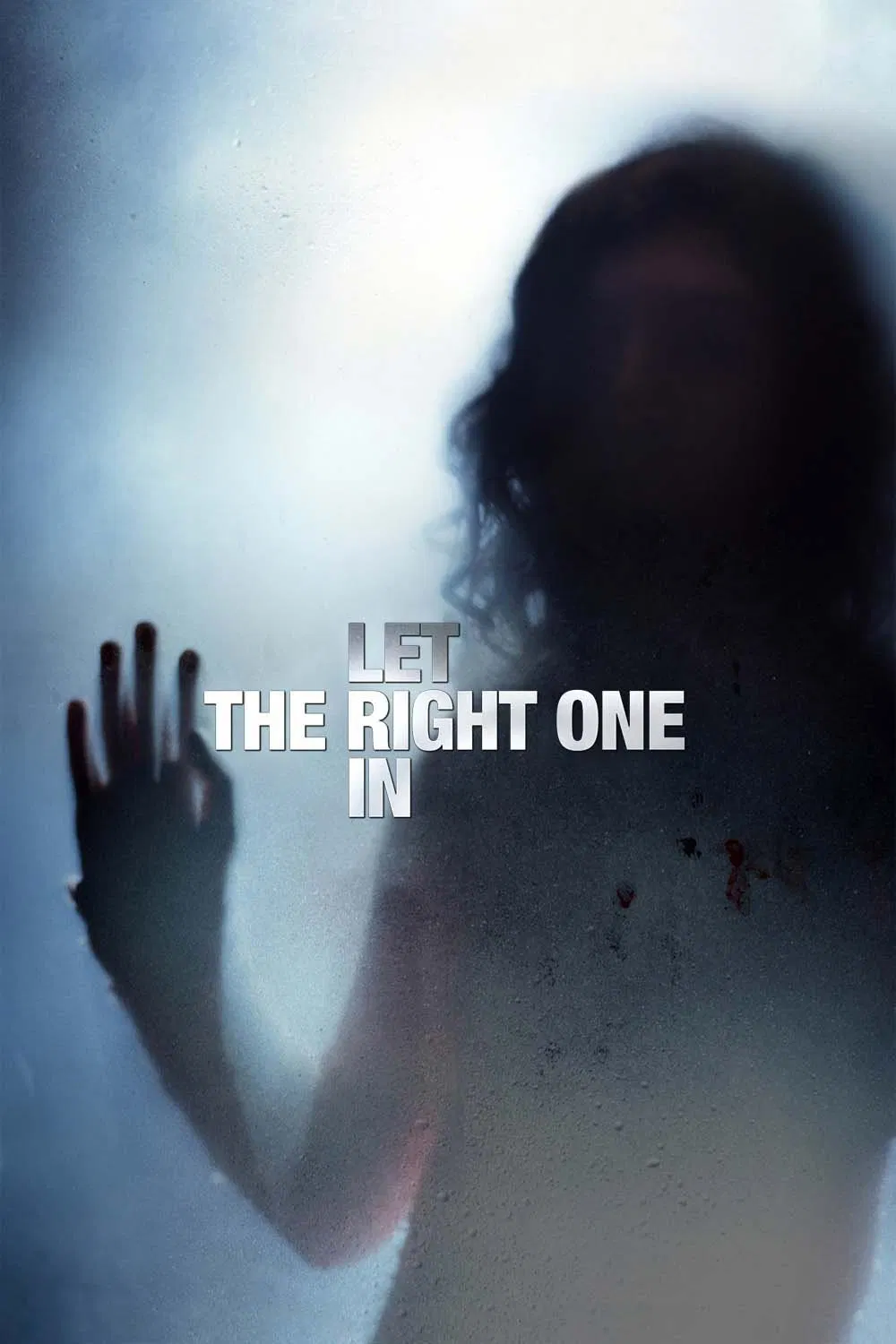
A lonely, bullied boy befriends a vampire child in 1980s Sweden, forming a bond that leads to a violent and tragic protection. It is a melancholic, beautiful blend of coming-of-age drama and vampire horror that explores the brutal side of love and survival.
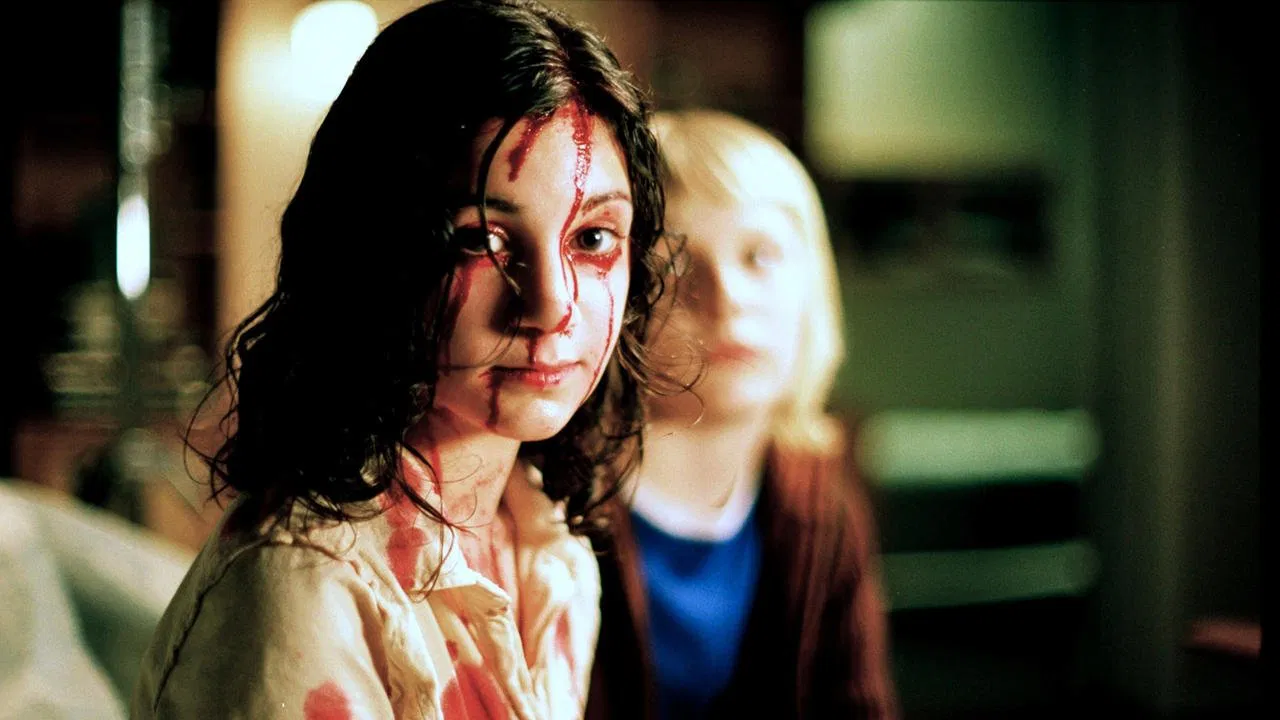
A Swedish romantic horror film set in the bleak winter of 1982, telling the story of Oskar, a bullied 12-year-old boy, and his friendship with Eli, a mysterious child who moves in next door and turns out to be an ancient vampire. Tomas Alfredson directs with a cold, detached beauty, the snowy landscape serving as a visual echo of Oskar’s isolation, while the violence is depicted with a sudden, messy realism that contrasts with the tender relationship at the core. Kåre Hedebrant and Lina Leandersson deliver performances of haunting maturity, their bond formed through Morse code and shared loneliness transcending the predator-prey dynamic. What makes Let the Right One In a masterpiece is its subversion of vampire tropes, as Eli is not a glamorous seducer but a dirty, tragic figure who smells like a wet dog and kills out of desperate necessity. The climactic swimming pool scene is one of the most satisfying moments of vengeance in cinema, shot mostly from underwater to emphasize the muffled, dreamlike nature of the violence. It succeeds because it is fundamentally a love story about two outcasts finding each other in a cold world, proving that horror can be deeply poignant and that sometimes, the monster is the only one who truly understands you.
— The Cinéprism
Keep reading
31 / 08 / 2026 · 383 reads
10 Best Endings in Film
A curated list of 10 unforgettable movie endings that leave a lasting impact long after the credits roll.
12 / 11 / 2025 · 5099 reads
Top 11 Greatest TV Shows:
These eleven extraordinary series redefine what television can be, merging unforgettable characters with stories that linger long after the screen goes dark.