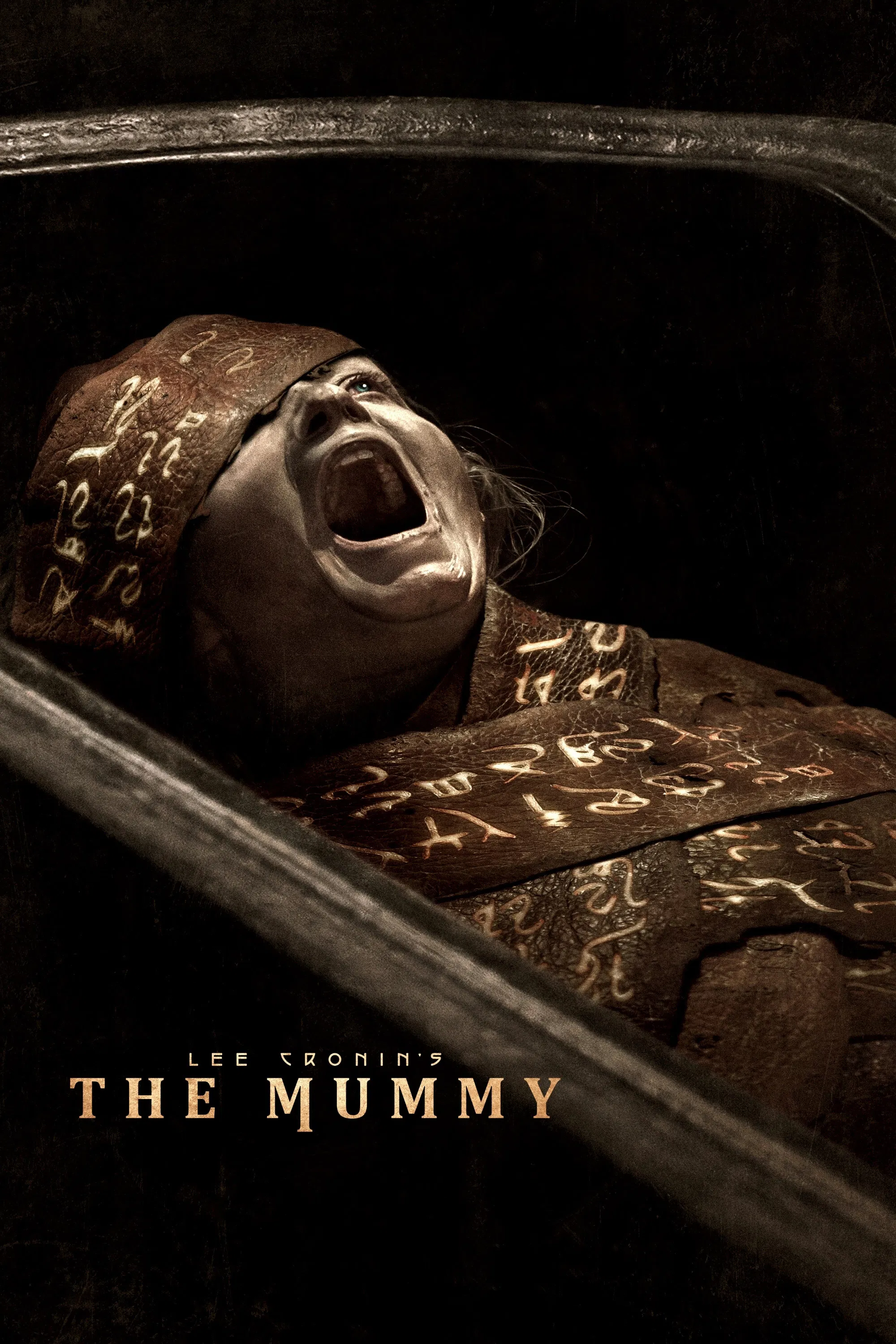
Still — Lee Cronin's The Mummy (2026)
Lee Cronin's The Mummy .
There’s a certain confidence in the way The Mummy announces itself, measured, ominous, and visually assured. Lee Cronin, who has steadily built a reputation…
- Director
- Lee Cronin
- Year
- 2026
- Language
- English
- Streaming
- At Theatres
— The Review
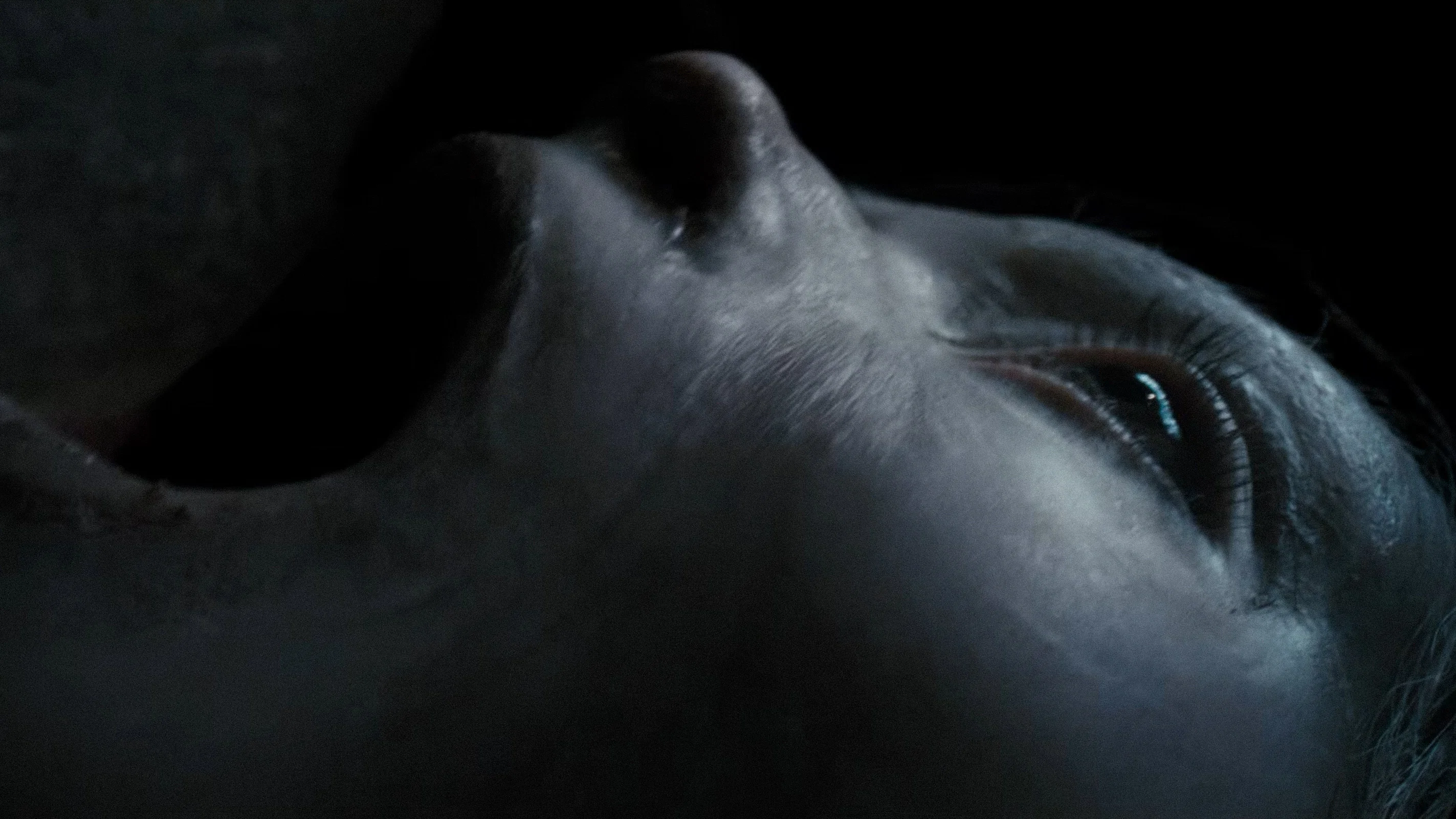
There’s a certain confidence in the way The Mummy announces itself, measured, ominous, and visually assured. Lee Cronin, who has steadily built a reputation for crafting visceral horror, leans heavily into atmosphere here, delivering a film that is less about spectacle and more about suffocation.
Set against the haunting backdrop of Cairo, the film begins with a deeply personal tragedy, a young girl vanishes, tearing apart the fragile equilibrium of a family. It’s an opening that promises emotional depth as much as dread. Eight years later, the narrative returns to the same fractured lives, now steeped in grief and unresolved trauma, as something ancient and malevolent begins to surface.
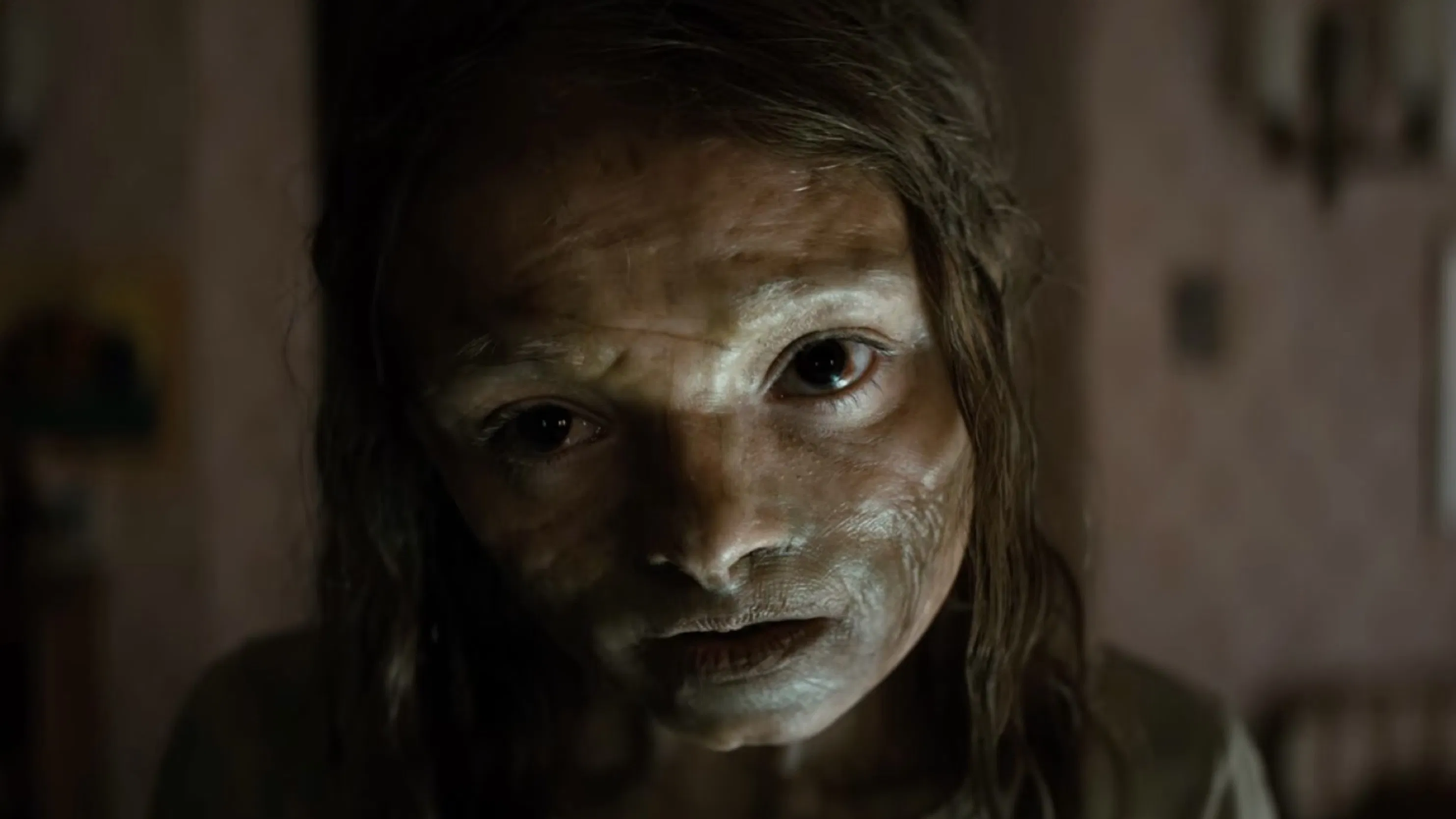
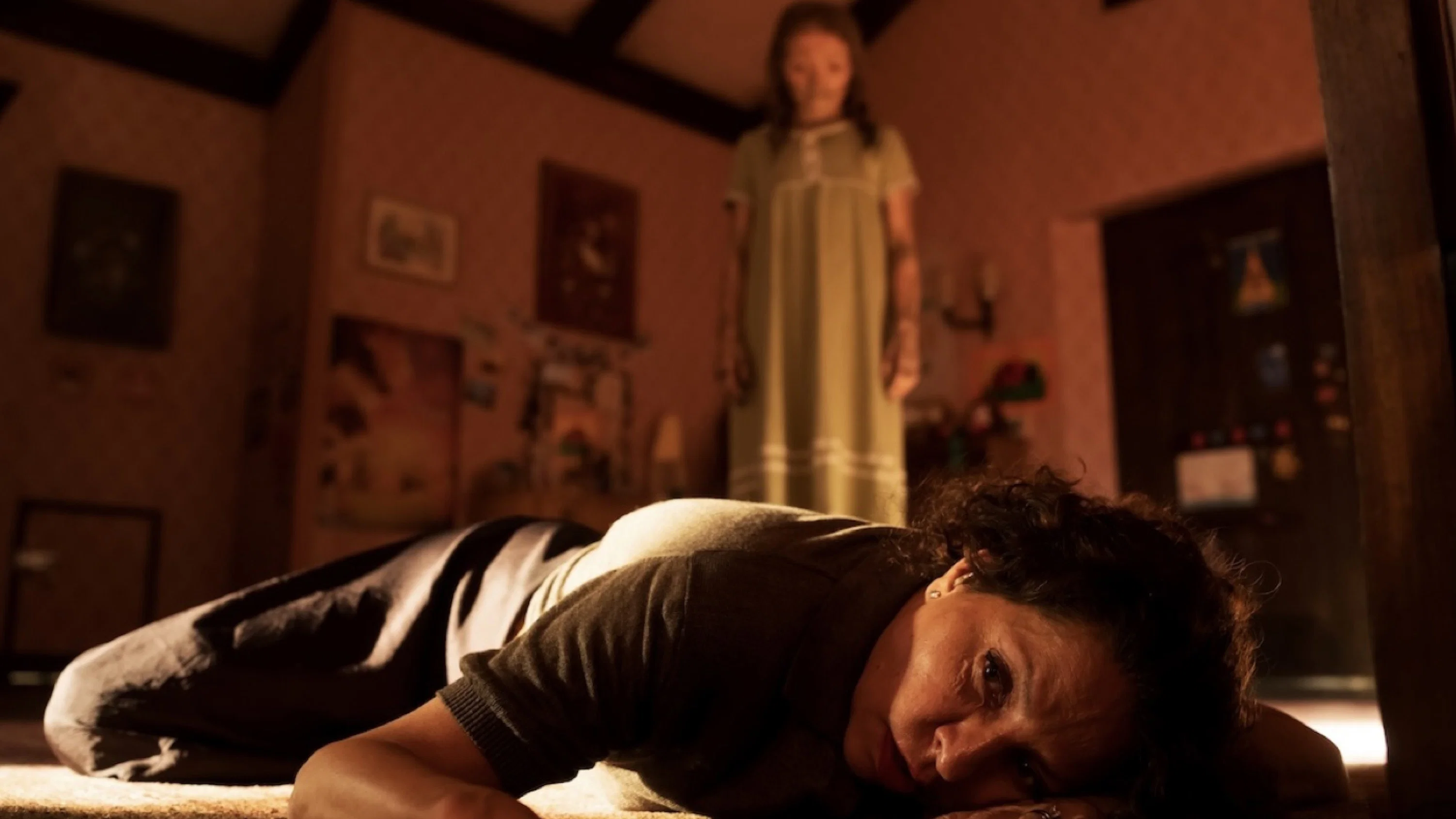
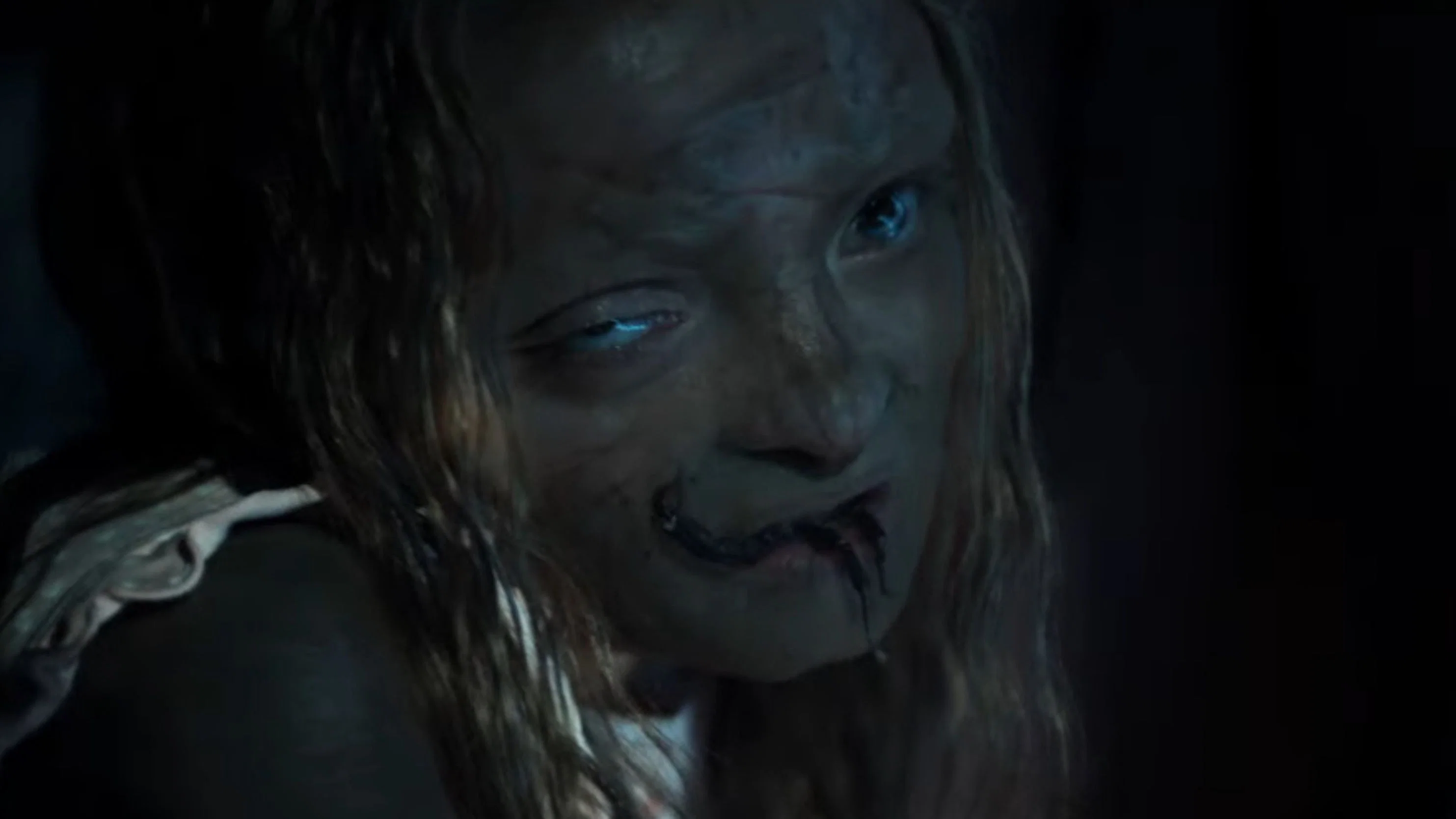
Technically, the film is immaculate. Cronin’s command over visual storytelling is undeniable. Shadows don’t just exist here, they consume. Interiors feel claustrophobic, frames are deliberately constricted, and every shot seems designed to unsettle. There’s an almost tactile quality to the darkness, as if the film itself is closing in on its characters.
But cinema is not sustained on mood alone.
Where The Mummy falters is in its narrative ambition, or lack of it. The story doesn’t so much progress as it lingers, revisiting the same emotional and thematic beats without excavation. Grief is presented, but rarely explored. Trauma is hinted at, but never fully realized. The result is a film that feels emotionally distant, despite its insistence on intimacy.
The horror, meanwhile, is relentless. Clearly indebted to The Exorcist, Cronin opts for an aggressive, almost punishing style of fear, one that prioritizes physicality and shock over psychological layering. There are moments of genuine disturbance, sequences that linger uncomfortably, but the film’s dependence on intensity over variation eventually dulls its own impact.
What remains is a work of striking craftsmanship trapped within a repetitive narrative loop. It is a film that knows exactly how it wants to look and feel, but not quite what it wants to say.
The Mummy (2026) is, in many ways, a triumph of form over substance, haunting in fragments, admirable in execution, yet ultimately held back by a story that never fully awakens from its own slumber.
— The Verdict
- Story & Narrative Depth
- 62
- Horror Execution
- 70
- Visual Direction & Atmosphere
- 80
— The Cinéprism
The Contact Sheet — Stills
 01 / 04
 02 / 04
 03 / 04
 04 / 04
Also on the marquee
More reviews.
Aditya Suhas Jambhale · 2025
Baramula
Baramulla – When the Real Horror is Human
Danny and Michael Philippou · 2025
Bring Her Back
A horror film that refuses to treat its audience as mere thrill seekers.
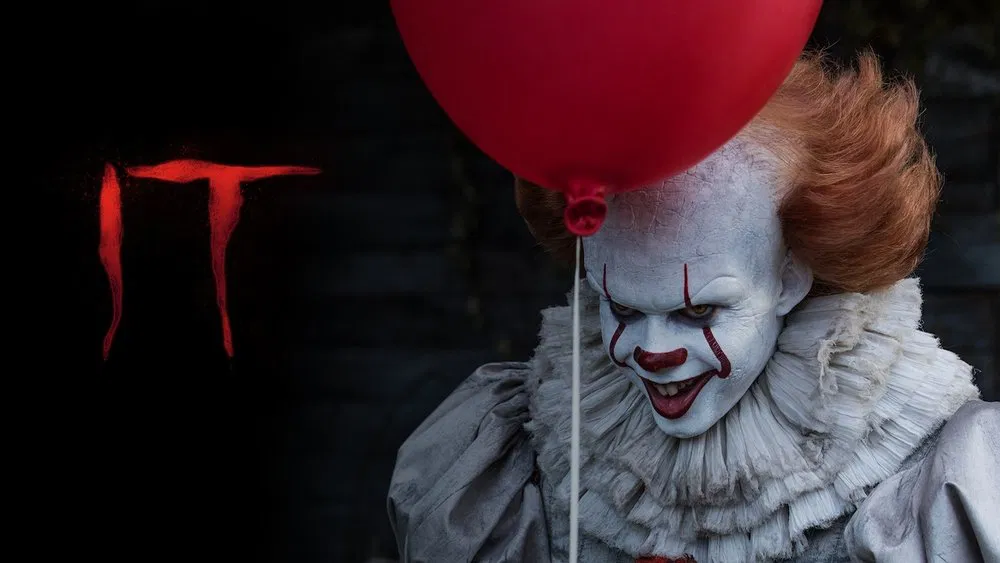
Andy Muschietti · 2017
IT
A film that stands out as one of the most effective modern horror films precisely because it redefines where and how fear can exist.