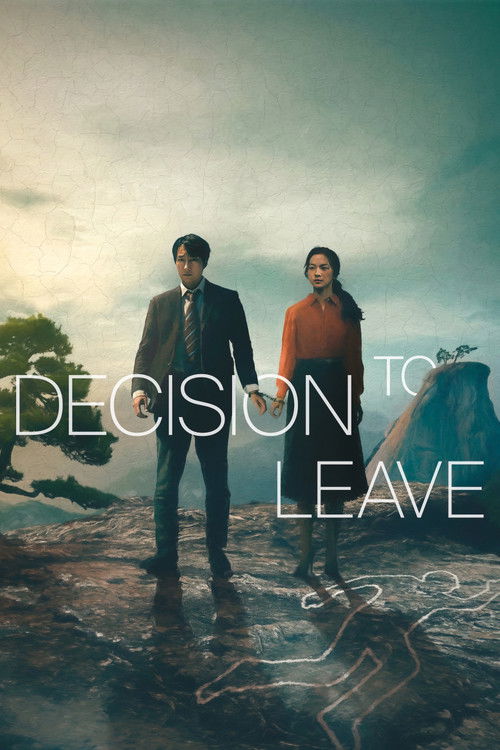
A detective investigating a man's death on a cliffside becomes obsessed with the victim's elegant widow — a Chinese immigrant whose calm manner he cannot read. Park Chan-wook's formally dazzling film transforms the detective thriller into a meditation on desire, surveillance, and the strange grammar of love. Tender and lethal in equal measure, it is one of the most quietly devastating films of recent years.
Park Chan-wook · 2022
Decision to Leave
A poor family cons their way into working for a wealthy household. Their scheme thrives until an unexpected twist exposes hidden secrets. Social tensions explode into chaos and violence. A razor-sharp critique of class divide with thrilling turns.
Bong Joon-ho · 2019
Parasite
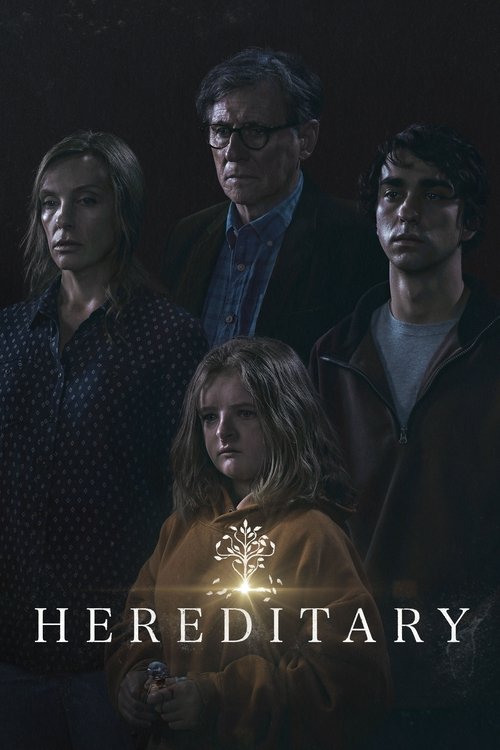
A family in mourning after the death of a secretive grandmother begins to experience strange and escalating supernatural events. Ari Aster's debut is the most formally assured horror film of its decade — a grief film that mutates into something cosmically terrible, building its horror through the slow accumulation of domestic detail until a single explosive act of violence midway through permanently realigns the film's coordinates. Toni Collette's performance belongs in the category of cinema's great acts of total commitment.
Ari Aster · 2018
Hereditary
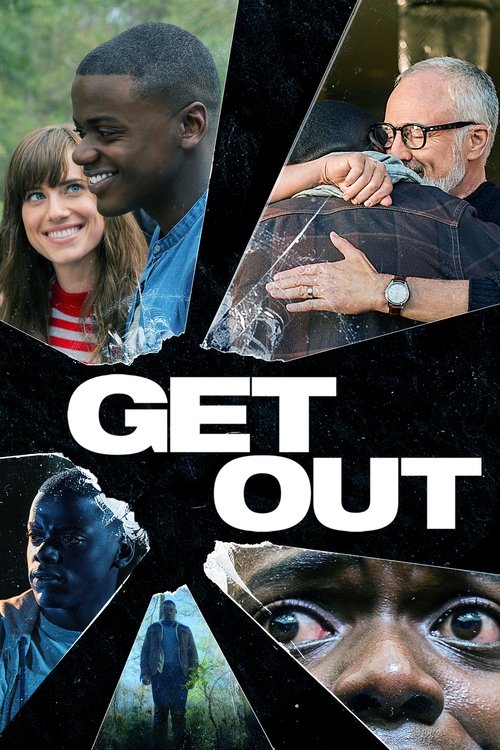
A Black man visiting his white girlfriend's family in the liberal suburbs becomes increasingly unnerved by the behaviour of the Black servants — until a twist reveals a system of exploitation more insidious than any he might have anticipated. Jordan Peele's debut is the most politically precise American horror film in decades — a film that uses the conventions of the genre to map the specific texture of racism in a milieu that congratulates itself on having transcended it.
Jordan Peele · 2017
Get Out
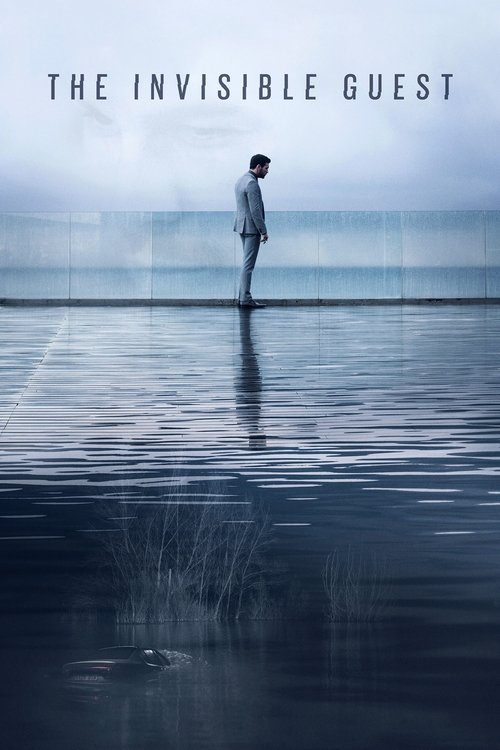
A successful businessman is found locked in a hotel room beside the body of his dead lover, with no apparent way the killer could have entered or escaped. Facing a murder charge, he enlists a celebrated defence lawyer and begins reconstructing the events of that night — each version of the story revealing new layers of deception. Oriol Paulo's Spanish thriller is a puzzle box of exceptional craftsmanship.
Oriol Paulo · 2016
The Invisible Guest
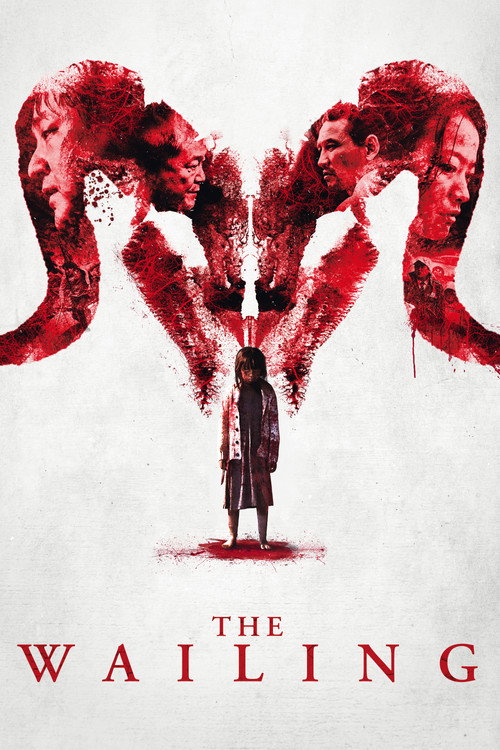
A bumbling village detective investigates a series of mysterious deaths in a rural Korean town following the arrival of a Japanese stranger, as his own daughter becomes afflicted. Na Hong-jin's film is the most spiritually overwhelming horror film of its decade — a work of immense ambition that draws on Shinto belief, Christian theology, and Korean shamanism in a narrative of escalating dread and moral disorientation, asking whether genuine evil can ever be reliably identified.
Na Hong-jin · 2016
The Wailing

Two detectives with opposing political histories — one a veteran of the Franco era, one a young democratic reformer — investigate the murders of teenage girls in the marshlands of post-dictatorship Andalusia in 1980. Alberto Rodríguez's atmospheric Spanish crime film uses its landscape and period to explore how institutions shaped by violence continue to carry it forward — a literary thriller of great visual and moral intelligence.
Alberto Rodríguez · 2014
Marshland
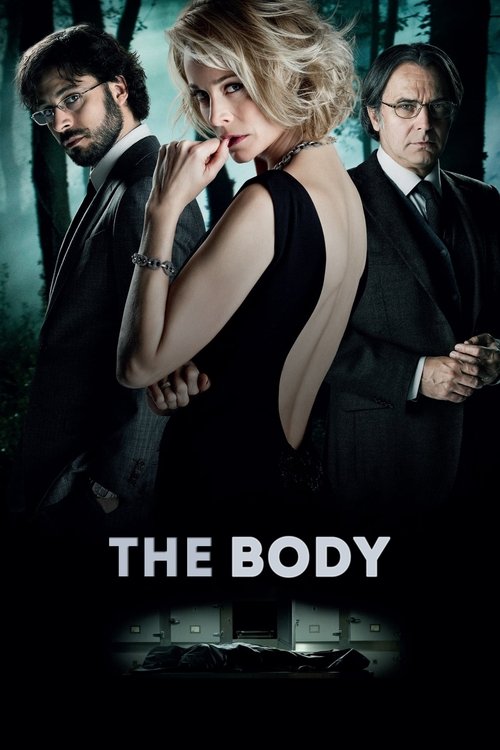
A detective is called to investigate the disappearance of a woman's corpse from the morgue — a corpse that, according to the watchman who fled, walked out by itself. Oriol Paulo's debut feature is a tightly coiled mystery that uses its seemingly impossible premise to wrong-foot the audience at every turn, delivering a finale of genuine, ice-cold surprise.
Oriol Paulo · 2012
The Body
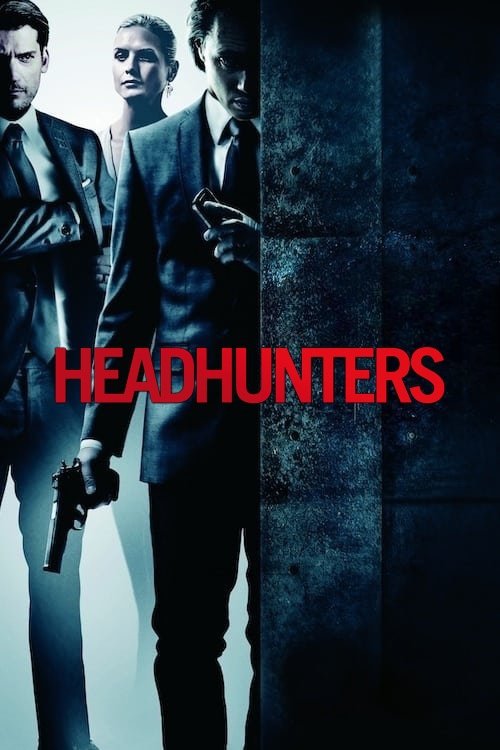
Norway's most successful corporate headhunter moonlights as an art thief to fund the lifestyle his self-esteem demands. When he attempts to steal a priceless painting from a dangerously capable man, he triggers a chain of events that quickly escalates far beyond anything he is equipped to survive. Morten Tyldum's jet-black thriller is a brilliantly constructed escalation machine — darkly funny, viscerally tense, and entirely unpredictable.
Morten Tyldum · 2011
Headhunters
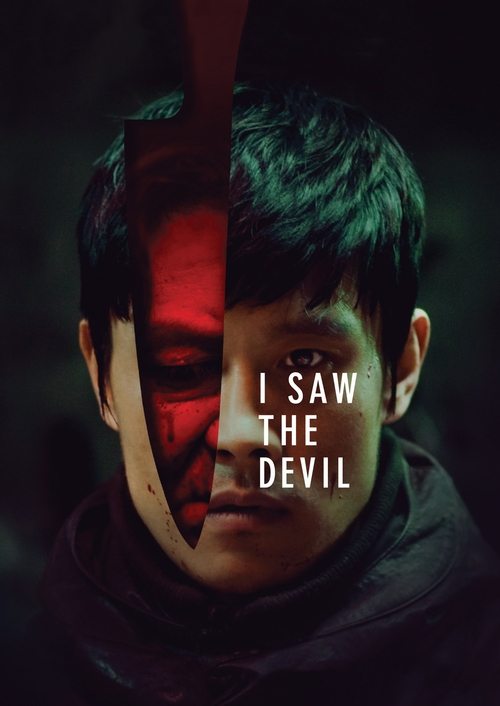
When a secret agent's fiancée is brutally murdered by a serial killer, he captures the man and releases him — only to track him again and again, each time inflicting more pain. Kim Jee-woon's visceral Korean thriller raises a terrible question about revenge: at what point does the pursuit of a monster make you one? A film of extraordinary violence and even more extraordinary moral seriousness.
Kim Jee-woon · 2010
I Saw the Devil
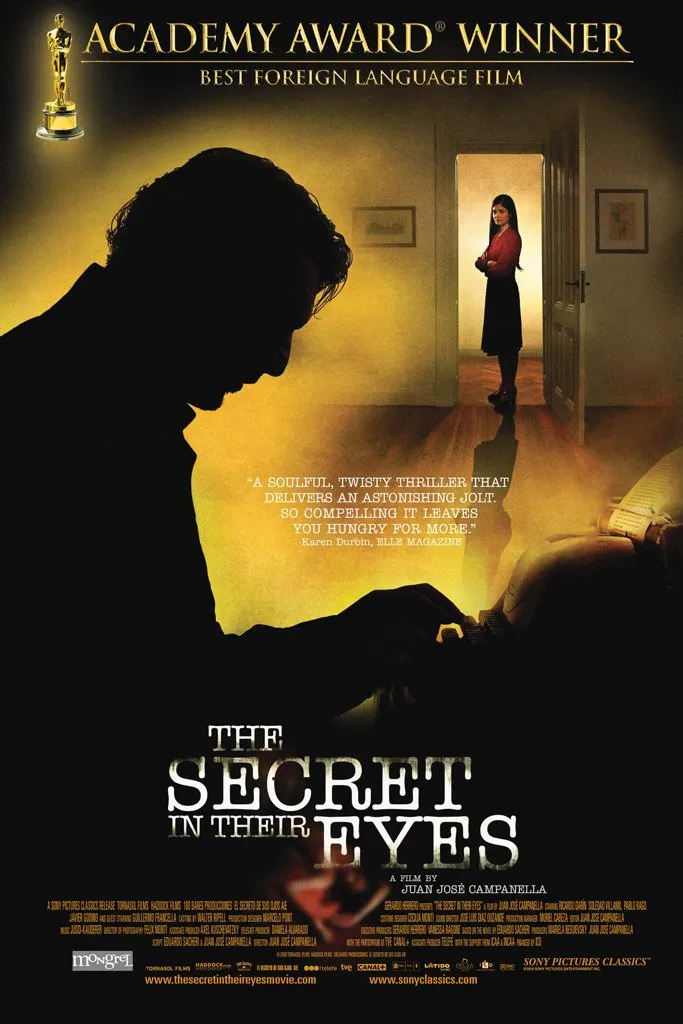
A retired Argentine detective reopens an old rape-murder case that haunts him. His pursuit of justice collides with his unspoken love for a colleague. Past and present intertwine, revealing painful truths. A haunting story of obsession, memory, and closure.
Juan José Campanella · 2009
The Secret in Their Eyes
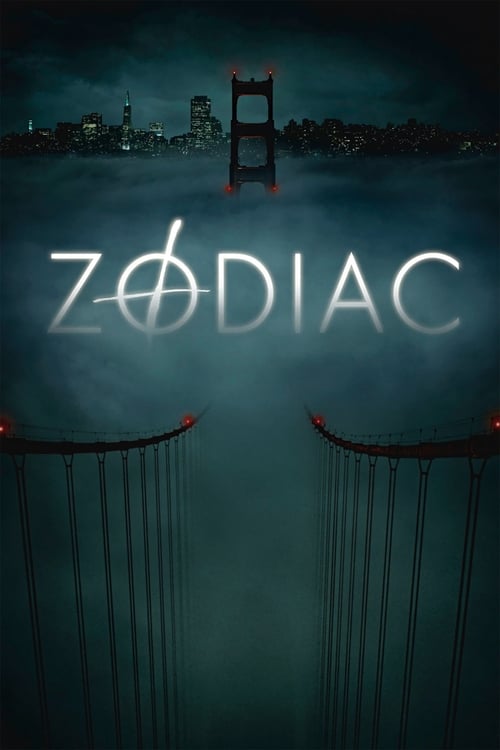
Set against the shadow of an unsolved serial killer who terrorized the San Francisco Bay Area through the late 1960s and 70s, David Fincher's Zodiac is less a horror film than a study in obsession. A cartoonist, a reporter, and a detective each lose years — and pieces of themselves — to a killer who may never be caught. Fincher strips away genre thrills in favour of procedural dread, constructing a film about the unbearable weight of an unanswered question.
David Fincher · 2007
Zodiac
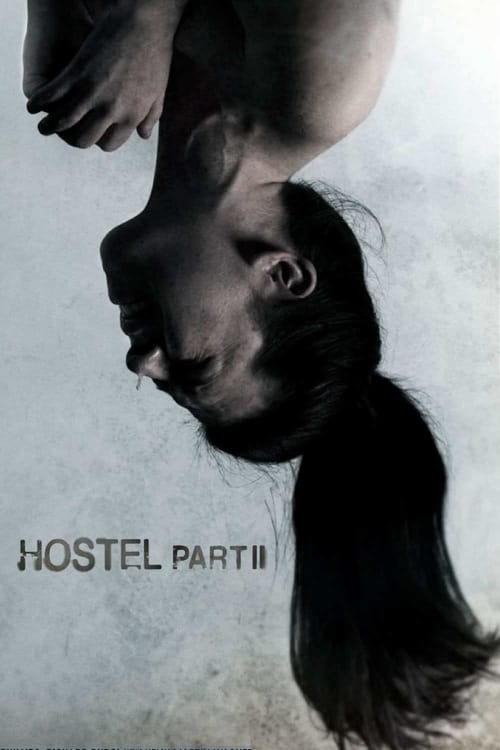
Three American women studying abroad are lured to a Slovak hostel where they become prey for a client list of wealthy businessmen who pay to torture and kill tourists. Eli Roth's sequel improves on its predecessor by giving equal weight to the perspective of the buyers — following one man from excitement through hesitation to his own humiliation — transforming the torture horror formula into something with genuine satirical intent.
Eli Roth · 2007
Hostel: Part II
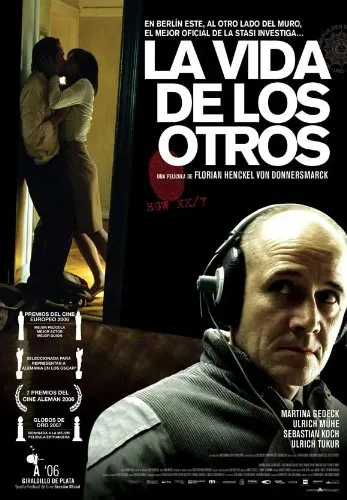
In 1980s East Germany, a Stasi officer spies on a playwright. As he listens in, he becomes attached to their lives. His conscience challenges his loyalty to the regime. A poignant tale of surveillance and redemption.
Florian Henckel von Donnersmarck · 2006
The Lives of Others
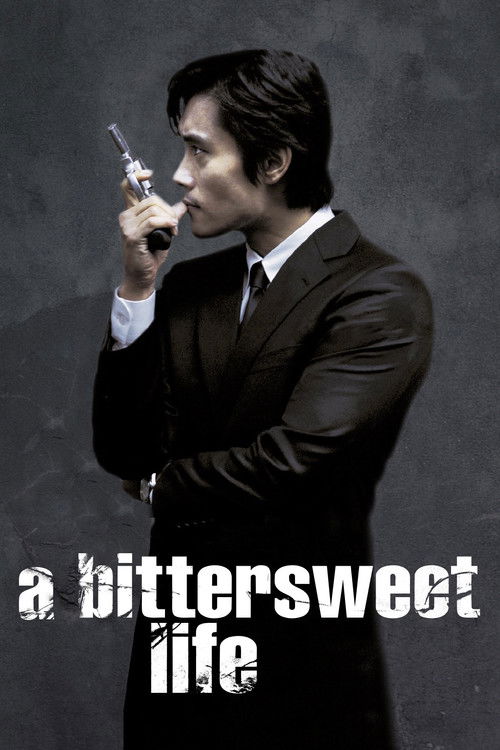
A loyal enforcer for a crime boss is given a simple task: find out if the boss's mistress is having an affair and, if so, eliminate them both. He hesitates — and in that moment of mercy, destroys himself. Kim Jee-woon's sleek Korean neo-noir is a tragedy built on the aesthetics of action cinema: coolly beautiful, brutally precise, and quietly heartbreaking in its portrait of a man who chose loyalty over everything except his own conscience.
Kim Jee-woon · 2005
A Bittersweet Life
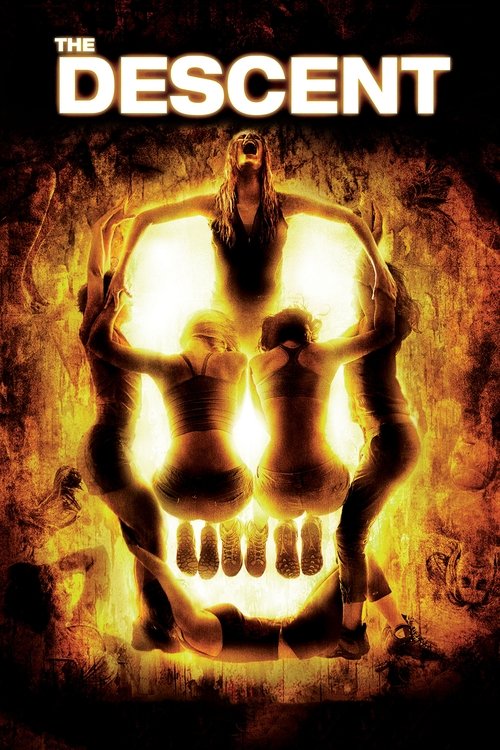
Six women on an annual caving expedition in the North Carolina Appalachians find themselves trapped underground with creatures that have never encountered human beings before. Neil Marshall's film does the difficult thing first — establishing genuine claustrophobic dread in the cave system before the monsters arrive — and then does it again with the creatures, using darkness as a narrative tool as precisely as any director since Kubrick.
Neil Marshall · 2005
The Descent
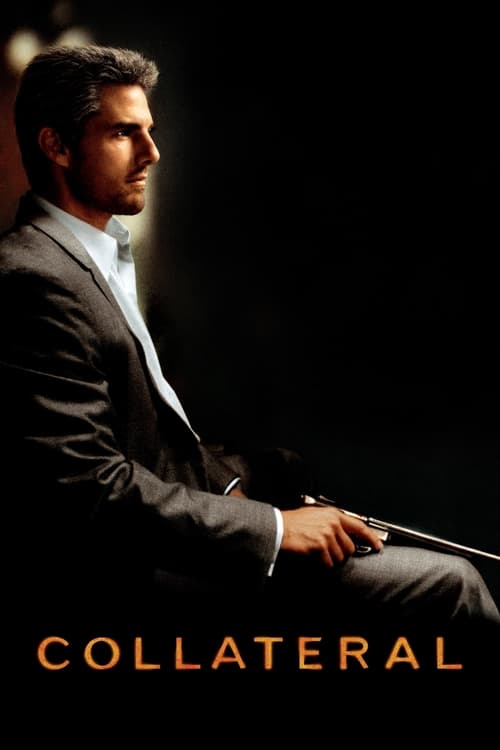
A Los Angeles cab driver picks up what appears to be a businessman and drives him through the city's sleek nocturnal geometry — until he discovers his fare is a contract killer with four more targets before dawn. Michael Mann's digital-photography thriller turns Los Angeles into a character in its own right, finding in its cool, inhuman beauty the perfect mirror for a film about professionalism, free will, and the randomness of survival.
Michael Mann · 2004
Collateral
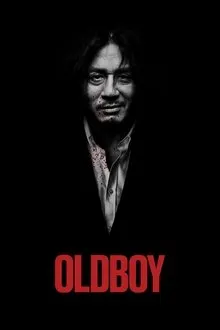
A man is imprisoned in a cell for 15 years without explanation. Released suddenly, he seeks revenge on his captor. His journey uncovers shocking secrets of love, betrayal, and fate. A brutal yet poetic neo-noir thriller.
Park Chan-wook · 2003
Oldboy
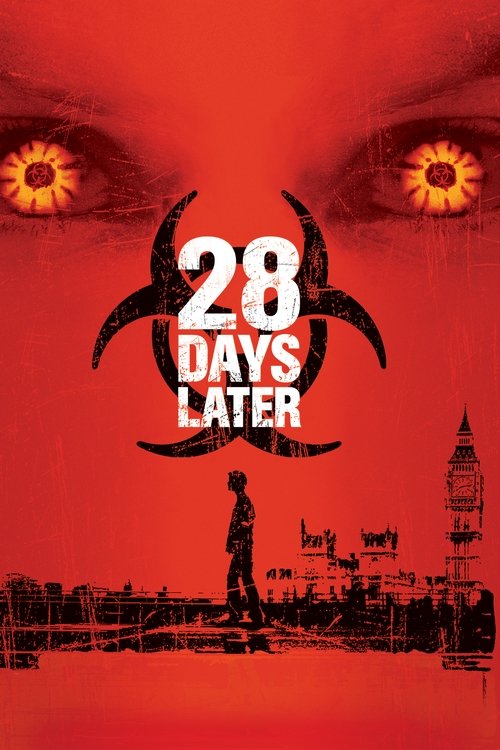
A man wakes from a coma in an empty London hospital to find Britain devastated by a Rage virus that has transformed the infected into screaming, sprinting killers. Danny Boyle's film revitalised zombie cinema by making its infected something immediate and terrifyingly fast — a horror film that is also a love story and a study in what violence does to those who survive it, shot on DV in a deserted London that remains one of cinema's most arresting images.
Danny Boyle · 2002
28 Days Later
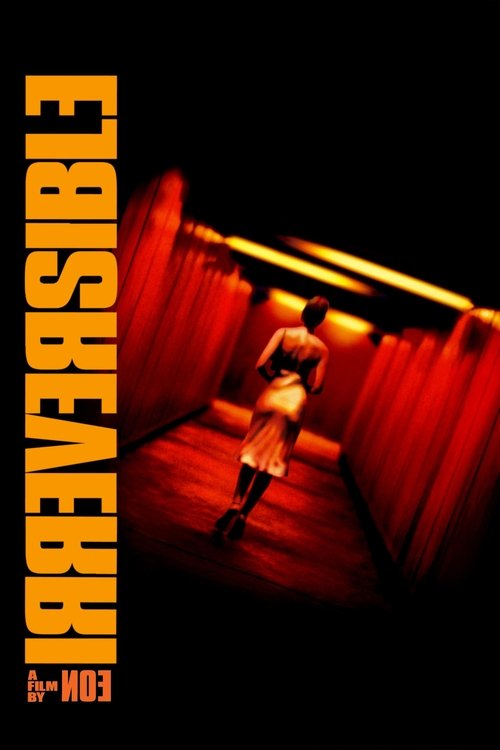
Told in reverse chronological order, a man seeks revenge for the brutal rape and beating of his girlfriend. Gaspar Noé's film is among the most formally aggressive and morally uncompromising works in cinema — the assault sequence, nine uninterrupted minutes, deliberately exceeds narrative purpose, making the audience complicit in an act of witness they cannot undo. The reversed chronology means we mourn the love we have already seen destroyed.
Gaspar Noé · 2002
Irreversible
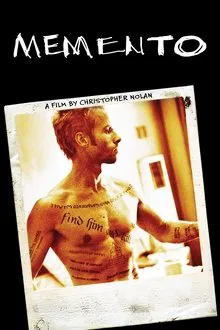
Leonard suffers from memory loss and can’t form new memories. He tracks his wife’s killer using tattoos and Polaroids. The reverse narrative mirrors his broken mind. Truth and lies blur in a devastating revelation.
Christopher Nolan · 2000
Memento
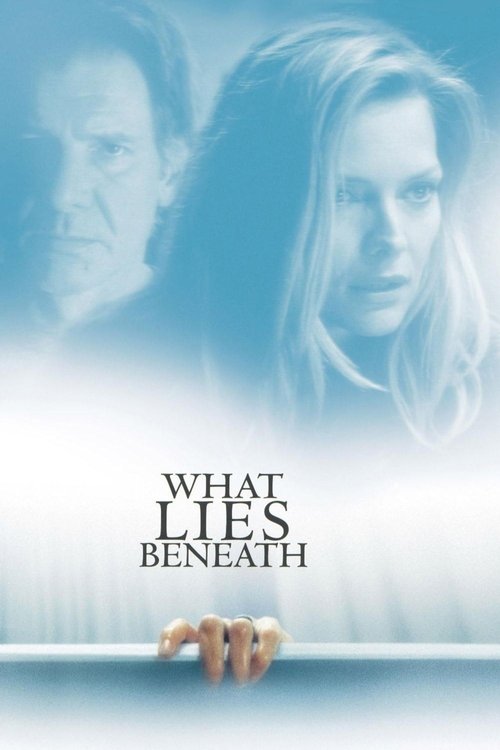
A professor's wife, alone in their Vermont lakeside house while her husband works late, begins to be haunted by what appears to be the ghost of a young woman. Robert Zemeckis's film is an unabashed classical thriller in the Hitchcock mould — more knowing than original, but executed with real craft and anchored by Michelle Pfeiffer in a performance that does everything the genre asks and then some.
Robert Zemeckis · 2000
What Lies Beneath
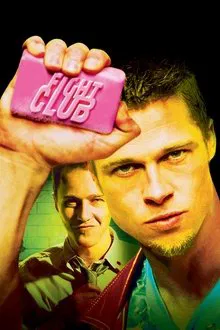
An insomniac office worker befriends a soap salesman and together they form an underground fight club. What starts as rebellion against consumer culture spirals into chaos. The narrator loses grip on reality as the club grows dangerously. A shocking twist forces him to face his fractured identity.
David Fincher · 1999
Fight Club
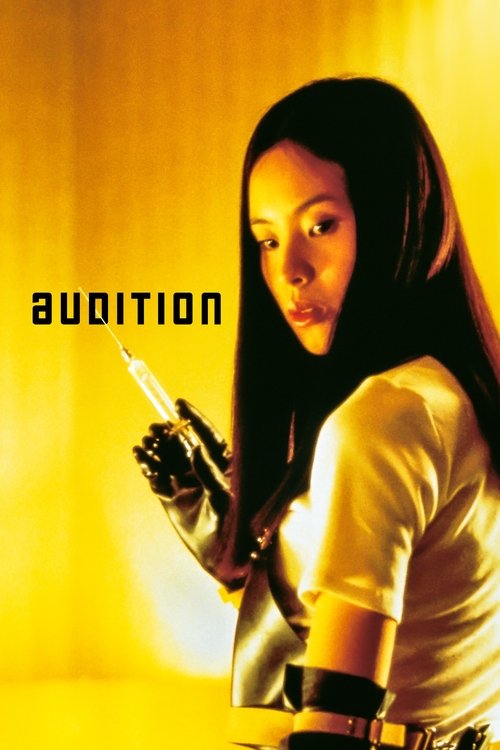
A widowed television producer is persuaded by his son to hold a fake audition to find a new wife, and becomes enchanted by a quiet, melancholy woman who is hiding something. Takashi Miike's film spends its first hour as a tender romantic drama before detonating into something utterly unlike what preceded it — a descent into body horror of such sustained, methodical precision that it has disturbed every audience that has ever encountered it.
Takashi Miike · 1999
Audition
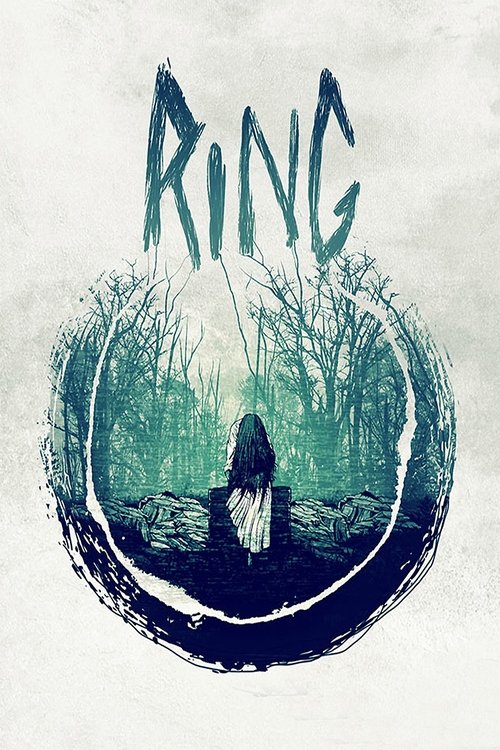
A journalist investigates a cursed videotape that kills everyone who watches it within seven days — a tape she then watches herself. Hideo Nakata's film launched J-horror as a global phenomenon by locating its terror in everyday technology and domestic space, and in the figure of Sadako — a pale woman whose emergence from a television screen is so specifically wrong that it bypassed the intellect and lodged directly in the nervous system.
Hideo Nakata · 1998
Ringu
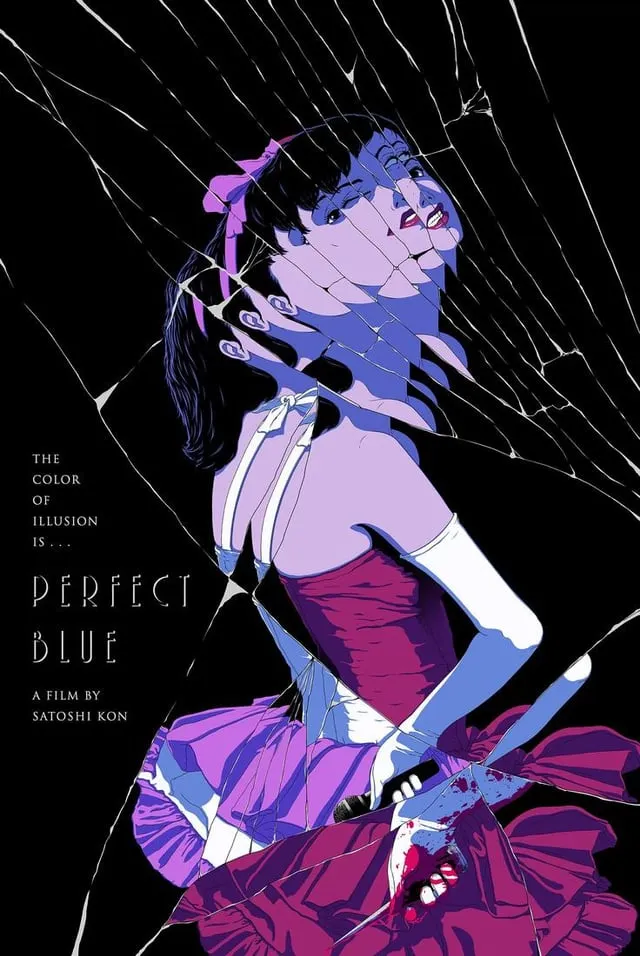
Perfect Blue is a psychological thriller that follows the story of Mima Kirigoe, a former pop idol who transitions to acting but becomes increasingly disturbed by a stalker and her own fractured sense of reality.
Satoshi Kon · 1997
Perfect Blue
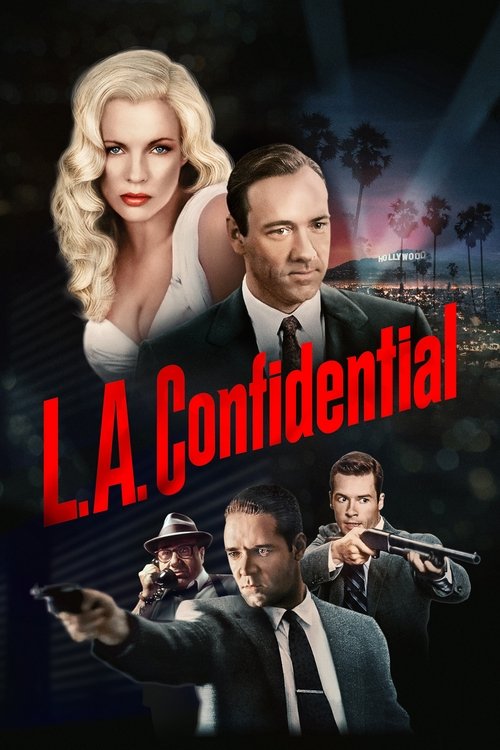
Three Los Angeles detectives with wildly different methods and moralities are drawn together by a massacre at an all-night diner, uncovering a conspiracy that reaches to the highest levels of the LAPD. Curtis Hanson's neo-noir is the most perfectly constructed Hollywood thriller of the 1990s — a film that gives you everything the genre promises and then some, in a Los Angeles that gleams like a lie.
Curtis Hanson · 1997
L.A. Confidential
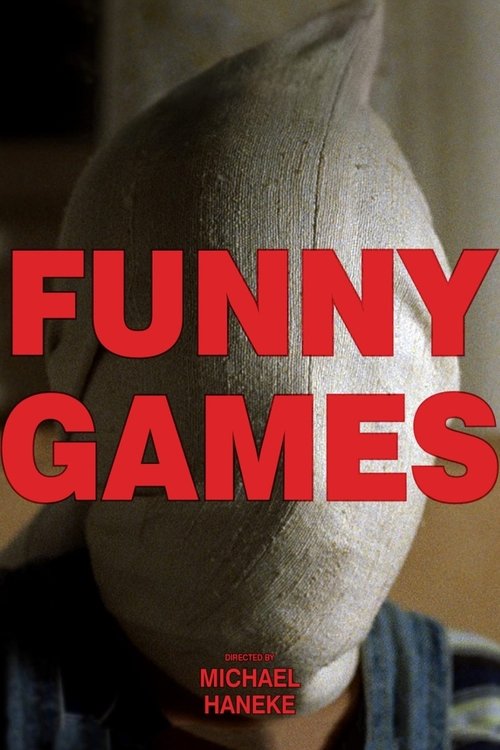
Two polite young men hold an Austrian family hostage at their lakeside vacation home, tormenting them in increasingly violent games while addressing the audience directly. Michael Haneke's film is a sustained act of aggression toward the viewer — a work about the consumption of violence for entertainment that implicates the audience in what it is watching and refuses the catharsis it has conditioned them to expect.
Michael Haneke · 1997
Funny Games
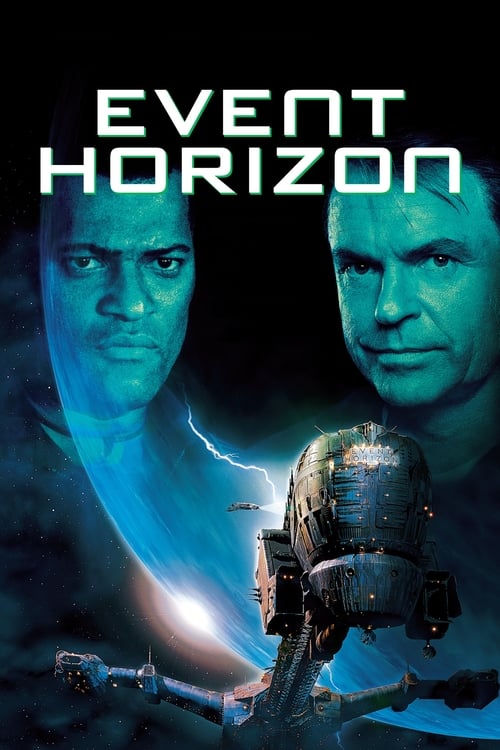
A rescue crew investigates a spaceship that disappeared into a black hole for seven years and has now returned — carrying whatever it encountered on the other side. Paul W.S. Anderson's film is undisciplined but achieves genuine unease from its central premise — the idea that the other side of a black hole might be a place of absolute evil — and Sam Neill's performance in the final act commits fully to its apocalyptic implications.
Paul W.S. Anderson · 1997
Event Horizon
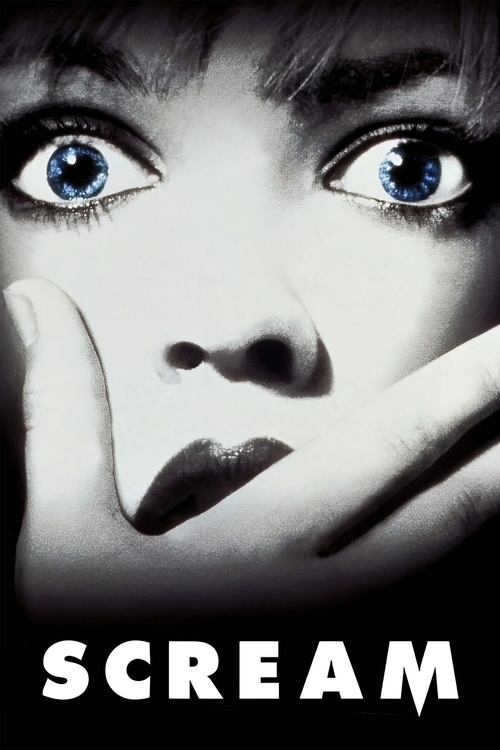
A year after her mother's murder, a teenage girl becomes the target of a masked killer whose attacks seem to follow the rules of slasher movies. Wes Craven's film is a horror movie that understands horror movies — playful, knowing, and genuinely frightening despite its self-awareness, with an opening sequence that kills its most famous cast member before the title card and establishes that in this film, the rules can and will be broken.
Wes Craven · 1996
Scream
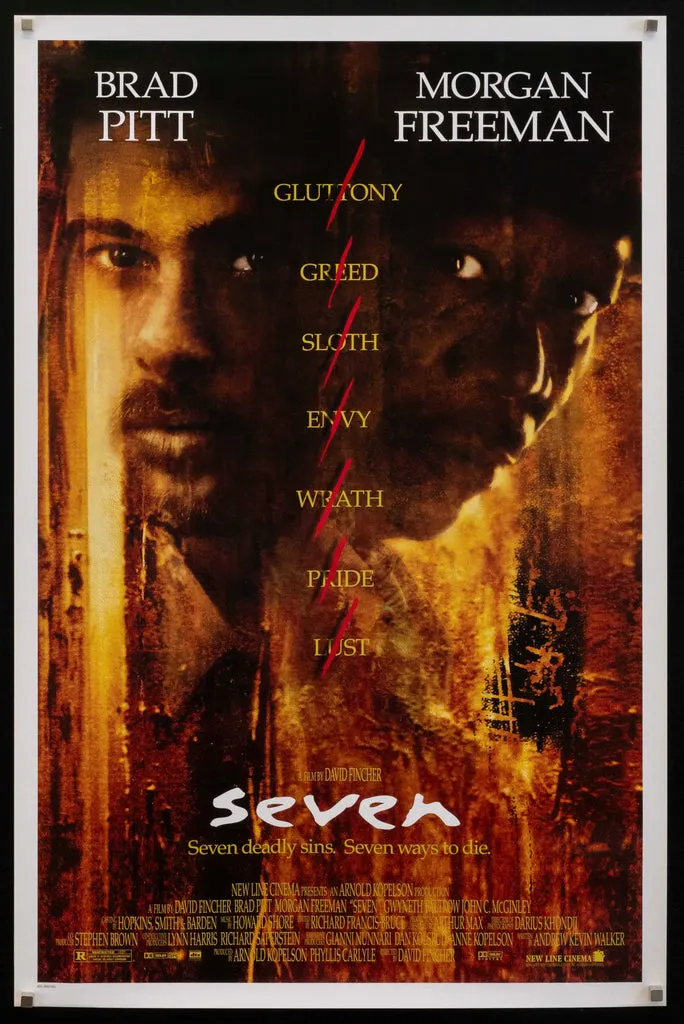
deadly sins. Each crime is gruesome, symbolic, and chillingly precise. The killer’s mind games push them into moral despair. The finale delivers one of cinema’s darkest shocks.
David Fincher · 1995
Se7en
Criminals pulled into a heist unravel their tale through Verbal Kint, a crippled con man. He speaks of Keyser Söze, a feared criminal mastermind. As police piece it together, deception runs deep. The ending redefines everything told before.
Bryan Singer · 1995
The Usual Suspects
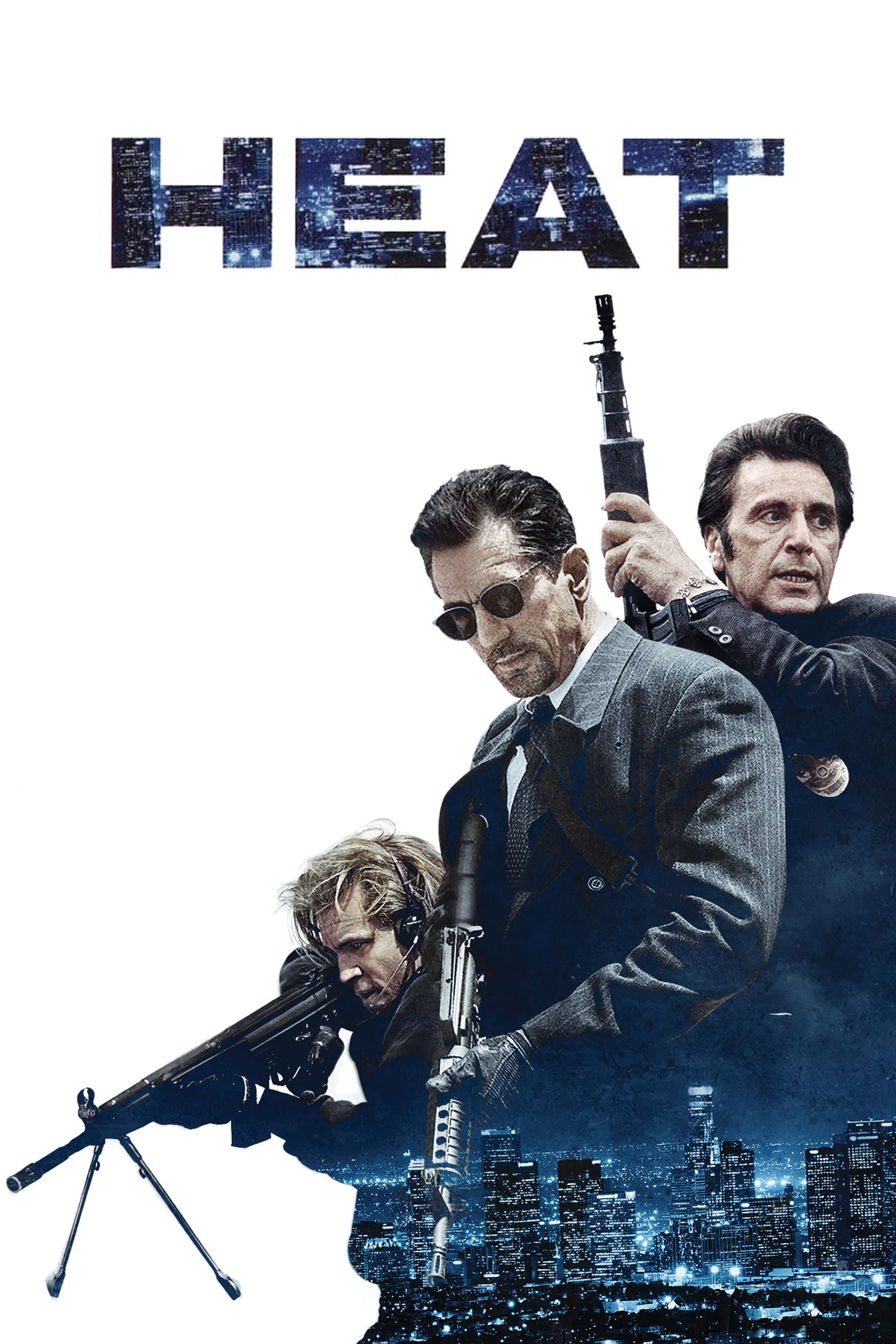
Master thief Neil McCauley and detective Vincent Hanna engage in a cat-and-mouse game across Los Angeles. Their professional respect deepens even as they remain on opposite sides, culminating in spectacular heists and an intense street shootout that redefined action filmmaking.
Michael Mann · 1995
Heat
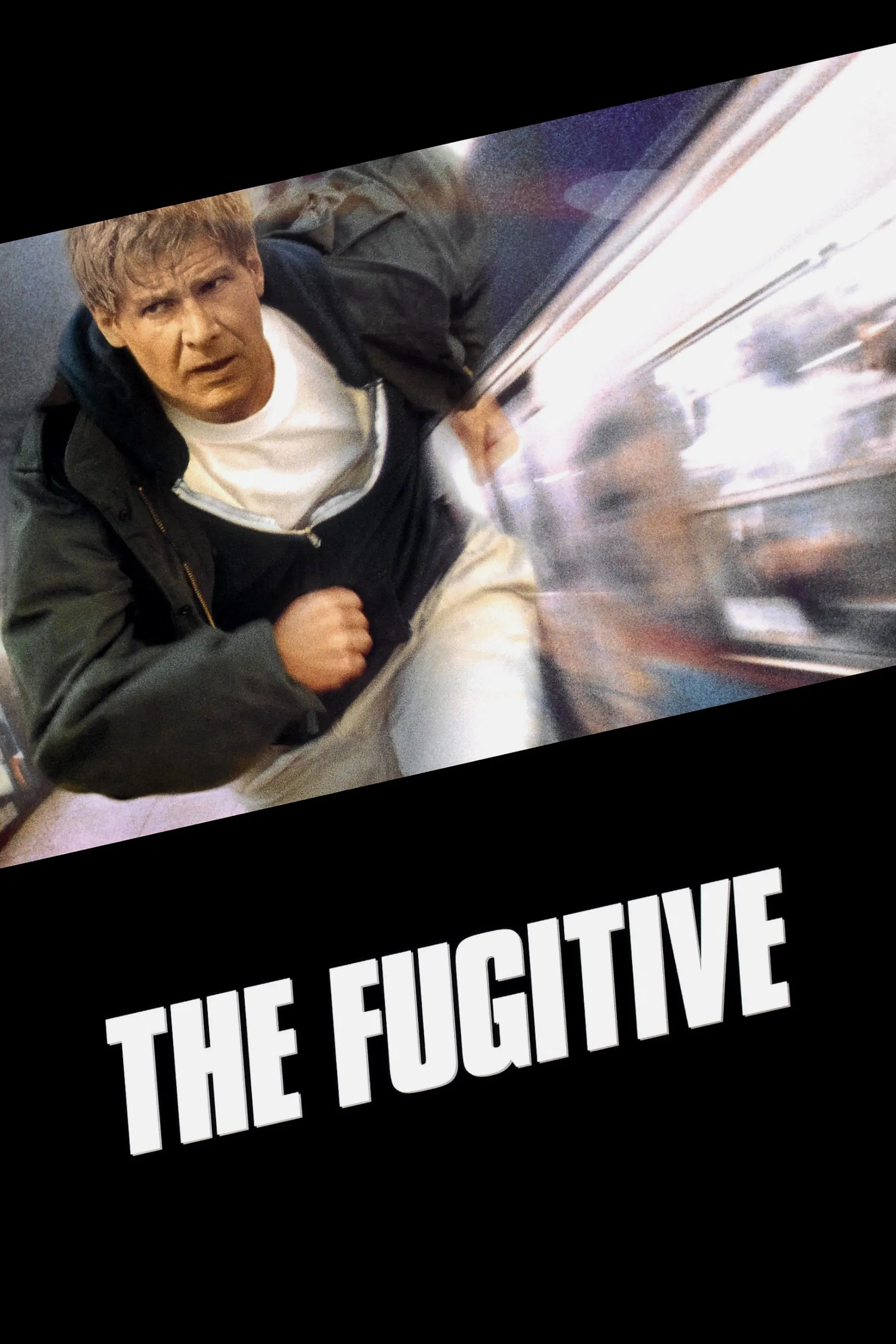
Surgeon Richard Kimble escapes custody after being wrongly convicted of murdering his wife. Pursued relentlessly by U.S. Marshal Samuel Gerard, Kimble searches for the one-armed man who actually killed her, racing against time to prove his innocence.
Andrew Davis · 1993
The Fugitive
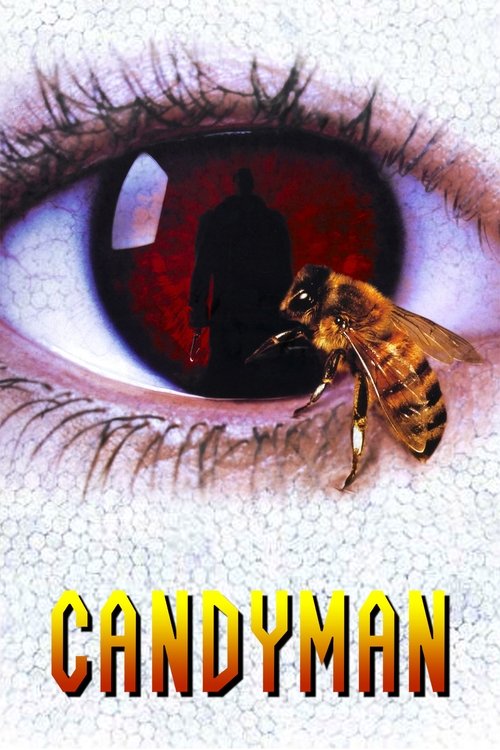
A graduate student researching urban legends about the hook-handed Candyman — said to appear if you say his name five times in a mirror — finds the legend bleeding into her real life in the housing projects of Chicago. Bernard Rose's adaptation of Clive Barker transforms the slasher myth into an elegy for lives sacrificed to structural neglect, with Tony Todd's Candyman a figure of unexpected tragic grandeur.
Bernard Rose · 1992
Candyman
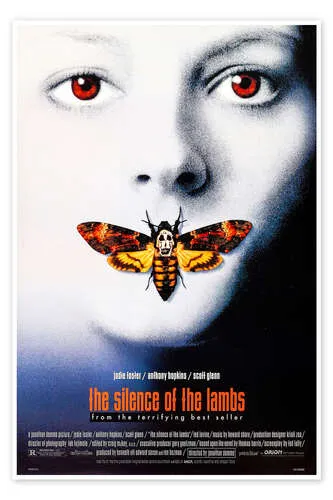
FBI trainee Clarice Starling seeks help from imprisoned cannibal Dr. Hannibal Lecter. His chilling insights may help catch the brutal killer “Buffalo Bill.” Their psychological duel blurs lines of power and manipulation. The case escalates into a race against time.
Jonathan Demme · 1991
The Silence of the Lambs
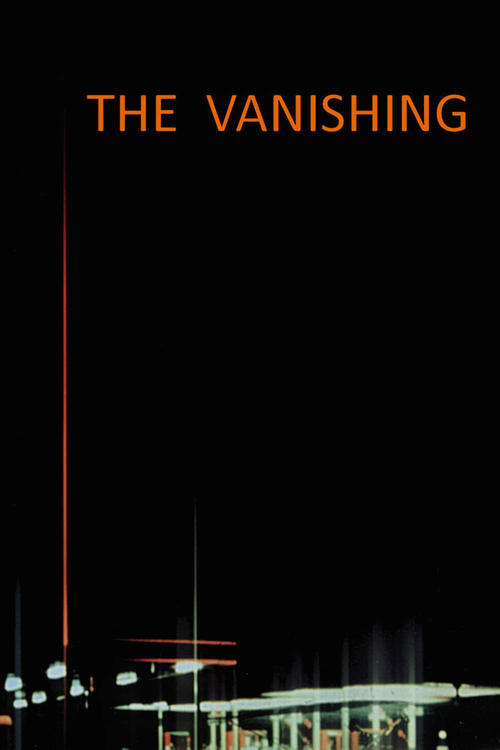
On a road trip through France, a woman disappears at a highway rest stop. Her boyfriend spends three years searching for her, haunted not by grief but by the unbearable need to know. George Sluizer's Dutch film builds to one of cinema's most quietly devastating revelations — an ending that redefines everything before it, and that has never been equalled for sheer, cold horror. The director later remade it in Hollywood, draining it of everything that made it unbearable.
George Sluizer · 1988
The Vanishing (Spoorloos)
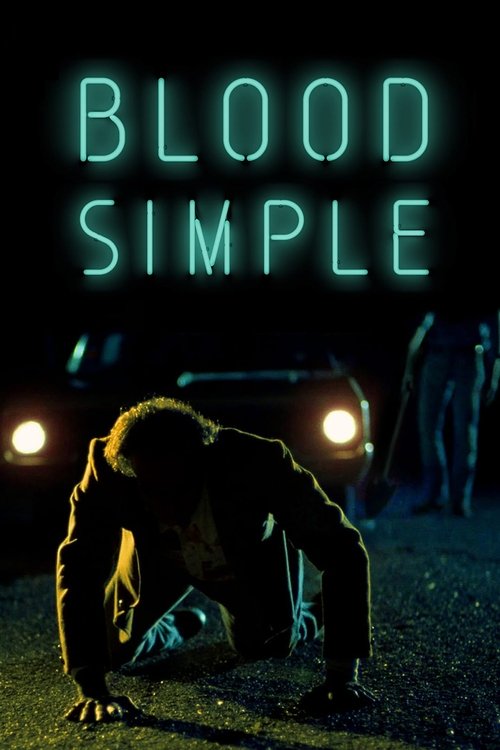
A jealous Texas bar owner hires a private detective to kill his unfaithful wife and her lover. What follows is a chain of misunderstandings, botched killings, and paranoid reversals that dismantles genre convention with surgical precision. The Coen Brothers' debut is a reminder that film noir's greatest weapon is not violence but information — specifically, the fatal gap between what the audience knows and what each character believes.
Joel Coen · 1984
Blood Simple
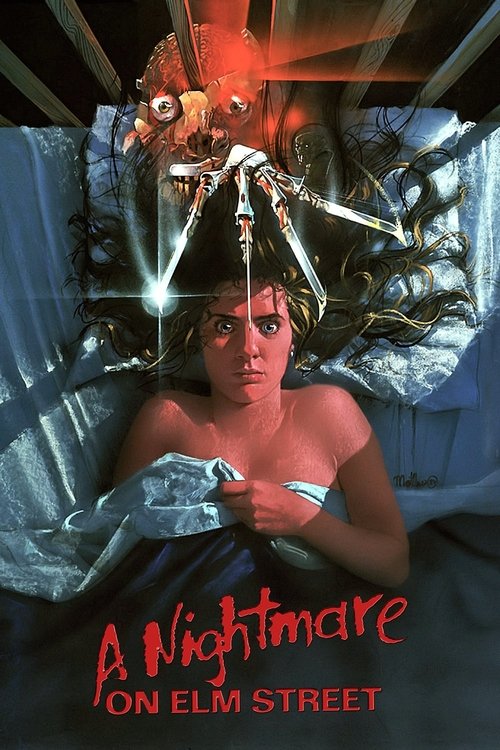
A burned, razor-fingered killer who was murdered by the parents of Elm Street stalks and kills their teenage children in their dreams. Wes Craven's most inventive film attacked the one place that the slasher genre had left safe — sleep — and in doing so found a new grammar for horror based on the inescapability of the unconscious. Freddy Krueger is the genre's most durable monster because he lives where logic cannot reach him.
Wes Craven · 1984
A Nightmare on Elm Street
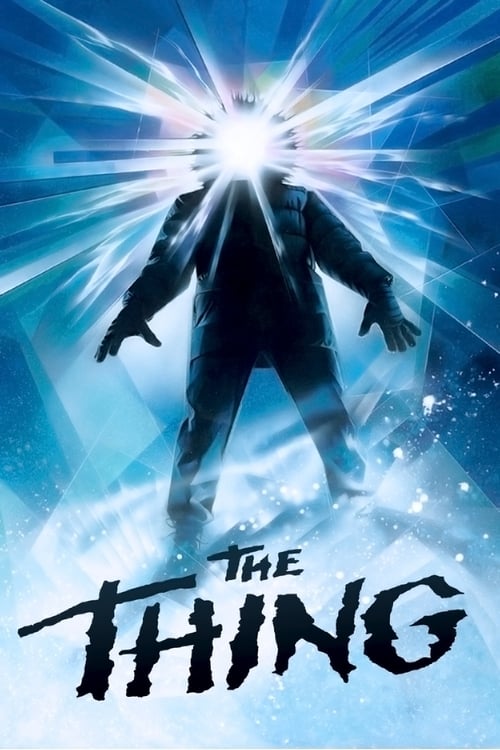
An Antarctic research team encounters an alien organism capable of perfectly imitating any living creature, and the resulting paranoia makes it impossible to distinguish friend from monster. John Carpenter's remake uses Rob Bottin's grotesque practical effects to externalise a horror about identity and trust — a film whose central question (who is human?) is never definitively answered, and whose final image of two survivors watching each other in the cold is one of cinema's most perfectly calibrated acts of ambiguity.
John Carpenter · 1982
The Thing
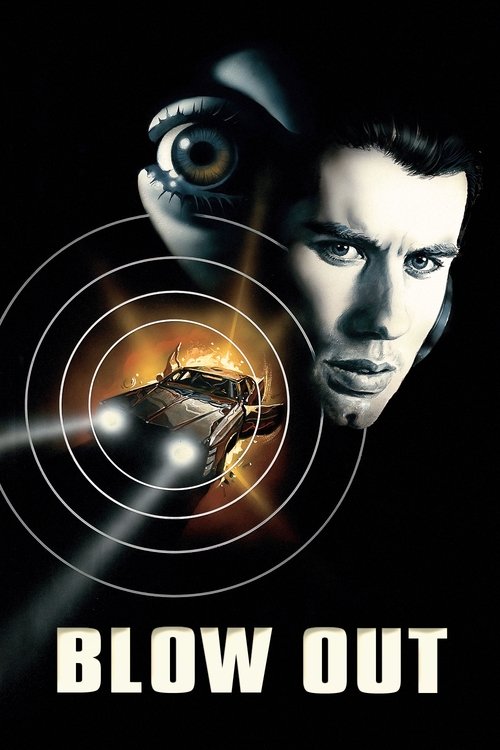
A film sound recordist accidentally captures on tape what he believes to be a political assassination disguised as a car accident. As he pieces the audio evidence together, he becomes dangerously entangled in a cover-up that threatens everything. Brian De Palma's most Hitchcockian film is a bracingly cynical work about the American political imagination — shot through with genuine dread and formal virtuosity that reveals its full horror only in the final frames.
Brian De Palma · 1981
Blow Out
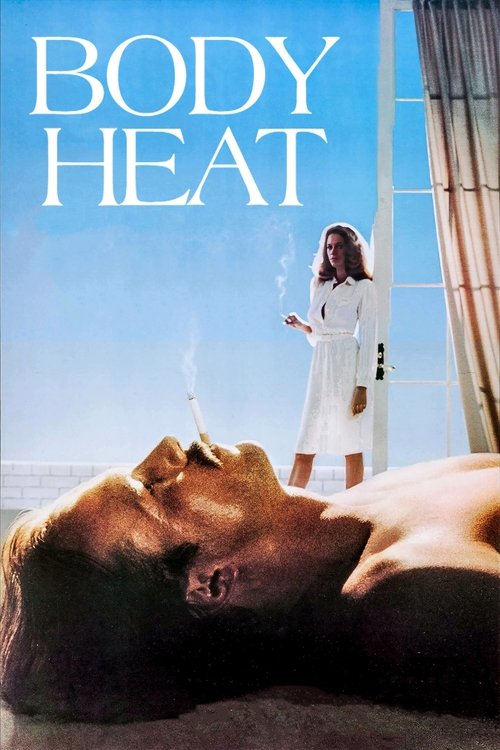
In the sweltering Florida heat, a small-time lawyer embarks on a reckless affair with a married woman and allows himself to be drawn into a plan to murder her wealthy husband. Lawrence Kasdan's neo-noir debut is a knowing love letter to Double Indemnity — a film in which desire is indistinguishable from manipulation, and in which every scene carries the prickle of something about to go catastrophically wrong.
Lawrence Kasdan · 1981
Body Heat
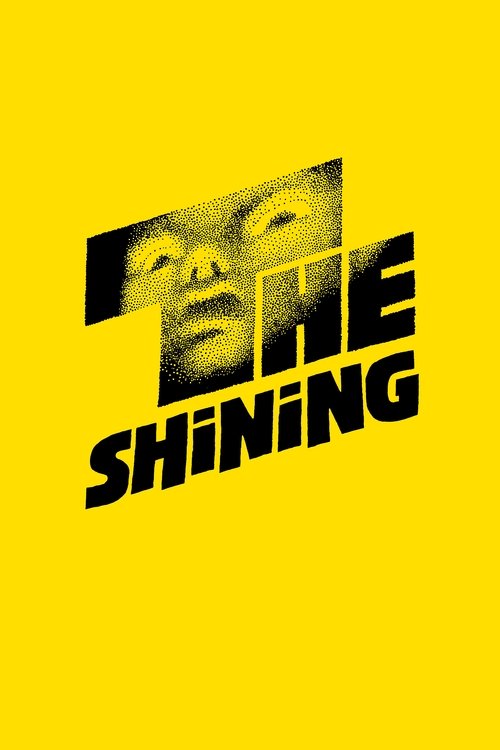
A writer takes his wife and young son to an isolated Colorado hotel for the winter as its caretaker, and the hotel's history begins to work on his latent violence, his wife's isolation, and his son's psychic visions. Stanley Kubrick's adaptation of Stephen King strips the novel's supernatural explanations in favour of ambiguity — a film about domestic violence, alcoholism, and masculine failure deployed through corridors and ballrooms and a hedge maze of immaculate, terrible geometry.
Stanley Kubrick · 1980
The Shining
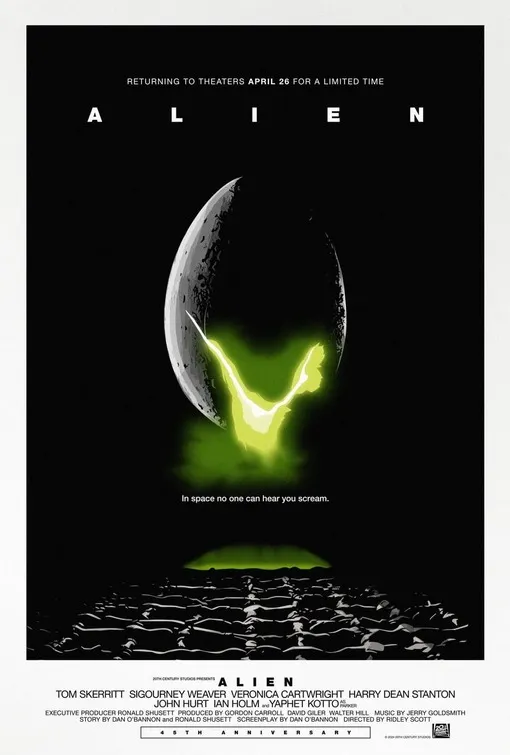
The crew of the Nostromo responds to a distress call on a desolate planet. They unknowingly bring aboard a deadly alien lifeform. One by one, the crew falls victim to the perfect predator. A masterpiece of tension, horror, and survival.
Ridley Scott · 1979
Alien
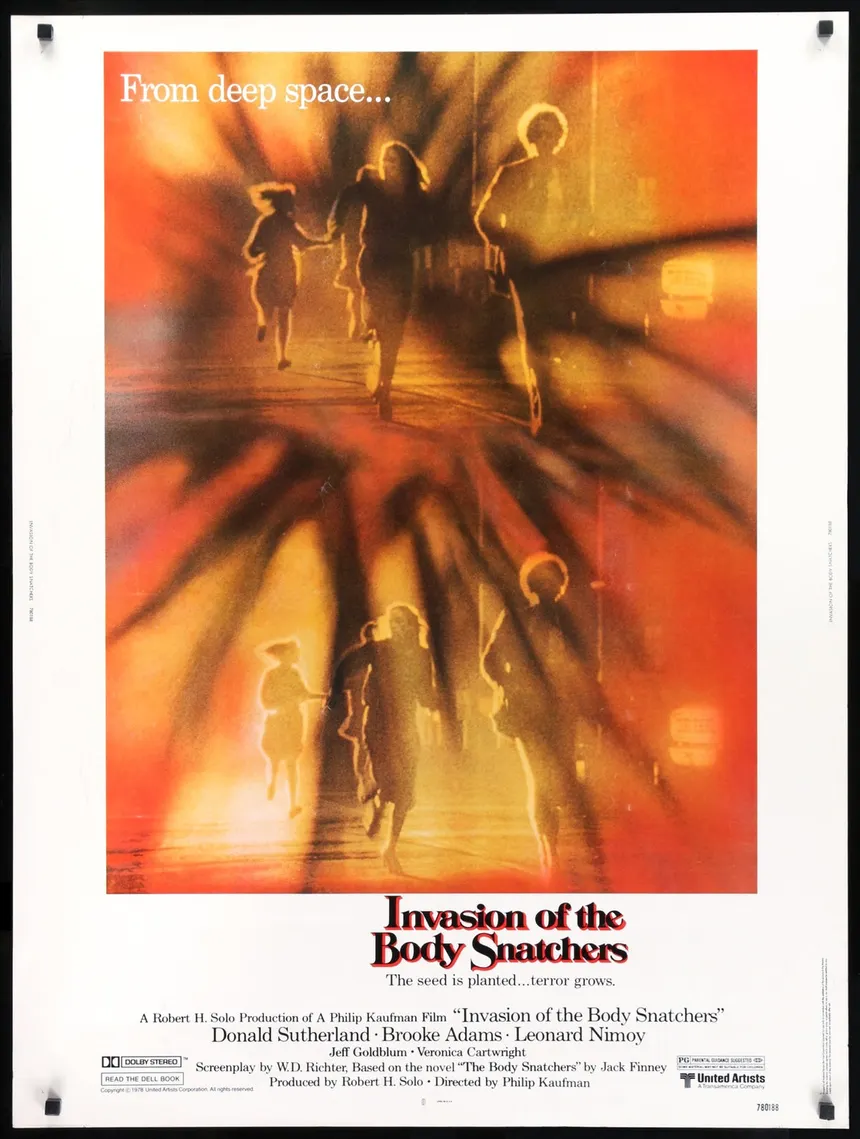
In San Francisco, people discover loved ones being replaced by emotionless alien duplicates. Paranoia spreads as the invasion grows invisible and unstoppable. The atmosphere builds dread in a chilling commentary on conformity. Its haunting ending is unforgettable.
Philip Kaufman · 1978
Invasion of the Body Snatchers

A psychiatric patient escapes on Halloween night and returns to the Illinois town where, fifteen years earlier, he murdered his sister, fixating on a group of teenage babysitters. John Carpenter's slasher prototype invented the grammar that a hundred imitators would dilute — the masked, motiveless, seemingly indestructible Shape given terrifying form by Dean Cundey's Panavision cinematography, a budget of $300,000, and a minimalist score that Carpenter composed himself.
John Carpenter · 1978
Halloween
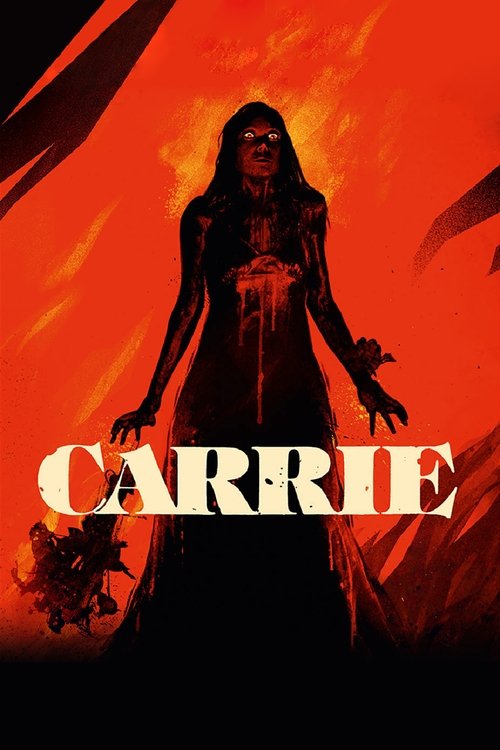
A telekinetic teenage girl, tormented at school and suffocated at home by her fanatically religious mother, is pushed past her limits at the senior prom. Brian De Palma's adaptation of Stephen King's first novel is a horror film about puberty as humiliation and rage, deploying split screens, slow motion, and operatic excess to transform a revenge fantasy into something that mourns its protagonist even as it appalls us with what she does.
Brian De Palma · 1976
Carrie
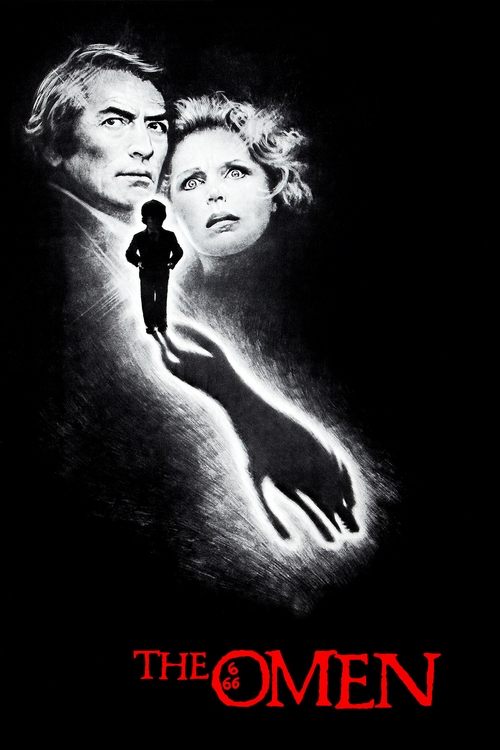
An American diplomat discovers evidence that his adopted son may be the Antichrist. Richard Donner's film is slick, expensive apocalyptic horror that works better than it deserves to — Gregory Peck's authority sells material that lesser actors would make absurd, and Jerry Goldsmith's Oscar-winning choral score gives the film a religious grandeur that transforms a conspiracy thriller about a satanic child into something approaching genuine dread.
Richard Donner · 1976
The Omen
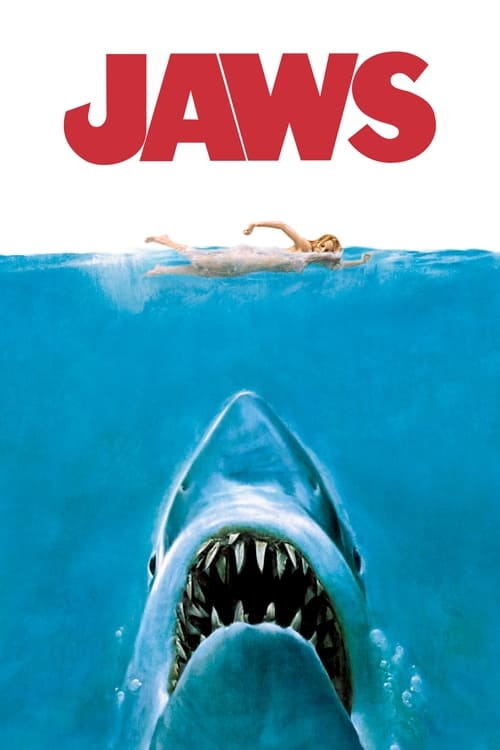
A great white shark begins attacking bathers off the coast of Amity Island, and the town's police chief, a marine biologist, and a grizzled shark hunter set out to sea to kill it. Steven Spielberg's film invented the summer blockbuster while achieving something far more specific: a portrait of male inadequacy in the face of overwhelming natural force, built on performances of extraordinary mutual chemistry and a score that has become synonymous with approaching dread.
Steven Spielberg · 1975
Jaws
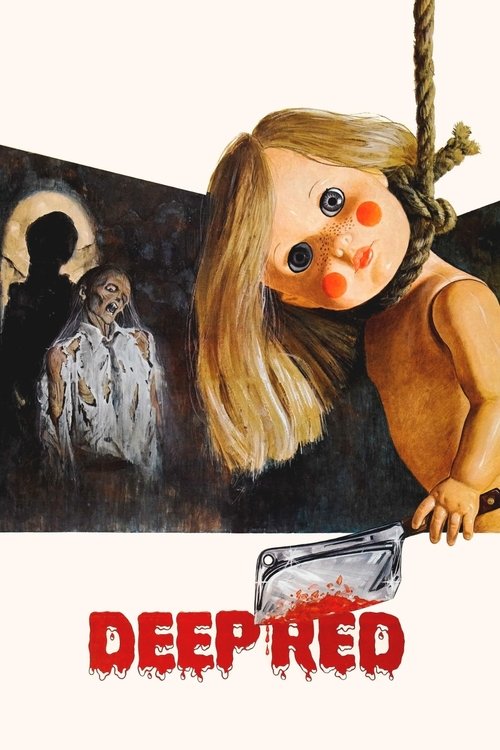
A jazz musician witnesses the murder of a psychic and becomes obsessed with identifying the killer, disturbed by a detail in the crime scene he cannot consciously place. Dario Argento's giallo masterpiece is a film in which the solution to the mystery has been visible to the audience since the opening minutes — the killer hidden in the background of a reflection — making the film a study in the unreliability of perception, shot with hallucinatory visual bravura.
Dario Argento · 1975
Deep Red
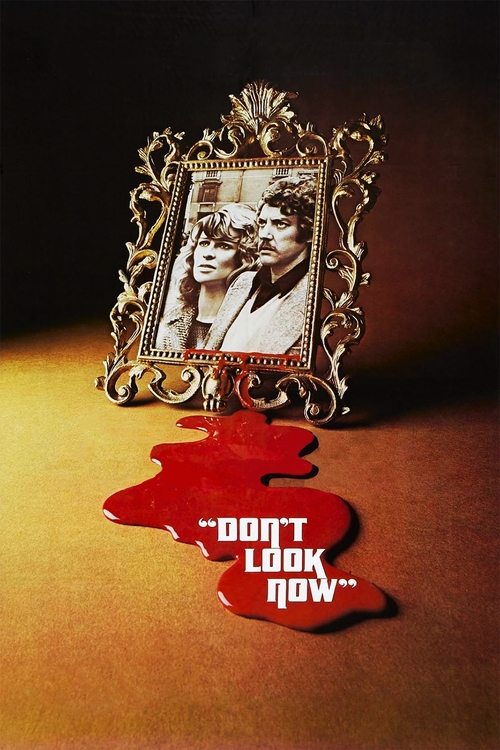
A grieving couple travel to Venice after the accidental drowning of their young daughter, where the husband begins seeing visions of a small red-coated figure darting through the fog-shrouded streets. Nicolas Roeg's film is horror and grief inseparable — a study in the distortions that loss produces in perception, built from fragmented editing that mirrors the mind's refusal to process trauma, culminating in an ending of stunning, cold violence.
Nicolas Roeg · 1973
Don't Look Now
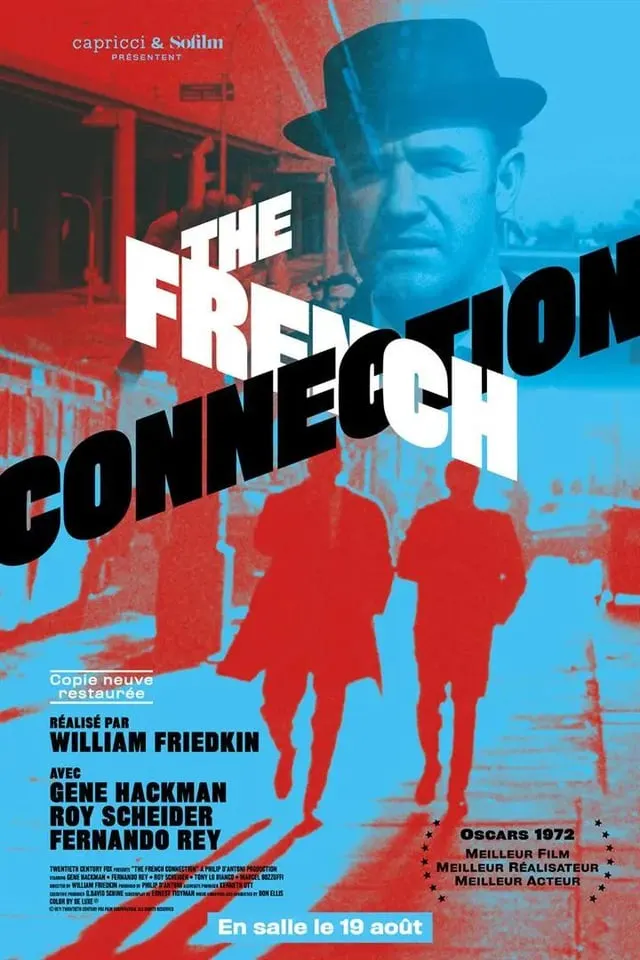
Two New York narcotics detectives race to intercept a heroin shipment from France. Known for its gritty realism and the iconic car chase, the film explores police work with raw intensity and moral ambiguity.
William Friedkin · 1971
The French Connection
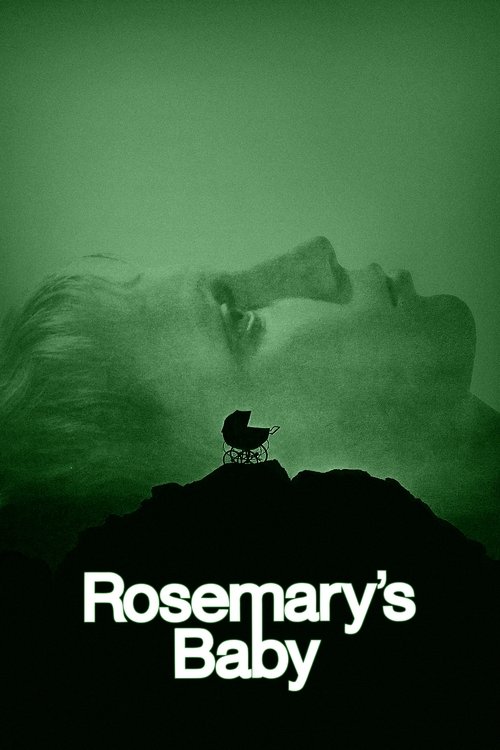
A young woman moves into a gothic Manhattan apartment building with her ambitious actor husband, becomes pregnant, and begins to suspect that her neighbours and husband have made a pact involving her unborn child. Roman Polanski's film is horror as gaslighting — the systematic dismantling of a woman's trust in her own perceptions by the men and institutions around her, culminating in a final image whose horror is inseparable from its tenderness.
Roman Polanski · 1968
Rosemary's Baby
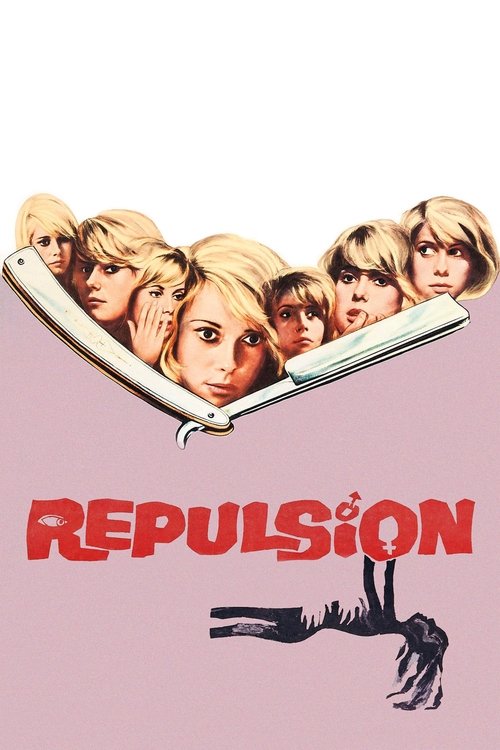
A young Belgian woman left alone in a London flat for a week begins to hear sounds in the walls, see cracks spreading through the plaster, and experience visions of violent assault. Roman Polanski's first English-language film is a masterclass in subjective horror — a film that traps the audience inside a disintegrating mind and refuses to offer the safety of an external perspective.
Roman Polanski · 1965
Repulsion

A teacher is trapped in a remote village and forced to live with a widow in a sand pit. He must endlessly shovel sand to survive. The surreal setting reflects entrapment and human struggle. A haunting psychological allegory.
Hiroshi Teshigahara · 1964
Woman in the Dunes
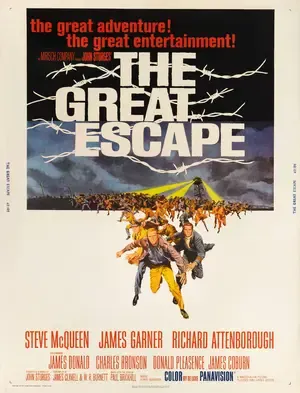
Allied POWs in a German camp hatch an ambitious plan to escape via tunnels. They forge documents, dig tirelessly, and risk their lives for freedom. Camaraderie and suspense dominate as Nazis tighten control. Based on true events, it’s a mix of grit and hope.
John Sturges · 1963
The Great Escape
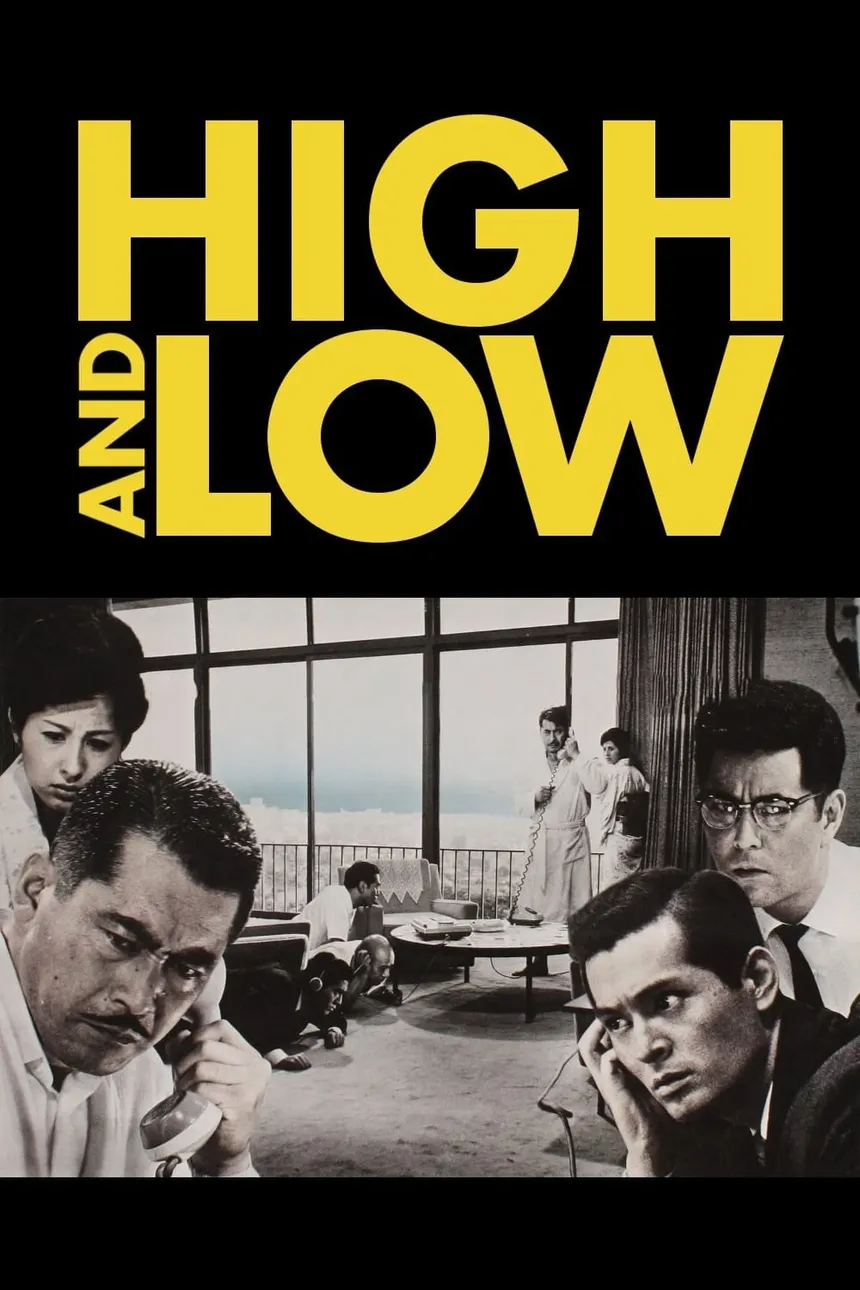
A wealthy businessman’s chauffeur’s son is kidnapped by mistake. Faced with paying ransom, he must choose between morality and wealth. The investigation exposes societal contrasts. A gripping blend of crime drama and social critique.
Akira Kurosawa · 1963
High and Low
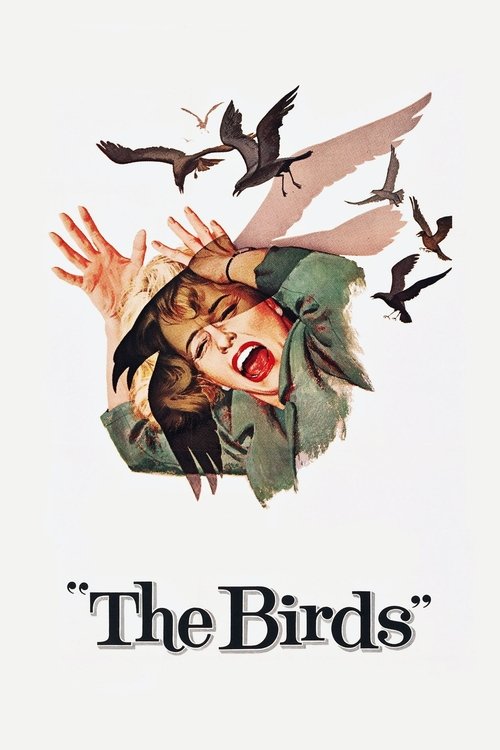
Inexplicably and without provocation, the birds of Bodega Bay, California, begin attacking the human population. Alfred Hitchcock's most formally unnerving film abandons the resolution his genre work usually provided — there is no explanation, no end in sight, and the final image of the car moving through a landscape of watching, waiting birds is the most open ending of his career, a film that says: this is simply how it is now.
Alfred Hitchcock · 1963
The Birds
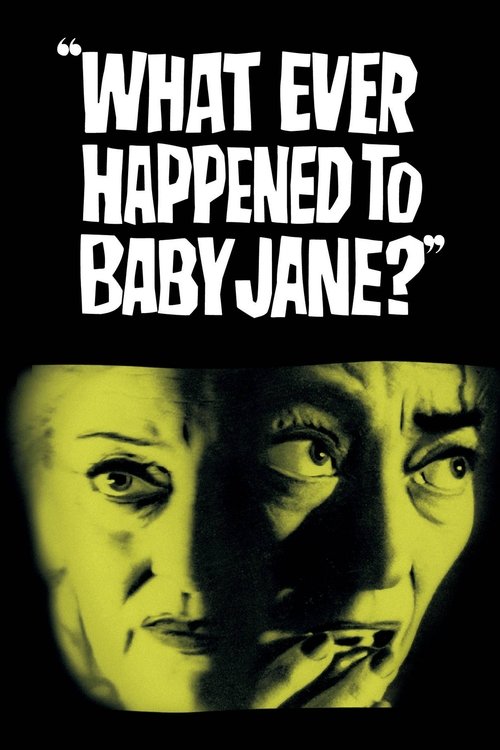
A former child star holds her wheelchair-bound sister — a former movie actress — captive in their decaying Hollywood mansion, tormenting her in escalating acts of cruelty as her grip on reality slips. Robert Aldrich's Grand Guignol horror is built entirely on the collision between Bette Davis and Joan Crawford, two old enemies playing two old enemies in a film that transforms Hollywood's mythology of female stardom into something gothic and terrible.
Robert Aldrich · 1962
What Ever Happened to Baby Jane?
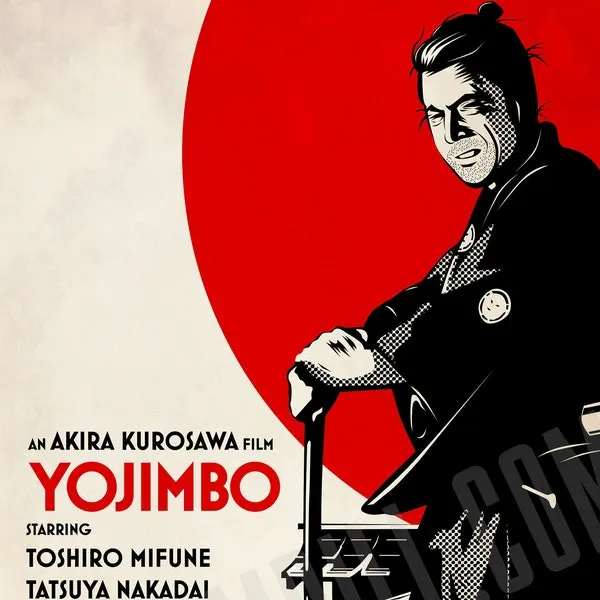
A wandering samurai arrives in a town torn between rival gangs. He cleverly plays both sides against each other. Violence erupts as greed and power clash. A stylish tale of wit, deception, and survival.
Akira Kurosawa · 1961
Yojimbo
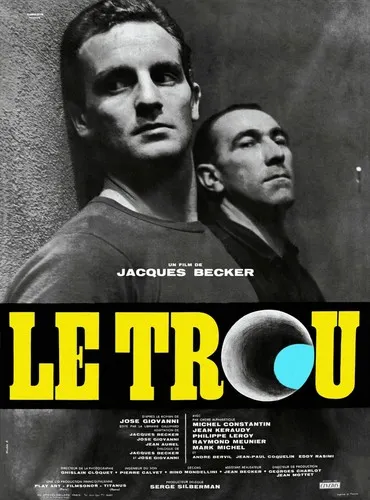
Prisoners in Paris plan a daring escape by digging a tunnel. Their detailed work demands trust and patience. A new inmate’s arrival sparks doubt and tension. Friendship, betrayal, and survival drive this slow-burn thriller.
Jacques Becker · 1960
Le Trou
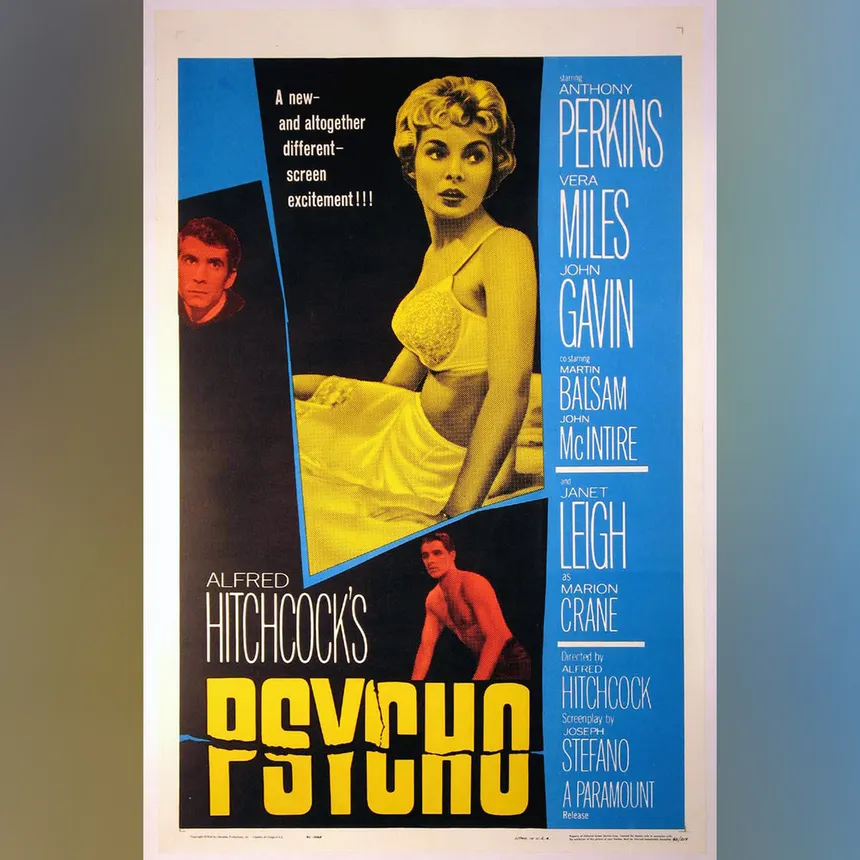
Marion Crane hides at a lonely motel after stealing money. She meets Norman Bates, a shy young man under his mother’s shadow. The infamous shower scene changes everything. Hitchcock’s masterpiece shocked audiences with its chilling twist.
Alfred Hitchcock · 1960
Psycho
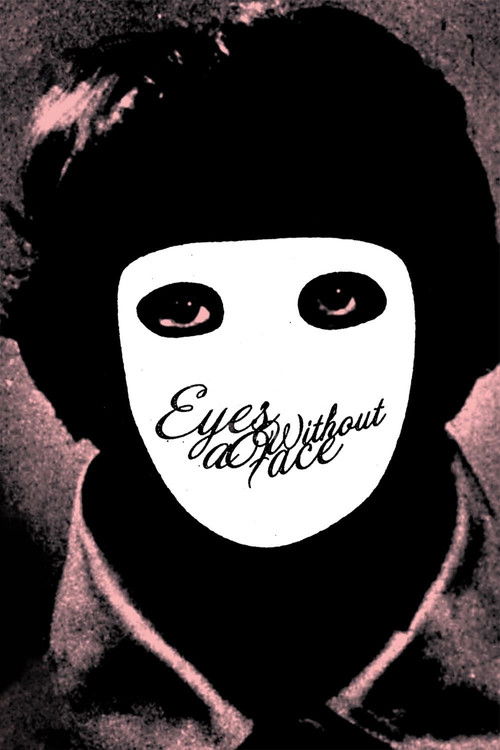
A renowned Parisian surgeon, consumed by guilt over a car accident that destroyed his daughter's face, has his devoted assistant abduct young women so that he can attempt a radical face transplant. Georges Franju's poetic horror film is unlike any other — languid, mournful, and strangely beautiful in its imagery, transforming a story of monstrous obsession into something closer to a tragic fable about the limits of love.
Georges Franju · 1960
Eyes Without a Face
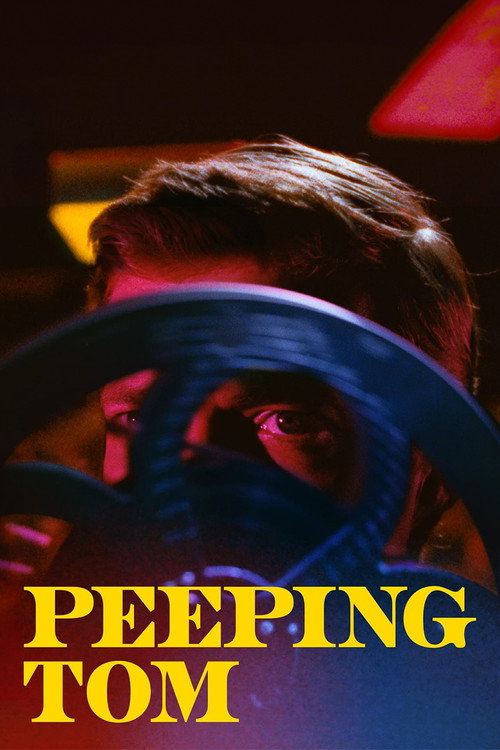
A young film technician compulsively films women as he murders them, capturing their terror with a spike concealed in his camera tripod. Michael Powell's scandalous film anticipated the slasher genre by two decades while simultaneously deconstructing the act of watching cinema itself — a haunting, uncomfortable masterwork about the violence latent in the male gaze and the camera that enables it.
Michael Powell · 1960
Peeping Tom
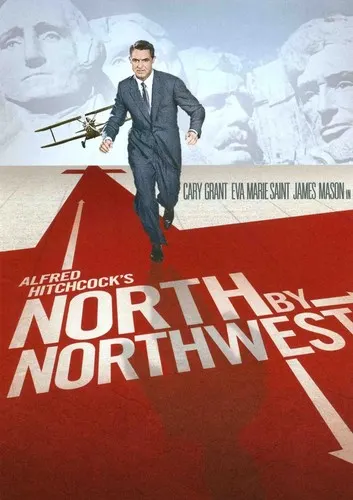
An ad executive is mistaken for a government agent and pursued across America. Fleeing spies and police, he’s framed for crimes he didn’t commit. Iconic chases, including Mount Rushmore, define the film. A thrilling mix of espionage and suspense.
Alfred Hitchcock · 1959
North by Northwest
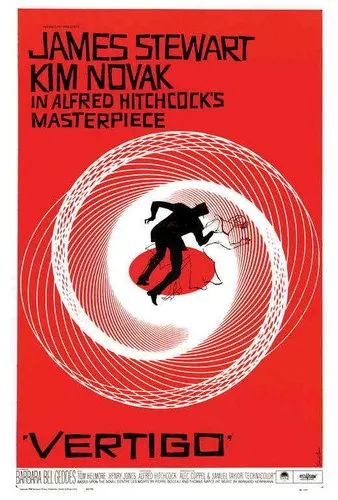
A retired detective with a fear of heights is hired to follow a mysterious woman. His obsession grows as he spirals into deception and illusion. The line between love and madness blurs. A hypnotic tale of desire and identity.
Alfred Hitchcock · 1958
Vertigo
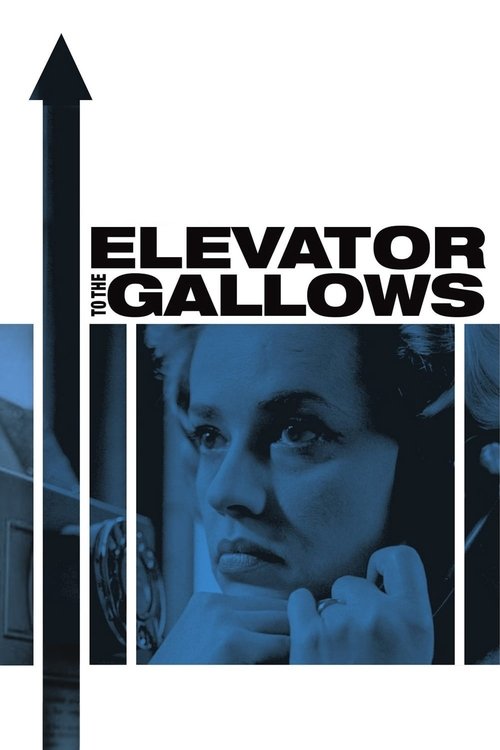
A man murders his lover's husband and makes what should be a clean escape — only to become trapped in an elevator after hours, while a teenager steals his car and commits an entirely different crime that will be pinned on him. Louis Malle's debut feature, scored by Miles Davis in a single legendary night session, is a cold equation of bad luck and worse timing — one of the most formally elegant French noirs ever made.
Louis Malle · 1958
Elevator to the Gallows
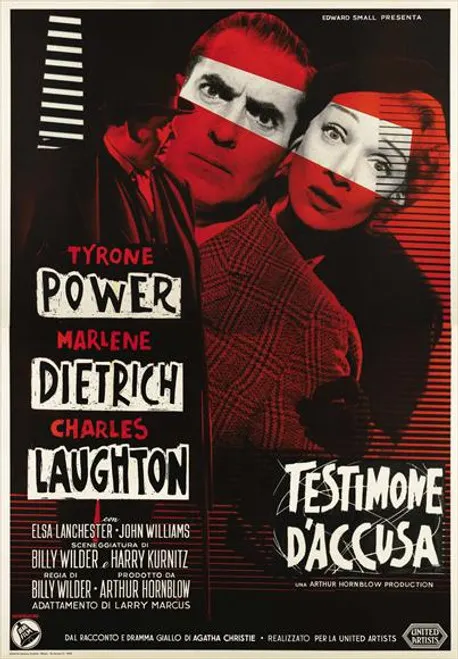
Ailing lawyer Sir Wilfrid defends a man accused of murder. The case hinges on the testimony of the accused’s mysterious wife. Twists unravel in the courtroom with shocking surprises. A classic courtroom thriller with wit and suspense.
Billy Wilder · 1957
Witness for the Prosecution
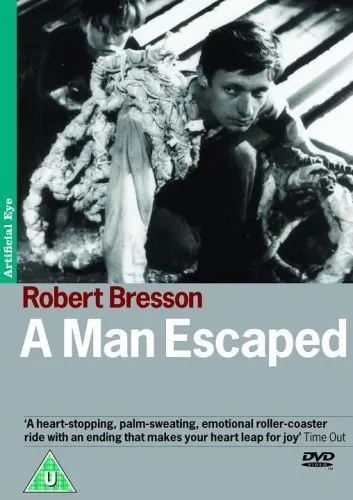
Based on true events, a French Resistance fighter plans his escape from Nazi prison. Every step is methodical, from crafting tools to timing guards. Tension builds with quiet precision. A spiritual story of freedom and determination.
Robert Bresson · 1956
A Man Escaped
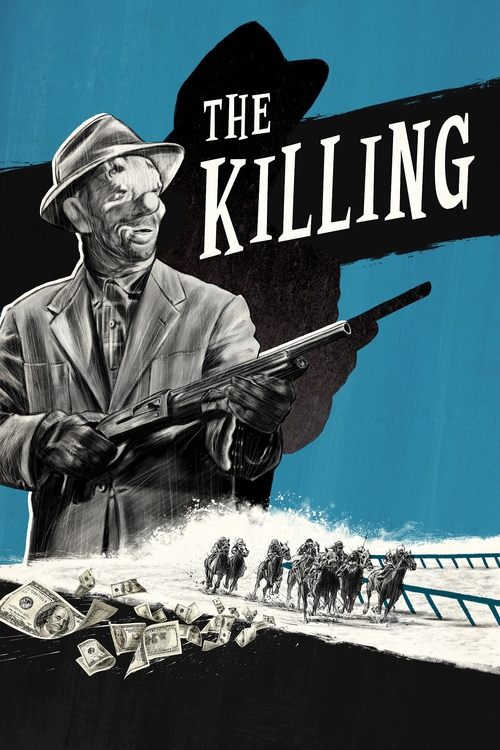
A recently paroled criminal assembles a team of specialists to rob a racetrack on the day of a major race, with each man playing a timed and coordinated role. Stanley Kubrick's first major film introduced his career-defining formal intelligence — fractured chronology, cool ironic observation, and an inevitability that drains the heist of heroism while making it completely impossible to look away.
Stanley Kubrick · 1956
The Killing
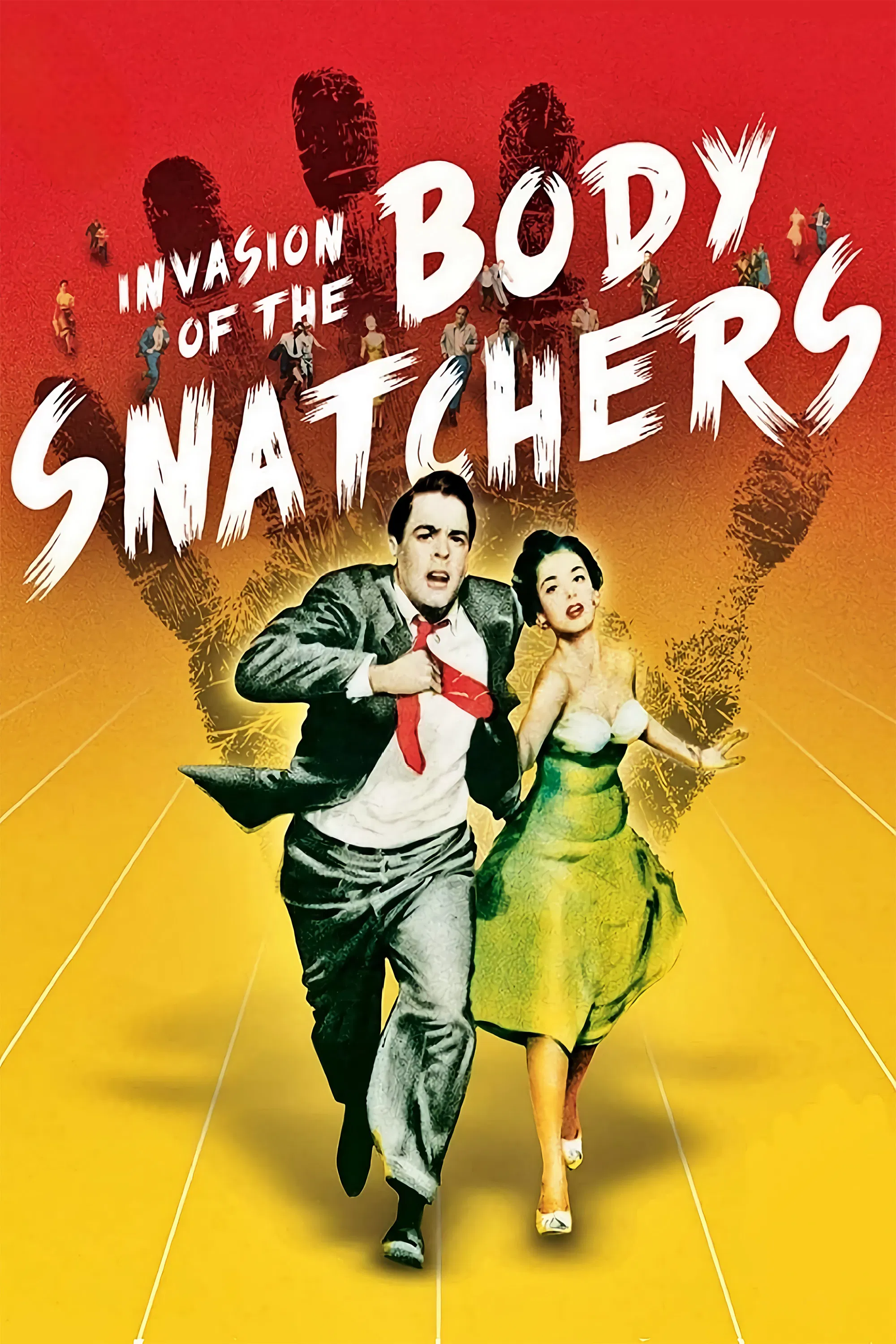
A small-town doctor discovers alien pods are replacing humans with emotionless duplicates while they sleep. As more townspeople are converted, he races to expose the invasion in this Cold War paranoia classic.
Don Siegel · 1956
Invasion of the Body Snatchers
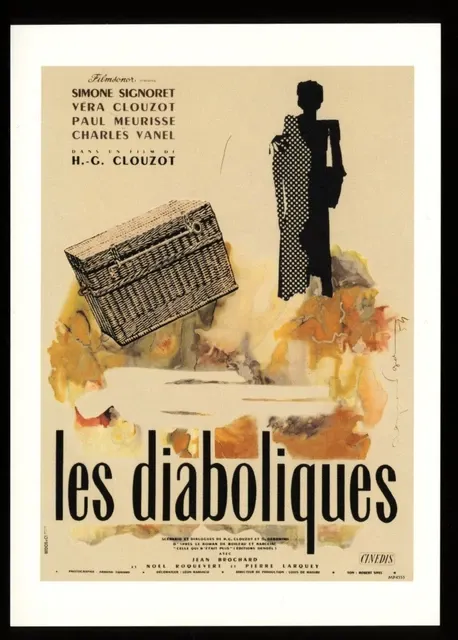
At a French boarding school, the cruel headmaster’s wife and his mistress conspire to murder him. They drown him in a bathtub and dump the body, but when it mysteriously disappears, paranoia sets in. Strange events make the women question if he is truly dead—or if something more sinister is at play. A chilling, atmospheric thriller that inspired countless films, including Hitchcock’s Psycho.
Henri-Georges Clouzot · 1955
Les Diaboliques
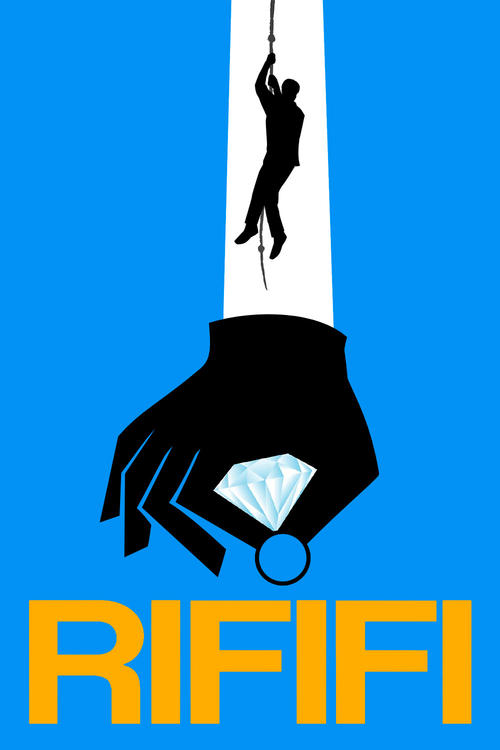
Four men plan and execute the most meticulous jewel robbery in Paris, only to have the aftermath unravel everything the preparation achieved. Jules Dassin's French classic contains one of cinema's greatest sequences — a half-hour heist conducted in complete silence — and remains a masterwork of the genre: precise, elegiac, and merciless in its portrait of how men destroy what they have so carefully built.
Jules Dassin · 1955
Rififi
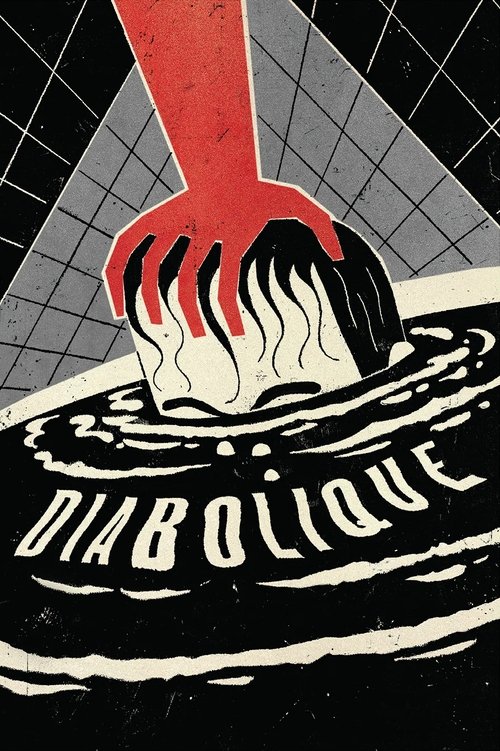
The wife and mistress of a brutal schoolmaster conspire to drown him in a bathtub and dump the body in the school's swimming pool — only for the pool to be drained and the body to be missing. Henri-Georges Clouzot's masterwork of sustained suspense operated so effectively on its audience that the director placed signs outside cinemas begging late-comers not to reveal the ending. Its central twist remains one of cinema's most precise acts of audience manipulation.
Henri-Georges Clouzot · 1955
Diabolique
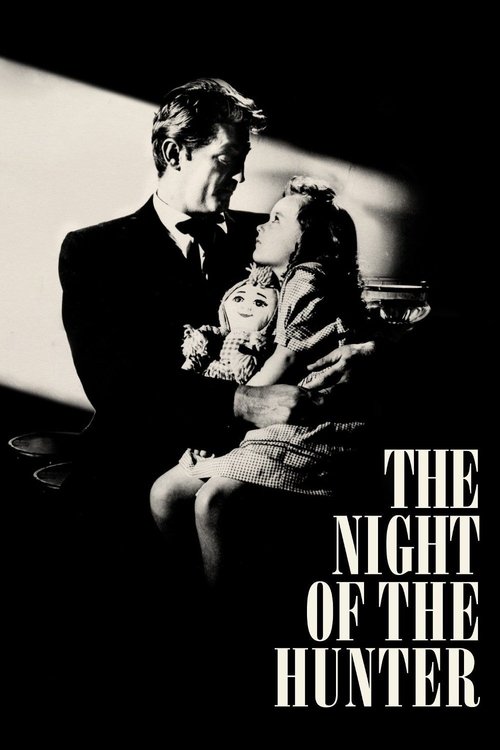
A self-appointed preacher with LOVE and HATE tattooed on his knuckles marries a widow to get close to her children, who alone know where their executed father hid stolen money. Charles Laughton's only film as director remains one of the most visually extraordinary pictures ever made — a fever-dream of Americana that turns a fairy-tale pursuit into something mythic, deeply strange, and genuinely terrifying.
Charles Laughton · 1955
The Night of the Hunter
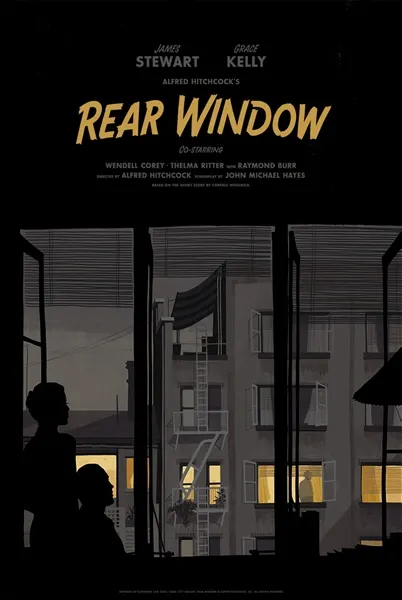
A wheelchair-bound photographer spies on his neighbors and suspects a murder. His obsession grows as he involves his girlfriend in the mystery. Suspense builds as danger creeps closer. A tense study of voyeurism and truth.
Alfred Hitchcock · 1954
Rear Window
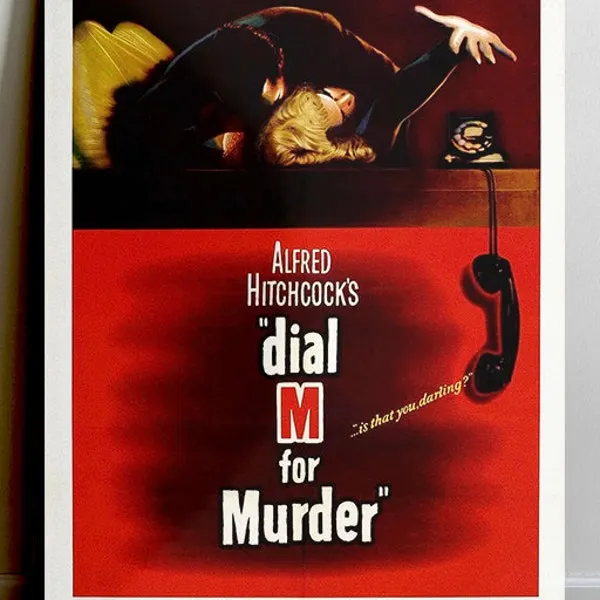
A husband plans to murder his wealthy wife for her fortune. When the plan goes wrong, suspicion falls in unexpected directions. Twists keep the truth uncertain. A gripping tale of betrayal and justice.
Alfred Hitchcock · 1954
Dial M for Murder
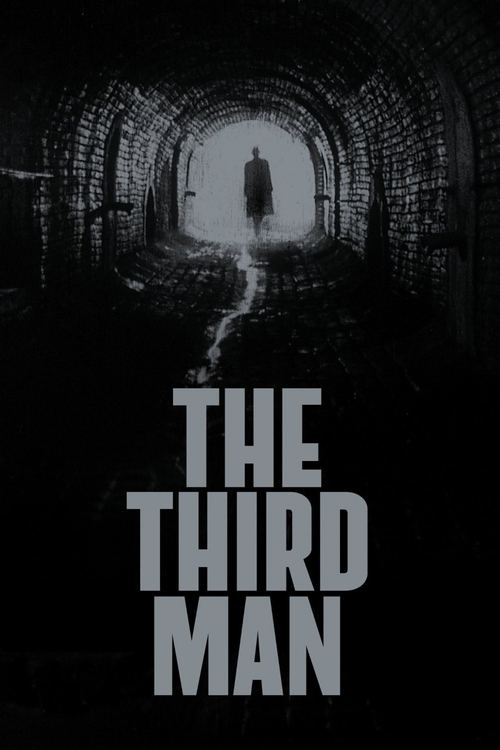
An American pulp novelist arrives in post-war Vienna to visit his friend Harry Lime, only to discover that Lime has just died under suspicious circumstances. As he investigates, a shadowy figure glimpsed at night begins to unravel a conspiracy of black market penicillin and moral compromise. Carol Reed's expressionist noir, shot in the bombed-out rubble of occupied Vienna with one of cinema's most iconic scores, is a portrait of disillusionment that has never dated.
Carol Reed · 1949
The Third Man
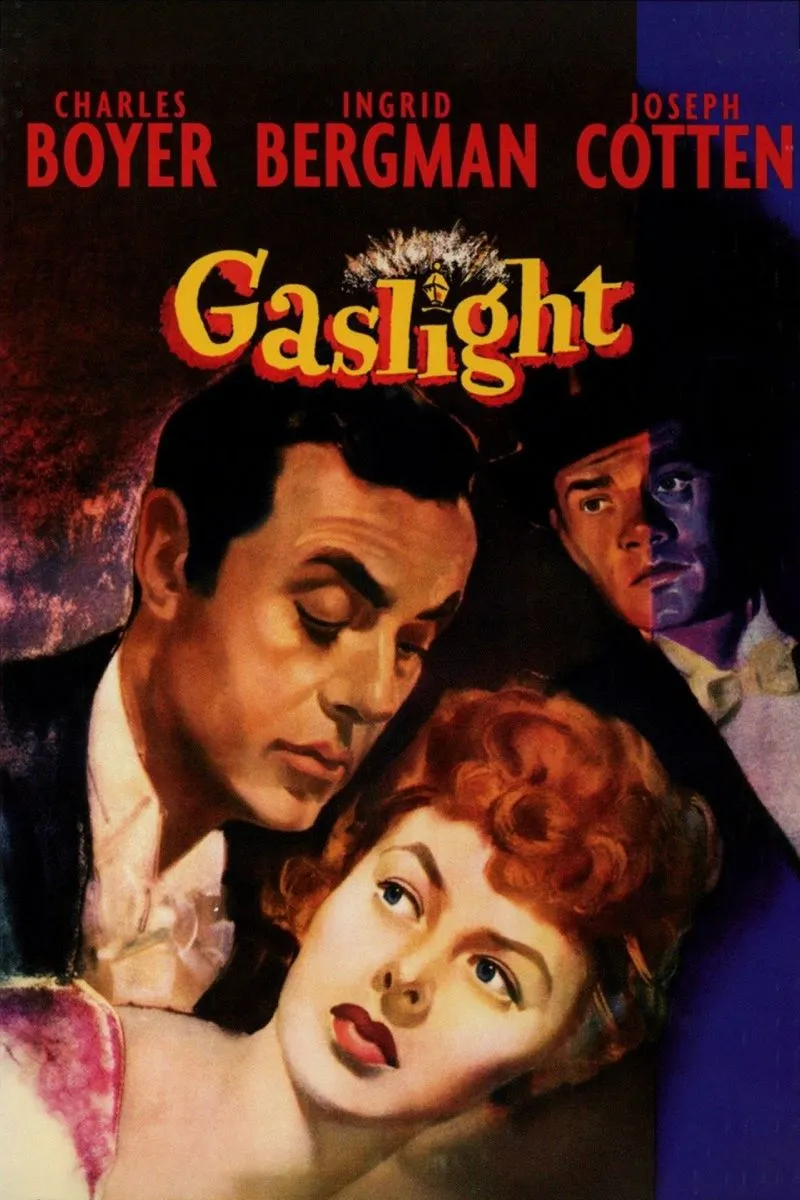
A manipulative husband convinces his wife she’s losing her mind. Strange happenings in their home drive her to despair. But his true motives are far more sinister. A defining psychological thriller that coined the term “gaslighting."
George Cukor · 1944
Gaslight
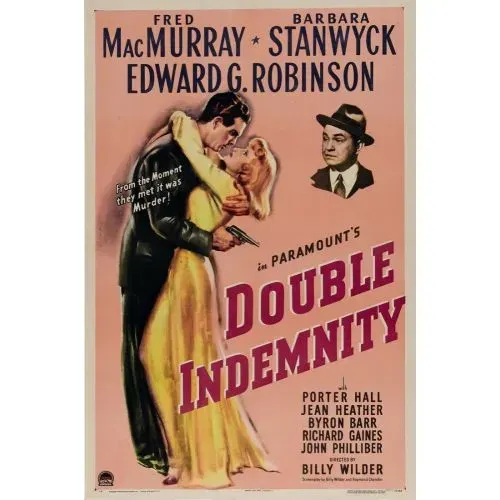
An insurance salesman and a femme fatale plot to kill her husband for money. Their scheme seems foolproof but suspicion grows. Guilt and betrayal unravel their plan. A cornerstone of classic film noir.
Billy Wilder · 1944
Double Indemnity
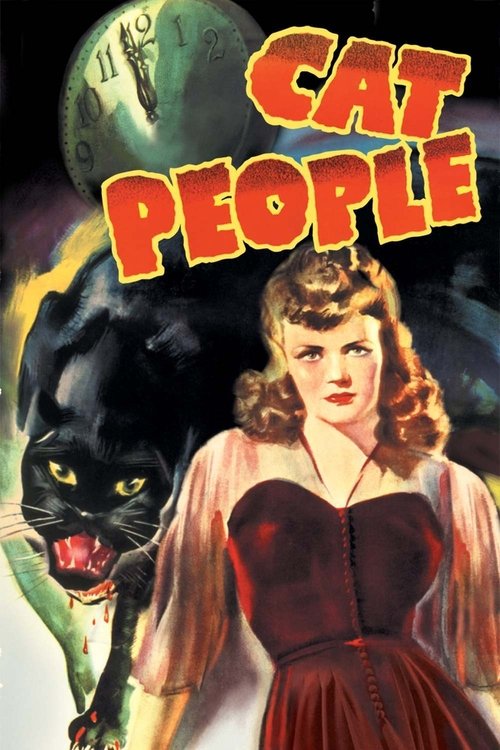
A Serbian-born woman believes she is descended from a race that transforms into cat people when aroused or angry, and her new American husband's attempts to consummate their marriage trigger a crisis. Jacques Tourneur's Val Lewton production invented the horror of suggestion — the famous bus sequence, in which terror is generated by something the audience never sees, remains the purest demonstration of how implication exceeds explicit revelation. A film more interested in its protagonist's psychology than her supernatural condition.
Jacques Tourneur · 1942
Cat People
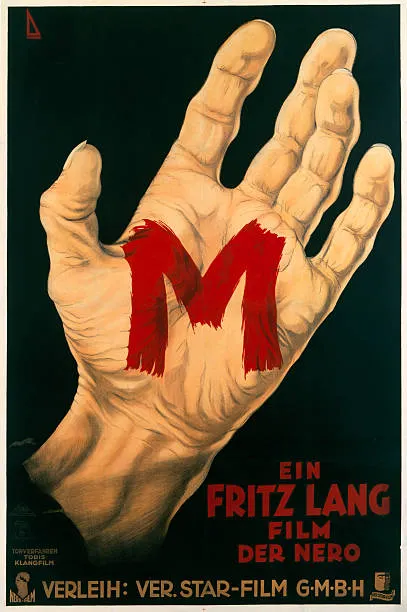
A child murderer terrorizes Berlin, leading both police and criminals to hunt him down. Fear grips the city as the manhunt intensifies. When caught, his trial raises moral questions of justice. One of the earliest masterpieces of suspense.
Fritz Lang · 1931