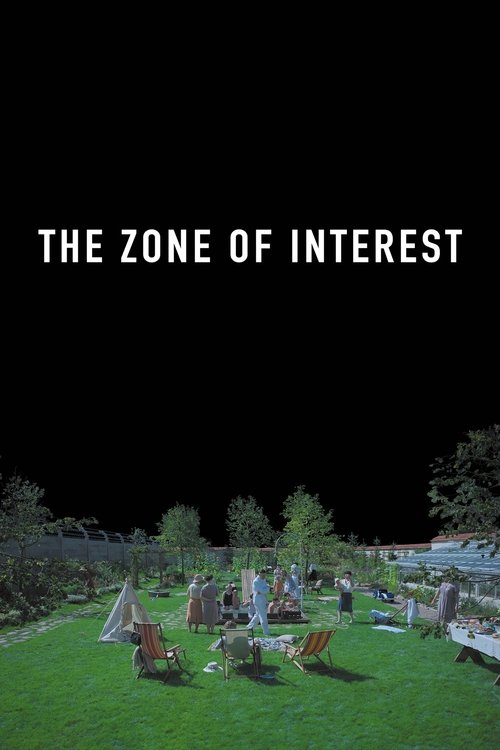
The commandant of Auschwitz lives with his family in a house adjacent to the camp walls — tending his garden, celebrating birthdays, discussing career prospects — as the sounds of the camp drift over the wall. Jonathan Glazer's film refuses to show what lies beyond those walls, finding in the domestic scenes it does show something more damning than direct representation — a portrait of moral dissociation so complete it rewrites the category of evil.
Jonathan Glazer · 2023
The Zone of Interest
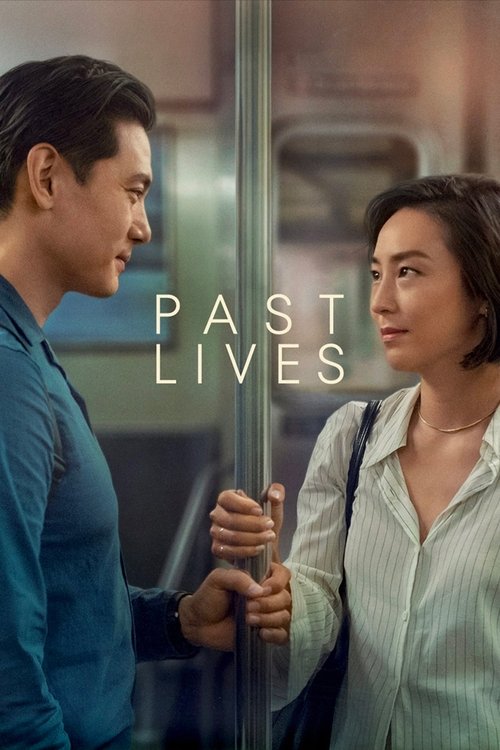
Two childhood sweethearts in Seoul, separated when one emigrated to Canada, reconnect twice — once in their twenties via the internet, once in their thirties when he visits New York — and must negotiate the distance between the people they were and the people they have become. Celine Song's debut is a film about the architecture of the unlived life — a love story in which the deepest feeling is for what cannot be, rendered with an almost unendurable tenderness and restraint.
Celine Song · 2023
Past Lives
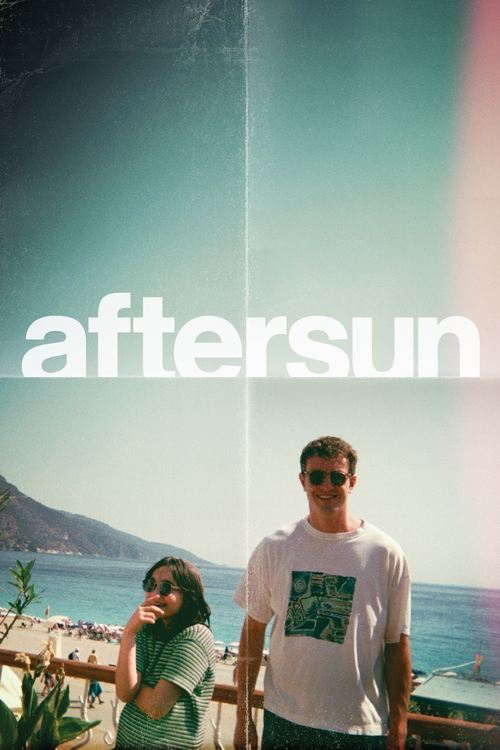
An adult woman tries to reconstruct a holiday she took with her father when she was eleven from fragments of video footage and memory — knowledge accumulated since that casts everything she remembers in a different light. Charlotte Wells' debut is a film about grief and retrospective understanding — about the gap between what a child perceives and what an adult retrospectively knows — shot with a delicacy that makes its final image, of a father dancing in a light-soaked doorway, devastating.
Charlotte Wells · 2022
Aftersun
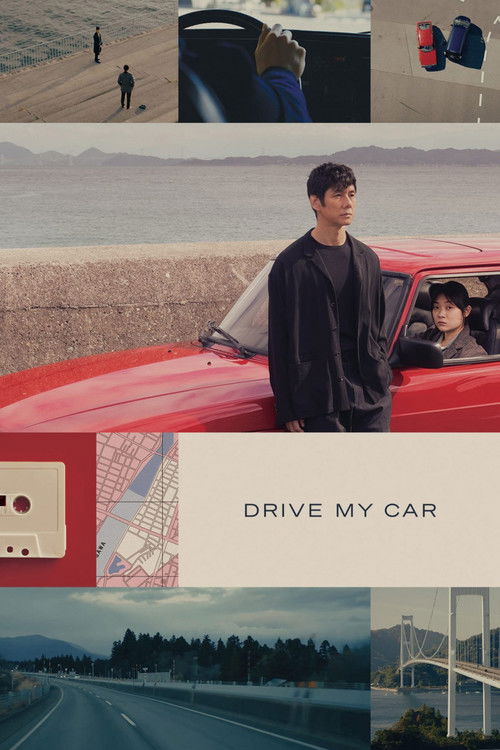
A celebrated theatre director, grieving his wife's death and wrestling with a secret she kept from him, travels to Hiroshima to direct Chekhov's Uncle Vanya with a multilingual cast — and is assigned a driver who will eventually become the person he can speak honestly to. Ryusuke Hamaguchi's three-hour film, drawn from Haruki Murakami's stories, uses Chekhov's text as a container for grief, jealousy, and the possibility of forgiveness.
Ryusuke Hamaguchi · 2021
Drive My Car
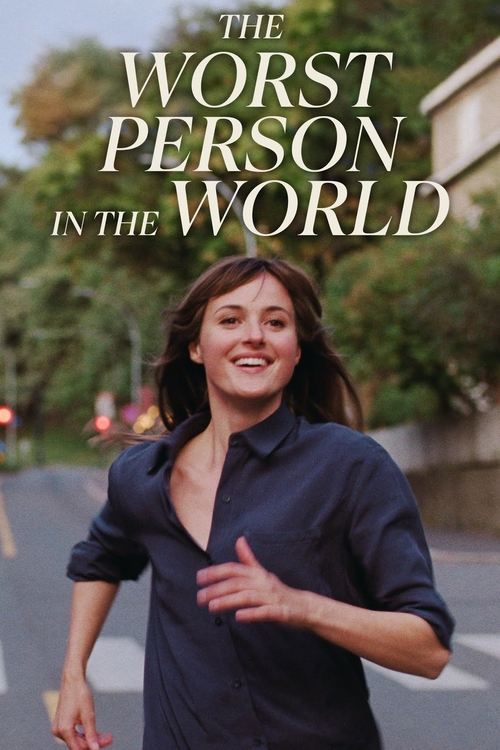
A young Oslo woman in her early thirties drifts between careers, relationships, and versions of herself — intelligent, charming, self-sabotaging — as she tries to figure out who she actually is and what she actually wants. Joachim Trier's film is the most generous portrayal of female ambivalence in recent cinema — a film that refuses to judge its protagonist for her restlessness, and that earns its emotion precisely because it has spent so long watching her honestly.
Joachim Trier · 2021
The Worst Person in the World
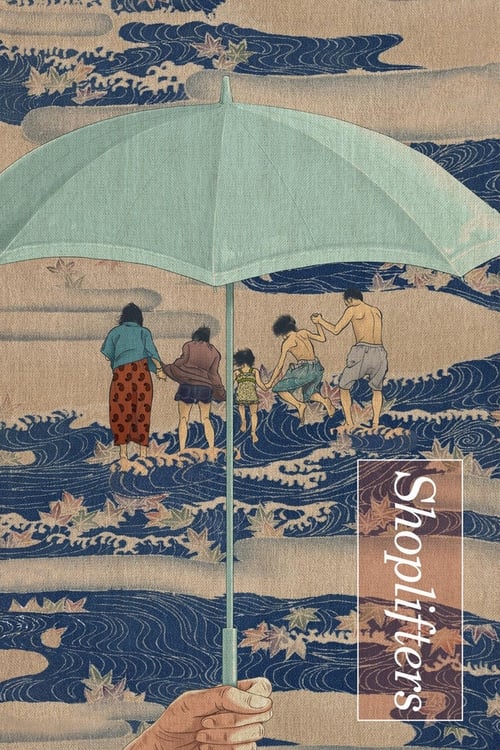
A family of outsiders on the margins of Tokyo society — none of whom are biologically related — take in a young girl they find alone in the cold, expanding their precarious household by one more person who has nowhere else to go. Hirokazu Kore-eda's Palme d'Or winner asks what constitutes a family when all social and legal bonds are stripped away — and answers with a film of such warmth and such sadness that the question itself is transformed.
Hirokazu Kore-eda · 2018
Shoplifters
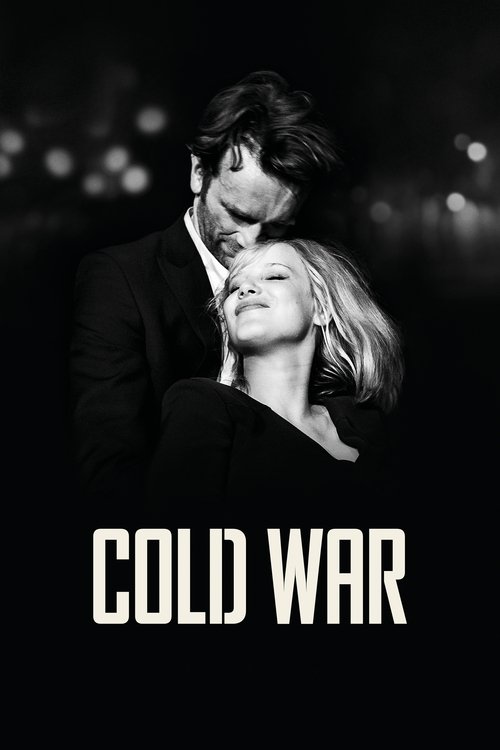
A musician and a singer meet in postwar Poland and fall into a love that persists across borders, political systems, decades, and multiple separations — a love neither of them can sustain and neither can abandon. Paweł Pawlikowski's film, again shot in black and white and compressed to the Academy ratio, compresses an entire life of love into eighty-eight minutes with a kind of formal perfection that makes its sadness feel like music.
Paweł Pawlikowski · 2018
Cold War
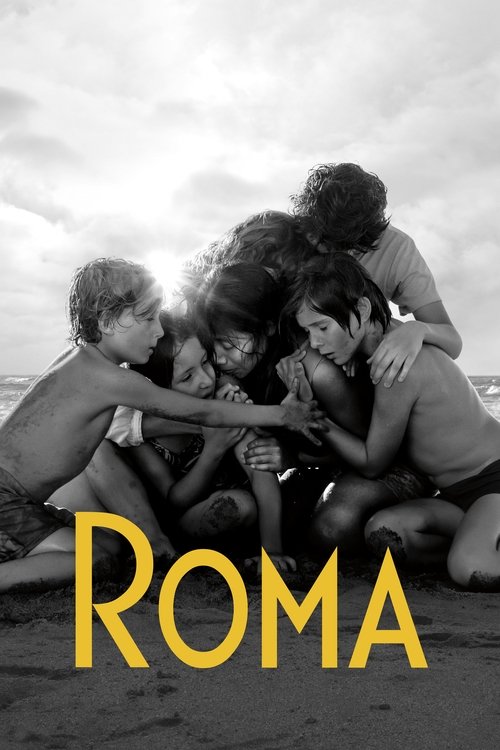
A domestic worker for a middle-class Mexico City family navigates the year 1970 — her employer's crumbling marriage, her own pregnancy by a man who abandons her, the Corpus Christi massacre — while the children she cares for grow up around her. Alfonso Cuarón's personal film, shot in black and white with extraordinary patience and precision, is a memorial to the domestic workers whose labour sustained middle-class Mexican life and whose lives went largely unrecorded.
Alfonso Cuarón · 2018
Roma
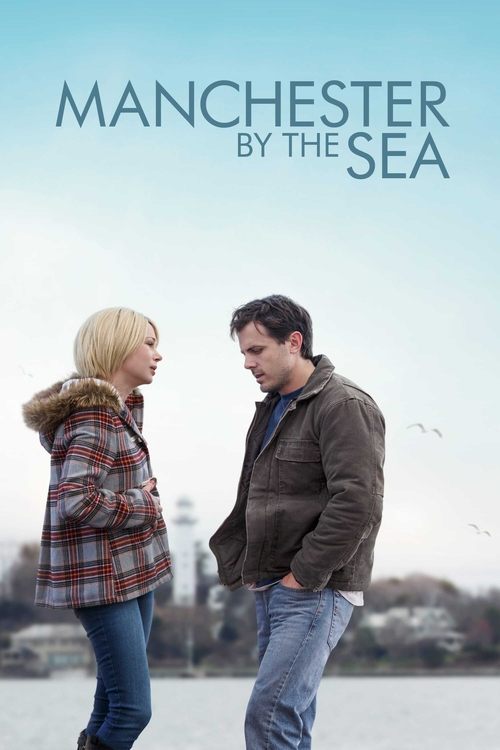
A reclusive Boston janitor is appointed guardian of his teenage nephew following his brother's sudden death, requiring him to return to the coastal town where he suffered a catastrophic loss years before. Kenneth Lonergan's film is a study in the kind of grief that does not resolve — grief that simply occupies the space where a person used to be, resistant to all the social scripts for recovery. Casey Affleck's performance is the quietest devastation in recent American cinema.
Kenneth Lonergan · 2016
Manchester by the Sea
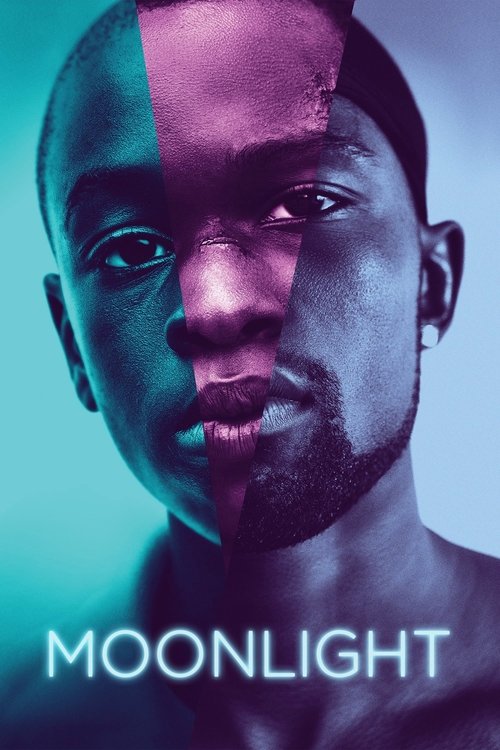
A young Black man in Liberty City, Miami grows from childhood through adolescence to adulthood, finding his identity in relation to a violent home environment, a drug-addicted mother, a drug dealer who becomes a surrogate father, and a single experience of intimacy that will define him. Barry Jenkins' triptych is a film of extraordinary sensory delicacy — shot in deep, shimmering colour, scored with music of unexpected range — that traces the architecture of a life built around what must be hidden.
Barry Jenkins · 2016
Moonlight
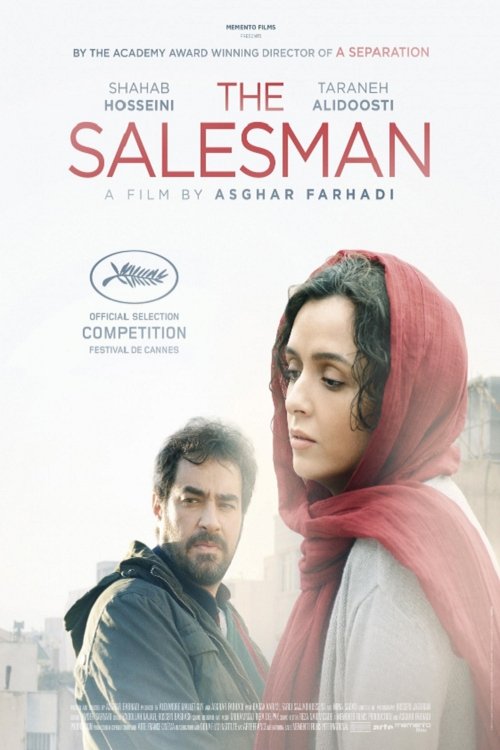
A Tehran couple rehearsing a production of Death of a Salesman are forced to move into a new apartment after their building is damaged. An incident involving a previous tenant leads to a crisis that each of them handles differently, pulling against each other's desires for justice and for silence. Asghar Farhadi's film uses Miller's play as a structural mirror — a film about the damage done to people who cannot be honest about what has happened to them.
Asghar Farhadi · 2016
The Salesman

A committed vegetarian enrolled in a French veterinary school undergoes an initiation ritual that requires her to eat raw meat for the first time, awakening in her an appetite she cannot control. Julia Ducournau's debut is body horror as bildungsroman — a film about female desire and appetite in a world that demands their suppression, using cannibalism as the most honest metaphor available for what society does to women who want too much.
Julia Ducournau · 2016
Raw
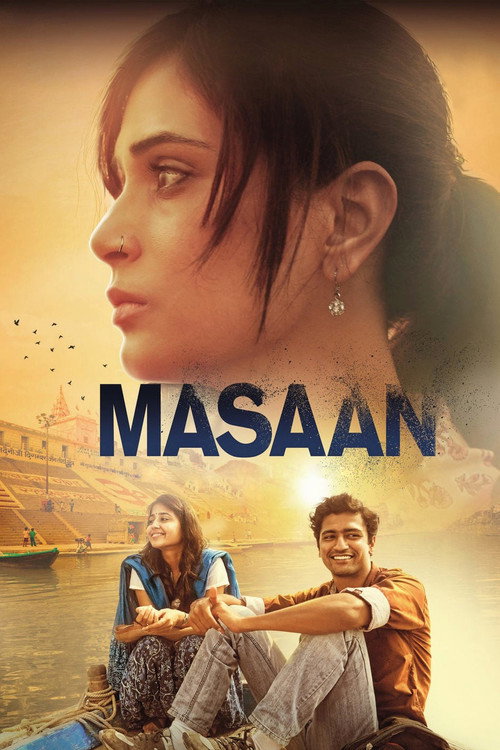
Two parallel stories unfold in Varanasi: a Dalit boy who falls in love with an upper-caste girl, and a young woman whose clandestine affair is discovered and exploited. Neeraj Ghaywan's debut moves between these stories with a formal elegance that mirrors the city itself — ancient, beautiful, shot through with death and life simultaneously — finding in the Ganges a metaphor for the way sorrow is carried and eventually, perhaps, released.
Neeraj Ghaywan · 2015
Masaan
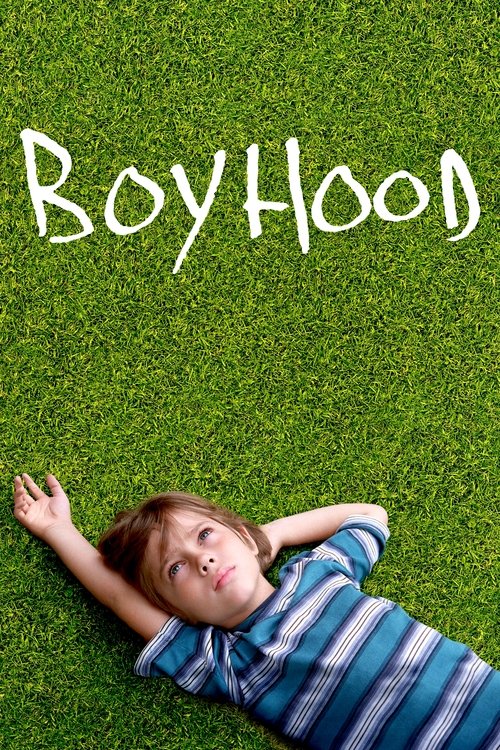
A boy is followed from age six to age eighteen over twelve years of actual filming, growing up before our eyes with the same cast as his parents and sister against the changing landscape of American life. Richard Linklater's experiment in real time is less interested in dramatic incident than in the texture of growing up — the accumulation of small moments, awkward conversations, and passing years that constitute a life in the making.
Richard Linklater · 2014
Boyhood
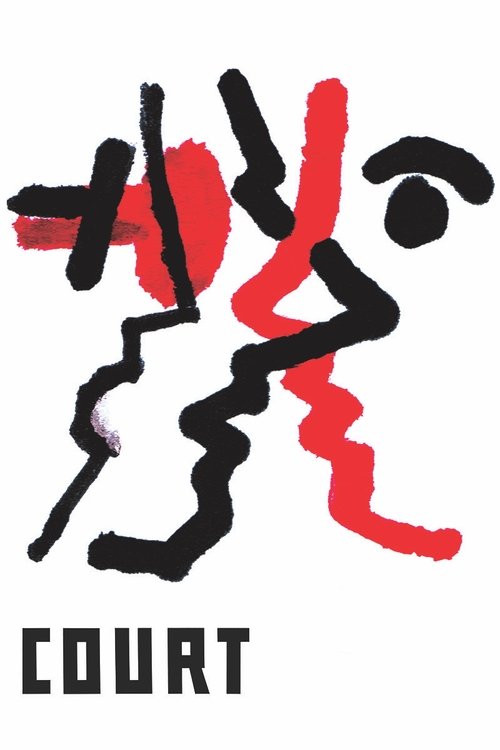
An aging folk singer and activist is arrested and tried on absurd charges for allegedly inciting a worker's suicide through a song. Chaitanya Tamhane's debut follows the case through the machinery of the Indian legal system with deliberately unheroic patience — a film of extraordinary formal discipline that uses the mundane rhythms of a slow trial to reveal a system calibrated to exhaust and demoralise the people it processes.
Chaitanya Tamhane · 2014
Court
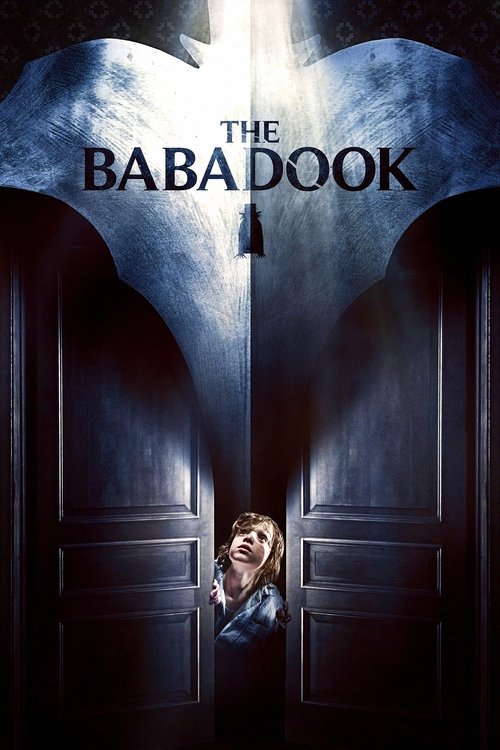
A depressed, exhausted widowed mother struggling with a disturbed young son discovers a mysterious pop-up book in the house — and the creature in the book begins to appear. Jennifer Kent's debut is grief rendered as horror — the Babadook as the physical form taken by a mother's unresolved mourning, her resentment of her child, and the depression she has refused to name. A film that understands horror's capacity to say what realism cannot.
Jennifer Kent · 2014
The Babadook
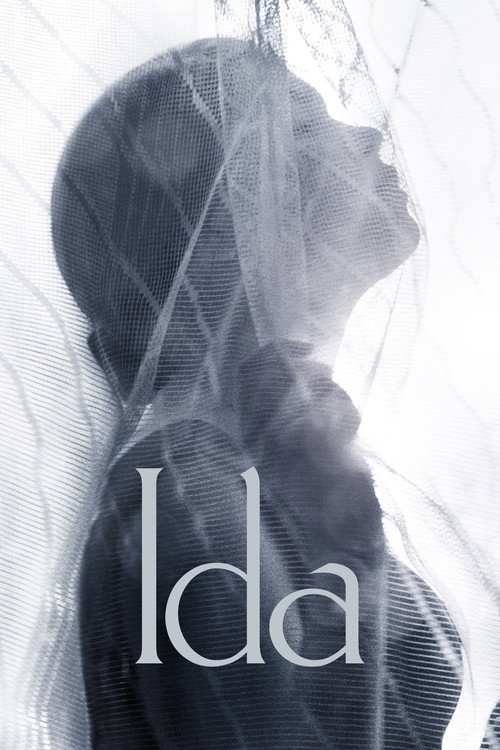
A novice nun in 1960s Poland, about to take her vows, is told by the aunt she has never met that she is Jewish, her parents were killed during the war, and there is a grave to find. Paweł Pawlikowski's film, shot in cold, precise black and white in the almost-square Academy ratio, is a portrait of a Poland still haunted by what was done to its Jewish citizens — and of a young woman discovering the self she must either inhabit or refuse.
Paweł Pawlikowski · 2013
Ida
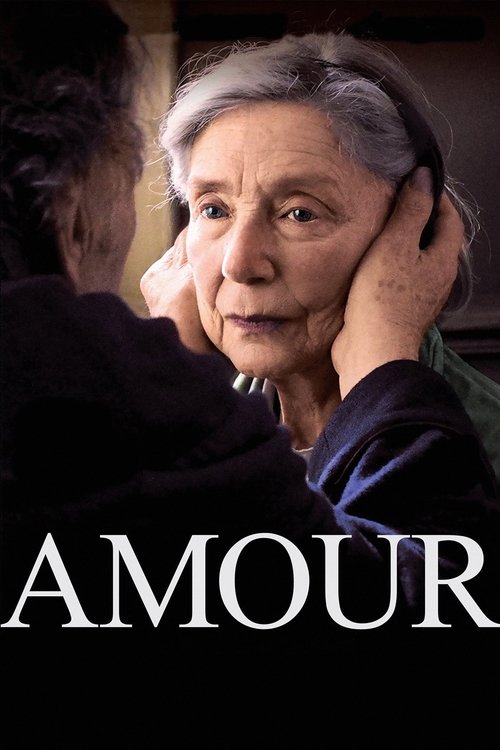
An elderly Parisian couple — both retired music teachers — face the gradual physical deterioration of the wife following a series of strokes. Her husband tends to her with love, patience, and a grief too enormous to articulate, as their apartment becomes the whole world. Michael Haneke's most tender film is also his most brutal — a film about love as an act of witness, and about the merciless logic of the body that eventually defeats all devotion.
Michael Haneke · 2012
Amour
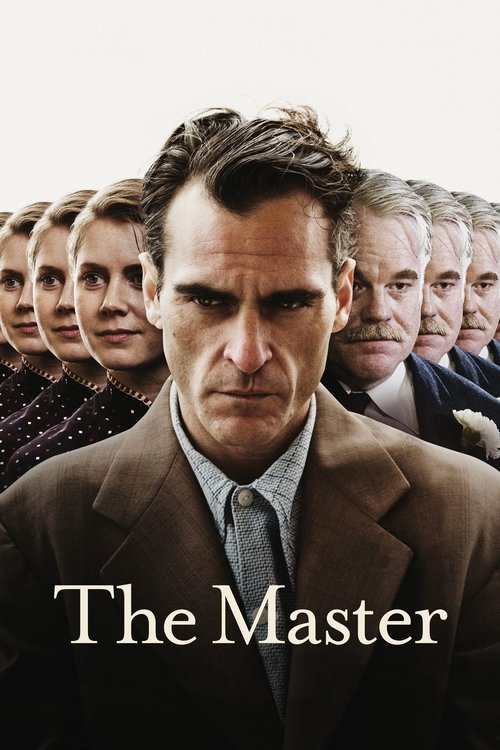
A drifting, alcoholic former sailor falls into the orbit of a charismatic religious leader who runs a cult-like philosophical movement called The Cause. Paul Thomas Anderson's most formally perfect film uses the relationship between its two men — Joaquin Phoenix's feral, unresolvable animal energy and Philip Seymour Hoffman's magnificent, manipulative certainty — to examine the human need for meaning and the danger of those who offer it.
Paul Thomas Anderson · 2012
The Master
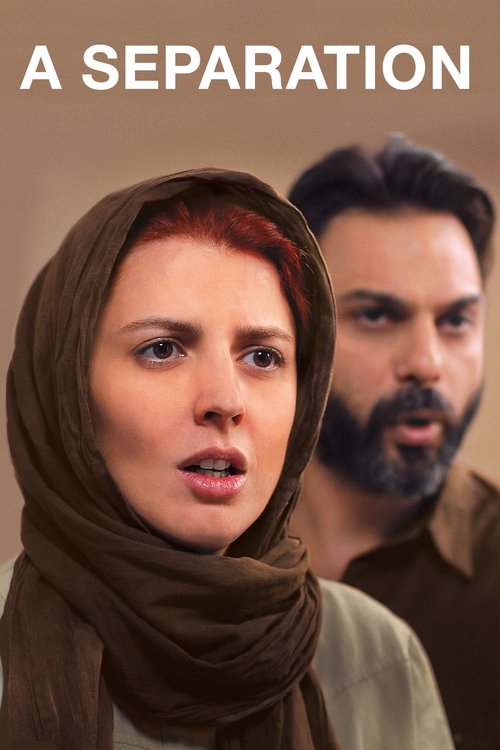
A middle-class Tehran couple decides to separate after the wife's desire to emigrate conflicts with the husband's refusal to leave his Alzheimer's-afflicted father. When a caretaker hired to help with the father is involved in a disputed incident, a moral labyrinth opens that implicates every character in ways that resist simple verdict. Asghar Farhadi's masterwork uses the grammar of a courtroom thriller to conduct one of cinema's most rigorous moral investigations — a film in which everyone is both right and wrong.
Asghar Farhadi · 2011
A Separation

A Texas family in the 1950s — a strict father, a gentle mother, three boys growing toward consciousness — is set against nothing less than the origin of the universe. Terrence Malick's most audacious film asks how grace and nature coexist in a single human life, and answers with twenty minutes of cosmic imagery, a stunning portrait of a 1950s Texas childhood, and Sean Penn standing in a kind of afterlife. Nothing else in cinema is quite like it.
Terrence Malick · 2011
The Tree of Life
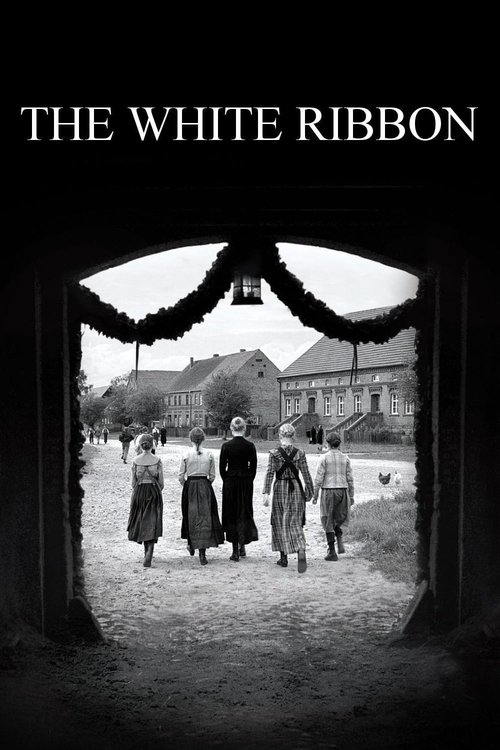
A series of mysterious and violent incidents disturbs the rigid social order of a Protestant German village in the years before the First World War. Haneke shoots in a black and white of severe beauty, maintaining a documentary distance from events that refuses interpretation — we understand that we are watching the formation of a generation, and what that generation would become, without being told.
Michael Haneke · 2009
The White Ribbon
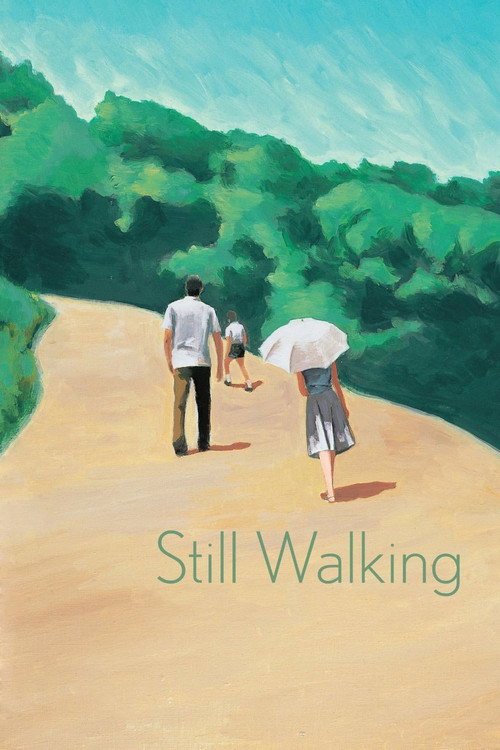
A family gathers at the parental home for an annual day marking the drowning death of an older son years earlier. Small tensions accumulate over meals, preparations, and conversations half-said and half-heard. Hirokazu Kore-eda's film is so precise in its observation of how families absorb and deflect grief that it seems less like a movie than a recording of something that actually happened — each small cruelty and small tenderness weighted with the knowledge that the day will pass and nothing will be resolved.
Hirokazu Kore-eda · 2008
Still Walking
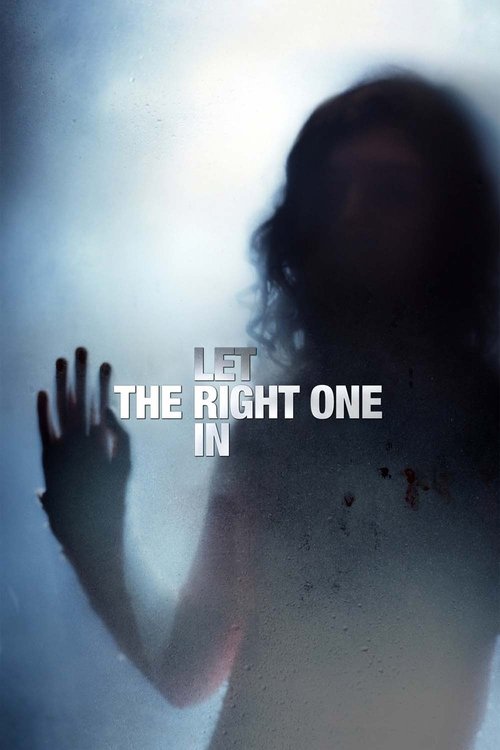
A lonely, bullied twelve-year-old boy in a Stockholm suburb befriends the girl who has just moved in next door — who turns out to be a vampire of indeterminate age. Tomas Alfredson's adaptation of John Ajvide Lindqvist's novel is the most tender horror film ever made — a love story between two outsiders in which the vampiric nature of one is the condition of the other's survival, not its obstacle. Shot in the cold, still blue light of a Swedish winter.
Tomas Alfredson · 2008
Let the Right One In
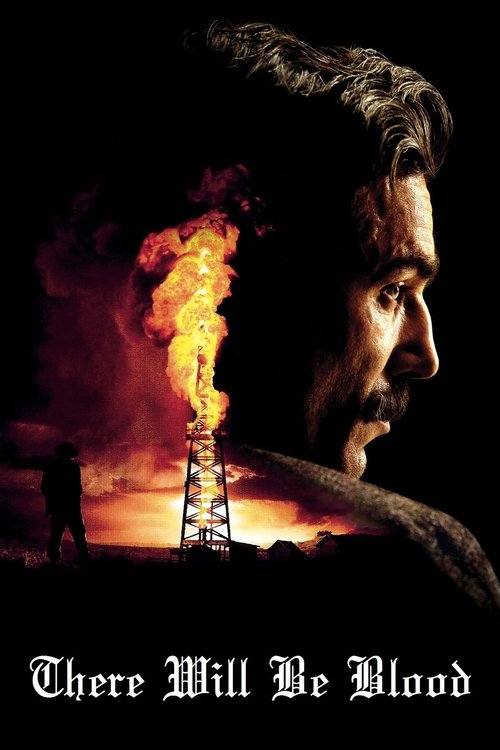
A silver miner turned oil prospector builds an empire in Southern California at the turn of the twentieth century, destroying everything in his path with single-minded ferocity. Paul Thomas Anderson's film is an origin story of American capitalism, watched through the prism of one man's total severance from human connection — culminating in Daniel Day-Lewis' operatic final scene, which strips the mythology of the self-made man down to its murderous core.
Paul Thomas Anderson · 2007
There Will Be Blood
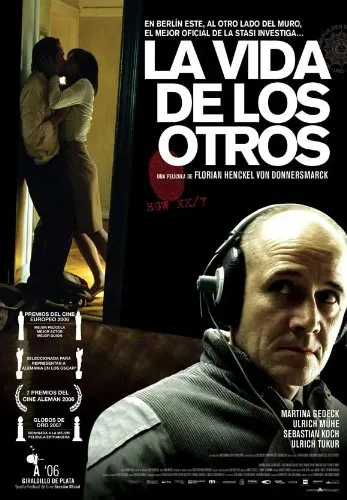
In 1980s East Germany, a Stasi officer spies on a playwright. As he listens in, he becomes attached to their lives. His conscience challenges his loyalty to the regime. A poignant tale of surveillance and redemption.
Florian Henckel von Donnersmarck · 2006
The Lives of Others
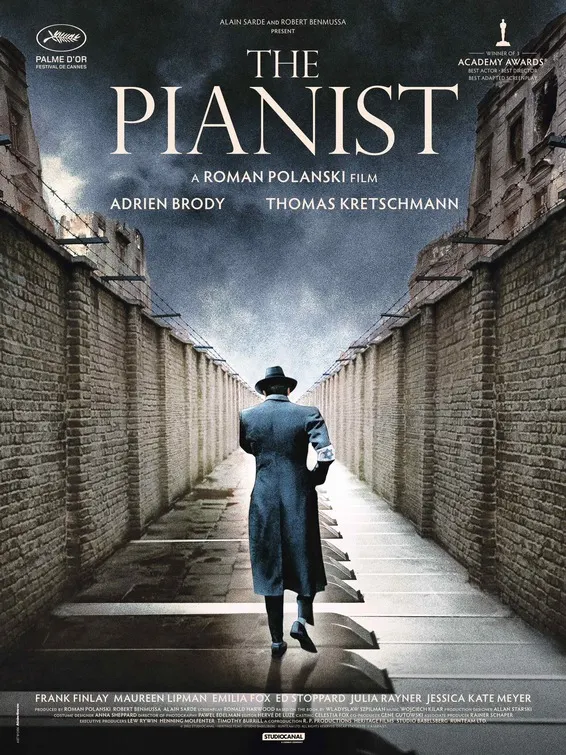
Roman Polanski · 2002
The Pianist
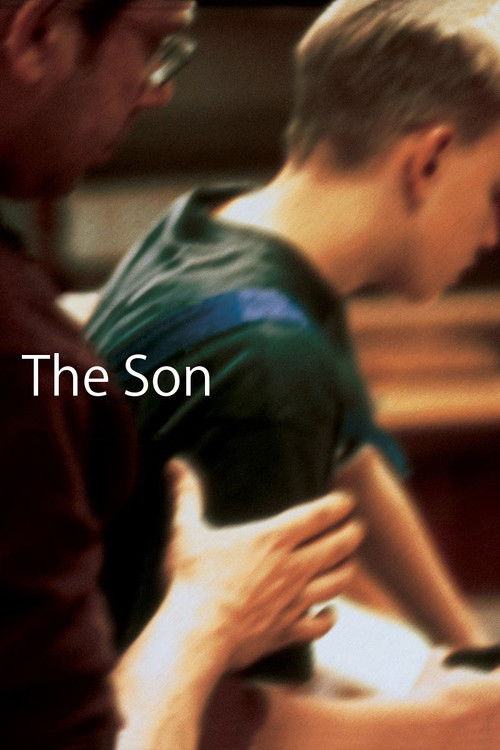
A carpentry instructor at a rehabilitation centre accepts a new pupil — a boy who, we learn gradually, killed his young son years earlier. The Dardenne brothers' most morally extreme film holds its secret long enough that the audience understands the teacher's behaviour as ordinary before understanding it as remarkable — a film about forgiveness so austere it refuses even the word.
Jean-Pierre Dardenne & Luc Dardenne · 2002
The Son
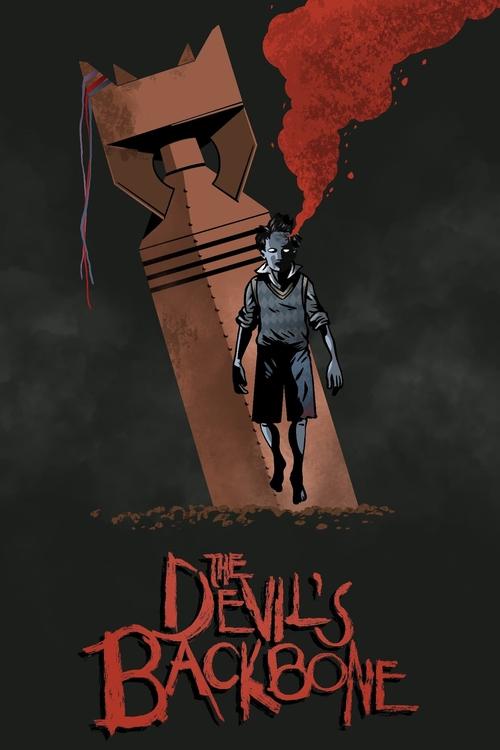
A twelve-year-old boy is left at a Republican orphanage in Franco-era Spain during the Civil War and encounters the ghost of a child who died there. Guillermo del Toro's film is the most humane ghost story in cinema — the ghost as a victim of the same historical violence that threatens every child in the building, the horror inseparable from the political reality of what war does to the young.
Guillermo del Toro · 2001
The Devil's Backbone
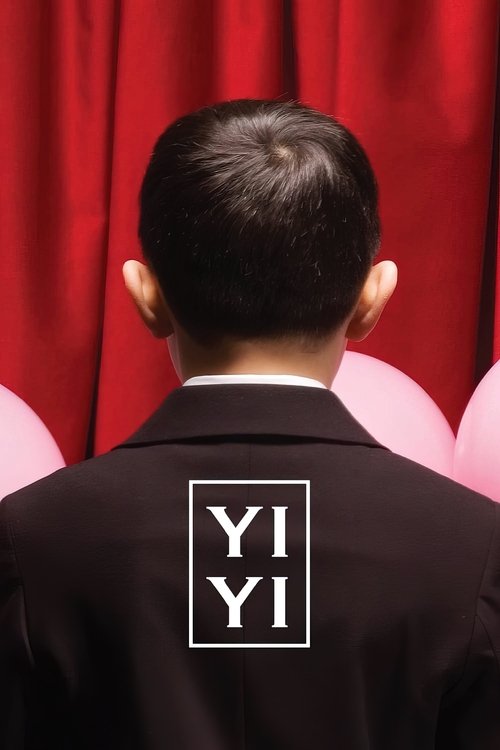
Over the course of a year, a Taipei family navigates a series of overlapping crises: a new marriage, a dying grandmother, a father's temptation, a boy's dawning consciousness of the world. Edward Yang's three-hour masterpiece observes contemporary urban life with the patience and precision of a great novel — a film about the things we cannot say to one another and the images, like photographs taken of what we cannot see from the front, that might articulate them.
Edward Yang · 2000
Yi Yi
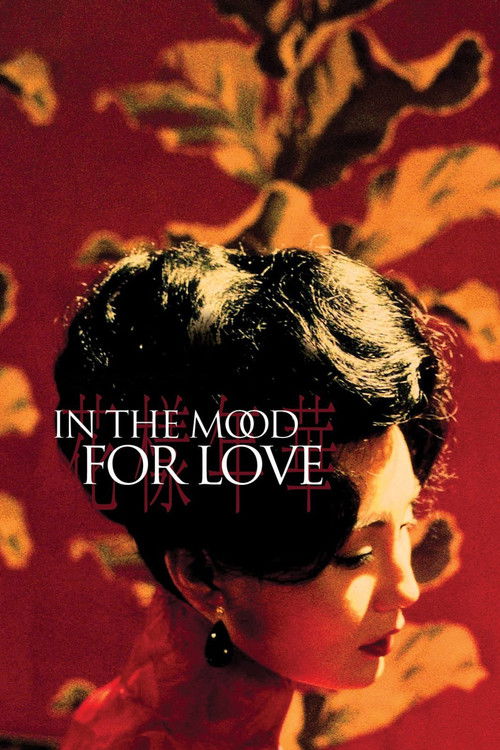
Two neighbours in 1960s Hong Kong discover that their spouses are having affairs with each other, and gradually find themselves falling into the emotional space their absences create. Wong Kar-wai's most controlled film replaces conventional narrative with a system of repetition, slow motion, and Shigeru Umebayashi's score — constructing a love story told entirely in what is not said, not done, and not permitted, whose longing remains unexhausted.
Wong Kar-wai · 2000
In the Mood for Love
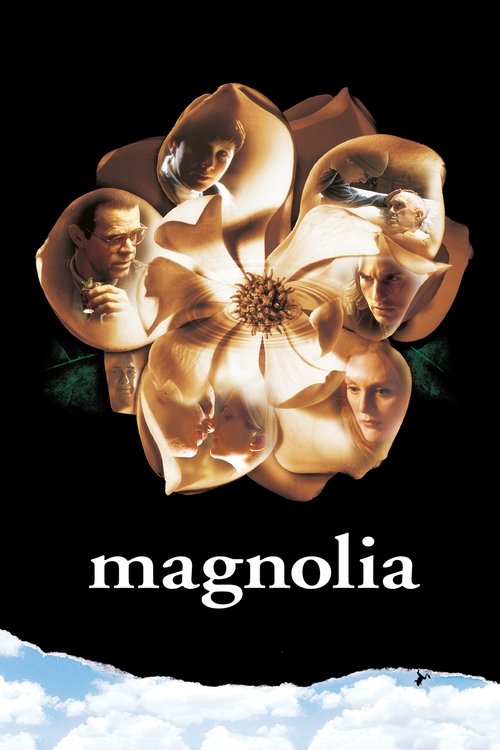
Nine interconnected stories unfold over a single day in the San Fernando Valley: a dying television producer, a quiz kid haunted by his past, a police officer falling in love, a motivational speaker, a dying former quiz champion. Paul Thomas Anderson's three-hour mosaic is a film about damage passed from parent to child, about forgiveness and its impossibility, and about coincidence as a kind of grace — culminating in one of cinema's most audacious and inexplicable images.
Paul Thomas Anderson · 1999
Magnolia
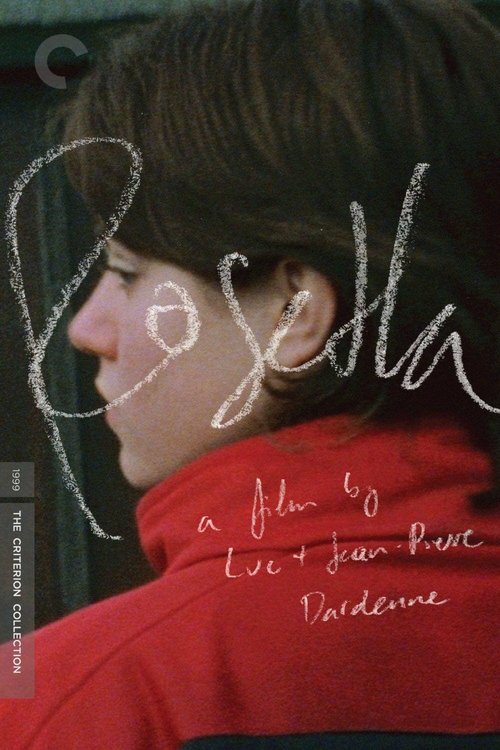
A teenage girl in a Belgian trailer park is determined to find work and keep it — any work, any legitimate foothold in a world that seems designed to exclude her — and will do what is necessary to maintain it. The Dardenne brothers' handheld, close-quarters film follows Rosetta with the relentlessness of their camera and hers — a study in survival so morally unsparing that the audience is implicated in every choice she makes.
Jean-Pierre Dardenne & Luc Dardenne · 1999
Rosetta
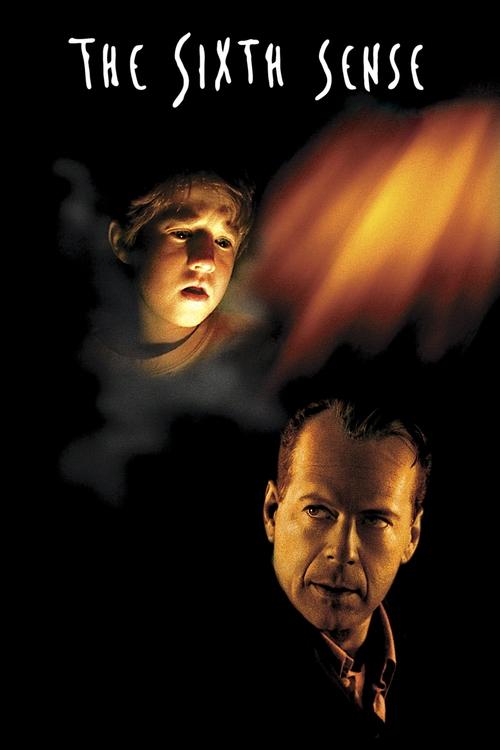
A child psychologist works with a troubled boy who claims to see the dead walking among the living. M. Night Shyamalan's film operates as a ghost story, a psychological drama, and a grief narrative simultaneously — its famous twist, when it arrives, retroactively reorganises everything the audience has witnessed and earns its emotional devastation precisely because it has been building toward it from the first scene.
M. Night Shyamalan · 1999
The Sixth Sense
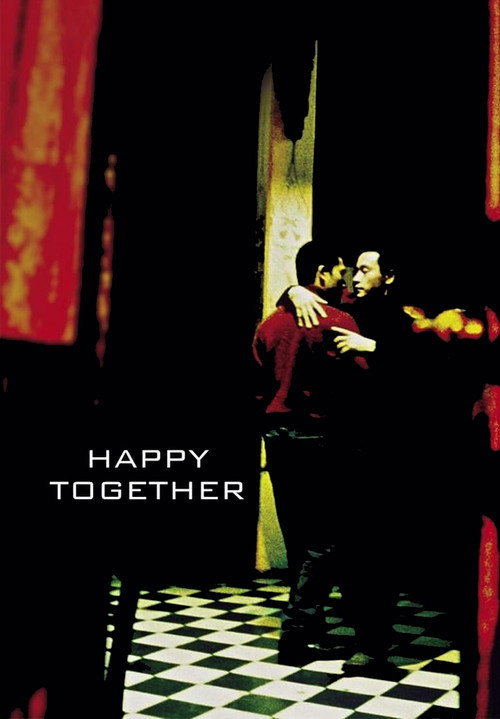
Two Hong Kong men in a volatile, destructive relationship travel to Buenos Aires and attempt, again, to start over. Wong Kar-wai's film, set on the eve of Hong Kong's handover, uses its Argentine exile and its doomed couple to ask what it means to belong anywhere — shooting in deep, bruised colours and fragmenting time in ways that mirror the couple's inability to escape the patterns of their relationship.
Wong Kar-wai · 1997
Happy Together
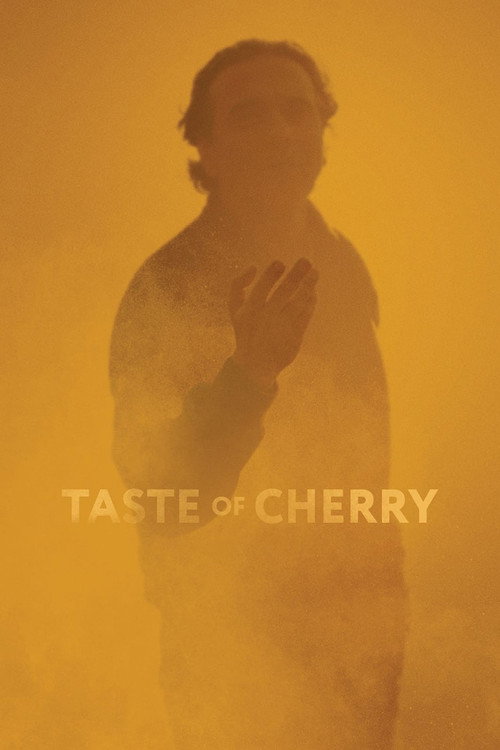
A middle-aged man drives through the hills outside Tehran, stopping to offer lifts to strangers and asking each, eventually, if they will help him commit suicide — and each encounter becomes an unexpected philosophical dialogue. Abbas Kiarostami's Palme d'Or winner is a film about the reasons to live arrived at obliquely, through conversations with people who know nothing about each other — a film that ends in a way that refuses to resolve what it has been asking.
Abbas Kiarostami · 1997
Taste of Cherry
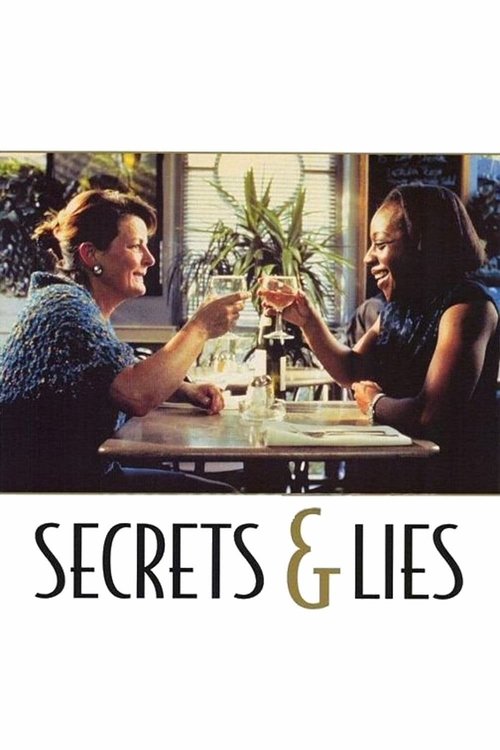
A young Black optometrist, raised by adoptive parents, decides to find her birth mother and discovers she is a white working-class woman who has suppressed the memory of that birth entirely. Mike Leigh's Palme d'Or winner is built on the long scene where these two women sit with cups of tea in a café, trying to absorb what the other's existence means — one of cinema's great scenes of social realism, funny and agonising in equal measure.
Mike Leigh · 1996
Secrets & Lies
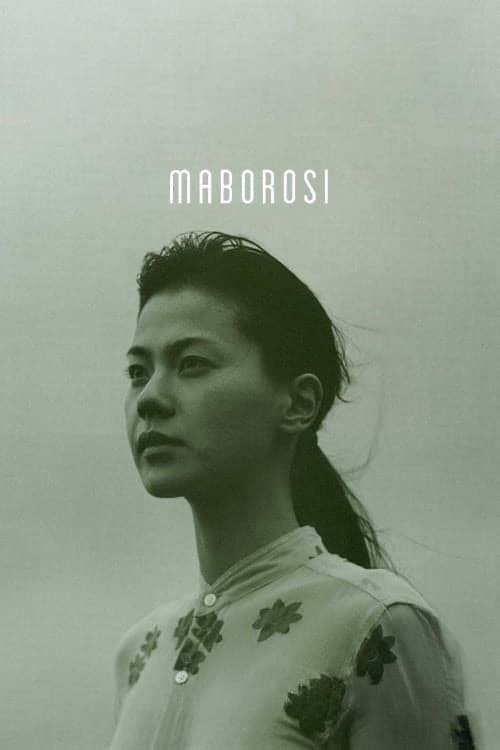
A young woman, haunted by the inexplicable suicide of her first husband, remarries and moves with her son to a small fishing village on the Japan Sea coast, where beauty and grief exist in the same light. Hirokazu Kore-eda's debut feature announces a major filmmaking sensibility — still, exquisite, formally rigorous, and preoccupied with the ways in which the dead continue to live among the living.
Hirokazu Kore-eda · 1995
Maborosi
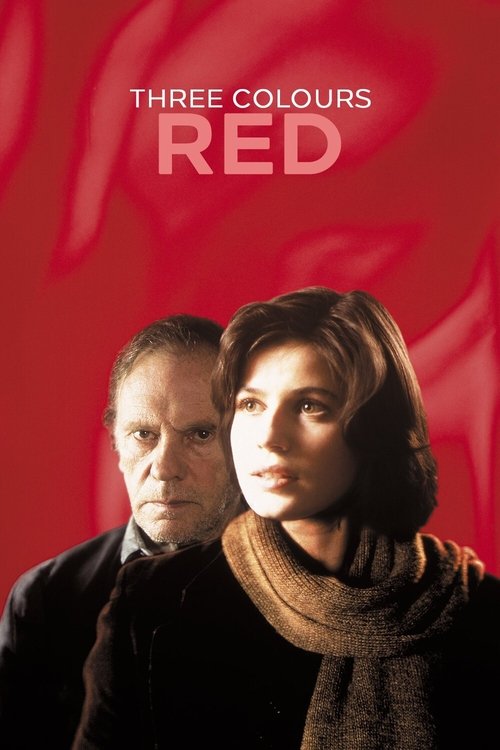
A young Geneva model discovers her elderly neighbour has been illegally wiretapping his neighbours' telephone calls, and a strange friendship develops across an impossible age gap. Krzysztof Kieślowski's final film is a meditation on fraternity — on the coincidences, near-misses, and hidden connections between lives that might never intersect, arriving at an ending of quiet, devastating beauty.
Krzysztof Kieślowski · 1994
Three Colours: Red
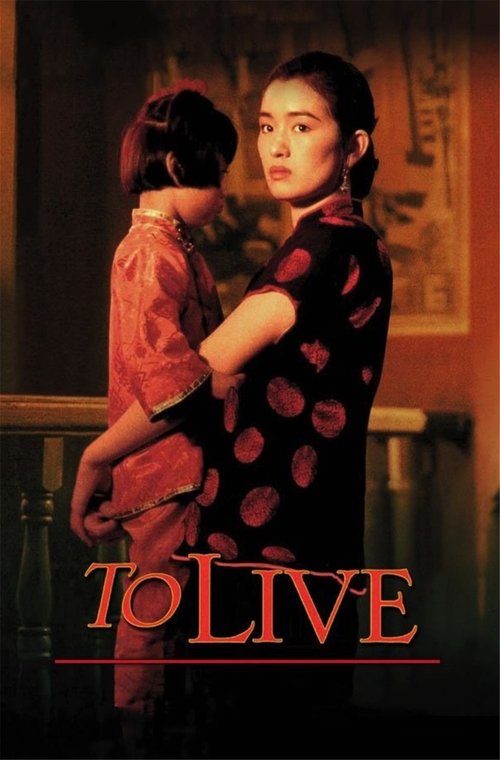
A Chinese family survives the upheavals of forty years — civil war, the Great Leap Forward, the Cultural Revolution — through luck, accommodation, and the refusal to be destroyed by forces entirely beyond their control. Zhang Yimou's most formally restrained film is an act of testimony about what ordinary Chinese life cost through the middle of the twentieth century — a film of such devastating simplicity that its tragedies accumulate like blows.
Zhang Yimou · 1994
To Live
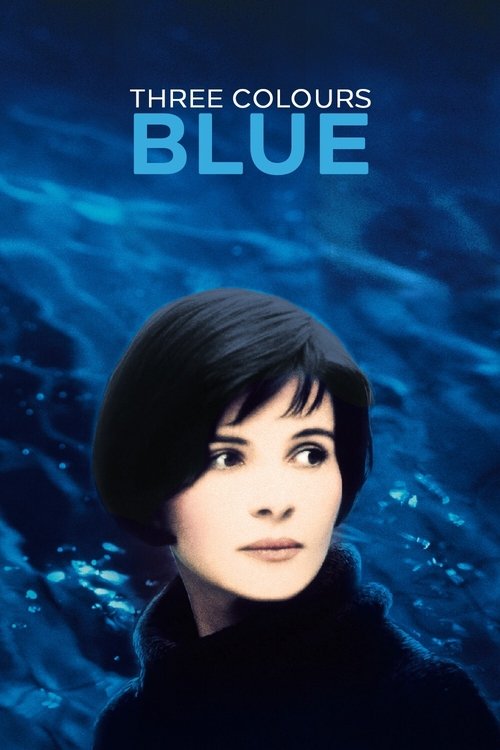
A woman survives a car crash that kills her husband and daughter and decides to live entirely alone, without attachment, without memory, without grief. Krzysztof Kieślowski's study of liberty — the first film in his trilogy of French revolutionary ideals — tracks the impossibility of that project: grief seeps back, connection reasserts itself, and what she discovers in the attempt to feel nothing is the intractable weight of everything.
Krzysztof Kieślowski · 1993
Three Colours: Blue
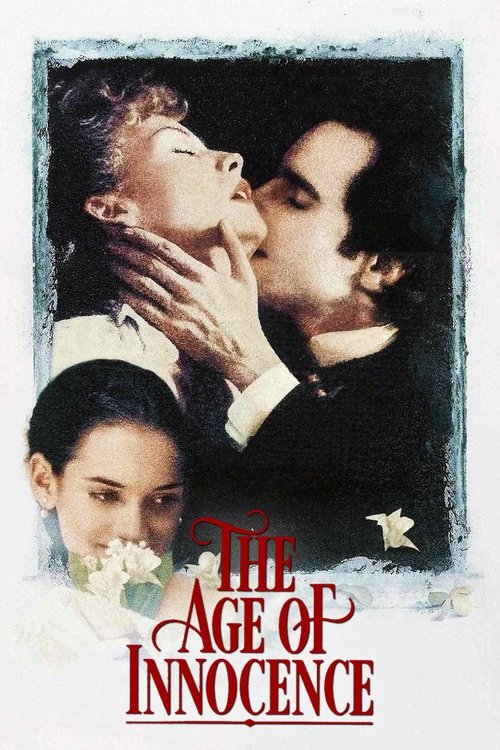
A young New York lawyer engaged to a suitable woman of his social circle becomes obsessed with her unconventional cousin, returned from Europe under a cloud of scandal. Martin Scorsese's adaptation of Edith Wharton is his most formally contained film — a study of a suffocating social world in which what is not said, not done, and not permitted constitutes the real action, and in which desire is crushed by the weight of invisible convention.
Martin Scorsese · 1993
The Age of Innocence
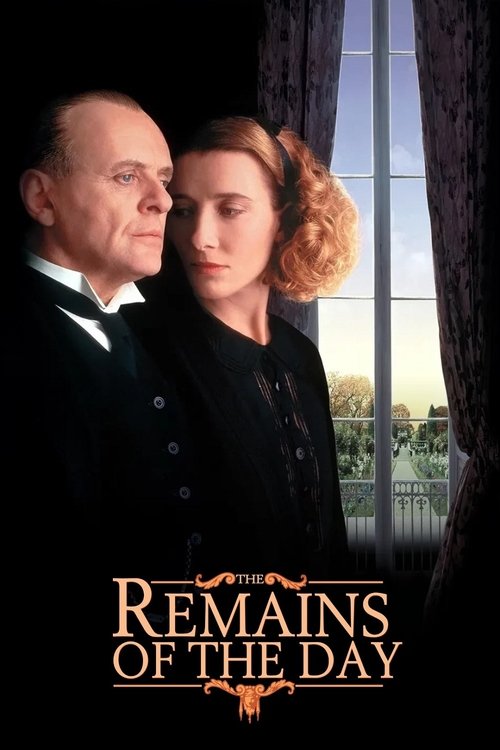
An emotionally repressed English butler, driving across England to visit a former housekeeper, reflects on decades of service to a fascist-sympathising lord — and on the love he suppressed in the name of professional dignity. James Ivory's adaptation of Kazuo Ishiguro's novel is a film about the cost of perfect service: the self systematically evacuated in the name of an ideal, and the love that dies in the silence left behind.
James Ivory · 1993
The Remains of the Day
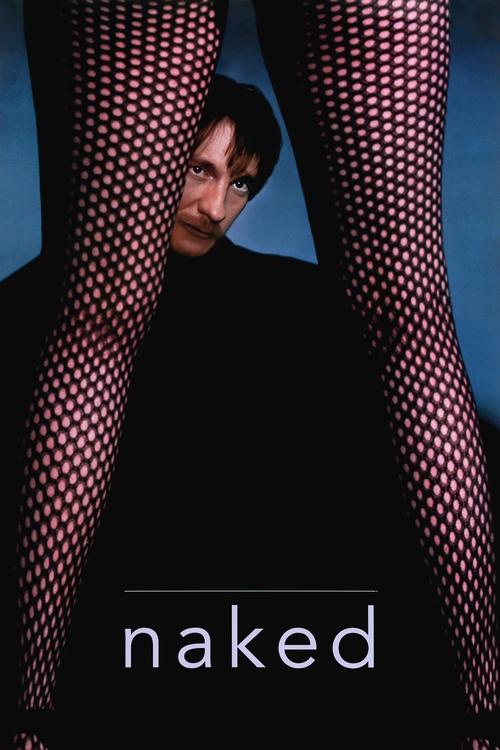
A young man from Manchester, fleeing a possible rape charge, arrives in London and spends a night wandering the city, insulting, seducing, and philosophising at everyone he meets. Mike Leigh's most troubling film refuses to make its misanthropic protagonist either a monster or a victim — David Thewlis's Johnny is a figure of savage intelligence and savage cruelty, both simultaneously, with no resolution offered to the audience's discomfort.
Mike Leigh · 1993
Naked
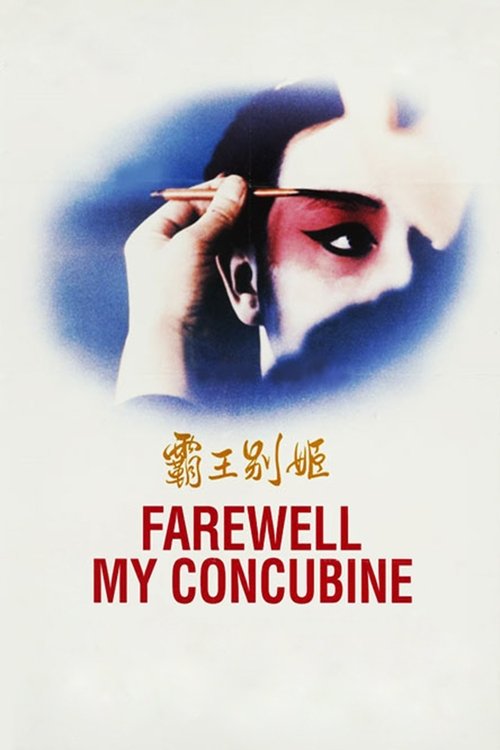
Two Peking Opera performers — trained together since childhood — live through fifty years of Chinese history: warlordism, Japanese occupation, the Cultural Revolution. Their bond, and the opera they have performed together, is tested by each political transformation, by the woman one of them marries, and by the love that one has always felt for the other. Chen Kaige's epic is the grandest statement of Chinese cinema about the costs exacted by history on personal life.
Chen Kaige · 1993
Farewell My Concubine
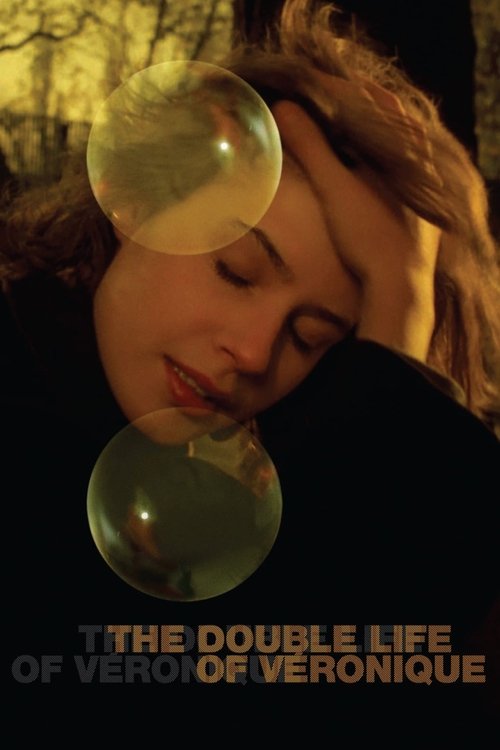
Two women — one Polish, one French — share an identical appearance, an identical voice, and an identical gift for music, without knowing of each other's existence. When one dies, the other feels an inexplicable grief and begins searching for what she has lost. Kieślowski's most mysterious film is the least explicable of his great works — a film about intuition, spiritual connection, and the sense that one's life rhymes with something one cannot name.
Krzysztof Kieślowski · 1991
The Double Life of Veronique
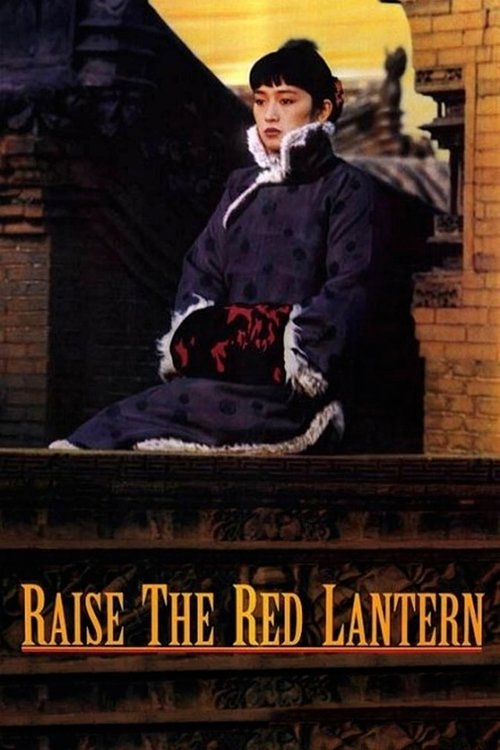
In 1920s China, a young educated woman becomes the fourth concubine of a wealthy lord and must navigate the system of rituals and rivalries that governs which woman earns the privilege of lit red lanterns on any given night. Zhang Yimou's film uses the architecture of the compound and the geometry of ritual to make visible the mechanisms by which patriarchal systems destroy women — one of the most formally disciplined films of the 1990s.
Zhang Yimou · 1991
Raise the Red Lantern
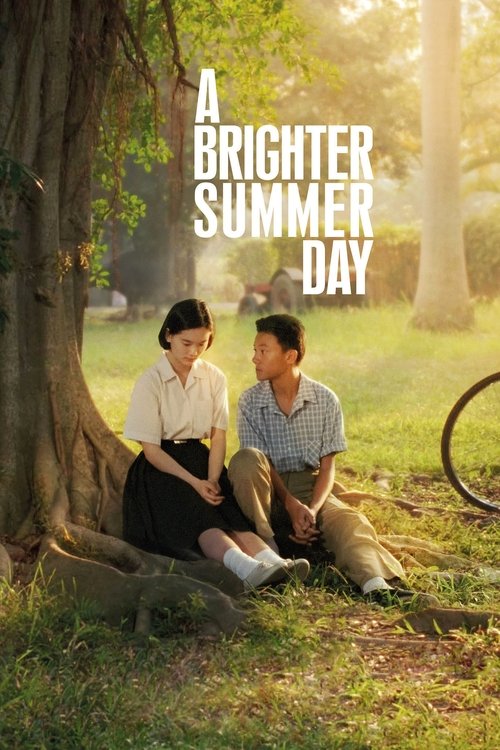
Based on a real 1961 murder case, Edward Yang's four-hour epic follows a teenage boy in Taipei — the son of a mainland Chinese exile — navigating gang rivalries, first love, and the political ambiguity of a generation suspended between the mainland past and an uncertain Taiwanese future. Yang's most ambitious film constructs an entire social world with the patience and specificity of a great novel — the violence at its centre emerging from the accumulated weight of everything that precedes it.
Edward Yang · 1991
A Brighter Summer Day
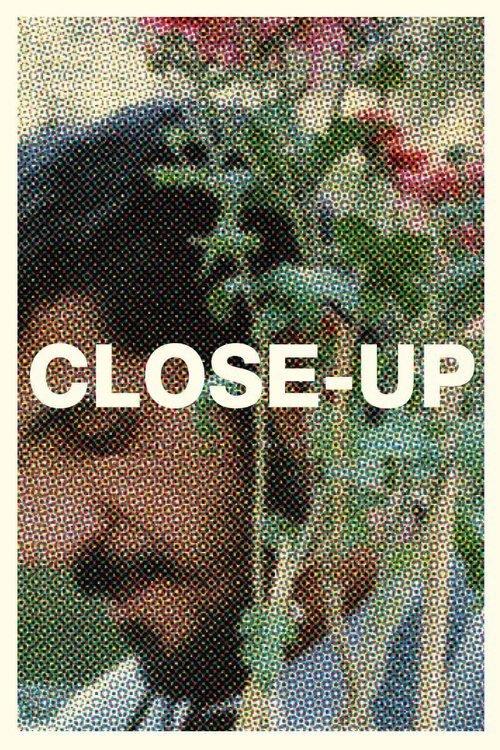
A man impersonating the Iranian director Mohsen Makhmalbaf to a middle-class family who admired his films is arrested for fraud. Abbas Kiarostami reconstitutes the events using the real participants — the impostor, the family, the director himself — in a film that dissolves the line between documentary and fiction to ask what cinema is for and what it means to love it so much that you would steal someone else's identity in its name.
Abbas Kiarostami · 1990
Close-Up
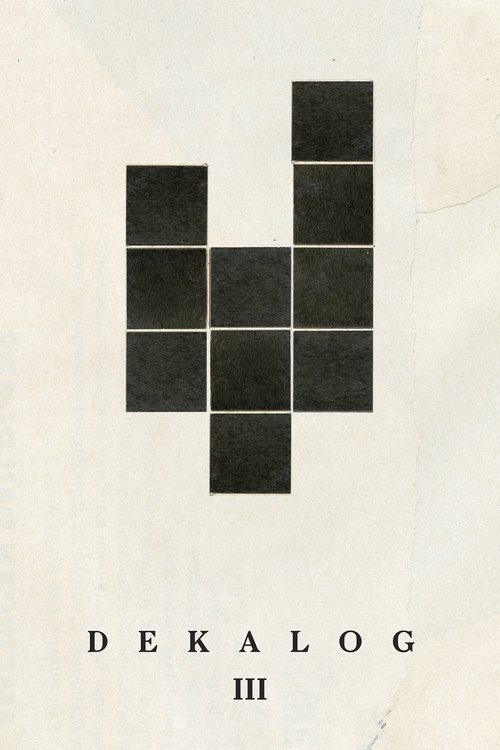
Ten one-hour films, loosely based on the Ten Commandments and all set in a Warsaw housing estate, examine the moral entanglements of ordinary life: love, murder, inheritance, faith, jealousy, medical ethics, and the boundaries of forgiveness. Krzysztof Kieślowski's masterwork is the most comprehensive moral vision in television history — a series that treats each of its characters with equal seriousness, refusing easy verdicts while insisting that how we live with one another matters absolutely.
Krzysztof Kieślowski · 1989
Dekalog
An old man in coastal Kerala waits for his son to return from the city, unaware that his son — a political activist — has disappeared into state custody during the Emergency. Shaji N. Karun's debut uses long takes and natural light to build a portrait of waiting as its own kind of suffering — a film about state violence mediated through the experience of a father who knows only that his son has not come home.
Shaji N. Karun · 1988
Piravi
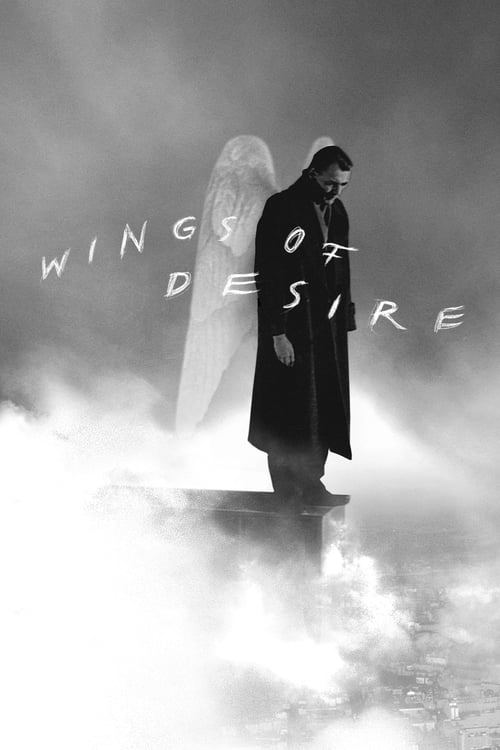
An angel who has watched over humanity since the beginning of time decides to become mortal after falling in love with a trapeze artist in divided Berlin. Wim Wenders' film uses the split city as a metaphor for the division between spirit and flesh, memory and sensation — shot in black and white for the angels, colour for the living, in a film of extraordinary lyrical beauty about what it means to choose finitude.
Wim Wenders · 1987
Wings of Desire
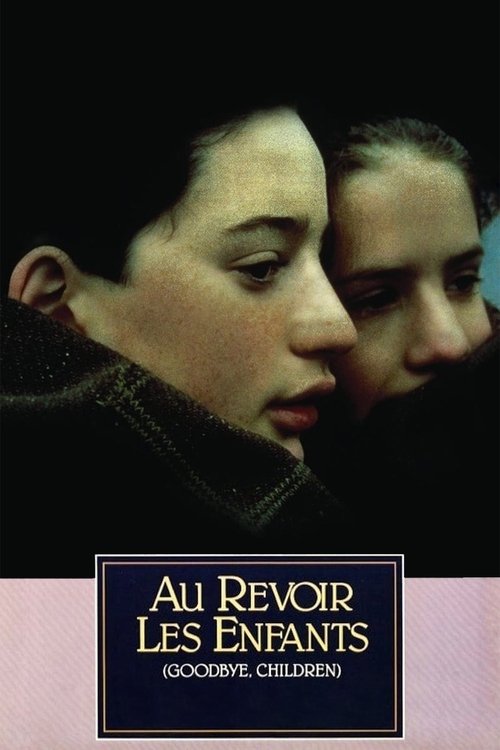
At a Catholic boarding school in occupied France, a privileged boy befriends a new student who, he gradually realises, is a Jewish child hidden from the Germans. Louis Malle's most personal film — drawn from his own wartime childhood — traces the slow formation of friendship between two boys and builds to an act of betrayal so oblique and so devastating that the film's final lines remain among the most quietly shattering in cinema.
Louis Malle · 1987
Au Revoir les Enfants
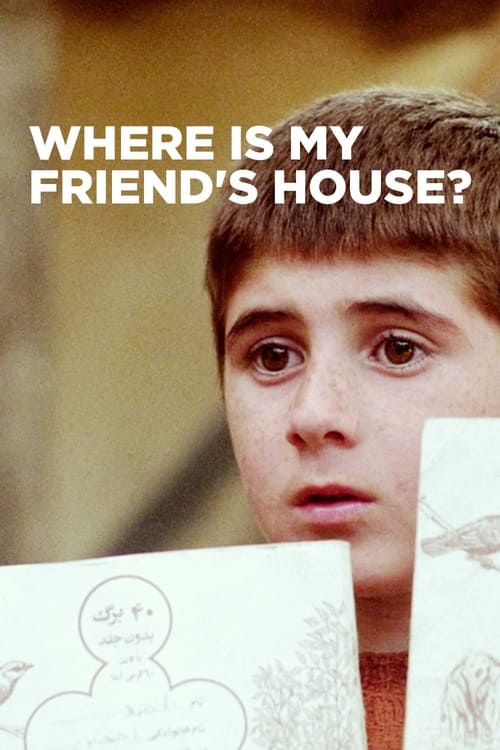
A young boy in rural Iran accidentally takes his classmate's notebook home and, knowing the boy will be expelled if he doesn't return it, walks through the hills to the neighbouring village to find him. Abbas Kiarostami's deceptively simple film uses a child's mission of conscience to map the social and physical landscape of a rural Iranian community — a film of extraordinary gentleness and formal beauty whose moral is contained entirely in the effort it depicts.
Abbas Kiarostami · 1987
Where Is the Friend's House?
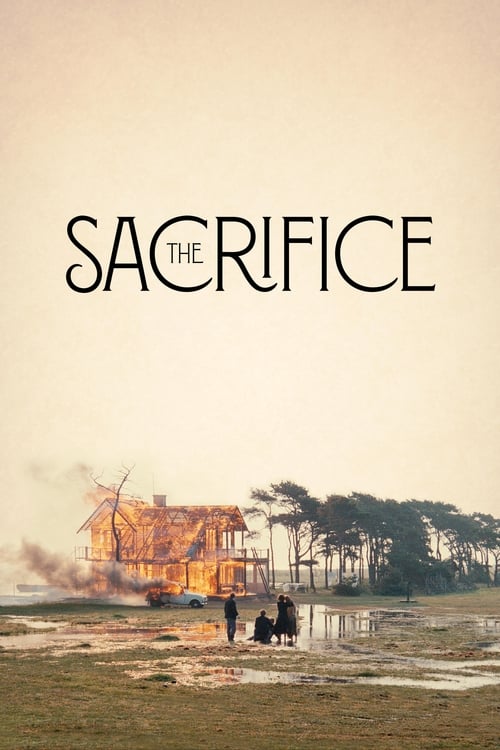
On his birthday, a man receives news of nuclear war. He makes a bargain with God: if the catastrophe is averted, he will sacrifice everything he has — his home, his family, his voice — and never speak again. Andrei Tarkovsky's final film, made while he was dying of cancer, is a meditation on faith, responsibility, and what it would mean to truly give something up — ending in one of cinema's most extraordinary single-take sequences of destruction and sacrifice.
Andrei Tarkovsky · 1986
The Sacrifice
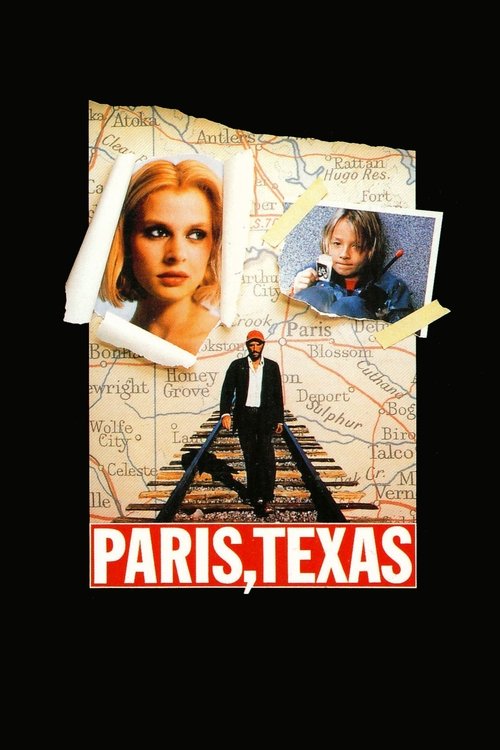
A man is discovered wandering mute and amnesiac in the Texas desert. Slowly, painstakingly, he is reunited with his brother and his young son, and begins piecing together the shattered life that preceded his disappearance. Wim Wenders' meditation on the American landscape and its emotional geography traces the journey of a man reconstructing himself from fragments — building toward a scene in a peep-show booth that is one of cinema's most heartbreaking acts of long-distance love.
Wim Wenders · 1984
Paris, Texas
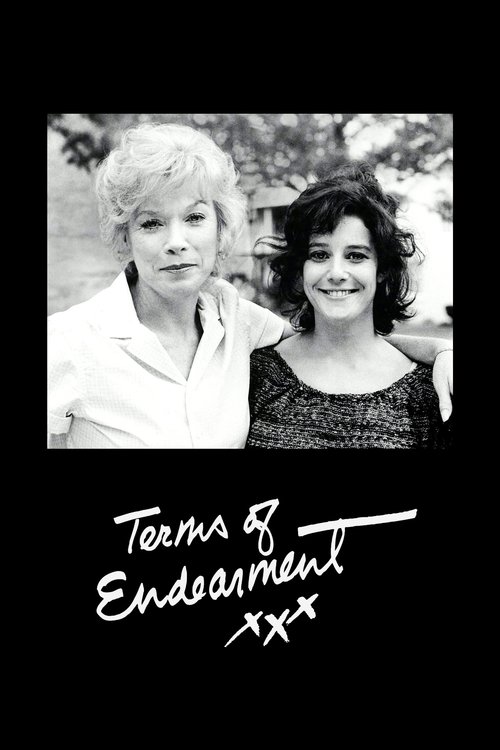
A mother and daughter negotiate a love as thorny as it is indestructible over several decades — the daughter's unhappy marriage, the mother's late-life romance with an astronaut next door, and the illness that finally resolves everything between them. James L. Brooks' film moves between comedy and grief with such ease that the tonal shifts feel less like craft than life — and the scenes of the daughter's final days in hospital achieve an emotional directness that almost no other American film has equalled.
James L. Brooks · 1983
Terms of Endearment
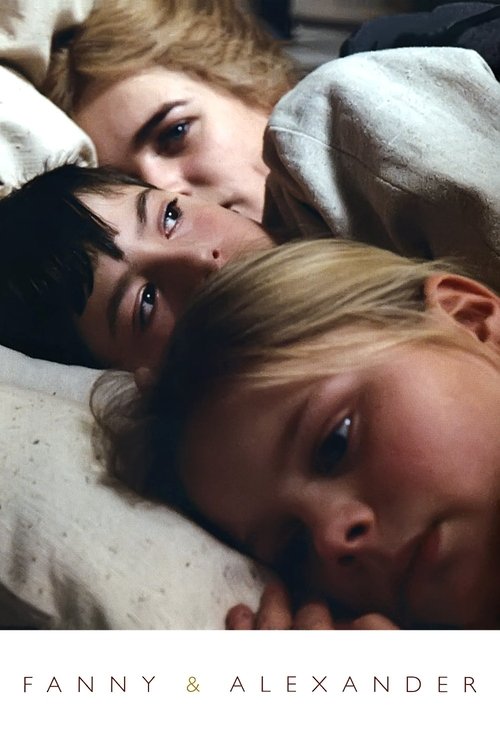
A prosperous Swedish theatrical family at the turn of the twentieth century is thrown into darkness when the children's widowed mother marries a severe bishop. Ingmar Bergman's final theatrical film is a summation — his most expansive, most forgiving work, moving between warmth and terror with the confidence of an artist who knows he has said everything he set out to say and is saying it one last time, as a gift.
Ingmar Bergman · 1982
Fanny and Alexander
A lazy, self-absorbed Nair landlord watches his ancestral way of life and his family estate quietly disintegrate around him, unable or unwilling to engage with the modernity that is making him irrelevant. Adoor Gopalakrishnan's film, told through extended observational sequences and deliberate formal austerity, is the most rigorous statement of Kerala cinema about the feudal order's collapse — a portrait of decline so precise it becomes almost funny.
Adoor Gopalakrishnan · 1981
Elippathayam
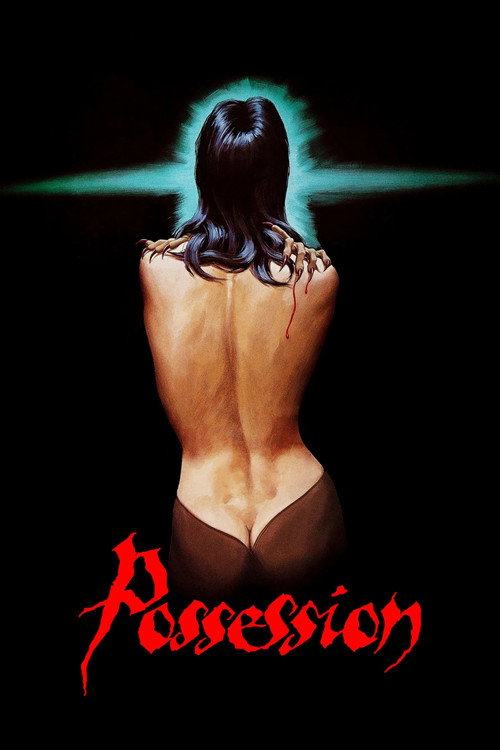
A Berlin couple's marriage disintegrates with catastrophic emotional and eventually physical violence, as the wife retreats into a secret life with a lover who is becoming something monstrous. Andrzej Żuławski's film is the most intense experience in European art cinema — a work in which emotional breakdown and supernatural horror become indistinguishable, driven by Isabelle Adjani's performance, for which she won the Cannes Best Actress award and which no one who has seen it ever forgets.
Andrzej Żuławski · 1981
Possession
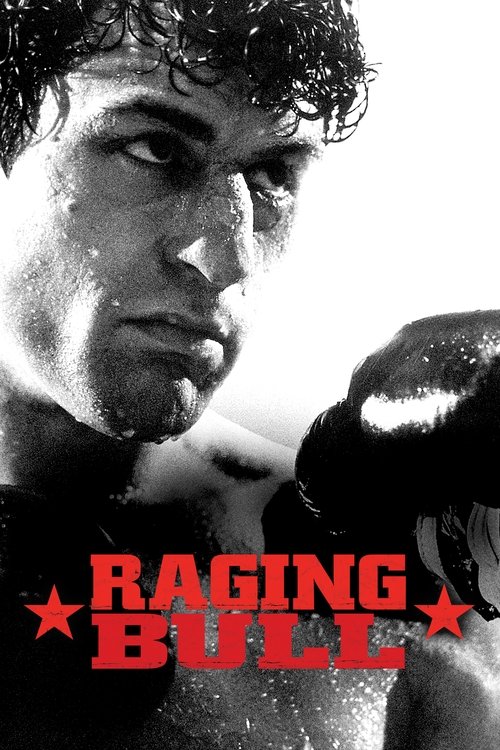
The rise and self-destruction of middleweight boxing champion Jake LaMotta, driven by jealousy, violence, and an inability to metabolise his own appetites. Martin Scorsese's film, shot in black and white, is less a boxing film than a study in masculine self-immolation — a portrait of a man who can only relate to the world through the violence he brings to it. Robert De Niro's performance remains among the most total transformations in screen acting.
Martin Scorsese · 1980
Raging Bull
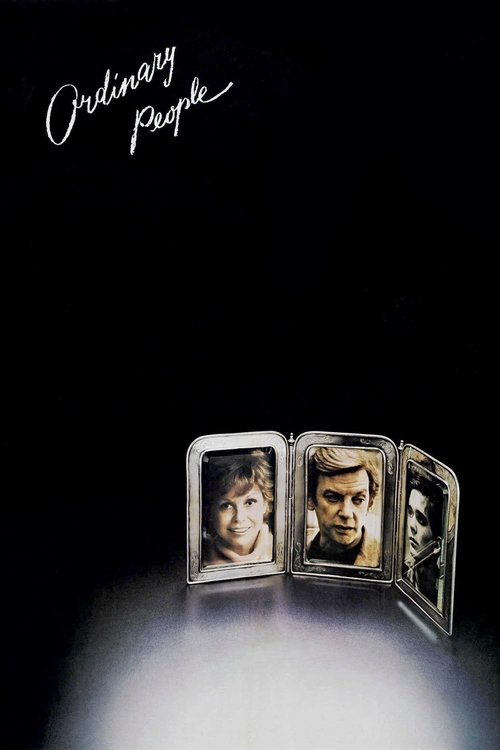
A privileged Chicago family is coming apart after the death of one son in a boating accident and the subsequent suicide attempt of the surviving son. Robert Redford's debut as director is a scrupulous portrait of upper-middle-class emotional dysfunction — the mechanisms by which a family maintains surface cohesion while its members drown separately, and what happens when one of them finally breaks the surface.
Robert Redford · 1980
Ordinary People
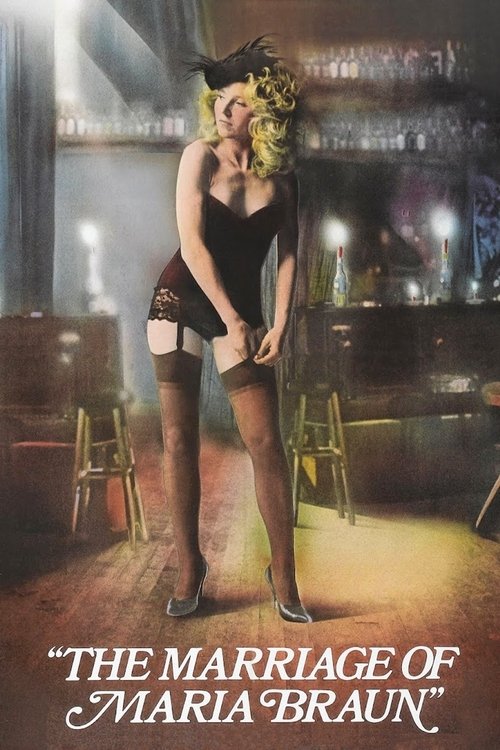
A German woman separated from her husband by the war builds an independent life through calculated self-reinvention, using men as resources while keeping her real self in reserve for the husband she is certain will return. Rainer Werner Fassbinder's portrait of West Germany's economic miracle through the body and choices of one woman is a film of ferocious intelligence — a love story, a political allegory, and an anatomy of what survival costs.
Rainer Werner Fassbinder · 1979
The Marriage of Maria Braun
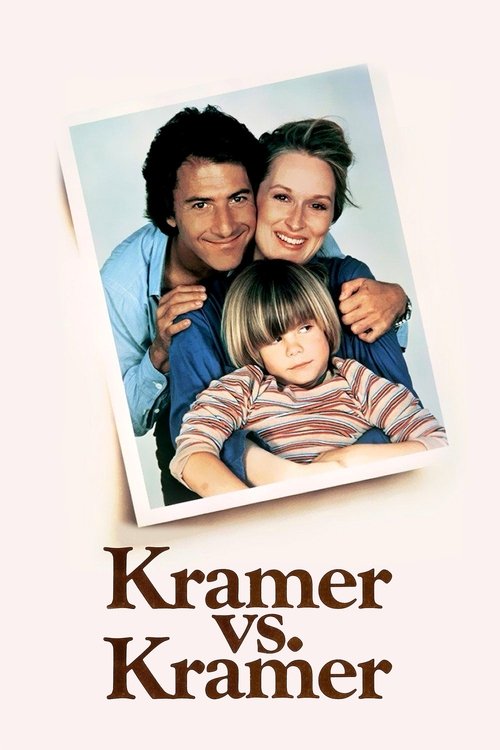
An advertising executive is abandoned by his wife and must learn to care for their seven-year-old son, just as his career is stalling, before she returns and contests custody. Robert Benton's film refuses to make a villain of either parent, tracing with uncommon fairness the competing claims of two people trying to build identities in the ruins of a marriage — anchored by performances from Dustin Hoffman and Meryl Streep of devastating precision.
Robert Benton · 1979
Kramer vs. Kramer
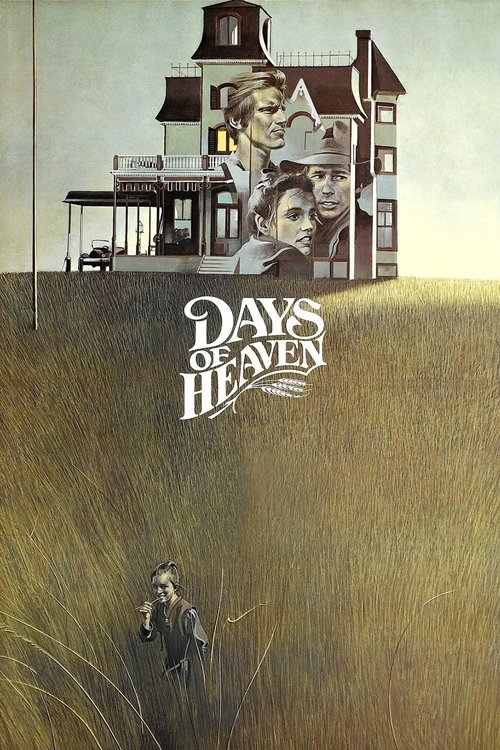
Two Texas steel workers — a man and his girlfriend, passing as brother and sister — work the wheat harvest in the Texas Panhandle, where the girlfriend is courted by the wealthy farmer who owns the land. Terrence Malick's second feature is less a drama than a sustained visual experience — filmed during the golden hour by Nestor Almendros in images of extraordinary beauty, narrated by a child whose understanding of the events she witnessed remains partial and haunting.
Terrence Malick · 1978
Days of Heaven
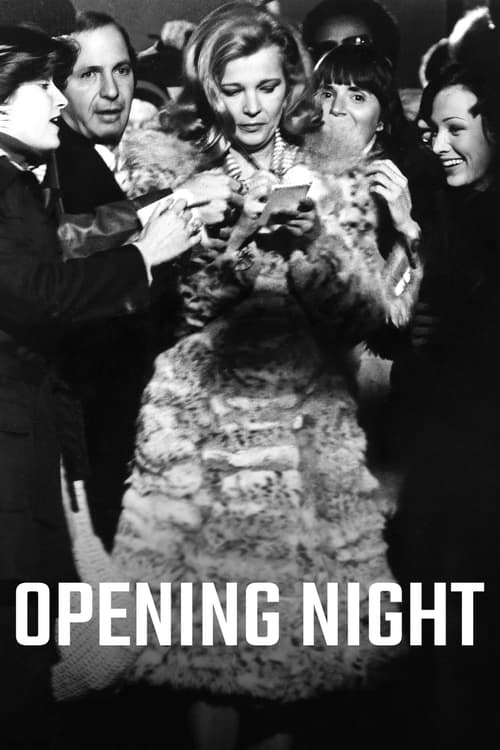
A famous Broadway actress, shaken by a fan's death outside a theatre, finds herself unable to perform the role she is opening in — a woman facing middle age — because she refuses to accept what the play is asking of her. John Cassavetes' film watches Gena Rowlands dismantling a performance from the inside, collapsing the line between actress and character and between art and psychological breakdown in ways that leave the audience uncertain what, exactly, they are witnessing.
John Cassavetes · 1977
Opening Night
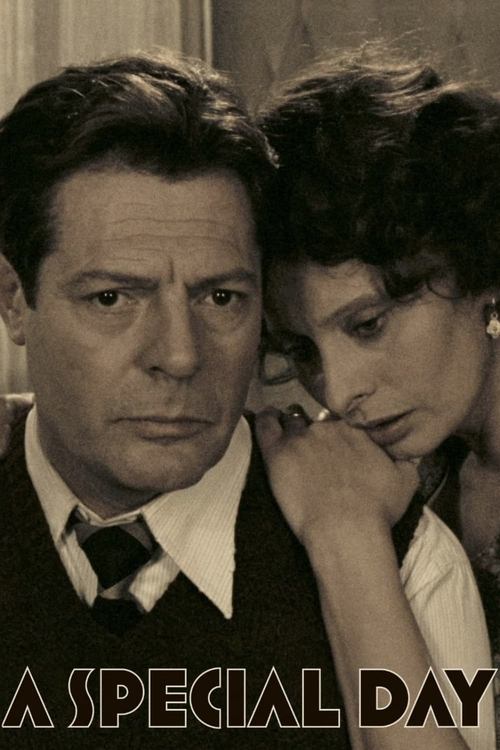
On the day of Hitler's 1938 visit to Rome — when the city has emptied for the spectacle — a worn-out housewife and a gay anti-fascist radio announcer spend the day together in their apartment building, finding unexpected intimacy in their shared marginalisation. Ettore Scola's two-hander is a masterwork of Italian political cinema — intimate, ironic, and devastating in what it implies about the world just outside the window.
Ettore Scola · 1977
A Special Day
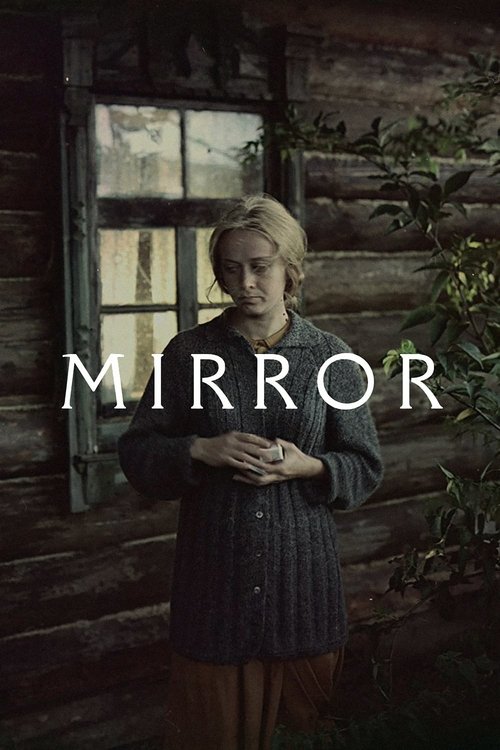
A dying man recalls fragments of memory: his childhood dacha, his mother, wartime newsreels, the texture of wet grass and wind in a field. Andrei Tarkovsky's most autobiographical film refuses linear chronology and psychological explanation — it proceeds by image and sensation, like memory itself, dissolving past and present into a stream of recollection whose cumulative force is devastating precisely because it cannot be reduced to meaning.
Andrei Tarkovsky · 1975
Mirror

In the final days of Italian fascism, four powerful libertines abduct eighteen teenagers to a villa where they subject them to one hundred and twenty days of ritual degradation. Pier Paolo Pasolini's final film is the most extreme work in the canon of art cinema — an adaptation of de Sade transposed to Mussolini's Republic of Salò that uses sexual violence as a systematic metaphor for fascism's logic: the total reduction of persons to objects for the use of power.
Pier Paolo Pasolini · 1975
Salò, or the 120 Days of Sodom
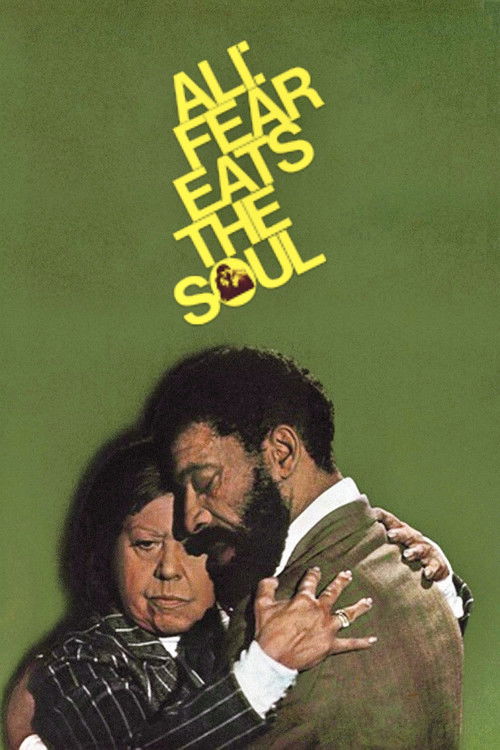
A 60-year-old German cleaning woman falls in love with a 40-year-old Moroccan guest worker and they marry, to the horror of her family, neighbours, and colleagues. Rainer Werner Fassbinder's reimagining of Douglas Sirk's All That Heaven Allows strips the melodrama's excess to expose the social mechanisms of racist hostility — a film of enormous tenderness and fury, made in fifteen days, that has never dated.
Rainer Werner Fassbinder · 1974
Ali: Fear Eats the Soul

A working-class Los Angeles woman is unable to contain the force of her own personality within the role of wife and mother, and her husband — who loves her desperately and cannot understand her — has her committed. John Cassavetes' film, shot on 16mm with natural performances, is an act of total immersion in one woman's crisis — a portrait of institutional normalisation so uncomfortable that watching it feels like a violation of privacy.
John Cassavetes · 1974
A Woman Under the Influence
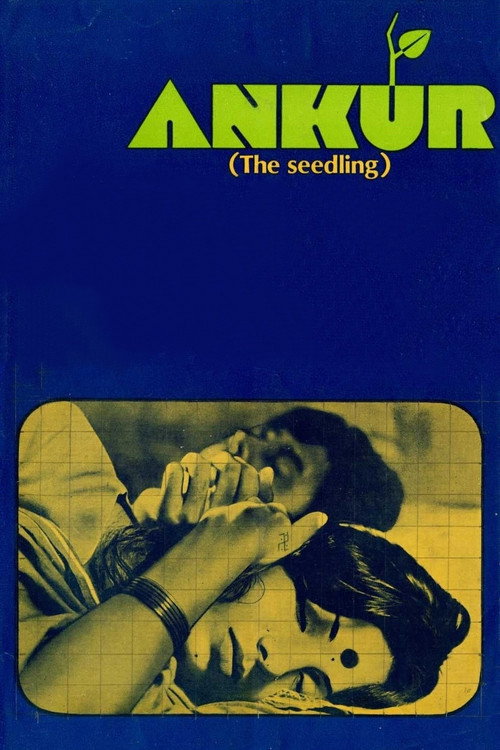
A landlord's son sent to manage agricultural land in rural India exploits a low-caste woman whose husband is absent — until his wife arrives, the exploitation becomes impossible to conceal, and the violence of the caste system asserts itself. Shyam Benegal's debut is the founding film of the Indian parallel cinema movement — a work of political seriousness and formal intelligence that refused the consolations of mainstream Hindi cinema and initiated a new tradition.
Shyam Benegal · 1974
Ankur
Originally a television series distilled into a theatrical film, Scenes from a Marriage traces a Swedish couple through the dissolution of their ten-year marriage across a decade of collisions, confessions, and attempts at repair. Ingmar Bergman's most brutally intimate work strips every social performance away from love and asks what, if anything, remains — the answer Liv Ullmann and Erland Josephson give is both agonising and strangely hopeful.
Ingmar Bergman · 1973
Scenes from a Marriage
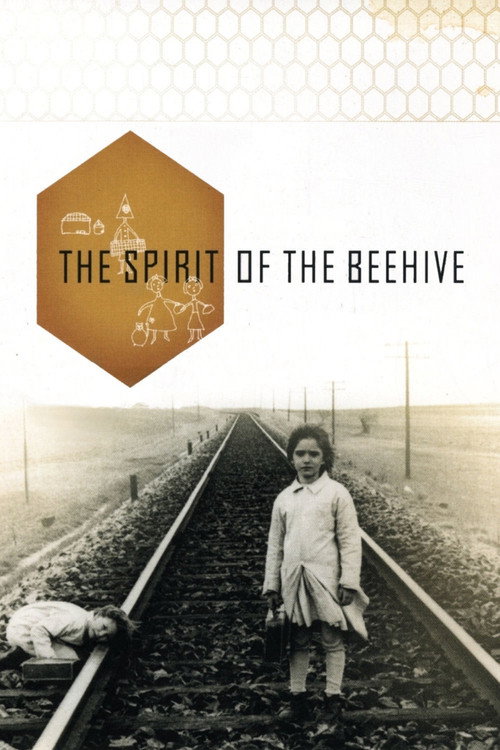
In a small Castilian village in 1940, shortly after the Civil War, a young girl sees Frankenstein at a travelling cinema and becomes obsessed with the monster's existence — asking, with the directness of childhood, why he kills and why they kill him. Víctor Erice's film is an allegory of life under Francoism rendered in the most delicate poetic terms — a film about how children process violence and injustice through imagination, shot in amber light that makes the whole world seem preserved in a dream.
Víctor Erice · 1973
The Spirit of the Beehive
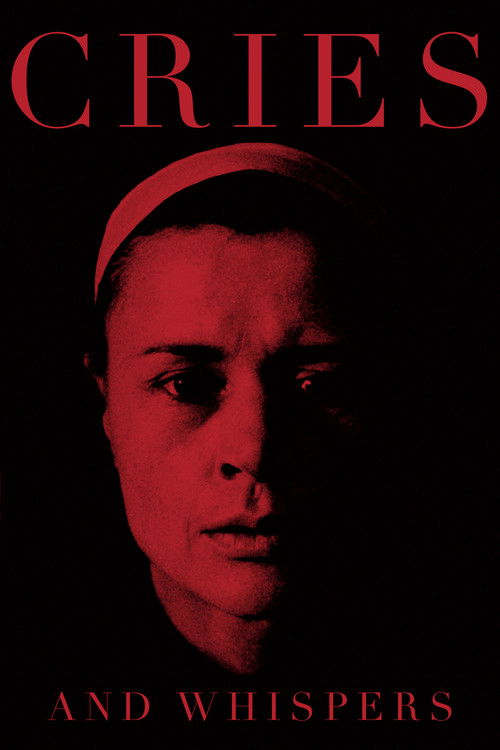
Three sisters gather in the family home as the eldest is dying of cancer. What emerges is less a narrative of illness than an excavation of the emotional distances women maintain from one another — the capacity for tenderness and the failures of love exposed in the red chambers of a dying woman's last weeks. Ingmar Bergman's most formally severe film, shot in saturated reds and whites that feel less like cinematography than physiology.
Ingmar Bergman · 1972
Cries and Whispers
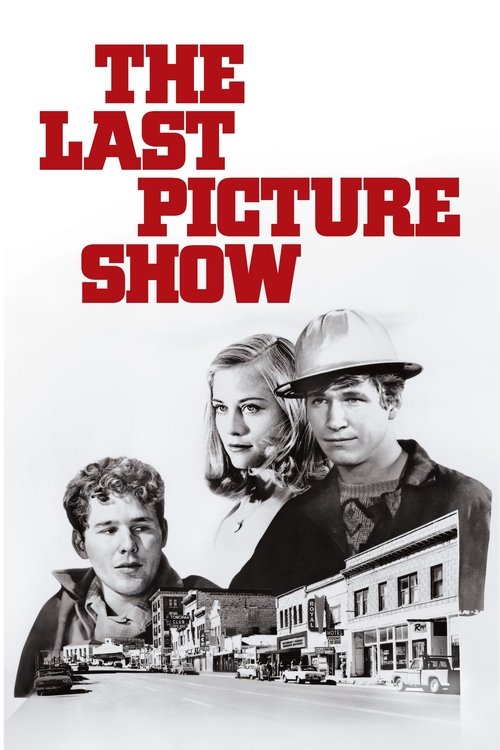
Teenagers coming of age in a dying Texas small town in the early 1950s navigate sex, loneliness, and the departure of everything that might have made life meaningful. Peter Bogdanovich's film, shot in deliberate black-and-white homage to the directors he revered, is a masterwork of American provincial melancholy — an elegy for a time and place whose beauty and poverty are inseparable from each other.
Peter Bogdanovich · 1971
The Last Picture Show

A 17th-century French priest's political autonomy in the walled city of Loudun makes him an enemy of Cardinal Richelieu, while a sexually obsessed prioress accuses him of demonic possession and orchestrates a witchcraft trial. Ken Russell's operatic, scandalous, multiply censored film is an act of sustained cinema as assault — a study in institutional sadism that remains the most extreme film ever to be given a major studio release.
Ken Russell · 1971
The Devils
A donkey named Balthazar passes from owner to owner through the cruelties and occasional kindnesses of the world, his face registering everything and explaining nothing. Robert Bresson's most demanding film refuses the consolations of narrative logic or moral resolution — it proceeds with the systematic precision of a saint's life, finding in Balthazar's passive suffering an image of grace so oblique and so complete that the final scene, the donkey dying among a flock of sheep on a hillside, remains inexhaustible.
Robert Bresson · 1966
Au Hasard Balthazar
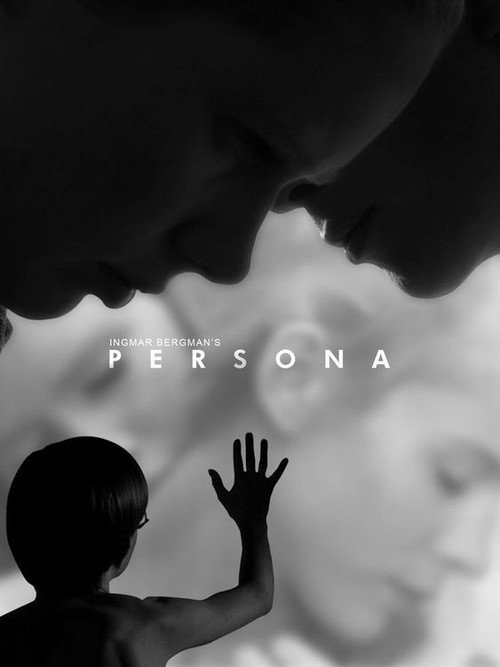
A famous actress stops speaking for reasons no one can determine, and a nurse is assigned to care for her at a remote seaside cottage. As the two women live together, their identities begin to merge in ways that destabilise the film's formal coherence along with its characters' subjectivities. Ingmar Bergman's most radical work operates where cinema, psychology, and philosophy converge — a film that remains genuinely unsettling precisely because it offers no ground to stand on.
Ingmar Bergman · 1966
Persona
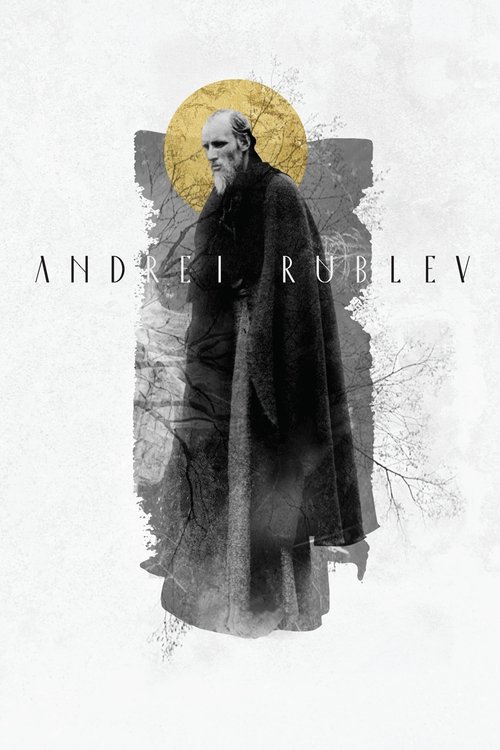
A series of episodes from the life of the 15th-century icon painter Andrei Rublev, set against a landscape of medieval Russian violence, pagan ritual, Tartar invasion, and religious uncertainty. Andrei Tarkovsky's three-hour epic is not a conventional biography but a meditation on the relationship between faith, artistic creation, and suffering — culminating in the casting of a great bell and, for the first time, the revelation of Rublev's icons in colour.
Andrei Tarkovsky · 1966
Andrei Rublev

In 19th-century Bengal, a bored, intelligent, and talented wife finds herself drawn to her husband's visiting cousin, who recognises and encourages her literary gifts. Satyajit Ray's adaptation of Rabindranath Tagore's novella is his most formally refined work — a film of enormous visual delicacy that traces the awakening of feeling in a woman who has been given everything except something to do with her mind.
Satyajit Ray · 1964
Charulata
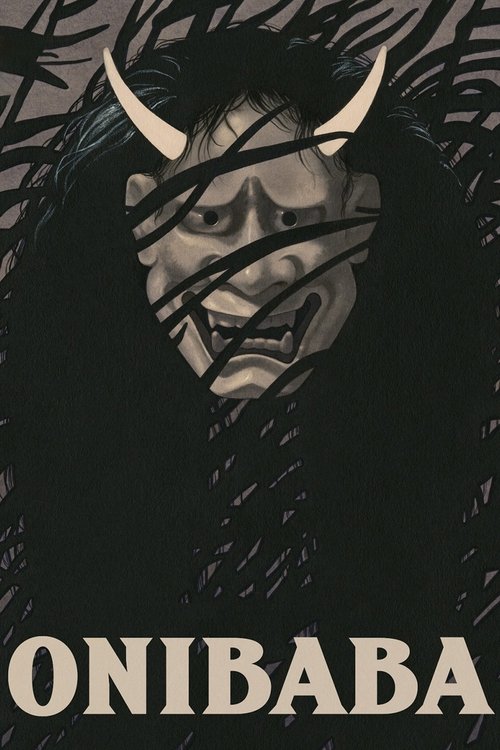
During a period of civil war in 14th-century Japan, a woman and her daughter-in-law survive by killing wandering samurai and selling their armour, until a neighbour begins to seduce the younger woman and threatens their arrangement. Kaneto Shindo's film is horror rooted in social survival — the demon mask that becomes central to its plot is less a supernatural element than a natural consequence of the relationships between people left to improvise their survival in a landscape stripped of all order.
Kaneto Shindo · 1964
Onibaba
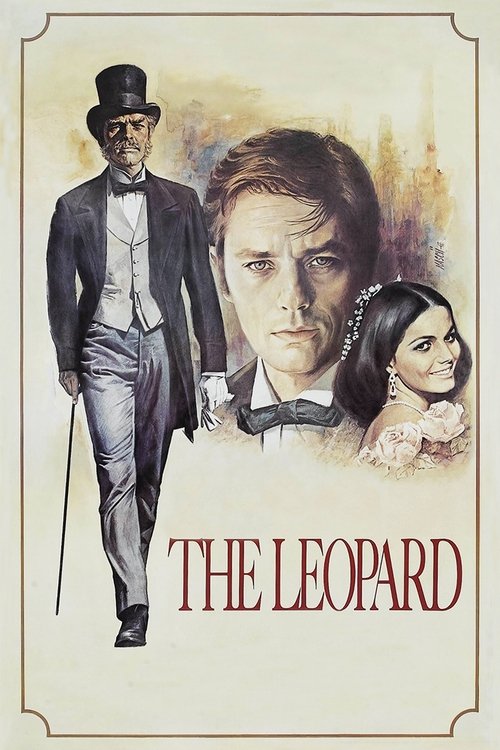
An aging Sicilian prince watches the Risorgimento transform the social order that has sustained his family for centuries, understanding that his class must accommodate itself to change or be obliterated. Luchino Visconti's adaptation of Giuseppe Tomasi di Lampedusa's novel is one of cinema's grandest frescoes — sumptuous, elegiac, and politically precise, reaching its summit in a forty-minute ballroom sequence of almost unbearable beauty and sadness.
Luchino Visconti · 1963
The Leopard
In 1950s Calcutta, a middle-class housewife takes a job as a saleswoman to supplement the family income during financial hardship, discovering in the process a competence and independence she had not known she possessed — and encountering the resistance of the men around her who find this unacceptable. Satyajit Ray's most explicitly feminist film is a study in female self-discovery as radical act, made with characteristic restraint and complete moral clarity.
Satyajit Ray · 1963
Mahanagar
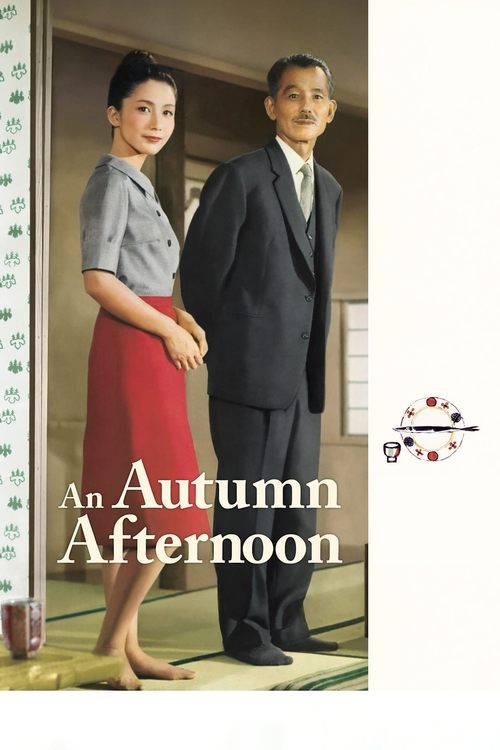
An aging widower, having orchestrated his daughter's marriage, must learn to live alone. Yasujirō Ozu's final film returns to the themes of Late Spring and Tokyo Story with the serenity of a man who has said what he needed to say — finding in the ordinary rituals of Japanese masculine sociality a tenderness and a sadness that accumulate with irresistible force.
Yasujirō Ozu · 1962
An Autumn Afternoon
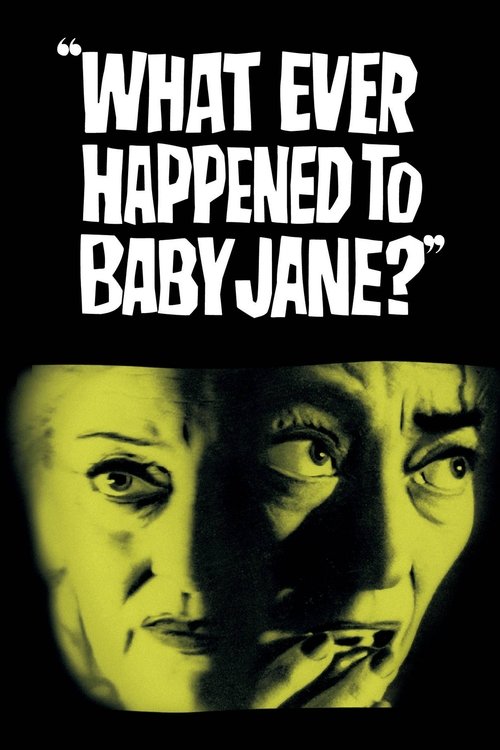
A former child star holds her wheelchair-bound sister — a former movie actress — captive in their decaying Hollywood mansion, tormenting her in escalating acts of cruelty as her grip on reality slips. Robert Aldrich's Grand Guignol horror is built entirely on the collision between Bette Davis and Joan Crawford, two old enemies playing two old enemies in a film that transforms Hollywood's mythology of female stardom into something gothic and terrible.
Robert Aldrich · 1962
What Ever Happened to Baby Jane?

A renowned Parisian surgeon, consumed by guilt over a car accident that destroyed his daughter's face, has his devoted assistant abduct young women so that he can attempt a radical face transplant. Georges Franju's poetic horror film is unlike any other — languid, mournful, and strangely beautiful in its imagery, transforming a story of monstrous obsession into something closer to a tragic fable about the limits of love.
Georges Franju · 1960
Eyes Without a Face
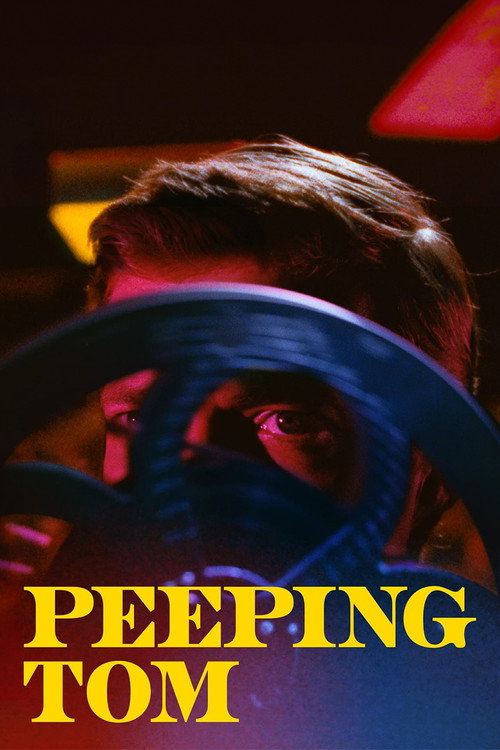
A young film technician compulsively films women as he murders them, capturing their terror with a spike concealed in his camera tripod. Michael Powell's scandalous film anticipated the slasher genre by two decades while simultaneously deconstructing the act of watching cinema itself — a haunting, uncomfortable masterwork about the violence latent in the male gaze and the camera that enables it.
Michael Powell · 1960
Peeping Tom
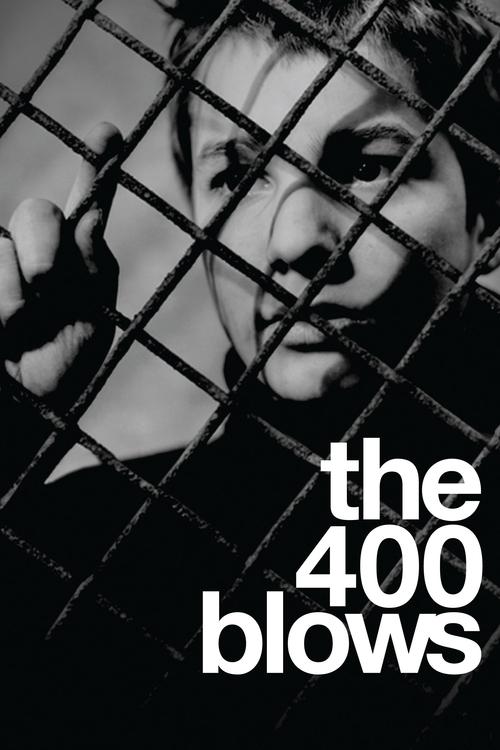
A twelve-year-old Parisian boy, misunderstood at home and at school, runs away to the sea in a desperate act of assertion. François Truffaut's autobiographical debut invented the French New Wave not just stylistically but spiritually — a film of fierce tenderness toward its protagonist, refusing all easy resolutions and ending with a freeze frame on a boy's face at the water's edge that remains one of cinema's most ambiguous and enduring images.
François Truffaut · 1959
The 400 Blows
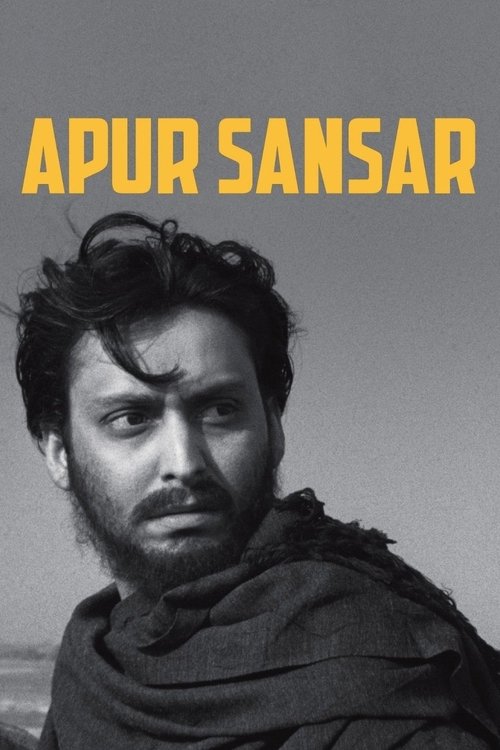
The final part of the Apu Trilogy follows the now-grown Apu in Calcutta, his unexpected marriage, the birth of his son, and the loss that destroys him. Satyajit Ray completes his trilogy with a film that earns the emotional weight it carries — Apu's final journey to claim his son, whom he has abandoned in his grief, constitutes one of cinema's great acts of redemption.
Satyajit Ray · 1959
Apur Sansar
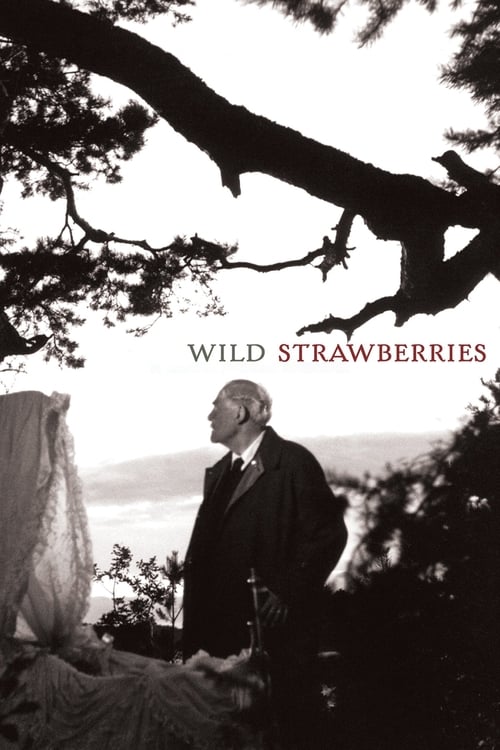
An elderly professor drives to receive an honorary degree while revisiting, in memories and dreams, the emotional failures and missed chances of his long life. Ingmar Bergman's most approachable film remains one of the most humane — a meditation on regret and the possibility of late recognition that finds, in the face of Victor Sjöström, a performance of almost uncanny depth and age.
Ingmar Bergman · 1957
Wild Strawberries
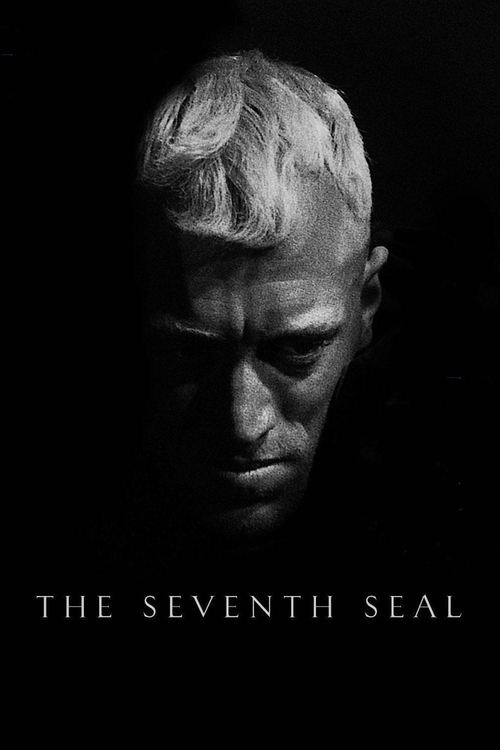
A medieval knight, returning from the Crusades to find Sweden ravaged by plague, plays chess with Death to buy time while searching for some evidence of God's existence. Ingmar Bergman's most allegorical film is also his most visually iconic — a work of theatrical darkness and intellectual severity that, in its final caravan of souls and its knight's last act of decency, achieves something close to grace.
Ingmar Bergman · 1957
The Seventh Seal
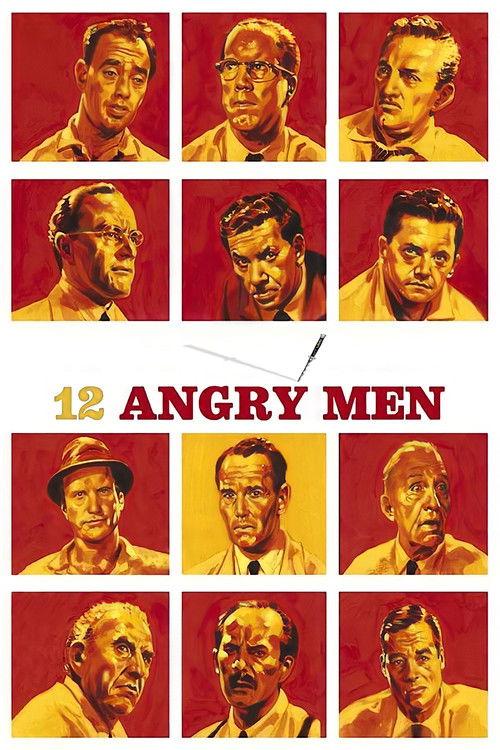
Eleven jurors are certain of a boy's guilt in a murder case; the twelfth has doubts. Over the course of a sweltering afternoon in a jury room, the lone dissenter systematically dismantles the other men's certainty — not just about the case but about themselves. Sidney Lumet's debut is a model of theatrical film adaptation: finding in the claustrophobia of a single room an increasingly precise and unsettling portrait of prejudice, class, and the fragility of reason.
Sidney Lumet · 1957
12 Angry Men
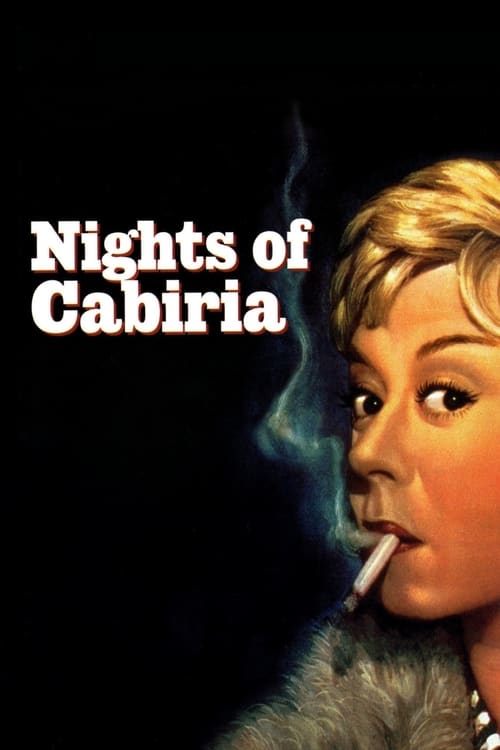
A small Roman prostitute, robbed and nearly drowned by a lover, continues to extend her capacity for hope to each new man who offers it. Federico Fellini and Giulietta Masina's portrait of Cabiria is a sustained act of faith in the human capacity for resilience — a film that moves between comedy and heartbreak with extraordinary ease, finding in its final scene a moment of such generosity toward its character that it feels like a benediction.
Federico Fellini · 1957
Nights of Cabiria
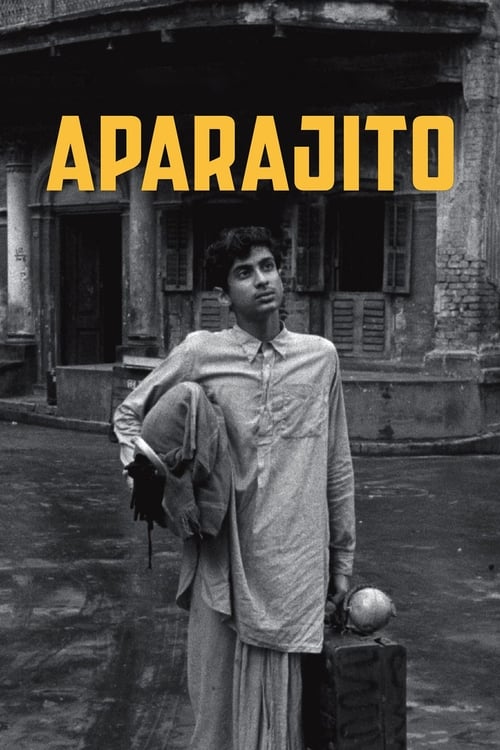
The second part of the Apu Trilogy follows Apu and his mother from the village to Benares, then to a town school where Apu's intelligence earns him a scholarship to Calcutta — and separates him, inevitably and irrevocably, from his mother. Satyajit Ray's continuation traces the cost of education and aspiration: the way that a bright child's future is built on the dissolution of the life behind him, and the grief that cannot be named for what is left.
Satyajit Ray · 1956
Aparajito
Across three films — Pather Panchali, Aparajito, and Apur Sansar — Satyajit Ray traces the life of Apu from impoverished Bengali childhood through his mother's death, his own faltering education, and the shattering grief of sudden widowhood. Drawn from Bibhutibhushan Bandopadhyay's novels and shot in a style that fused Italian neorealism with the rhythms of Indian classical music, the trilogy remains the greatest achievement of Indian cinema — a chronicle of poverty and aspiration rendered with extraordinary tenderness and unflinching honesty.
Satyajit Ray · 1955
The Apu Trilogy
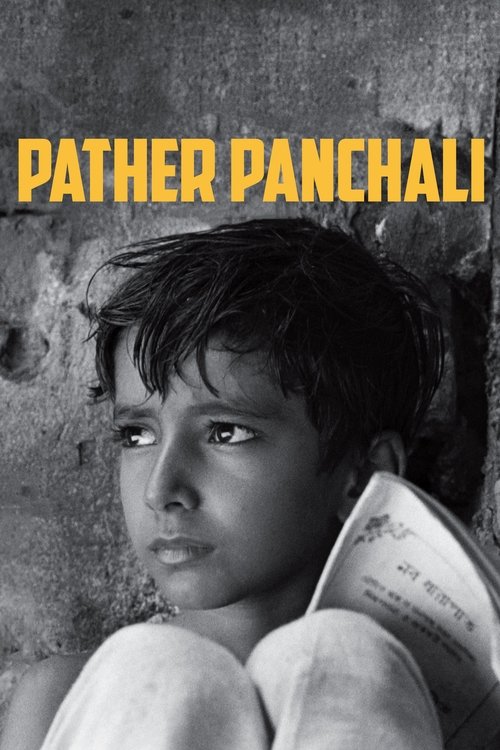
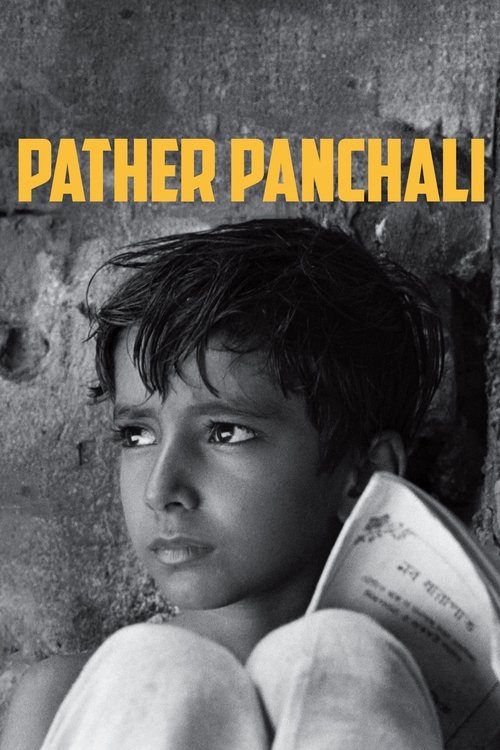
The first film of the Apu Trilogy follows a poor Bengali family — the dreaming father, the practical mother, the older sister, and young Apu — in their decaying village home, as poverty narrows their options and the world opens before the children's wondering eyes. Satyajit Ray's debut, made on weekends with borrowed equipment and natural light, announced one of cinema's great artists: a film of beauty and honesty that the Cannes jury called a document of an unknown civilisation.
Satyajit Ray · 1955
Pather Panchali
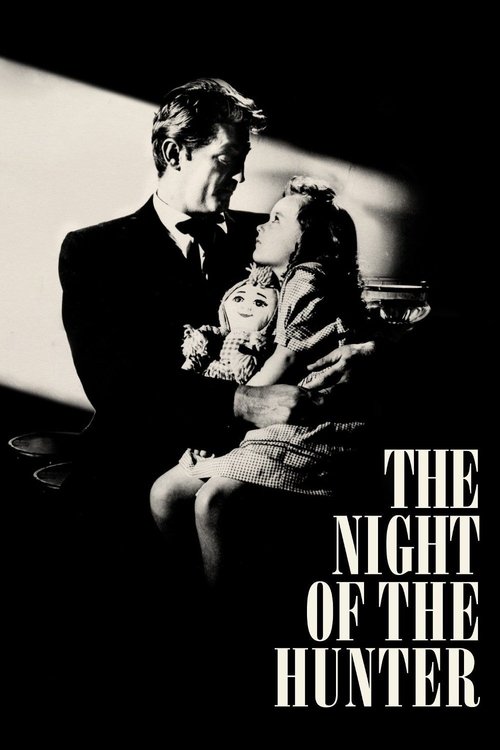
A self-appointed preacher with LOVE and HATE tattooed on his knuckles marries a widow to get close to her children, who alone know where their executed father hid stolen money. Charles Laughton's only film as director remains one of the most visually extraordinary pictures ever made — a fever-dream of Americana that turns a fairy-tale pursuit into something mythic, deeply strange, and genuinely terrifying.
Charles Laughton · 1955
The Night of the Hunter
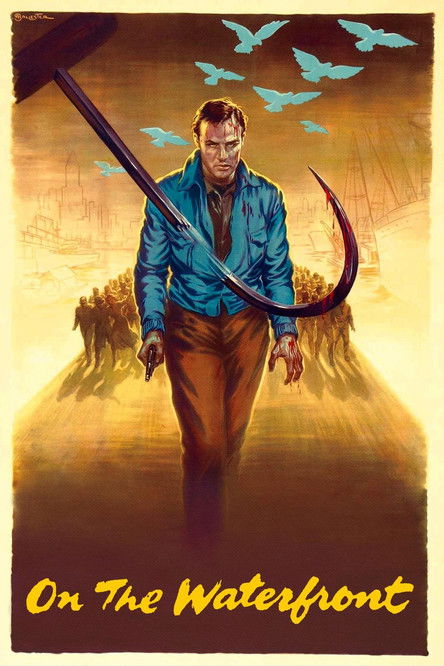
A former prizefighter working as a longshoreman on the New Jersey docks is pressured to remain silent about corruption, while his conscience, his faith, and his love for a murdered man's sister pull him toward testimony. Elia Kazan's film remains a masterwork of location filmmaking and performance — Marlon Brando's taxi-cab scene is the beginning of modern screen acting.
Elia Kazan · 1954
On the Waterfront
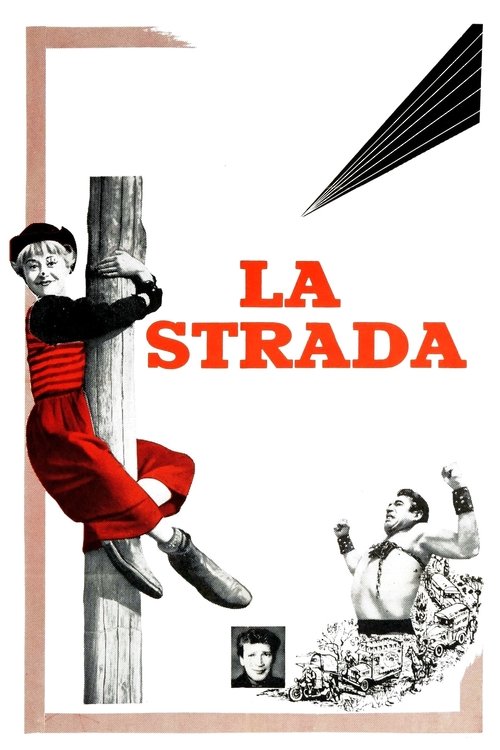
A brutish itinerant strongman buys a simpleminded girl from her family and takes her on the road as his assistant, and she attaches to him with a devotion he is incapable of returning. Federico Fellini's most emotionally direct film is built on the tragic asymmetry between Giulietta Masina's Gelsomina — one of cinema's great performances of vulnerable innocence — and Anthony Quinn's Zampanò, whose final scene of grief for what he has destroyed is one of the most surprising acts of grace in neorealist cinema.
Federico Fellini · 1954
La Strada
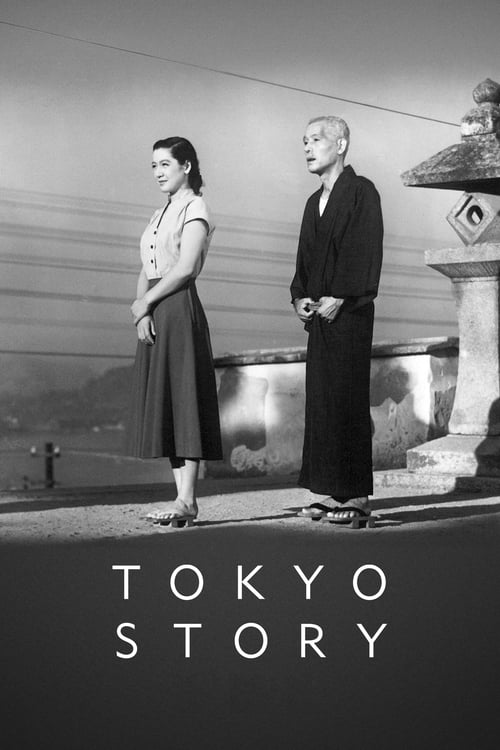
An elderly couple from provincial Japan travel to Tokyo to visit their grown children, who are too busy with their own lives to pay them much attention. Only their widowed daughter-in-law treats them with warmth. Yasujirō Ozu's masterpiece is perhaps the most quietly devastating film ever made — a study in filial ingratitude and the passage of time that operates without melodrama, observing human disappointment with such compassionate precision that watching it feels less like cinema than lived experience.
Yasujirō Ozu · 1953
Tokyo Story
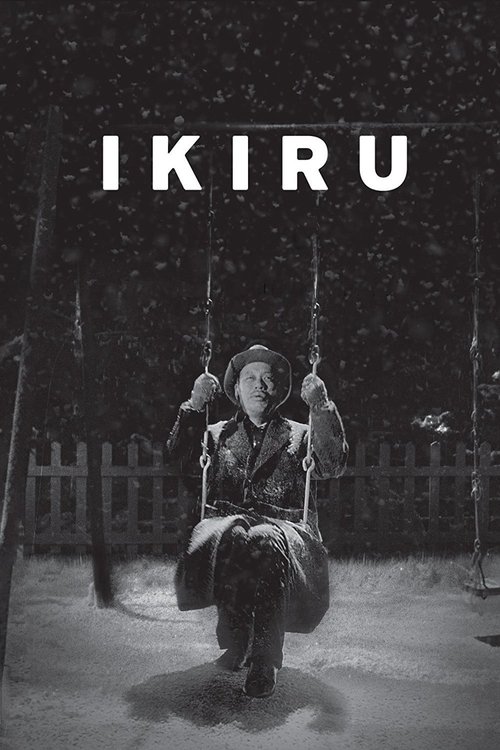
A low-level bureaucrat discovers he has terminal stomach cancer and, after decades of meaningless paper-pushing, must figure out how to spend the time he has left. Akira Kurosawa's most humanist film follows a man trying to accomplish one small, real thing before he dies — a modest park built in place of a fetid wasteground — and finds in that modest ambition something close to redemption. The final scene, a man on a swing in the snow, is among the most quietly transcendent images in cinema.
Akira Kurosawa · 1952
Ikiru
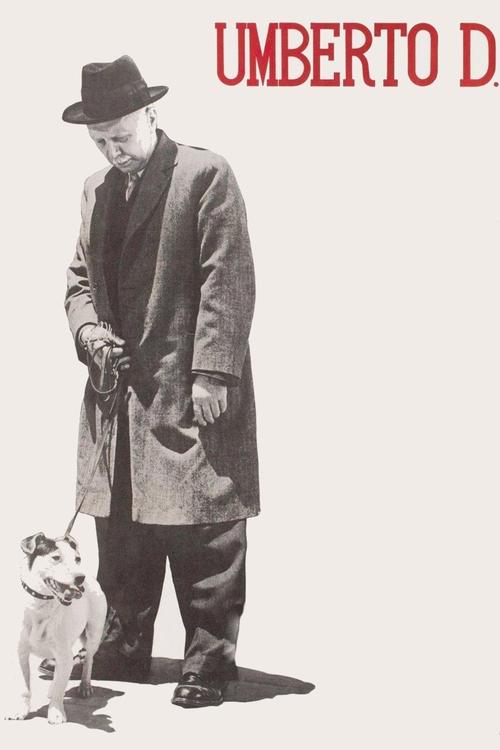
An elderly retired civil servant struggles to survive in postwar Rome on an inadequate pension, facing eviction while protecting his small dog. Vittorio De Sica and screenwriter Cesare Zavattini strip their film to the absolute essentials of one man's existence — his dignity, his dog, his room — and construct from these humble materials one of the most painful films ever made about old age and institutional abandonment.
Vittorio De Sica · 1952
Umberto D.
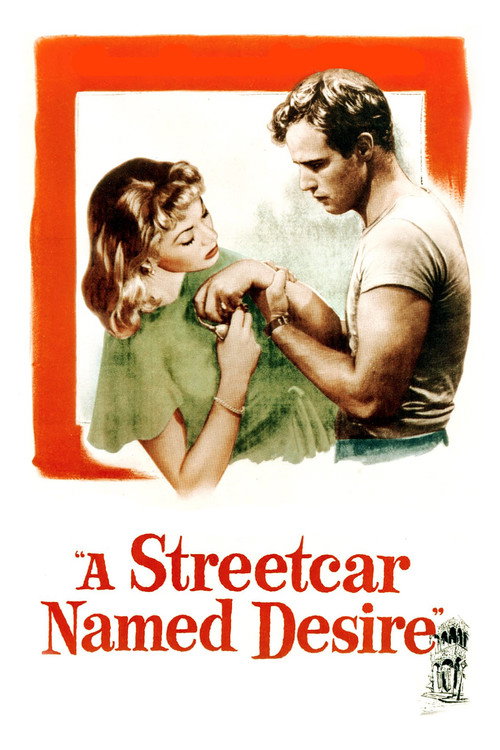
A faded Southern belle arrives at her sister's cramped New Orleans apartment to find salvation, and instead finds her fantasies systematically dismantled by her brutish brother-in-law. Elia Kazan's adaptation of Tennessee Williams is a film of violent psychological intensity, built on the dynamic tension between Marlon Brando's Stanley Kowalski and Vivien Leigh's Blanche DuBois — a clash between two mythologies of the American South in which both combatants are finally destroyed.
Elia Kazan · 1951
A Streetcar Named Desire
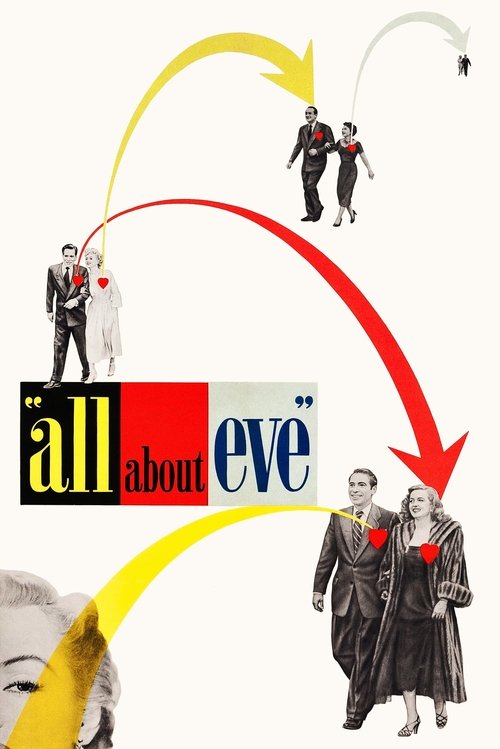
A veteran Broadway actress gradually realises that the seemingly naive young fan she has taken under her wing is systematically dismantling her career and her life. Joseph L. Mankiewicz's witheringly intelligent drama is the most perfectly written film about ambition, theatre, and the relationship between performance and identity — a film that turns every scene into a small trap that its audience steps into with delight.
Joseph L. Mankiewicz · 1950
All About Eve
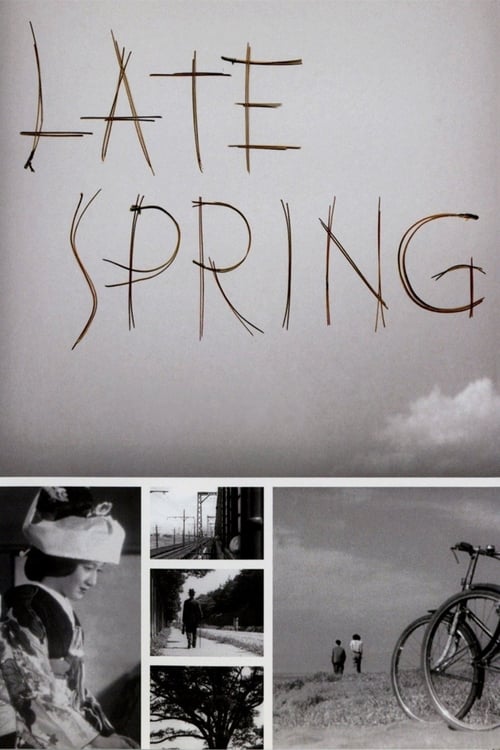
A widowed professor lives contentedly with his devoted daughter, who has no wish to leave home and marry. Gently, reluctantly, he engineers her departure by pretending he plans to remarry. Yasujirō Ozu's Late Spring is a film of aching subtlety — a study in parental sacrifice enacted through small gestures, suppressed emotions, and the unbearable weight of a smile maintained at precisely the wrong moment.
Yasujirō Ozu · 1949
Late Spring
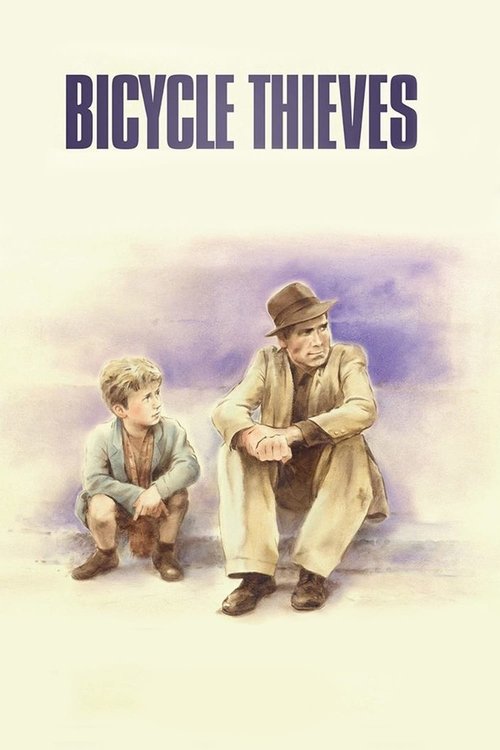
A Roman worker desperate for employment finally lands a job that requires a bicycle, only to have it stolen on his first day. With his young son beside him, he searches the vast city of postwar Rome for the one stolen bicycle that represents everything. Vittorio De Sica's neorealist landmark uses non-professional actors and actual Roman locations to achieve something simultaneously documentary and mythic — a fable about poverty, dignity, and the particular cruelty of a world indifferent to individual suffering.
Vittorio De Sica · 1948
Bicycle Thieves
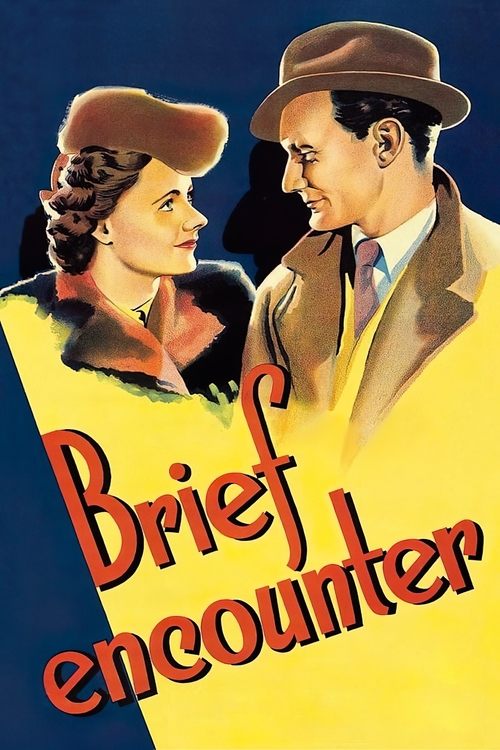
A middle-class married woman and a married doctor meet weekly at a railway station and fall into a love they know they cannot act upon. David Lean's adaptation of Noël Coward's play captures, with remarkable restraint, the full register of feeling that courses beneath the surface of English respectability — an affair conducted almost entirely in suppressed gesture and interrupted thought, whose renunciation contains more feeling than most scenes of consummation.
David Lean · 1945
Brief Encounter
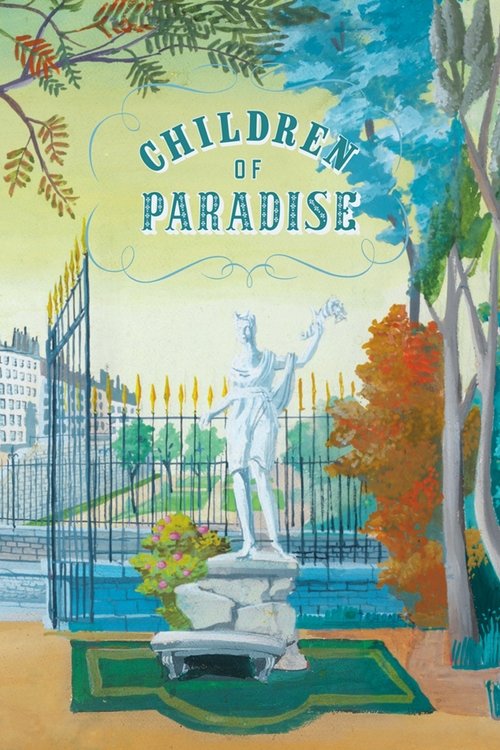
Made during the German occupation of France and set in the theatrical world of 1840s Paris, Marcel Carné's epic follows four men in love with a beautiful courtesan — an actor, a mime, a criminal, an aristocrat — across two long parts that constitute the Parisian theatrical world as a microcosm of life itself. A monument of French cinema, made in defiance of occupation and of the ordinary limitations of what film could contain.
Marcel Carné · 1945
Children of Paradise
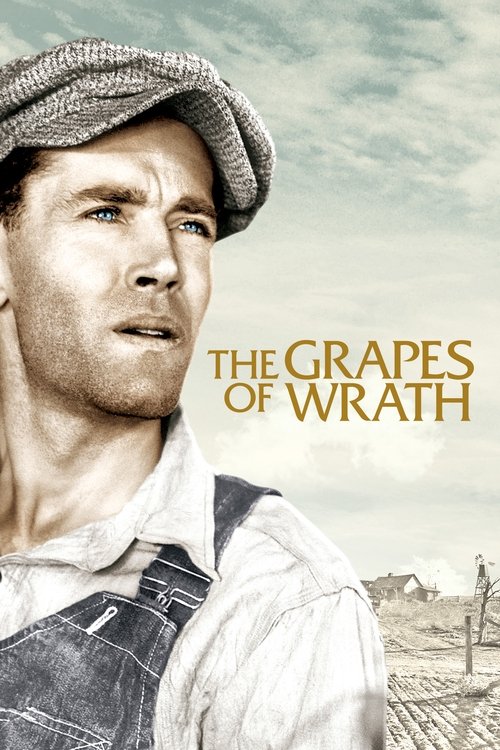
The Joad family, driven from their Oklahoma farm by the Dust Bowl and bank foreclosure, travel Route 66 to California in search of work and dignity. John Ford's adaptation of John Steinbeck's novel balances documentary realism with an almost mythic sense of American working-class endurance — anchored by Henry Fonda's performance as Tom Joad and Jane Darwell's Oscar-winning Ma Joad, whose final speech about the people going on is American cinema's most political monologue.
John Ford · 1940
The Grapes of Wrath
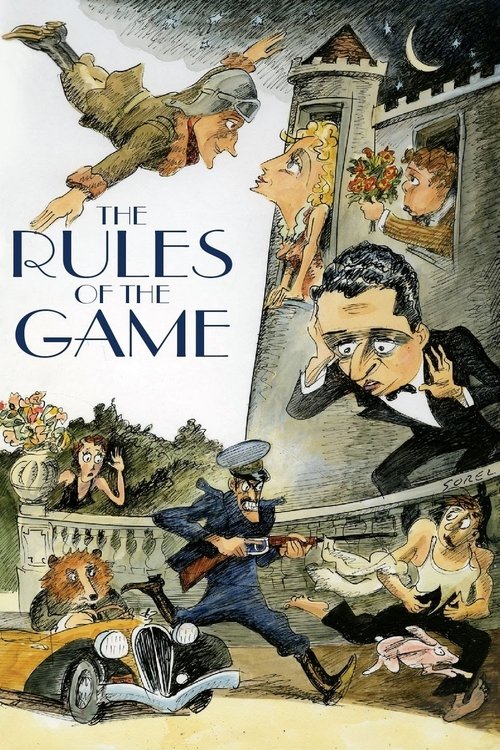
A weekend hunting party at a French country estate brings together aristocrats and servants, lovers and their spouses, in a series of shifting alliances and collisions that end in accidental death. Jean Renoir's pre-war masterpiece is a vision of a civilisation sleepwalking toward catastrophe — a film that uses the conventions of bourgeois comedy to deliver a verdict of extraordinary moral precision on a society unwilling to face its own contradictions.
Jean Renoir · 1939
The Rules of the Game
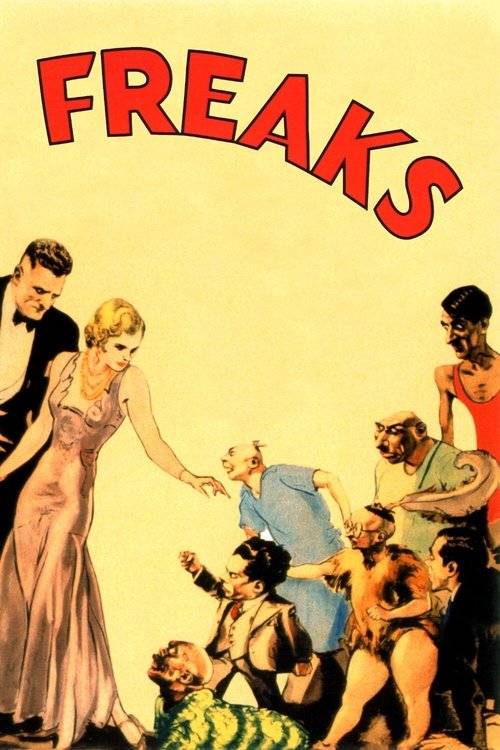
A beautiful trapeze artist in a travelling circus marries a little person for his fortune and, when her scheme is discovered, the circus community of performers takes revenge. Tod Browning's extraordinary film cast actual sideshow performers in a work that simultaneously exploits and defends them — a film whose horror lies entirely with its beautiful, normal, villainous characters, and whose famous final image generated a studio scandal that ended Browning's career.
Tod Browning · 1932
Freaks
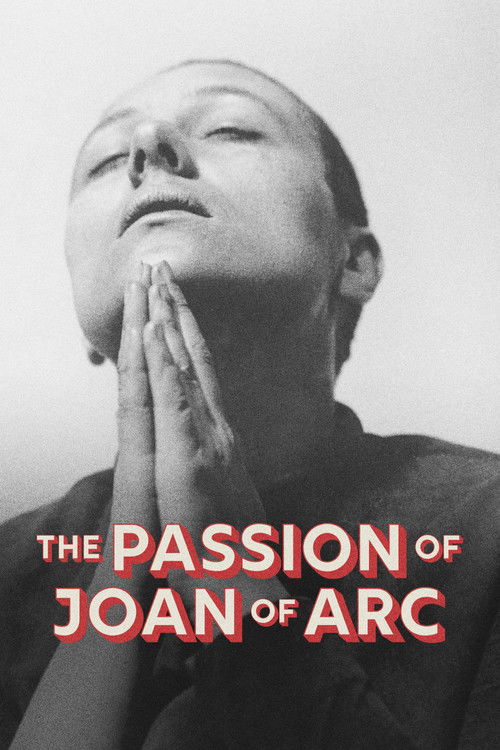
Based entirely on the trial transcripts, Carl Theodor Dreyer's silent masterpiece compresses the interrogation and execution of Joan of Arc into a single day, shot almost entirely in extreme close-up. The camera studies Maria Falconetti's face with the sustained intensity of a confession — a performance of such harrowing interiority that it remains, nearly a century later, the most devastating portrayal of spiritual conviction and institutional cruelty in cinema.
Carl Theodor Dreyer · 1928
The Passion of Joan of Arc
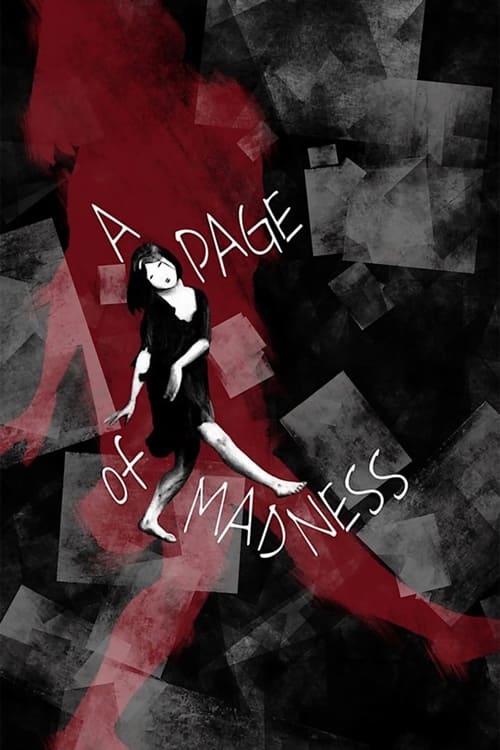
A man takes a job as a janitor in a psychiatric institution to be near his wife, who has been committed there. Teinosuke Kinugasa's lost-and-recovered masterpiece is the most formally radical Japanese silent film — an expressionist torrent of superimpositions, abstract imagery, and rapid cutting that renders madness not as observed condition but as experienced reality, anticipating techniques that European cinema would not reach for another decade.
Teinosuke Kinugasa · 1926