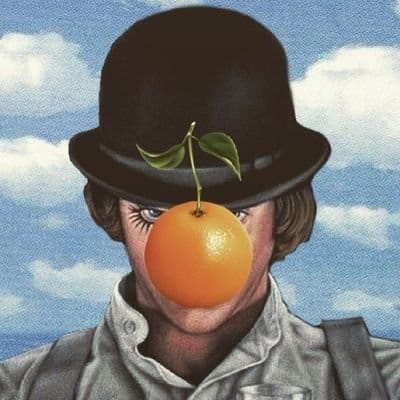
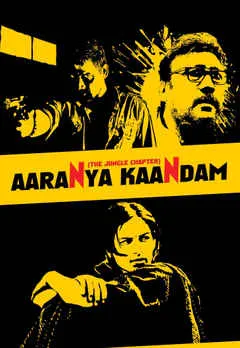
An Indian neo-noir crime thriller showing intersecting lives of gangsters involved in a drug heist gone wrong, mixing dark humor and violence.
Thiagarajan Kumararaja · 2010
Aaranya Kaandam
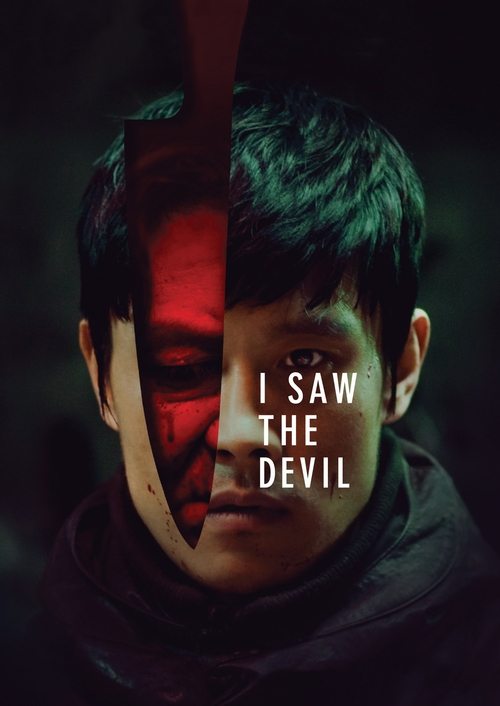
When a secret agent's fiancée is brutally murdered by a serial killer, he captures the man and releases him — only to track him again and again, each time inflicting more pain. Kim Jee-woon's visceral Korean thriller raises a terrible question about revenge: at what point does the pursuit of a monster make you one? A film of extraordinary violence and even more extraordinary moral seriousness.
Kim Jee-woon · 2010
I Saw the Devil
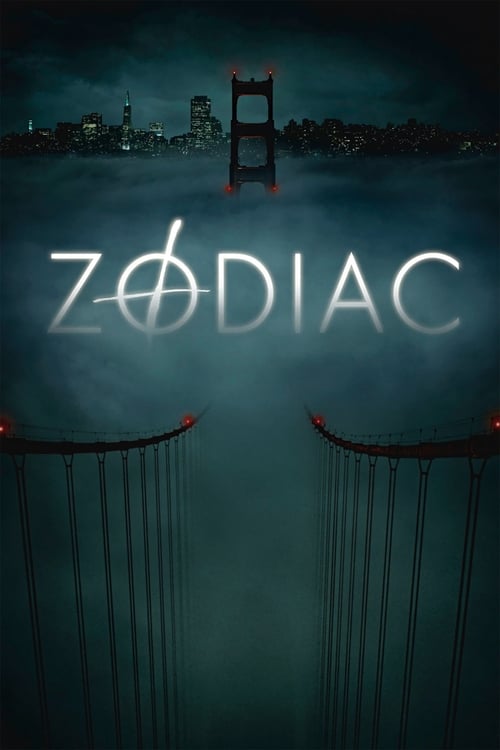
Set against the shadow of an unsolved serial killer who terrorized the San Francisco Bay Area through the late 1960s and 70s, David Fincher's Zodiac is less a horror film than a study in obsession. A cartoonist, a reporter, and a detective each lose years — and pieces of themselves — to a killer who may never be caught. Fincher strips away genre thrills in favour of procedural dread, constructing a film about the unbearable weight of an unanswered question.
David Fincher · 2007
Zodiac
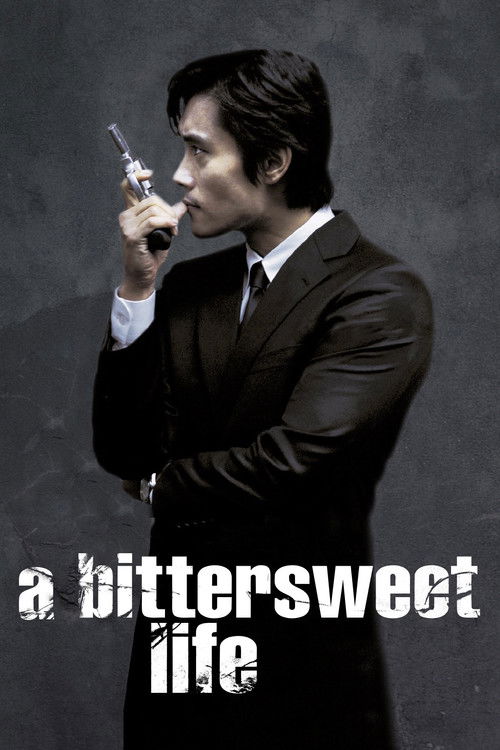
A loyal enforcer for a crime boss is given a simple task: find out if the boss's mistress is having an affair and, if so, eliminate them both. He hesitates — and in that moment of mercy, destroys himself. Kim Jee-woon's sleek Korean neo-noir is a tragedy built on the aesthetics of action cinema: coolly beautiful, brutally precise, and quietly heartbreaking in its portrait of a man who chose loyalty over everything except his own conscience.
Kim Jee-woon · 2005
A Bittersweet Life
Based on true events in Rio de Janeiro’s favelas, it explores the violent drug trade through intersecting youths’ lives over two decades.
Fernando Meirelles, Kátia Lund · 2002
City of God
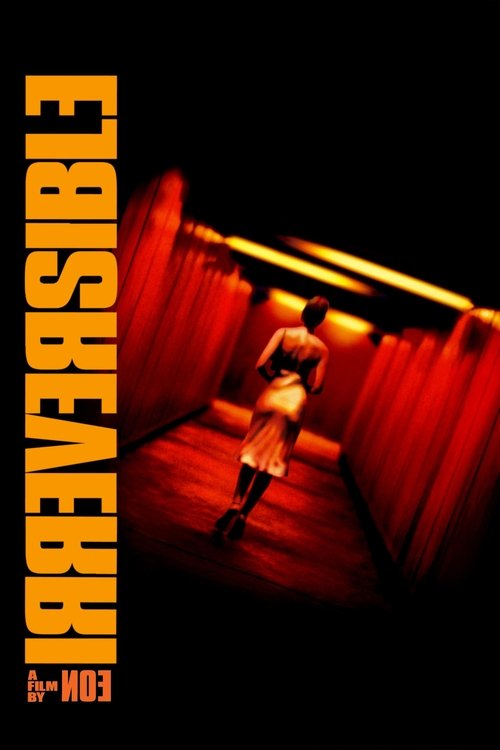
Told in reverse chronological order, a man seeks revenge for the brutal rape and beating of his girlfriend. Gaspar Noé's film is among the most formally aggressive and morally uncompromising works in cinema — the assault sequence, nine uninterrupted minutes, deliberately exceeds narrative purpose, making the audience complicit in an act of witness they cannot undo. The reversed chronology means we mourn the love we have already seen destroyed.
Gaspar Noé · 2002
Irreversible
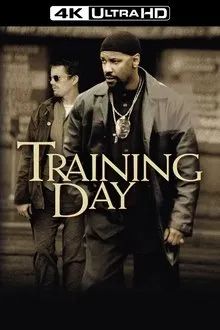
An idealistic rookie cop’s first day with a corrupt narcotics officer spirals into moral quandaries and explosive action.
Antoine Fuqua · 2001
Training Day
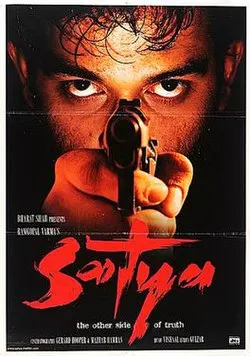
Set in Mumbai’s underworld, it examines the rise of an honest man drawn into crime, marking the advent of gritty Indian gangster cinema.
Ram Gopal Varma · 1998
Satya
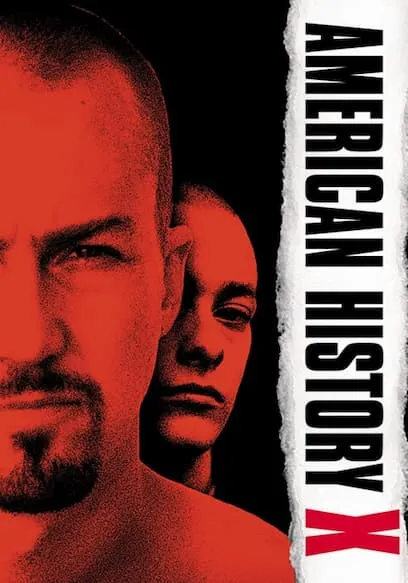
A powerful drama exploring the consequences of racism and redemption in the life of a former neo-Nazi trying to save his younger brother.
Tony Kaye · 1998
American History X
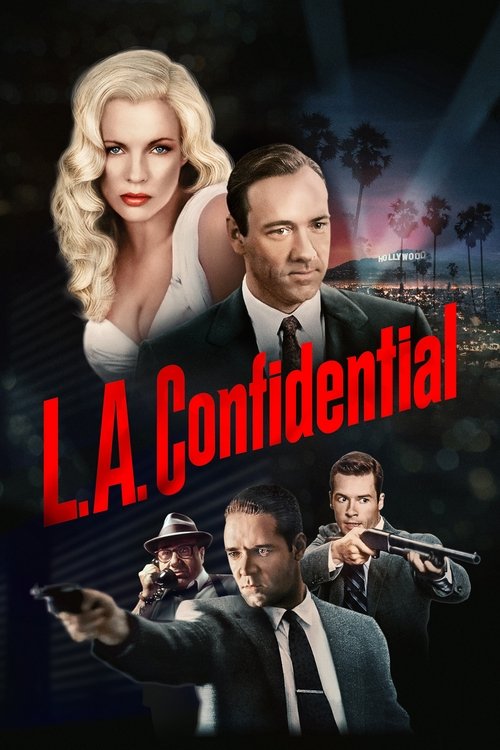
Three Los Angeles detectives with wildly different methods and moralities are drawn together by a massacre at an all-night diner, uncovering a conspiracy that reaches to the highest levels of the LAPD. Curtis Hanson's neo-noir is the most perfectly constructed Hollywood thriller of the 1990s — a film that gives you everything the genre promises and then some, in a Los Angeles that gleams like a lie.
Curtis Hanson · 1997
L.A. Confidential
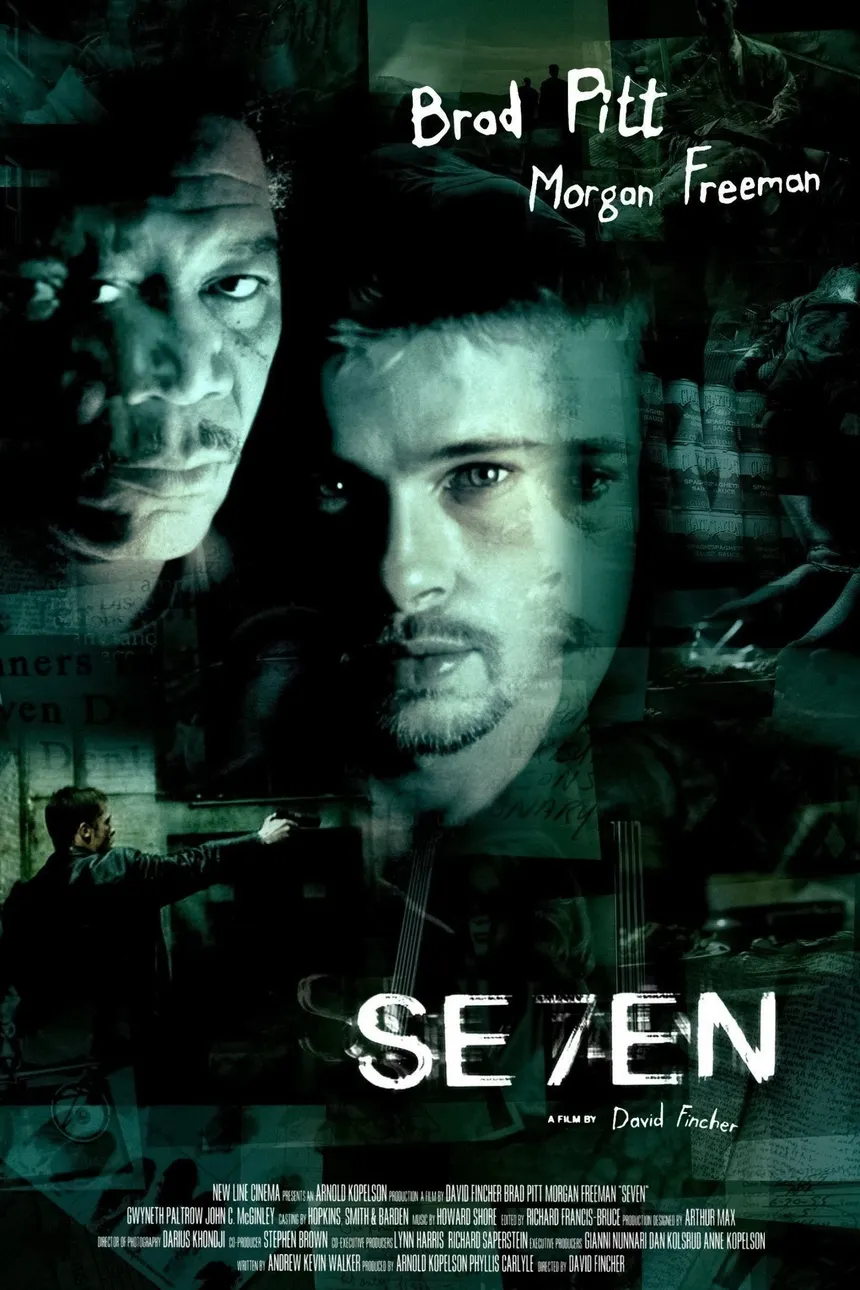
Two detectives hunt a serial killer whose crimes are based on the seven deadly sins. The grim tone and shocking climax make it a modern crime classic
David Fincher · 1995
Se7en
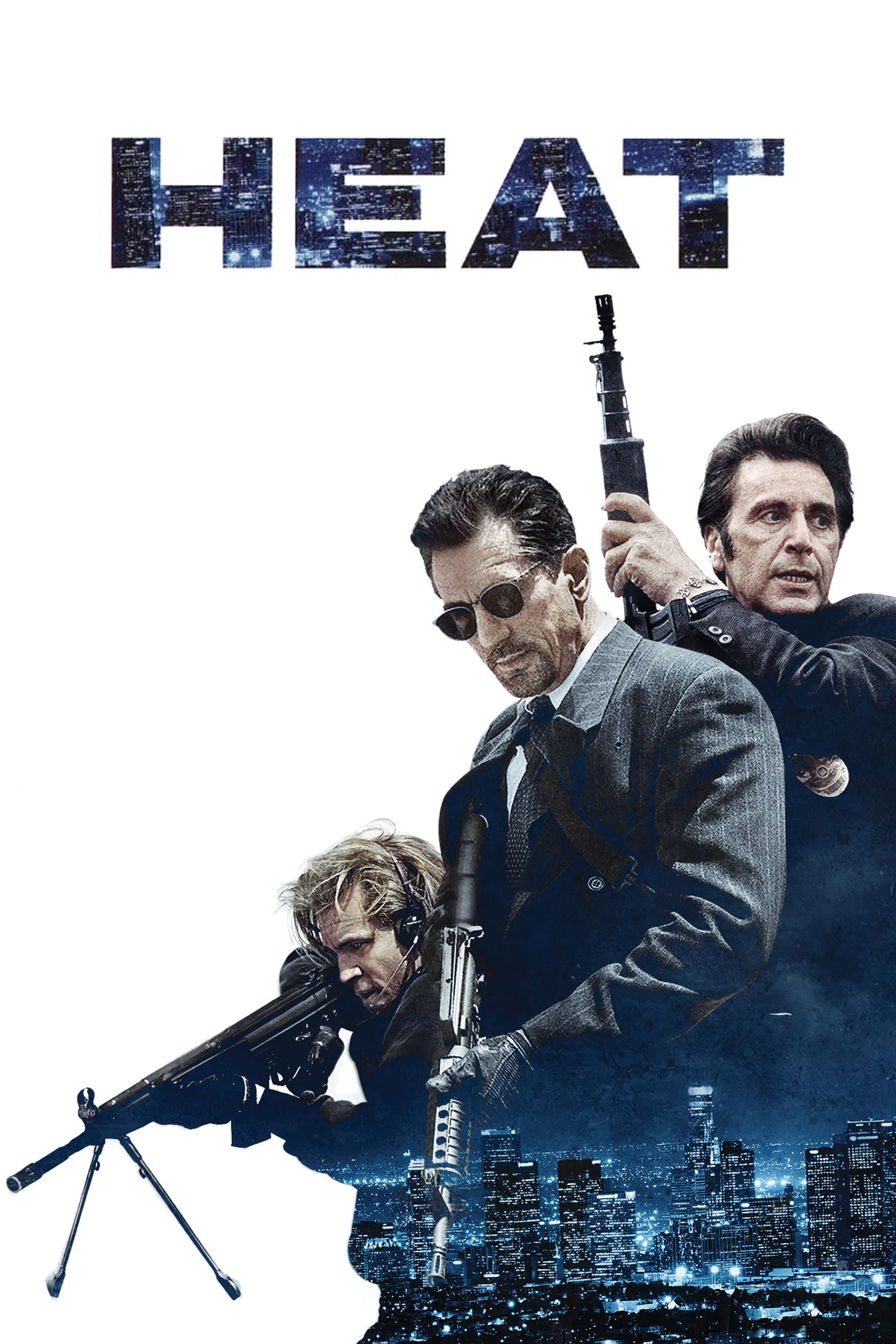
Master thief Neil McCauley and detective Vincent Hanna engage in a cat-and-mouse game across Los Angeles. Their professional respect deepens even as they remain on opposite sides, culminating in spectacular heists and an intense street shootout that redefined action filmmaking.
Michael Mann · 1995
Heat
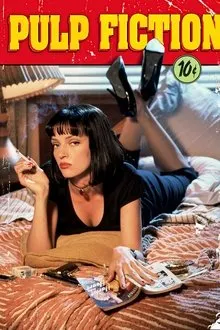
Interwoven stories of crime and redemption are marked by sharp dialogue, dark humor, and nonlinear storytelling, redefining the indie crime genre
Quentin Tarantino · 1994
Pulp Fiction
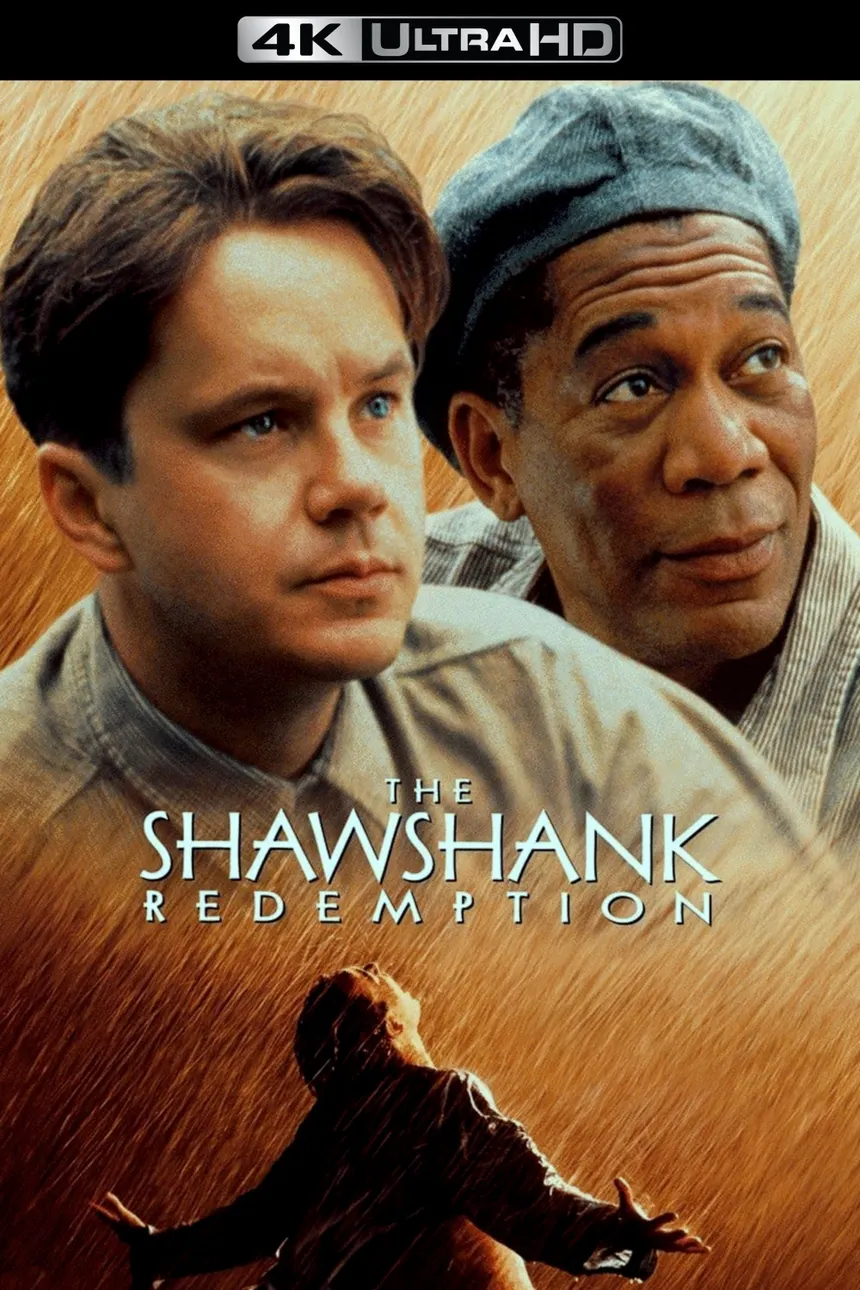
An inmate finds hope and allies amidst despair, leading to an uplifting tale of endurance and friendship inside prison walls.
Frank Darabont · 1994
The Shawshank Redemption
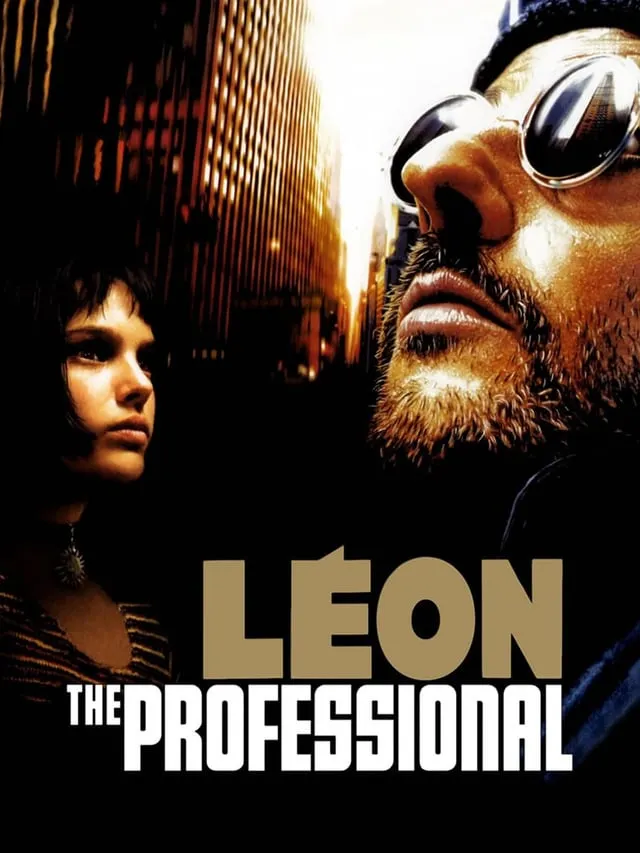
A hitman forms an unlikely bond with a young girl whose family was murdered. Their relationship drives a stylish, emotional thriller.
Luc Besson · 1994
Léon: The Professional
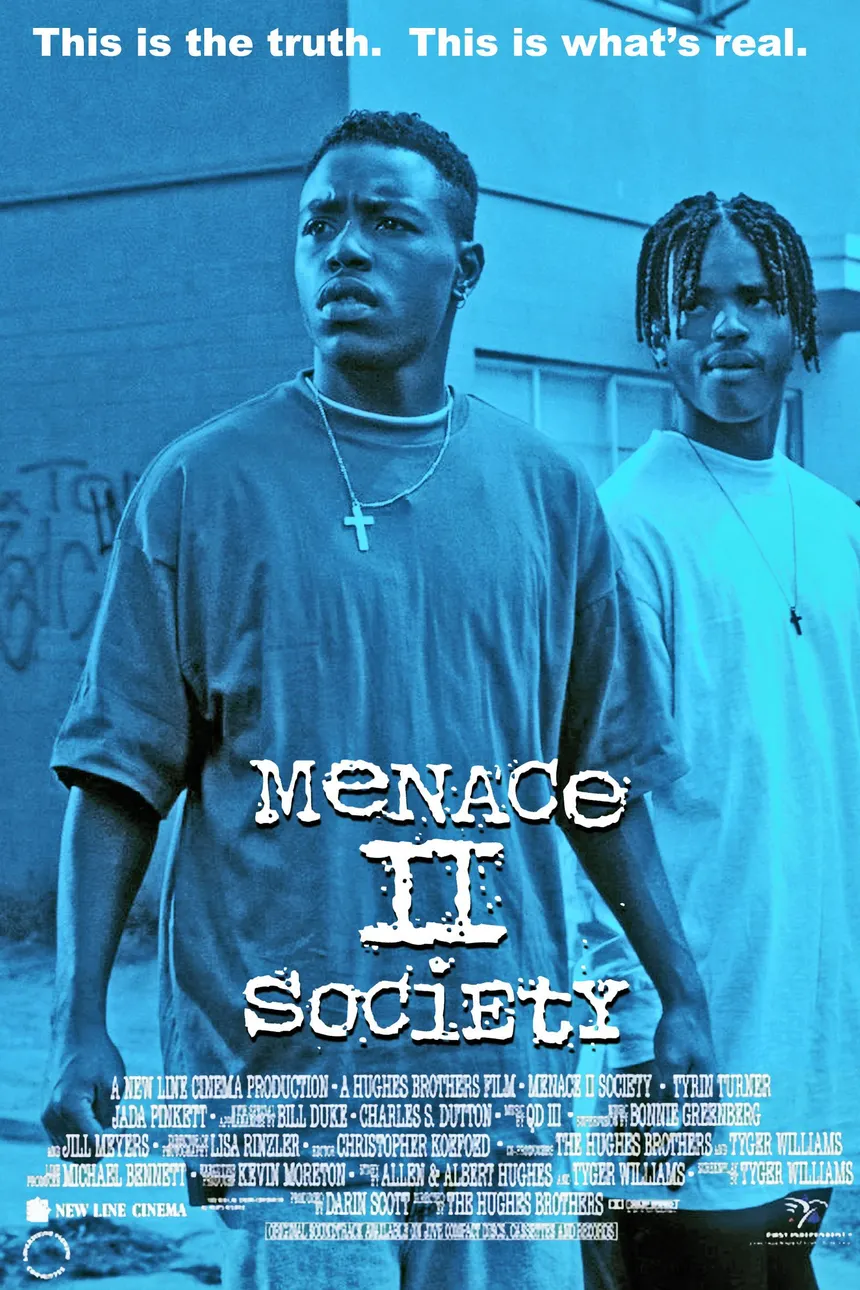
A gritty, violent portrait of life in South Central Los Angeles, following a young man struggling against a predatory environment shaped by drugs and crime.
Albert and Allen Hughes · 1993
Menace II Society
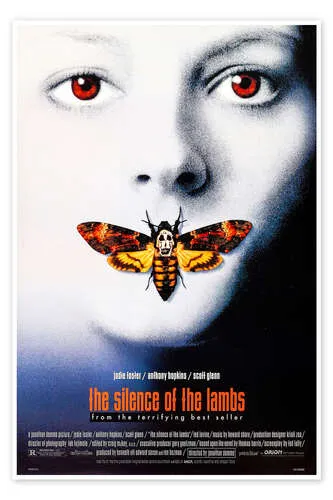
FBI trainee Clarice Starling seeks help from imprisoned cannibal Dr. Hannibal Lecter. His chilling insights may help catch the brutal killer “Buffalo Bill.” Their psychological duel blurs lines of power and manipulation. The case escalates into a race against time.
Jonathan Demme · 1991
The Silence of the Lambs
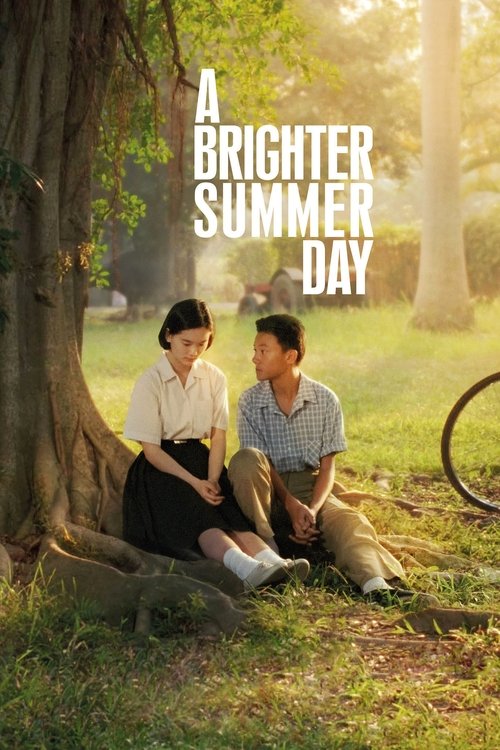
Based on a real 1961 murder case, Edward Yang's four-hour epic follows a teenage boy in Taipei — the son of a mainland Chinese exile — navigating gang rivalries, first love, and the political ambiguity of a generation suspended between the mainland past and an uncertain Taiwanese future. Yang's most ambitious film constructs an entire social world with the patience and specificity of a great novel — the violence at its centre emerging from the accumulated weight of everything that precedes it.
Edward Yang · 1991
A Brighter Summer Day
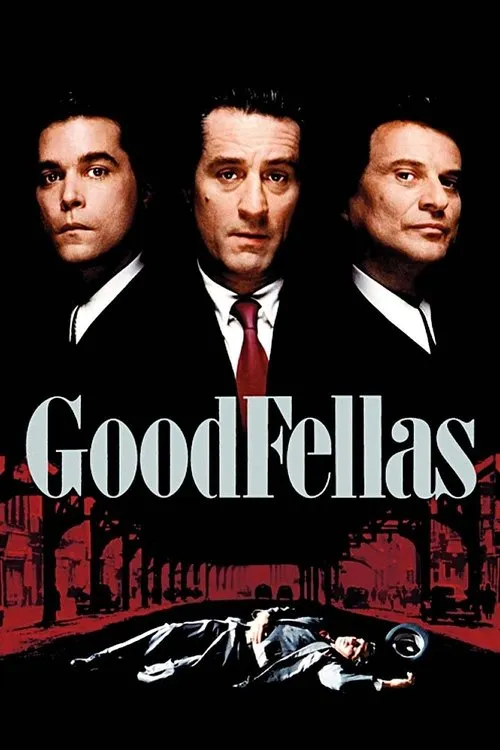
Based on true events, it follows Henry Hill’s rise and fall in the mob, portraying the allure and brutality of the gangster life with dynamic storytelling and strong performances.
Martin Scorsese · 1990
Goodfellas
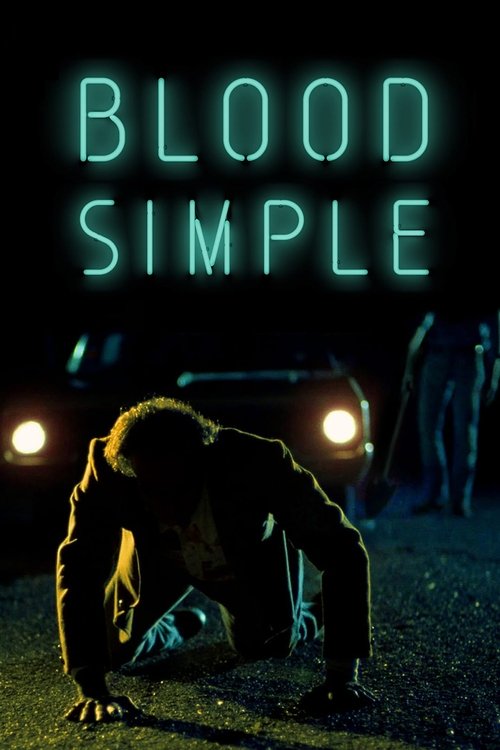
A jealous Texas bar owner hires a private detective to kill his unfaithful wife and her lover. What follows is a chain of misunderstandings, botched killings, and paranoid reversals that dismantles genre convention with surgical precision. The Coen Brothers' debut is a reminder that film noir's greatest weapon is not violence but information — specifically, the fatal gap between what the audience knows and what each character believes.
Joel Coen · 1984
Blood Simple
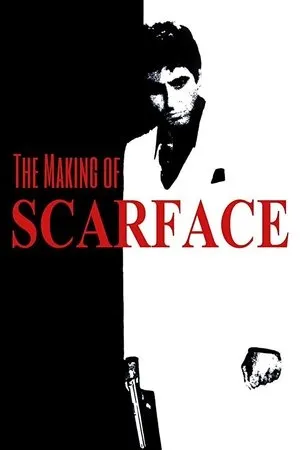
A Cuban immigrant rises to power as a ruthless drug lord in Miami’s cocaine underworld. The film is a violent, stylized chronicle of excess, ambition, and moral decay, anchored by Al Pacino’s iconic performance.
Brian De Palma · 1983
Scarface
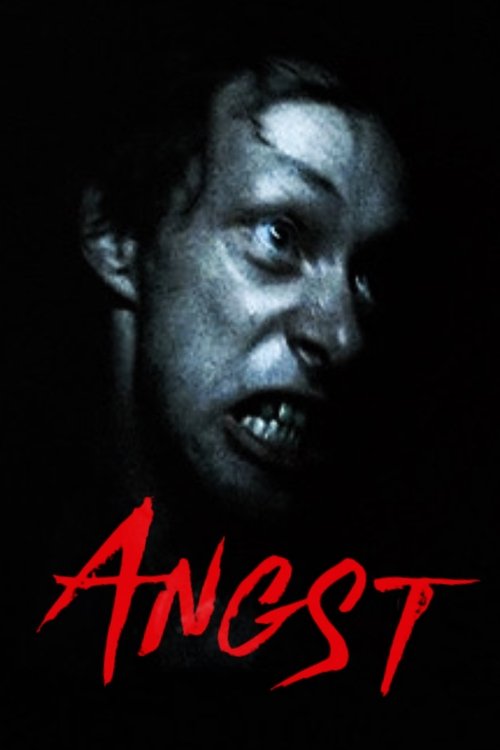
Immediately after his release from prison, a convicted killer breaks into a remote Austrian farmhouse and terrorises its inhabitants. Gerald Kargl's film, based on a real case, is the most purely unpleasant viewing experience in European horror — shot in extreme close-up and handheld with a roving, claustrophobic camera that refuses to provide the distance that would make what it shows manageable, the interior narration of its killer the most disturbing use of voiceover in cinema.
Gerald Kargl · 1983
Angst
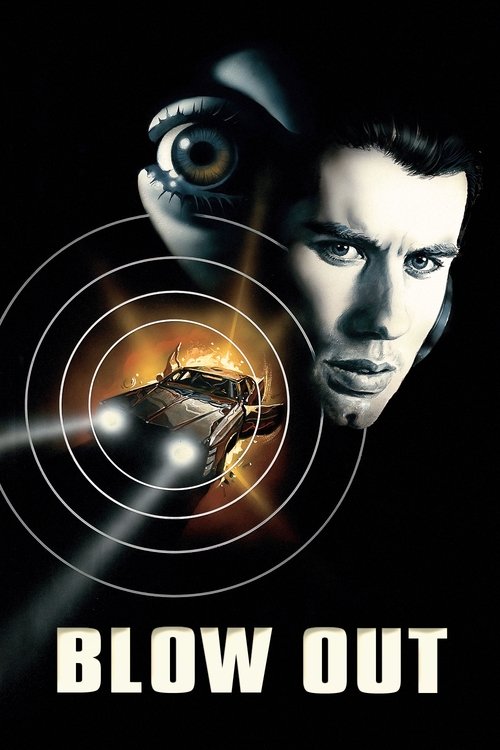
A film sound recordist accidentally captures on tape what he believes to be a political assassination disguised as a car accident. As he pieces the audio evidence together, he becomes dangerously entangled in a cover-up that threatens everything. Brian De Palma's most Hitchcockian film is a bracingly cynical work about the American political imagination — shot through with genuine dread and formal virtuosity that reveals its full horror only in the final frames.
Brian De Palma · 1981
Blow Out
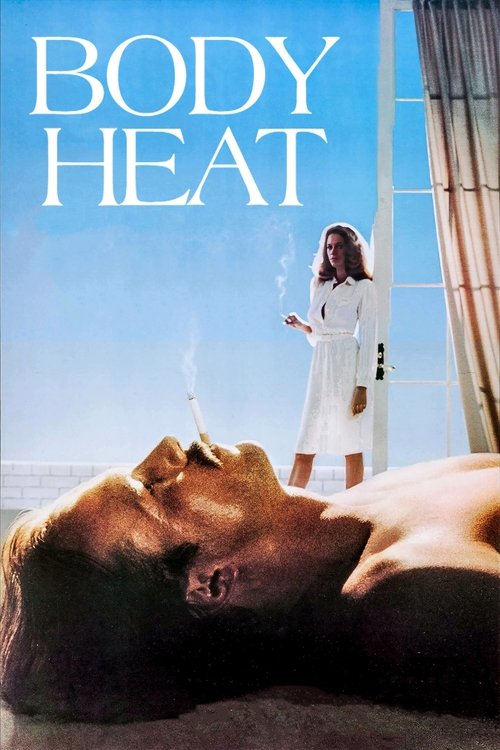
In the sweltering Florida heat, a small-time lawyer embarks on a reckless affair with a married woman and allows himself to be drawn into a plan to murder her wealthy husband. Lawrence Kasdan's neo-noir debut is a knowing love letter to Double Indemnity — a film in which desire is indistinguishable from manipulation, and in which every scene carries the prickle of something about to go catastrophically wrong.
Lawrence Kasdan · 1981
Body Heat
Private detective J.J. Gittes uncovers corruption and deceit surrounding water rights in Los Angeles, blending neo-noir atmosphere with complex characters.
Roman Polanski · 1974
Chinatown
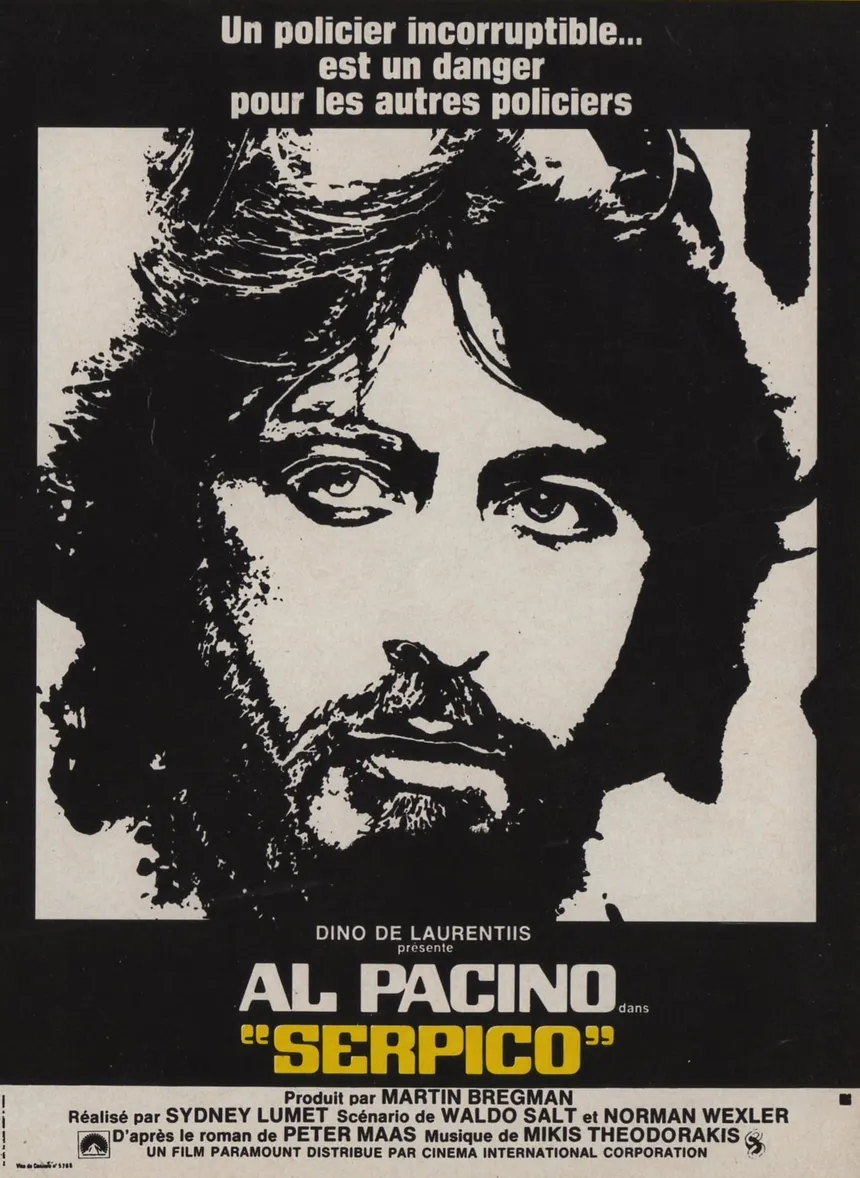
True story of Frank Serpico, an honest cop battling corruption within the New York Police Department, risking his life for integrity.
Sidney Lumet · 1973
Serpico
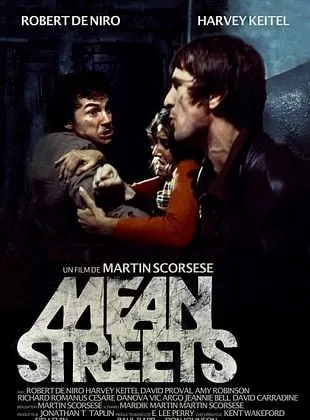
A raw portrayal of small-time criminals and conflicted loyalties in New York’s Little Italy, championing character study over action.
Martin Scorsese · 1973
Mean Streets
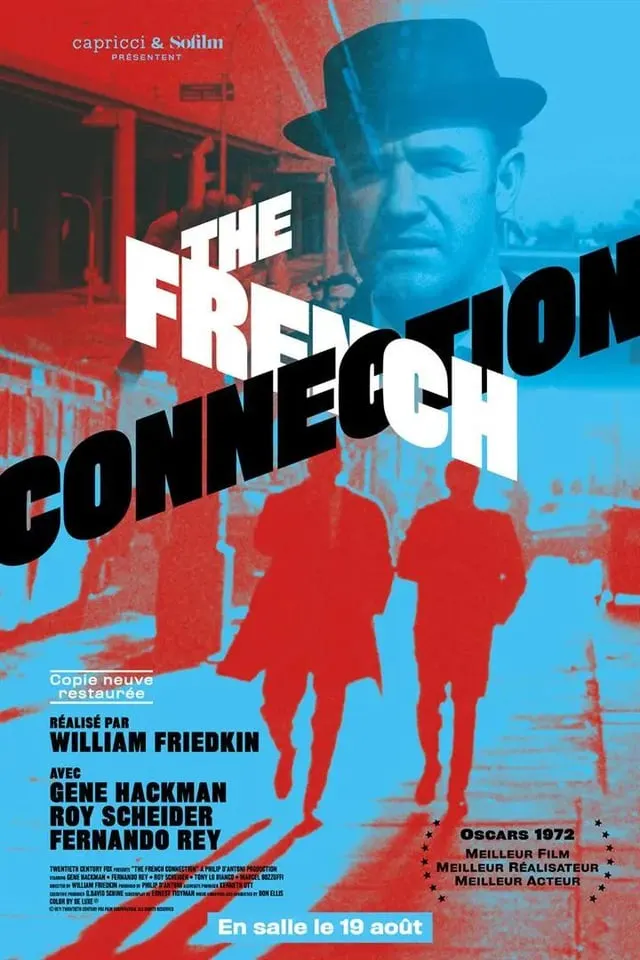
Two New York narcotics detectives race to intercept a heroin shipment from France. Known for its gritty realism and the iconic car chase, the film explores police work with raw intensity and moral ambiguity.
William Friedkin · 1971
The French Connection
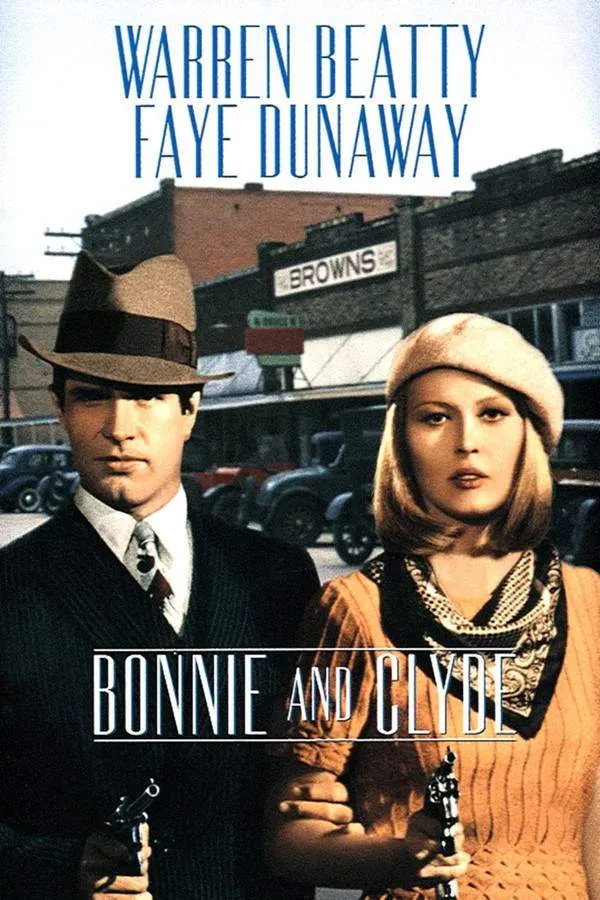
The infamous outlaw couple roams Depression-era America, their crime spree characterized by stylized violence and tragic romance.
Arthur Penn · 1967
Bonnie and Clyde
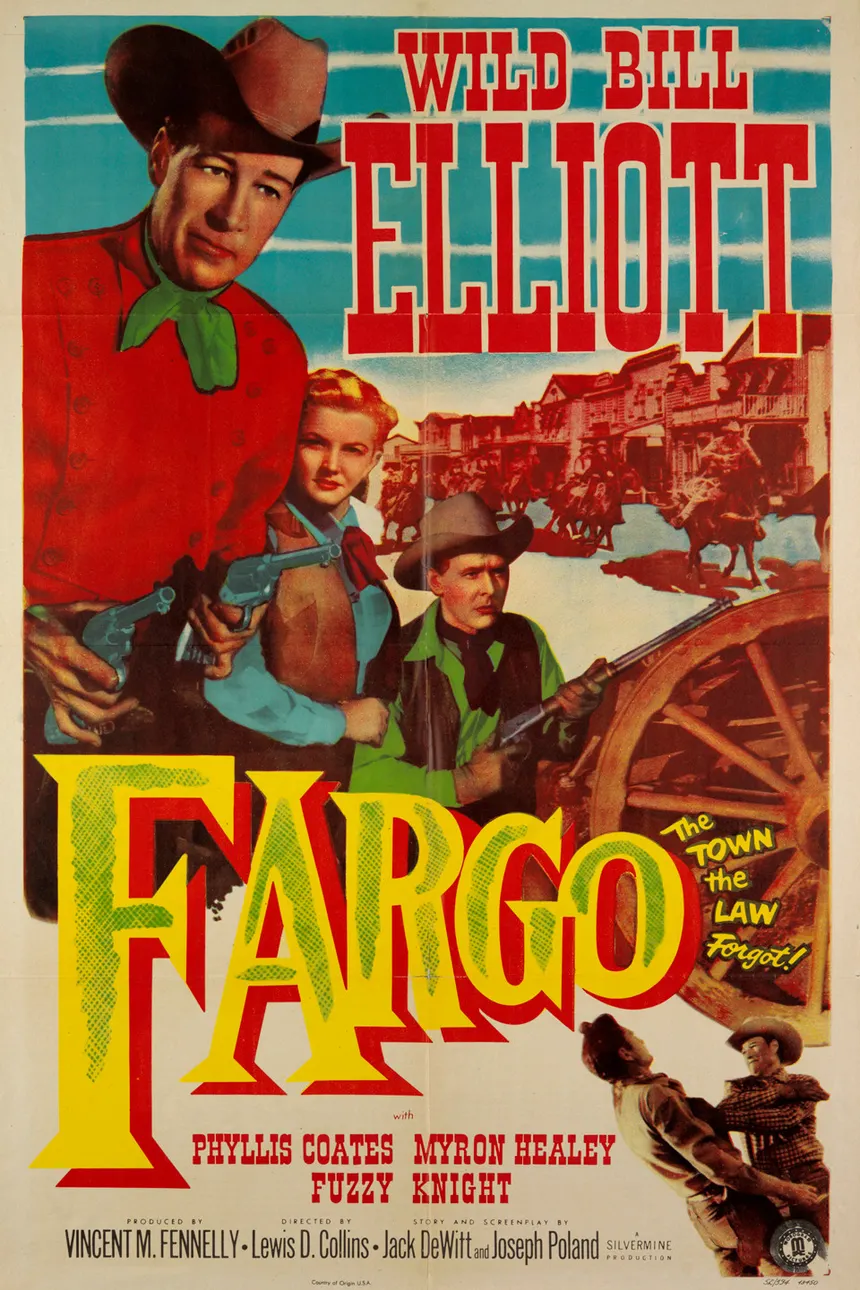
Jerry Lundegaard, a financially desperate car salesman in Minneapolis, hatches a plan to have his wife kidnapped to extort ransom money from her wealthy father. He hires two criminals, Carl and Gaear, to carry out the kidnapping. However, the scheme quickly unravels as the criminals kill a state trooper and witnesses during the abduction, triggering a serious police investigation
Joel Coen · 1966
Fargo
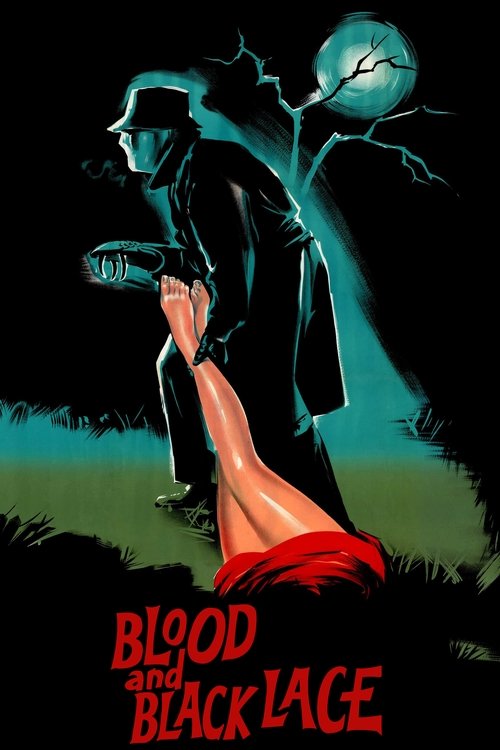
A masked killer murders the models of a high-fashion house in a series of elaborately staged killings to retrieve a compromising diary. Mario Bava's stylised giallo is the direct ancestor of every slasher film — the first work to place its emphasis on the elaborate staging of killings as set pieces, and to deploy colour (Bava's extraordinary use of primary light gels) as an instrument of pure sensation rather than narrative meaning.
Mario Bava · 1964
Blood and Black Lace
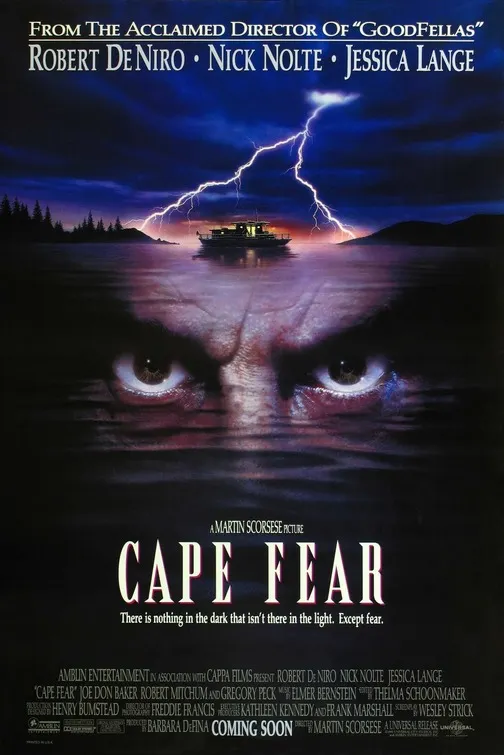
A convicted rapist seeks revenge on the lawyer who got him imprisoned, generating tension and psychological horror in the process.
J. Lee Thompson · 1962
Cape Fear
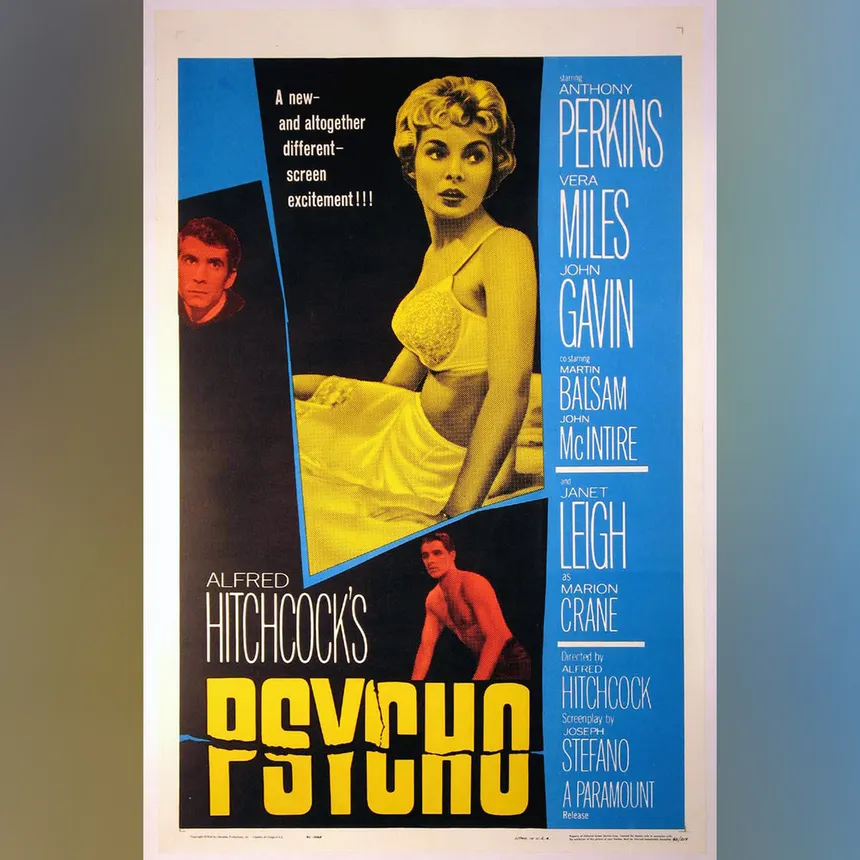
Marion Crane hides at a lonely motel after stealing money. She meets Norman Bates, a shy young man under his mother’s shadow. The infamous shower scene changes everything. Hitchcock’s masterpiece shocked audiences with its chilling twist.
Alfred Hitchcock · 1960
Psycho
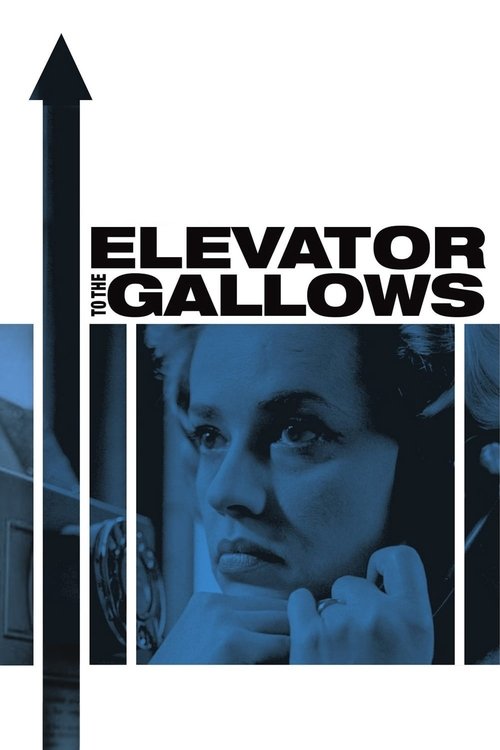
A man murders his lover's husband and makes what should be a clean escape — only to become trapped in an elevator after hours, while a teenager steals his car and commits an entirely different crime that will be pinned on him. Louis Malle's debut feature, scored by Miles Davis in a single legendary night session, is a cold equation of bad luck and worse timing — one of the most formally elegant French noirs ever made.
Louis Malle · 1958
Elevator to the Gallows
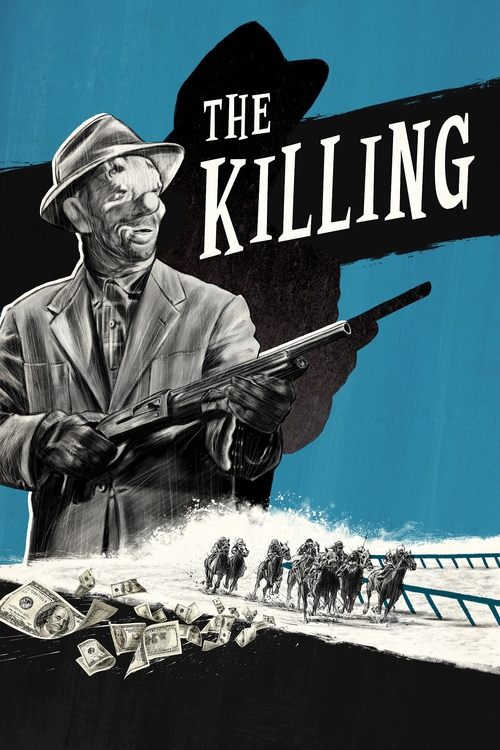
A recently paroled criminal assembles a team of specialists to rob a racetrack on the day of a major race, with each man playing a timed and coordinated role. Stanley Kubrick's first major film introduced his career-defining formal intelligence — fractured chronology, cool ironic observation, and an inevitability that drains the heist of heroism while making it completely impossible to look away.
Stanley Kubrick · 1956
The Killing
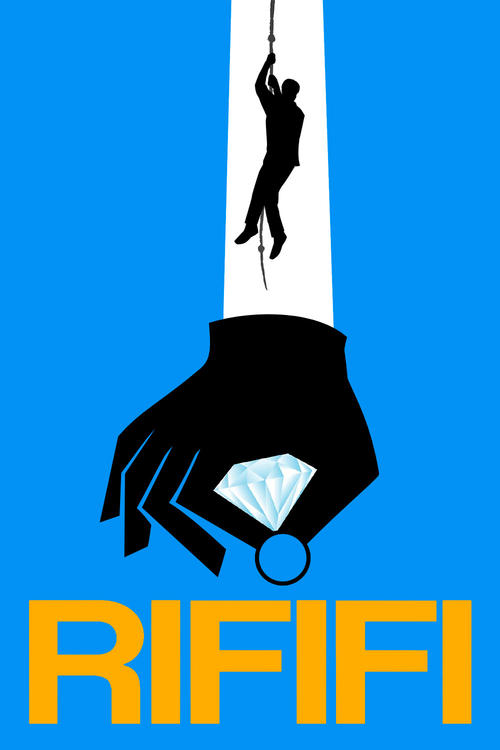
Four men plan and execute the most meticulous jewel robbery in Paris, only to have the aftermath unravel everything the preparation achieved. Jules Dassin's French classic contains one of cinema's greatest sequences — a half-hour heist conducted in complete silence — and remains a masterwork of the genre: precise, elegiac, and merciless in its portrait of how men destroy what they have so carefully built.
Jules Dassin · 1955
Rififi
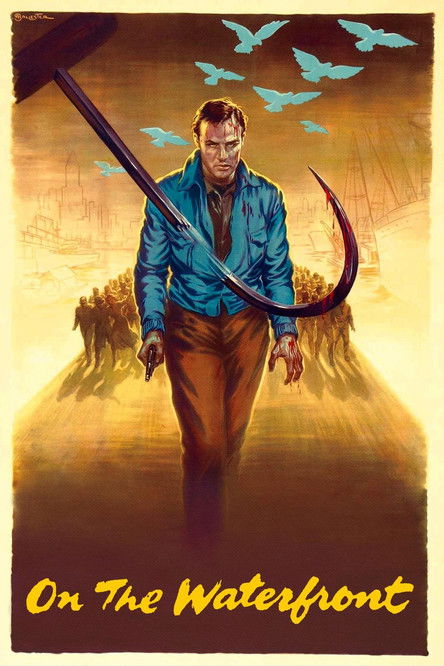
A former prizefighter working as a longshoreman on the New Jersey docks is pressured to remain silent about corruption, while his conscience, his faith, and his love for a murdered man's sister pull him toward testimony. Elia Kazan's film remains a masterwork of location filmmaking and performance — Marlon Brando's taxi-cab scene is the beginning of modern screen acting.
Elia Kazan · 1954
On the Waterfront
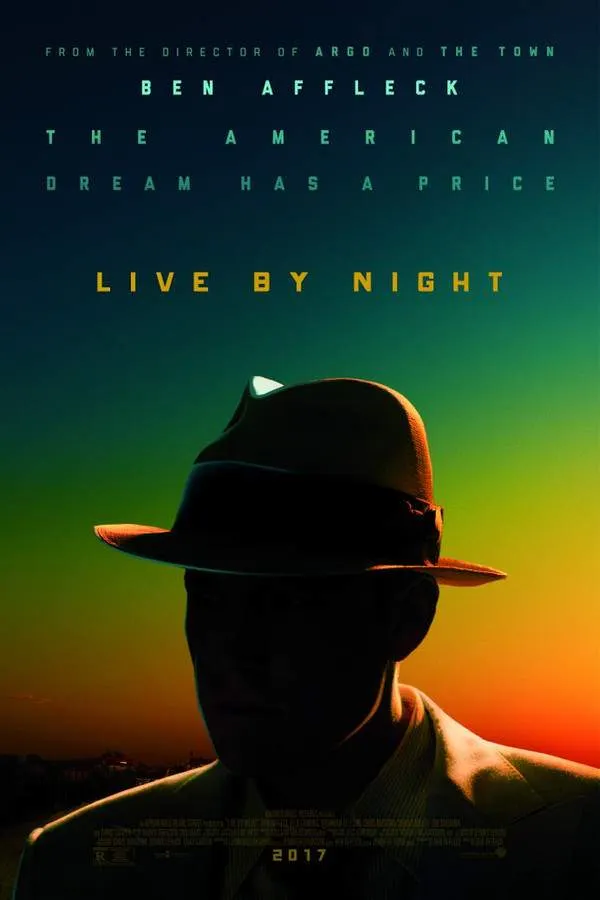
A tragic love story of two young criminals on the run, exploring themes of fate and struggle against societal forces with neo-noir sensibility.
Nicholas Ray · 1948
They Live By Night
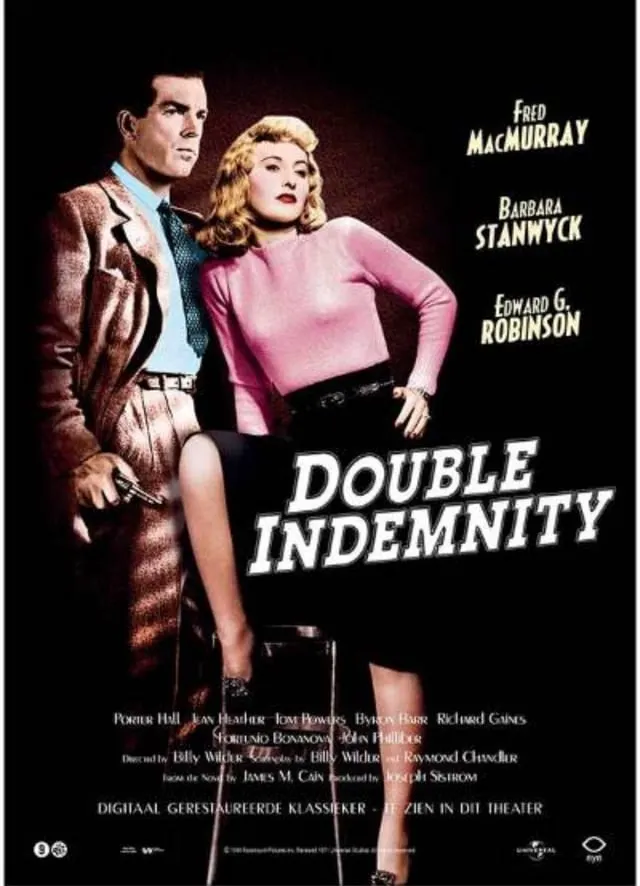
An insurance salesman conspires on a murder-for-insurance scheme, leading to a taut exploration of greed, betrayal, and fatal attraction.
Billy Wilder · 1944