Dispatch — Long Read
Why Gen Z Horror Looks Nothing Like Millennial Horror
"Every generation gets the horror it deserves."
The Cinéprism
22 / 06 / 2026 · 6 min read
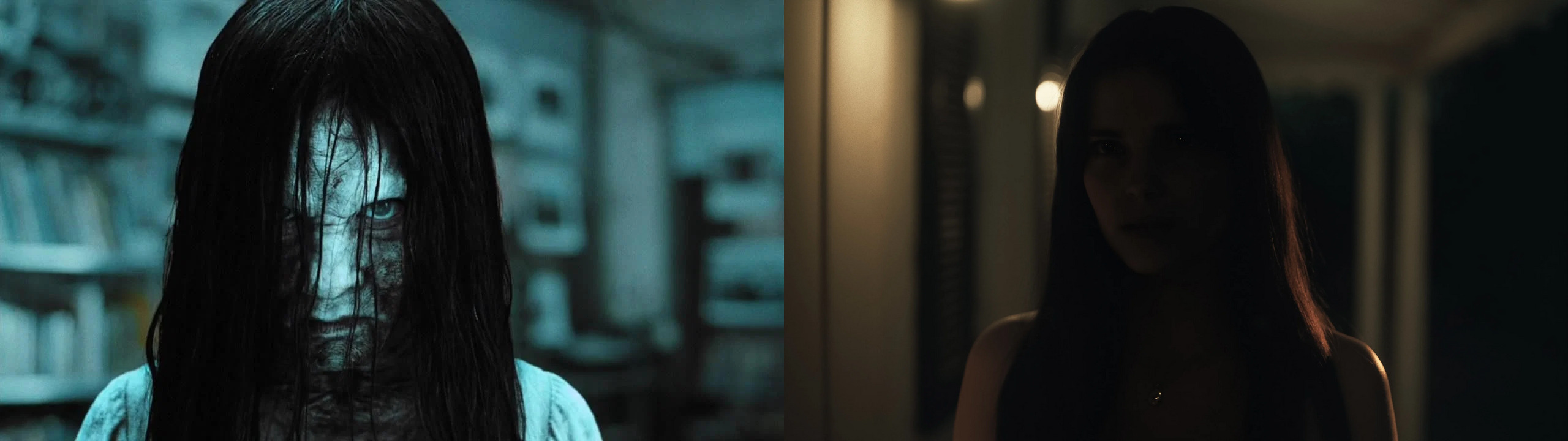
The monsters may change, but the fears remain.
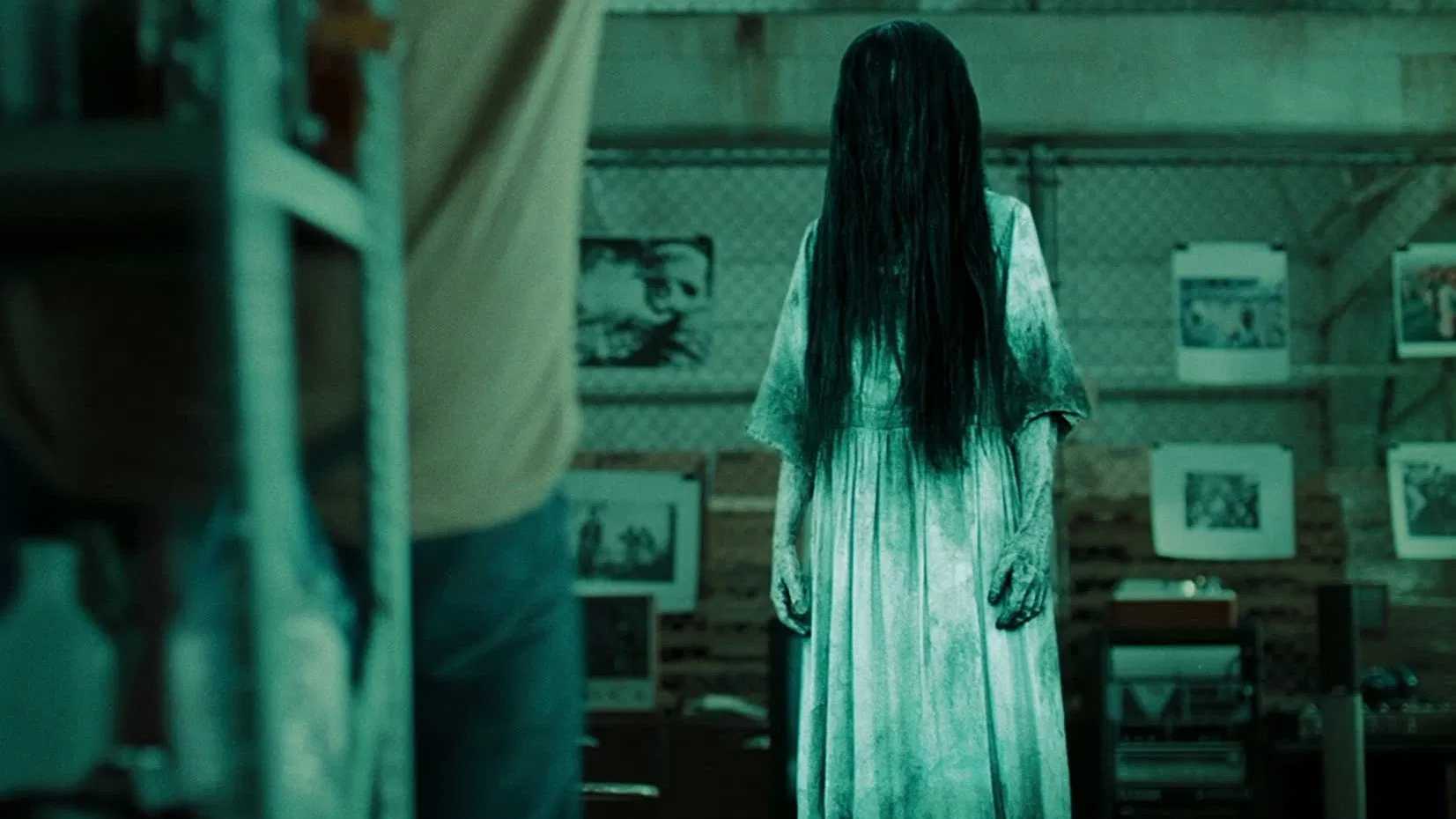
Horror has always functioned as a cultural barometer, absorbing the anxieties of its time and transforming them into stories. The slashers of the 1970s emerged from a climate of social unrest and rising crime. The body horror of the 1980s reflected fears surrounding disease, technology, and the fragility of the human body. Following the attacks of September 11, horror became increasingly obsessed with surveillance, torture, paranoia, and the collapse of public safety. Today, however, horror is undergoing another transformation. The fears that define Generation Z are fundamentally different from those that shaped Millennials, and as a result, the language of horror has changed with them. The shift is so profound that many contemporary horror films and internet-born horror phenomena often feel as though they belong to an entirely different genre from the movies that terrified audiences two decades ago. The difference lies not merely in aesthetics, but in the very nature of fear itself.
When Horror Had a Face
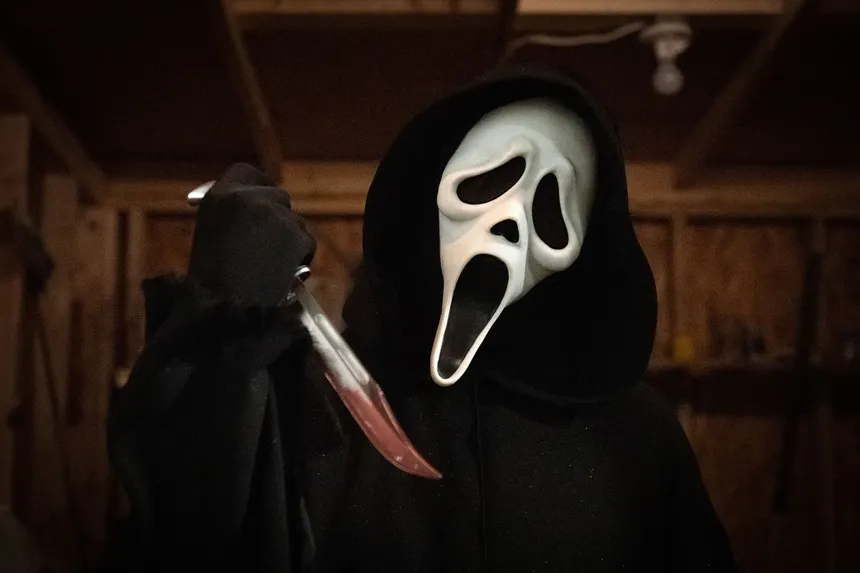
Millennial horror was largely built around identifiable threats. Whether it was the cursed videotape in The Ring, the sadistic traps of Saw, the demonic presence in Paranormal Activity, or the infected hordes of 28 Days Later, the source of terror was usually external and tangible. The audience knew what they were afraid of, even if they couldn't escape it. These films emerged during a period marked by terrorism, economic instability, school shootings, and an increasingly relentless twenty-four-hour news cycle. For many Millennials, danger existed somewhere beyond the walls of the home. It was an intruder, a virus, a killer, or an unseen supernatural force waiting to strike. Even the most psychologically complex horror films of the era maintained a clear distinction between victim and threat. There was still a monster to confront, an enemy to identify, and a battle to survive. Contemporary horror increasingly rejects that framework.
The Fear of Existing Online
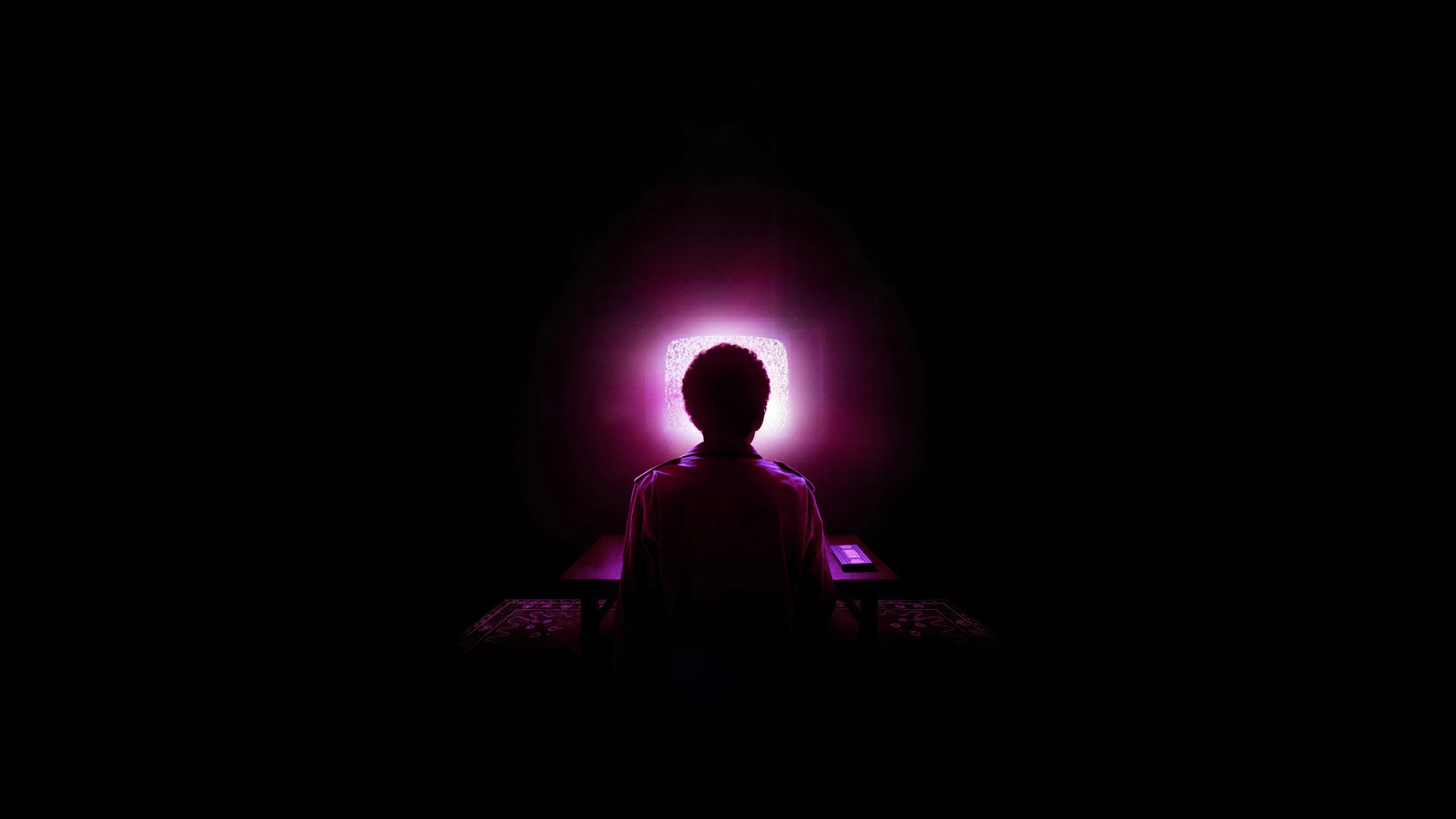
Generation Z is the first generation in history to spend its entire life connected to the internet. They grew up navigating social media platforms, algorithmic feeds, digital identities, online communities, and a constant stream of information that never truly stops. As a result, their anxieties are often less concerned with physical threats and more concerned with psychological and existential ones. This shift has dramatically altered the kinds of stories that resonate with younger audiences. Films such as We're All Going to the World's Fair, I Saw the TV Glow, Skinamarink, and the 2026 breakout horror film Obsession by Curry Barker derive their power not from traditional scares but from feelings of alienation, disconnection, and uncertainty. Obsession in particular reframes the classic “be careful what you wish for” narrative through a Gen Z lens of emotional control and parasocial attachment. A seemingly simple wish for love spirals into psychological possession and relational collapse, where desire itself becomes a form of horror. What begins as intimacy gradually mutates into dependency, surveillance-like emotional control, and identity erosion, reflecting a generation increasingly aware of how relationships, both online and offline, can become distorted systems of fixation. These films often leave viewers with a lingering sense of unease rather than a momentary shock. Their horror emerges from emotional states rather than narrative events. The fear is not that something is coming for you. The fear is that you may already be trapped.
The Rise of Liminal Horror
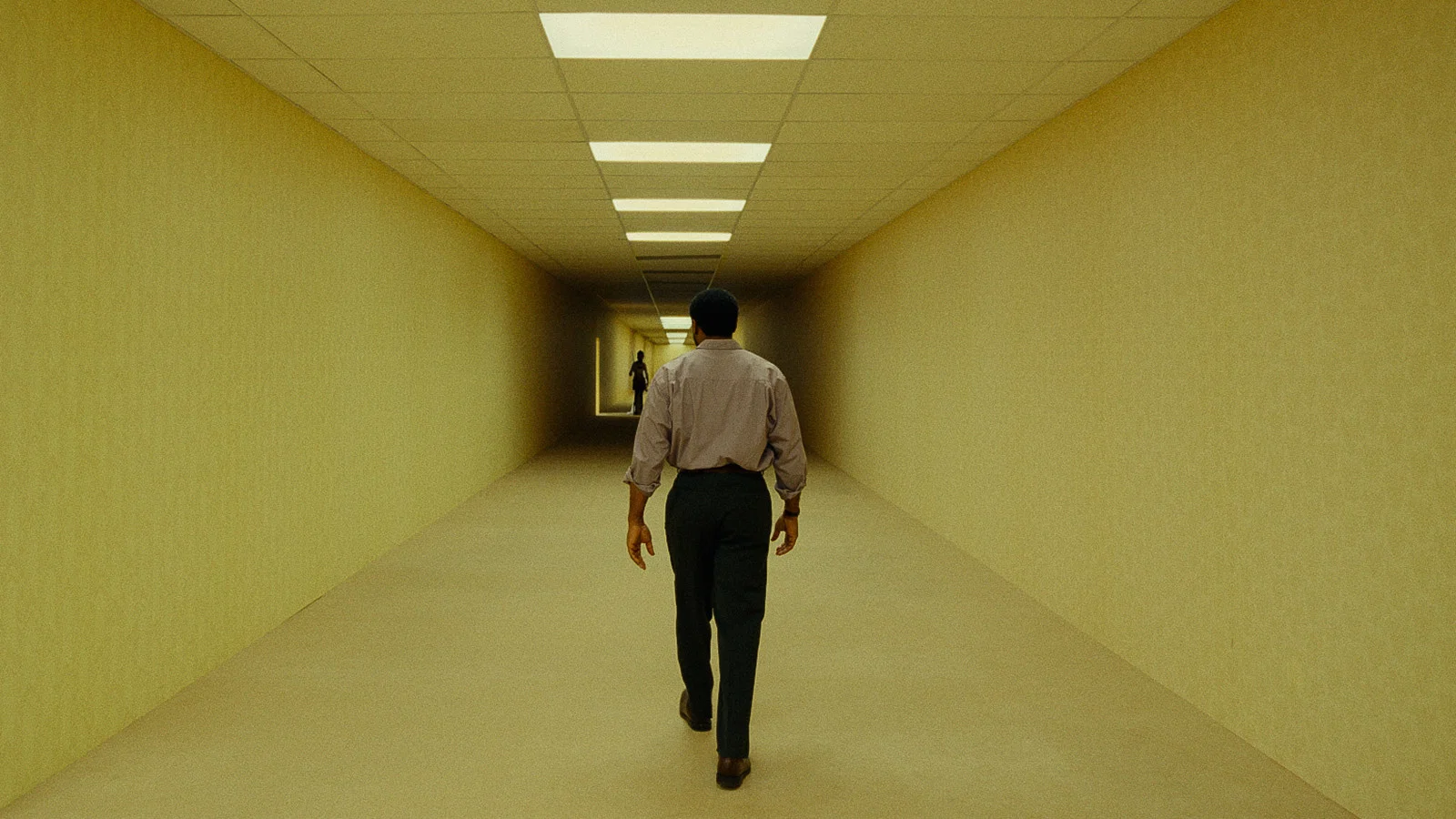
Perhaps no concept better captures Gen Z horror than the idea of the liminal space. The popularity of phenomena such as The Backrooms reveals a fascination with environments that feel simultaneously familiar and deeply wrong. Endless hallways, abandoned office buildings, empty shopping malls, deserted schools, and silent suburban streets have become some of the defining images of modern horror. What makes these spaces frightening is not the presence of a monster but the absence of everything else. They evoke a strange feeling of displacement, as though reality itself has become disconnected from its normal rules. This fascination reflects broader cultural conditions. Many members of Generation Z came of age during the COVID-19 pandemic, witnessing once-crowded public spaces transformed into empty, surreal landscapes. At the same time, digital life increasingly replaced physical interaction, creating a sense that people were becoming detached from the real world. Liminal horror captures that feeling perfectly. It is horror born not from danger, but from absence.
Why Analog Horror Became the Defining Genre of the Internet Age
One of the most fascinating developments of the past decade has been the rise of analog horror. Series such as Local 58, The Mandela Catalogue, and Gemini Home Entertainment have cultivated massive audiences despite relying on aesthetics that predate Generation Z itself. At first glance, this seems paradoxical. Why would a generation raised on smartphones and streaming platforms become obsessed with VHS tapes, distorted television broadcasts, and outdated technology? The answer lies in what analog horror actually represents. These stories are not nostalgic. They are concerned with corrupted information. Their grainy visuals, degraded audio, and fragmented narratives create the impression that reality has been tampered with. In an era increasingly defined by deepfakes, artificial intelligence, misinformation, and algorithmically curated content, the inability to trust what one sees has become a genuine cultural anxiety. Analog horror transforms that anxiety into a visual language. The static on the screen is no longer merely static; it becomes a metaphor for uncertainty itself.
The Death of the Horror Icon
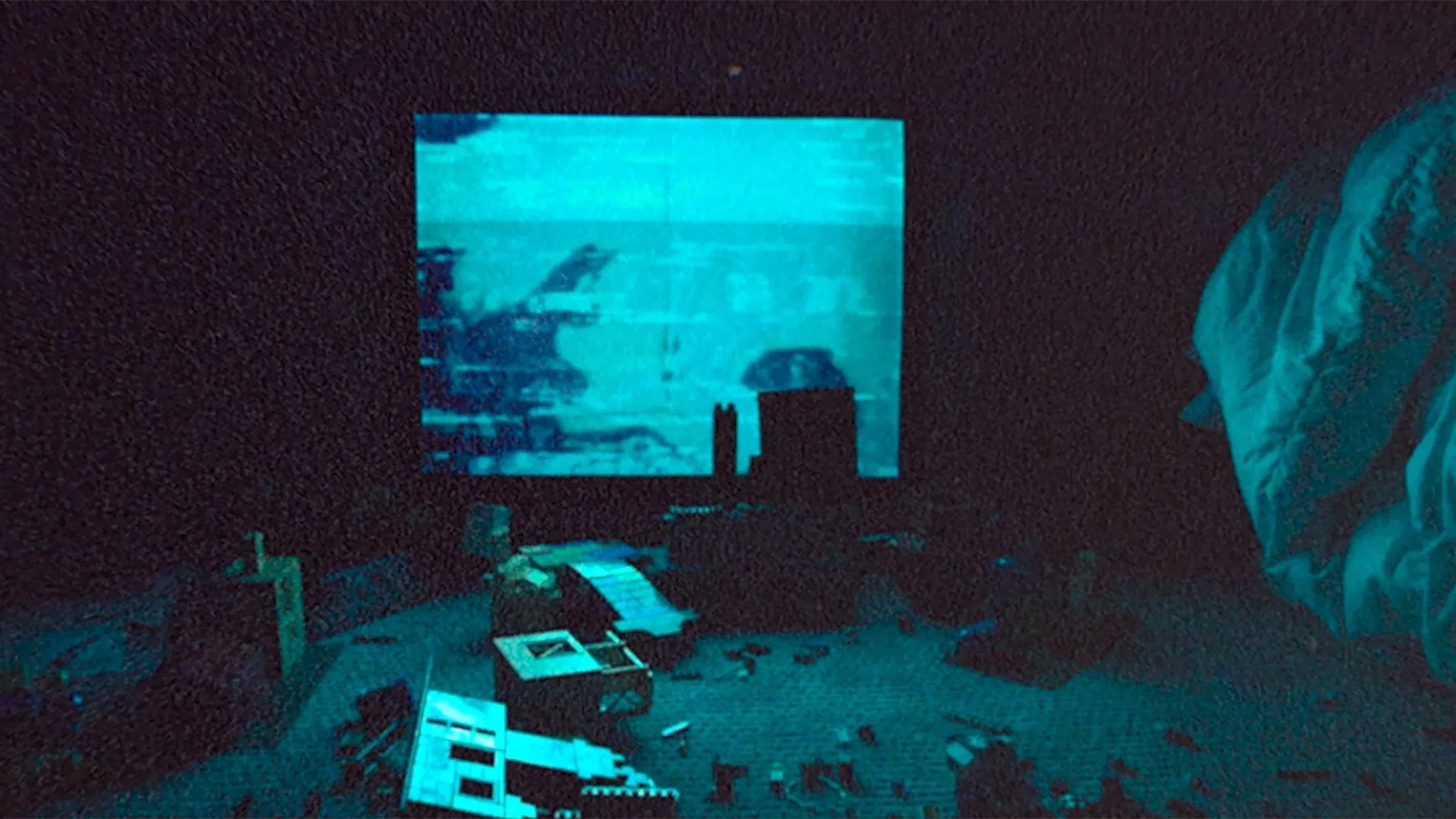
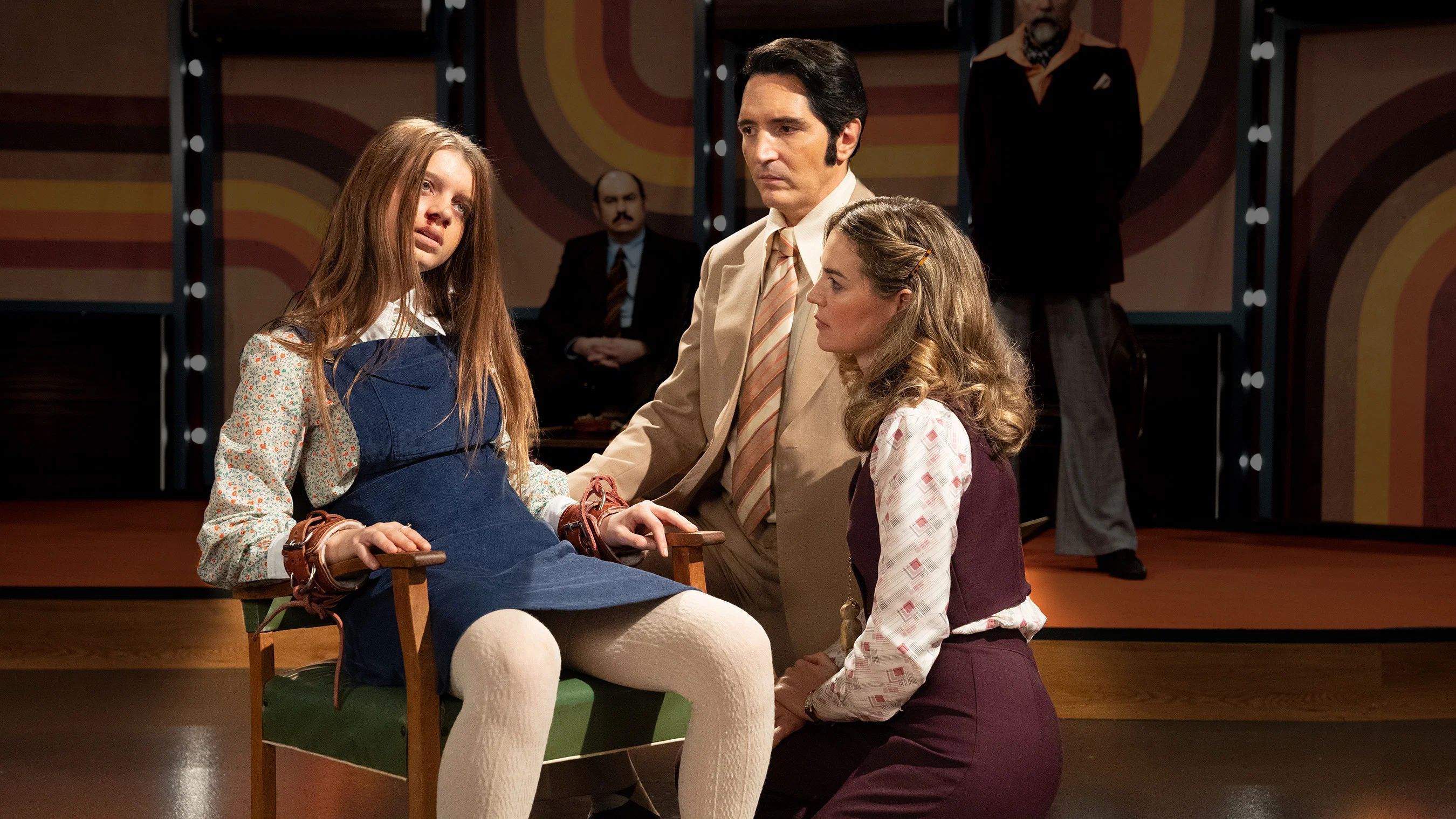
For much of the twentieth century, horror was dominated by iconic villains. Characters such as Freddy Krueger, Michael Myers, Jason Voorhees, and Ghostface became cultural institutions because they possessed clear identities, motivations, and mythologies. Modern horror appears far less interested in creating such figures. Many of today's most influential horror works actively resist explanation. The entities that inhabit films like Skinamarink or internet phenomena like The Backrooms remain frustratingly unknowable. Audiences are rarely given definitive answers about what they are seeing or why it exists. This ambiguity reflects a broader cultural moment. We live in an age of overwhelming information, yet certainty often feels harder to attain than ever before. Conspiracy theories, misinformation, artificial intelligence, and fragmented media ecosystems have blurred the boundaries between truth and fiction. In such an environment, the unknowable becomes more frightening than the known. The monster no longer needs a face.
Horror After the Internet
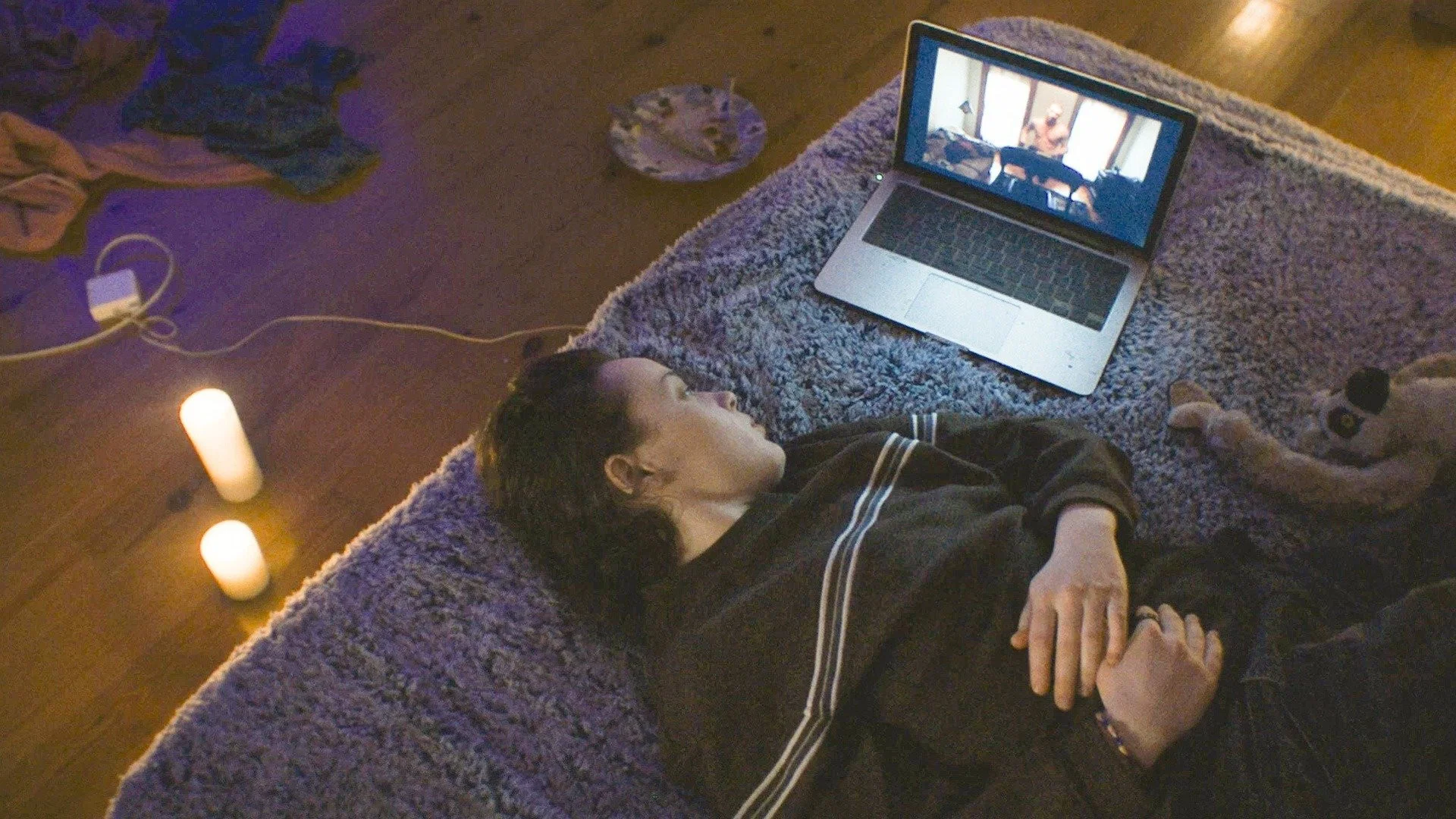
The most significant difference between Millennial and Gen Z horror may ultimately be where these stories originate. Previous generations largely received horror from film studios and television networks. Generation Z increasingly discovers horror through YouTube videos, Reddit threads, TikTok edits, independent games, creepypastas, and online communities. Horror is no longer a top-down cultural product. It is a decentralized ecosystem constantly evolving through collective participation. As a result, modern horror often feels fragmented, dreamlike, and intentionally incomplete. Traditional narrative structures are replaced by atmosphere, mystery, and interpretation. Viewers are not simply consuming stories; they are participating in them, discussing theories, creating lore, and expanding fictional universes across multiple platforms. The internet has not merely changed how horror is distributed. It has changed how horror is imagined.
The Monsters We Deserve
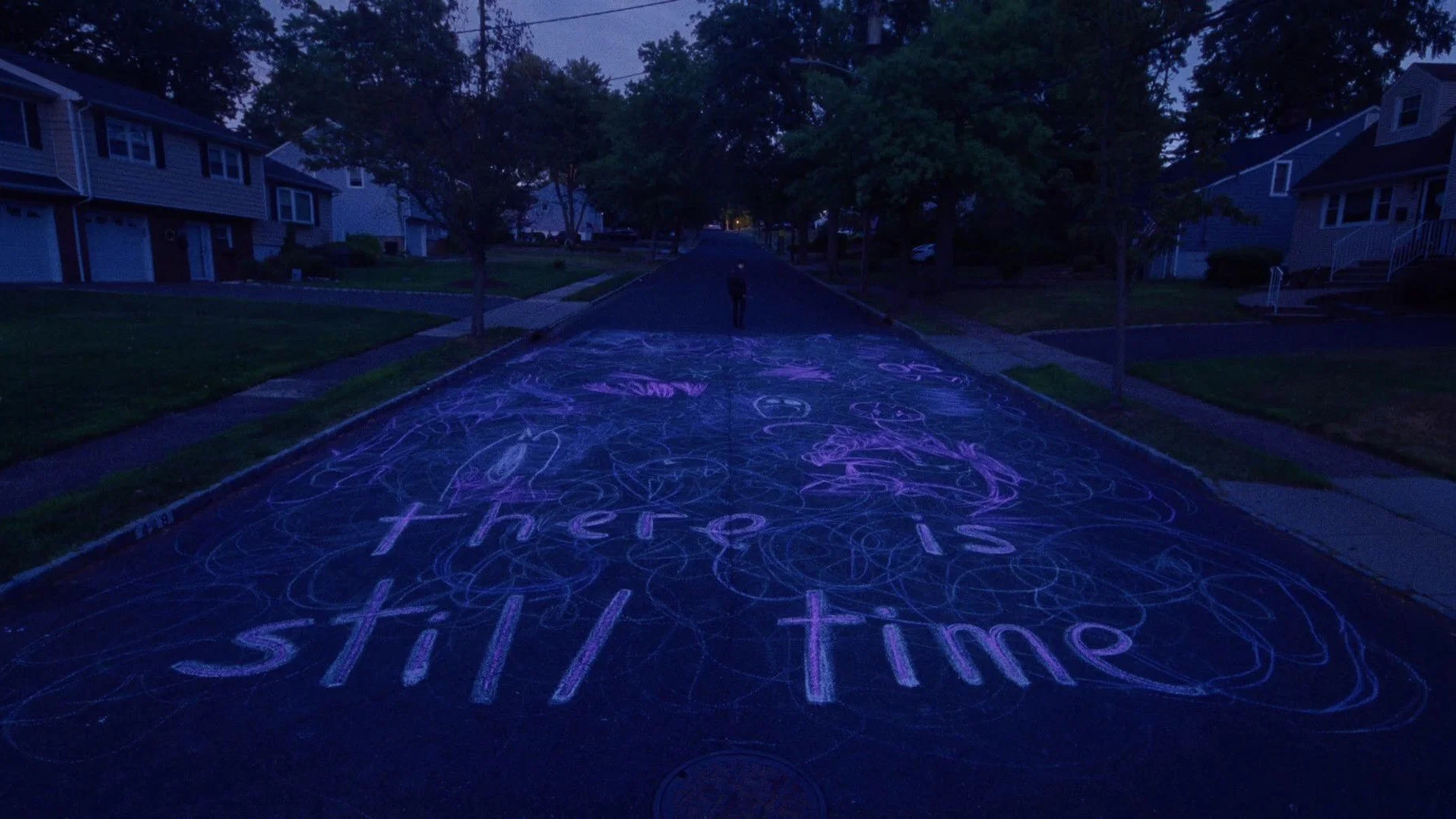
If Millennial horror was defined by the fear of external catastrophe, Gen Z horror is increasingly defined by the fear of internal collapse. One generation worried about killers, viruses, and supernatural entities lurking beyond the front door. The other worries about identity, isolation, digital existence, and the unsettling possibility that reality itself may no longer be trustworthy. Neither approach is inherently more frightening than the other. They simply reflect different historical moments. What makes Gen Z horror so fascinating is that it often abandons the traditional monster altogether. Instead, it transforms loneliness into a threat, uncertainty into a narrative device, and the internet itself into a haunted space. The result is a form of horror that feels uniquely suited to the twenty-first century, a genre less interested in making audiences scream than in making them question the world around them. And perhaps that is the defining horror of our age: not the fear that something terrible is waiting in the dark, but the suspicion that the darkness may already be inside the systems we use every day.
— The Cinéprism
Keep reading
31 / 08 / 2026 · 391 reads
10 Best Endings in Film
A curated list of 10 unforgettable movie endings that leave a lasting impact long after the credits roll.
11 / 01 / 2026 · 504 reads
11 Critically Acclaimed Netflix Shows
From royal sagas and psychological thrillers to groundbreaking true crime, discover the 11 essential series that define Netflix's golden era.