Dispatch — Long Read
Top 15 Must-Watch Korean Suspense Thrillers 🔥
Fifteen Korean thrillers, packed with twists and suspense, to keep your pulse racing and your attention hooked—these are modern must-watches for any fan of edge-of-your-seat cinema.
The Cinéprism
03 / 11 / 2025 · 9 min read
1. Memories of Murder (2003)
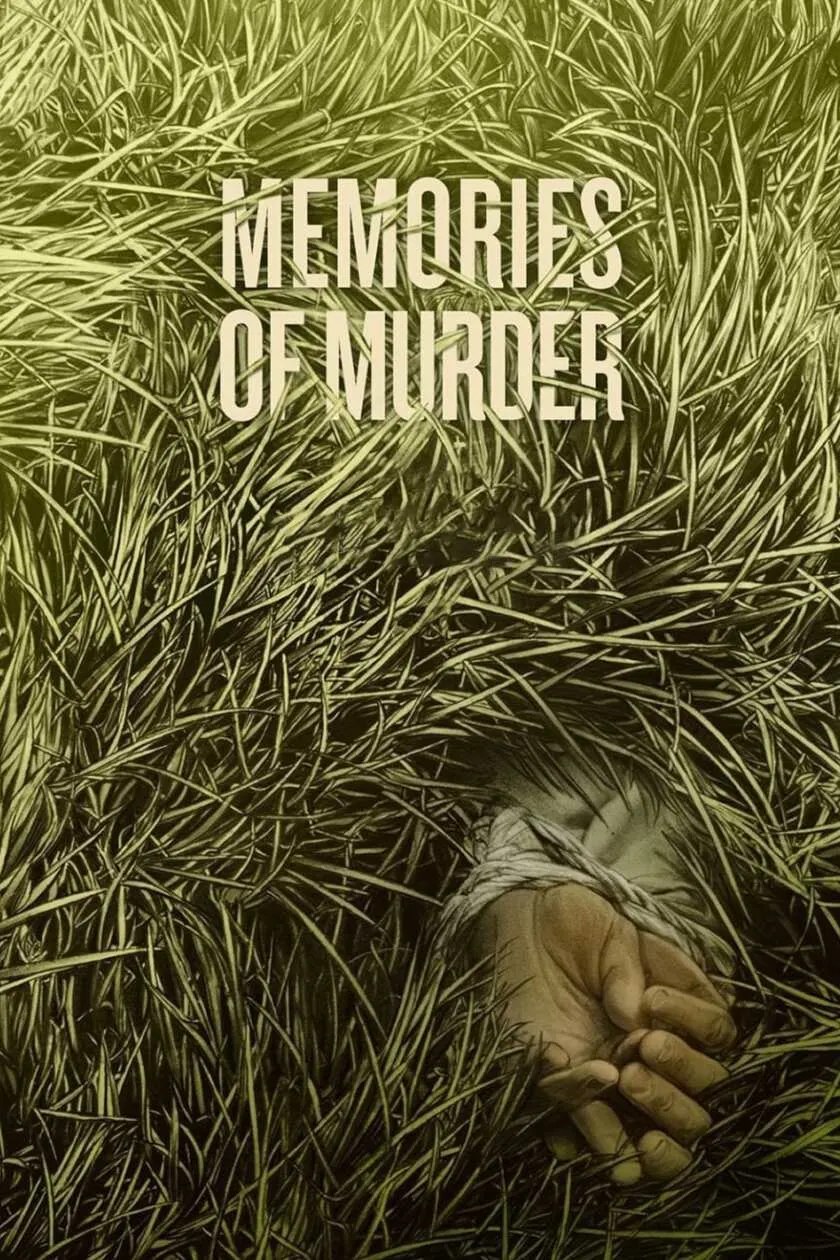
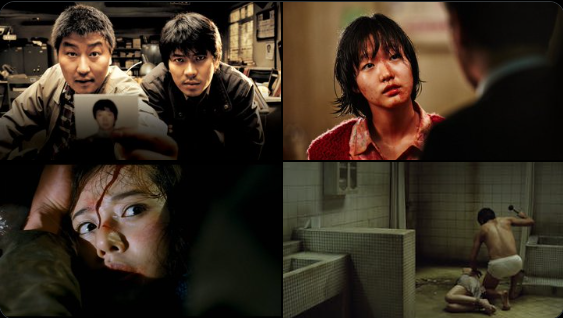
Bong Joon-ho’s haunting chronicle transcends the whodunit formula, molding tragedy, satire, and dread into a searing interrogation of justice lost. The clash between old-school intuition and sterile modern methods mirrors a society grappling with its own darkness. Song Kang-ho’s unpolished detective embodies desperation, while the stark Korean landscape becomes a character itself—bleak and unforgiving. The pacing is deliberate, tension mounting with each failure to catch the killer.
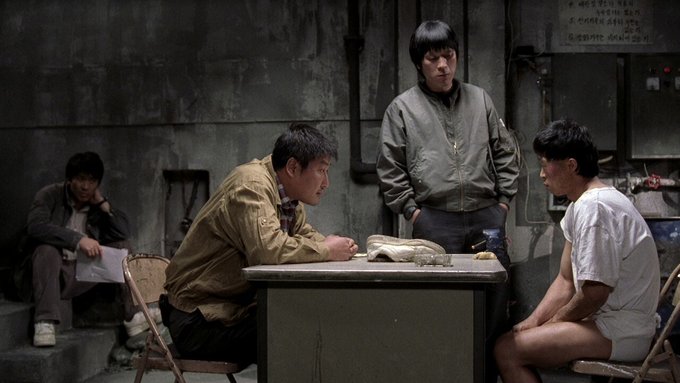
This is a film about the void left by unresolved trauma, where the true horror is the failure to protect and serve. Its final images linger like a cold shadow, a masterpiece in balancing mood and social critique. A meditation on human fallibility and systemic rot, it remains profoundly relevant. Audiences are pulled into its suffocating atmosphere with unrelenting grip. Every frame is a brushstroke of despair and maybe a whisper of hope.
2. I Saw the Devil (2010)
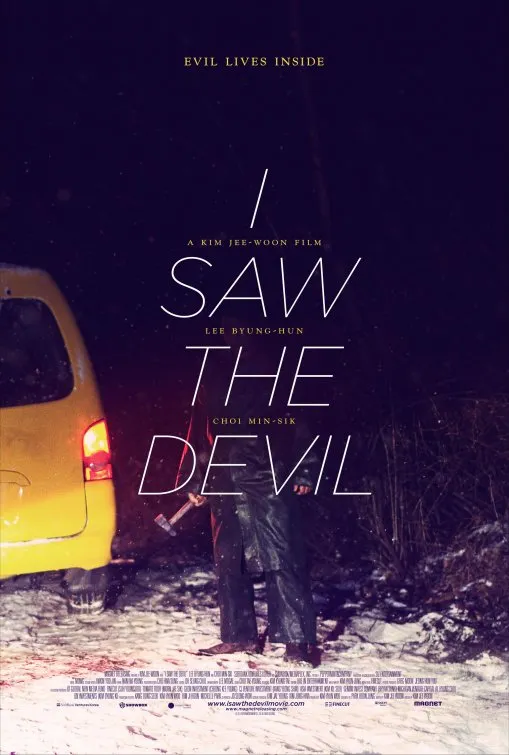
Kim Jee-woon pushes vengeance to its darkest edges, turning revenge into a merciless game of pain and cruelty. Lee Byung-hun’s disturbed secret agent and Choi Min-sik’s terrifyingly unhinged killer spiral into endless cycles of capture and torture. The film’s violence serves not just shock but a bleak meditation on human nature’s capacity for monstrosity.
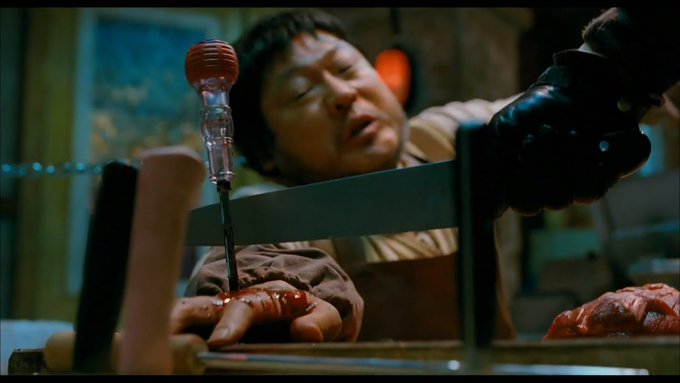
The rural Korean landscape hides this merciless cat-and-mouse game, contrasting unsettling beauty against acts of savagery. Cinematography is visceral, action sequences stark and punishing, leaving audiences breathless and disturbed. The story’s core is a brutal question of whether fighting monsters only creates more monsters. It’s relentless, unflinching, a thriller that refuses easy moral answers. Striking in its physicality, it is as much a psychological exploration as a horror spectacle. A modern classic of revenge cinema, it challenges viewer tolerance and empathy.
3. Confession of Murder (2012)
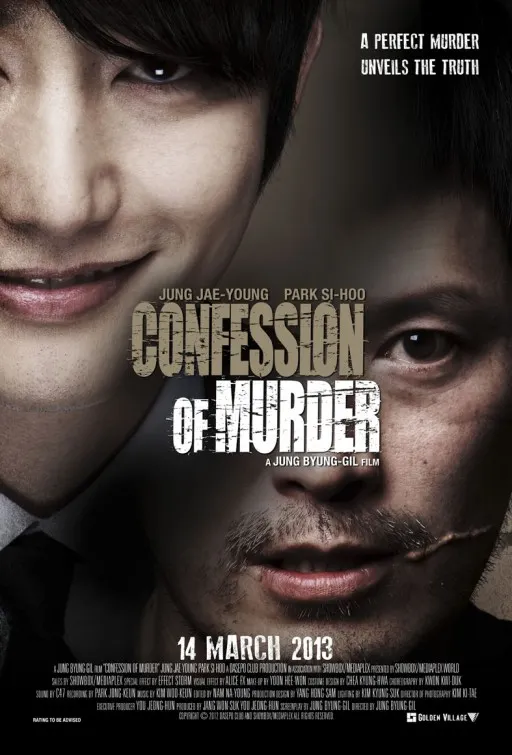
A razor-sharp critique masked as a kinetic thriller, this film explodes the media’s obsession with crime and celebrity. A man claiming to be a long-escaped serial killer becomes a sensation just as the statute of limitations runs out, twisting public perception and law enforcement into a tangled dance. The energy crackles with tension as detective fury clashes with the charismatic imposter’s confident manipulation.
Tokyo’s neon-lit streets and media frenzy provide a chaotic, pulsating backdrop to this commentary on fame and justice. The film balances pure adrenaline with pointed satire, exposing the fragility of truth in a spectacle-obsessed world. Its twists don’t just shock but unmask societal complicity in turning horrors into headlines. It is sharp-edged, electrifying, and uncomfortably timely. Every scene pushes the audience deeper into murky moral waters, asking who really holds power.
4. The Chaser (2008)
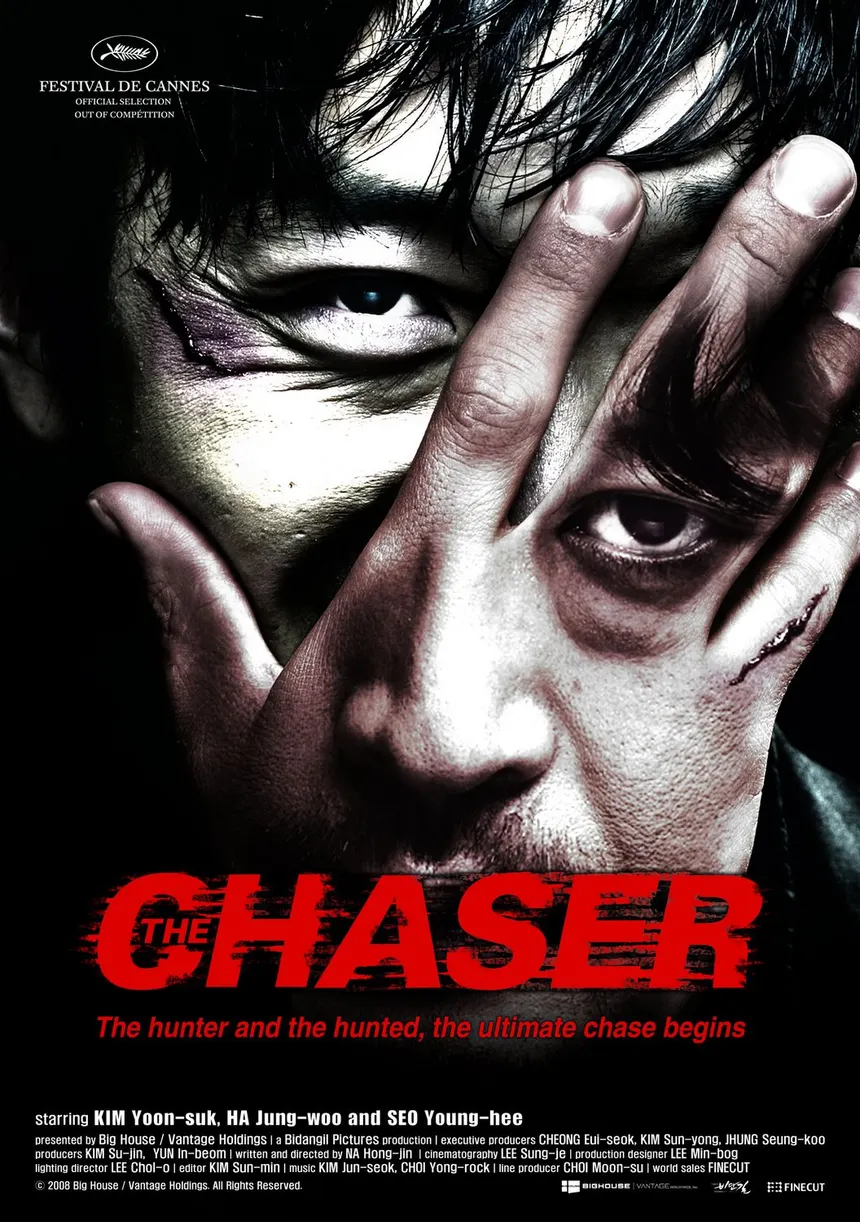
Na Hong-jin’s The Chaser is a relentless dive into desperation and systemic failure, where suspense thrives not on mystery but on agonizing immediacy. The film discards traditional whodunit tropes, capturing the raw panic of a disgraced ex-detective turned pimp racing against time to save a victim still alive. There’s a brutal honesty in how violence is portrayed — unfiltered, messy, and with visceral impact.
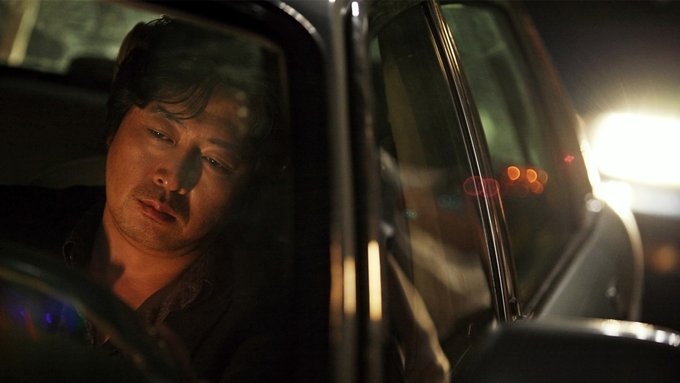
The city’s grime and anonymity become a suffocating cage as the protagonist confronts corrupt bureaucracy and his own haunted conscience. The pacing is unforgiving, tension mounting with every bureaucratic delay and false lead. The film’s strength lies in its character-driven urgency and moral complexity; the hero isn’t flawless, and the villains are chillingly human. It’s a chilling portrait of fear, failure, and fleeting hope, wrapped in tight, gripping direction. The Chaser leaves you breathless, a masterpiece of suspenseful filmmaking with an uncompromising emotional core.
5. Burning (2018)
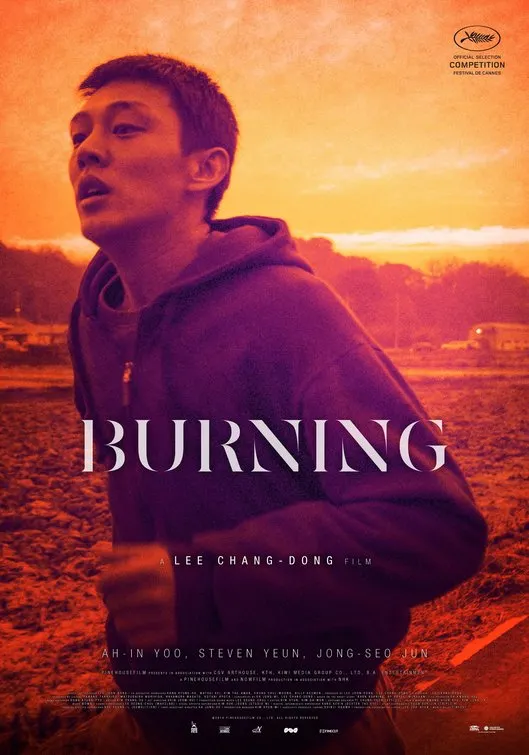
Lee Chang-dong's film is an enigmatic blend of psychological mystery and social commentary that simmers beneath a slow-burning surface. The story revolves around a young man drawn into a tense triangle of obsession and suspicion, with richly layered cinematography emphasizing class tensions and internal alienation. Every frame drips with ambiguity, forcing viewers to question every motive and memory.
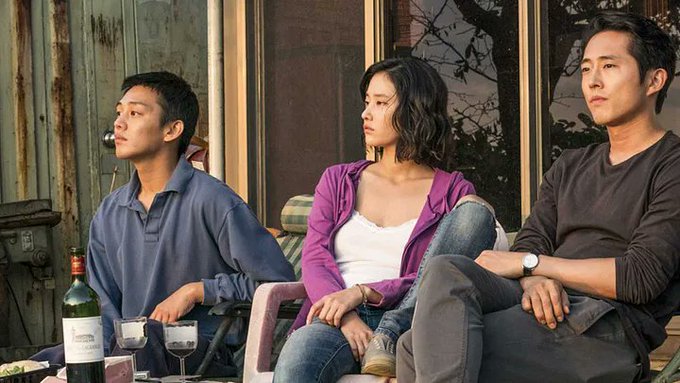
This is a haunting exploration of desire, jealousy, and the elusiveness of truth. Steven Yeun’s unnerving presence contrasts sharply with the subdued confusion of his counterparts. The film defies neat resolutions, leaving its emotional wounds raw and open. It’s a study in atmosphere and subtle dread, evocative and deeply unsettling. The silence between words carries a weight of menace, as the story explores invisible social fractures. It’s a film that lingers, challenging the viewer’s certainty about characters and reality.
6. The Witch: Part 1. The Subversion (2018)
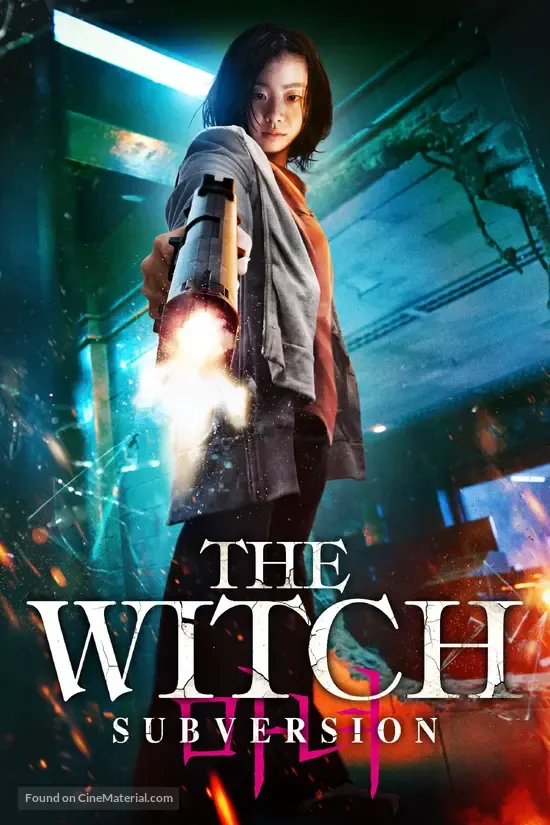
Kim Da-mi stars with effortless duality, shifting from innocent amnesia to fierce superhuman fury in this genre-bending thriller. What begins as a quiet, character-driven narrative about a shy girl quickly erupts into a dazzling spectacle of violence and dark sci-fi. The tension between normalcy and chaos courses through every scene, grounding the supernatural in painful human experience.
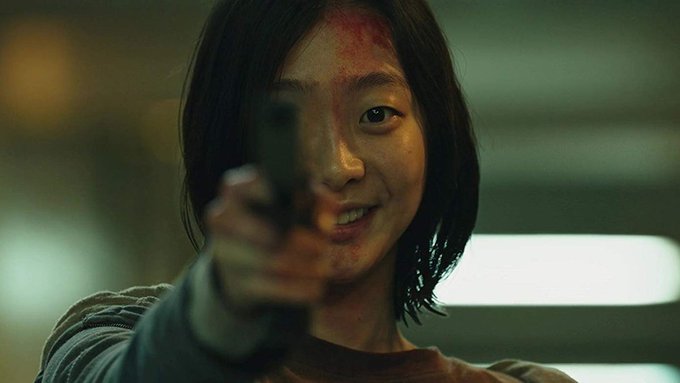
The film’s live-wire climax makes way for a broader saga hinted at in the shadows, promising a complex universe. Cinematography and action design are crisp and brutal, with a minimalist score enhancing emotional peaks. The film respects character depth in a genre otherwise dominated by spectacle. It redefines expectations, merging traditional coming-of-age elements with hyper-kinetic storytelling. The result is fresh, intense, and hauntingly unpredictable.
7. Unlocked (2023)
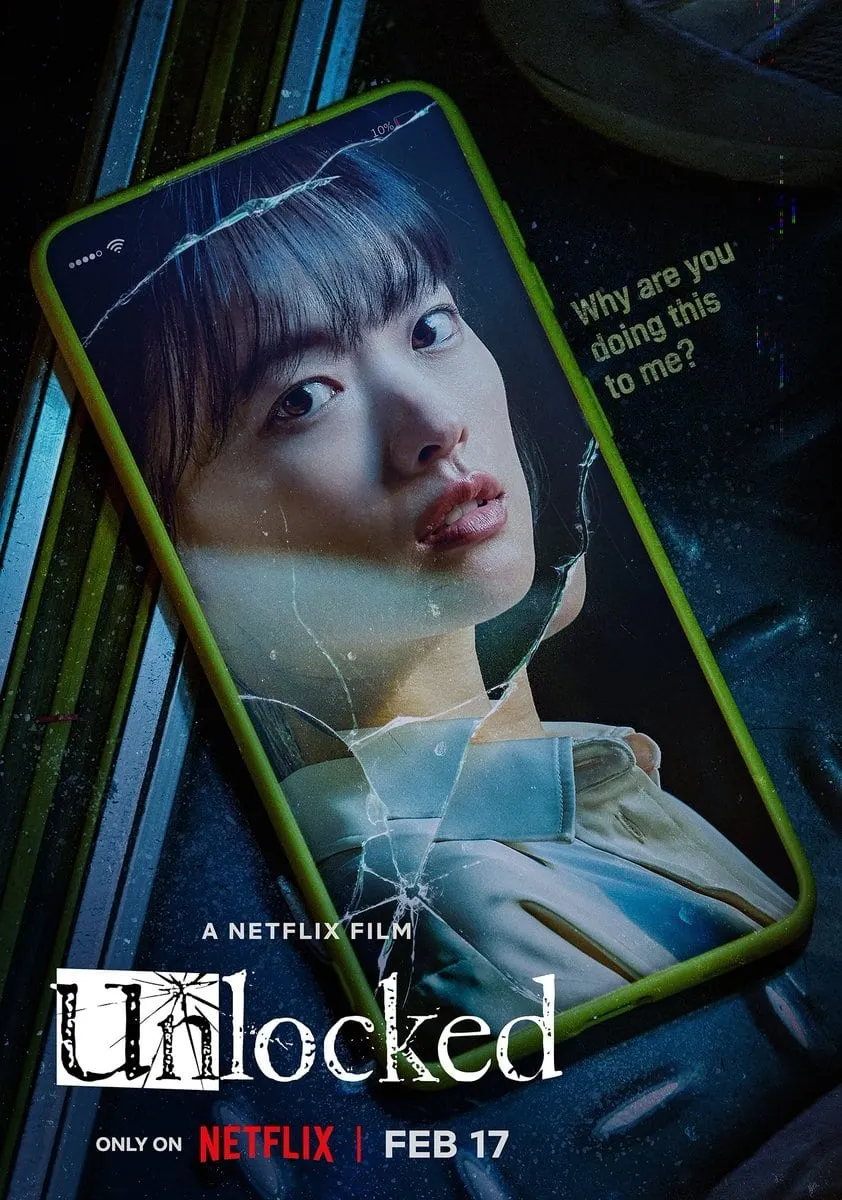
Unlocked uses the contemporary fear of digital surveillance as its primary weapon, a horror rooted in the real world. Im Si-wan’s chillingly detached turn as a tech-savvy predator turns a simple plot into a nerve-wracking cat-and-mouse game. The film cleverly uses the claustrophobia of screens and devices to build suspense. Every notification, message, or surveillance shot becomes a trigger for dread, reflecting modern paranoia.
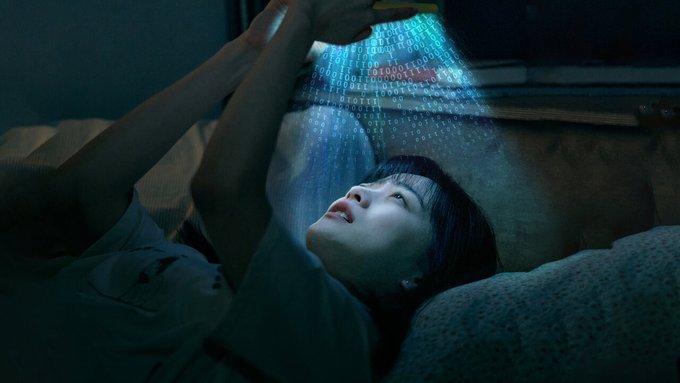
This is an intimate horror tale about isolation in a hyper-connected world. The script smartly critiques privacy erosion without being preachy. The pacing reflects the slow, creeping invasion of a once-private life by omnipresent threats. It’s a cautionary tale as much as a thriller, leaving viewers unsettled about their own digital footprint. Visuals are stark, and tension throbs beneath everyday modernity’s surface.
8. The Call (2020)
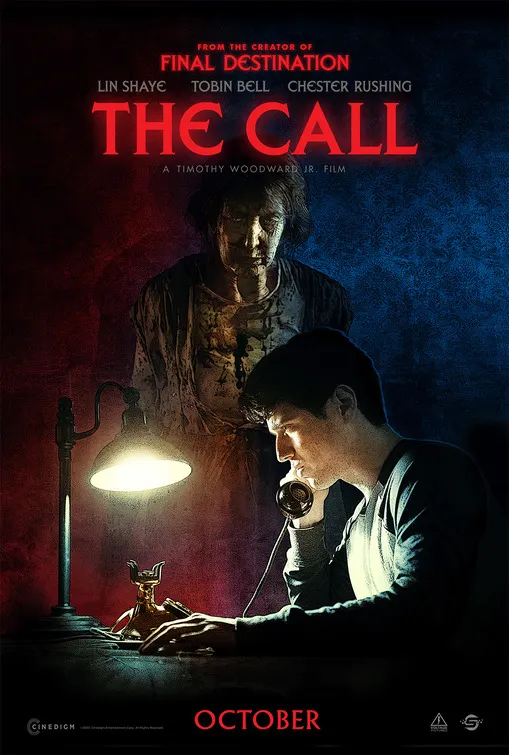
A compelling fusion of time-travel and thriller tropes, The Call spins a taut tale of consequences and changing pasts. Jeon Jong-seo’s terrifying portrayal of Young-sook anchors a film where the present and past overlap with deadly results. The phone bridging two decades serves as a pulsating narrative device, building tension with every call. The ripple effects of altering history unravel with unpredictability and emotional weight. Director Lee Chung-hyun maintains a relentless pace, blending suspense with horror and dramatic urgency.
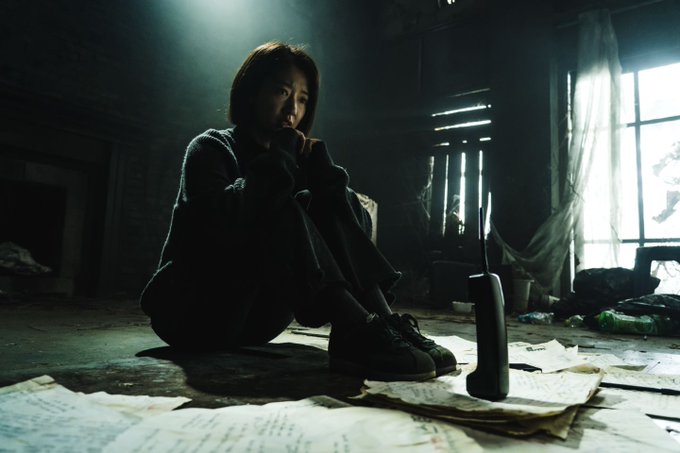
Dark psychological themes spiral through the film, examining trauma, fate, and survival. The intertwining timelines and their impact on characters keep viewers invested and anxious. It’s an innovative take on horror thriller storytelling that rewards close attention. Sharp editing and haunting score amplify the eerie atmosphere.
9. Parasite (2019)
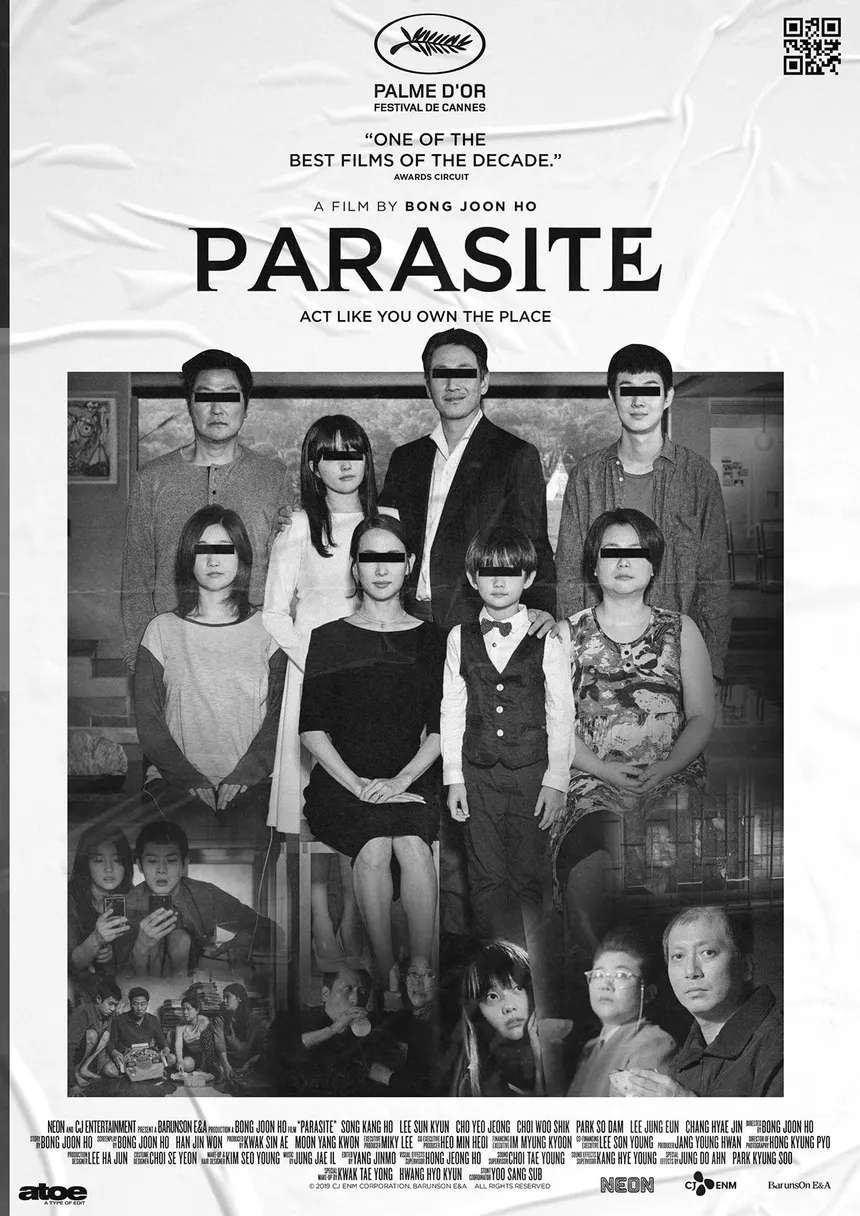
Bong Joon-ho’s Oscar-winning masterwork is a darkly comic meditation on class disparity and human desperation. The Kim family’s clever infiltration of the wealthy Park household masquerades at first as a caper, but quickly twists into a tense social thriller. Visual metaphors—staircases, basements—construct a visual narrative on social strata and entrapment. Each scene oscillates between absurd humor and unrelenting dread, encapsulating the precarious balance between hope and survival.
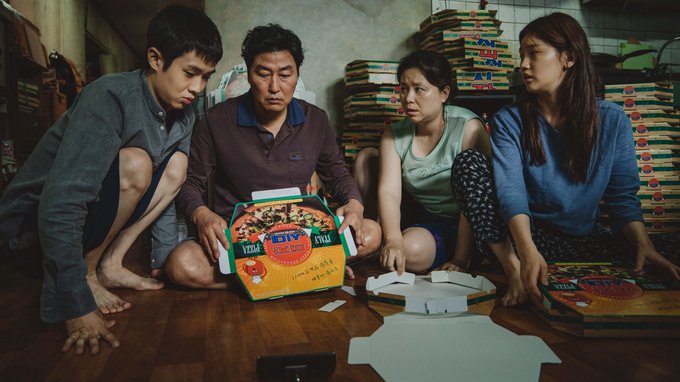
The film’s shifting tones reflect the complex, symbiotic relationship between privilege and poverty. Performances are nuanced, capturing the desperation and cunning of each character. The narrative masterfully peels back layers of civility to reveal primal instincts beneath. Bong’s direction is precise and layered, controlling suspense and surprise with surgical clarity. Parasite is a mirror held up to society’s inequities, wrapped in a genre-bending cinematic feast.
10. Ballerina (2023)
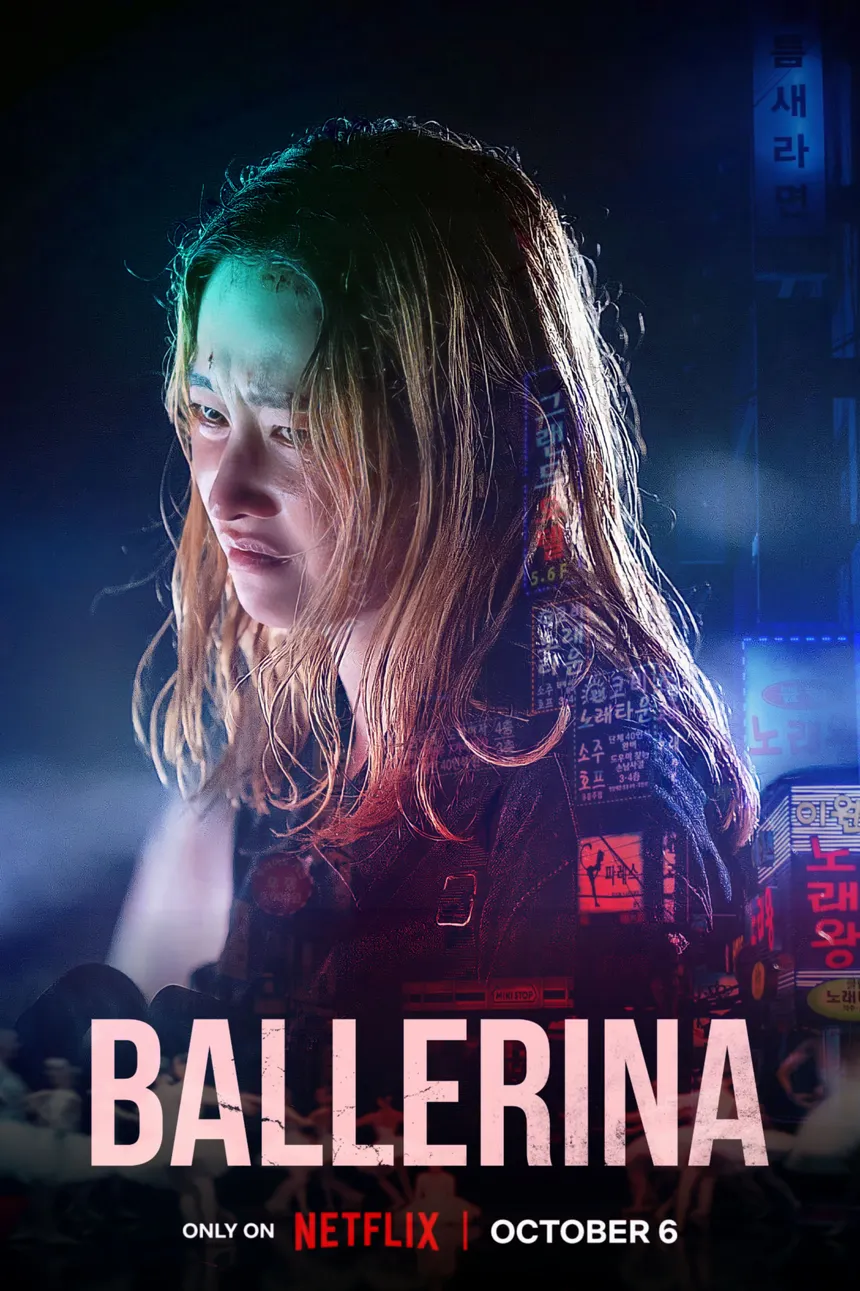
Ballerina delivers high-impact revenge cinema drenched in neon-soaked visuals and kinetic energy. Ok-ju, a former bodyguard haunted by loss, embarks on an unyielding quest through a criminal underworld painted with brutal aesthetics. Lee Chung-hyun directs with a streamlined focus on style and visceral force, trading narrative complexity for sensory overload. The film thrives on its relentless pace and electrifying choreography, crafting a tapestry of pain and retribution.
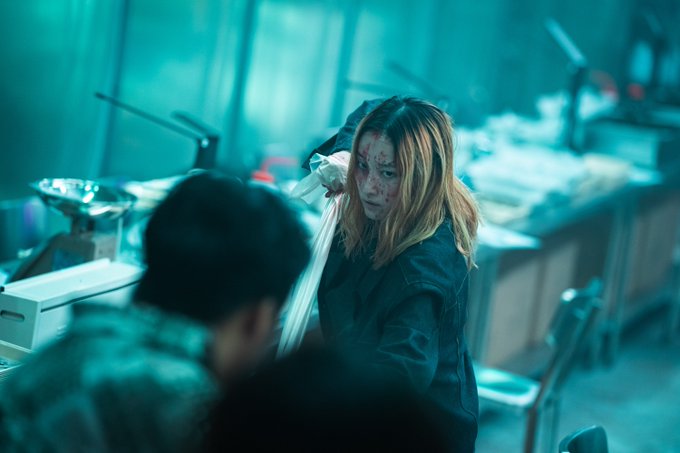
Neon lights and stark contrasts frame a world simultaneously beautiful and brutal, pulsating with tension. Ok-ju is a ferocious lead, her quiet justification for vengeance underpinning the chaos. Cinematography explodes with color and shadow, while the minimal plot lets action and mood dominate. It’s a cinematic sprint and a visual stunt, leaving audiences breathless. Ballerina unapologetically celebrates style as substance, redefining revenge for a new generation.
11. Forgotten (2017)
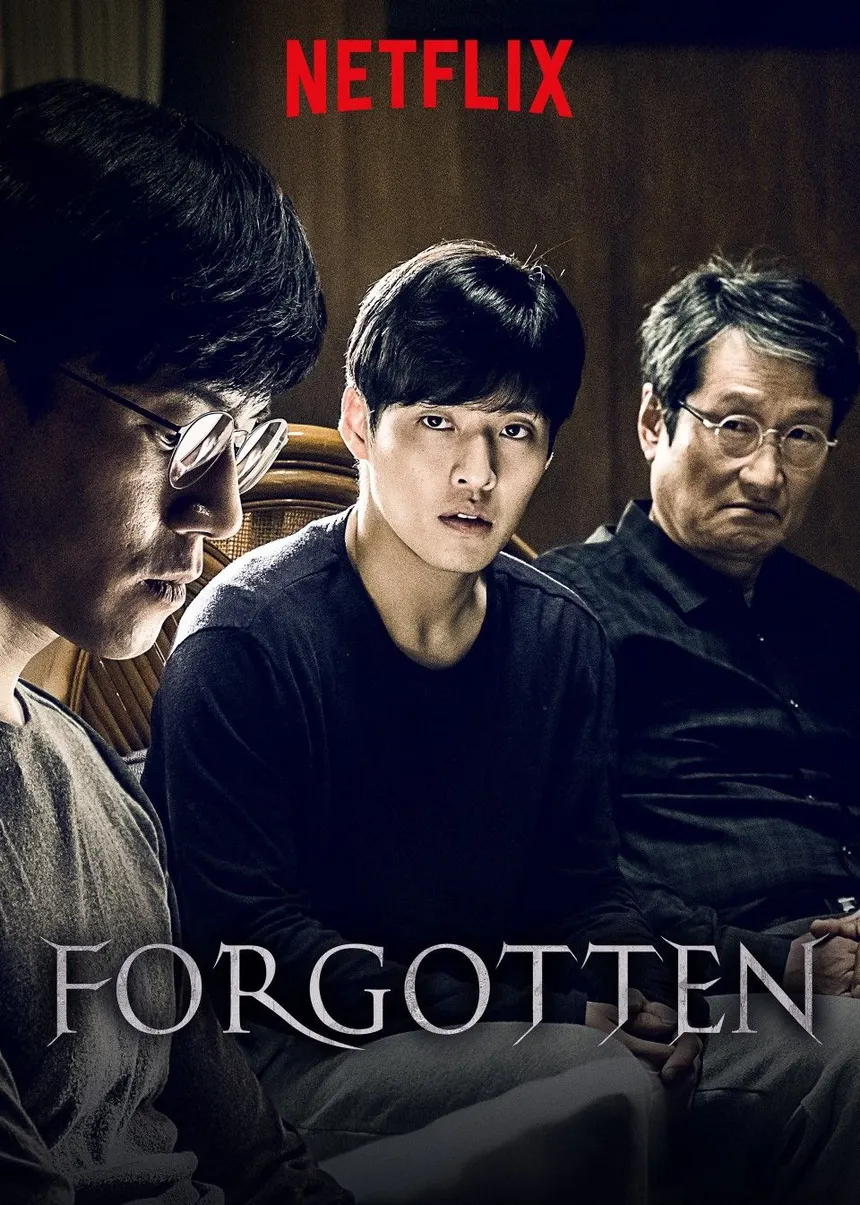
Jang Hang-jun crafts an unnerving spiral into fractured memory and identity, turning what seems like a simple search for a missing brother into a psychological maze of paranoia and gaslighting. As secrets unravel, each revelation delivers a new gut punch, with Kim Mu-Yeol’s haunted performance amplifying the tension.
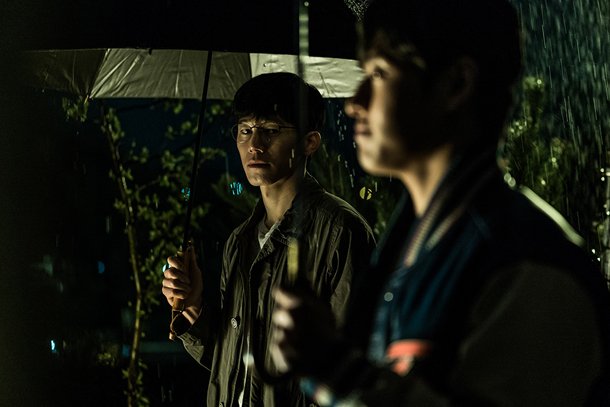
Technical mastery—from shadow-soaked cinematography to evocative sound—pulls viewers into the protagonist's growing uncertainty. The film thrives on twists, sometimes blind-siding without clear clues, reflecting the character's own disorientation. It’s both thrilling and tragic, ending on a poetic note of despair that lingers long after the credits. A masterclass in pacing, Forgotten exemplifies the unpredictable edge of Korean genre cinema.
12. The Silenced (2015)
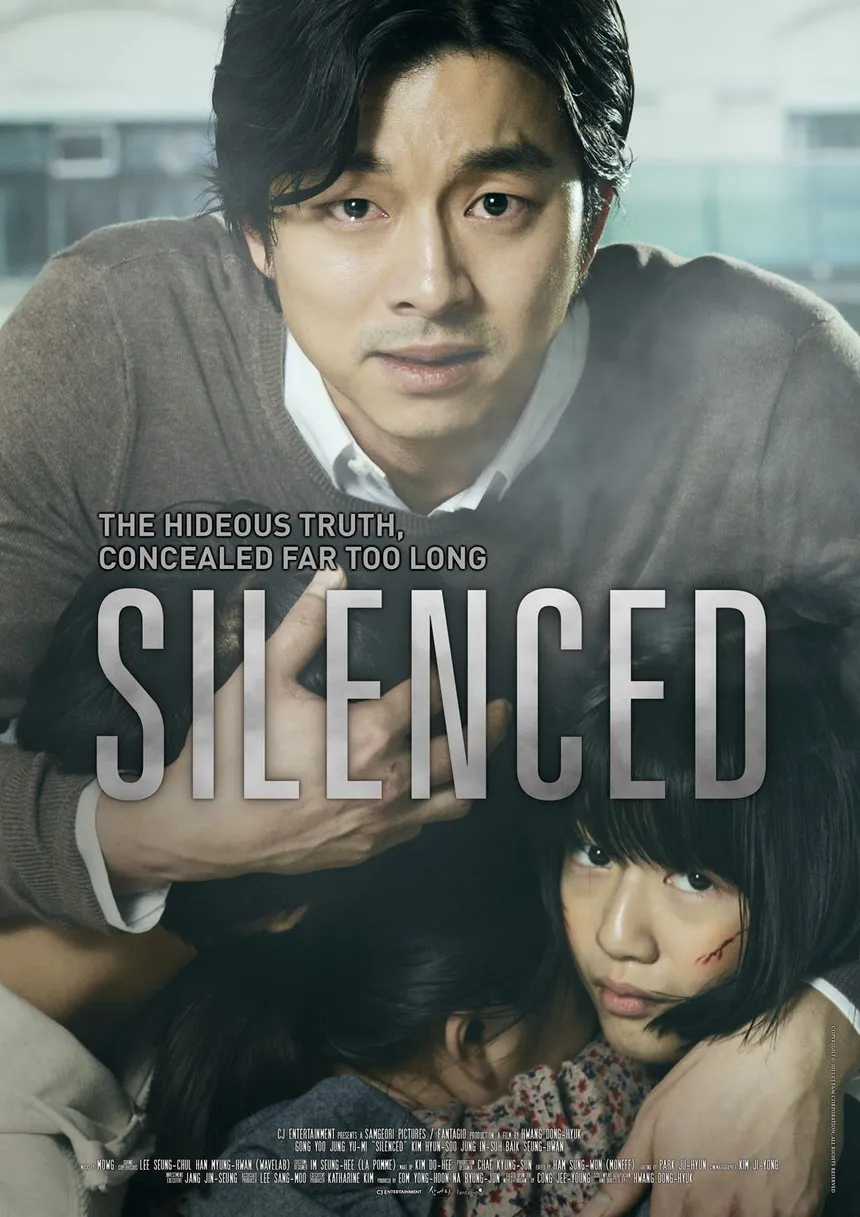
The Silenced (2015) subverts Victorian horror with atmospheric slow-burn tension set in a boarding school where secrets coil beneath the surface. Lee Hae-young chooses unease over jump scares, focusing on character development and social context amid colonial undertones. Visuals—lush yet unsettling—capture the emotional arc of the protagonist as she transforms from timid to courageous, grappling with her own health and the mysterious disappearances of peers.
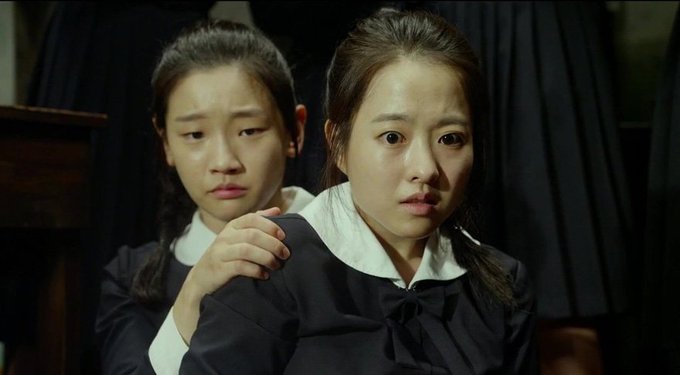
The film’s rewards lie in careful world-building, but its second act sometimes drifts, losing narrative momentum before a wild, divisive climax. Performances from Park Bo-young and Park So-dam anchor the emotional beats, while the screenplay draws empathy even when plot choices seem excessive. The Silenced stands out for those seeking slow-burning horror with strong character and social depth.
13. Midnight (2021)
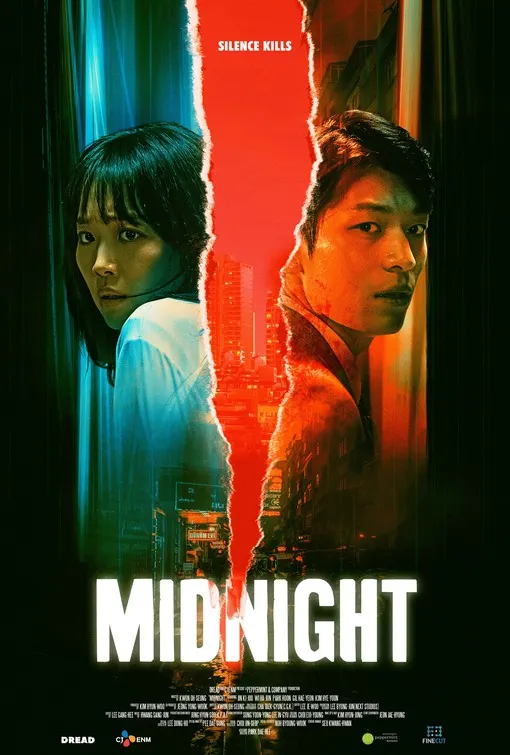
Midnight (2021) tethers high-concept suspense to social commentary, placing a deaf protagonist in mortal danger on Seoul’s shadowy streets. Kwon Oh-seung’s relentless pacing never lets up, using sound—or its absence—to generate both tension and empathy. Kyun-mi’s disability isn’t just a plot device, but an integral mechanism for growing mistrust, public misinterpretation, and frantic survival.
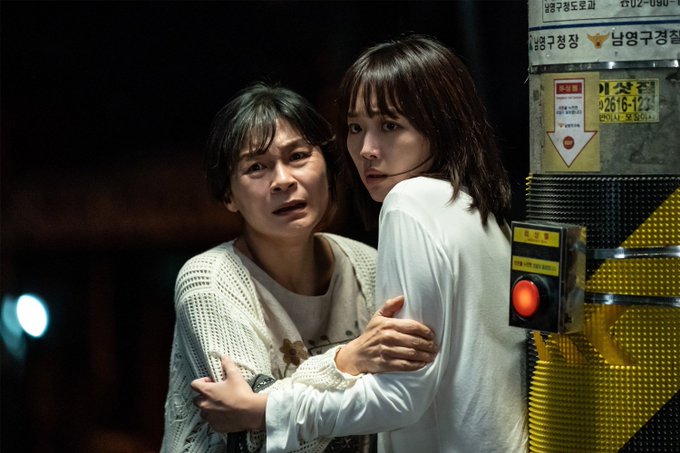
The killer's shape-shifting persona amplifies the danger, with every encounter ramping up anxiety. Crowded public spaces become isolating, and well-meaning authorities only deepen the crisis. The film’s ingenuity lies in transforming vulnerability into fleeting strength, yet every gain feels threatened by misunderstanding or prejudice. Midnight’s nerve-racking chase sequences and sharp social observations make it a standout among recent thrillers.
14. Monster (2014)
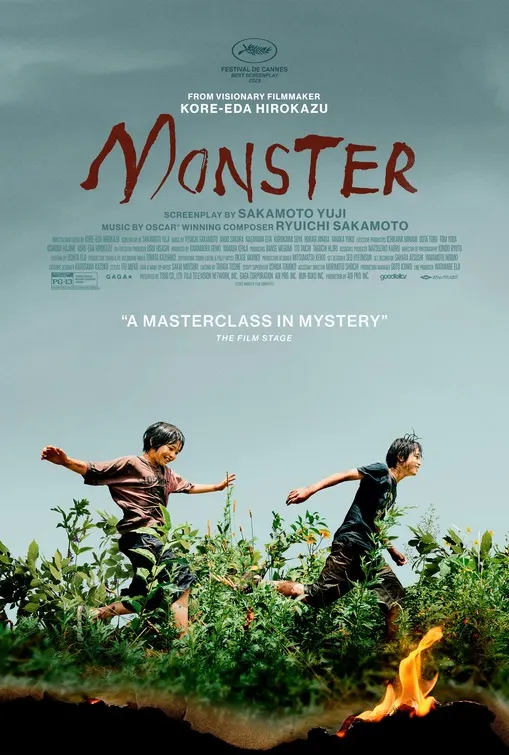
Monster (2014) warps thriller conventions with eccentric humor, brutal violence, and unexpectedly heartfelt character bonds. Hwang In-ho’s blend of the surreal and the savage generates an experience that’s both jarring and touching—mentally challenged Bok-soon’s quest for vengeance weaves together comedy, horror, and melancholy. Tae-soo, the psychopathic killer, is as tragic as he is terrifying, his twisted motives rooted in abandonment and loneliness. Locations shimmer with dreamlike grit, amplifying the bizarre, emotional journey.
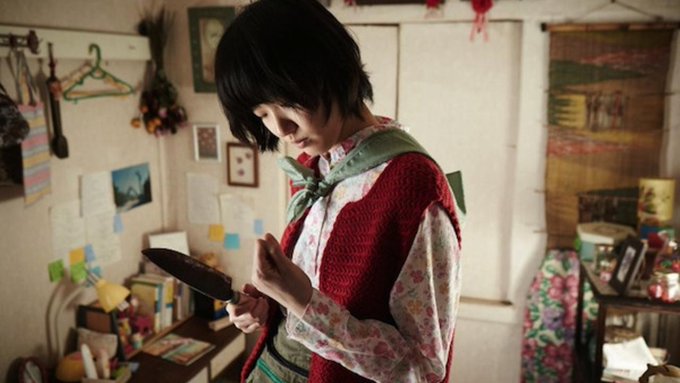
The dynamic between Bok-soon and Nari, two small-statured female protagonists, reshapes genre expectations, driving the film toward moments of bittersweet tenderness in the midst of chaos. Monster stands as a singular, offbeat ride, perfect for those seeking something truly left of center.
15. Time to Hunt (2020)
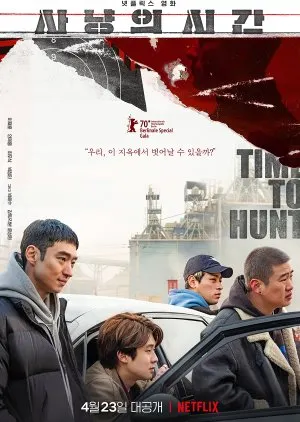
Time to Hunt (2020) immerses viewers in a dystopian, economically fractured Korea, where desperation breeds dangerous ambition. Yoon Sung-hyun fuses the adrenaline of a heist thriller with the existential anxiety of being hunted by an unrelenting mercenary. Jun-seok and friends, battered by poverty, risk all for a shot at escape, only to become prey in a gritty urban cat-and-mouse game.
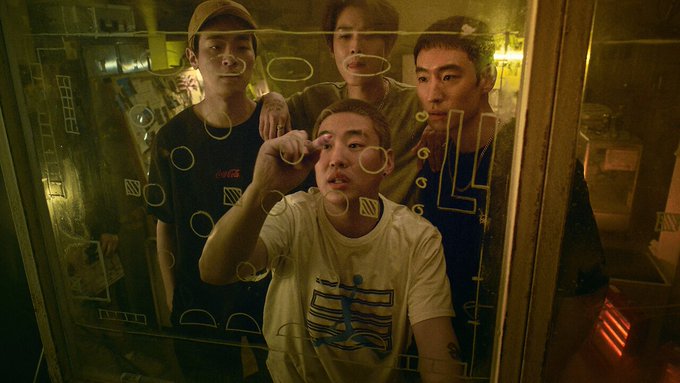
The bleak futurism and seedy underworld evoke comparisons to No Country for Old Men, with suspense stretched over bleak landscapes and relentless pursuits. Villainy feels mythic, the hunter nearly superhuman, as tense encounters push the limits of luck and tenacity. Imperfections in plotting can’t dampen the kinetic energy and ambition: Time to Hunt digs deep into the cost of escape, where every victory is just one more step into peril.
— The Cinéprism
Keep reading
31 / 08 / 2026 · 391 reads
10 Best Endings in Film
A curated list of 10 unforgettable movie endings that leave a lasting impact long after the credits roll.
11 / 01 / 2026 · 504 reads
11 Critically Acclaimed Netflix Shows
From royal sagas and psychological thrillers to groundbreaking true crime, discover the 11 essential series that define Netflix's golden era.