Dispatch — Long Read
Top 15 Movies that leave You Shaken, Not Rewatching.
Cinema's most emotionally devastating masterpieces films you'll never forget but can't bear to watch again.
The Cinéprism
14 / 12 / 2025 · 19 min read
1. 🎬 Incendies (2010)
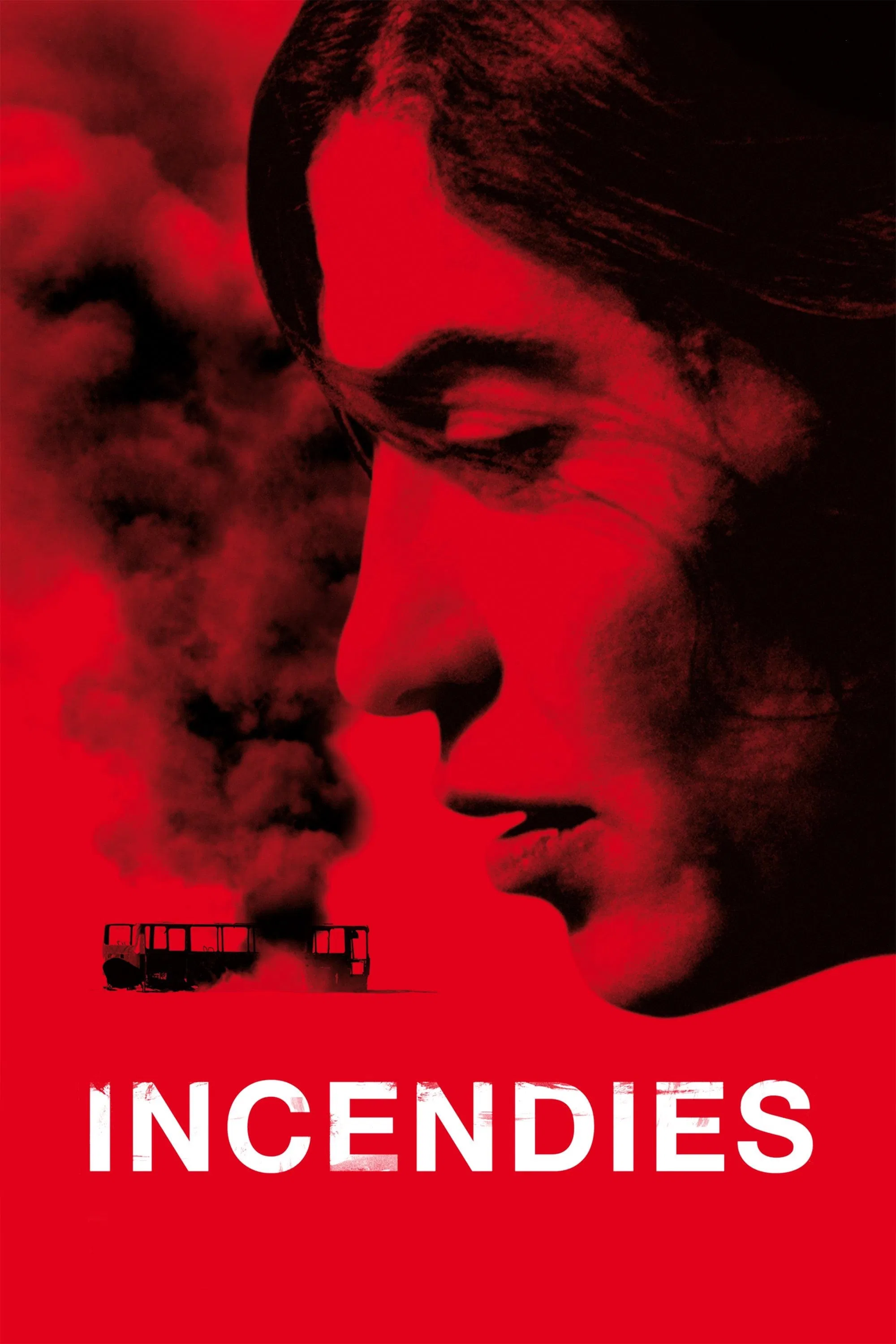
A film that weaponizes family history as horror, following twins who travel to the Middle East after their mother's death to deliver letters to a father they thought was dead and a brother they never knew existed. Denis Villeneuve constructs a puzzle box narrative that gradually reveals how cycles of sectarian violence destroy families across generations, each revelation more devastating than the last. Lubna Azabal plays the mother Nawal in flashbacks, her journey from hopeful young woman to someone broken by war and sexual violence creating one of cinema's most harrowing character arcs. The twins' investigation uncovers atrocities that recontextualize everything they thought they knew about their origins, Villeneuve withholding information strategically to maximize emotional impact when the truth emerges.
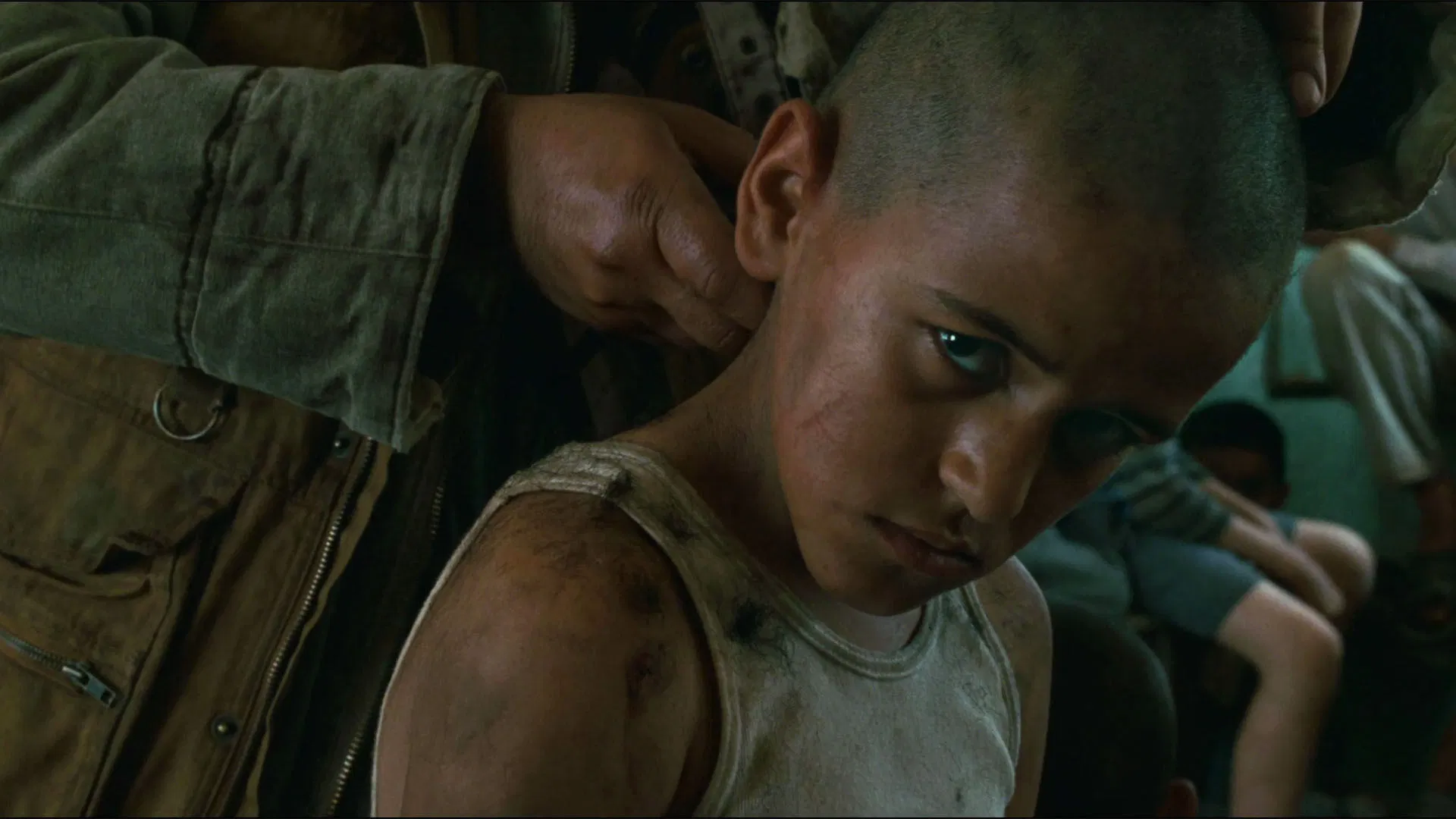
What makes Incendies unbearable is how it shows trauma as inheritance, how violence committed decades ago continues destroying lives in the present, how knowing your history doesn't free you from it but often just makes the weight more unbearable. The film's climactic revelations about the twins' parentage and their brother's identity create narrative twists that would feel manipulative in lesser hands but here feel like inevitable consequence of war's capacity to make the unthinkable routine. It succeeds because Villeneuve refuses to soften any blow, showing how sectarian conflict doesn't just kill bodies but murders the possibility of normal family life, how rape as weapon of war creates generational trauma that no amount of distance or silence can erase, making the personal and political inseparable in ways that leave you shattered.
2. 🎬 Threads (1984)
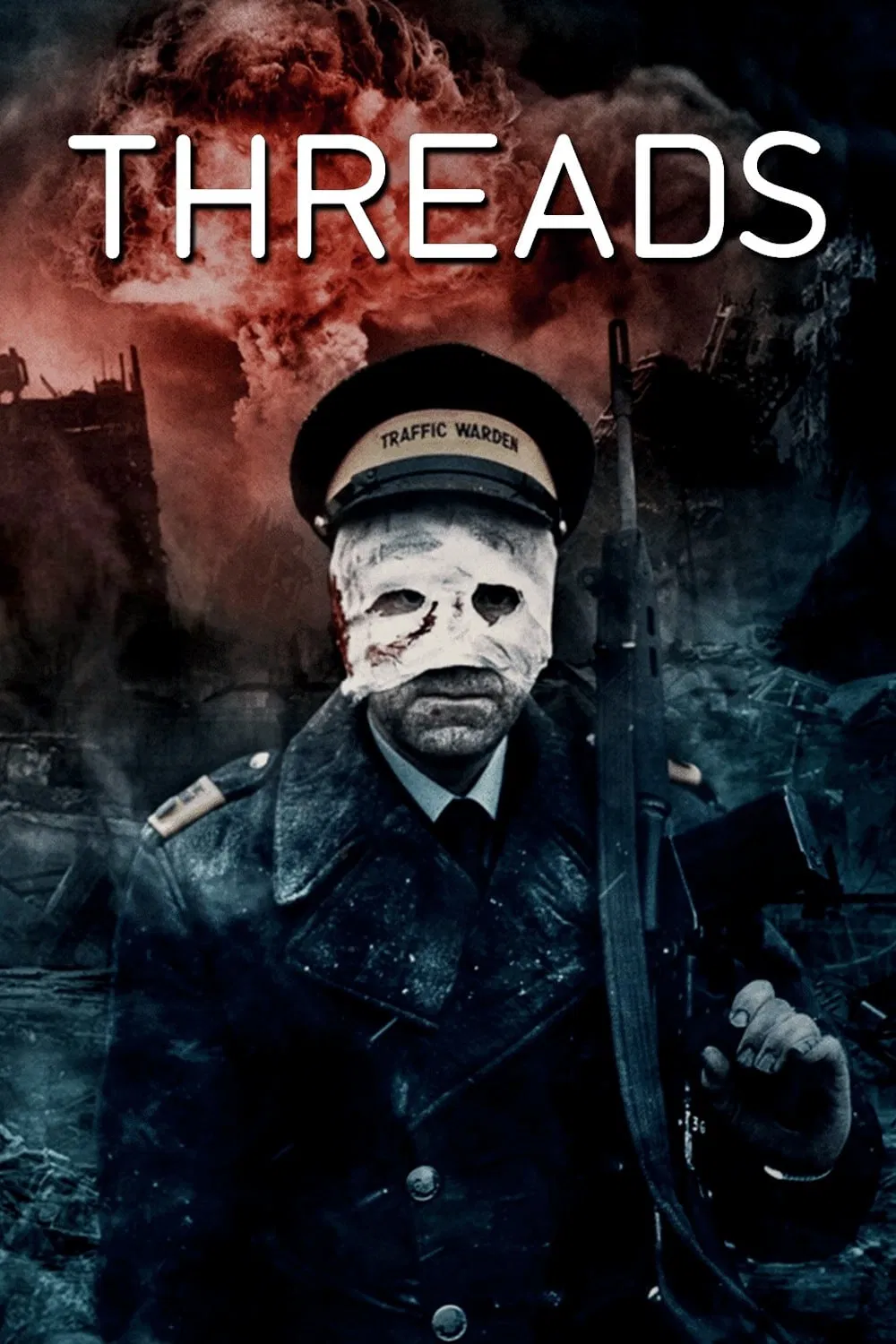
A British television film that remains the most realistic and therefore most terrifying depiction of nuclear war ever created, following Sheffield residents before, during, and after a nuclear exchange between NATO and Soviet forces. Mick Jackson creates docudrama that strips away any Hollywood heroism or survival fantasy, showing instead the complete collapse of civilization and the multi-generational devastation that follows. The film's genius is its refusal to focus on individual heroes or provide any narrative comfort, instead showing thousands of ordinary people whose lives are simply erased or reduced to animal survival. The pre-attack sequences establish normal lives with documentary-like detail, making what follows feel more real than any big-budget disaster film could achieve. What makes Threads genuinely unwatchable for many is its commitment to showing the aftermath that other nuclear war films avoid, the years and decades following the attack where survivors face radiation sickness, starvation, and complete societal breakdown.
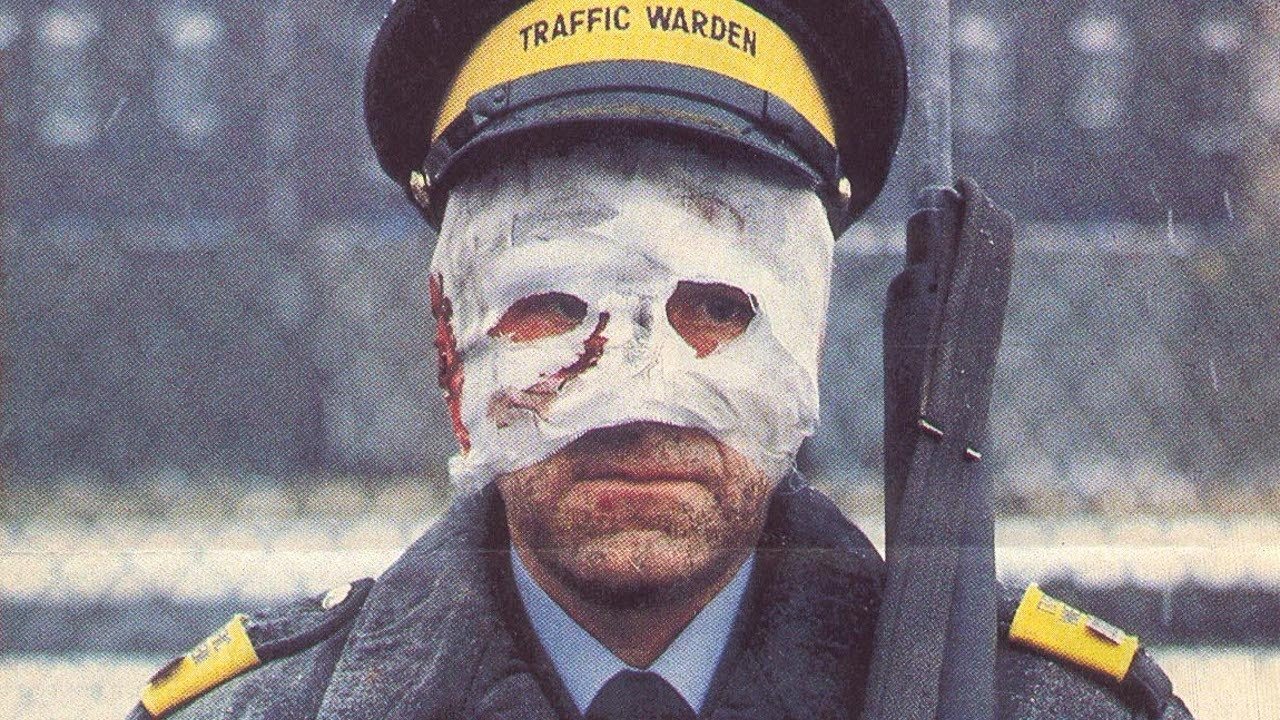
The film doesn't end with the bombs but continues into a future where language itself has partially broken down, where children born after the attack live in medieval conditions with no memory of the world that was destroyed. It succeeds because Jackson understands that nuclear war's true horror isn't the immediate deaths but the permanent destruction of everything that makes civilization possible, that the survivors don't rebuild but merely exist in permanent state of suffering until they die, their children inheriting a world where all the accumulated knowledge and culture of millennia has been rendered irrelevant by the simple fact that there's no infrastructure left to support human life as we understand it.
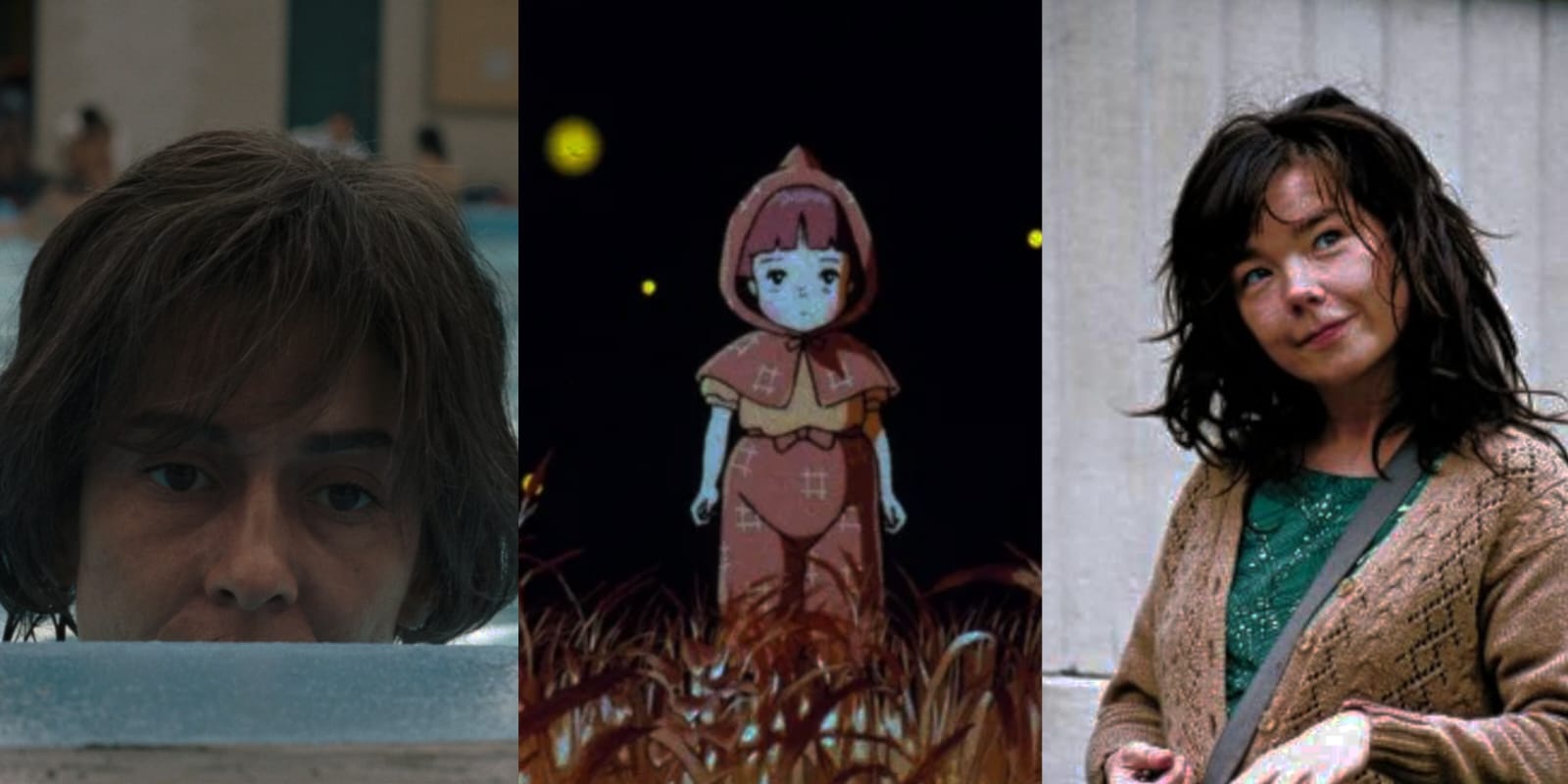
3. 🎬 Dancer in the Dark (2000)
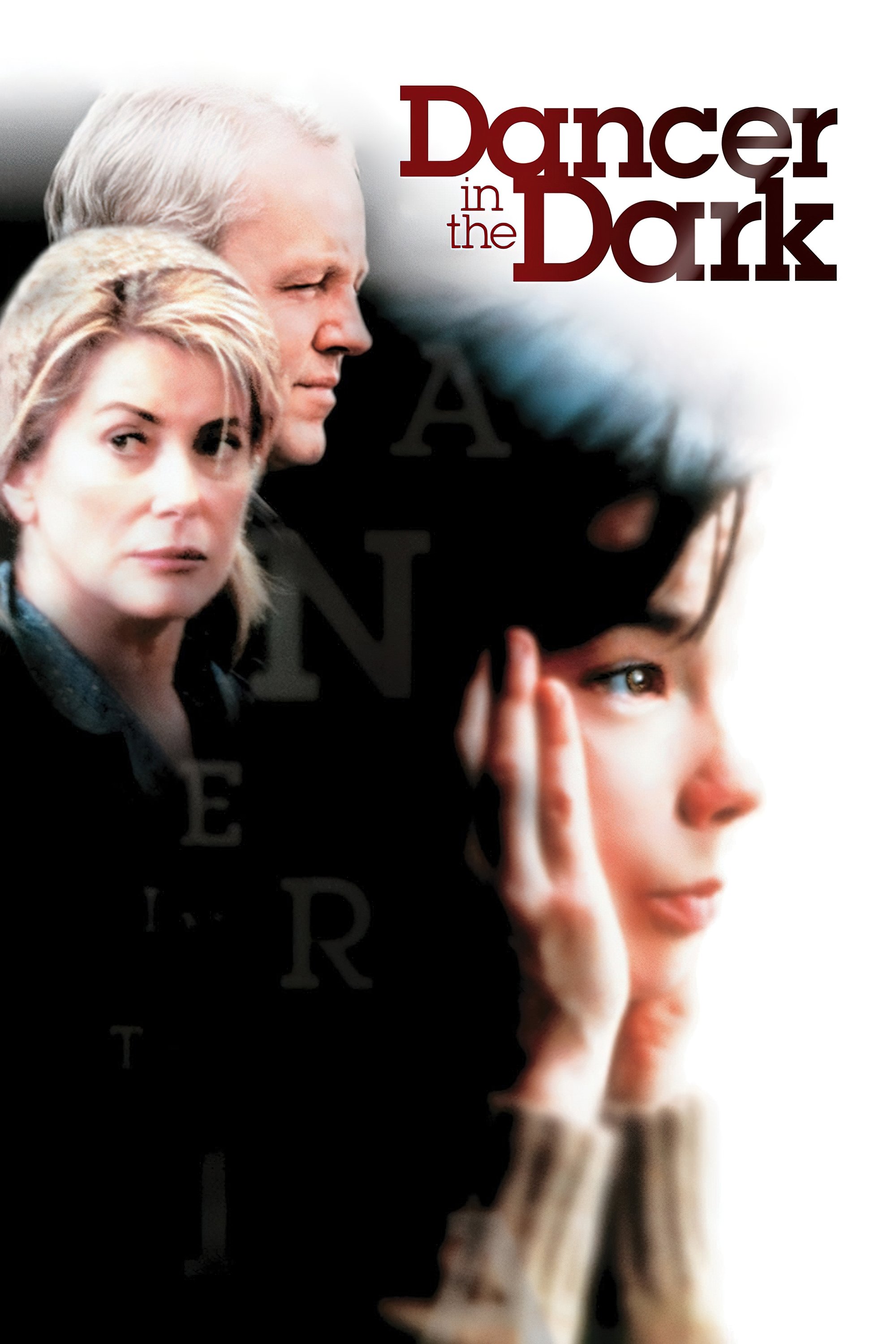
A musical tragedy about Selma, a Czech immigrant factory worker in 1960s America going blind while saving money for her son's eye surgery, her only escape from grinding poverty being fantasies where her life becomes a musical. Lars von Trier creates his cruelest film, using the musical genre's promise of transcendence to make Selma's inevitable destruction more devastating. Björk plays Selma with such fragile determination that watching her cling to hope even as everything collapses becomes almost unbearable, her musical numbers shot with handheld chaos that makes them feel desperate rather than joyful. Catherine Deneuve as her friend Kathy provides the film's only warmth, her helplessness to prevent Selma's fate mirroring the audience's. What makes Dancer in the Dark so punishing is von Trier's systematic destruction of every possibility of happiness, showing how poverty, disability, and simple bad luck can combine to destroy someone whose only crime was trusting people who betrayed her.
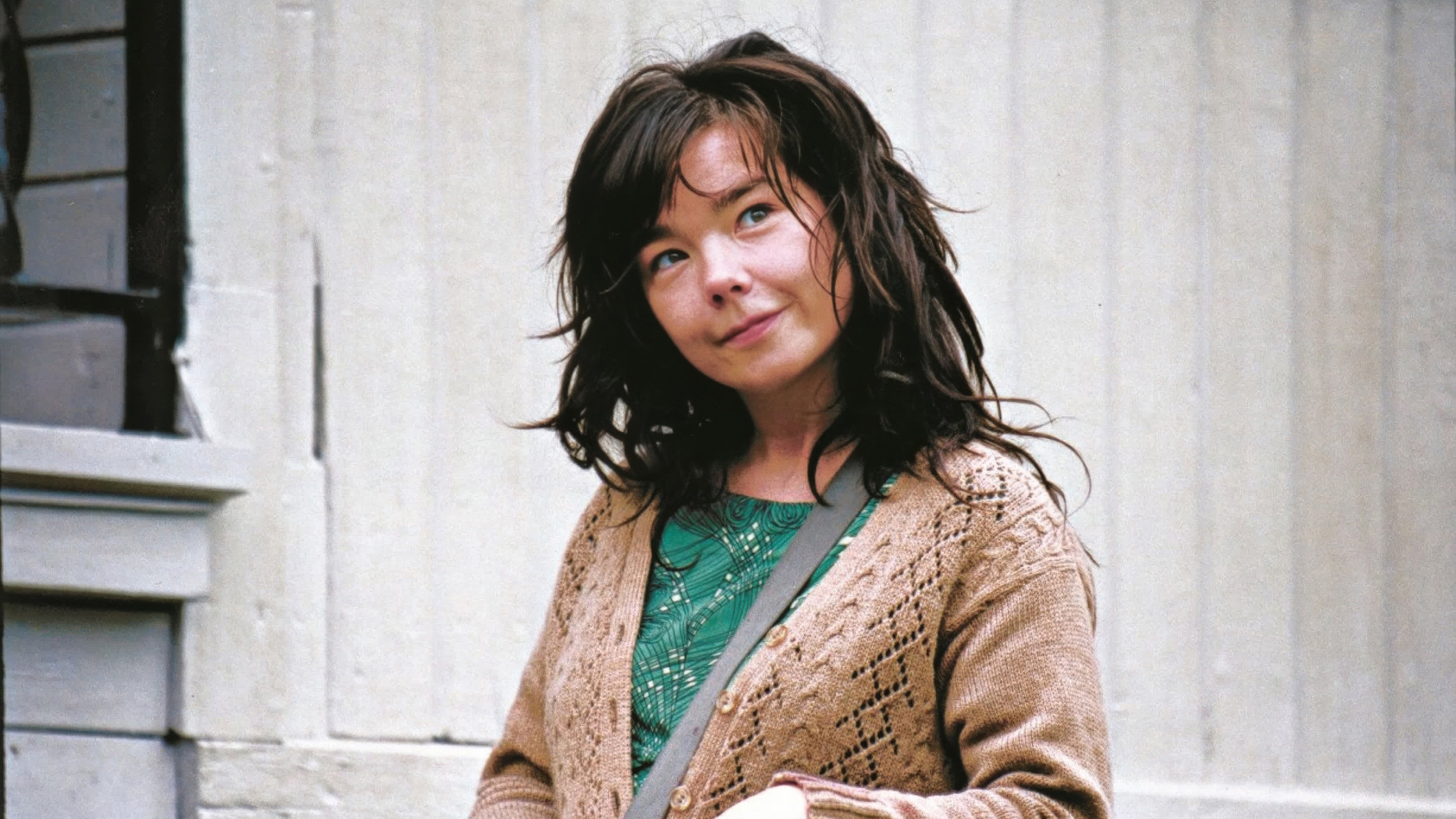
The film's examination of American justice system's cruelty, how Selma's execution proceeds despite obvious evidence that she acted in self-defense, creates portrait of institutional violence that feels designed to inflict maximum suffering. The ending, where Selma is hanged while singing to control her terror, refusing the hood because she wants to imagine her son one last time, represents cinema at its most emotionally brutal. It succeeds because von Trier makes you love Selma despite knowing from the structure that she's doomed, that her goodness and her dreams make her vulnerable rather than protected, that the universe his film depicts is actively hostile to innocence and hope, leaving you destroyed by the recognition that sometimes there are no happy endings, no last-minute reprieves, just good people suffering because the systems surrounding them are designed to crush anyone without power or money.
4. 🎬 The Painted Bird (2019)
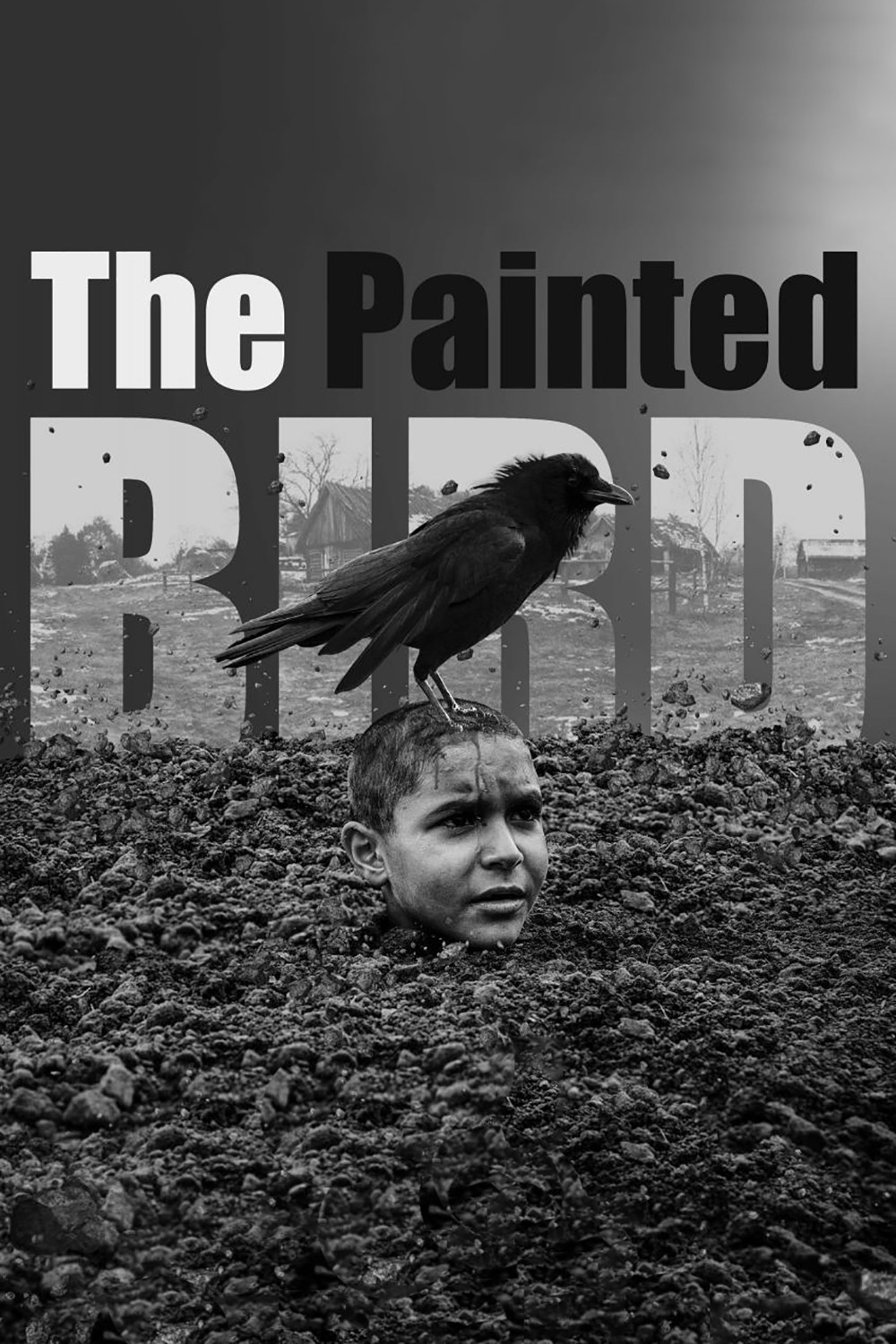
A film following a young Jewish boy wandering Eastern Europe during World War II, experiencing escalating atrocities as he's passed between communities that treat him as cursed outsider. Václav Marhoul adapts Jerzy Kosiński's controversial novel with unflinching commitment to showing humanity's capacity for cruelty, the boy witnessing and experiencing violence that feels designed to test the audience's endurance. Shot in stark black and white that makes the rural landscapes beautiful and nightmarish simultaneously, the film presents episodic structure where each new community the boy encounters inflicts fresh horrors. What makes The Painted Bird almost unwatchable is its relentless accumulation of trauma, Marhoul refusing to provide any relief or suggest that suffering builds character or has meaning, showing instead how violence simply destroys, how the boy is progressively dehumanized by what he experiences until he can no longer distinguish between victim and perpetrator.
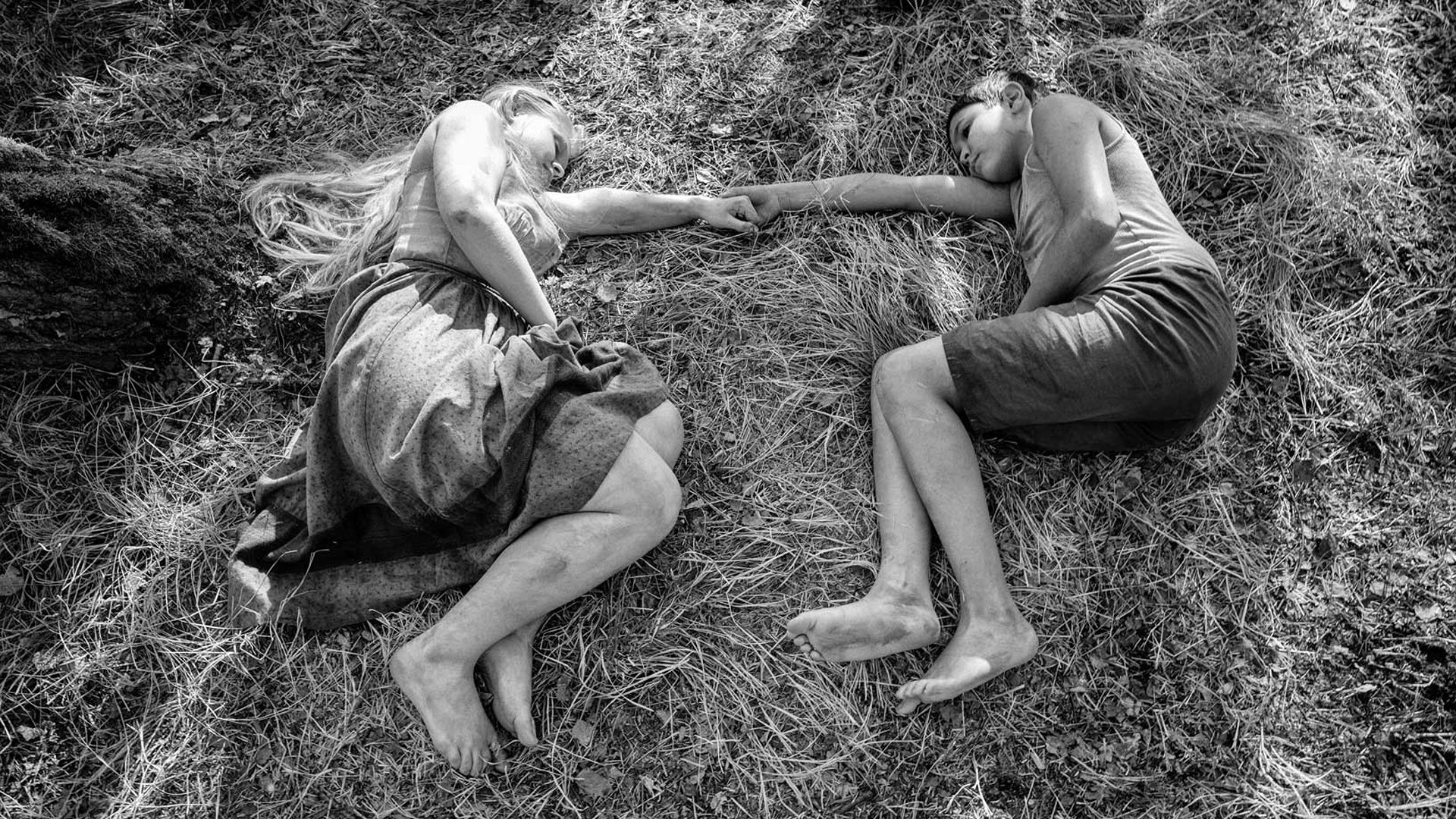
The performances are deliberately understated, creating documentary-like atmosphere where the horrors feel observed rather than dramatized. The film's examination of how communities create scapegoats, how the boy's outsider status makes him target for every superstition and cruelty, shows fascism operating at village level long before it became state policy. It succeeds because Marhoul treats his subject with absolute seriousness, never exploiting the violence for shock value but also never looking away from it, creating experience that feels less like entertainment than endurance test, asking how much suffering can be depicted before cinema itself becomes complicit, while suggesting that refusing to show these atrocities would be greater moral failure than subjecting audiences to them.
5. 🎬 Aftersun (2022)
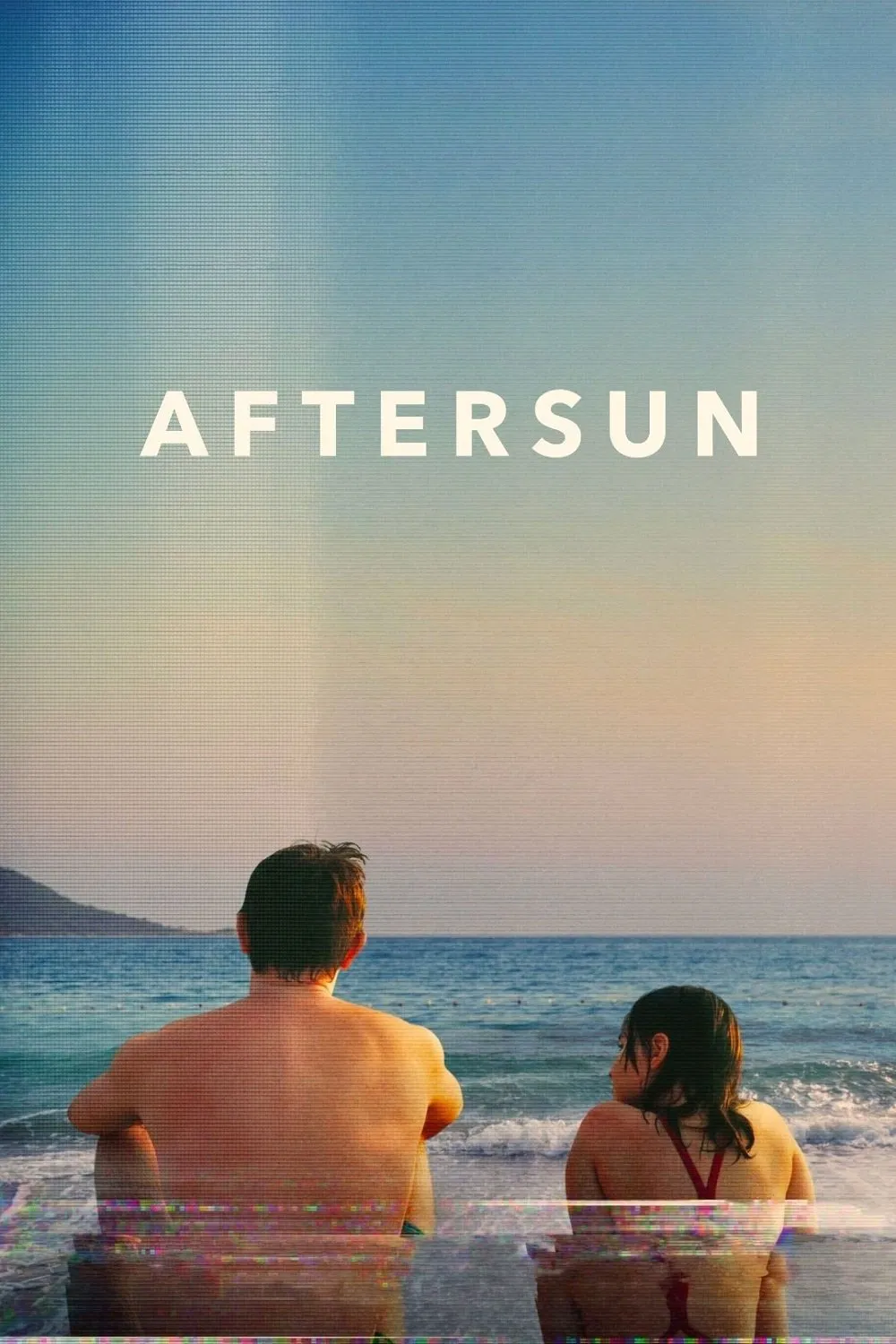
A film about an adult woman revisiting video footage from a Turkish vacation with her father when she was eleven, gradually recognizing signs of his depression and suicidal ideation that she couldn't understand as a child. Charlotte Wells creates deceptively simple structure that builds devastating emotional impact through accumulated detail rather than dramatic revelation. Paul Mescal plays the father Calum with performance that operates on multiple levels simultaneously, showing us the fun dad Sophie remembers while allowing glimpses of the despair he was hiding from her, his every smile slightly forced, his encouragement of her happiness tinged with the knowledge that he won't be around to see her grow up. Frankie Corio's Sophie is remarkable for her naturalism, playing a child on the cusp of adolescence trying to connect with a father who's increasingly remote despite physical proximity. What makes Aftersun devastating is its restraint, Wells never showing Calum's suicide or even confirming it happened, instead letting adult Sophie's grief and the video evidence speak for themselves, creating portrait of depression as invisible illness that destroys families despite love's presence.
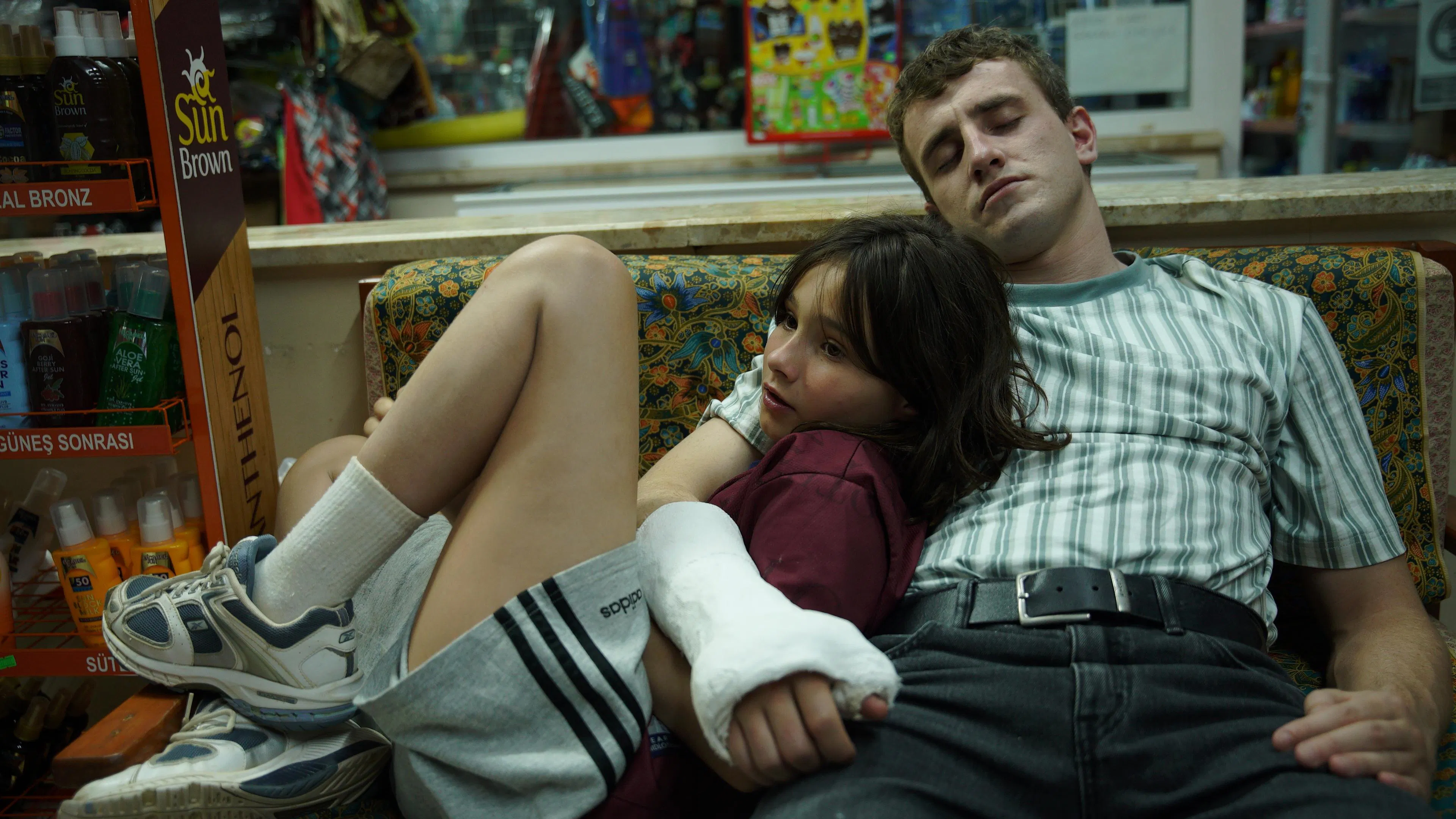
The rave sequences, intercut throughout, show adult Sophie processing her grief through movement and memory, searching for her father in crowds while understanding he's permanently gone. It succeeds because Wells understands that the most painful losses are often the ones we see coming in retrospect but couldn't prevent in the moment, that watching home videos of someone who's gone creates unbearable gap between the person captured on tape and your knowledge of what happened to them, and that children often blame themselves for not saving parents from mental illnesses they couldn't possibly understand or fix.
6. 🎬 Happiness (1998)
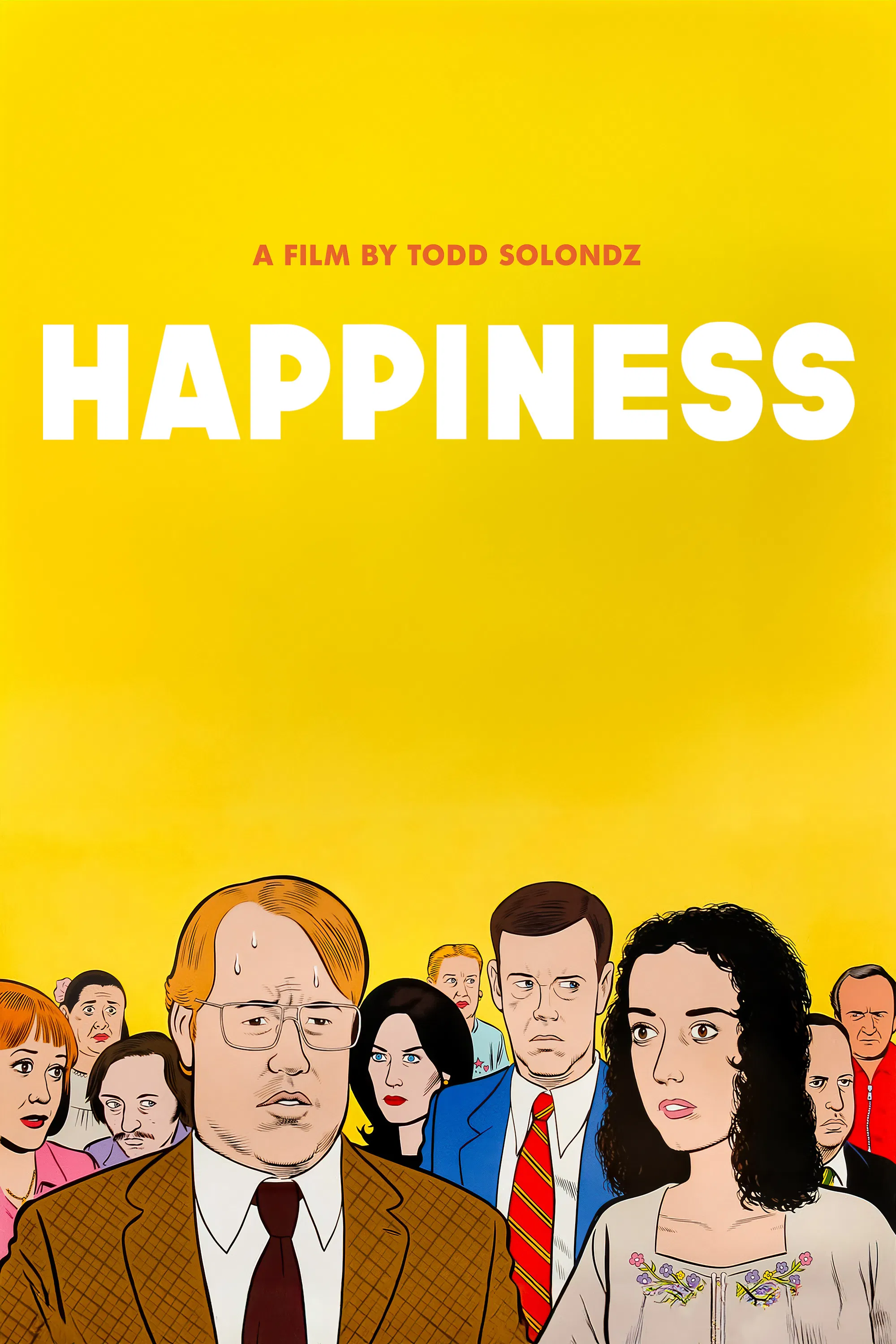
A film examining suburban American dysfunction through interconnected stories of people pursuing happiness through increasingly disturbing means, most controversially a psychiatrist who's also a pedophile. Todd Solondz creates comedy so dark it becomes horror, using the banality of suburban life to make the perversions and cruelties more disturbing. The ensemble cast plays damaged people with such commitment that the film never feels like it's mocking them despite the satirical framework. What makes Happiness genuinely difficult is Solondz's refusal to make the pedophile character simply monstrous, showing him as loving father and competent professional whose sexual attraction to children he occasionally acts on, creating moral complexity that many viewers find inexcusable. The film examines how normal people harbor desires and commit acts they know are wrong, how middle-class respectability masks dysfunction and abuse, how the pursuit of happiness often involves making others miserable.
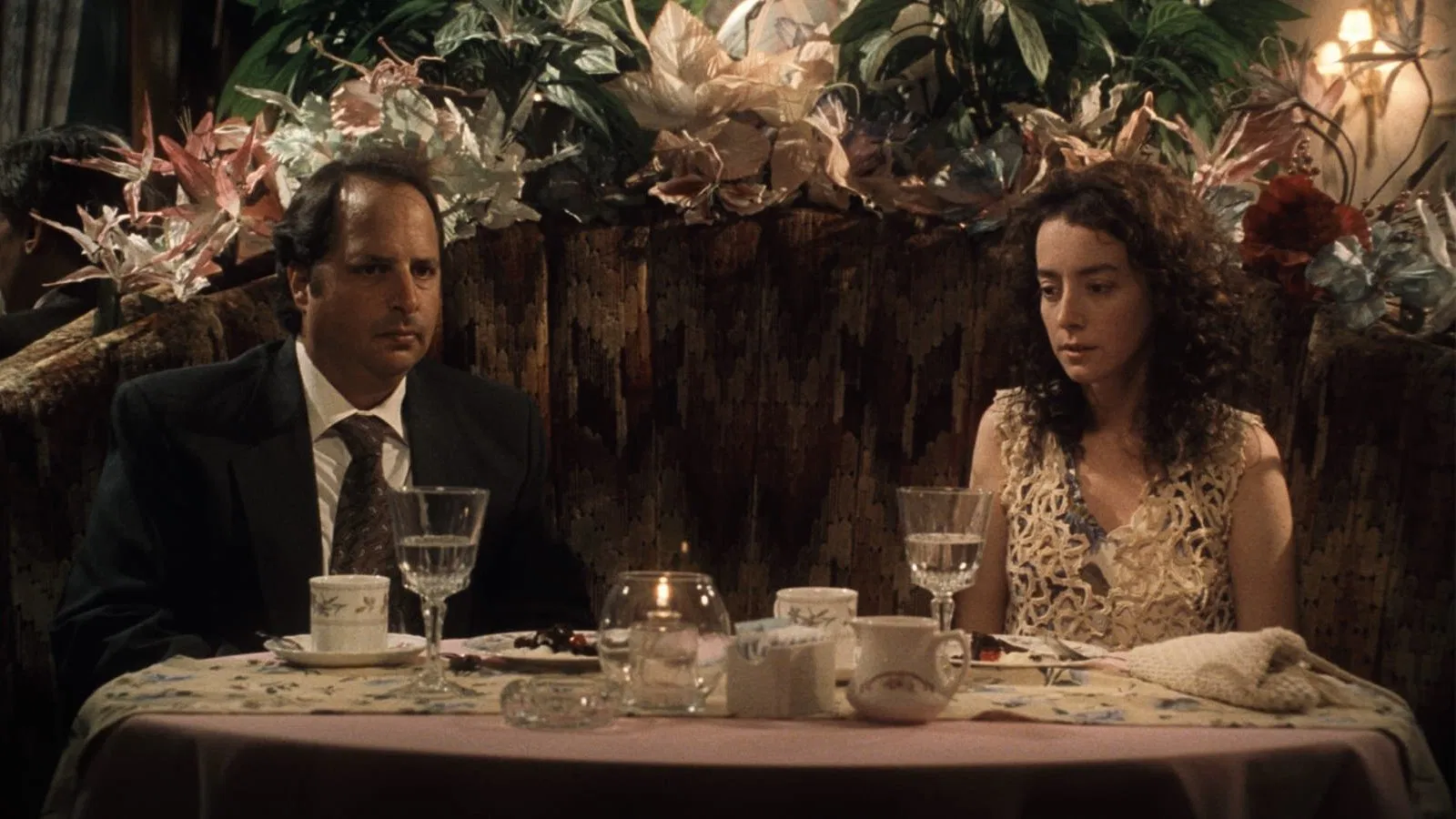
Solondz shoots in bright, clean compositions that make the darkness more shocking, the aesthetic normalcy contrasting with the psychological horror. The film's treatment of loneliness shows how desperate people become for connection, how that desperation leads to terrible choices and relationships built on delusion rather than genuine compatibility. It succeeds because Solondz refuses easy moral positions or comfortable distance from his characters, forcing viewers to recognize humanity in people whose actions are reprehensible, asking whether understanding evil requires some level of empathy or if empathy for certain acts constitutes moral failure, leaving you feeling complicit and contaminated by having watched it.
7. 🎬 Waltz with Bashir (2008)
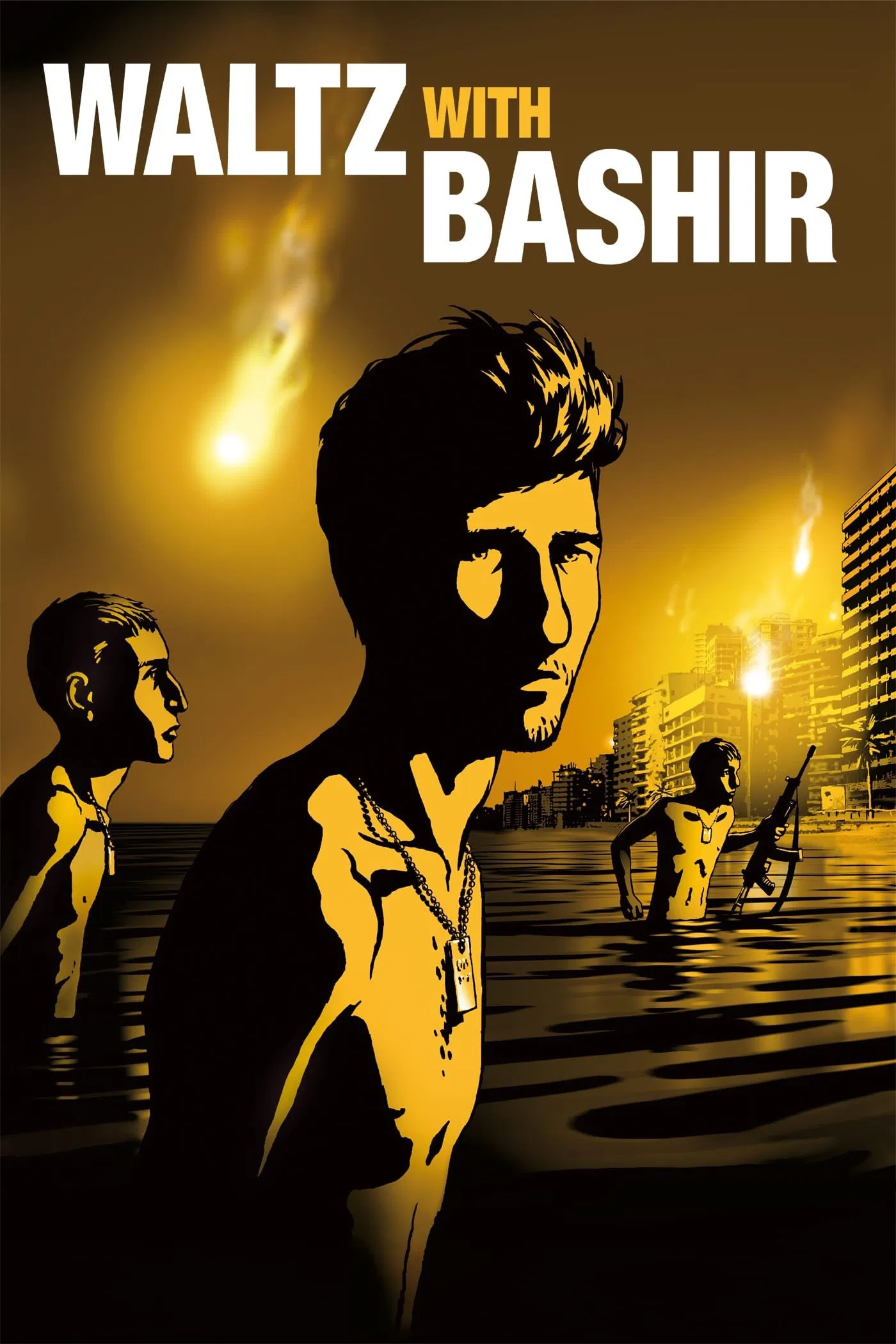
An animated documentary where Israeli director Ari Folman interviews fellow veterans about the 1982 Lebanon War, particularly the Sabra and Shatila massacre, trying to recover his own suppressed memories of events he participated in. The animation allows Folman to visualize trauma and memory in ways live-action couldn't achieve, dream sequences and recollections bleeding into each other as veterans struggle to reconstruct what they witnessed and did. What makes Waltz with Bashir devastating is its examination of how soldiers cope with atrocity by forgetting or reframing it, how Folman's amnesia about the massacre represents psychological self-protection from guilt he couldn't consciously bear. The interviews reveal how young men were sent to war without understanding the political context or moral implications, how they committed or enabled war crimes while telling themselves they were just following orders or protecting their country.
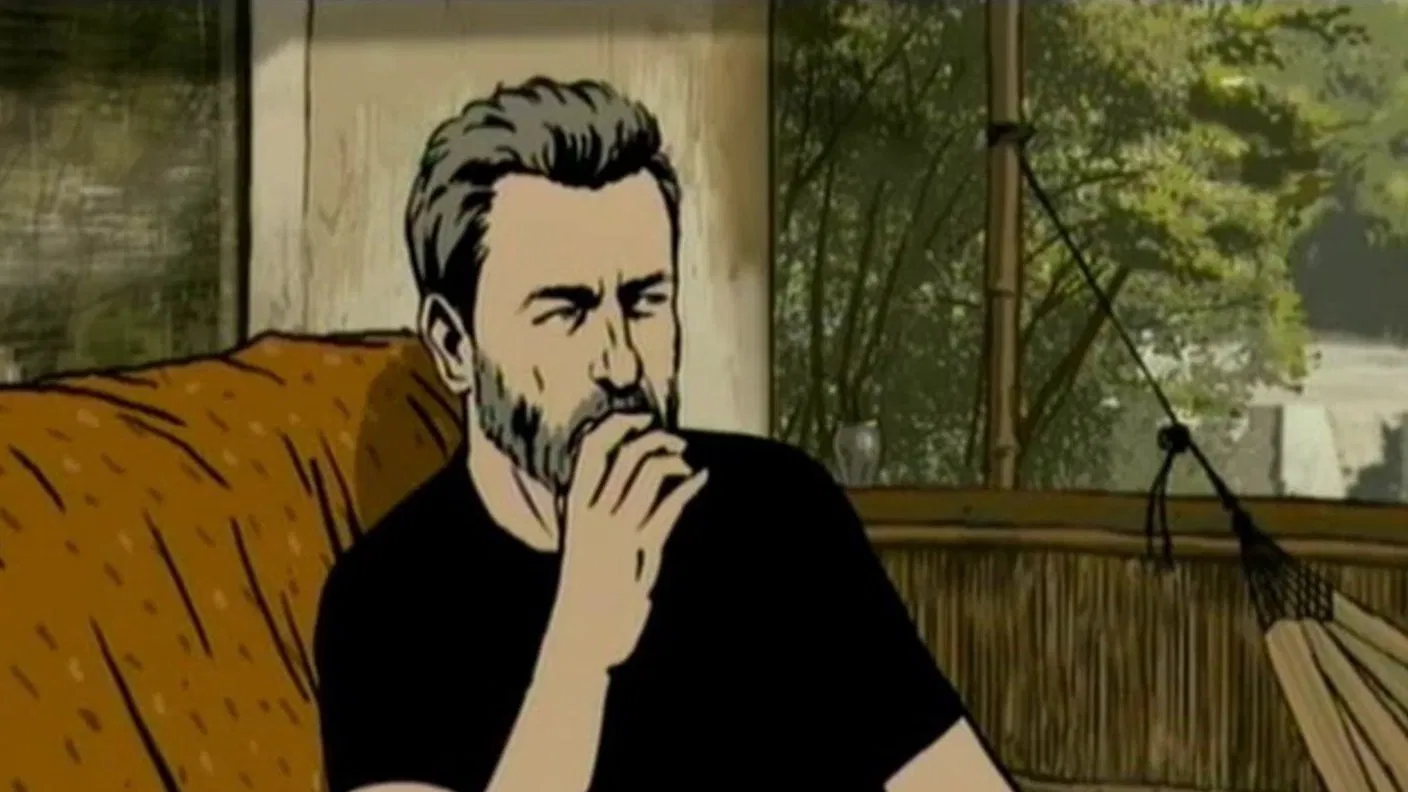
The film's visual approach makes violence dreamlike and surreal until the final sequence, where Folman switches to actual news footage from the massacre, the sudden shift to documentary reality after an hour of animation creating devastating recognition that everything we've seen, however stylized, represents real events with real victims. It succeeds because Folman refuses to absolve himself or his fellow soldiers, showing how liberal Israelis who see themselves as moral can participate in war crimes through action or inaction, how national narratives about self-defense can make soldiers complicit in atrocities they'd never commit in civilian life, and how the human capacity for denial allows us to live with ourselves after doing things that should be unbearable.
8. 🎬 Breaking the Waves (1996)
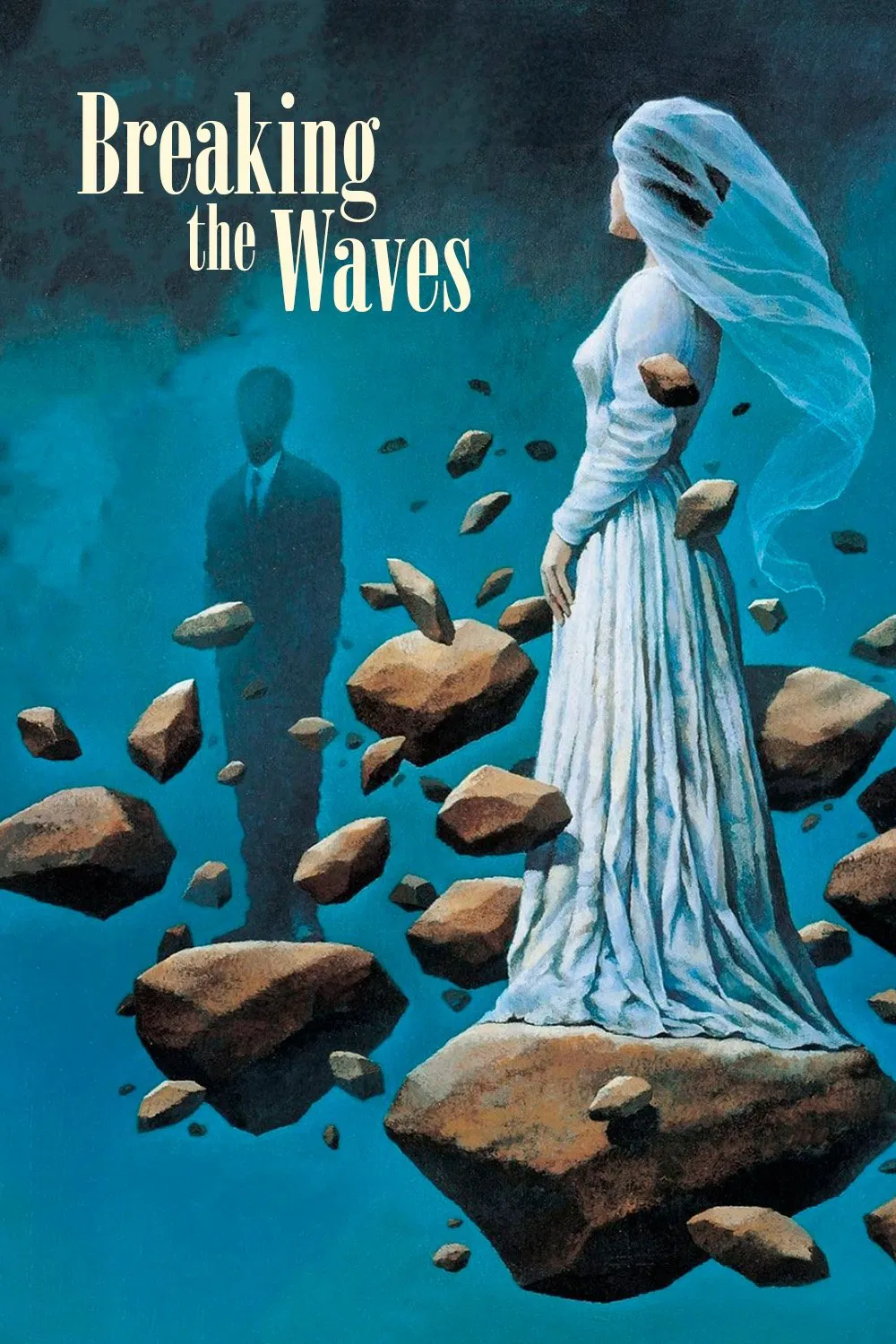
A film about Bess, a deeply religious young woman in a remote Scottish community whose husband is paralyzed in an oil rig accident and convinces her to sleep with other men and tell him about it, believing it will help him recover. Lars von Trier creates his first installment in the "Golden Heart" trilogy, examining how female goodness is exploited and destroyed by patriarchal systems both religious and secular. Emily Watson's Bess is performance of such devastating innocence that watching her degradation becomes almost unwatchable, her literal interpretation of religious teachings and her desperate love for her husband making her vulnerable to manipulation. Stellan Skarsgård's Jan genuinely loves Bess but his request that she prostitute herself, whether motivated by sexual jealousy or genuine belief it will help him, represents ultimate masculine selfishness disguised as need. What makes Breaking the Waves unbearable is von Trier's systematic destruction of Bess, showing how her community's religious judgment and her husband's demands combine to push her toward increasingly dangerous sexual encounters that eventually kill her.
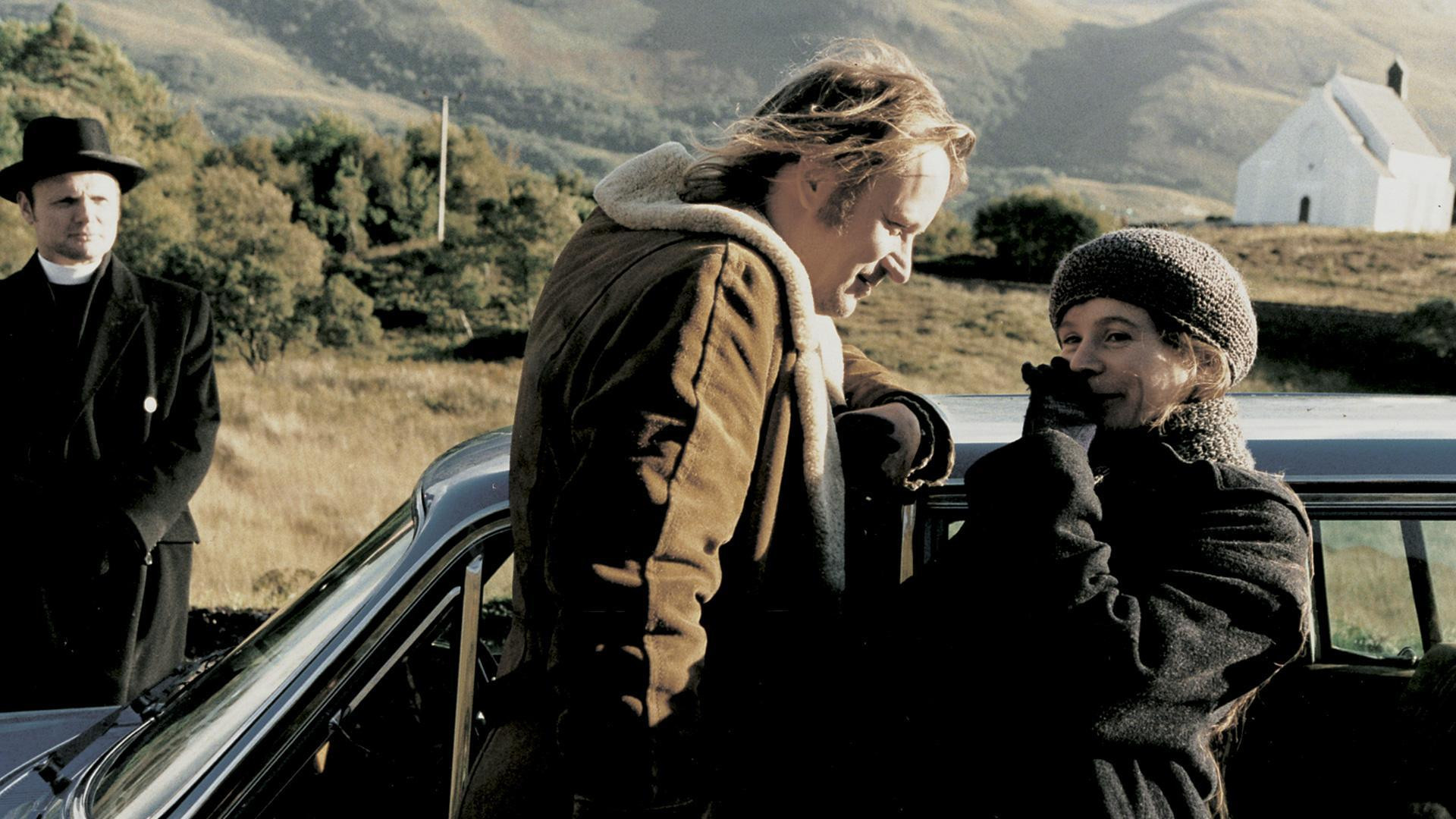
The film's treatment of faith asks whether Bess's belief that God wants her to sacrifice herself is genuine religious conviction or internalized misogyny, whether her martyrdom has meaning or if she's just another woman destroyed by men who claimed to love her. The ending, where bells ring from heaven at her funeral despite the church's refusal to bury her in consecrated ground, either represents von Trier's validation of her sacrifice or his cruelest joke, suggesting that divine approval doesn't matter when you're dead. It succeeds because von Trier makes Bess's goodness so pure and her suffering so extreme that the film forces confrontation with how religious and romantic love can become tools of female subjugation, how women are taught to find meaning in sacrifice while men benefit from those sacrifices, leaving you enraged at every system that failed to protect her.
9. 🎬 The Nightingale (2018)
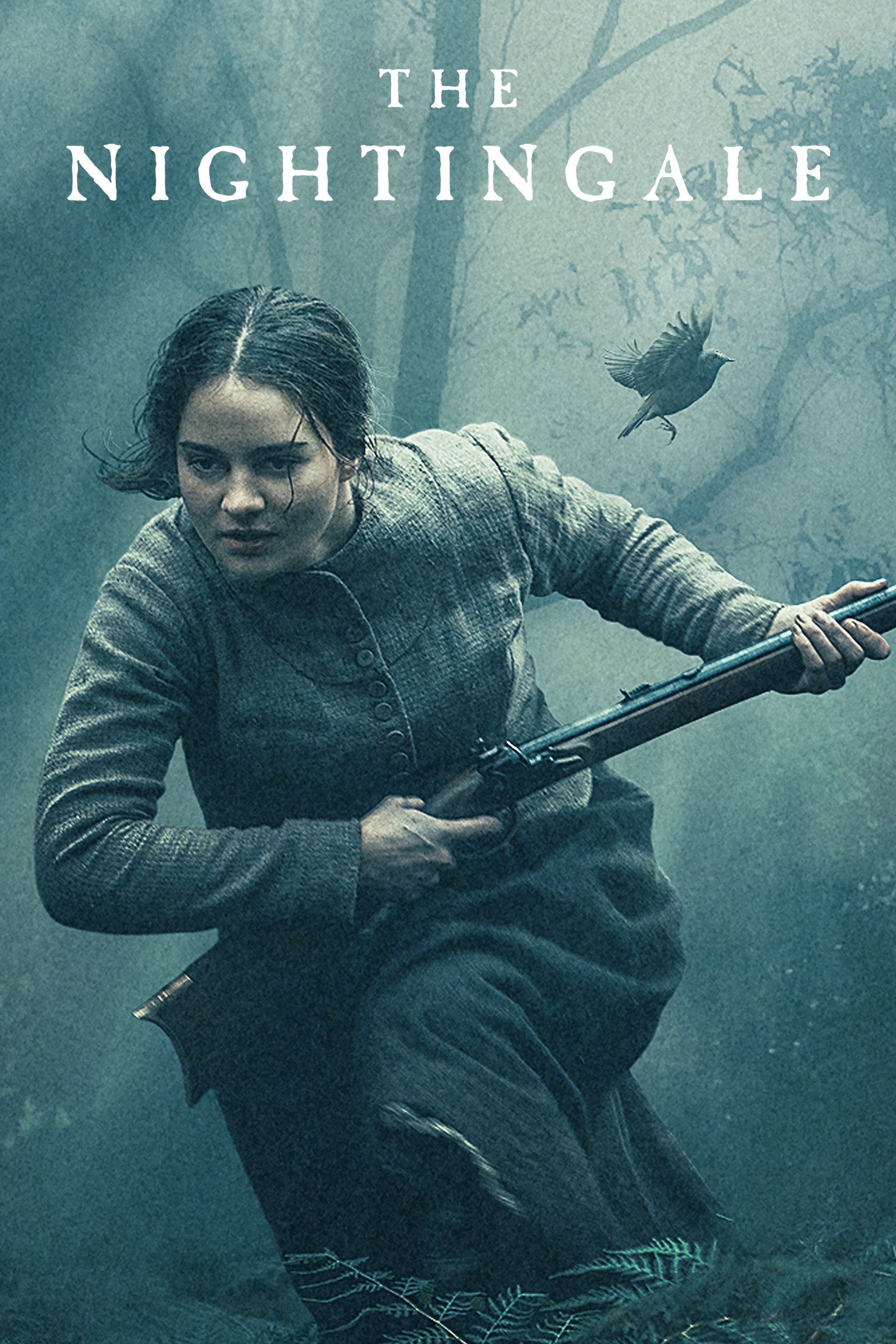
A film set in 1825 Tasmania following Irish convict Clare who seeks revenge on British officer who murdered her family, hiring Aboriginal tracker Billy to guide her through the wilderness. Jennifer Kent creates revenge thriller that refuses to provide cathartic violence, instead showing how trauma and racism poison everyone they touch. Aisling Franciosi plays Clare with feral determination born from having everything taken from her, her initial racism toward Billy gradually breaking down as they recognize shared experience of British colonial violence. Baykali Ganambarr's Billy is tracker trying to find his family while navigating a world where Aboriginal people are hunted for sport, his partnership with Clare uneasy alliance between people who've both been dehumanized by the same system. What makes The Nightingale brutal is Kent's unflinching depiction of sexual violence and racist brutality, the film's early scenes showing Clare's repeated rape and her family's murder with such visceral horror that many viewers can't continue watching.
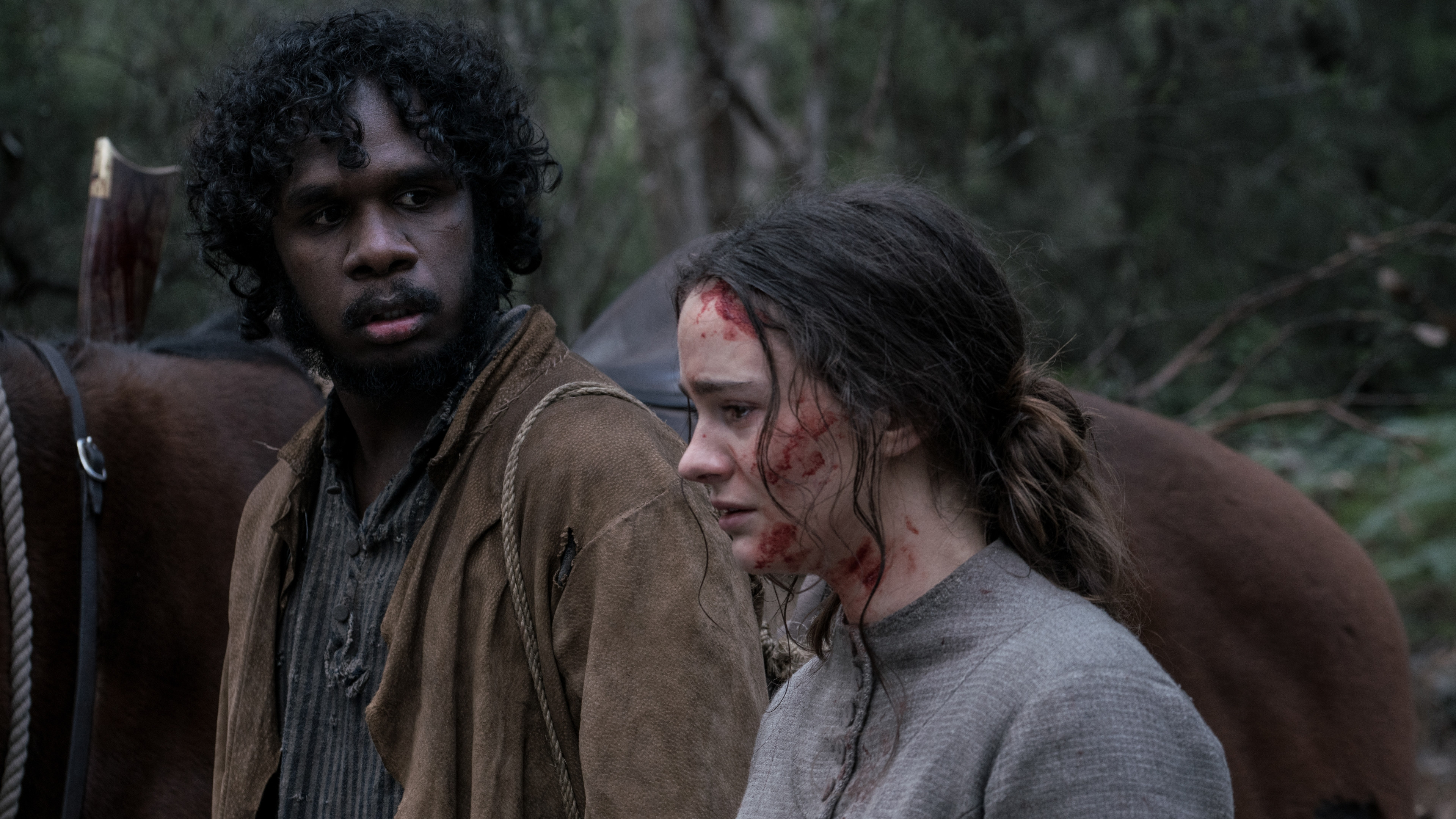
The film examines how British colonialism operated through systemic violence against both Irish convicts and Aboriginal Tasmanians, how oppressed groups often turn on each other rather than recognizing common enemy, and how revenge, even justified revenge, doesn't heal trauma but just creates more violence. Kent shoots the Tasmanian wilderness as beautiful and indifferent to human suffering, the landscape's grandeur contrasting with the intimate brutality of colonial violence. It succeeds because Kent refuses to make revenge satisfying, showing how Clare's quest to kill her family's murderers doesn't restore what she's lost or make her whole, that justice might be necessary but isn't sufficient for healing, and that living under colonial occupation means choosing between death, submission, or violence that transforms you into something you never wanted to become.
10. 🎬 Titicut Follies (1967)
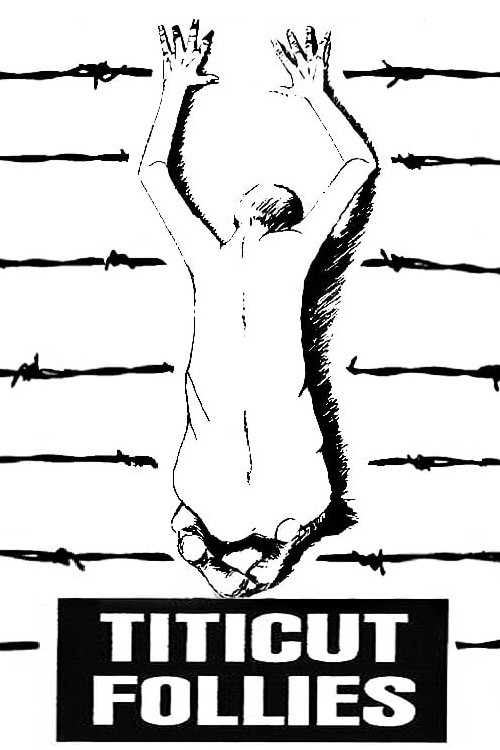
A documentary about Bridgewater State Hospital for the criminally insane in Massachusetts, showing the routine abuse and dehumanization of patients by staff who claim to be providing treatment. Frederick Wiseman creates direct cinema that simply observes without narration or music, letting the footage speak for itself about how institutions treat vulnerable people. What makes Titicut Follies disturbing is its matter-of-fact presentation of cruelty, staff force-feeding a patient who's on hunger strike, mocking and degrading patients during routine interactions, providing "care" that's indistinguishable from torture. The film's subjects are real people, many unable to consent to being filmed, raising ethical questions about documentary practice that remain unresolved. Wiseman shows how mental hospitals in the 1960s operated as warehouses for people society wanted hidden, how treatment often consisted of sedation and restraint rather than actual therapy, and how the "criminally insane" label allowed for treatment that would be recognized as abuse in any other context.
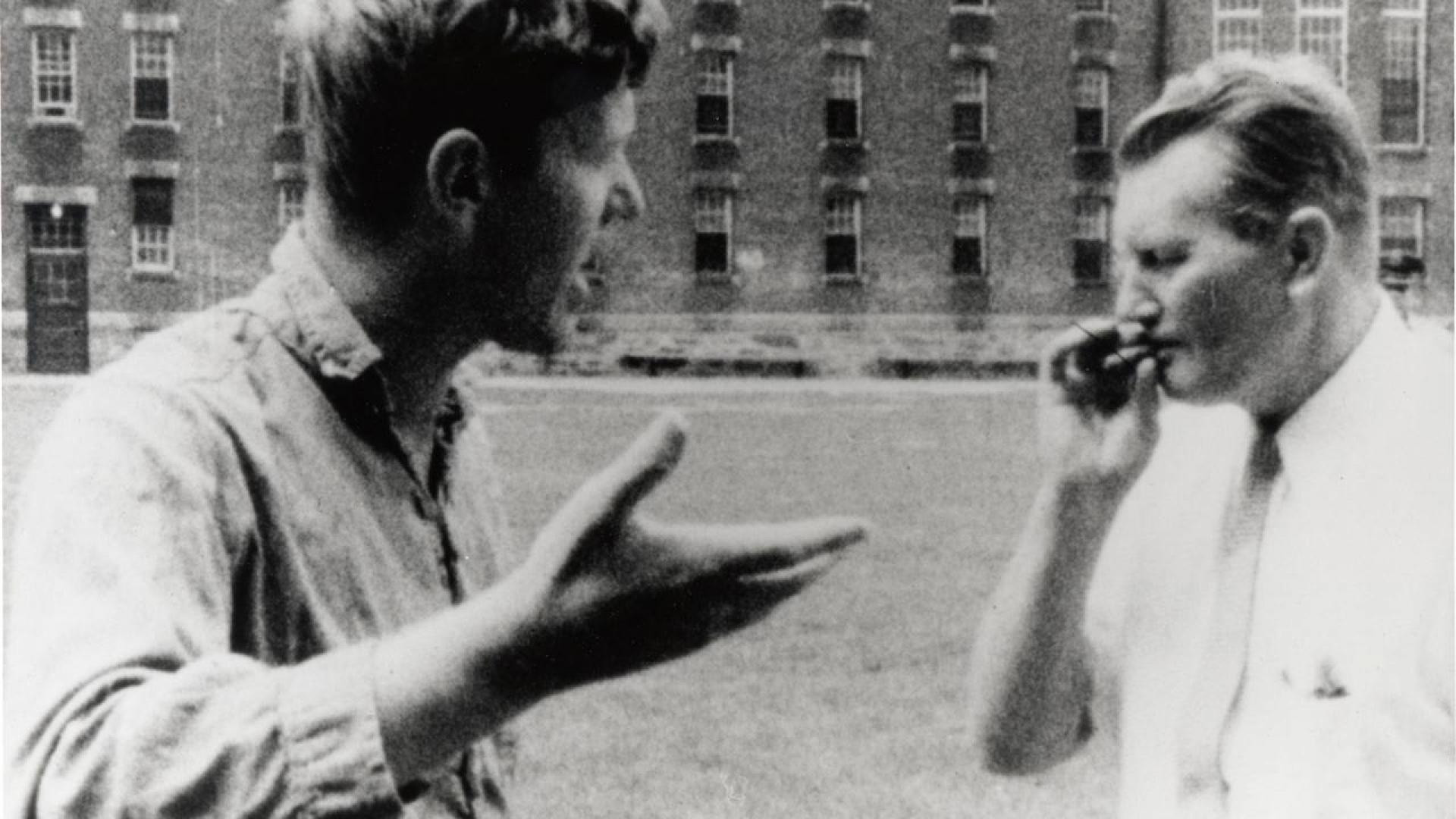
The film was banned for decades after release, the state arguing it violated patients' privacy, though Wiseman maintained the public interest in exposing institutional abuse outweighed privacy concerns. It succeeds because Wiseman's observational style doesn't editorialize or manipulate, simply showing what he filmed and trusting viewers to recognize the horror of routine institutional violence, the banality with which staff treat patients as less than human, making clear that the real insanity isn't the patients' conditions but a system that calls this treatment care.
11. 🎬 Benny's Video (1992)
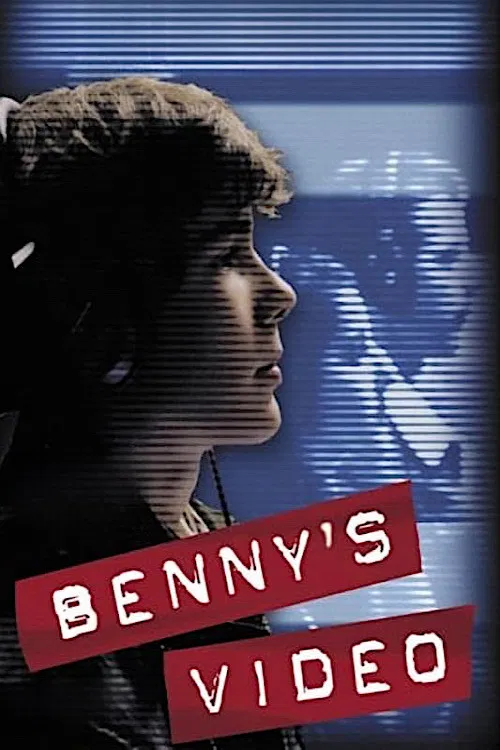
A film about an Austrian teenager who murders a girl and shows the video to his parents, examining how media violence shapes consciousness and how bourgeois morality collapses when protecting family requires complicity in crime. Michael Haneke creates his characteristic critique of comfortable middle-class life, showing how easily "normal" people make monstrous choices when their interests are threatened. The film's structure uses Benny's video recordings extensively, creating layers of mediation where we watch Benny watching violence, examining how viewing atrocity through screens distances us from its reality. What makes Benny's Video disturbing is the casualness of the murder and the parents' response, the mother and father's decision to help Benny dispose of the body and cover up his crime revealing how family loyalty can override morality.
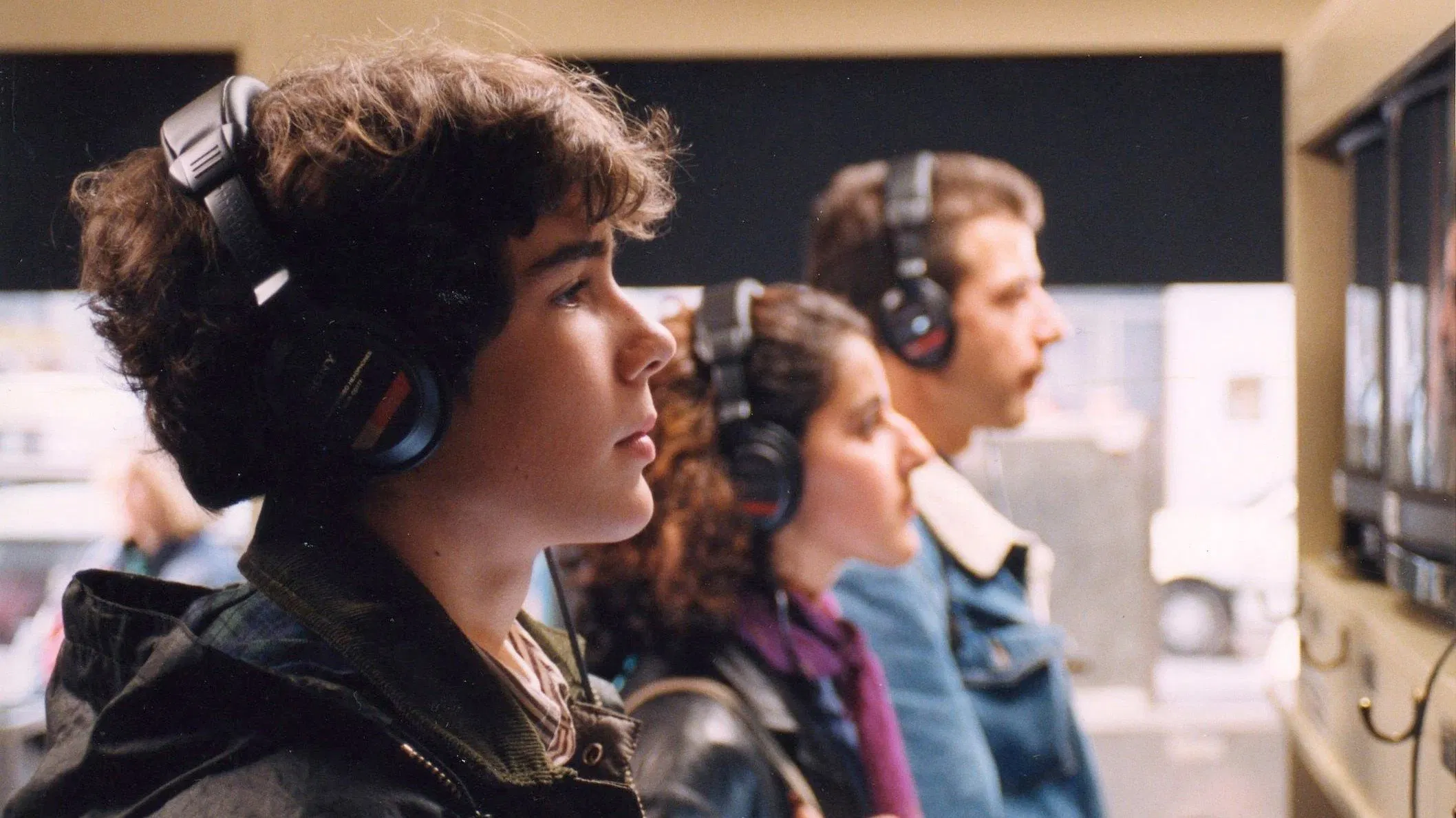
Haneke refuses to psychologize Benny's violence or provide easy explanations, showing instead how media-saturated existence might create emotional numbness where violence becomes just another experience to be recorded and reviewed. The film's examination of how privileged families protect themselves examines class dynamics where money and connections allow escape from consequences that poor people couldn't avoid. It succeeds because Haneke makes the bourgeois family more monstrous than the teenage murderer, showing how their calm discussion of how to cover up the crime reveals values where maintaining social position matters more than justice, that the real horror isn't Benny's incomprehensible violence but his parents' comprehensible calculation that protecting him serves their interests better than turning him in.
12. 🎬 Salò, or the 120 Days of Sodom (1975)
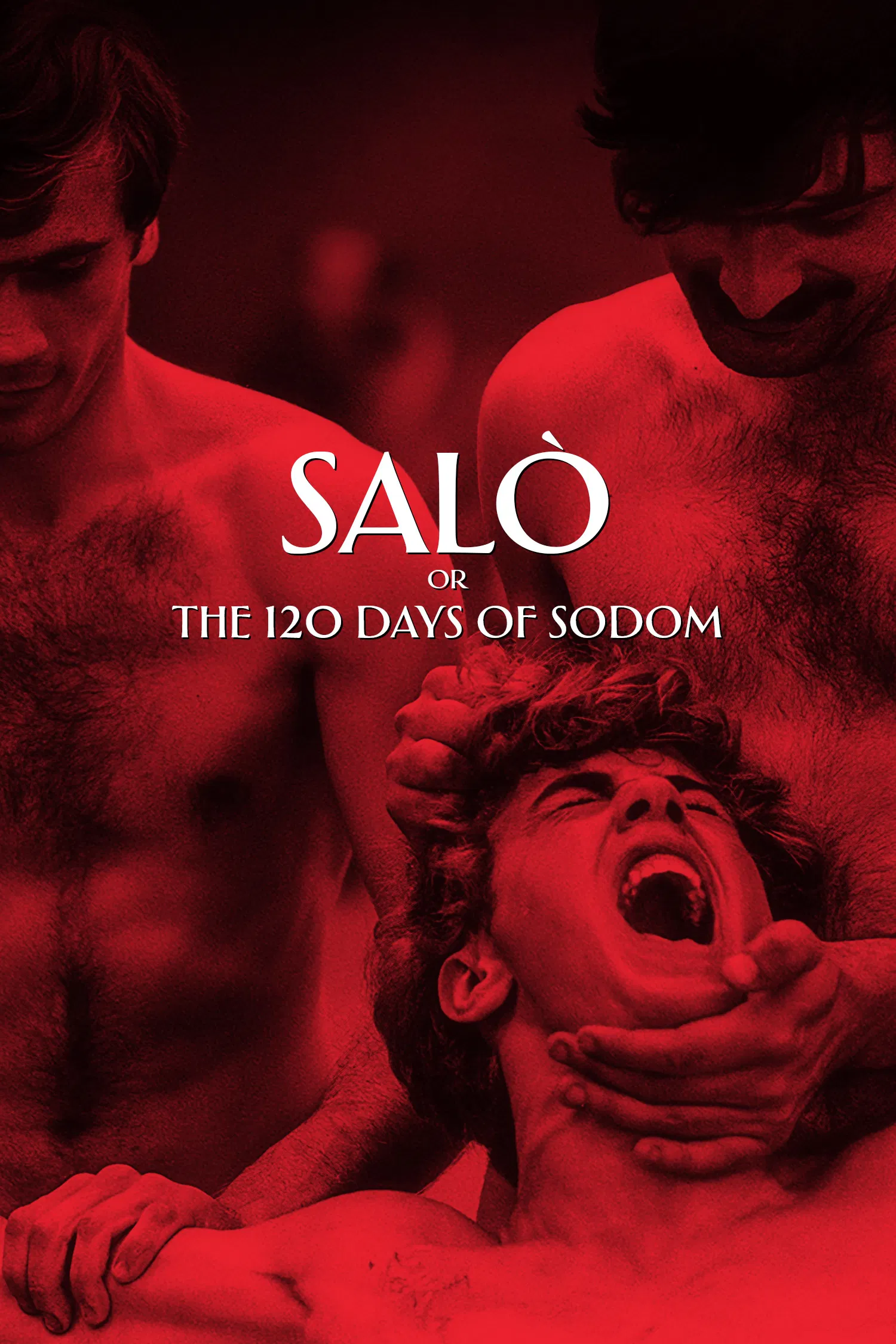
A film using the Marquis de Sade's novel as framework to examine Italian fascism, following four fascist libertines who kidnap eighteen teenagers and subject them to months of sexual abuse, torture, and murder. Pier Paolo Pasolini creates his final and most controversial work, killed shortly after completing it, using extreme sexual violence as metaphor for how fascism treats citizens as objects to be consumed and destroyed. The film's structure divides the abuse into circles echoing Dante's Inferno, each segment escalating the degradation until the final sequence of torture and murder. What makes Salò genuinely unwatchable for many is Pasolini's commitment to showing the abuse in clinical detail, refusing to cut away or aestheticize the violence, creating experience designed to be unendurable as statement about fascism's unendurable reality.
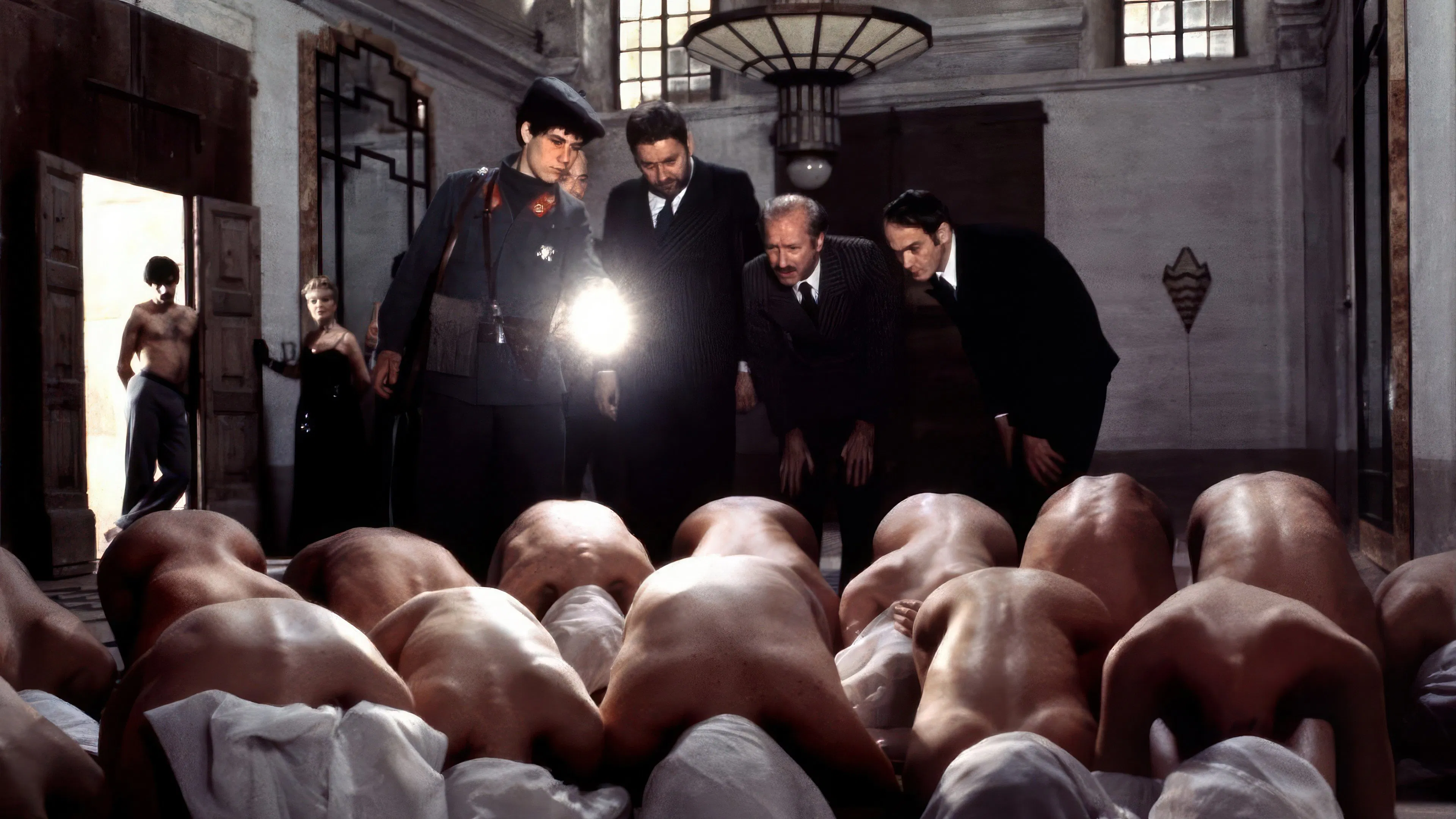
The perpetrators are educated men who discuss philosophy and art while raping and torturing teenagers, Pasolini showing how high culture and absolute depravity coexist, how fascism's appeal to tradition and beauty masks its essential nihilism and death drive. The film examines power as purely sadistic, the libertines deriving pleasure not from sex but from their total control over victims who cannot resist or escape, making sexuality inseparable from domination and violence. It succeeds, if that word even applies, because Pasolini refuses any compromise or mitigation, creating film that's nearly unwatchable as deliberate aesthetic and political choice, arguing that representing fascism comfortably would constitute greater obscenity than showing its actual obscenity, that the only appropriate response to totalitarian violence is art that assaults viewers as totalitarianism assaults citizens.
13. 🎬 Grave of the Fireflies (1988)
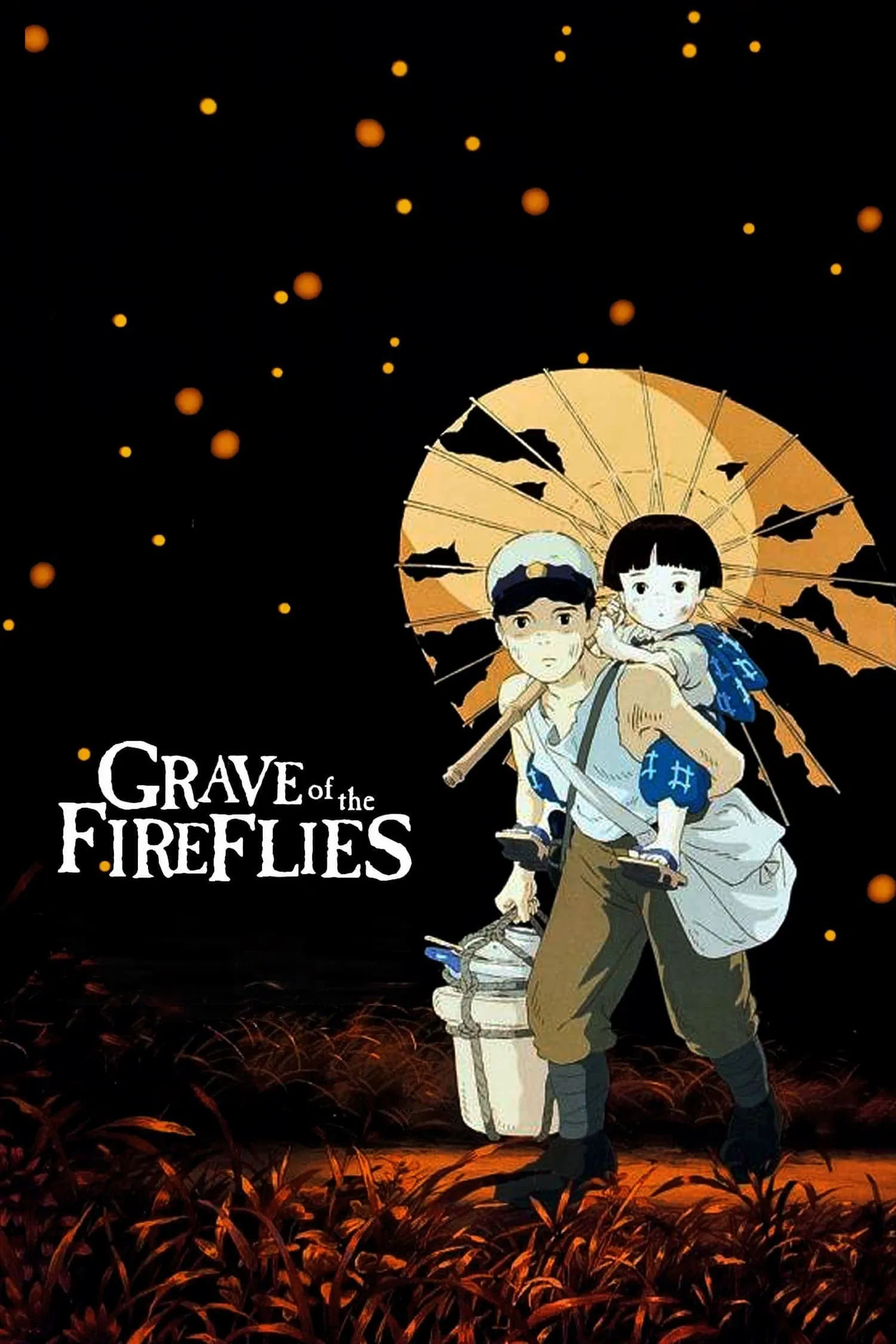
An animated film following two Japanese siblings trying to survive in the final months of World War II after their mother is killed in American firebombing and their father is away at war. Isao Takahata creates Studio Ghibli's darkest work, using animation's beauty to make the children's suffering more devastating. The film opens by showing us that both children die, removing any hope for happy ending and making the entire narrative an extended meditation on preventable tragedy. Seita tries to care for his younger sister Setsuko, their bond providing the film's emotional core while we watch malnutrition and disease gradually kill them. What makes Grave of the Fireflies unbearable is how it shows children dying slowly from starvation and neglect, their suffering drawn with such detail that the animation's beauty becomes unbearable, making you wish for less accomplished aesthetics that might provide some distance.
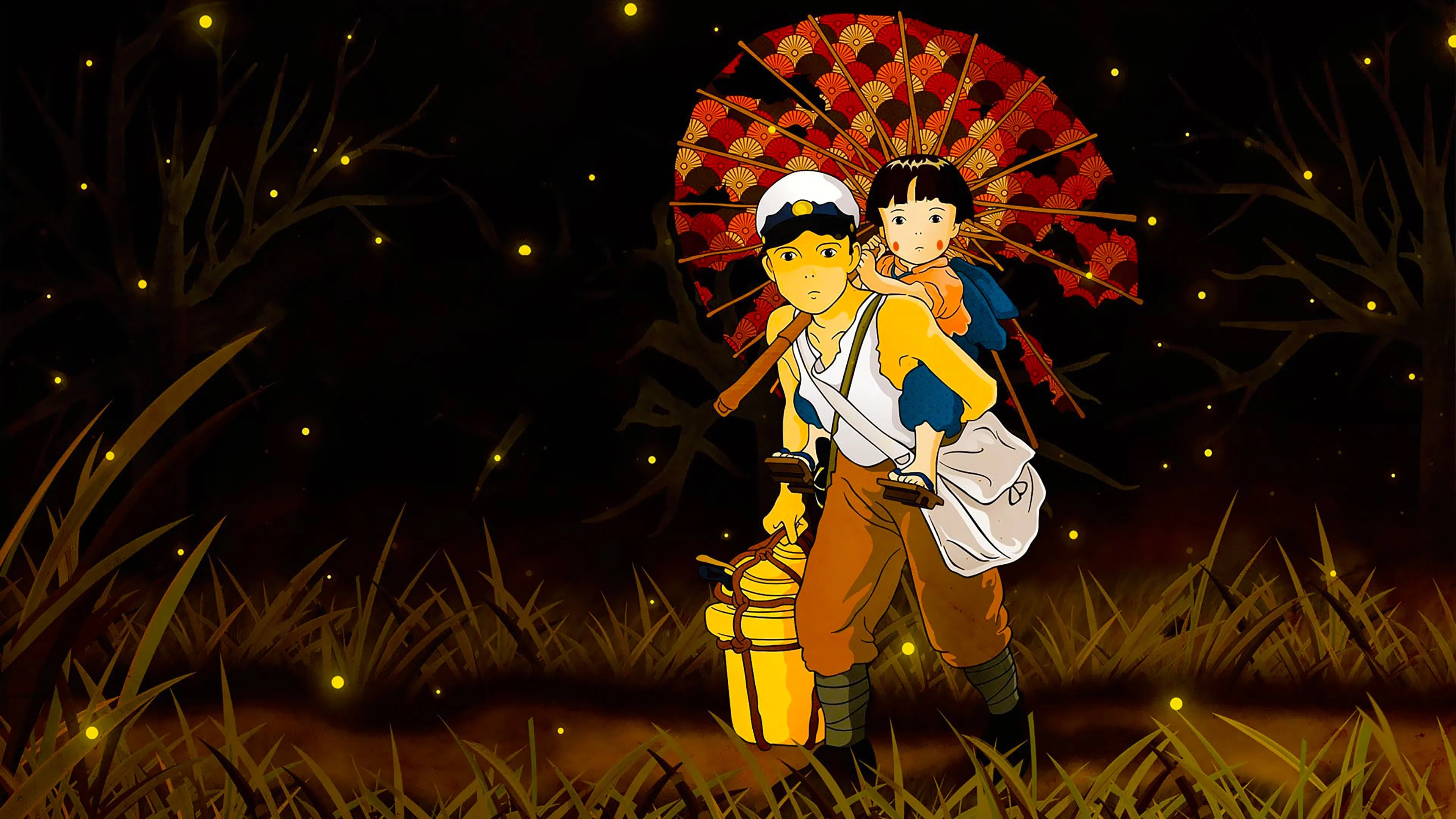
The film examines how war destroys not just through violence but through social breakdown, how Seita's pride prevents him from seeking help until it's too late, how their aunt treats them as burdens rather than family, how society abandons children when resources are scarce. Takahata refuses to make the Americans villains or Japanese victims simply, showing instead how nationalism and war create conditions where children starve while adults prioritize survival over compassion. The ending, showing Seita and Setsuko's ghosts watching modern Japan they died to help create, suggests their sacrifice had meaning while also making clear they didn't need to die, that adult decisions about war killed them as surely as any bomb. It succeeds because Takahata uses animation to create emotional intimacy impossible in live-action, making us love these children before destroying them, proving that animation can address serious subjects with as much power as any medium, that drawings can break hearts as effectively as photographs.
14. 🎬 The Act of Killing (2012)
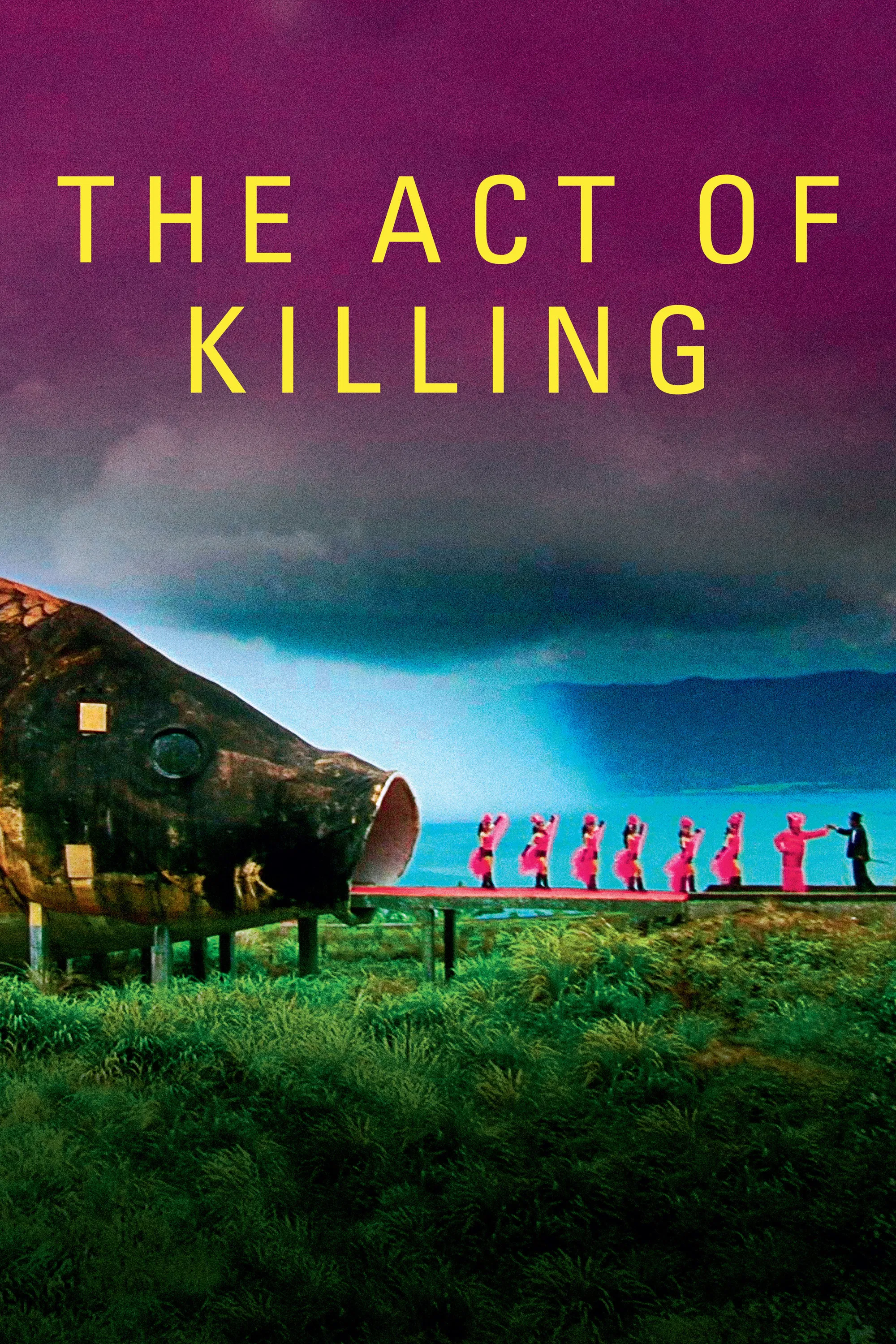
A documentary where Indonesian death squad leaders who participated in 1960s anti-communist genocide reenact their murders as film scenes in various genres they choose. Joshua Oppenheimer creates something unprecedented, giving perpetrators of mass murder the resources to dramatize their crimes, creating document of how people live with having killed thousands. The gangsters describe their murders with pride, demonstrating techniques they used to strangle and mutilate victims, treating atrocity as career achievement rather than crime. What makes The Act of Killing devastating is watching these men's gradual recognition of what they've done, particularly Anwar Congo, whose increasing nightmares and eventual breakdown on camera show guilt breaking through decades of denial. The film examines how genocide operates through normal people who convince themselves their victims deserved death, how anti-communist rhetoric transformed neighbors into legitimate targets, and how perpetrators remain in power, celebrated rather than prosecuted.

Oppenheimer's decision to let them choose the genres, leading to musical numbers and gangster film homages, creates surreal juxtaposition where mass murder is restaged as entertainment by people who still don't fully comprehend what they did. The film's most powerful moments come when the reenactments force perpetrators to play their victims, experiencing something approaching empathy for the first time, their performances breaking down as they can't maintain the fiction that the people they killed weren't human. It succeeds because Oppenheimer doesn't interview perpetrators to condemn them but gives them enough rope to reveal themselves, showing how ordinary people become mass murderers and then live normally afterward, how societies built on unpunished genocide simply continue until someone forces confrontation with what was done, creating document that's simultaneously about specific Indonesian history and universal questions about how humans rationalize atrocity.
15. 🎬 We Need to Talk About Kevin (2011)
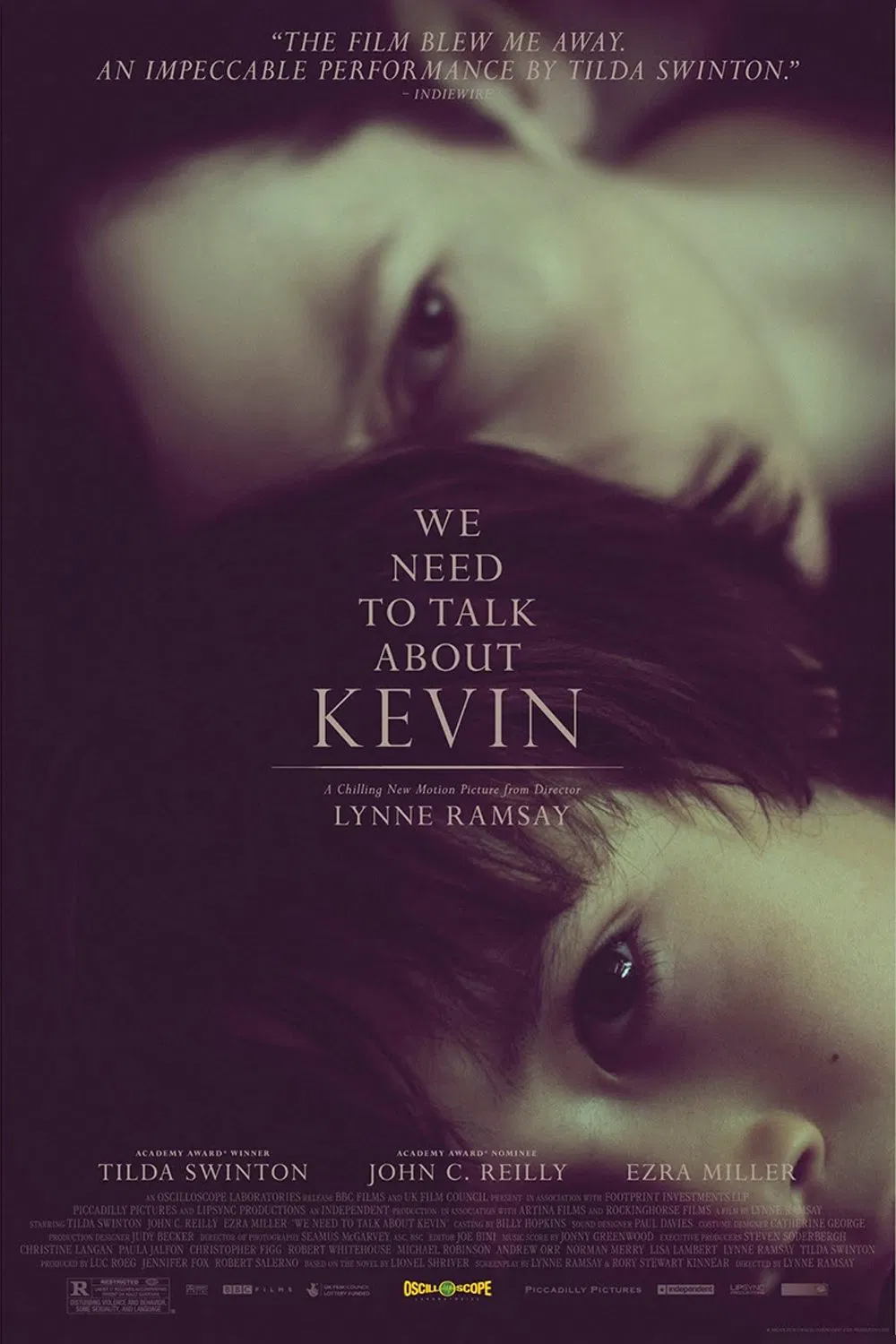
A film following Eva as she tries to understand whether her son Kevin's school massacre resulted from her failures as mother or whether he was born evil. Lynne Ramsay creates non-linear narrative that scrambles time, showing Eva's life before, during, and after Kevin's childhood, forcing us to search for clues about how a child becomes a killer. Tilda Swinton plays Eva with haunted exhaustion, someone destroyed by guilt and community hatred, unable to determine whether Kevin's sociopathy was her fault or inevitable. Ezra Miller's teenage Kevin is chillingly manipulative, performing normal son for his father while tormenting his mother in ways that leave no evidence, creating dynamic where Eva's complaints about him make her seem unstable. What makes We Need to Talk About Kevin devastating is its refusal to provide clear answers about nature versus nurture, showing how Eva's ambivalence about motherhood might have damaged Kevin while also suggesting he was manipulating her from infancy, that perhaps she responded to his innate wrongness rather than creating it.
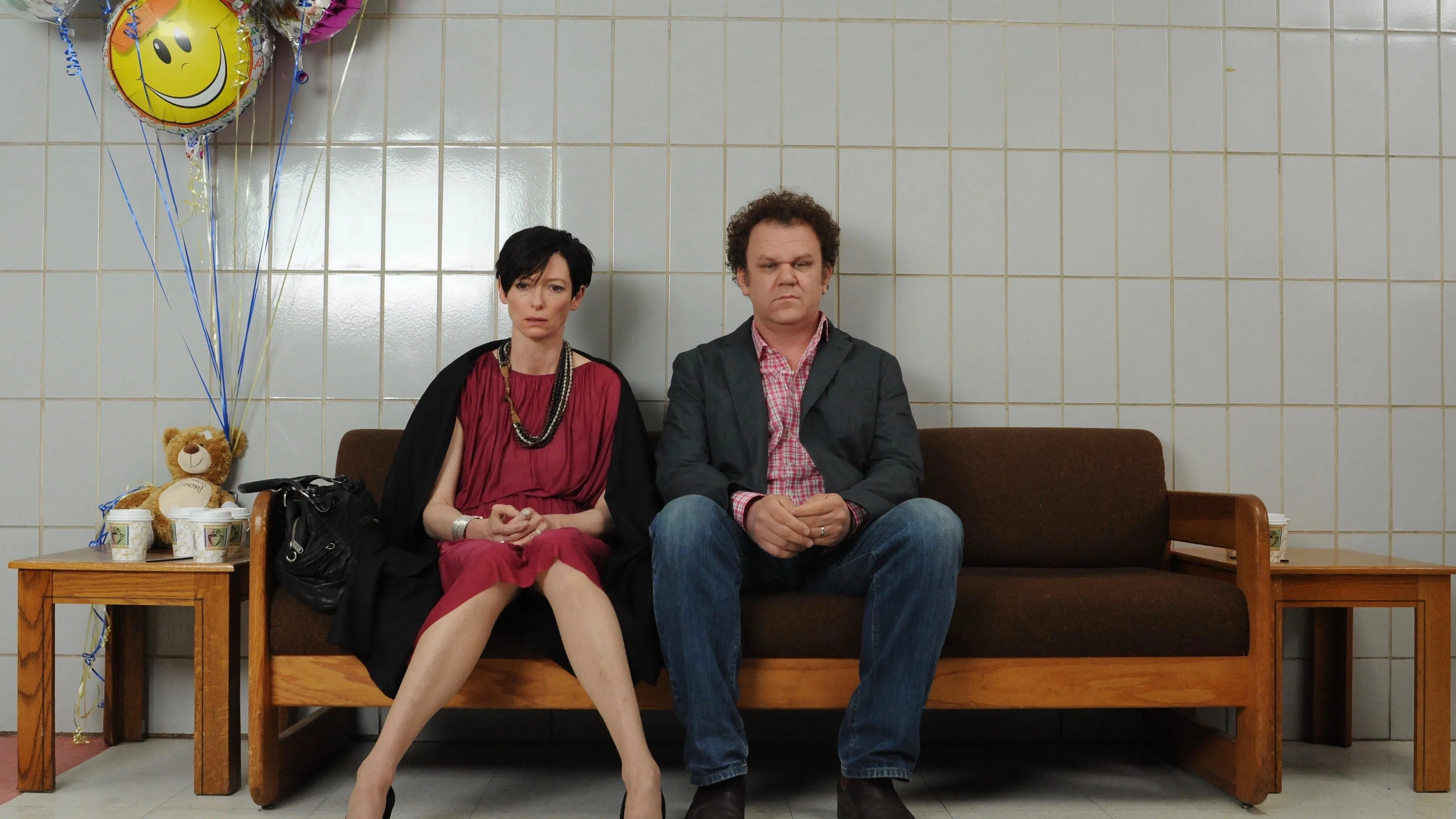
The film's visual language uses color to mark temporal shifts, the bright reds of tomatoes and paint becoming associated with violence, creating aesthetic where ordinary objects feel threatening. Ramsay shows Eva's complete social isolation after the massacre, her neighbors attacking her house and her job firing her, examining how communities blame mothers for their children's crimes while giving fathers a pass. It succeeds because Ramsay makes the question of Kevin's origins deliberately unsolvable, forcing viewers to confront their own beliefs about evil and responsibility, showing how motherhood becomes site where women are held accountable for outcomes they can't control, that even if Kevin's violence was inevitable, society will blame Eva for failing to prevent it, leaving her destroyed by guilt that might or might not be justified.
— The Cinéprism
Keep reading
31 / 08 / 2026 · 391 reads
10 Best Endings in Film
A curated list of 10 unforgettable movie endings that leave a lasting impact long after the credits roll.
05 / 09 / 2026 · 225 reads
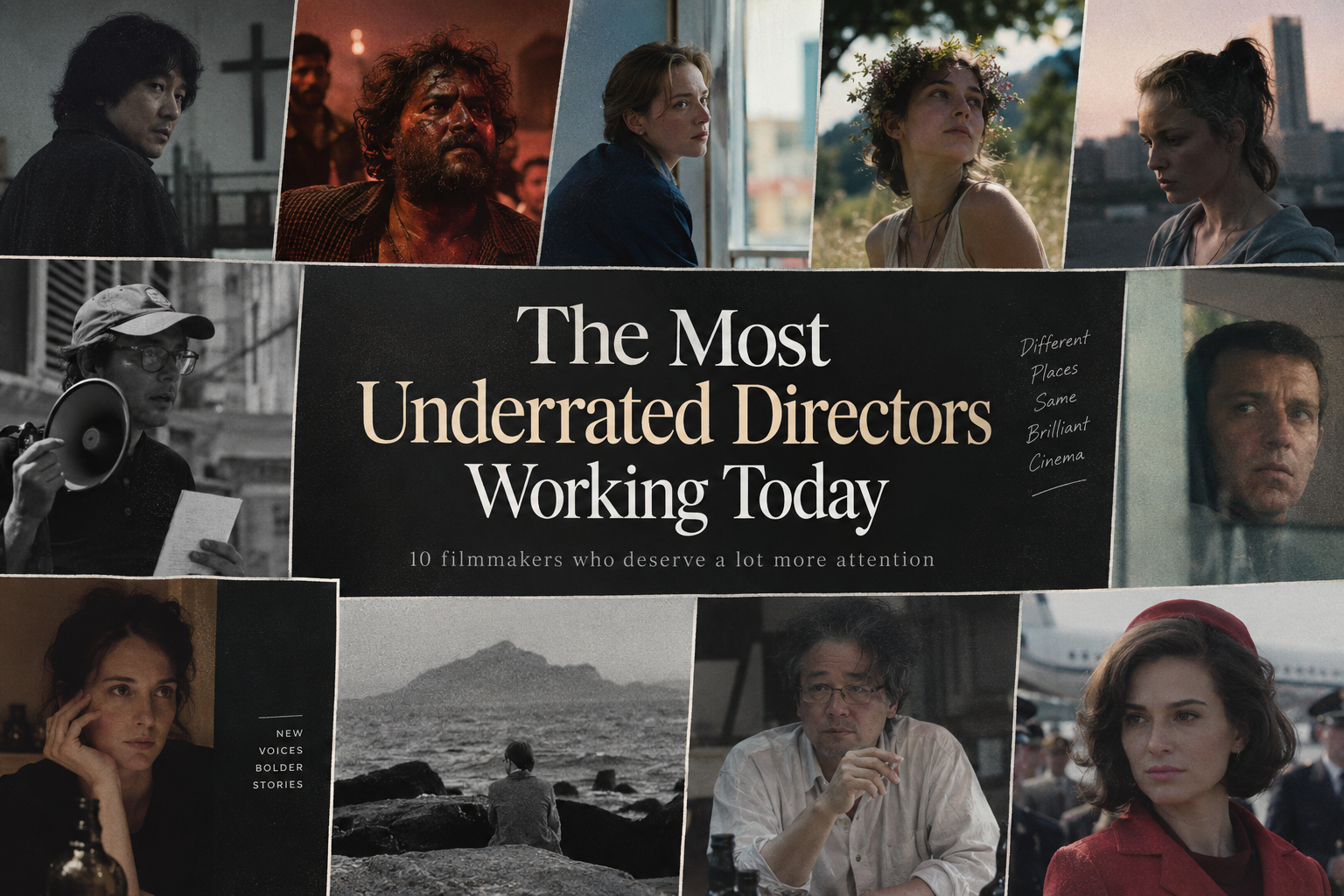
The Most Underrated Directors Working Today
A look at 10 brilliant filmmakers who deserve far more attention, from Kiyoshi Kurosawa and Lijo Jose Pellissery to Alice Rohrwacher and Pablo Larraín.