
Dispatch — Long Read
Top 15 Indian Films you could stream on PrimeVideo
Essential Indian cinema that redefines what regional filmmaking can achieve.
The Cinéprism
09 / 11 / 2025 · 19 min read
1. 🎬Gali Guleiyan (2017)
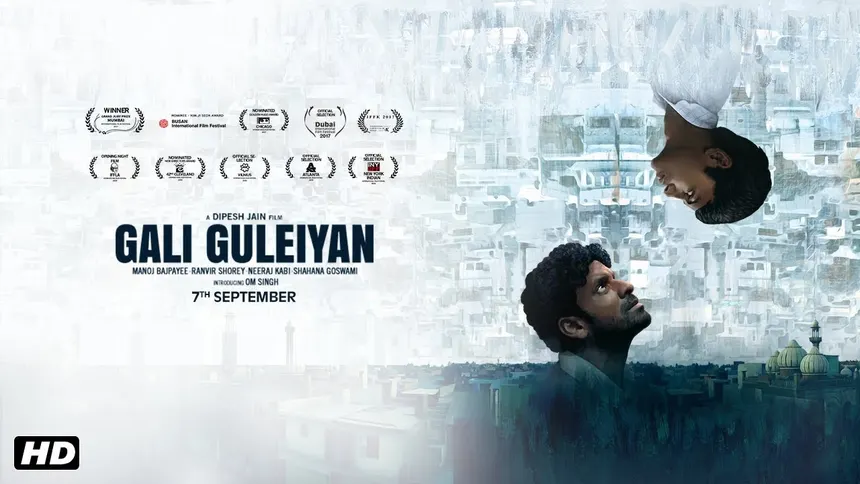
Khuddoos is a man trapped, not just within the narrow gullies where he has lived his entire life, but within the maze of his own deteriorating mind. When he hears what he believes to be child abuse in a neighboring home, his obsession with saving the boy becomes tangled with memories of his own traumatic past. Jain's debut feature is an uncompromising portrait of mental illness, one that refuses to romanticize or simplify the experience of someone whose grip on reality is slipping. The film's visual language mirrors its protagonist's state of mind: walls seem to close in, passages lead nowhere, and the distinction between memory and present moment dissolves until we, too, are lost in the labyrinth.
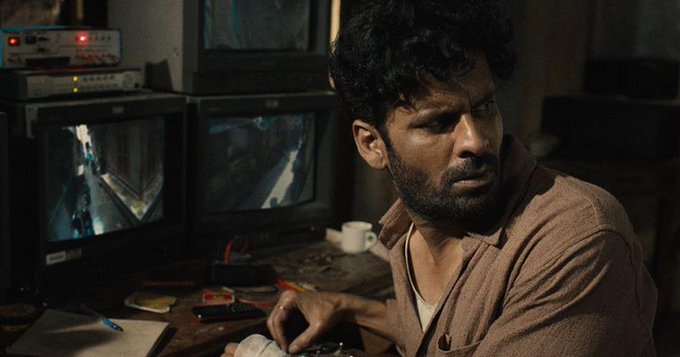
Manoj Bajpayee delivers one of the most courageous performances of his career, embodying a man whose loneliness has calcified into paranoia and whose desire to help others stems from his inability to help himself. He makes Khuddoos simultaneously pathetic and dignified, monstrous and deeply sympathetic. The supporting cast, including Ranvir Shorey and Neeraj Kabi, navigate their roles with sensitivity, understanding that they exist both as real people and as projections of Khuddoos's fractured psyche. Jain's direction is suffocatingly intimate, using handheld cameras and tight framing to trap us inside Khuddoos's experience. The sound design layers whispers, footsteps, and ambient noise into a cacophony that mirrors mental disturbance. Gali Guleiyan is not an easy watch, nor should it be. It's a film that demands we confront the reality that mental illness is not poetic or redemptive, but isolating and terrifying, and that sometimes the most dangerous prisons are the ones we build inside ourselves.
2. 🎬Karwaan (2018)

When a mix-up with bodies leads Avinash, a disillusioned IT worker, to transport the wrong corpse, he embarks on a journey across South India with Shaukat, a quirky garage owner, and Tanya, a rebellious teenager dealing with her own loss. What could have been a simple comedy of errors transforms into something far more tender: a meditation on how strangers can become family when bound by the weight of mourning. Khurana's direction understands that healing doesn't happen in grand epiphanies but in the quiet moments between destinations, in shared silences and unexpected laughter. The film uses its road trip structure not as a backdrop for adventure, but as a metaphor for emotional journeys we take when forced to confront what we've been avoiding.
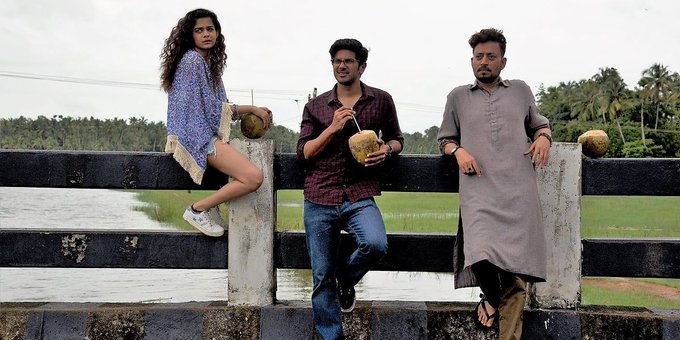
Dulquer Salmaan brings a weary charm to Avinash, a man who has settled into numbness until circumstance demands he feel again. Irrfan Khan, in one of his final performances, infuses Shaukat with such warmth and eccentricity that every scene he inhabits feels like a gift. Mithila Palkar's Tanya provides the film's emotional anchor, her grief raw and unpolished in ways that feel achingly real. The chemistry between the trio is natural and unforced, their banter never feeling scripted but lived-in. Khurana never rushes the emotional beats, allowing the characters to arrive at understanding in their own time. The film's gentle humor serves not to diminish the sadness but to show how joy and sorrow can coexist. Karwaan is ultimately about learning that carrying the dead is easier when you're not doing it alone, and that sometimes the wrong journey takes you exactly where you need to be.
3. 🎬Asuran (2019)
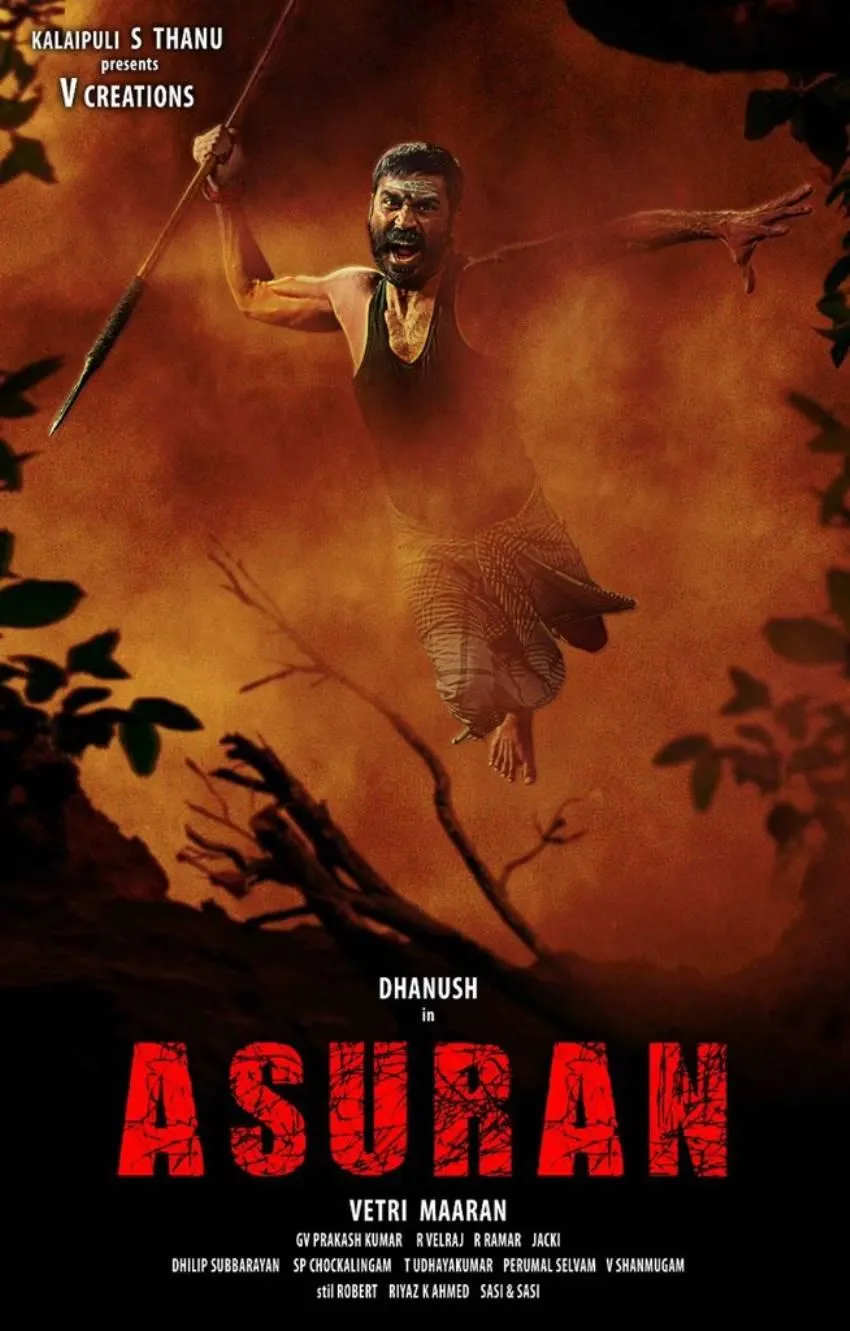
Set in the arid landscapes of rural Tamil Nadu, Asuran follows Sivasamy, a farmer whose family becomes the target of a powerful landlord's vengeance after his son kills the landlord's sibling in self-defense. What unfolds is not a simple revenge thriller but a generational examination of how systemic oppression perpetuates cycles of violence, how dignity is constantly negotiated at the cost of survival, and how resistance, no matter how justified, comes with unbearable consequences. Vetrimaaran crafts a narrative that is both intimate and epic, grounding the political in the deeply personal as Sivasamy's past as a revolutionary slowly reveals itself, showing us a man who tried to escape violence only to have it hunt down his children.
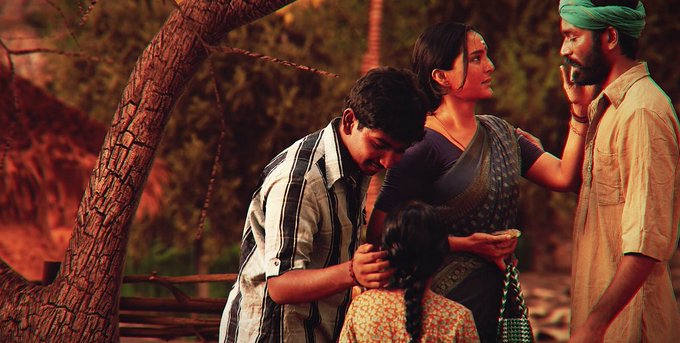
Dhanush delivers a towering performance, embodying both the weathered patience of a man who has learned to bow his head and the volcanic rage of someone who has suffered too much for too long. His physicality shifts between scenes: stooped and cautious in one moment, explosive and terrifying in the next. The supporting cast, particularly Manju Warrier as Sivasamy's wife, brings raw authenticity to roles that could have been one-dimensional. Vetrimaaran's direction is unflinching, capturing violence not with stylization but with brutal honesty that makes every blow feel consequential. The film's color palette of dusty browns and blood reds mirrors the harsh realities of its world. Asuran refuses catharsis; it understands that in a system designed to crush the oppressed, victory is often just another word for survival, and freedom is something that must be fought for again and again, generation after generation.
4. 🎬Avane Srimannarayana (2019)

Set in the fictional town of Amaravathi during the 1980s, the film follows a corrupt cop who stumbles upon a treasure hunt that involves a centuries-old mystery, feuding gangsters, and a curse that threatens the entire region. What makes Avane Srimannarayana remarkable is its refusal to be confined by conventional storytelling; it's part Western, part fantasy, part comedy, and entirely its own beast. Director Sachin Ravi constructs a universe that feels both grounded in rustic authenticity and heightened by mythological grandeur, where every frame bursts with color, movement, and visual invention. The film's tone shifts seamlessly from slapstick humor to genuine menace, from romantic longing to epic confrontation, all held together by sheer audacity.
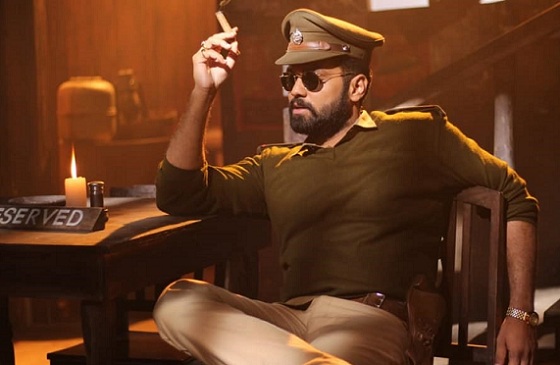
Rakshit Shetty dominates the screen as the titular character, a morally ambiguous protagonist whose charm lies in his unabashed self-interest and quick wit. He inhabits the role with such ease that even when the character is at his most despicable, we can't help but root for him. The production design is extraordinary, creating a world that feels lived-in yet fantastical, where ancient temples coexist with ramshackle police stations. The action choreography is inventive and kinetic, favoring practical stunts over CGI excess. What truly elevates the film is its understanding that spectacle without character is hollow; every set piece, no matter how elaborate, serves the narrative and reveals something about the people within it. Avane Srimannarayana is a testament to what regional cinema can achieve when ambition meets craftsmanship, a film that dares to dream big and delivers on almost every promise.
5. 🎬C U Soon (2020)
Unfolding entirely through computer screens, phone cameras, and video calls, C U Soon follows Jimmy, a young man in Dubai whose online romance with a mysterious woman takes a dark turn when she goes missing. His cousin, a tech-savvy banker, attempts to uncover the truth by piecing together digital breadcrumbs, surveillance footage, and encrypted messages. What could have been a gimmicky experiment becomes a masterclass in narrative tension, as Narayanan uses the screen-life format not as a limitation but as a storytelling tool that mirrors our current reality where intimacy, danger, and identity all exist in digital spaces. The film understands that in the age of screens, we perform versions of ourselves, and truth becomes as malleable as a filtered photograph.
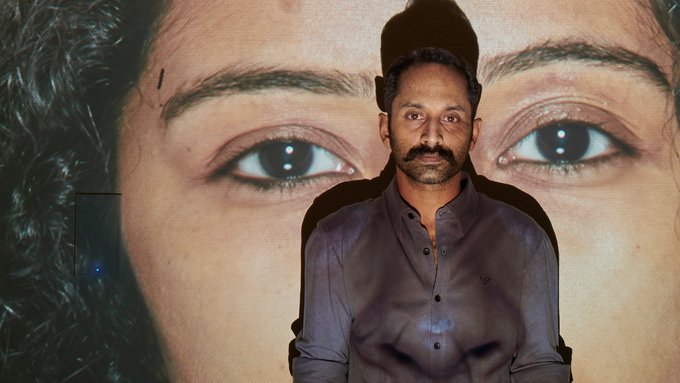
Roshan Mathew brings vulnerability and desperation to Jimmy, a character whose naivety makes him both sympathetic and frustrating. Fahadh Faasil, as the investigating cousin, grounds the film with his methodical intensity, making the act of scrolling through messages as suspenseful as any chase sequence. Darshana Rajendran is revelatory, navigating between different personas with such skill that we're never quite sure where performance ends and authenticity begins. Narayanan's editing is surgical, maintaining breakneck pacing while ensuring every revelation lands with maximum impact. The film's sound design deserves particular praise; notification pings and typing sounds become instruments of dread. C U Soon is ultimately about how technology has fundamentally altered the nature of trust, showing us that the people we think we know through screens may be the ones we understand least of all.
6. 🎬Nayakan (1987)
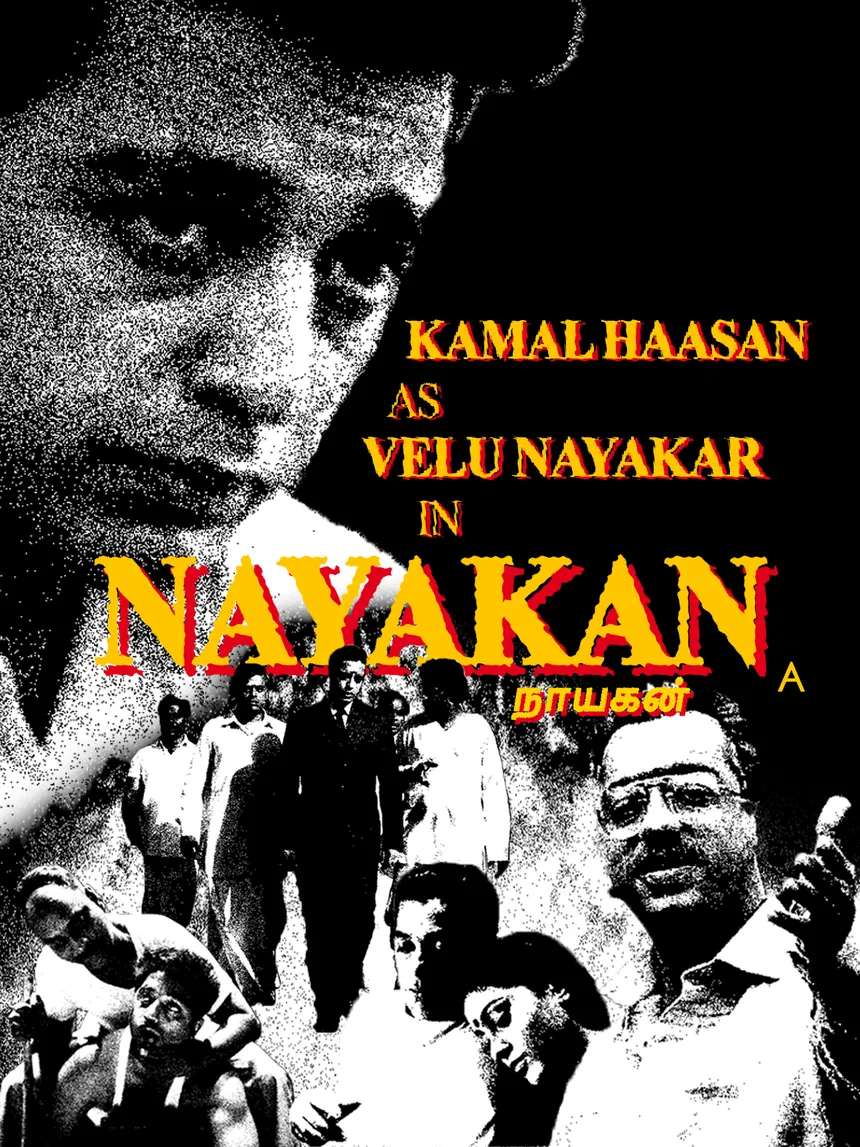
Spanning four decades, Nayakan chronicles the rise of Velu Naicker from a boy fleeing police brutality to becoming the most powerful don in Mumbai's Dharavi slum. Inspired by the life of real-life gangster Varadarajan Mudaliar and echoing The Godfather's structure, Mani Ratnam's film is both a genre exercise and a profound meditation on power, morality, and the price of protection. What distinguishes Nayakan from countless other crime films is its refusal to glorify Velu's transformation; instead, it shows how circumstances and systemic failures create men like him, how slums need godfathers precisely because the state has abandoned its responsibilities, and how respect gained through fear is never truly respect at all.
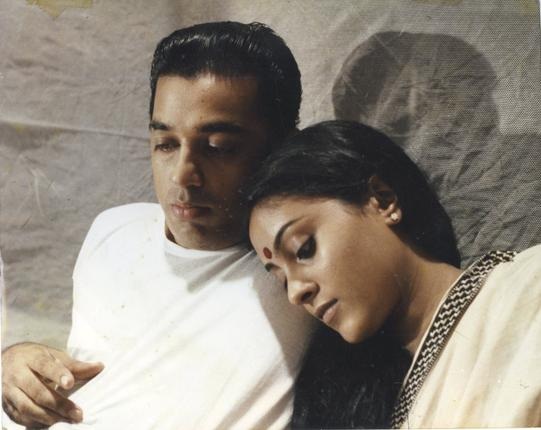
Kamal Haasan delivers a towering, career-defining performance across three distinct life stages, from the rage-filled youth to the calculating middle-aged don to the weary patriarch confronting his legacy. His physical transformation is remarkable, but it's the emotional evolution that stuns, showing how power both strengthens and corrodes, how violence necessary for survival becomes habit, and how a man who wanted only to protect his community becomes the very thing he once fought against. The supporting cast, particularly Saranya Ponvannan as Velu's wife, brings humanity to roles that could have been mere functions of plot. Ratnam's direction is assured and ambitious, shooting Dharavi not as a backdrop but as a character itself, its narrow lanes and close-packed humanity both womb and prison. The film's music by Ilaiyaraaja operates as emotional commentary, with the iconic theme becoming synonymous with tragic grandeur. Nayakan's final scenes, where Velu confronts his daughter who has become a police officer, crystallize the film's central tragedy: that the protection he offered came at the cost of perpetuating the very cycle of violence he sought to escape. It's a film that asks whether justice is possible in a system designed to fail the poor, and whether men who build empires on violence can ever truly be called heroes, no matter how noble their intentions began.
7. 🎬Jai Bhim (2021)
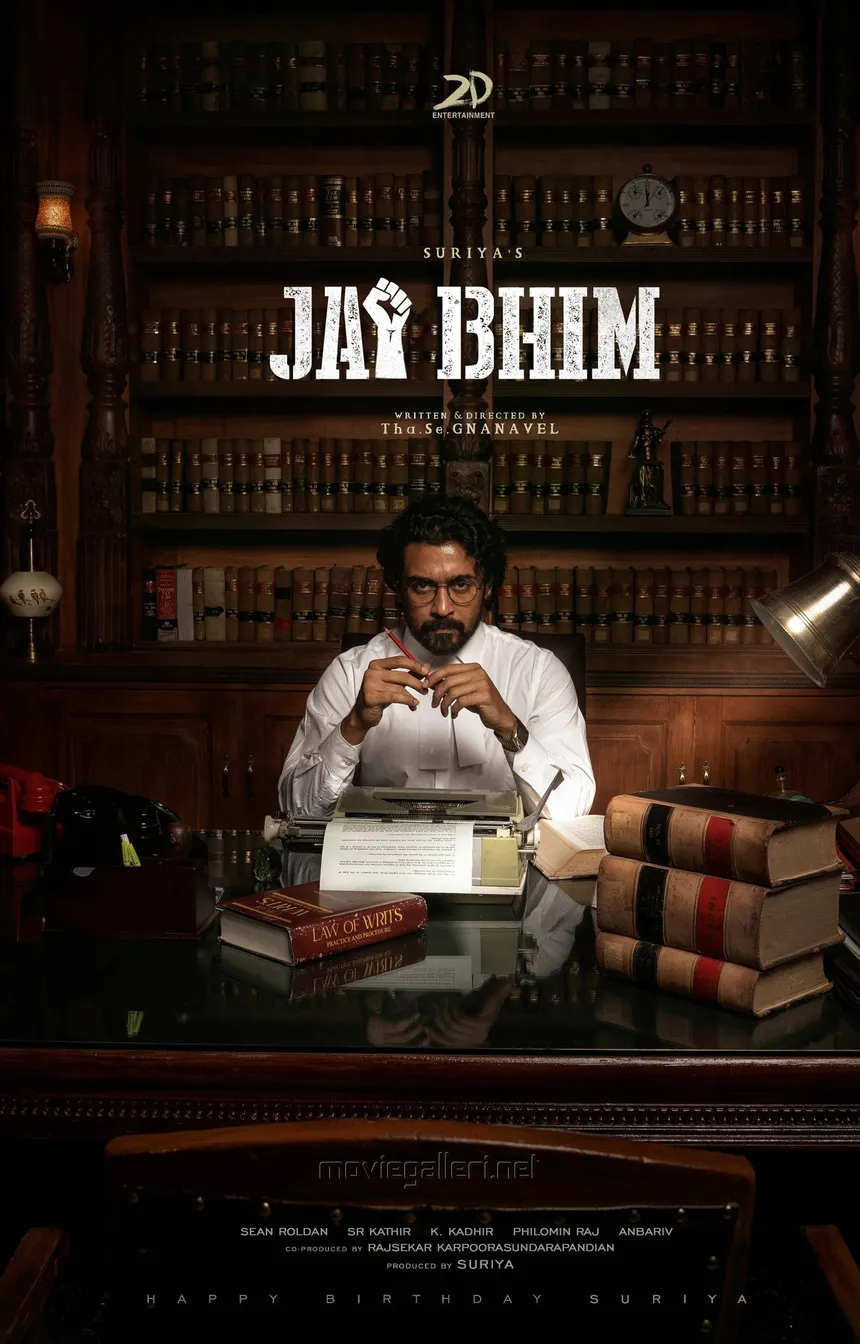
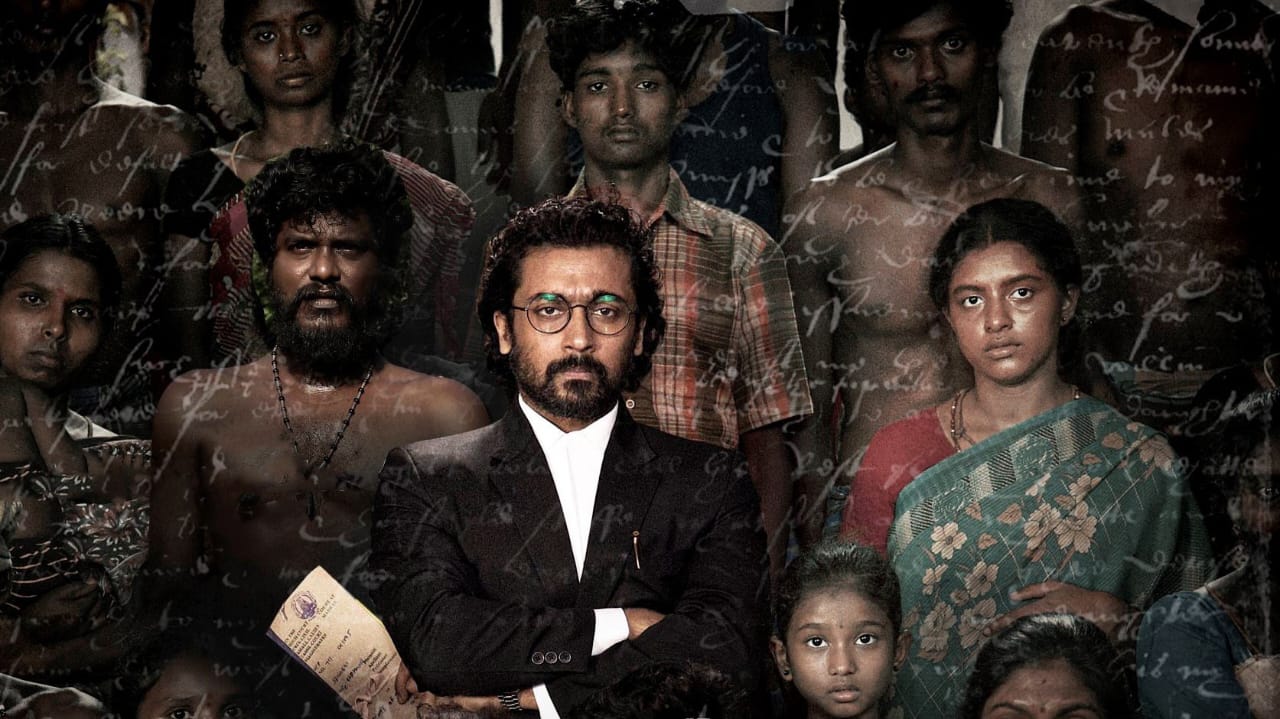
Based on true events from 1993, Jai Bhim follows Senggeni, a tribal woman from the Irular community, whose husband vanishes after being taken into police custody. When the authorities claim he escaped, she seeks help from Chandru, an activist lawyer committed to fighting for the marginalized. What unfolds is not just a courtroom drama but a searing examination of how the Indian justice system perpetuates caste-based violence, how the vulnerable are made invisible by institutions meant to protect them, and how one person's fight for truth can expose systemic rot. Gnanavel's direction is uncompromising in its portrayal of police brutality, never looking away from the horror while maintaining the humanity of those who suffer it.
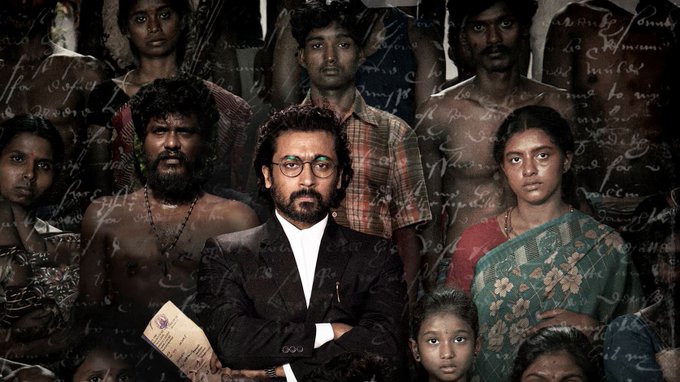
Suriya delivers a career-defining performance as Chandru, balancing righteous anger with strategic intelligence, embodying a man who understands that fighting for justice requires both moral clarity and tactical precision. His courtroom scenes crackle with controlled fury, each argument building not just a legal case but a moral one. Lijomol Jose, as Senggeni, brings devastating authenticity to a role that could have been reduced to victimhood; instead, she portrays a woman whose strength lies not in defiance but in her refusal to accept lies as truth. The film's cinematography contrasts the warm, earthy tones of the Irular community with the cold, institutional grays of police stations and courtrooms, visually reinforcing the distance between humanity and bureaucracy. Gnanavel doesn't offer easy resolutions; even victory comes with the weight of what has been lost. Jai Bhim succeeds because it understands that justice, when it finally arrives, can never truly compensate for the violence inflicted, but the fight for it remains essential nonetheless.
8. 🎬Jersey (2019)
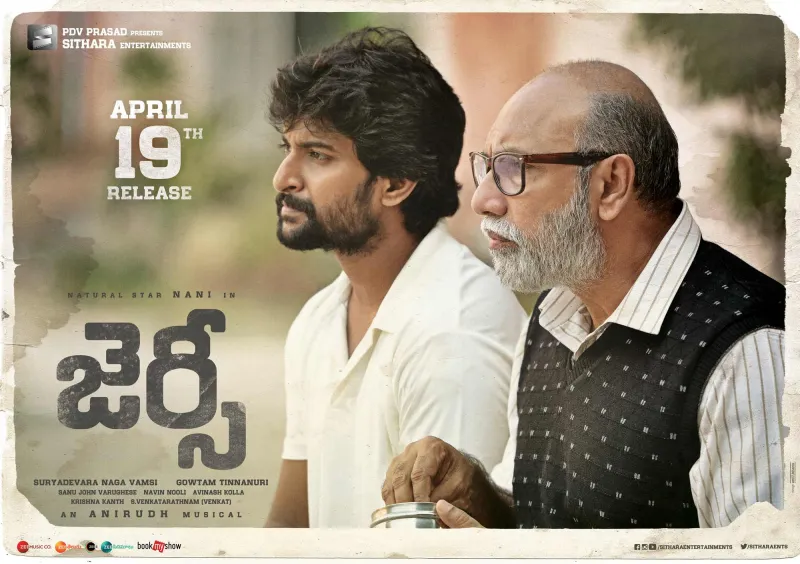
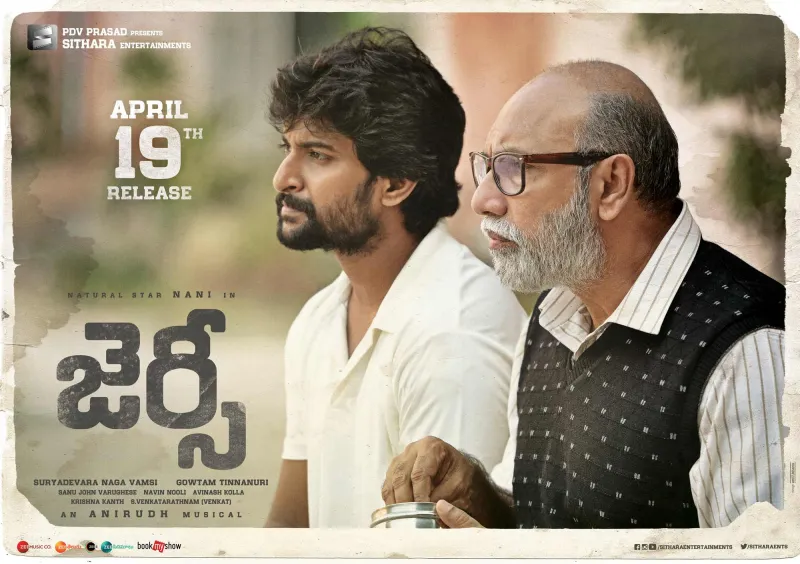
Arjun is a washed-up cricketer in his mid-thirties, living off his wife's income and suffocating under the weight of unfulfilled potential. When his young son asks for a cricket jersey, the simple request reignites a flame Arjun thought had been extinguished, pushing him to attempt the impossible: a comeback to professional cricket at an age when most athletes have long retired. Tinnanuri's film is remarkable for its refusal to indulge in sports movie clichés; this is not a story of triumphant underdog victory but a meditation on what it means to confront your failures, to fight for dignity when society has written you off, and to prove something to yourself even when the world has stopped watching.
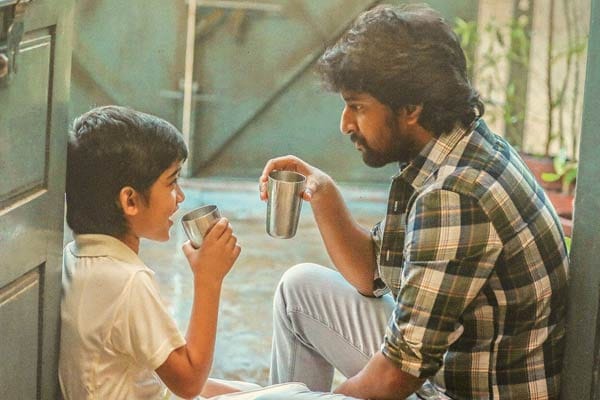
Nani delivers the performance of his career, shedding his usual charm to embody a man hollowed out by disappointment and self-loathing. His physical transformation is striking, but it's the emotional vulnerability he brings to Arjun that makes the character unforgettable. The way he can't meet his son's eyes, the shame that clouds every interaction with his wife, the desperate hunger that drives him back to the pitch. These are not actorly flourishes but lived-in truths. The cricket sequences are shot with visceral intensity, but Tinnanuri is more interested in the man than the sport, in what it costs to chase a dream when you've already lost once. The relationship between Arjun and his son provides the film's emotional core, reminding us that redemption is not always about winning but about becoming someone your child can be proud of. Jersey leaves you shattered, not because it manipulates emotion but because it earns every tear through its honest examination of regret, hope, and the courage it takes to try again.
9. 🎬Joji (2021)

Joji is the youngest son of a wealthy plantation owner, a college dropout whose family regards him with thinly veiled contempt. When his domineering father suffers a stroke, Joji sees an opportunity to claim what he believes is rightfully his, but greed and ambition quickly spiral into something far darker. Pothan's adaptation is not interested in grand theatrical gestures; instead, it finds horror in the mundane, in the slow poisoning of familial bonds, in the way ordinary spaces become sites of unspeakable acts. The film's atmosphere is one of creeping dread, where every silence feels loaded with menace and every interaction carries the potential for violence.
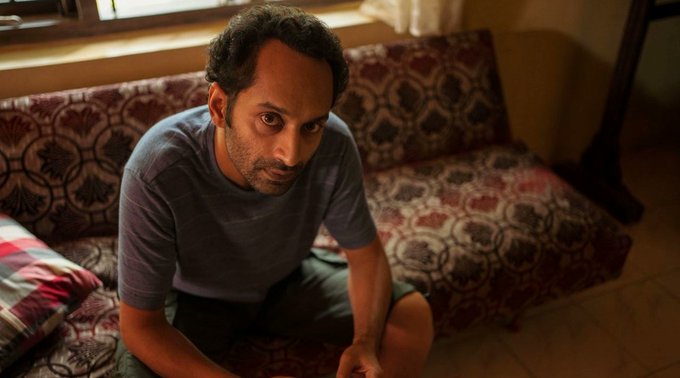
Fahadh Faasil is mesmerizing, playing Joji not as a villain but as a pathetic, seething man-child whose desperation makes him dangerous. His performance is almost entirely internal; Joji rarely raises his voice, but Faasil makes visible the calculations happening behind his eyes, the constant measuring of risks and opportunities. The supporting cast, including Baburaj as the pragmatic eldest brother and Unnimaya Prasad as a daughter-in-law caught in the family's dysfunction, create a convincing ecosystem of resentment and suspicion. Shyju Khalid's cinematography bathes everything in sickly greens and muted blues, making the lush landscape feel oppressive rather than beautiful. Pothan's pacing is deliberately slow, allowing tension to accumulate until the atmosphere becomes almost unbearable. Joji works because it understands that true evil rarely announces itself with fanfare; it festers in ordinary homes, among ordinary people, until suddenly the unthinkable becomes inevitable.
10. 🎬Jyeshthoputro (2019)
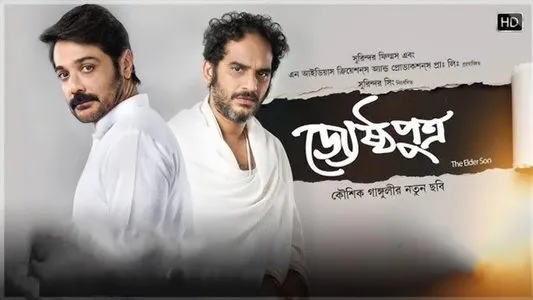
Indrajit is the eldest son, a successful businessman living in Kolkata, who returns to his ancestral village when his father falls gravely ill. What begins as a dutiful homecoming becomes a reckoning with everything he has left behind, his aging parents, his responsibilities as the eldest, and the life he might have lived had he stayed. Ganguly's film is a quiet meditation on the concept of "jyeshthoputro", the eldest son, and the crushing weight of expectations that come with that title in Bengali culture. It understands that love and resentment are not opposites but often coexist in the complicated relationships between parents and children, especially when duty demands we sacrifice our own desires.
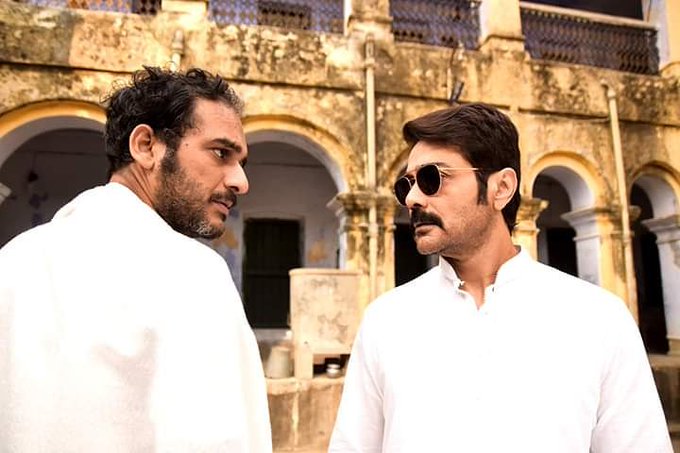
Prosenjit Chatterjee anchors the film with a performance of remarkable restraint, portraying a man who has achieved worldly success but cannot escape the pull of familial duty. His interactions with his parents, played with heartbreaking authenticity by Sudipta Chakraborty and Paran Bandopadhyay, capture the painful distance that grows between generations even as physical proximity returns. Ganguly's direction is deliberately unhurried, allowing scenes to unfold in real time, letting silence speak as loudly as dialogue. The film's cinematography captures the fading grandeur of the family home, each frame a reminder of time's passage and decay. What makes Jyeshthoputro particularly moving is its refusal to judge; it doesn't condemn Indrajit for leaving nor glorify his return. Instead, it presents the complexity of choice, showing that sometimes there are no right answers, only the difficult task of living with the decisions we make. It's a film that will resonate with anyone who has struggled between personal ambition and family obligation, between the life we want and the life others expect of us.
11. 🎬Kadambari (2015)

Kadambari tells the story of Kadambari Devi, the sister-in-law of Nobel laureate Rabindranath Tagore, and their intense, ambiguous relationship that ended with her mysterious suicide at age 25. Suman Ghosh approaches this delicate material with remarkable nuance, refusing to sensationalize or definitively answer the questions that have intrigued scholars for over a century. Instead, he creates an impressionistic portrait of a brilliant woman trapped by social conventions, whose connection to the young Rabindranath existed in that undefined space between mentorship, friendship, and something society could not name. The film understands that some relationships transcend categorization, and that the most profound connections are often those that remain unspoken.Konkona Sen Sharma is luminous as Kadambari, capturing both her intellectual vitality and the suffocating constraints of her existence. She plays Kadambari not as a tragic figure but as a woman of fierce intelligence who understood precisely what society denied her, making her ultimate choice both devastating and, in its way, an assertion of agency. Parambrata Chatterjee, as the young Tagore, brings youthful intensity to a role that requires him to show both devotion and the dawning realization of something he cannot fully comprehend. Ghosh's direction is painterly, composing frames that evoke 19th-century Bengal with period-appropriate restraint while using light and shadow to suggest the emotional undercurrents beneath social propriety. The film's pace is contemplative, allowing us to inhabit the spaces between glances and the weight of words left unsaid. Kadambari succeeds because it honors the mystery rather than solving it, understanding that some stories are more powerful for what they leave unanswered, and that tragedy sometimes lies not in what happened but in what could never be.

Konkona Sen Sharma is luminous as Kadambari, capturing both her intellectual vitality and the suffocating constraints of her existence. She plays Kadambari not as a tragic figure but as a woman of fierce intelligence who understood precisely what society denied her, making her ultimate choice both devastating and, in its way, an assertion of agency. Parambrata Chatterjee, as the young Tagore, brings youthful intensity to a role that requires him to show both devotion and the dawning realization of something he cannot fully comprehend. Ghosh's direction is painterly, composing frames that evoke 19th-century Bengal with period-appropriate restraint while using light and shadow to suggest the emotional undercurrents beneath social propriety. The film's pace is contemplative, allowing us to inhabit the spaces between glances and the weight of words left unsaid. Kadambari succeeds because it honors the mystery rather than solving it, understanding that some stories are more powerful for what they leave unanswered, and that tragedy sometimes lies not in what happened but in what could never be.
12. 🎬Kavaludaari (2019)

When human remains are discovered during roadwork in Bangalore, traffic cop Shyam becomes obsessed with solving what appears to be a decades-old murder case that no one else cares about. His investigation, aided by a retired criminal investigator, slowly unearths a conspiracy that powerful people would prefer remained buried. Hemanth M. Rao constructs his thriller with patience and precision, understanding that true suspense comes not from manufactured twists but from the methodical accumulation of evidence and the gradual revelation of truth. The film operates in the space between past and present, showing how crimes echo across time and how justice delayed is often justice denied to those without voice or power.
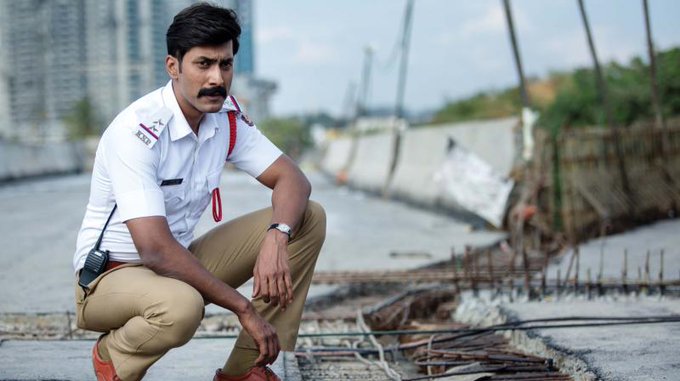
Rishi brings earnest determination to Shyam, a man whose obsession with solving a cold case stems from a deeper need to prove his worth in a system that treats him as insignificant. His chemistry with Anant Nag, playing the retired investigator with weary wisdom, forms the film's emotional backbone. Their relationship becomes a meditation on mentorship, on passing knowledge from one generation to the next, on the responsibility that comes with witnessing injustice. Rao's direction favors substance over style, shooting contemporary Bangalore with documentary-like realism while using sepia tones and period-appropriate details for flashbacks. The screenplay is intelligently structured, parceling out information with strategic precision while maintaining character depth. What elevates Kavaludaari beyond genre exercise is its underlying humanism; it insists that every victim deserves investigation, every death deserves acknowledgment, and that the work of seeking truth matters even when the world has moved on. It's a reminder that history is not just what we choose to remember but also what we choose to forget.
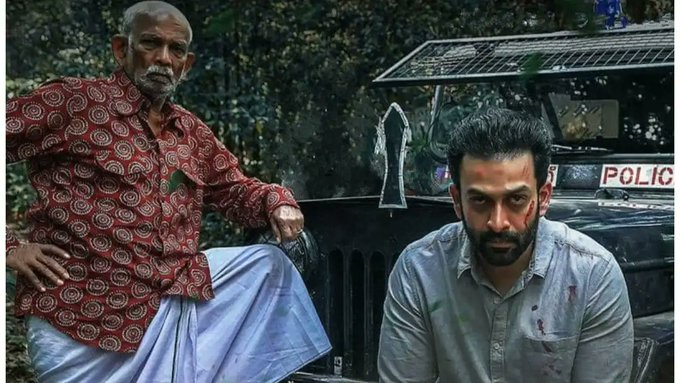
13. 🎬Kuruthi (2021)
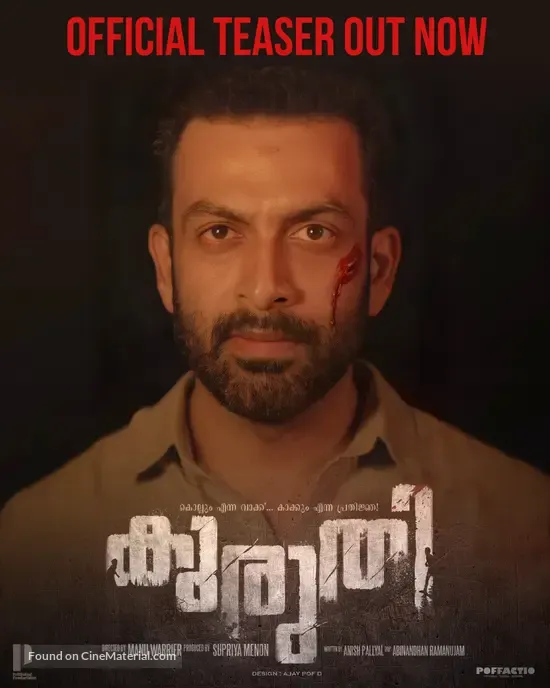
On a stormy night in a remote area of Kerala, several strangers converge in a house, seeking shelter or harboring ulterior motives. Among them are members of different religious communities, and when a wounded man arrives claiming to be fleeing mob violence, tensions that have been simmering beneath polite civility explode into something far more dangerous. Warrier's directorial debut is audacious in its ambitions, attempting nothing less than a real-time examination of how propaganda, prejudice, and circumstance can transform ordinary people into potential killers. The film's theatrical structure, with its limited space and compressed timeline, creates an atmosphere of mounting claustrophobia where every word becomes a potential spark.
On a stormy night in a remote area of Kerala, several strangers converge in a house, seeking shelter or harboring ulterior motives. Among them are members of different religious communities, and when a wounded man arrives claiming to be fleeing mob violence, tensions that have been simmering beneath polite civility explode into something far more dangerous. Warrier's directorial debut is audacious in its ambitions, attempting nothing less than a real-time examination of how propaganda, prejudice, and circumstance can transform ordinary people into potential killers. The film's theatrical structure, with its limited space and compressed timeline, creates an atmosphere of mounting claustrophobia where every word becomes a potential spark.
14. 🎬Maaveeran (2023)
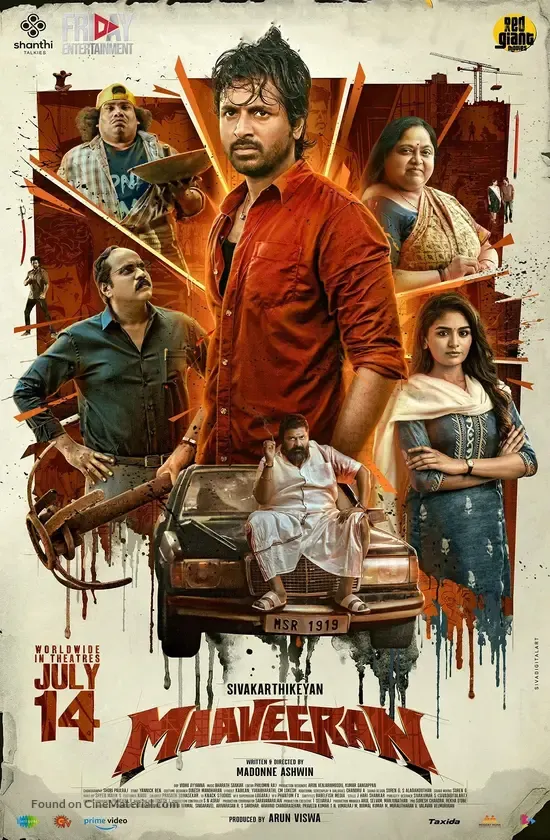
Sathya is a timid cartoonist who suddenly begins hearing a voice in his head, a voice that narrates his life like an action hero's story and pushes him to act with courage he doesn't possess. What starts as a comedy about a man's delusions gradually reveals itself as something more profound: an examination of how ordinary people find the strength to stand against systemic oppression and corruption. Madonne Ashwin's film is remarkable for how seamlessly it blends genres, moving from slapstick comedy to genuine action to social commentary without ever losing tonal coherence. The "voice" becomes both a narrative device and a metaphor for conscience, for that part of us that knows what we should do even when fear holds us back.
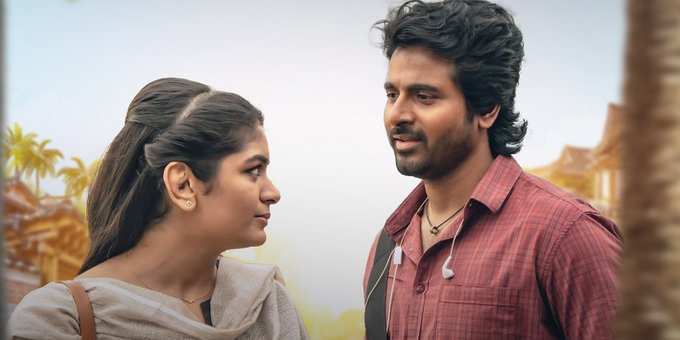
Sivakarthikeyan delivers a layered performance, initially playing Sathya's cowardice for laughs but gradually revealing the trauma and social conditioning that created it. His physical comedy is impeccable, but it's the moments of genuine fear and eventual transformation that give the performance depth. Aditi Shankar provides strong support as a fellow tenant who challenges Sathya's passivity with her own brand of pragmatic resistance. The film's visual effects serve the story rather than overwhelming it, using Sathya's comic-book illustrations to visualize his internal journey. What makes Maaveeran particularly resonant is its understanding that heroism is not innate but learned, not grand but incremental, and often born from desperation rather than nobility. The film's climax satisfies not just because of its action spectacle but because Sathya's transformation feels earned, a product of accumulating small acts of courage rather than sudden revelation. It's a superhero film that understands real superheroes don't discover powers, they discover that they've had them all along, buried beneath years of being told to stay quiet.
15. 🎬Maqbool (2003)
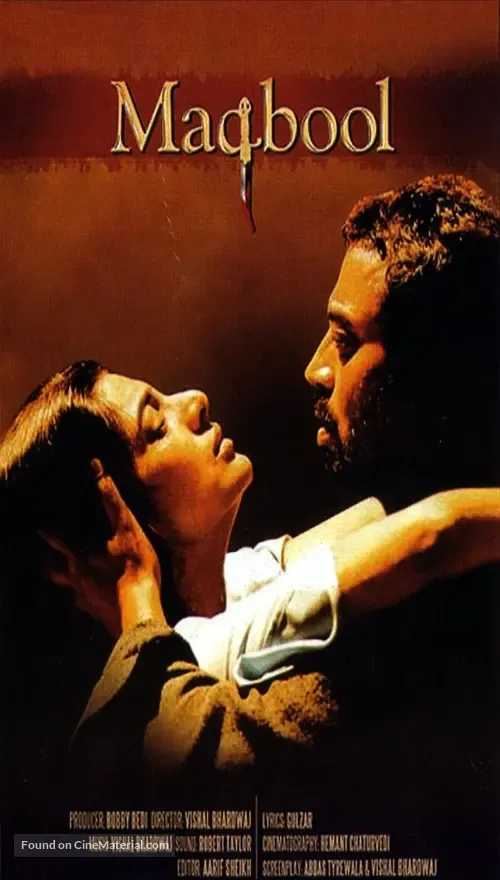
Maqbool is the trusted lieutenant of Abbaji, an aging crime lord who controls Mumbai's underworld through fear and calculation. When Nimmi, Abbaji's mistress, seduces Maqbool and plants the seeds of ambition, what follows is a inevitable descent into betrayal, murder, and psychological disintegration. Bhardwaj's adaptation is not merely faithful, it's transformative, understanding that Shakespeare's text is a framework to be inhabited rather than a museum piece to be preserved. The film finds perfect equivalents for the original's elements: corrupt policemen become the weird sisters, prophesying doom while enabling it; the suffocating hierarchy of the underworld mirrors feudal Scotland's power structures; and the cramped, shadowy spaces of Mumbai's criminal world become a kind of hell from which there is no escape.
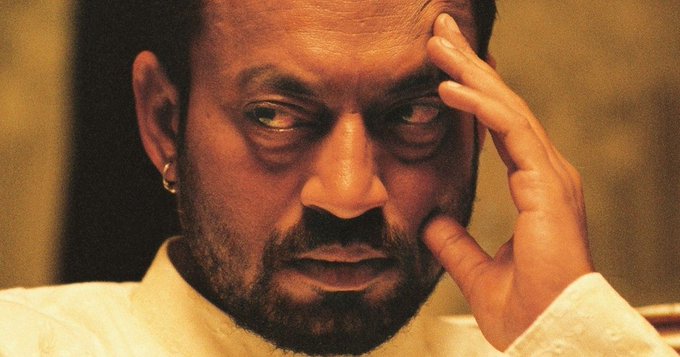
Maqbool is the trusted lieutenant of Abbaji, an aging crime lord who controls Mumbai's underworld through fear and calculation. When Nimmi, Abbaji's mistress, seduces Maqbool and plants the seeds of ambition, what follows is a inevitable descent into betrayal, murder, and psychological disintegration. Bhardwaj's adaptation is not merely faithful, it's transformative, understanding that Shakespeare's text is a framework to be inhabited rather than a museum piece to be preserved. The film finds perfect equivalents for the original's elements: corrupt policemen become the weird sisters, prophesying doom while enabling it; the suffocating hierarchy of the underworld mirrors feudal Scotland's power structures; and the cramped, shadowy spaces of Mumbai's criminal world become a kind of hell from which there is no escape.
— The Cinéprism
Keep reading
15 / 09 / 2026 · 141 reads
Top 15 Movies with Plot Twists You Might Have Missed
15 movies packed with hidden clues, subtle details, and twists that hit differently once you know what to look for.

31 / 08 / 2026 · 391 reads
10 Best Endings in Film
A curated list of 10 unforgettable movie endings that leave a lasting impact long after the credits roll.