
Dispatch — Long Read
15 Disgustingly Brilliant Movies that needs to be watched Alone!
Movies that weren't made for ordinary audiences.
The Cinéprism
08 / 11 / 2025 · 9 min read

1. 🎬Dogtooth (2009)
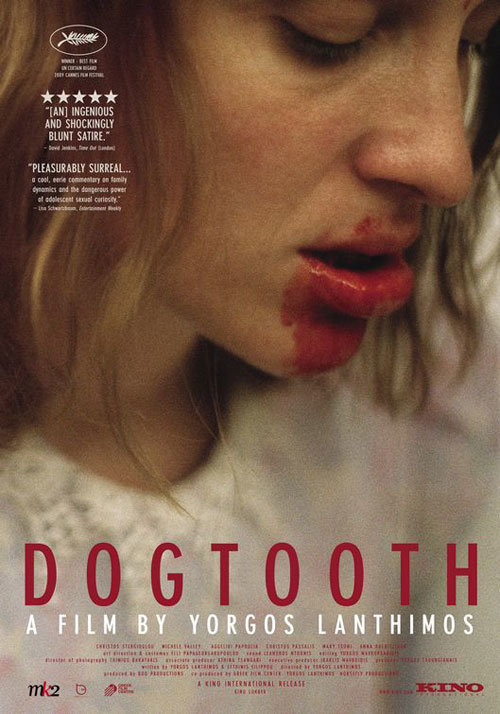
Yorgos Lanthimos delivers a chilling exploration of control and isolation in a family where sheltering becomes psychological imprisonment. The film’s clinical, deliberate pacing reflects the sterile monotony of the children’s confined world, where language is weaponized and innocence distorted. Each scene feels like a clinical case study of indoctrination and power, exposing the perverse undercurrents beneath parental love turned tyrannical. Lanthimos’s dark humor and unsettling performances create a hypnotic tension, revealing how extreme censorship warps reality. The family’s strange rituals and strange sexual dynamics are discomforting, stripping away any romanticism from the idea of protection. This is a stark and brilliant allegory about the suffocation of freedom and the consequences of blind obedience. The film leaves viewers with a haunting question about how societies create monsters from innocence. It’s a disquieting masterpiece that lingers in the mind long after the credits roll.
2. 🎬The Substance (2024)
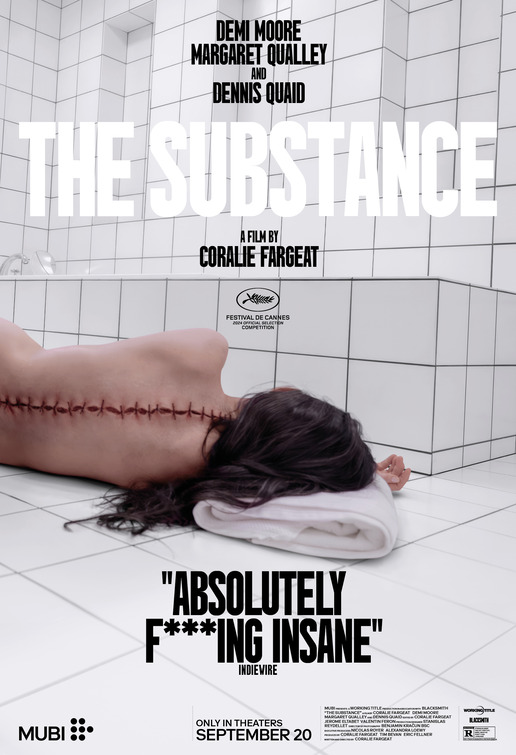
This daring body horror uses grotesque physical transformations as a metaphor for societal obsession with youth and beauty. Demi Moore leads with a fierce presence in a film that blends dark satire with visceral horror, exploring identity’s fragility in the face of external pressure. Director Coralie Fargeat pushes boundaries with striking practical effects, turning the body into a battleground of rage and survival. As the narrative unfolds, the grotesque gore contrasts sharply with moments of emotional intimacy, making the film both unsettling and profound. The film’s critique of beauty standards is sharp and biting, unafraid to confront uncomfortable truths through shocking imagery. Though polarizing for its chaotic climax, its unique vision makes it a compelling watch. The Substance forces us to question what we sacrifice in the endless pursuit of perfection and acceptance. It is as much about societal decay as it is personal transformation.
3. 🎬Irreversible (2002)
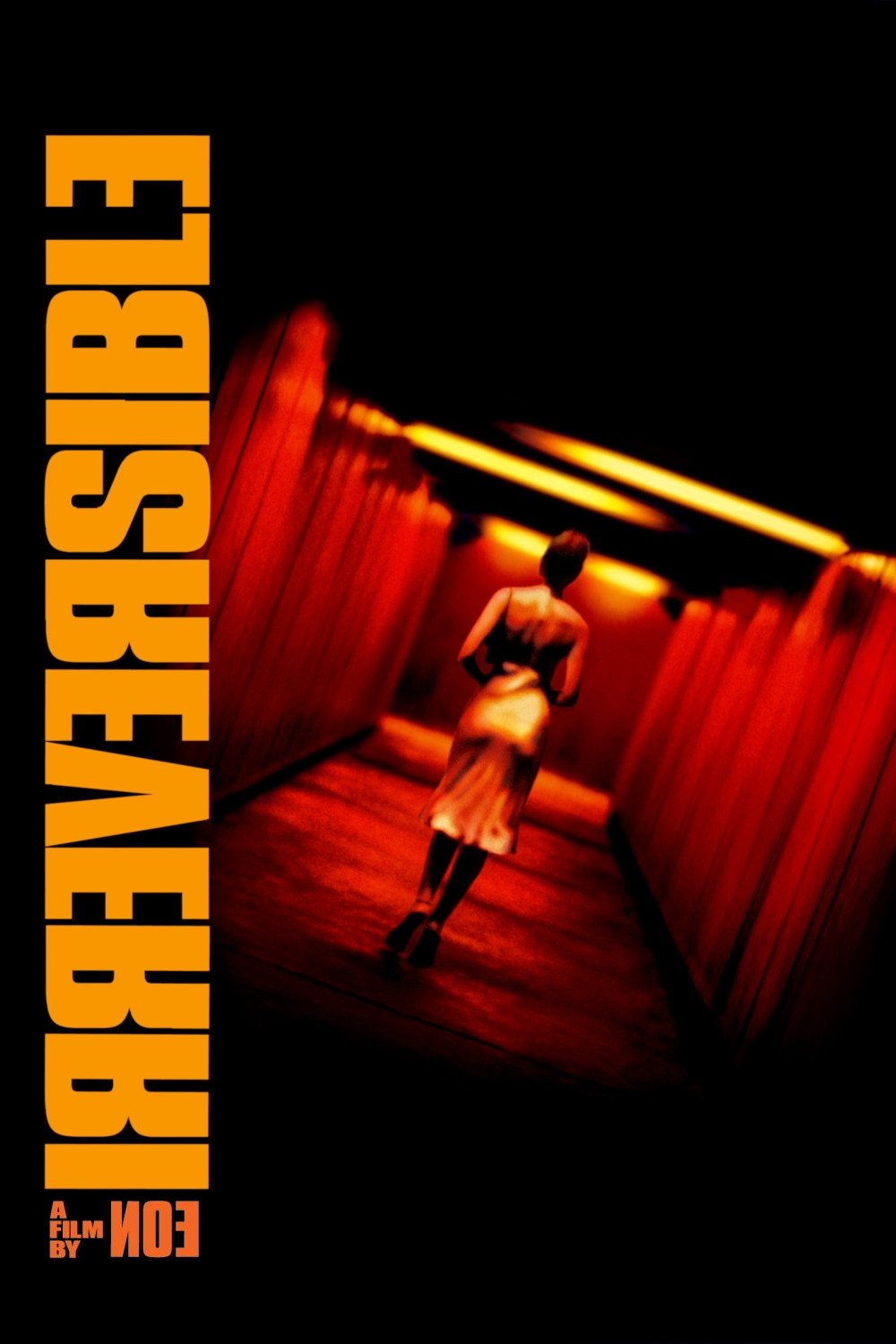
Gaspar Noé’s "Irreversible" confronts brutality head-on, immersing viewers in a fever dream of violence and retribution. Using reverse chronology, the film forces us to process trauma from its aftermath back to its cause, stripping away the spectacle often glamorizing violence. The harrowing opening assault refuses to be ignored or forgotten, demanding reflection on the realities of misogyny and male rage. Charlotte Gainsbourg delivers a fierce performance as a woman fighting for survival in utter horror. Noé’s unflinching camera work and disorienting editing intensify the emotional chaos, making the experience viscerally immediate. The film’s narrative deconstructs revenge, exposing its futility and the darkness it unleashes within its pursuers. "Irreversible" challenges the audience morally and emotionally, questioning the narratives society constructs around violence. It’s a brutal, essential film that haunts with its raw honesty.
4. 🎬A Serbian Film (2010)

A Serbian Film stands as one of cinema’s most controversial provocations, using extreme imagery to indict political and societal corruption. Its narrative frames the exploitation of a retired porn star drawn into a snuff film as an allegory for Serbia’s collective trauma and the abuse of power. The film’s relentless depiction of taboo violence is designed to shock but serves a deeper purpose: exposing depravity inflicted by those in control. Director Srđan Spasojević forces us to confront the darkest corners of human experience and government oppression. Uncompromising and divisive, the film repels as much as it compels, sparking debate about the boundaries of art and obscenity. It is not merely horror for spectacle but an indictment of systemic violence and moral collapse. Watching it feels like witnessing a personal violation on a national scale. This is cinema at its most confrontational, asking if the viewer can face the horror of reality itself.
5. 🎬Anti Christ (2009)

Lars von Trier’s "Antichrist" is a raw exploration of grief and despair manifesting as psychological horror in an isolated forest cabin. Willem Dafoe and Charlotte Gainsbourg embody a couple torn apart by the accidental death of their child, descending into madness and sadomasochistic violence. The film is sculpted into three acts reflecting stages of trauma: grief, pain, and despair, each more intense and disturbing. Von Trier’s stark and haunting visuals merge natural beauty with grotesque terror, creating a nightmare both poetic and brutal. The film’s slow burn tension and experimental style challenge viewers, refusing easy answers or comfort. Its depiction of nature as both healing and menacing forces viewers to reconsider the balance of chaos and order within human emotion. Though divisive, the film’s unfiltered portrayal of suffering and psychological collapse is unforgettable. It is a disturbing, agonizing meditation on loss and the abyss of human psyche.
6. 🎬Salo, or the 120 Days of Sodom
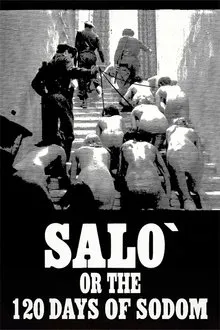
Pier Paolo Pasolini’s "Salò" remains one of cinema’s most harrowing indictments of fascism cloaked in unrelenting brutality. Set during World War II, the film depicts a horrifying regime inflicting systematic torture and degradation on youth, exposing the corrosive nature of absolute power. Through relentless and graphic spectacles, Pasolini forces viewers to confront the banality of evil, stripping away any euphemism surrounding political repression. The film’s unemotional gaze on sadism and dehumanization unsettles deeply, transforming the screen into a mirror reflecting humanity’s darkest impulses. Its political allegory transcends time, making "Salò" a timeless warning about authoritarianism’s potential to degrade both body and soul. With no respite or redemption offered, it’s an endurance test, challenging audiences to witness suffering without flinching. Pasolini’s cinematic fury exposes a world where cruelty becomes a grotesque form of entertainment and control.
7. 🎬Oldboy (2003)
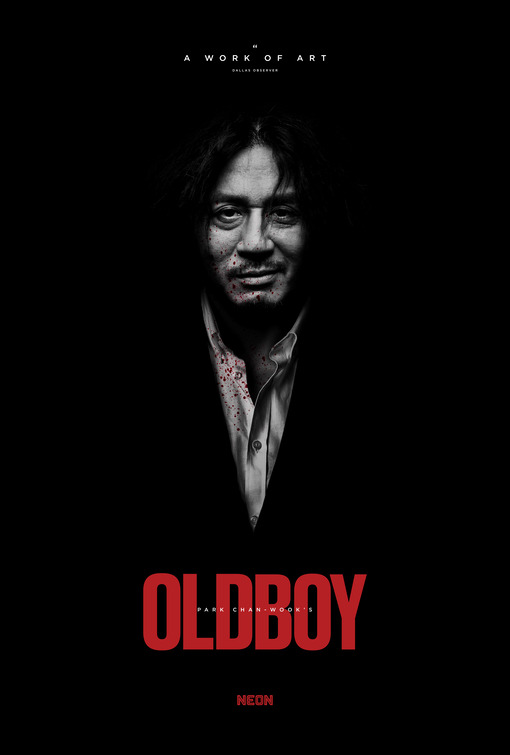
Park Chan-wook’s "Oldboy" is a masterclass in revenge drama, blending stylized action with deep psychological torment. The story follows Oh Dae-su, imprisoned mysteriously for years, who embarks on a brutal quest for answers and vengeance. Its labyrinthine plot twists shock and disturb, revealing a nightmare where past sins imprison both hunter and hunted. The film’s combat scenes, especially the iconic hallway brawl, showcase gritty elegance and raw intensity. Delving into themes of memory, identity, and the cyclical nature of violence, "Oldboy" questions what redemption means in a world of shattered truths. The performances peel back layers of pain hidden beneath vengeance’s mask. Cinematography and music augment the film’s haunting atmosphere, elevating it beyond genre trappings. The narrative’s dark poetry lingers as its most unsettling legacy—the cost of retribution imposed on both victim and villain.
8. 🎬The Dreamers (2003)

Bernardo Bertolucci’s "The Dreamers" is a lush, evocative tapestry of youthful revolt, sexual discovery, and political upheaval. Set against the backdrop of 1968 Paris, it follows three students immersed in cinematic obsession and boundary-pushing intimacy. The film fuses hedonistic pleasure with the era’s political turmoil, capturing the tension between rebellious idealism and personal awakening. Its soundtrack and visual style immerse viewers in a sensuous and nostalgic world both intoxicating and fragile. The trio’s insular games and passionate experimentation underscore a larger disconnection from society’s changing demands. Bertolucci’s direction bathes the narrative in both romanticism and skepticism, exploring how idealized freedom often collides with reality. As the film progresses, the characters face the loss of innocence and the call to confront history’s upheavals. "The Dreamers" encapsulates a generation caught between dreaming and awakening.
9. 🎬Threads (1984)
"Threads" stands as one of the most devastating portrayals of nuclear apocalypse and societal collapse ever filmed. This British drama meticulously traces the chilling consequences of nuclear war on the city of Sheffield, depicting both immediate and generational fallout. The film’s stark realism and documentary style amplify its horrifying vision of infrastructure failure, human suffering, and moral disintegration. It refuses sensationalism, instead focusing on everyday lives shattered by unprecedented catastrophe. The slow unraveling of social order and the enduring effects on survivors create a suffocating atmosphere of despair and hopelessness. The uncompromising narrative challenges viewers to confront the real cost of nuclear conflict. As bleak as it is, "Threads" serves as a grave warning and an urgent plea for awareness and peace. Its shadow extends far beyond its era, remaining powerfully relevant today.
10. 🎬Funny Games (2007)
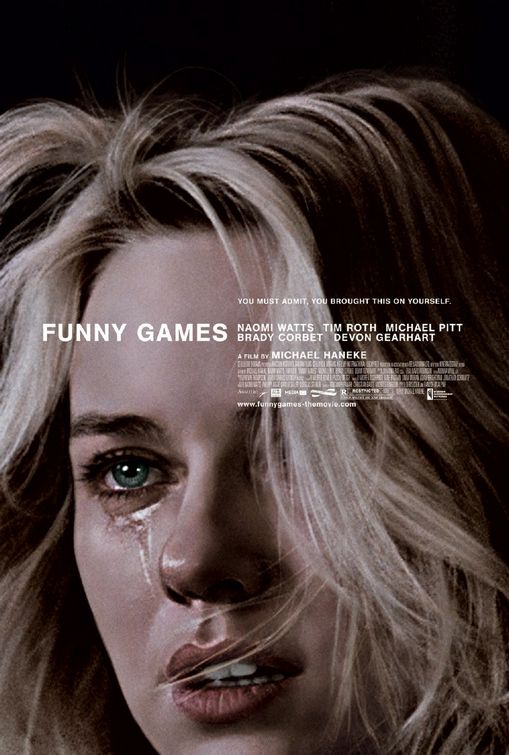
Michael Haneke’s "Funny Games" is a disarmingly polite nightmare that turns the home invasion genre inside out. The film’s polished, almost theatrical veneer heightens the terror of two white-gloved youths who methodically dismantle a family’s sense of safety. Haneke refuses catharsis, instead inviting viewers to examine their own complicity in consuming violence as entertainment. The chilling politeness of the invaders contrasts grotesquely with their cruelty, blurring lines between game and horror. The family’s helplessness is compounded by unsettling direct addresses to the audience, breaking conventional narrative boundaries. The film critiques not only violence itself but the media’s role in normalizing it, forcing an uncomfortable self-reflection. Its tension is relentless, refusing release and comfort. "Funny Games" remains a razor-sharp examination of cruelty, control, and voyeurism in modern culture.
11. 🎬Q (Desire)

Laurent Bouhnik’s "Q" sensitively navigates the blurry boundaries between physical pleasure and emotional intimacy through the young protagonist Cecile’s journey. Coping with the loss of her father, Cecile explores casual relationships and sexual experiments, trying to decipher desire’s complexities. The film’s candid and explicit scenes are balanced by an underlying narrative depth, emphasizing vulnerability over sensationalism. Bouhnik captures the restless spirit of youth—searching, confusing, and often hurtful. The film refuses judgment, portraying sexuality as a messy dance between connection and self-discovery. Its narrative is intimate and personal, inviting empathy rather than titillation. "Q" poignantly reveals how young adults wrestle with defining love in physical terms and the longing for genuine emotional bonds.
12. 🎬The Vanishing (1988)
George Sluizer’s "The Vanishing" is a masterclass in psychological horror, haunting with its portrayal of loss and obsession. The film’s sunny, warm setting contrasts deeply with the chilling disappearance at its heart, amplifying the unsettling atmosphere. Its slow-burning suspense builds around a mystery that increasingly frays sanity and hope. The unseen terror is more terrifying than any monster, embodying the unknowable void left by absence. The narrative’s precision and relentless emotional impact culminate in a shocking, unforgettable ending that defies comfort. "The Vanishing" explores how evil can manifest in the most mundane moments and places, leaving long shadows. It is a psychologically complex thriller where silence speaks volumes and dread never fades.
13. 🎬In the Realm of the Senses (1976)
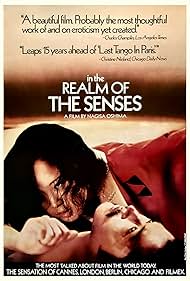
Nagisa Oshima’s "In the Realm of the Senses" is an uncompromising exploration of obsessive passion, blurring love and destruction. The film’s explicit portrayal shocked audiences worldwide, but beneath the surface lies a haunting meditation on desire’s consuming nature. Sada and her lover’s relationship unfolds as a desperate, unending ritual of physical and emotional surrender. The starkness of the cinematography enhances the intensity of their connection, making the viewer a voyeur to their spiraling fixation. Oshima refuses to moralize, instead presenting passion in its raw, elemental form. The film confronts taboos, challenging societal constraints on intimacy and autonomy. Its tragic trajectory reminds us of love’s power to liberate and annihilate alike. "In the Realm of the Senses" remains a profoundly provocative statement on human craving and the price of obsession.
14. 🎬Ravening (2019)

Bhaskar Hazarika’s "Ravening" is a quietly unsettling tale of isolation and forbidden desire, threaded through a fascination with the unconventional. A lonely married woman’s connection with a younger man over their shared passion for exotic foods becomes a metaphor for craving beyond social norms. The film builds tension through subtle shifts in tone, as their outings grow increasingly daring and ambiguity around their relationship deepens. Hazarika’s restrained direction grounds the narrative in emotional realism while hinting at darker undercurrents. The story explores themes of loneliness, transgression, and the hunger for connection in unconventional places. "Ravening" lingers in its suggestion that desire can take many unsettling forms. Its quiet menace unsettles as much as its tenderness moves, making it a compelling psychological drama.
15. 🎬Angst (1983)
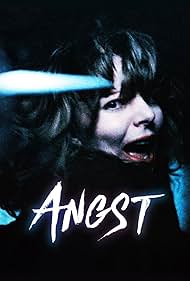
Gerald Kargl’s "Angst" is a brutal descent into the mind of a disturbed man recently freed from prison, unleashing a terrifying spree of violence. The film’s raw immediacy and unfiltered portrayal of sadism unsettle deeply, eschewing sensationalism for harsh psychological realism. Its documentary-style camerawork creates an unnerving intimacy with the protagonist’s fractured psyche. The film explores the roots of evil without excuses or redemption, posing stark questions on madness and moral decay. "Angst" confronts viewers with the horrifying capacity for cruelty lurking within humanity. Its intensity remains unrelenting, making it a landmark of visceral horror cinema. This is a grim reflection on violence’s cyclical nature and the darkness inside us all.
— The Cinéprism
Keep reading
15 / 09 / 2026 · 141 reads
Top 15 Movies with Plot Twists You Might Have Missed
15 movies packed with hidden clues, subtle details, and twists that hit differently once you know what to look for.
31 / 08 / 2026 · 391 reads
10 Best Endings in Film
A curated list of 10 unforgettable movie endings that leave a lasting impact long after the credits roll.