
Dispatch — Long Read
Top 12 Crime Shows of 2025:
A curated list of 12 standout crime shows from 2025, featuring gripping investigations, dark storytelling, and unforgettable performances.
The Cinéprism
16 / 12 / 2025 · 15 min read
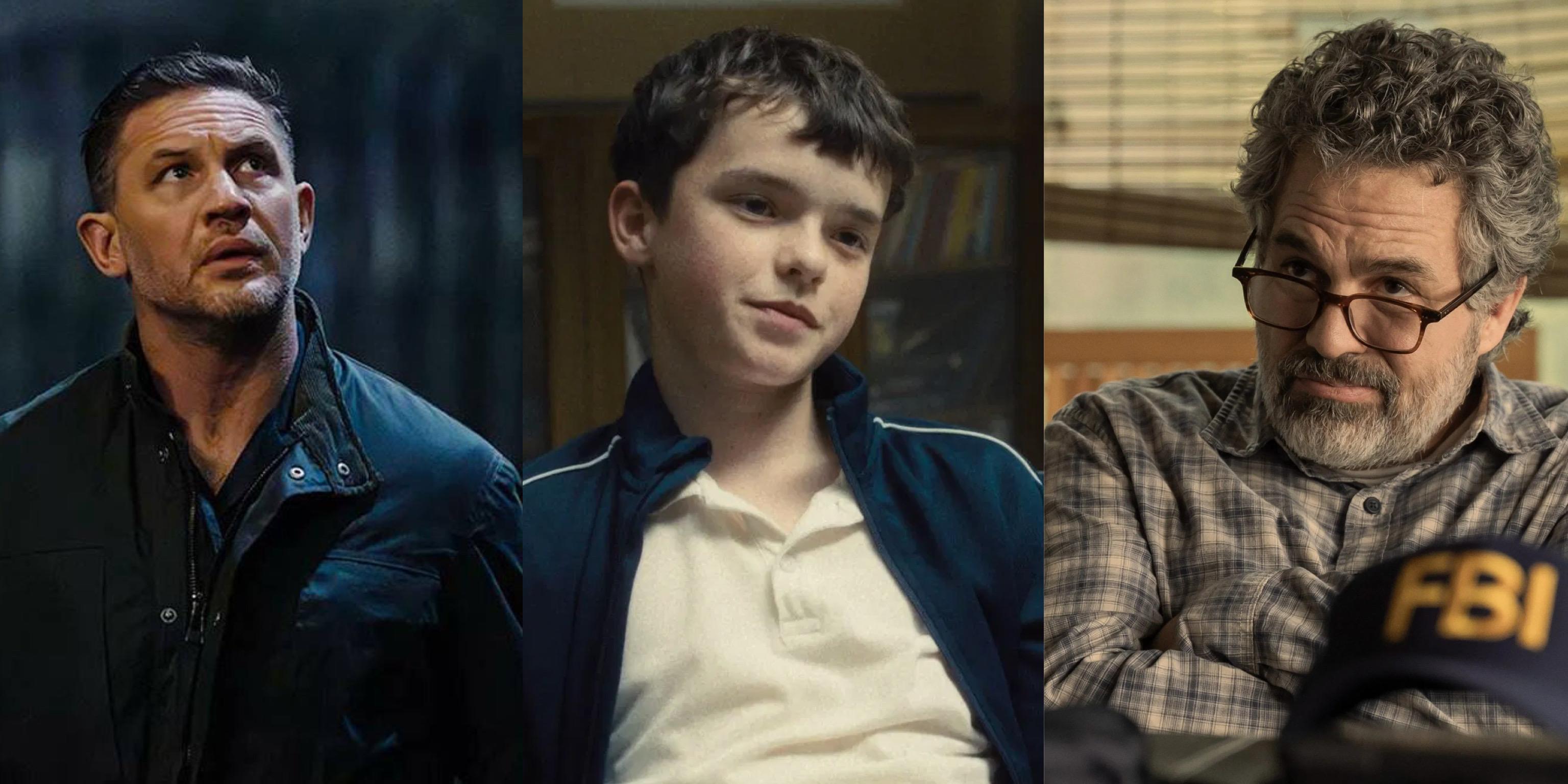
1. 🎬 Adolescence
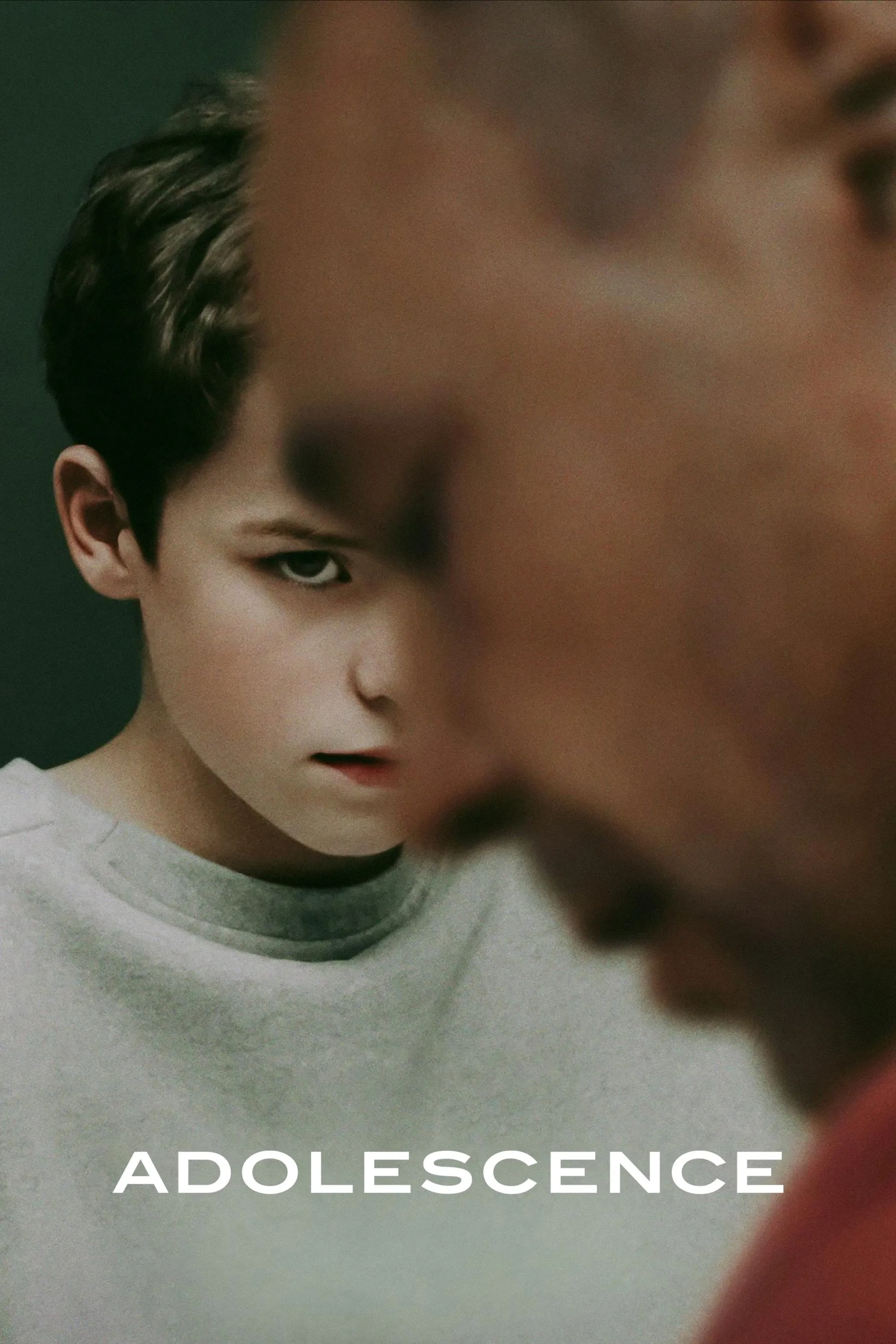
A British crime drama that uses single-take episodes to follow the investigation of a teenage boy accused of murdering a young girl, the format forcing viewers into real-time experience of interrogations and family dynamics. Jack Thorne creates formally audacious television that marries technical ambition to genuine moral complexity, the unbroken shots eliminating editing's safety net and making every moment feel precarious and immediate. Owen Cooper's debut as Jamie is unnerving precisely because he never chases "evil," playing a twitchy, defensive kid whose mask only fully drops in those extended single-take sequences, his performance suggesting someone who might be calculating psychopath or traumatized child without ever clarifying which interpretation viewers should accept. Stephen Graham as Jamie's father weaponizes his usual intensity into something almost unwatchably intimate, playing a man whose every attempt to advocate for his son makes him look more dangerous, his working-class rage at institutional systems that have failed his family making it impossible to separate legitimate grievances from unreasonable defenses of the potentially indefensible.
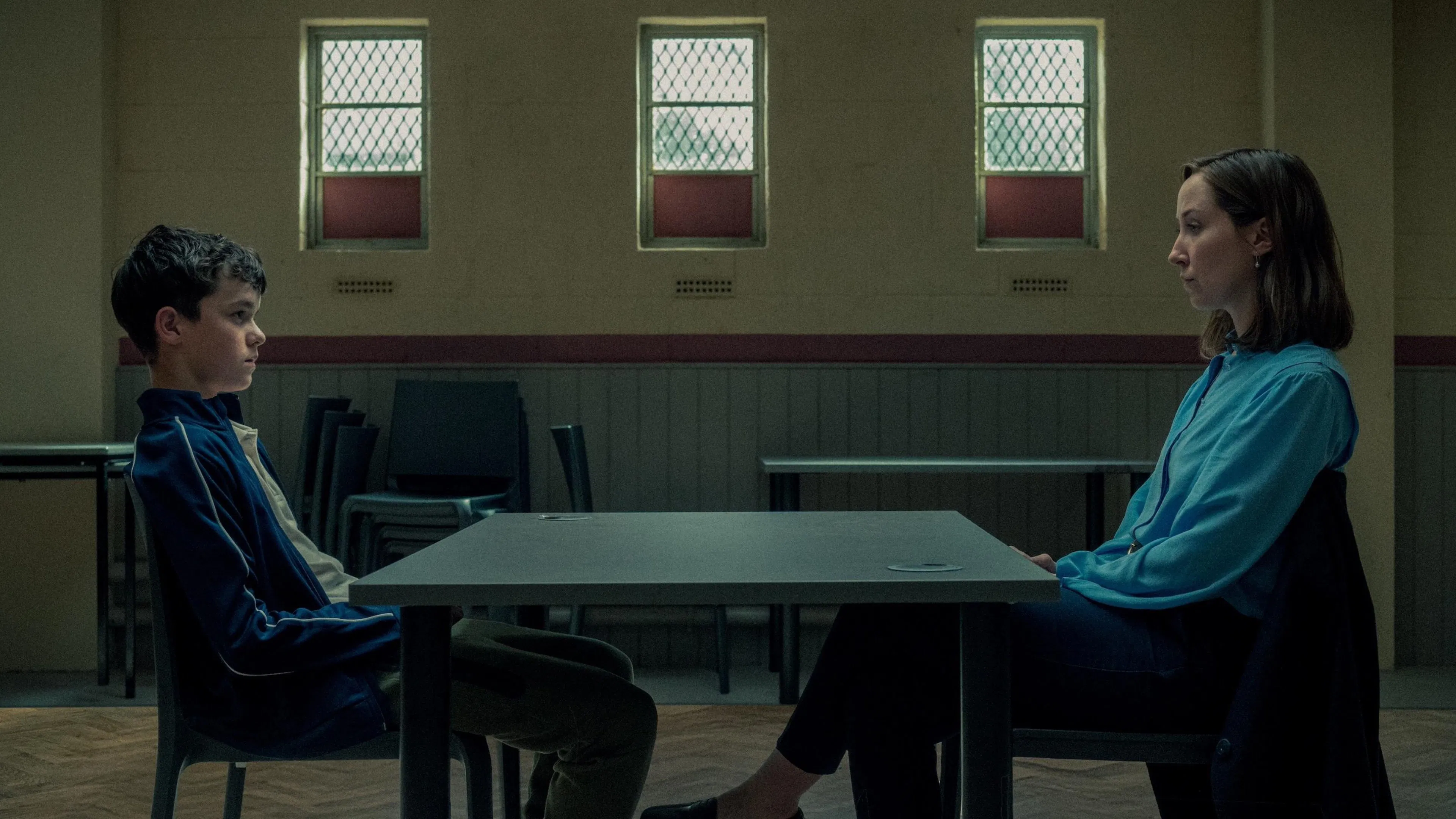
What makes Adolescence essential is its refusal to provide easy answers about guilt or innocence, showing instead how class, trauma, and institutional bias shape how we interpret adolescent behavior, whether we see troubled kids as victims needing help or threats requiring containment. The show examines how the justice system processes working-class defendants differently, how Jamie's presentation and his father's volatility influence perceptions regardless of actual evidence, and whether anyone can truly know what teenagers are thinking beneath performances they've learned to survive. It succeeds because Thorne uses formal constraint to create moral complexity, the single-take format eliminating manipulation through editing while forcing sustained attention to performances that reveal ambiguity rather than certainty, leaving viewers as uncertain as the characters about what actually happened and whether the systems investigating it are capable of determining truth when class prejudice shapes every interaction.
2. 🎬 Black Rabbit

An American crime thriller following a man who fakes his death to escape his criminal past, only to be pulled back in when his brother needs help, the premise allowing examination of whether you can ever truly leave behind who you were. Zack Whedon creates noir that's as interested in family dynamics as criminal plots, showing how blood ties become chains when one sibling's choices create obligations the other can't escape. Jason Bateman plays the brother who thought he'd successfully disappeared, his controlled everyman persona perfect for someone whose entire existence is performance, whose calm competence masks constant awareness that discovery means death. Jude Law is the brother still in the criminal world, someone whose loyalty to family conflicts with professional survival instincts, their relationship creating the show's emotional core even as elaborate schemes and betrayals structure the plot.
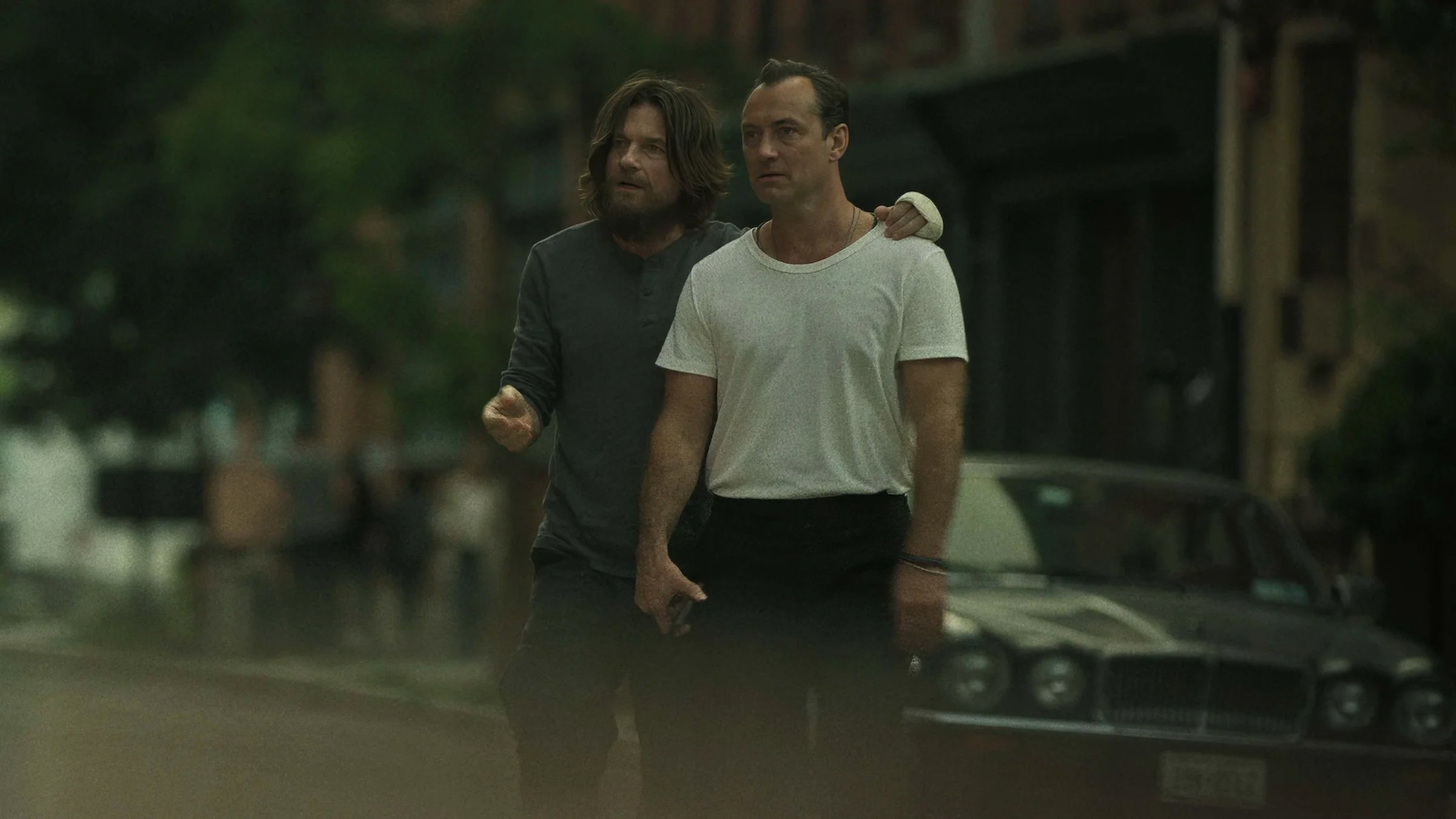
What makes Black Rabbit compelling is its examination of how criminal organizations function as alternative family structures, how the loyalty and hierarchy that sustain them mirror and distort legitimate kinship bonds, and whether love between siblings can survive when one has chosen conventional life while the other remains committed to crime. The show's visual style uses shadows and confined spaces to create persistent claustrophobia, making clear that neither brother is truly free regardless of which world they inhabit, that the past is always present when family is involved. It succeeds because Whedon understands that crime shows are often really about family obligation disguised as genre entertainment, that the most interesting question isn't whether the protagonist will survive but whether maintaining family connections is worth the cost when those connections require perpetual compromise with your own principles and safety.
3. 🎬 This City Is Ours
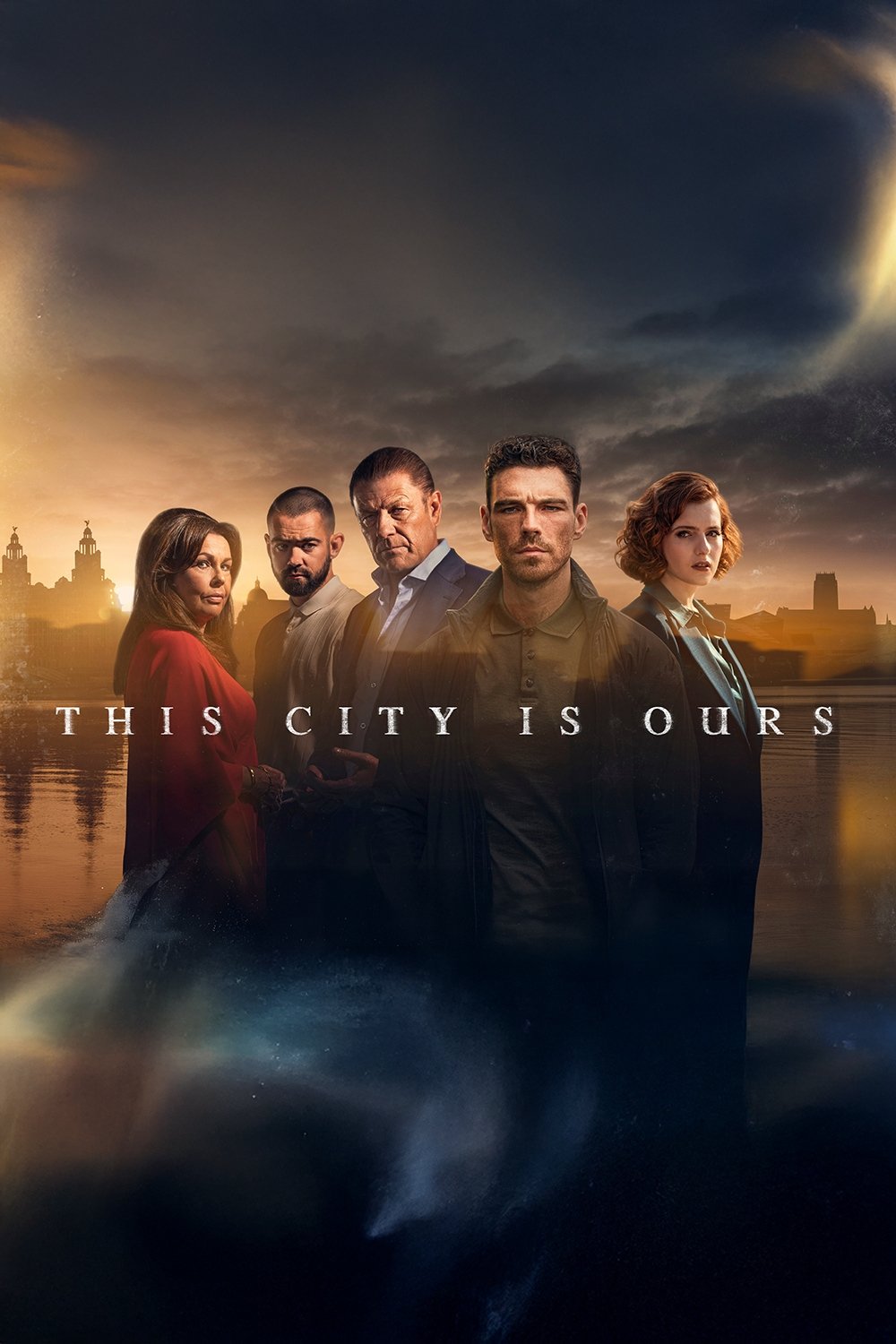
A sprawling examination of Philadelphia through interconnected stories of police, politicians, drug dealers, and residents navigating systems designed to fail them, following in The Wire's tradition of treating cities as characters and institutions as forces shaping human behavior. David Simon returns to the urban epic format that made him essential, creating multi-season narrative that shows how poverty, corruption, and institutional inertia create conditions where crime becomes rational choice for people with limited options. The ensemble cast creates complete ecosystem where everyone is simultaneously perpetrator and victim of systems larger than individual agency, showing cops who want to help but are constrained by department politics, politicians who started with idealism before pragmatism consumed it, dealers who treat crime as business because legitimate opportunities don't exist, and residents trying to survive while everyone with power treats them as problems to be managed rather than people deserving investment.
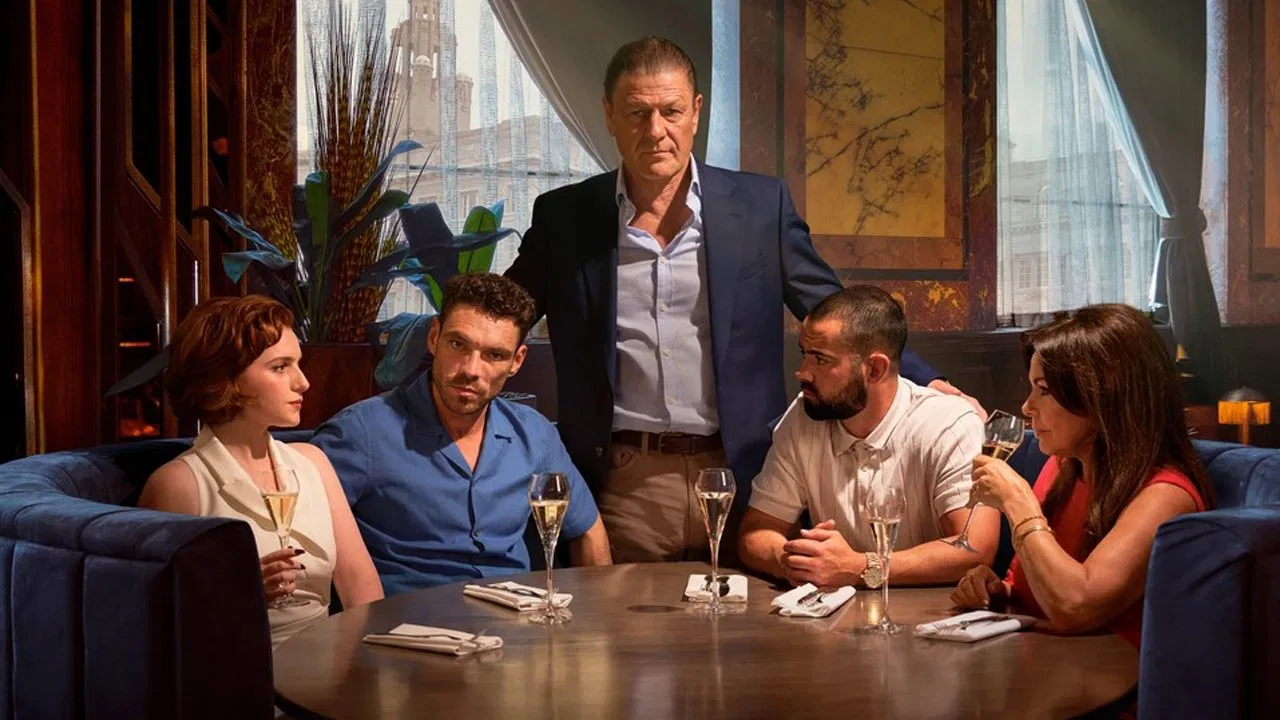
What makes This City Is Ours essential is Simon's commitment to showing structural rather than individual solutions, how changing individual behavior means nothing when the systems creating crime remain untouched, how good people working within bad institutions become complicit in outcomes they oppose simply by continuing to participate. The show examines Philadelphia's specific history and present, its segregation and deindustrialization and political machines, while also functioning as commentary on American cities generally, how decades of disinvestment create conditions that no amount of policing can solve. It succeeds because Simon refuses simple narratives about crime and punishment, showing instead how inequality creates crime, how institutions respond with violence rather than investment, and how everyone involved knows the system is broken but feels powerless to change it, creating tragedy where the villains are structures rather than individuals, where good intentions accomplish nothing because the problems are systemic and the solutions would require political will that doesn't exist.
4. 🎬 Untamed
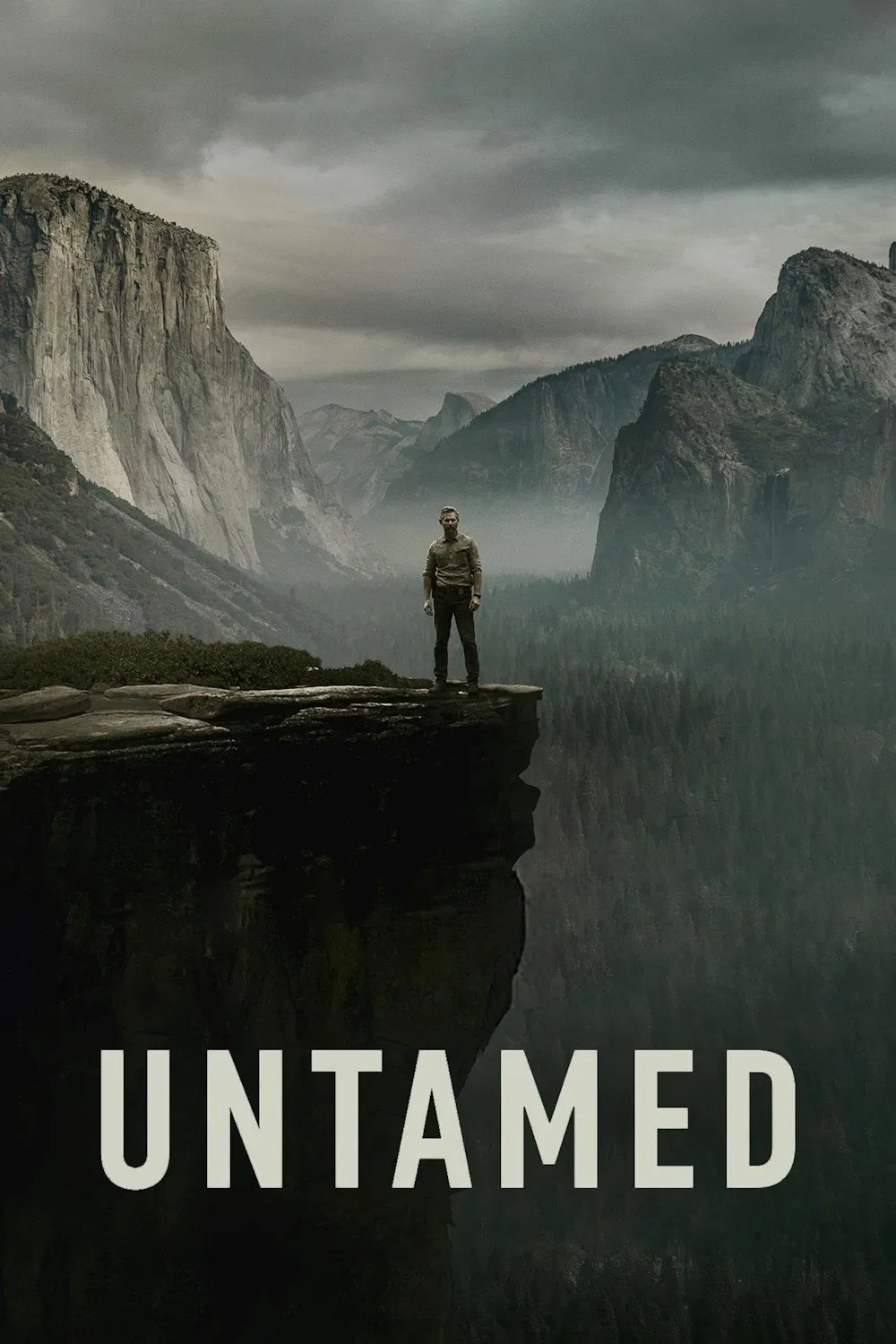
A neo-western following a park ranger in Montana whose investigation of poaching operation uncovers larger conspiracy involving corporate land grabs and environmental destruction. Taylor Sheridan brings his characteristic interest in the American West and its exploitation to series that examines how contemporary capitalism operates through environmental destruction disguised as development, showing how corporate interests use legal mechanisms and violence to dispossess people who've lived on land for generations. The series' protagonist navigates between Indigenous communities, wealthy landowners, and federal bureaucracy, each with competing claims to both the land and truth about what's happening on it, her investigation revealing how everyone's partially right and partially complicit in systems destroying what they all claim to value.
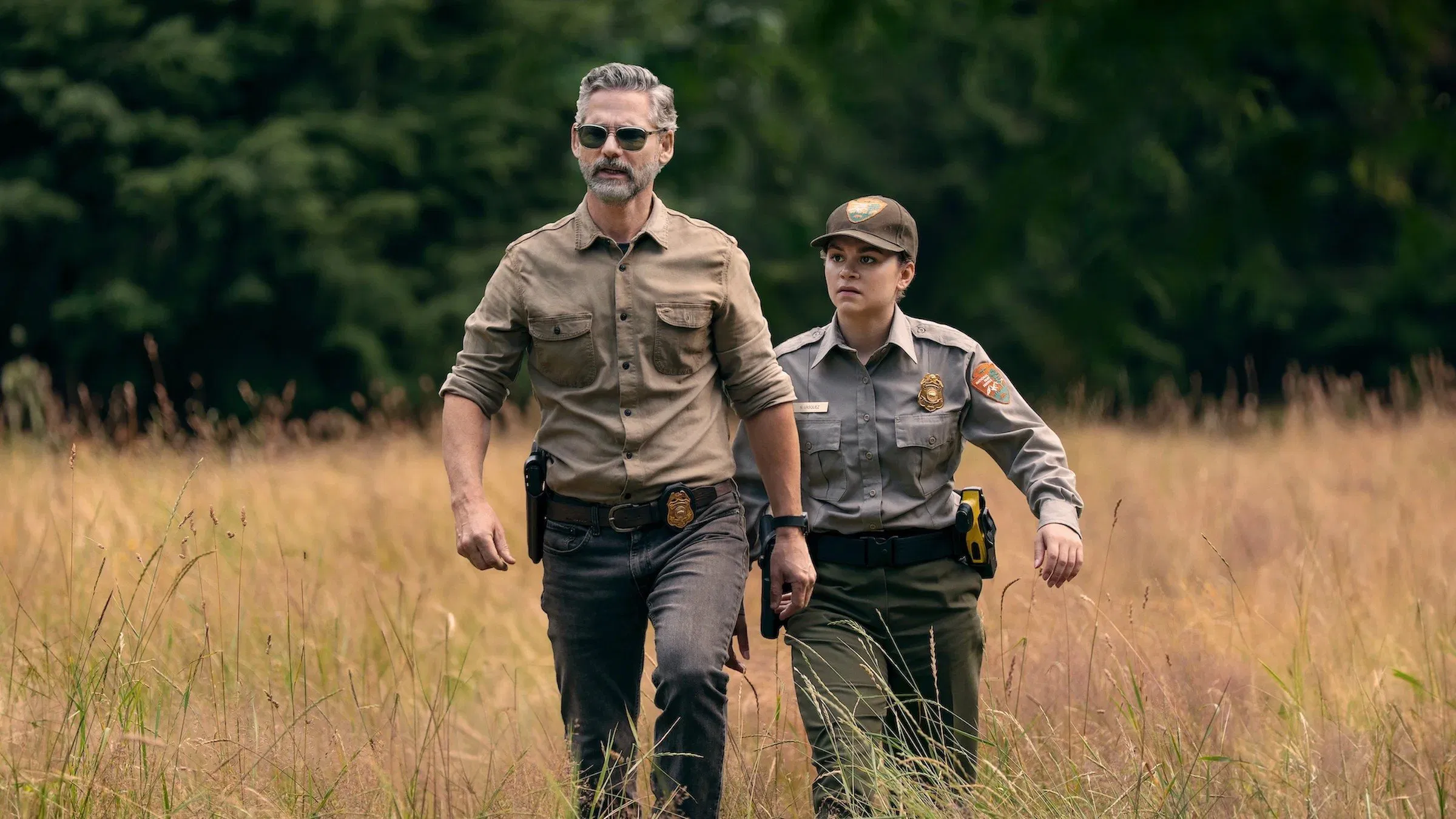
What distinguishes Untamed from typical conspiracy thrillers is Sheridan's attention to environmental detail and his understanding of how Western landscapes shape the people who inhabit them, showing how the physical reality of place creates specific forms of community and specific forms of violence. The show examines how conservation itself can be form of dispossession when implemented without regard for people who've sustainably managed land for centuries, showing how environmental protection and Indigenous sovereignty can conflict when filtered through colonial legal structures. It succeeds because Sheridan refuses easy solutions or clear villains, showing instead how well-intentioned people can participate in harm through ignorance or by prioritizing abstract principles over concrete relationships, that solving environmental crises requires addressing the colonial capitalism that created them rather than just managing symptoms through preservation that maintains existing power structures.
5. 🎬 Mobland
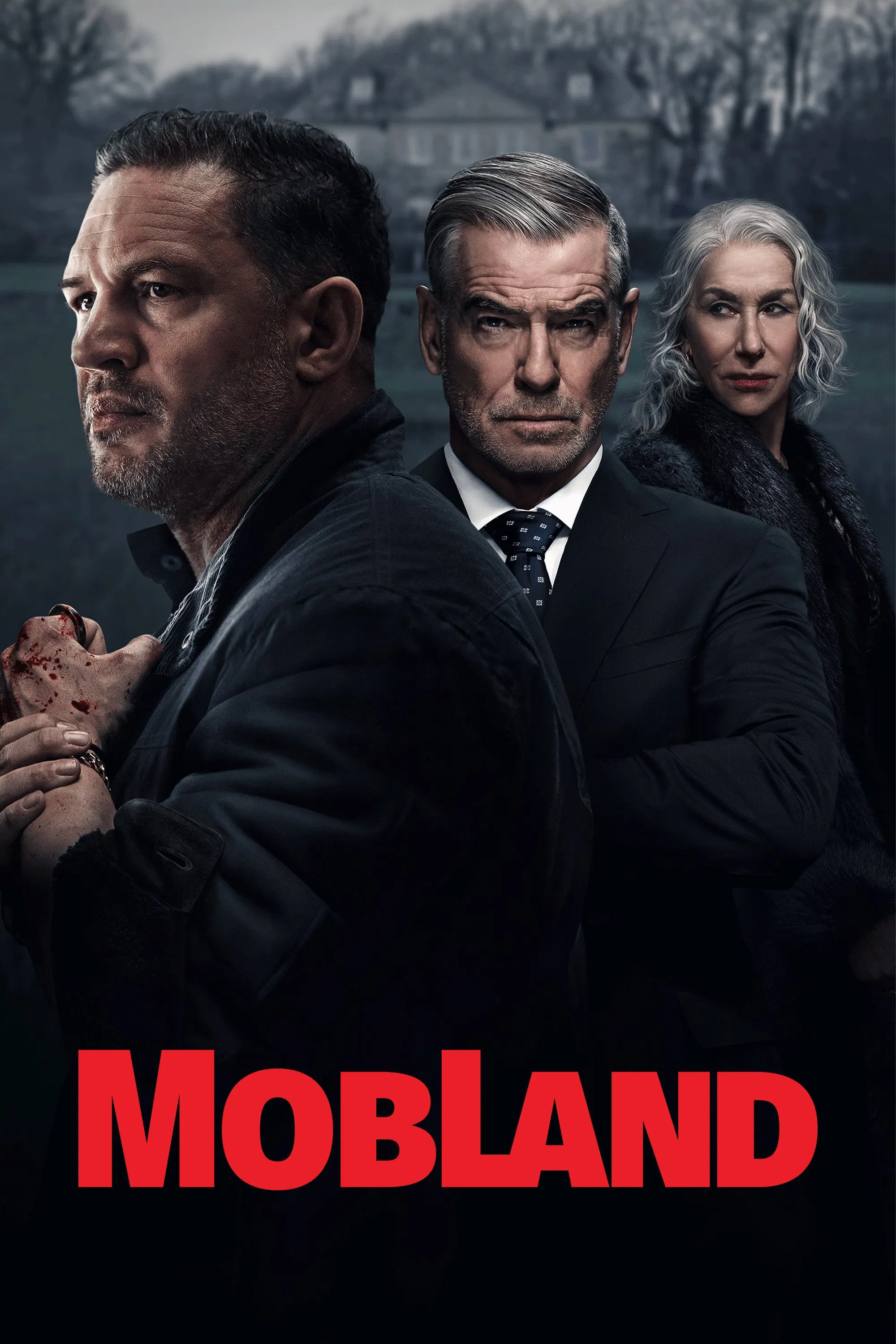
A period crime drama set in 1970s New York following the Italian mob's decline and the rise of new criminal organizations filling the power vacuum, examining how ethnic succession in organized crime reflects broader changes in American cities. Terence Winter creates sprawling ensemble piece showing multiple crime families navigating changing landscape where their traditional revenue sources are disappearing and their political connections are becoming liabilities as reform movements target corruption.
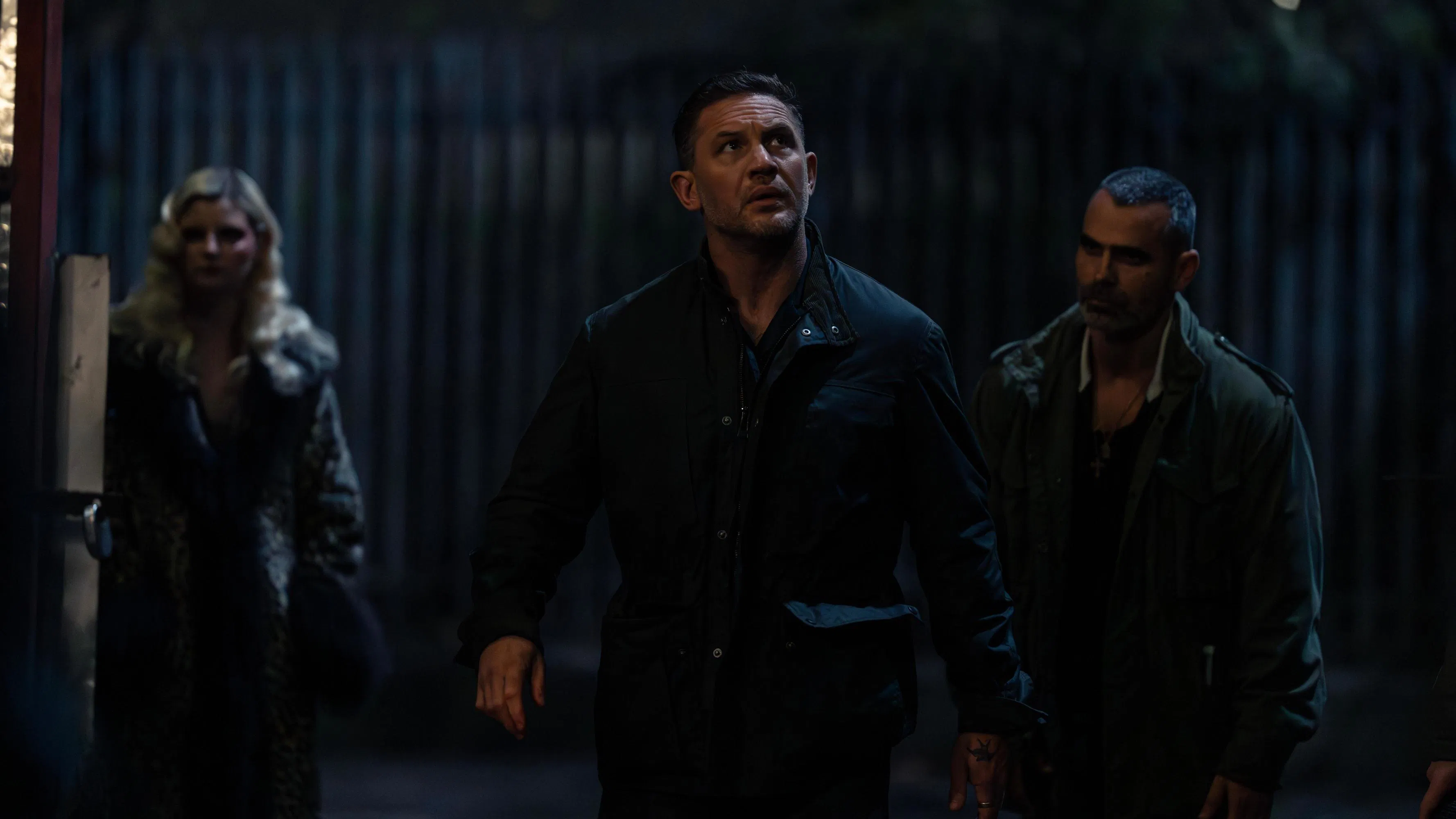
The series examines how organized crime operates as business responding to market forces, the mob's attempts to go legitimate through real estate and entertainment industry showing how crime families try to launder not just money but their entire identities, transforming from gangsters into respectable businessmen through strategic investments and legal maneuvering. What makes Mobland compelling is its attention to generational conflict within crime families, older members clinging to traditional methods while younger generation sees opportunities in drugs and new forms of vice that their fathers dismissed, creating internal tensions that mirror external pressures from law enforcement and rival organizations. The show's visual aesthetic recreates 1970s New York with meticulous detail, showing the city's decay and danger alongside its artistic vitality, examining how urban crisis created conditions for both crime and creativity. It succeeds because Winter understands that organized crime stories are really about capitalism and immigration, showing how marginalized ethnic groups used illegal enterprise to achieve economic mobility in society that denied them legitimate opportunities, and how that criminal heritage becomes burden and advantage for subsequent generations trying to establish themselves as respectable Americans.
6. 🎬 Dept. Q
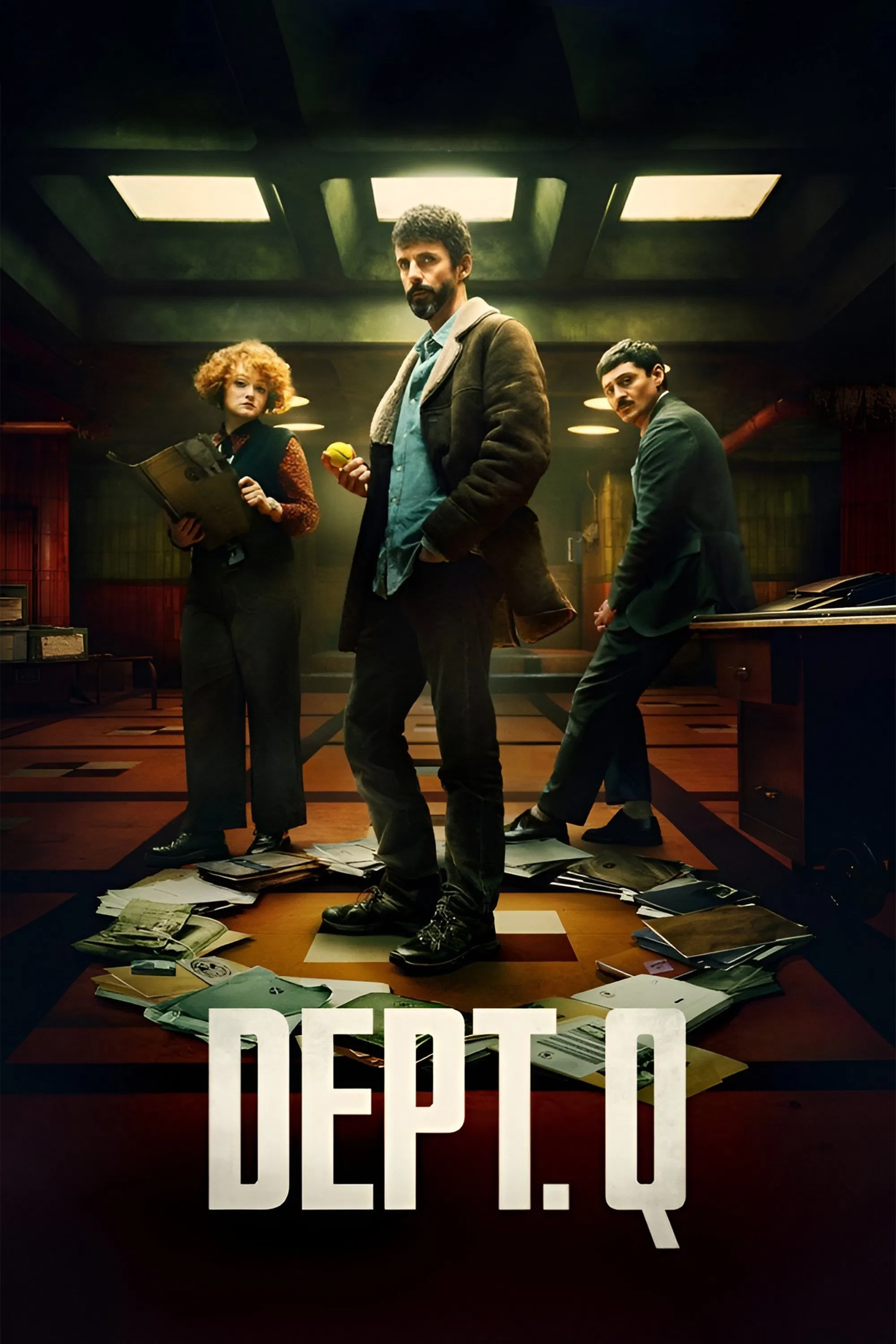
A Scandinavian crime series following Copenhagen's Department Q, a basement unit investigating cold cases nobody else wants to solve, their work uncovering patterns suggesting serial offenders operating undetected for decades. Nikolaj Arcel adapts Jussi Adler-Olsen's novels with typical Nordic noir attention to character damage and institutional dysfunction, showing how the detectives' personal traumas mirror the cases they investigate, their inability to let go of unsolved crimes reflecting their inability to process their own pasts. The series examines how cold cases accumulate when departments lack resources or political will to pursue them, showing how certain victims, particularly women and immigrants and poor people, simply matter less to systems supposedly designed to protect everyone equally. What distinguishes Dept. Q from typical cold case procedurals is its examination of how solving old crimes doesn't provide closure but often just reveals new layers of institutional failure and individual cruelty, the detectives' successes creating more questions than answers about how these crimes went unsolved for so long.
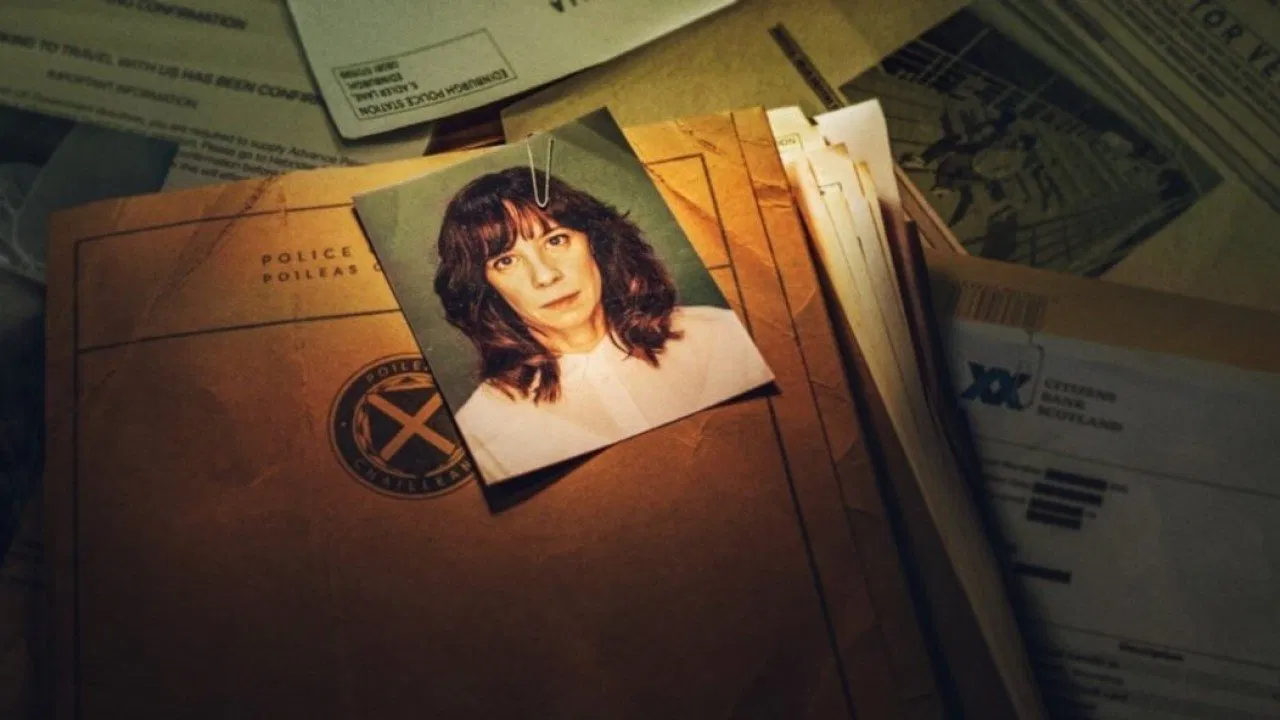
The show's visual language emphasizes the accumulation of evidence and time's passage, the basement offices filled with decades of unsolved cases creating literal and metaphorical weight that the characters carry, their work among the forgotten creating community of damaged people trying to provide justice that arrives too late to matter to victims but might prevent future crimes. It succeeds because Arcel treats cold cases as indictments of systems that failed the first time, showing how these investigations reveal not just individual crimes but collective complicity in allowing certain lives to be expendable, that solving historical crimes requires acknowledging present injustices that make those crimes possible.
7. 🎬 Task
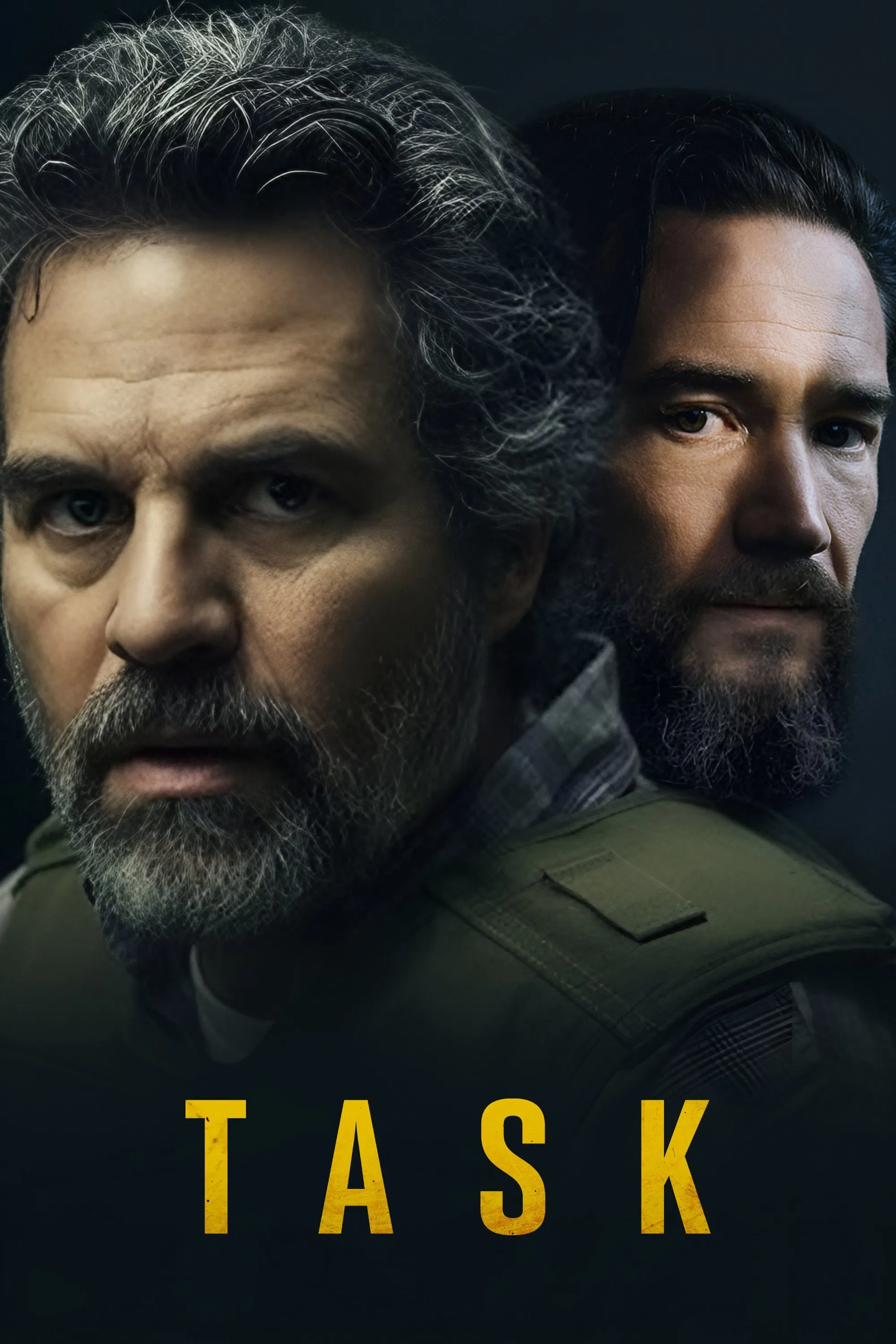
A crime thriller about a detective investigating series of robberies that seem designed to fund someone's family through crisis, his pursuit complicated by recognizing himself in the criminal he's chasing. Stephen Belber creates character-driven procedural examining how economic desperation pushes ordinary people into crime, showing both the detective's methodical investigation and the criminal's escalating desperation as parallel studies in how men respond to circumstances beyond their control. Mark Ruffalo and Tom Pelphrey anchor the series as adversaries who share more than they'd like to admit, both working-class men trying to provide for families through systems that don't care whether they succeed or fail, their cat-and-mouse game becoming meditation on class and choice. What makes Task compelling is its refusal to make the criminal sympathetic through tragic backstory, instead showing how he makes terrible choices while convincing himself they're necessary, his self-pity and entitlement visible to everyone except himself, creating portrait of masculine fragility that's both recognizable and damning.
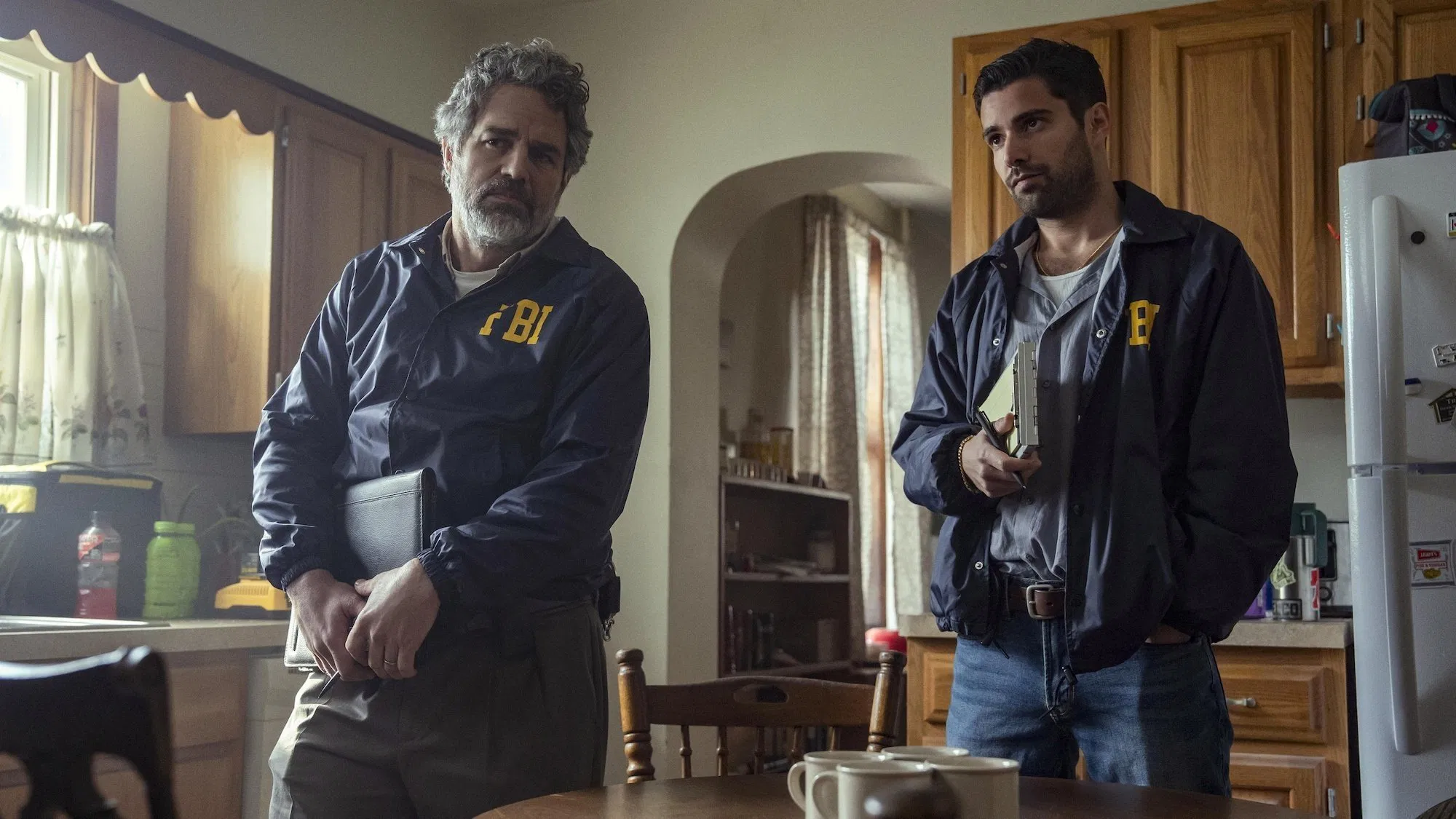
The show examines how we justify our actions through narratives about family and necessity, showing how the criminal's genuine love for his family doesn't excuse his crimes but does explain why he can't see himself as villain, his performance of devoted father becoming shield against recognizing the harm he's causing. It succeeds because Belber understands that crime dramas work best when they're character studies first, showing how two intelligent men navigate impossible circumstances differently based on their understanding of morality and their capacity for self-deception, that catching criminals doesn't solve the economic conditions that created their crimes, and that sometimes the only difference between cop and criminal is luck and the ability to imagine alternatives to violence.
8. 🎬 Long Bright River
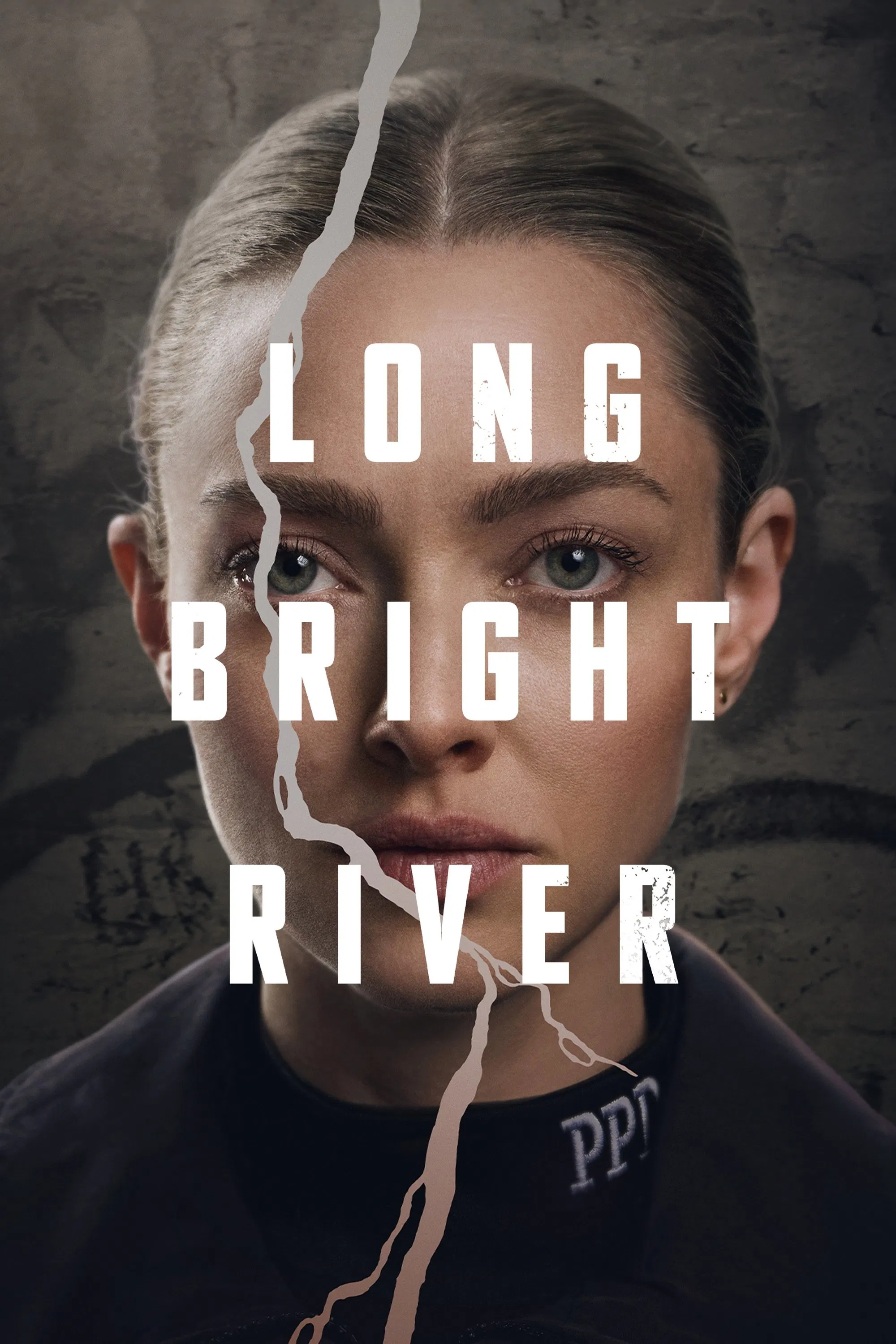
A crime drama about a Philadelphia police officer searching for her missing sister, a sex worker and addict whose disappearance might be connected to serial killer targeting women in Kensington, the city's epicenter of opioid crisis. Courtenay Miles adapts Liz Moore's novel with attention to how addiction and policing exist in complicated relationship, showing how the protagonist's choice to become cop while her sister descended into addiction reflects class mobility that requires leaving some people behind. The series examines opioid epidemic not as abstraction but as accumulated individual tragedies, showing how addiction destroys families and communities while institutions meant to address it either criminalize addicts or provide insufficient treatment, creating conditions where death becomes statistically probable for anyone caught in the cycle. What makes Long Bright River powerful is its examination of how siblings can take radically different paths despite starting from the same place, showing how small choices compound into vast divergences, how the protagonist's stability required her to establish distance from her sister's chaos even as that distance now prevents her from saving her.
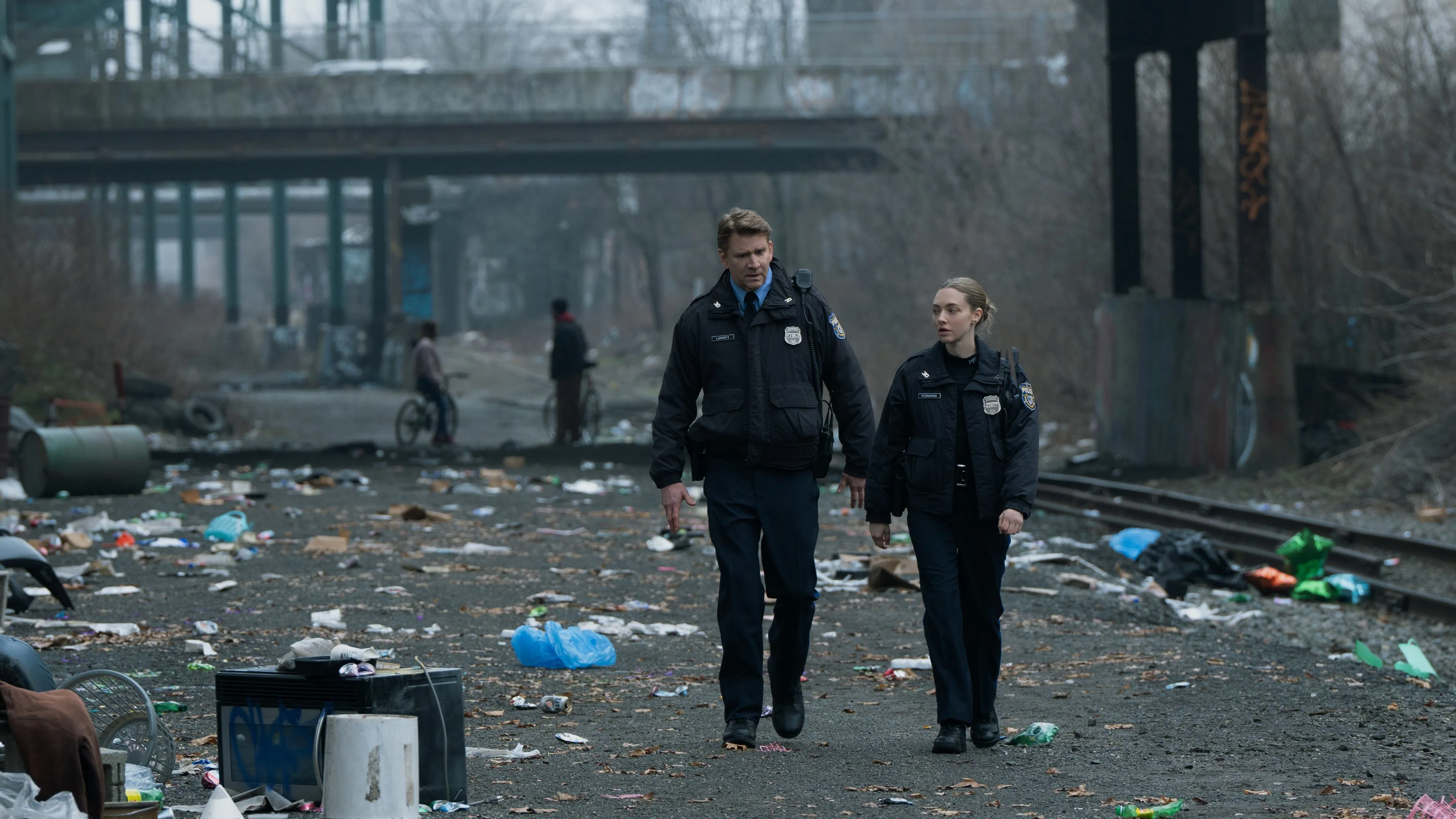
The show's treatment of sex work and addiction refuses both stigmatization and romanticization, showing women surviving through methods that damage them because alternatives are worse or nonexistent, their agency real but exercised within constraints so severe that calling their choices free seems cruel. It succeeds because Miles understands that crime dramas about missing women often exploit their deaths while ignoring their lives, instead creating series that makes visible how society determines which victims matter, showing how the investigation's initial indifference to missing sex workers reflects broader devaluation of lives deemed disposable, and that solving these murders requires acknowledging how punitive drug policies and economic abandonment created conditions making women vulnerable to serial predation.
9. 🎬 Smoke
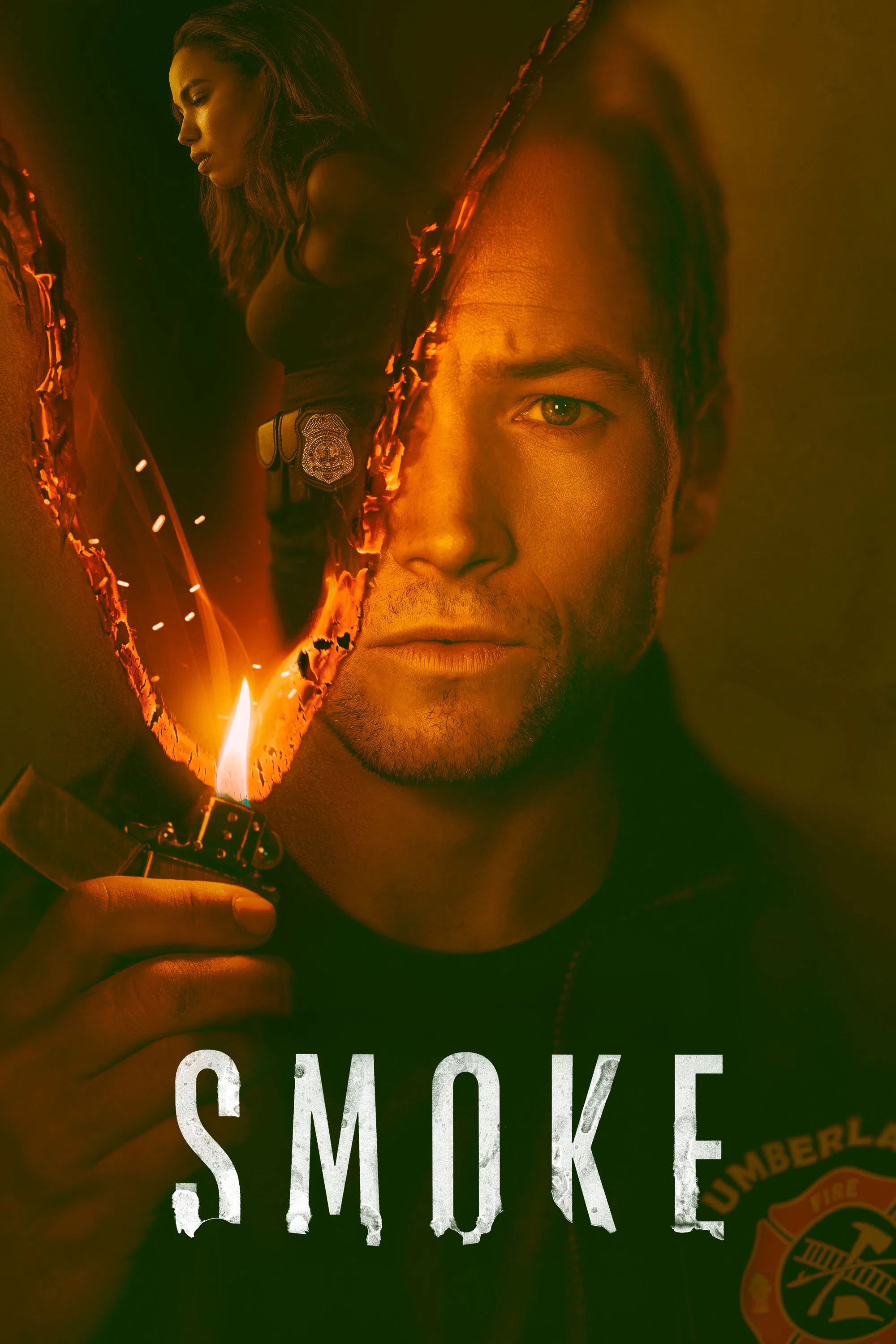
A crime thriller following DEA agent whose investigation of fentanyl trafficking uncovers conspiracy reaching into pharmaceutical companies and government agencies, her pursuit of truth making her target. Vince Gilligan creates paranoid thriller examining how opioid crisis emerged from confluence of corporate greed and regulatory capture, showing how legal pharmaceutical industry created addiction epidemic that illegal drug trade then exploited, both operating in symbiotic relationship that kills thousands while enriching few. The series' protagonist starts as true believer in drug war before discovering that her agency has been compromised by the same forces it's supposed to combat, her investigation revealing how enforcement priorities and pharmaceutical lobbying have created conditions where legal opioids transition users to illegal alternatives, completing cycle that benefits everyone except addicts and their families. What distinguishes Smoke from typical drug war narratives is its examination of how crisis doesn't emerge from foreign cartels but from American capitalism operating as designed, showing how profit motive incentivizes pharmaceutical companies to create addictive medications and then disclaim responsibility when addiction becomes epidemic.
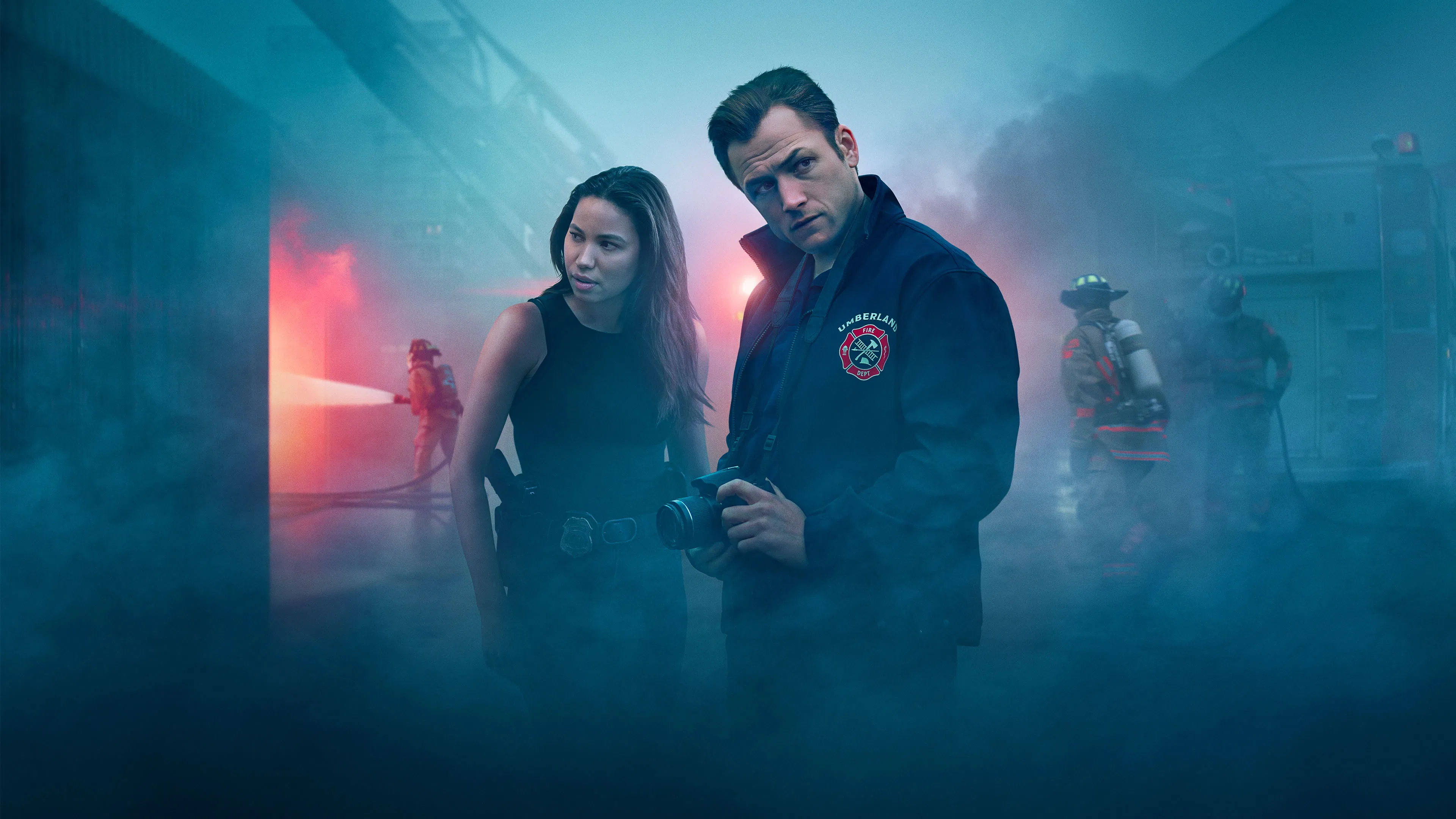
The show's visual language emphasizes smoke and haze, characters constantly obscured or seen through glass and screens, creating atmosphere where truth is always filtered through institutional interests and corporate messaging. It succeeds because Gilligan understands that conspiracy thrillers work best when the conspiracy is hiding in plain sight, showing how opioid crisis resulted from decisions made openly by corporations and regulators, that the cover-up isn't about hiding crimes but about maintaining systems that allow those crimes to continue profitably, and that individual heroism is insufficient against structural corruption that's been normalized and legalized through lobbying and regulatory capture.
10. 🎬 The Crow Girl
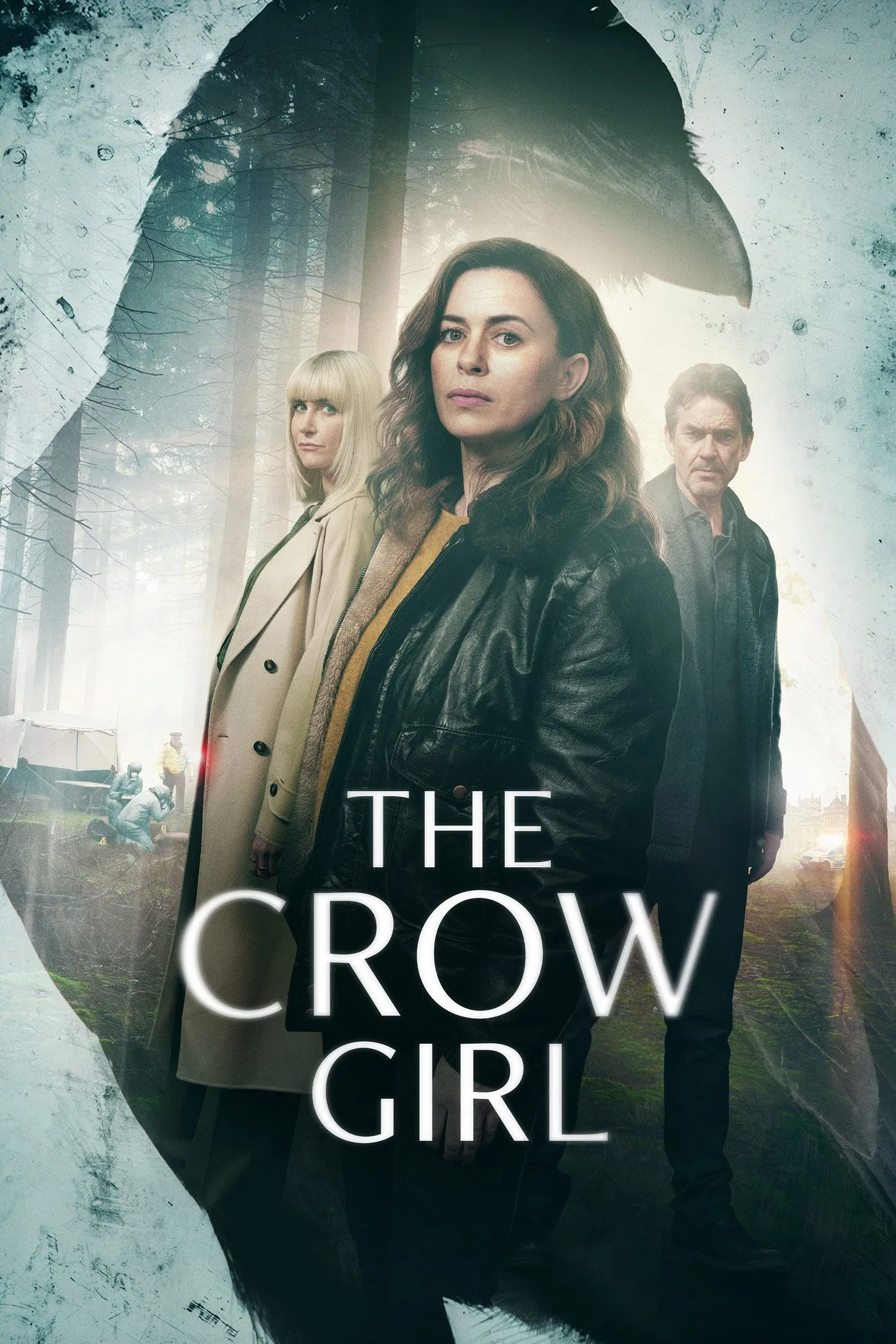
A Swedish psychological thriller about a detective and psychotherapist investigating series of murders that seem connected to repressed memories and institutional abuse, their collaboration revealing how trauma creates monsters and how society protects abusers. Camilla Läckberg creates dark Nordic noir examining how childhood abuse perpetuates across generations, showing how institutions meant to protect children often enable their victimization, creating cycles where the abused become abusers unless interventions break the pattern. The series examines recovered memory as both legitimate trauma response and potential source of false accusations, refusing to settle the debate while showing how uncertainty about memory serves to protect abusers who rely on victims' inability to provide concrete evidence of crimes committed years earlier. What makes The Crow Girl disturbing is its examination of how abuse becomes normalized within institutions, showing how schools and care facilities create conditions where predatory behavior is overlooked or actively concealed, the institution's reputation valued more highly than children's safety.
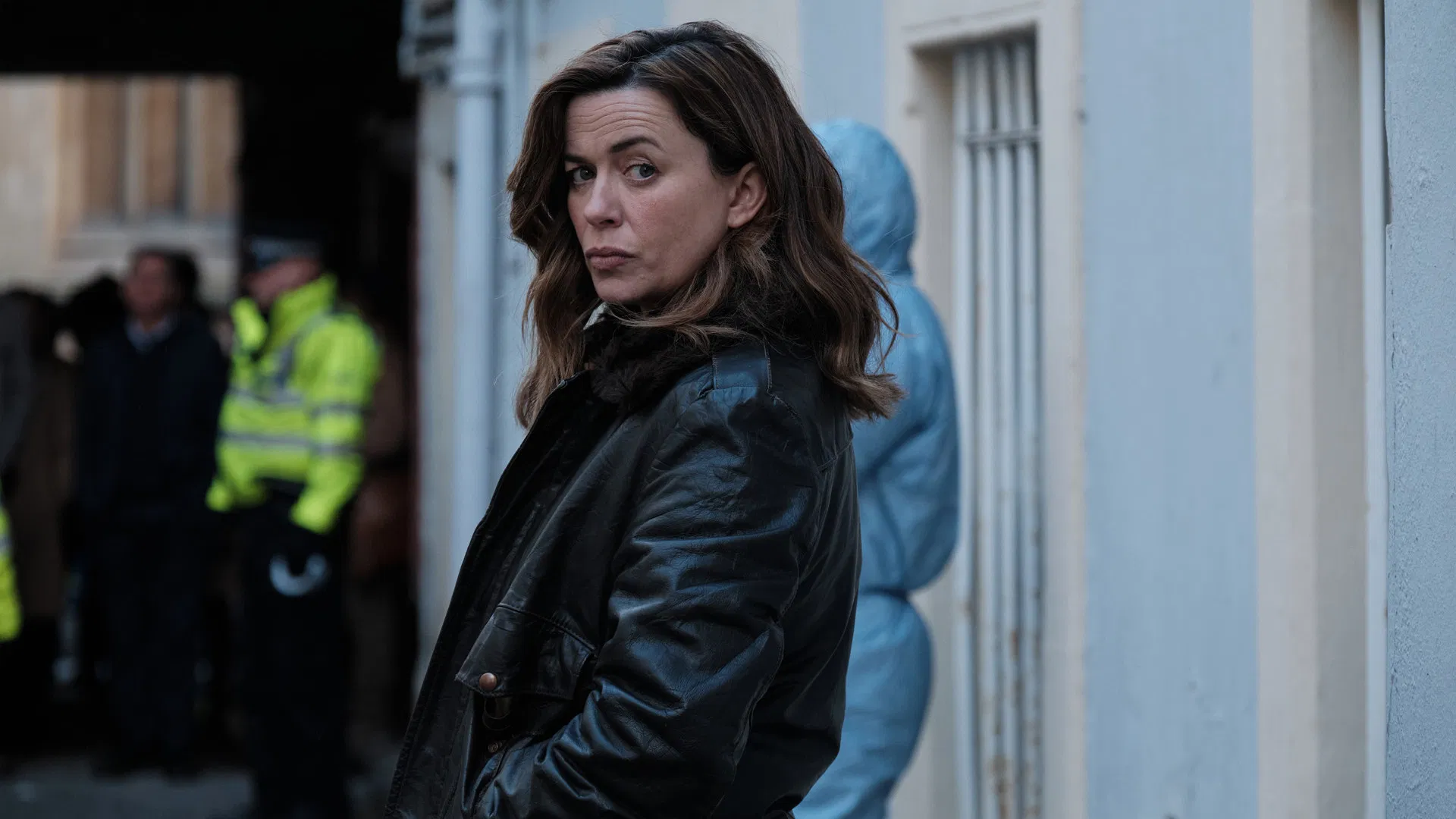
The show's treatment of the detective and therapist's collaboration shows how different professional frameworks for understanding violence can complement or conflict, their investigation revealing how criminal justice and mental health systems often work at cross purposes, pursuing different goals using incompatible methods. It succeeds because Läckberg refuses to make trauma redemptive or healing linear, showing instead how abuse damages people permanently in ways that can be managed but never fully overcome, that solving these historical crimes doesn't undo the harm but might prevent future victimization, and that holding institutions accountable requires confronting how respectable facades often mask systematic enabling of predatory behavior.
11. 🎬 Ballard
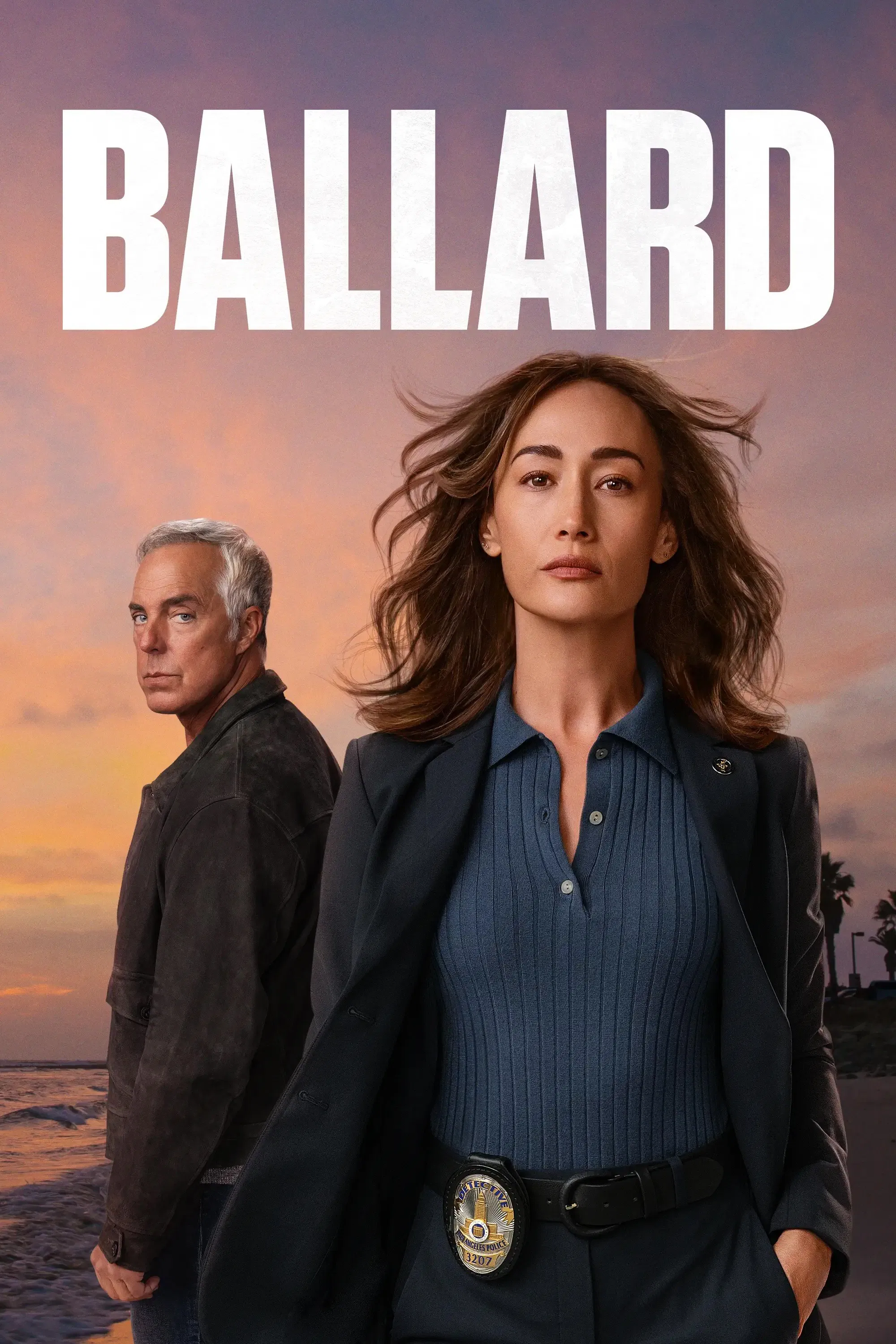
A crime drama set in Seattle following a homicide detective whose investigation of a serial killer operating among the city's homeless population reveals how visibility and invisibility shape whose murders get solved. David Simon brings his characteristic institutional critique to series examining how law enforcement prioritizes crimes based on victims' social status, showing how murders of homeless people go unsolved not because they're difficult but because departments don't allocate resources to investigating deaths of people society has already written off. The series' protagonist fights institutional indifference while recognizing her own complicity in systems that determine whose lives matter, her investigation requiring her to confront how policing operates to protect property and respectable citizens while treating marginalized populations as problems to be managed rather than people to be served. What makes Ballard essential is its examination of homelessness not as individual moral failing but as structural outcome of policy choices, showing how rising housing costs and inadequate mental health services create visible populations that cities then criminalize for existing in public space.

The show's treatment of the homeless community refuses both victimization and romanticization, showing people surviving through mutual aid and street economies while also acknowledging how addiction and mental illness complicate those survival strategies, creating realistic portrait of how people navigate when all their options are bad. It succeeds because Simon understands that crime dramas reveal how societies allocate value and resources, showing through murder investigation how Seattle's transformation into tech hub has created conditions where longtime residents are pushed to margins, their deaths investigation worthy only when detective forces the department to care, and that solving these murders requires addressing the housing crisis and service gaps that made victims vulnerable to predation.
12. 🎬 Code of Silence
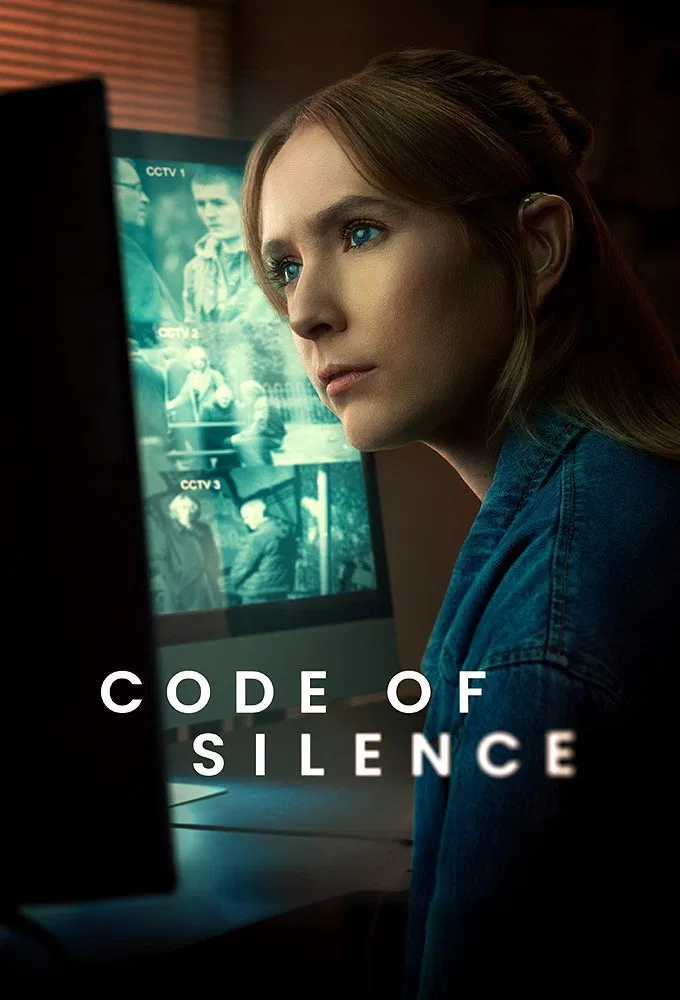
A crime drama about a police corruption investigation that threatens to expose decades of misconduct, the detective leading it discovering that his own department has been operating as criminal organization while maintaining facade of law enforcement. Nic Pizzolatto creates institutional critique examining how police corruption operates not through individual bad apples but through organizational cultures that reward loyalty over integrity, showing how cops who report misconduct are treated as traitors while those who participate in corruption are protected through code of silence that values solidarity above justice. The series examines how corruption becomes normalized through incremental compromises, showing how cops start by overlooking small infractions before gradually participating in serious crimes, each step seeming reasonable given the previous one, creating slippery slope where distinguishing between legitimate policing and criminal enterprise becomes impossible. What makes Code of Silence powerful is its examination of how reform is resisted through both official channels and extralegal intimidation, showing how departments investigate themselves through processes designed to exonerate rather than hold accountable, while whistleblowers face harassment and threats from colleagues who see transparency as betrayal.
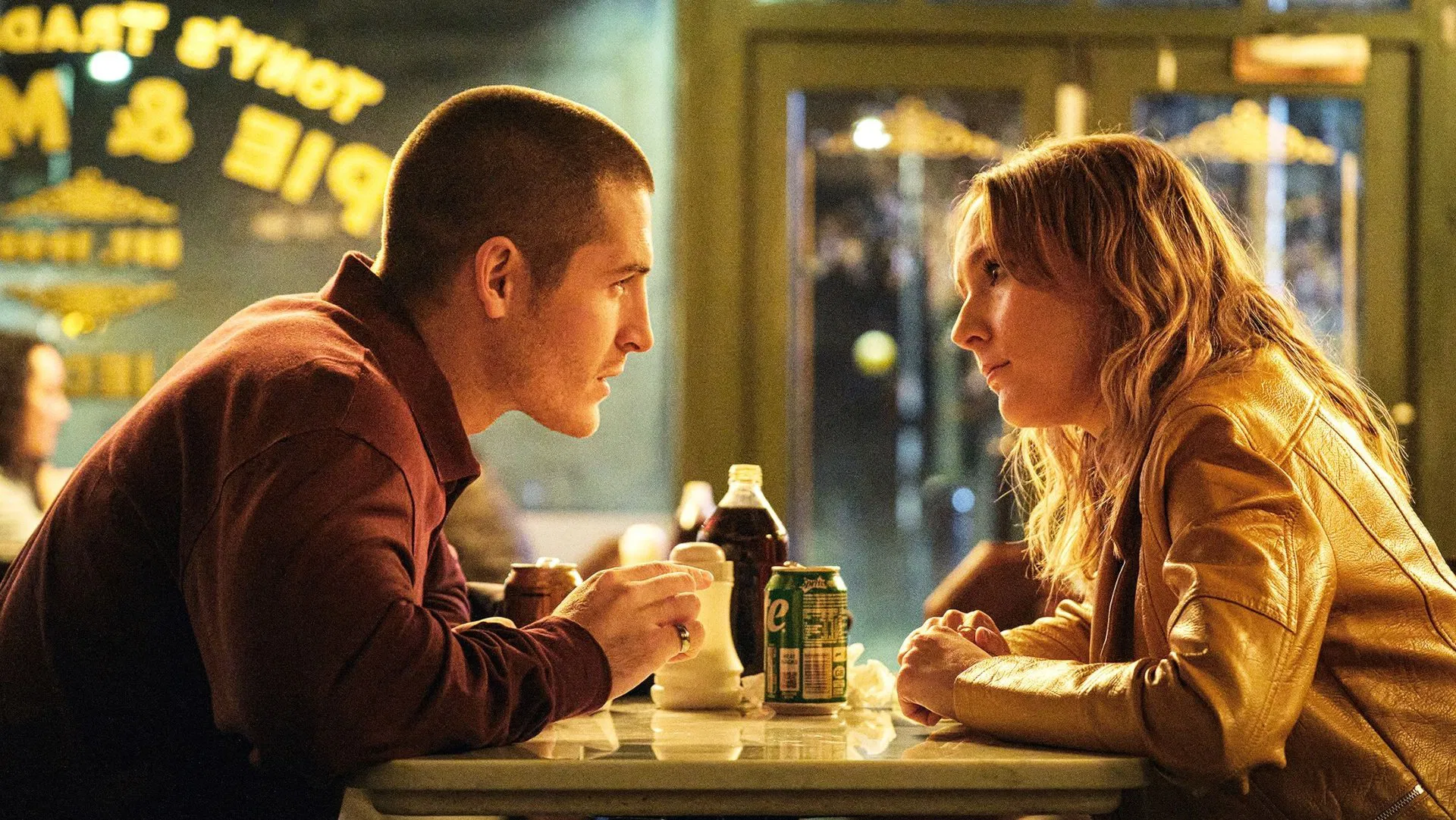
The show's treatment of the protagonist shows someone caught between professional obligation to investigate and personal loyalty to colleagues he's worked with for years, his investigation requiring him to recognize that people he trusted are criminals and that institution he believed in has been corrupt for longer than he's been alive. It succeeds because Pizzolatto understands that police corruption dramas work best when they examine systems rather than individuals, showing how organizational cultures create conditions where corruption becomes rational choice, that reform requires dismantling structures rather than removing personnel, and that the code of silence exists because it protects everyone from consequences of collective wrongdoing, making any attempt to break it existential threat to entire department's continued operation.
— The Cinéprism
Keep reading
15 / 09 / 2026 · 141 reads
Top 15 Movies with Plot Twists You Might Have Missed
15 movies packed with hidden clues, subtle details, and twists that hit differently once you know what to look for.
31 / 08 / 2026 · 391 reads
10 Best Endings in Film
A curated list of 10 unforgettable movie endings that leave a lasting impact long after the credits roll.