
Dispatch — Long Read
The Top 20 Survival Movies You Need to Watch
From the crushing depths of the ocean to the silent void of space, discover the ultimate test of human endurance in these 20 cinematic masterpieces that pit the will to live against impossible odds.
The Cinéprism
27 / 12 / 2025 · 17 min read
20. 🎬 The Impossible (2012)
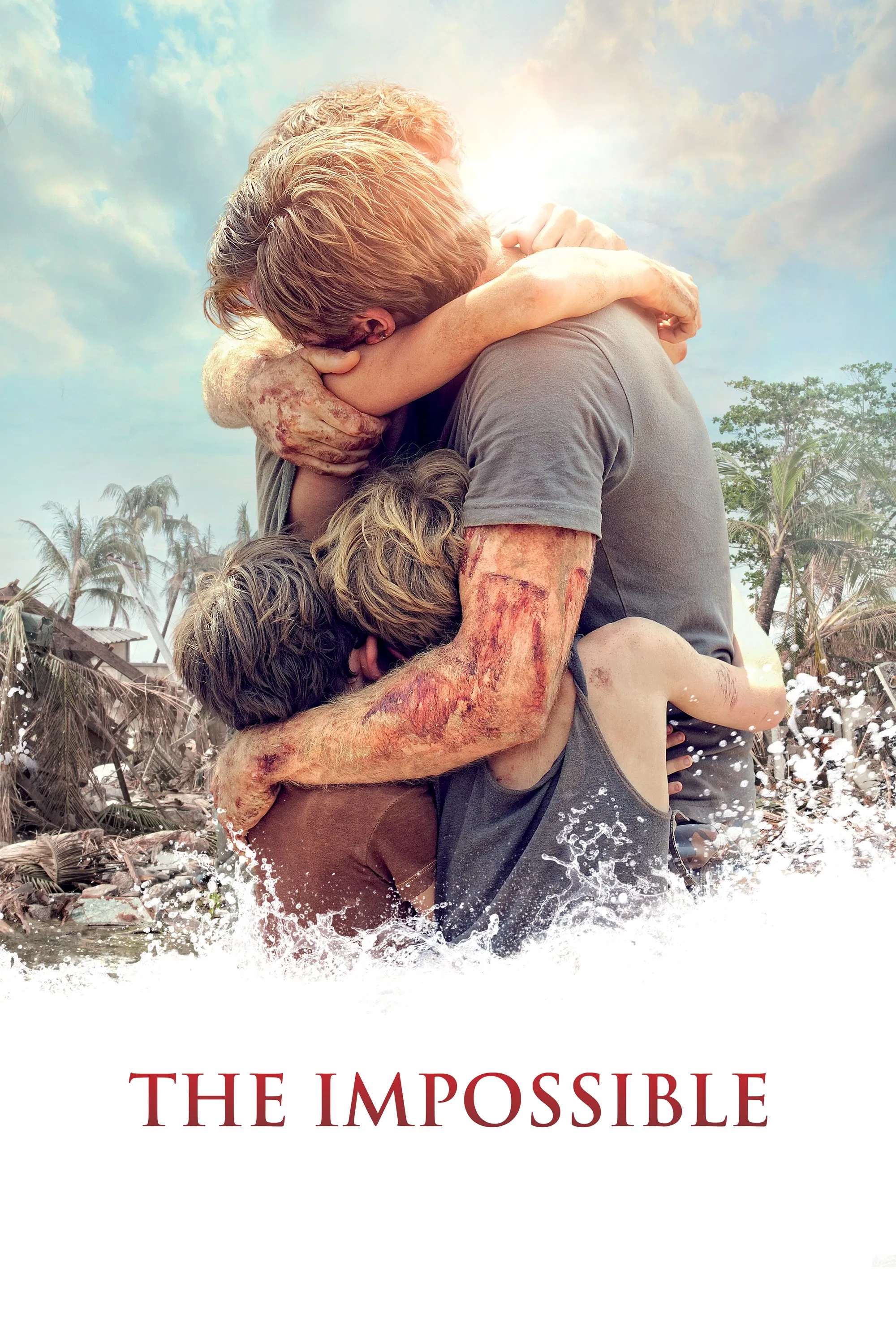
Based on the harrowing true story of the 2004 Indian Ocean tsunami, the film follows the Bennett family as their idyllic Christmas vacation in Thailand is shattered by a massive wall of water that tears them apart. Separated in the chaotic aftermath, a severely injured mother and her eldest son must navigate the devastation to find medical help, while the father frantically searches the ruins for the rest of his family, fighting against despair and the overwhelming scale of the disaster.
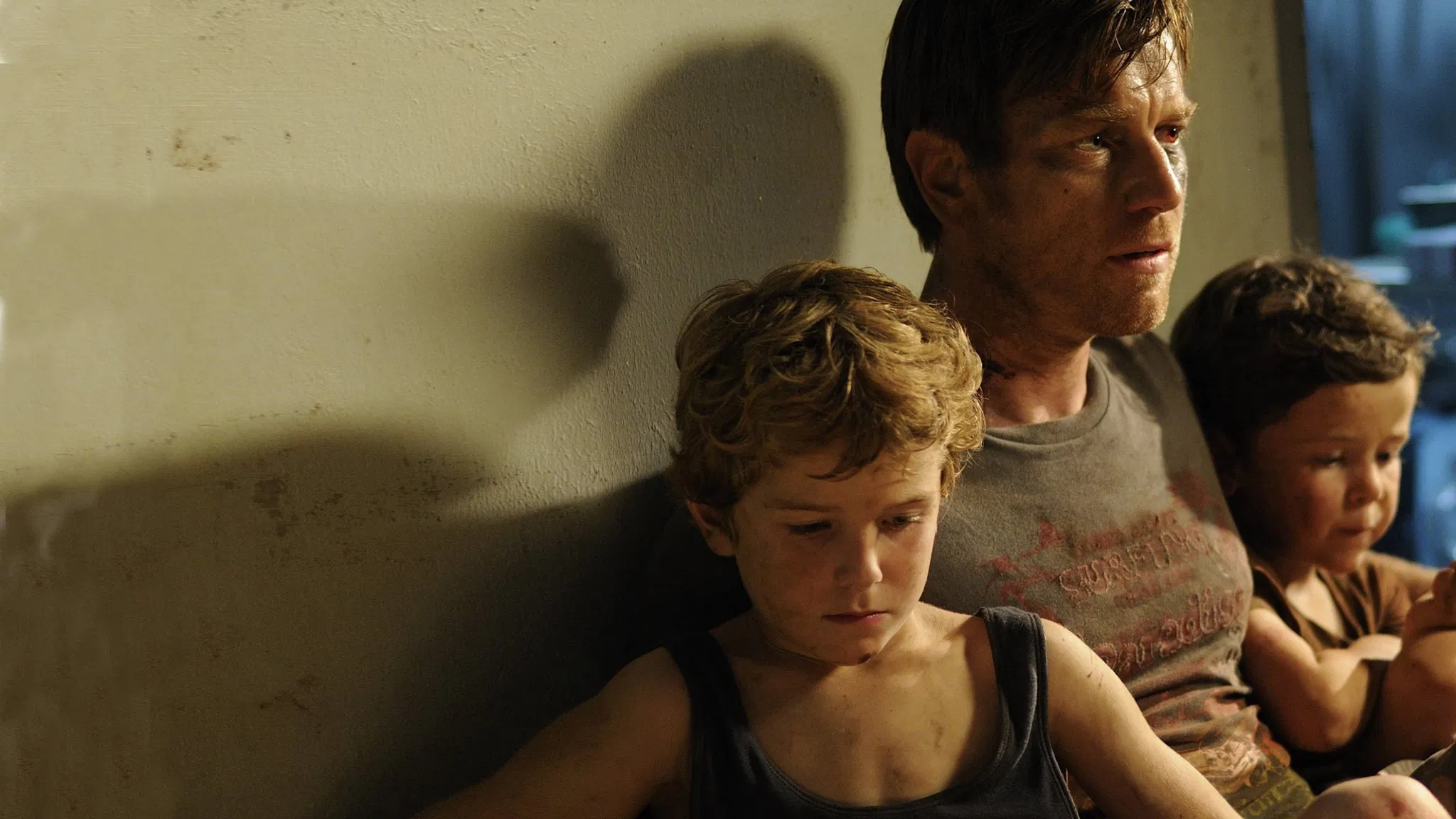
J.A. Bayona directs a disaster film that functions less like an action movie and more like a visceral horror film, capturing the sheer physical brutality of nature with terrifying realism. Naomi Watts delivers a physically grueling performance as Maria, whose deteriorating condition serves as a ticking clock that adds agonizing tension to every scene. The film distinguishes itself by focusing on the immediate, sensory experience of survival where the sound of rushing water becomes a trigger for trauma, and the chaotic hospitals serve as purgatory for the displaced. It succeeds because it refuses to sanitize the gore or the fear, stripping away the gloss of Hollywood heroism to show that survival is often just a matter of luck and the kindness of strangers in the midst of hell.
19. 🎬 The Shallows (2016)
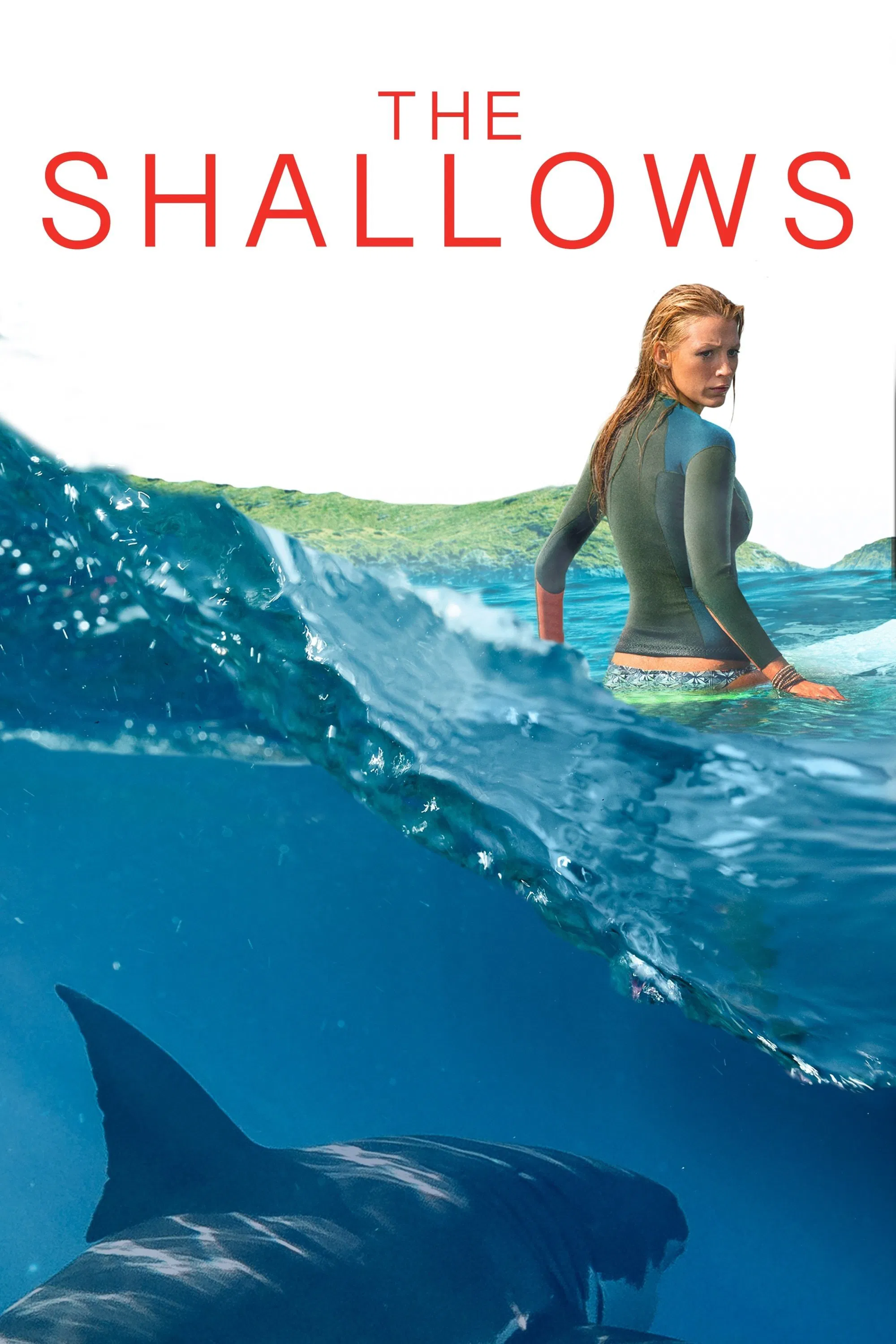
Nancy Adams, a medical student grieving the loss of her mother, travels to a secluded beach in Mexico for some solitary surfing, only to find herself stranded on a rock 200 yards from shore after being attacked by a great white shark. With the tide rising and her leg severely injured, she must use her medical knowledge and limited resources to outsmart the apex predator circling her before she bleeds out or drowns.

Jaume Collet-Serra crafts a taut, minimalist thriller that effectively serves as "Jaws for the Instagram generation," utilizing the vibrant, saturated colors of the tropical setting to contrast with the gruesome reality of Nancy's predicament. Blake Lively carries the film almost entirely on her own, her performance anchoring the high-concept premise in genuine physical pain and resourcefulness. The film explores the primal fear of being just out of reach of safety, turning the beautiful coastline into a tantalizing, deadly barrier. It succeeds because it embraces its B-movie roots while treating its protagonist with respect, avoiding the "damsel in distress" tropes to present a woman who saves herself through intelligence and sheer will, proving that sometimes the most dangerous enemy is nature doing exactly what it was designed to do.
18. 🎬 The Platform (2019)
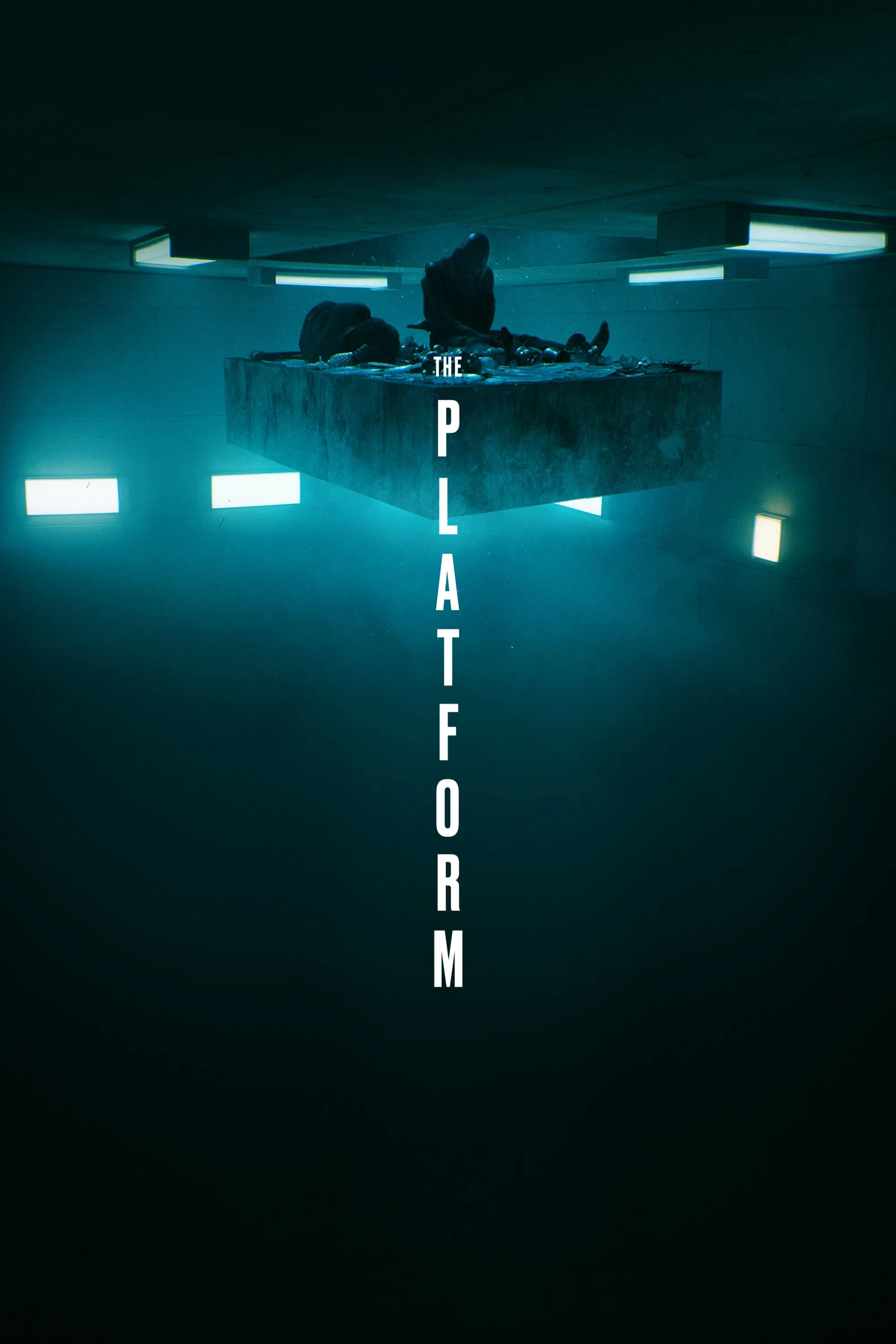
In a dystopian vertical prison known as "The Pit," inmates are housed two per floor, with a platform full of food descending from the top level to the bottom each day. Those at the top eat well, while those below starve, leading to a brutal struggle for survival where inmates resort to cannibalism, violence, and psychological warfare as they are randomly reassigned levels each month.

Galder Gaztelu-Urrutia’s debut feature is a grotesque, unsubtle allegory for trickle-down economics and class warfare, turning a high-concept sci-fi premise into a nauseating chamber drama. The film’s visual language is defined by the stark, concrete greys of the cell and the lush, banquet-style indulgence of the food, highlighting the disparity that drives the conflict. It serves as a scathing critique of human selfishness, suggesting that solidarity is impossible when survival is on the line, and that those with power will rarely give it up voluntarily. It succeeds because it is relentlessly unpleasant, forcing the audience to confront the ugly reality of resource distribution, arguing that the system is not broken but functioning exactly as intended to pit the poor against the starving.
17. 🎬 Sully (2016)
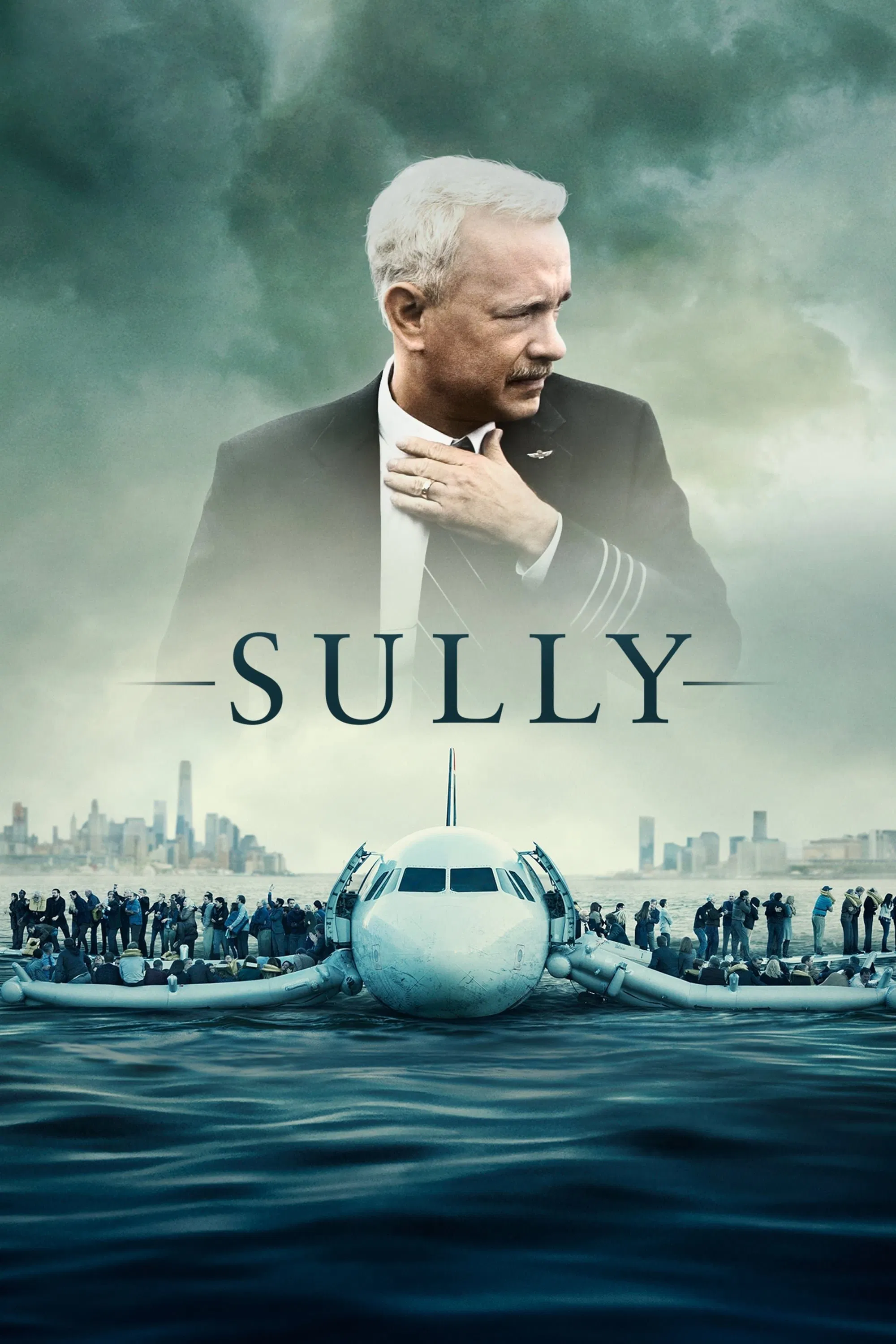
The film recounts the "Miracle on the Hudson," where Captain Chesley "Sully" Sullenberger successfully landed a disabled plane on the Hudson River, saving all 155 souls on board. However, the narrative focuses on the aftermath, as Sully faces an intense investigation by the National Transportation Safety Board (NTSB) that threatens to destroy his reputation and career by claiming he could have returned to the airport.

Clint Eastwood deconstructs the concept of the American hero, showing the psychological toll of being placed on a pedestal while simultaneously being dissected by bureaucracy. Tom Hanks plays Sully with a quiet, trembling dignity, capturing the PTSD of a man who is haunted by the "what ifs" even after a perfect outcome. The film utilizes the crash sequence not as an action set piece but as a recurring nightmare, replaying it from different angles to emphasize the split-second decision-making required in a crisis. It succeeds because it champions professionalism and human intuition over computer simulations, arguing that the "human factor" is the only thing that separates a tragedy from a miracle.
16. 🎬 Life of Pi (2012)
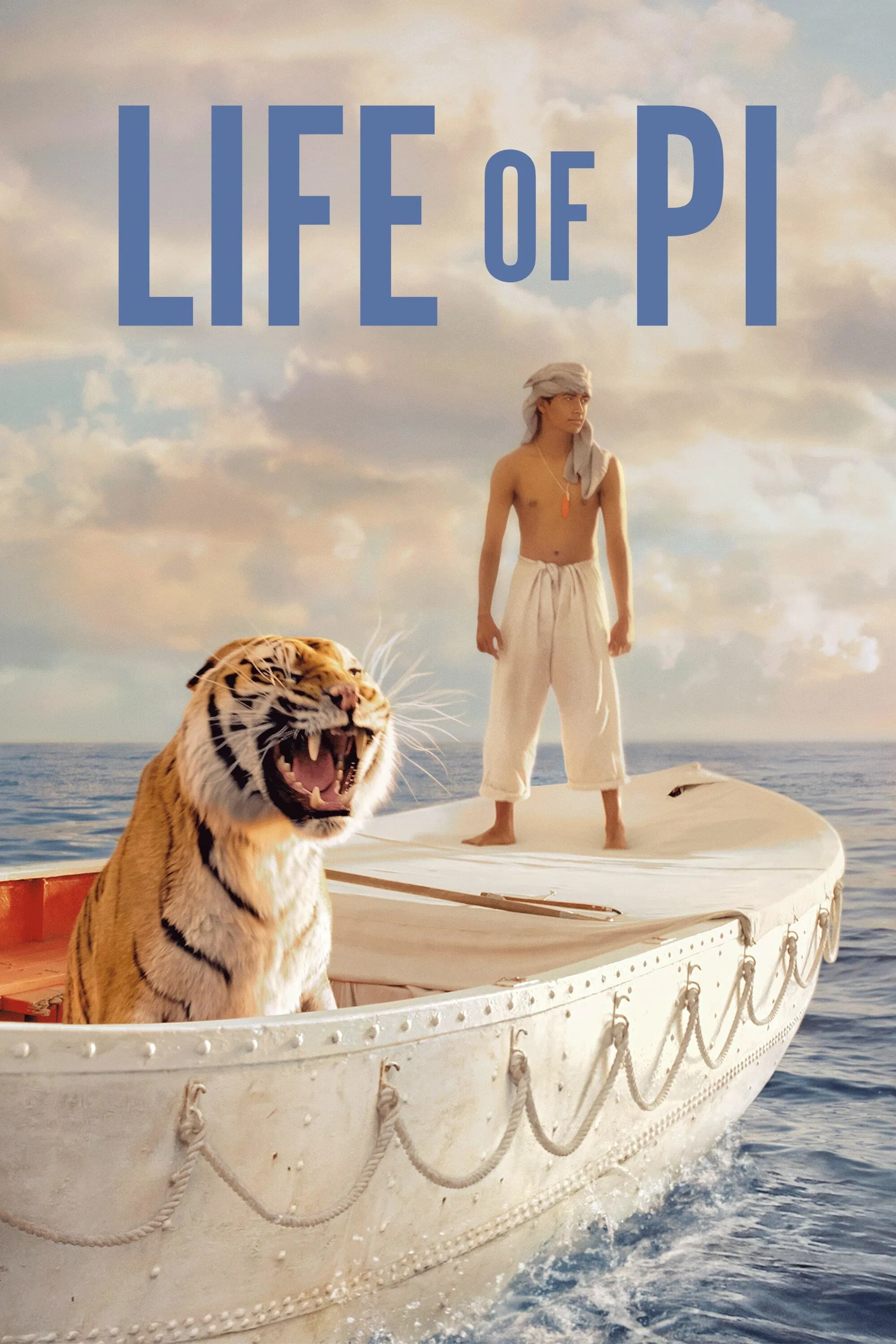
After a shipwreck in the Pacific Ocean, a young Indian boy named Pi Patel finds himself drifting on a lifeboat with a Bengal tiger named Richard Parker. Over the course of 227 days, Pi must forge an uneasy truce with the deadly animal to survive, facing storms, starvation, and the crushing loneliness of the open sea while grappling with his faith in God.
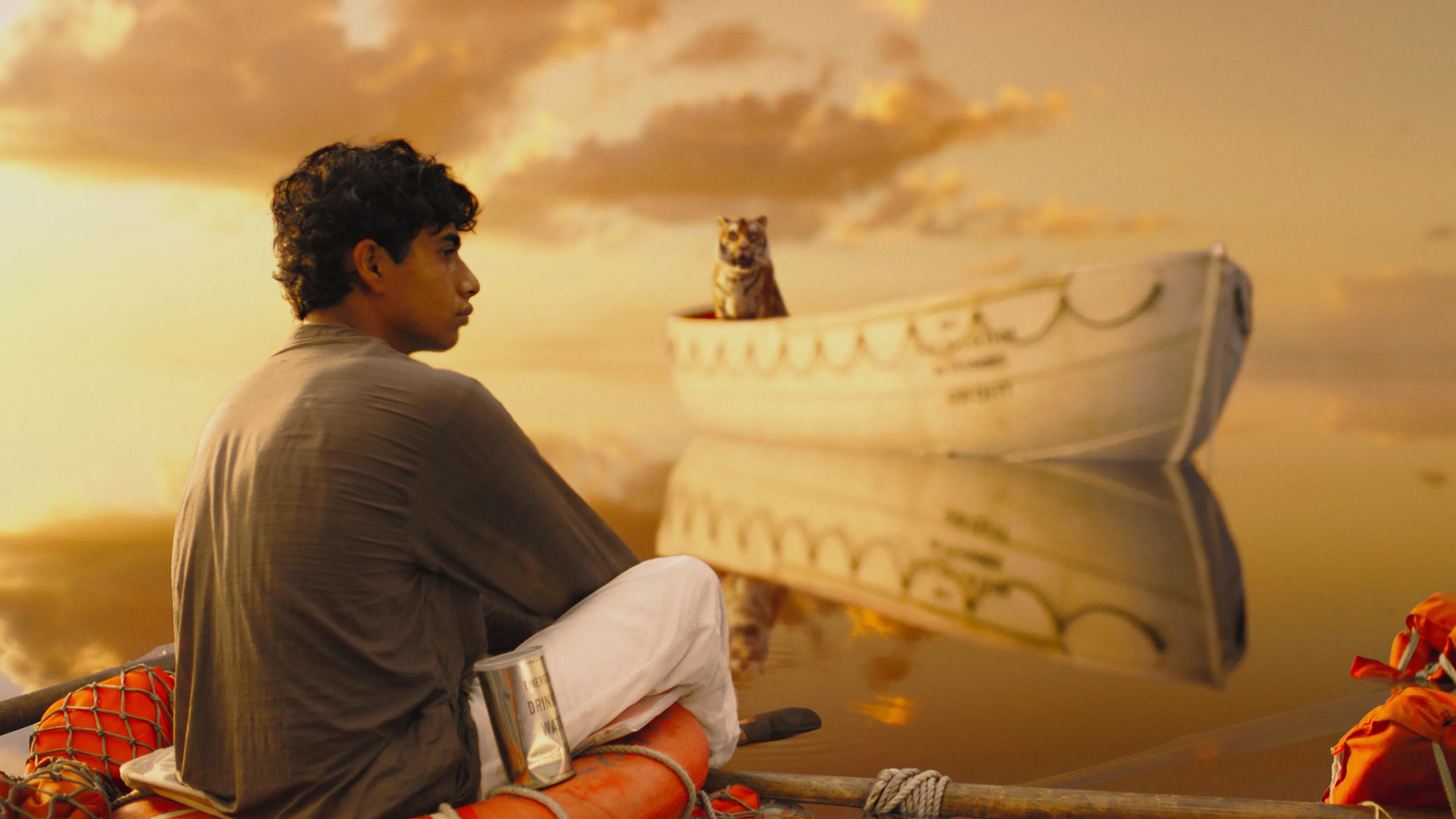
Ang Lee achieves the impossible by adapting a supposedly "unfilmable" book into a visual masterpiece that blends spiritual philosophy with survival grit. The CGI tiger is a technical marvel, possessing a weight and menace that makes the threat feel palpable, while the bioluminescent ocean sequences create a dreamlike atmosphere that questions the nature of reality. The film explores the power of storytelling as a survival mechanism, suggesting that we construct narratives to make sense of suffering that is otherwise unbearable. It succeeds because it balances the brutality of nature with moments of transcendent beauty, leaving the viewer with an ambiguous ending that challenges them to decide which version of the truth they prefer to believe.
15. 🎬 I Am Legend (2007)
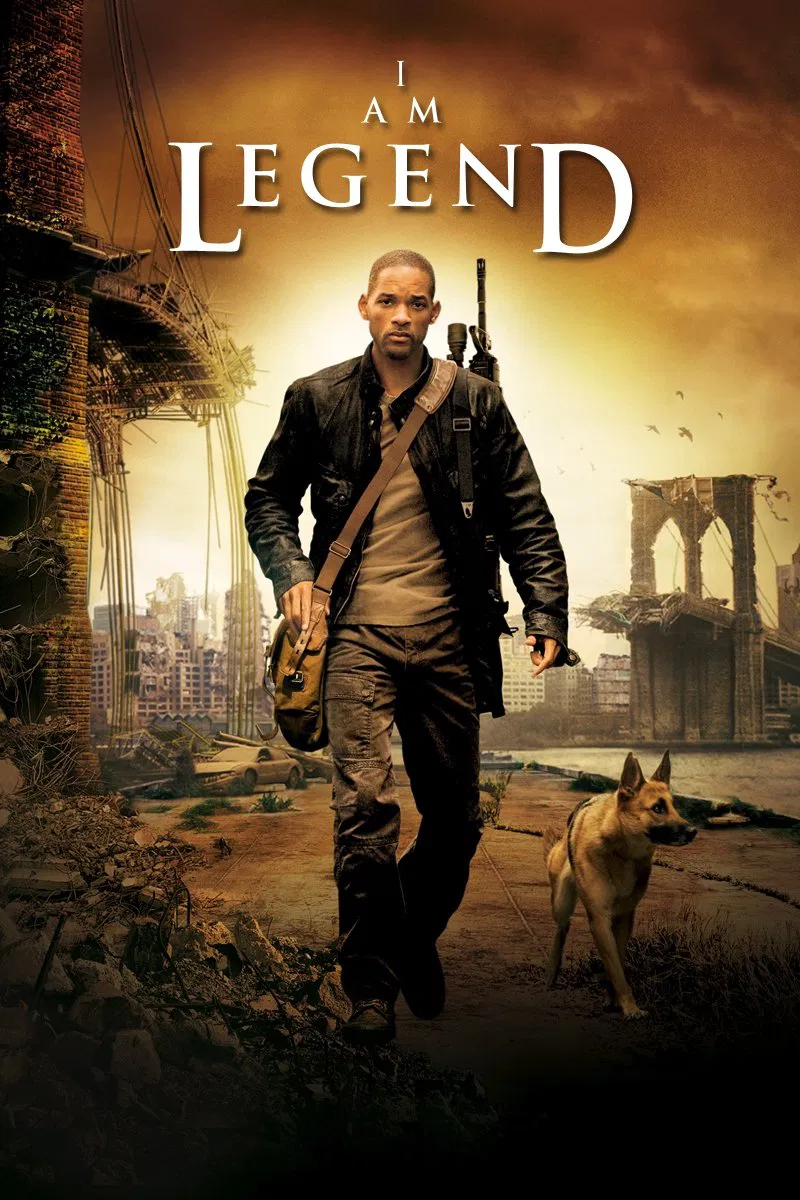
Robert Neville is the last human survivor in New York City after a genetically modified virus has wiped out most of humanity and turned the rest into nocturnal, vampiric mutants known as Darkseekers. By day, he hunts for food and supplies while working on a cure; by night, he barricades himself in his fortified home, struggling to maintain his sanity with only his German Shepherd, Sam, for company.
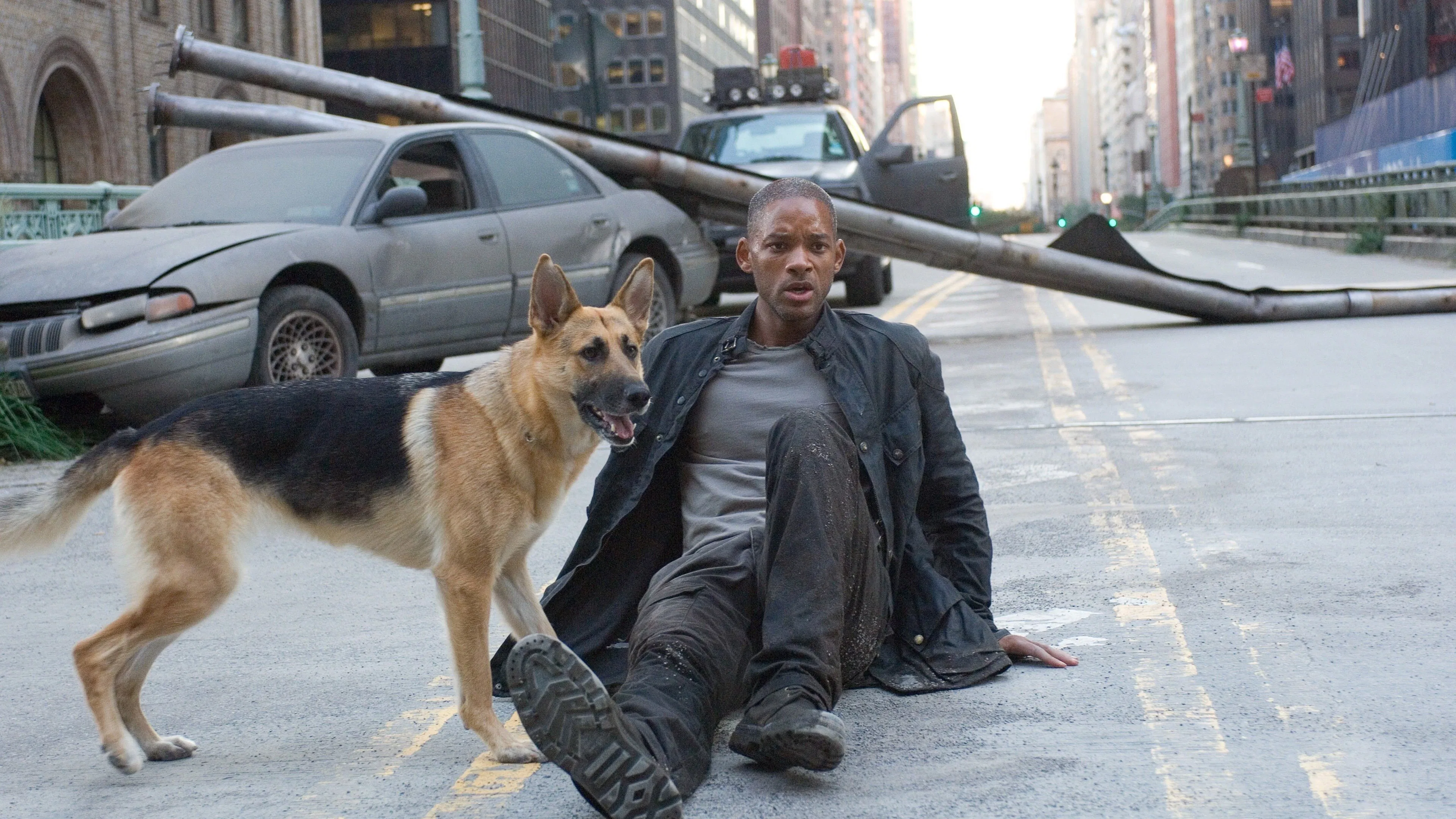
Francis Lawrence creates a haunting vision of an overgrown, abandoned Manhattan, using the silence of the empty city to create a pervasive sense of loneliness that is more terrifying than the monsters. Will Smith gives a tour-de-force performance, carrying the first half of the film almost entirely without dialogue, conveying the mental decay of a man who talks to mannequins to keep from forgetting how to speak. The film examines the psychological cost of isolation and the burden of being the "legend" in a world that has moved on without you. It succeeds because it focuses on the bond between man and dog as the last tether to humanity, making the tragic loss in the second act one of the most devastating moments in blockbuster history.
14. 🎬 The Way Back (2010)
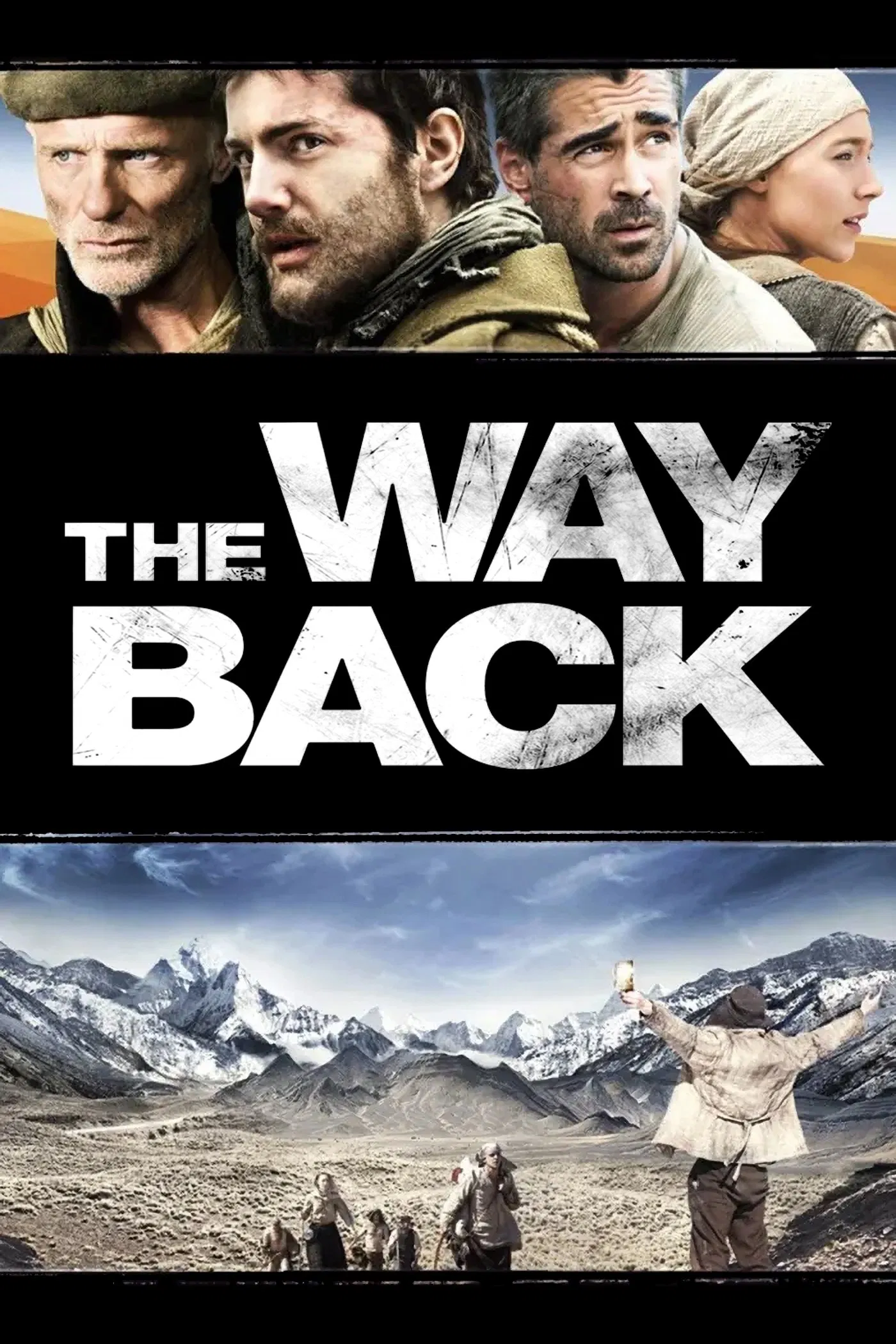
In 1941, a group of prisoners escapes from a Soviet gulag in Siberia and embarks on a treacherous 4,000-mile trek to freedom in India. The motley crew, including a Polish officer, an American cynic, and a Russian criminal, must cross the frozen taiga, the Gobi Desert, and the Himalayas, battling starvation, exposure, and their own crumbling mistrust of one another.
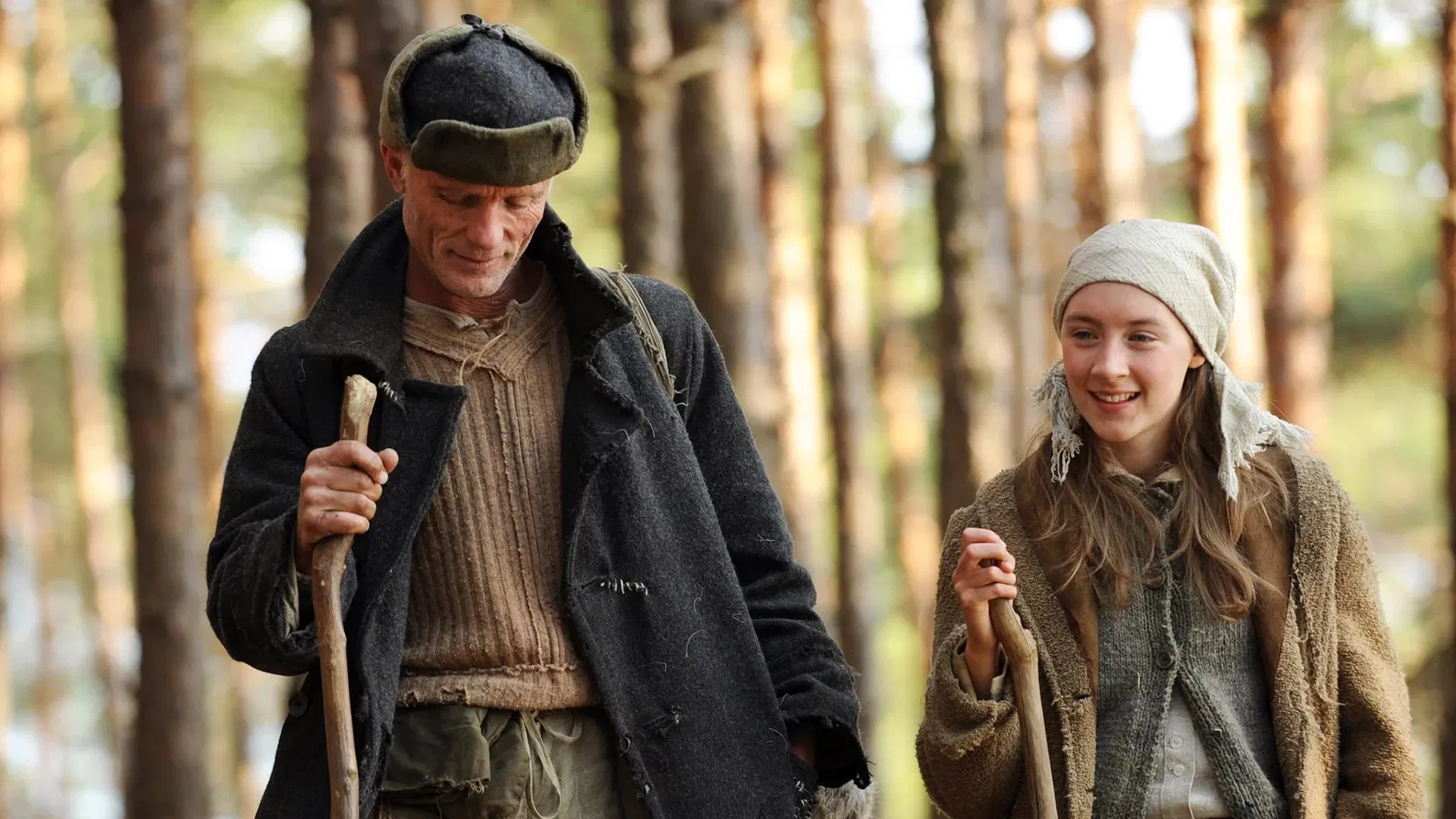
Peter Weir crafts an old-school epic that prioritizes the endurance of the human spirit over cinematic spectacle, focusing on the rhythmic, grinding nature of walking across a continent. The cinematography captures the vast, indifferent beauty of the landscapes, shrinking the characters to tiny specks against the horizon to emphasize their vulnerability. The film explores the idea that freedom is not a destination but a continuous act of will, showing how the group is stripped of everything but their desire to live. It succeeds because it avoids melodrama, presenting survival as a series of mundane, painful steps, proving that the greatest victory against tyranny is simply continuing to breathe.
13. 🎬 The Edge (1997)
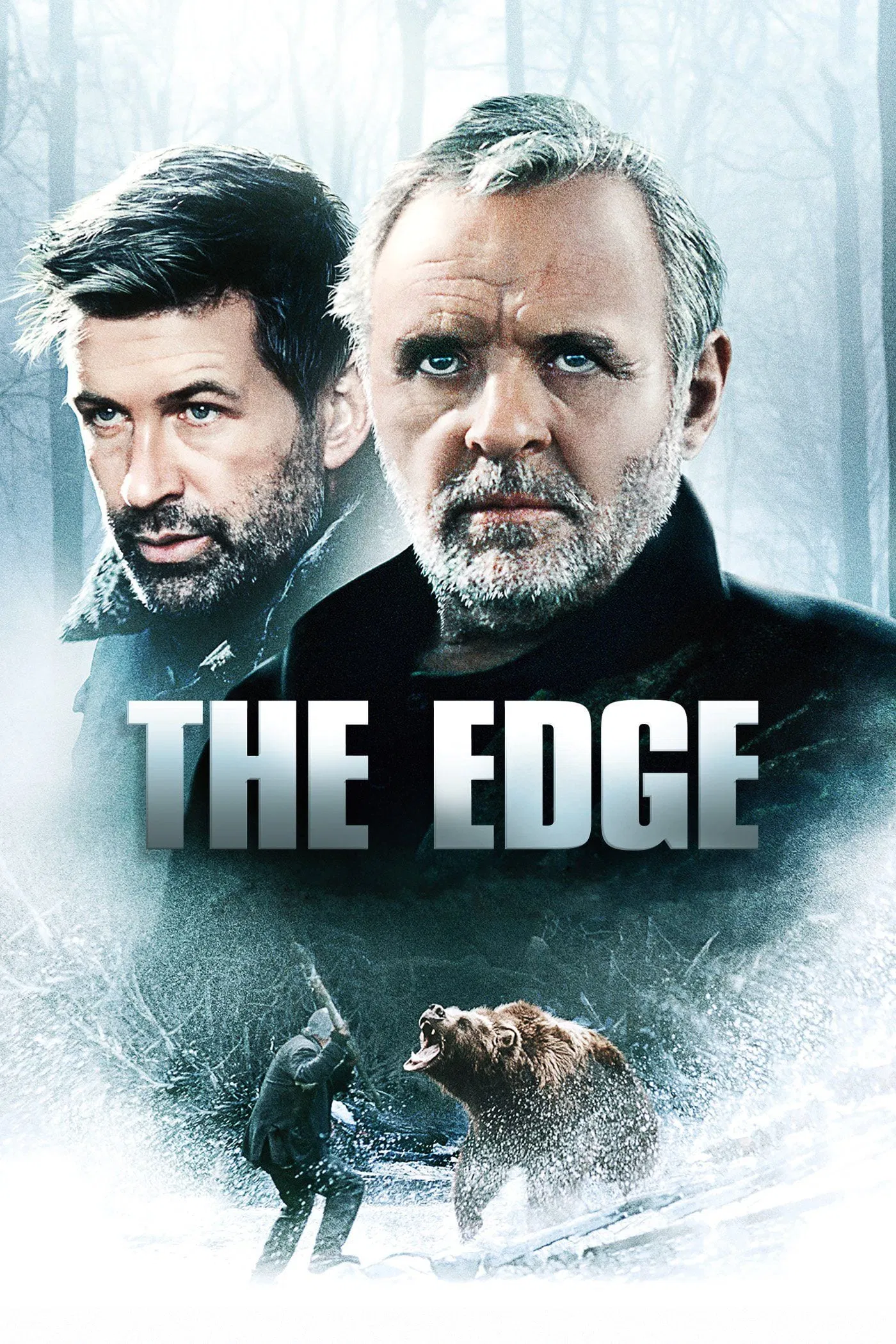
A billionaire intellectual and a fashion photographer are stranded in the Alaskan wilderness after their plane crashes, forcing them to rely on each other to survive. However, their struggle against the elements and a relentless Kodiak bear is complicated by the simmering jealousy and resentment between them, turning their survival bid into a psychological chess match.
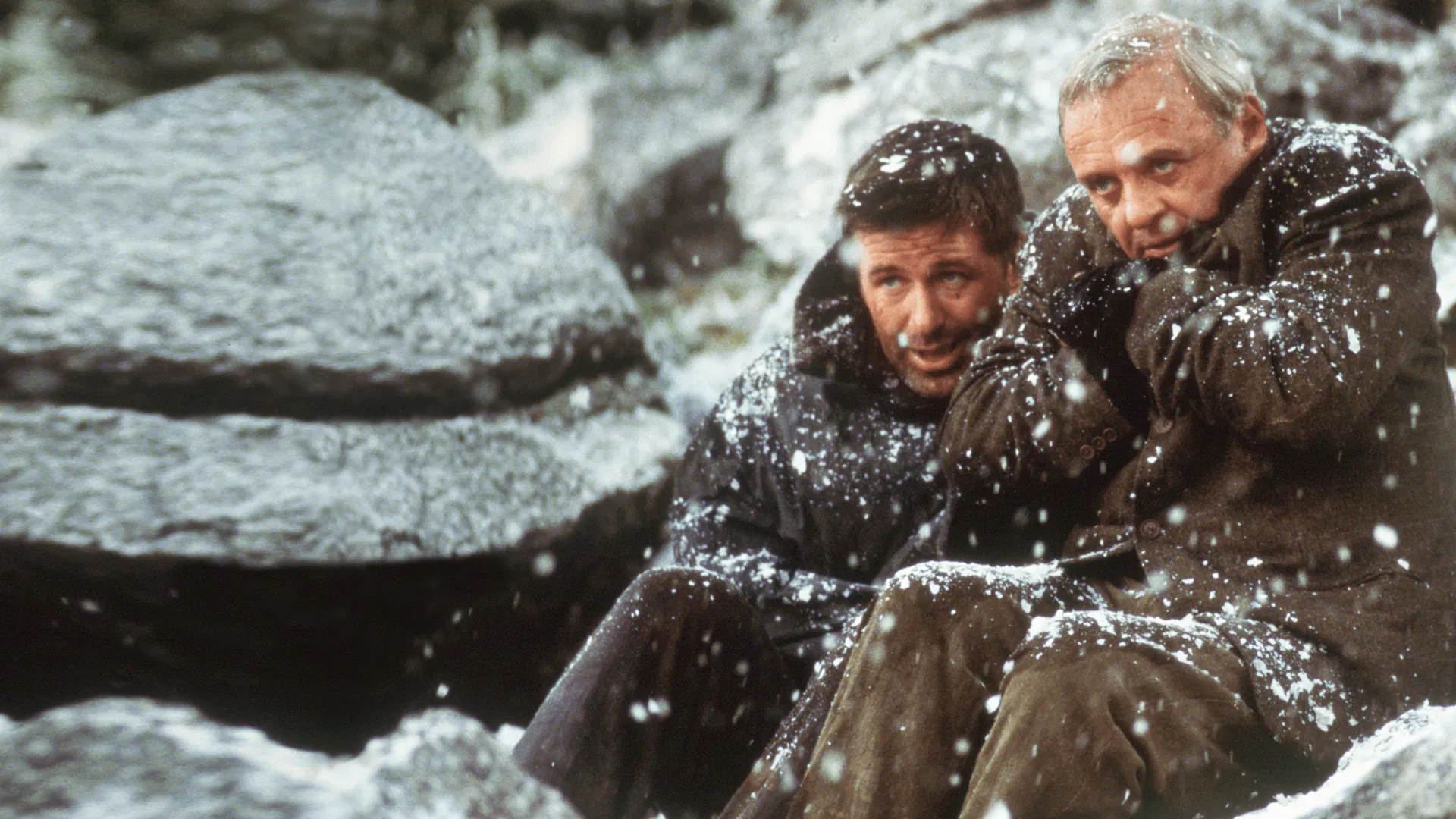
Lee Tamahori directs a survival thriller that is actually a disguised character study about masculinity and class, written by David Mamet with his signature sharp dialogue. Anthony Hopkins plays the billionaire Charles Morse not as a helpless rich man, but as a autodidact whose book knowledge becomes his only weapon, while Alec Baldwin’s character slowly unravels as his physical strength proves useless against the wild. The bear, played by the legendary Bart the Bear, serves as a terrifying force of nature that exposes the true nature of the men it hunts. It succeeds because it suggests that in the wild, social status is meaningless, and the only currency that matters is the ability to think clearly under pressure, encapsulated in the mantra: "What one man can do, another can do."
12. 🎬 The Mist (2007)
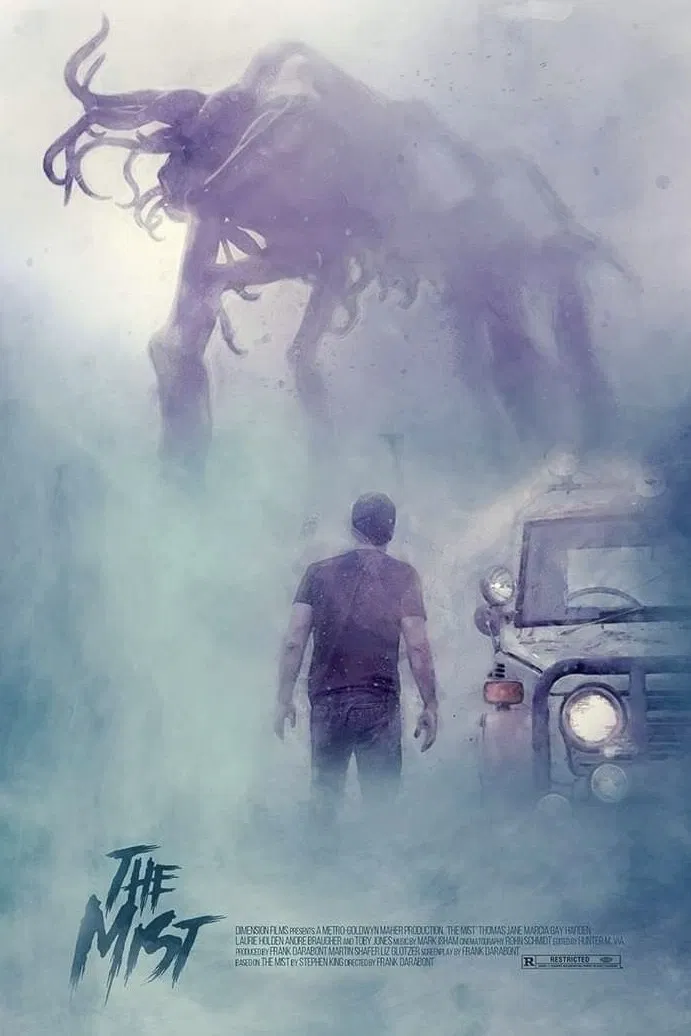
A freak storm unleashes a thick, unnatural mist over a small Maine town, trapping a group of citizens inside a local grocery store as Lovecraftian monsters prowl the darkness outside. As the siege drags on, the trapped civilians splinter into factions, with a religious zealot inciting a mob mentality that proves to be more dangerous than the creatures in the mist.
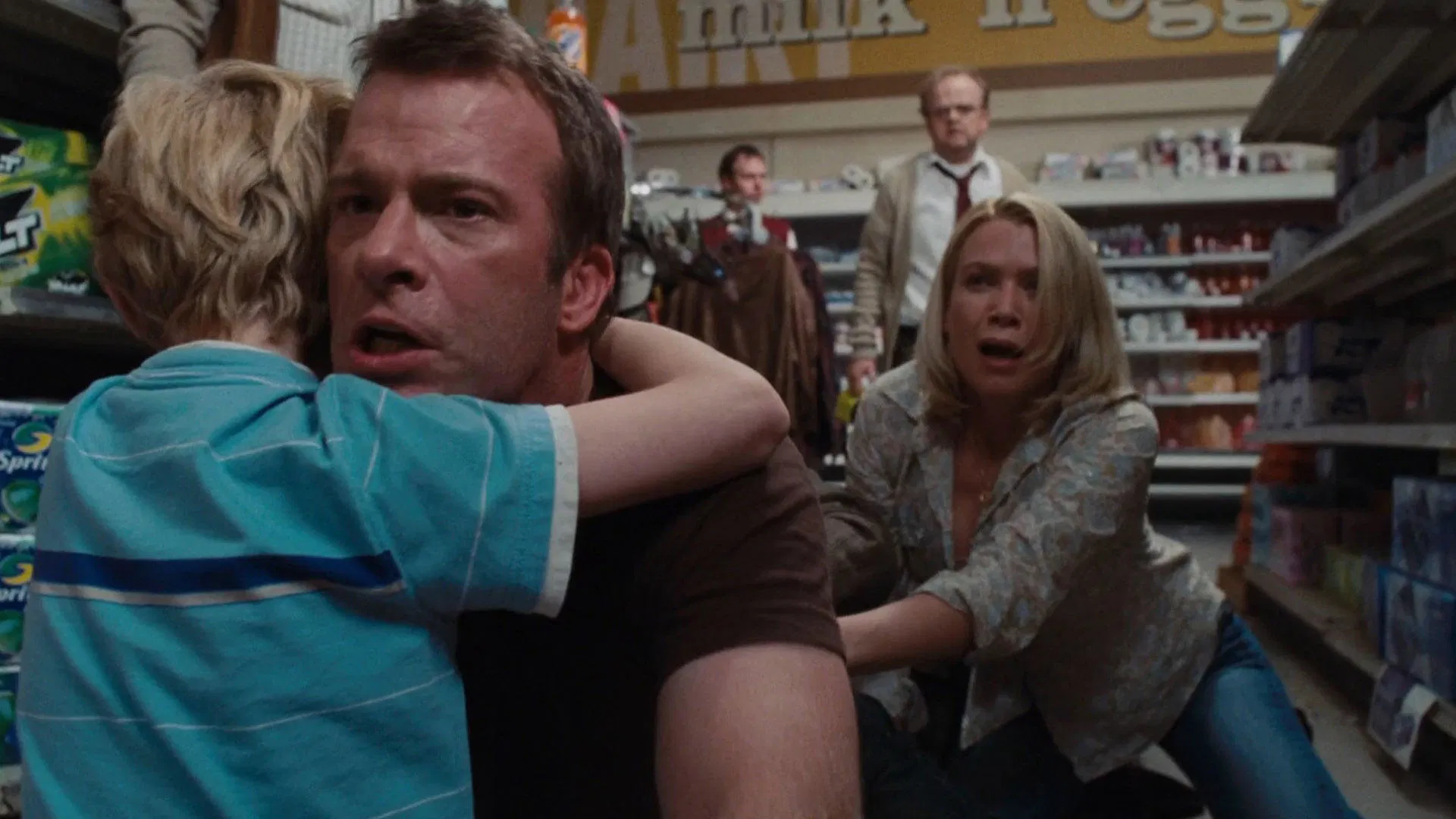
Frank Darabont adapts Stephen King’s novella into a bleak, uncompromising study of human nature under pressure, showing how quickly civilization collapses when fear takes the wheel. The film uses the grocery store - a symbol of modern comfort - as a pressure cooker, turning neighbors into executioners as religious fundamentalism clashes with rationality. The creature designs are horrifying, but the true terror comes from Marcia Gay Harden’s performance as Mrs. Carmody, who weaponizes faith to gain power. It succeeds because of its infamous, gut-punch ending, which subverts the typical Hollywood rescue to deliver a nihilistic message about the cruelty of fate and the danger of losing hope too soon.
11. 🎬 #Alive (2020)
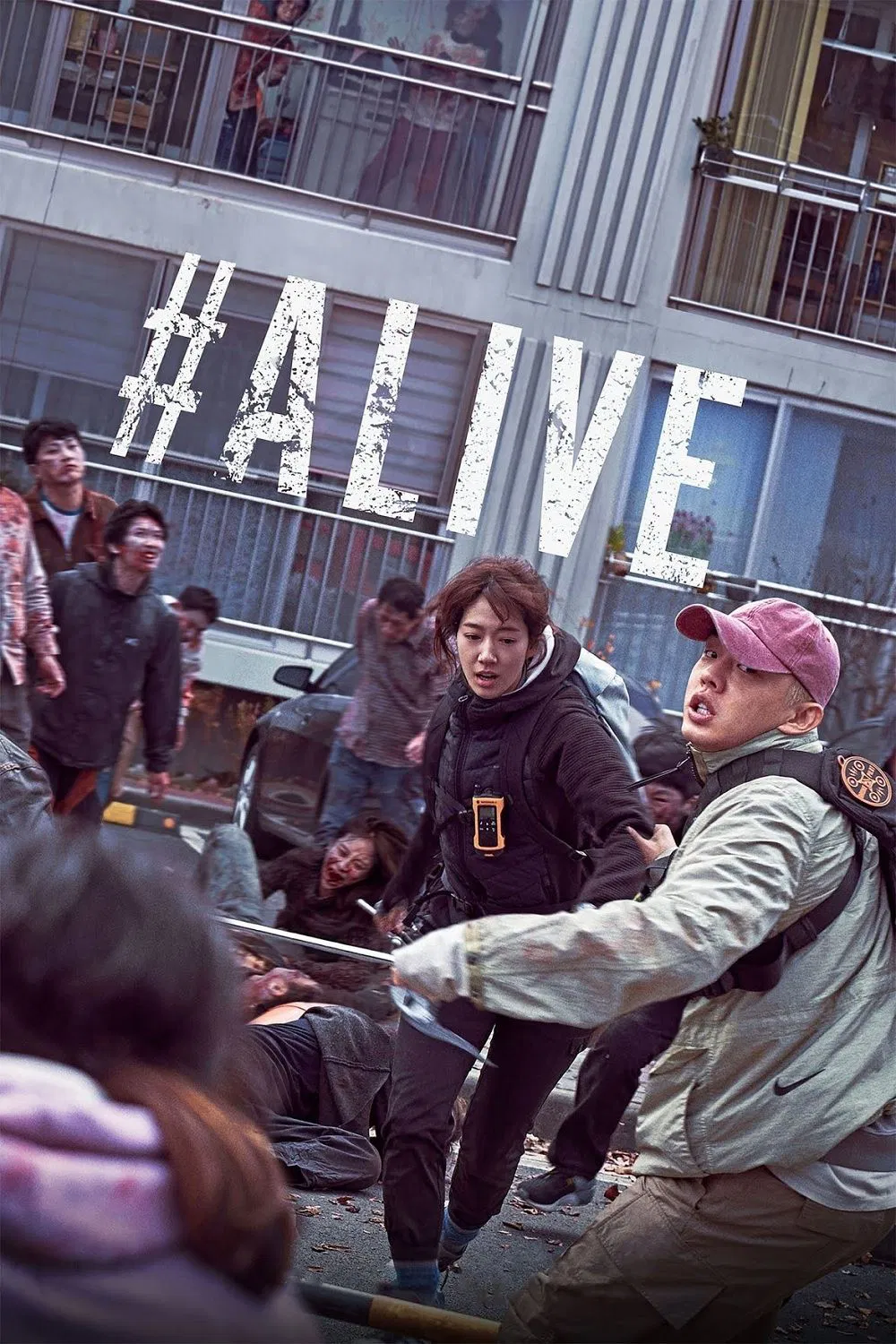
A young video game streamer wakes up to find that a mysterious virus has turned the population of Seoul into flesh-eating zombies, trapping him in his high-rise apartment. Cut off from the digital world and running out of food and water, he contemplates suicide until he spots another survivor in the apartment complex across the street, sparking a desperate attempt to connect and survive together.

Cho Il-hyung updates the zombie genre for the digital age, exploring the unique horror of being hyper-connected yet physically isolated, a theme that resonated deeply during the global pandemic. Yoo Ah-in delivers a compelling physical performance, capturing the manic energy and eventual depression of a character who is ill-equipped for the apocalypse. The film utilizes the verticality of the apartment complex to create unique action sequences, turning drones and zip lines into lifelines. It succeeds because it focuses on the mental toll of isolation, showing that the will to live is often fueled not by the desire to breathe, but by the simple need to know that you are not alone in the world.
10. 🎬 Captain Phillips (2013)
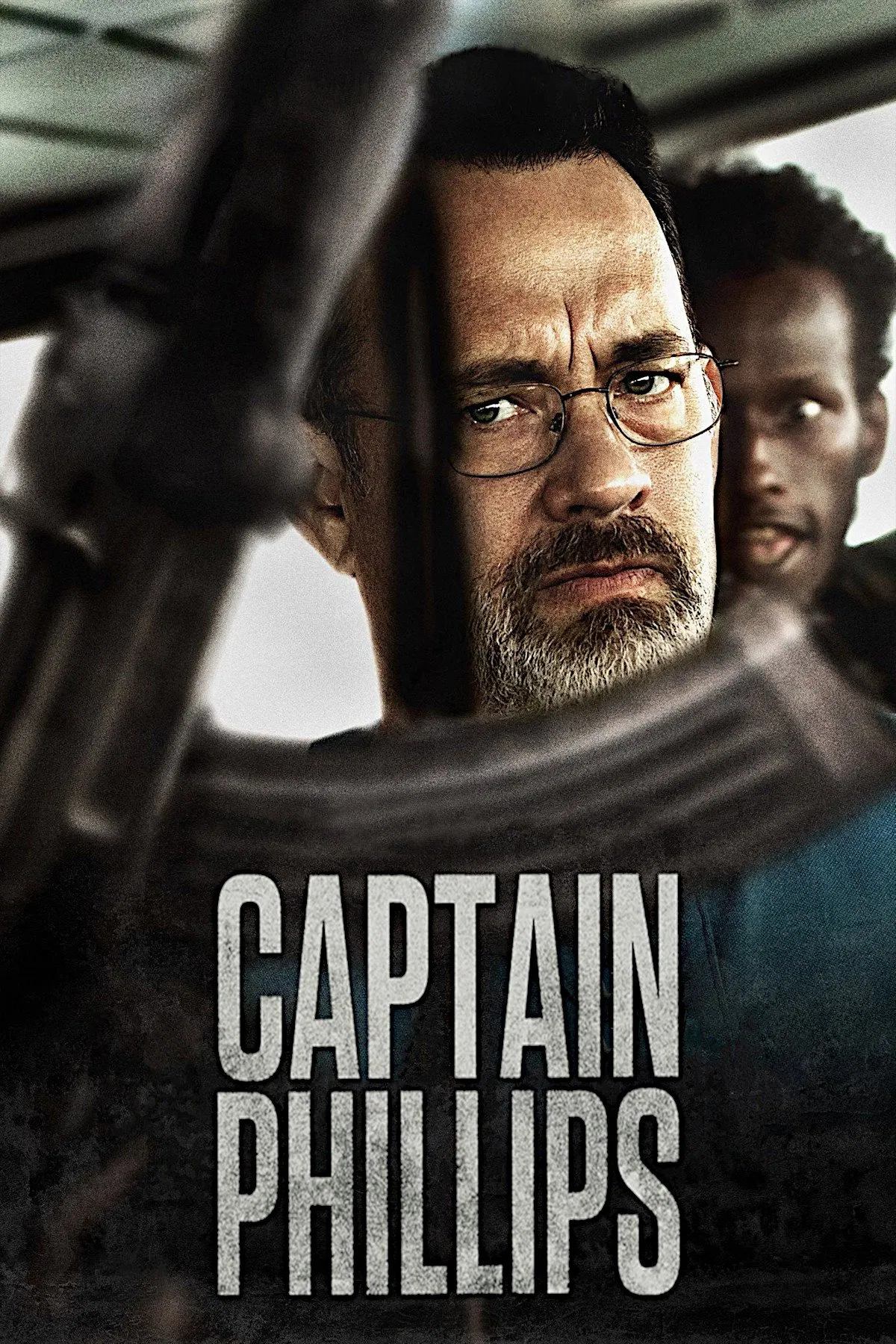
Based on the true story of the 2009 Maersk Alabama hijacking, the film follows Captain Richard Phillips as his cargo ship is boarded by Somali pirates. To protect his crew, Phillips offers himself as a hostage, leading to a tense, claustrophobic standoff inside a cramped lifeboat as the US Navy closes in.
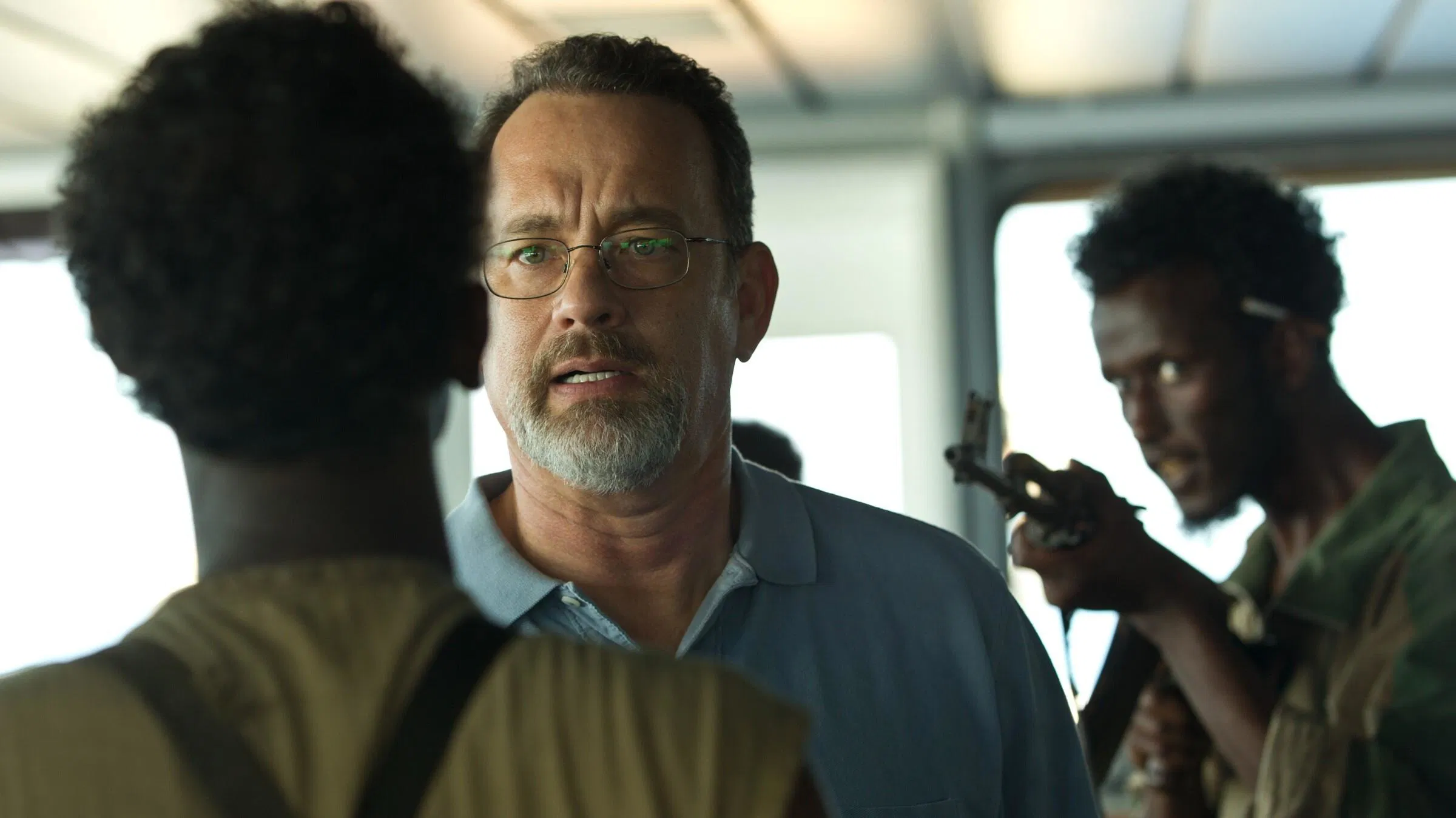
Paul Greengrass brings his signature documentary-style urgency to the high seas, creating a thriller that is relentless in its pacing and authenticity. Tom Hanks gives one of his finest performances, shedding his movie-star persona to play a pragmatic man whose composure is slowly stripped away, culminating in a final medical exam scene that is a masterclass in acting out shock and trauma. Barkhad Abdi’s Muse is a complex antagonist, portrayed not as a villain but as a desperate man caught in the machinery of global inequality, famously stating, "I am the captain now." It succeeds because it refuses to simplify the geopolitics, showing the collision between the massive economic power of the West and the desperate poverty of the pirates, while keeping the focus on the human cost of the conflict.
9. 🎬 Backcountry (2014)
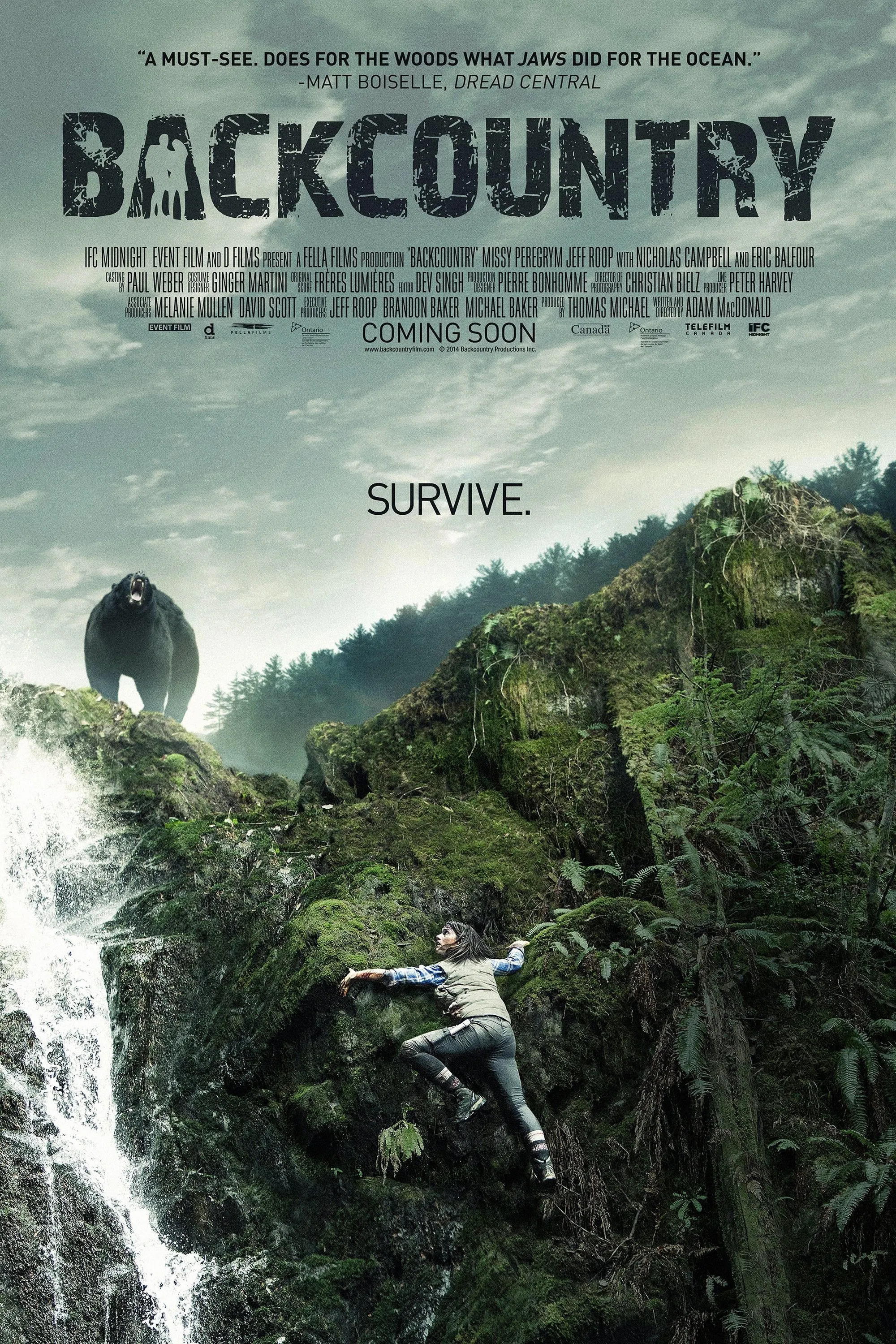
An urban couple goes camping in the Canadian wilderness, but their romantic getaway turns into a nightmare when the boyfriend’s arrogance leads them off the trail and into the territory of a predatory black bear. Lost and without a map, they must face the brutal reality of the food chain.

Adam MacDonald deconstructs the "couples retreat" trope by rooting the horror in relationship dynamics, showing how male hubris and a lack of communication can be just as deadly as the wildlife. The film is a slow burn that builds dread through the ambiance of the forest, making every snapping twig sound like a threat. The bear attack scene is infamous for its lack of music and unflinching gore, portraying the animal not as a movie monster but as an indifferent biological machine. It succeeds because it relies on realism rather than jump scares, serving as a terrifying cautionary tale about respecting nature and the fatal consequences of being unprepared.
8. 🎬 Old (2021)

A family on a tropical holiday discovers that the secluded beach they are visiting is causing them to age rapidly, reducing their entire lives into a single day. As the children grow into adults and the parents become elderly within hours, the group must solve the mystery of the beach and find a way to escape before time runs out.
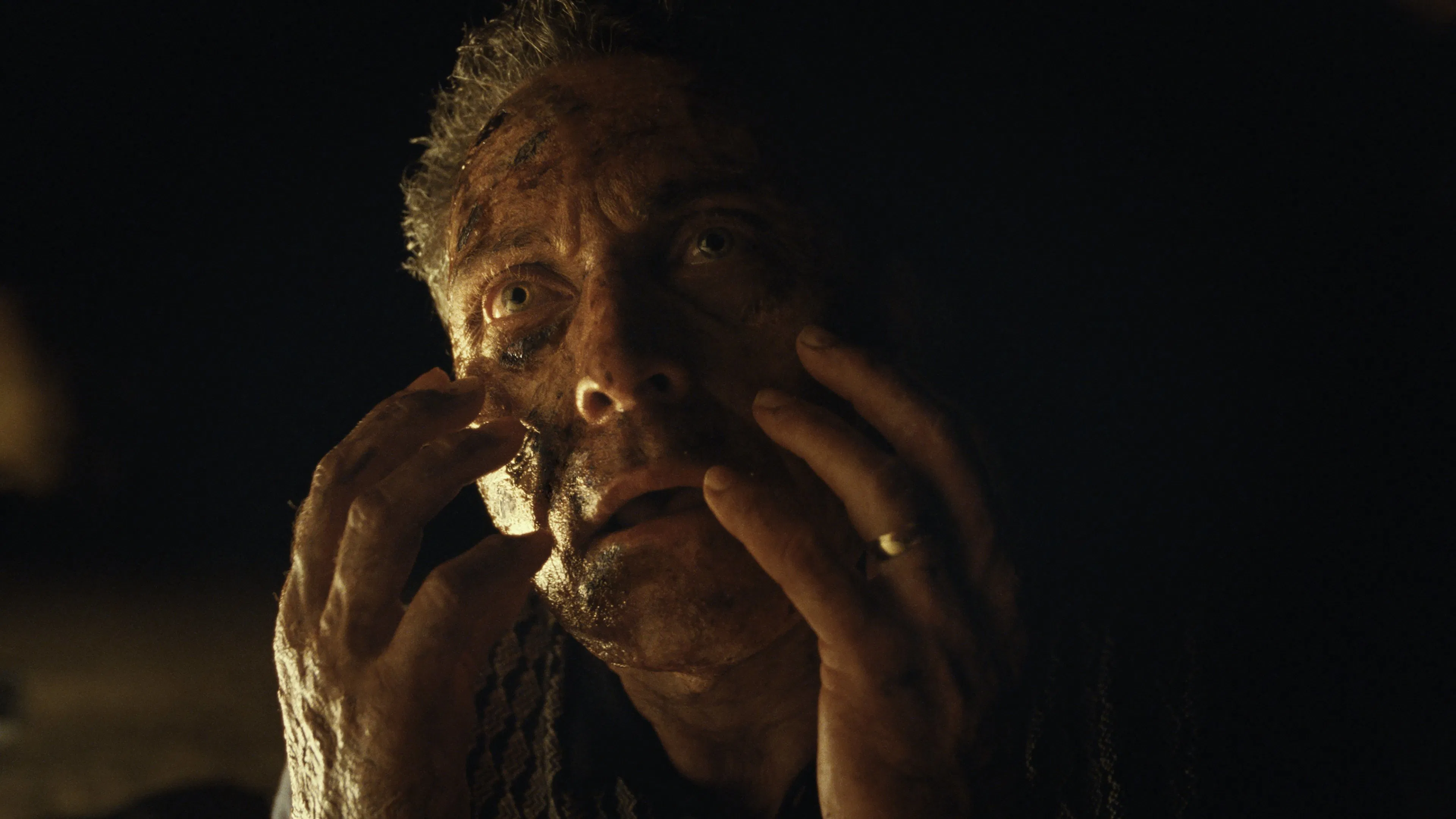
M. Night Shyamalan uses a high-concept Twilight Zone premise to explore the horror of mortality and the fleeting nature of time. The film’s camera work is disorienting and claustrophobic, often panning away from the violence to focus on the reactions of the characters as their bodies betray them. While the dialogue is stylized and unnatural, it fits the surreal, dream-like logic of the nightmare scenario. It succeeds because it taps into the universal fear of losing time with loved ones, compressing the tragedies of a lifetime - dementia, illness, loss - into a few hours, forcing the characters and the audience to confront the inevitability of death head-on.
7. 🎬 Panic Room (2002)
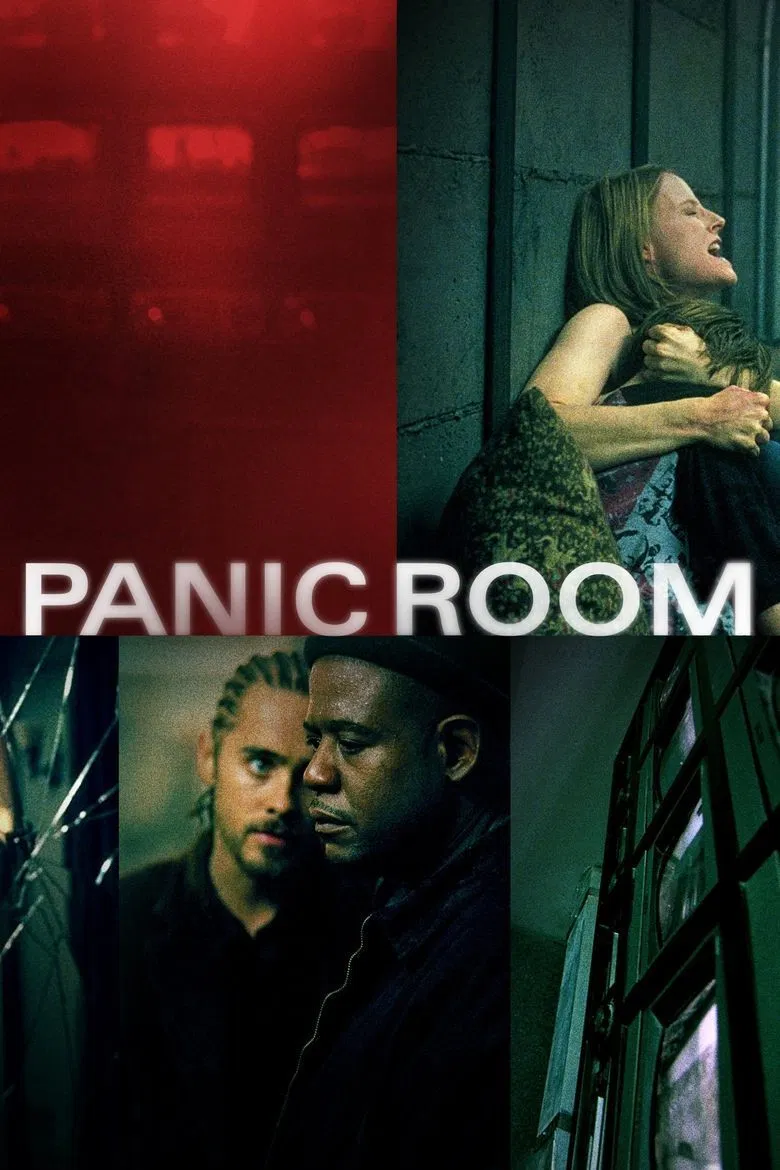
A recently divorced woman and her diabetic daughter move into a lavish New York brownstone equipped with a high-tech panic room, only to be forced to use it on their first night when three burglars break in looking for a hidden fortune. A deadly game of cat-and-mouse ensues as the intruders try to flush them out while the daughter’s insulin levels drop dangerously low.

David Fincher directs a masterclass in spatial filmmaking, treating the house as a chessboard where every move is calculated and every room has tactical significance. Jodie Foster brings a fierce, maternal intensity to the role, transforming from a victim into a warrior, while Forest Whitaker plays the burglar with a conscience, adding moral complexity to the antagonists. The camera glides through keyholes and walls, emphasizing the entrapment of the characters and the impenetrable nature of the safe room. It succeeds because it strips the thriller genre down to its mechanics, creating tension through simple problems - how to get a phone, how to get medicine - proving that a single location is enough for a blockbuster if the stakes are personal.
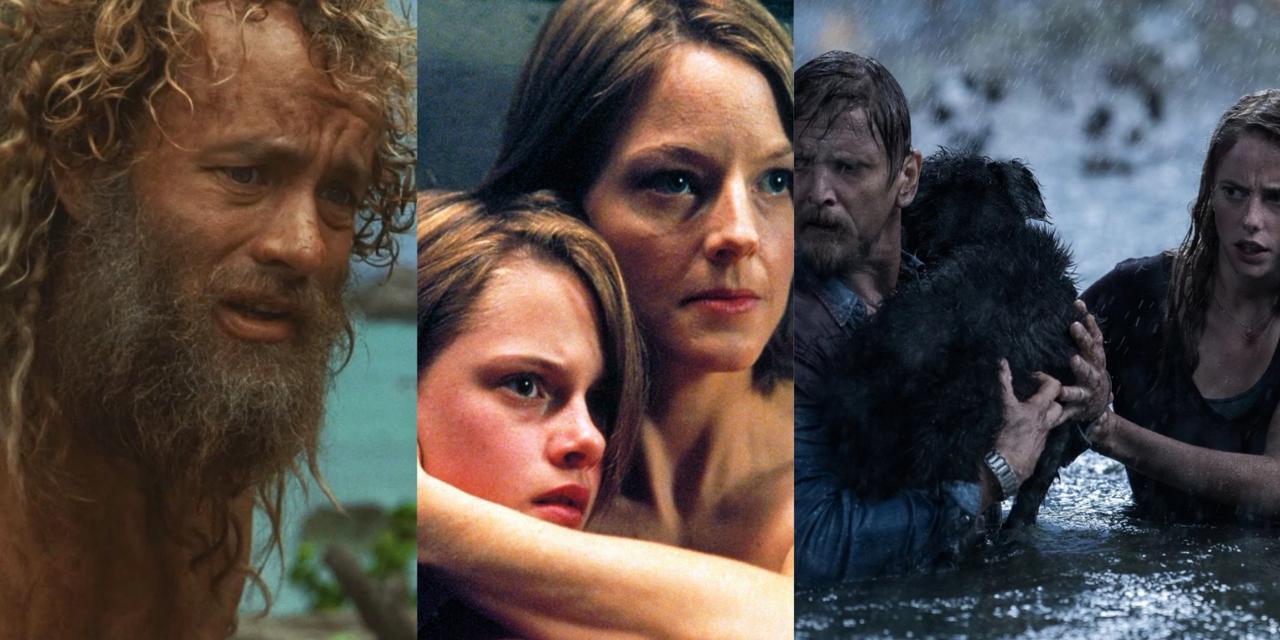
6. 🎬 Gravity (2013)
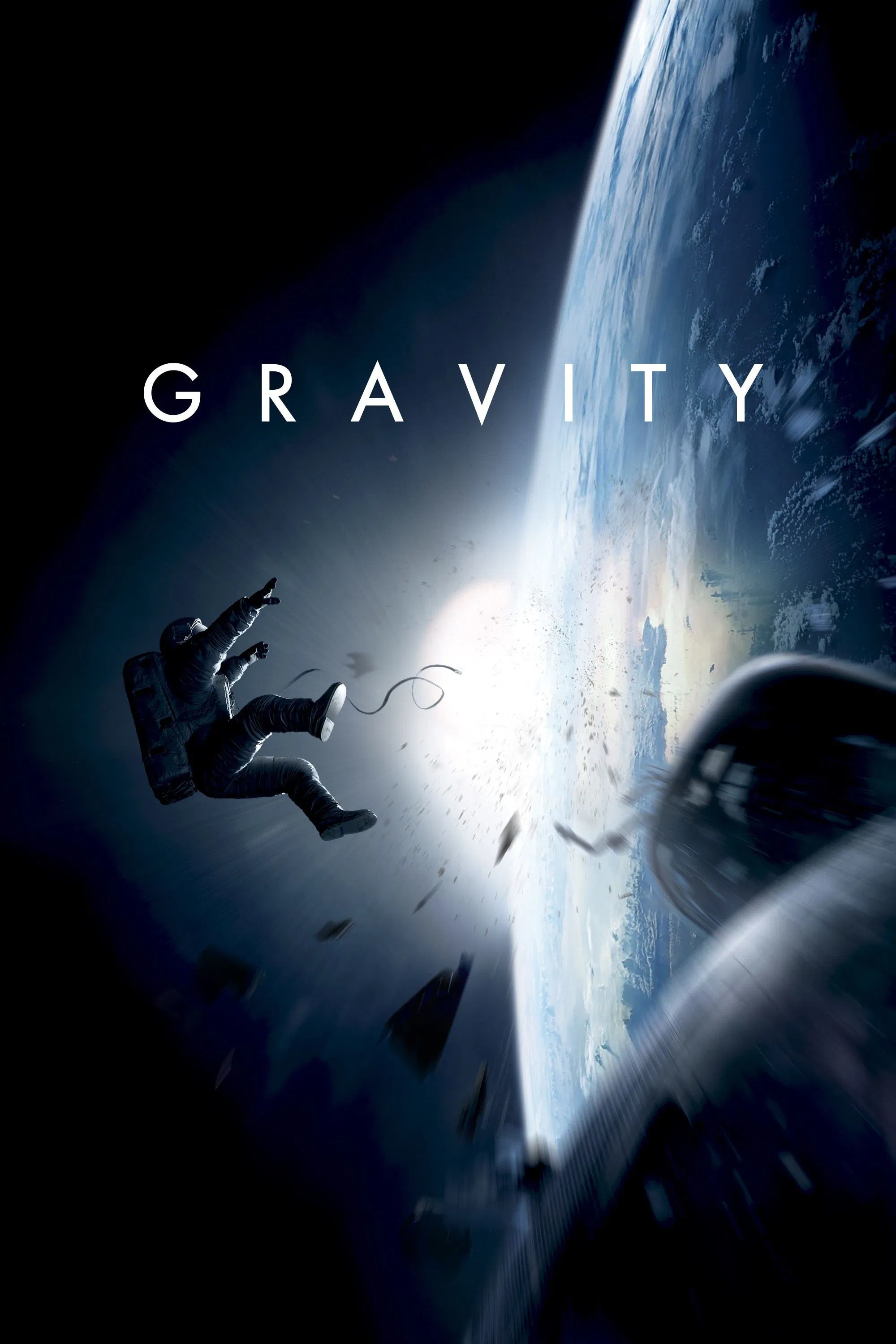
Dr. Ryan Stone, a medical engineer on her first shuttle mission, and veteran astronaut Matt Kowalski are left drifting in deep space after debris destroys their shuttle. Untethered and running out of oxygen, Stone must navigate the zero-gravity void to reach a distant space station, battling her own panic and the grief of a past tragedy that makes her question if she even wants to survive.
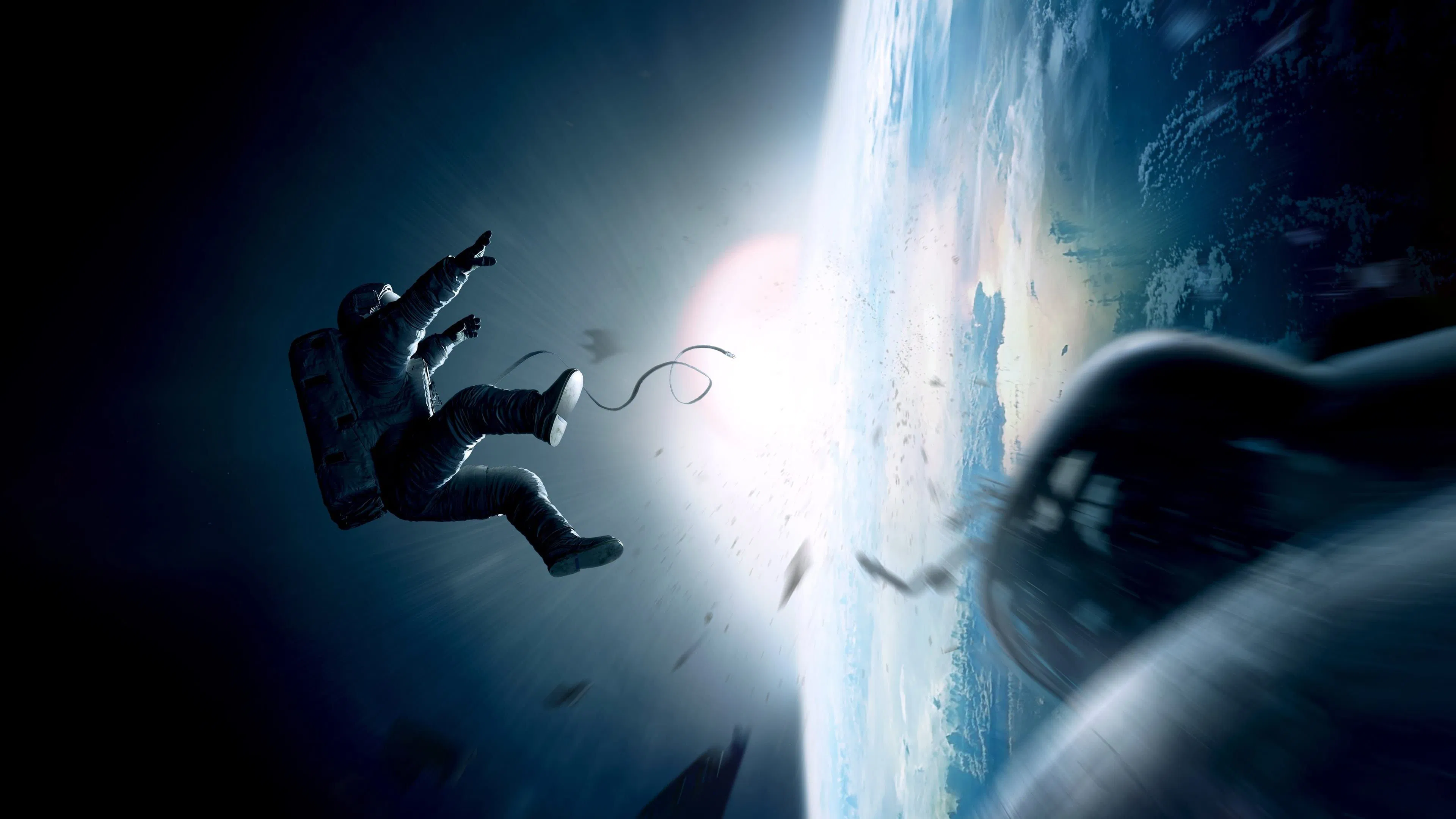
Alfonso Cuarón reinvented the visual language of space films, using long, seamless takes to simulate the weightlessness and disorientation of being in orbit. Sandra Bullock’s performance is a feat of physical acting, as she conveys terror and resilience largely through her breathing and movement inside a spacesuit. The film is a sensory experience that uses silence and a pounding score to alternate between the majesty of Earth and the terrifying indifference of the void. It succeeds because it is a metaphor for rebirth, with Stone’s journey through the airlocks and escape pods symbolizing a return to the womb and a choice to engage with life again, proving that the will to live is the most powerful force in the universe.
5. 🎬 The Martian (2015)
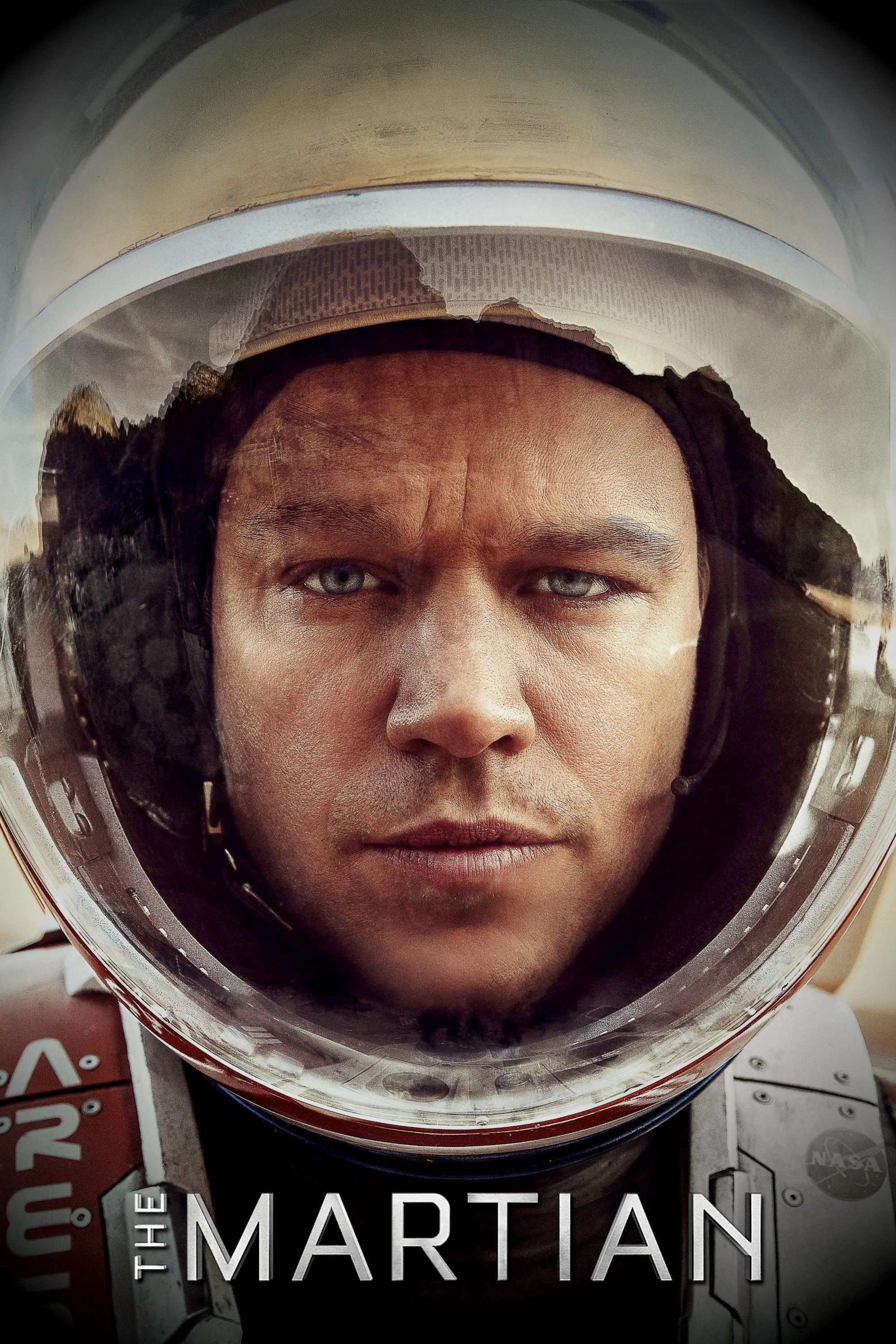
During a manned mission to Mars, Astronaut Mark Watney is presumed dead after a fierce storm and left behind by his crew. But Watney has survived and finds himself stranded and alone on the hostile planet. With only meager supplies, he must utilize his wits, botany skills, and humor to subsist and find a way to signal to Earth that he is alive.
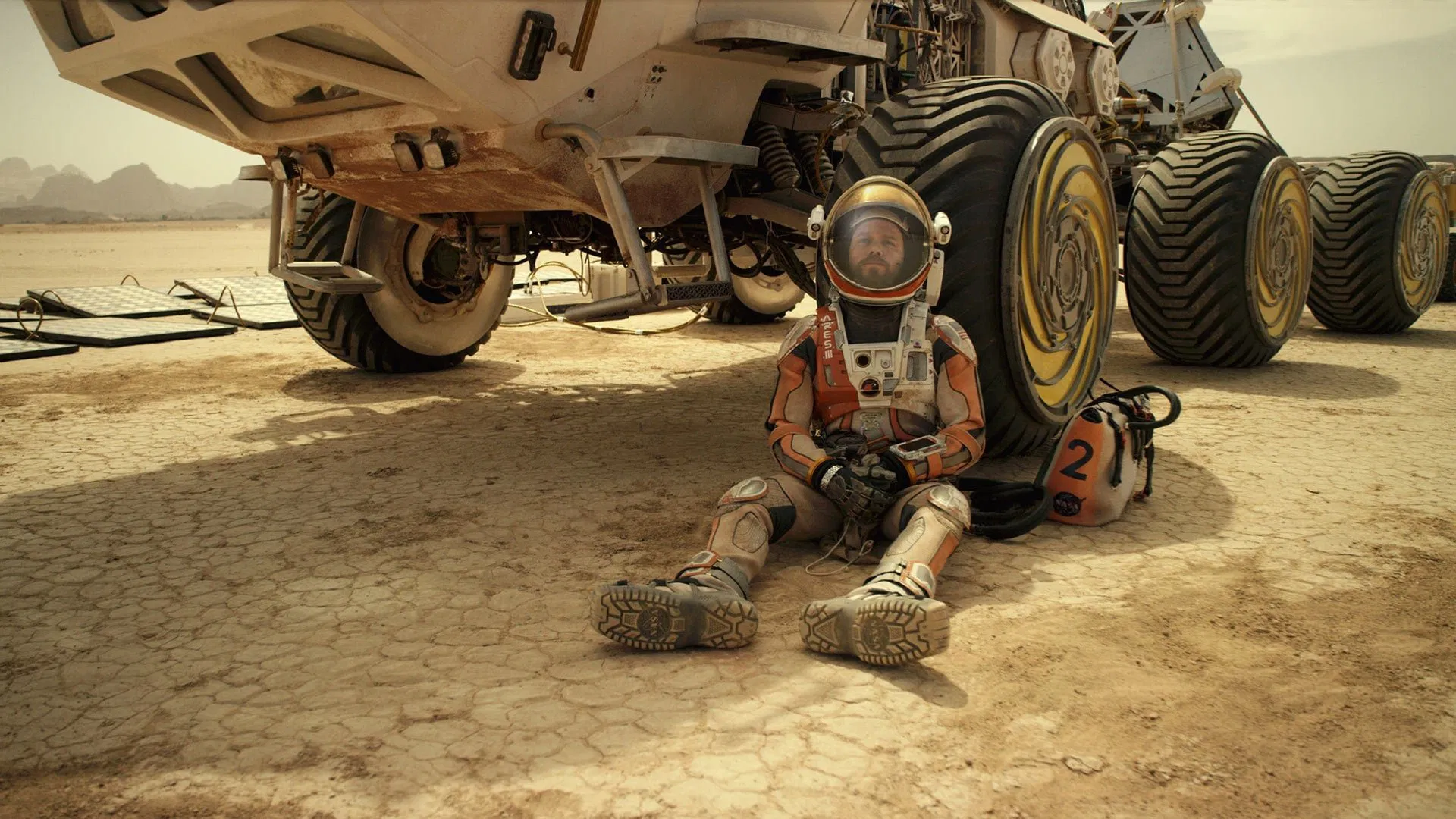
Ridley Scott pivots from his usual dark sci-fi to a film that is fundamentally optimistic about human intelligence and collaboration. Matt Damon carries the film with a charismatic, funny performance that avoids the brooding tropes of the genre, showing that humor is a vital survival tool. The narrative celebrates science as a superpower, turning math and engineering into thrilling plot points as Watney "sciences the sh*t" out of his problems. It succeeds because it portrays a world where competency is king and where the entire planet comes together to save one man, offering a hopeful vision of what humanity can achieve when it values life and knowledge above all else.
4. 🎬 Everest (2015)
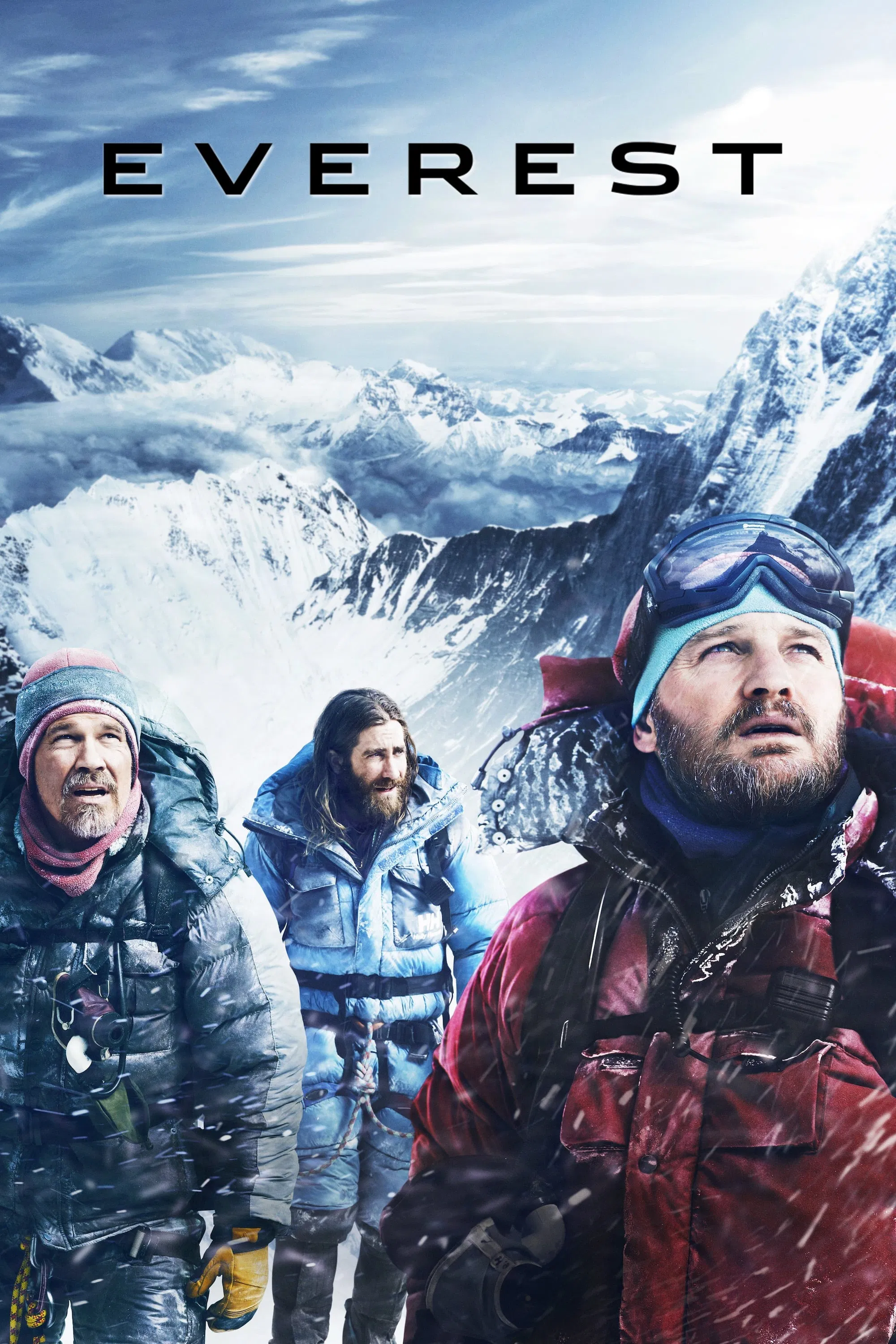
Based on the 1996 Mount Everest disaster, the film follows two expedition groups led by Rob Hall and Scott Fischer as they attempt to summit the world's highest peak. A severe blizzard strikes during their descent, trapping the climbers in the "Death Zone," where their bodies begin to shut down and every breath is a battle against the elements.
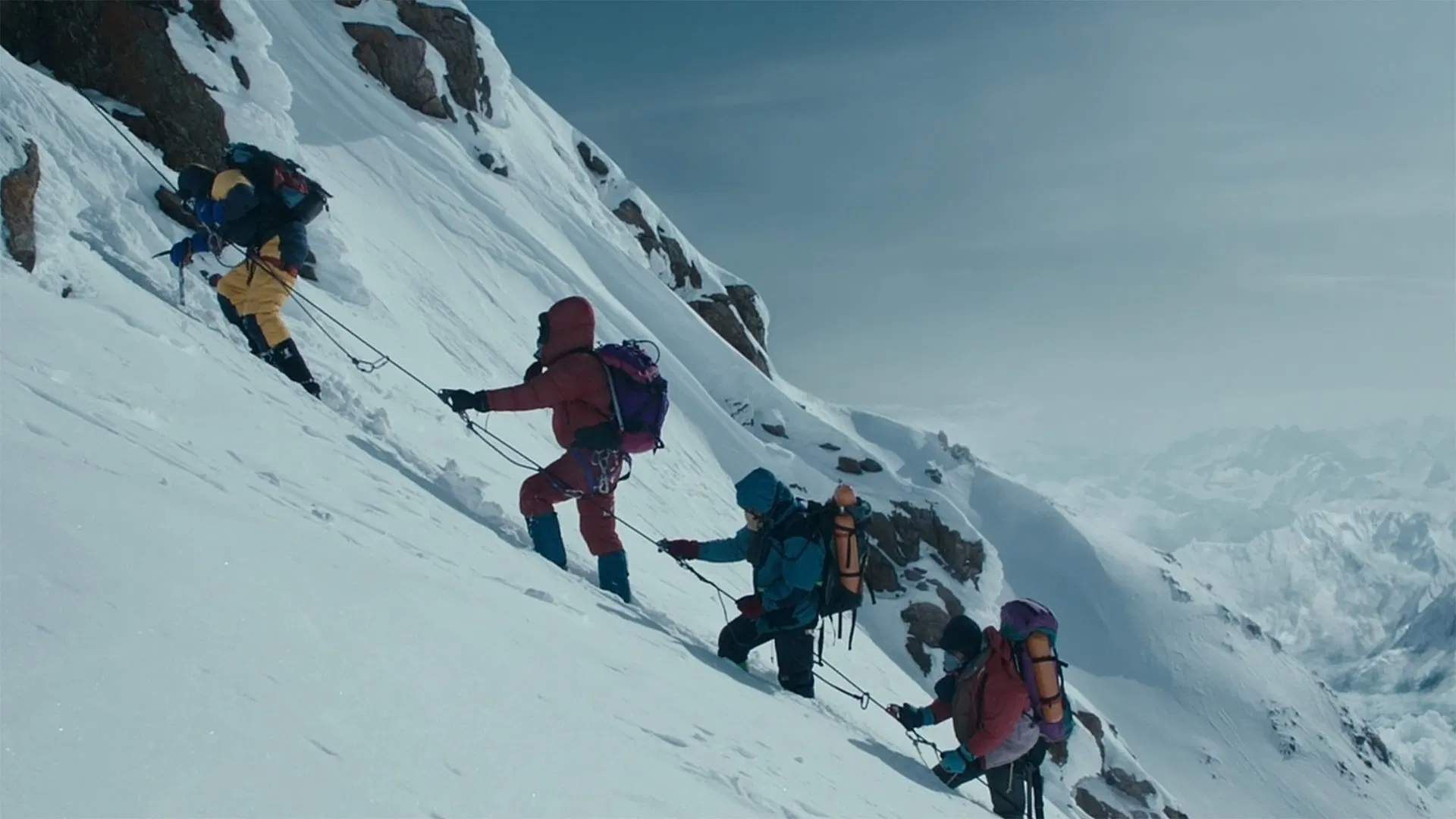
Baltasar Kormákur creates a disaster film that is devoid of Hollywood heroism, presenting the mountain not as a villain but as an indifferent force that exposes human fragility. The film captures the chaotic, hypoxic confusion of high-altitude survival, where decision-making becomes impaired and the line between life and death blurs. The ensemble cast, including Jason Clarke and Jake Gyllenhaal, delivers understated performances that emphasize the collective tragedy rather than individual glory. It succeeds because it is a sobering examination of the commercialization of nature and the hubris of those who think they can conquer it, leaving the viewer with a profound respect for the mountain's deadly power.
3. 🎬 127 Hours (2010)
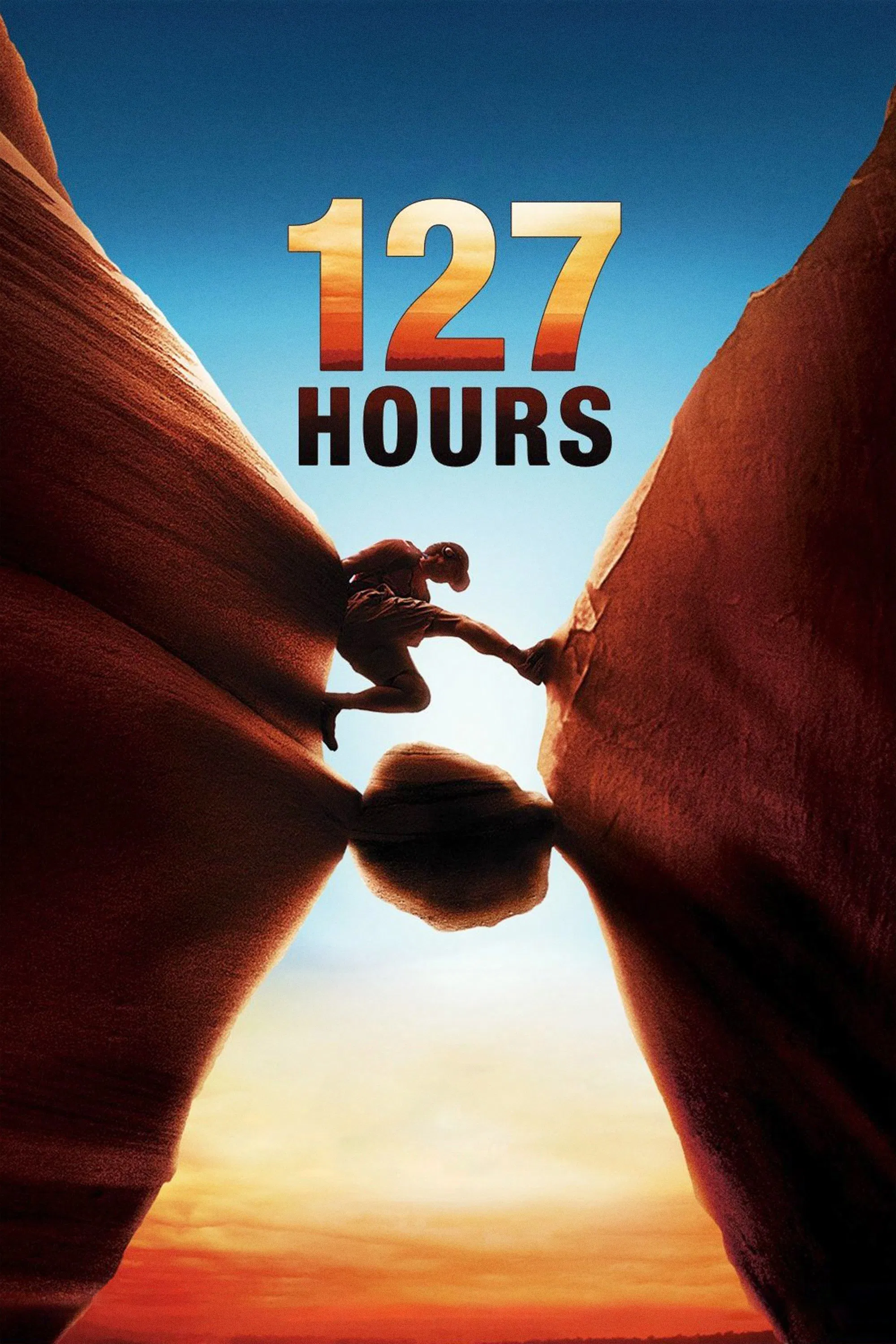
Based on the true story of mountain climber Aron Ralston, who becomes trapped by a boulder in an isolated canyon in Utah. For five days, he examines his life and survives the elements to discover he has the courage and the wherewithal to extricate himself by any means necessary, including amputating his own arm with a dull pocketknife.
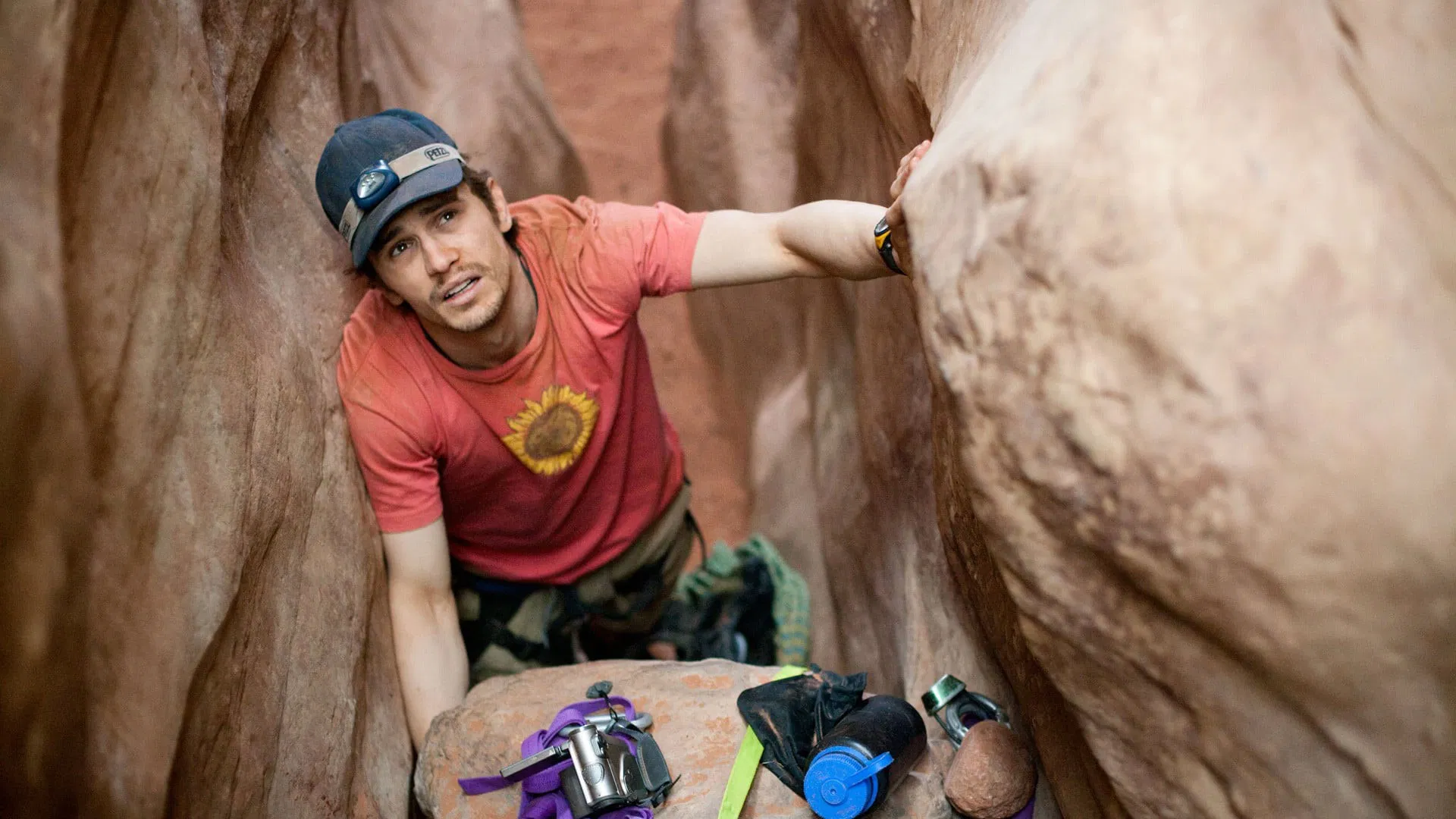
Danny Boyle infuses a static premise with kinetic energy, using split screens and hallucinatory editing to take the audience inside Ralston’s deteriorating mind. James Franco delivers a charismatic, vulnerable performance, capturing the transformation of a selfish thrill-seeker into a man who realizes the value of connection. The film treats the amputation not as a moment of horror, but as a moment of liberation, a bloody birth that frees him from his tomb. It succeeds because it is a life-affirming anthem that celebrates the human capacity to endure pain for the sake of a future, turning a story of isolation into a story about the people we live for.
2. 🎬 Crawl (2019)
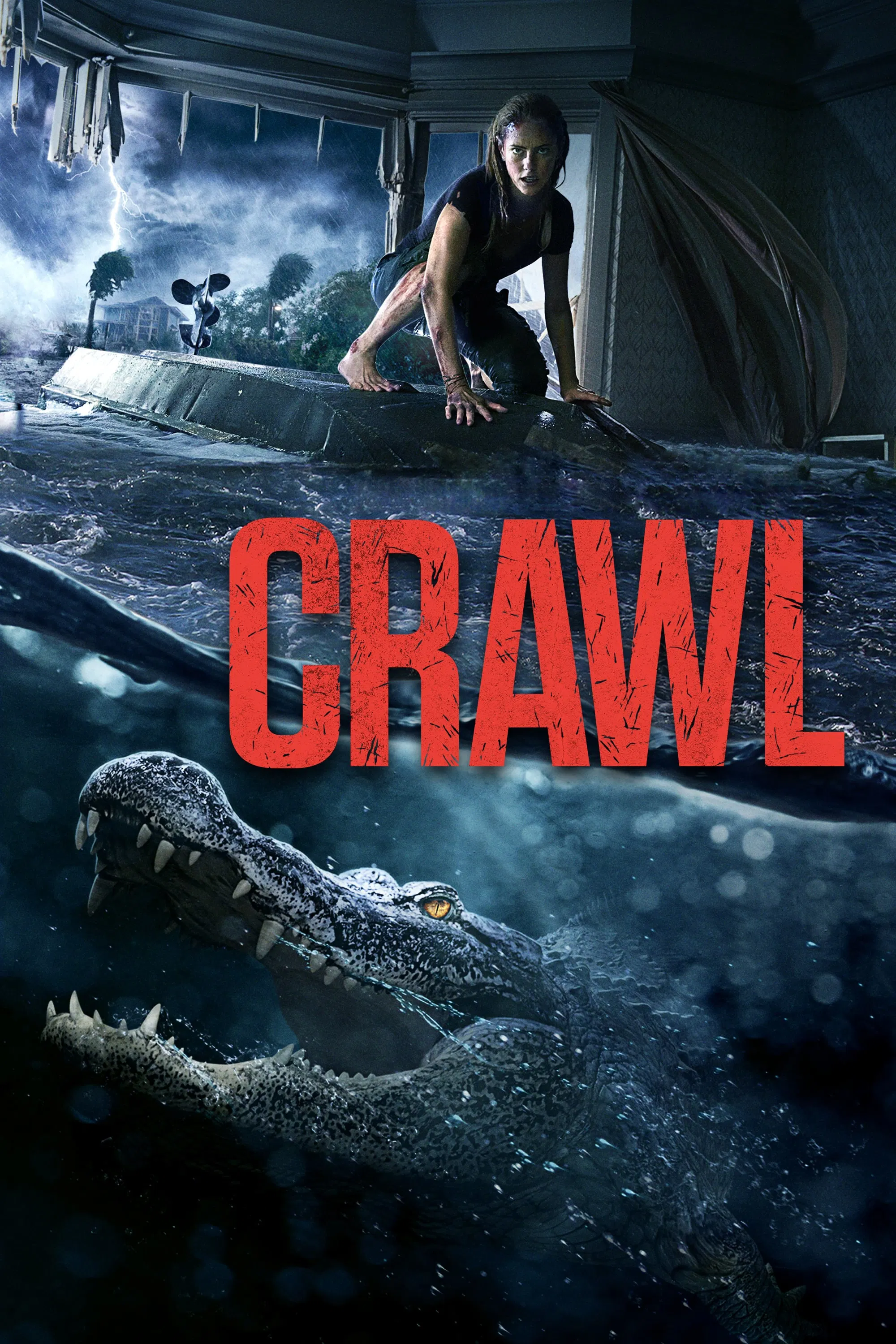
During a massive Category 5 hurricane in Florida, Haley Keller ignores evacuation orders to search for her missing father. She finds him gravely injured in the crawl space of their family home, where they become trapped by rapidly encroaching floodwaters and a relentless pack of giant alligators.
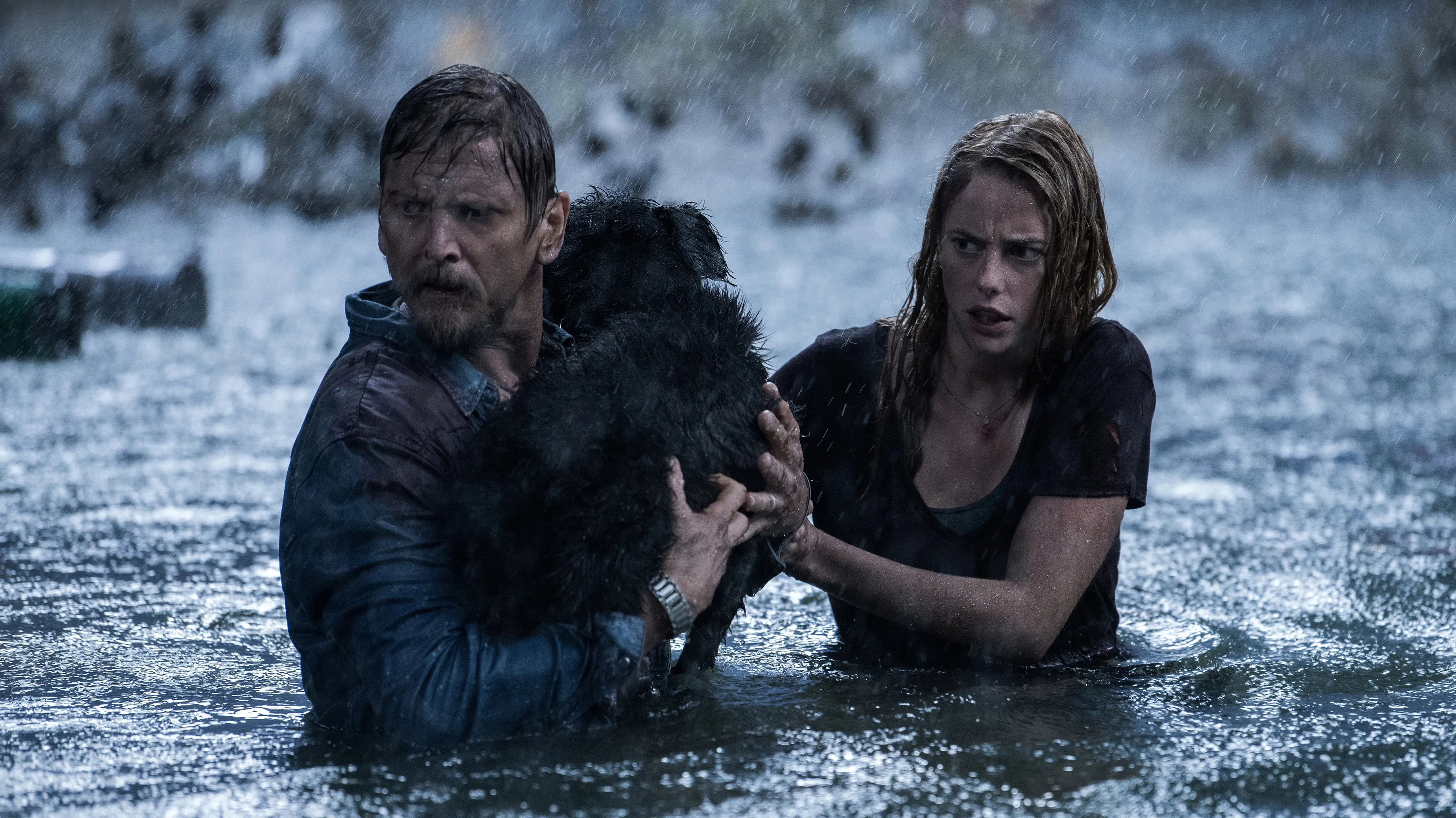
Alexandre Aja strips the creature feature down to its most primal elements, creating a lean, mean survival machine that wastes no time on exposition. The setting of the crawl space creates a claustrophobic nightmare, combining the fear of drowning, the fear of the dark, and the fear of being eaten into one singular threat. Kaya Scodelario plays a refreshing protagonist who is a competitive swimmer, making her physical resilience believable rather than convenient. It succeeds because it knows exactly what it is - a B-movie with A-list execution - delivering relentless tension and practical effects that make the alligators feel terrifyingly real, proving that simple premises often yield the most effective scares.
1.🎬 Cast Away (2000)
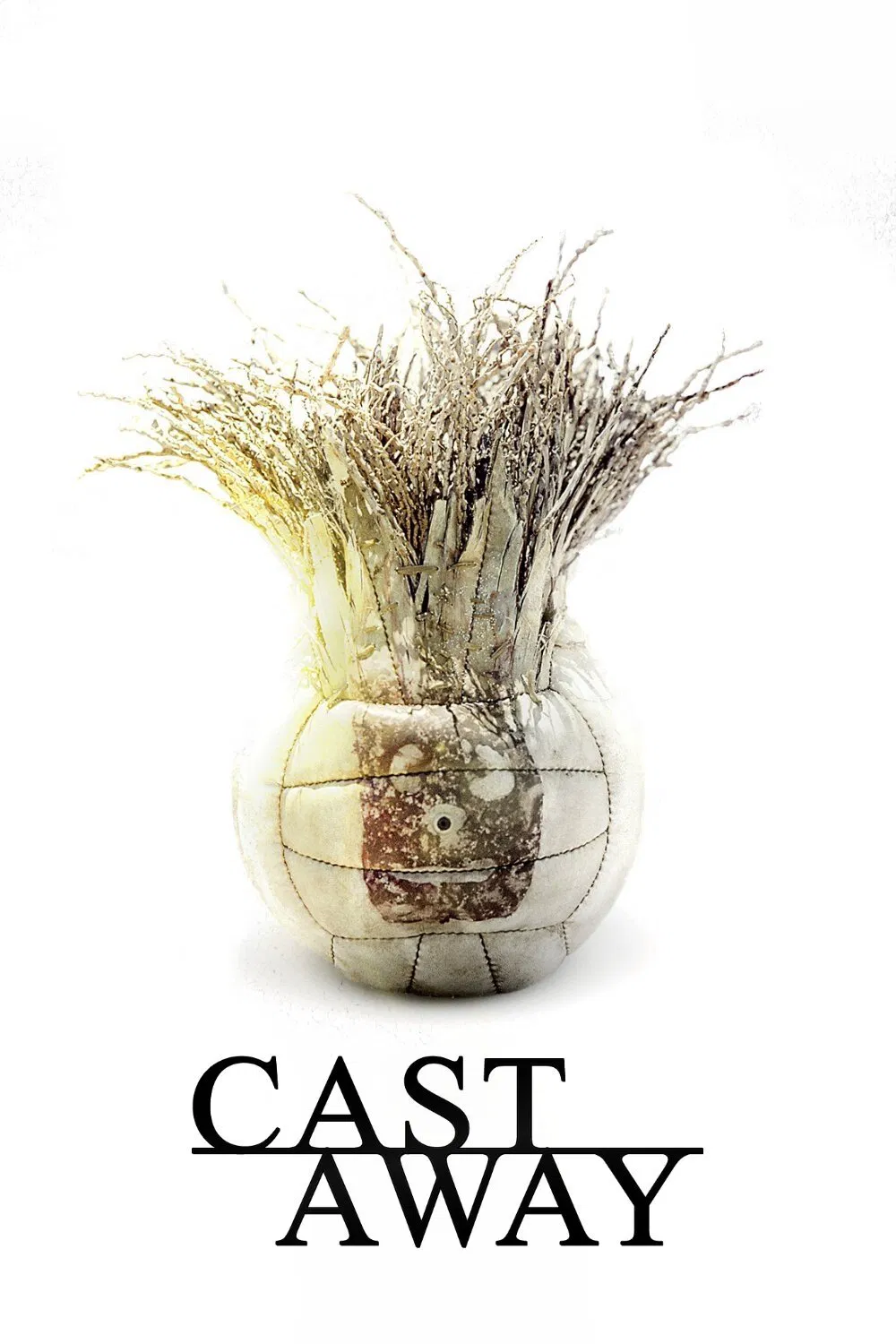
Chuck Noland, a FedEx systems engineer whose life is ruled by the clock, survives a plane crash en route to Malaysia and washes up on a deserted island in the Pacific. Completely isolated from civilization, he must strip away the layers of his modern existence and learn to survive physically and emotionally for four years, with only a volleyball named Wilson for company.
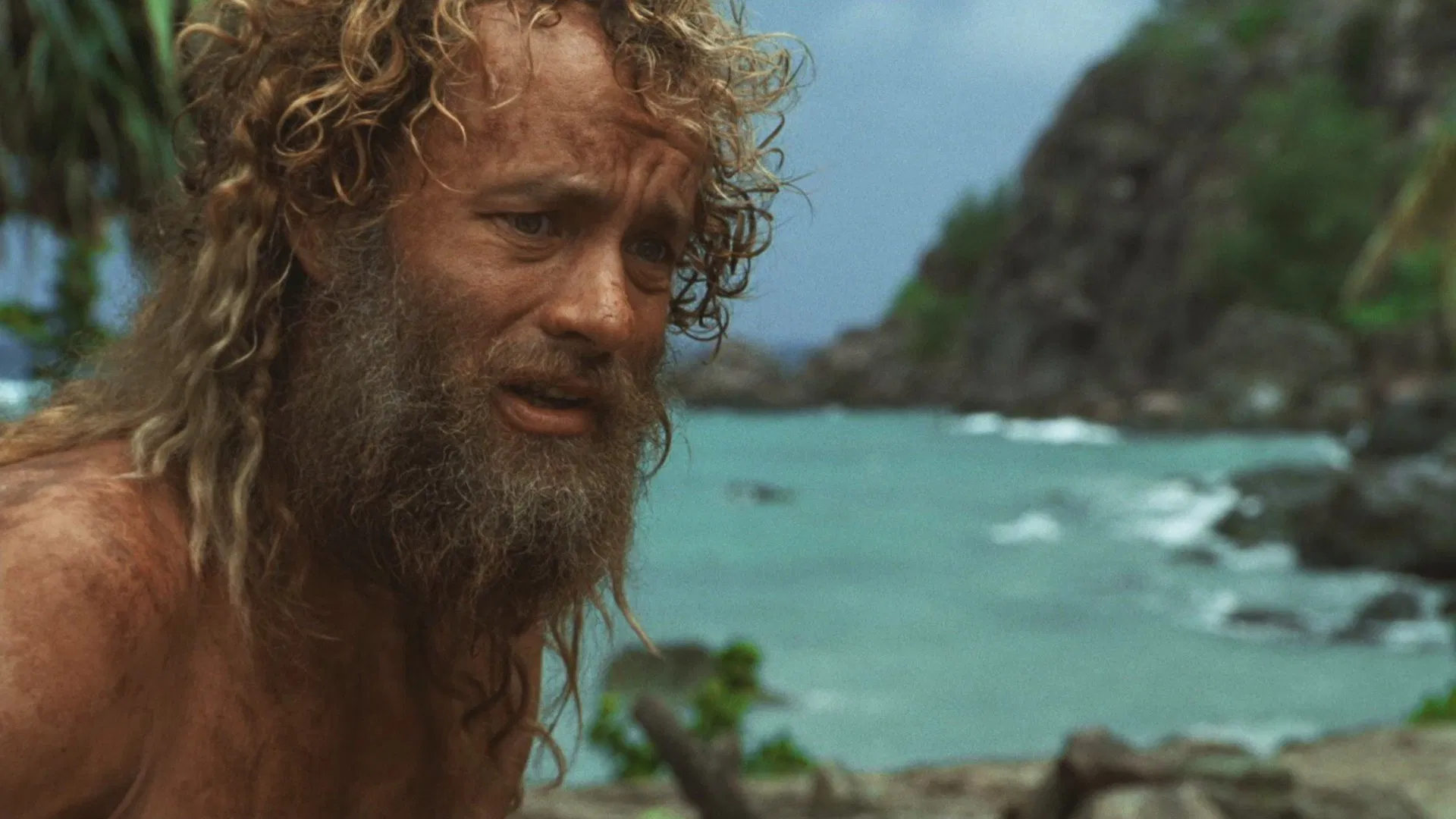
Robert Zemeckis creates the definitive modern survival film by daring to silence the soundtrack for the middle act, allowing the sound of wind and waves to emphasize the profound isolation. Tom Hanks gives a transformative physical and emotional performance, evolving from a doughy, time-obsessed executive to a lean, primal survivor who has learned the patience of the tides. The relationship with Wilson is a masterstroke of screenwriting, externalizing the internal dialogue of madness and the desperate human need for connection. It succeeds because it explores the aftermath of survival, showing that the hardest part isn't staying alive on the island, but returning to a world that moved on without you, leaving the character standing at a literal and metaphorical crossroads, finally free of the clock.
— The Cinéprism
Keep reading
15 / 09 / 2026 · 141 reads
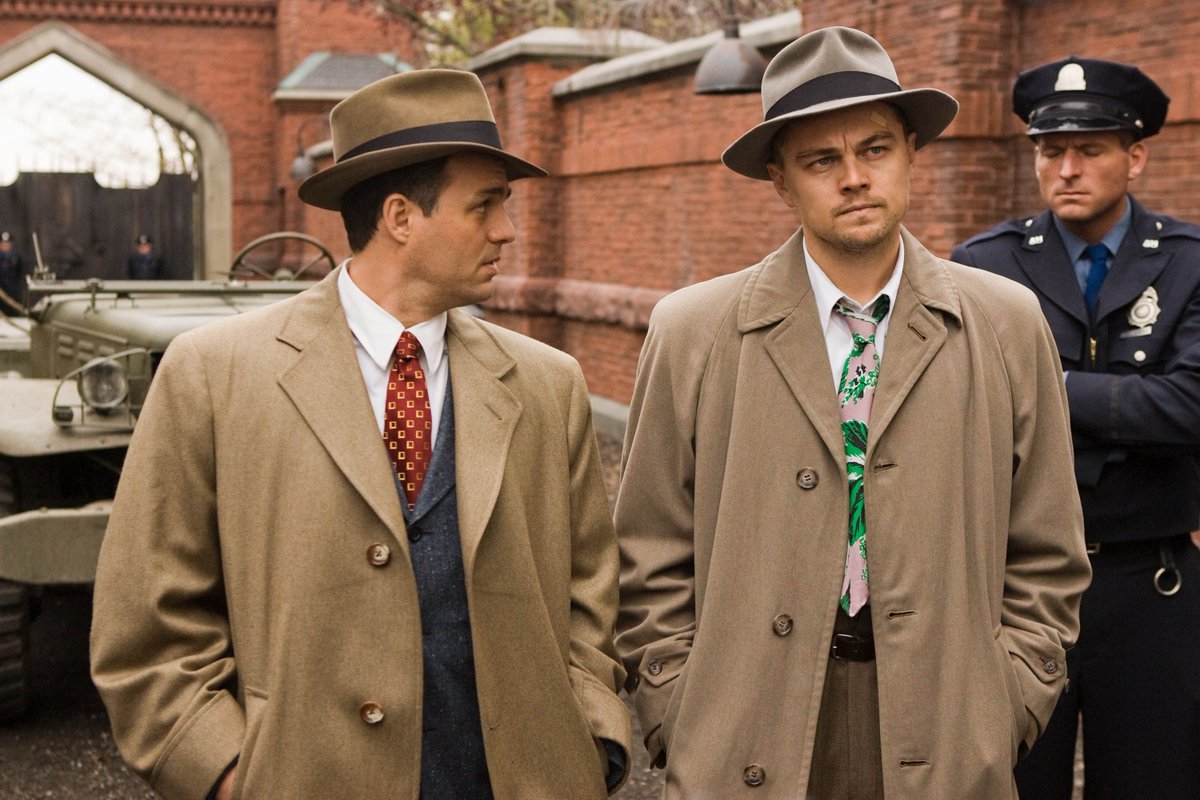
Top 15 Movies with Plot Twists You Might Have Missed
15 movies packed with hidden clues, subtle details, and twists that hit differently once you know what to look for.
31 / 08 / 2026 · 391 reads
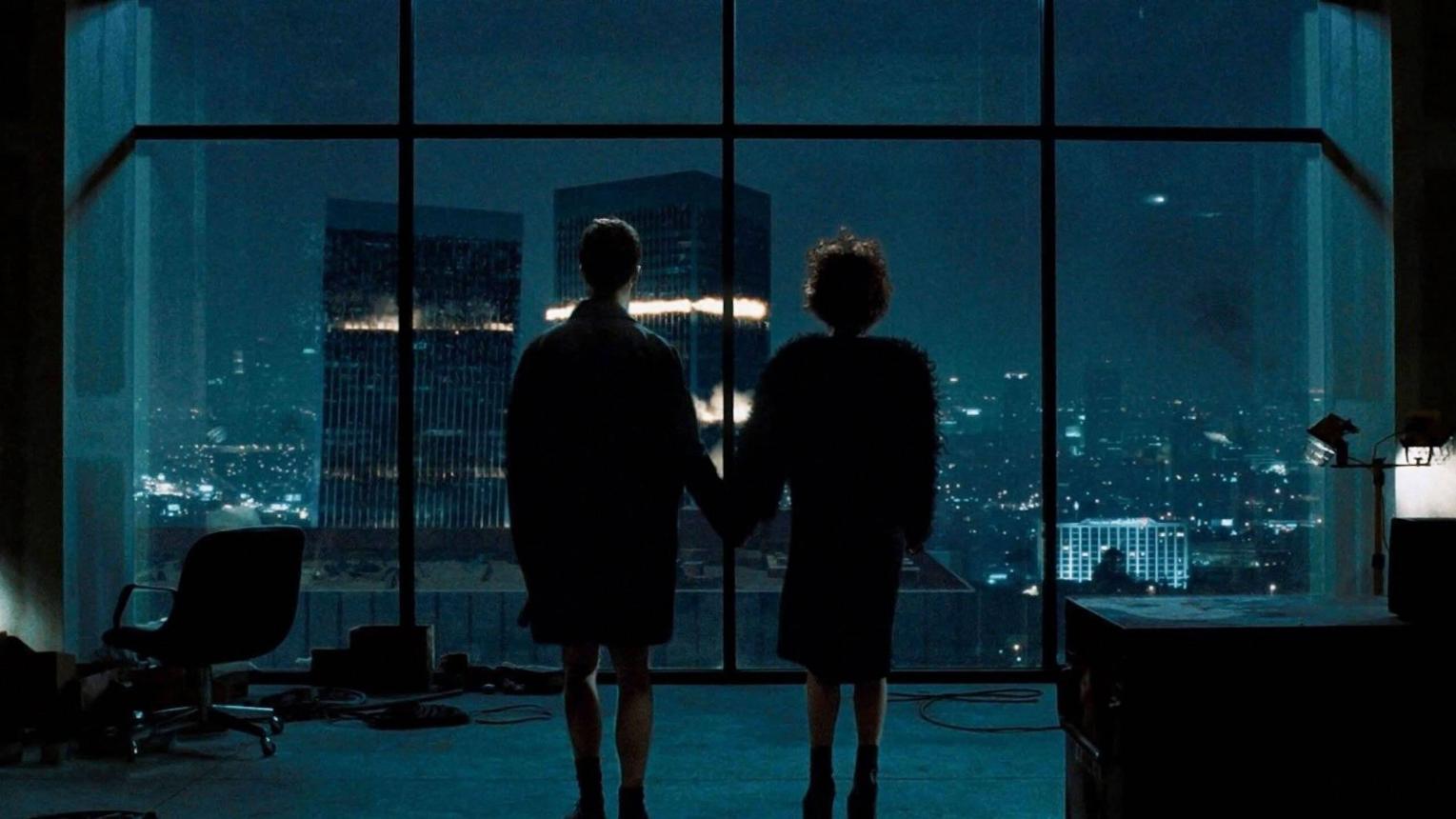
10 Best Endings in Film
A curated list of 10 unforgettable movie endings that leave a lasting impact long after the credits roll.