Dispatch — Long Read
The 10 Best Documentaries of 2025
A list of 2025’s most powerful documentaries, stories that informed, moved, and shaped the year through truth, depth, and perspective.
The Cinéprism
23 / 12 / 2025 · 14 min read
1. 🎬 Cover-Up (2025)
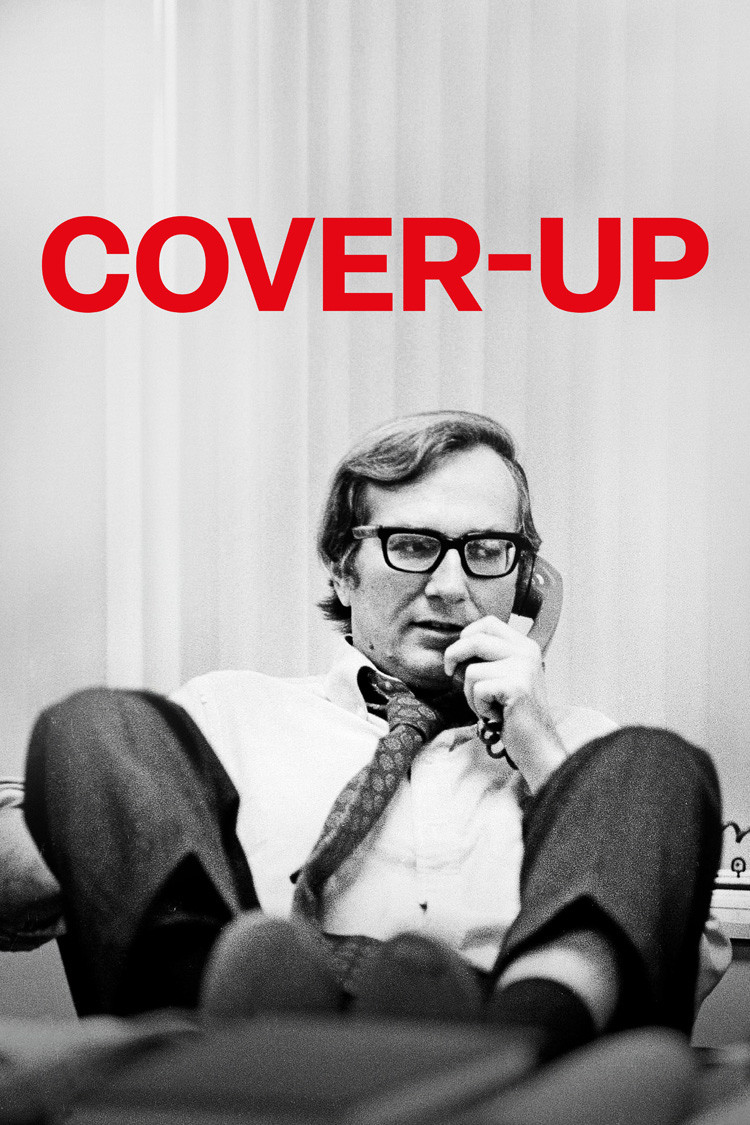
A searing investigative work that examines the decades-long career of journalist Seymour Hersh, focusing on his relentless pursuit of truth during the Vietnam War and the War on Terror. The film reconstructs his most explosive stories, from My Lai to Abu Ghraib, revealing the systemic machinery used by governments to bury war crimes under the guise of national security.
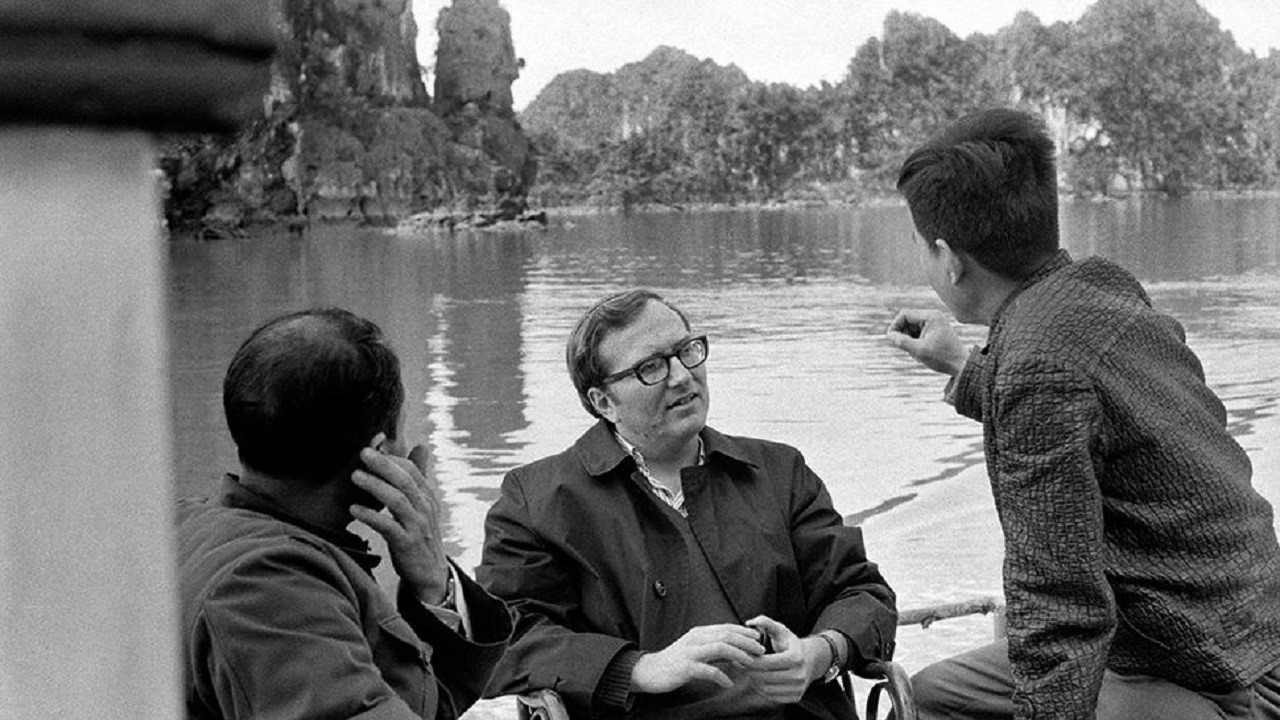
Laura Poitras and Mark Obenhaus craft a documentary that is less a biography and more a forensic study of the nature of secrecy and the cost of exposure. By juxtaposing Hersh’s famously combative and chaotic energy with the cold, sterile logic of the state apparatus he fights, the film visualizes the friction between the press and power. The directors utilize declassified documents and never-before-heard audio tapes to create a thriller-like atmosphere, showing how close many of these stories came to being silenced forever. It succeeds because it refuses to portray Hersh as a flawless hero, instead presenting him as a difficult, obsessive figure whose paranoia was not a defect but a necessary survival trait in a world built on lies, proving that true accountability often requires a level of stubbornness that borders on madness.
2. 🎬 Sly Lives (2025)
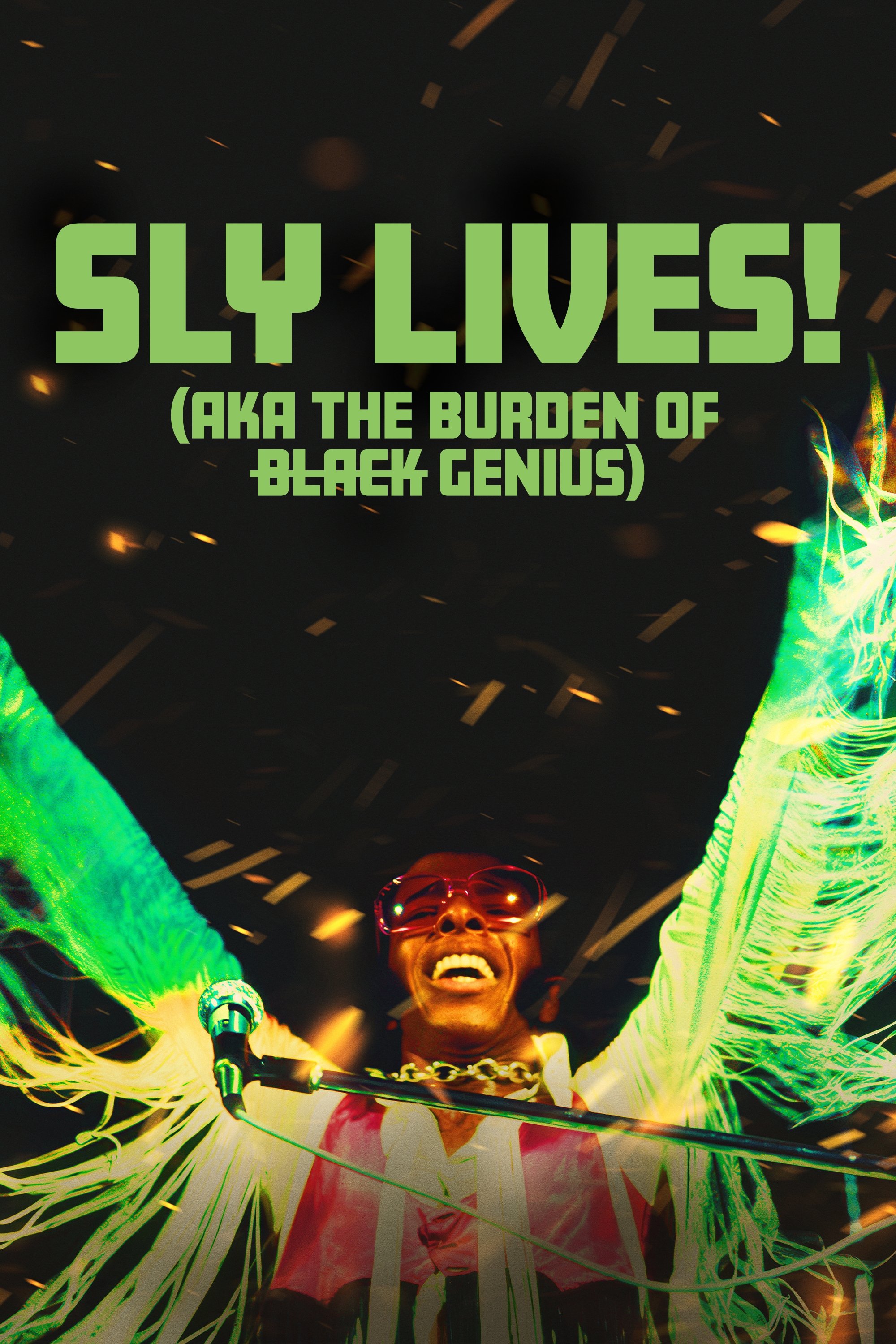
An intimate and rhythmic exploration of the rise, fall, and re-emergence of funk legend Sly Stone, examining the crushing weight of being a "Black genius" in an industry designed to exploit that very brilliance. Questlove moves beyond the tragic headlines of Stone's drug use to focus on his musical innovation and the specific burden of being a crossover icon during the civil rights movement.
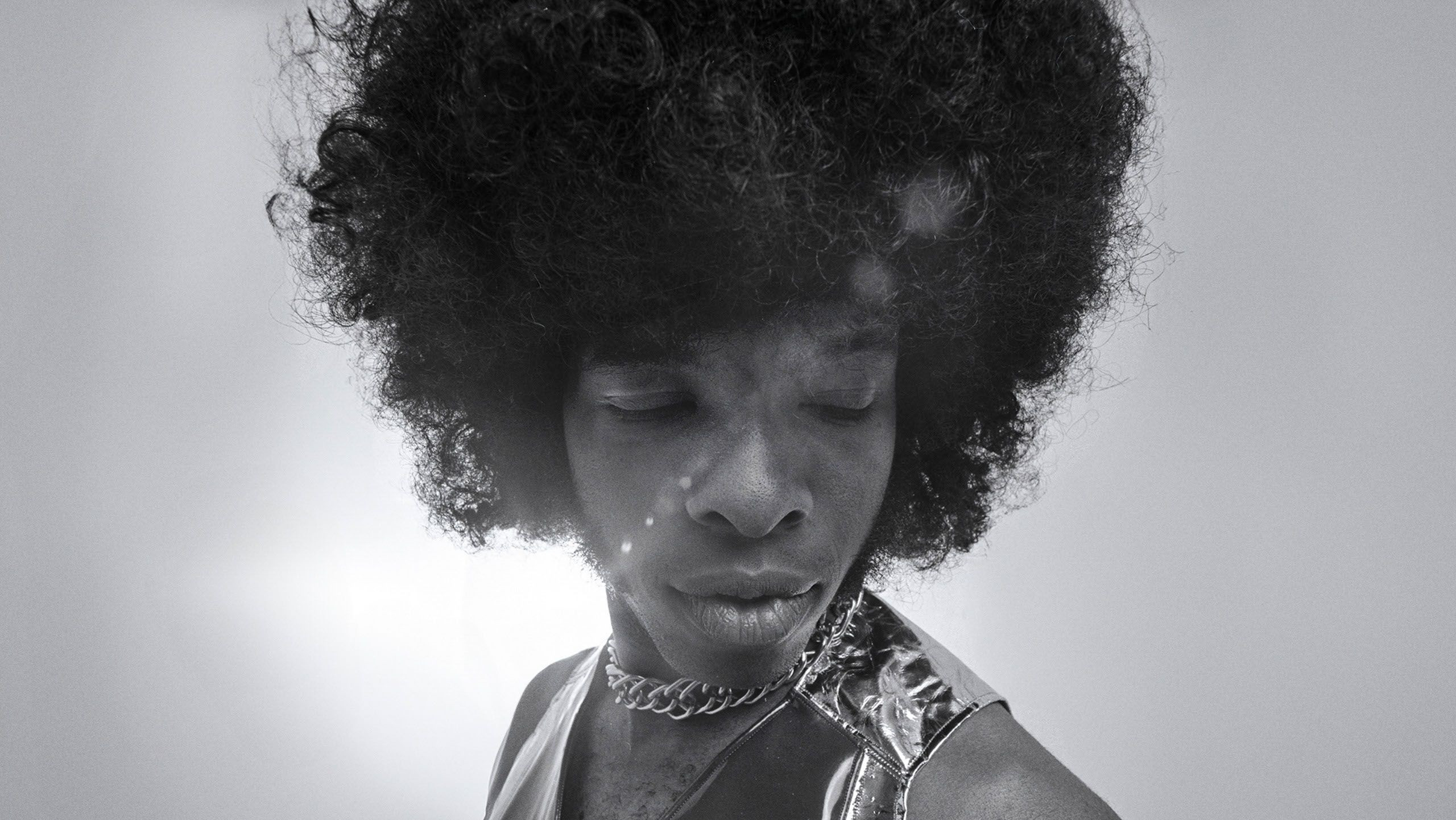
Following his Oscar-winning Summer of Soul, Questlove directs with a musician's ear, using the structure of the film to mirror the syncopated, chaotic genius of Sly & the Family Stone’s music. The documentary avoids the typical "talking head" format in favor of a collage of archival footage, animation, and isolated audio tracks that deconstruct the complexity of Stone's compositions. It explores the psychological toll of being expected to solve race relations through pop music, showing how Stone’s retreat from the public eye was not just a collapse but a form of self-preservation. It succeeds because Questlove approaches his subject with deep empathy and cultural context, reframing Sly Stone’s reclusive later years not as a failure but as a refusal to participate in a system that consumes its creators, ultimately celebrating his survival as his greatest hit.
3. 🎬 The Tale of Silyan (2025)
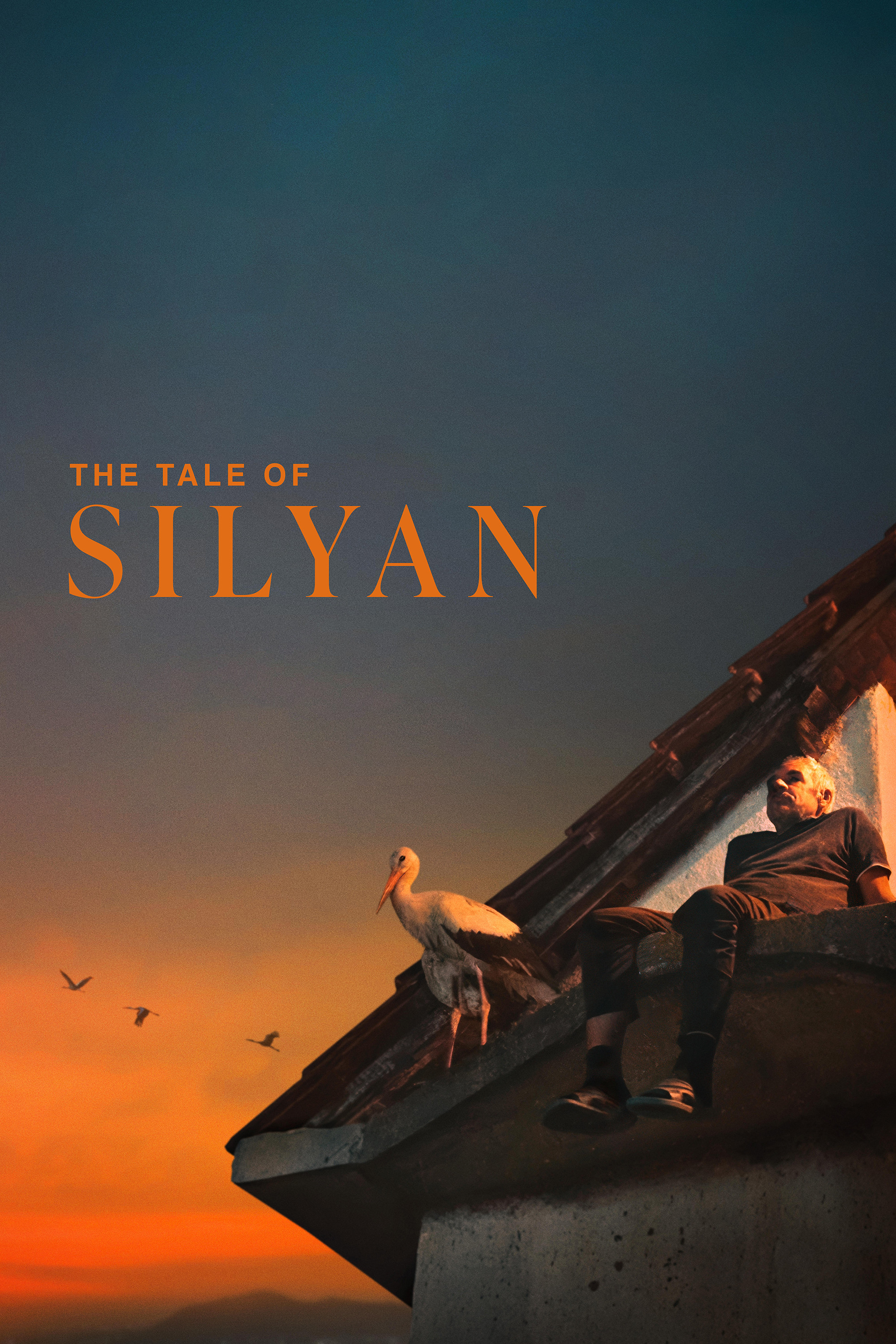
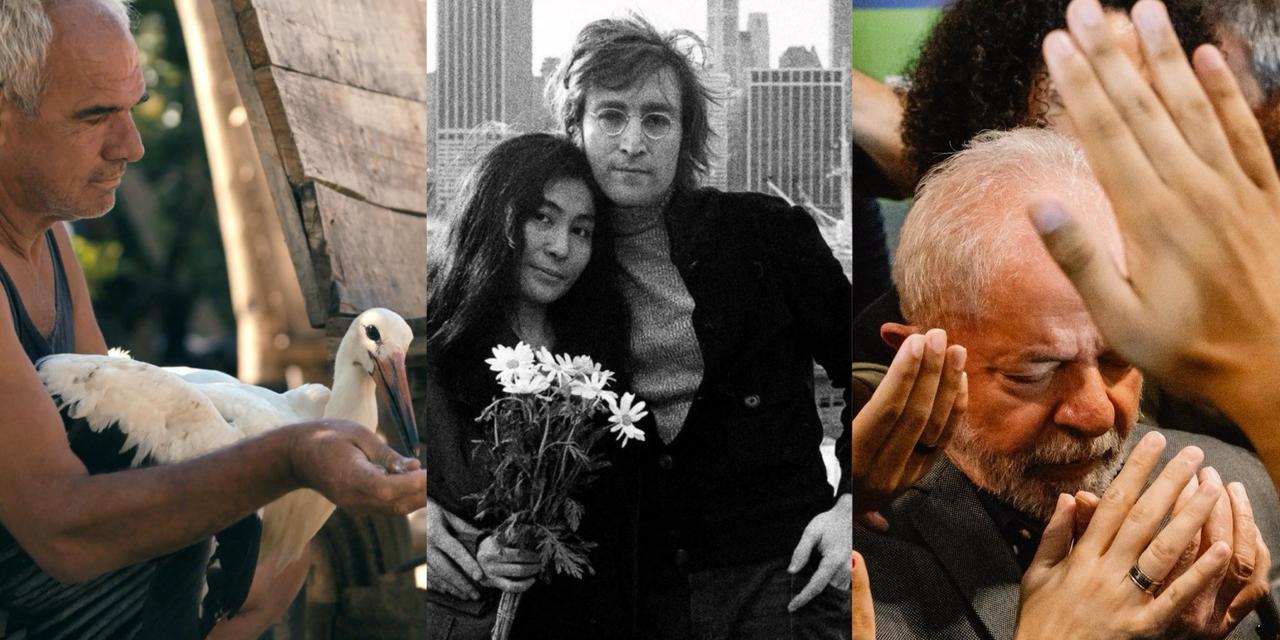
In the depopulated rural landscapes of North Macedonia, a lonely farmer named Nikola forms an unlikely, tender bond with an injured white stork he names Silyan. The film interweaves this observational reality with the local folklore of a boy who transforms into a bird, creating a meditation on migration, loneliness, and the connection between humans and the natural world.
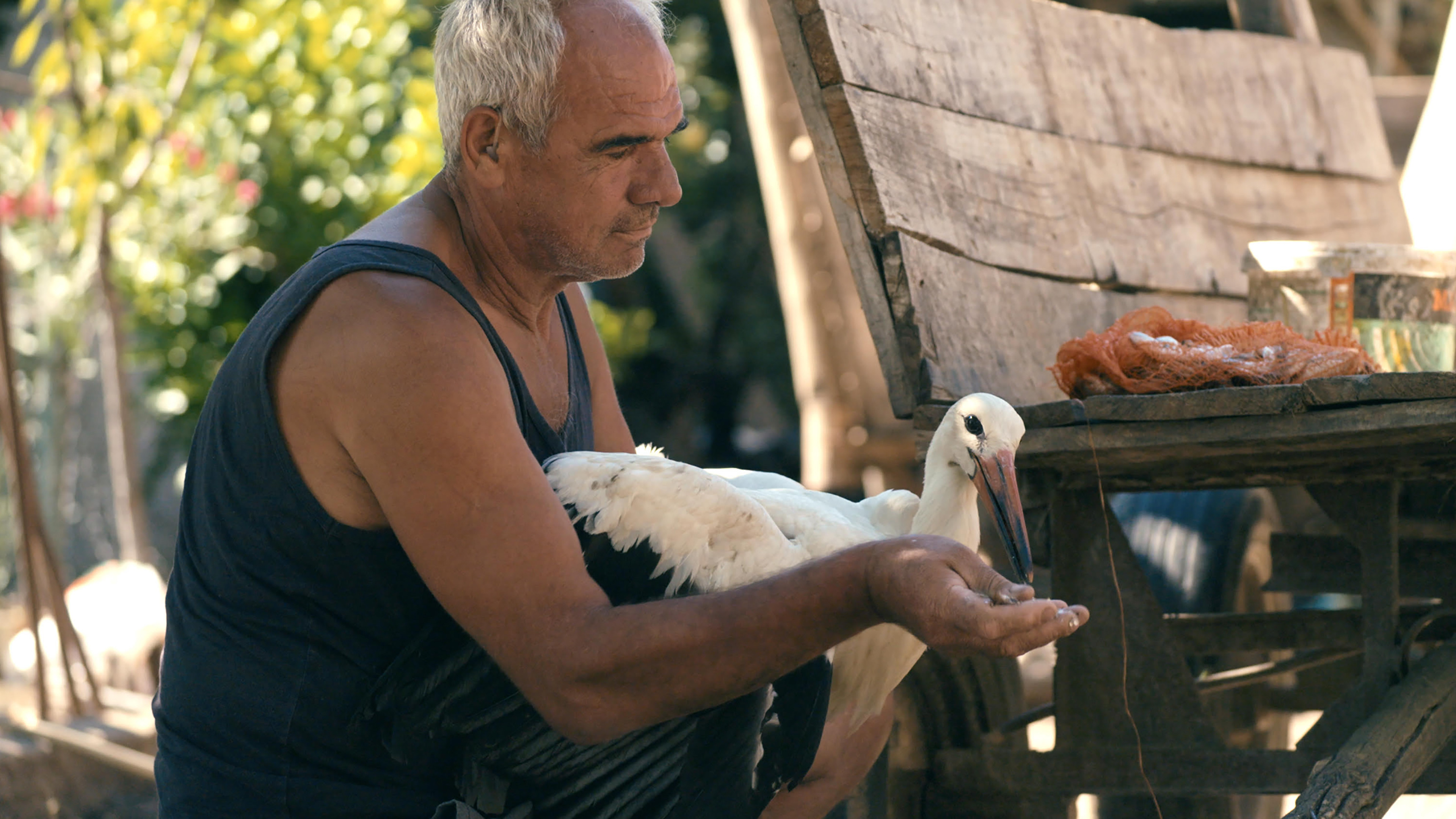
Tamara Kotevska, co-director of Honeyland, returns with another masterpiece of observational cinema that finds the profound in the microscopic details of rural life. The camera captures the harsh beauty of the changing seasons and the quiet dignity of Nikola’s labor, using the stork’s presence to highlight the absence of human connection in a region emptied by economic migration. The juxtaposition of the mythical "Silyan" tale with the grounded reality of the farm elevates the story into a fable about those who leave and those who stay behind. It succeeds because it trusts the intelligence of the audience, eschewing voiceover narration to let the silent interactions between man and bird speak to the universal need for companionship, proving that even in the most isolated corners of the earth, life finds a way to create family.
4. 🎬 One to One: John & Yoko (2025)
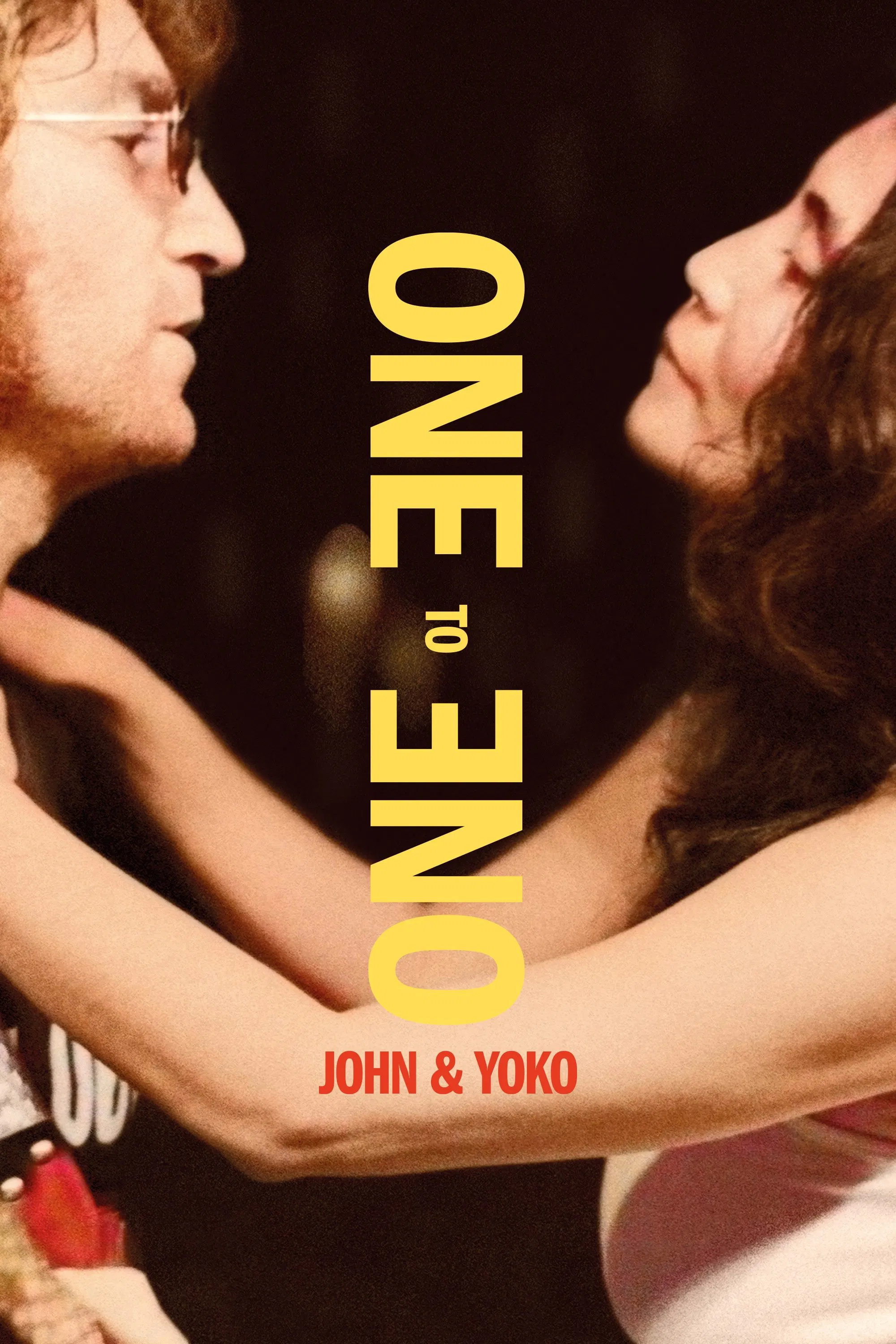
A meticulously restored chronicle of John Lennon and Yoko Ono’s 1972 "One to One" charity concert in New York, the only full-length concert Lennon performed after leaving The Beatles. The film contextualizes the performance within the couple's intense period of political activism, living in Greenwich Village and fighting deportation while trying to use their celebrity to end the Vietnam War.
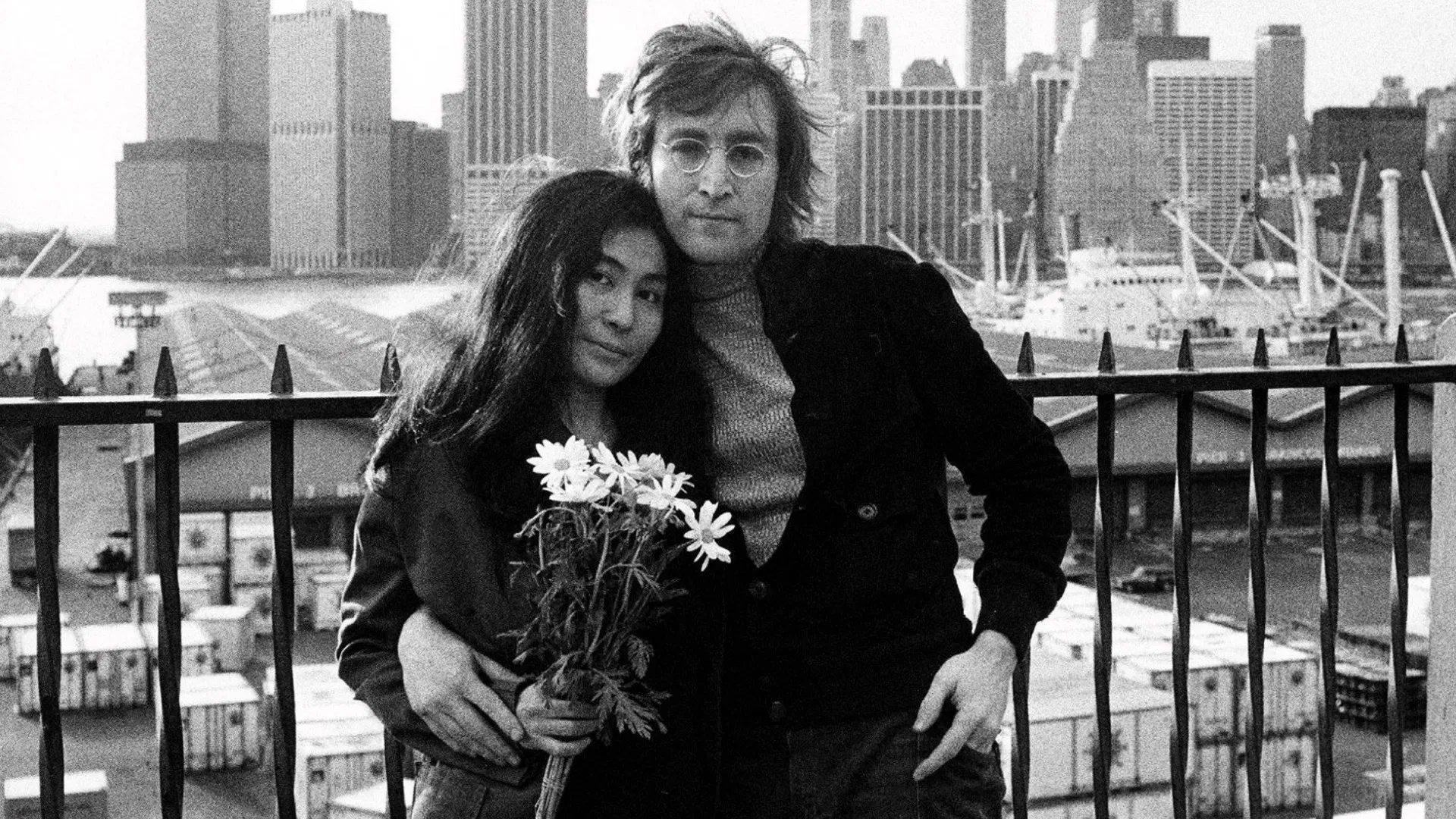
Kevin Macdonald strips away the decades of mythology surrounding the couple to present them as they were in the moment: anxious, committed, and deeply in love. The film utilizes a wealth of unseen 16mm footage and personal audio recordings to place the viewer inside their chaotic apartment, showing the sheer logistical and political pressure they were under. The concert footage itself is revelatory, capturing a raw, unpolished rock-and-roll energy that contrasts with the polished image of Lennon as a saint of peace. It succeeds because it focuses on a specific, pivotal window of time rather than trying to encompass an entire life, showing how the "One to One" event was not just a concert but a desperate, beautiful attempt to merge art and revolution before the cynical reality of the 1970s took over.
5. 🎬 It’s Never Over, Jeff Buckley (2025)
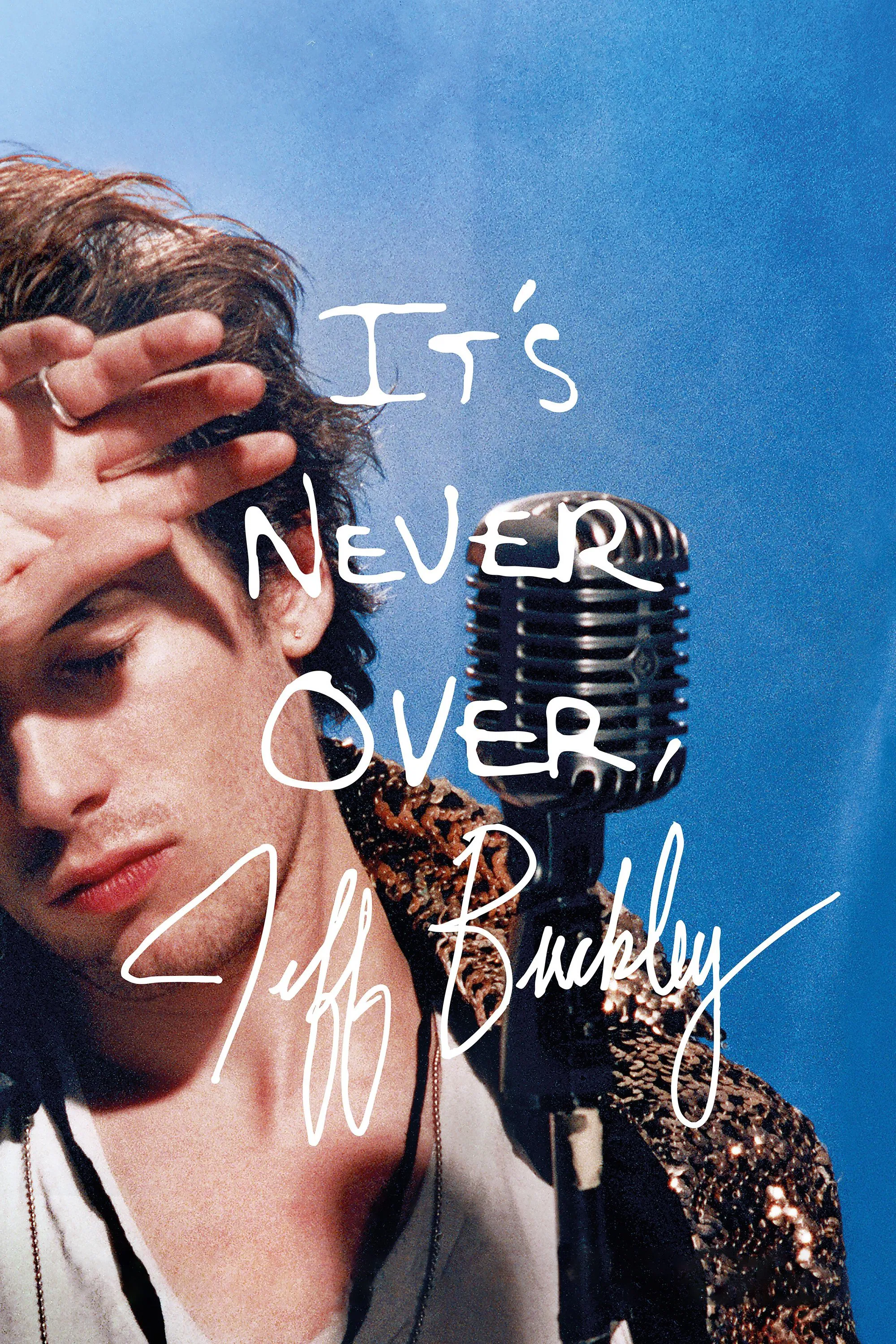
A definitive and haunting portrait of the ethereal singer-songwriter Jeff Buckley, utilizing his personal journals, rare drawings, and home recordings to tell the story of his artistic struggle and untimely death. The film explores his desperate desire to escape the shadow of his estranged father, Tim Buckley, and his quest to find a voice that was uniquely his own.
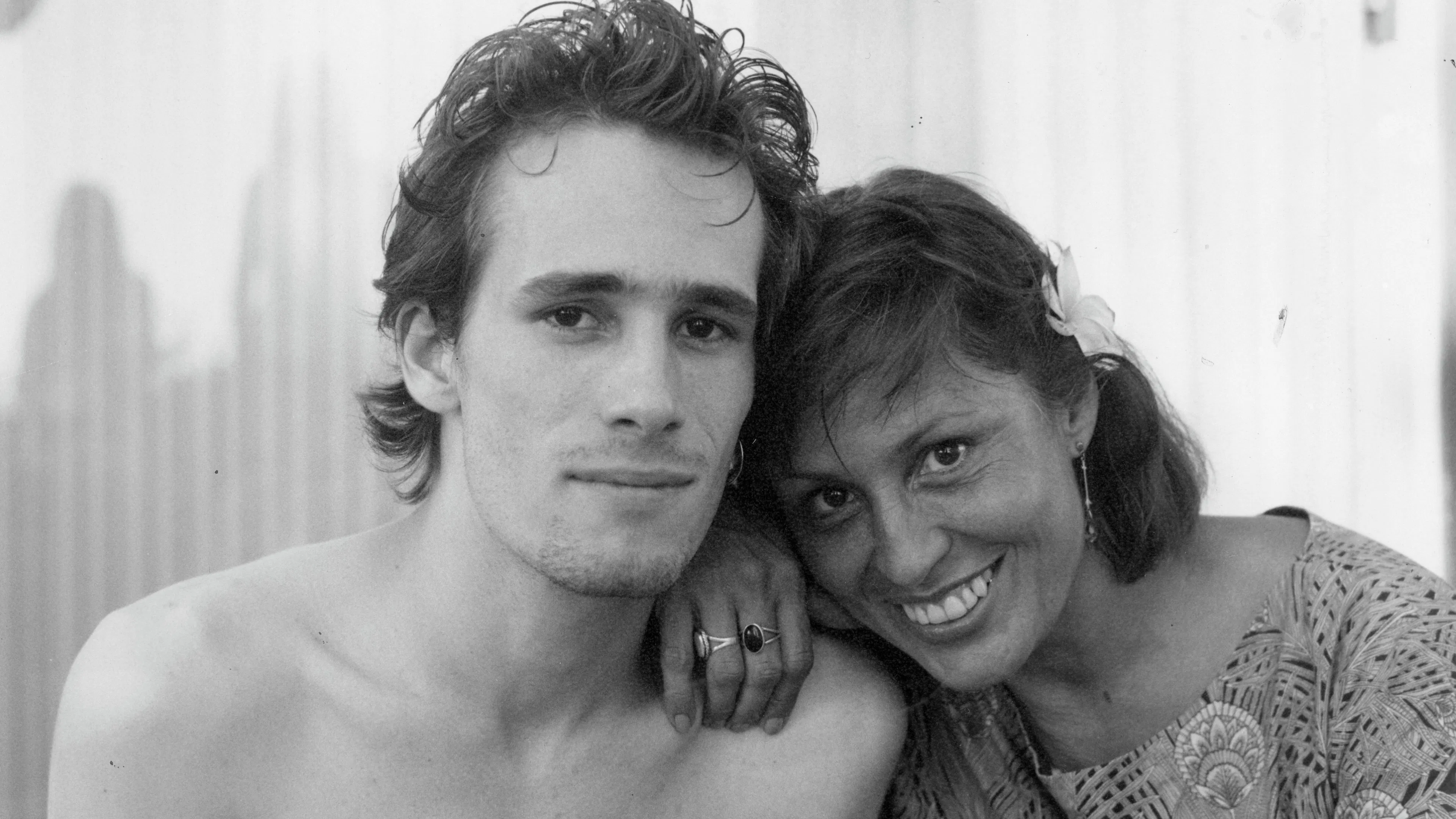
Amy Berg constructs a narrative that feels like a séance, giving voice to Buckley through his own writings rather than relying solely on the memories of others. The film delves deep into the creative process behind Grace, dissecting the tracks to show the obsessive perfectionism and raw emotional bleeding that went into the album. Berg visualizes Buckley’s inner turmoil through atmospheric, dreamlike reenactments that match the gothic romanticism of his music, avoiding the sensationalism of his drowning to focus on the tragedy of unfulfilled potential. It succeeds because it captures the specific, lightning-in-a-bottle quality of Buckley’s talent, leaving the audience with a profound sense of loss for the music that never was, while celebrating the timeless beauty of what remains.
6. 🎬 Pee-Wee As Himself (2025)
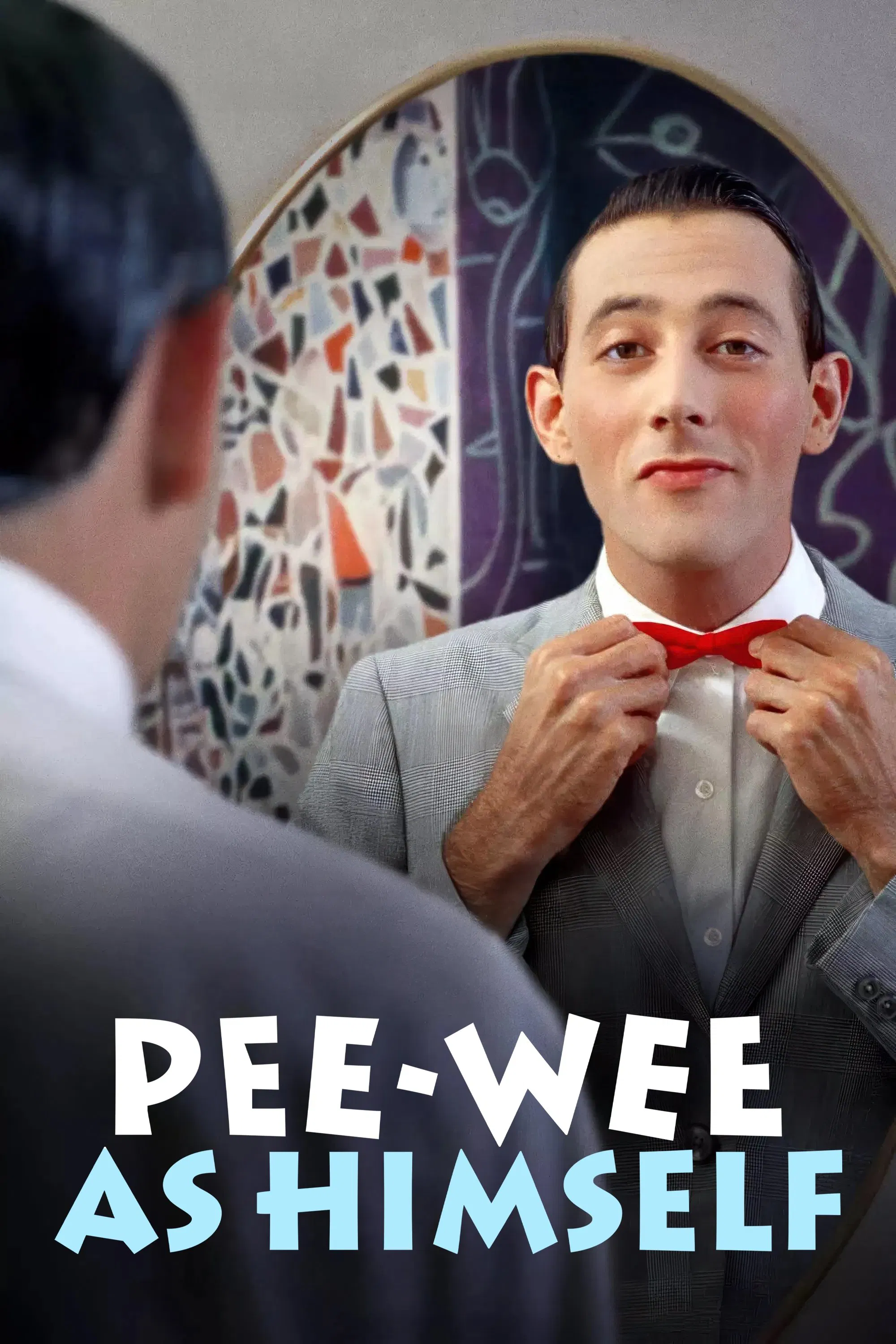
A bittersweet and revelatory examination of the life of Paul Reubens, the brilliant performance artist who disappeared so completely into his character, Pee-wee Herman, that the line between man and mask was erased. The documentary traces his roots in the Groundlings, the explosive success of his Playhouse, and the scandal that destroyed his career, framed by his own posthumous reflections.
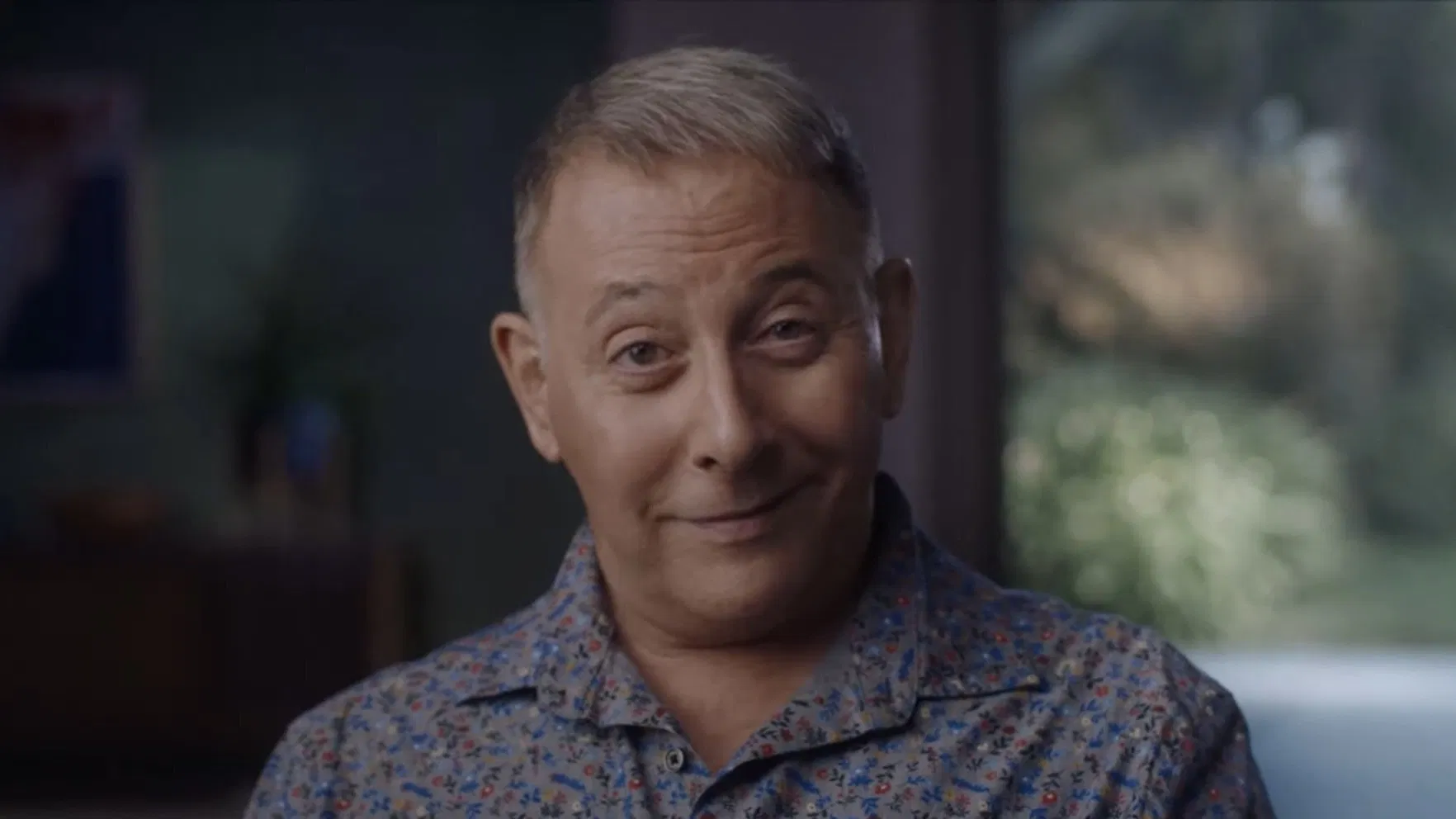
Here are the 10 Best Documentaries of 2025, detailing their content and impact. 🎬 Cover-Up (2025) | Dir. Laura Poitras & Mark Obenhaus | Streaming: Netflix Synopsis A searing investigative work that examines the decades-long career of journalist Seymour Hersh, focusing on his relentless pursuit of truth during the Vietnam War and the War on Terror. The film reconstructs his most explosive stories, from My Lai to Abu Ghraib, revealing the systemic machinery used by governments to bury war crimes under the guise of national security. Laura Poitras and Mark Obenhaus craft a documentary that is less a biography and more a forensic study of the nature of secrecy and the cost of exposure. By juxtaposing Hersh’s famously combative and chaotic energy with the cold, sterile logic of the state apparatus he fights, the film visualizes the friction between the press and power. The directors utilize declassified documents and never-before-heard audio tapes to create a thriller-like atmosphere, showing how close many of these stories came to being silenced forever. It succeeds because it refuses to portray Hersh as a flawless hero, instead presenting him as a difficult, obsessive figure whose paranoia was not a defect but a necessary survival trait in a world built on lies, proving that true accountability often requires a level of stubbornness that borders on madness. 🎬 Sly Lives (2025) | Dir. Ahmir "Questlove" Thompson | Streaming: Hulu Synopsis An intimate and rhythmic exploration of the rise, fall, and re-emergence of funk legend Sly Stone, examining the crushing weight of being a "Black genius" in an industry designed to exploit that very brilliance. Questlove moves beyond the tragic headlines of Stone's drug use to focus on his musical innovation and the specific burden of being a crossover icon during the civil rights movement. Following his Oscar-winning Summer of Soul, Questlove directs with a musician's ear, using the structure of the film to mirror the syncopated, chaotic genius of Sly & the Family Stone’s music. The documentary avoids the typical "talking head" format in favor of a collage of archival footage, animation, and isolated audio tracks that deconstruct the complexity of Stone's compositions. It explores the psychological toll of being expected to solve race relations through pop music, showing how Stone’s retreat from the public eye was not just a collapse but a form of self-preservation. It succeeds because Questlove approaches his subject with deep empathy and cultural context, reframing Sly Stone’s reclusive later years not as a failure but as a refusal to participate in a system that consumes its creators, ultimately celebrating his survival as his greatest hit. 🎬 The Tale of Silyan (2025) | Dir. Tamara Kotevska | Streaming: Disney+ / National Geographic Synopsis In the depopulated rural landscapes of North Macedonia, a lonely farmer named Nikola forms an unlikely, tender bond with an injured white stork he names Silyan. The film interweaves this observational reality with the local folklore of a boy who transforms into a bird, creating a meditation on migration, loneliness, and the connection between humans and the natural world. Tamara Kotevska, co-director of Honeyland, returns with another masterpiece of observational cinema that finds the profound in the microscopic details of rural life. The camera captures the harsh beauty of the changing seasons and the quiet dignity of Nikola’s labor, using the stork’s presence to highlight the absence of human connection in a region emptied by economic migration. The juxtaposition of the mythical "Silyan" tale with the grounded reality of the farm elevates the story into a fable about those who leave and those who stay behind. It succeeds because it trusts the intelligence of the audience, eschewing voiceover narration to let the silent interactions between man and bird speak to the universal need for companionship, proving that even in the most isolated corners of the earth, life finds a way to create family. 🎬 One to One: John & Yoko (2025) | Dir. Kevin Macdonald | Streaming: Theatrical / VOD Synopsis A meticulously restored chronicle of John Lennon and Yoko Ono’s 1972 "One to One" charity concert in New York, the only full-length concert Lennon performed after leaving The Beatles. The film contextualizes the performance within the couple's intense period of political activism, living in Greenwich Village and fighting deportation while trying to use their celebrity to end the Vietnam War. Kevin Macdonald strips away the decades of mythology surrounding the couple to present them as they were in the moment: anxious, committed, and deeply in love. The film utilizes a wealth of unseen 16mm footage and personal audio recordings to place the viewer inside their chaotic apartment, showing the sheer logistical and political pressure they were under. The concert footage itself is revelatory, capturing a raw, unpolished rock-and-roll energy that contrasts with the polished image of Lennon as a saint of peace. It succeeds because it focuses on a specific, pivotal window of time rather than trying to encompass an entire life, showing how the "One to One" event was not just a concert but a desperate, beautiful attempt to merge art and revolution before the cynical reality of the 1970s took over. 🎬 It’s Never Over, Jeff Buckley (2025) | Dir. Amy Berg | Streaming: HBO / Max Synopsis A definitive and haunting portrait of the ethereal singer-songwriter Jeff Buckley, utilizing his personal journals, rare drawings, and home recordings to tell the story of his artistic struggle and untimely death. The film explores his desperate desire to escape the shadow of his estranged father, Tim Buckley, and his quest to find a voice that was uniquely his own. Amy Berg constructs a narrative that feels like a séance, giving voice to Buckley through his own writings rather than relying solely on the memories of others. The film delves deep into the creative process behind Grace, dissecting the tracks to show the obsessive perfectionism and raw emotional bleeding that went into the album. Berg visualizes Buckley’s inner turmoil through atmospheric, dreamlike reenactments that match the gothic romanticism of his music, avoiding the sensationalism of his drowning to focus on the tragedy of unfulfilled potential. It succeeds because it captures the specific, lightning-in-a-bottle quality of Buckley’s talent, leaving the audience with a profound sense of loss for the music that never was, while celebrating the timeless beauty of what remains. 🎬 Pee-Wee As Himself (2025) | Dir. Matt Wolf | Streaming: HBO / Max Synopsis A bittersweet and revelatory examination of the life of Paul Reubens, the brilliant performance artist who disappeared so completely into his character, Pee-wee Herman, that the line between man and mask was erased. The documentary traces his roots in the Groundlings, the explosive success of his Playhouse, and the scandal that destroyed his career, framed by his own posthumous reflections. Matt Wolf creates a portrait of an artist who turned arrested development into high art, using Reubens’ own archives to show the rigorous discipline behind the childlike anarchy of Pee-wee. The film confronts the media shaming of 1991 with a modern, compassionate lens, exposing the hypocrisy of a culture that built a star up only to gleefully tear him down for being human. Reubens’ voice, recorded before his death, guides the narrative with a vulnerability that was rarely seen in his lifetime, revealing the loneliness of living inside a living cartoon. It succeeds because it honors the subversion at the heart of Reubens' work, recognizing that Pee-wee Herman was not just a children's character but a radical queer performance art project that infiltrated the mainstream, teaching a generation that it was okay to be weird.
7. 🎬 The Alabama Solution (2025)
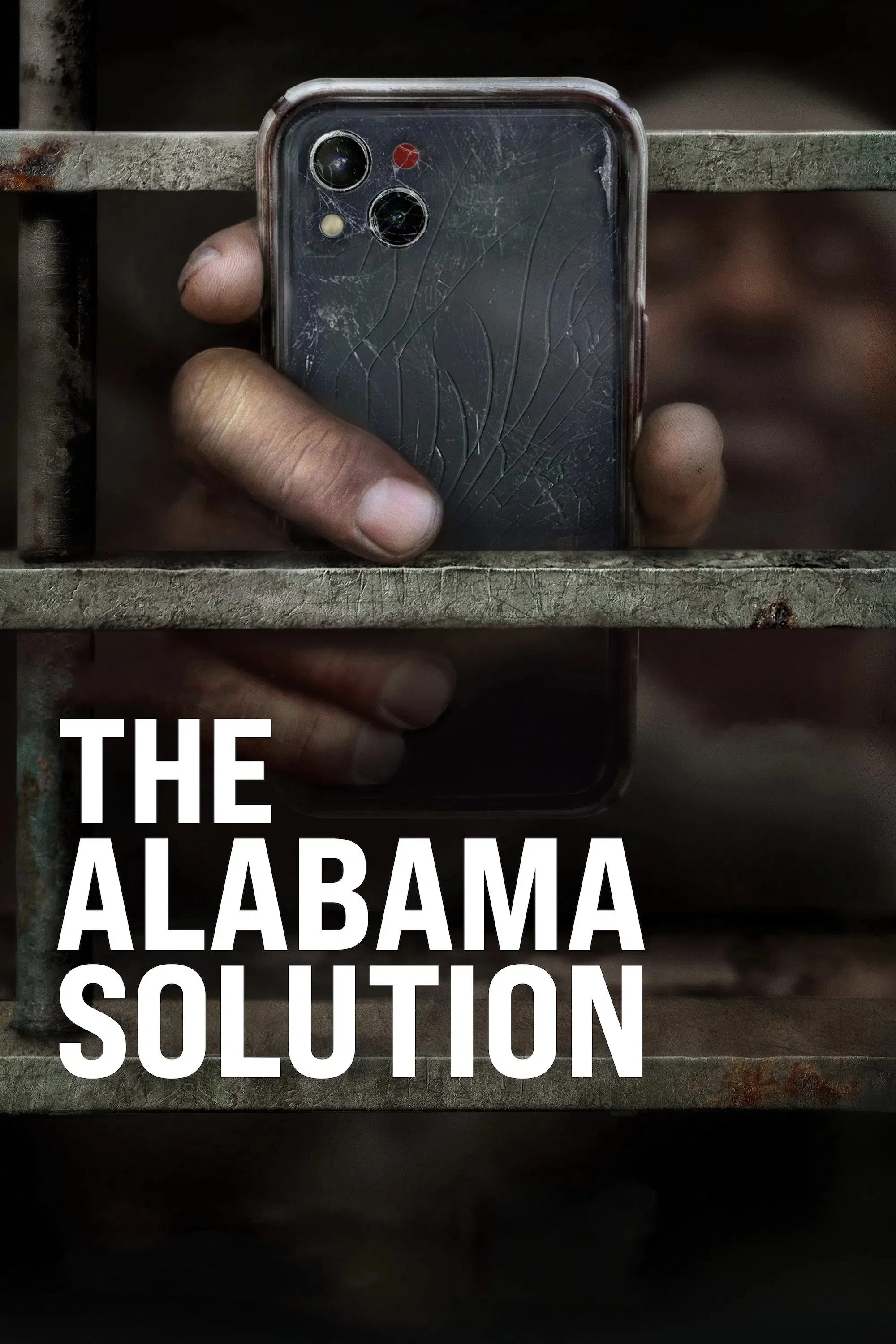
A harrowing exposé of the humanitarian crisis within the Alabama prison system, told from the perspective of incarcerated organizers who risked their lives to document the violence and neglect. The film uncovers a pattern of systemic extortion and abuse that amounts to modern-day slavery, challenging the public's complicity in the prison-industrial complex.
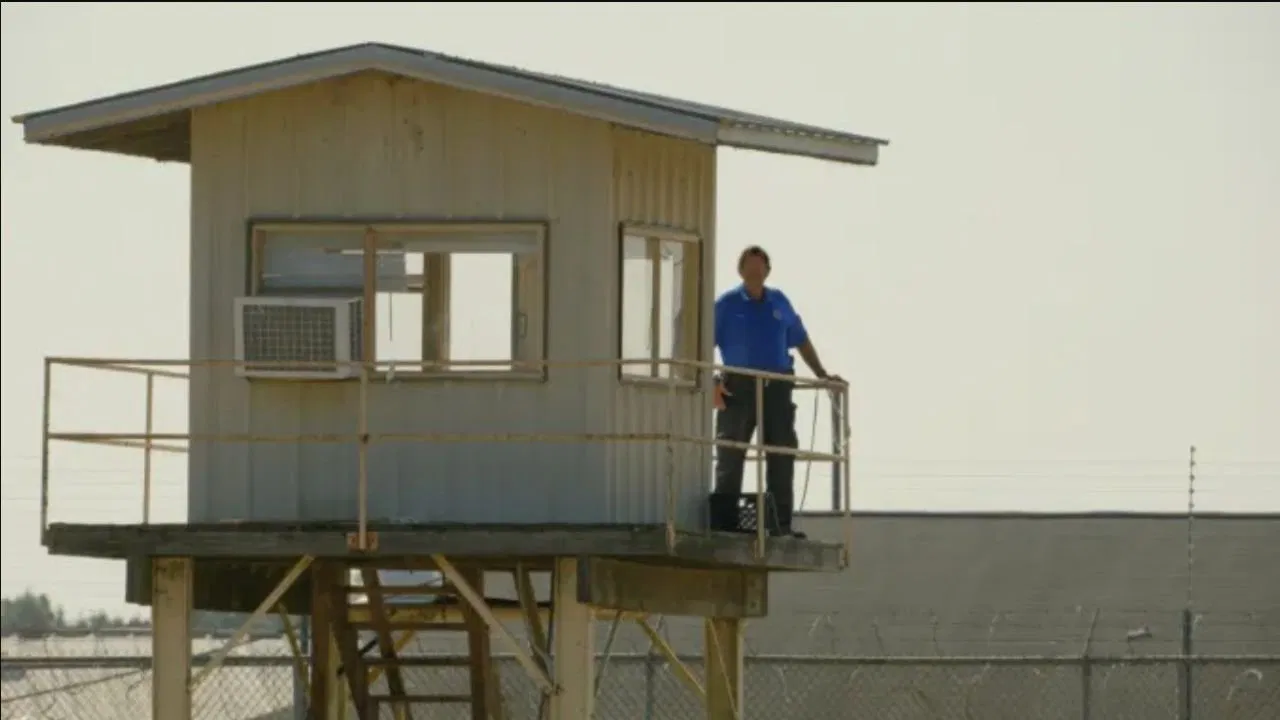
Andrew Jarecki and Charlotte Kaufman utilize smuggled cell phone footage to bypass the censorship of the Department of Corrections, creating a visceral, unpolished view of life inside that is terrifying in its immediacy. The film focuses on the intelligence and resilience of the inmate leadership, dismantling the dehumanizing stereotypes often used to justify their treatment. It connects the current conditions directly to the history of convict leasing in the South, arguing that the "solution" has always been the exploitation of Black bodies for profit. It succeeds because it gives the camera to the subjects themselves, transforming them from passive victims into active journalists of their own struggle, forcing the audience to confront the reality that torture is happening in their name and on their dime.
8. 🎬 Apocalypse in the Tropics (2025)
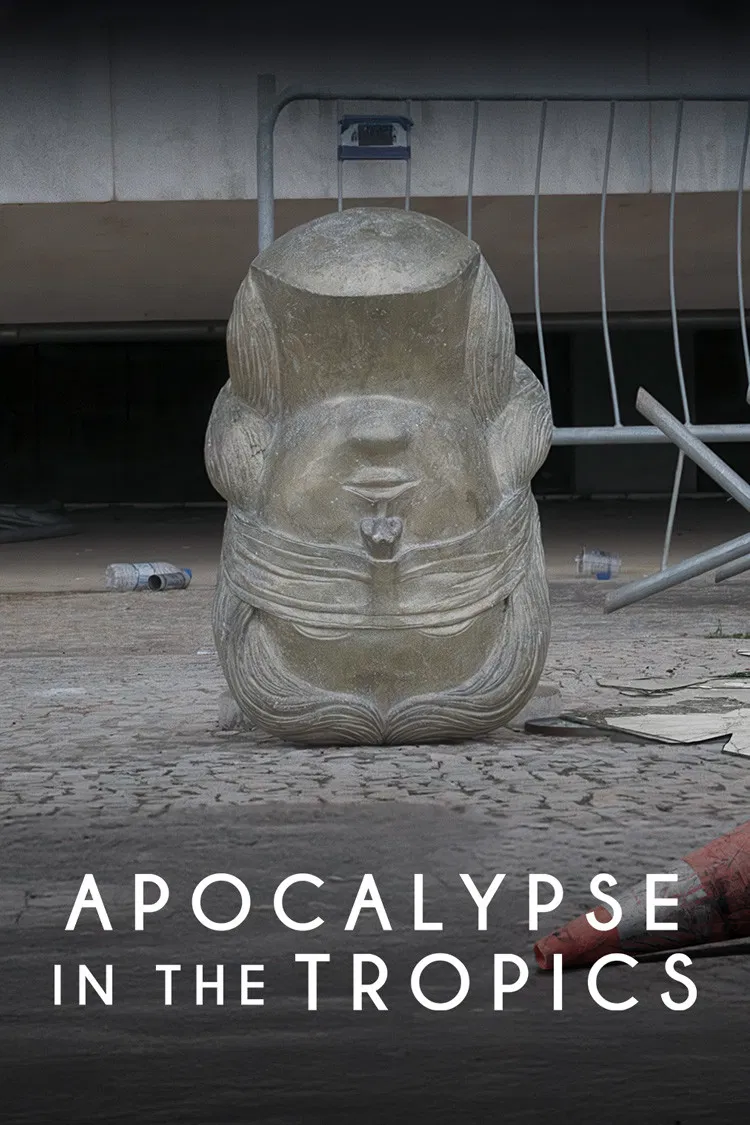
Petra Costa returns to the political landscape of Brazil to document the terrifying rise of evangelical dominionism and its intersection with far-right politics. The film follows the powerful televangelist Silas Malafaia and his influence on the presidency, exploring how religious fervor was weaponized to dismantle democratic institutions and ignore the scientific reality of the climate crisis.
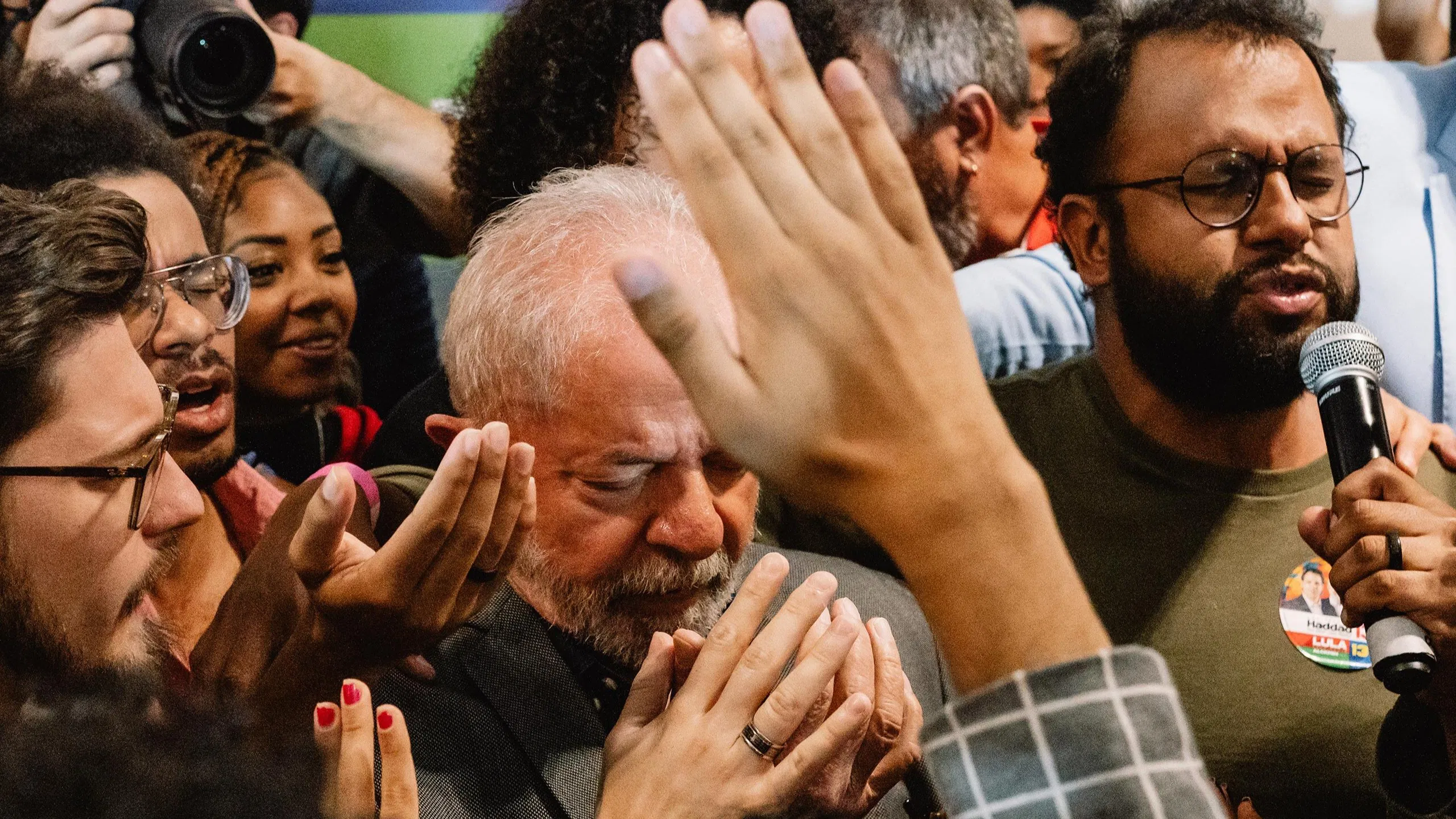
Costa employs her signature operatic and personal narration to weave a story that is both a political thriller and a spiritual warning. The access she gains to the inner circle of power is startling, capturing candid moments where faith leaders openly discuss their strategy to take over the state. The film visualizes the "apocalypse" not as a future event but as a current political project, contrasting the burning Amazon rainforest with the sterile, air-conditioned mega-churches where the destruction is rationalized as God's will. It succeeds because Costa treats the religious movement not with disdain but with a terrified awe, recognizing it as a formidable political technology that offers certainty in chaotic times, proving that the most dangerous fascism is the kind that believes it is saving your soul.
9. 🎬 The Perfect Neighbor (2025)
A devastating investigation into the 2023 killing of Ajike Owens, a Black mother of four who was shot through a locked door by her white neighbor in Florida. The film uses this single, tragic event to dissect the "Stand Your Ground" laws and the culture of racialized fear that turns suburban neighborhoods into war zones.
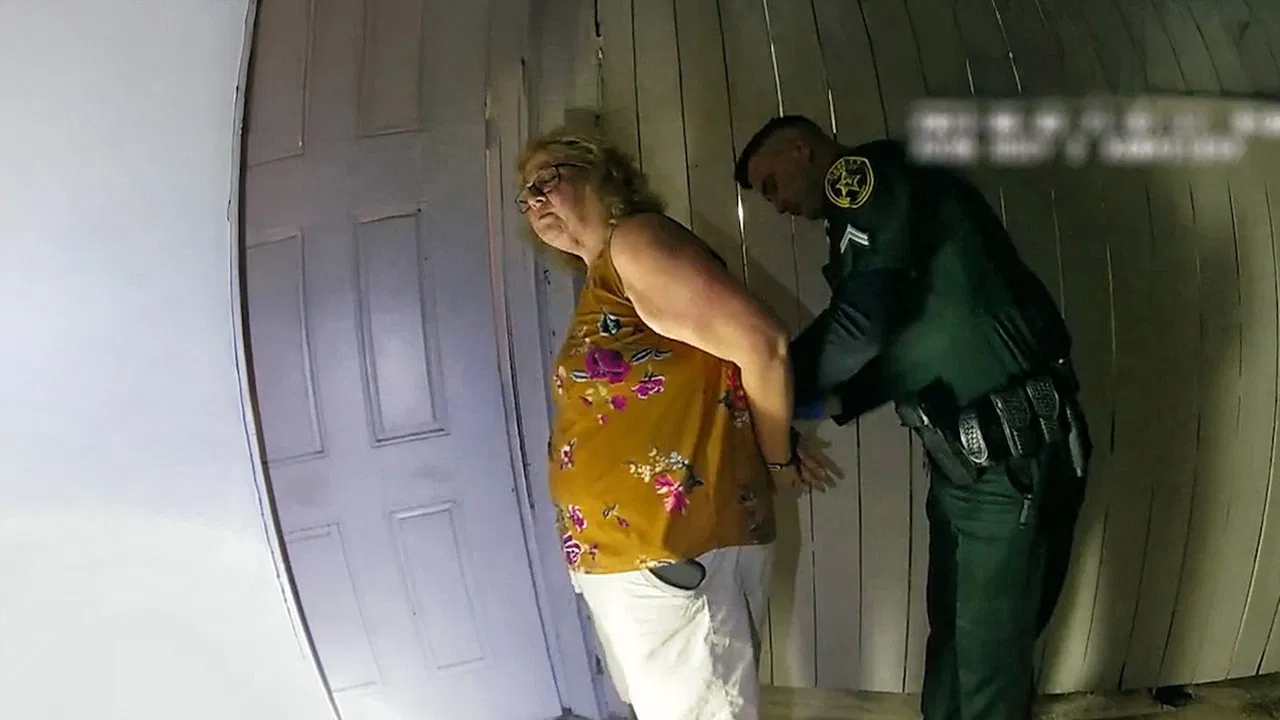
Geeta Gandbhir moves beyond the true-crime format to create a sociological study of how racism is codified into law and justified as self-defense. The film painstakingly reconstructs the history of harassment Owens faced before her death, showing how the system failed to protect her at every turn while empowering her killer. Interviews with neighbors and legal experts paint a picture of a community fractured by invisible lines of race and class, where the concept of "safety" is selectively applied. It succeeds because it refuses to treat the shooting as an anomaly, instead framing it as the inevitable result of a society that encourages citizens to view their neighbors as threats, leaving the audience with the chilling realization that in America, simply knocking on a door can be a death sentence.
10. 🎬 2000 Meters to Andriivka (2025)
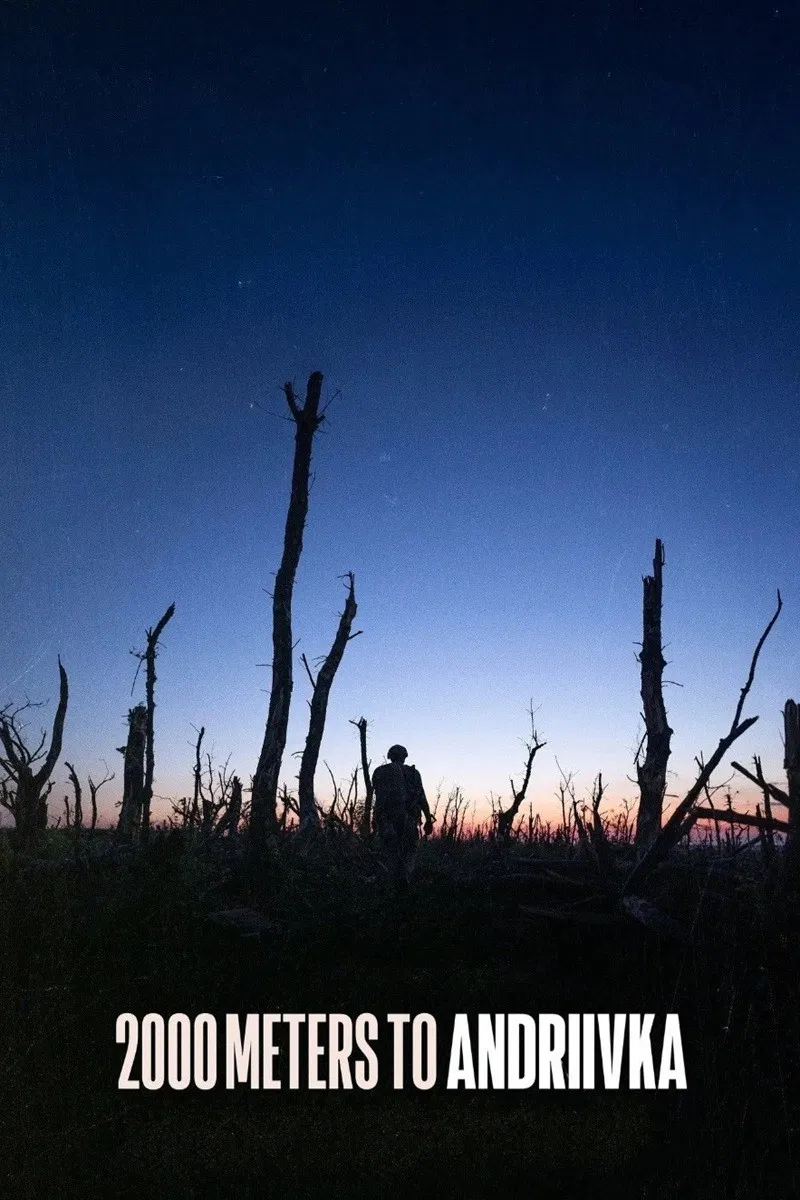
From the team behind 20 Days in Mariupol, this visceral war documentary follows a Ukrainian brigade as they fight inch by inch to liberate the single, devastated village of Andriivka. The film captures the grinding, claustrophobic reality of trench warfare in the 21st century, where "victory" is measured in meters and the cost is paid in blood.
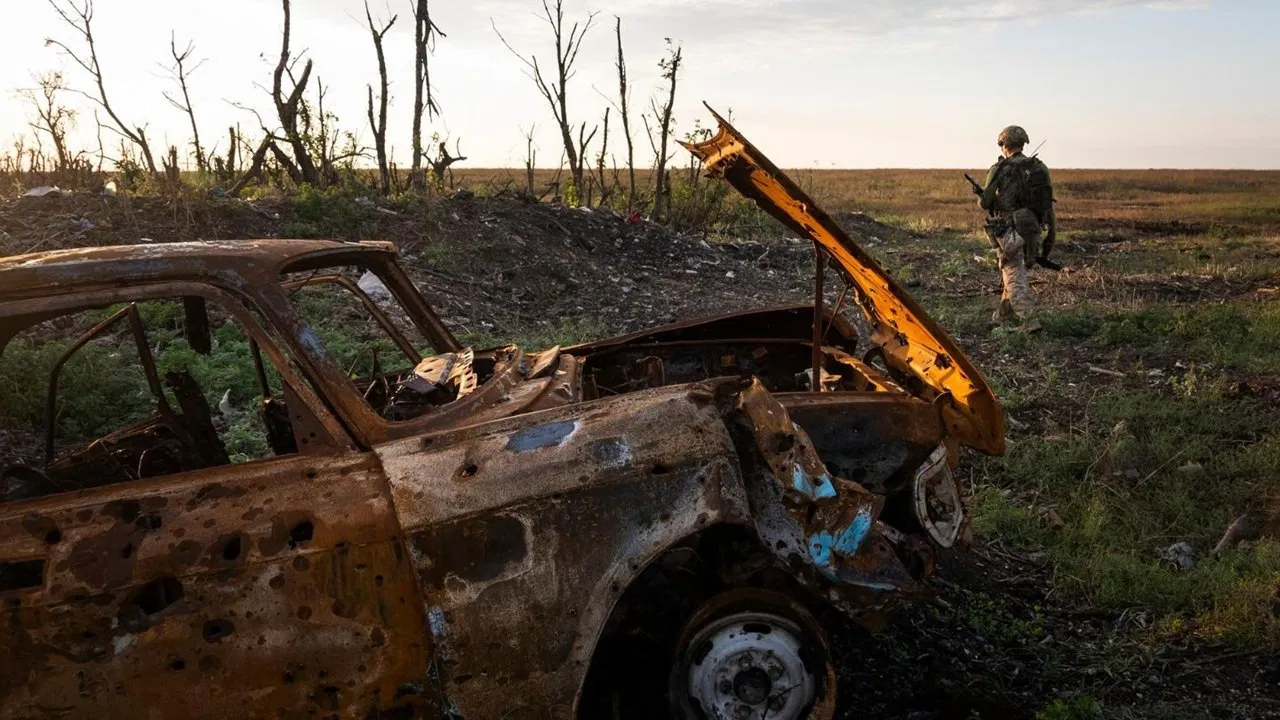
Mstyslav Chernov abandons the broader geopolitical narrative to focus entirely on the micro-reality of the soldier's experience, creating an immersive nightmare of mud, drone buzzing, and sudden violence. The camera is embedded so deeply with the unit that the viewer feels the physical exhaustion and the sensory overload of the frontline. The film juxtaposes the strategic insignificance of the village on a map with the monumental human effort required to take it, questioning the calculus of war. It succeeds because it refuses to sanitize the combat or glorify the soldiers, presenting them as exhausted human beings doing a terrible job, serving as a brutal reminder that behind every line on a news map are thousands of individual tragedies unfolding in real-time.
— The Cinéprism
Keep reading
31 / 08 / 2026 · 391 reads
10 Best Endings in Film
A curated list of 10 unforgettable movie endings that leave a lasting impact long after the credits roll.
11 / 01 / 2026 · 504 reads
11 Critically Acclaimed Netflix Shows
From royal sagas and psychological thrillers to groundbreaking true crime, discover the 11 essential series that define Netflix's golden era.