
Dispatch — Long Read
Tarantino Top 20 Films of this century.
Tarantino reveals his Top 20 Films for the 20th century. (11 to 20)
The Cinéprism
27 / 11 / 2025 · 10 min read
20. West Side Story (2021)
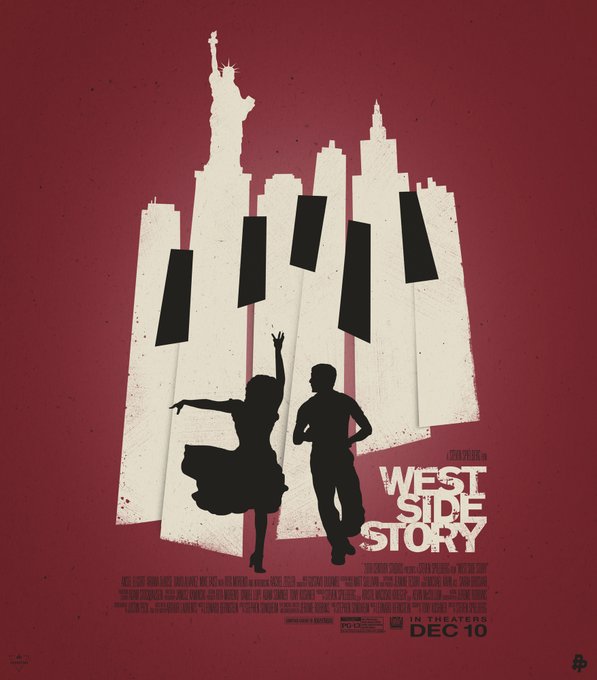
Steven Spielberg's remake of the 1961 musical relocates Romeo and Juliet to 1950s New York where Puerto Rican and white working-class gangs fight over territory while Tony and Maria fall impossibly in love across ethnic divide. What makes Spielberg's version essential despite adapting already-filmed material is his commitment to casting Latinx actors in Puerto Rican roles, hiring genuine dancers who can actually perform Robbins's choreography, and working with Tony Kushner on screenplay that deepens cultural context while maintaining Leonard Bernstein and Stephen Sondheim's iconic score. Rachel Zegler's Maria brings fresh innocence to role, while Ansel Elgort's Tony provides romantic anchor, though their chemistry can't overcome how creaky the love-at-first-sight premise feels in contemporary context.
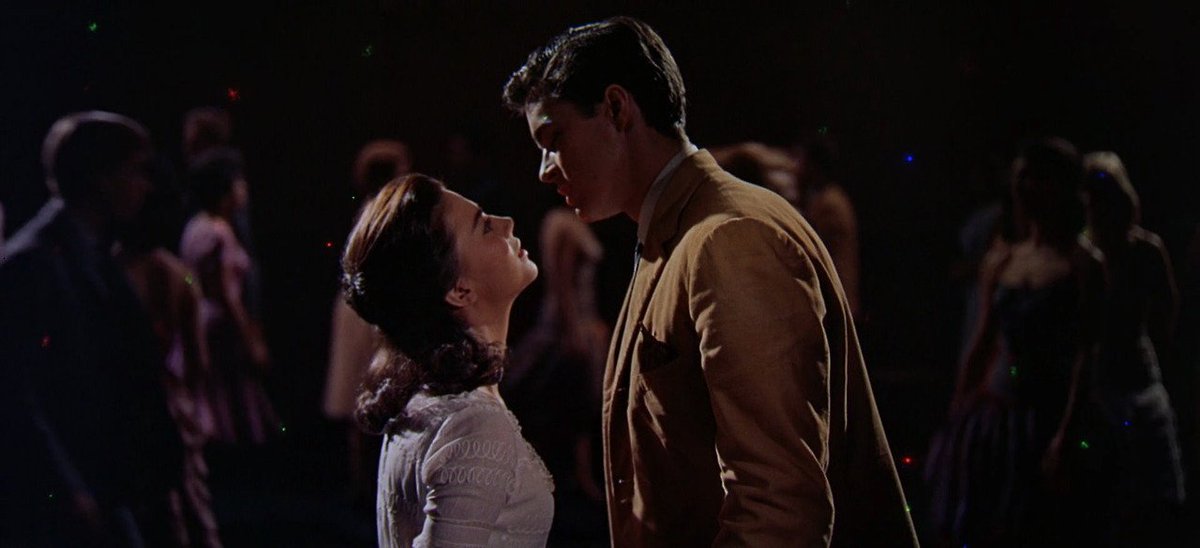
What Spielberg understands is that musicals require absolute commitment—characters must burst into song without irony or apology, choreography must be shot to showcase actual dancing, and emotional heightening must be accepted as genre convention rather than realism. The "America" and "Cool" sequences showcase Spielberg's technical mastery applied to musical form, his camera moving with dancers rather than cutting around them, creating sense that movement and music and image are unified expression rather than separate elements stitched together. The film's tragedy, Bernardo and Riff's deaths, Tony's eventual murder, plays as inevitable consequence of systemic racism and economic inequality that uses gang warfare as symptom rather than cause, showing how Romeo and Juliet's themes about prejudice destroying young lovers remain relevant regardless of setting or era.
19. Cabin Fever (2002)
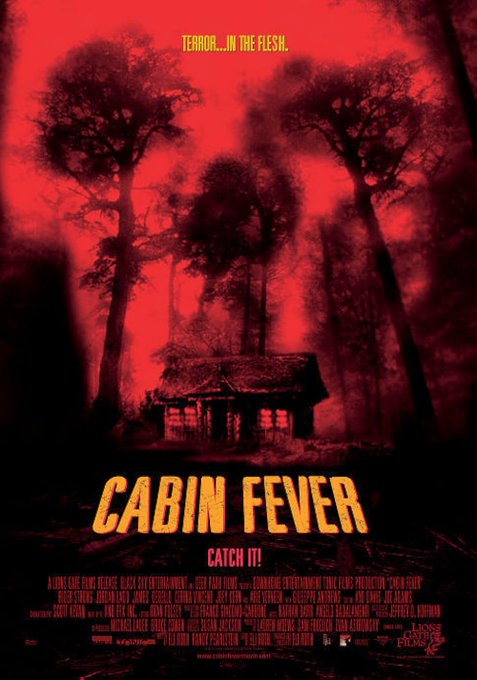
Eli Roth's horror debut about college students infected with flesh-eating virus at remote cabin represents horror at its most gleefully disgusting, using gore and body horror to create film that's simultaneously terrifying and darkly comic. Roth's influences, Evil Dead's cabin-in-the-woods setup, '80s horror's practical effects excess, dark comedy's tonal whiplash, combine into something that announces new horror voice comfortable with genre's contradictions. The film's violence is excessive and creative, the flesh-eating virus creating makeup effects that are impressively nauseating, Roth never flinching from showing decomposing bodies and spreading infection with gleeful lack of restraint.
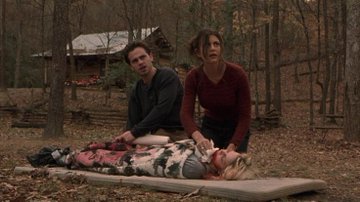
What distinguishes Cabin Fever is its understanding that horror and comedy aren't opposites but complementary, that the same scenes can be simultaneously frightening and absurd, that gore can be both viscerally disturbing and entertaining spectacle depending on how it's shot and what tone surrounds it. The infamous "pancakes" scene exemplifies this tonal approach, bizarre non-sequitur that creates uncomfortable laughter because it makes no narrative sense but commits completely to its own weirdness. Roth's willingness to embrace exploitation cinema's excesses while bringing contemporary technical proficiency and knowing awareness creates horror that's both throwback and evolution, proof that practical effects and commitment to bad taste can still produce effective scares and genuine cinematic pleasure.
18. Moneyball (2011)
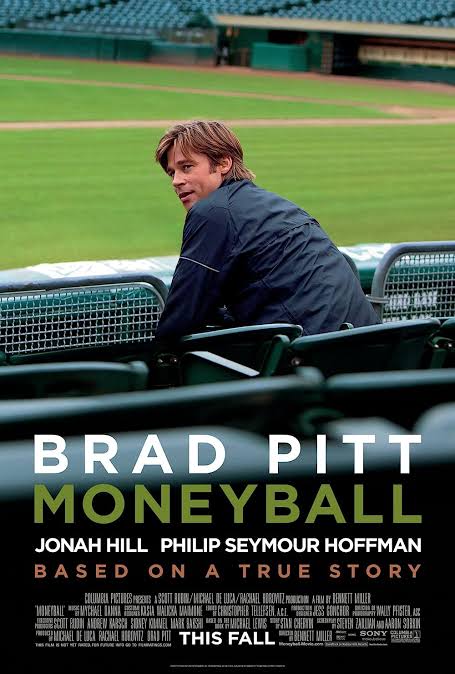
Bennett Miller's adaptation of Michael Lewis's book shows Oakland A's general manager Billy Beane using statistical analysis to build competitive baseball team on limited budget, transforming sports movie formula by making front office strategy as dramatically compelling as on-field action. Brad Pitt plays Beane as frustrated ex-player whose own failed career makes him determined to find competitive advantage through challenging baseball's conventional wisdom about talent evaluation. Jonah Hill's Peter Brand provides the statistical expertise that allows Beane to see past scouting clichés to measurable performance data, their partnership becoming odd-couple buddy film about revolutionizing hidebound institution.
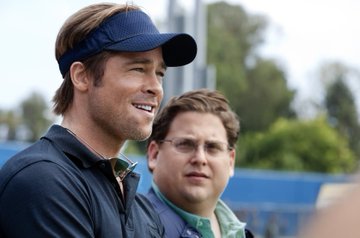
What makes Moneyball cinematically interesting despite being about spreadsheets and statistics is Aaron Sorkin's script finding drama in philosophical battle between traditional scouting and analytical approach, showing how new ideas face institutional resistance even when they work. Miller shoots with understated realism that makes baseball games and boardroom arguments equally tense, trusting that process of building team is inherently dramatic without requiring artificial inflation. The film examines how capitalism creates inequality that requires innovation to overcome, how tradition often protects mediocrity rather than excellence, and whether winning through unconventional methods is as satisfying as winning the traditional way, Beane's inability to enjoy success because he never wins the final championship suggesting that revolutionizing your field isn't enough when ultimate goal remains elusive.
17. Chocolate (2008)
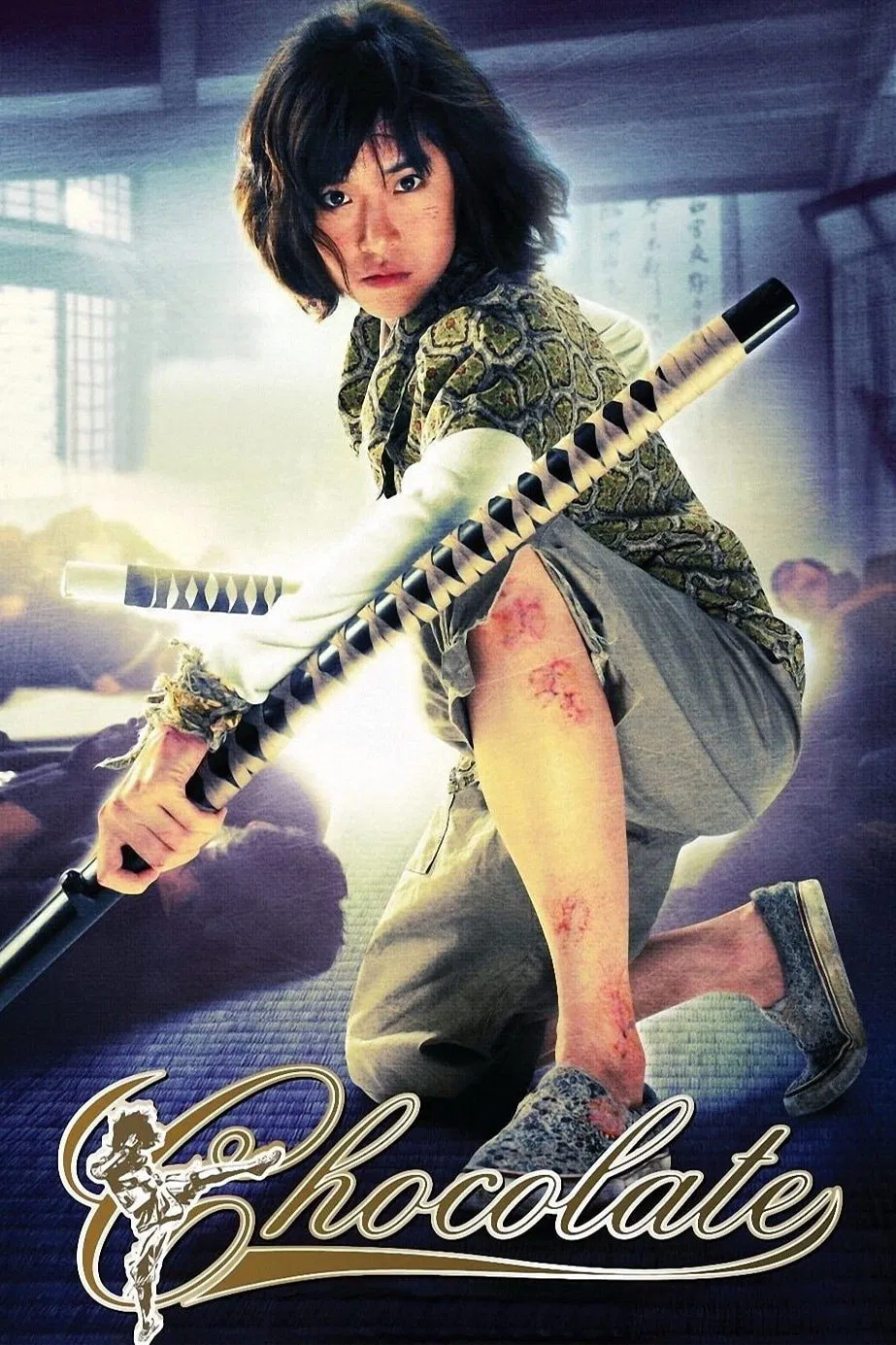
Prachya Pinkaew's Thai martial arts film stars Yanin "Jeeja" Vismistananda as autistic girl who learns martial arts by watching movies and uses those skills to collect debts owed to her dying mother, creating action cinema where disability becomes superpower through obsessive observation and repetition. What makes Chocolate distinctive is Vismistananda's real martial arts ability combined with her character's neurological difference, creating fight scenes where Zen's pattern recognition and lack of social inhibition make her formidable opponent despite her vulnerability in other contexts. The film follows well-worn formula of martial arts revenge narrative but distinguishes itself through specific physicality of its star and willingness to show autistic character as capable action hero without either exploiting her condition or turning it into inspiration porn.
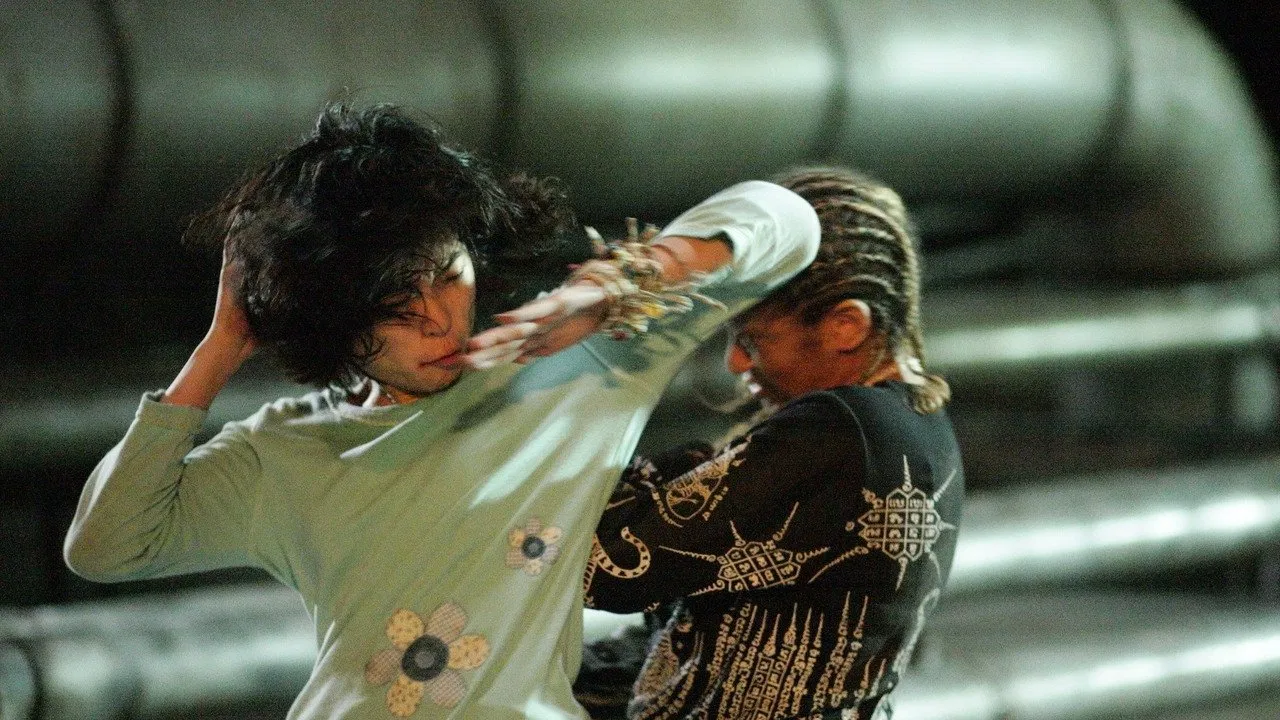
The action choreography showcases real stunts and genuine physical performance, Vismistananda doing her own fights without wires or digital enhancement in tradition of Tony Jaa and classic martial arts cinema where actors' actual capabilities create stakes that CGI can't replicate. What Tarantino would appreciate is Chocolate's commitment to practical action, its specific cultural perspective bringing new flavor to familiar genre, and its understanding that martial arts cinema works best when showcasing real human skill rather than technological intervention, that watching bodies do impossible things becomes possible through training creates visceral pleasure that special effects merely simulate.
16. The Devil's Rejects (2005)
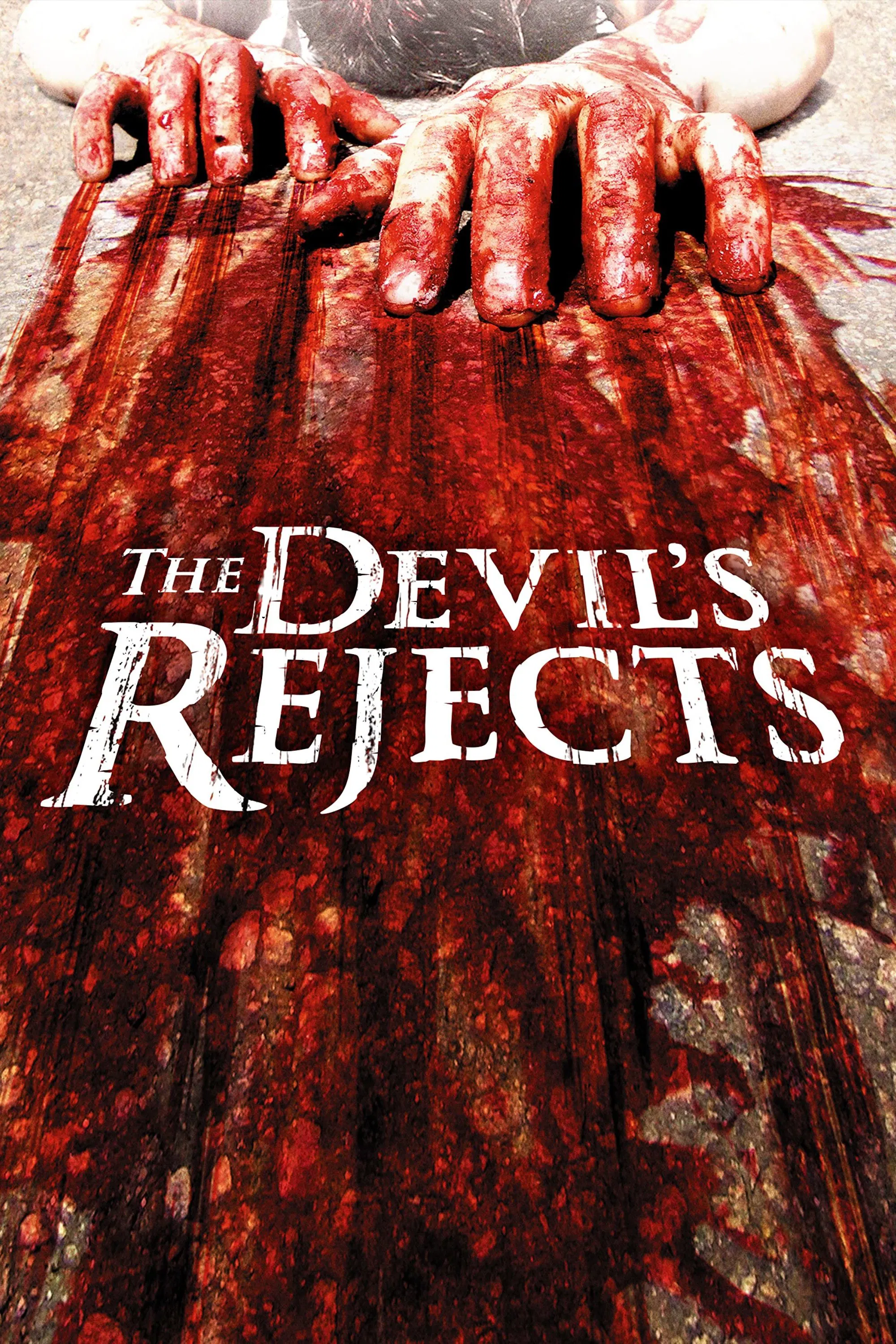
Rob Zombie's sequel to House of 1000 Corpses transforms from horror to crime film, following the psychotic Firefly family on the run after escaping police raid, creating deeply uncomfortable narrative where we're positioned to sympathize with irredeemable murderers pursued by cop who's equally monstrous. Zombie's aesthetic-southern gothic griminess, '70s exploitation film grain, needle drops from classic rock and country, creates world of pure American rot where everyone is corrupted and violence is only language anyone speaks fluently. What makes The Devil's Rejects fascinating despite its deliberate unpleasantness is how Zombie makes us care about these murderers through sheer charisma and screen time, Bill Moseley's Otis and Sid Haig's Captain Spaulding becoming almost likeable despite committing atrocities throughout the film, raising questions about how cinema manipulates sympathy and whether depicting evil attractively is critique or endorsement.

William Forsythe's Sheriff Wydell starts as righteous avenger but descends into torture and madness that mirrors the family he's hunting, suggesting that revenge corrupts everyone it touches. The film's climactic shootout set to "Freebird" is pure nihilistic poetry, these killers choosing death on their terms rather than capture, Zombie shooting their final stand with tragic grandeur completely inappropriate to their actual moral status, proving his mastery of cinema's ability to make us feel things that logic says we shouldn't.
15. The Passion of the Christ (2004)
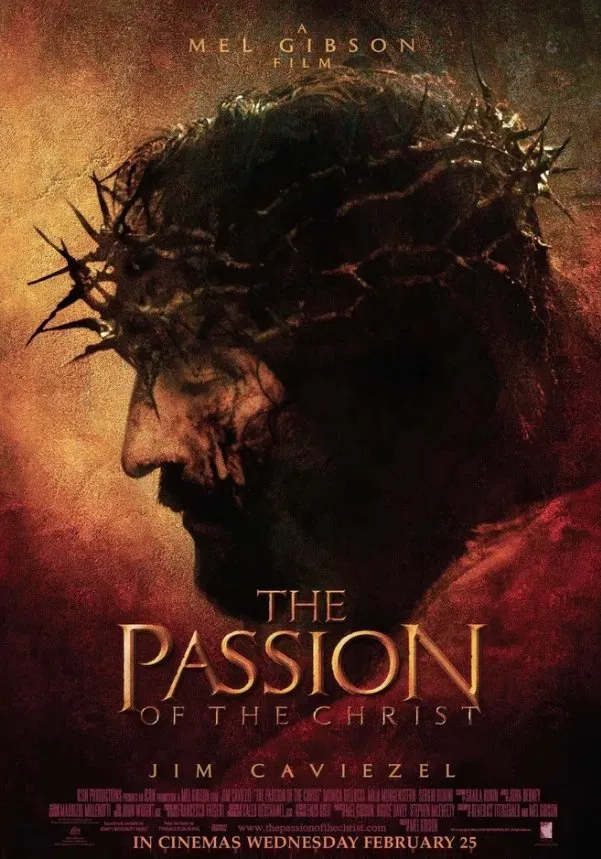
Mel Gibson's ultra-violent depiction of Jesus's final twelve hours commits to showing crucifixion's physical brutality with intensity that becomes nearly unwatchable, creating controversy about whether this constitutes spiritual devotion or exploitation of suffering. Jim Caviezel's Jesus endures beatings and torture rendered with explicit detail that Gibson claims is historically accurate and necessary to understand Christ's sacrifice, though the film's lingering focus on blood and torn flesh raises questions about intent. What makes The Passion potentially interesting for Tarantino is Gibson's commitment to his vision despite universal pushback, his willingness to make film this extreme and uncompromising, and his use of Aramaic and Latin without subtitles that makes the experience deliberately alienating for modern audiences.
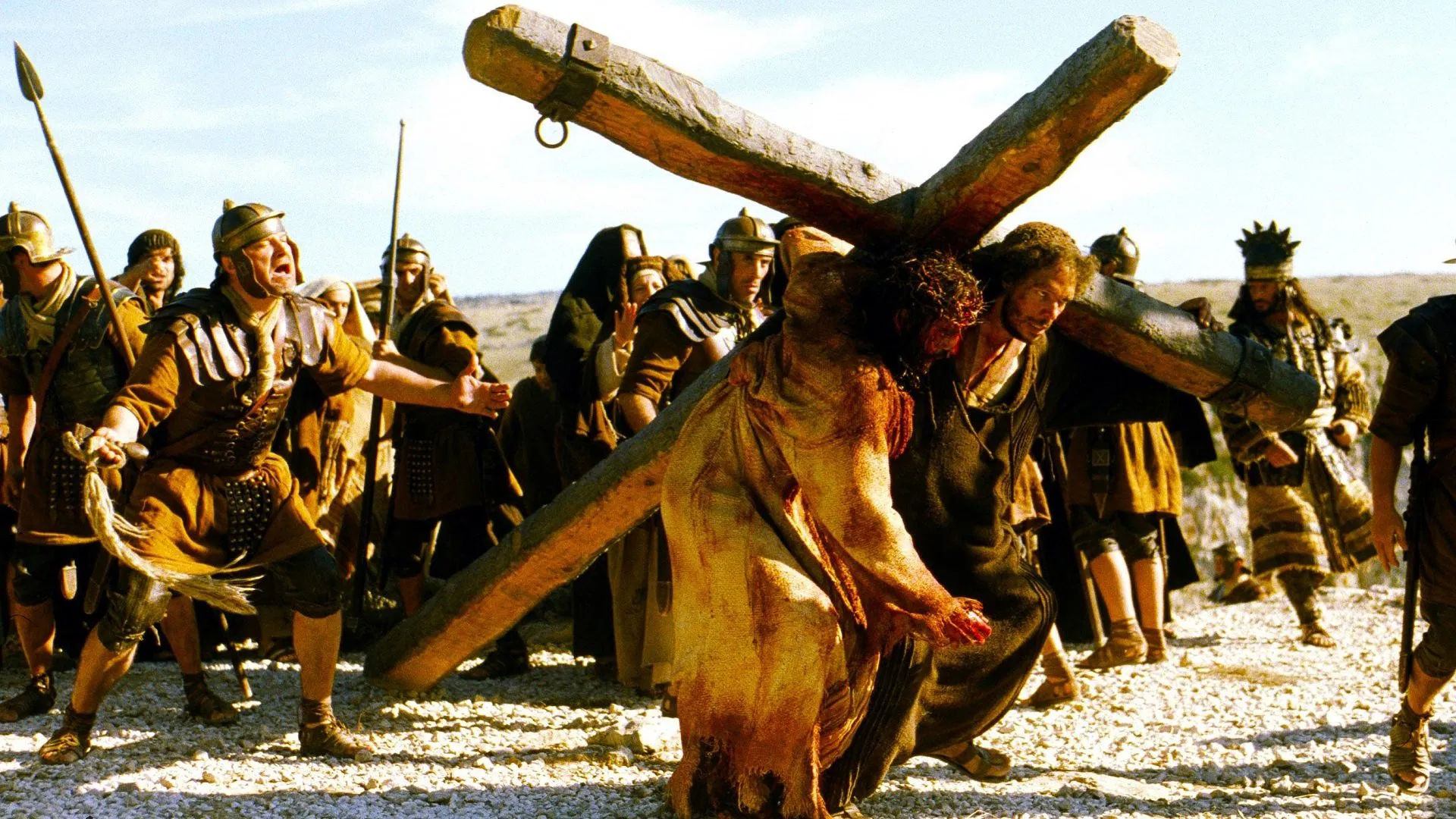
The film operates as extended passion play where narrative serves mainly to structure increasingly elaborate scenes of suffering, Gibson's camera never flinching from showing damage to human body in ways that would fit comfortably in horror cinema. Whether this creates genuine religious experience or mere sadomasochism remains disputed, but Gibson's absolute commitment to his aesthetic and theological vision, regardless of commercial considerations or critical approval, represents kind of auteur control that Tarantino respects even when disagreeing with content.
14. School of Rock (2003)
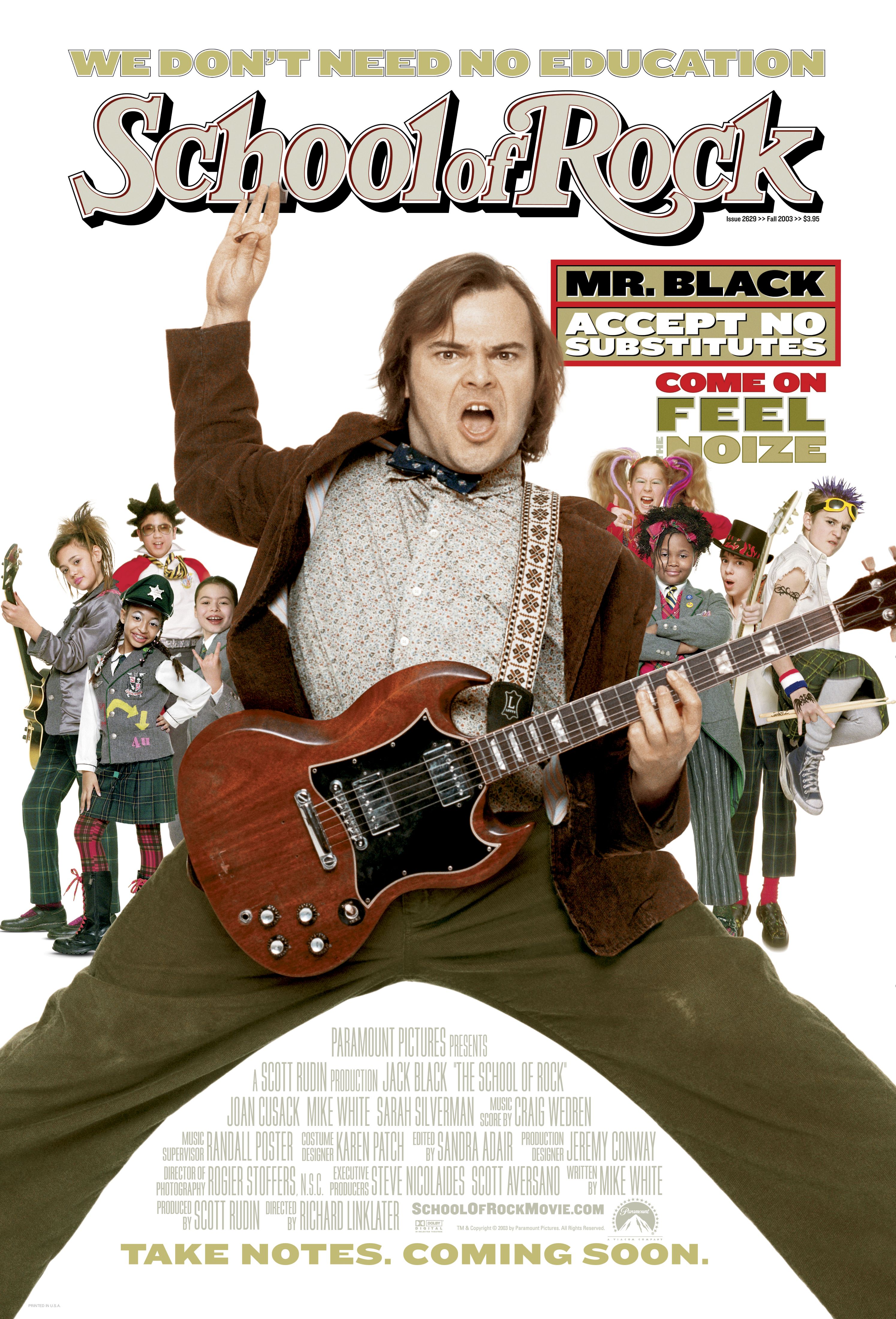
Richard Linklater's film about failed musician Dewey Finn conning his way into substitute teaching position and transforming prep school kids into rock band is pure wish fulfillment elevated by Jack Black's committed performance and genuine respect for both music education and childhood. Black's Dewey is man-child whose immaturity becomes gift when working with kids who need someone to validate their artistic interests against educational system that treats music as extracurricular rather than essential. The film's belief that rock music represents freedom and authentic self-expression, that kids are capable of genuine artistry if given space and encouragement, and that sticking it to authority through musical excellence constitutes legitimate rebellion all create worldview that's both naively optimistic and fundamentally correct about art's importance.
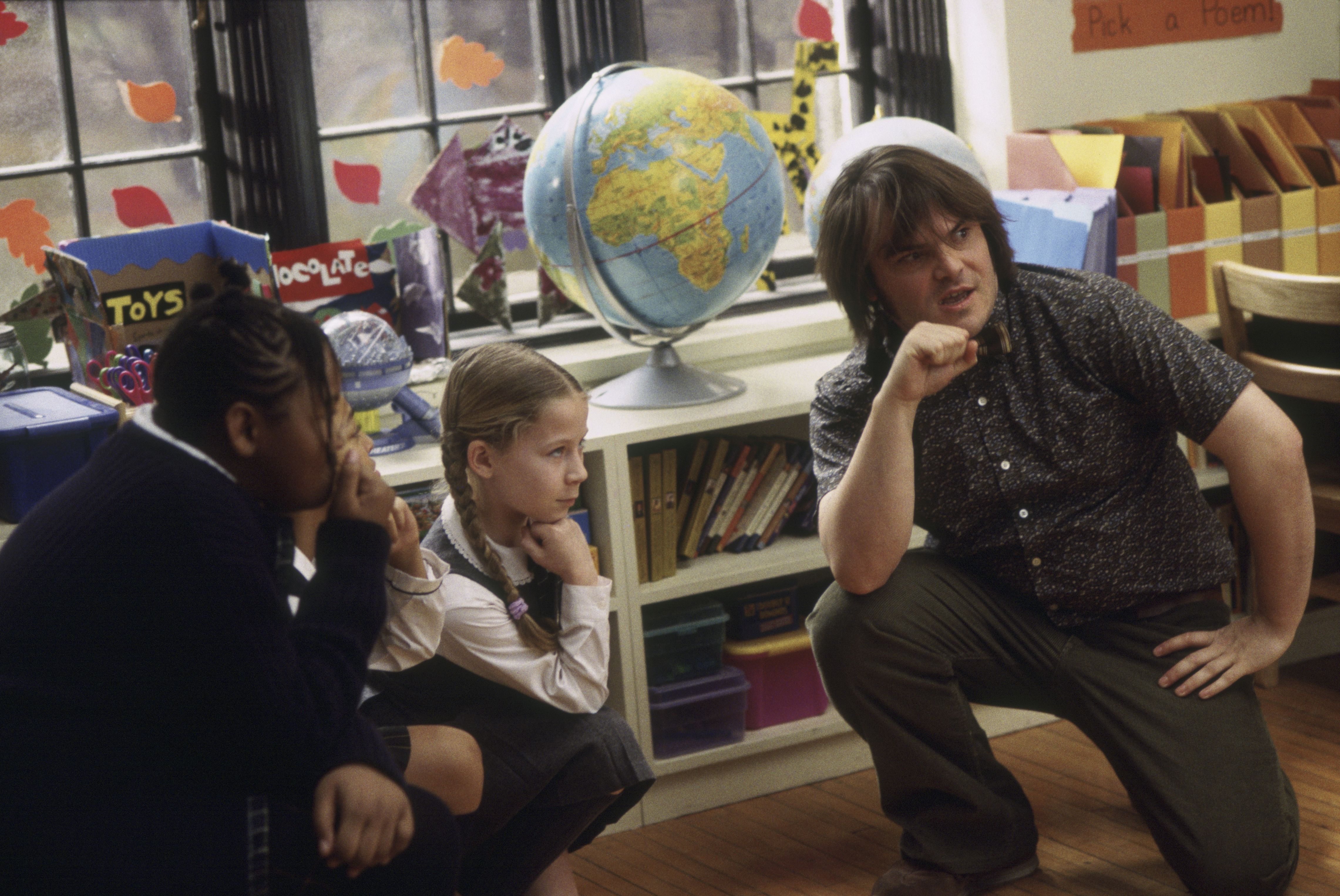
What makes School of Rock work beyond its crowd-pleasing premise is how seriously it takes both musical performance and childhood insecurities, showing kids with real anxieties about parental expectations, social status, and self-worth who find confidence through collaborative creation. Linklater shoots the musical performances with genuine energy, trusting that watching kids who've learned to actually play these songs creates more authentic pleasure than Hollywood faking could achieve, making the climactic Battle of the Bands feel genuinely triumphant because we've seen the work required to get there.
13. Jackass: The Movie (2002)
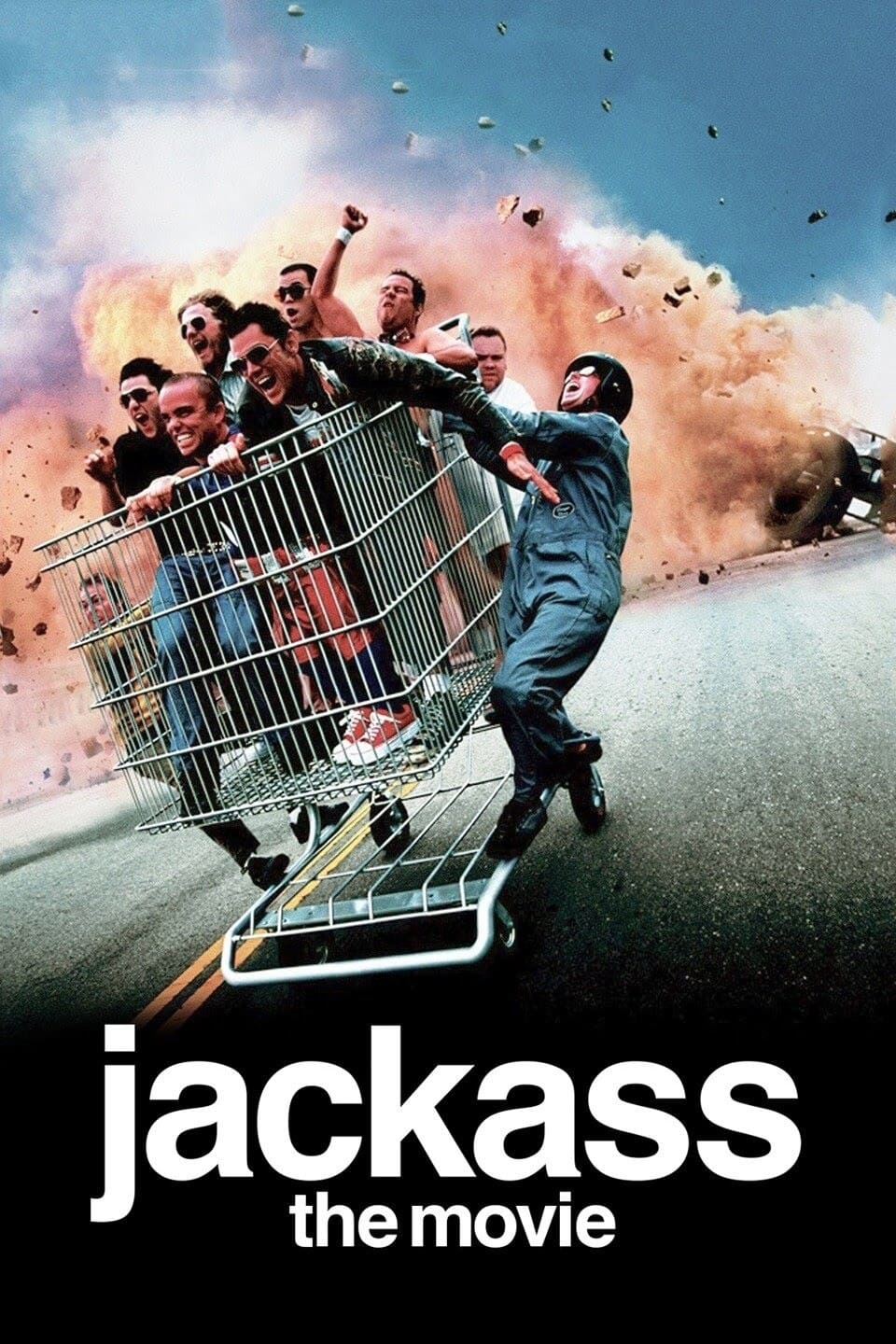
Jeff Tremaine's feature-length expansion of the MTV series represents cinema at its most deliberately stupid and accidentally profound, grown men inflicting pain on themselves for entertainment that becomes meditation on masculinity, friendship, and the human need to test physical limits. Johnny Knoxville and his crew of lunatics perform stunts that range from merely inadvisable to genuinely dangerous, their willingness to hurt themselves for laughs creating strange purity where entertainment value comes entirely from commitment to absurd premise. What Tarantino would appreciate is Jackass's absolute honesty about what it is, there's no pretension, no deeper meaning asserted by filmmakers, just bodies in motion getting hurt in increasingly creative ways, and how that honesty creates something more interesting than most films claiming greater ambitions.
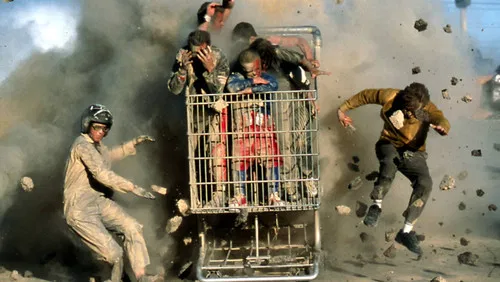
The practical effects of real bodies experiencing real consequences, the camaraderie visible between performers who genuinely care about each other even while causing mutual pain, and the democratic nature of the suffering where everyone takes turns being both perpetrator and victim all create odd cinematic integrity. It's reminder that cinema doesn't require narrative sophistication to be valuable, that sometimes watching people do dangerous things creates genuine suspense and catharsis, and that male bonding often expresses itself through stupidity that looks insane from outside but makes perfect sense to participants.
12. Big Bad Wolves (2013)
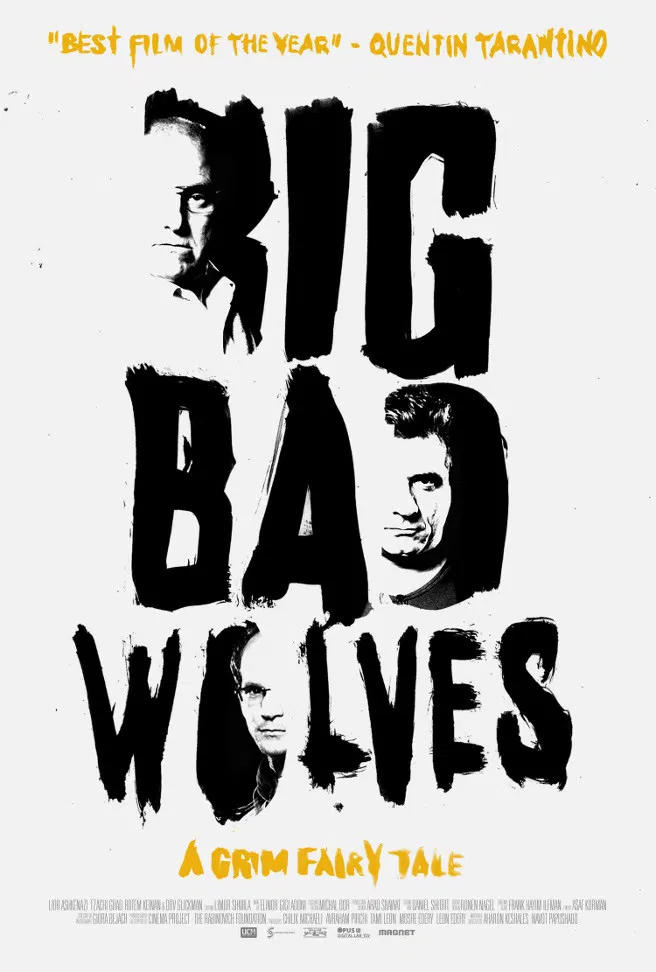
Aharon Keshales and Navot Papushado's Israeli revenge thriller examines what happens when vigilante father and rogue cop torture suspected child murderer, creating moral quagmire where our sympathies shift constantly and no one emerges with clean hands. The film's queasy achievement is making torture both horrible and darkly comic, finding humor in the gap between the vigilantes' confidence and their incompetence, between their certainty of guilt and the ambiguity of evidence. What makes Big Bad Wolves distinctly Tarantino-esque despite Israeli setting is its tonal juggling, moving from violence to humor to genuine pathos without betraying any of these modes, trusting audiences to handle complexity rather than settling into comfortable generic positioning.
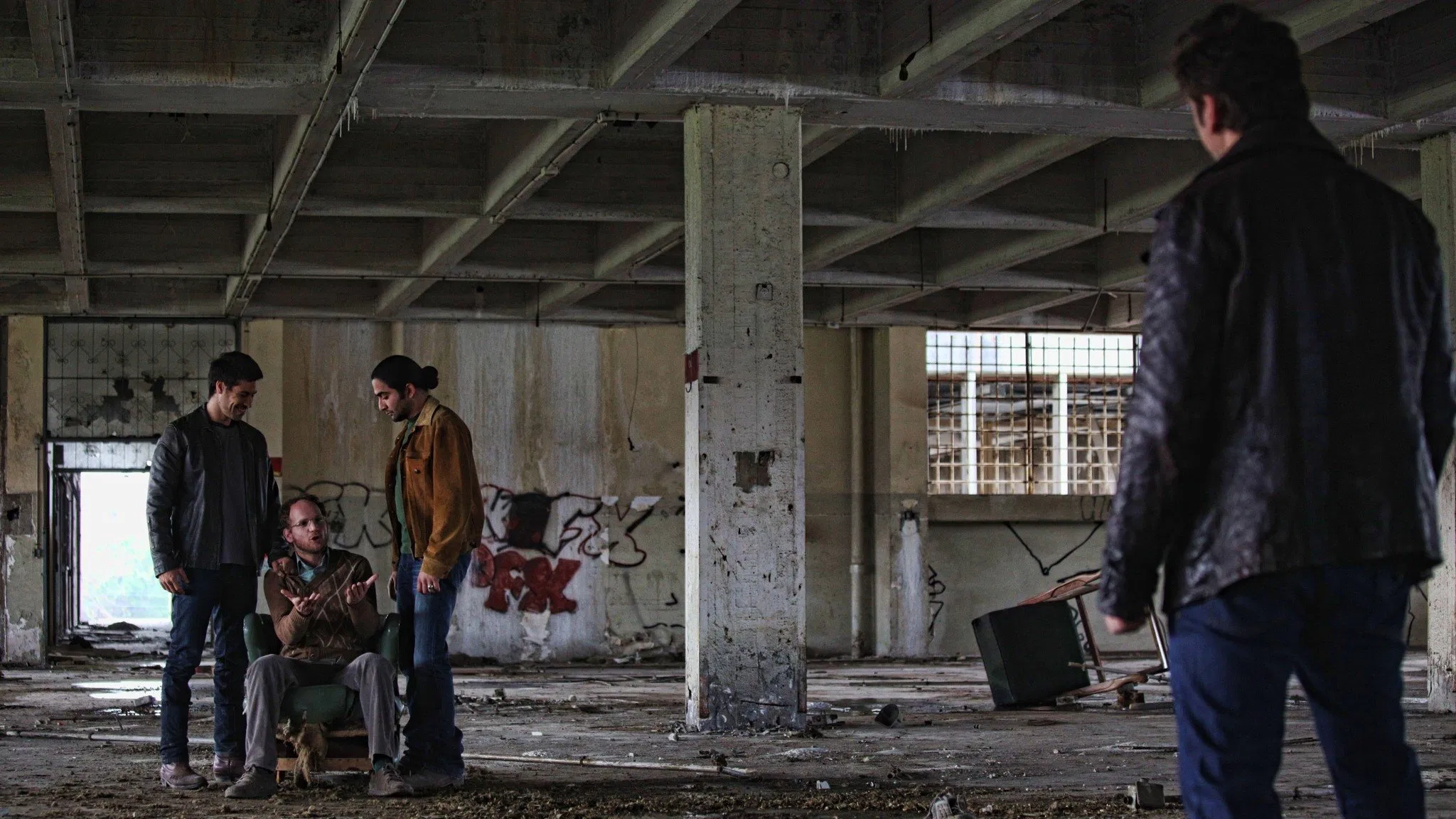
The film asks whether revenge torture is justice or just another crime, whether certainty about guilt justifies extralegal punishment, and whether we can maintain moral high ground while committing atrocities against those we're convinced are monsters. The domestic setting, most torture occurs in someone's house, makes the violence more disturbing rather than less, bringing horror into spaces associated with safety and normalcy, showing how easily average people become capable of extraordinary cruelty when they're convinced righteousness is on their side.
11. Battle Royale (2000)
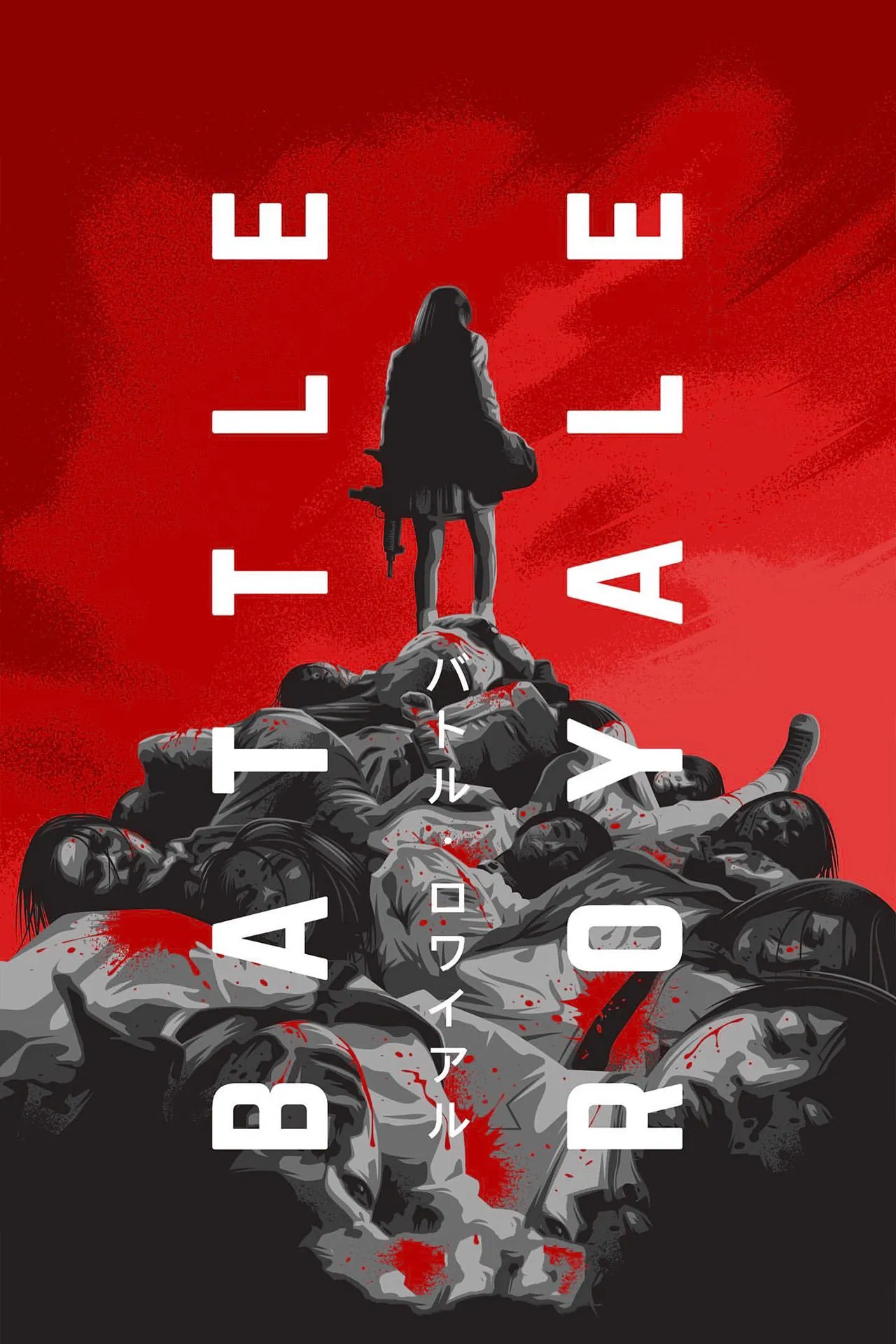
Kinji Fukasaku's ultra-violent allegory about Japanese students forced to kill each other until only one survives represents exactly the kind of transgressive genre cinema that Tarantino champions, proof that exploitation premises can contain genuine social criticism about generational conflict and authoritarian control. The film's premise, forty-two classmates given weapons and three days to murder each other on remote island, could be purely sensationalist, but Fukasaku uses the structure to examine how society treats youth as expendable, how institutions demand conformity and punish resistance, and how quickly civilization's rules dissolve under pressure.
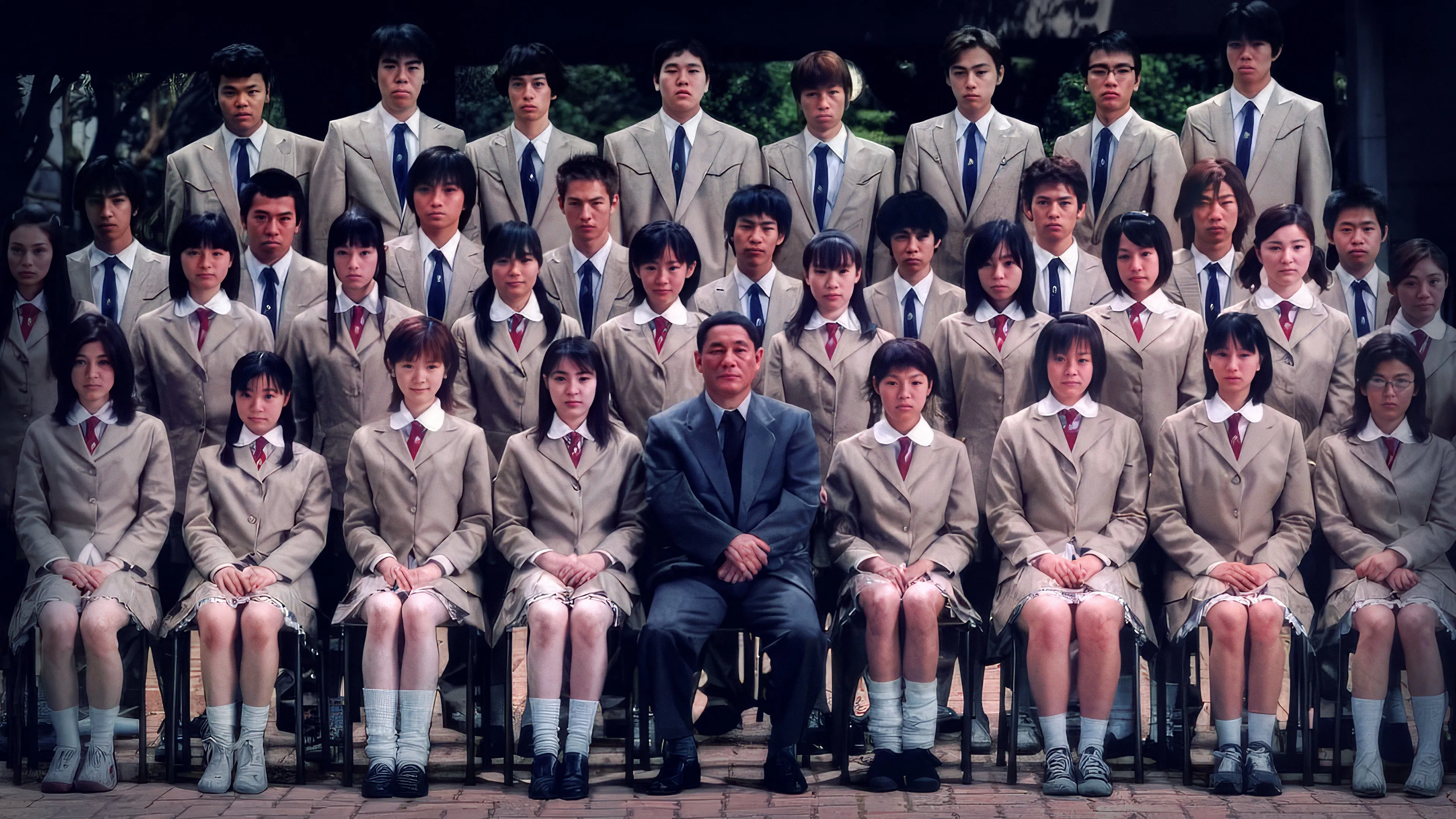
Beat Takeshi's teacher casually explaining the rules with bureaucratic indifference creates chilling portrait of institutional violence disguised as educational policy. What makes Battle Royale perfect for Tarantino's sensibility is its commitment to genre mechanics while maintaining satirical edge, its willingness to show violence's consequences while never losing pulp entertainment value, and its understanding that the most disturbing horror isn't supernatural but systems that treat human life as disposable. It's film that influenced countless imitations but maintains power through Fukasaku's veteran direction that never lets you forget these are children killing children because adults decided this was acceptable solution to social problems.
He will reveal rest of the list soon
— The Cinéprism
Keep reading
15 / 09 / 2026 · 141 reads
Top 15 Movies with Plot Twists You Might Have Missed
15 movies packed with hidden clues, subtle details, and twists that hit differently once you know what to look for.
31 / 08 / 2026 · 391 reads
10 Best Endings in Film
A curated list of 10 unforgettable movie endings that leave a lasting impact long after the credits roll.