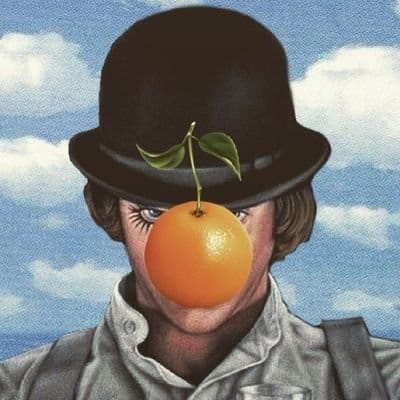
Dispatch — Long Read
Psycho in movies:
Explores the twisted depths of the human mind, where obsession, fear, and madness craft unforgettable cinema.
The Cinéprism
04 / 11 / 2025 · 7 min read
The Dark Knight
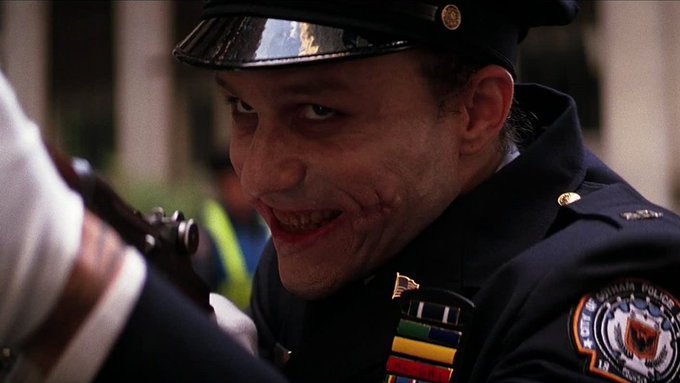
Christopher Nolan’s epic is electrified by Heath Ledger’s interpretation of the Joker, a chaos-obsessed mastermind and the purest embodiment of the unpredictable anarchist. Ledger’s Joker is chilling because he offers no clear motive, no dream of power; simply a devotion to senseless disruption and the dissolution of order. Every line, every gesture, is calculated to manipulate and confound, reflecting not only psychopathic traits: callousness, grandiosity, lack of empathy; but also a singular intelligence bent on obliterating societal rules. Nolan’s Gotham is less a superhero metropolis and more a petrie dish for moral crisis, with the Joker acting as the irresistible infection that exposes the most fragile parts of order and heroism.
Joker
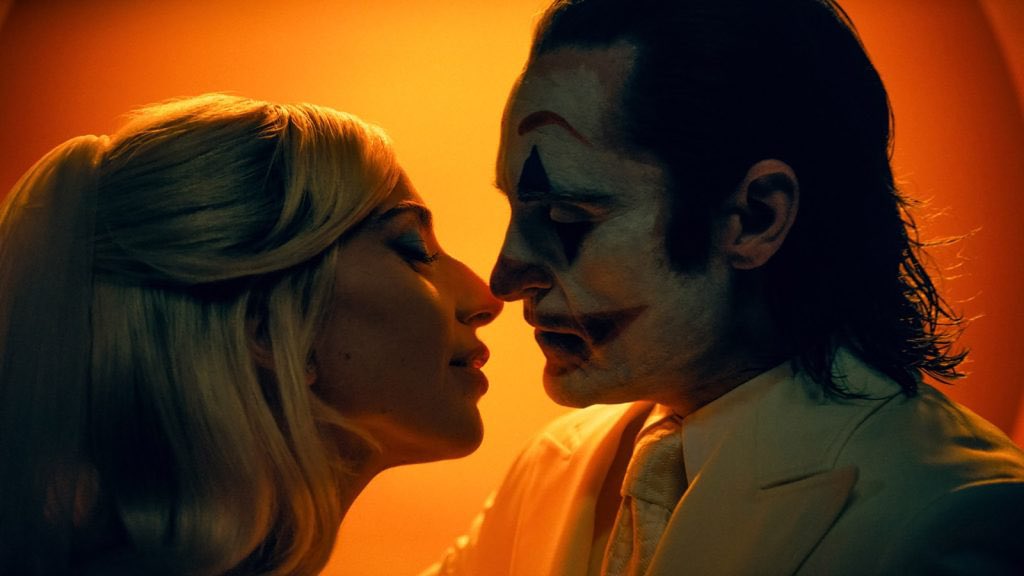
Todd Phillips’s Joker pulls the audience painfully close to Arthur Fleck’s downward spiral, blending trauma, neglect, and social alienation in a haunting portrait. Joaquin Phoenix delivers a performance carved from deep psychological pain, a man grappling with pseudobulbar affect and emotional fractures, whose violence bursts from years of humiliation and invisibility. The film defies easy diagnosis, weaving symptoms from various disorders into a fragile, tragic figure whose laughter is both wrenching and unsettling. It challenges viewers by blurring lines between victim and villain, exposing how broken systems fail the vulnerable and inadvertently create monsters. Phoenix’s portrayal is raw and unflinching, capturing a desperate need to be seen amid societal indifference. The gritty Gotham of the film doubles as a fractured reflection of modern communities rife with division and neglect. Phillips refuses to glorify Arthur’s descent, instead holding a mirror to systemic failures and their catastrophic human costs. The narrative’s tension builds through intimate scenes punctuated by haunting moments of joy and sorrow. Joker remains an uncomfortably timely exploration of mental health, societal breakdown, and cultural disenfranchisement, resonating long after the final frame.
The Shining
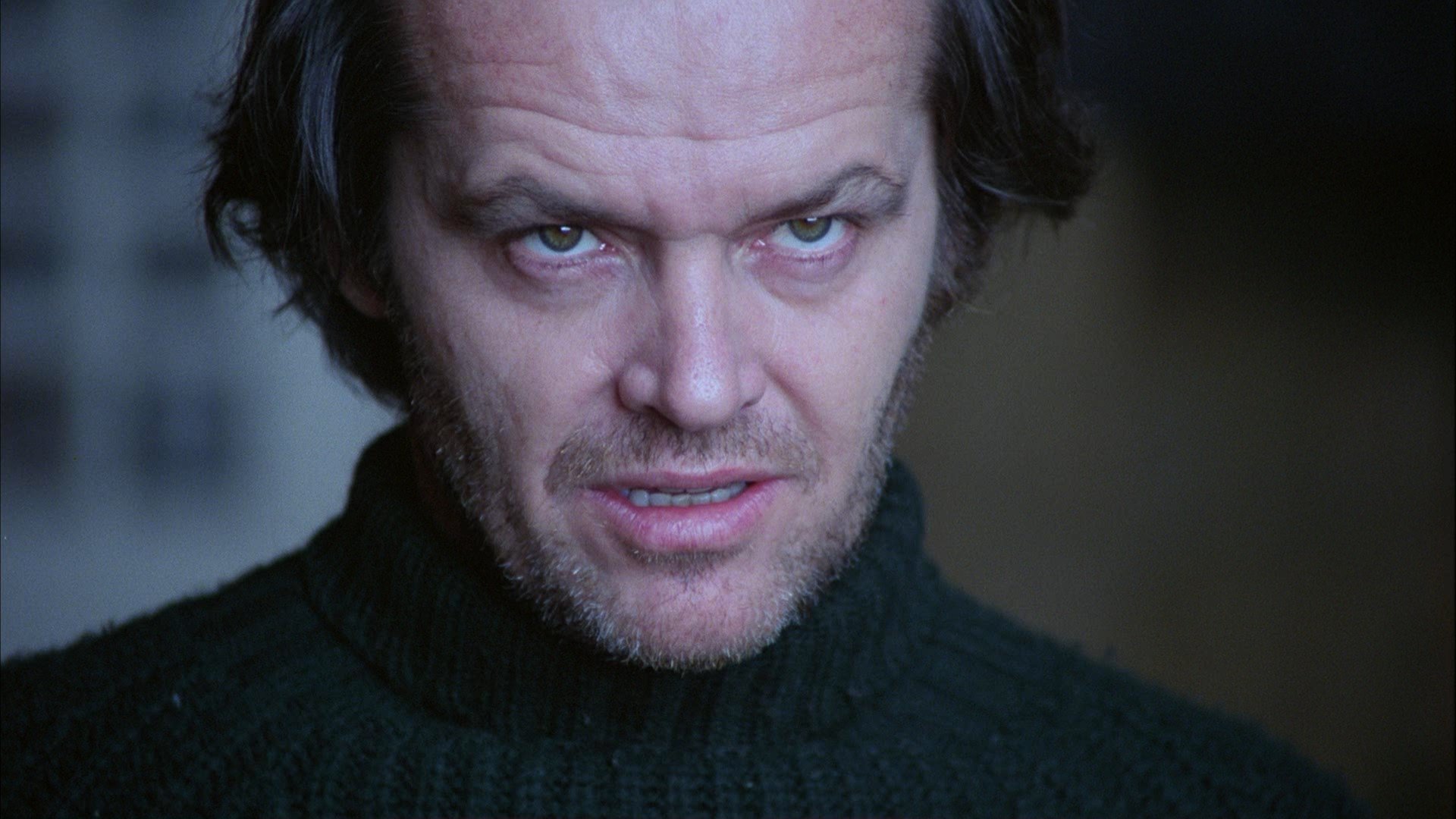
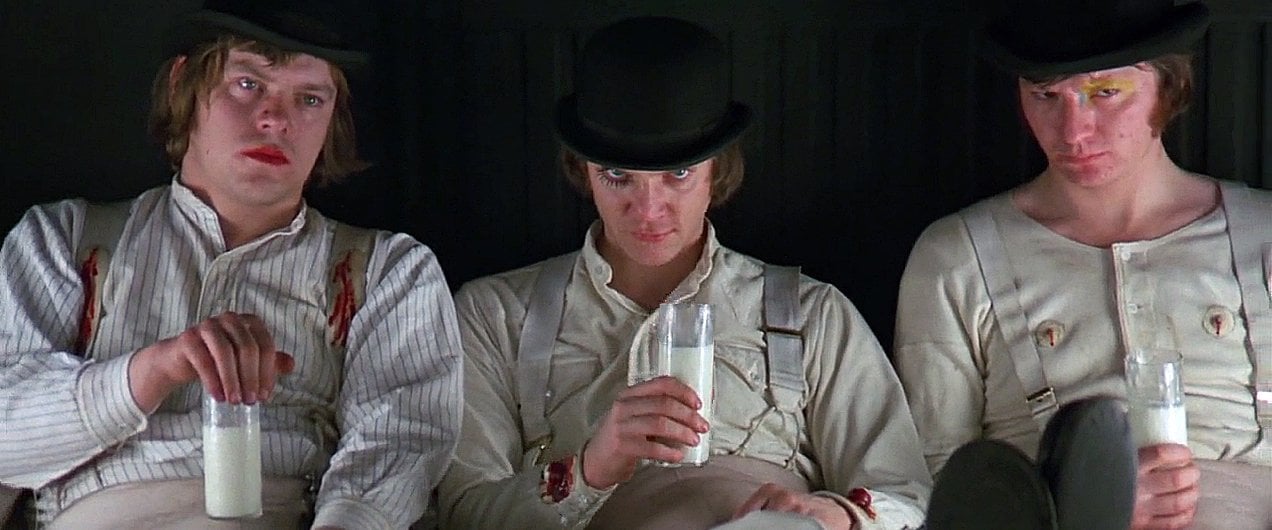
Kubrick again, this time focusing on pure, unrepentant sadism and the limits of free will. Malcolm McDowell’s Alex is a personification of chaotic brutality: violence wielded as performance art, society’s rules broken for pleasure. The film offers no solace in punishment or “cure”; even the state’s attempts to strip away Alex’s agency leave him monstrous. Brilliantly stylized and deeply unsettling, the film remains divisive for its ethical provocations and refusal to turn the monster into a victim or explain away his evil. Here, psychopathy is both entertainment and critique.
A Clockwork Orange
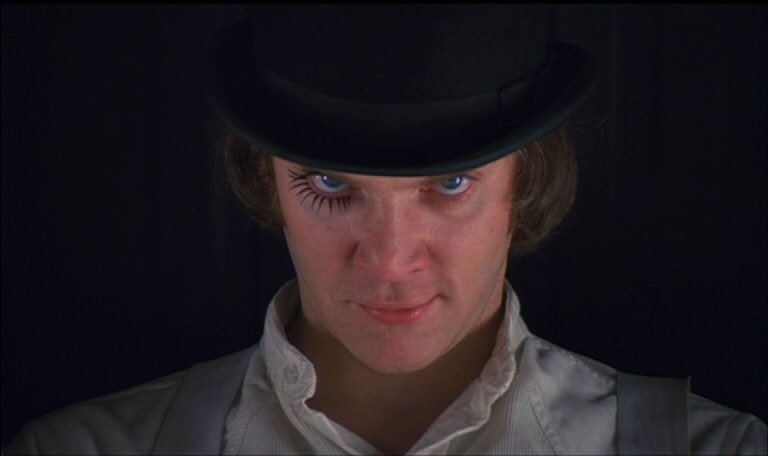
Kubrick again, this time focusing on pure, unrepentant sadism and the limits of free will. Malcolm McDowell’s Alex is a personification of chaotic brutality, violence wielded as performance art, society’s rules broken for pleasure. The film offers no solace in punishment or "cure"; even the state’s attempts to strip away Alex’s agency leave him monstrous. Brilliantly stylized and deeply unsettling, the film remains divisive for its ethical provocations and refusal to turn the monster into a victim or explain away his evil. Here, psychopathy is both entertainment and critique.
Primal Fear
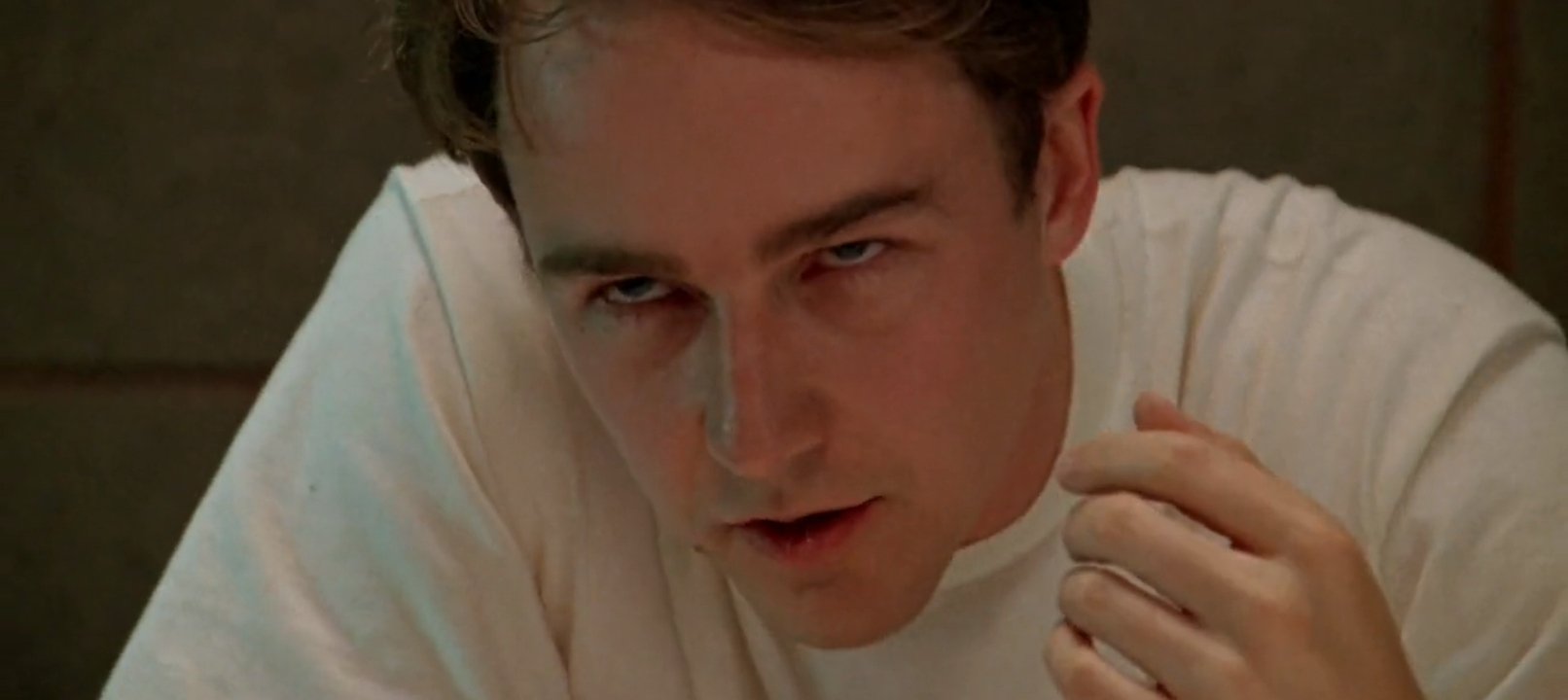
Edward Norton’s breakthrough in Primal Fear is a masterclass in duality, seamlessly embodying innocence and cunning within a narrative steeped in deception and the elusive nature of truth. His Aaron Stampler is portrayed as a fragile, stuttering altar boy whose chilling alter ego, Roy, emerges with violent clarity, challenging perceptions of trauma and guilt. The film intricately weaves courtroom drama with psychological thriller, pushing viewers to question the masks people wear and the real faces beneath. Through calculated camera work and a haunting score, the ambiguity deepens, maintaining tension until the shattering climax. The story’s unsettling revelation redefines the boundaries of innocence and evil, leaving audiences grappling with moral uncertainty. It’s not just a legal thriller, it’s a profound exploration of human psychology and the dangers of misunderstanding trauma. Norton's layered performance anchors this exploration, delivering both vulnerability and menace. The film critiques societal and judicial systems that fail to see beyond surface appearances. Primal Fear remains a gripping meditation on identity, trust, and deception, elevated by its sharp narrative and outstanding performances.
Nightcrawler
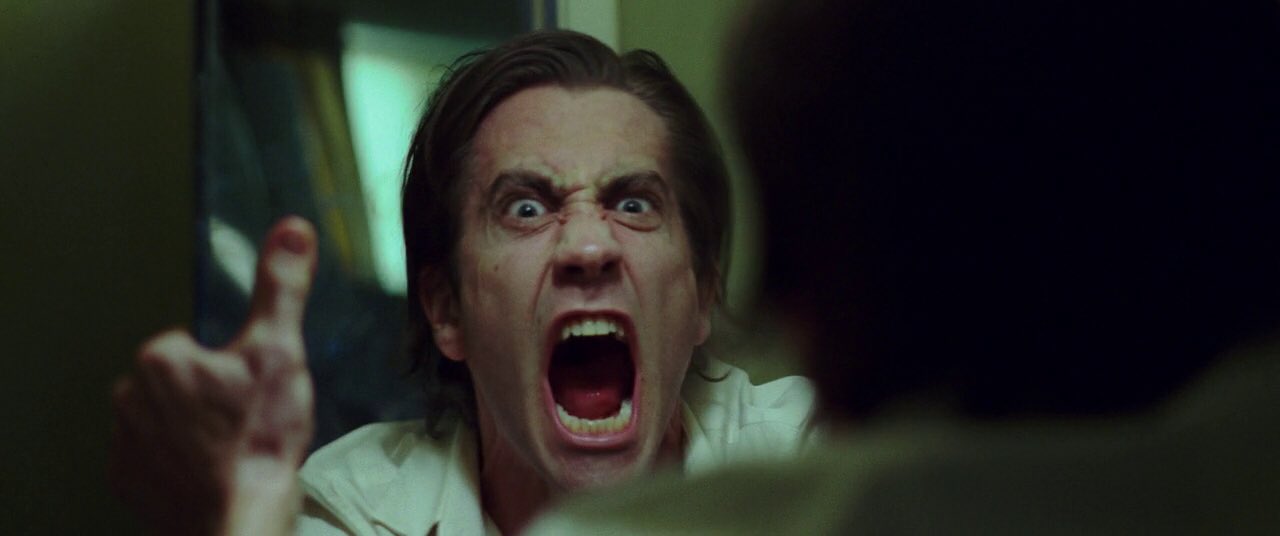
Jake Gyllenhaal’s Louis Bloom is the embodiment of predatory ambition, socially vacant, obsessively resourceful, and chillingly polite. The film stalks after him in the neon-lit Los Angeles nightscape, as he manipulates, exploits, and ultimately orchestrates horror for the lens of television. Bloom’s lack of empathy, unnerving calm, and compulsive networking push him into the realm of the cinematic psychopath, one who feeds not only on blood but the machinery of modern media. He is everyday evil, thriving on capitalism’s darkest incentives. His rise is a brutal portrait of ambition devoid of morality, where success depends on how far one is willing to go beyond ethical bounds. The city’s cold glow reflects his chilling detachment, while his manipulations expose the hunger for spectacle in a society addicted to tragedy. Bloom captures violence and disaster not to prevent harm, but to profit from the audience's morbid curiosity. Nightcrawler is as much a condemnation of media exploitation as it is a character study of one man’s abyssal drive. Gyllenhaal's performance is equal parts magnetic and terrifying, making Louis Bloom unforgettable.
The Silence of the Lambs
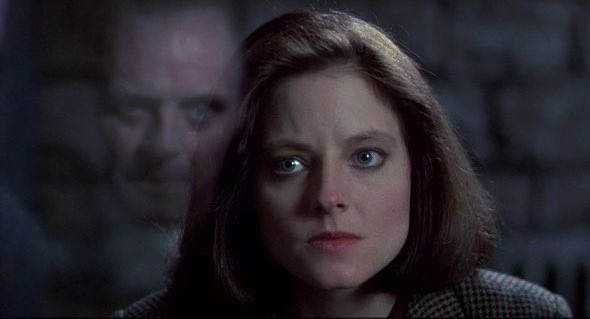
Hannibal Lecter is the epitome of chilling intellect, blending refined sophistication with monstrous cruelty. Played masterfully by Anthony Hopkins, Lecter wields his razor-sharp mind and social insight like weapons, manipulating those around him with unsettling warmth and cold calculation. His most terrifying trait is his profound empathy, not because it evokes compassion, but because it allows him to understand and exploit human vulnerabilities without remorse. The intense scenes between Lecter and Clarice Starling become psychological battlegrounds, dense with layered dialogue and claustrophobic tension. The film’s horror lies not in graphic violence but in the seductive power of a mind unbound by moral constraints, making every interaction a test of wits and nerve. Hopkins’s portrayal captures the duality of Lecter as both cultured gentleman and primal predator, leaving an indelible mark on cinematic villainy. His persona oscillates between mentor and menace, offering insights that both guide and endanger. Clever camera work isolates silent expressions, deepening the film’s grip. Lecter’s blend of charisma and cruelty redefines psychopathy for a generation, making him unforgettable and endlessly fascinating.
No Country for Old Men
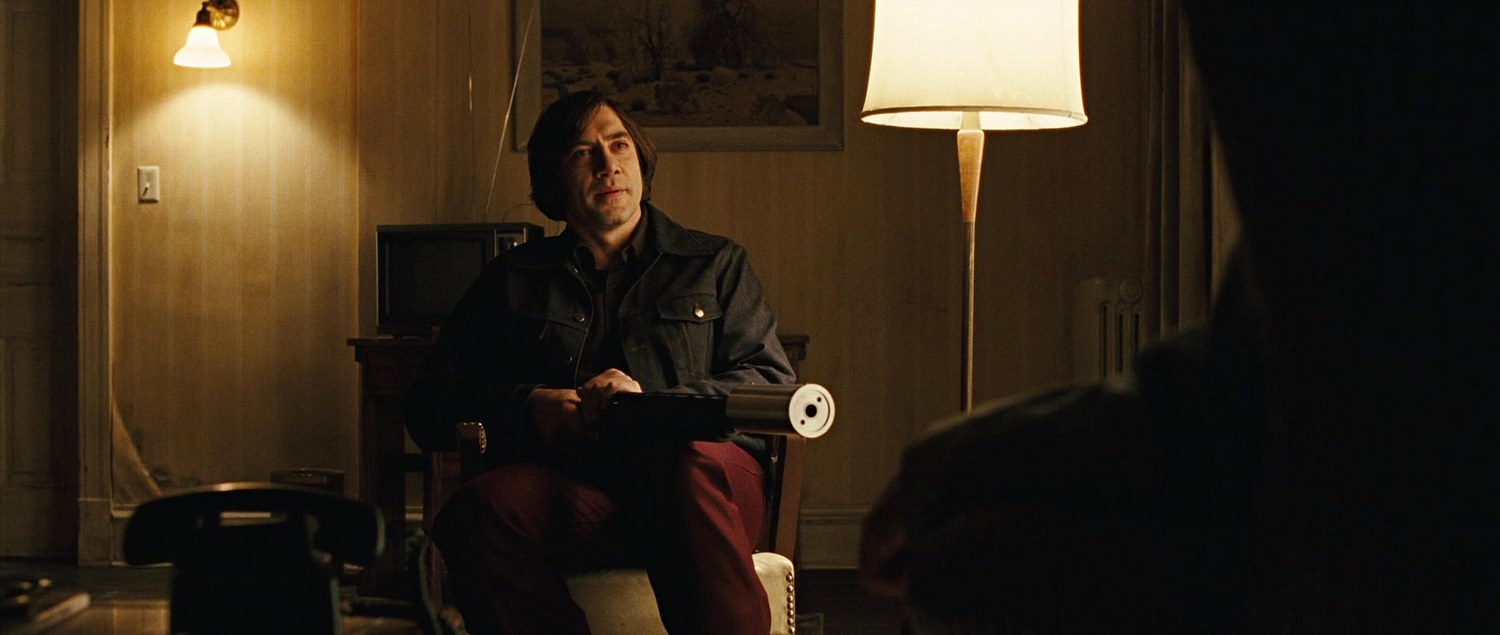
Anton Chigurh, as portrayed by Javier Bardem in No Country for Old Men, transcends typical villainy to become an elemental force of fate and death. His psychopathy manifests through ritualistic, mechanical violence and an eerie emotional detachment, embodied in chilling acts like deciding a victim's fate with a coin toss. Chigurh’s presence distills the film’s themes of randomness and inevitability, forcing characters and audience alike to confront the thin line between choice and destiny. The sparse dialogue and harsh, unforgiving landscapes strip away civilization’s veneer, revealing a primal abyss underneath. His cold logic and strict personal code make him terrifyingly unpredictable yet oddly principled in his relentless pursuit. This embodiment of unstoppable death unsettles through both his actions and his philosophy. Chigurh is not just a man but a symbol of chaotic inevitability, haunting the film’s moral landscape long after the final frame. Javier Bardem’s Oscar-winning performance is silent authority and primal menace personified. The vacant stare, clipped speech, and relentless purpose mark Chigurh as one of modern cinema’s most unforgettable and profoundly disturbing antagonists.
American Psycho
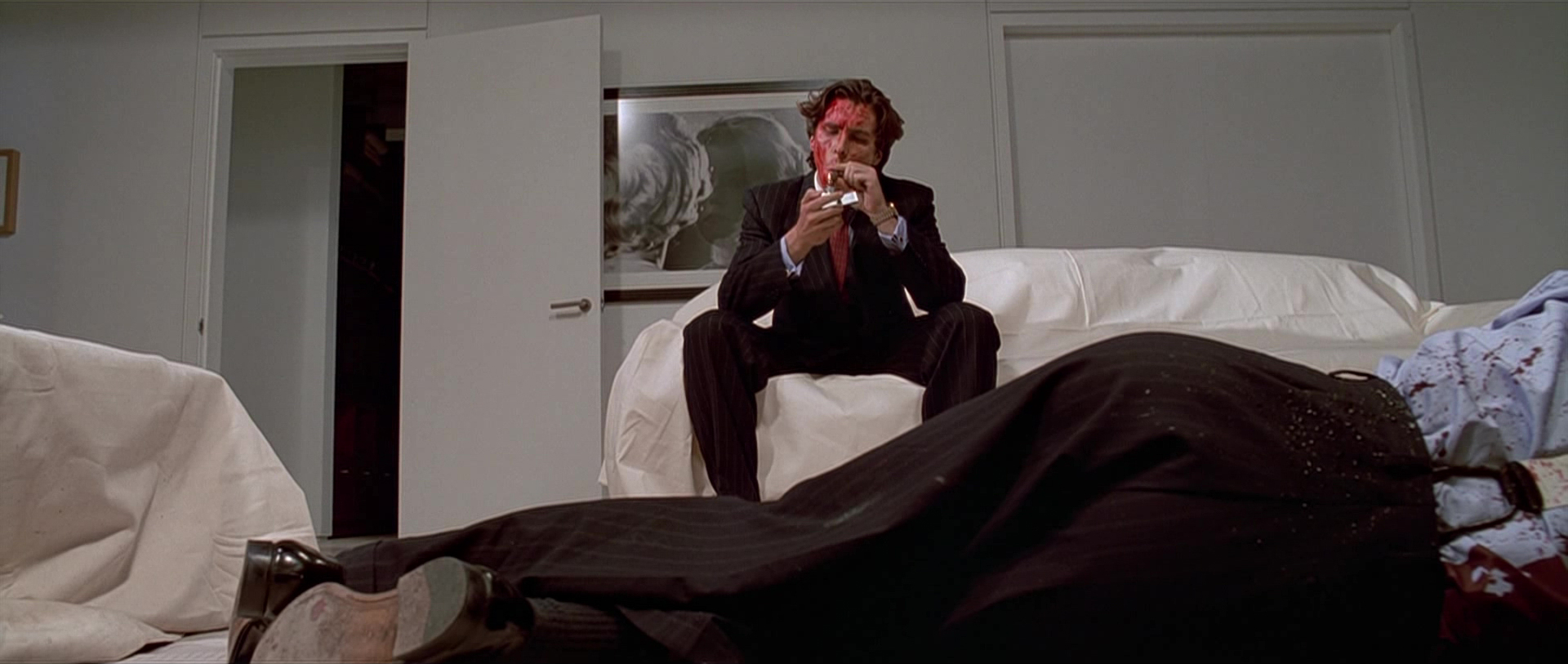
Christian Bale’s Patrick Bateman is the embodiment of a hollow, perfectionist mask stretched thin over a chilling void. Narrated with deadpan precision and sharp black humor, the film chronicles Bateman’s disintegrating grip on reality as his violent impulses escalate disturbingly. What starts as biting social satire, exposing Wall Street’s greed and vanity, slowly morphs into a psychological horror where identity, performance, and reality merge into an indistinguishable blur. Bateman’s brutal acts shock not only in their cruelty but because the world around him remains indifferent, blind to his monstrous double life. The film traps viewers in an unsettling space where the protagonist’s psychosis is both a symptom of excess and a reflection of societal apathy. Bale's performance unravels the façade of success to reveal profound emptiness beneath. The narrative’s ambiguous ending deepens this uncertainty, leaving audiences questioning what was real and what was fantasy. American Psycho remains a razor-sharp critique of toxic masculinity, power, and privilege veiled beneath gleaming surfaces. The film's lasting impact lies in its refusal to offer neat resolutions, Bateman’s moral decay is mirrored by a culture that both enables and ignores it.
Psycho
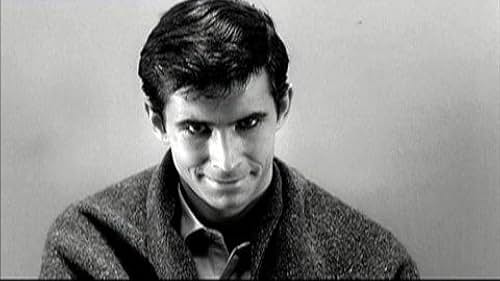
Norman Bates, in Alfred Hitchcock’s Psycho, is a deeply disturbed man whose fractured psyche embodies the tragic and terrifying intersection of guilt, repression, and maternal obsession. Anthony Perkins crafts a character whose meekness and awkward charm mask a storm of psychosis, shaped by years of emotional abuse from his domineering mother. Every shot in the film is carefully constructed to disorient, mirrors, shadows, and claustrophobic framing serve to blur the lines between reality and illusion. The infamous shower scene remains a landmark of cinematic technique, symbolizing both vulnerability and the unleashing of primal violence. This is a story of a fractured mind, where identity and evil are entwined in a terrible dance, forging one of the most enduring horror icons. Hitchcock masterfully explores the depths of human psyche, revealing how guilt and repression can often turn one’s mind into a battleground. Norman's personality shifts between the harmless and the monstrous, illustrating the destructive power of unresolved trauma. Hitchcock’s use of tight focus on faces and silence heightens the suspense, making every glance and gesture hauntingly meaningful. Norman Bates is not just a villain but a tragic figure, an unhealed wound whose darkness lurks beneath a veneer of normalcy. His legacy endures as a chilling reminder that monstrousness can often hide behind the most unassuming façade.
— The Cinéprism
Keep reading
31 / 08 / 2026 · 391 reads
10 Best Endings in Film
A curated list of 10 unforgettable movie endings that leave a lasting impact long after the credits roll.
11 / 01 / 2026 · 504 reads
11 Critically Acclaimed Netflix Shows
From royal sagas and psychological thrillers to groundbreaking true crime, discover the 11 essential series that define Netflix's golden era.