
Dispatch — Long Read
Int'l Men's Day
Top male characters that have inspired us through cinema
The Cinéprism
19 / 11 / 2025 · 14 min read
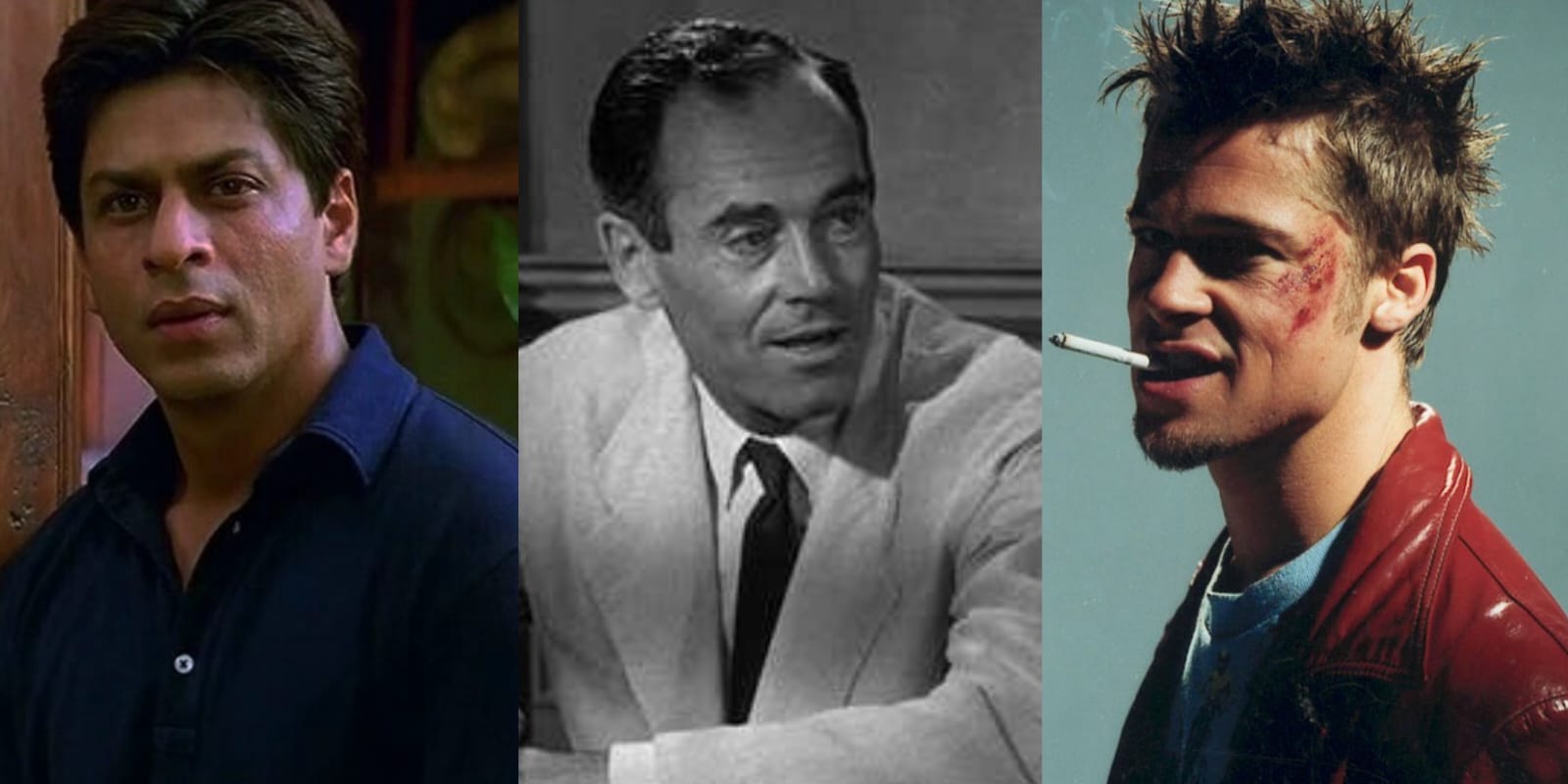
1. 🎬 Juror 8 - 12 Angry Men (1957)
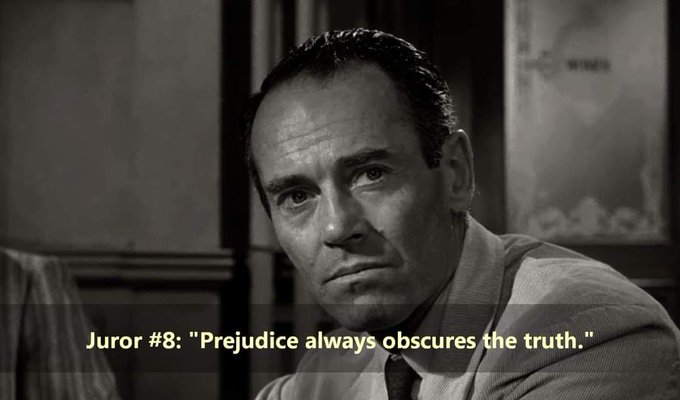
In a sweltering jury room, eleven men are ready to convict a teenager and send him to the electric chair. Only one juror, simply known as Juror 8, votes "not guilty" - not because he's certain of innocence, but because he believes reasonable doubt deserves discussion before a life is taken. What unfolds is a masterclass in standing alone for what's right, in questioning assumptions everyone else accepts as truth, and in the quiet courage it takes to say "wait, let's think about this" when everyone wants to go home. Henry Fonda's Juror 8 doesn't grandstand or preach; he simply asks questions, presents alternative possibilities, and refuses to rush to judgment. He represents the best of what masculinity can be: strength expressed through patience, conviction demonstrated through reason, and leadership that empowers others to think rather than demanding they follow. In a world that often rewards the loudest voice, Juror 8 reminds us that sometimes the most powerful thing a man can do is slow down, listen, and ensure justice isn't sacrificed for convenience.
2. 🎬 Hans Rolfe - Judgment at Nuremberg (1961)
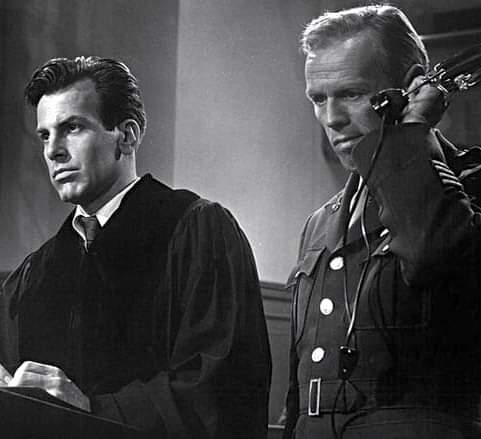
Defense attorney Hans Rolfe faces an impossible task: defending Nazi judges accused of crimes against humanity while he himself is German, living with the collective guilt of what his nation became. Maximilian Schell's Rolfe doesn't excuse the inexcusable, but he asks uncomfortable questions about complicity, about how ordinary people become participants in evil, and about whether justice is served by collective condemnation.What makes Rolfe inspiring isn't that he's right - often he's arguing positions that make us deeply uncomfortable - but that he demonstrates the importance of ensuring even the worst defendants receive rigorous defense, that legal systems maintain integrity even when judging monsters. He shows us that moral courage sometimes means defending the indefensible not because you believe in it, but because you believe in the principle that everyone deserves representation. In doing so, Rolfe embodies a different kind of heroism: the willingness to be hated for upholding principles larger than personal comfort or popular opinion.
3. 🎬 Atticus Finch - To Kill a Mockingbird (1962)
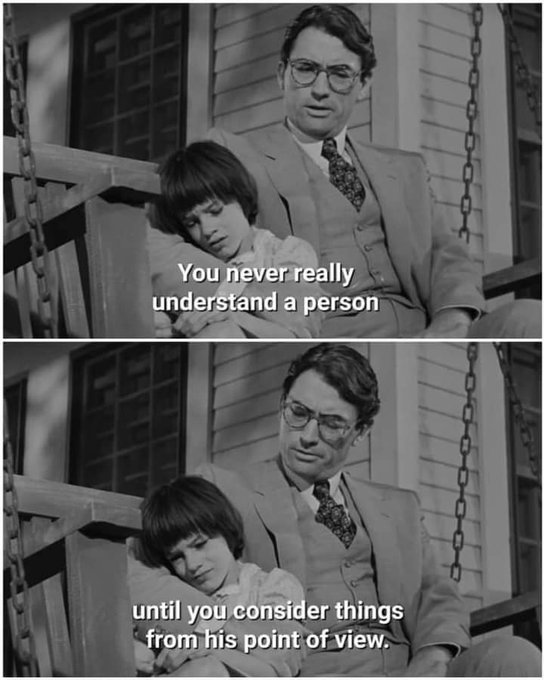
In Depression-era Alabama, lawyer Atticus Finch defends a Black man falsely accused of raping a white woman, knowing he'll lose but believing some causes are worth fighting for regardless of outcome. Gregory Peck's Atticus is the father we all wish we had: patient, principled, treating his children with respect while teaching them that courage is "when you know you're licked before you begin but you begin anyway and you see it through no matter what." He doesn't carry a gun or throw punches; his strength lies in moral clarity, in treating everyone with dignity regardless of their station, and in modeling integrity even when it costs him professionally and socially. Atticus teaches us that true masculinity isn't about dominance but about character, that being a man means standing up for those who can't defend themselves even when you're standing alone, and that the measure of a person is how they behave when doing the right thing offers no reward. In a world that often confuses strength with aggression, Atticus shows us that real power comes from unwavering principle and grace under pressure.
4. 🎬 Sub-inspector Anant Welankar - Ardh Satya (1983)
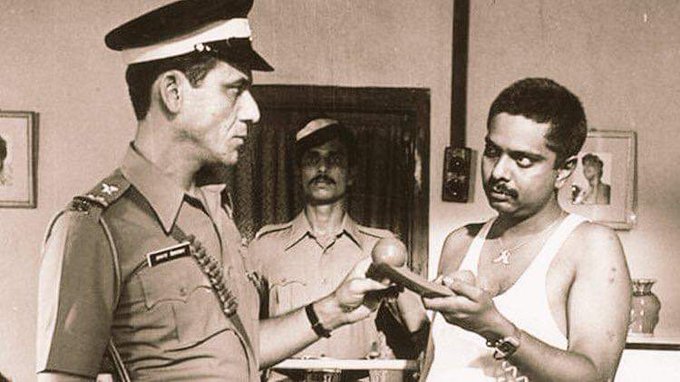
Anant Welankar is a police officer trapped between his idealistic vision of law enforcement and the brutal, corrupt reality of the system he serves. Om Puri's performance captures a man slowly being crushed by institutional rot, where doing the right thing is punished and violence becomes the only language anyone understands. Welankar represents every person who enters their profession with hope and gradually realizes the system is designed to break rather than empower those with conscience.What makes him inspiring despite his eventual breakdown is his refusal to become comfortable with corruption, his continued struggle against cynicism even as it slowly wins. He shows us the cost of integrity in institutions designed to reward compromise, and reminds us that sometimes the bravest thing a man can do is refuse to become what his environment demands. Welankar's tragedy is that he cares too much in a world that rewards those who care too little, making him a painful but necessary reminder of why good people burn out fighting systems bigger than themselves.
5. 🎬 Guido Orefice - Life Is Beautiful (1997)
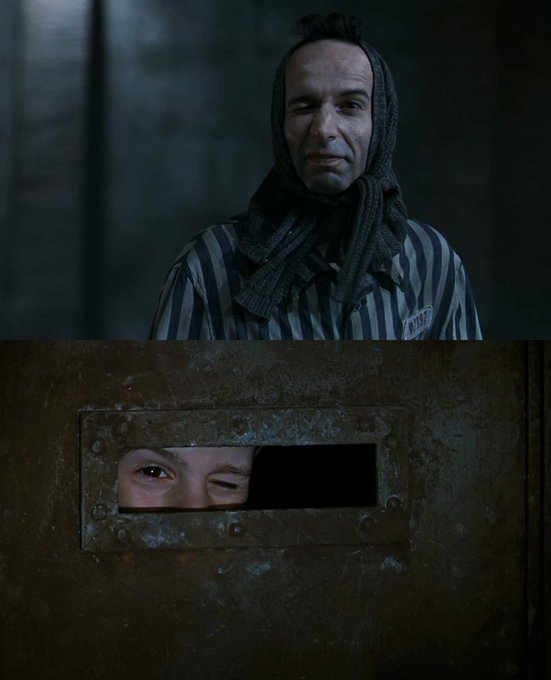
In a Nazi concentration camp, Guido uses imagination and humor to shield his young son from the horror surrounding them, transforming genocide into an elaborate game where points are earned and a tank is the prize. Roberto Benigni's Guido shows us that fatherhood means bearing unbearable burdens so your children don't have to, that love manifests not through providing perfect circumstances but through protecting innocence for as long as possible.His comedy in the face of death isn't denial but defiance, refusing to let evil steal his son's childhood even as it steals everything else. Guido embodies a masculinity that prioritizes care over toughness, that finds strength in tenderness, and that understands sacrifice isn't always dramatic but sometimes means maintaining a fiction until your last breath. He teaches us that being a man isn't about shielding loved ones from all hardship - sometimes that's impossible - but about shaping how they experience unavoidable horror, turning trauma into resilience through the stories we tell and the love we demonstrate even in hell.
6. 🎬 Sean Maguire - Good Will Hunting (1997)
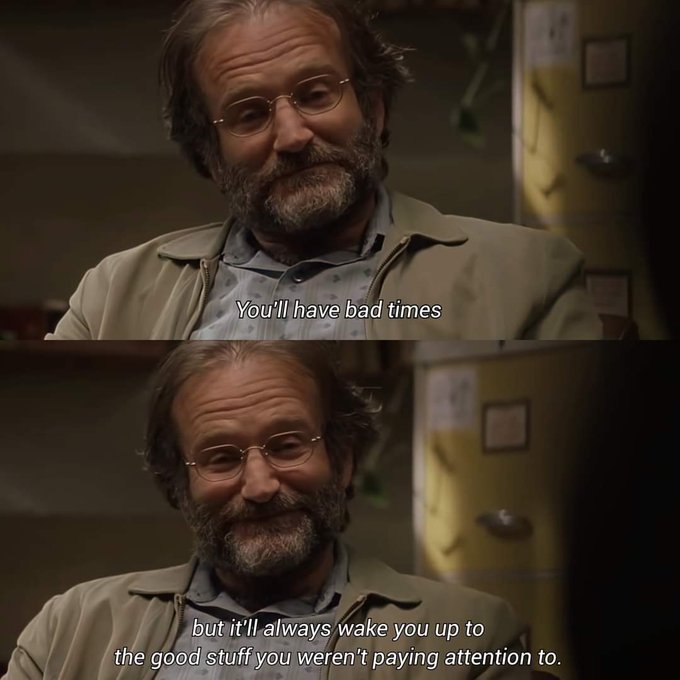
Therapist Sean Maguire meets Will Hunting, a genius janitor whose brilliance is matched only by his self-destructive fear of vulnerability. Robin Williams's Sean doesn't try to fix Will with techniques or theories; he meets him as an equal, sharing his own pain and imperfection, breaking through Will's defenses by refusing to be another authority figure to rebel against. Sean's "It's not your fault" scene is devastating because it shows a man giving another man permission to stop carrying guilt that was never his to bear.What makes Sean inspiring is his understanding that helping someone heal isn't about having all the answers but about being willing to be present in their pain, to call out their bullshit while making clear you're not going anywhere. He represents the mentor every wounded person needs: someone who's been broken themselves, who's done the work to heal, and who knows that true strength comes from admitting you don't have it all figured out. Sean shows us that masculine wisdom isn't about stoicism but about emotional honesty, and that the most powerful thing one man can offer another is witness to their suffering.
7. 🎬 Chris Gardner - The Pursuit of Happyness (2006)
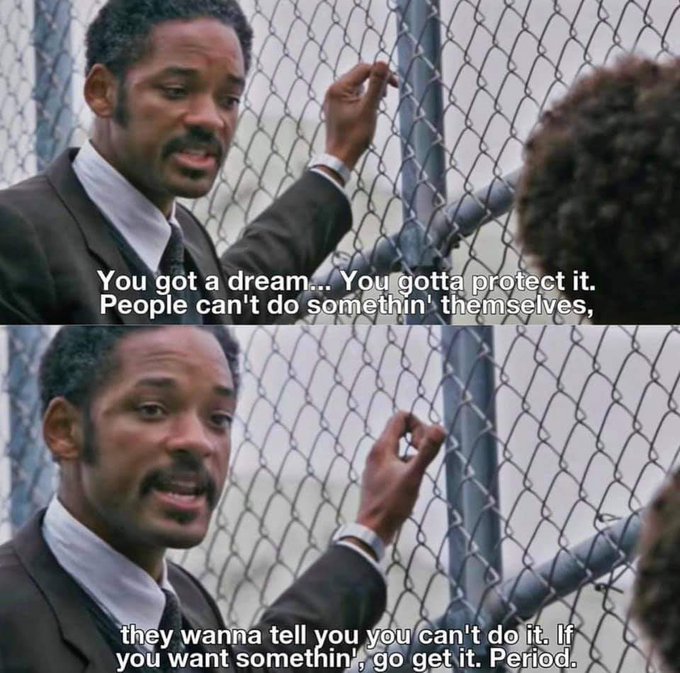
Chris Gardner becomes homeless with his young son while pursuing an unpaid internship at a stock brokerage, sleeping in subway bathrooms and shelters while maintaining the appearance of stability during work hours. Will Smith's performance captures a father's desperation and determination, showing us what it looks like to refuse to quit even when quitting would be rational. Chris doesn't have the luxury of pride or the option of despair; he has a child depending on him, which means he'll endure any humiliation, work any hours, and sacrifice any comfort to give his son a chance.What makes Chris inspiring isn't that he succeeds - though he does - but that he keeps showing up when he has every reason to give up, that he finds ways to maintain his son's faith in him even as his own faith wavers. He embodies fatherhood stripped to its essence: showing up, no matter what. Chris teaches us that masculinity isn't about providing abundance but about refusing to stop fighting for those who depend on you, and that sometimes being a man means letting your son see you struggle so he learns that struggle doesn't equal failure.
8. 🎬 John Keating - Dead Poets Society (1989)
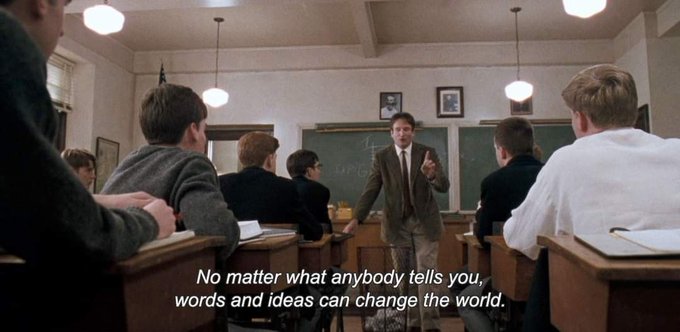
English teacher John Keating arrives at a rigid prep school and encourages his students to "seize the day," to think for themselves, and to find their own voices in a world demanding conformity. Robin Williams's Keating isn't a rebel destroying structure; he's a guide helping young men discover they're more than what authority expects them to be. He teaches that poetry matters, that beauty and passion aren't frivolous but essential, and that education should liberate minds rather than train them to accept limits. What makes Keating inspiring is his understanding that being a man isn't about suppressing emotion and dreams to meet others' expectations, but about having courage to pursue what makes you feel alive even when it disappoints people who claim to know what's best for you. His tragedy - taking blame for a student's suicide despite trying to prevent exactly that kind of desperation - shows the cost of challenging systems that prefer obedience to authenticity. Keating reminds us that true mentorship means empowering others to outgrow you, and that masculine influence is measured not by control but by the courage you inspire in others to become themselves.
9. 🎬 Mohan Bhargav - Swades (2004)
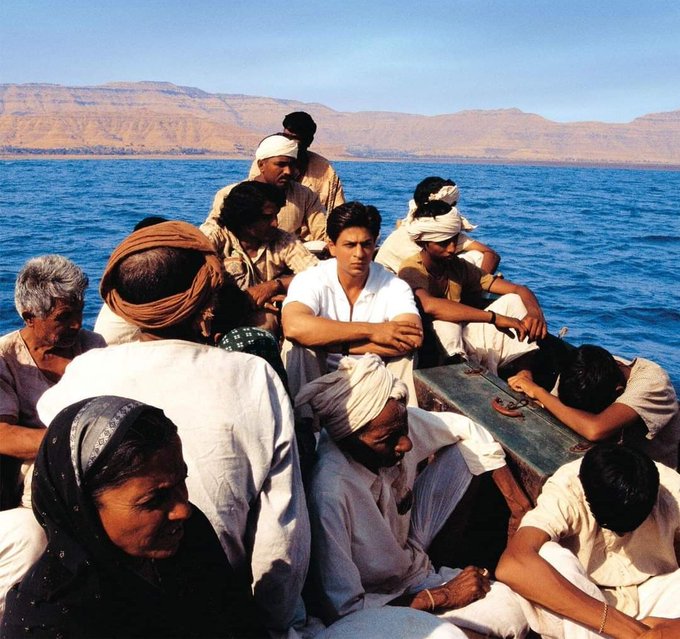
NASA scientist Mohan Bhargav returns to India to bring his nanny to America, but his brief visit to her village transforms him as he confronts the disconnect between his professional success abroad and the basic needs unmet in his homeland. Shah Rukh Khan's Mohan represents the dilemma many successful people face: you've achieved everything you set out to accomplish, but for whom, and at what cost to the place that shaped you? Rather than offering easy answers or nationalist propaganda, the film shows Mohan's genuine struggle between comfortable life he's built and the harder work of contributing where he's actually from. What makes Mohan inspiring is his willingness to restart, to use his education not for personal advancement but for community service, and to recognize that real contribution sometimes means leaving prestigious positions for unglamorous work. He shows us that masculine success isn't measured by salary or status but by positive impact, and that coming home - whether literally or metaphorically - isn't regression but evolution toward purpose larger than yourself.
10. 🎬 Randle McMurphy - One Flew Over the Cuckoo's Nest (1975)
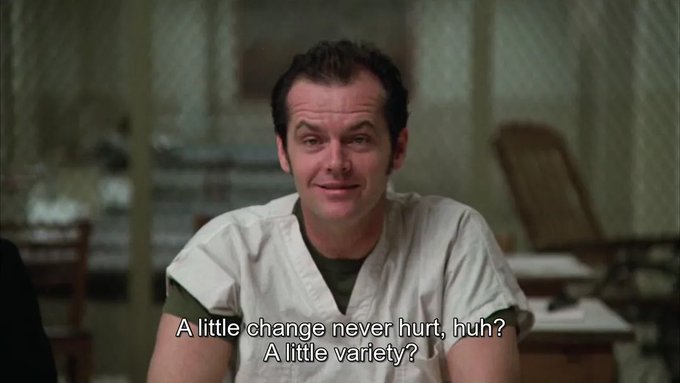
Randle McMurphy fakes insanity to escape prison labor, landing in a mental institution run by the tyrannical Nurse Ratched. Jack Nicholson's McMurphy brings chaos, laughter, and rebellious spirit to a ward designed to suppress all three, showing the other patients that they're men capable of joy and defiance, not just illnesses to be managed. What makes McMurphy's rebellion inspiring is his genuine affection for his fellow patients - he's not using them for his escape; he's actually trying to remind them they're human. His ultimate fate, destroyed by the institution he challenged, is tragic but not defeat; he's freed others even as he's crushed, proving that some battles are worth fighting even when you can't win.McMurphy represents masculine energy at its most vital: refusing to be broken by systems designed to control, maintaining humor and humanity in dehumanizing circumstances, and sacrificing himself so others might taste freedom. He teaches us that real strength isn't about dominating others but about refusing to be dominated, and that sometimes the most important thing a man can do is show other men they're allowed to feel joy.
11. 🎬 Tyler Durden - Fight Club (1999)

Tyler Durden emerges as the charismatic leader of an underground fight club, offering alienated men an escape from consumerist numbness through violence, chaos, and rejection of societal expectations. Brad Pitt's Tyler is magnetic and dangerous, speaking truths about masculine malaise while offering solutions that are ultimately destructive. What makes Tyler complicated as an inspirational figure is that he's right about the problem - modern life has left many men feeling purposeless and emasculated - but catastrophically wrong about the solution. He represents the seductive appeal of simple answers to complex problems, the temptation to burn everything down when you feel powerless to change anything. Tyler's inspiration comes not from endorsing his methods but from forcing conversation about male identity in late capitalism: what does masculinity mean when traditional markers of manhood are unavailable or undesirable? He's a cautionary tale about how valid frustrations can metastasize into fascism when channeled through anger rather than constructive purpose, reminding us that reclaiming masculine identity requires building something meaningful, not destroying everything in nihilistic rage.
12. 🎬 Lieutenant Colonel Frank Slade - Scent of a Woman (1992)
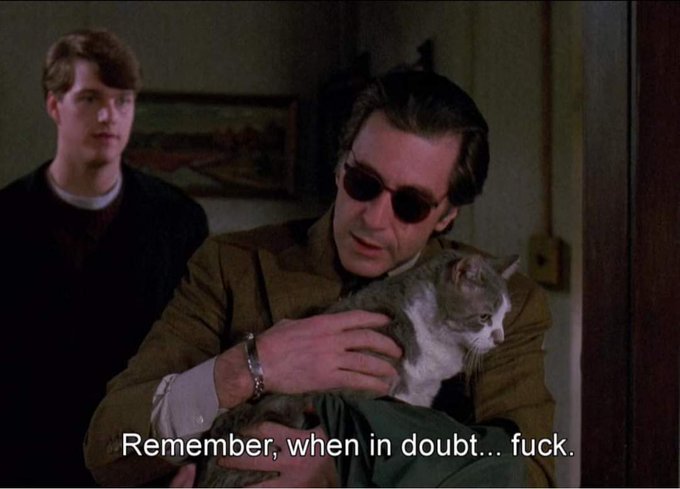
Blind, bitter, and suicidal, retired Lt. Colonel Frank Slade hires a prep school student to escort him on what he plans as his final weekend before killing himself. Al Pacino's Frank is abrasive, crude, and seemingly determined to burn every bridge, but beneath the anger is a man terrified of being dependent and convinced his life is over because he's lost his sight. What makes Frank's journey inspiring is his gradual rediscovery of reasons to live through connection with young Charlie, who needs guidance Frank didn't know he could still provide. rank's climactic speech defending Charlie at a school hearing shows a man choosing to stand for something again, to use his remaining power to protect rather than destroy. He represents men who've been broken by life - whether through disability, trauma, or age - and the possibility of finding new purpose when the old definitions of masculinity no longer apply. Frank teaches us that being a man isn't about perfect strength or independence but about choosing connection over isolation, and that sometimes the greatest courage is deciding life is worth living even when everything has changed.
13. 🎬 Forrest Gump - Forrest Gump (1994)

Forrest Gump moves through American history with cognitive limitations but unlimited kindness, succeeding not despite his simplicity but perhaps because of it. Tom Hanks's Forrest is loyal, persistent, and incapable of cynicism, qualities that make him both successful and exploited. What makes Forrest inspiring isn't his accomplishments - becoming a football star, war hero, and millionaire - but his consistency: he keeps his promises, loves unconditionally, and treats everyone with the same respect regardless of their treatment of him. In a world that values intelligence and sophistication, Forrest reminds us that emotional intelligence and moral consistency might be more important. His love for Jenny persists despite her inability to reciprocate for years, showing devotion without possessiveness, support without conditions. Forrest represents masculine virtue stripped to essentials: show up, keep your word, be kind, and don't quit on people you love. He teaches us that being a good man isn't about being smart or successful but about being decent, and that sometimes the most revolutionary thing you can do is treat everyone as if they matter.
14. 🎬 George Bailey - It's a Wonderful Life (1946)
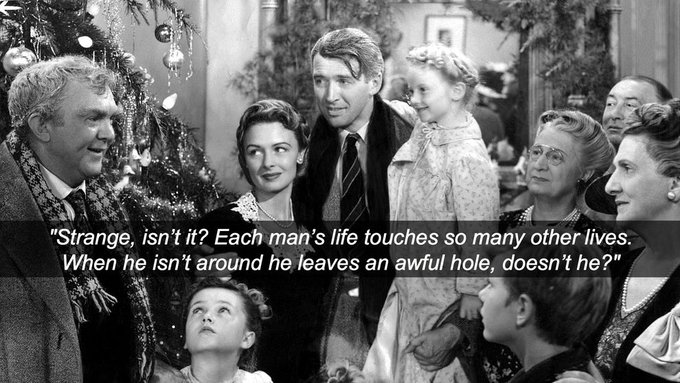
George Bailey sacrifices his dreams repeatedly to keep his family's savings and loan running, preventing a greedy banker from monopolizing his town. When financial crisis drives him to suicide, an angel shows him how many lives he's touched and how different his community would be without him. James Stewart's George is every person who's wondered if their ordinary life matters, if sacrificing personal ambitions for family and community is noble or just naive. What makes George inspiring is the film's insistence that his unglamorous life of quiet service has more value than any adventure he might have had. He represents the countless men who support others' dreams while deferring their own, who show up day after day doing necessary work that no one celebrates. George teaches us that masculine heroism isn't always dramatic; sometimes it's the dad who stays, the worker who doesn't cut corners, the community member who helps neighbors even when broke himself. His near-suicide reminds us that even people who seem to have it together are sometimes drowning, and that the most important thing we can do is show each other that we matter.
15. 🎬 Anand Saigal - Anand (1971)
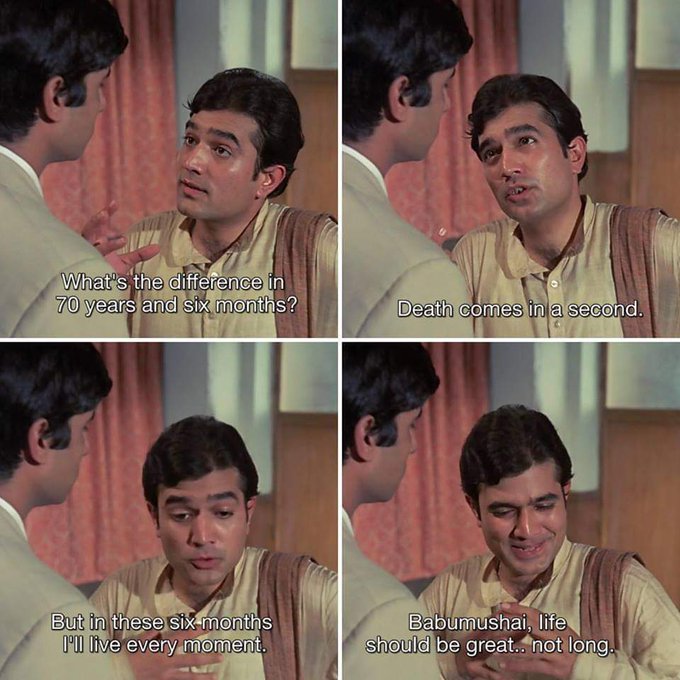
Anand is dying of cancer but refuses to let his limited time become a tragedy, instead filling every moment with joy, laughter, and connection with everyone he meets. Rajesh Khanna's performance captures a man who's made peace with death by committing fully to life, who knows his days are numbered so he ensures they're numbered well. What makes Anand inspiring is his impact on Dr. Bhaskar, the serious physician who treats him and learns that healing isn't just about extending life but about ensuring life has meaning. Anand doesn't deny his condition or pretend he's not scared; he simply refuses to let fear steal the time he has left.He represents a masculinity that embraces vulnerability and emotion, that finds strength in connection rather than isolation, and that understands legacy isn't what you leave behind but how you made people feel while you were here. Anand teaches us that being a man doesn't mean conquering death but accepting it, and that the most courageous thing any of us can do is choose joy even when we have every reason for despair, because joy is defiance and love is revolution.
16. 🎬 Don Vito Corleone - The Godfather (1972)
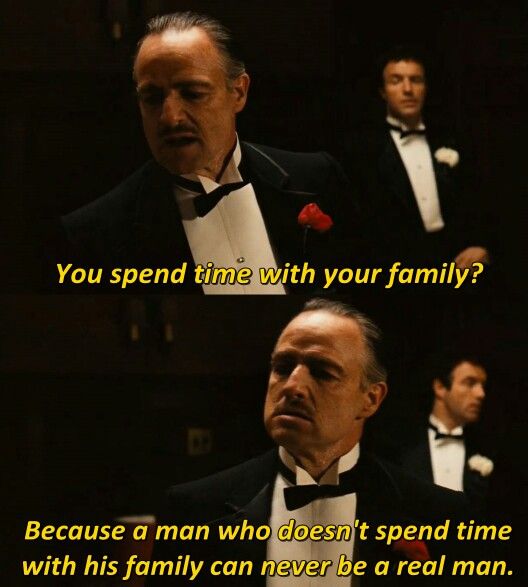
Don Vito Corleone built an empire protecting his community when law enforcement wouldn't, creating power through loyalty and fear while maintaining his own code of honor in a dishonorable world. Marlon Brando's Vito is the patriarch everyone respects and many fear, a man whose authority comes from being able to provide what others need. What makes Vito complicated as an inspiration is that his virtues - loyalty to family, protection of community, keeping his word - serve a criminal empire built on violence. Yet he represents something men still aspire to: being the person others turn to in crisis, building something that provides for family and community, commanding respect through capability rather than demanding it through title. His tragedy is that everything he built to protect his family ultimately destroys it, that power accumulated to shield loved ones becomes the weapon that tears them apart. Vito teaches us about the cost of leadership, the burden of being responsible for others' welfare, and the bitter truth that sometimes the things we build to protect those we love become the very things that harm them.
— The Cinéprism
Keep reading

31 / 08 / 2026 · 391 reads
10 Best Endings in Film
A curated list of 10 unforgettable movie endings that leave a lasting impact long after the credits roll.
11 / 01 / 2026 · 504 reads
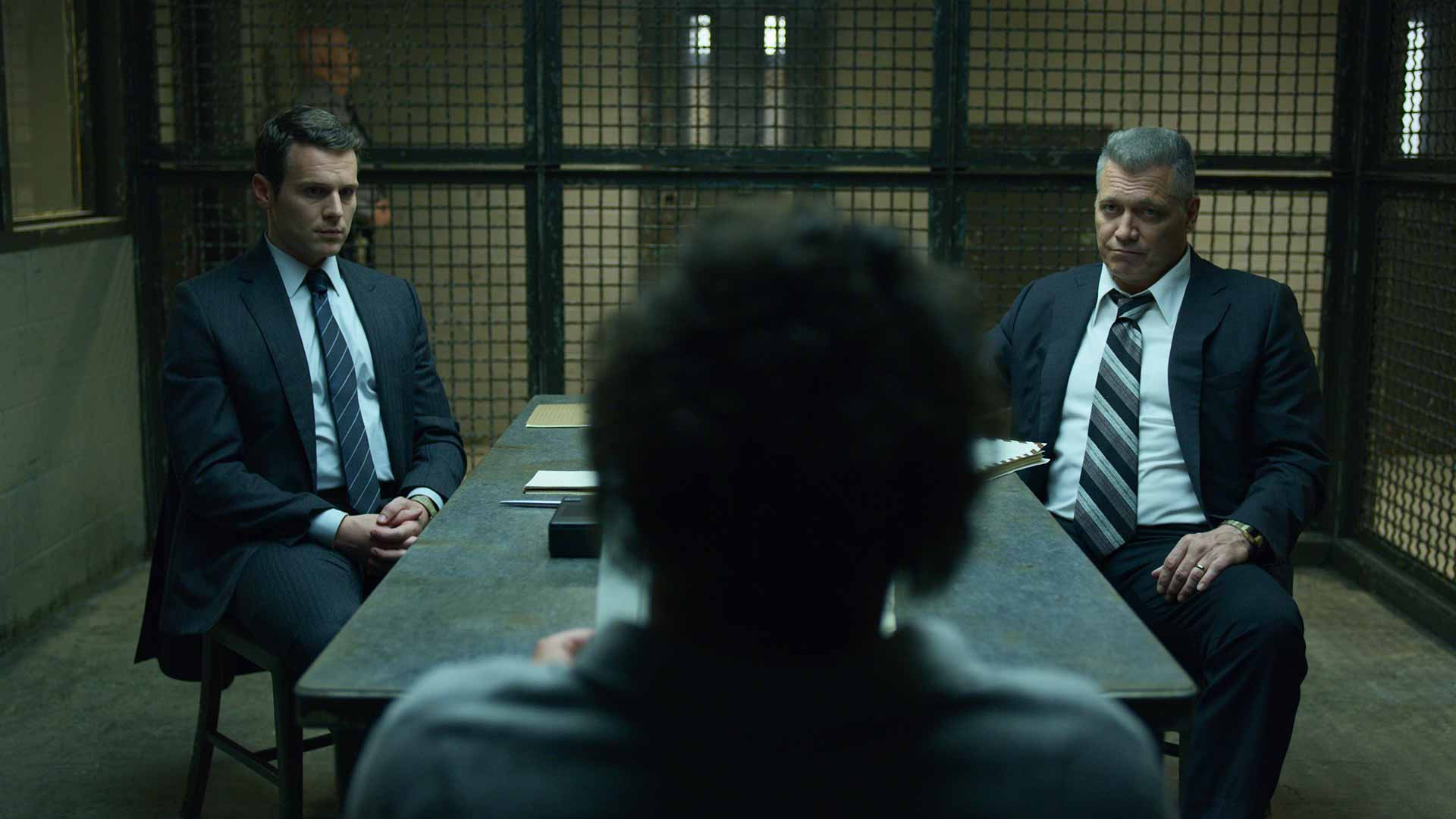
11 Critically Acclaimed Netflix Shows
From royal sagas and psychological thrillers to groundbreaking true crime, discover the 11 essential series that define Netflix's golden era.