
Dispatch — Long Read
Best Films to watch this Christmas 🎄
From heartwarming classics to unconventional gems, discover a curated collection of holiday favorites that blends nostalgia, humor, and heart for the perfect seasonal watch.
The Cinéprism
22 / 12 / 2025 · 15 min read
15. 🎬 The Holdovers (2023)
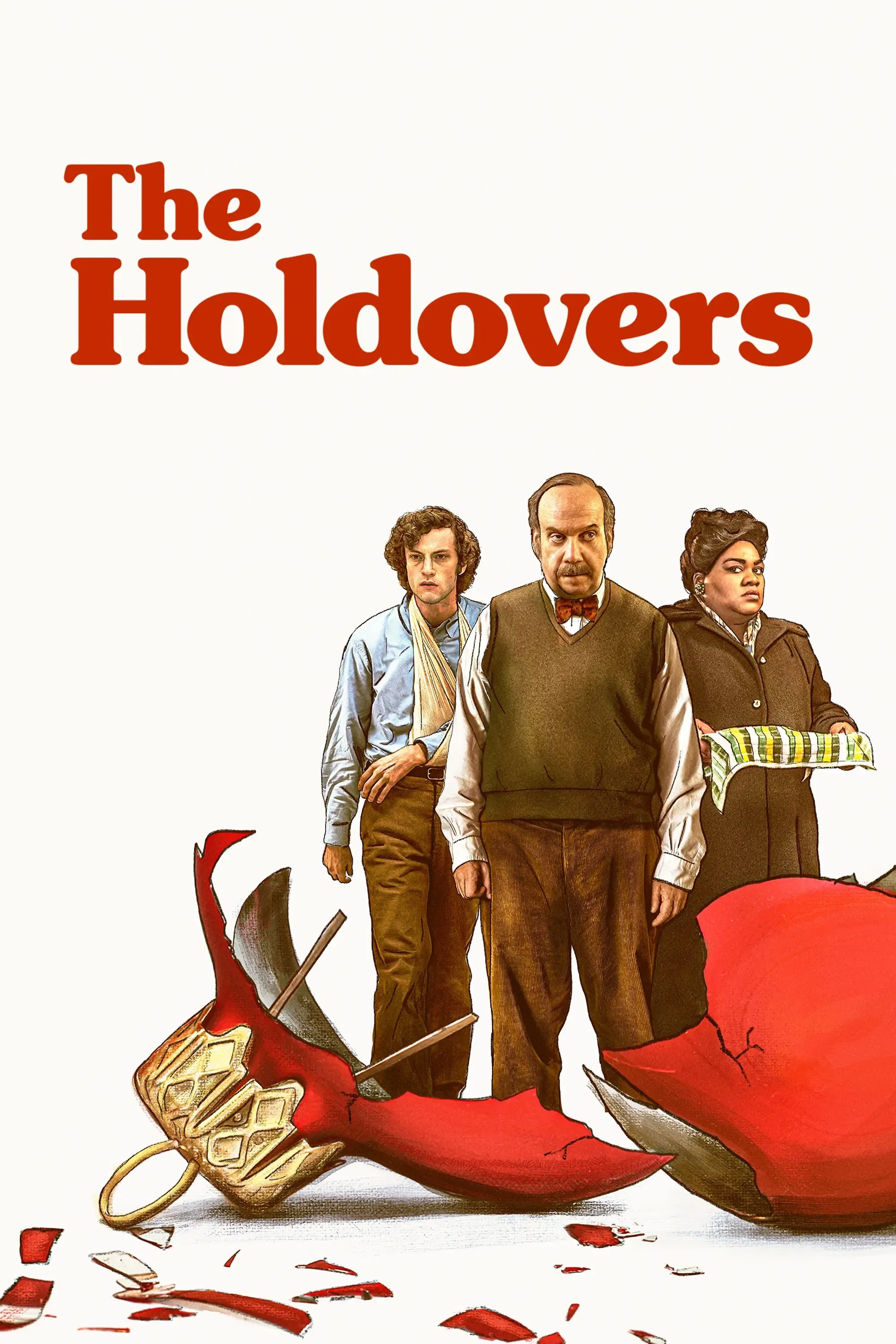
A curmudgeonly instructor at a New England prep school is forced to remain on campus during Christmas break to babysit a handful of students with nowhere to go. He eventually forms an unlikely bond with a damaged, brainy troublemaker and the school's head cook, who has just lost a son in Vietnam.
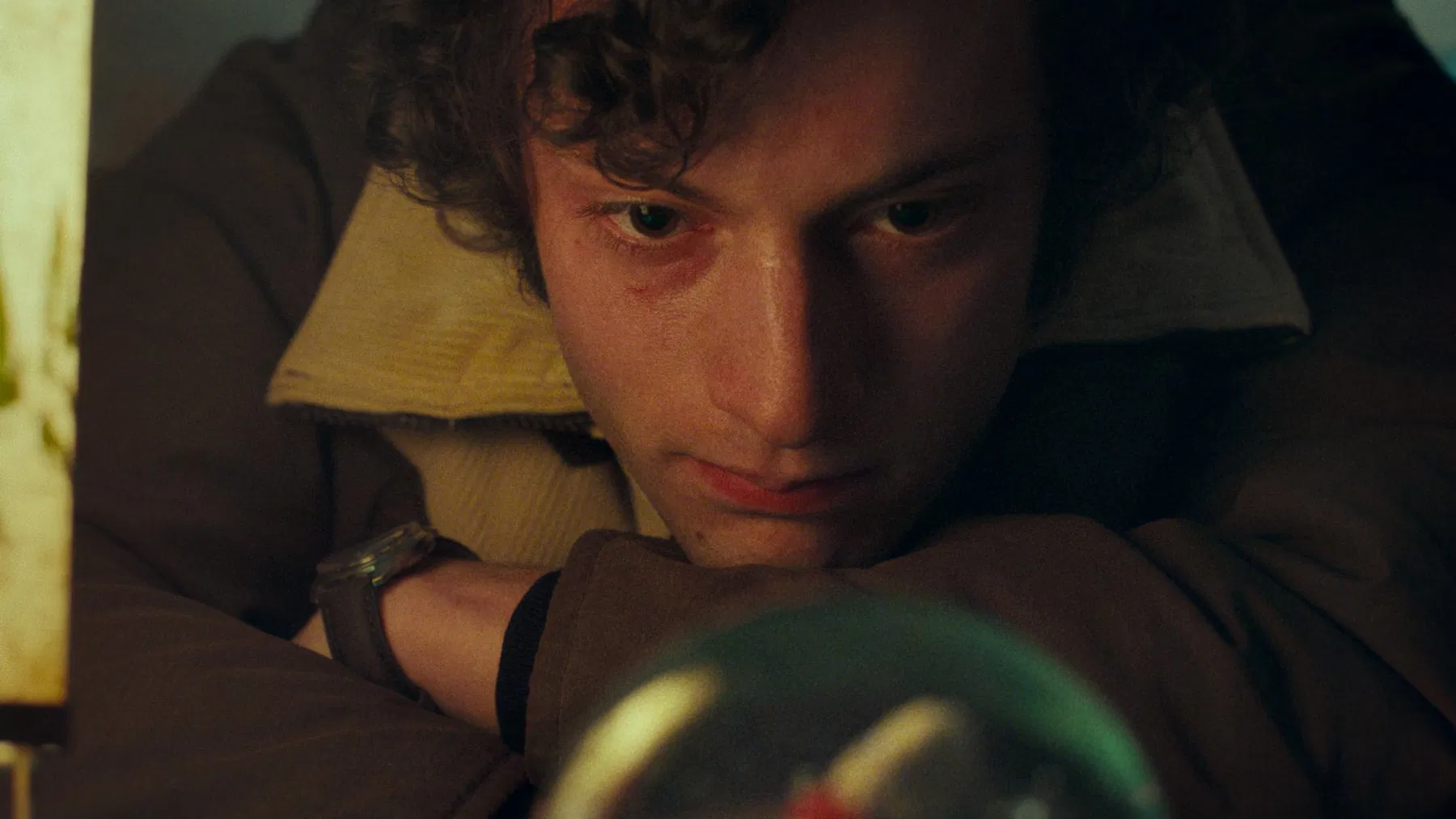
A masterpiece of 1970s aesthetics and humanist storytelling, The Holdovers captures the melancholic beauty of a lonely Christmas where the chosen family becomes more vital than the biological one. Alexander Payne reunites with Paul Giamatti to create Paul Hunham, a character whose walleyed gaze and performative strictness hide a deep well of failure and kindness, his interactions with Dominic Sessa’s Angus Tully revealing how intelligence often serves as a defense mechanism against abandonment. Da’Vine Joy Randolph’s Mary provides the film’s emotional anchor, her quiet grief filling the empty hallways of Barton Academy, reminding the audience that the holidays are often a magnifying glass for loss. The film is shot with a deliberate vintage grain and mono audio track that makes it feel like a lost artifact from 1971, Eigil Bryld’s cinematography using the snowy, isolated campus to reflect the characters’ internal freezing. It succeeds because Payne rejects sentimental shortcuts, allowing the characters to be prickly and unlikable before earning their moments of grace, proving that redemption is a slow, messy thaw rather than a sudden burst of warmth.
14. 🎬 Home Alone (1990)
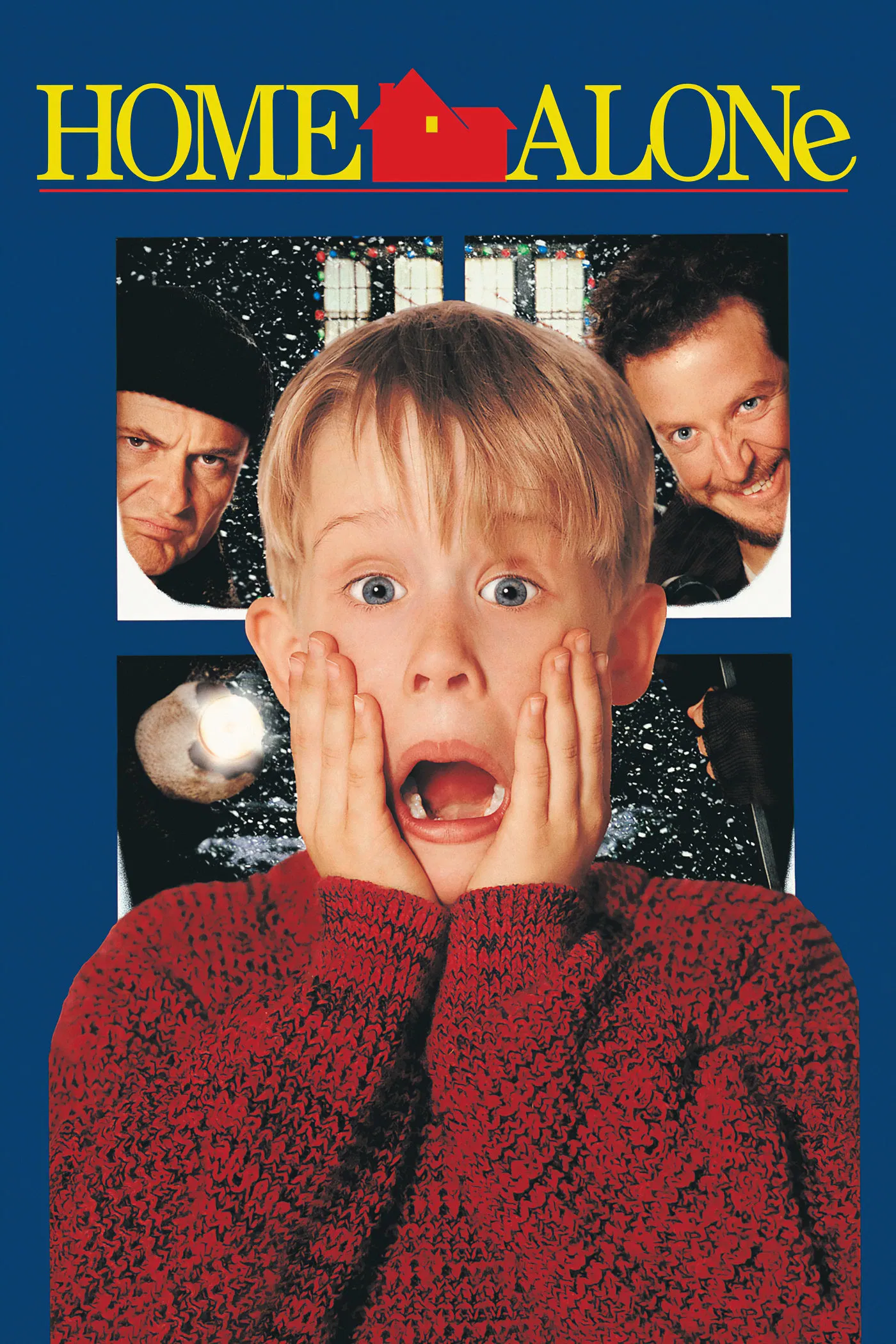
An eight-year-old troublemaker is accidentally left behind when his family flies to Paris for Christmas, forcing him to defend his suburban home from a pair of bumbling burglars. It blends slapstick violence with childhood fantasy, exploring the thrill of absolute freedom and the eventual realization of the importance of family.

Chris Columbus and writer John Hughes craft the ultimate childhood fantasy where the fear of abandonment is transmuted into a triumphant defense of one's territory. Macaulay Culkin’s Kevin McCallister is the perfect protagonist, equal parts vulnerable and sociopathic, his intricate booby traps serving as a physical manifestation of a child's desire to control an uncontrollable world. The film is visually iconic, from the red-and-green color palette of the McCallister house to the scary furnace in the basement, capturing the specific way children perceive their environment as both magical and threatening. Joe Pesci and Daniel Stern’s performance as the Wet Bandits grounds the cartoonish violence in a gritty, if comedic, reality, their resilience making Kevin’s victory feel earned. It succeeds because it balances the sadistic joy of dropping irons on faces with a genuine emotional arc about forgiveness, particularly in the subplot involving the scary neighbor Old Man Marley, proving that the best Christmas gifts are often reconciliation and presence.
13. 🎬 Love Actually (2003)

A sprawling ensemble romantic comedy that follows the intertwined lives of eight very different couples in dealing with their love lives during a frantic month before Christmas in London. It explores love in all its forms - romantic, platonic, unrequited, and familial - culminating in a series of grand gestures on Christmas Eve.
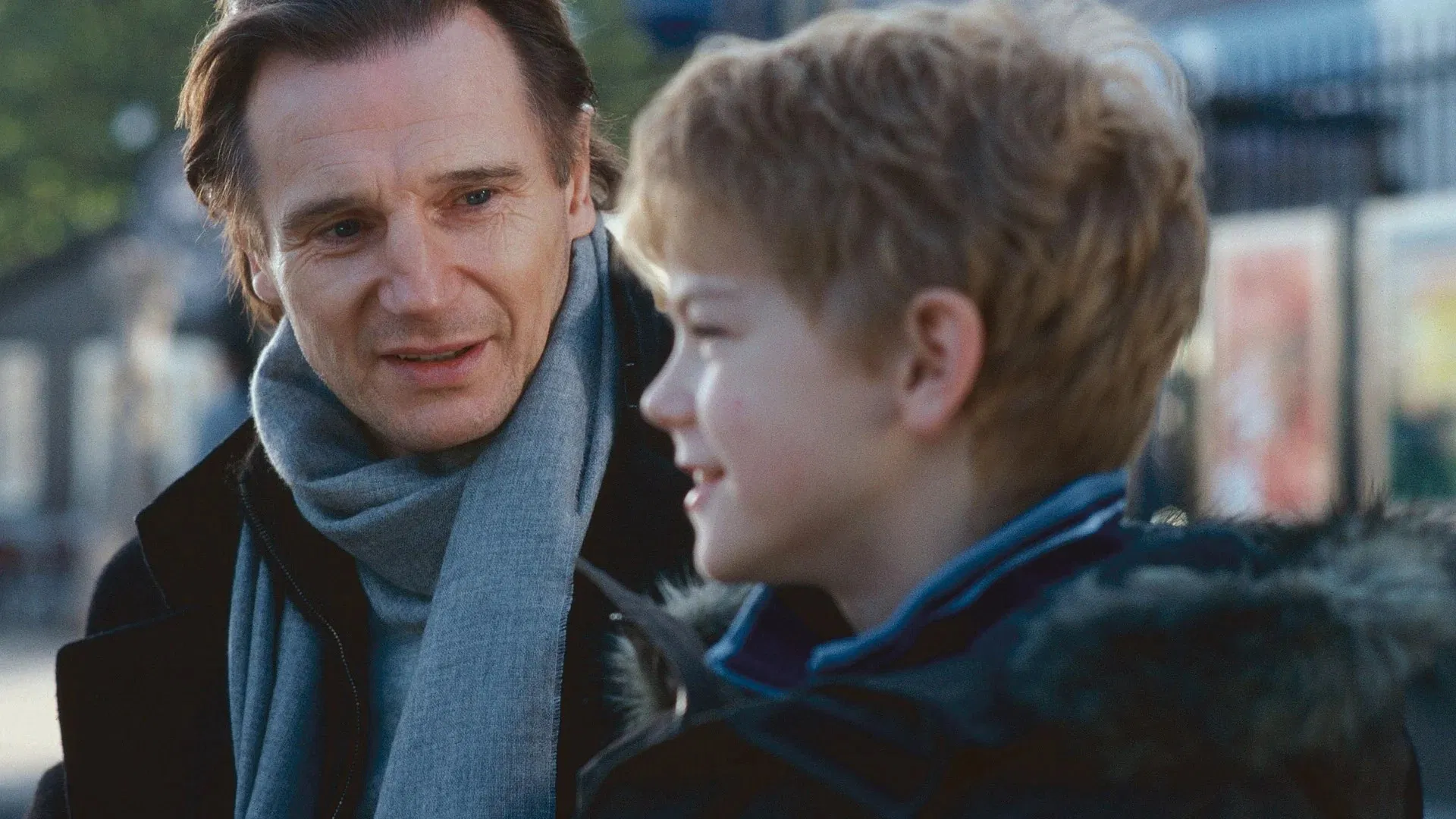
Richard Curtis constructs a modern holiday fable that argues love is the driving force of the human experience, using a massive cast of British royalty to explore the chaotic, often embarrassing nature of affection. From the Prime Minister falling for a staffer to a young boy learning drums to impress a classmate, the film weaves disparate threads into a tapestry that suggests everyone is connected by longing. Bill Nighy’s washed-up rock star Billy Mack provides the necessary cynicism to balance the sweetness, his storyline offering a surprising meditation on the value of non-romantic love between friends. The film’s structure, with its multiple climaxes and airport embraces, serves as a cinematic argument against cynicism, suggesting that if you look hard enough, love really is all around. It succeeds because it embraces its own messiness, acknowledging that while not every story has a happy ending (like Laura Linney’s tragic devotion to her brother), the pursuit of connection is the only thing that makes the cold winter bearable.
12. 🎬 A Christmas Story (1983)
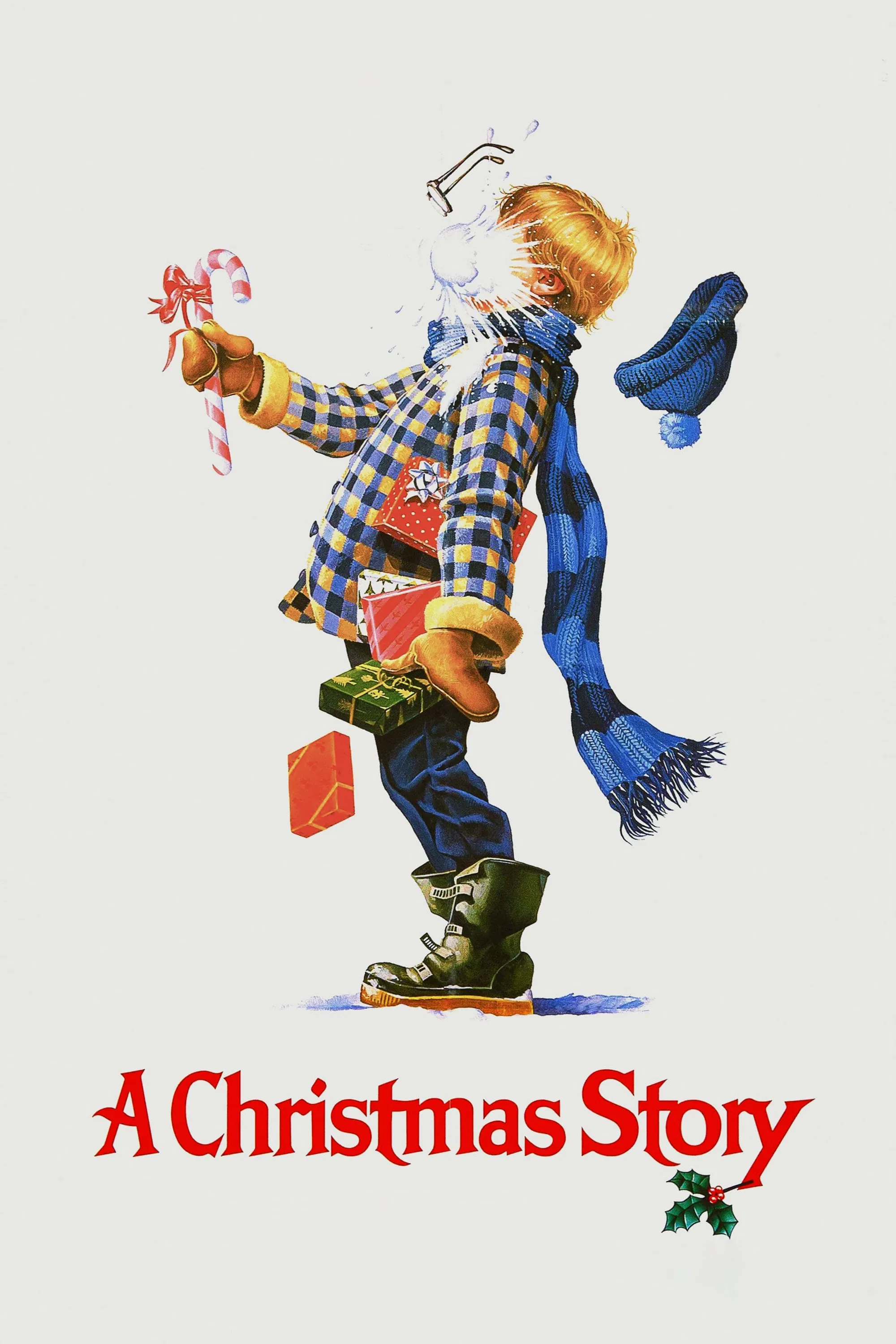
In the 1940s, a young boy named Ralphie attempts to convince his parents, his teacher, and Santa that a Red Ryder BB gun is the perfect Christmas gift. Narrated by his adult self, the film is a series of nostalgic vignettes capturing the specific textures, fears, and desires of an American childhood.
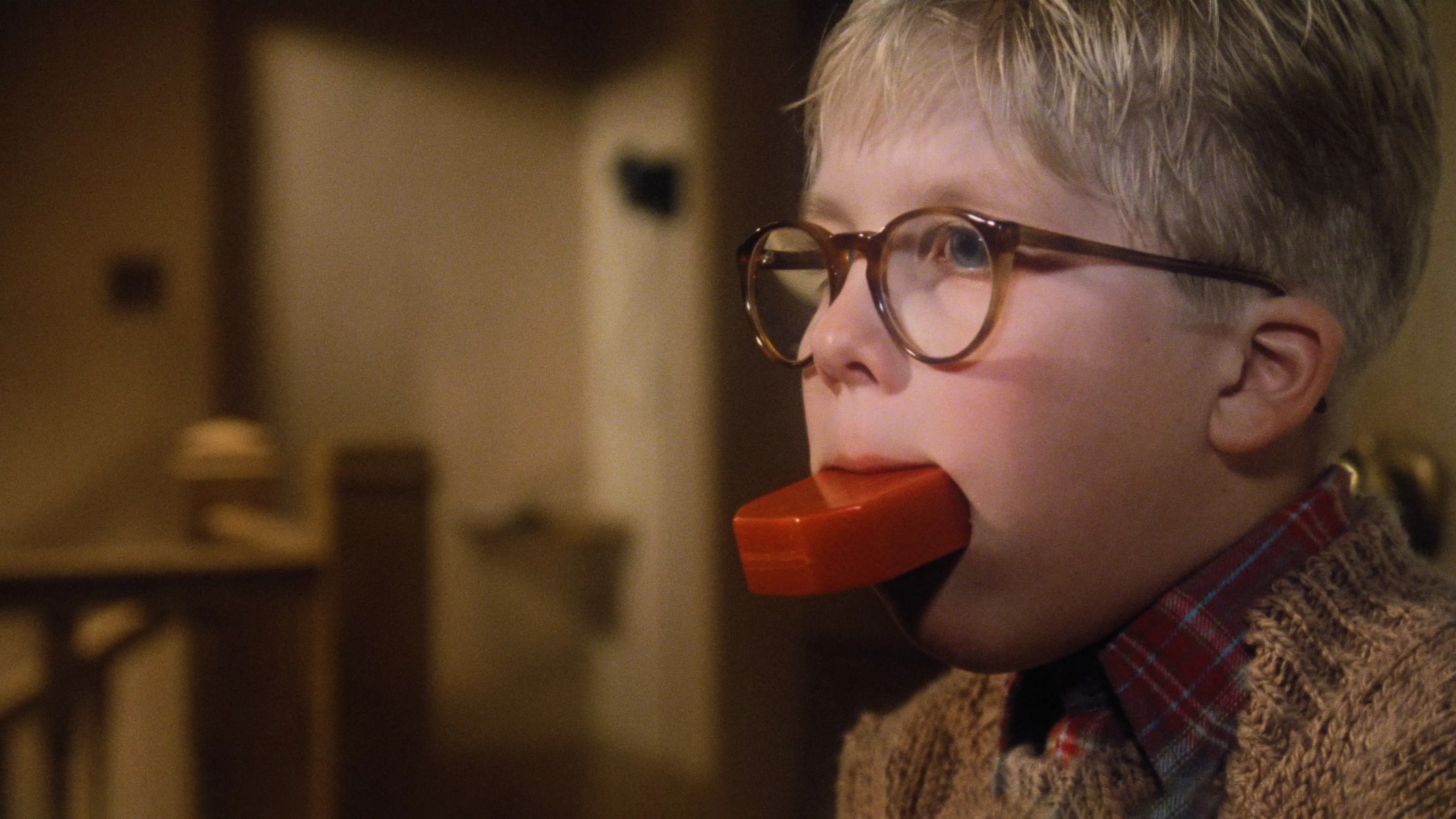
Bob Clark’s film is the antidote to the polished, moralizing Christmas special, presenting the holiday season as a minefield of bullies, frozen flagpoles, and parental negotiations. Jean Shepherd’s narration provides a layer of wistful irony, framing Ralphie’s quest for the BB gun not as greed but as a heroic saga, elevating the mundane struggles of childhood to epic proportions. The film is obsessed with the sensory details of the era - the clunky furnace, the decoding ring, the taste of Lifebuoy soap - creating a tangible world that feels universally recognizable even if you didn't grow up in the 40s. The relationship between the Old Man and the Mother provides a realistic backdrop of domestic friction and affection, grounding Ralphie’s fantasies in a loving but chaotic home. It succeeds because it understands that for a child, Christmas is not about "peace on earth" but about the singular, burning desire for a specific object, and the miraculous relief when the adults finally understand you.
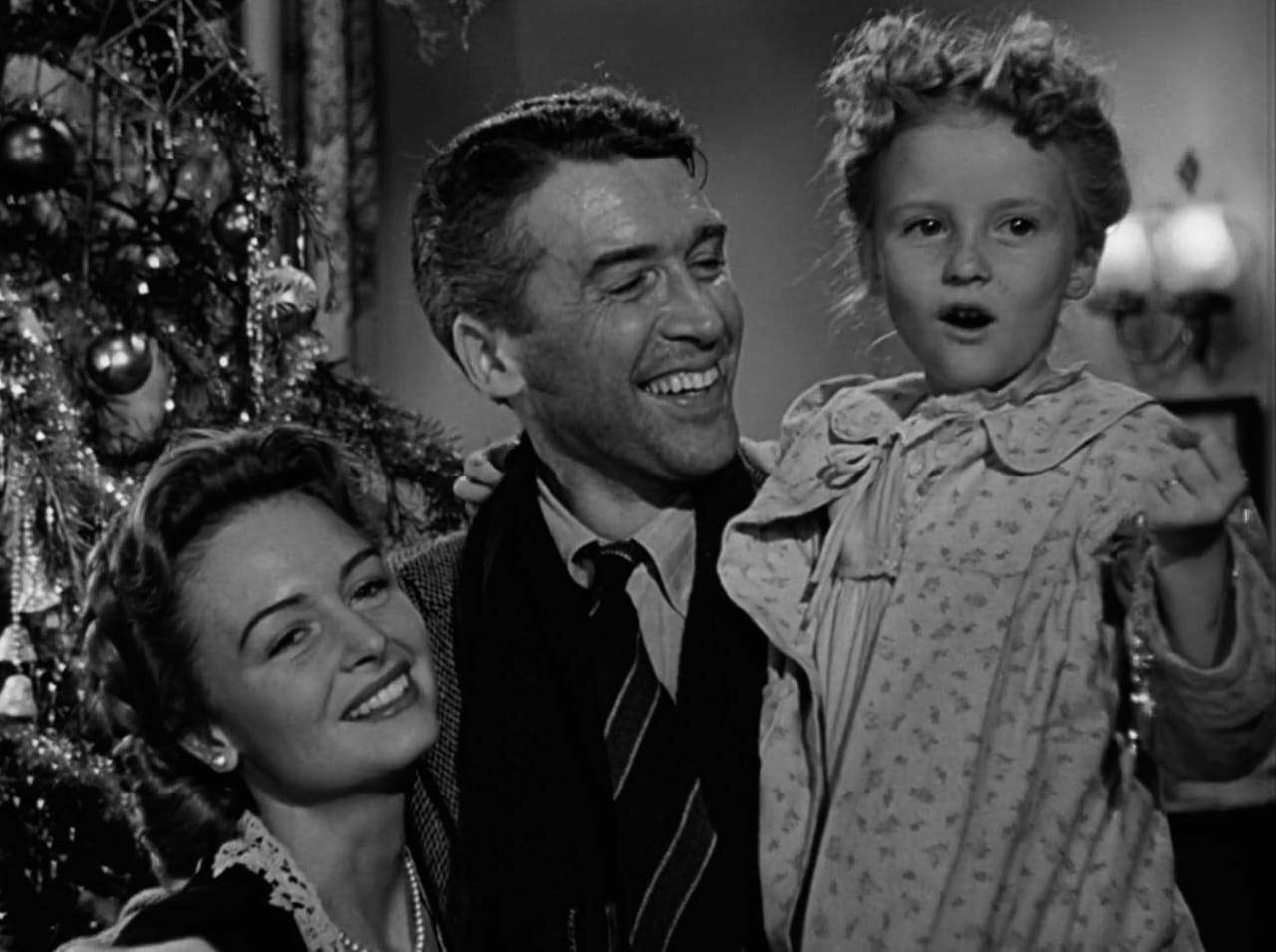
11. 🎬 It's a Wonderful Life (1946)
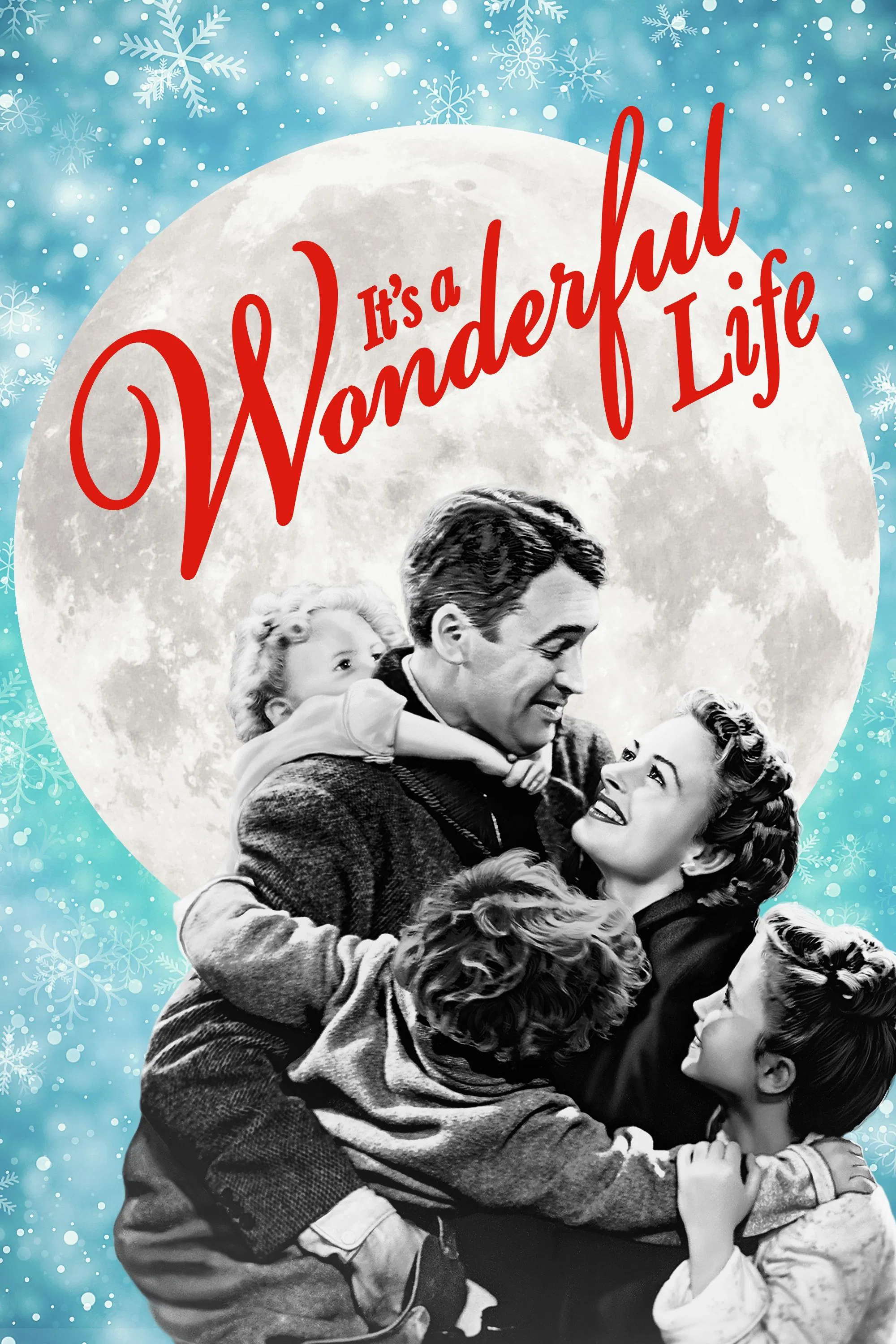
An angel is sent from Heaven to help a desperately frustrated businessman by showing him what life would have been like if he had never existed. It is a profound existential drama that uses a supernatural premise to explore the value of a single human life and the interconnectedness of a community.
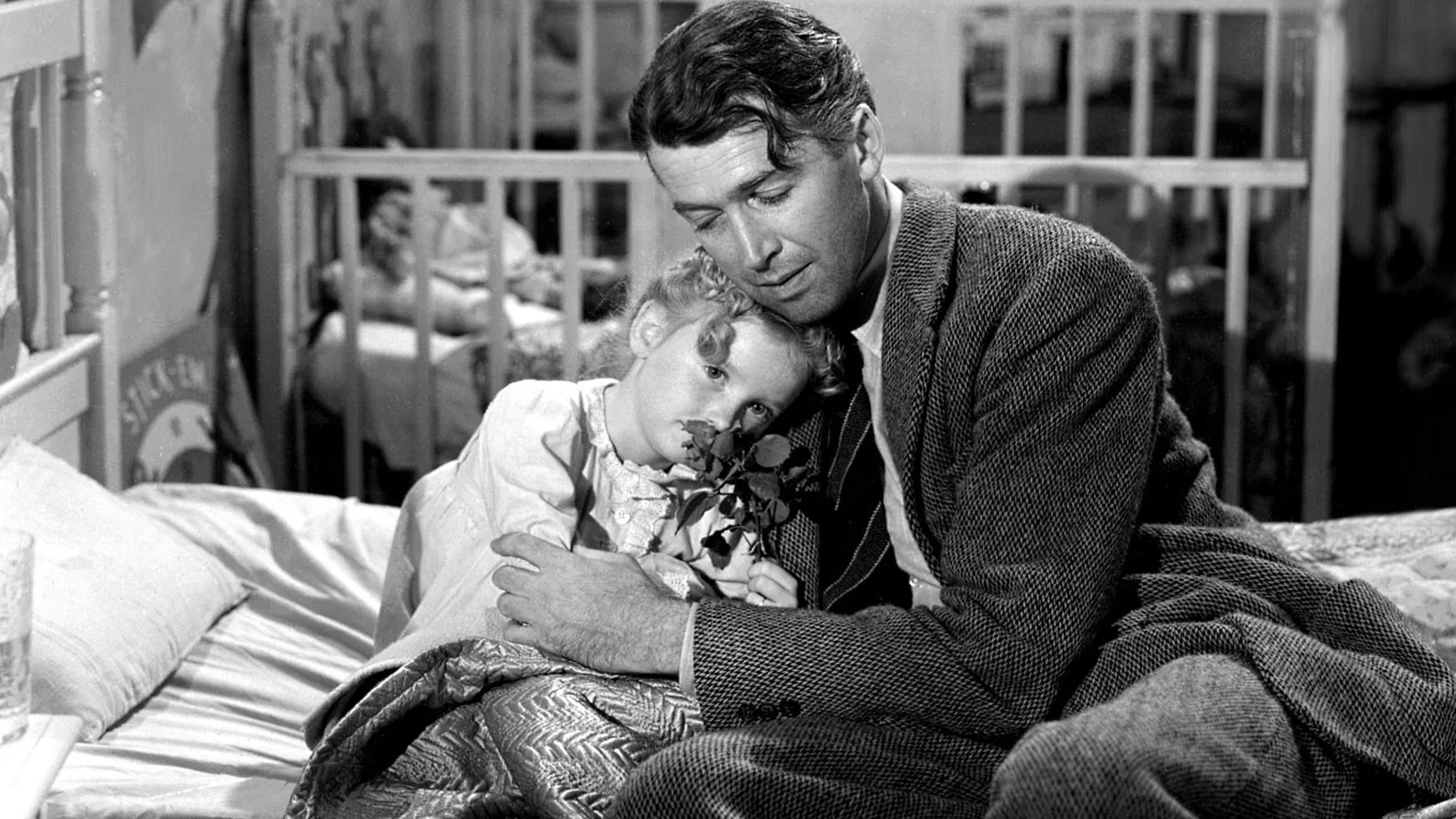
Frank Capra’s magnum opus is often misremembered as a sentimental fluff piece, but it is actually a dark, noir-adjacent examination of American despair and the crushing weight of responsibility. James Stewart plays George Bailey not as a saint, but as a man simmering with repressed ambition and rage, his sacrifices for Bedford Falls slowly eating away at his dreams until he contemplates suicide. The "Pottersville" sequence is a terrifying vision of unchecked capitalism and moral decay, contrasting sharply with the communal warmth of Bailey Park, visualizing the film's thesis that ethical living is a bulwark against darkness. The climax, where the town rallies to save George, is emotionally devastating not because of magic, but because it represents the accumulation of years of small, thankless kindnesses returning all at once. It succeeds because it refuses to solve George’s financial problems with a miracle, instead offering the harder truth that a meaningful life is defined by relationships rather than bank accounts.
10. 🎬 Tokyo Godfathers (2003)
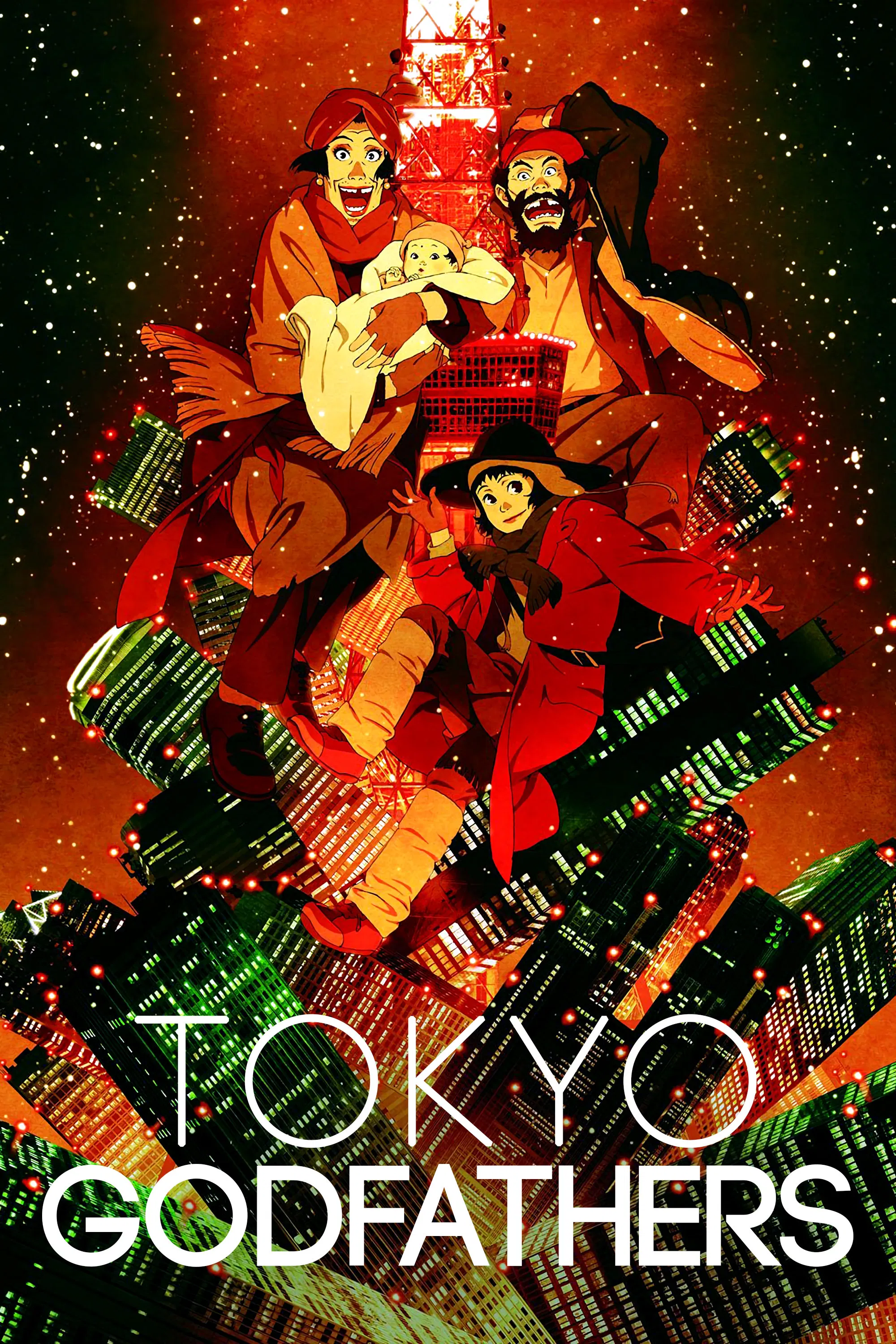
On Christmas Eve in Tokyo, three homeless outcasts - a middle-aged alcoholic, a transgender woman, and a runaway girl - discover an abandoned newborn in a dumpster. They embark on a journey across the city to find the baby's parents, confronting their own pasts and the "miracles" that seem to guide their path.
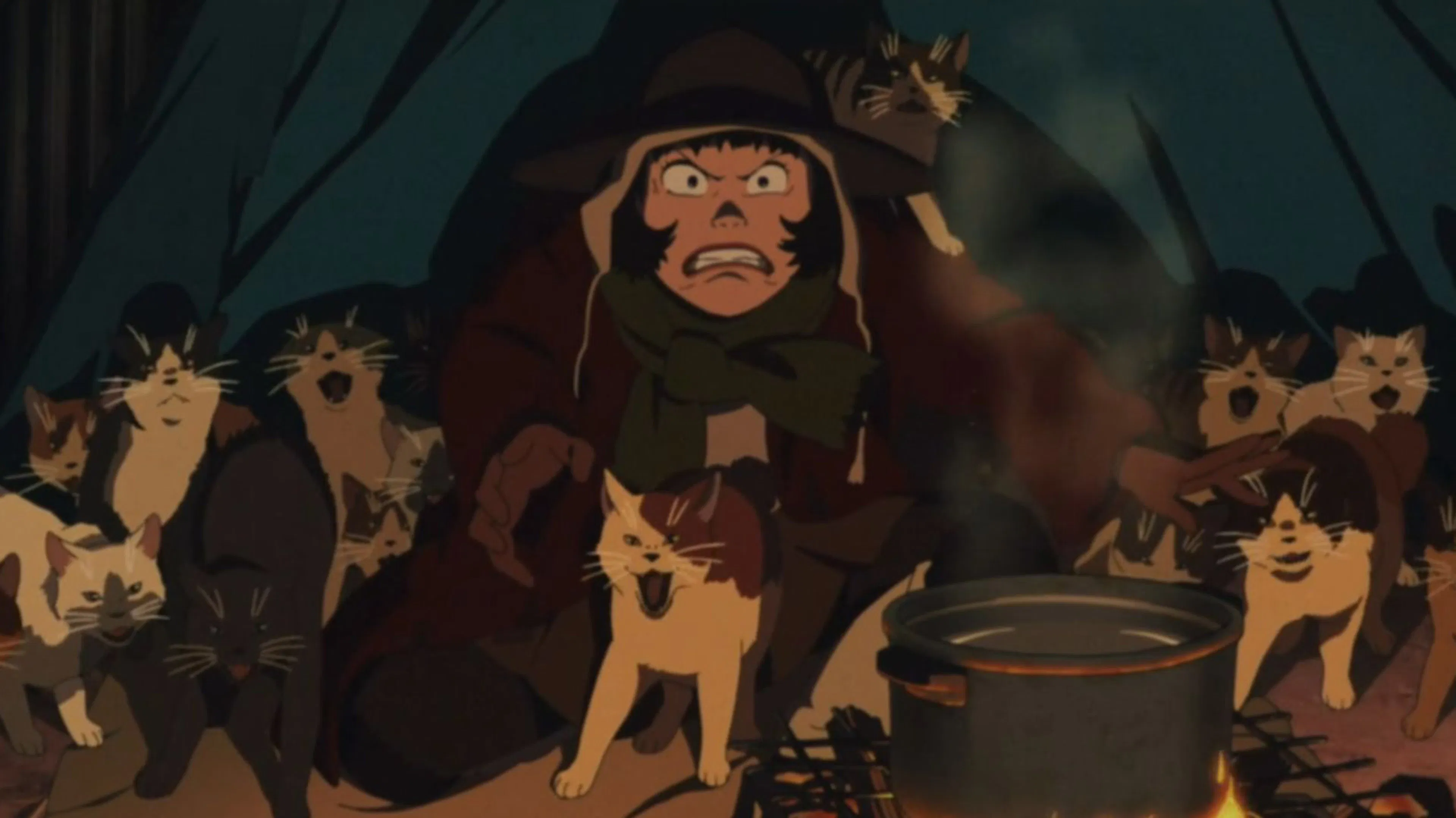
Satoshi Kon applies his signature visual fluidity and psychological depth to a story that is grounded in the grit of urban poverty, turning the invisible population of Tokyo into the heroes of a holy quest. The trio - Gin, Hana, and Miyuki - form a dysfunctional family unit that is more supportive than the ones they left behind, their bickering and bonding providing the film’s emotional rhythm. Kon animates Tokyo not as a futuristic metropolis but as a textured, dirty, and vibrant living organism, where neon signs and snowdrifts create a backdrop for a series of serendipitous coincidences that border on divine intervention. The film tackles heavy themes like abandonment, gender identity, and social stigma with a lightness of touch and kinetic energy that keeps it from becoming miserable. It succeeds because it finds the sacred in the profane, suggesting that grace is available to everyone, even those sleeping in cardboard boxes, and that sometimes a "miracle" is just the courage to face the family you ran away from.
9. 🎬 Eyes Wide Shut (1999)

After his wife admits to a sexual fantasy about another man, a New York doctor embarks on a night-long odyssey of sexual and moral discovery that leads him into a dangerous underworld. Set against a backdrop of Christmas lights and festive parties, it is a dreamlike exploration of jealousy, class, and the masks people wear.

Stanley Kubrick’s final film uses the Christmas season not for warmth, but as a garish, artificial light source that illuminates the consumerism and performativity of the upper class. Tom Cruise plays Bill Harford with a fragile masculinity that shatters the moment his wife, played by Nicole Kidman, reveals her inner life, sending him on a passive-aggressive quest for revenge that reveals his own naivety. The film is famous for its orgy sequence, but the true horror lies in the domestic scenes, where the decorative lights of the Christmas tree blur into a hazy, suffocating bokeh that mirrors Bill’s confusion. Kubrick shoots New York (filmed in London) as a soundstage dreamscape, reinforcing the idea that Bill is walking through a projection of his own insecurities rather than reality. It succeeds because it strips away the comfort of the holiday season to reveal the cold, transactional nature of relationships and power, leaving the couple with a resolution that is pragmatic rather than romantic.
8. 🎬 The Long Day Closes (1992)
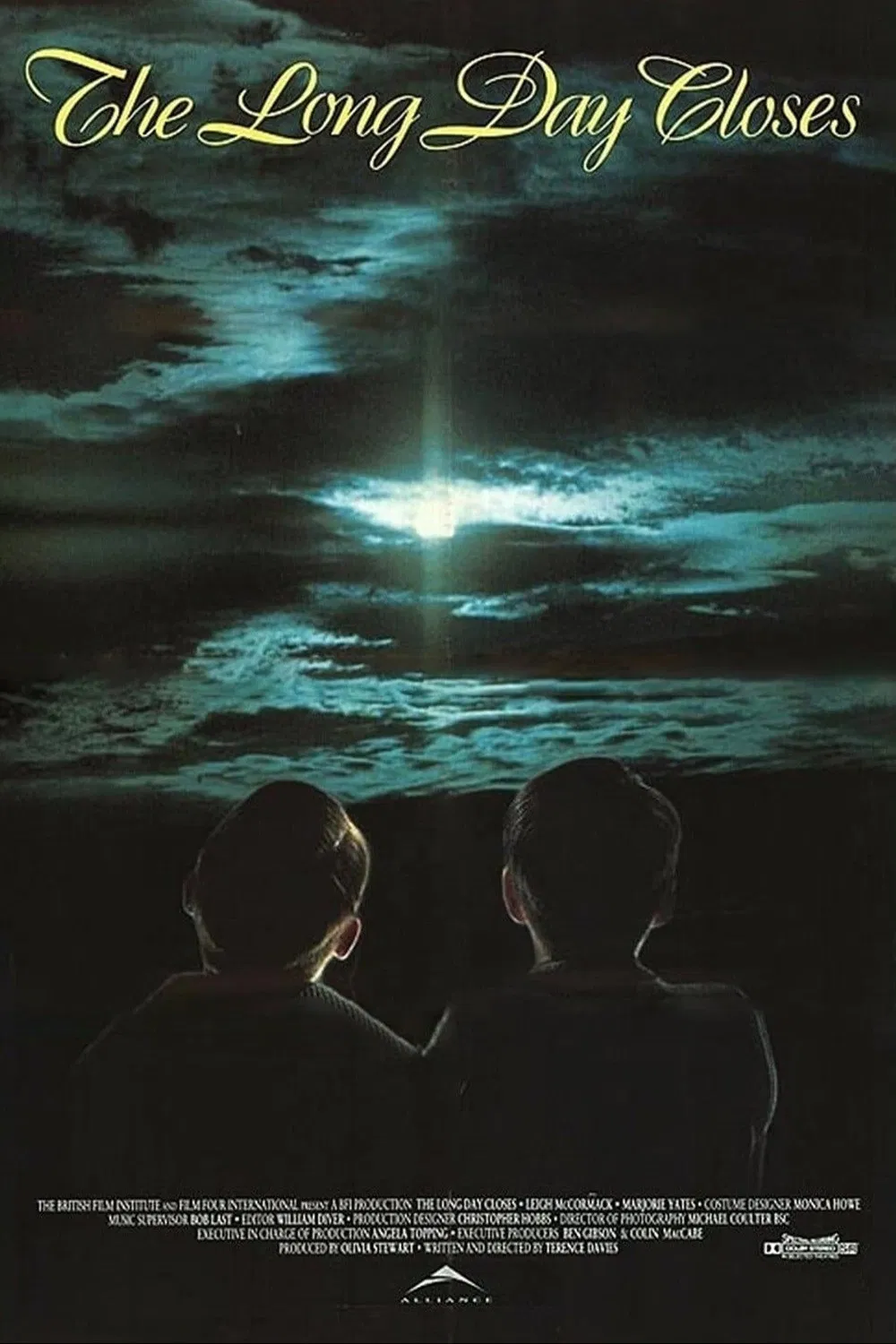
A lyrical, autobiographical portrait of a young boy growing up in 1950s Liverpool, finding solace in the movies and the warmth of his mother’s love amidst the gray reality of post-war Britain. It is a memory piece that flows like music, capturing the sensory experience of childhood rather than a linear narrative.
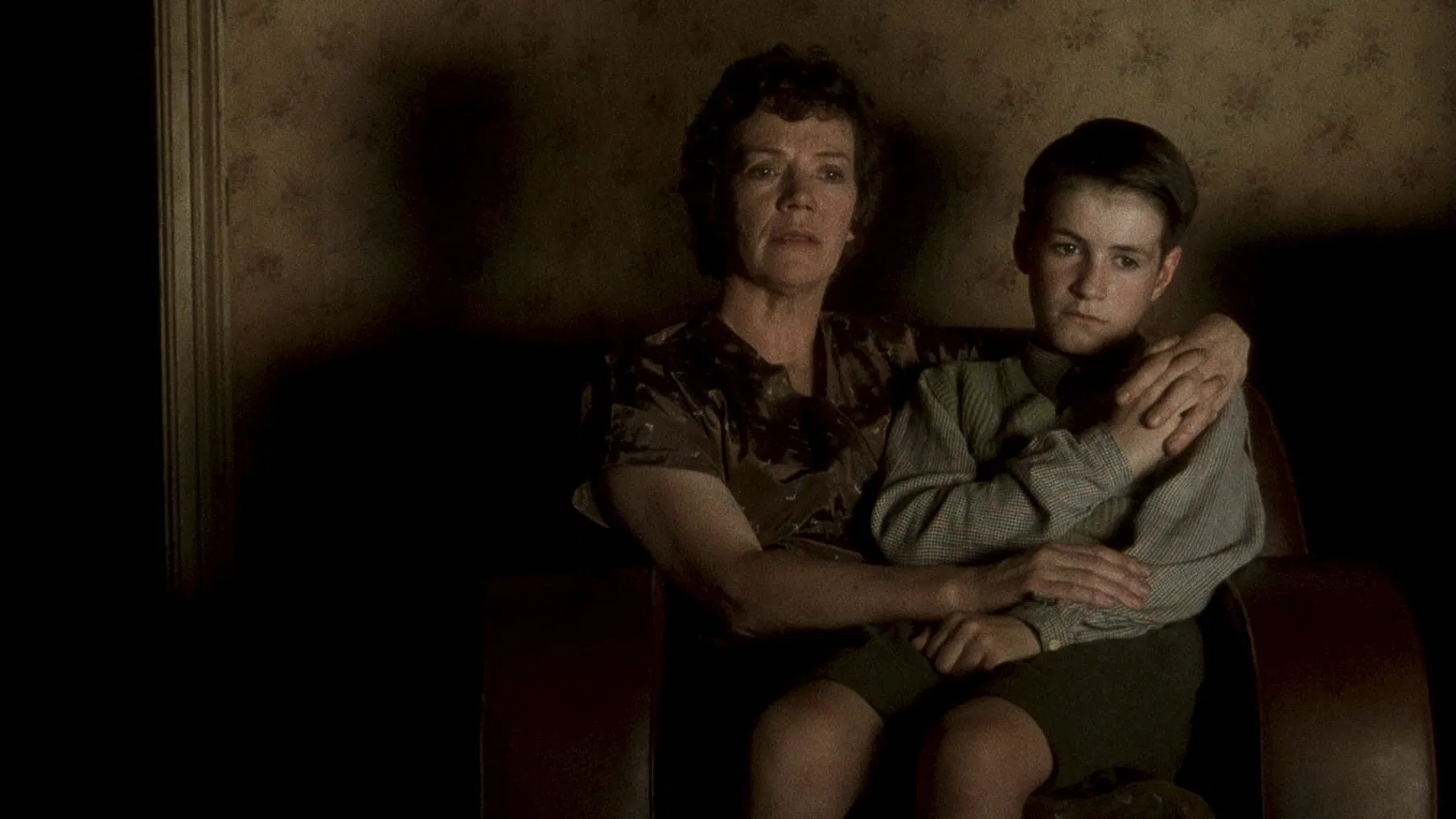
Terence Davies crafts a cinematic tone poem where the camera glides through the corridors of memory, turning the mundane details of a working-class home - the light through a window, the pattern of a carpet - into sacred iconography. The film is deeply invested in the power of popular culture, showing how Hollywood musicals and radio songs provided a colorful escape for a lonely, gay boy who felt out of step with his environment. The sound design is a tapestry of snippets from films and songs, creating a soundscape that feels like the inside of the protagonist's mind, where reality and fantasy bleed together. The Christmas sequence is a highlight of understated emotion, capturing the quiet intimacy of family gatherings that are haunted by the passage of time. It succeeds because Davies avoids nostalgia’s trap of simplification, instead presenting memory as a complex, aching thing where the greatest tragedy is simply that the sun eventually sets on even the longest days.
7. 🎬 Miracle on 34th Street (1947)

A nice old man who claims to be Santa Claus is institutionalized as insane, leading a young lawyer to defend him in court by arguing that he is the real thing. It is a legal drama wrapped in a holiday classic, exploring the conflict between cynicism and faith in the post-war era.
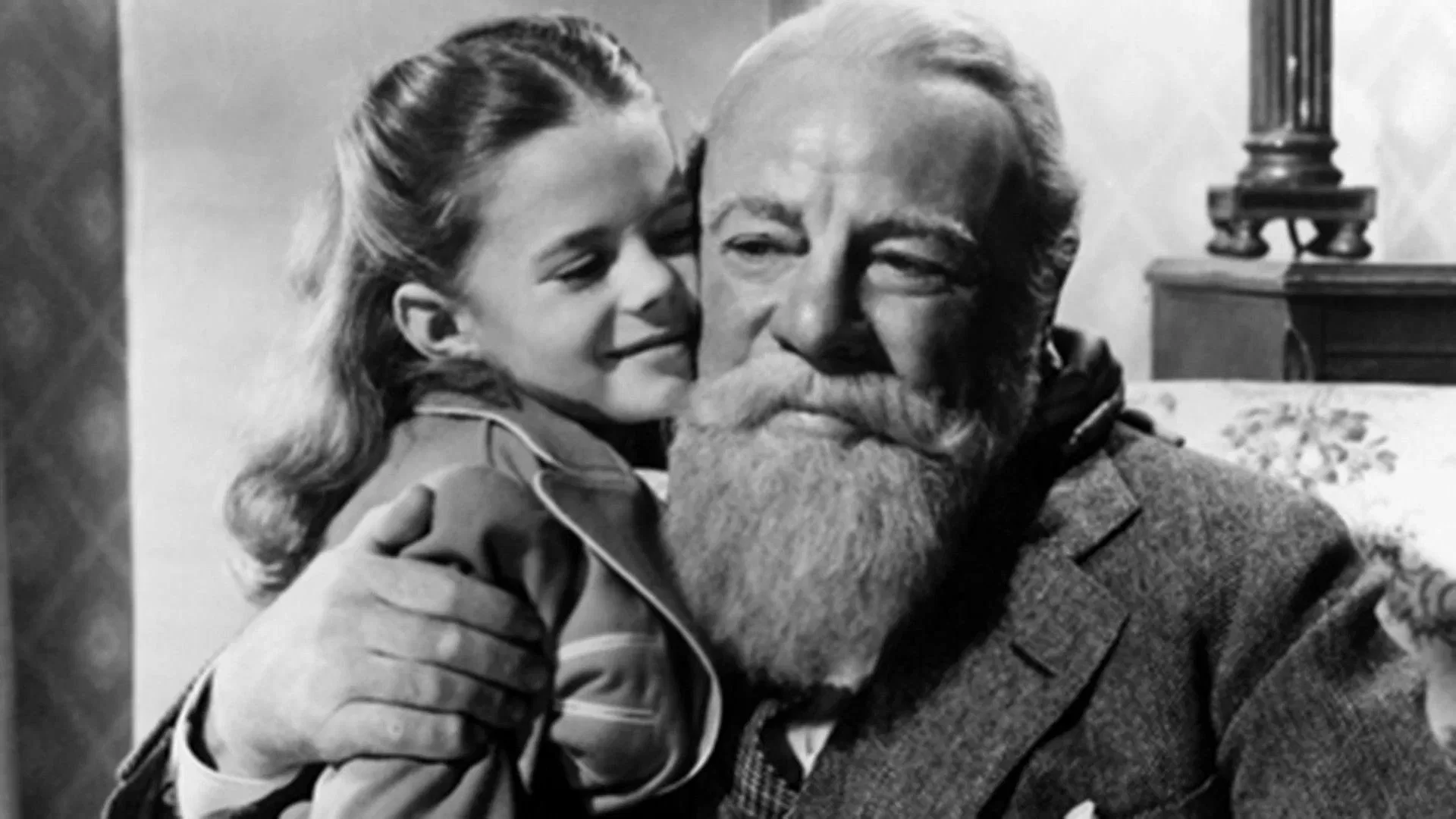
George Seaton’s film is a surprisingly sharp critique of commercialism and psychiatry, using the trial of Kris Kringle to put the modern world’s skepticism on the stand. Edmund Gwenn plays Kringle not as a magical being but as a kind, confused elderly man whose delusion - if it is one - makes the world a better place, challenging the "sane" characters to justify their own unhappiness. The film focuses on Doris Walker, a single mother who has taught her daughter not to believe in fairy tales as a defense mechanism against disappointment, making her character arc a sophisticated look at the fear of vulnerability. The courtroom climax, involving the US Post Office, is a stroke of genius that resolves the plot through bureaucracy rather than magic, grounding the whimsy in the real world. It succeeds because it doesn't ask the audience to believe in Santa Claus, but rather to believe in the value of intangibles like love and generosity, arguing that a world without "myths" is a colder, poorer place.
6. 🎬 Scrooged (1988)
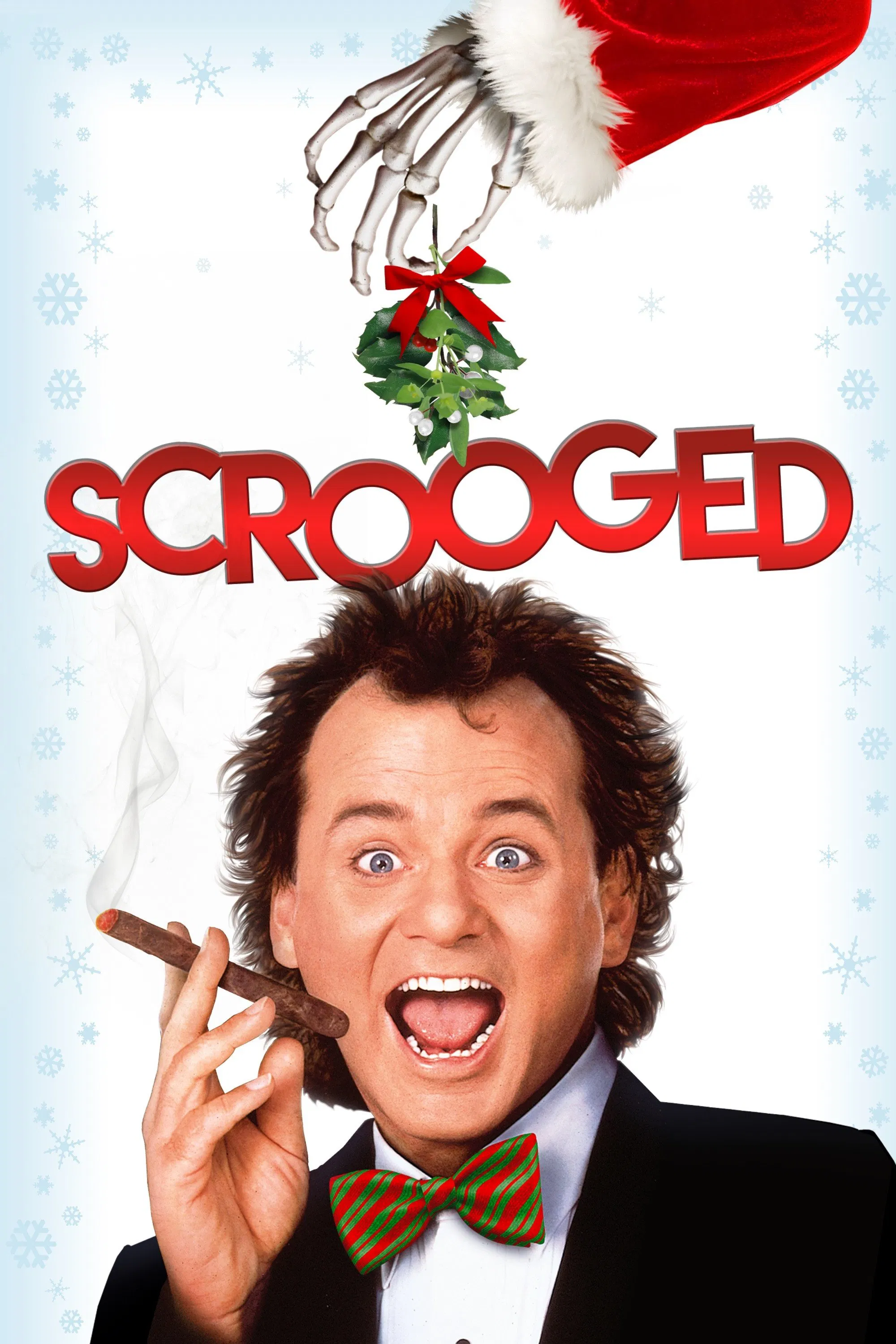
A cynical, ruthless television executive obsessed with ratings is visited by three ghosts on Christmas Eve who force him to re-evaluate his miserable life and cruel treatment of his staff. It is a dark, manic satire of Charles Dickens' A Christmas Carol that blends slapstick comedy with genuine emotional redemption.
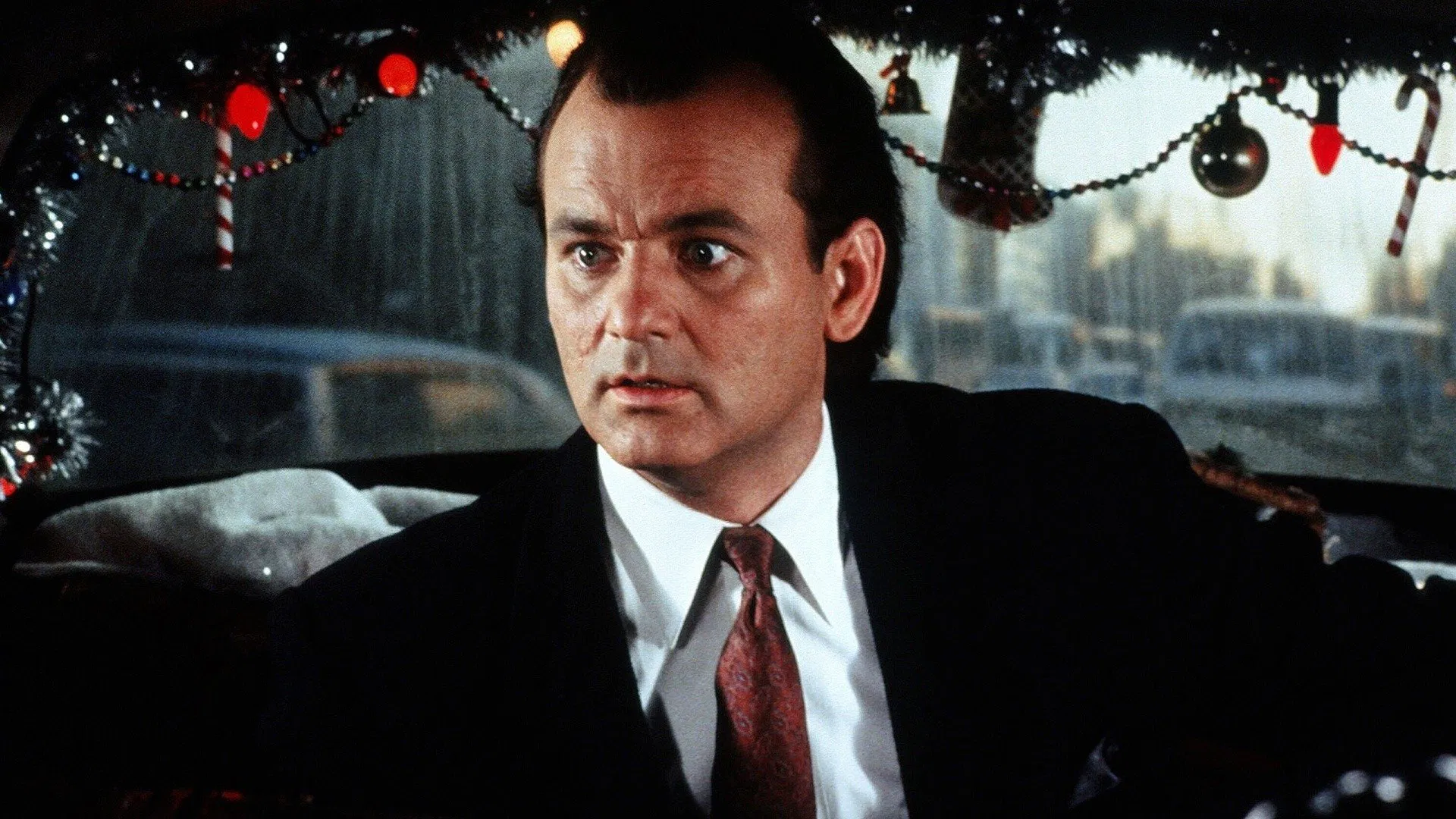
Richard Donner directs a chaotic, high-energy update of the classic tale, casting Bill Murray as Frank Cross, a man who represents the worst excesses of 1980s corporate greed and yuppie culture. Murray’s performance is a tour-de-force of improvisation and nervous energy, playing a character so unlikeable that his eventual transformation feels like a hard-won battle against his own nature rather than a scripted inevitability. The film distinguishes itself with its grotesque, special-effects-heavy depiction of the spirits, particularly the Carol Kane fairy who physically assaults Frank to beat the Christmas spirit into him, and the terrifying, skeletal Ghost of Christmas Future. Donner balances the film's mean-spirited humor with moments of surprising tenderness, specifically in the relationship between Frank and his brother, and his lost love, Claire. The famous ending, where Murray breaks the fourth wall to lead the audience in a sing-along, serves as a meta-commentary on the nature of holiday entertainment, demanding that the viewers participate in the joy rather than just passively consuming it. It succeeds because it embraces the darkness of the source material while allowing Murray to be completely unhinged, proving that sometimes you have to be terrified into being a good person, and that the "miracle" of Christmas is simply choosing to be kind when it is easier to be cruel.
5. 🎬 Klaus (2019)
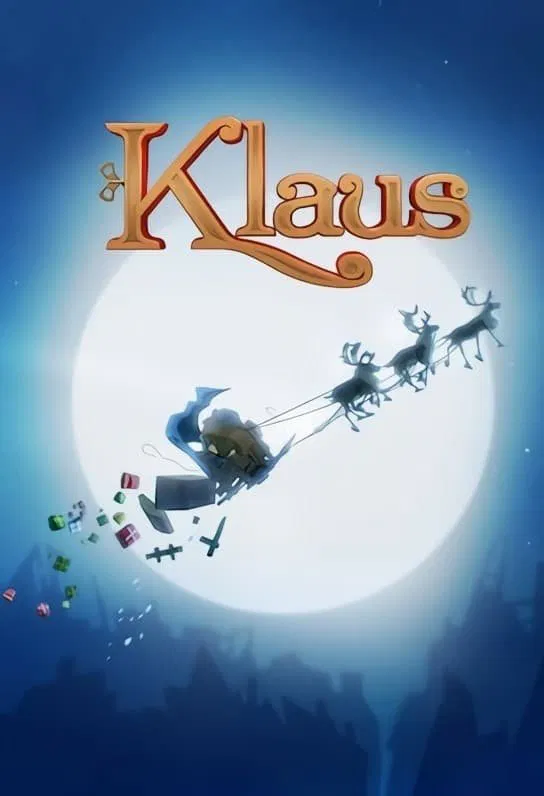
A selfish postman and a reclusive toymaker form an unlikely friendship, delivering joy to a cold, dark town that desperately needs it. This animated origin story reimagines the Santa Claus legend through a grounded, secular lens, focusing on how a simple act of kindness always sparks another.
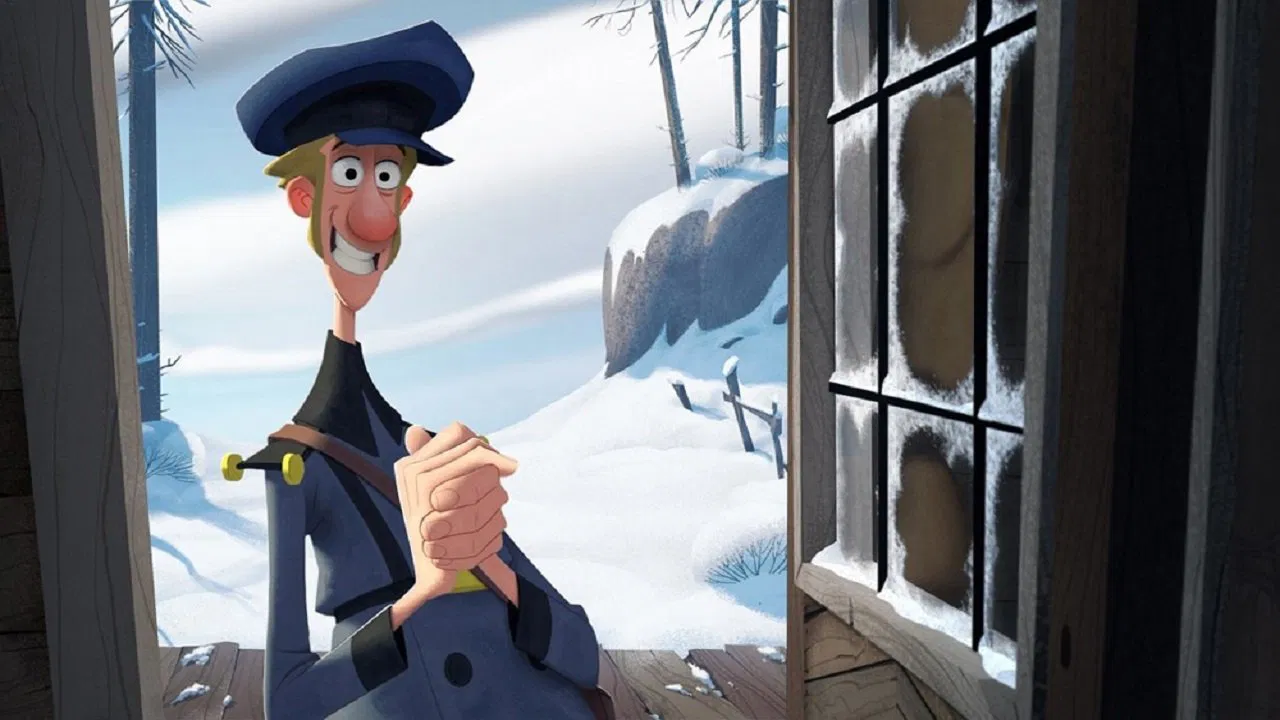
Sergio Pablos utilizes revolutionary 2D animation technology that uses volumetric lighting to give hand-drawn characters a 3D texture, creating a visual style that looks like a moving storybook illustration. The film deconstructs the Santa mythos, explaining the flying reindeer, the chimney, and the naughty list as accidental misunderstandings born from a feud between two bitter clans, grounding the magic in human behavior. Jesper, the entitled protagonist, undergoes a genuine arc from manipulation to altruism, his growth mirroring the transformation of the town of Smeerensburg from a grey warzone to a vibrant community. The character of Klaus is portrayed not as a jolly saint but as a grieving widower finding new purpose, adding a layer of adult melancholy to the children's story. It succeeds because it revitalizes a tired genre with visual innovation and narrative wit, proving that the "magic" of Christmas is actually just the hard work of people choosing to be good to one another.
4. 🎬 Kiss Kiss Bang Bang (2005)

A murder mystery brings together a private eye, a struggling actress, and a thief masquerading as an actor for a noir-soaked adventure in Los Angeles during Christmas. It is a meta-fictional buddy comedy that deconstructs the hardboiled detective genre with razor-sharp dialogue.
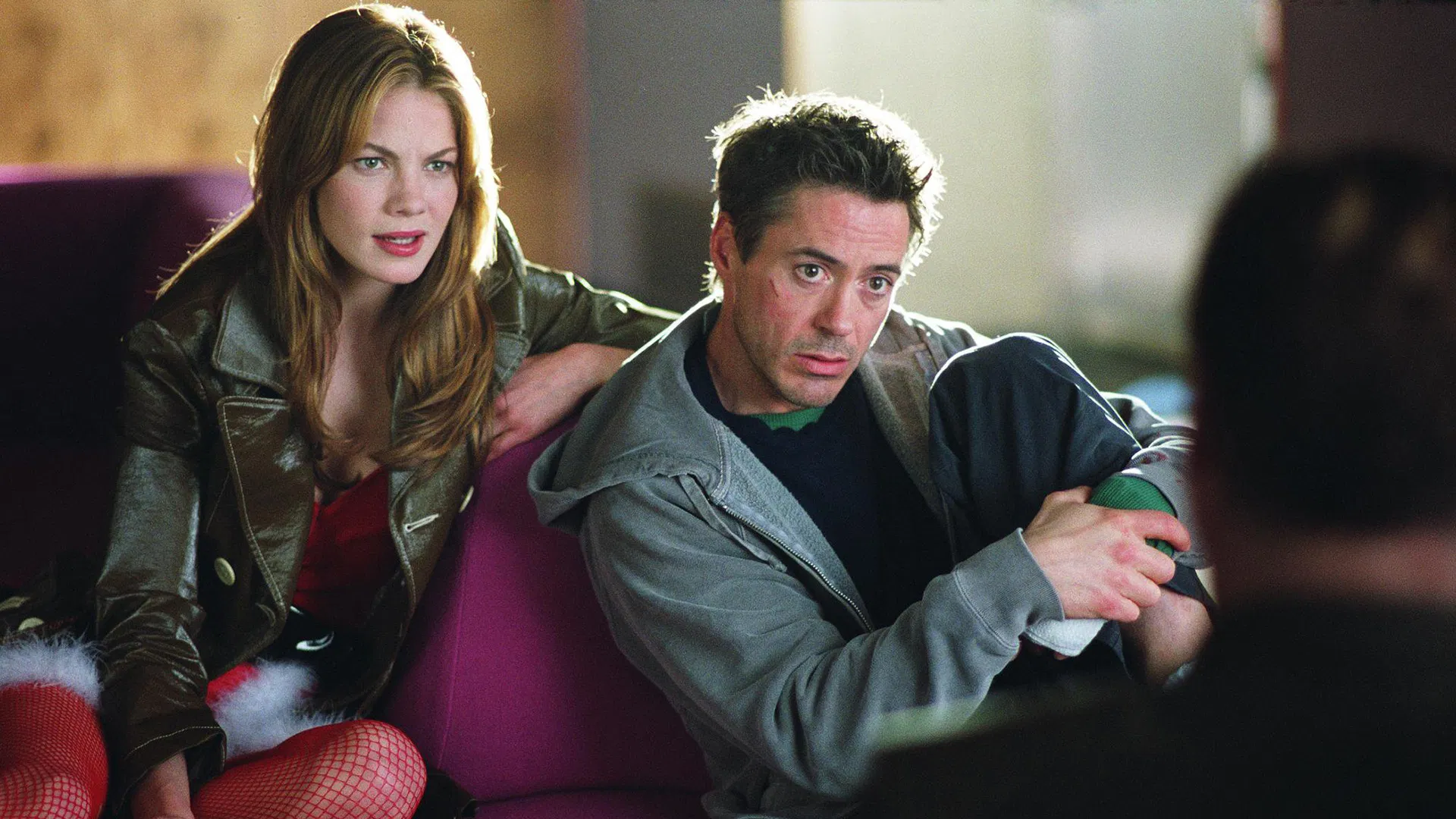
Shane Black sets this neo-noir firmly during the holidays, using the juxtaposition of sunny Los Angeles and plastic Christmas decorations to underscore the film’s themes of artificiality and performance. Robert Downey Jr. and Val Kilmer share an electric chemistry, their rapid-fire banter serving as a defense mechanism against the sleazy, violent world they navigate. The film is aware of its own tropes, with Downey’s narration frequently breaking the fourth wall to apologize for plot holes or rewind scenes, creating a sense of playful chaos. The Christmas setting adds a layer of irony to the violence, suggesting that in Hollywood, the season of giving is just another backdrop for greed and betrayal. It succeeds because it manages to be a genuinely compelling mystery while simultaneously spoofing the genre, proving that a Christmas movie can include severed fingers and gunfights if it has enough heart and wit.
3. 🎬 In Bruges (2008)
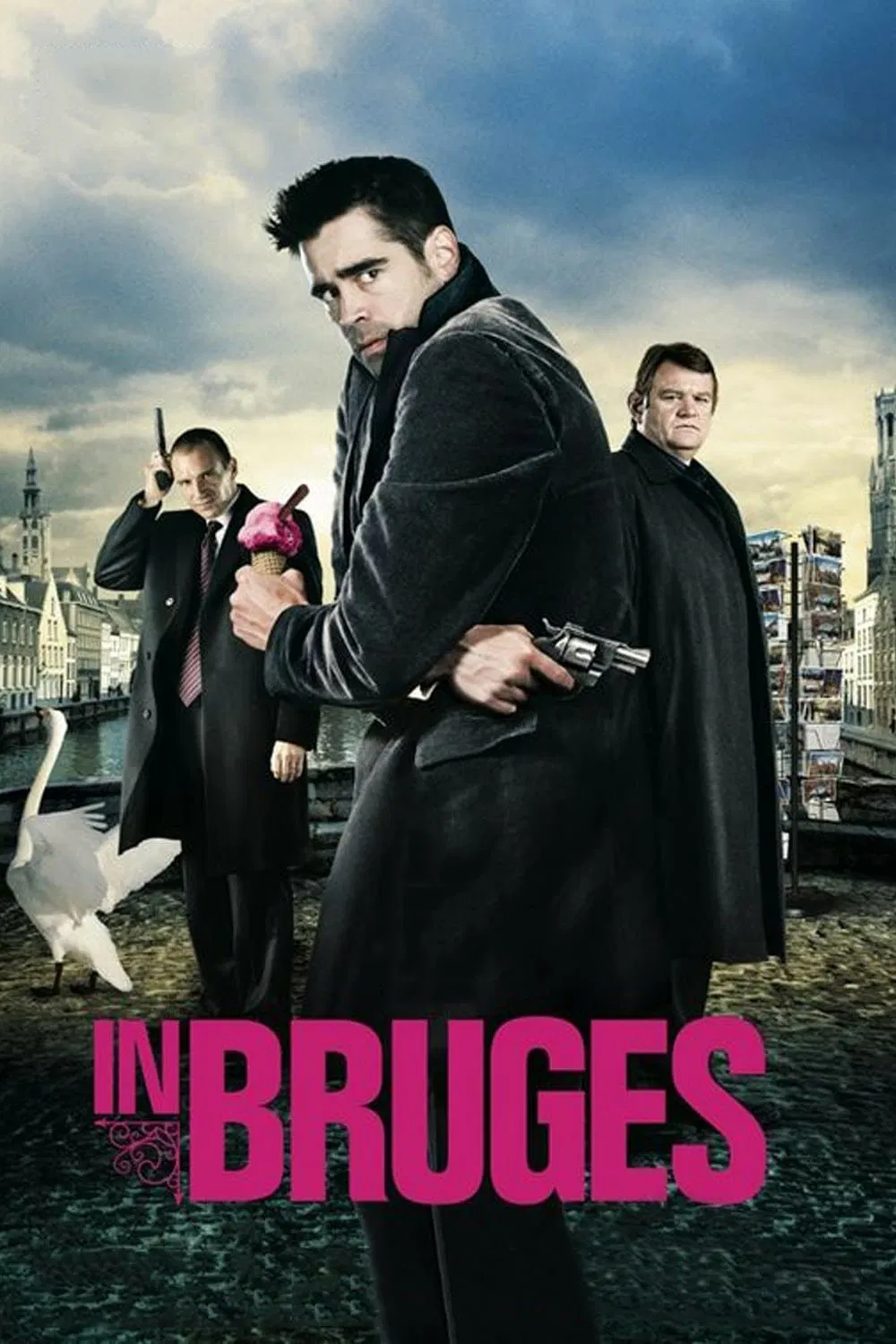
Guilt-stricken after a job gone wrong, hitman Ray and his partner Ken await orders from their ruthless boss in Bruges, Belgium, the last place Ray wants to be. Set against the medieval architecture and Christmas lights, it is a dark comedy about judgment, purgatory, and the possibility of redemption.
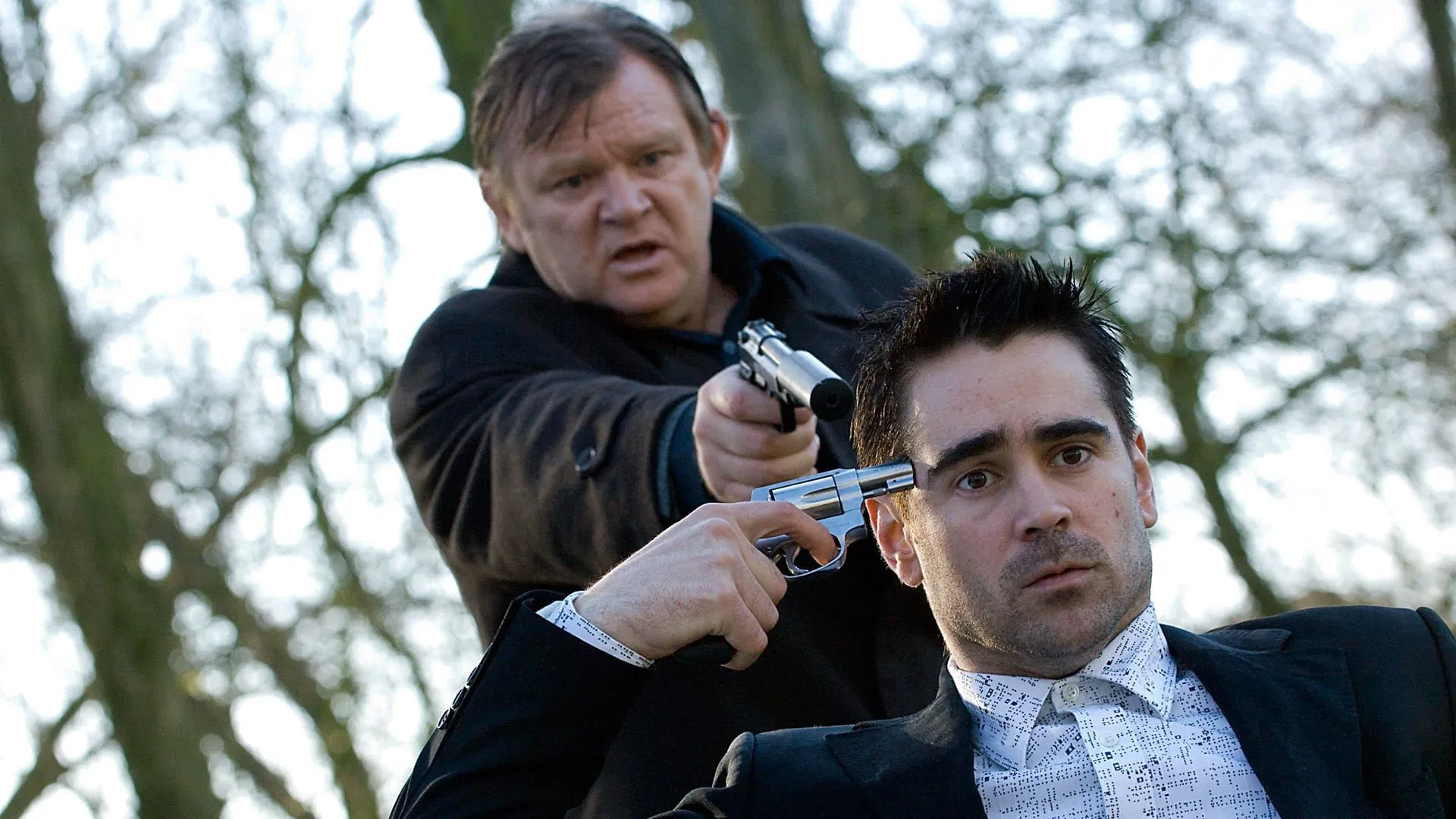
Martin McDonagh treats the fairy-tale city of Bruges as a literal purgatory where the characters must confront their souls while waiting for judgment. Colin Farrell’s Ray is a tragicomic figure, his petulant boredom masking a suicidal guilt over the accidental death of a child, while Brendan Gleeson’s Ken finds spiritual beauty in the city’s history. The Christmas setting is crucial, providing a backdrop of religious imagery and festive lights that contrast sharply with the characters' violent profession and internal darkness. The dialogue shifts effortlessly from profane humor to profound theological debate, examining whether "bad" people deserve a chance to change or if they are damned by their actions. It succeeds because it refuses to offer easy forgiveness, ending on a note of ambiguity that suggests the struggle for redemption is a continuous, painful process that might not have a happy ending.
2. 🎬 Serendipity (2001)
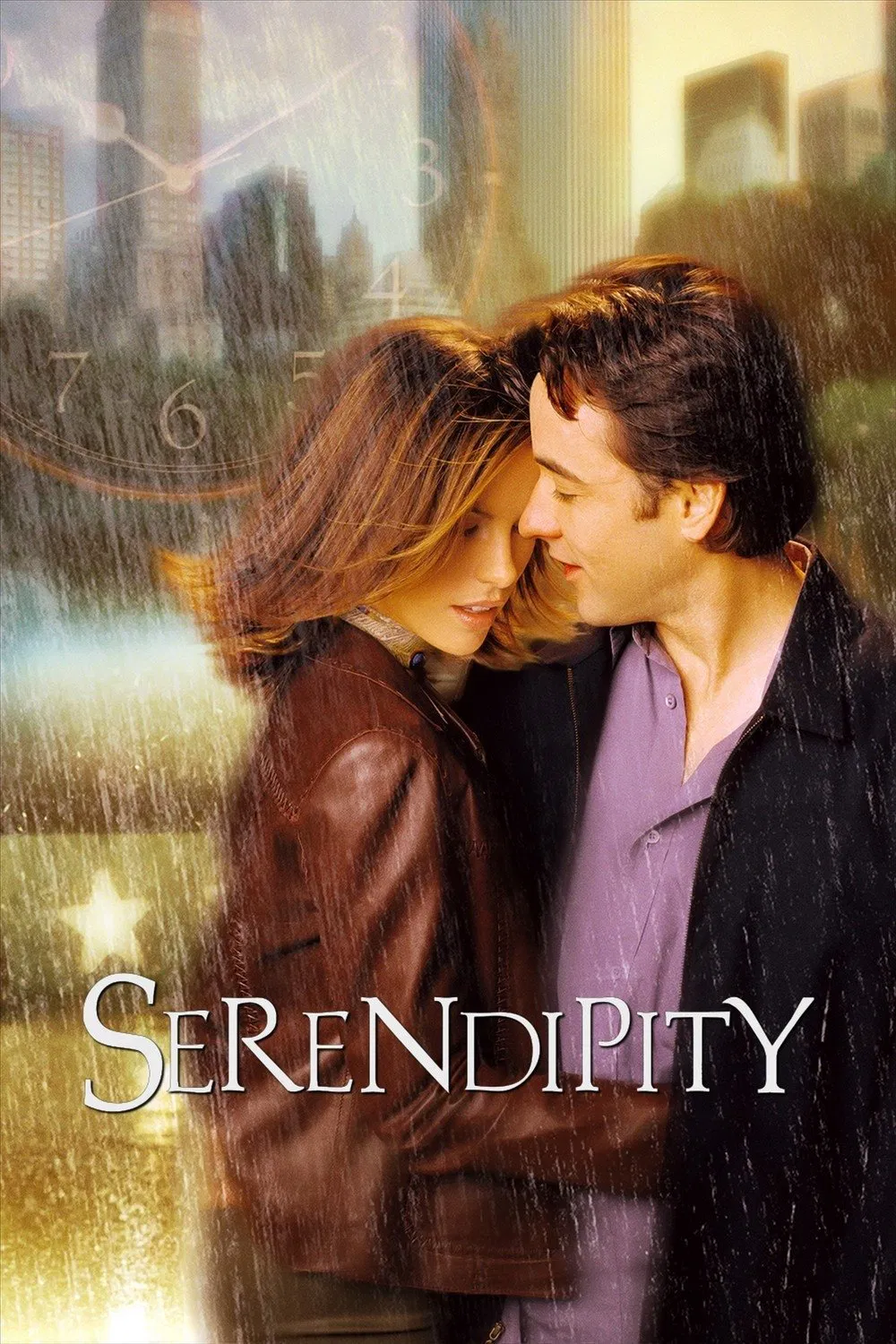
A magical romantic comedy about Jonathan and Sara, two strangers who meet in New York during the holiday season and let fate determine their future. After a magical night together, they separate, leaving their reunion up to destiny through a series of cosmic clues involving a second-hand book and a five-dollar bill.
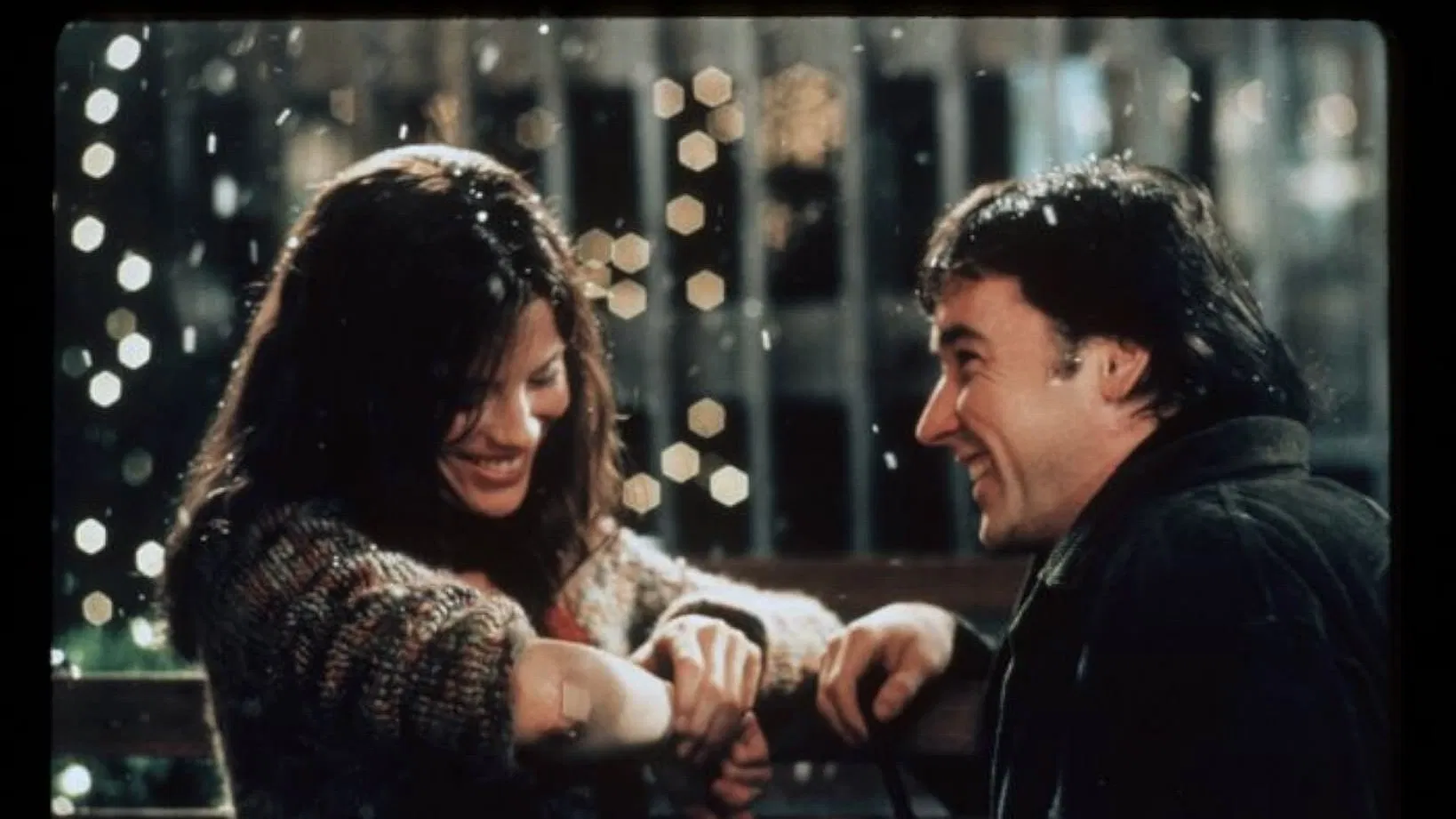
Peter Chelsom crafts a modern fairy tale that elevates the standard "meet-cute" into a philosophical exploration of fate versus free will, set against a romanticized, snow-dusted New York City that feels removed from cynical reality. John Cusack plays Jonathan Trager with his signature neurotic earnestness, a man desperately looking for a sign in a chaotic world, while Kate Beckinsale’s Sara Thomas embodies the whimsical, almost magical belief that the universe has a plan for everyone. The film distinguishes itself by keeping the leads apart for the vast majority of the runtime, relying on the strength of their brief initial connection to drive the narrative momentum across years and state lines. What makes Serendipity essential is its commitment to the "cosmic scavenger hunt" structure; the use of Love in the Time of Cholera and the signed dollar bill transform mundane objects into sacred talismans of destiny. Chelsom shoots the city with a warm, glowing softness, particularly in the skating rink sequence at Wollman Rink, where the falling snow and the black gloves create iconic romantic imagery that defines the holiday rom-com aesthetic. The supporting performances by Jeremy Piven and Molly Shannon provide necessary grounding, acting as the rational (or irrational) voices questioning the protagonists' obsession with a stranger. It succeeds because Chelsom embraces the inherent improbability of the genre, treating the ridiculous coincidences not as plot holes but as evidence of a benevolent universe, proving that the most romantic idea of all is that we are not randomly drifting, but are being guided toward the people we are meant to love.
1. 🎬 Tangerine (2015)
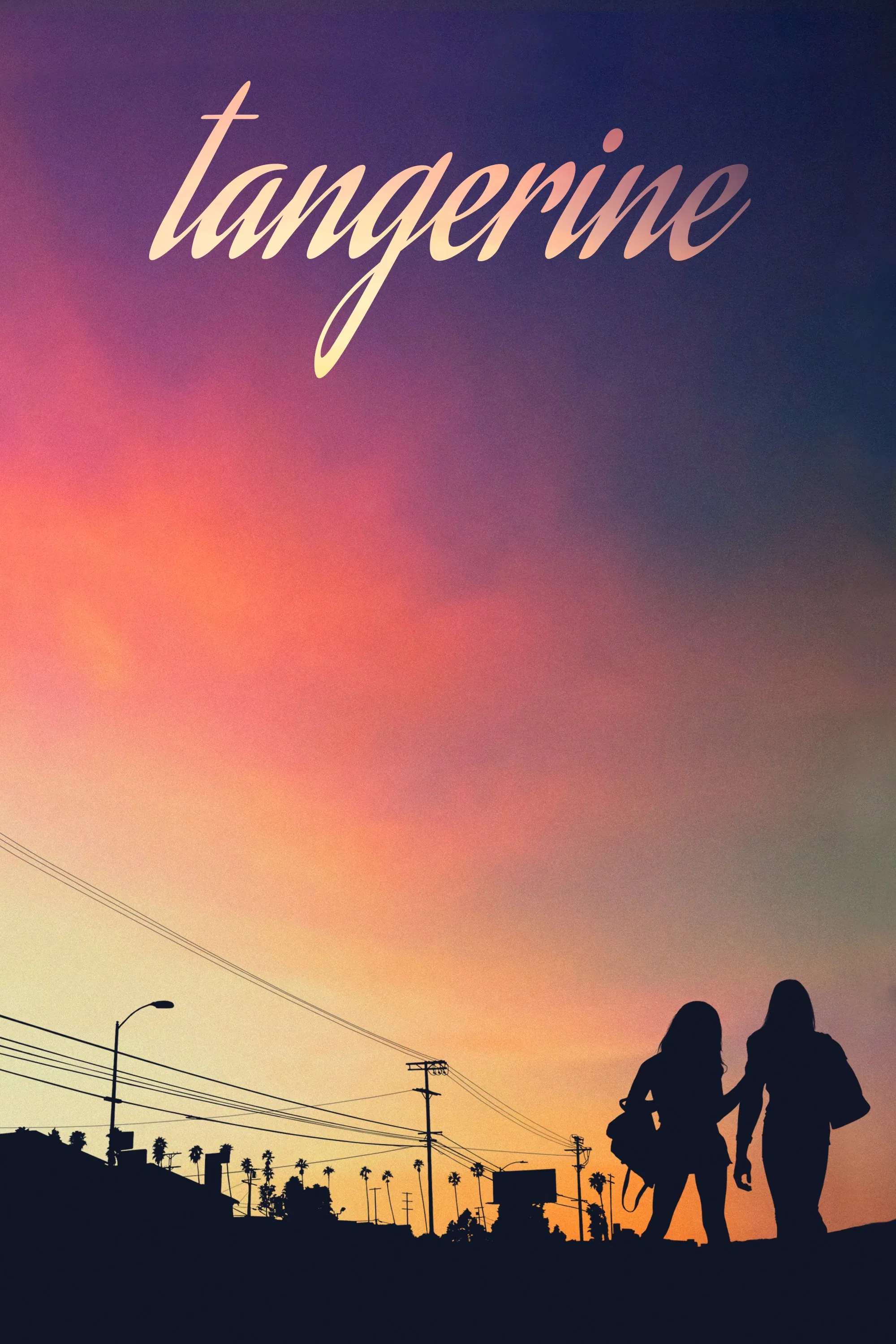
A hooker tears through Tinseltown on Christmas Eve searching for the pimp who broke her heart. Shot entirely on iPhones, this high-energy odyssey follows Sin-Dee Rella and her best friend Alexandra as they navigate the chaotic streets of Los Angeles.
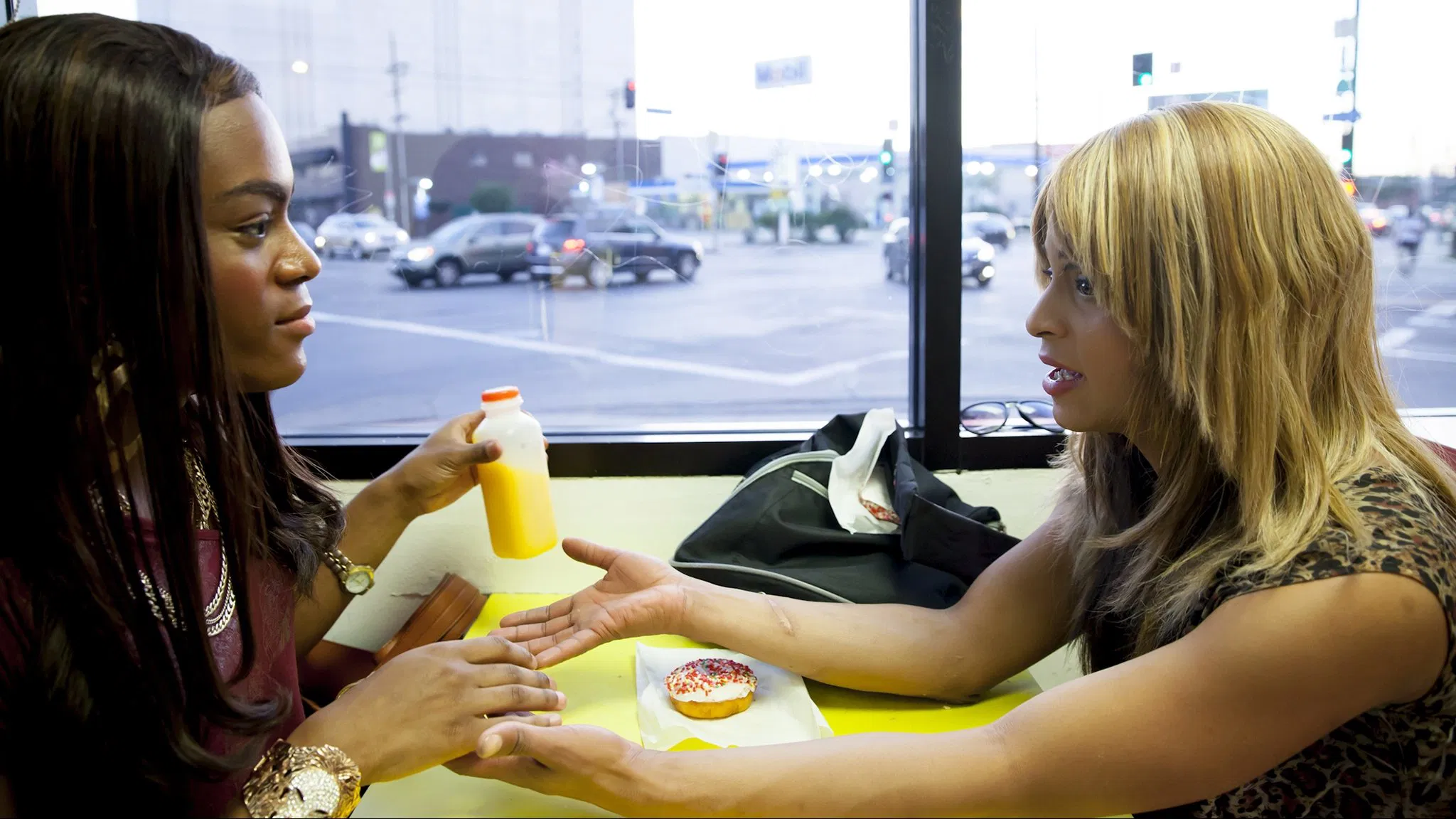
Sean Baker captures the underside of Christmas in Los Angeles, focusing on the marginalized communities for whom the holiday is just another day of survival. The decision to shoot on iPhone 5s creates a saturated, hyper-real aesthetic that matches the frenetic energy of the characters, turning the sun-bleached streets of LA into a vibrant, dangerous playground. Kitana Kiki Rodriguez and Mya Taylor deliver performances of raw authenticity, their friendship serving as the emotional core of a film that deals with infidelity, drug abuse, and transphobia. The donut shop climax brings the various plot threads together in a moment of explosive drama that is both hilarious and heartbreaking. It succeeds because it redefines the "Christmas movie" by stripping away the snow and sentimentality to focus on the radical act of friendship in a world that wants to erase you, ending with a quiet moment in a laundromat that is as touching as any holiday reunion.
— The Cinéprism
Keep reading
31 / 08 / 2026 · 391 reads
10 Best Endings in Film
A curated list of 10 unforgettable movie endings that leave a lasting impact long after the credits roll.
11 / 01 / 2026 · 504 reads
11 Critically Acclaimed Netflix Shows
From royal sagas and psychological thrillers to groundbreaking true crime, discover the 11 essential series that define Netflix's golden era.