Dispatch — Long Read
9 pyscological thrillers to watch
Insane pyscological thrillers that will blow your mind.
The Cinéprism
17 / 11 / 2025 · 9 min read
1. 🎬 Oldboy
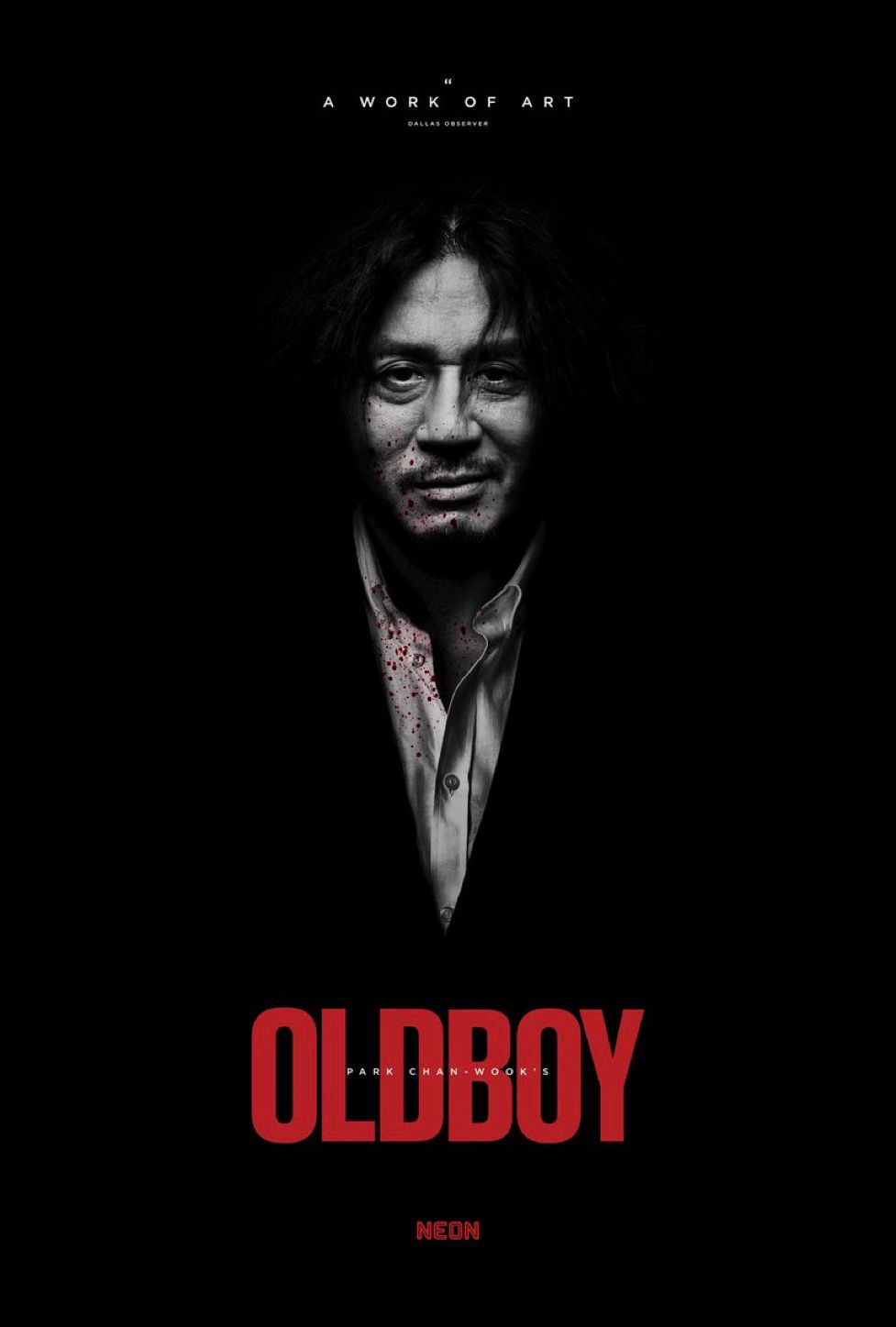
Oh Dae-su is kidnapped and imprisoned in a windowless room for fifteen years without explanation, fed dumplings through a slot, watching television as his only connection to the outside world. When he's suddenly released, he has five days to discover who imprisoned him and why, launching a violent quest for answers that leads to revelations more horrifying than the imprisonment itself. Park Chan-wook's masterpiece is a baroque symphony of vengeance, mixing extreme violence with operatic emotion and philosophical inquiry into the nature of revenge and whether some truths are better left undiscovered. Choi Min-sik delivers one of cinema's most physically and emotionally committed performances, playing Dae-su's transformation from bewildered businessman to feral survivor with terrifying authenticity.

The famous corridor fight, shot in a single take with Choi fighting twenty men using only a hammer, is visceral and exhausting rather than glorified, showing violence as brutal expenditure rather than elegant choreography. But it's the film's final act, where the mystery's solution emerges, that elevates Oldboy into something genuinely disturbing. What makes the film unforgettable is its understanding that revenge is not cathartic but cyclical, that the desire for answers can lead to knowledge that destroys rather than liberates, and that some acts of vengeance are so elaborate and cruel that both perpetrator and victim become monsters in the process.
2. 🎬 Mulholland Drive
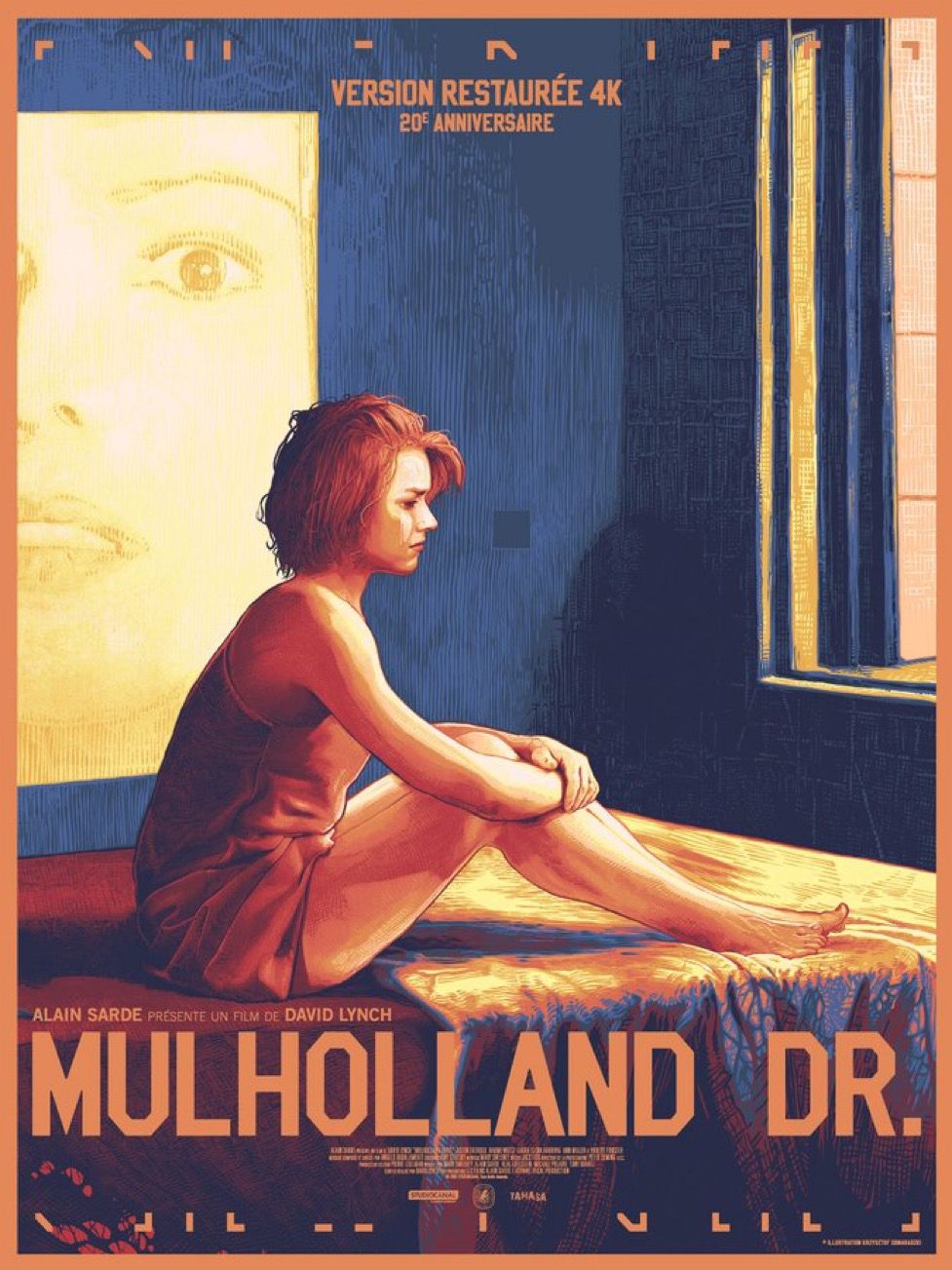
Betty arrives in Los Angeles to pursue acting, encountering Rita, an amnesiac woman who survived a car accident on Mulholland Drive. As they investigate Rita's identity, reality begins fracturing, dreams bleed into waking life, and the narrative itself collapses into something that cannot be parsed through conventional logic. David Lynch's masterpiece is intentionally enigmatic, a film that operates according to dream logic where meaning is felt rather than understood, where identities shift and narrative causality dissolves. Naomi Watts delivers a remarkable dual performance, playing both the wide-eyed optimist Betty and the broken Diane with such distinct energy that they feel like different people occupying the same face. Laura Harring's Rita is all mysterious surfaces, a woman who might be exactly what she appears or might be a fantasy constructed by a desperate mind.

Lynch shoots Los Angeles as a city of surfaces and shadows, where Hollywood dreams curdle into nightmares and success is always just out of reach. The film's structure, which seems to reset halfway through, has generated endless interpretation, but what makes Mulholland Drive work is its emotional truth beneath the narrative confusion. It's about the death of dreams, about how Hollywood chews up hopefuls and spits out broken people, about lesbian desire that cannot exist openly, and about how we construct elaborate fantasies to escape realities too painful to confront. Lynch understands that some experiences, particularly grief and unrequited love, feel like waking nightmares where logic fails and only sensation remains.
3. 🎬 Zodiac
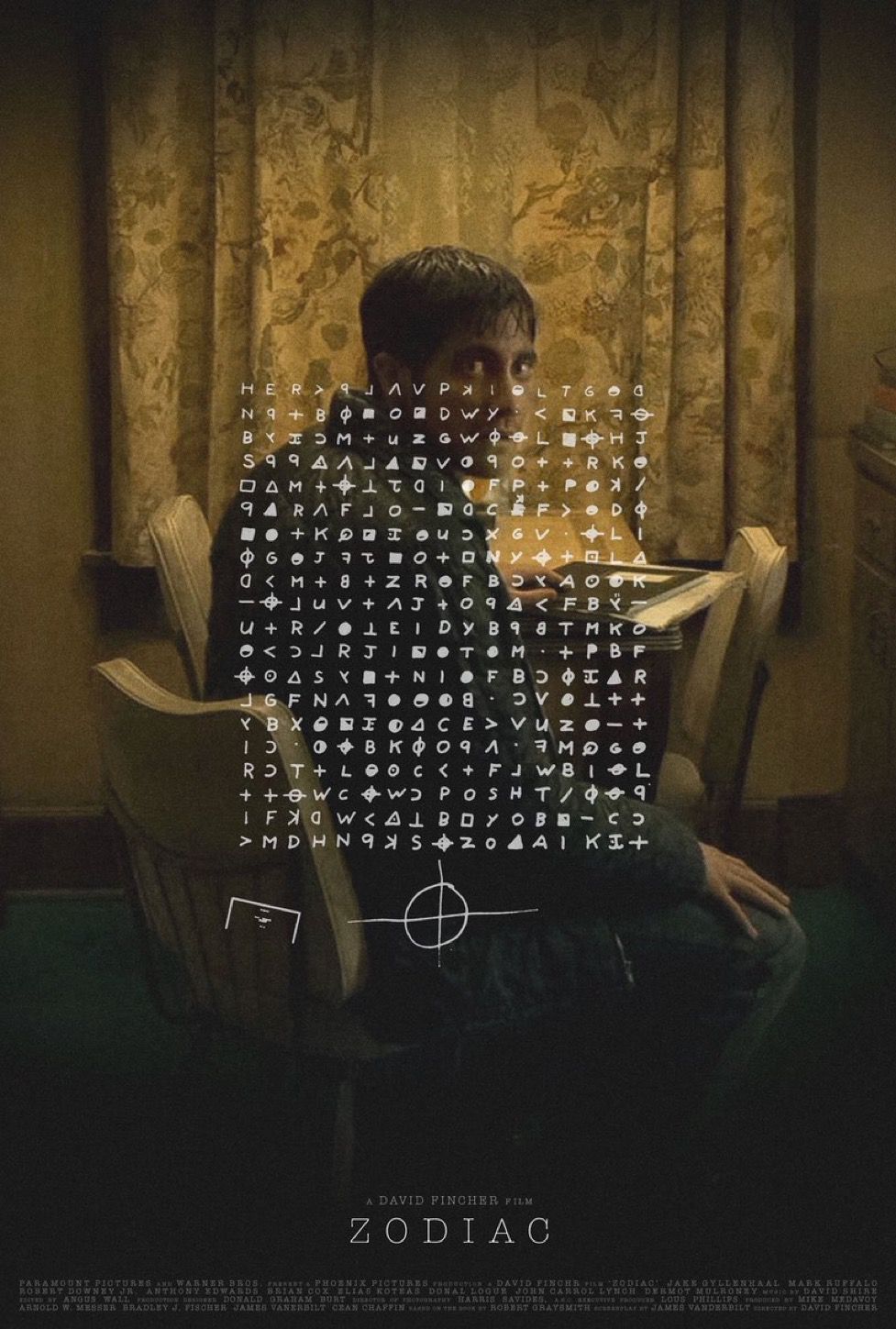
In the late 1960s and 70s, the Zodiac Killer terrorized San Francisco with murders and cryptic messages sent to newspapers, taunting police and the public while his identity remained maddeningly unknown. The film follows the obsessive investigation by a cartoonist, a journalist, and detectives whose pursuit of the killer consumes decades and destroys lives even as the case remains unsolved. David Fincher crafts a procedural that refuses typical thriller satisfaction, showing investigation as tedious, frustrating work where leads evaporate and suspects remain tantalizingly out of reach. Jake Gyllenhaal's Robert Graysmith embodies the danger of obsession, a man whose amateur investigation ruins his marriage and mental health in pursuit of answers he'll never definitively find. Mark Ruffalo and Anthony Edwards play detectives whose different approaches to the case, methodical versus intuitive, both ultimately fail against a criminal who simply stopped killing and disappeared.

Robert Downey Jr.'s journalist Paul Avery shows how covering horror corrodes those who witness it, his descent into alcoholism mirroring the case's unsolvability. Fincher's direction is meticulous, recreating period San Francisco with obsessive detail while maintaining procedural authenticity that makes every dead end feel crushing. What makes Zodiac exceptional is its understanding that some cases don't get solved, that obsession with truth can become as destructive as the crimes themselves, and that the real horror is not what the killer did but the knowledge that he got away with it, probably dying peacefully while those who hunted him remained haunted forever.
4. 🎬 The Machinist
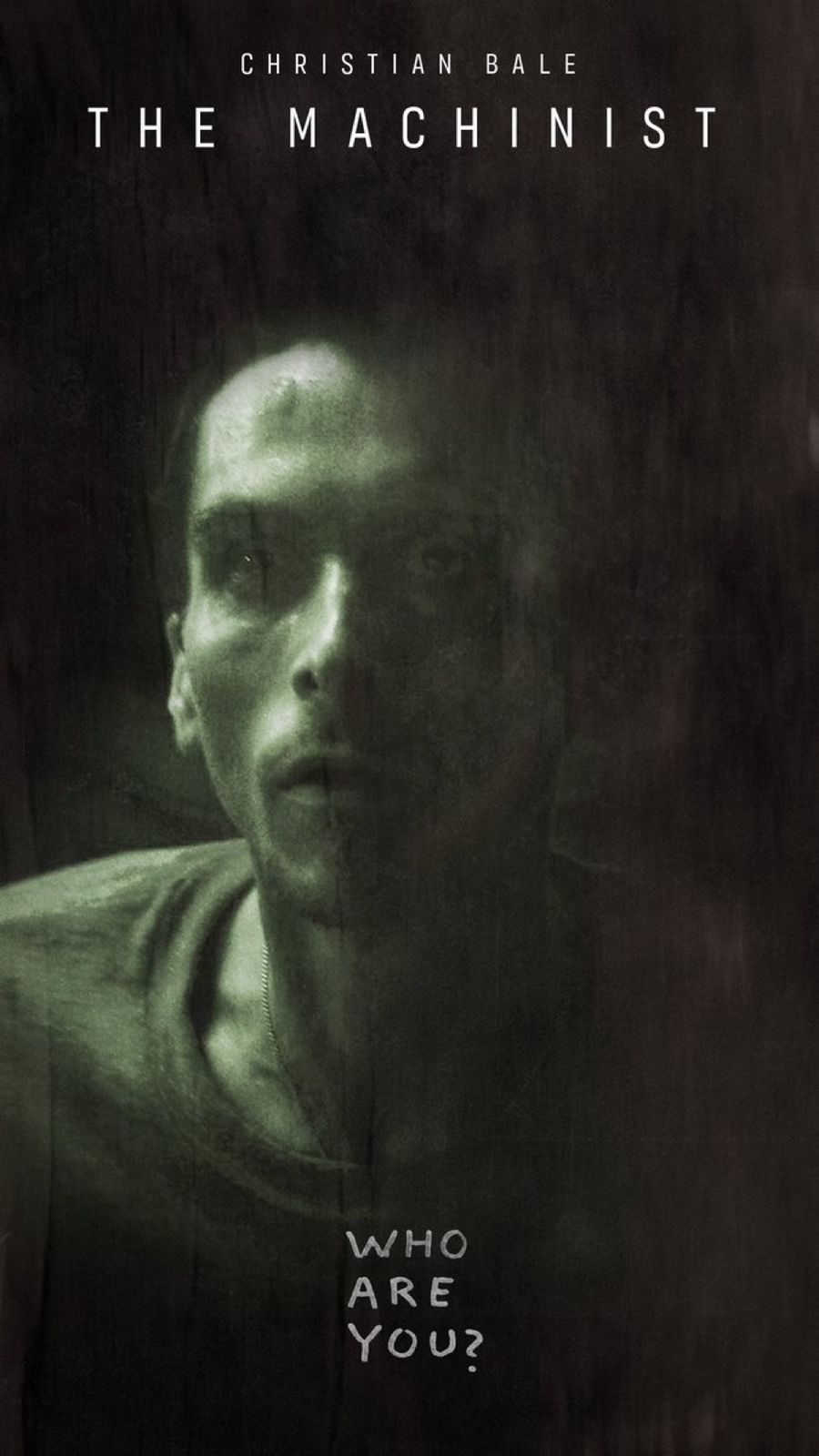
Trevor Reznik hasn't slept in a year, his insomnia manifesting in hallucinations, paranoia, and catastrophic weight loss that has reduced him to skeletal frame. Working as a machinist, he begins experiencing disturbing events, finding mysterious notes and encountering a coworker no one else seems to see, leading him toward a truth he's suppressed. Brad Anderson's film is a descent into psychological dissolution, using industrial settings and sickly color palette to externalize Trevor's internal decay. Christian Bale underwent shocking physical transformation, losing 63 pounds to play Trevor, making his appearance genuinely disturbing and giving his performance visceral authenticity that acting alone couldn't achieve.
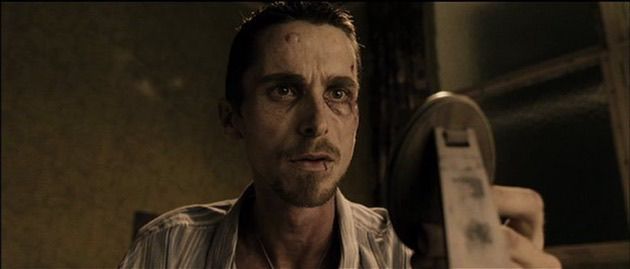
His hollow eyes and emaciated frame become visual representation of guilt eating someone from inside. The supporting cast, including Jennifer Jason Leigh as an airport waitress who offers affection and Michael Ironside as Trevor's hostile coworker, exist in spaces between reality and delusion. Anderson shoots the industrial landscape as hellish, all metal and shadows and machinery that threatens to crush human bodies. What makes The Machinist work is its commitment to psychological realism about trauma and repression, showing how the mind constructs elaborate defenses against unbearable guilt, and how those defenses, when they finally collapse, reveal truths that explain everything while offering no comfort whatsoever.
5. 🎬 The Vanishing
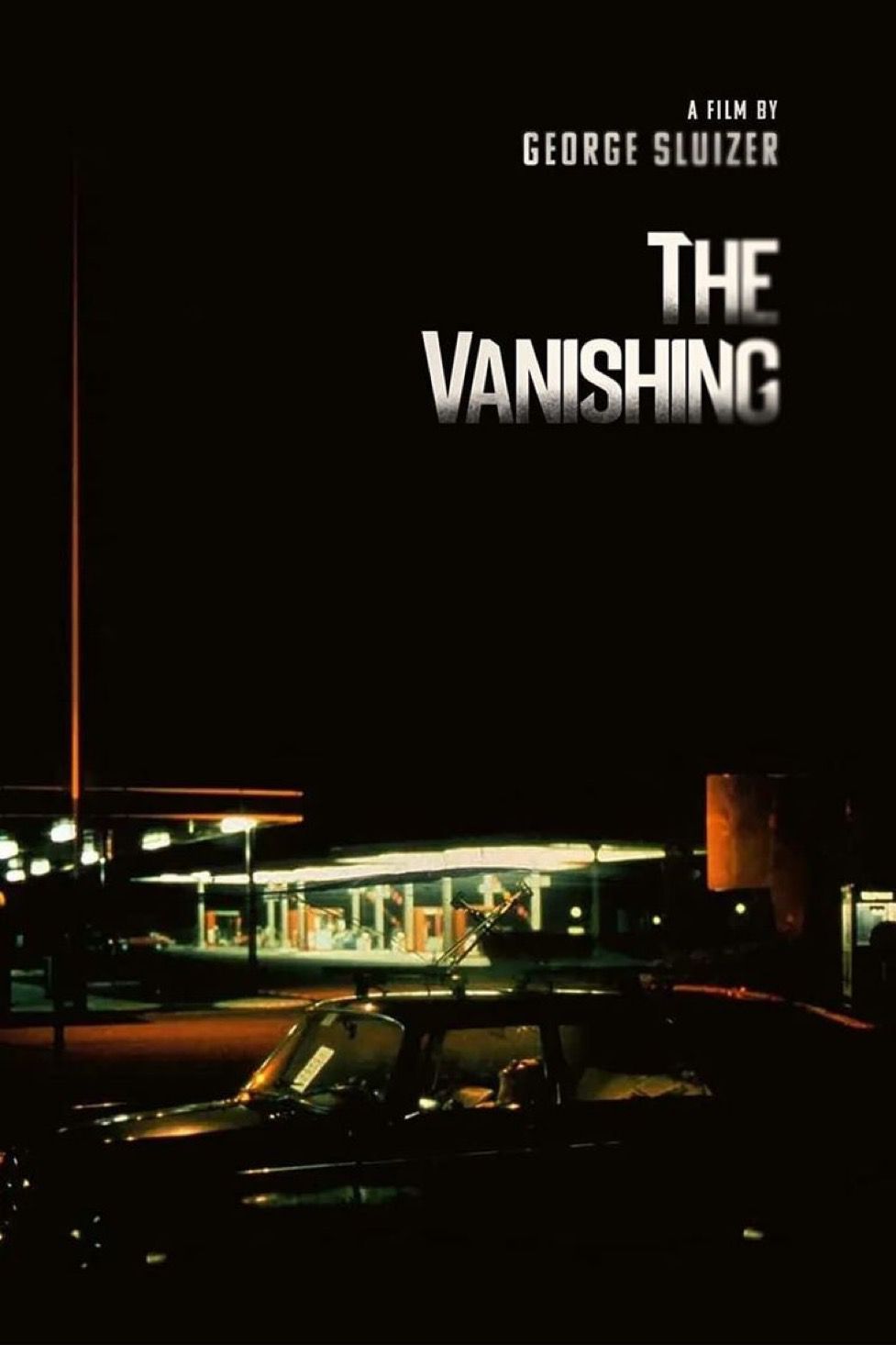
Rex and Saskia are a Dutch couple on vacation when Saskia disappears at a highway rest stop, vanishing without trace. Years pass and Rex becomes obsessed with discovering what happened, his need for answers eventually bringing him into contact with Raymond, the man who abducted Saskia, leading to a bargain that will reveal the truth. George Sluizer's Dutch-French thriller is remarkable for its patient structure, spending as much time with the killer as the victim's boyfriend, showing Raymond as disturbingly ordinary man conducting experiments in his own capacity for evil. Bernard-Pierre Donnadieu's Raymond is chillingly banal, a family man and chemistry teacher whose abduction of Saskia stems from intellectual curiosity about whether he's capable of committing pure evil rather than any sexual or violent impulse.
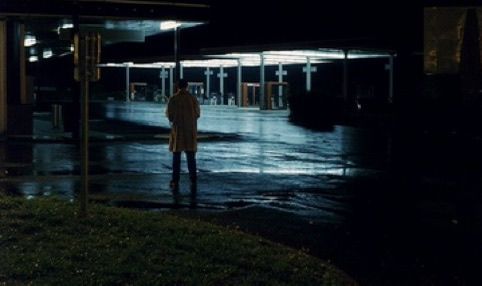
Gene Bervoets plays Rex's obsession with believable intensity, a man who cannot move forward until he knows, even as everyone tells him to let go. What makes The Vanishing genuinely terrifying is its climax, which delivers on its promise to show Rex exactly what happened to Saskia in a way that's both understated and absolutely horrifying. The film understands that the not knowing is torture, but that sometimes knowing is worse, and that closure is not the same as peace. Its ending is one of cinema's most disturbing, not through graphic violence but through the implications of what we don't see, and the realization that Rex's need for answers has led him to share Saskia's exact fate.
6. 🎬 The Wailing
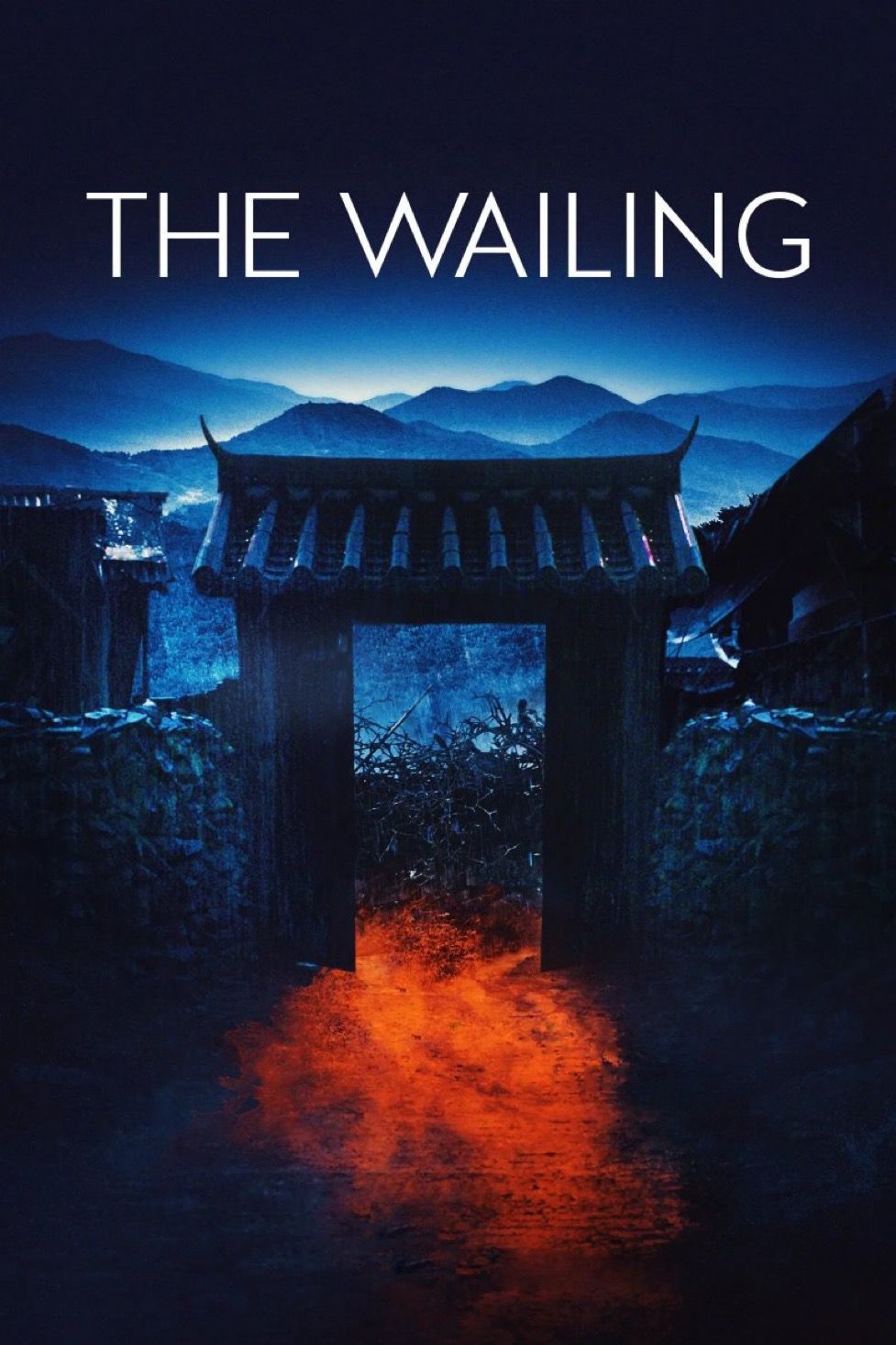
A mysterious illness spreads through a rural Korean village, causing violent outbursts and deaths, with suspicion falling on a Japanese stranger living in the mountains. Jong-goo, a bumbling police officer, investigates while his own daughter becomes infected, leading him through shamans, exorcisms, and escalating supernatural events where every explanation seems both plausible and insufficient. Na Hong-jin crafts a film that operates on multiple levels simultaneously, functioning as police procedural, supernatural horror, family drama, and theological allegory, never fully committing to any single interpretation. Kwak Do-won plays Jong-goo as an everyman completely out of his depth, his incompetence and desperation making him relatable even as his choices lead to catastrophe.
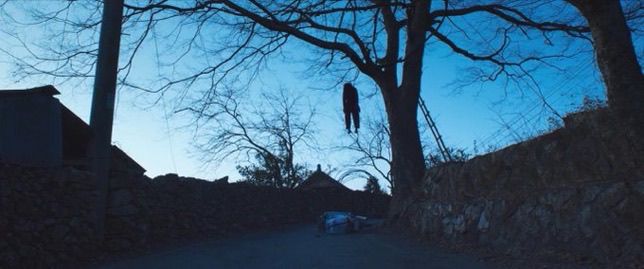
The film's supporting performances, particularly Kunimura Jun as the ambiguous stranger and Hwang Jung-min as the shaman, maintain constant uncertainty about who or what is truly evil. Na's direction builds dread through extended scenes that refuse to cut away, making the audience endure discomfort alongside the characters. What makes The Wailing exceptional is its refusal to provide clear answers, layering Christian, Buddhist, and shamanistic imagery in ways that support multiple readings, and its understanding that horror is most effective when we're never certain what we're fighting, when every action might be exactly wrong, and when the true evil might be our own failure to recognize what's happening until it's too late.
7. 🎬 Perfect Blue

Mima Kirigoe leaves her pop idol group to pursue acting, but a stalker begins blurring the lines between her public persona and private self, while a mysterious website called "Mima's Room" posts diary entries she didn't write. As violent deaths occur around her and her grip on reality weakens, the film plunges into fractured consciousness where performance and identity become indistinguishable. Satoshi Kon's debut is a landmark in animated psychological horror, using animation not for fantasy but to visualize psychological dissolution in ways live-action cannot. The film's editing is deliberately disorienting, cutting between reality, performance, and delusion without clear markers, making viewers share Mima's confusion about what's real. Kon explores how fame fractures identity, how performers must maintain personas that eventually consume their authentic selves, and how fans' projections create versions of celebrities that have nothing to do with the actual person.

What makes Perfect Blue prescient is its anticipation of internet culture, social media, and parasocial relationships decades before they became dominant, showing how technology allows us to construct and destroy identities remotely. The film's violence is shocking precisely because animation makes it feel both more and less real, creating distance that somehow intensifies rather than diminishes impact. It's a film about how we're all performing constantly, how identity is negotiated between self-perception and external projection, and how that negotiation can break minds when the gap becomes too wide.
8. 🎬 Psycho
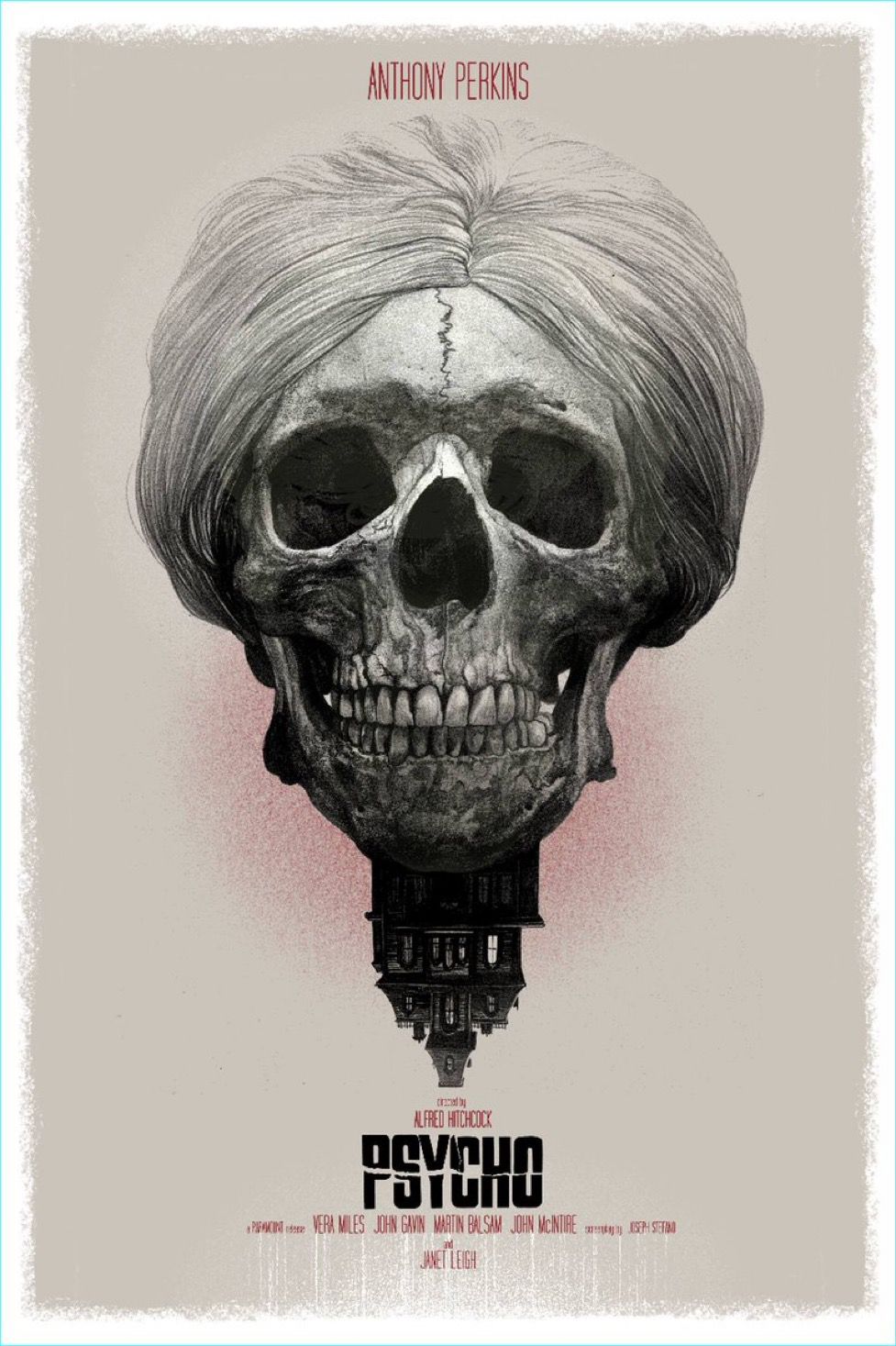
Marion Crane steals money from her employer and flees, checking into the isolated Bates Motel run by Norman Bates, a nervous young man dominated by his mother. What follows is a murder, an investigation, and revelations about the relationship between mother and son that shocked 1960s audiences and transformed horror cinema forever. Alfred Hitchcock's masterpiece is a film of two halves, the first following Marion's theft and flight, the second investigating her disappearance, with the famous shower scene serving as hinge that reorients everything. Janet Leigh brings vulnerability and desperation to Marion, making her sympathetic despite her crime, which makes her sudden, brutal murder genuinely shocking. Anthony Perkins creates one of cinema's most iconic performances as Norman, playing him as awkward and sympathetic while suggesting something wrong beneath the surface, making the final revelations simultaneously surprising and inevitable.
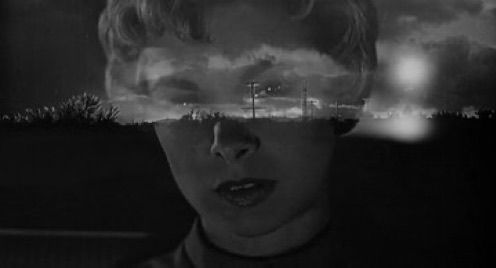
Hitchcock's direction is technically brilliant, particularly the shower sequence, which uses rapid cutting and Bernard Herrmann's shrieking strings to create violence more suggested than shown. What makes Psycho revolutionary is how it violates narrative expectations, killing its apparent protagonist halfway through, how it treats psychosexual dysfunction with unusual seriousness, and how it understands that the most terrifying monsters look like nervous young men who wouldn't hurt anyone, until suddenly they do.
9. 🎬 Memento
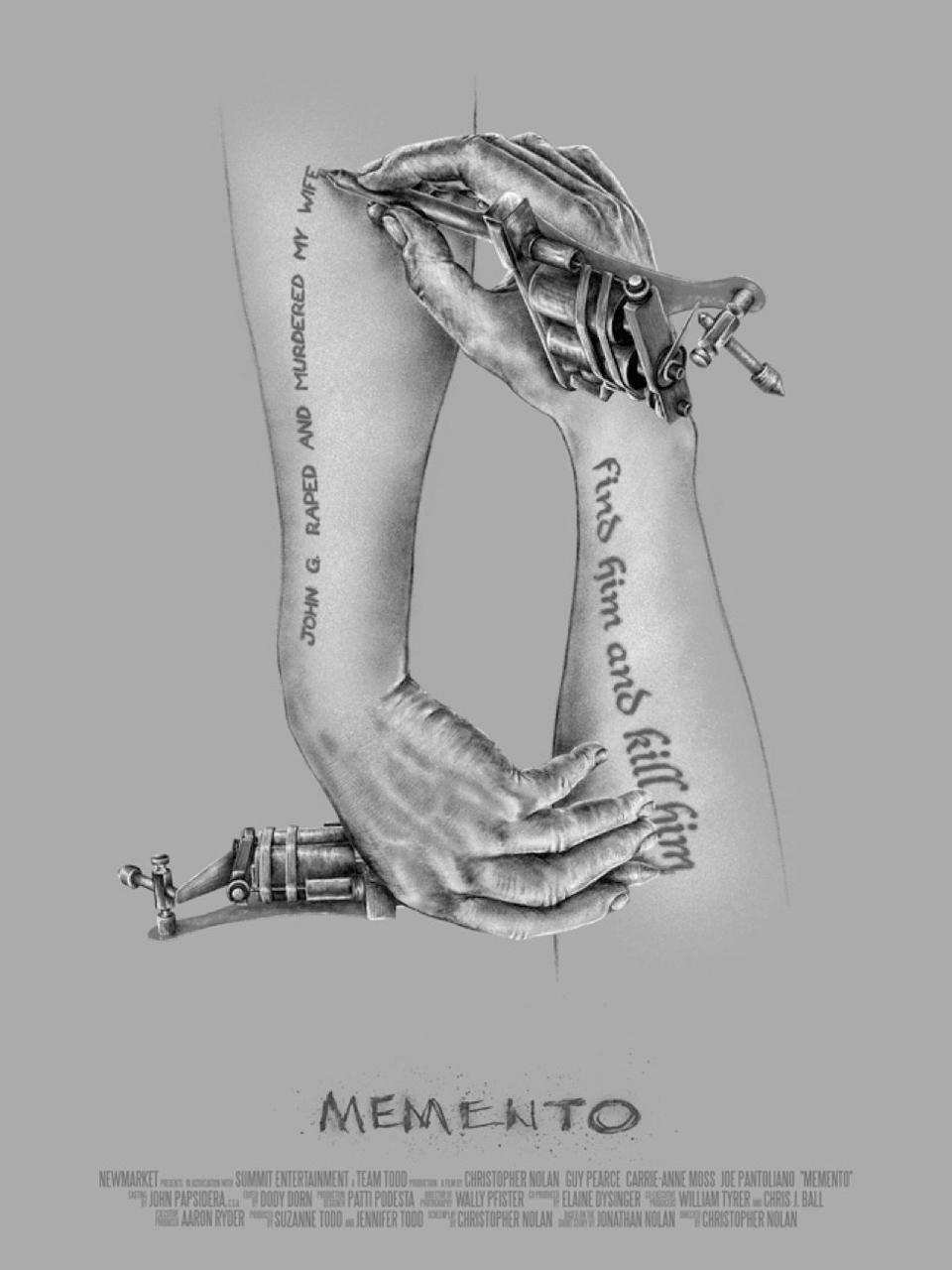
Leonard Shelby suffers from anterograde amnesia, unable to form new memories after the attack that killed his wife. To hunt her killer, he uses Polaroid photographs, tattoos, and notes, but his condition makes him vulnerable to manipulation by those who understand his limitations. Christopher Nolan's breakthrough film is told in reverse chronological order, color sequences moving backward while black-and-white scenes move forward, meeting in the middle to reveal a truth that recontextualizes everything. Guy Pearce plays Leonard with conviction that makes his quest feel heroic even as we increasingly suspect he's being used, his amnesia both genuine condition and convenient excuse. Carrie-Anne Moss and Joe Pantoliano play characters whose relationships to Leonard remain ambiguous, their trustworthiness constantly in question.
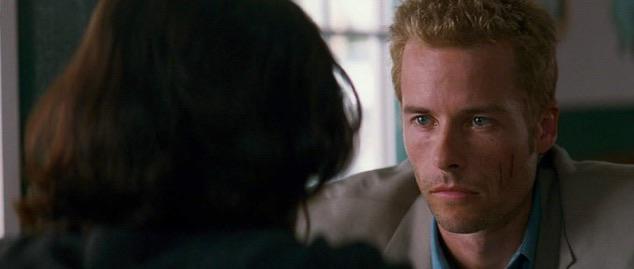
The reverse structure is not gimmick but essential to the film's meaning, making viewers share Leonard's confusion and forcing us to reassess each scene's meaning as new context emerges. What makes Memento brilliant is its exploration of how memory shapes identity, how we construct narratives about ourselves that may be false but are necessary for psychological survival, and how the inability to form new memories traps Leonard in eternal present where he can be manipulated endlessly because he'll forget the manipulation. The film's final revelation suggests that Leonard has chosen delusion over truth because truth would make his existence unbearable, making him both victim and architect of his own tragedy.
— The Cinéprism
Keep reading
31 / 08 / 2026 · 391 reads
10 Best Endings in Film
A curated list of 10 unforgettable movie endings that leave a lasting impact long after the credits roll.
11 / 01 / 2026 · 504 reads
11 Critically Acclaimed Netflix Shows
From royal sagas and psychological thrillers to groundbreaking true crime, discover the 11 essential series that define Netflix's golden era.