
Dispatch — Long Read
2026 Oscars Shortlist - Best International Feature Film
A diverse global lineup showcasing the strongest voices in world cinema heading into the 2026 Academy Awards.
The Cinéprism
17 / 12 / 2025 · 16 min read
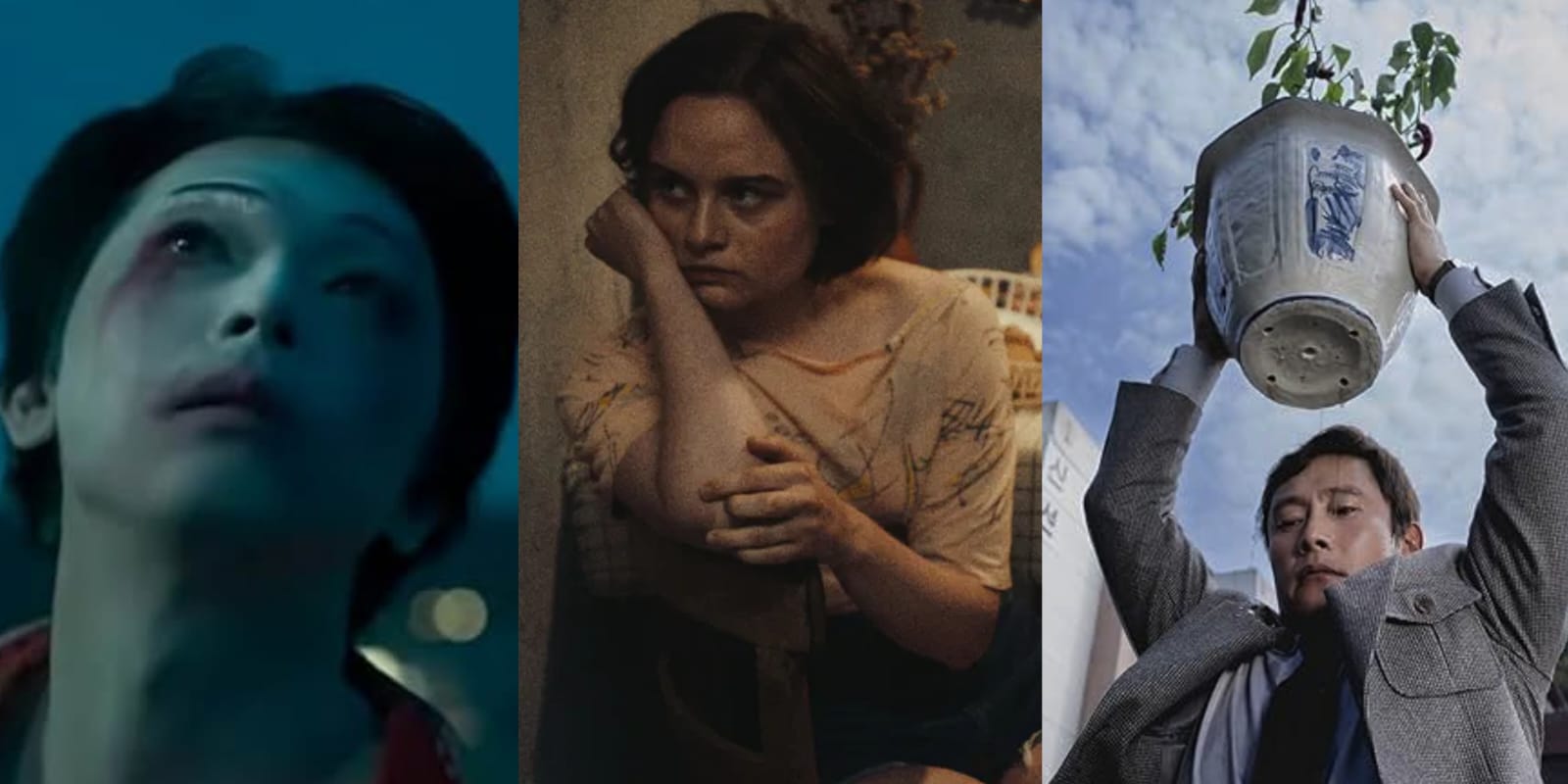
The Academy's shortlist for Best International Feature Film reveals a year where global cinema grappled with institutional violence, generational trauma, and the impossibility of escaping histories that refuse to stay buried. Unlike previous years dominated by crowd-pleasing narratives or formal experimentation for its own sake, the 2026 selection feels deliberately confrontational, populated by films that refuse comfort or easy catharsis. These are works that understand cinema's capacity to bear witness without claiming to heal, to examine complicity without offering absolution. What emerges from this collection is portrait of world cinema at its most politically urgent and formally rigorous, filmmakers using their medium to interrogate how power operates through violence both spectacular and bureaucratic, how societies process collective guilt, and whether art can intervene in cycles of harm or merely document them. The shortlist rewards patience and moral complexity over accessibility, creating lineup that challenges audiences to sit with discomfort rather than providing the emotional resolution typical Oscar narratives promise.
Argentina — Belén | Dir. Alejandro Landes
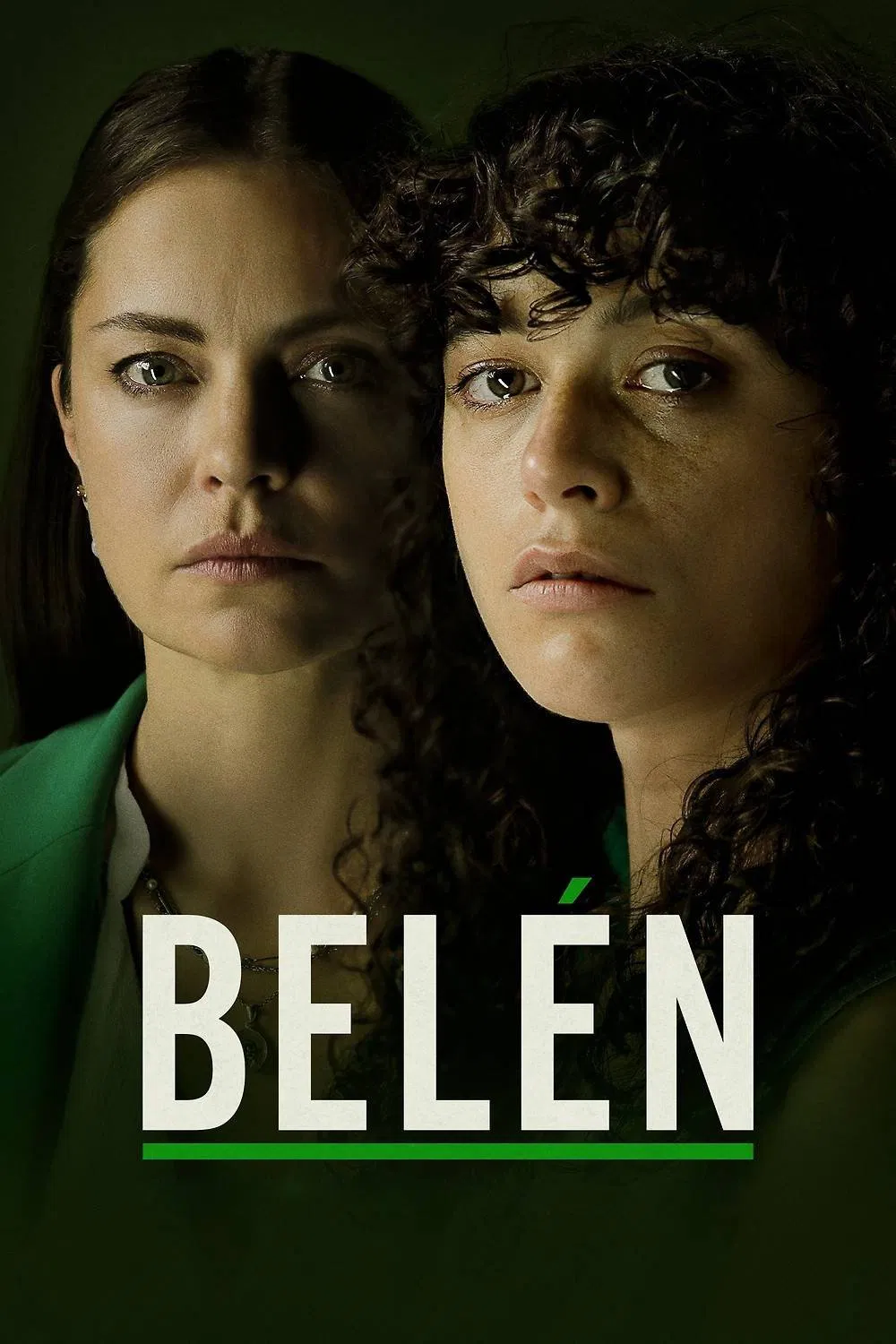
Landes returns to Argentina with film examining how disappeared persons cases continue haunting families decades after dictatorship ended, following a woman whose mother vanished during the Dirty War as she navigates between demands for closure and recognition that some wounds never heal. The film operates as inverse of his previous work The Kings of the World, replacing that film's forward momentum with static examination of how trauma freezes time, how waiting for bodies that may never be found creates permanent suspension between grief and hope. What makes Belén essential is its refusal to provide the disappeared body or definitive answers about what happened, instead showing how absence itself becomes presence that structures entire lives, how the protagonist's inability to mourn properly because there's no body to bury means her mother's disappearance remains perpetually present rather than becoming past.
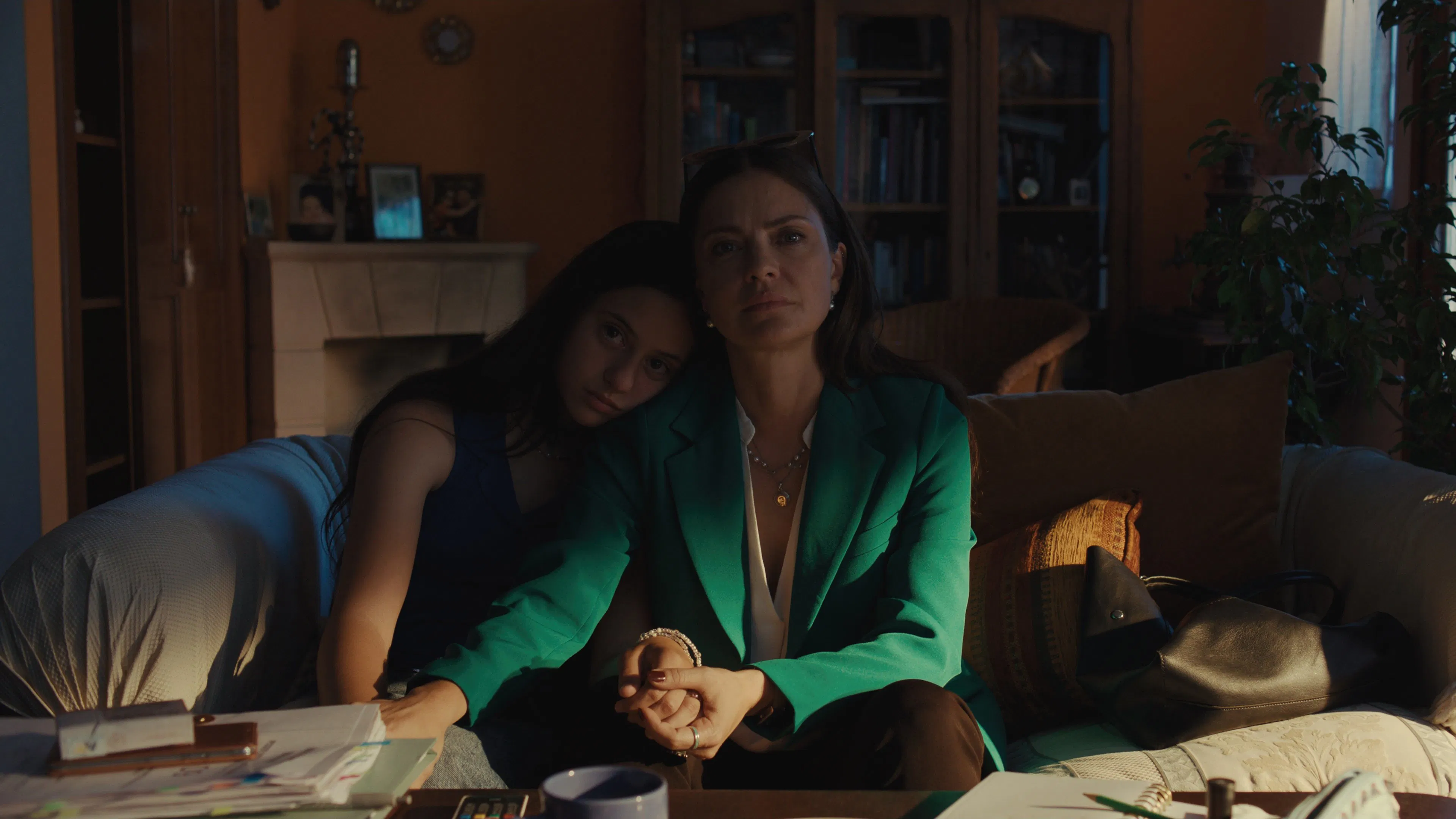
Landes shoots contemporary Buenos Aires with emphasis on absences and empty spaces, locations where people used to be creating negative images that suggest the disappeared haunt not through ghostly presence but through their continued absence from spaces they should occupy. The film examines how Argentina's reckoning with dictatorship remains incomplete, how families of the disappeared are told to move forward when they're still waiting for acknowledgment and accountability that decades of democracy haven't provided, showing how transitional justice often means asking victims to accept compromises that perpetrators never face.
Brazil — The Secret Agent | Dir. Kleber Mendonça Filho
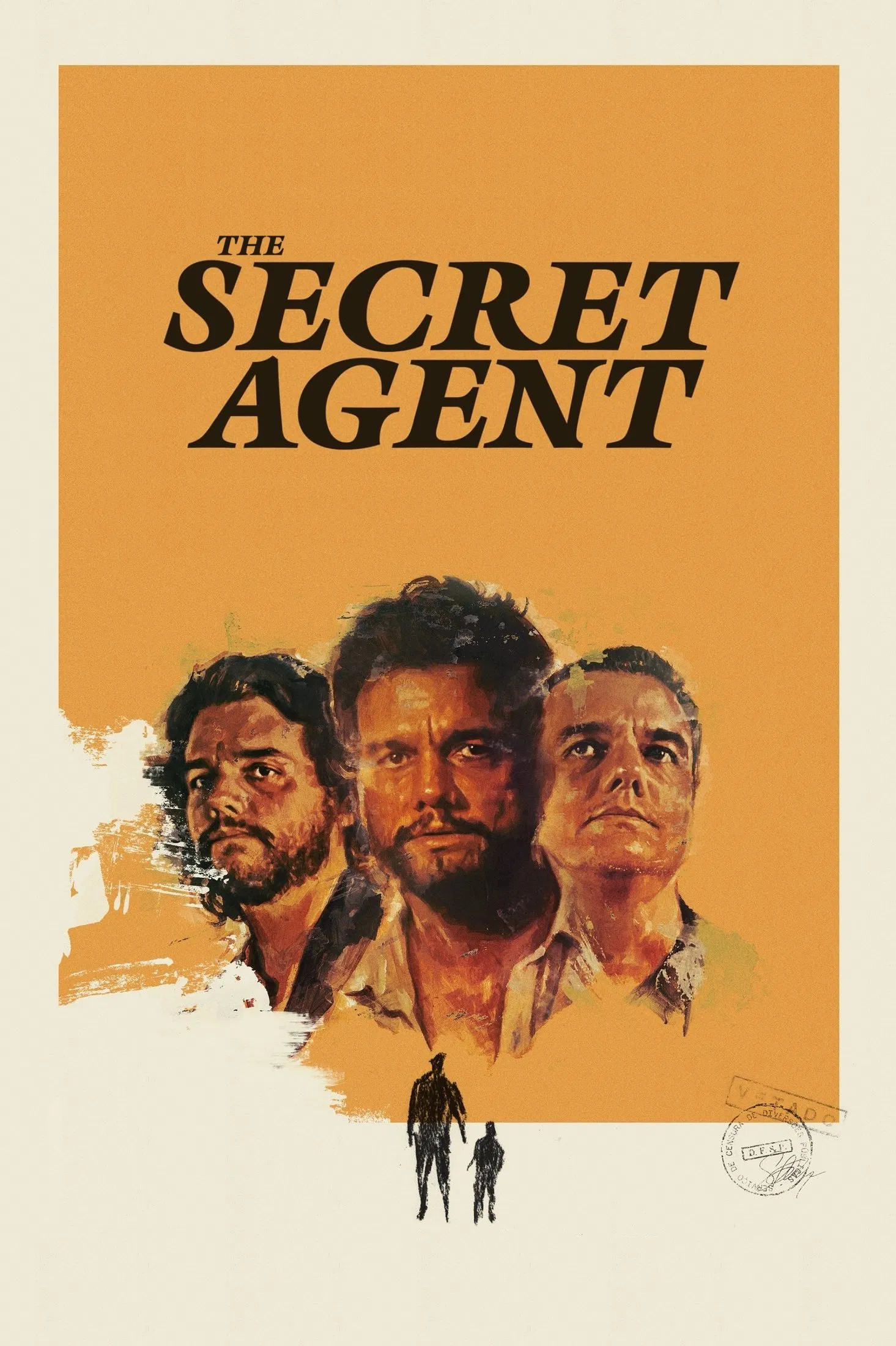
Mendonça Filho creates espionage thriller as examination of surveillance capitalism and state power, following intelligence operative whose work monitoring citizens for authoritarian regime makes him complicit in violence he claims to oppose. The film operates as companion piece to Bacurro's genre deconstruction, using spy movie conventions to examine how surveillance operates not through dramatic confrontations but through bureaucratic routine, showing how agents become so immersed in monitoring others' lives that they lose capacity for genuine human connection outside professional context. What distinguishes The Secret Agent is its examination of how digital surveillance has made Orwellian dystopia mundane reality, showing how algorithms and data collection create conditions where privacy is fiction and everyone's online presence is evidence waiting to be weaponized.
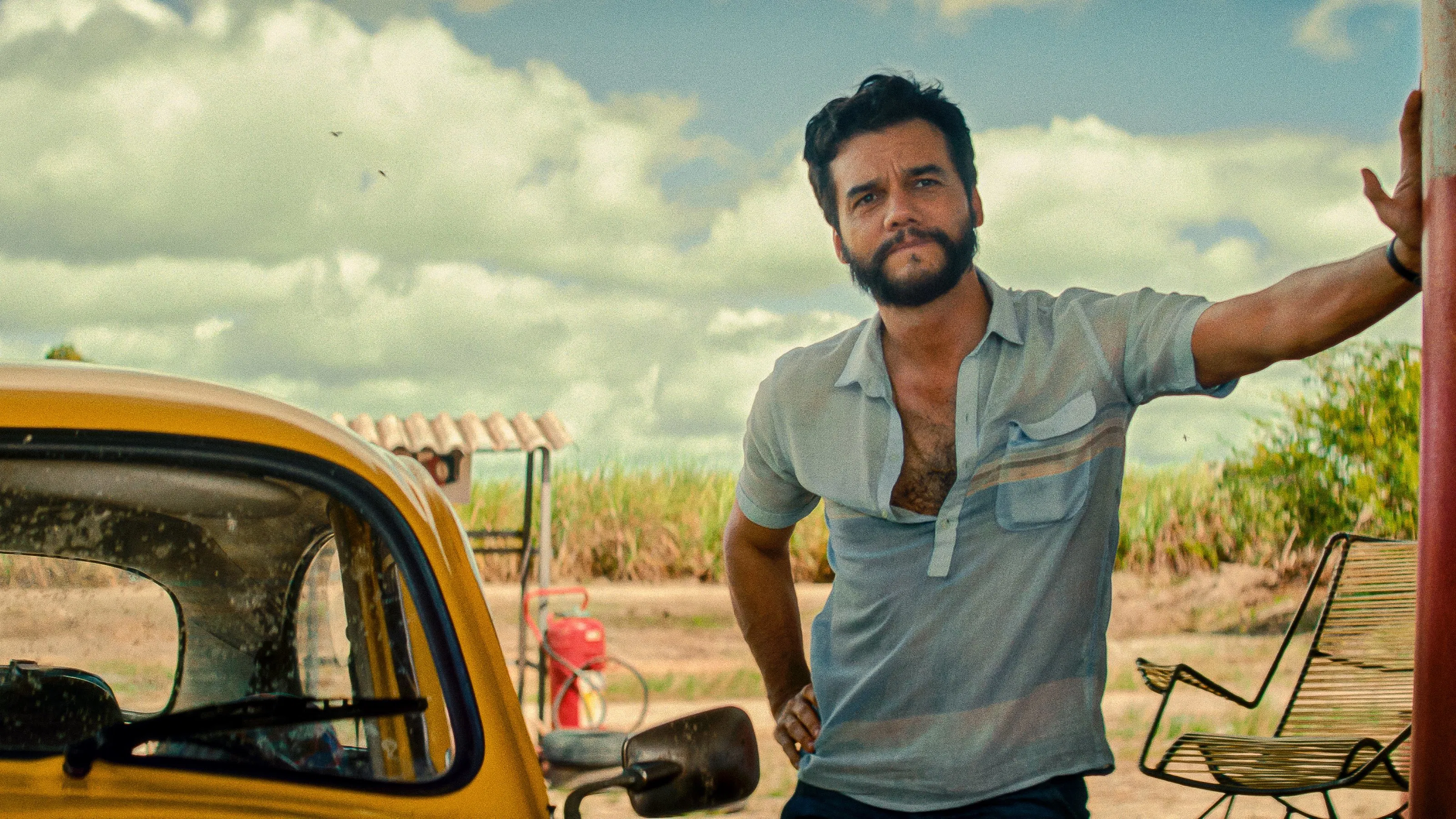
Mendonça Filho shoots Brasília's modernist architecture as perfect setting for surveillance state, the city's geometric precision and sight lines creating environment designed for observation and control, making visible how urban planning itself can be instrument of power. The film examines how people rationalize participating in repressive systems, showing the protagonist as someone who genuinely believes he's protecting democracy while his work destroys the freedoms that make democracy meaningful, his cognitive dissonance creating portrait of how ordinary people enable authoritarianism through incremental compromises that seem reasonable given institutional pressures.
France — It Was Just an Accident | Dir. Justine Triet
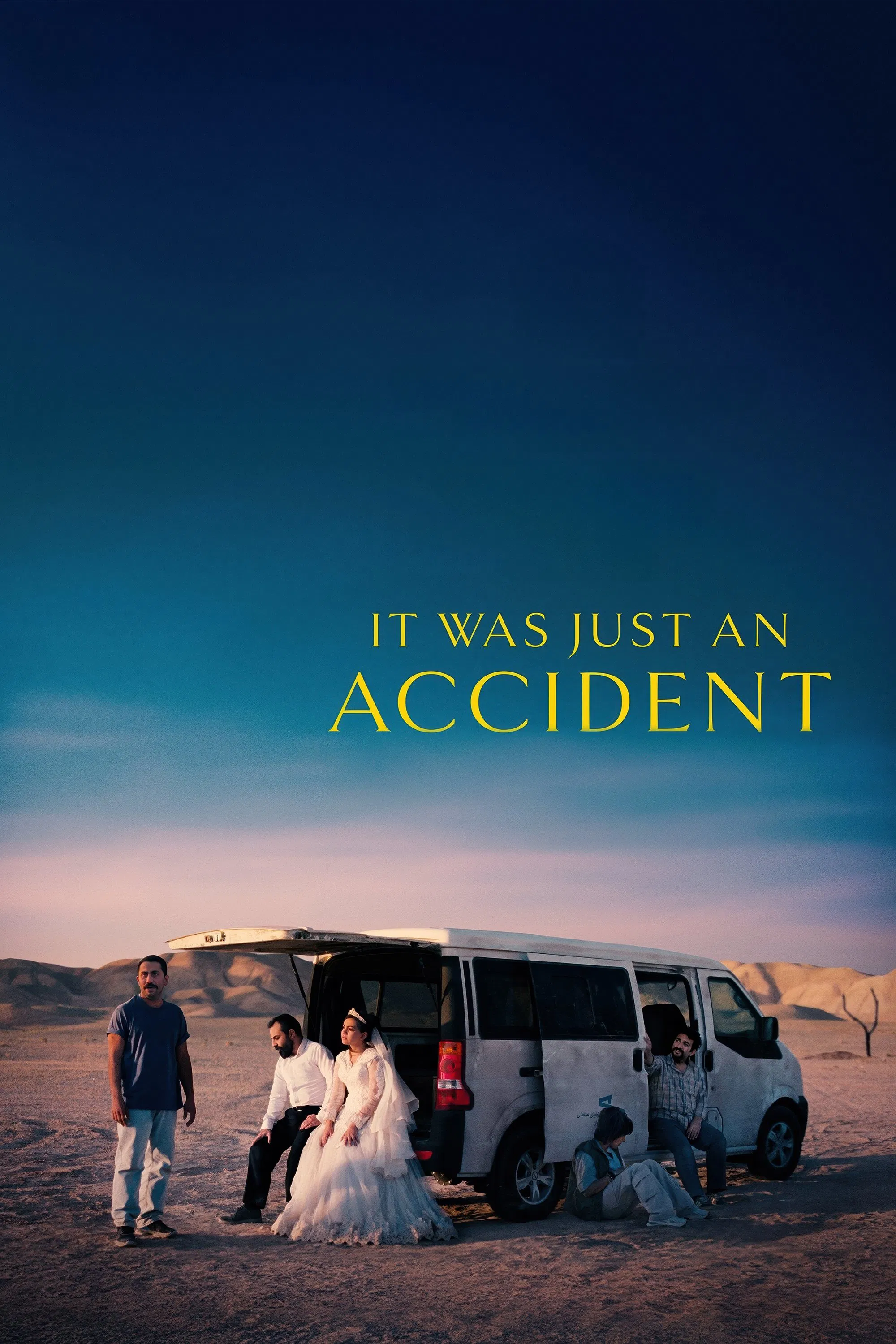
Triet follows Anatomy of a Fall with examination of how accidents become contested narratives, following aftermath of industrial disaster where determining responsibility requires navigating corporate liability, worker safety regulations, and class dynamics that make some lives more valuable than others. The film operates as procedural investigation showing how truth is constructed through competing expert testimonies and legal strategies, each side deploying evidence that supports their interpretation while dismissing alternative readings, creating portrait of justice system where truth matters less than persuasive argumentation. What makes It Was Just an Accident compelling is Triet's examination of how corporations use language of accidents to obscure their culpability, showing how systemic safety failures are reframed as individual worker errors or statistical inevitabilities, how calling something accident implies no one is responsible when actually it means responsibility is so diffuse that holding anyone accountable becomes impossible.
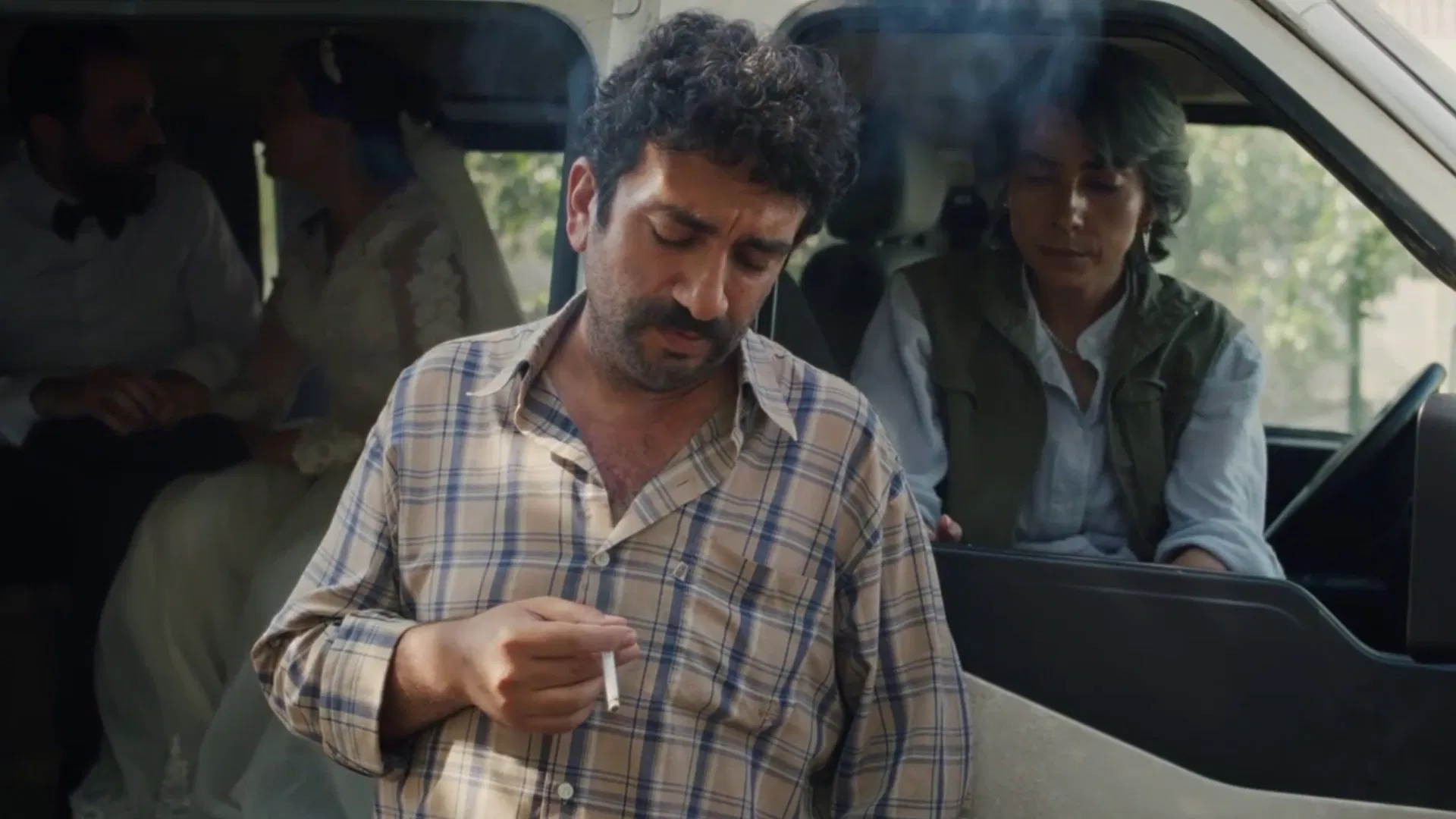
The film's structure mirrors legal proceedings, witnesses and experts presenting contradictory versions of events until the viewer becomes jury trying to determine what actually happened based on incomplete and self-serving evidence. Triet shoots the industrial site with documentary precision, showing how workplace safety is always calculation about acceptable risk, how companies determine that some number of worker deaths is economically rational cost of doing business, making visible how capitalism operates through treating human life as variable in profit equations.
Germany — Sound of Falling | Dir. Christian Petzold
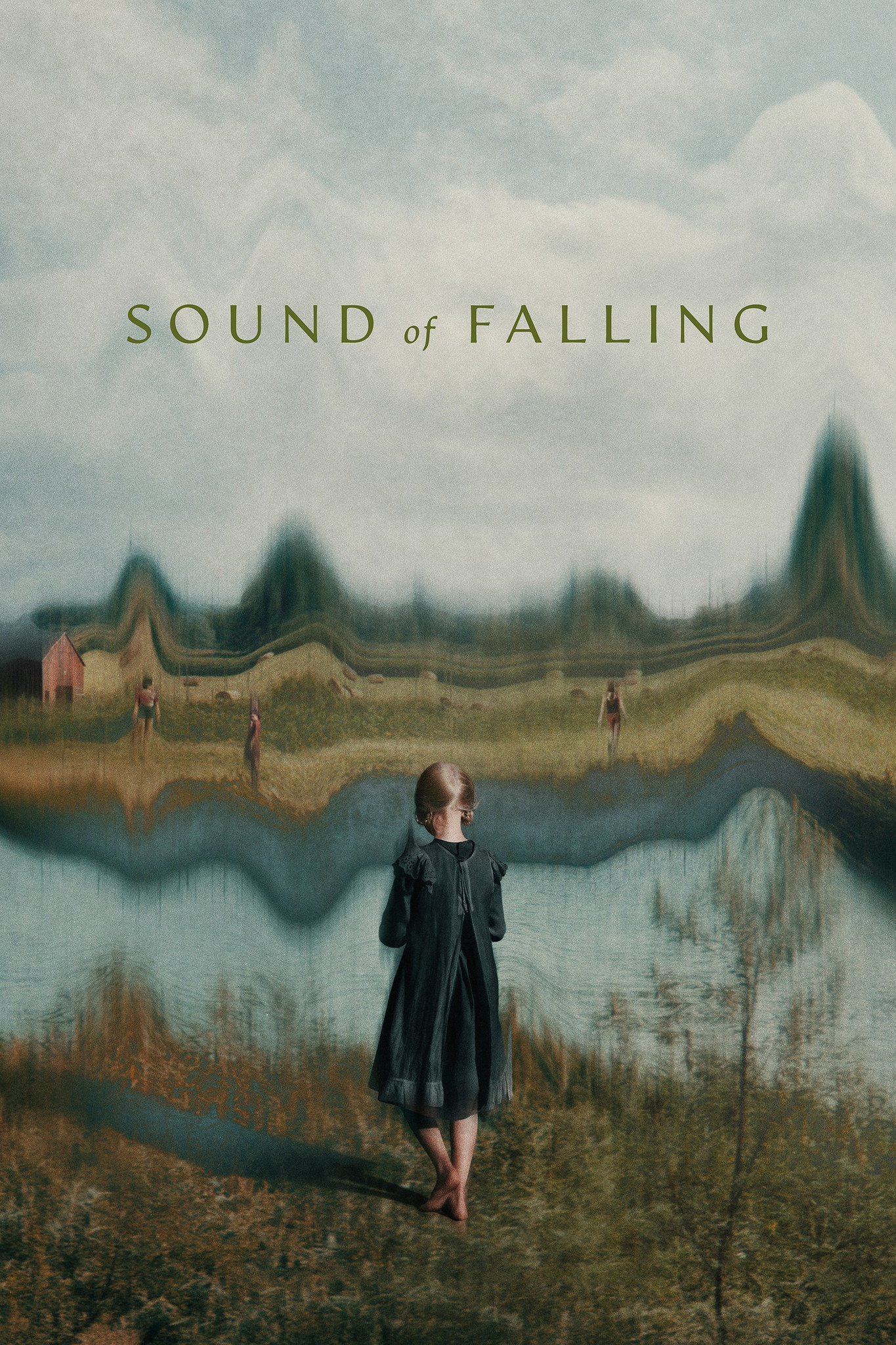
Petzold creates ghost story about Germany's Nazi past, following architect restoring historical building who discovers the previous occupants' crimes during Holocaust, the revelation forcing confrontation with how present comfort is built on historical atrocity. The film operates as examination of how postwar Germany has processed or failed to process collective guilt, showing how contemporary Germans live in spaces that witnessed horrors they'd prefer to forget, how restoration and preservation can be forms of denial when they aestheticize buildings without acknowledging what happened inside them. What distinguishes Sound of Falling is Petzold's use of architecture as memory, showing how buildings retain traces of their histories even when renovated, how spatial configurations reveal their original purposes, making the past literally present in structures that contemporary inhabitants try to use as though history can be plastered over.
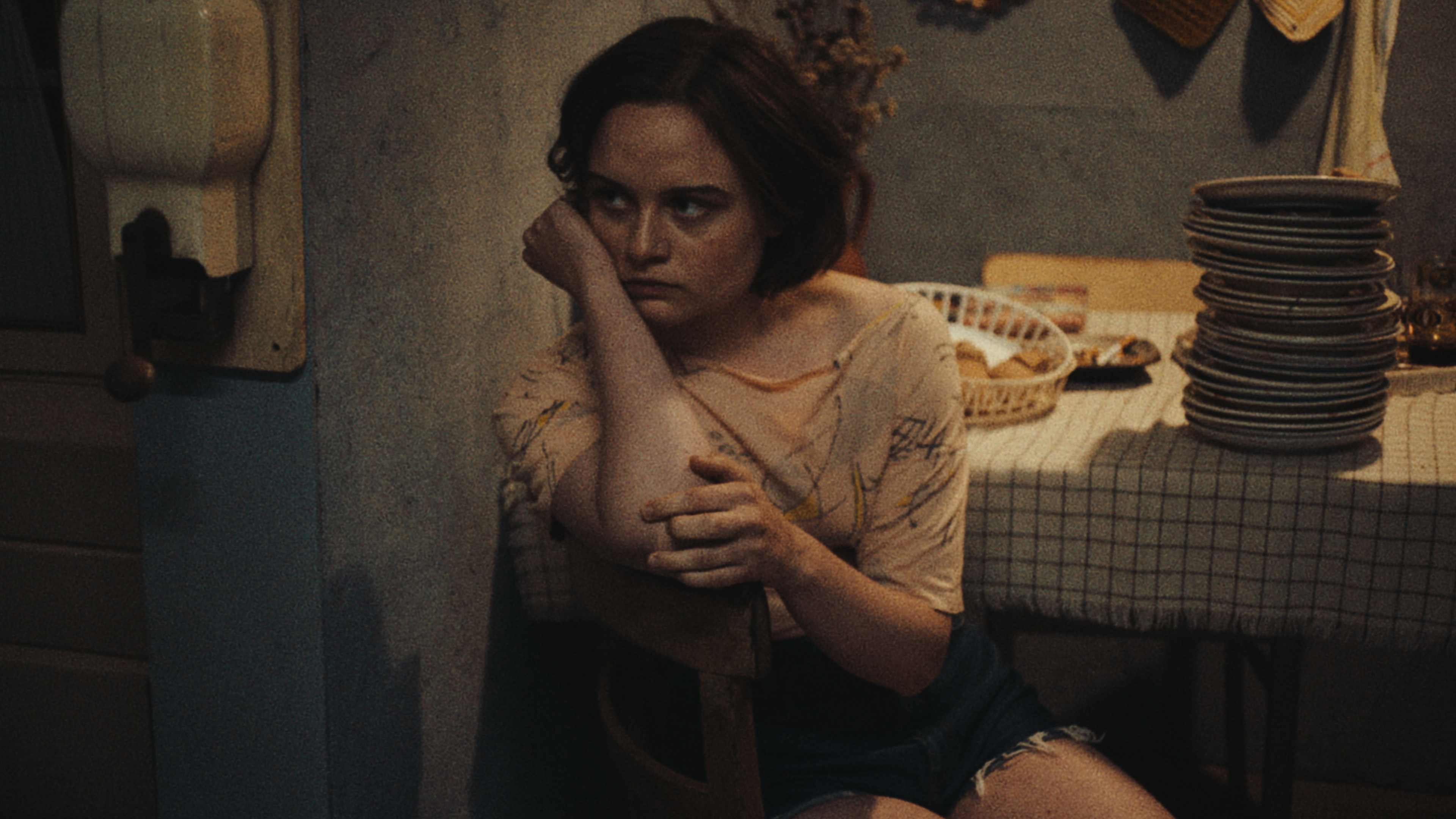
The film examines intergenerational transmission of trauma and guilt, showing how the architect's generation inherited wealth and property accumulated through theft and genocide, how their attempts to distance themselves from Nazi past are complicated by material benefits they continue enjoying as direct result of that history. Petzold shoots the building with emphasis on sounds and unexplained presences, creating atmosphere where past isn't supernatural haunting but structural feature of present, showing how ignoring history doesn't make it disappear but just makes its eruptions more disturbing when they inevitably occur.
India — Homebound | Dir. Payal Kapadia
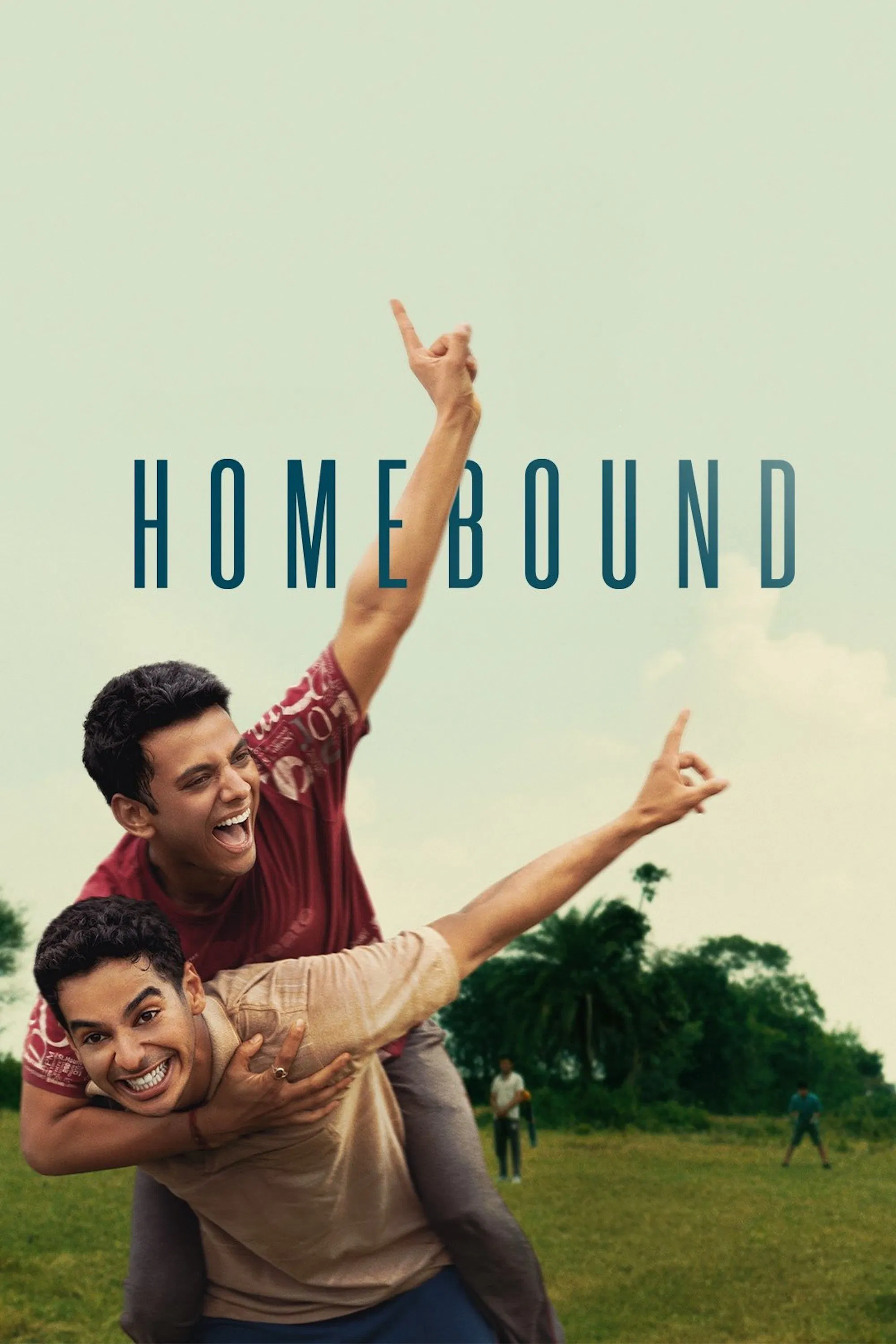
Kapadia follows All We Imagine as Light with examination of return migration, showing workers who left villages for city opportunities returning home as pandemic destroys urban employment, their homecoming revealing how modernization has transformed rural India into something unrecognizable. The film operates as inverse of typical migration narratives, showing not the journey to cities seeking opportunity but the defeated retreat to places that no longer feel like home, how absence transforms both the person who left and the place they return to, making reunion impossible even as physical return happens. What makes Homebound essential is its examination of how neoliberal development has destroyed traditional livelihoods without providing stable alternatives, showing how agricultural communities have been transformed into labor pools for urban industries that provide neither security nor dignity, leaving people suspended between rural economies that can't sustain them and urban opportunities that proved illusory.
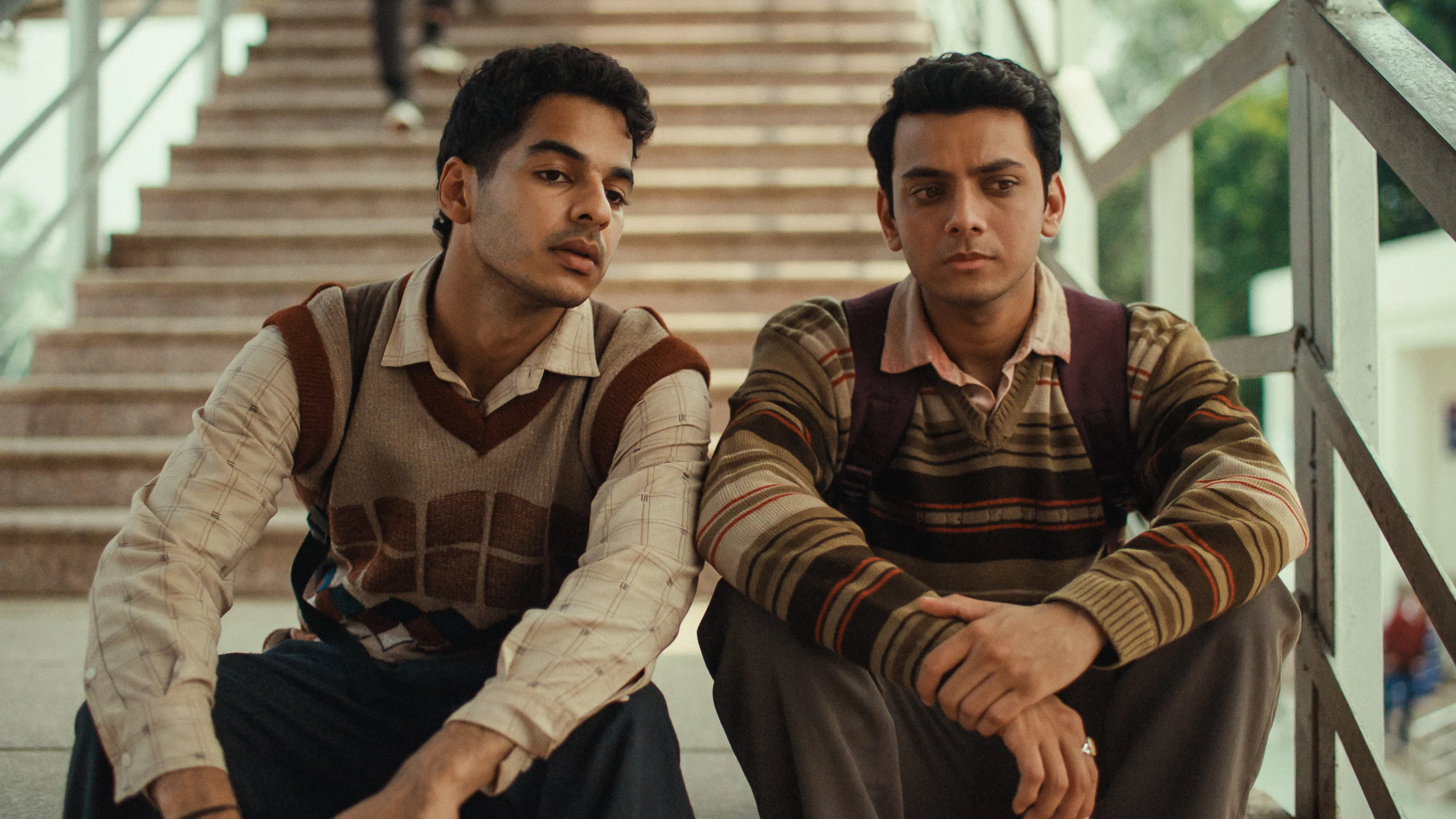
Kapadia shoots rural Maharashtra with attention to how landscape has changed, showing irrigation systems, highways, and cell towers as markers of development that's simultaneously genuine improvement and form of dispossession, how connection to global economy makes communities vulnerable to distant economic shocks. The film examines how families negotiate the gap between expectations about urban success and reality of precarious labor, showing how migrants return having failed to achieve the prosperity that justified their departure, their inability to provide remittances or bring back wealth creating tensions with relatives who stayed and managed to survive without leaving.
Iraq — The President's Cake | Dir. Waad Al-Kateab
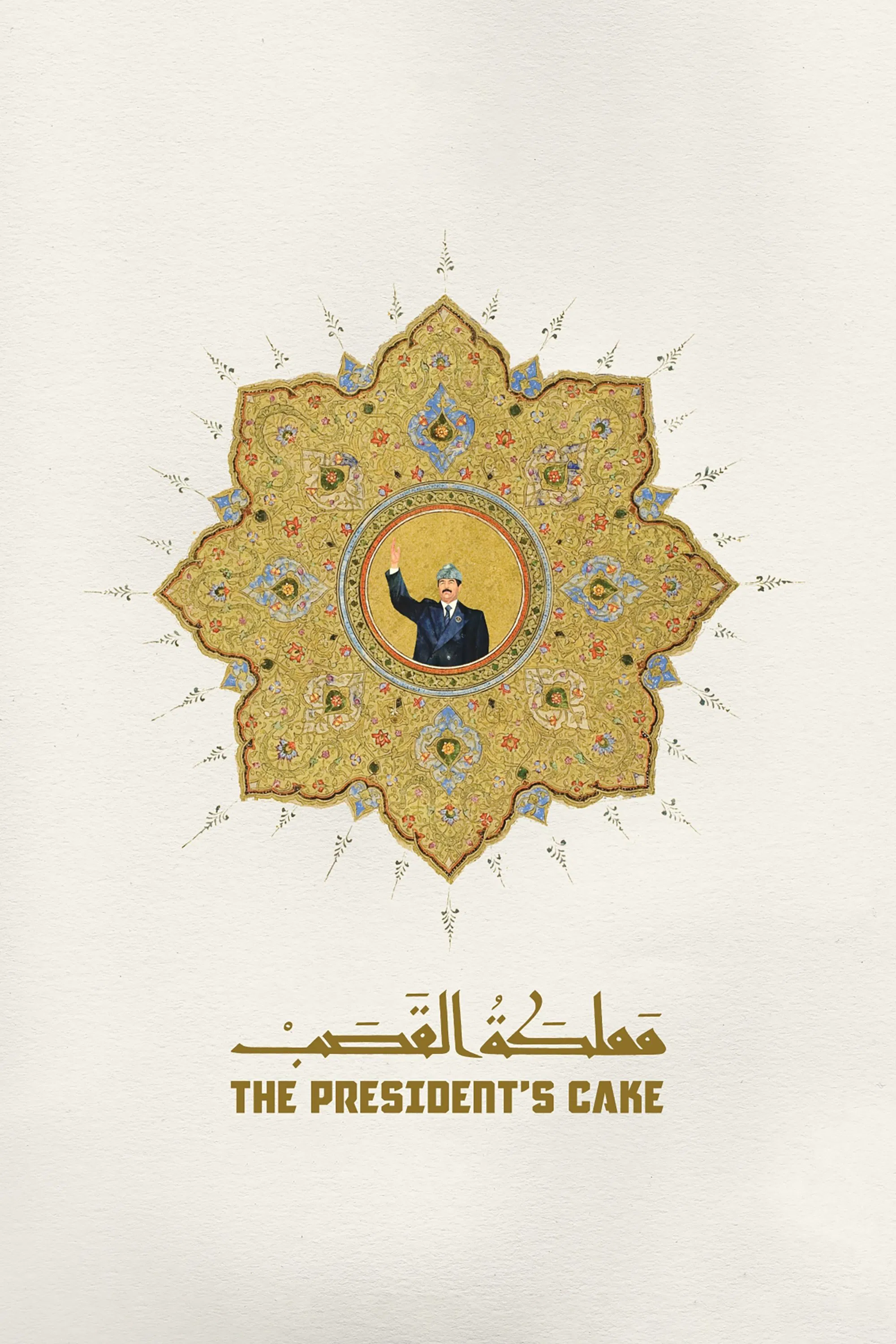
Al-Kateab creates dark satire about power and survival, following baker in Baghdad commissioned to make cake for president's birthday, the assignment becoming nightmare navigation of competing authorities and sectarian violence. The film operates as examination of how ordinary people survive authoritarian systems through strategic obsequiousness and careful neutrality, showing how the baker must please everyone while offending no one, how in environments where wrong gesture means death, every interaction becomes performance requiring perfect calibration. What distinguishes The President's Cake is its use of absurdist comedy to examine genuine horror, showing how the baker's increasingly elaborate attempts to satisfy contradictory demands become metaphor for how civilians navigate environments where multiple armed groups claim authority and all will kill you for insufficient loyalty.
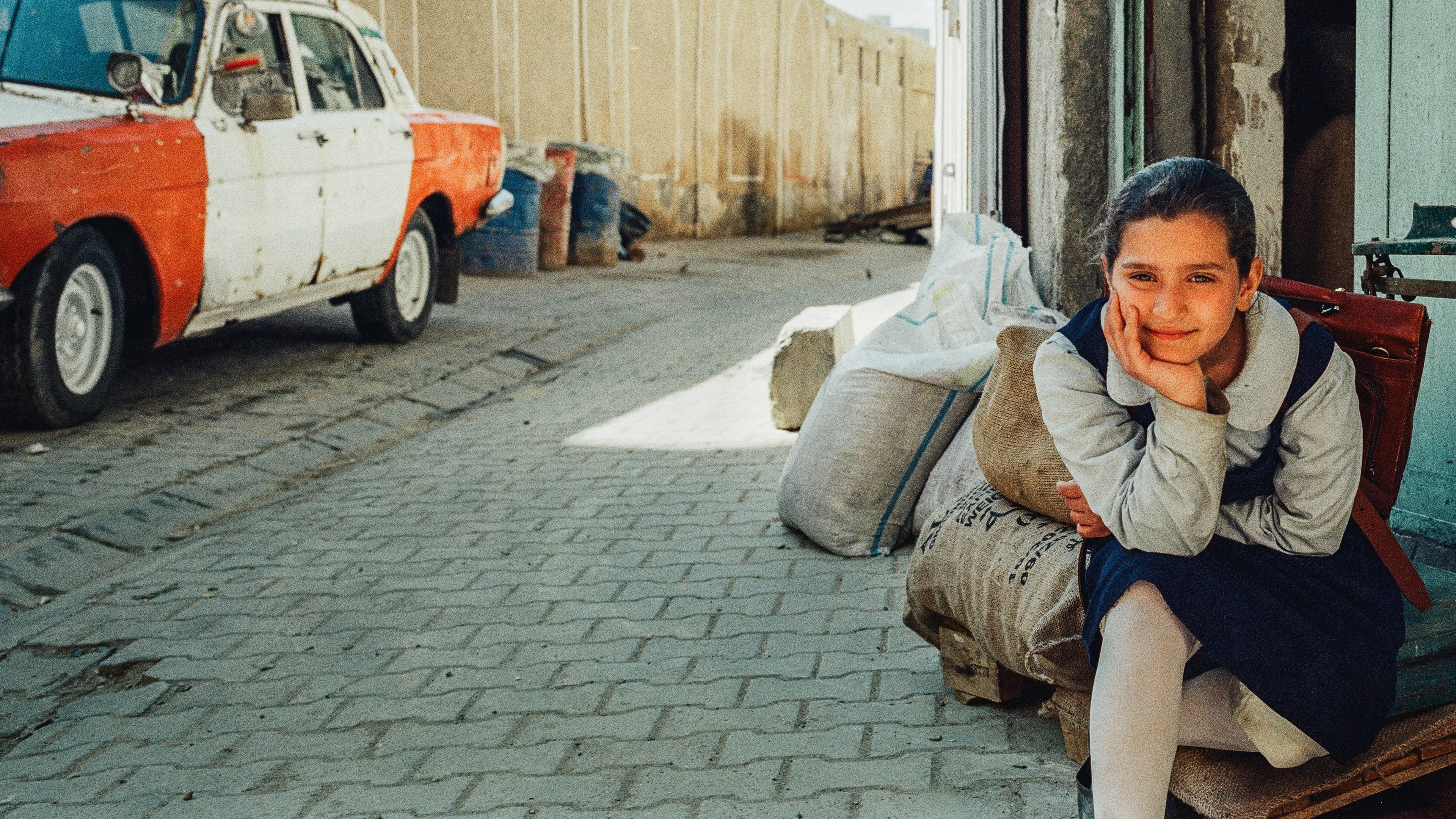
The film examines post-invasion Iraq as space where state authority has fragmented but violence has intensified, showing how absence of single sovereign power doesn't create freedom but rather situation where everyone with guns claims right to command and punish, making survival require navigating competing claims without resources to satisfy any of them. Al-Kateab shoots Baghdad with emphasis on checkpoints and barriers, showing city carved into territories controlled by different factions, the baker's journey to deliver the cake requiring passage through multiple jurisdictions where wrong documentation or insufficient bribe means death, making simple task of crossing city into expedition through hostile territory.
Japan — Kokuho | Dir. Ryusuke Hamaguchi

Hamaguchi examines Japan's system of Living National Treasures, following aging craftsman designated as cultural property by government, exploring how tradition becomes frozen and commodified when institutionally recognized. The film operates as meditation on craft and authenticity, showing how state recognition meant to preserve traditional skills actually transforms them into performances of tradition rather than living practices, how being declared national treasure creates obligation to remain unchanging even as craft requires adaptation to survive. What makes Kokuho compelling is Hamaguchi's examination of how preservation can be form of death, showing how the craftsman's work becomes museum piece rather than functional object, how his designation means younger generations study his techniques as historical artifacts rather than skills applicable to contemporary needs, making tradition something to be observed rather than continued.

The film's structure uses Hamaguchi's characteristic long takes and conversation-based scenes, showing the craftsman discussing his work with students, bureaucrats, and his own family, each conversation revealing different understanding of what tradition means and whether preservation serves the craft or just maintains appearances that satisfy cultural nostalgia. Hamaguchi shoots the craftsman's work with documentary precision, showing technique in sufficient detail that viewers understand the skill involved while also recognizing how few people need or can afford these objects in contemporary Japan, making visible how economic changes make certain forms of mastery obsolete regardless of their cultural value.
Jordan — All That's Left of You | Dir. Darin J. Sallam
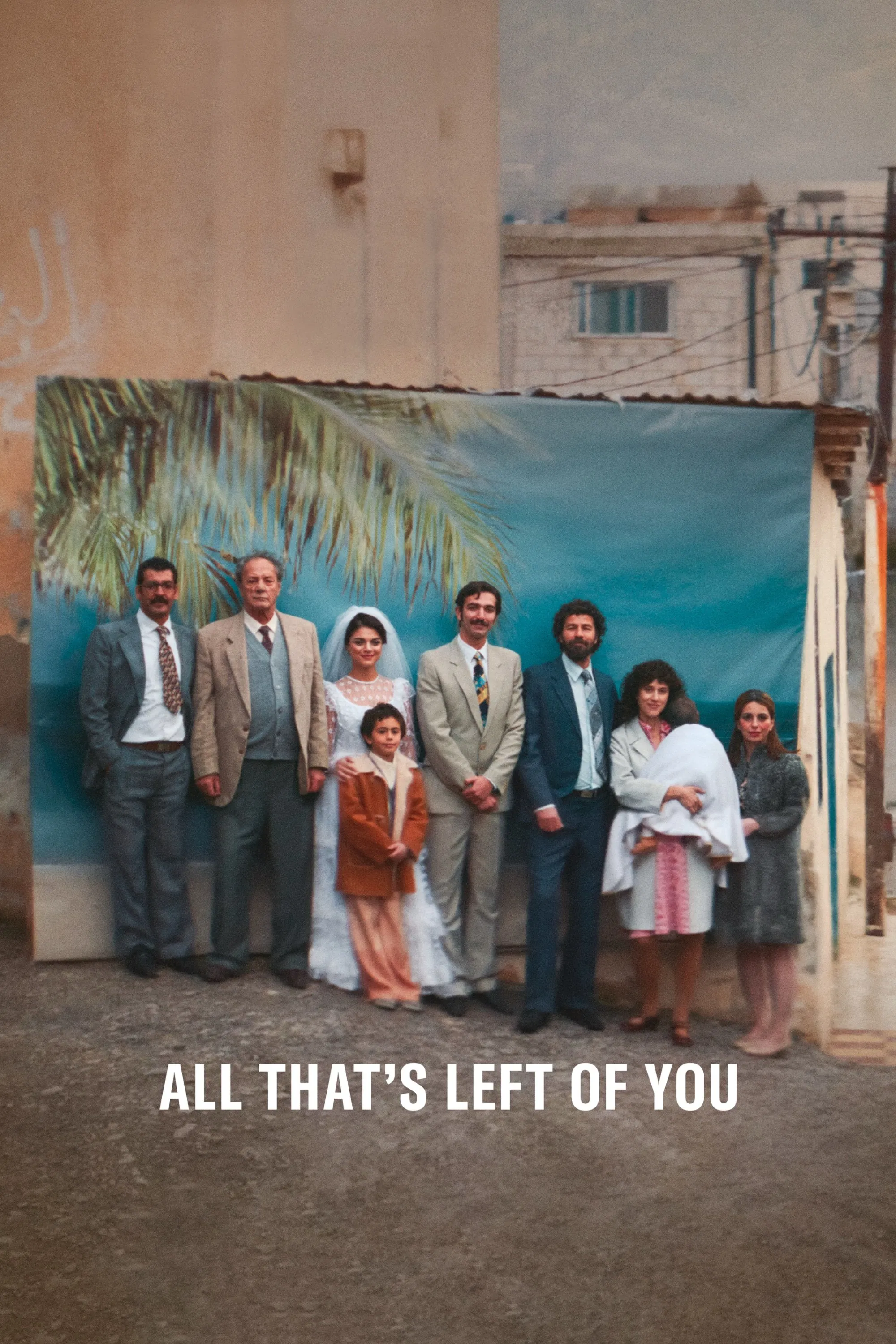
Sallam creates intimate portrait of Palestinian refugee family in Jordan navigating restrictions on movement and employment, showing how statelessness perpetuates across generations and how refuge becomes permanent limbo. The film operates as examination of how Nakba isn't historical event but ongoing condition, showing how Palestinian refugees remain refugees decades after initial displacement, how temporary solutions become permanent when no political resolution emerges and host countries refuse integration while preventing return. What distinguishes All That's Left of You is its attention to how statelessness shapes daily life rather than just political status, showing how lack of documentation prevents employment, education, and basic mobility, how refugees become trapped in camps that were temporary solutions but have existed longer than residents have been alive.
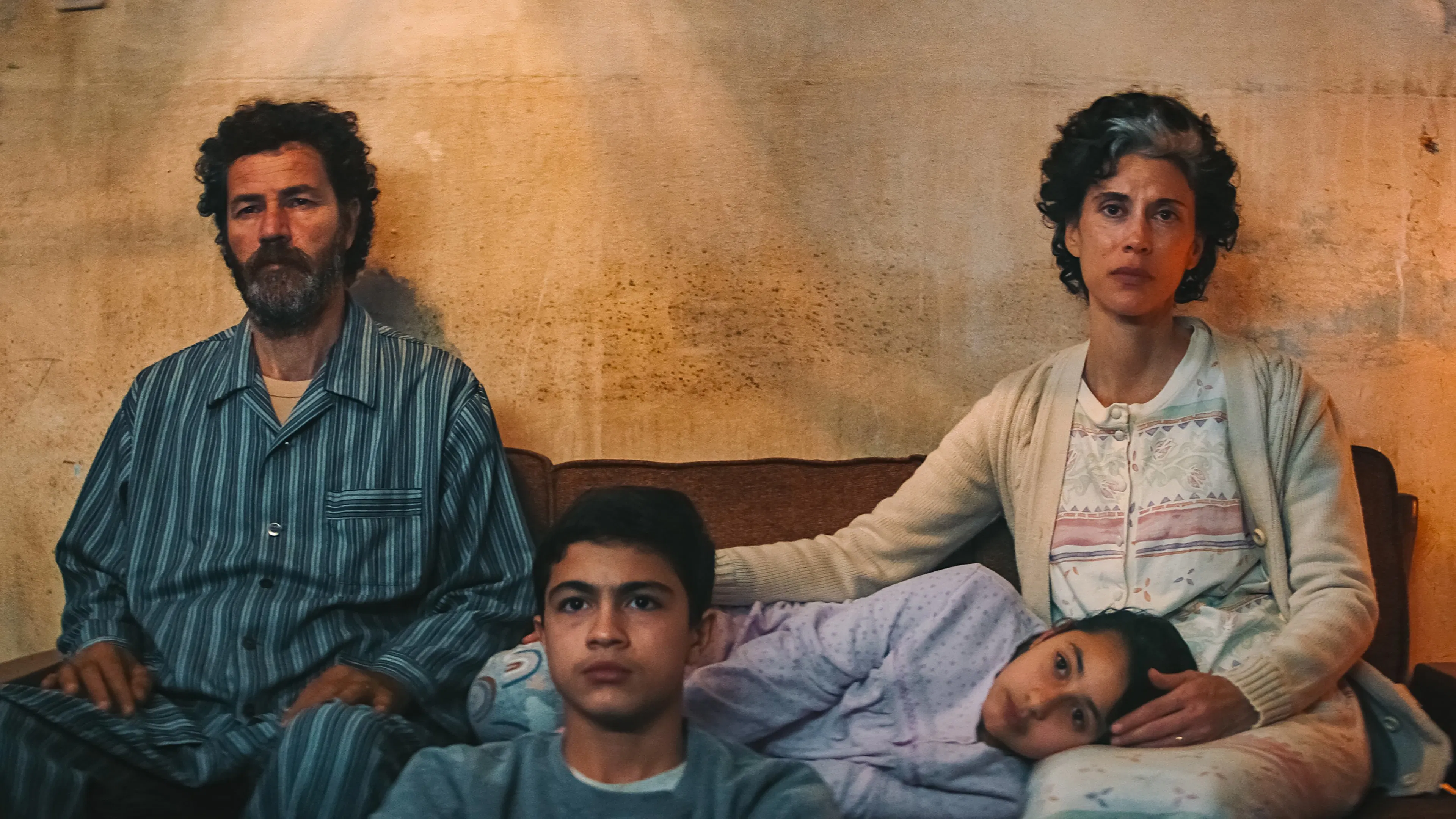
Sallam shoots the camp with attention to how people create lives in spaces designed to be transitional, showing how permanence emerges through accumulated personal touches and community structures even when official status remains temporary, how refugees build culture and identity in diaspora while maintaining connection to homeland they may never see. The film examines how neighboring Arab countries' treatment of Palestinian refugees reflects complex politics where solidarity with Palestinian cause doesn't translate to treating actual Palestinians with dignity, how refugees become political symbols fought over by various factions while their material conditions remain desperate.
Norway — Sentimental Value | Dir. Joachim Trier
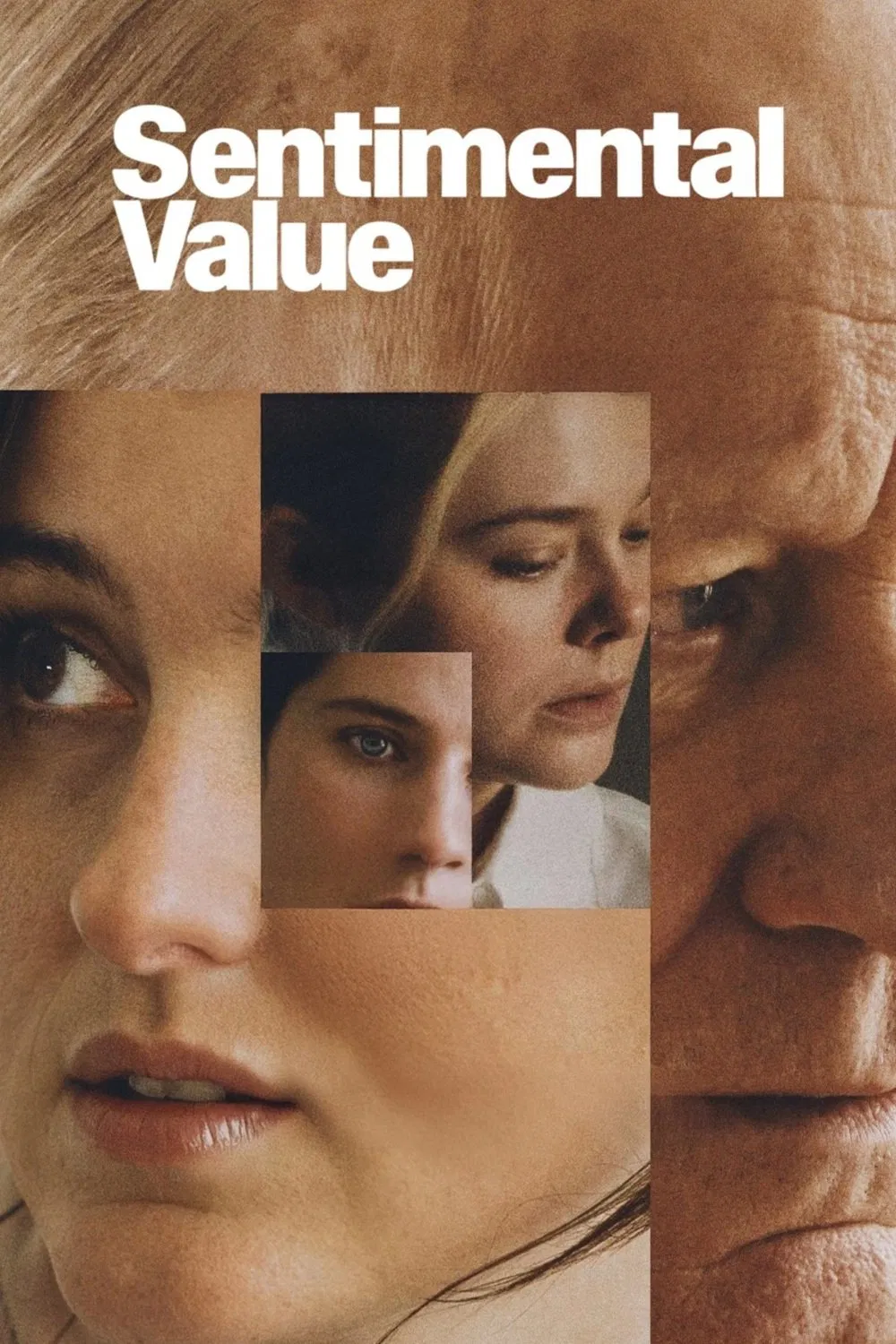
Trier creates chamber piece about inheritance and sibling rivalry, following adult children negotiating division of deceased parent's estate, the process revealing how family dynamics and unspoken resentments shape which objects matter and who deserves what. The film operates as examination of how we assign value to objects through emotional associations rather than monetary worth, showing how fights over seemingly trivial items become proxies for lifelong grievances about who was loved more or who sacrificed more for family. What makes Sentimental Value compelling is Trier's examination of how inheritance brings out worst in families, showing how the promise of material gain makes siblings who maintained cordial distance during parent's life suddenly fixate on perceived inequities in how estate is divided, how grief becomes secondary to ensuring you're not cheated out of what you believe you're owed.

The film's structure confines action primarily to family home over single weekend, using limited timeframe and space to intensify conflicts that have been decades in development, showing how physical proximity without escape forces conversations that normally remain unspoken. Trier shoots the house with attention to how objects carry histories, showing through careful framing and lighting how each item represents specific memory or relationship, making visible why fights over furniture or photographs become so charged when they're really fights about whose version of family history is legitimate.
Palestine — Palestine 36 | Dir. Rashid Masharawi

Masharawi creates experimental documentary using only footage shot on mobile phones by Palestinians during specific 36-hour period in Gaza, creating collective portrait of life under siege and bombardment. The film operates as radical democratization of perspective, showing Gaza not through journalist's or filmmaker's curated vision but through accumulated fragments captured by people living the reality, their footage offering ground-level view of how siege operates in daily mundane crises and spectacular violence. What distinguishes Palestine 36 is its formal approach, refusing traditional documentary narration or expert commentary, instead allowing the footage to accumulate into portrait where meaning emerges from patterns rather than explanation, showing how violence is both extraordinary emergency and normalized routine for people who've lived under occupation their entire lives.
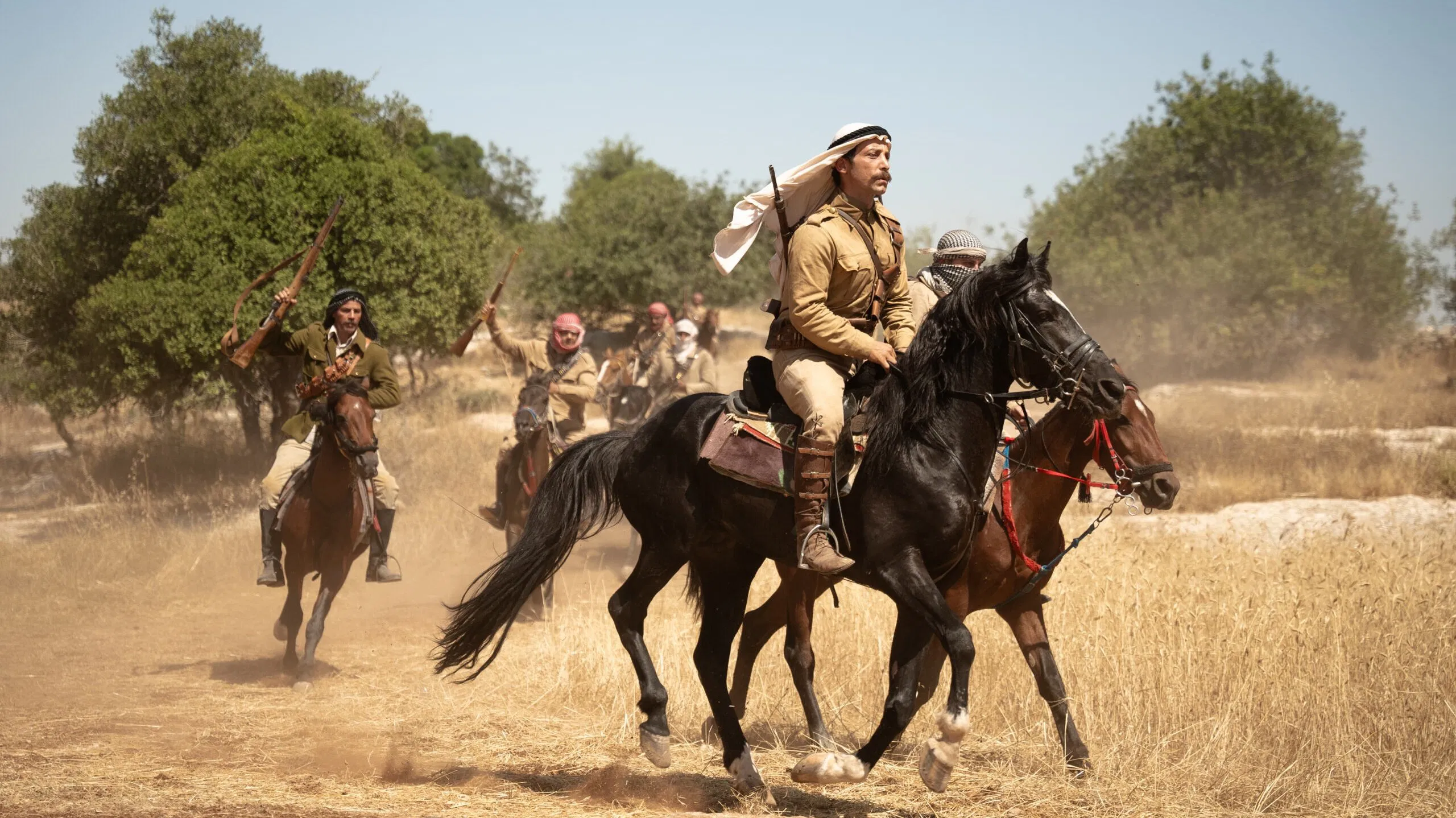
The film examines how Palestinians have become documentarians of their own suffering by necessity, how recording violence serves as both evidence collection for future accountability and immediate communication to outside world that might not otherwise believe or care, how social media has made atrocity visible while also making it consumable content that gets scrolled past. Masharawi's editing finds connections between disparate footage, showing how individual experiences of siege aggregate into collective portrait while maintaining specificity of each person's perspective, refusing to make Palestinians into undifferentiated mass while also showing how occupation affects everyone regardless of individual circumstances.
South Korea — No Other Choice | Dir. Hong Sang-soo

Hong returns with characteristic examination of minor crises and moral compromises, following film director who must decide whether to complete project that requires cooperation with government he opposes, exploring how art and politics intersect and whether aesthetic autonomy is luxury or necessity. The film operates as meta-commentary on Hong's own position as filmmaker navigating commercial pressures and political contexts, showing how every choice about what to film and how to film it carries political implications whether acknowledged or denied, how claims of apolitical art serve political functions. What makes No Other Choice compelling is Hong's examination of how South Korean film industry requires various forms of compromise, showing how government funding comes with expectations about content, how commercial viability limits what subjects can be addressed, how international film festival circuit creates its own constraints about what kind of Korean cinema gets validated.
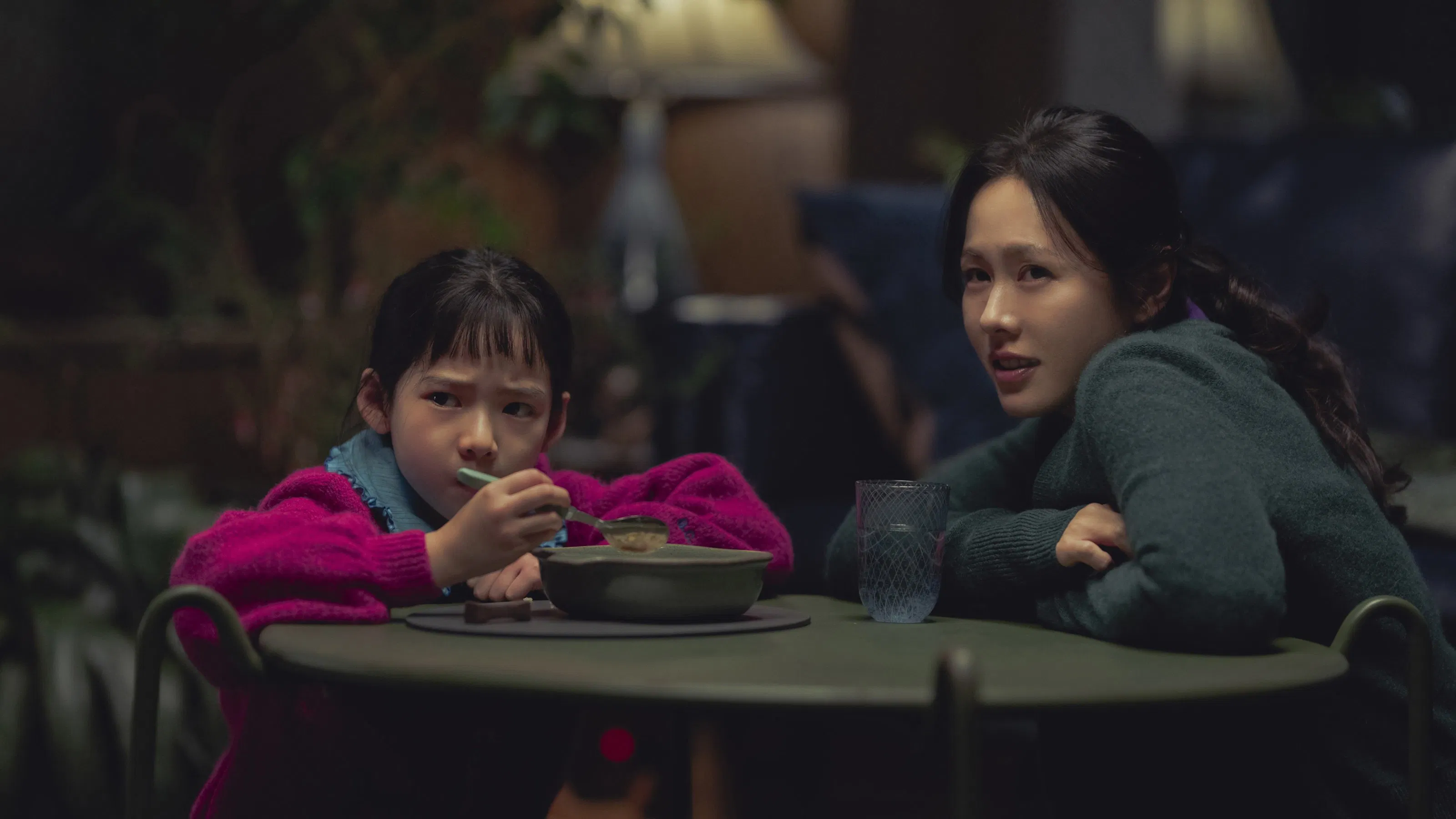
The film's structure uses Hong's familiar approach of scenes in restaurants and modest hotel rooms, characters drinking soju and having circular conversations that gradually reveal deeper conflicts, the modest scale making philosophical questions about artistic integrity feel immediate and personal rather than abstract. Hong shoots in his characteristic style with zooms and minimal camera movement, creating aesthetic that refuses spectacle while examining how spectacle itself is ideological choice, how his formal modesty is its own political statement about rejecting commercial cinema's values.
Switzerland — Late Shift | Dir. Carmen Jaquier
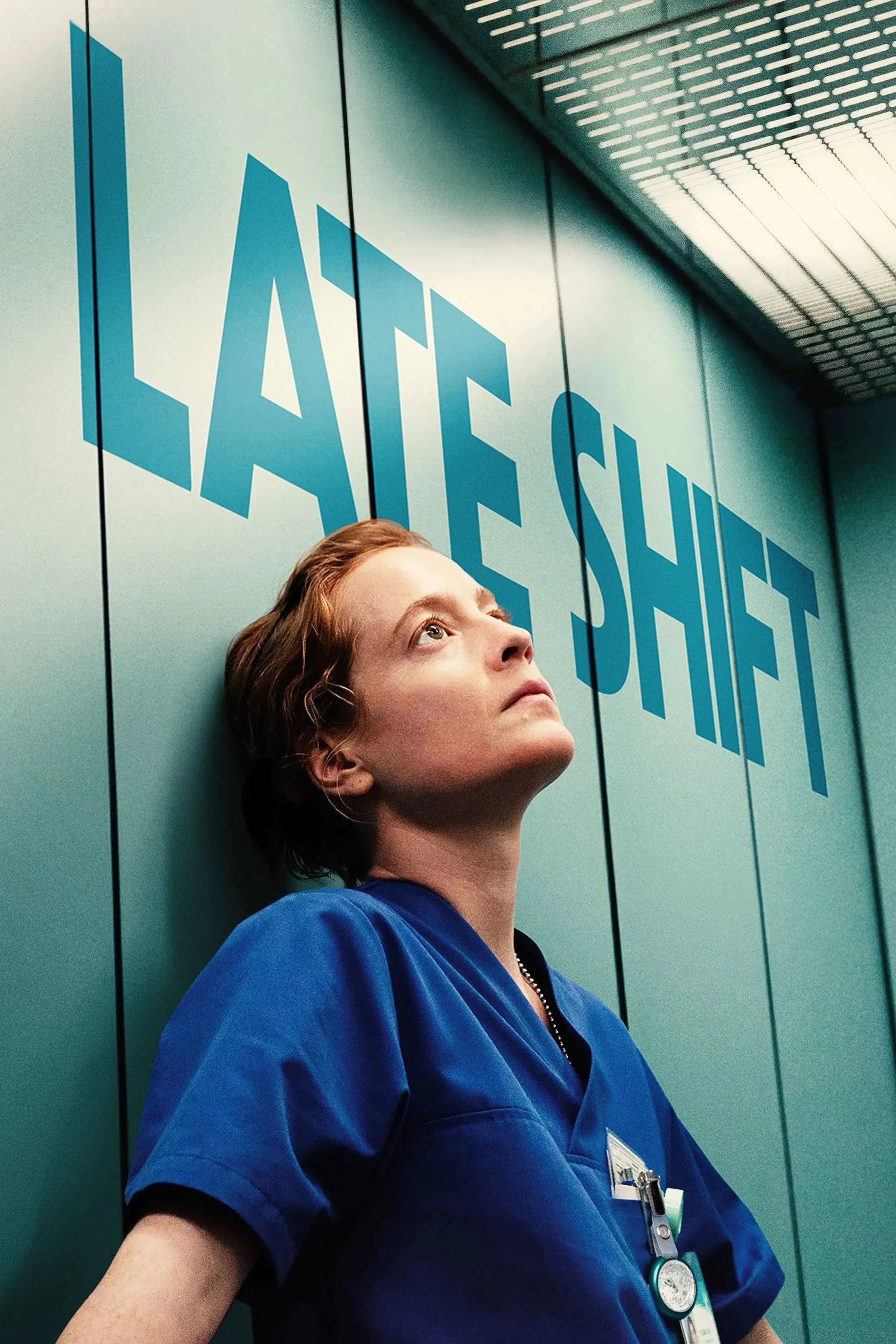
Jaquier creates workplace drama following hospital night shift workers, examining how healthcare operates through exploitation of essential workers whose labor is simultaneously praised as heroic and compensated as though it's worthless. The film operates as examination of how neoliberal healthcare has created conditions where providing care requires workers to sacrifice their own wellbeing, showing how chronic understaffing means nurses and orderlies work extended shifts that compromise patient safety while enriching hospital administrators and insurance companies. What distinguishes Late Shift is its attention to how care work is gendered and racialized, showing how Switzerland's healthcare system depends on immigrant women whose precarious legal status makes them vulnerable to exploitation, how care that wealthy Swiss receive is provided by people who can't afford care for their own families because their wages don't match cost of living in the cities where hospitals are located.

Jaquier shoots the night shift with naturalistic lighting and long takes that show the actual work of caregiving rather than dramatizing it, creating documentary-like portrait of how healthcare workers navigate between bureaucratic requirements, patient needs, and their own exhaustion, showing care as labor rather than vocation. The film examines how pandemic made visible the essential nature of care work while failing to improve compensation or conditions, how rhetoric of heroism substitutes for actual support, making workers choose between their financial survival and their patients' health.
Taiwan — Left-Handed Girl | Dir. Tsai Ming-liang
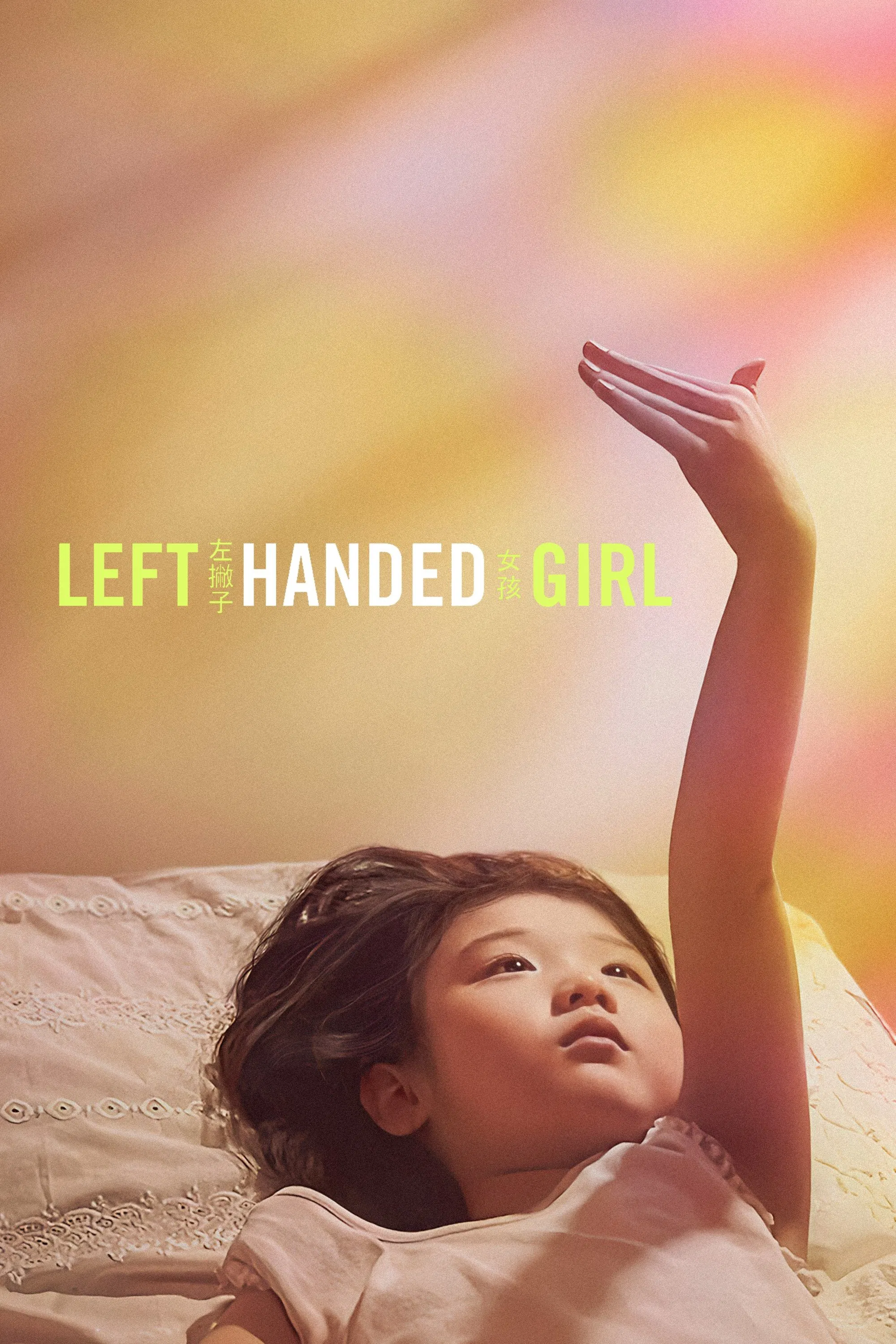
Tsai returns with characteristic examination of bodies and time, following a left-handed girl in contemporary Taipei navigating world designed for right-handed people, using this physical reality as metaphor for marginalization and adaptation. The film operates as meditation on how we accommodate or fail to accommodate difference, showing through accumulated small frustrations how society's design for average or majority makes life incrementally more difficult for anyone who deviates from norm, how this difficulty is dismissed as minor inconvenience by those who never experience it. What makes Left-Handed Girl essential is Tsai's commitment to duration and observation, his camera holding on mundane actions that reveal through their difficulty how much we take for granted about how world is constructed, showing how using scissors, writing, or operating machinery requires constant adaptation when you're left-handed in right-handed world.
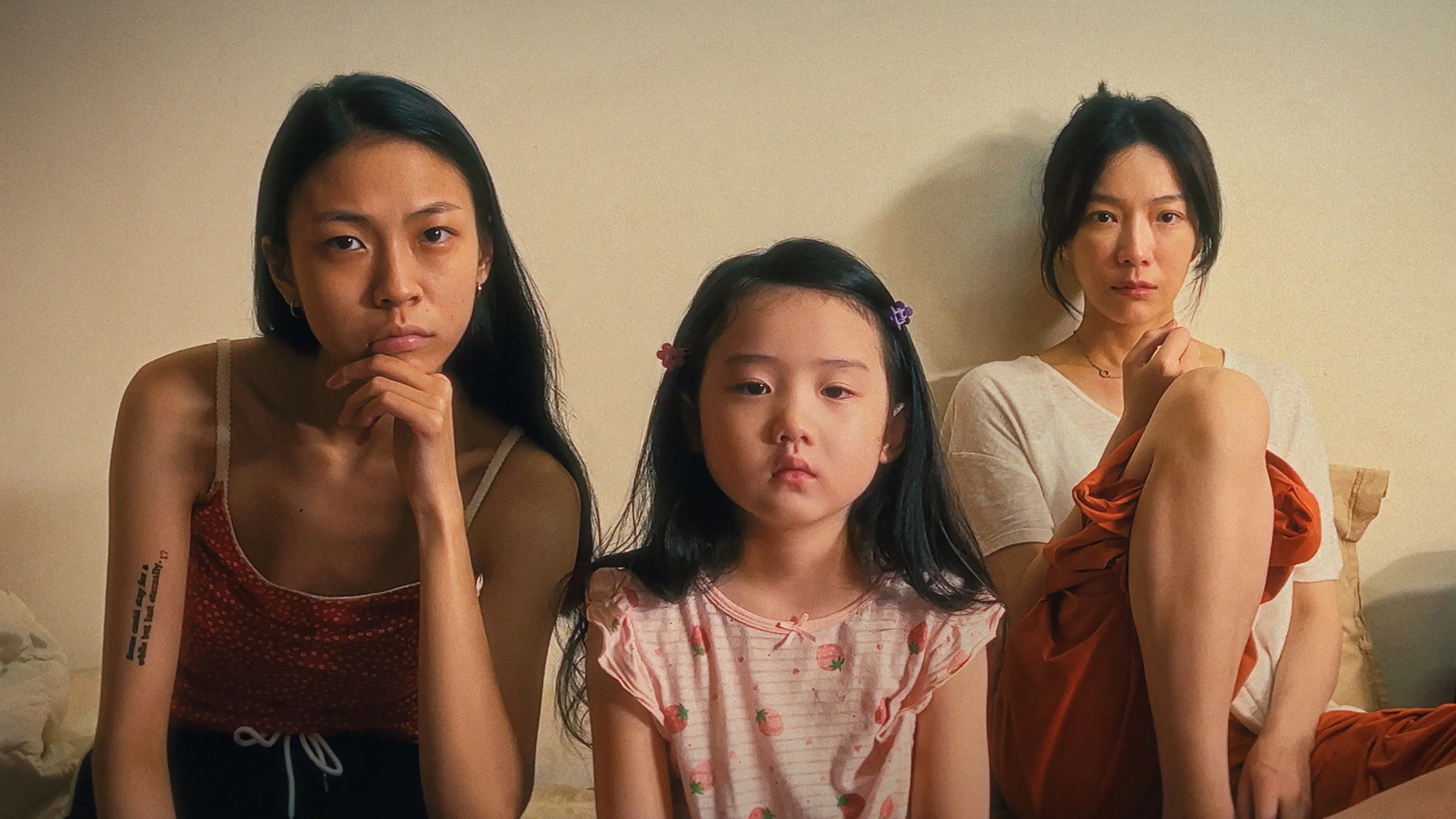
The film examines Taiwan's modernization through lens of standardization, showing how efficiency and mass production require conformity to norms, how anyone who doesn't fit those norms must either adapt themselves or remain excluded from systems designed without considering their existence. Tsai shoots Taipei with attention to how urban environment is hostile to bodies that don't match ideal, showing how accessibility is afterthought rather than foundational principle, making visible how architecture and design encode assumptions about normal bodies that disable anyone who falls outside those assumptions.
Tunisia — The Voice of Hind Rajab | Dir. Kaouther Ben Hania
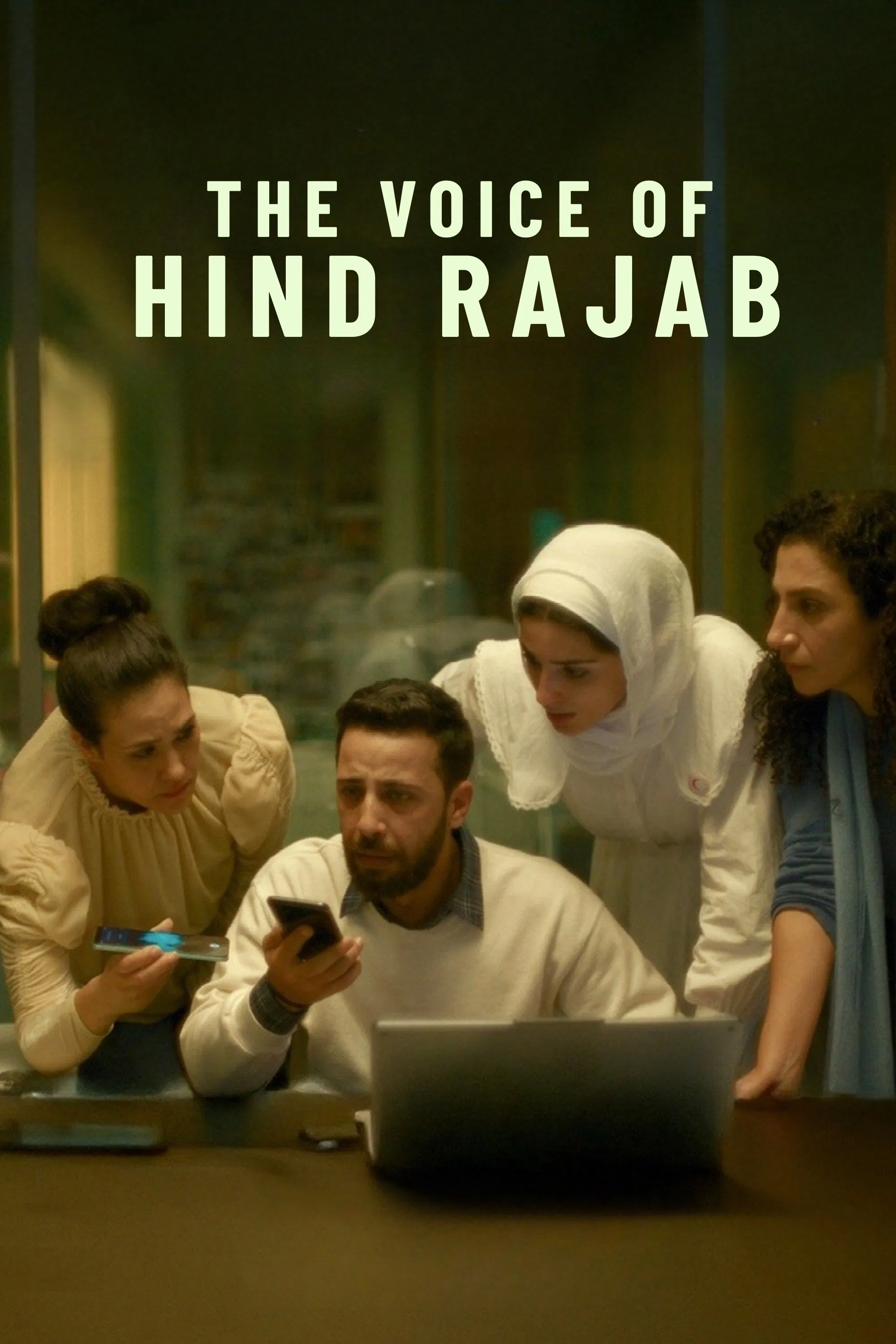
Ben Hania creates documentary excavation of Hind Rajab's story, a child killed in Gaza whose final phone calls to emergency services became social media documentation of her death, examining how distant atrocity is mediated through technology and how individual stories of violence become political symbols. The film operates as investigation into how we know what we know about Gaza, showing how information arrives through fragmentary phone calls, social media posts, and satellite imagery that requires interpretation, how certainty about what happened is always provisional and contested. What distinguishes The Voice of Hind Rajab is Ben Hania's formal approach, using audio recordings and phone records as primary evidence while acknowledging how even this documentation is incomplete and subject to competing interpretations, showing how those who want to deny atrocities will always find ways to cast doubt on evidence that should be definitive.
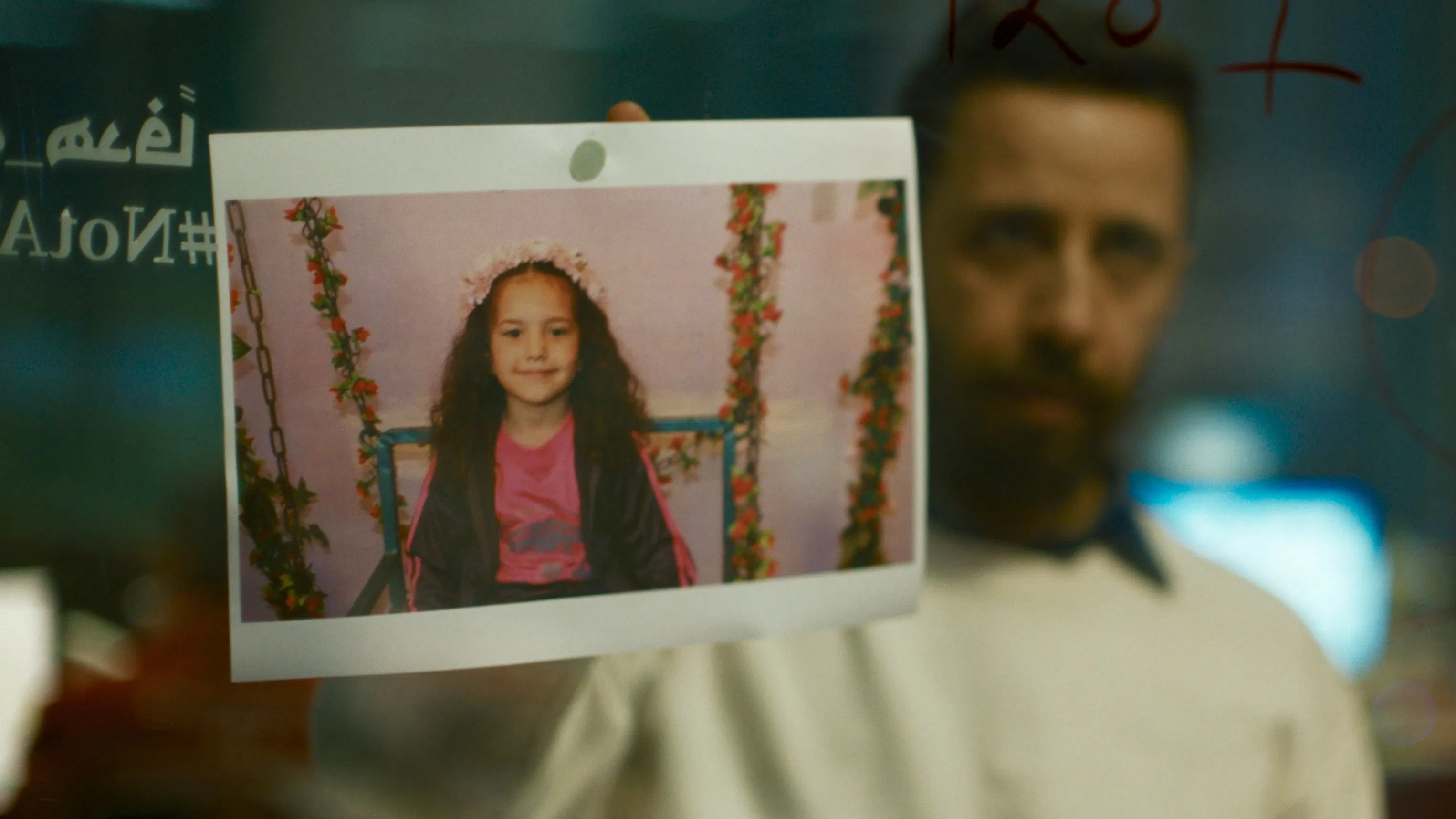
The film examines how Hind Rajab's story became mobilizing symbol for pro-Palestinian activists while also becoming contested terrain where her death is either confirmed atrocity or disputed claim depending on political allegiance, showing how even dead children become weapons in information warfare. Ben Hania refuses to show graphic imagery of violence, instead using Hind's voice and the testimony of those who tried to save her to create portrait of how bureaucracy and military operations intersect with individual lives they destroy, making audible how systems designed to manage populations treat people as acceptable casualties.
What unifies this year's shortlist beyond geographical diversity is thematic commitment to examining how power operates through violence both spectacular and bureaucratic, how historical trauma perpetuates across generations, and whether cinema can intervene in cycles of harm or merely bear witness to them. These films refuse the comfort of resolution or the satisfaction of justice achieved, instead showing how most violence is structural rather than individual, how systems perpetuate harm through mechanisms so diffuse that assigning responsibility becomes impossible even as suffering remains undeniable. The Academy's selection rewards filmmakers who understand that political cinema doesn't mean message movies but rather work that makes visible how the political operates through the supposedly personal, how every domestic drama contains economic forces, how every individual tragedy reflects systemic failures. This is lineup that challenges audiences to sit with discomfort rather than providing catharsis, that trusts viewers to handle moral complexity without need for clear heroes or villains, that believes cinema's power lies not in solving problems but in making them impossible to ignore. Whether the eventual winner comes from this group or not, the shortlist itself represents statement about what international cinema can be when freed from commercial imperatives and Oscar-bait formulas: urgent, formally rigorous, politically engaged work that treats audiences as capable of wrestling with difficulty rather than requiring everything pre-digested.
— The Cinéprism
Keep reading
15 / 09 / 2026 · 141 reads
Top 15 Movies with Plot Twists You Might Have Missed
15 movies packed with hidden clues, subtle details, and twists that hit differently once you know what to look for.
31 / 08 / 2026 · 391 reads
10 Best Endings in Film
A curated list of 10 unforgettable movie endings that leave a lasting impact long after the credits roll.