Dispatch — Long Read
15 Greatest Detective Films To Watch:
From hardboiled noir classics to modern psychological thrillers, uncover the 15 essential detective films that define the art of the mystery.
The Cinéprism
05 / 01 / 2026 · 14 min read
15. 🎬 Murder on the Orient Express (1974)
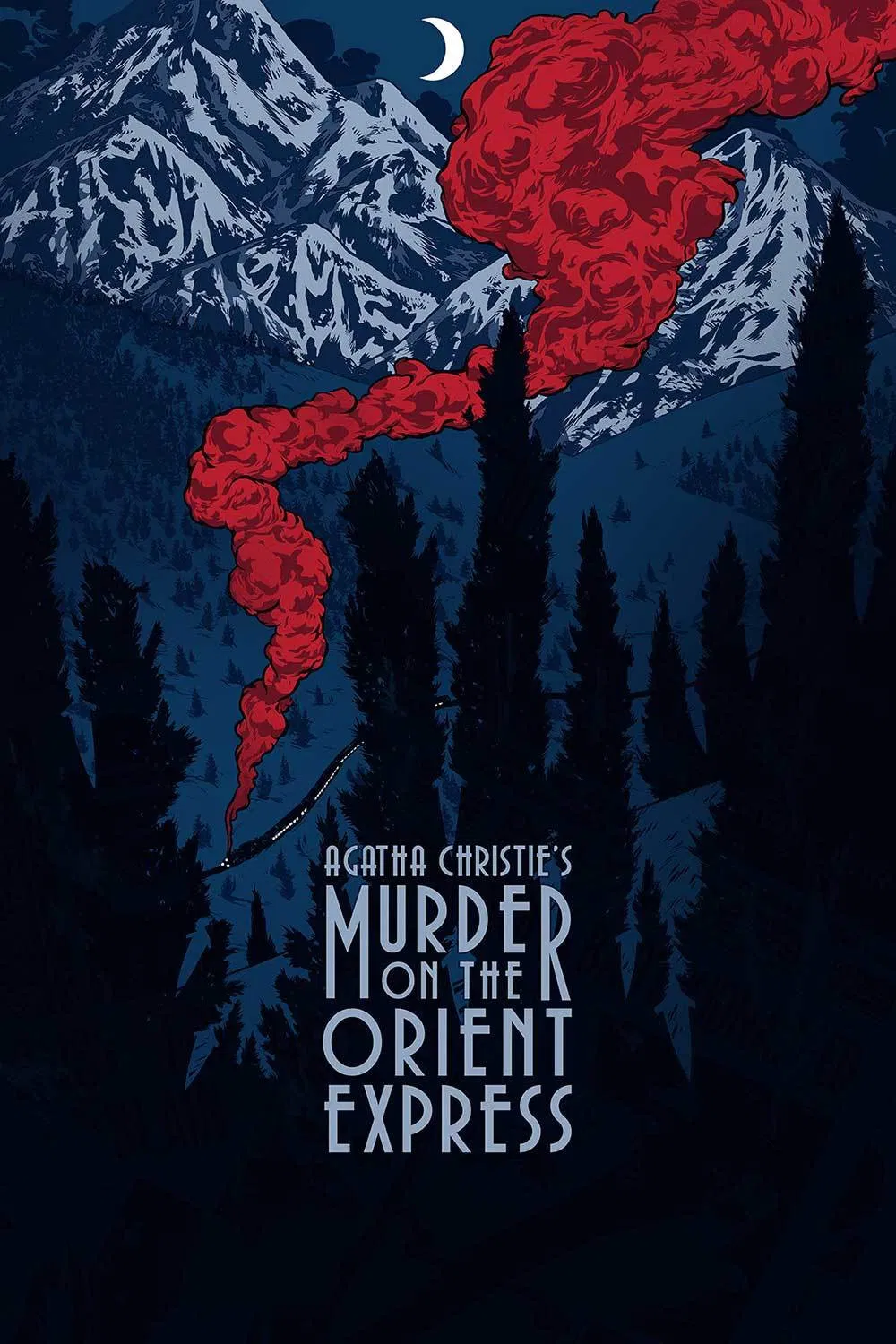
Synopsis: Renowned Belgian detective Hercule Poirot secures a last-minute berth on the luxurious Orient Express, seeking a peaceful journey from Istanbul to London. However, his rest is interrupted when a wealthy but unsavory American businessman named Ratchett is found stabbed to death in his locked compartment, just as the train becomes trapped in a snowdrift. With the train isolated from the outside world, Poirot must interview the eclectic mix of passengers - including a princess, a missionary, and a colonel - to uncover which of them is the killer before the snow is cleared and the police arrive. As he peels back the layers of deception, he discovers that the victim was a monster with a dark past that connects everyone on board in a web of tragedy and revenge.
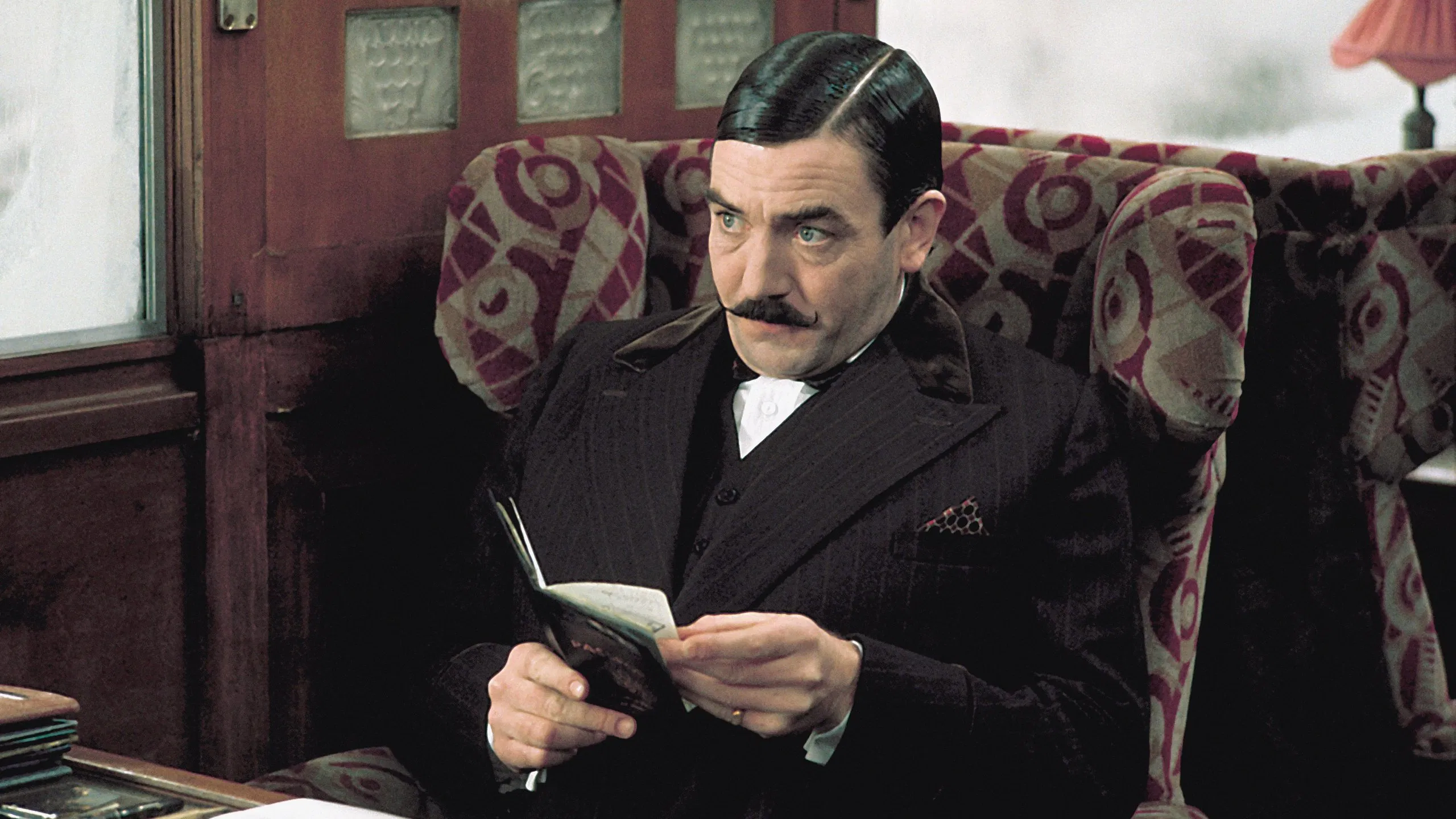
Sidney Lumet directs what is widely considered the definitive Agatha Christie adaptation, assembling a glitzy, all-star cast that includes Lauren Bacall, Sean Connery, and Ingrid Bergman. Albert Finney transforms into Poirot with heavy prosthetics and a distinct, theatrical mannerism that captures the detective's brilliant eccentricity. The film is a masterclass in ensemble staging, confined almost entirely to the claustrophobic corridors of the train, yet it never feels static. It explores themes of justice versus the law, challenging Poirot’s rigid morality with a solution that is morally complex and deeply satisfying. It remains the gold standard for the "parlor room" mystery, where the joy lies not in the chase, but in the intellectual unraveling of the puzzle.
14. 🎬 The Thin Man (1934)
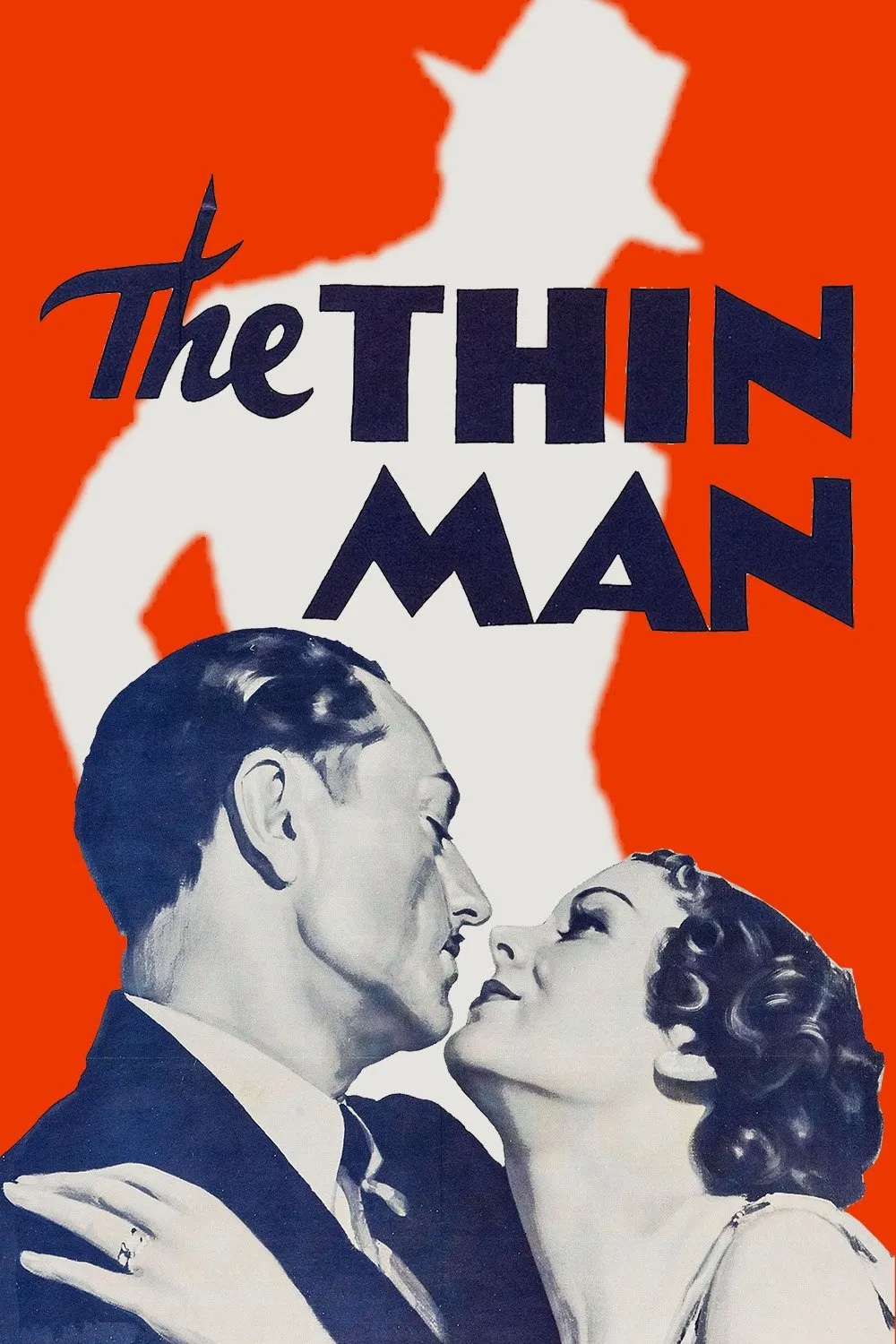
Synopsis: Nick Charles, a retired detective turned wealthy socialite, and his witty, glamorous wife Nora are visiting New York City for the holidays, hoping for nothing more than cocktails and parties. Their leisure is interrupted when the daughter of an old acquaintance asks Nick to locate her missing father, a distinctively thin inventor who has disappeared amidst accusations of murder. Reluctantly dragged back into the game by Nora's thirst for adventure, the couple navigates a world of eccentric suspects and dangerous gangsters, solving the crime between martinis with their wire-haired terrier, Asta, in tow.
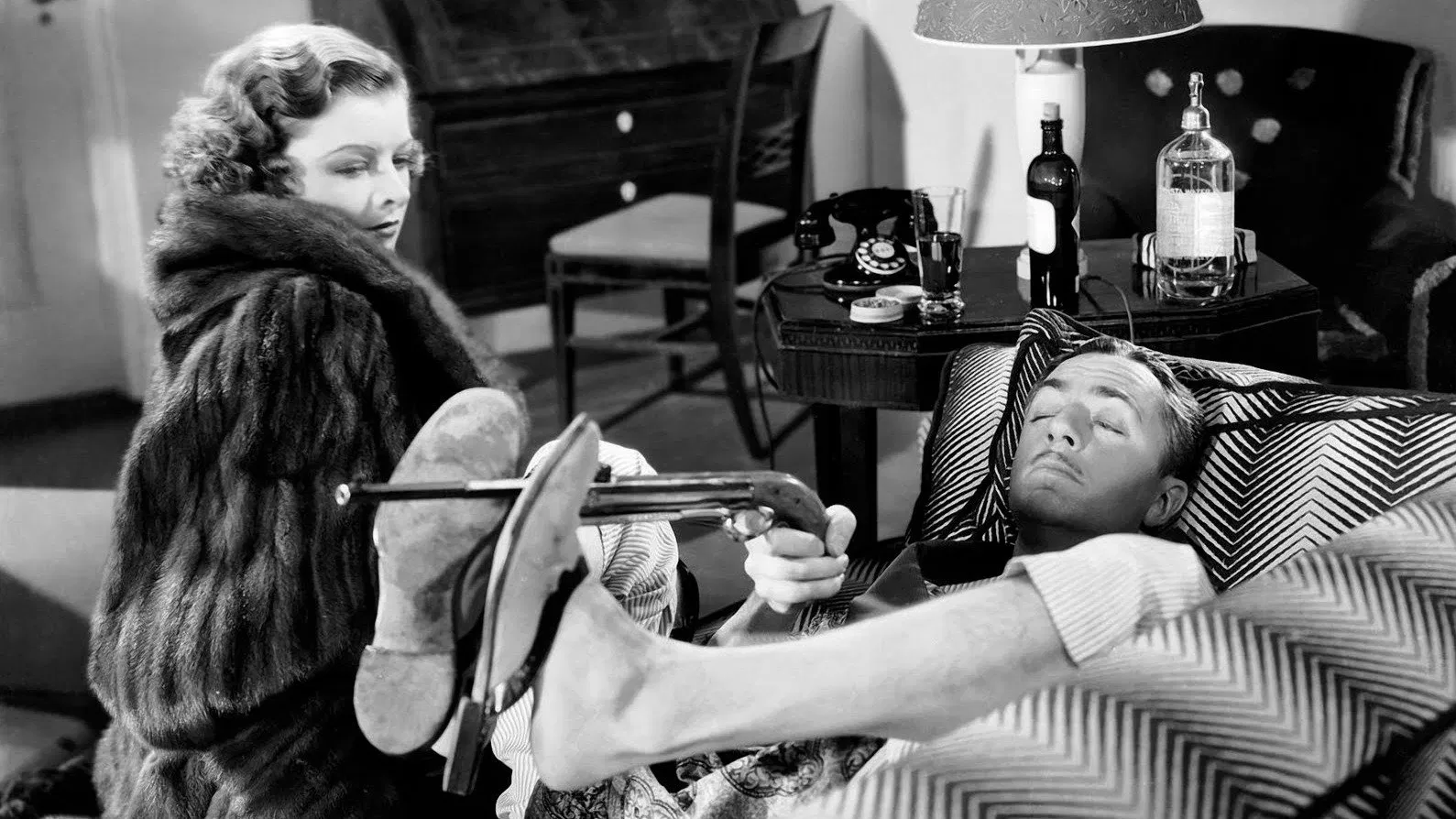
This film invented the screwball mystery genre, proving that a murder investigation could be sophisticated, sexy, and hilarious all at once. The chemistry between William Powell and Myrna Loy is electric, portraying a marriage that is a partnership of equals based on mutual respect and banter, a rarity for the era. The dialogue is rapid-fire and sparkling with wit, treating the mystery almost as a backdrop for the couple's delightful interactions. It is a celebration of style and intellect, establishing a template for the "bantering duo" that influences everything from Moonlighting to Castle, showing that solving crimes is best done with a drink in hand.
13. 🎬 Who Framed Roger Rabbit (1988)
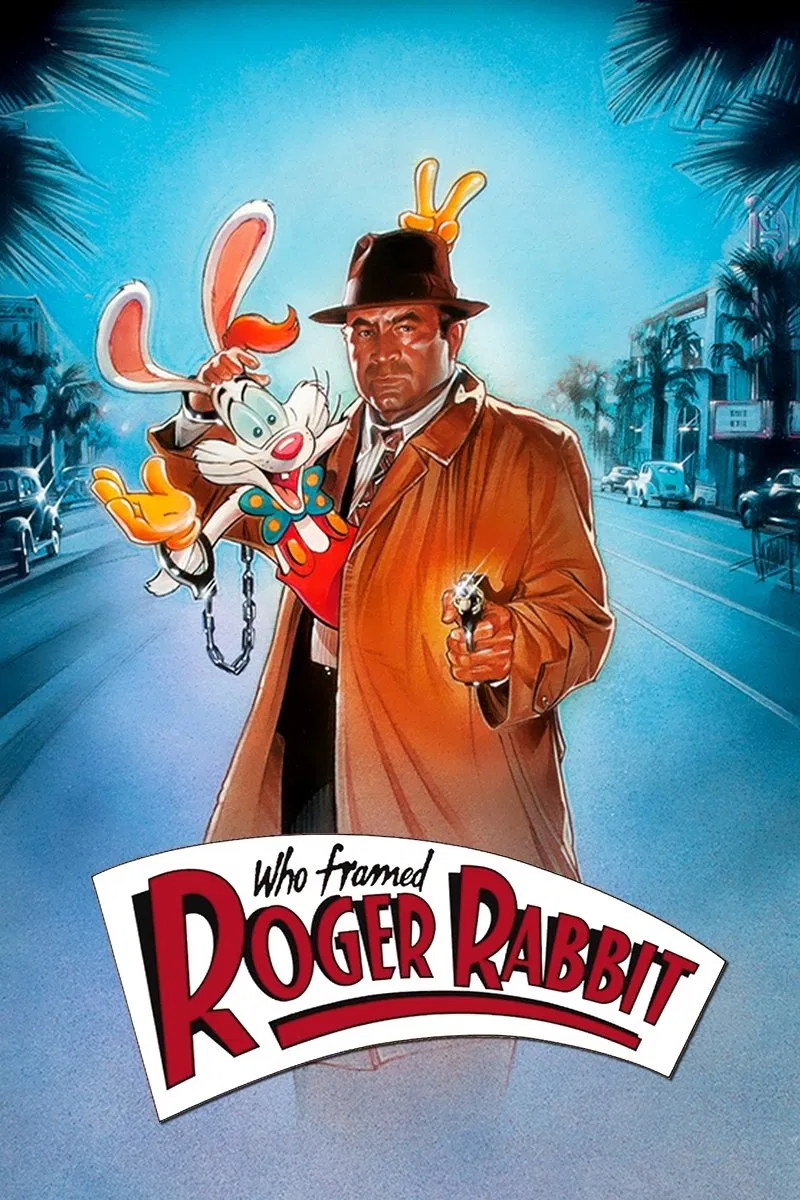
Synopsis: In a Hollywood where cartoon characters, or "Toons," coexist with humans, Eddie Valiant is a hard-drinking private investigator who has hated Toons ever since one killed his brother. He is hired to investigate a simple infidelity case involving Jessica Rabbit, the sultry wife of cartoon star Roger Rabbit, but soon finds himself defending Roger when the rabbit is accused of murdering a powerful studio head. As Eddie uncovers a conspiracy involving a plot to destroy Toontown and build a freeway, he must overcome his prejudice and team up with the manic Roger to stop the terrifying Judge Doom.
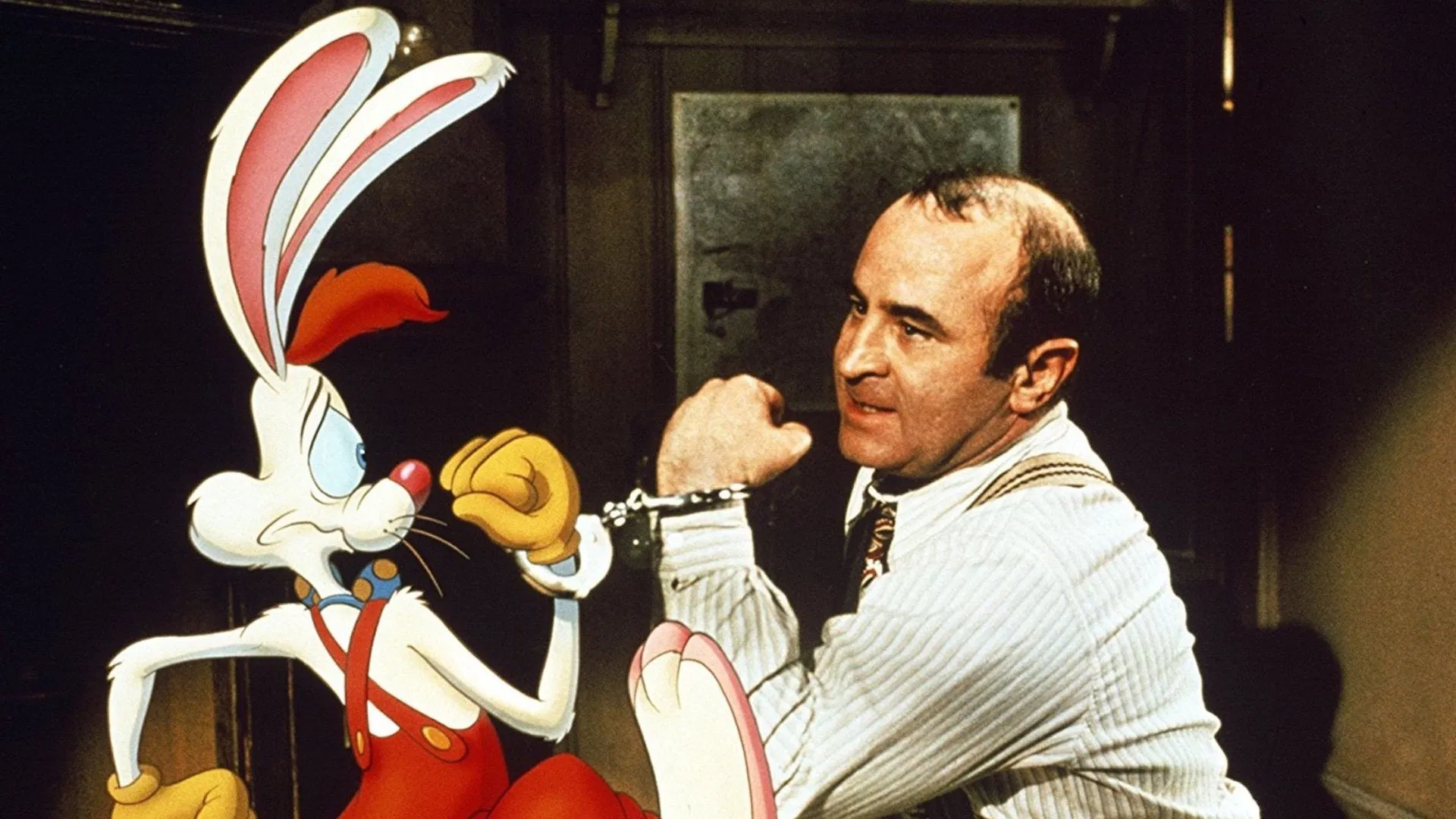
Robert Zemeckis achieved a technical miracle with this film, seamlessly blending hand-drawn animation with live-action noir in a way that has never been equaled. Beyond the visual spectacle, it is a pitch-perfect homage to the hardboiled detective genre, hitting every beat of corruption, femme fatales, and shadowy alleys. Bob Hoskins gives a grounding, tragic performance that sells the reality of the Toons, acting against empty air with absolute conviction. The film serves as a clever allegory for the dismantling of public transportation in Los Angeles, using a world of talking animals to tell a very serious story about corporate greed and gentrification.
12. 🎬 The French Connection (1971)
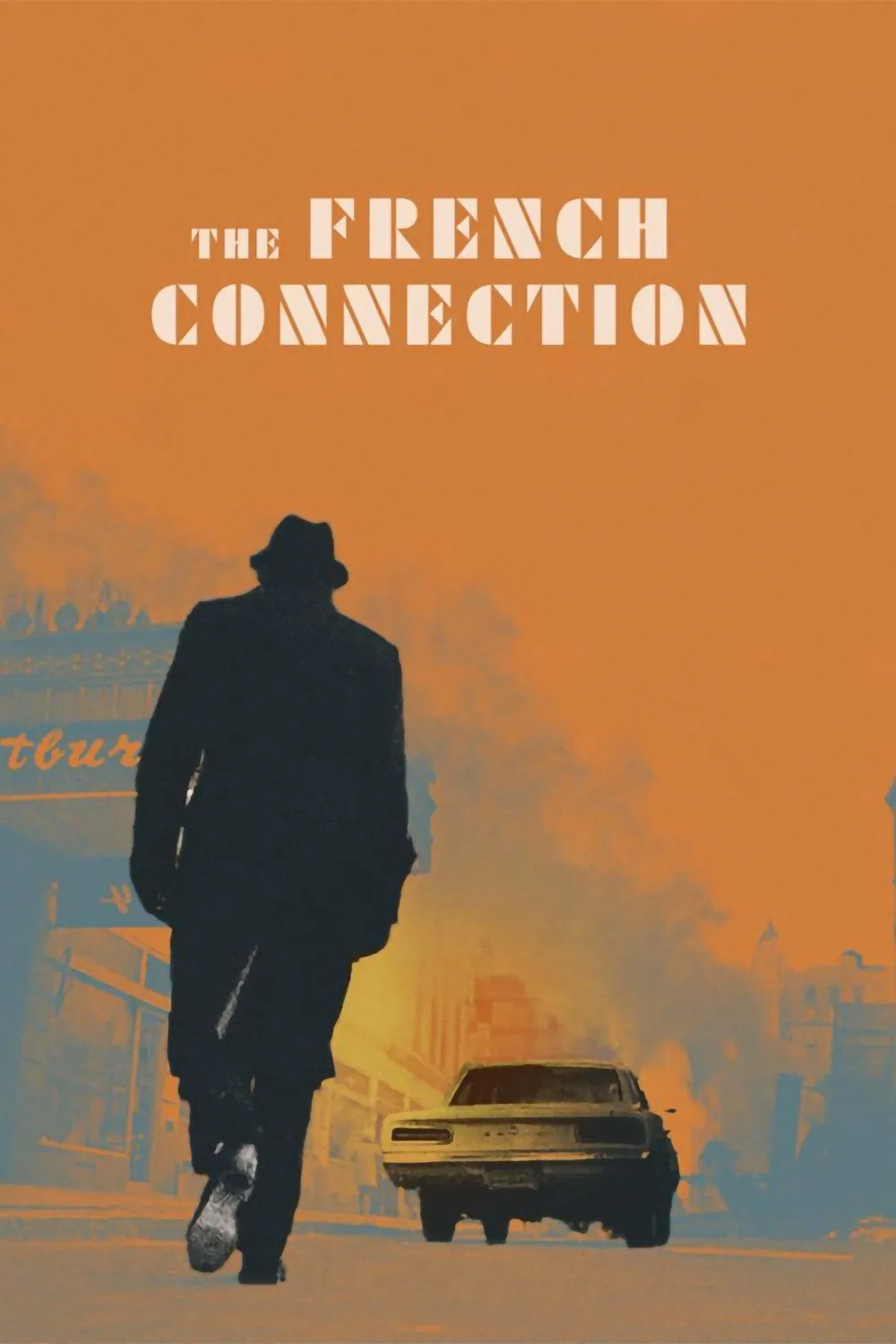
Synopsis: "Popeye" Doyle and Buddy Russo are two tough, street-smart New York City narcotics detectives who stumble onto a massive heroin smuggling ring based in Marseilles. They begin a relentless surveillance of a French criminal mastermind named Alain Charnier, who is planning to smuggle a fortune in pure heroin into the United States hidden in a Lincoln Continental. The investigation becomes an obsessive crusade for Doyle, leading to a frantic chase through the grimy streets of Brooklyn as he stops at nothing to break the "French Connection," even as his methods blur the line between cop and criminal.
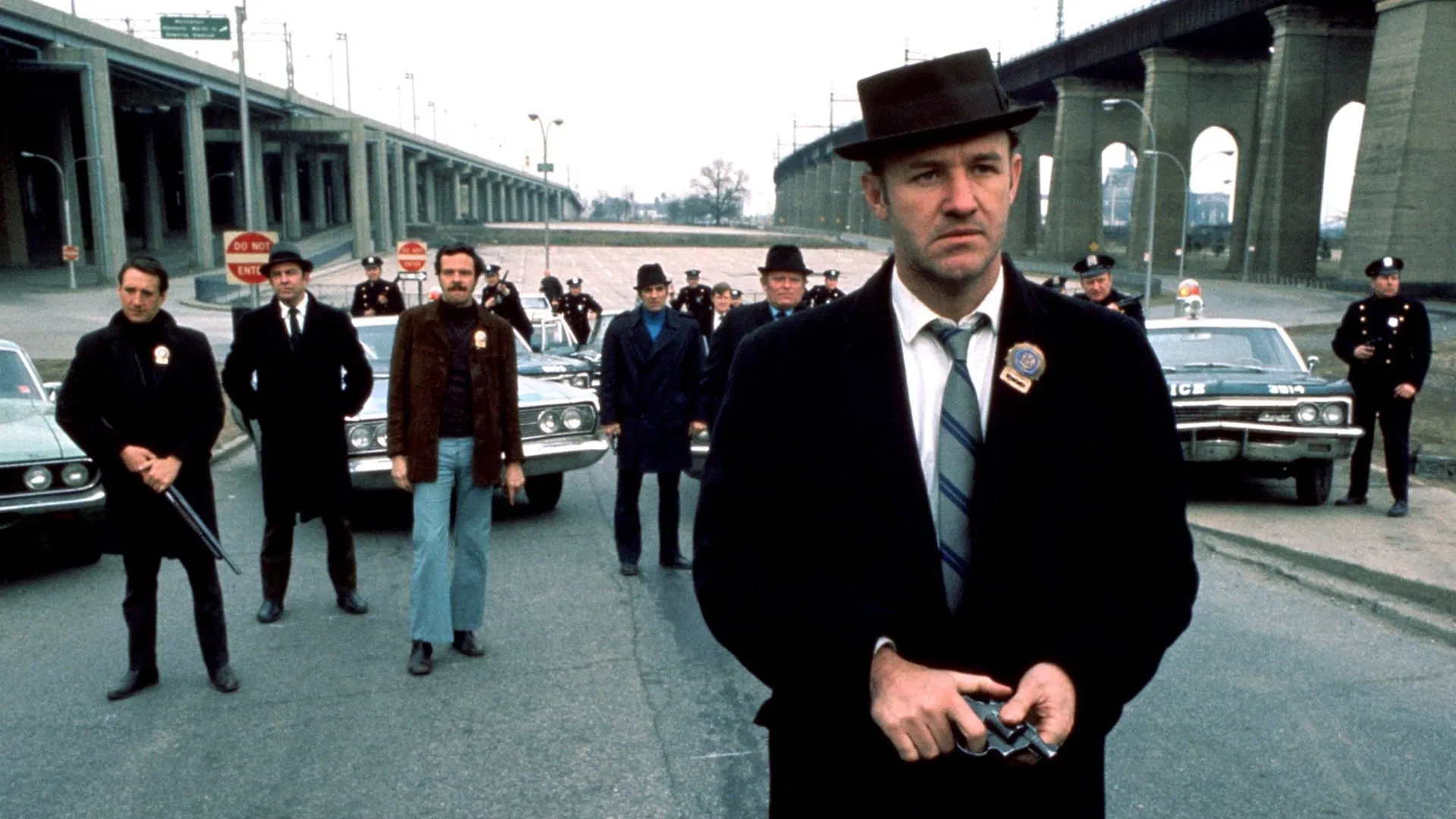
William Friedkin brought a gritty, documentary style to the police procedural, shooting on location in the freezing New York winter to capture a city in decay. Gene Hackman plays Doyle not as a hero, but as a casual racist and a bully who happens to be a good cop, creating a complex anti-hero that challenged audiences. The film is famous for its car chase sequence, filmed guerrilla-style in real traffic, which set the bar for kinetic action cinema. It strips away the romance of detective work to show the exhaustion, the cold pizza, and the moral compromises required to make a bust, ending on an ambiguous note that suggests the war on drugs is a war that can never truly be won.
11. 🎬 Laura (1944)
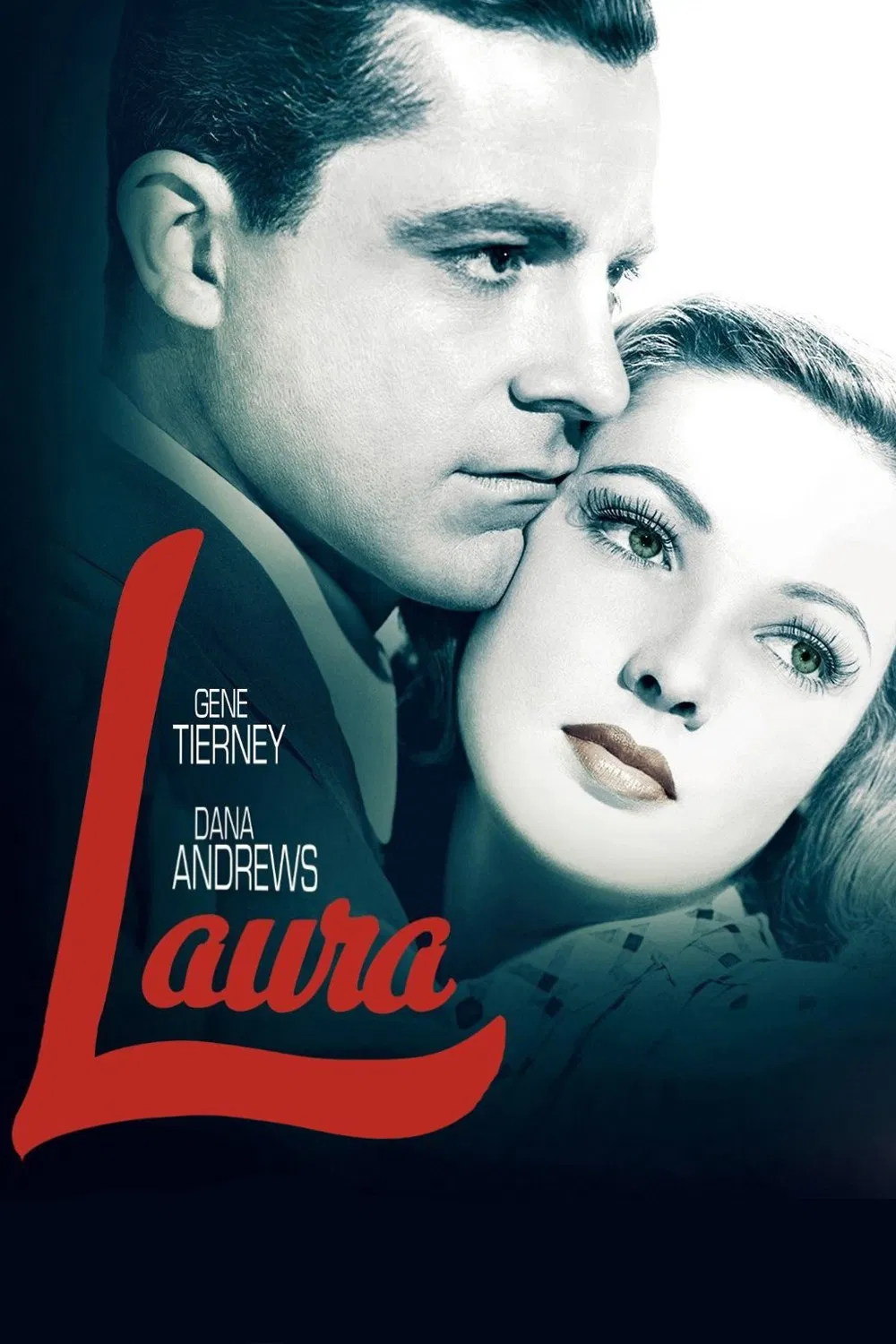
Synopsis: Detective Mark McPherson is assigned to investigate the brutal shotgun murder of Laura Hunt, a beautiful and successful advertising executive found dead in her apartment. As McPherson interviews the men in her life - the cynical columnist Waldo Lydecker and the playboy Shelby Carpenter - he begins to fall in love with the dead woman through her letters, her portrait, and the memories of those who adored her. The case takes a shocking, surreal turn that forces McPherson to question reality and re-evaluate every clue he has gathered, leading to a tense climax where the past and present collide.
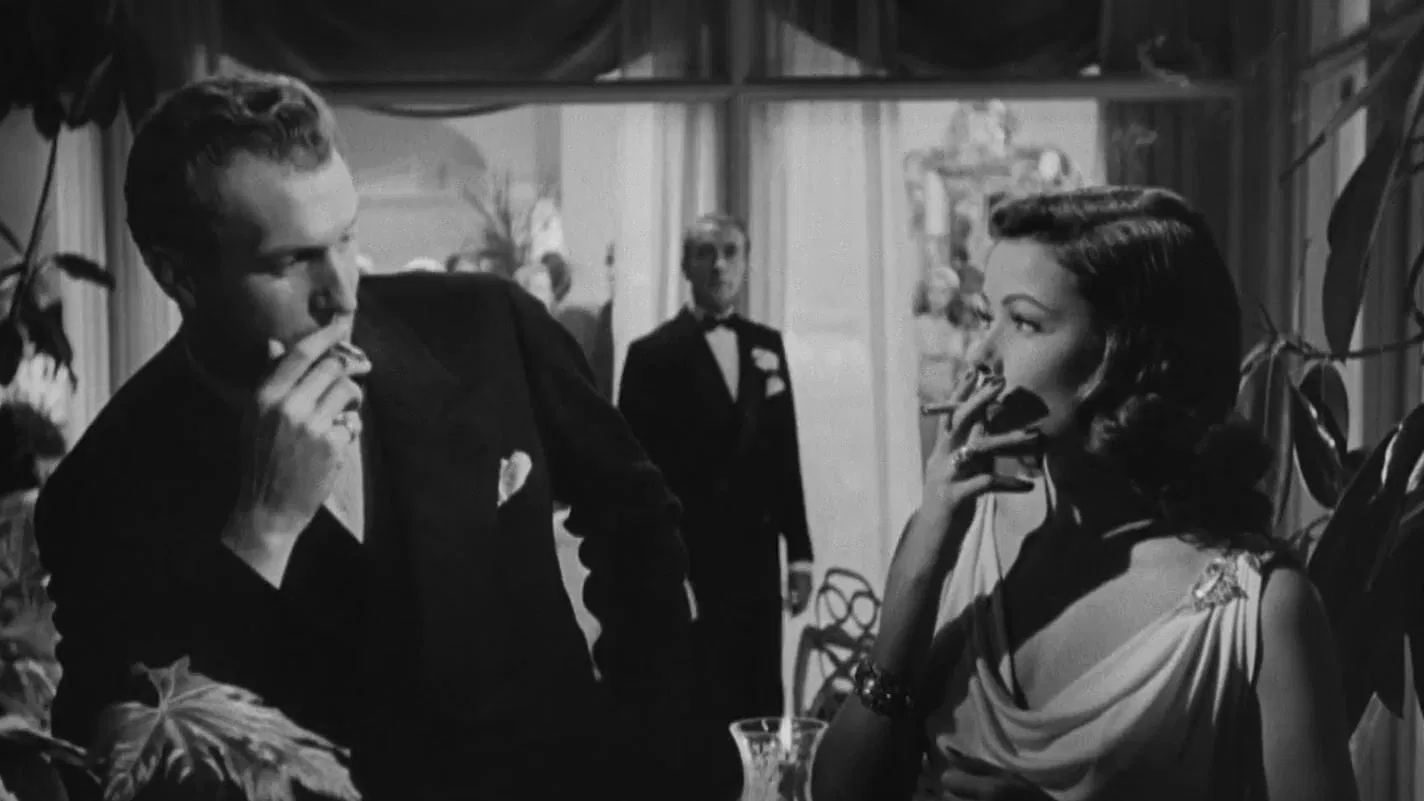
Otto Preminger crafted the definitive noir romance, a film that is obsessed with the power of image and the danger of idealization. The film is visually stunning, with Joseph LaShelle’s Oscar-winning cinematography creating a dreamlike atmosphere where shadows hide deadly secrets. Clifton Webb steals the show as Waldo Lydecker, one of the screen's great villains, whose possessive love is terrified and articulate. It explores the necrophilic nature of the detective's obsession, asking whether we can ever truly know a person or if we just fall in love with the mystery they represent.
10. 🎬 The Big Sleep (1946)
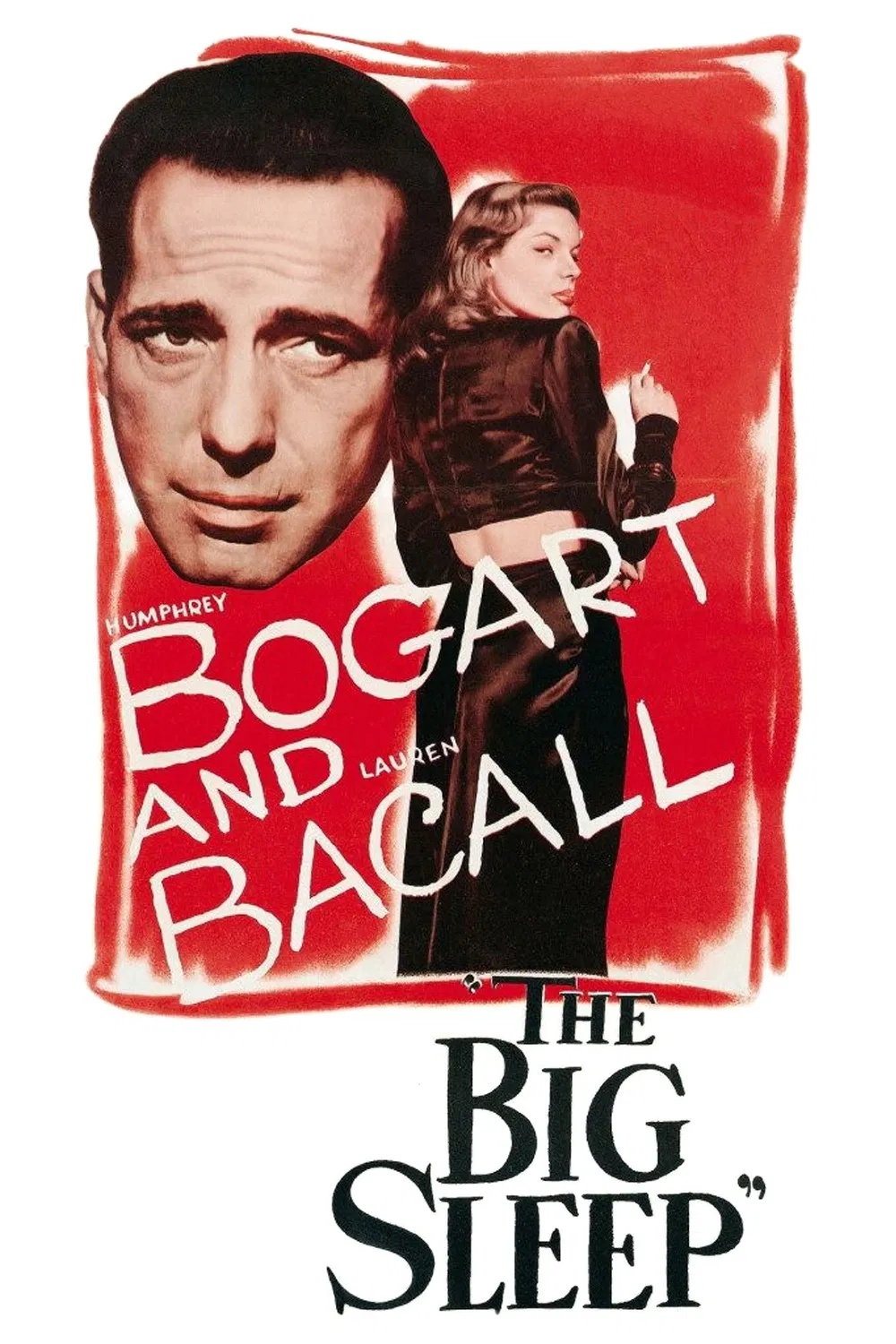
Synopsis: Private eye Philip Marlowe is hired by the wealthy, dying General Sternwood to handle a blackmail attempt involving his wild young daughter, Carmen. What starts as a simple extortion case quickly spirals into a labyrinth of murder, gambling debts, pornography rings, and disappearing men, all centered around the General’s enigmatic older daughter, Vivian. Marlowe navigates the seedy underbelly of Los Angeles, cracking wise and dodging bullets, trying to make sense of a plot so convoluted that even the original author, Raymond Chandler, famously couldn't explain who killed one of the characters.
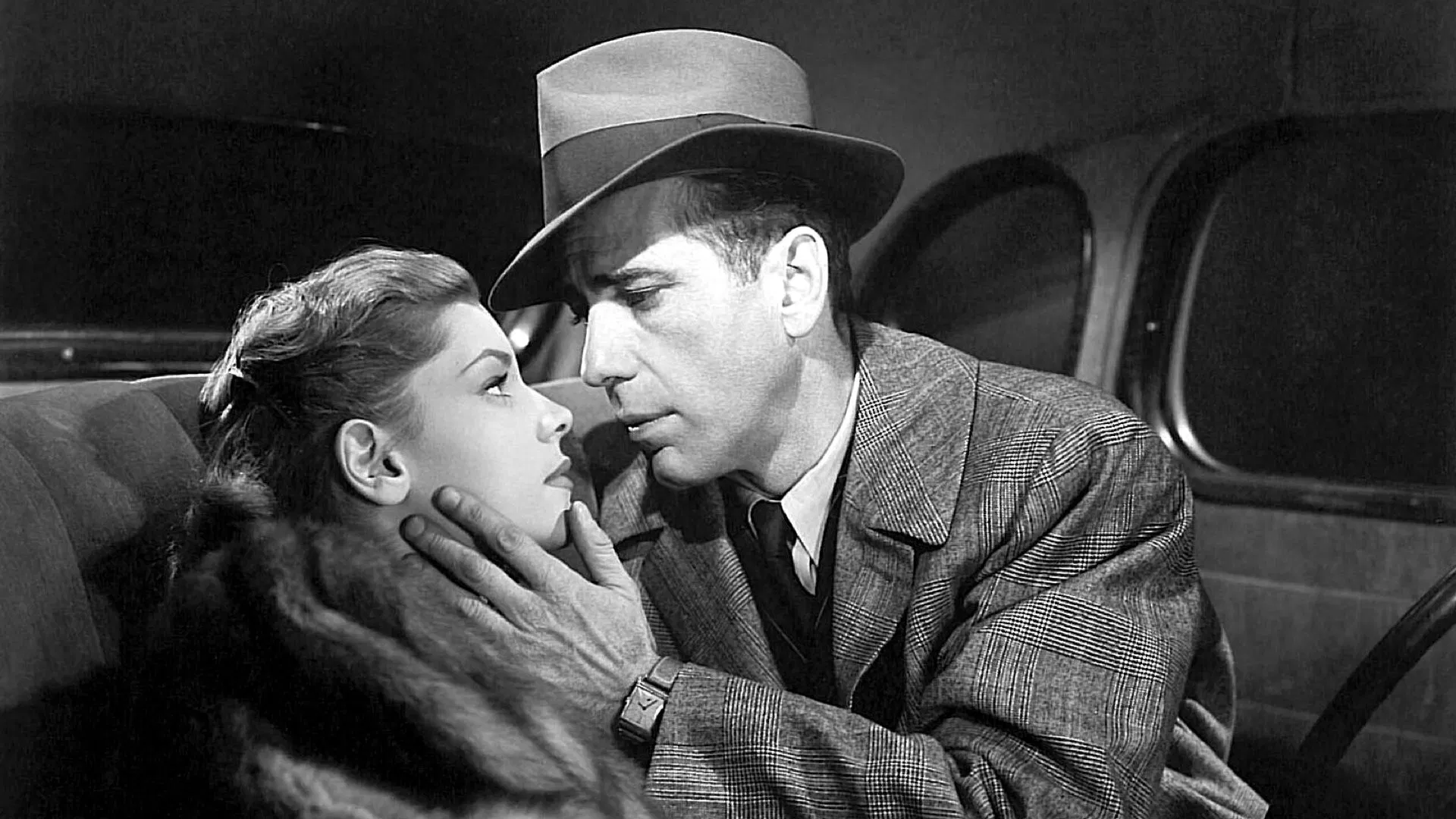
Howard Hawks prioritized mood and star power over plot coherence, creating a film that is pure atmosphere. Humphrey Bogart is the quintessential Marlowe, cool and cynical, while Lauren Bacall matches him step for step with a sultry intelligence, their real-life romance burning through the screen in every scene. The dialogue is dense with double entendres and slang, requiring the audience to keep up with the rapid-fire delivery. It captures the essence of the hardboiled genre: it doesn't matter who killed the chauffeur; what matters is the integrity of the detective walking down the mean streets.
9. 🎬 Touch of Evil (1958)
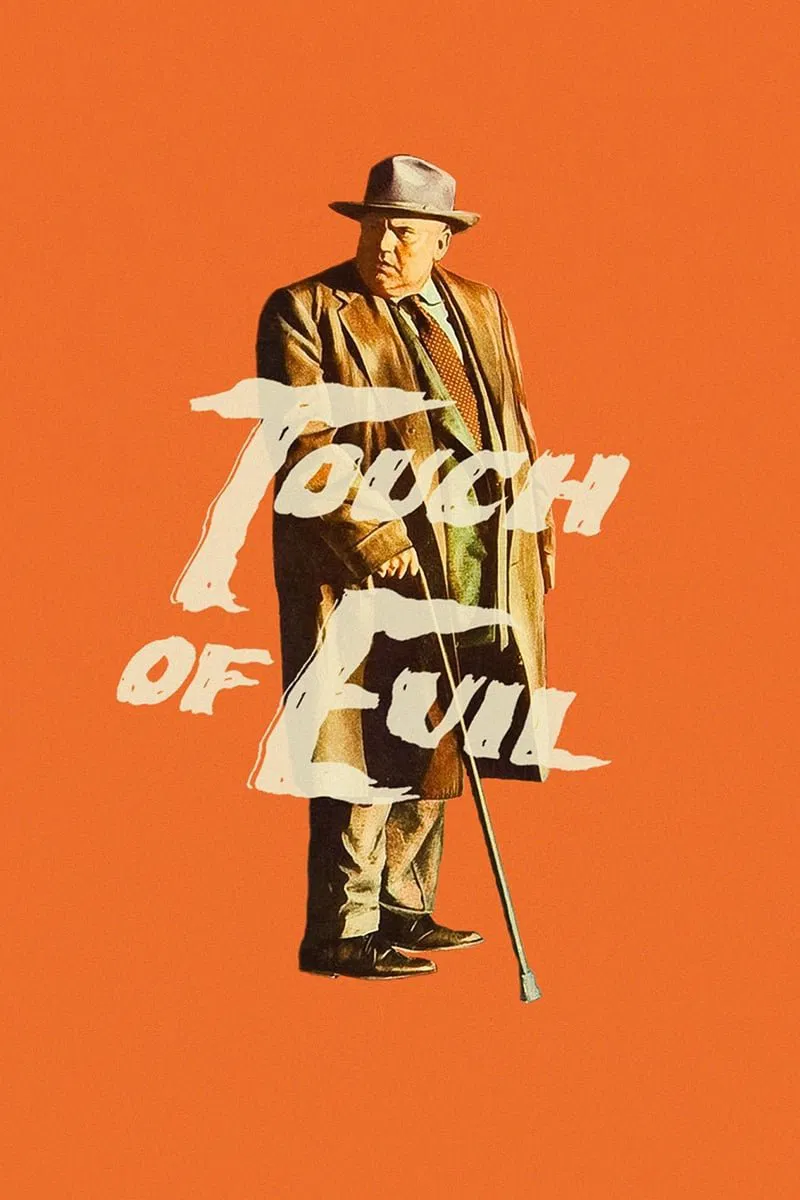
Synopsis: A car bomb explodes on the US-Mexico border, drawing Mexican narcotics officer Mike Vargas into a jurisdictional nightmare with the local American police captain, Hank Quinlan. Vargas, who is on his honeymoon, quickly realizes that Quinlan is a corrupt, bloated tyrant who plants evidence to secure convictions. As Vargas races to expose Quinlan’s crimes, the captain conspires with a local gang to frame Vargas’s wife, leading to a nightmarish descent into a world of drugs, motels, and moral decay in a border town where the law is merely a suggestion.
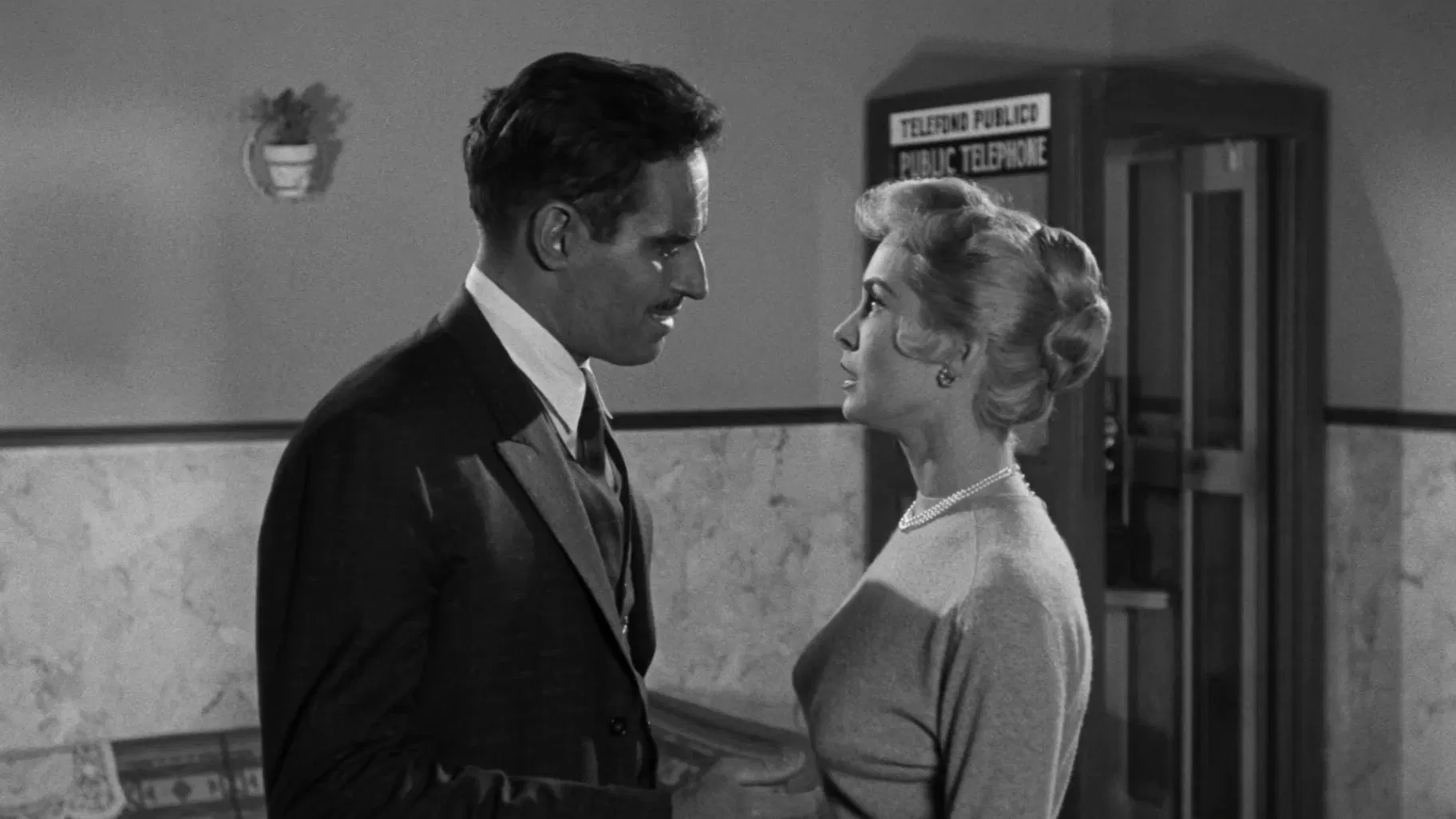
Orson Welles directed this noir masterpiece that is often cited as the final tombstone of the classic noir era. The film opens with one of the most famous long takes in cinema history, a tracking shot that builds unbearable tension before the explosion. Welles plays Quinlan as a tragic monster, a man who was once a great detective but has been corrupted by grief and ego, serving as a dark mirror to the righteous Vargas (Charlton Heston). It is a grotesque, sweaty, and visually inventive film that explores the fluid nature of borders - both geographical and moral.
8. 🎬 High and Low (1963)
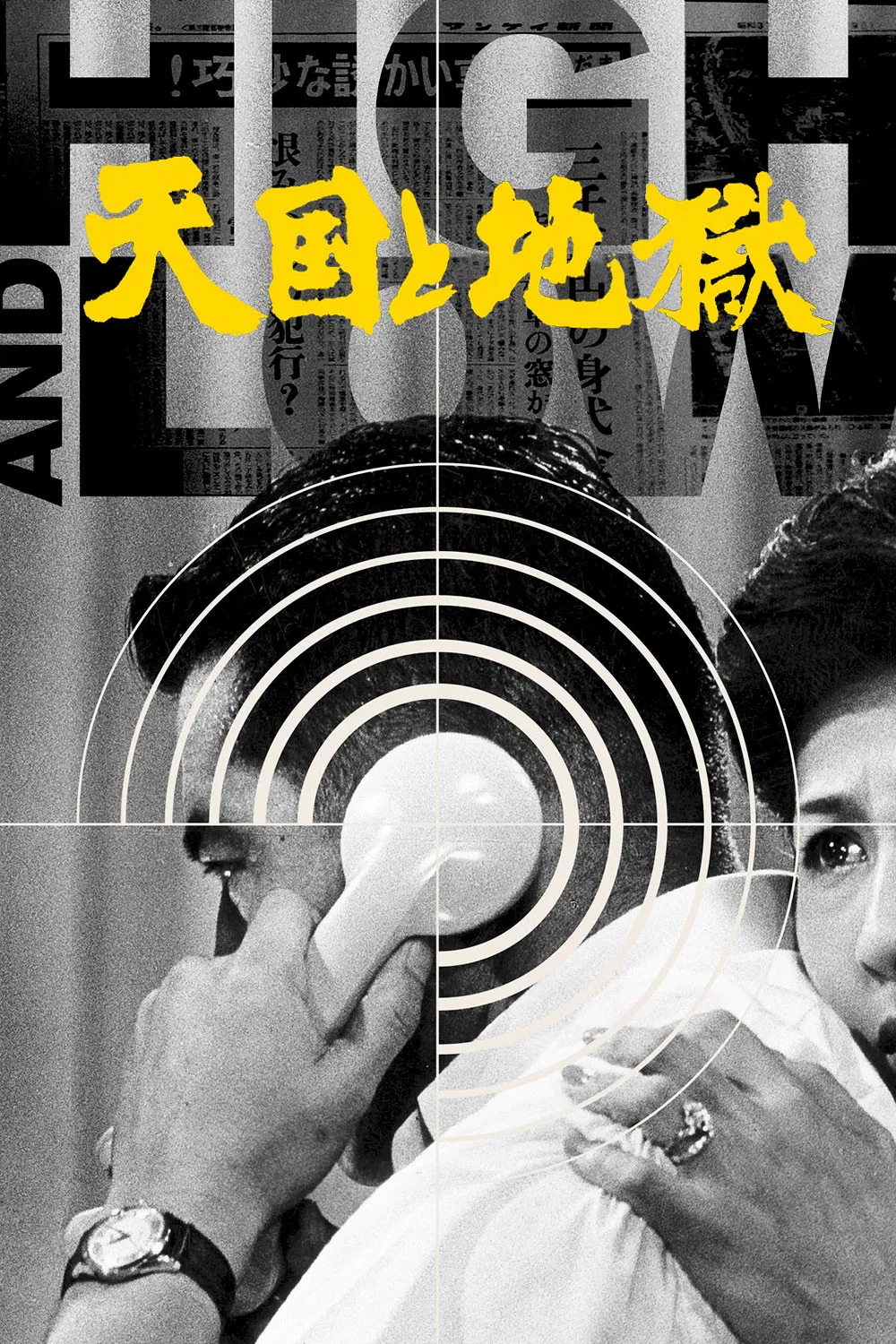
Synopsis: King Gondo, a wealthy shoe executive in the midst of a hostile corporate takeover, receives a call that his son has been kidnapped for a massive ransom. However, it is revealed that the kidnapper accidentally took the son of Gondo’s chauffeur instead. Gondo faces an agonizing moral dilemma: pay the ransom and ruin his career to save a child who isn't his, or refuse and let the boy die. The second half of the film shifts gears into a meticulous police procedural, as the detectives comb through the sweltering streets of Yokohama to hunt down the kidnapper using minute clues and sheer doggedness.
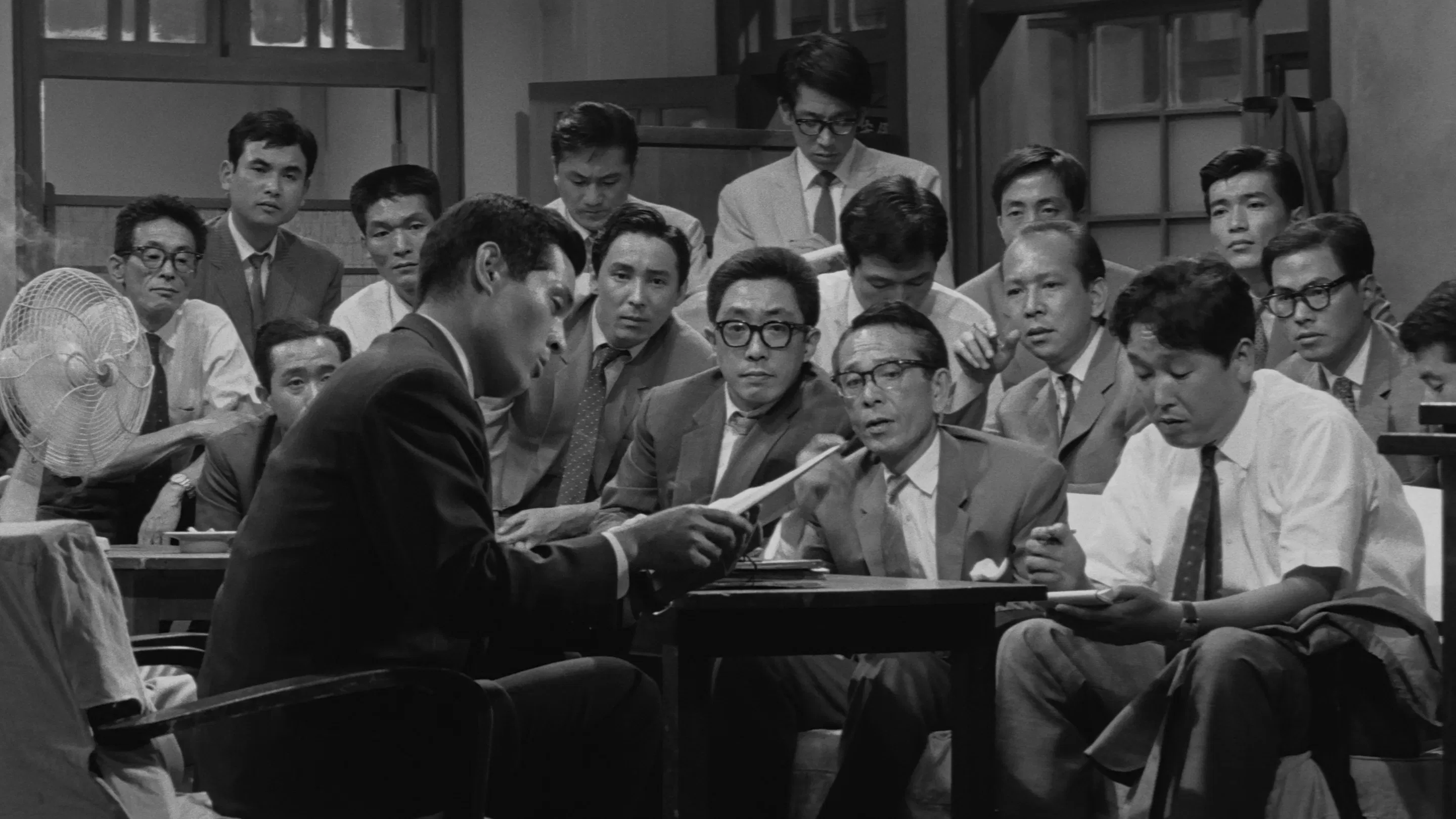
Akira Kurosawa adapts an Ed McBain novel into a tense examination of class warfare and social responsibility in modern Japan. Toshiro Mifune gives a restrained, powerful performance as a man torn between ambition and humanity, effectively losing his fortune to gain his soul. The police investigation is portrayed with fascinating detail, celebrating the collective effort of law enforcement rather than the genius of a lone wolf. Visually, the film uses the geography of the city - the wealthy house on the hill looking down on the poverty of the slums - to physicalize the resentment that drives the crime.
7. 🎬 The Maltese Falcon (1941)
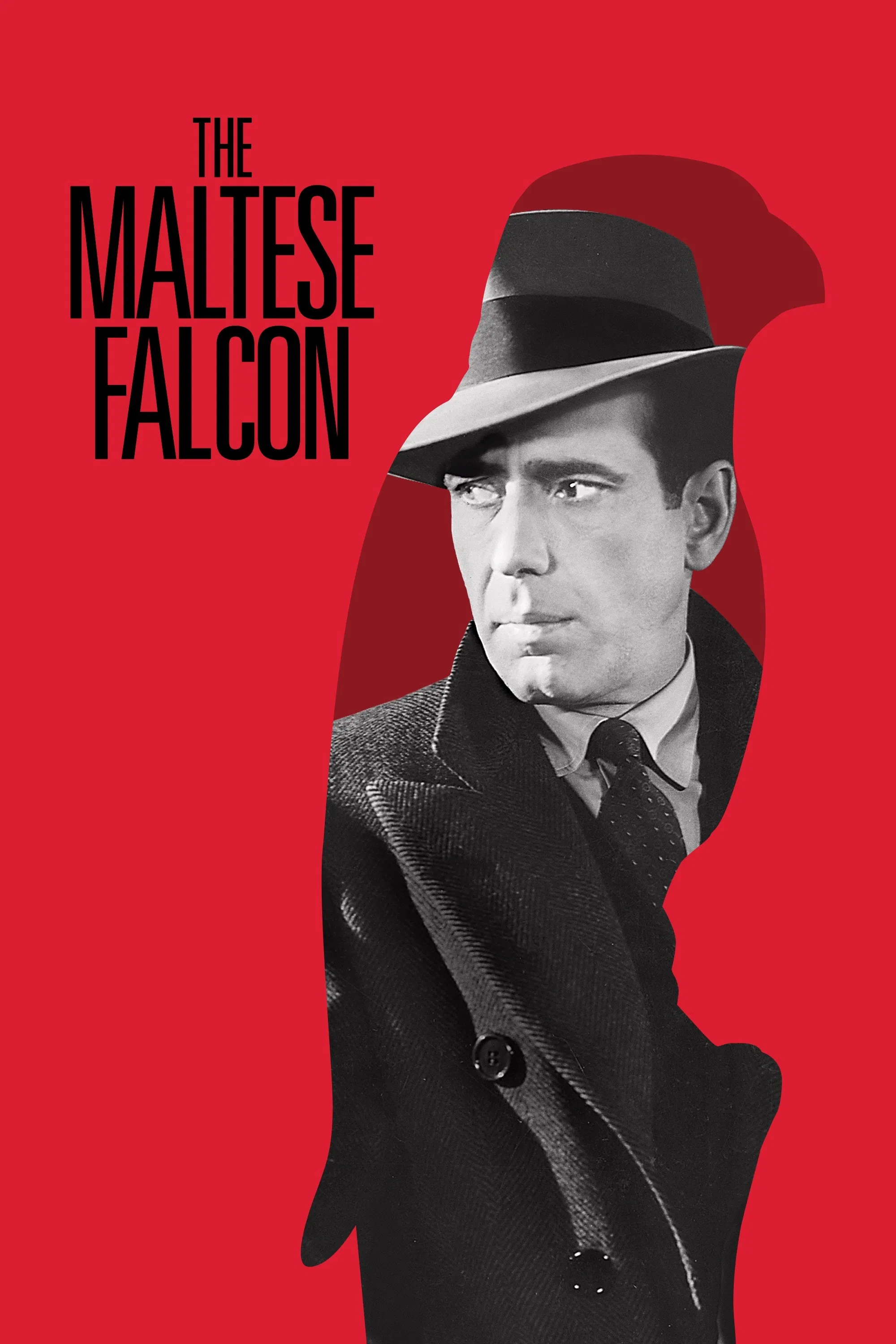
Synopsis: San Francisco private detective Sam Spade is pulled into a deadly treasure hunt when a beautiful, treacherous woman named Brigid O'Shaughnessy hires him to find her sister. The case quickly turns into a search for a priceless statuette of a black bird, the Maltese Falcon, which is coveted by a gallery of rogues including the effeminate Joel Cairo and the menacing "Fat Man," Kasper Gutman. After his partner is murdered, Spade must play all sides against the middle to survive, navigating a world of lies where everyone has an agenda and trust is a fatal weakness.
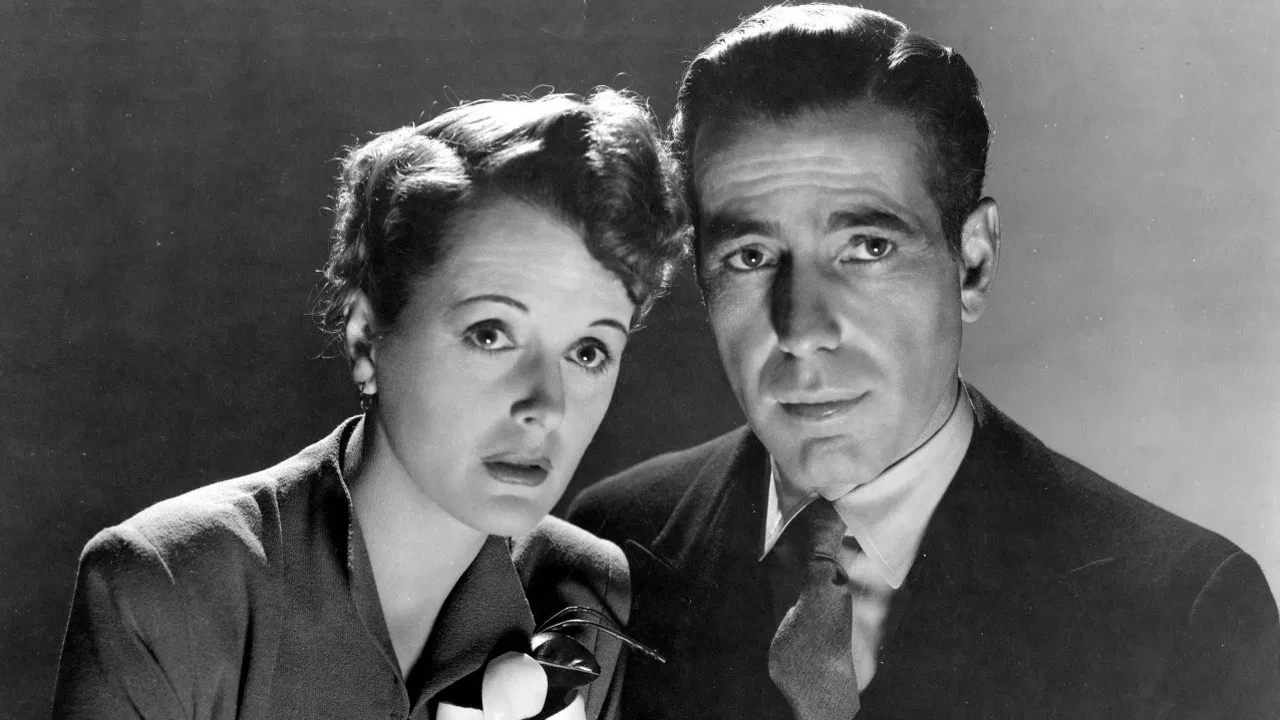
John Huston’s directorial debut is the film that launched the film noir genre, establishing the visual and thematic tropes that would dominate the 1940s. Humphrey Bogart defines the private eye archetype: cynical, tough, but guided by a personal code of honor that forces him to turn in the woman he loves because "you don't play the sap for anybody." The film is a triumph of casting, with Peter Lorre and Sydney Greenstreet creating iconic villains who are terrifying yet oddly polite. It is a cynical examination of greed, revealing that the things men kill and die for are often, in the end, just lead disguised as gold.
6. 🎬 L.A. Confidential (1997)
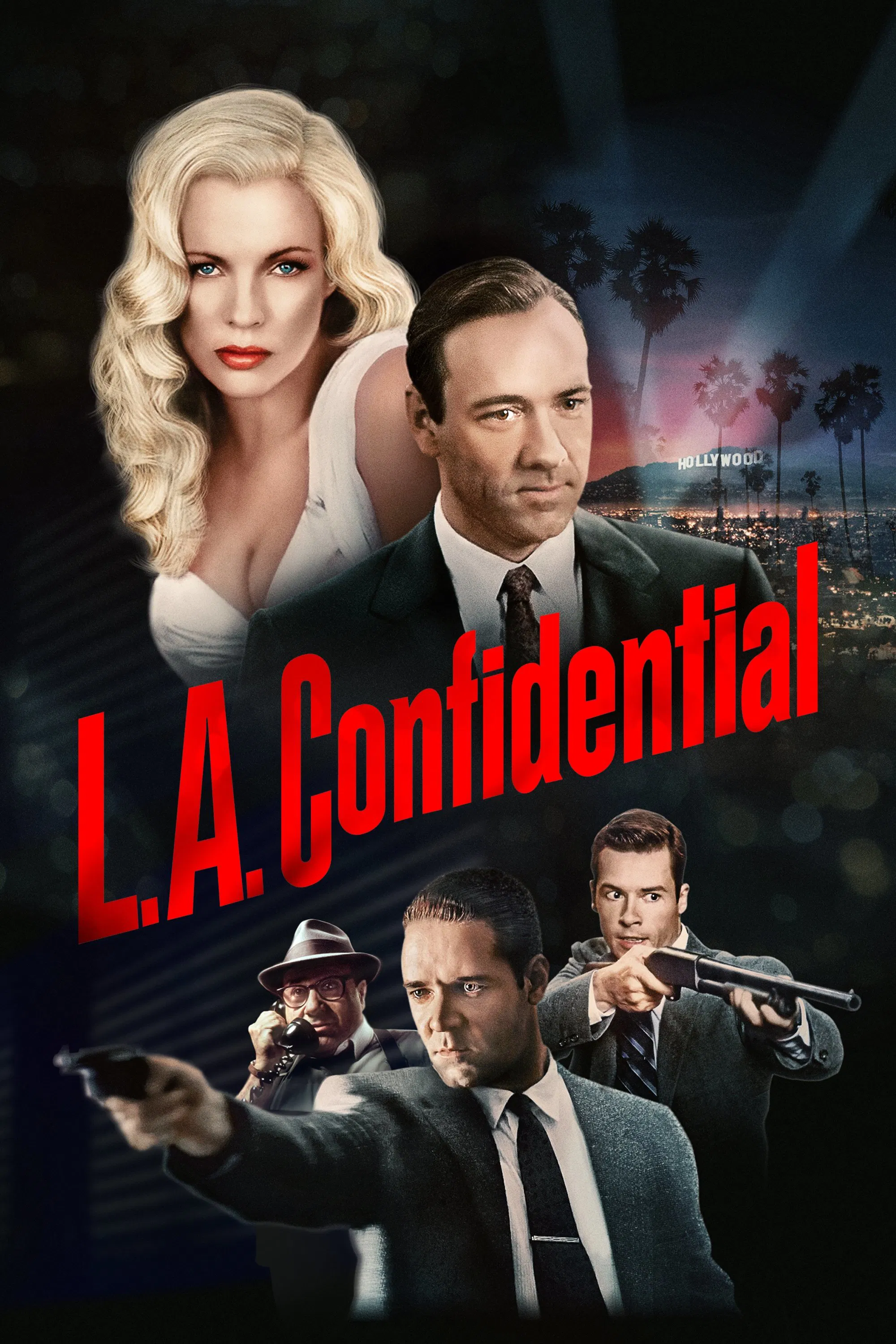
Synopsis: In 1950s Los Angeles, three very different detectives - the ambitious college boy Ed Exley, the brutal enforcer Bud White, and the smooth celebrity cop Jack Vincennes - are drawn into a web of corruption following a massacre at the Nite Owl coffee shop. As they peel back the glamorous veneer of Hollywood, they uncover a conspiracy involving heroin, high-class prostitution, and police corruption that reaches the highest levels of the department. The three rivals must put aside their hatred for one another to take down a common enemy who is protecting the darkest secrets of the City of Angels.
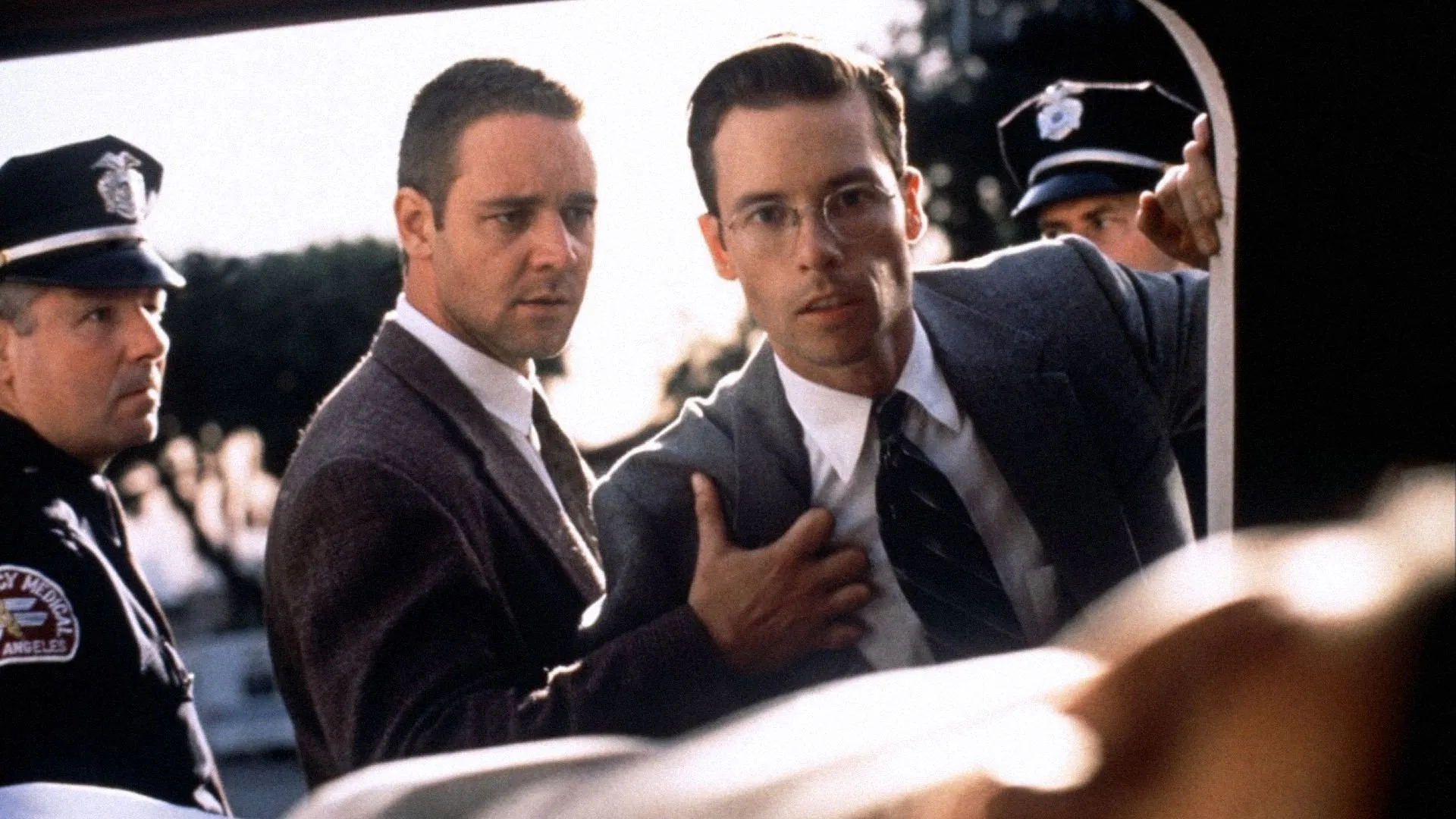
Curtis Hanson adapted James Ellroy’s dense, unfilmable novel into a sleek, violent masterpiece that serves as both a love letter and a poison pen letter to the 1950s. The script is a marvel of compression, weaving multiple complex plotlines into a cohesive narrative about the price of integrity. The film made stars of Russell Crowe and Guy Pearce, who embody the physical and intellectual sides of policing, while Kim Basinger provides the tragic emotional heart. It exposes the rot beneath the sunshine, arguing that the polished image of law and order is often maintained by blood and lies.
5. 🎬 Memories of Murder (2003)
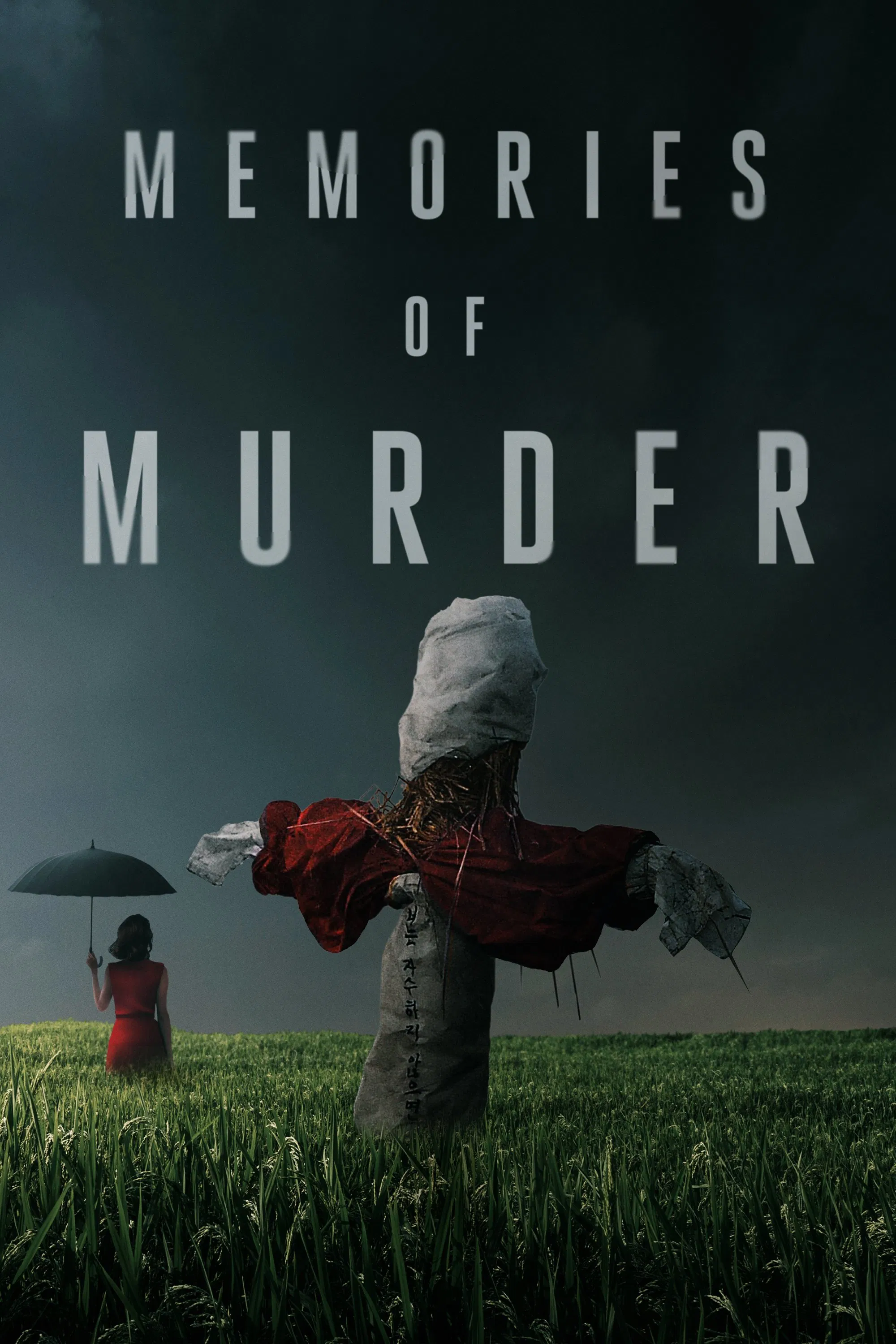
Synopsis: Based on the true story of South Korea’s first serial killer, the film follows two detectives in a rural province in 1986: the bumbling, instinct-driven Park Doo-man and the methodical, city-trained Seo Tae-yoon. As young women are found murdered in rain-soaked fields, the two men clash over their methods, with Park relying on torture and superstition while Seo looks for patterns and evidence. As the body count rises and their leads turn into dead ends, the detectives’ desperation grows, slowly consuming their sanity and leading to a haunting realization about the elusiveness of truth.
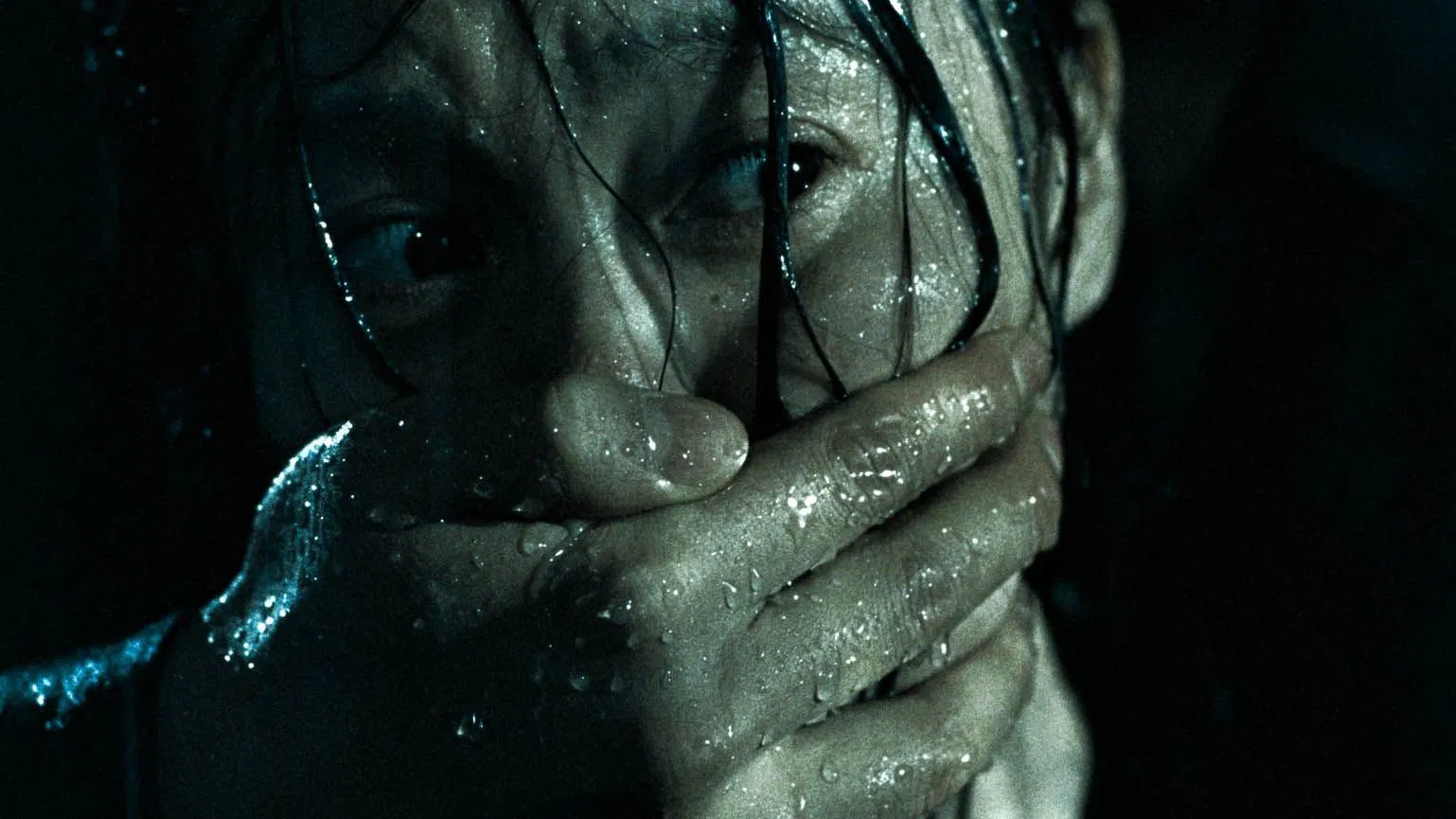
Before Parasite, Bong Joon-ho directed this perfect police procedural that is less about catching a killer and more about the failure of a system. The film blends dark humor with profound tragedy, capturing the chaotic, amateurish nature of the investigation in a country under military dictatorship. The cinematography creates a lush, humid atmosphere where the golden rice fields hide unspeakable horrors. The famous final shot, with Song Kang-ho looking directly into the camera, breaks the fourth wall to confront the real killer who was still at large when the film was released, creating a chilling moment of connection between art and reality.
4. 🎬 Se7en (1995)
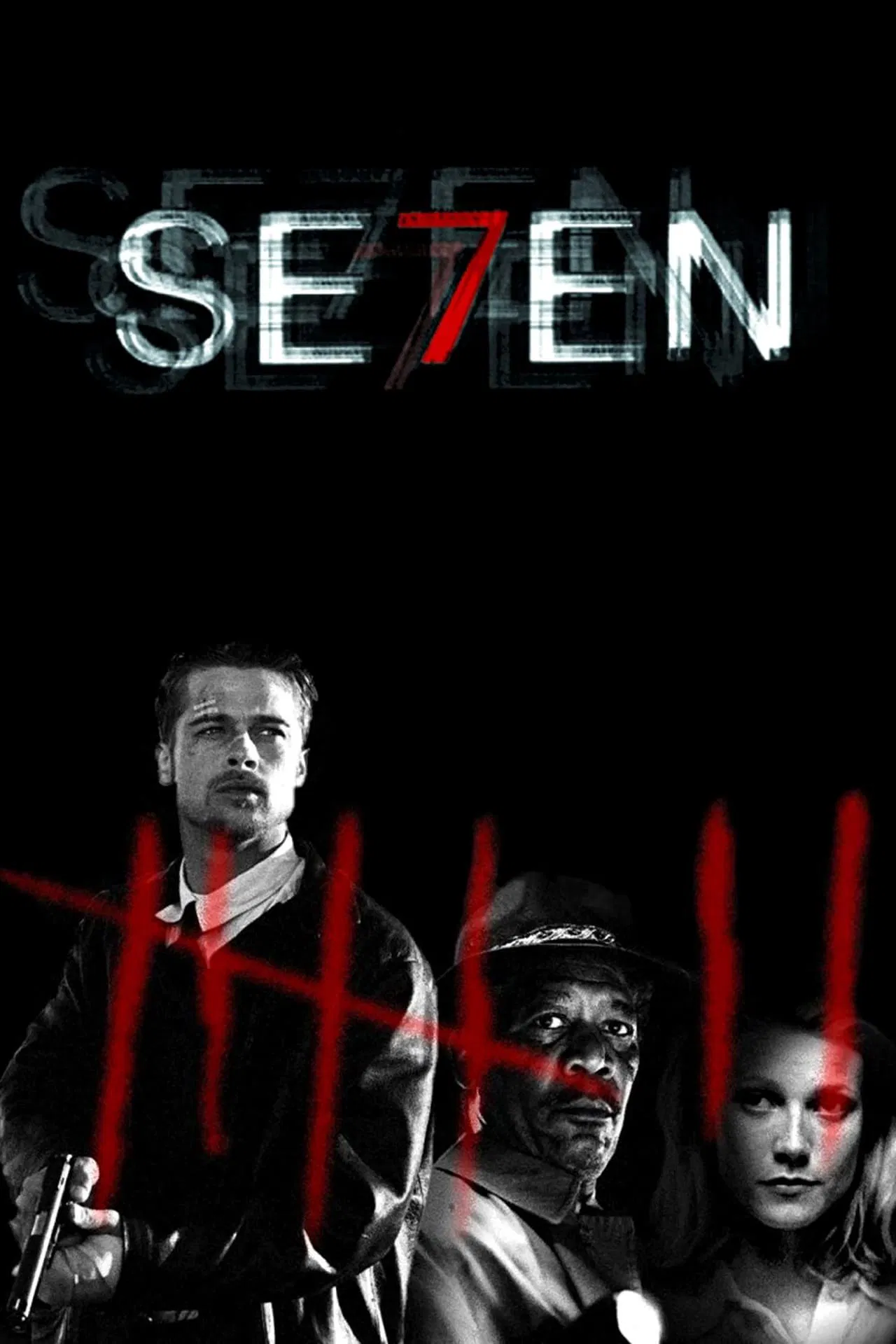
Synopsis: Detective Somerset, a weary veteran on the verge of retirement, is paired with Mills, an impulsive and arrogant rookie transfer, to investigate a series of gruesome murders inspired by the Seven Deadly sins. The killer, John Doe, stages elaborate and horrific tableaux for each victim, forcing the detectives to participate in his twisted sermon. As the rain pours down on a nameless, decaying city, Somerset and Mills race to decipher the killer's pattern, leading to a confrontation in the desert where John Doe reveals the final, devastating piece of his masterpiece.
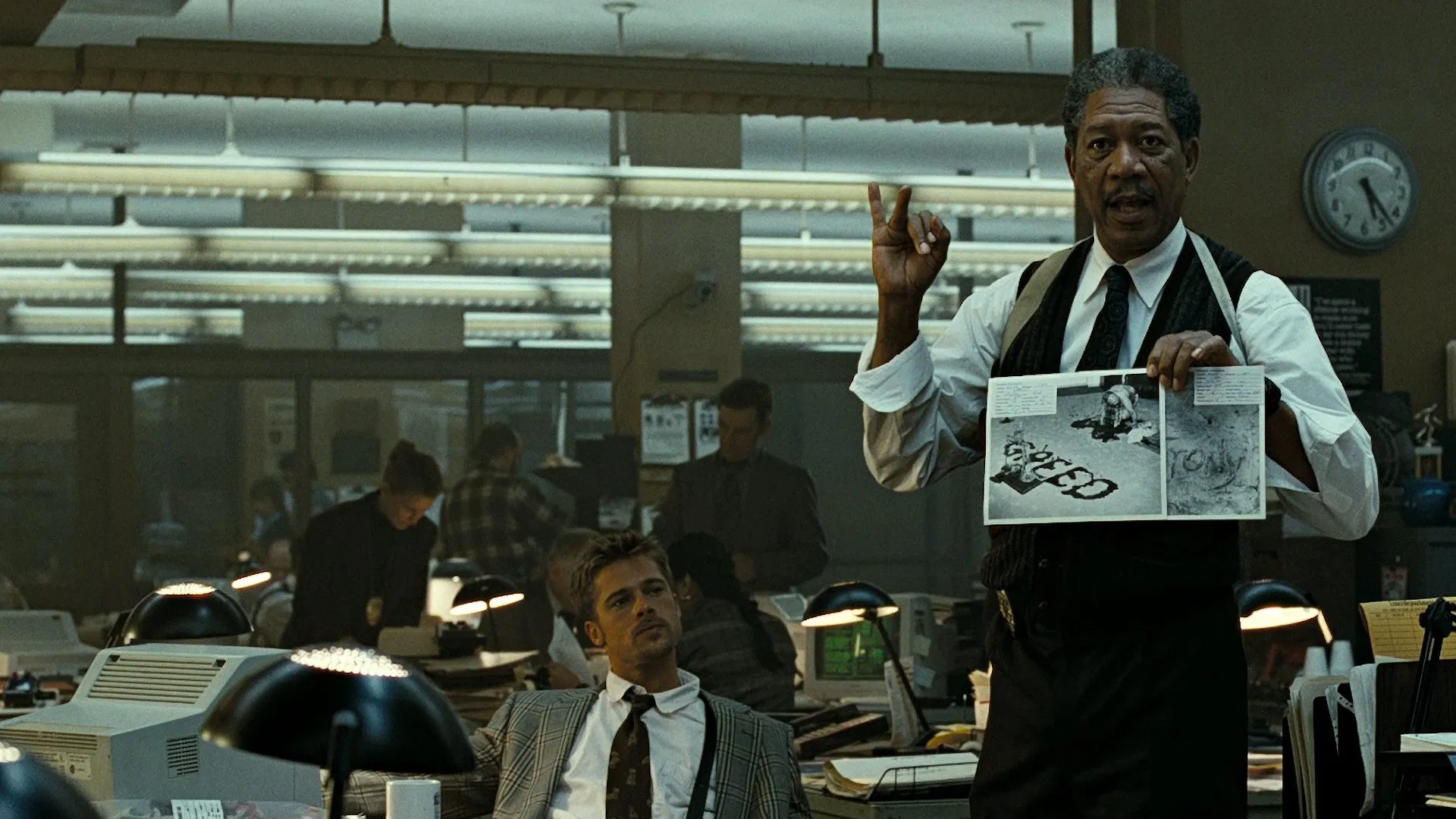
David Fincher redefined the serial killer thriller with a film that is drenched in dread and industrial decay. The production design creates a world that feels diseased, with peeling paint and constant rain reflecting the moral rot of the characters. Morgan Freeman and Brad Pitt have perfect chemistry as the cynic and the idealist, representing the old and new guard of law enforcement. The ending is legendary for its brutality, subverting the genre by giving the villain exactly what he wanted, forcing the audience to question whether apathy is the only way to survive in a world filled with such darkness.
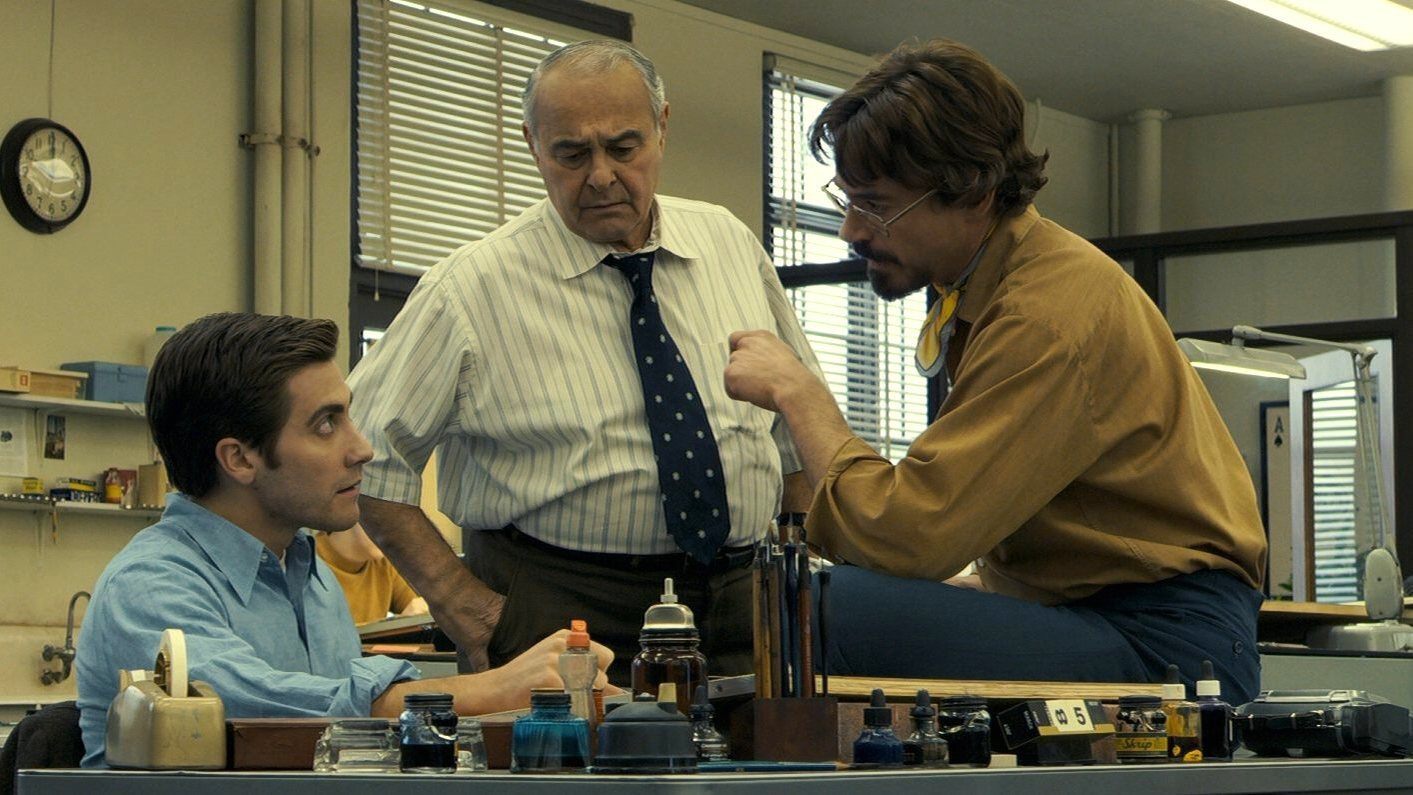
3. 🎬 Zodiac (2007)
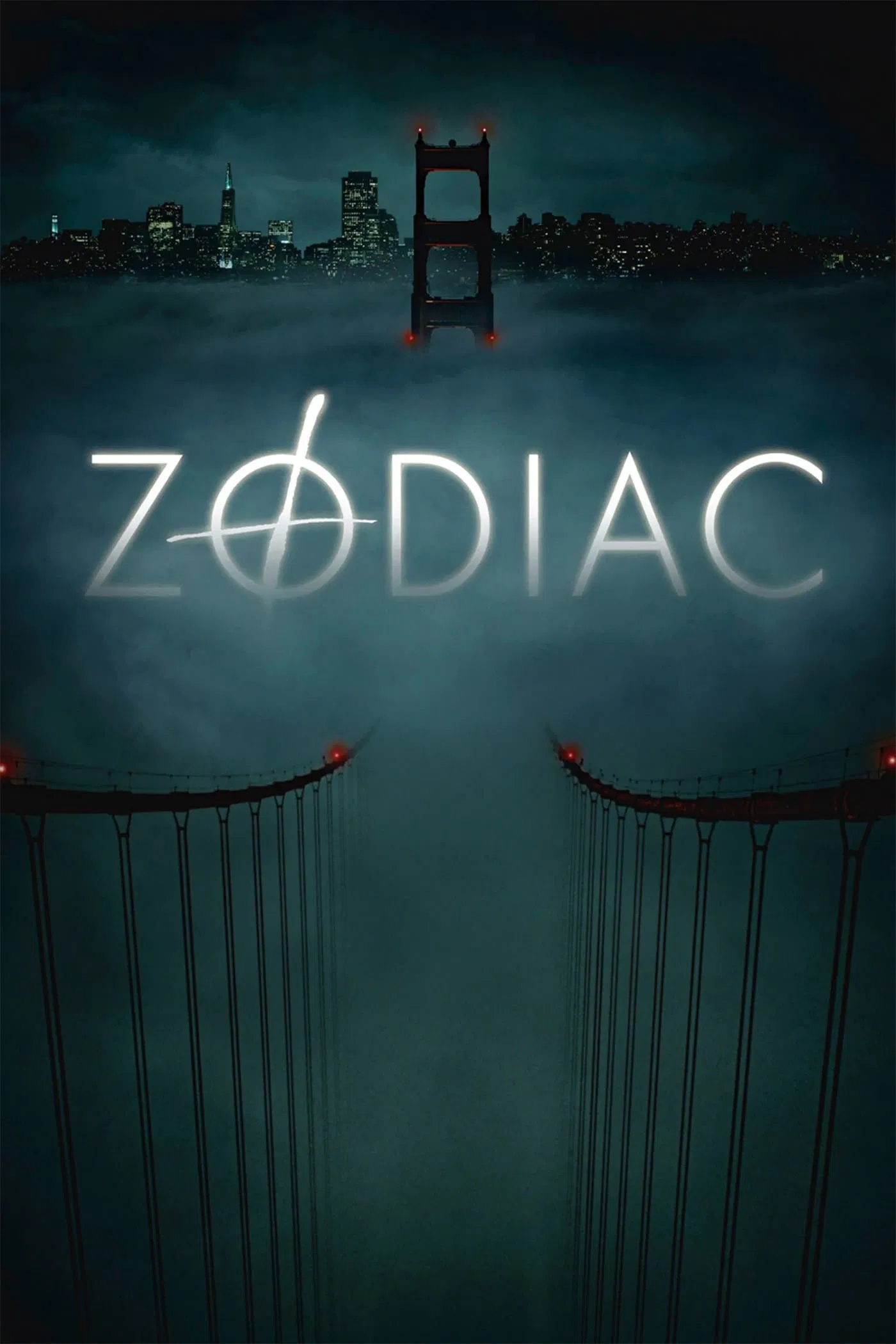
Synopsis: This procedural epic chronicles the decades-long hunt for the Zodiac Killer, who terrorized the San Francisco Bay Area in the late 1960s and taunted the police with encrypted letters. The film focuses on four men obsessed with the case: detectives Dave Toschi and Bill Armstrong, journalist Paul Avery, and political cartoonist Robert Graysmith. As the years drag on and the trail goes cold, the official investigation stalls, but Graysmith’s obsession only deepens, costing him his marriage and his peace of mind as he sifts through mountains of circumstantial evidence to find a ghost.
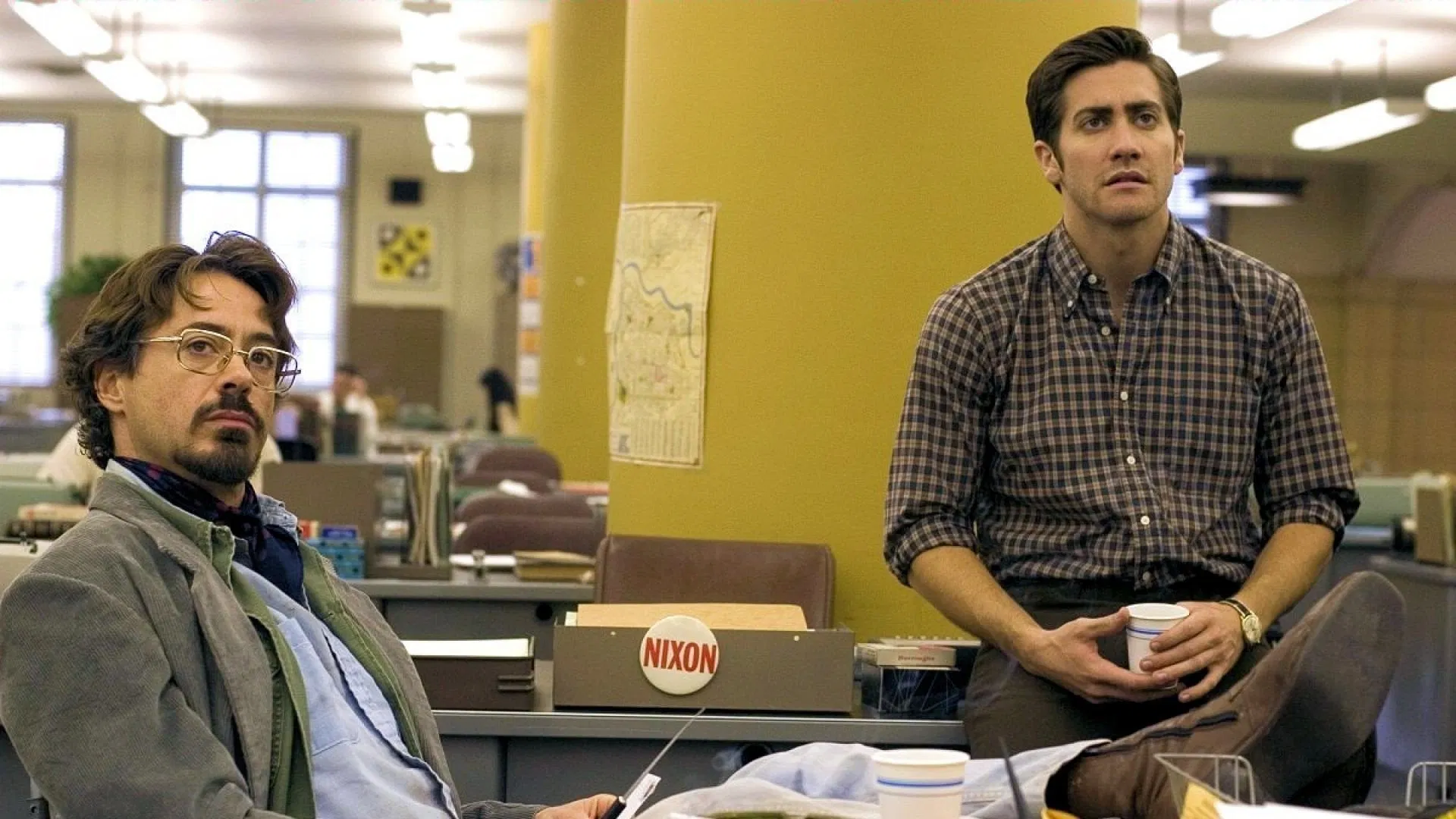
David Fincher returns to the genre not to deliver thrills, but to examine the crushing weight of not knowing. Unlike Se7en, this film is grounded in absolute reality, prioritizing the mundane details of police work - the paperwork, the phone calls, the false leads - over action. It is a film about the passage of time and the corrosive nature of obsession, showing how an unsolved mystery can destroy lives just as effectively as a bullet. It is a masterpiece of digital filmmaking, using information overload to place the viewer in the same state of exhausted confusion as the investigators.
2. 🎬 Chinatown (1974)
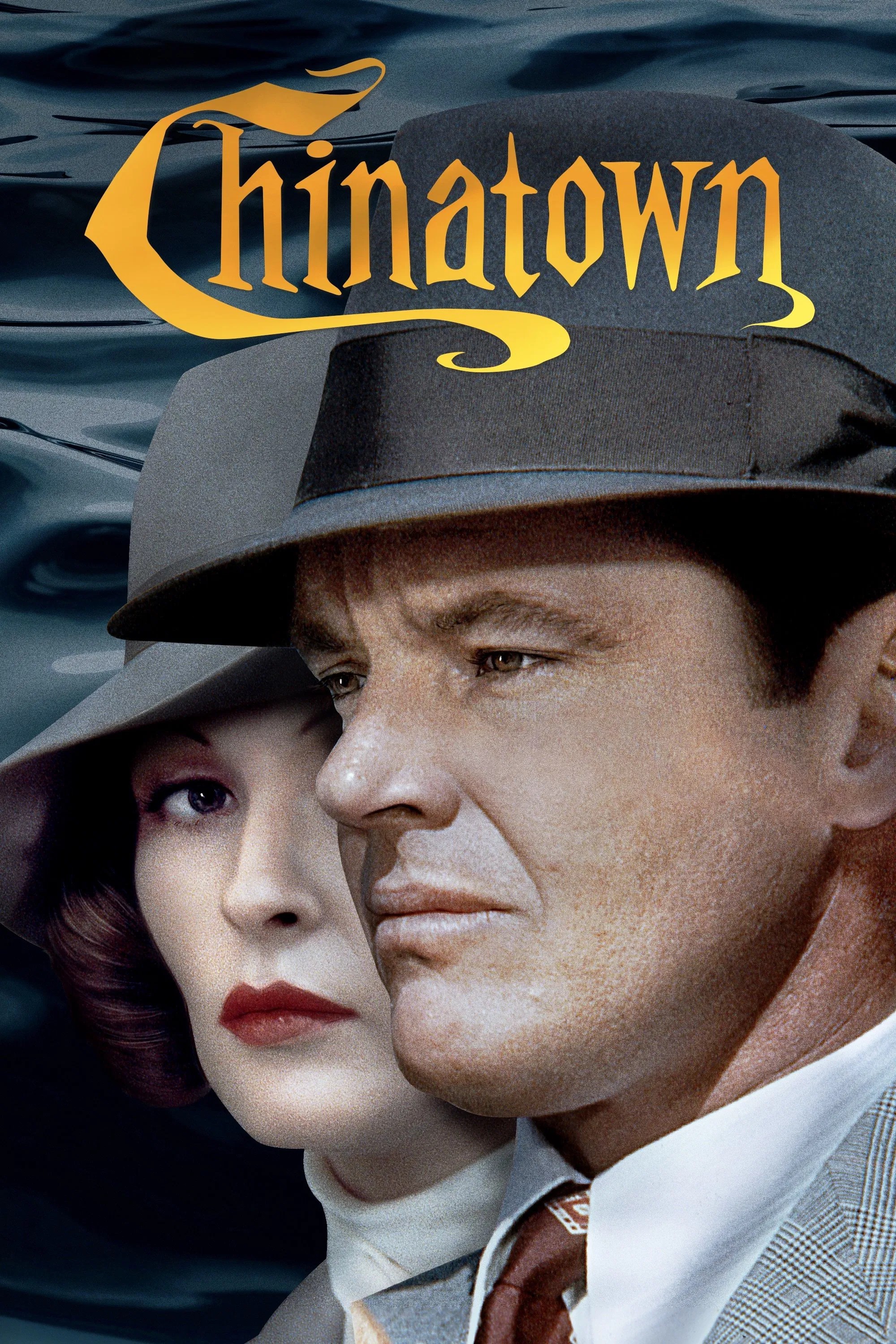
Synopsis: In 1937 Los Angeles, private eye J.J. Gittes is hired by a woman claiming to be the wife of Hollis Mulwray, the chief engineer of the water department, to spy on his affair. Gittes soon discovers he was set up, and when Mulwray is found drowned, he is plunged into a massive conspiracy involving the city’s water supply, land grabs, and the wealthy, terrifying Noah Cross. As Gittes draws closer to the truth, he becomes romantically involved with Mulwray’s real widow, Evelyn, uncovering a family secret so dark that it renders all the political corruption meaningless.
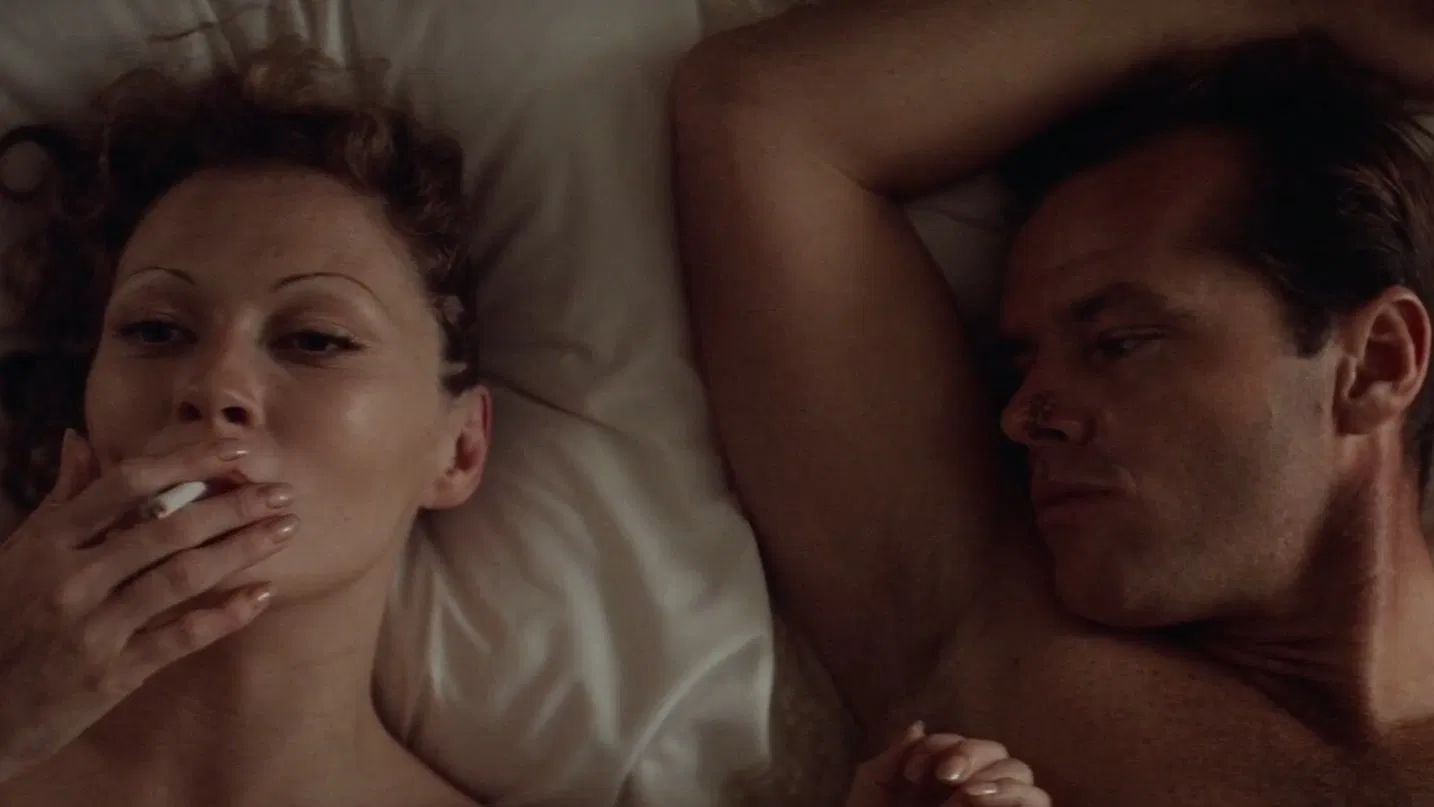
This is widely regarded as the perfect screenplay, written by Robert Towne, which uses the detective genre to explore the foundational sins of Los Angeles. Jack Nicholson gives a career-defining performance as Gittes, a man who thinks he is the smartest person in the room until he realizes he doesn't even know what game is being played. The film subverts the noir expectation of the hero saving the day; instead, it ends in a moment of absolute futility in Chinatown, a metaphor for a place where good intentions only lead to more suffering. It is a cynical, devastating look at how power operates without consequence.
1. 🎬 Vertigo (1958)
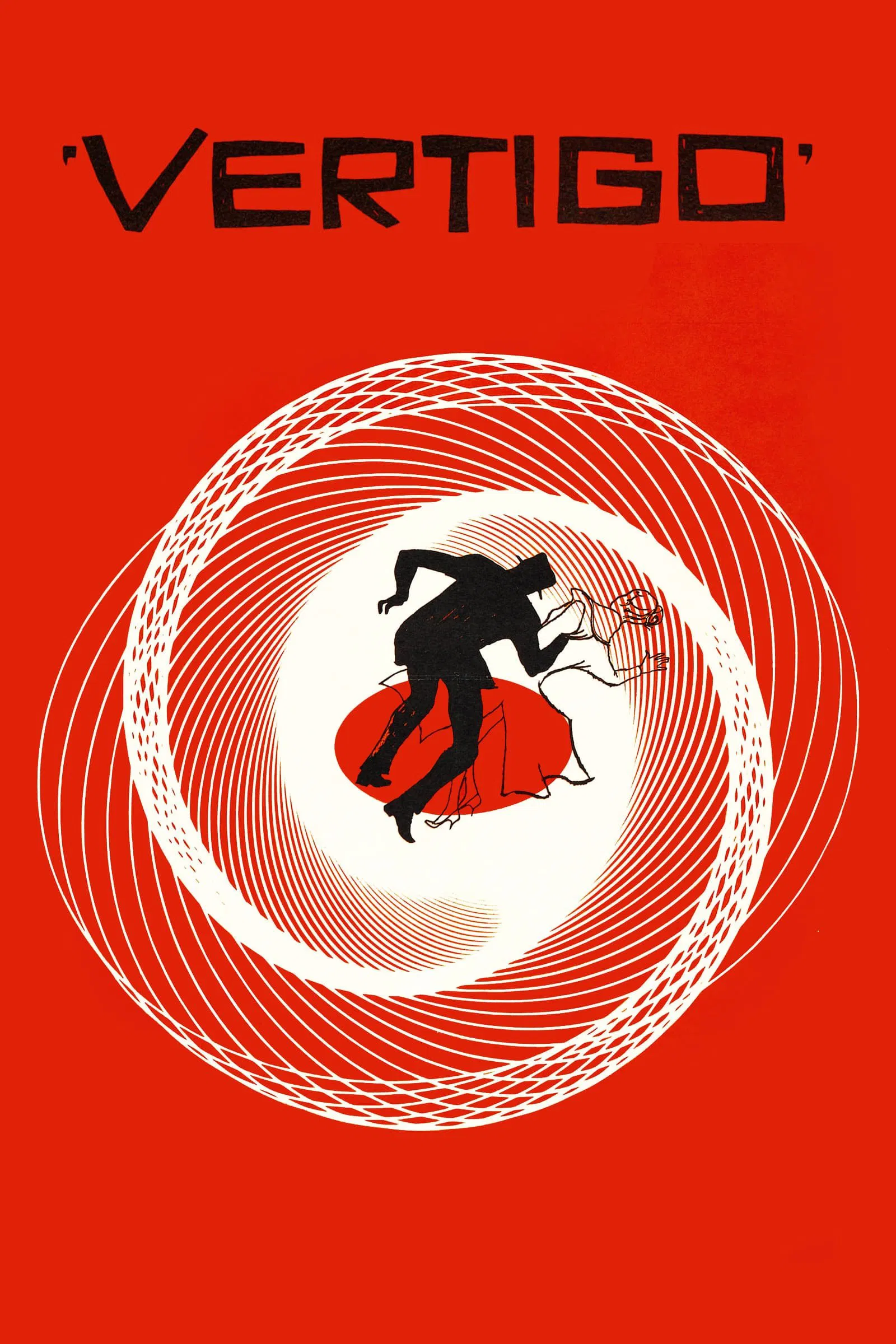
Synopsis: John "Scottie" Ferguson, a former police detective forced into retirement by crippling acrophobia (fear of heights) and vertigo, is hired by an old friend to follow his wife, Madeleine, who is behaving strangely and believes she is possessed by a dead ancestor. Scottie becomes obsessed with the beautiful, ghostly Madeleine, eventually falling in love with her before failing to save her from a suicide jump due to his vertigo. devaststed, Scottie later meets a woman named Judy who bears a striking resemblance to Madeleine, and he begins a disturbing attempt to remake her into the image of his dead love, unaware that he is a pawn in a murder plot.
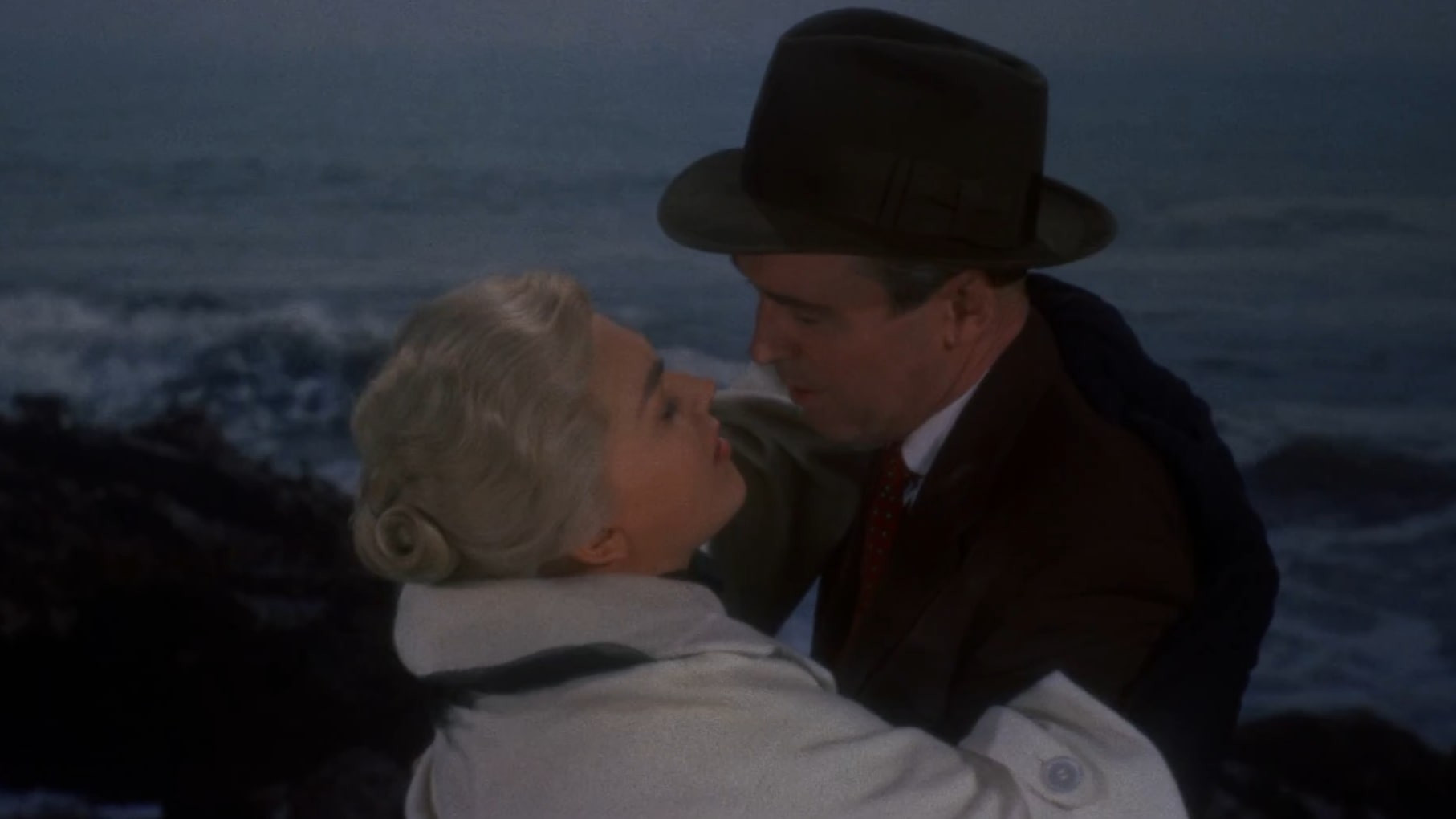
Alfred Hitchcock’s masterpiece was initially misunderstood but is now often cited as the greatest film of all time. It is a detective story that morphs into a psychological horror film about male gaze, obsession, and control. James Stewart subverts his "everyman" persona to play a man whose romantic devotion is revealed to be a form of sickness, while Kim Novak delivers a complex dual performance as the object of his fantasy. The film’s use of the "dolly zoom" to simulate vertigo created a new visual language for fear. It is a film of dreamlike beauty and profound sadness, exploring the idea that we can never truly possess another person, only our projection of them.
— The Cinéprism
Keep reading
31 / 08 / 2026 · 391 reads
10 Best Endings in Film
A curated list of 10 unforgettable movie endings that leave a lasting impact long after the credits roll.
11 / 01 / 2026 · 504 reads
11 Critically Acclaimed Netflix Shows
From royal sagas and psychological thrillers to groundbreaking true crime, discover the 11 essential series that define Netflix's golden era.