
Dispatch — Long Read
15 Cinematic Masterpieces Based on Real Events
From harrowing survival tales to pivotal historical moments, explore a curated collection of films that prove the truth is often stranger, and more moving, than fiction.
The Cinéprism
08 / 01 / 2026 · 12 min read
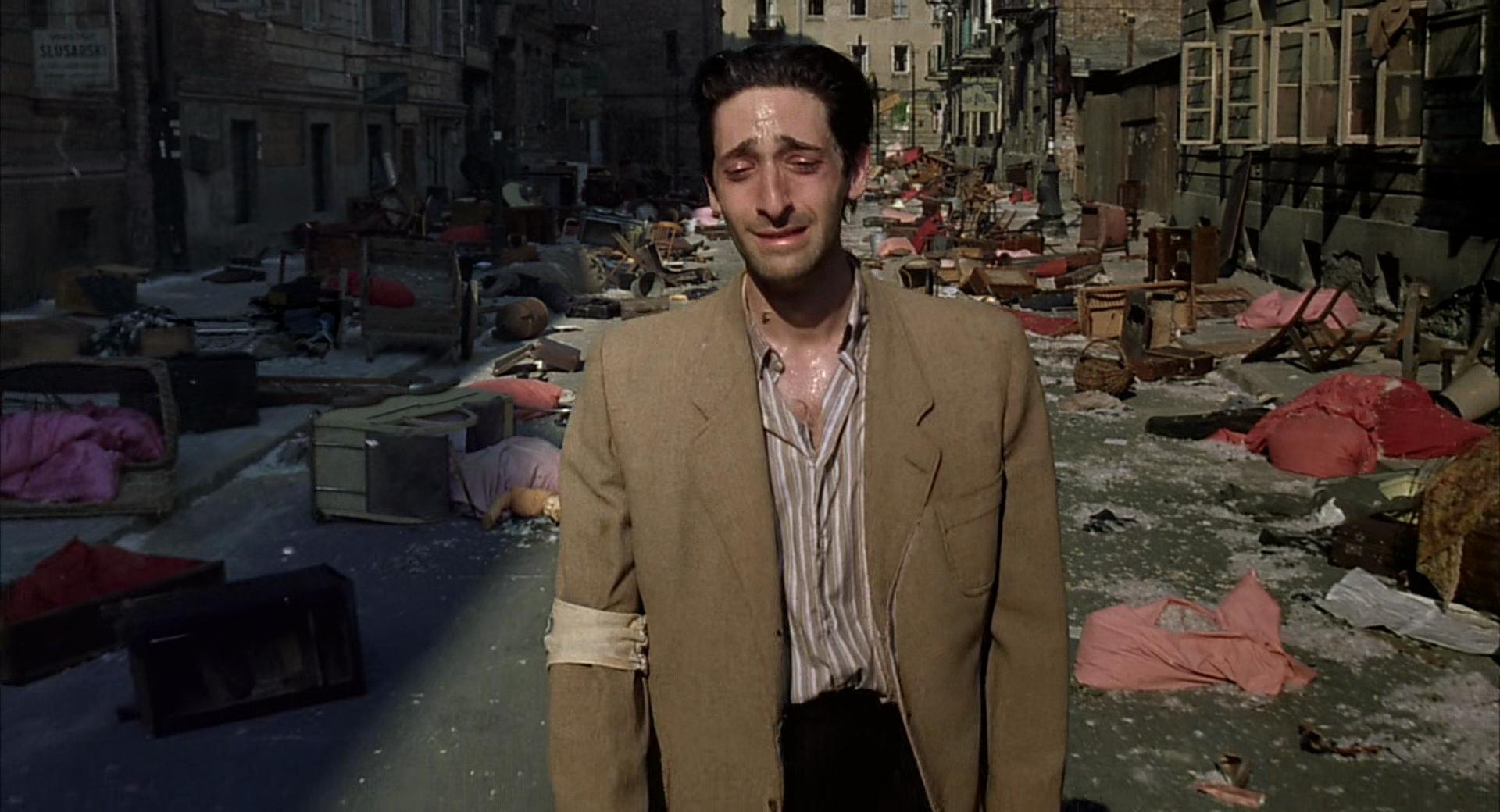
15. 🎬 All the President's Men (1976)
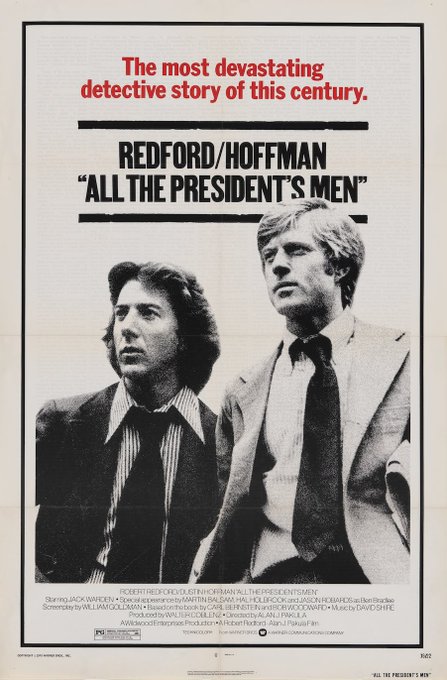
Synopsis: In the run-up to the 1972 election, Washington Post reporter Bob Woodward discovers what seems to be a minor break-in at the Democratic National Committee headquarters is actually part of a massive network of political espionage and sabotage. Teaming up with fellow reporter Carl Bernstein, the two men follow a trail of money and secrets that leads all the way to the White House. Battling government intimidation, deep-throat sources, and the skepticism of their own editors, they uncover the Watergate scandal that eventually forces President Richard Nixon to resign.
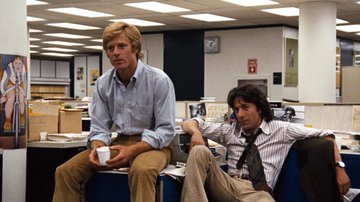
This is widely regarded as the definitive film about journalism, stripping away the glamour to focus on the hard, tedious work of finding the truth: the phone calls, the note-taking, and the knocking on doors. Alan J. Pakula creates a paranoid thriller where the weapon is a typewriter and the battlefield is a fluorescent-lit newsroom. It celebrates the power of the free press and the importance of holding institutions accountable, reminding us that sometimes the most dangerous thing a person can do is ask the right questions.
14. 🎬 Ford v Ferrari (2019)
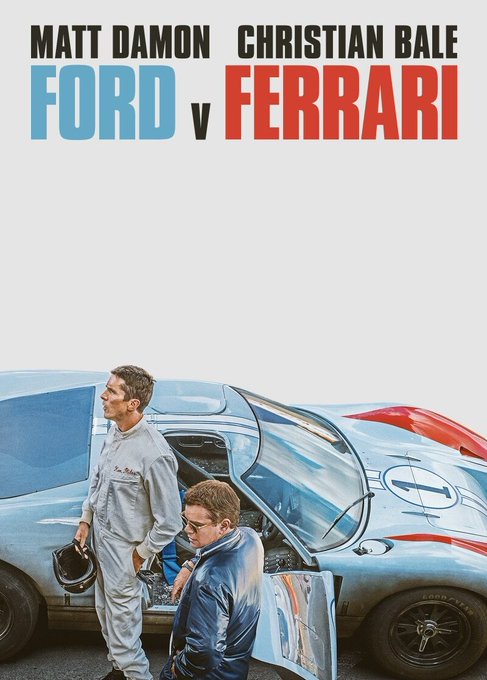
Synopsis: In the 1960s, the Ford Motor Company, desperate to appeal to a younger generation, attempts to buy Ferrari but is rebuffed and humiliated by Enzo Ferrari. Enraged, Henry Ford II demands a race car that can defeat the dominant Italian team at the 24 Hours of Le Mans. The company hires visionary automotive designer Carroll Shelby and the brilliant but volatile British driver Ken Miles to build the Ford GT40. The two men must battle corporate interference, the laws of physics, and their own personal demons to build a machine capable of making history.

James Mangold crafts a high-octane throwback to classic Hollywood filmmaking, relying on practical effects and real cars to create racing sequences that are visceral and deafening. The film is a buddy comedy wrapped in a historical drama, powered by the electric chemistry between Matt Damon’s politic Shelby and Christian Bale’s purist Miles. It explores the tension between art and commerce, showing how corporate bureaucracy constantly threatens to crush individual genius. The sound design is a masterpiece of engineering, making the viewer feel every gear shift and engine roar.
13. 🎬 Milk (2008)
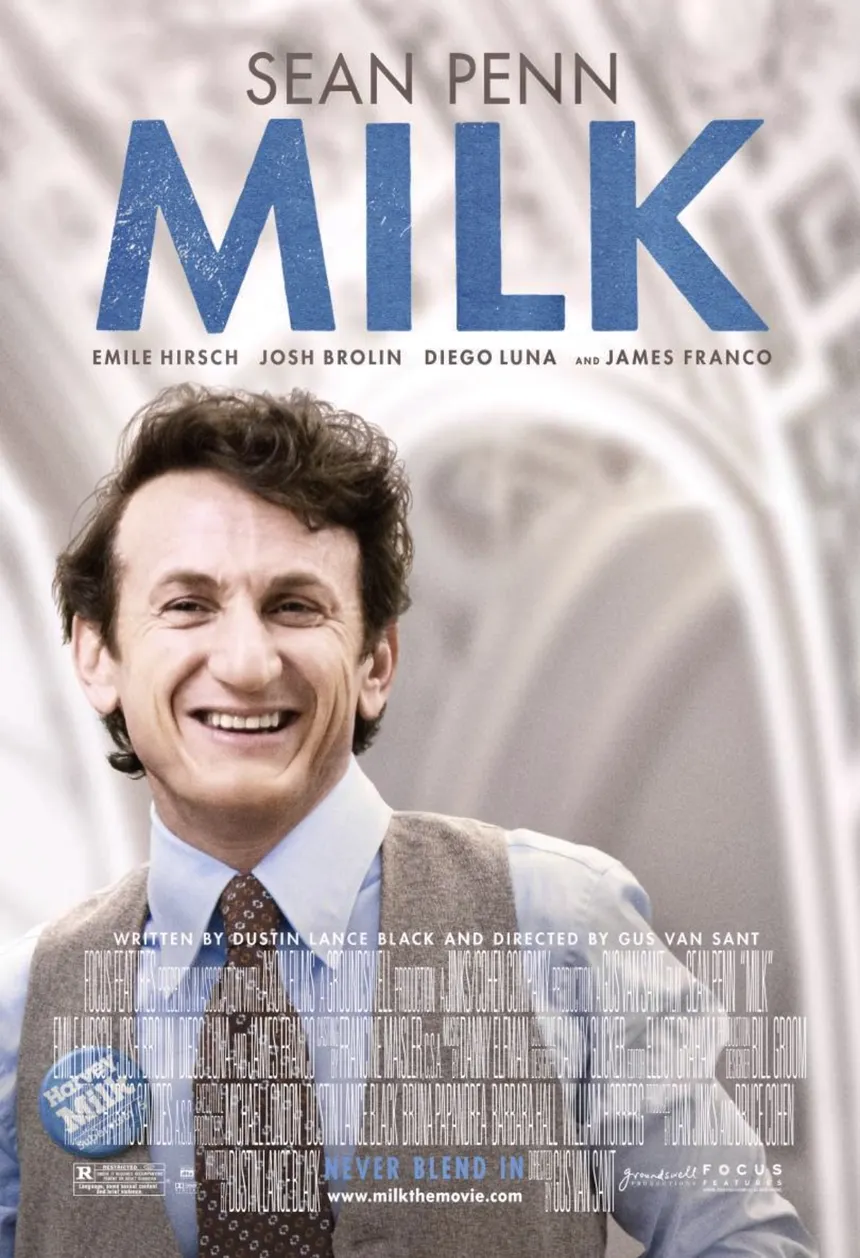
Synopsis: Harvey Milk, a middle-aged New Yorker, moves to San Francisco in the 1970s and becomes a galvanizing force for the gay rights movement in the Castro District. Facing rampant discrimination and police brutality, Milk decides to run for public office, eventually becoming the first openly gay elected official in California history. The film chronicles his rise as a populist hero, his political battles against the anti-gay Proposition 6, and his tragic assassination by fellow supervisor Dan White, an event that turned him into a martyr for civil rights.

Gus Van Sant blends documentary footage with a tender, intimate biopic that focuses on the human side of political activism. Sean Penn vanishes into the role of Milk, capturing his warmth, humor, and devastating charisma in an Oscar-winning performance. The film is a stirring reminder of the courage required to live openly in a hostile world, emphasizing that Milk’s greatest legacy was not just the laws he passed, but the hope he gave to "the Us's" out there who felt alone.
12. 🎬 The Big Short (2015)
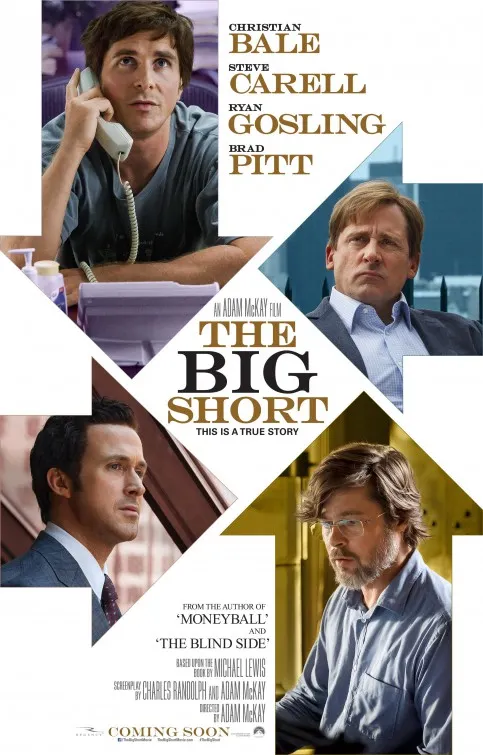
Synopsis: In the years leading up to the 2008 global financial crisis, a handful of outsiders and weirdos in the finance world predict the collapse of the US housing market while everyone else is blinded by greed. From the eccentric hedge fund manager Michael Burry to the angry trader Mark Baum, these men bet against the American economy, discovering that the entire banking system is built on a foundation of fraud and stupidity. As the economy crumbles, they make a fortune, but are left horrified by the realization that their success means the ruin of millions of ordinary people.

Adam McKay revolutionized the docu-drama genre by using fourth-wall breaks, celebrity cameos, and sharp comedy to explain complex economic concepts like subprime mortgages. The film is furiously entertaining and deeply angry, using humor to expose the moral bankruptcy of Wall Street. It manages to make a movie about math and bonds feel like a heist thriller, leaving the audience with the chilling message that the system didn't just fail; it was rigged from the start.
11. 🎬 Into the Wild (2007)
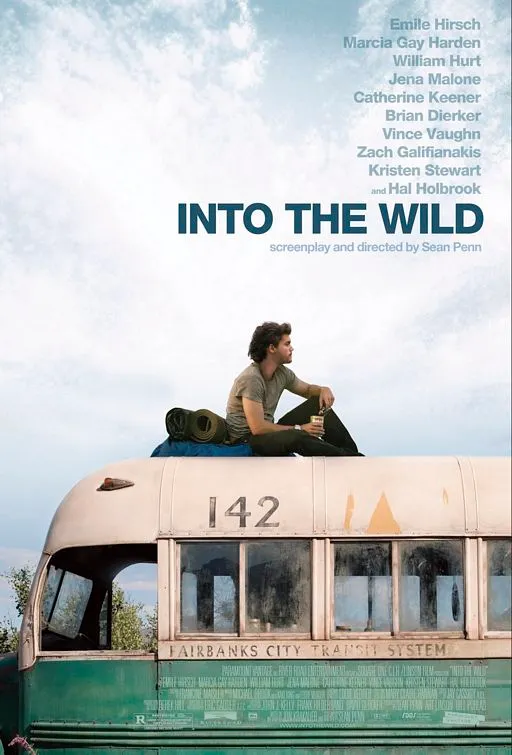
Synopsis: Based on the true story of Christopher McCandless, a top student and athlete who abandons his privileged life, donates his savings to charity, and hitchhikes to Alaska to live in the wilderness. It is a visually stunning and tragic exploration of idealism, the rejection of materialism, and the fatal consequences of seeking absolute freedom in nature.
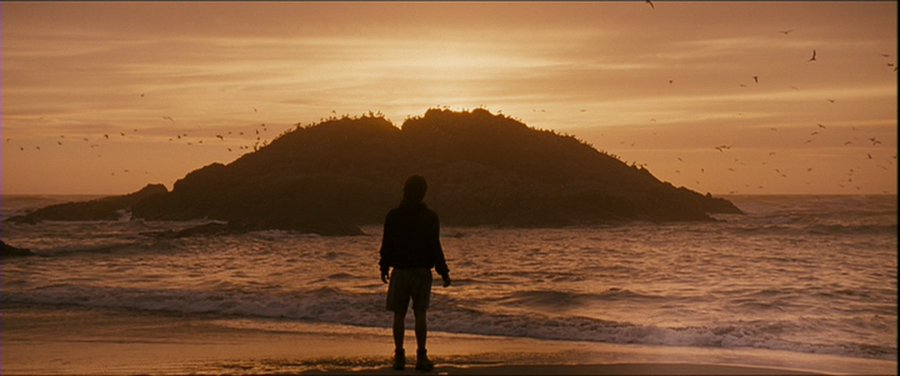
Sean Penn captures the restless spirit of youth with a raw, poetic intensity, portraying McCandless not as a fool or a saint, but as a complex seeker trying to heal a deep existential wound. Emile Hirsch delivers a transformative performance, capturing both the charismatic joy of McCandless’s travels and the terrifying physical deterioration of his final days. It succeeds because it refuses to romanticize or condemn its protagonist, ultimately delivering the crushing lesson that "happiness is only real when shared."
10. 🎬 127 Hours (2010)
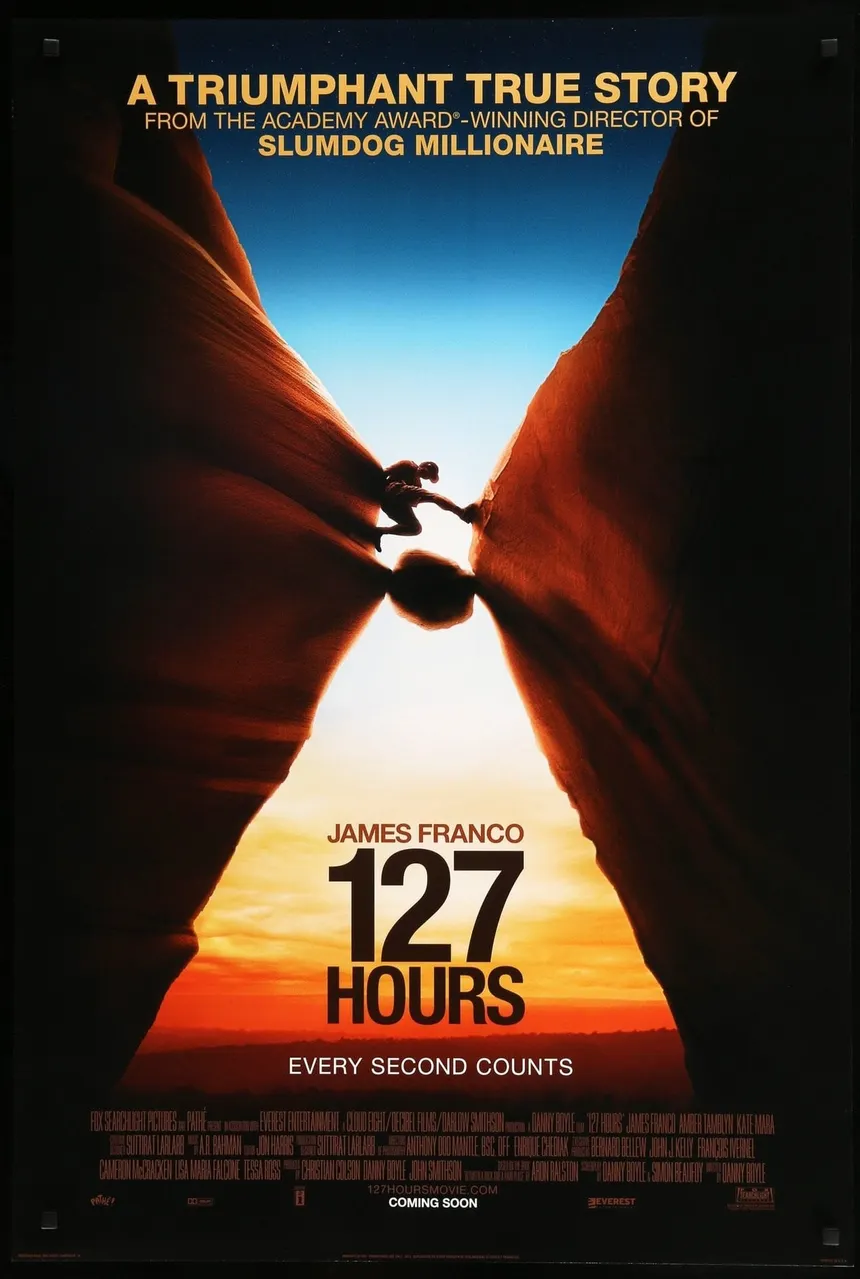
Synopsis: Mountain climber Aron Ralston becomes trapped by a boulder in an isolated canyon in Utah during a solo hike. For five days, he remains pinned to the canyon wall, battling dehydration, hallucinations, and the regret of not telling anyone where he was going. With time running out and death certain, he summons the courage to do the unthinkable: breaking and amputating his own arm with a dull pocketknife to free himself and hike to safety.

Danny Boyle infuses a static premise with kinetic energy, using split screens and hallucinatory editing to take the audience inside Ralston’s deteriorating mind. James Franco delivers a charismatic, vulnerable performance, capturing the transformation of a selfish thrill-seeker into a man who realizes the value of connection. The film treats the amputation not just as horror, but as a moment of rebirth, a bloody liberation that frees him from his tomb. It is a life-affirming anthem that celebrates the human capacity to endure pain for the sake of a future.
9. 🎬 Raging Bull (1980)
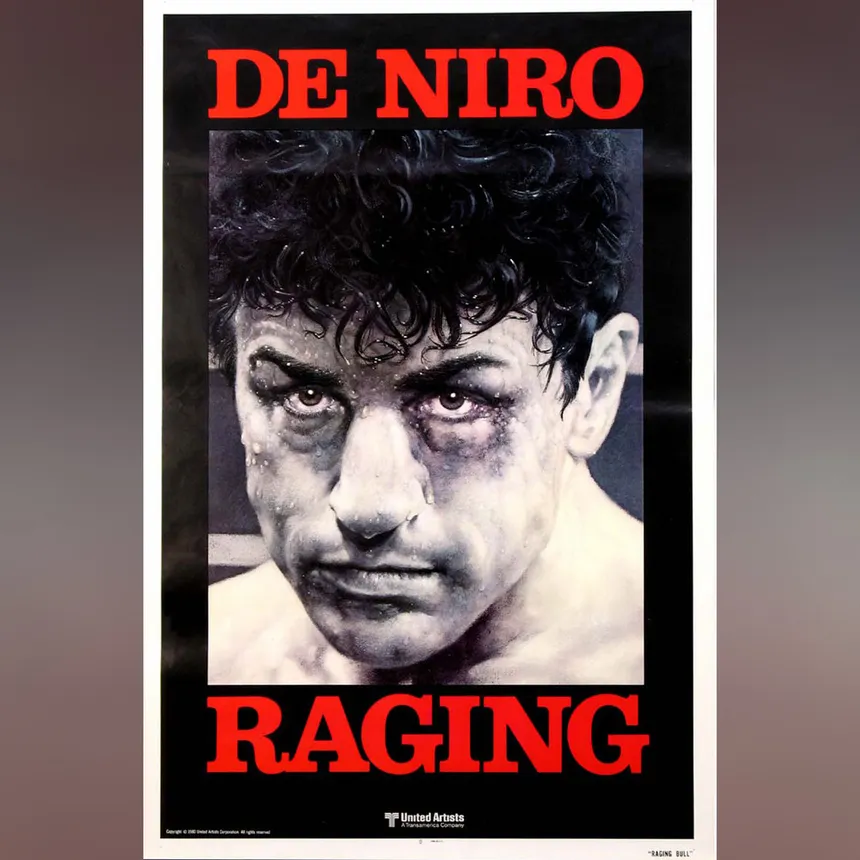
Synopsis: Based on the memoir of Jake LaMotta, the film charts the rise and self-destruction of the middleweight boxer known as "The Bronx Bull." LaMotta is a force of nature in the ring, channeling his deep-seated insecurities and rage into brutal victories. However, that same violence and paranoid jealousy bleed into his personal life, leading him to beat his wife, alienate his brother, and eventually destroy everything he has built, ending up as a lonely nightclub entertainer.

Martin Scorsese’s black-and-white masterpiece uses the sport of boxing to conduct a forensic examination of masculine toxicity and self-loathing. Robert De Niro’s performance is legendary for its physical commitment and emotional intensity, portraying a man who is incapable of expressing himself except through violence. The fight scenes are stylized nightmares, using smoke and sound distortion to put the viewer inside LaMotta’s head. It is a tragedy about a man who fights everyone, including himself, until there is no one left in his corner.
8. 🎬 The Two Popes (2019)
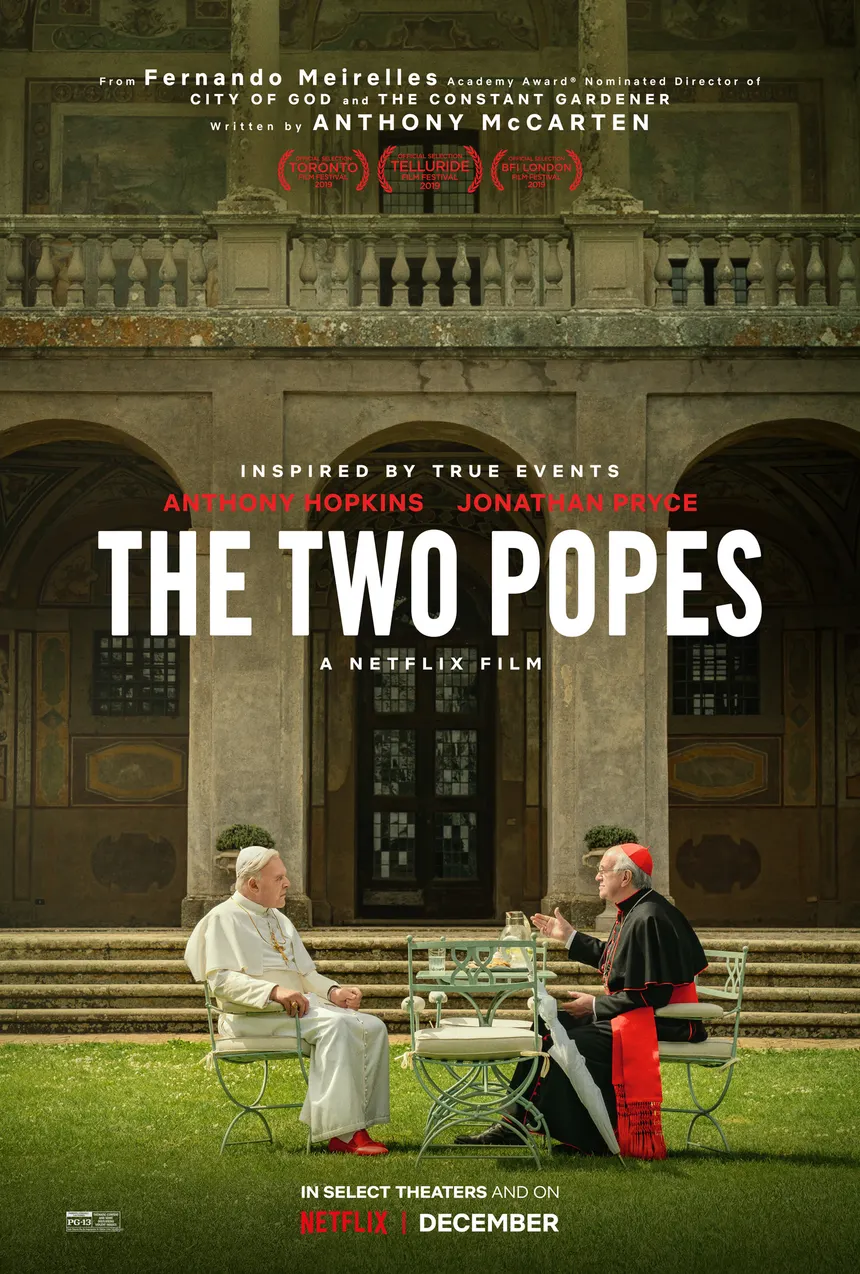
Synopsis: In 2012, a frustrated Cardinal Bergoglio (the future Pope Francis) requests permission to retire from Pope Benedict XVI. Instead, facing scandal and self-doubt, the conservative Benedict summons his harshest critic to Rome. Within the walls of the Vatican and the gardens of Castel Gandolfo, the two men engage in a series of deep, witty, and confrontational debates about tradition, progress, guilt, and the future of the Catholic Church, forging an unlikely friendship that paves the way for a historic transfer of power.
This film transforms a theological debate into a gripping buddy movie, anchored by the masterful performances of Anthony Hopkins and Jonathan Pryce. The script sparkles with humor and humanity, showing two powerful men grappling with their own irrelevance and past failures. It humanizes the papacy, stripping away the vestments to reveal two old men eating pizza and watching soccer, suggesting that the path to divinity lies in understanding our own flawed humanity.
7. 🎬 Lincoln (2012)
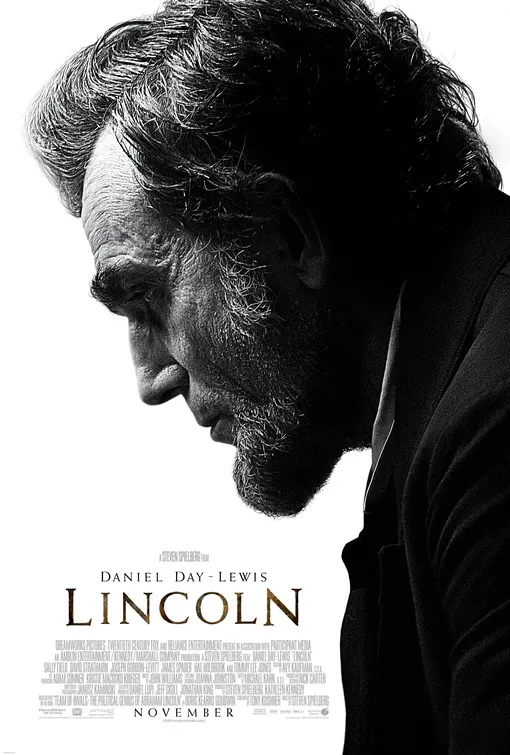
Synopsis: During the final months of the Civil War, President Abraham Lincoln fights a desperate political battle to pass the 13th Amendment, which will permanently abolish slavery. With the war drawing to a close, Lincoln faces a race against time to secure the necessary votes in a divided House of Representatives before the Southern states are readmitted. The film details the backroom deals, the moral compromises, and the sheer force of will required to steer the nation toward a new birth of freedom.

Steven Spielberg eschews the traditional biopic structure to focus on the gritty procedural mechanics of democracy. Daniel Day-Lewis disappears entirely into the role, giving a performance that feels less like acting and more like a resurrection, capturing Lincoln’s high reedy voice, his folksy storytelling, and his immense melancholic burden. The film argues that great change is often achieved not just by soaring rhetoric, but by the ugly, necessary work of politics and compromise.
6. 🎬 Dog Day Afternoon (1975)
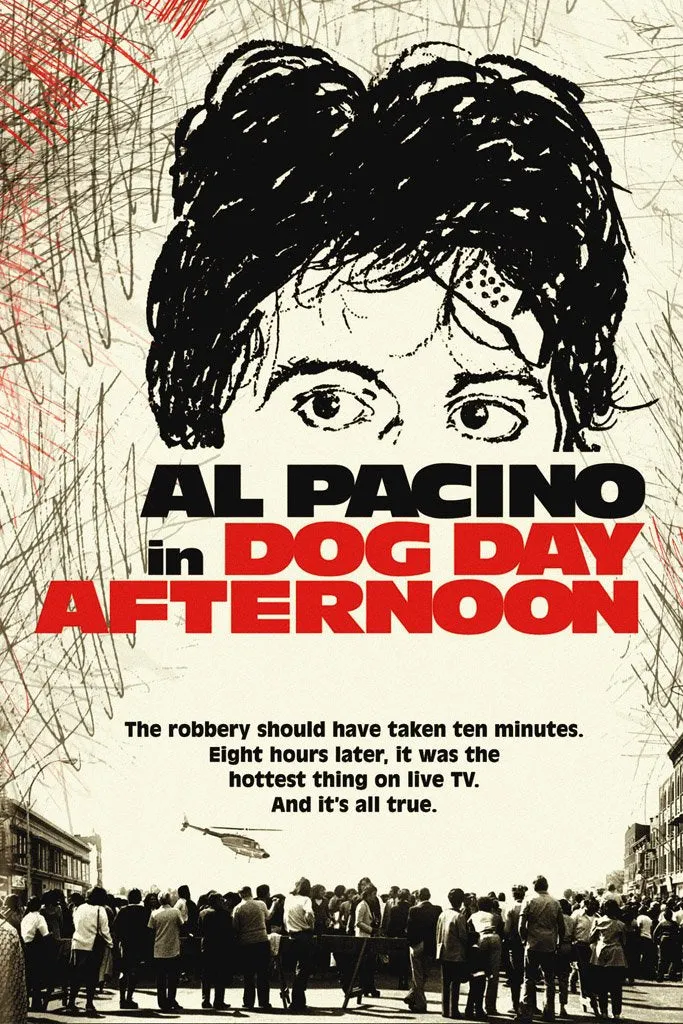
Synopsis: On a hot summer afternoon in Brooklyn, Sonny Wortzik and his partner Sal attempt to rob a bank to pay for Sonny's lover's gender affirmation surgery. The heist goes wrong instantly, trapping them inside with hostages as the building is surrounded by hundreds of cops, media, and onlookers. What starts as a crime turns into a media circus and a psychological drama, as Sonny forms a bond with the hostages and becomes an unlikely anti-establishment hero to the crowds outside.

Sidney Lumet captures the sweaty, chaotic energy of New York City in the 70s, creating a film that is sympathetic, funny, and tragic all at once. Al Pacino gives one of his most electric performances, playing Sonny as a desperate man who is over his head but trying to maintain his dignity. The film was ahead of its time in its portrayal of LGBTQ+ themes and media manipulation, showing how the camera turns human tragedy into public entertainment.
5. 🎬 The King's Speech (2010)
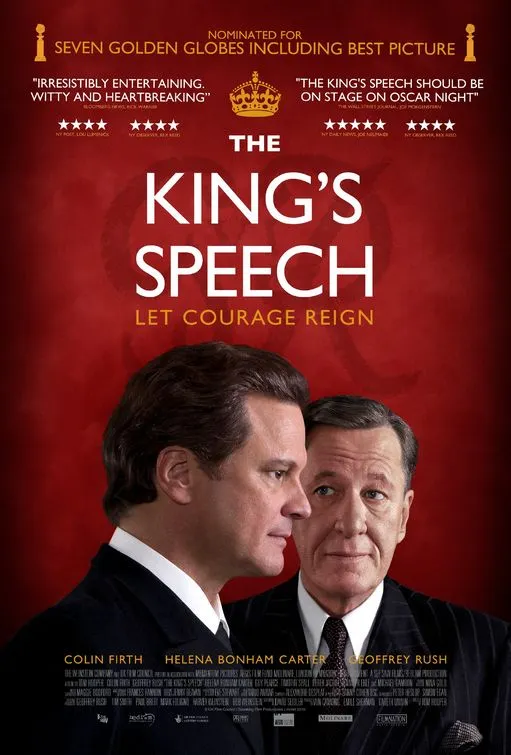
Synopsis Prince Albert, the Duke of York, suffers from a debilitating stammer that makes public speaking a nightmare. When his older brother abdicates the throne, Albert is thrust into the role of King George VI just as Britain stands on the brink of World War II. Desperate to find his voice to lead the nation, he enlists the help of Lionel Logue, an eccentric Australian speech therapist. The film follows their unorthodox sessions, which evolve from a professional relationship into a deep friendship that helps the King overcome his fears.

This is a crowd-pleasing drama that finds the epic in the personal, framing a speech impediment as a battle as high-stakes as any war. Colin Firth conveys the suffocating frustration of being unable to speak, making his final radio address a moment of triumphant release. It explores the burden of duty and the power of friendship to heal childhood trauma, proving that sometimes the bravest thing a leader can do is admit they need help.
4. 🎬 Seven Years in Tibet (1997)
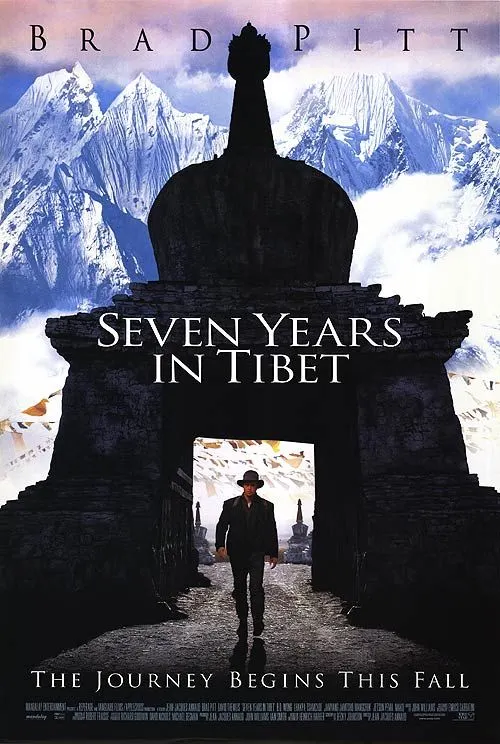
Synopsis: Heinrich Harrer, an arrogant Austrian mountaineer, leaves his pregnant wife to climb Nanga Parbat in the Himalayas in 1939. When war breaks out, he is imprisoned by the British in India but eventually escapes, embarking on a grueling trek across the mountains into the forbidden city of Lhasa, Tibet. There, he becomes the tutor and confidant to the young Dalai Lama, undergoing a spiritual transformation as he learns humility and compassion from the boy and his culture before the Chinese invasion changes everything.

Visually breathtaking and sweeping in scope, the film serves as a bridge between Western cynicism and Eastern spirituality. Brad Pitt plays Harrer as a deeply flawed man whose ego is slowly dismantled by the majesty of the mountains and the gentleness of the Tibetan people. It offers a rare, sympathetic glimpse into pre-occupation Tibet, capturing a lost world of peace and tradition that is heartbreaking in its fragility.
3. 🎬 12 Years a Slave (2013)
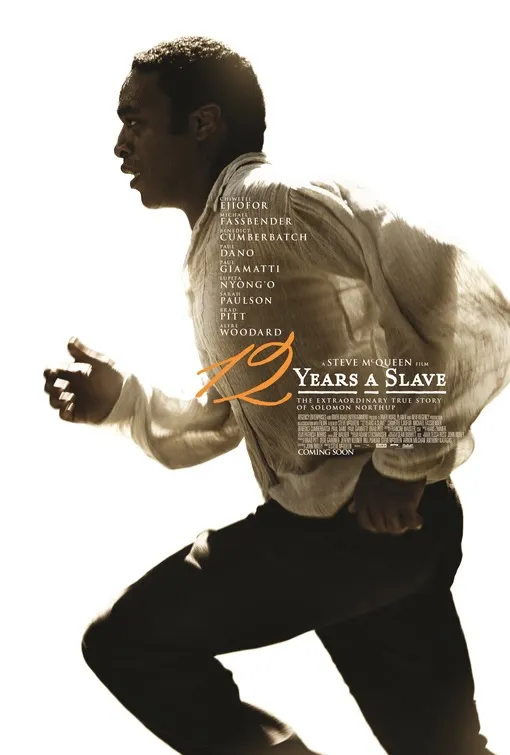
Synopsis: Solomon Northup, a free Black man living in upstate New York, is kidnapped in 1841 and sold into slavery in the Deep South. Stripped of his identity and dignity, he faces the cruelty of a malevolent plantation owner, Edwin Epps, and the indifference of a system built on human suffering. For twelve years, Solomon fights not just to survive, but to retain his humanity and the hope of returning to his family, witnessing both the depths of evil and unexpected kindness.

Steve McQueen directs an unflinching masterpiece that refuses to look away from the brutality of American slavery. Chiwetel Ejiofor gives a performance of immense power and restraint, conveying the terror of a man who must hide his intelligence to stay alive. The film is visually beautiful yet horrifying, using long, static takes to force the audience to confront the physical and psychological violence of the institution. It is an essential historical document that corrects the sanitized narratives of the past.
2. 🎬 The Last King of Scotland (2006)
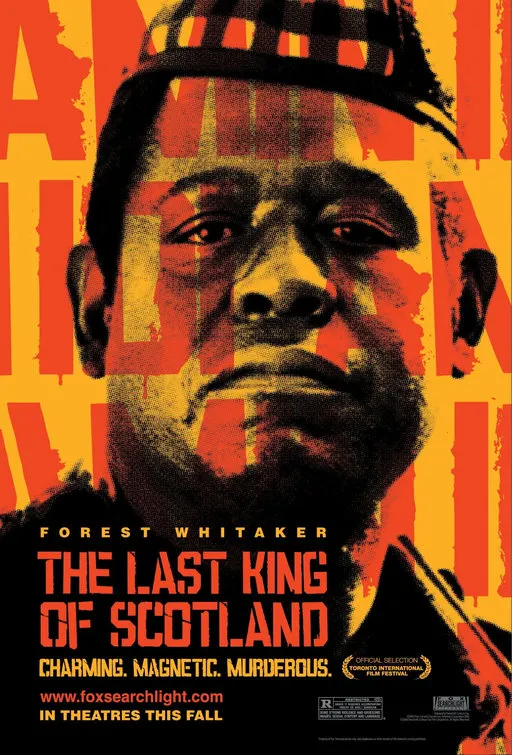
Synopsis: Nicholas Garrigan, a young and naive Scottish doctor seeking adventure, travels to Uganda and unexpectedly becomes the personal physician and confidant to the charismatic dictator Idi Amin. Initially seduced by Amin's charm and vision for the country, Garrigan enjoys a life of luxury and power. However, as the regime descends into paranoia and mass murder, Garrigan realizes he is trapped in the inner circle of a monster, complicit in the atrocities he witnesses and desperate to escape with his life.

Forest Whitaker delivers a terrifying, Oscar-winning performance as Idi Amin, capturing the dictator's volatile mix of jovial charm and psychotic rage. The film effectively uses the perspective of the outsider to illustrate how easily evil can be normalized and how power seduces those close to it. It is a tense, claustrophobic thriller that explores the complicity of the West in the rise of African dictatorships, leaving the viewer with a chilling portrait of a man who believed he was the savior of his people while slaughtering them.
1. 🎬 The Pianist (2002)
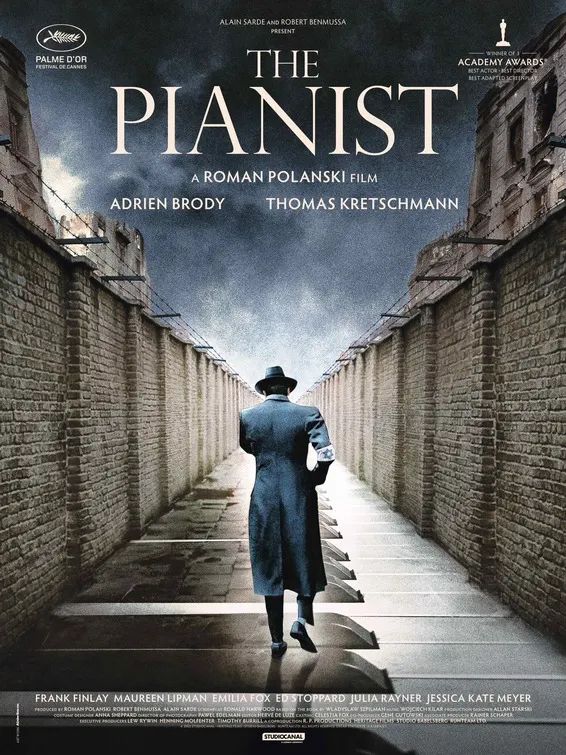
Synopsis: Władysław Szpilman, a brilliant Polish-Jewish pianist, sees his world collapse when the Nazis invade Warsaw in 1939. The film follows his harrowing journey of survival as he is separated from his family, who are sent to the death camps, and forced to hide in the ruins of the Warsaw Ghetto. Battling starvation, disease, and the constant threat of discovery, Szpilman survives through sheer luck and the universal language of music, clinging to his art as the city is destroyed around him.
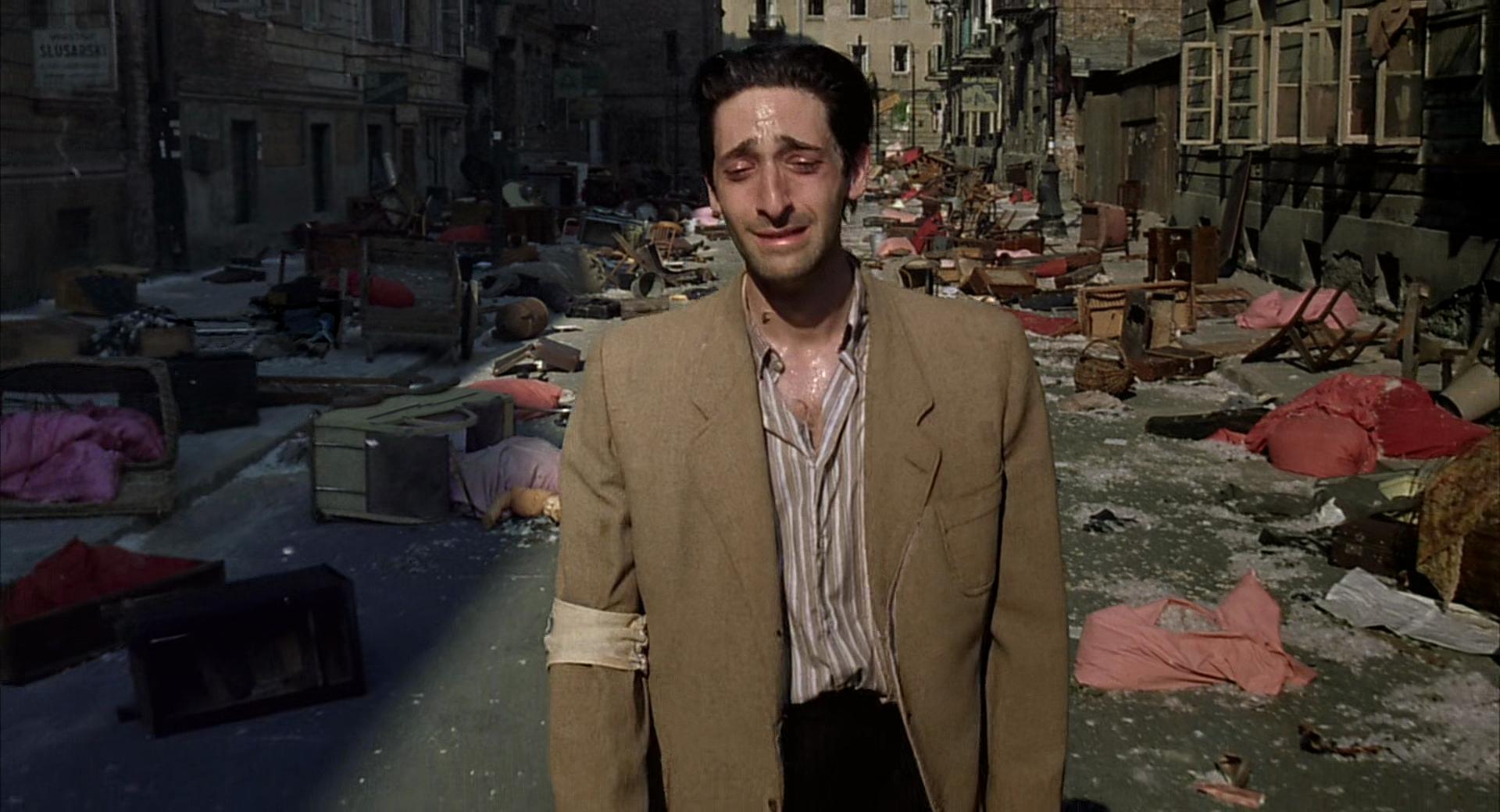
Roman Polanski draws from his own childhood experiences during the Holocaust to create a film that is devastating in its realism and lack of sentimentality. Adrien Brody gives a haunting, physically transformative performance, expressing the degradation of the human spirit through silence and posture. The film distinguishes itself by focusing on the loneliness of survival, culminating in a scene where Szpilman plays Chopin for a German officer, a moment of transcendent beauty that argues art is the only thing that can bridge the abyss of war.
— The Cinéprism
Keep reading
31 / 08 / 2026 · 391 reads
10 Best Endings in Film
A curated list of 10 unforgettable movie endings that leave a lasting impact long after the credits roll.
11 / 01 / 2026 · 504 reads
11 Critically Acclaimed Netflix Shows
From royal sagas and psychological thrillers to groundbreaking true crime, discover the 11 essential series that define Netflix's golden era.