
Dispatch — Long Read
15 Best military movies:
From the visceral trenches of World War II to the complex battlegrounds of modern warfare, witness the courage, chaos, and cost of conflict in these 15 essential military masterpieces.
The Cineprism
27 / 12 / 2025 · 10 min read
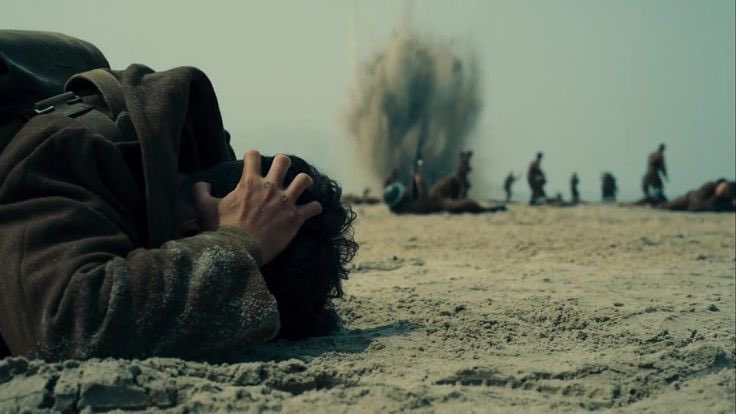
15. 🎬 Zero Dark Thirty (2012)
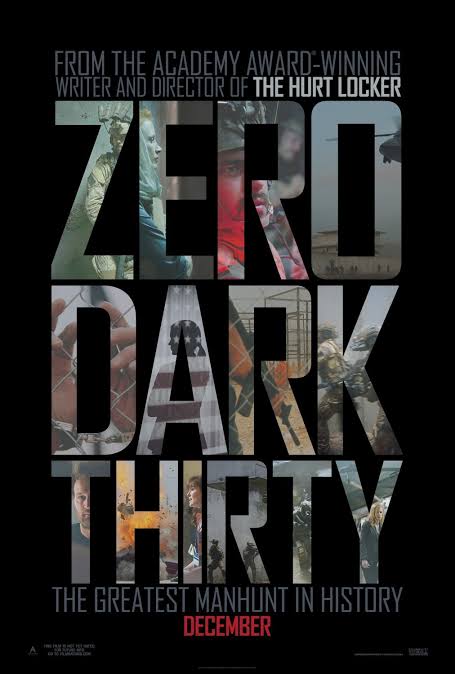
Kathryn Bigelow directs a journalistic procedural that feels more like a forensic investigation than a traditional war movie, stripping away the jingoism to focus on the grueling, unglamorous work of intelligence gathering. Jessica Chastain delivers a steely, internal performance as Maya, a character who becomes a ghost herself, consumed by a single purpose until there is nothing else left of her humanity. The film is controversial and unflinching in its depiction of "enhanced interrogation," refusing to moralize or look away, forcing the audience to confront the ugly machinery of revenge. It succeeds because it treats the raid not as an action set piece but as a silent, methodical execution, ending not with a celebration but with a shot of a woman alone on a plane, weeping for the sheer emptiness of victory.
14. 🎬 13 Hours: The Secret Soldiers of Benghazi (2016)
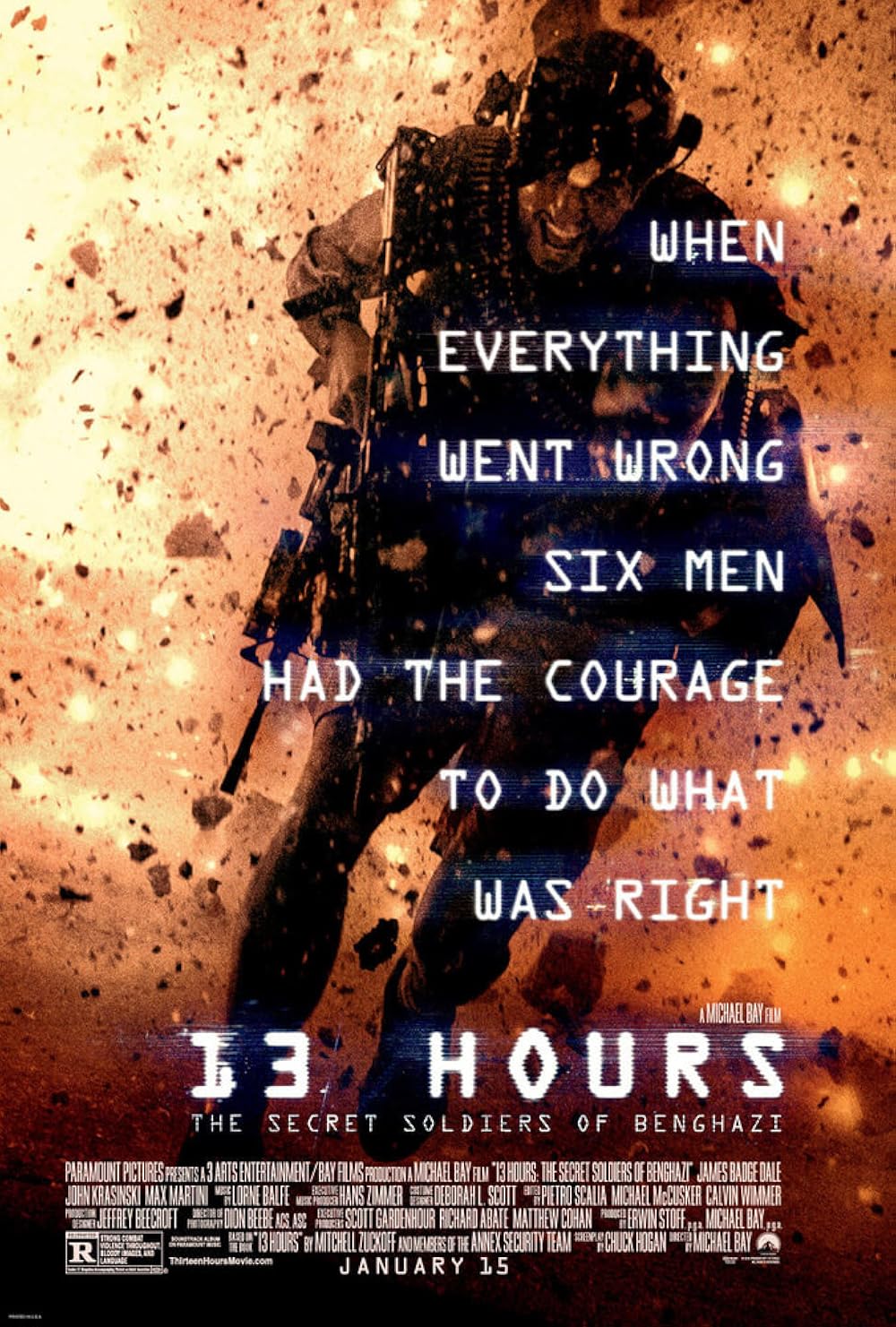
Michael Bay trades his usual explosive maximalism for a grittier, ground-level intensity, creating a siege film that honors the "Alamo" dynamic of men holding the line against a faceless horde. The film emphasizes the confusion of modern asymmetrical warfare, where friend and foe look alike and air support is a phantom promise that never materializes. John Krasinski sheds his comedic persona to lead a cast that portrays the contractors not as superheroes, but as tired, bearded professionals who just want to go home to their families. It succeeds because it eschews politics to focus entirely on the brotherhood of the operators, capturing the claustrophobic terror of being surrounded in the dark, where the only thing that matters is the man standing next to you.
13. 🎬 The Hurt Locker (2008)
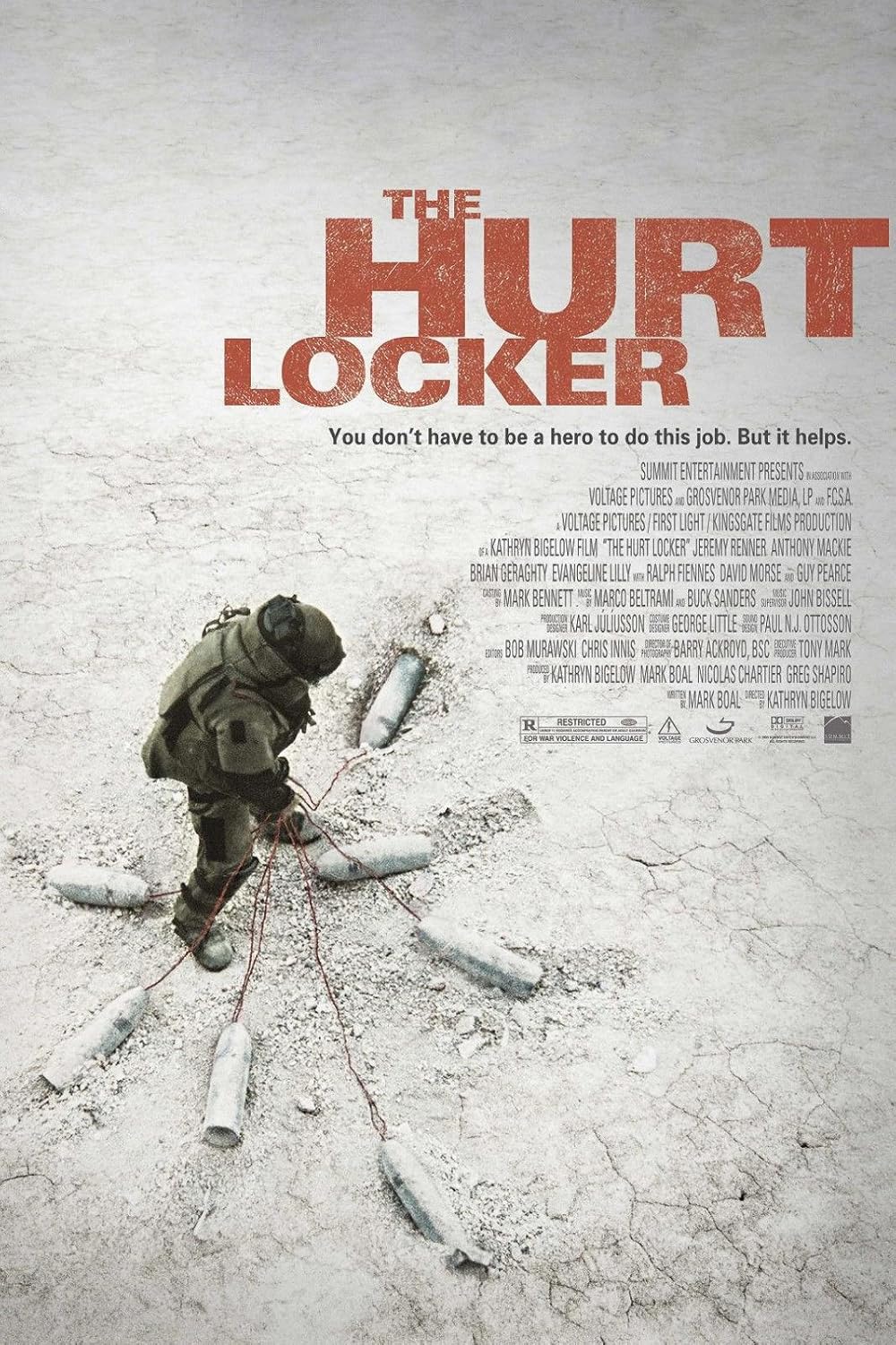
Kathryn Bigelow became the first woman to win the Best Director Oscar for this searing psychological study of the "adrenaline junkie" soldier, stripping the war film down to its most suspenseful mechanics. Jeremy Renner gives a breakout performance as James, a man who is a virtuoso at death but a failure at life, completely unable to function in the quiet of civilian existence. The film uses handheld cameras and rapid zooming to create a documentary-like anxiety, making every pile of trash or parked car on the Baghdad streets look like a potential bomb. It succeeds because it argues that the rush of combat is a drug as potent as any narcotic, capturing the tragic reality of men who only feel truly alive when they are seconds away from dying.
12. 🎬 The Thin Red Line (1998)
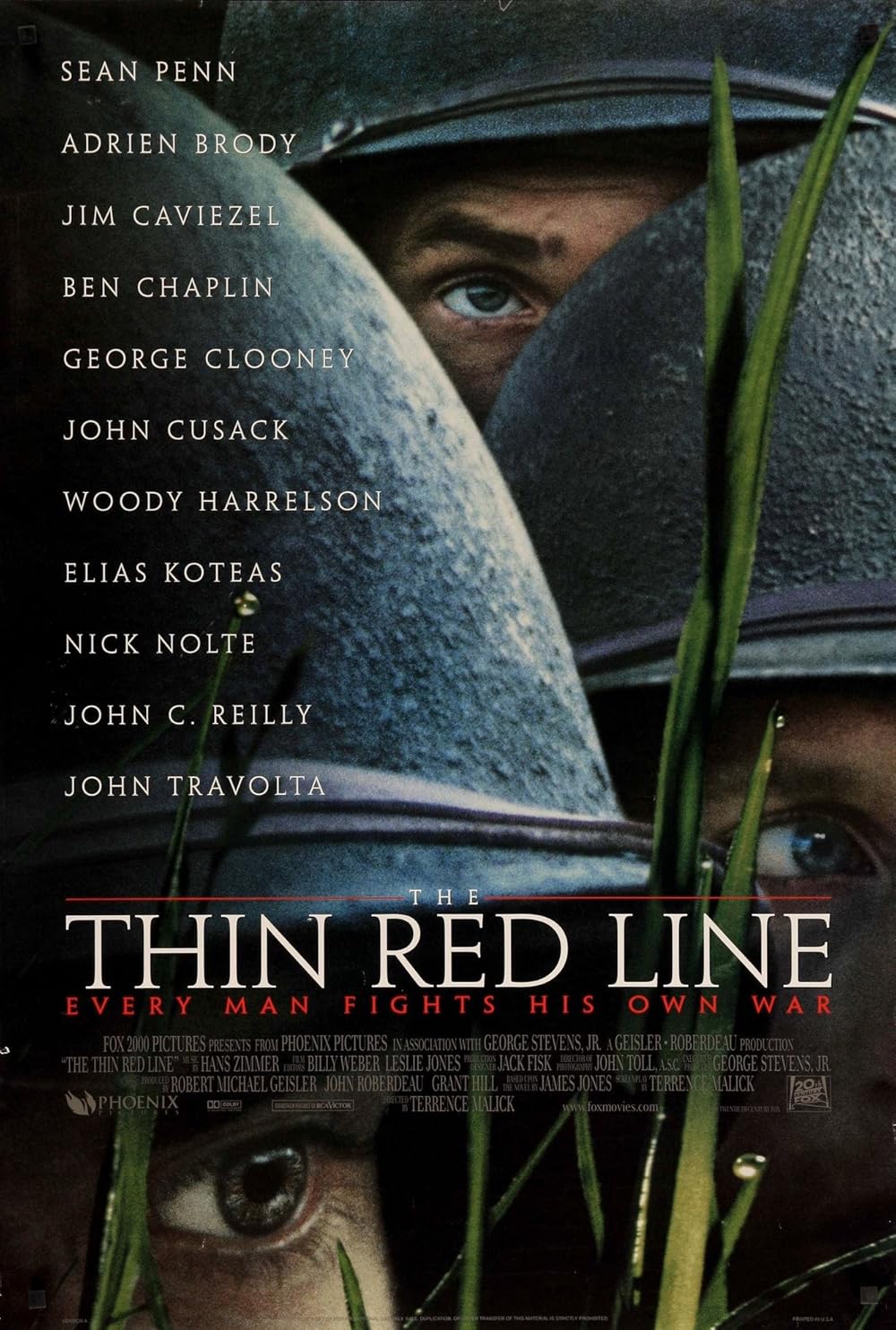
Terrence Malick returned from a 20-year hiatus to deliver a war film that is less about combat and more about a prayer for a fallen world, contrasting the violent machinery of man with the serene beauty of the jungle. The film features a sprawling ensemble cast, but the true protagonist is the collective soul of the company, voiced through whispered, poetic narration that questions the nature of evil and love. The cinematography by John Toll captures the tall grass rippling in the wind just moments before it is stained with blood, creating a jarring dissonance that highlights the unnaturalness of war. It succeeds because it refuses to glorify the fighting, instead viewing every death as a cosmic tragedy, a tear in the fabric of existence that diminishes the glory of creation.
11. 🎬 Apocalypse Now (1979)
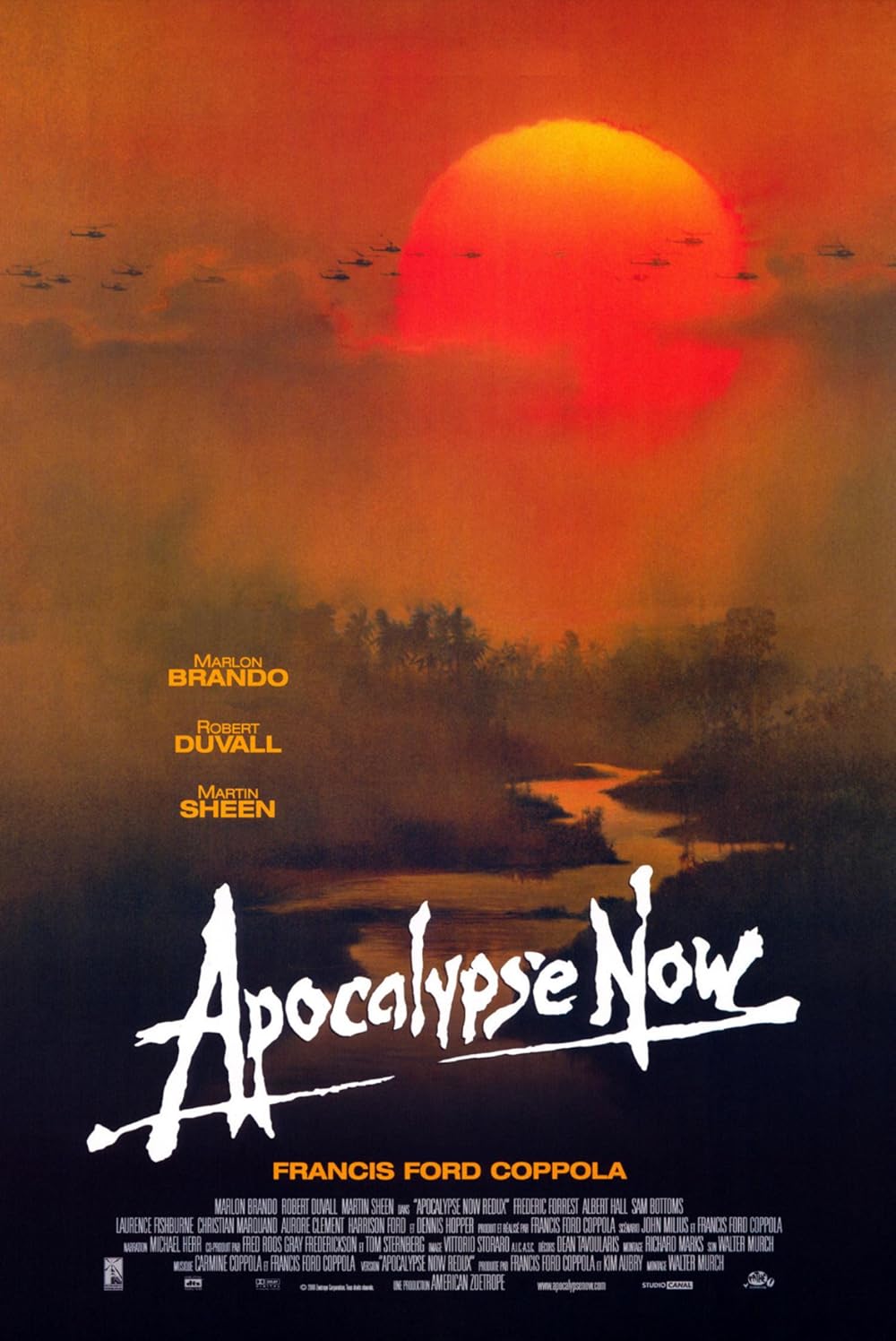
Francis Ford Coppola’s hallucinatory adaptation of Heart of Darkness is a descent into hell that captures the psychedelic, moral chaos of Vietnam better than any documentary. Martin Sheen’s Willard is a passive observer of the insanity, his eyes reflecting the burning napalm and the crumbling sanity of the American empire. Marlon Brando’s Kurtz is a shadowy, hulking presence who represents the ultimate logic of war taken to its extreme, a man who has looked into the abyss and found that "horror" is the only truth. The film is famous for its troubled production, but that chaos bled into the frame, creating a fever dream atmosphere where helicopters dance to Wagner and tigers leap from the shadows. It succeeds because it is not just a movie about Vietnam, but a mythic exploration of the duality of man, suggesting that civilization is just a thin veneer over our primal, violent instincts.
10. 🎬 Full Metal Jacket (1987)
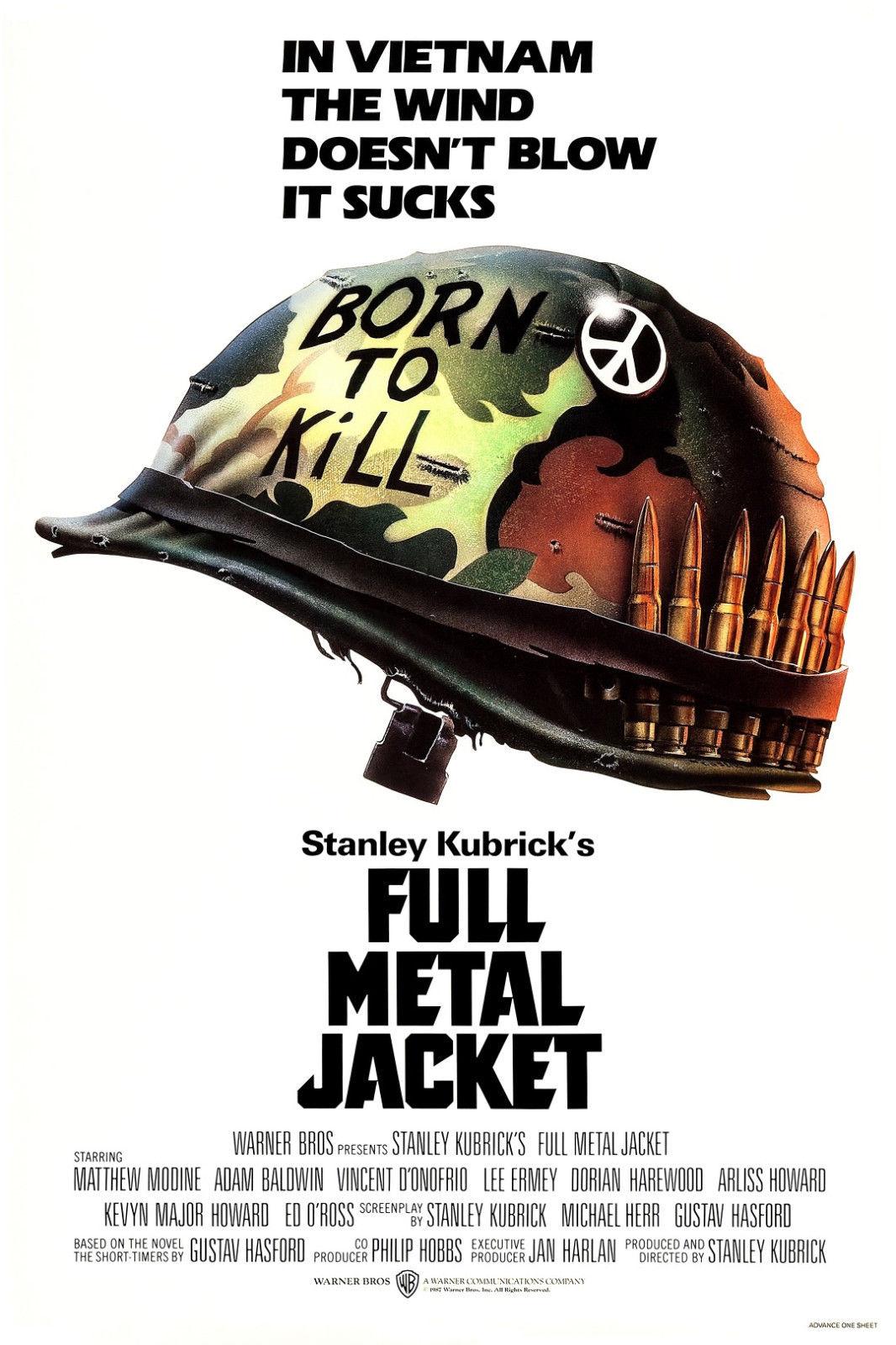
Stanley Kubrick constructs a cold, clinical examination of how the military machine systematically strips away individuality to manufacture killers. The first half is a masterclass in tension and psychological horror, with R. Lee Ermey’s improvised insults becoming legendary, while Vincent D'Onofrio’s transformation into a ticking time bomb serves as the film’s emotional anchor. The second half deconstructs the traditional war movie, presenting Vietnam not as a jungle adventure but as a crumbling urban wasteland where death comes from a sniper you never see. It succeeds because it refuses to offer a heroic narrative or a moral lesson, instead presenting war as a grim absurdity where the only prize for survival is becoming part of the "Mickey Mouse" club of killers singing as they march through hell.
9. 🎬 Platoon (1986)
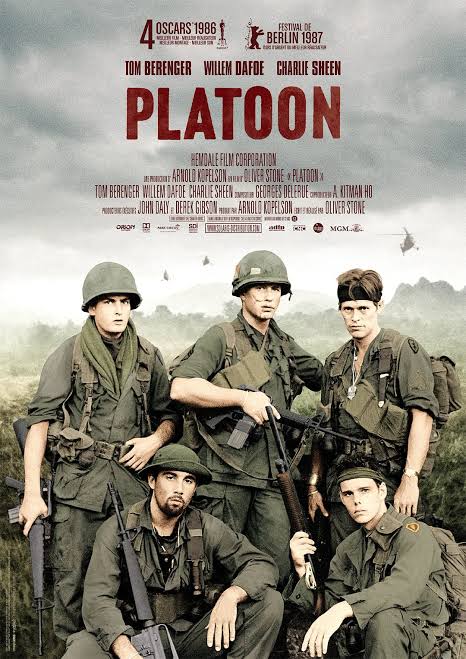
Oliver Stone, a Vietnam veteran himself, wrote and directed the first Hollywood film to capture the grunt’s-eye view of the war, stripping away the John Wayne mythos to reveal the drugs, the heat, and the fratricide. The film is a sensory assault, immersing the viewer in the humidity and the insects, making the jungle feel like a claustrophobic green prison. Willem Dafoe and Tom Berenger represent the dual nature of the American soul - one reaching for the light, the other consumed by violence - battling for the soul of Charlie Sheen’s protagonist. The famous image of Elias reaching up to the sky as he dies remains one of the most iconic shots in cinema history. It succeeds because it is an act of exorcism for Stone and a generation of veterans, admitting that "we did not fight the enemy; we fought ourselves, and the enemy was in us."
8. 🎬 Fury (2014)
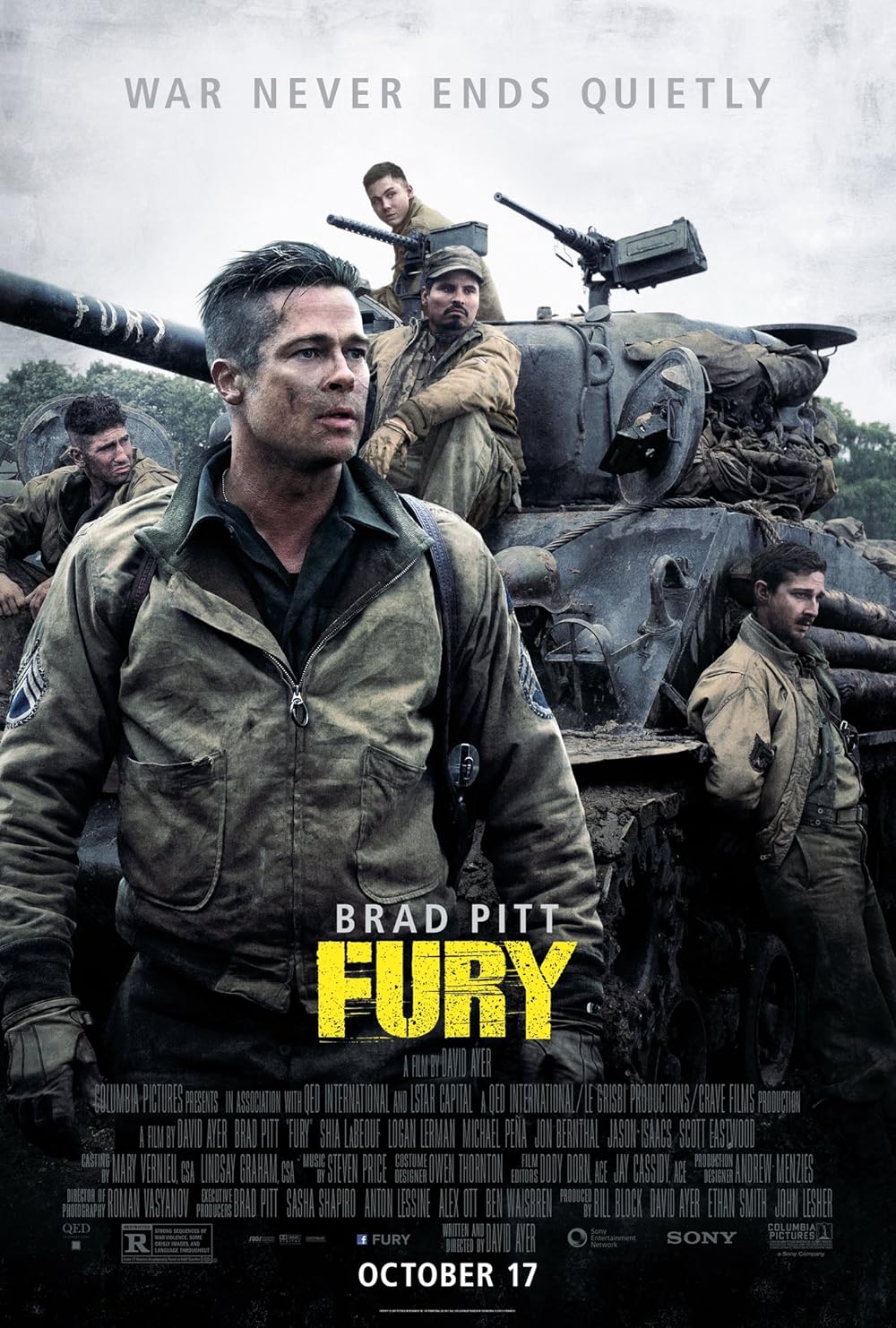
David Ayer directs a war film that is brutally unromantic, depicting the tank crew not as noble heroes but as a dysfunctional, traumatized family unit held together by violence and shared misery. The film captures the visceral, mechanical horror of tank warfare, where men are cooked inside metal boxes and tracer rounds light up the battlefield like Star Wars lasers. Brad Pitt gives a performance of stoic repression, a man who has sold his soul to keep his "boys" alive, while the dinner table scene provides a terrifying glimpse into the psychological damage inflicted on the conquerors. It succeeds because it focuses on the mud and the blood, showing that by the end of a war, the line between the good guys and the bad guys blurs until all that is left is the will to kill before you are killed.
7. 🎬 Dunkirk (2017)
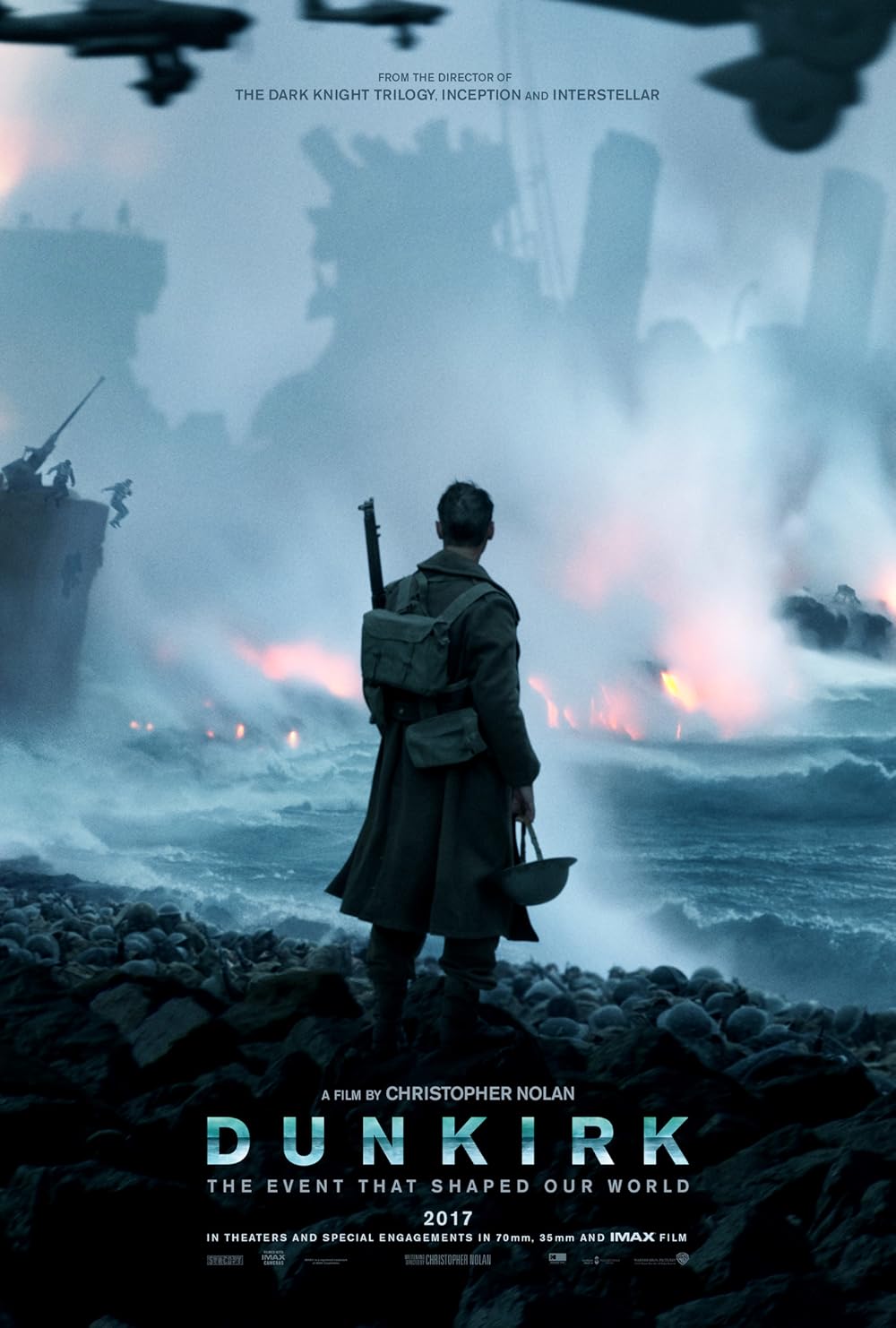
Christopher Nolan crafts a war movie that is almost entirely visual, relying on Hans Zimmer’s ticking-clock score and Hoyte van Hoytema’s expansive 70mm cinematography rather than dialogue to build tension. The film eschews character backstories to focus on the immediate, elemental struggle for survival, treating the enemy as an invisible force of nature that rains death from the sky. The aerial dogfights are widely considered the best ever filmed, capturing the rattling vibration of the cockpit and the isolation of the pilot. It succeeds because it turns a military defeat into a triumph of the human spirit, celebrating the "Dunkirk Spirit" of the civilian fleet who sailed into a war zone, proving that sometimes victory is simply living to fight another day.
6. 🎬 1917 (2019)
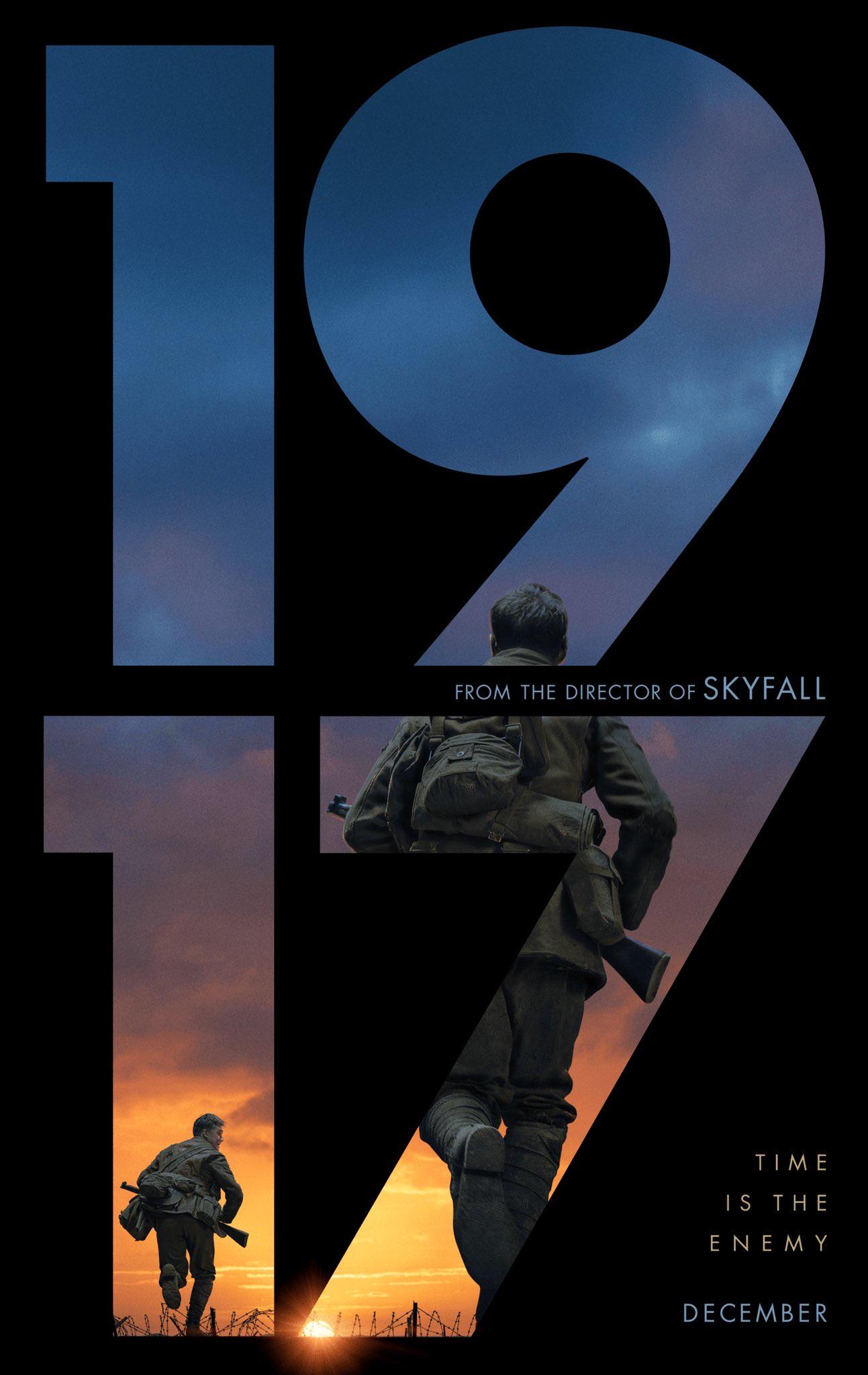
Sam Mendes and cinematographer Roger Deakins designed the film to look like one continuous, unbroken shot, creating an immersive, real-time experience that never allows the audience to cut away from the horror. The technique transforms the journey into a video-game-like odyssey, where every corner turned reveals a new nightmare, from the claustrophobia of the tunnels to the surreal beauty of a burning French town at night. The film is stripped of grand strategy, focusing entirely on the physical exhaustion and terror of two boys tasked with carrying the weight of thousands of lives on their shoulders. It succeeds because the technical wizardry serves the emotion, culminating in Schofield’s desperate run across the battlefield which stands as a visual metaphor for the sheer, unstoppable force of human will.
5. 🎬 American Sniper (2014)
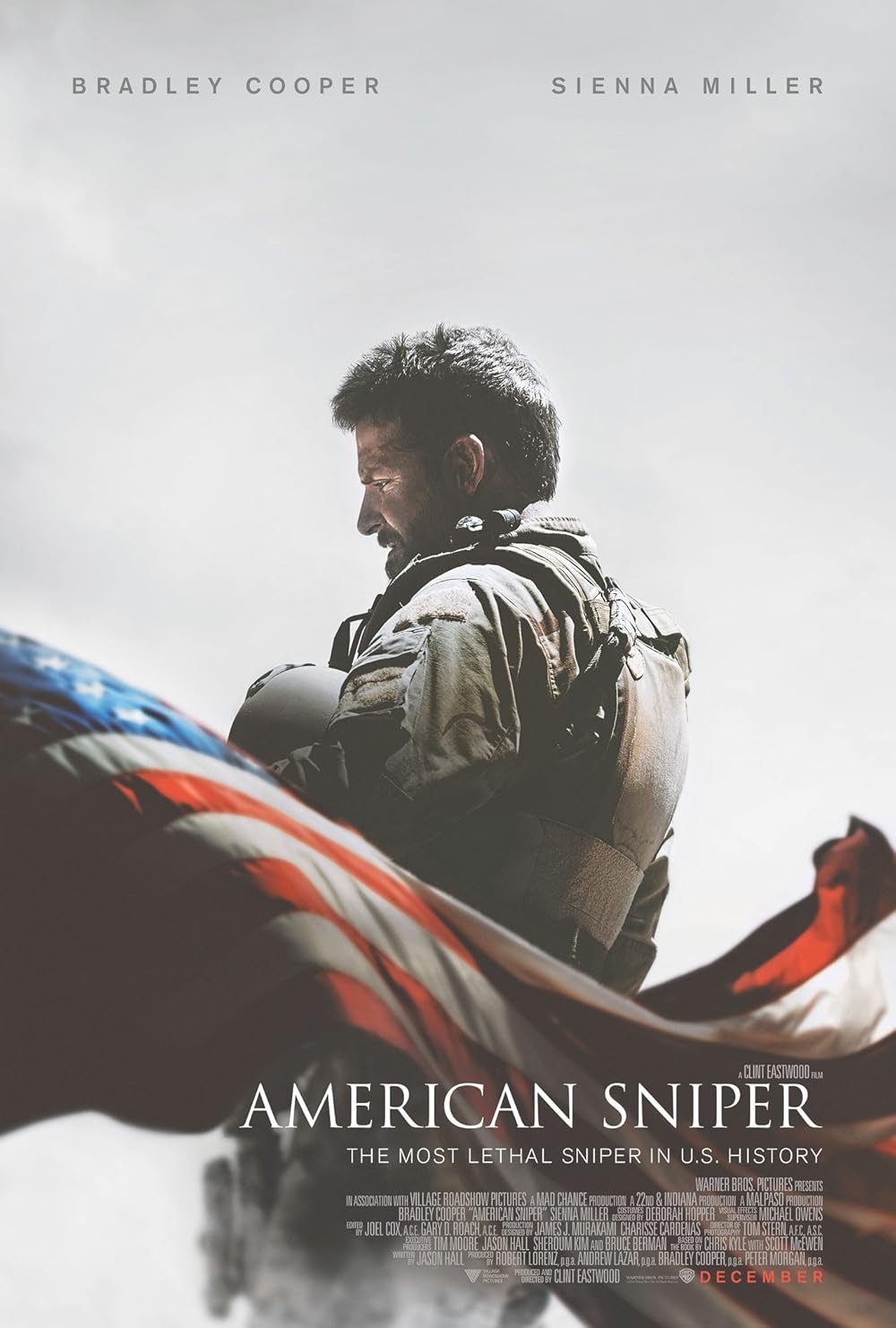
Clint Eastwood directs a complex, somewhat controversial character study that explores the burden of being a "sheepdog" in a world of wolves. Bradley Cooper transforms physically and emotionally into Kyle, portraying a man whose unwavering moral certainty is both his greatest strength and the source of his tragic inability to connect with the peace he fights for. The combat scenes are tense and intimate, viewing the war through the narrow scope of a rifle, where life and death are decided by a single breath. It succeeds because it avoids politicking to focus on the warrior's plight, examining the PTSD that silently destroys families and the tragic irony of a soldier who survived a thousand battles only to be taken by the violence he tried to help others heal from.
4. 🎬 Lone Survivor (2013)
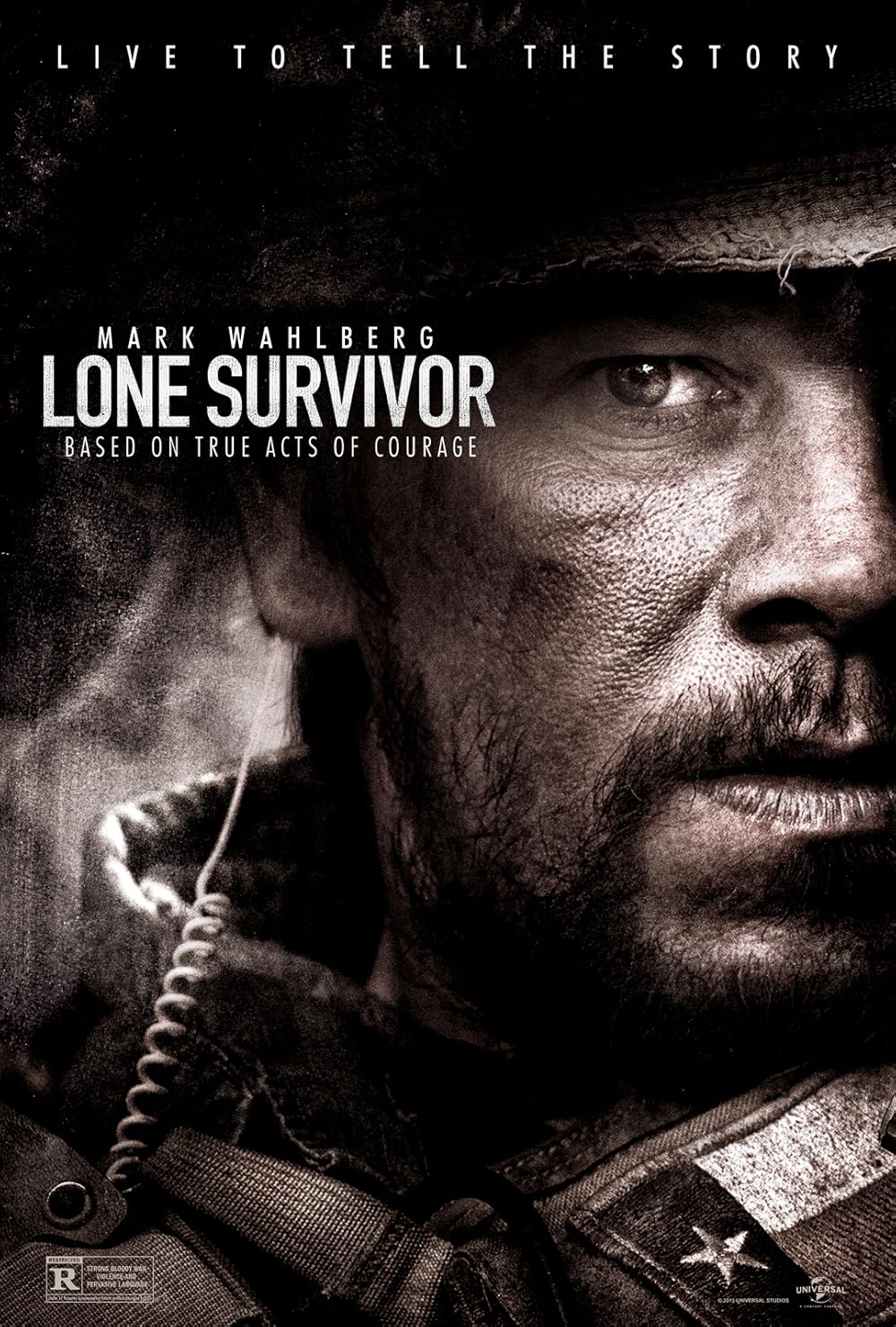
Peter Berg, known for his visceral action style, creates a punishment of a film that forces the audience to feel every bullet impact and every bone-crunching fall down the mountain. The bond between the four actors - Mark Wahlberg, Taylor Kitsch, Emile Hirsch, and Ben Foster - is palpable, capturing the unique, unspoken language of special operators who love each other more than they fear death. The sound design is terrifyingly realistic, emphasizing the isolation of being outnumbered and outgunned in hostile terrain. It succeeds because it pays tribute to the Pashtun code of Pashtunwali that saved the lone survivor, Marcus Luttrell, offering a nuanced look at the local populace while serving as a brutal memorial to the sheer physical toughness and sacrifice of the SEALs who didn't make it off the mountain.
3. 🎬 Hacksaw Ridge (2016)
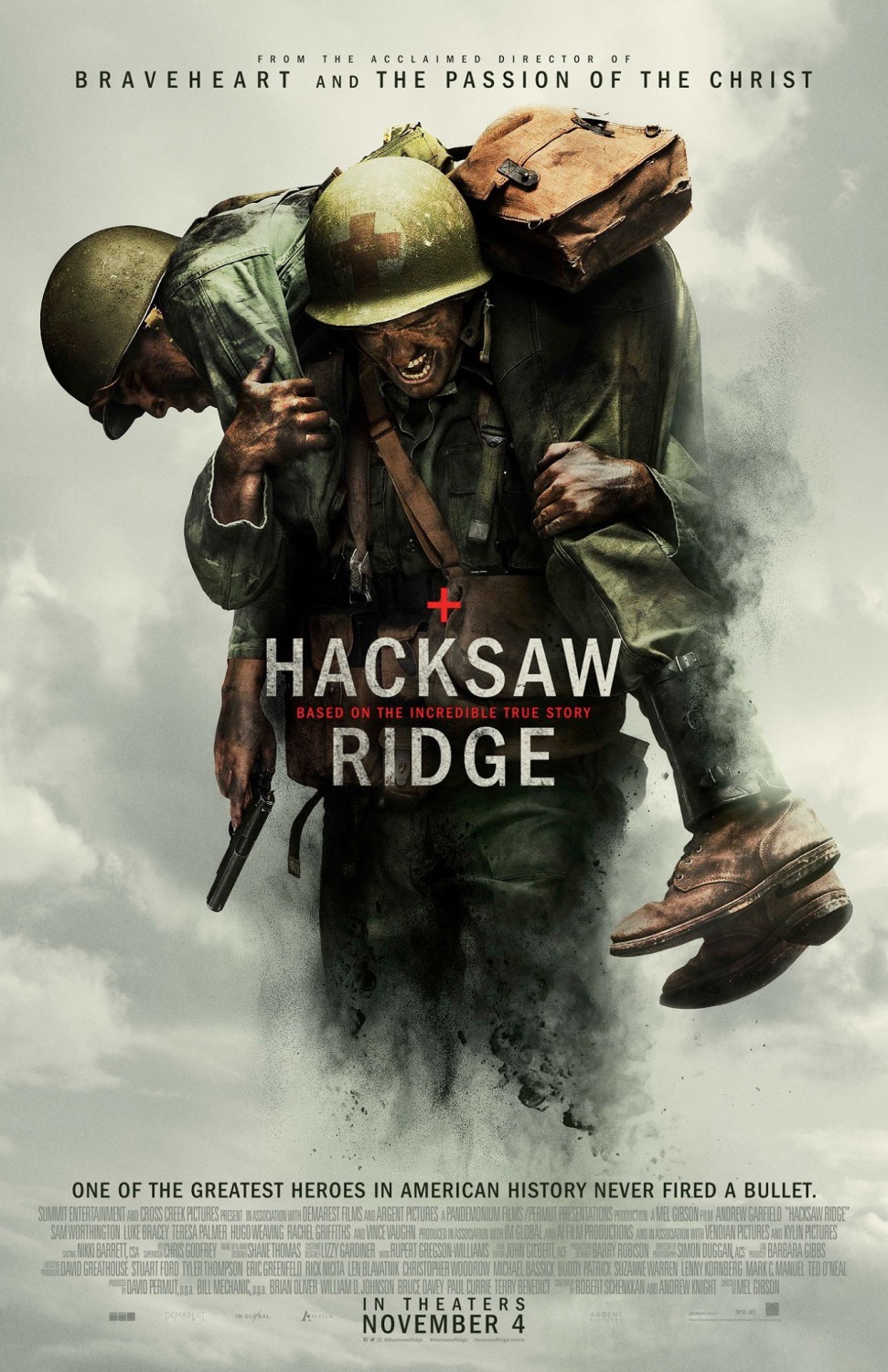
Mel Gibson returns to form with a war movie that is simultaneously a gory horror film and a spiritual hagiography, juxtaposing the absolute worst of humanity with the absolute best. Andrew Garfield gives a gentle, earnest performance as Doss, a man whose quiet conviction proves to be louder than the artillery shelling around him. The battle sequences on the ridge are among the most violent ever filmed, depicting the chaotic, meat-grinder reality of the Pacific theater to emphasize the miraculous nature of Doss’s non-violent heroism. It succeeds because it tells a story that would be unbelievable if it weren't true, challenging the traditional definition of bravery by showing that the strongest soldier on the battlefield was the one who refused to take a life, praying only, "Lord, help me get one more."
2. 🎬 Black Hawk Down (2001)
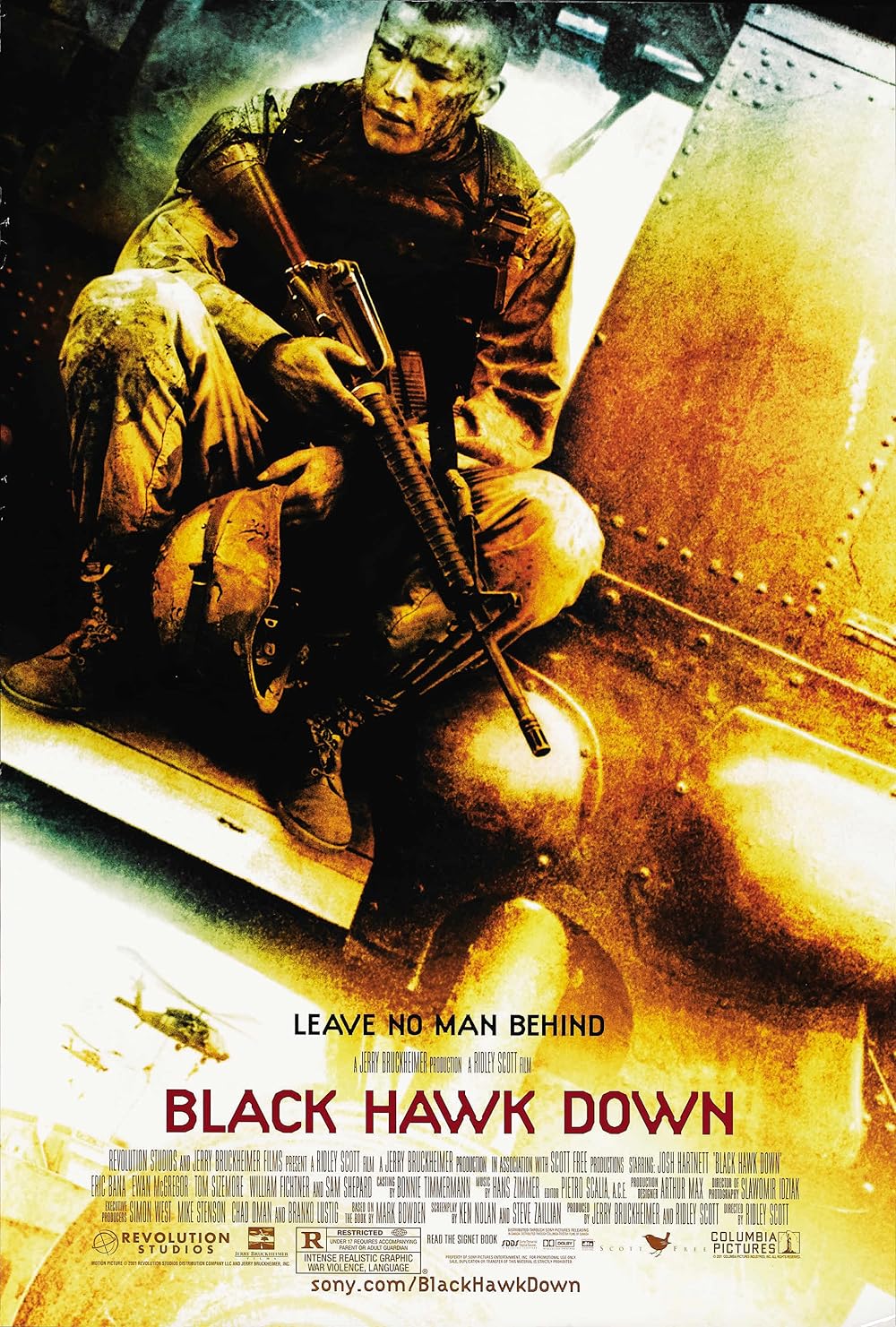
Ridley Scott defines the modern combat film with this relentless, sensory-overload depiction of urban warfare, utilizing a massive ensemble cast to show the chaos of a battle where everything that can go wrong, does. The film is technically flawless, with editing and sound mixing that place the viewer directly in the "Skinnies" infested streets, creating a claustrophobic 360-degree battlefield where death comes from every window and alley. It strips away almost all political context to focus purely on the professionalism and survival instinct of the soldiers, encapsulated in the famous line, "It's about the men next to you, and that's it." It succeeds because it captures the tragedy of modern interventionism, where superior technology is neutralized by the sheer will of an angry populace, leaving only the raw courage of the soldiers who are left to clean up the mess.
1. 🎬 Saving Private Ryan (1998)
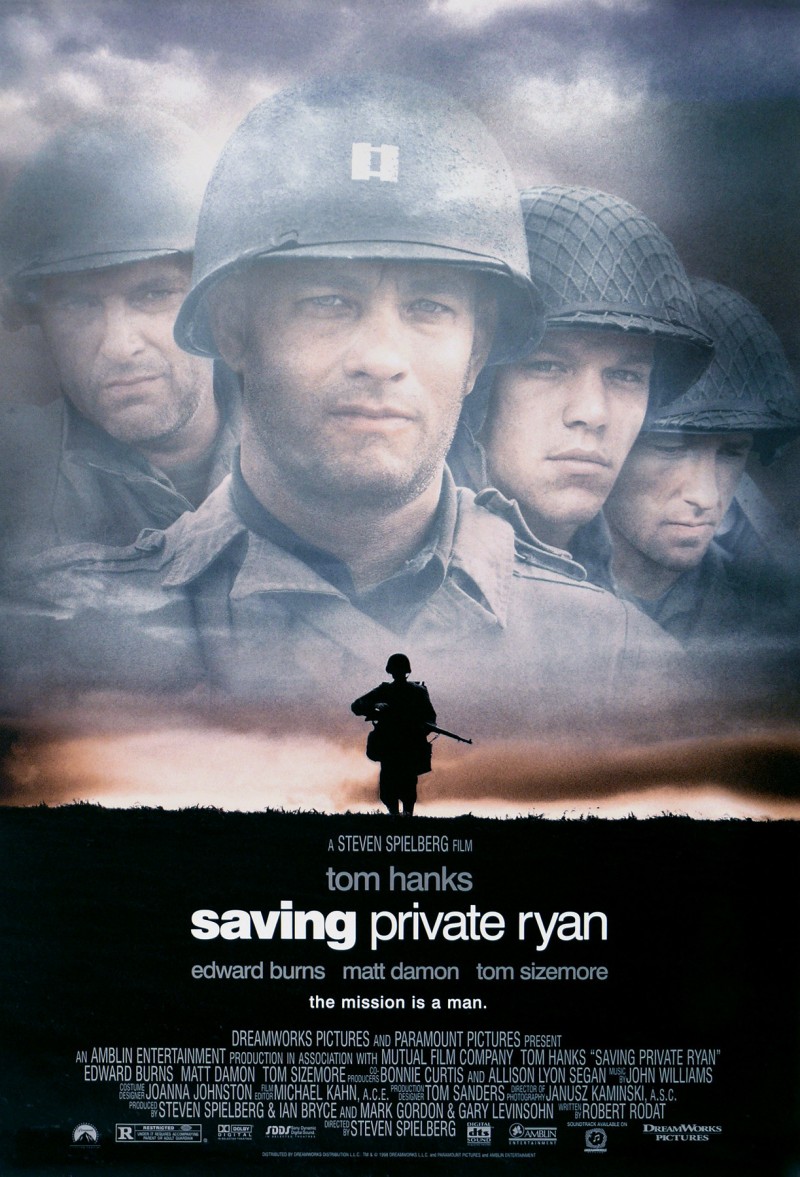
Steven Spielberg changed the history of cinema with the opening 20 minutes of this film, a depiction of the Omaha Beach landing that is so visceral and terrifyingly realistic that it reportedly triggered PTSD in veterans who watched it. The desaturated, shaky-cam cinematography by Janusz Kamiński became the standard visual language for all war movies that followed, stripping away the Golden Age romanticism to reveal the gray, bloody truth of combat. Tom Hanks delivers a performance of profound melancholy as the schoolteacher-turned-killer, his trembling hand symbolizing the suppressed trauma of a generation. The film explores the value of a single human life amidst the industrial slaughter of millions, ending with the haunting question, "Earn this." It succeeds because it is the definitive cinematic statement on World War II, honoring the sacrifice not by glorifying the war, but by unflinchingly showing the hell that these men walked through to save the world.
— The Cineprism
Keep reading
15 / 09 / 2026 · 141 reads
Top 15 Movies with Plot Twists You Might Have Missed
15 movies packed with hidden clues, subtle details, and twists that hit differently once you know what to look for.
31 / 08 / 2026 · 391 reads
10 Best Endings in Film
A curated list of 10 unforgettable movie endings that leave a lasting impact long after the credits roll.